SinoTechIntel Academic Portal
🏛️ Indexed Academic Journal

Nano-Micro Letters

Access authentic peer-reviewed engineering methodologies, experimental datasets, and scientific literature published in this journal on SinoTechIntel.

Total Research Papers: 200
Access: 100% Free Open Access
Browse by Publication Year & Volume

Published Research Papers

Showing 200 of 200 peer-reviewed papers with full Graphical Abstracts.

Original ResearchVol. 18, Issue 1 • pp. 137DOI: 10.1007/s40820-025-01980-1Jan 15, 2026

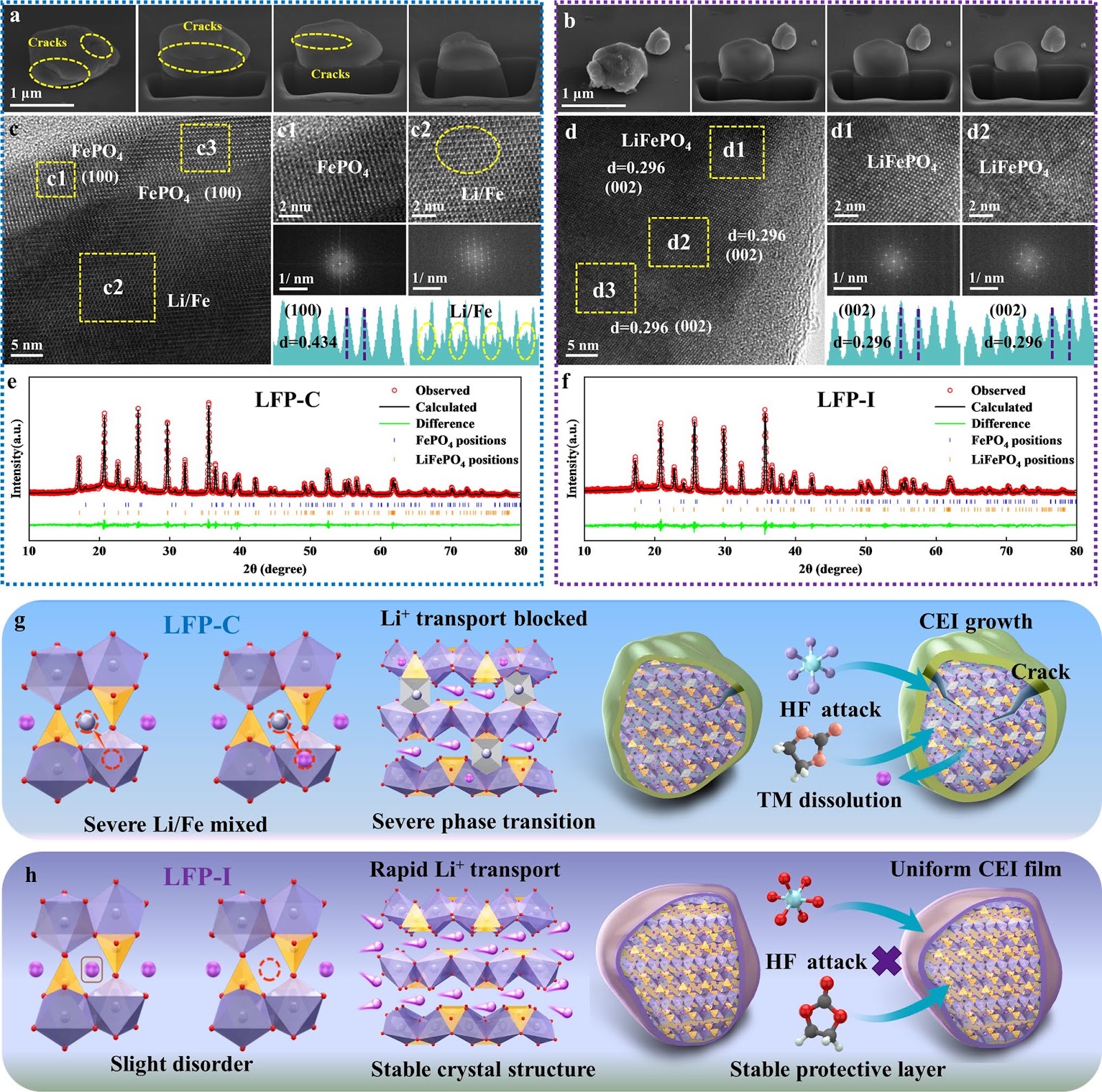
Direct Repair of the Crystal Structure and Coating Surface of Spent LiFePO4 Materials Enables Superfast Li-Ion Migration

Authors: Yuanqi Lan, Jianfeng Wen, Yatian Zhang, Xuexia Lan, Tianyi Song, Jie Zhu, Jing Peng, Wenjiao Yao, Yongbing Tang, Hui-Ming Cheng

The rapid accumulation of spent LiFePO4 (LFP) cathodes from retired lithium-ion batteries necessitates the development of effective and environmental-friendly recycling strategies. In this context, direct regeneration has emerged as a promising approach for reclaiming LFP cathode materials, offering a streamlined pathway to restore their electrochemical functionality. We report an integrated regeneration protocol that simultaneously repairs the degraded crystal structure and reconstructs the damaged carbon coating in spent LFP. The regenerated cathode material had superfast lithium-ion diffusion kinetics and a stable cathode–electrolyte interface, giving a remarkable rate capability with specific capacities of 122 mAh g−1 at 5C and 106 mAh g−1 at 10C (1C = 170 mA g−1). It also maintained capacities of 110.7 mAh g−1 (5C) and 84.1 mAh g−1 (10C) after 400 cycles. It could be used in harsh environments and could be stably cycled at subzero temperatures (−10 and −20 °C) and in solid-state electrolyte batteries. Life cycle assessment combined with economic evaluation using the EverBatt model reveals that this direct regeneration approach has high economic and environmental benefits.
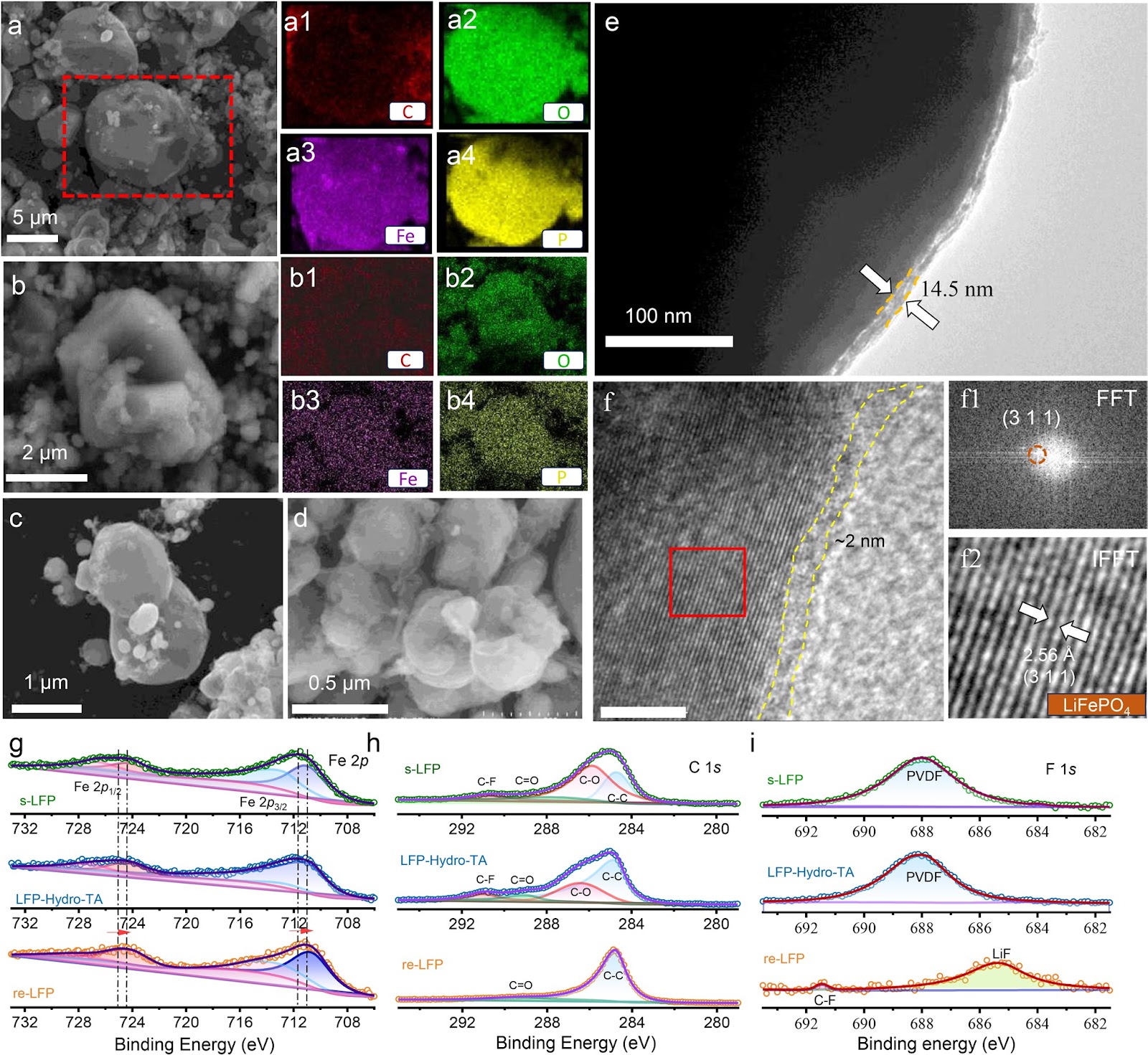
Direct Repair of the Crystal Structure and Coating Surface of Spent LiFePO4 Materials Enables Superfast Li-Ion Migration
Graphical Abstract
Original ResearchVol. 18, Issue 1 • pp. 180DOI: 10.1007/s40820-025-02013-7Jan 15, 2026

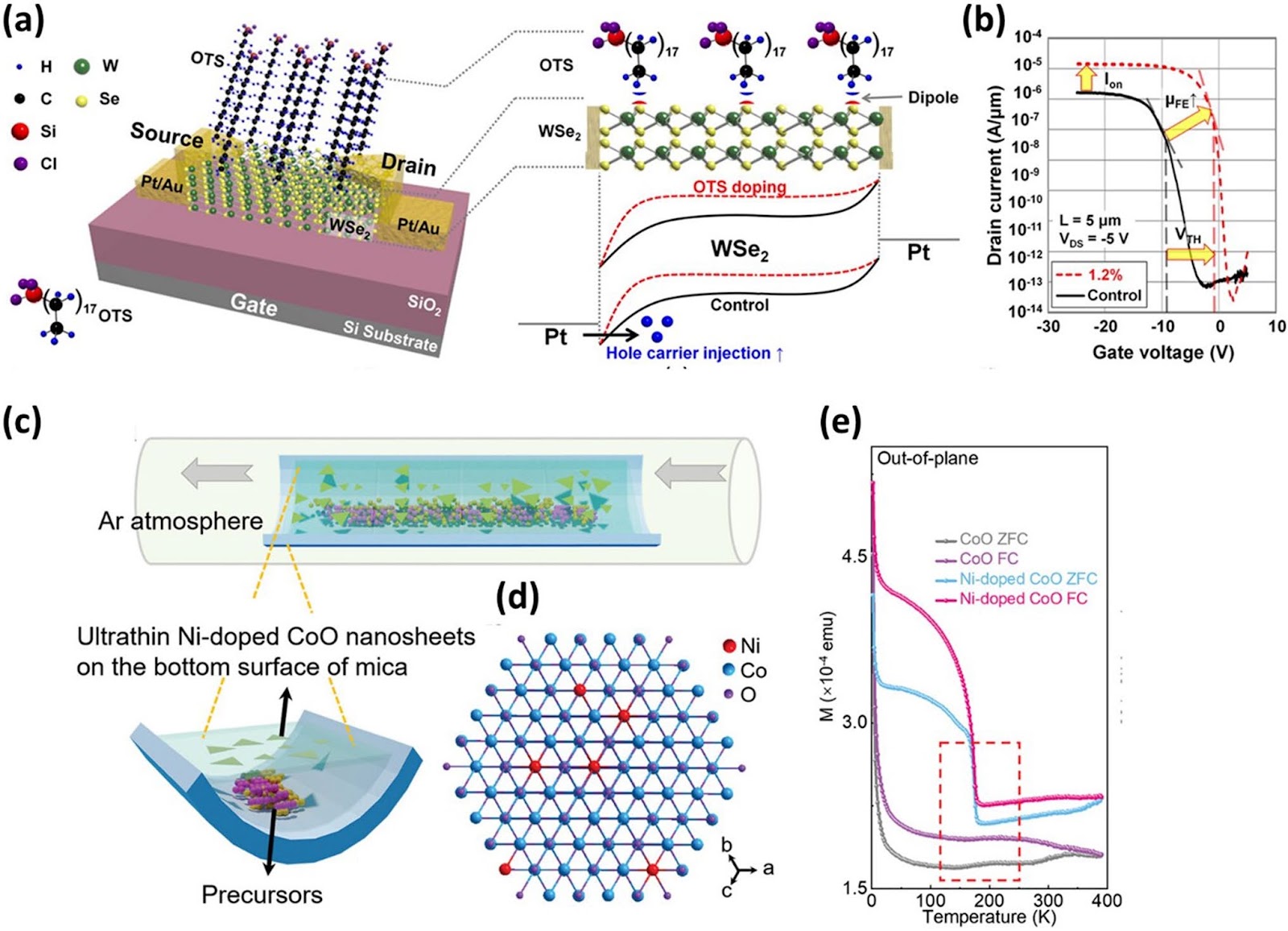
Oxide Semiconductor for Advanced Memory Architectures: Atomic Layer Deposition, Key Requirement and Challenges

Authors: Chi-Hoon Lee, Seong-Hwan Ryu, Taewon Hwang, Sang-Hyun Kim, Yoon-Seo Kim, Jin-Seong Park

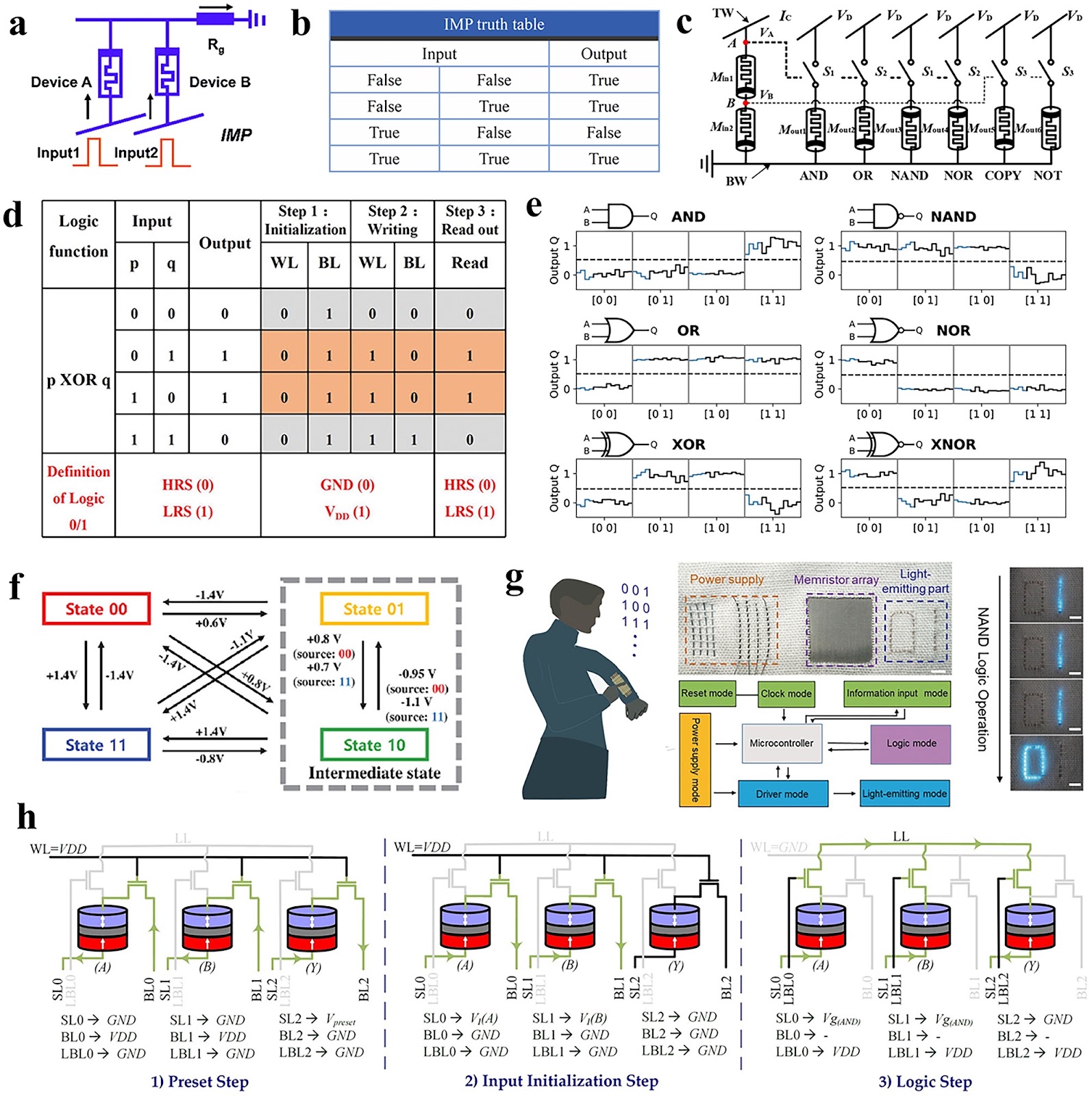
Oxide semiconductors (OSs), introduced by the Hosono group in the early 2000s, have evolved from display backplane materials to promising candidates for advanced memory and logic devices. The exceptionally low leakage current of OSs and compatibility with three-dimensional (3D) architectures have recently sparked renewed interest in their use in semiconductor applications. This review begins by exploring the unique material properties of OSs, which fundamentally originate from their distinct electronic band structure. Subsequently, we focus on atomic layer deposition (ALD), a core technique for growing excellent OS films, covering both basic and advanced processes compatible with 3D scaling. The basic surface reaction mechanisms—adsorption and reaction—and their roles in film growth are introduced. Furthermore, material design strategies, such as cation selection, crystallinity control, anion doping, and heterostructure engineering, are discussed. We also highlight challenges in memory applications, including contact resistance, hydrogen instability, and lack of p-type materials, and discuss the feasibility of ALD-grown OSs as potential solutions. Lastly, we provide an outlook on the role of ALD-grown OSs in memory technologies. This review bridges material fundamentals and device-level requirements, offering a comprehensive perspective on the potential of ALD-driven OSs for next-generation semiconductor memory devices.

Oxide Semiconductor for Advanced Memory Architectures: Atomic Layer Deposition, Key Requirement and Challenges
Graphical Abstract
Original ResearchVol. 18, Issue 162 • pp. 1-21DOI: 10.1007/s40820-025-02005-7Jan 15, 2026

Multiscale Design of Dual-Gradient Metamaterials Using Gel-Mediated 3D-Printed Graphene Aerogels for Broadband Electromagnetic Absorption

Authors: Xiong Lv, Changfeng Li, Ge Wang, Diana Estevez, Junjie Yang, Qian Chen, Faxiang Qin

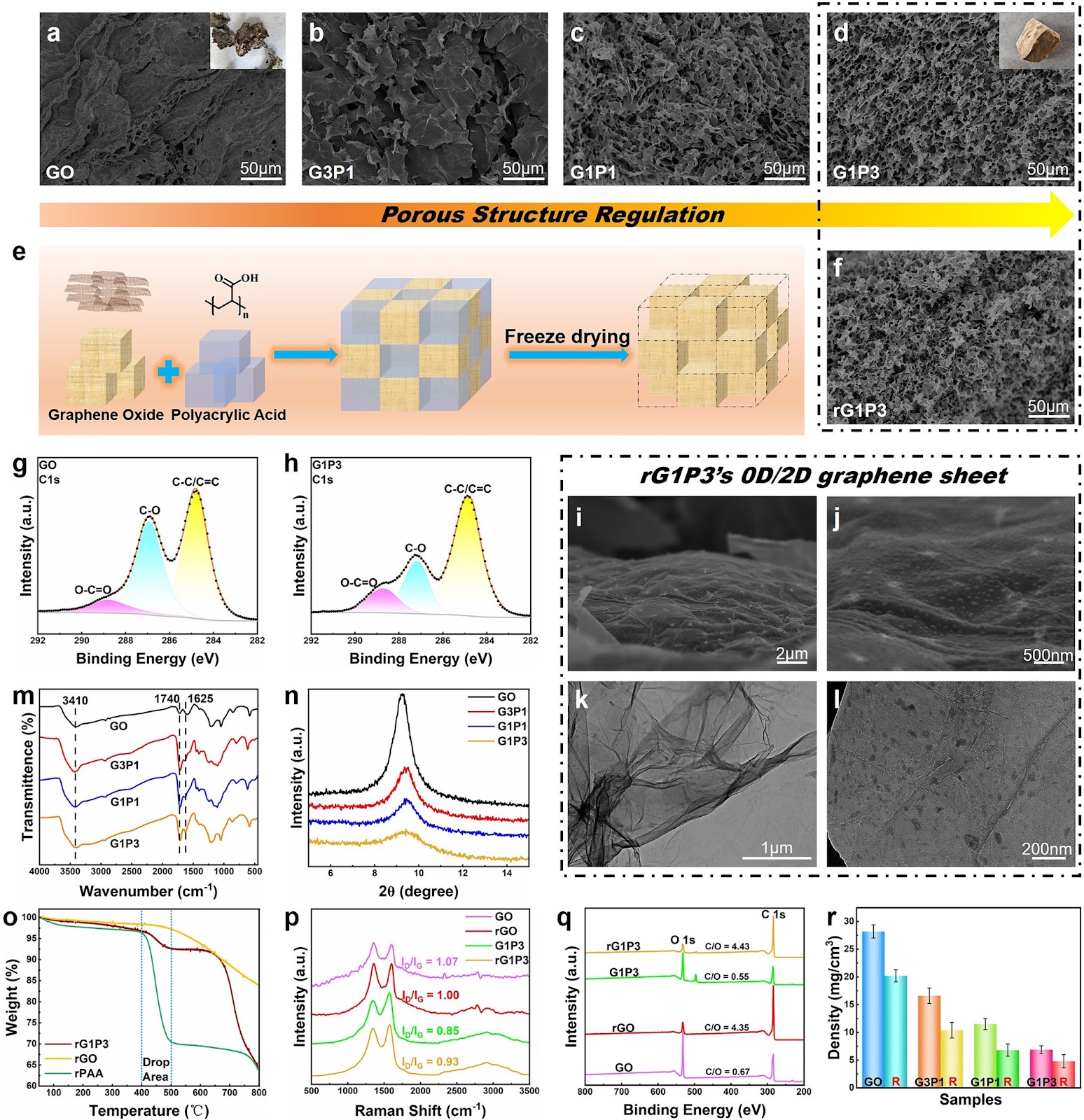
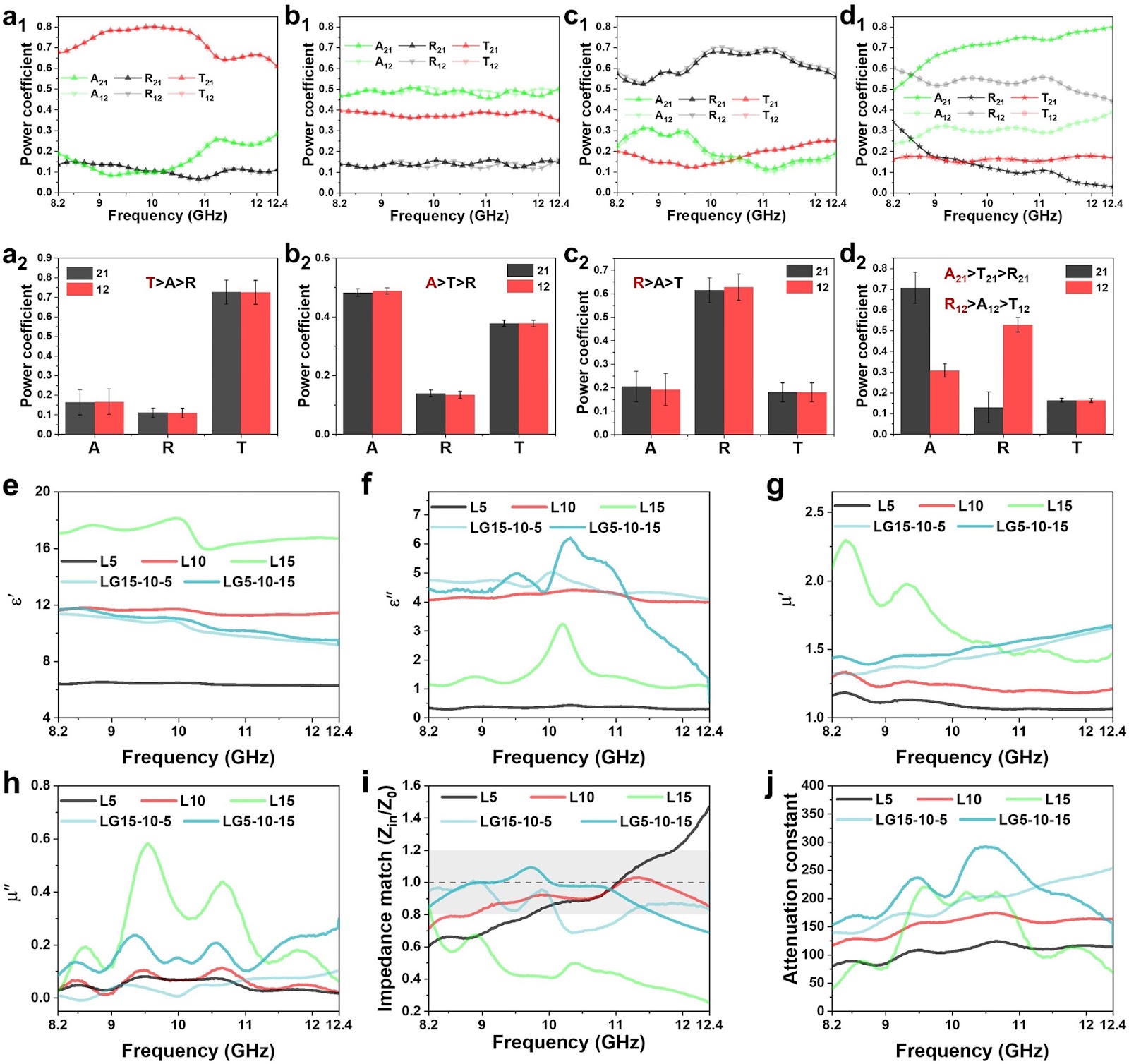
Three-dimensional (3D)-printed graphene aerogels hold promise for electromagnetic wave absorption (EWA) engineering due to its ultralow density, outstanding electromagnetic dissipation with the flexibility and precision of manufacturing strategies. However, their high conductivity causes severe impedance mismatch, limiting EWA performance. 3D printing requirements also constrain the dielectric properties of printable graphene inks, hindering the integration of high-performance absorbers with advanced manufacturing. This study proposes a polyacrylic acid (PAA) gel-mediated 3D porous graphene oxide (GO) aerogel multiscale regulation strategy. Precise gel content control enables dual-gradient tuning of the rheology (Benefiting direct ink writing (DIW)) and dielectric loss (Enhancing EWA) of GO/PAA composites and reduces aerogel density (6.9 mg cm−3 from 28.2 mg cm−3). Thermal reduction decomposes PAA into amorphous carbon nanoparticles anchored on reduced graphene oxide (rGO), enhancing impedance matching and absorption via synergistic 0D/2D interfacial polarization and conductive loss. The optimized rGO/PAA aerogel achieves a minimum reflection loss (RL) of −39.86 dB at 2.5 mm and an effective absorption bandwidth (EAB) of 8.36 GHz (9.64–18 GHz) at 3.2 mm. Combining DIW and this aerogel, we design a metamaterial absorber (MA) with dual material (dielectric loss) and structural gradients. This MA exhibits an ultrawide EAB of 14 GHz (4–18 GHz) with a total thickness of 7.8 mm. This work establishes a coupled design paradigm of “composition-structure-performance,” providing an engineerable solution for developing lightweight, broadband EWA materials.

Multiscale Design of Dual-Gradient Metamaterials Using Gel-Mediated 3D-Printed Graphene Aerogels for Broadband Electromagnetic Absorption
Graphical Abstract
Original ResearchVol. 18, Issue 1 • pp. 172DOI: 10.1007/s40820-025-01997-6Jan 15, 2026

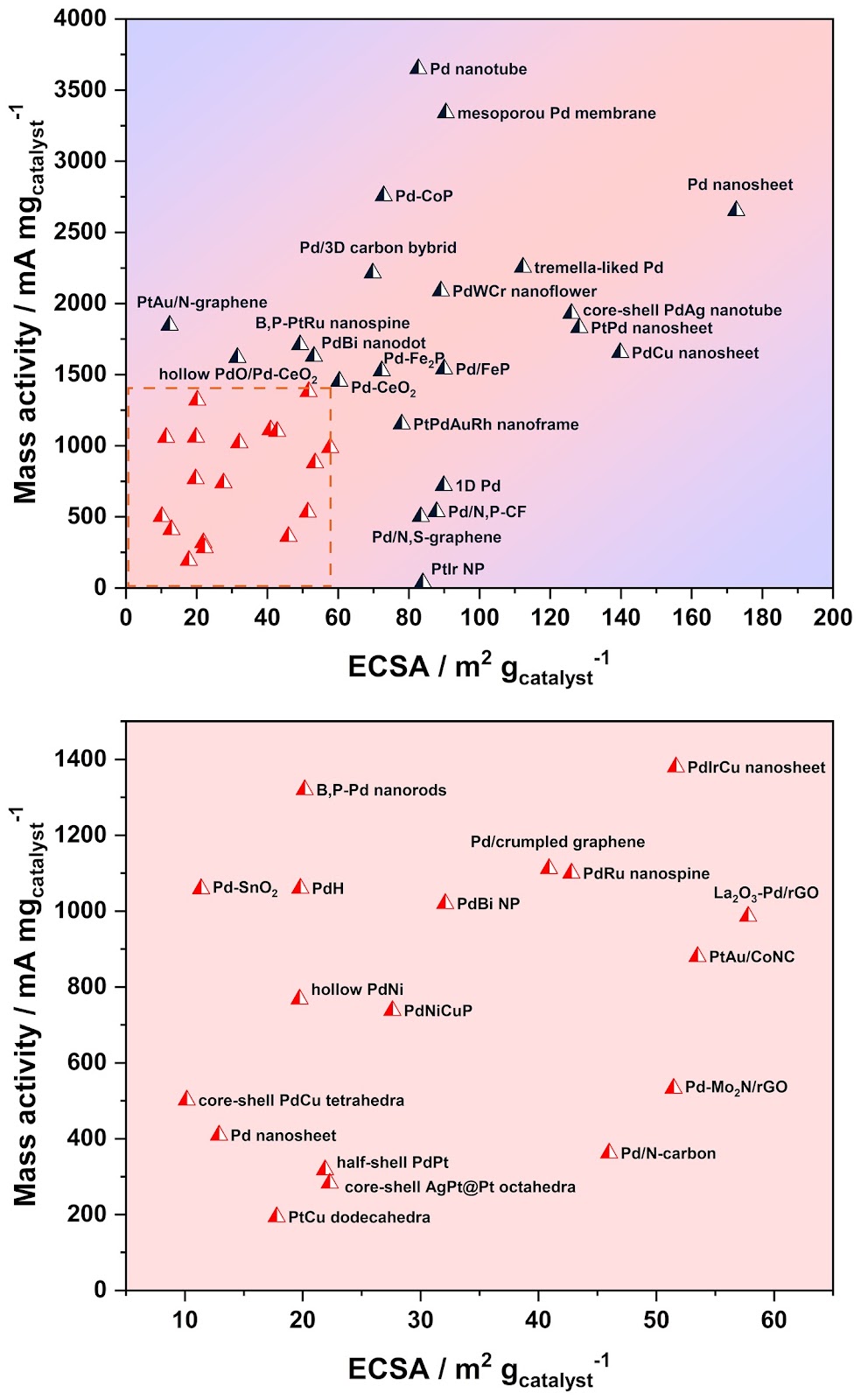
Atomically Dispersed Pt-Ru Dual-Atom Catalysts for Efficient Low-Temperature CO Oxidation Reaction

Authors: Yanan Qi, Hongqiu Chen, Feng Hong, Xiangbin Cai, Zhehan Ying, Jiangyong Diao, Zhimin Jia, Jiawei Chen, Ning Wang, Shengling Xiang, Xiaowen Chen, Guodong Wen, Bo Sun, Geng Sun, Hongyang Liu

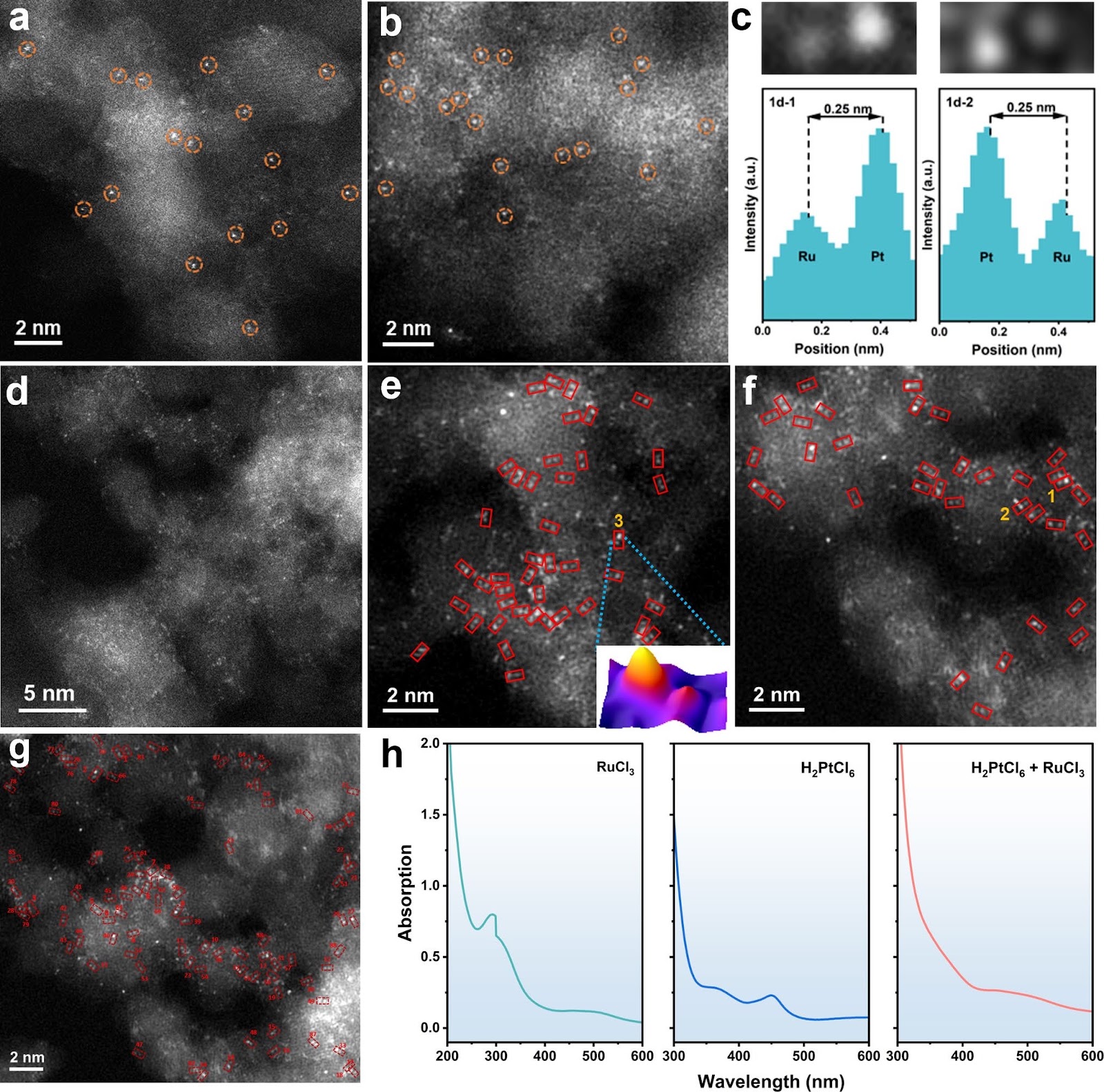
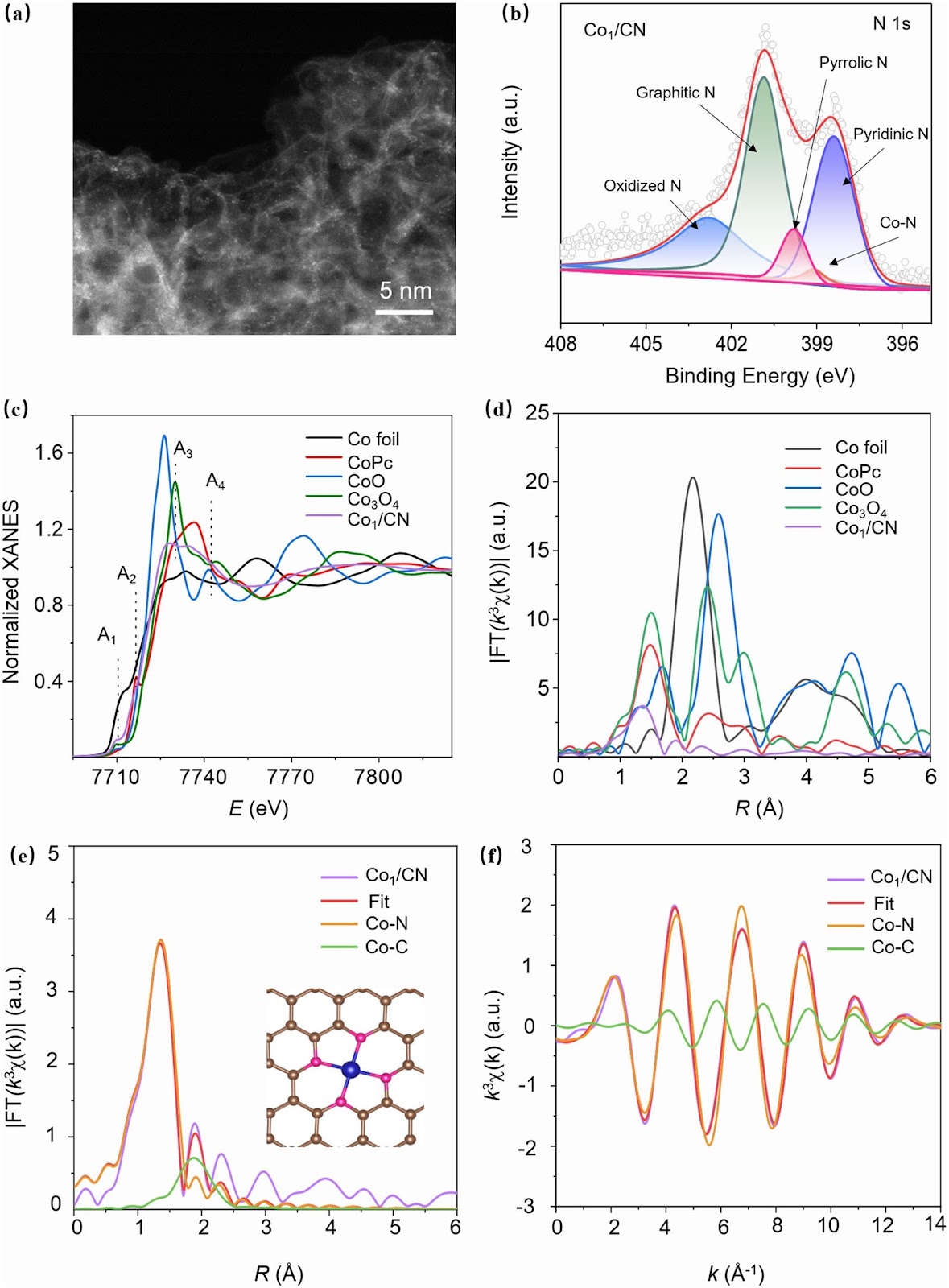
Single-atom catalysts (SACs) have demonstrated excellent performance in heterogeneous catalytic reactions owing to their maximized atomic efficiency, distinctive geometric, and electronic configurations. However, the efficacy of SACs remains limited for certain reactions requiring simultaneous activation of multiple reactants over metallic active sites. Herein, we report an atomically dispersed Pt1Ru1 dual-atom pair site anchored on nanodiamond@graphene (ND@G) for CO oxidation. The Pt1Ru1 dual-atom catalyst shows an exceptional turnover frequency (TOF) of 17.6 × 10⁻² s−1 at significantly lower temperature (30 °C), achieving a tenfold increase in TOF compared to single-atom Pt1/ND@G catalyst (1.5 × 10⁻² s−1) and surpassing to previously reported Pt-based catalysts under similar conditions. Moreover, the catalyst demonstrates excellent stability, maintaining its activity for 40 h at 80 °C without significant deactivation. The superior catalytic performance of Pt-Ru dual-atom catalysts is attributed to the synergistic effect between Pt and Ru atoms with enhanced metallicity for improving simultaneous adsorption and activation of CO and O2, and the tuning of conventional competitive reactant adsorption into a non-competitive pathway over dual-atom pair sites. The present work manifests the advantages of dual-atom pair sites in heterogeneous catalysis and paves the way for precise design of catalysts at the atomic scale.

Atomically Dispersed Pt-Ru Dual-Atom Catalysts for Efficient Low-Temperature CO Oxidation Reaction
Graphical Abstract
Original ResearchVol. 18, Issue 1 • pp. 158DOI: 10.1007/s40820-025-01989-6Jan 15, 2026

Synergistic Design of Flexible Nanopapers for High-Performance Proton Pseudocapacitors

Authors: Jiayue Dong, Zhaoqing Lu, Li Hua, Zizhan Guo, Xiaoxu Xu, Jinlong Wu, Fengfeng Jia, Yuanming Wang

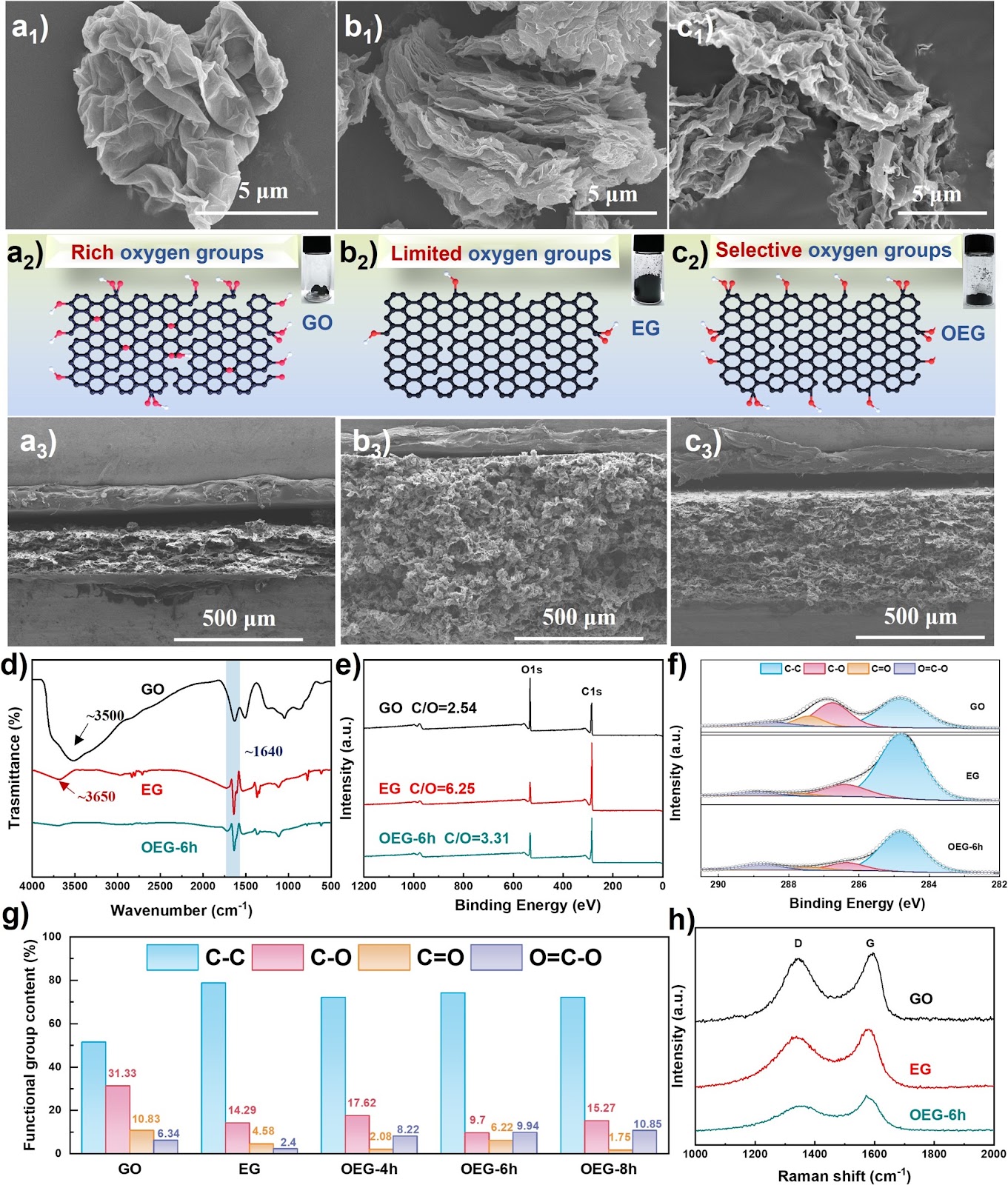
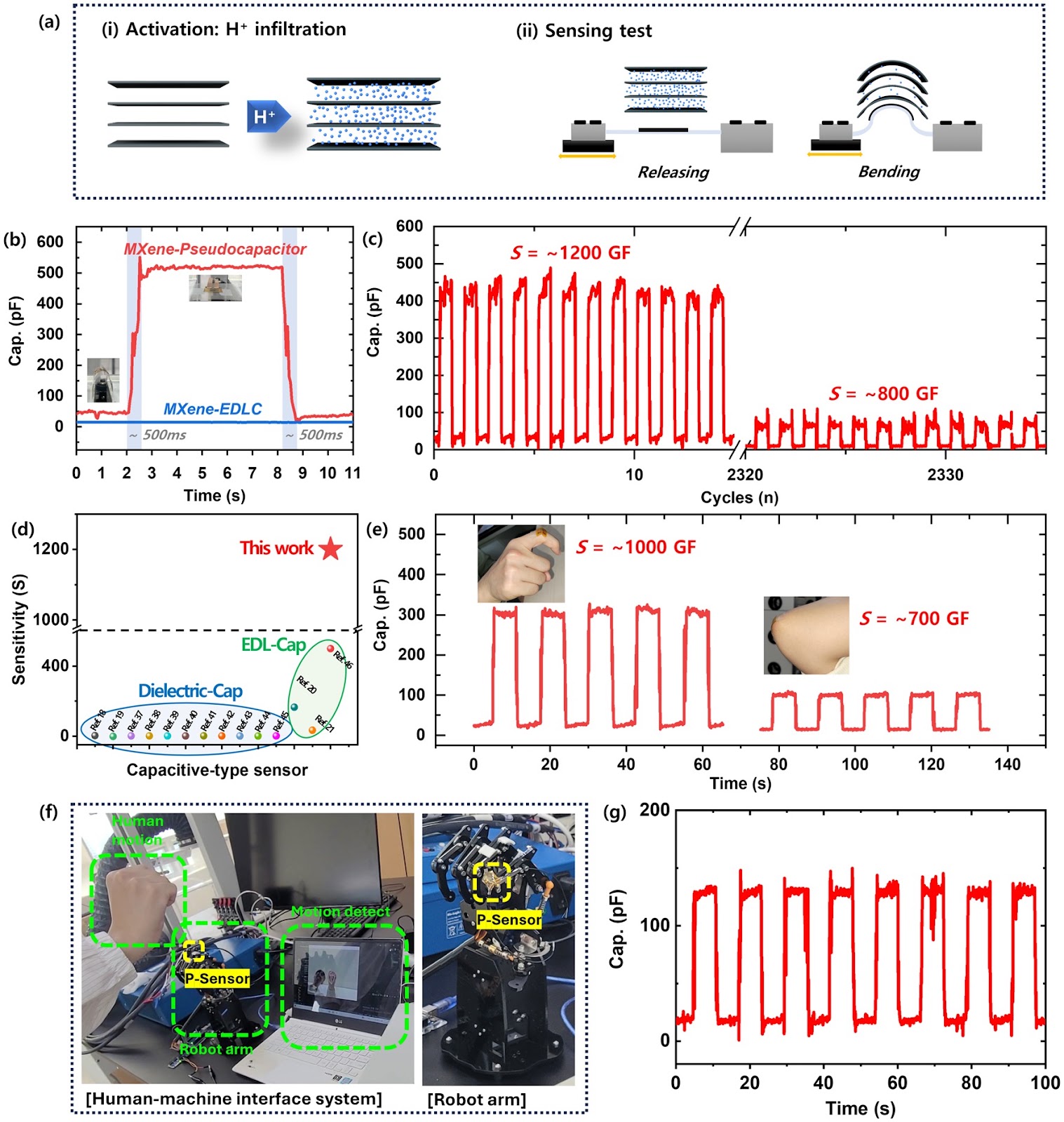
Two-dimensional materials for flexible energy storage commonly face huge challenges in limited active surface and hindered charge transport. Herein, we report an innovative asymmetric pseudocapacitor based on synergistic design of modified MXene and graphene, integrating gas-induced rapid expansion technology and precise surface chemical regulation methods. For graphene modification, rapid vaporization induces exfoliation and expansion of graphene oxide layers. Subsequently, pseudocapacitive oxygen-containing groups were selectively introduced through acid oxidation, yielding expanded-and-oxidized graphene (OEG) for positive porous-nanopaper electrode. For MXene modification, alkali-treated MXene underwent hydrazine assistance to facilitate gas expansion and –NH2 grafting, producing MXene-NH2 (NOM) for negative porous-nanopaper electrode. Density functional theory calculations show that –COOH more effectively modulate graphene’s electronic structure by inducing charge redistribution and creating active sites, thereby enhancing H+ adsorption and ion interactions compared to –OH. Meanwhile, –NH2 on MXene enable electron delocalization and dynamic Ti–N–H+ interactions, speeding up proton adsorption/desorption and boosting both pseudocapacitance and conductivity. Through collaborative optimized spatial architecture and surface properties, flexible OEGB and NOMB exhibited of 333.6 and 500.5 F g−1 at high mass loading, respectively. The assembled proton pseudocapacitor readily achieved energy and power densities of 58.9 Wh kg−1 and 3802 W kg−1, respectively, with excellent stability for potential applications.

Synergistic Design of Flexible Nanopapers for High-Performance Proton Pseudocapacitors
Graphical Abstract
Original ResearchVol. 18, Issue 1 • pp. 140DOI: 10.1007/s40820-025-01965-0Jan 15, 2026

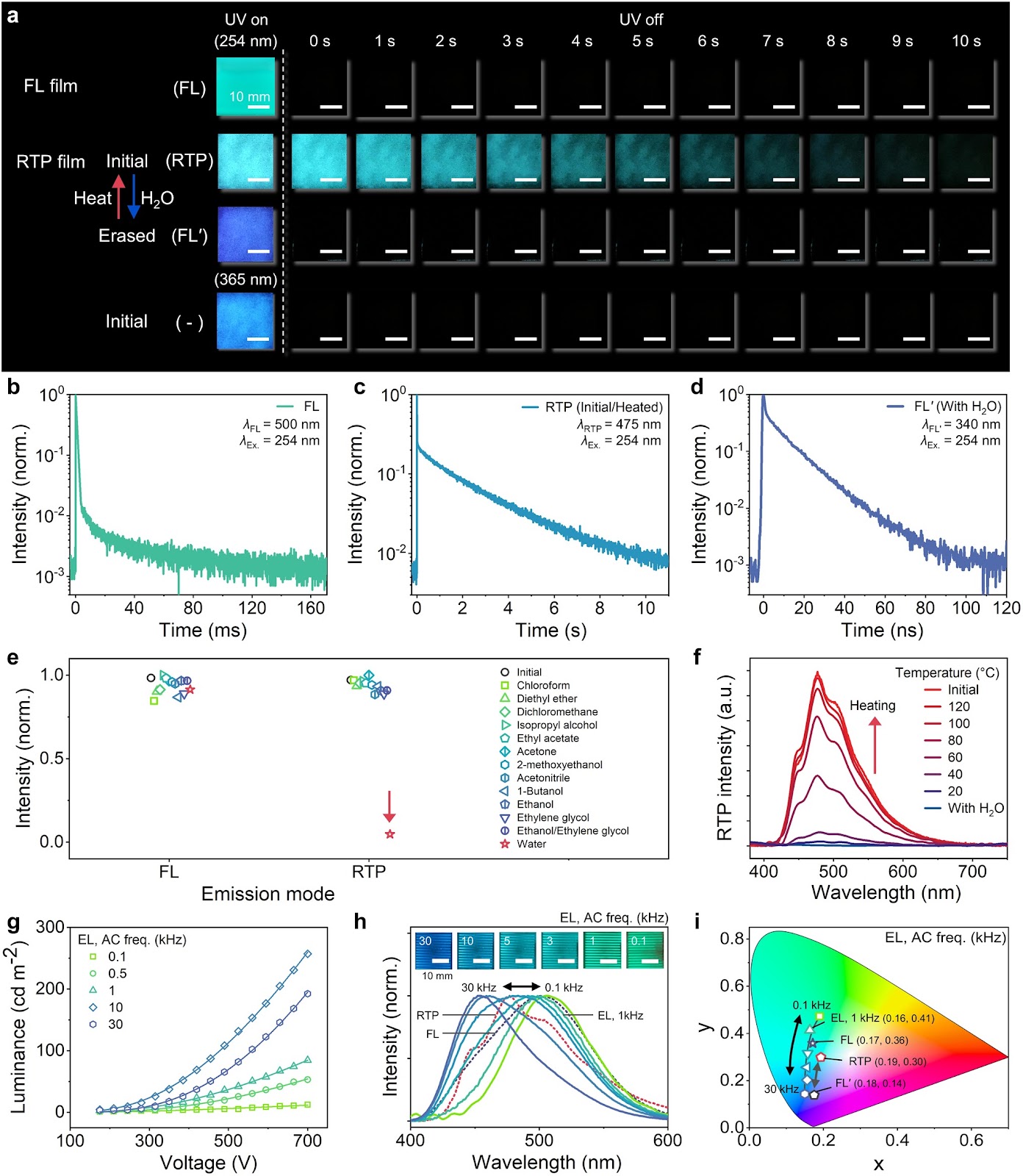
Modulation of Trichromatic Emission Centers in Organic–Inorganic Hybrids for Optoelectronic Applications

Authors: Weidong Cai, Chongyuan Li, Qiang Guo, Fuxiang Ji, Muyi Zhang, Yiqiang Zhan

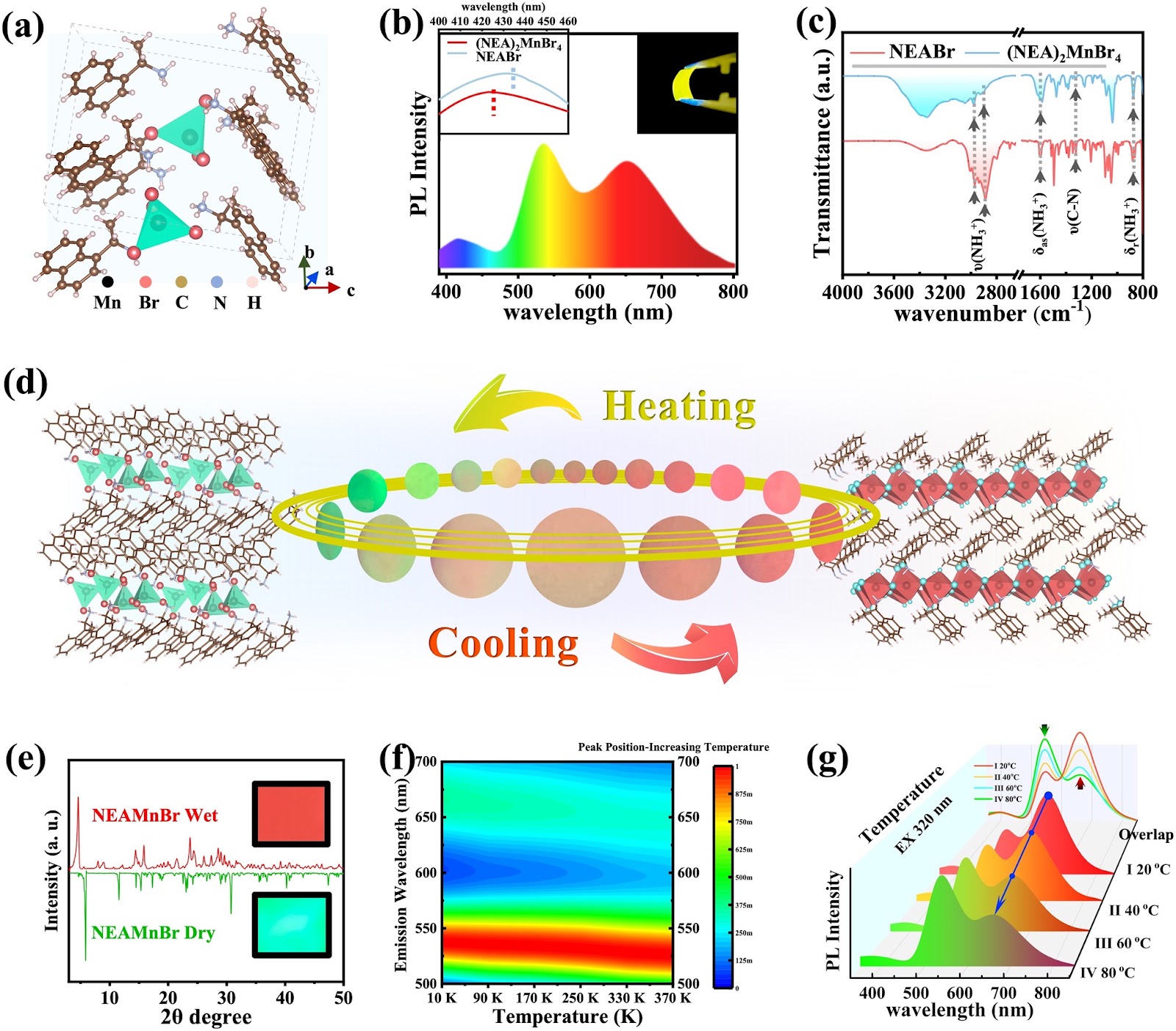
Organic–inorganic metal halides (OIMHs) have emerged as highly promising novel multifunctional optoelectronic materials, owing to their easily adjustable properties from a variety of combinations of different components. But it is still difficult and rare to realize highly tunable multicolor luminescence within the same material. In this work, we successfully incorporated three adjustable emission centers in OIMHs to synthesize a novel OIMH (NEA)2MnBr4, with each emission center capable of emitting one of the primary colors—red, green, and blue. The green and red emissions originate from the tetrahedron and octahedron structures in the Mn-based frame, while the blue can be attributed to the contribution of organic components. Additionally, to achieve comparable emission intensity among the three primary colors, we enhanced the blue emission performance by optimizing the ratio of organic structure components and incorporating chirality in the OIMHs. The resulting high-quality films can be obtained by spin-coating method with a photoluminescence quantum yields of up to 96%. More interestingly, by the dual manipulation of excitation wavelength and temperature, the sample can be emitted at least seven distinct colors including a standard white luminescence at (0.33, 0.33), opening up promising prospects for multicolor luminescence applications such as high-end anti-counterfeiting technology, light-emitting diodes, X-ray imaging, latent fingerprints, humidity detection, and so on. Therefore, based on application scenarios and requirements, our research on this highly tunable luminescent OIMH material lays a solid foundation for further development of various functional properties of related materials.

Modulation of Trichromatic Emission Centers in Organic–Inorganic Hybrids for Optoelectronic Applications
Graphical Abstract
Original ResearchVol. 18, Issue 1 • pp. 153DOI: 10.1007/s40820-025-01975-yJan 15, 2026

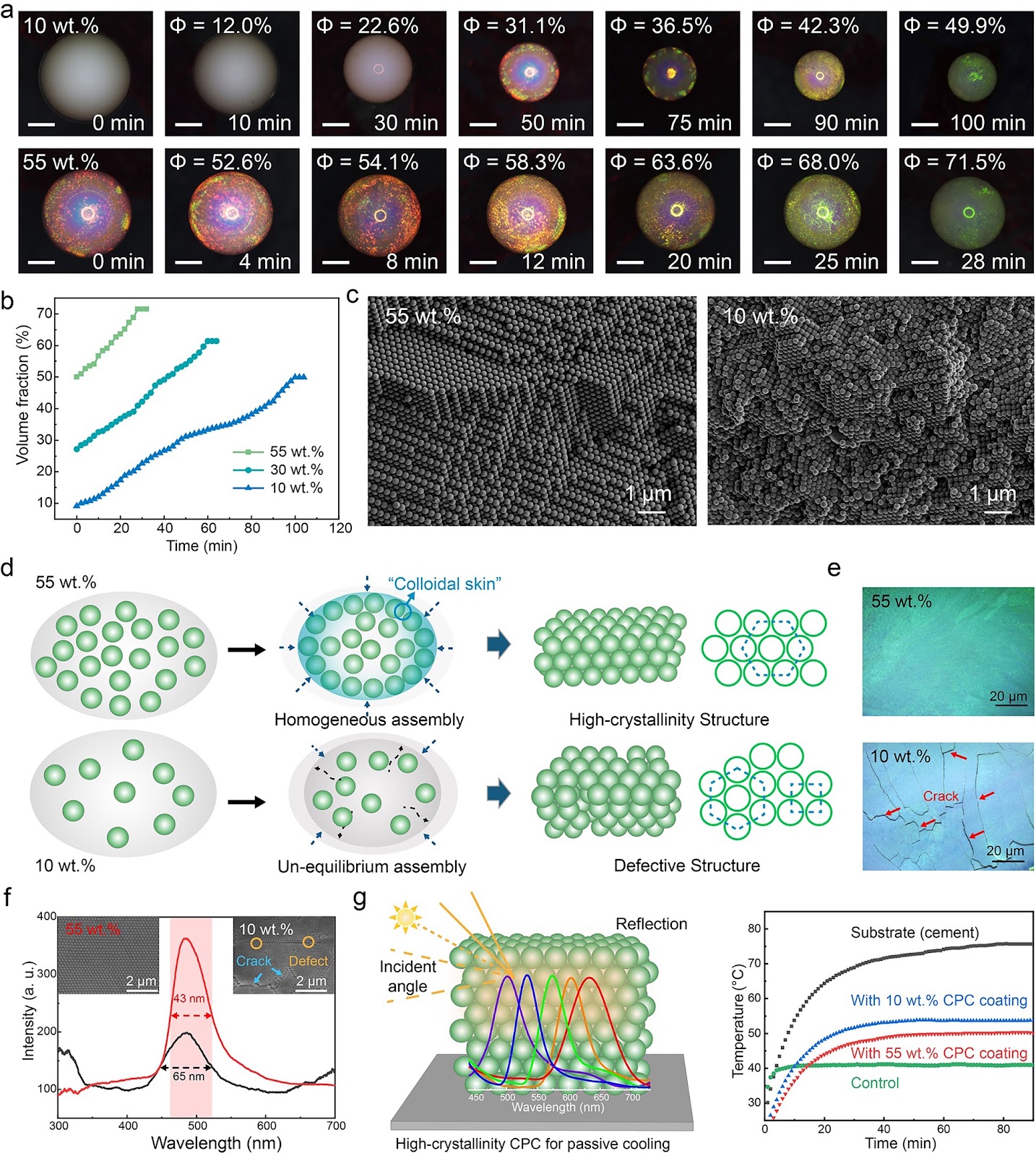
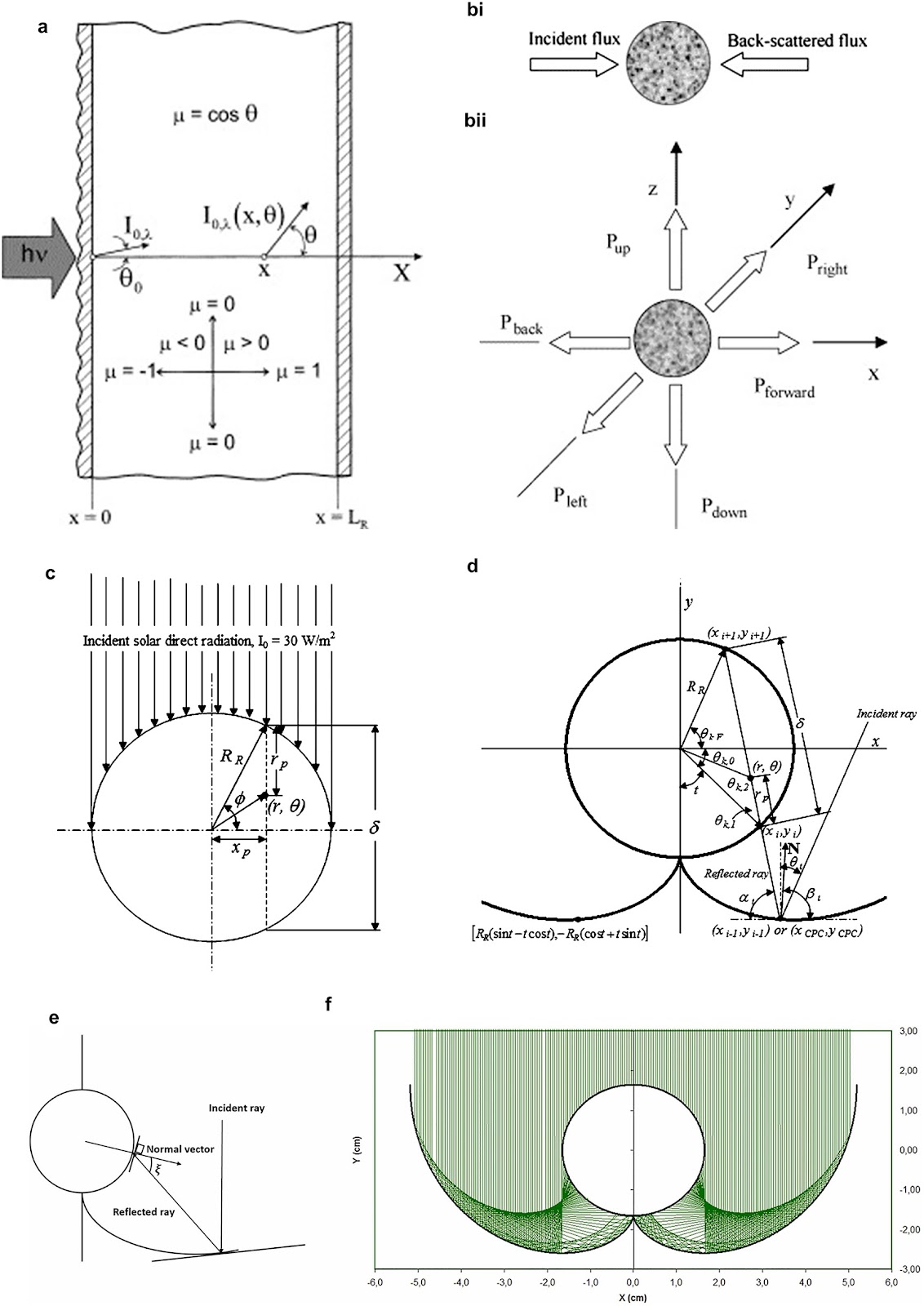
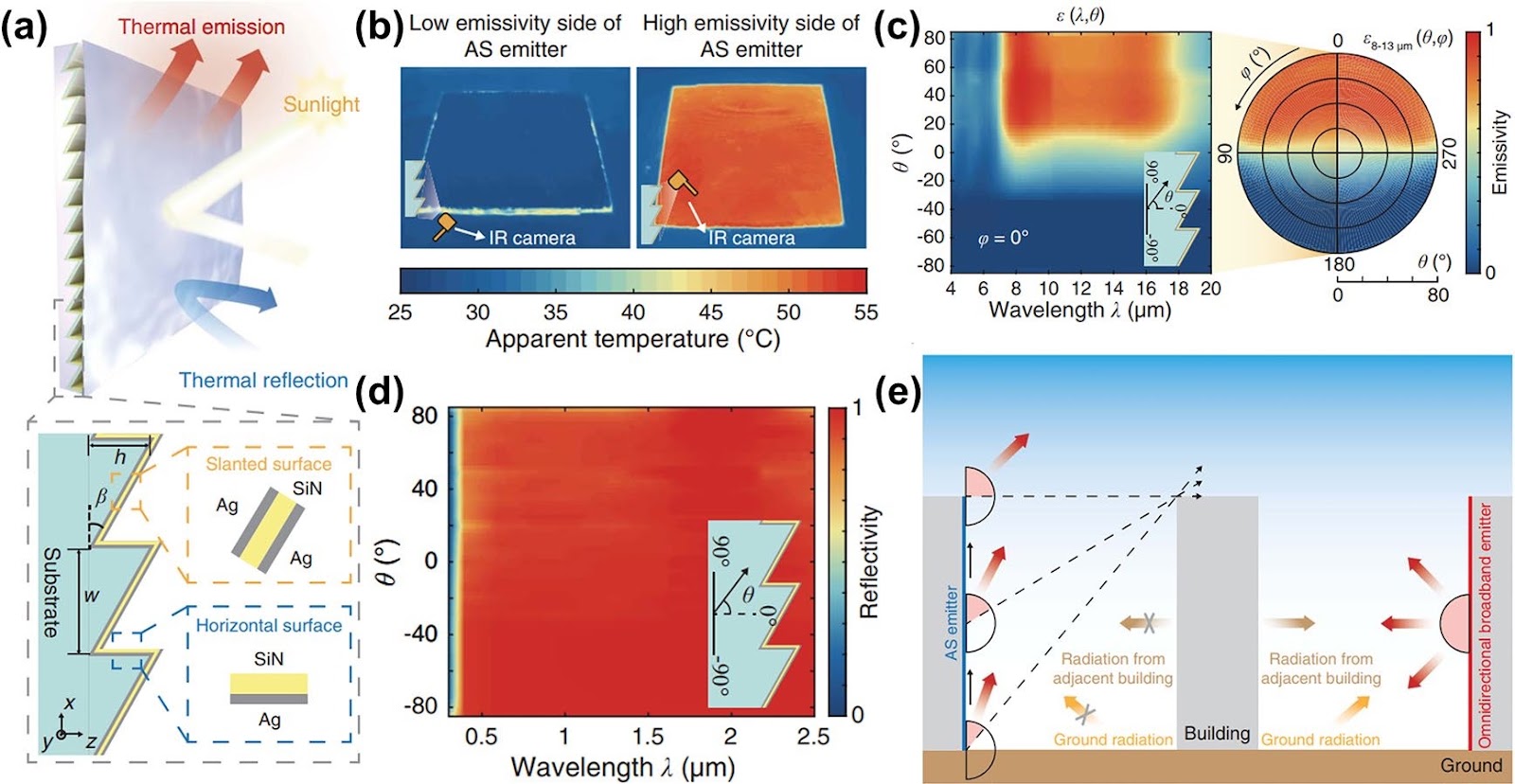
Scalable-Designed Photonic Metamaterial for Color-Regulating Passive Daytime Radiative Cooling

Authors: Xiao-Qing Yu, Fucheng Li, Jiawei Wang, Nianxiang Zhang, Guo-Xing Li, Yan Song, Qing Li, Su Chen

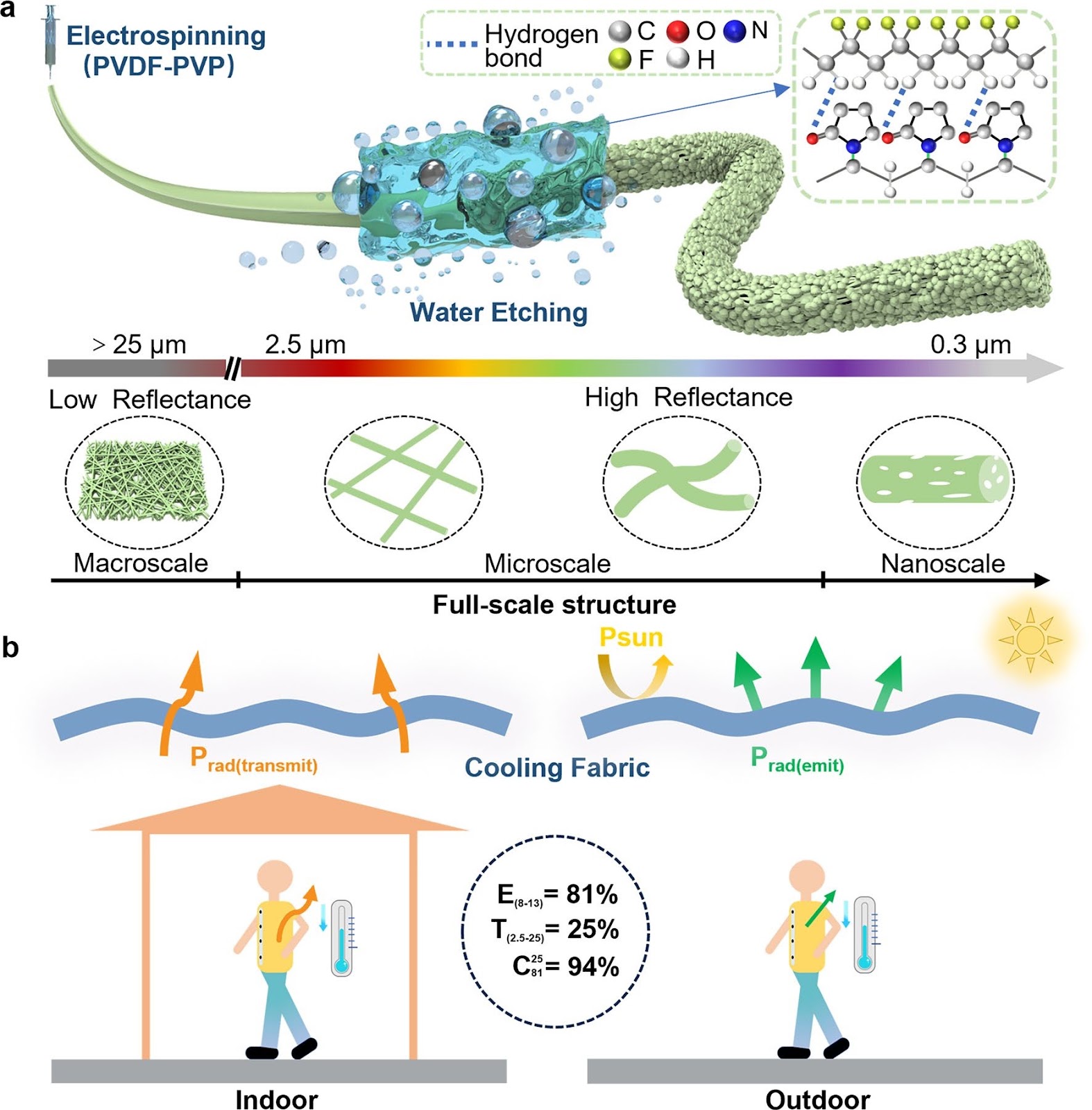
Methods allowing passive daytime radiative cooling (PDRC) to be carried out in an energy-efficient and scalable way are potentially important for various disciplines. Here, we report a sustainable strategy for scalable-designed and color-regulating PDRC coating based on high-crystallinity photonic metamaterial (crystallinity: 71.5%; enhanced assembly efficiency: 72%), that is derived from the as-prepared 55 wt% solid content poly(methyl methacrylate-butyl acrylate-methacrylic acid) P(MMA-BA-MAA) monodispersed latexes (approaching theoretical limit: 59 wt%). Robust meter-scale PDRC coatings are constructed by various industrial modes onto diverse surfaces, addressing bottlenecks like dull appearance, high cost, low efficiency, and hard construction. Notably, the solar reflectance, long-wave infrared emittance, and calculated theoretical cooling power of the designed PDRC coating, respectively, reach ~0.94, ~0.97, and ~95.5 W m−2 under solar radiation, which can achieve an average 5.3 °C sub-ambient daytime temperature drop in the summer in Nanjing. The cooling performance, scale preparation, and cost-effectiveness of the PDRC coating have extended into leading position compared with those of state-of-the-art designs. This work provides promising route to reduce carbon emissions and energy consumption for global sustainability.

Scalable-Designed Photonic Metamaterial for Color-Regulating Passive Daytime Radiative Cooling
Graphical Abstract
Original ResearchVol. 18, Issue 161 • pp. 1-17DOI: 10.1007/s40820-025-02008-4Jan 15, 2026

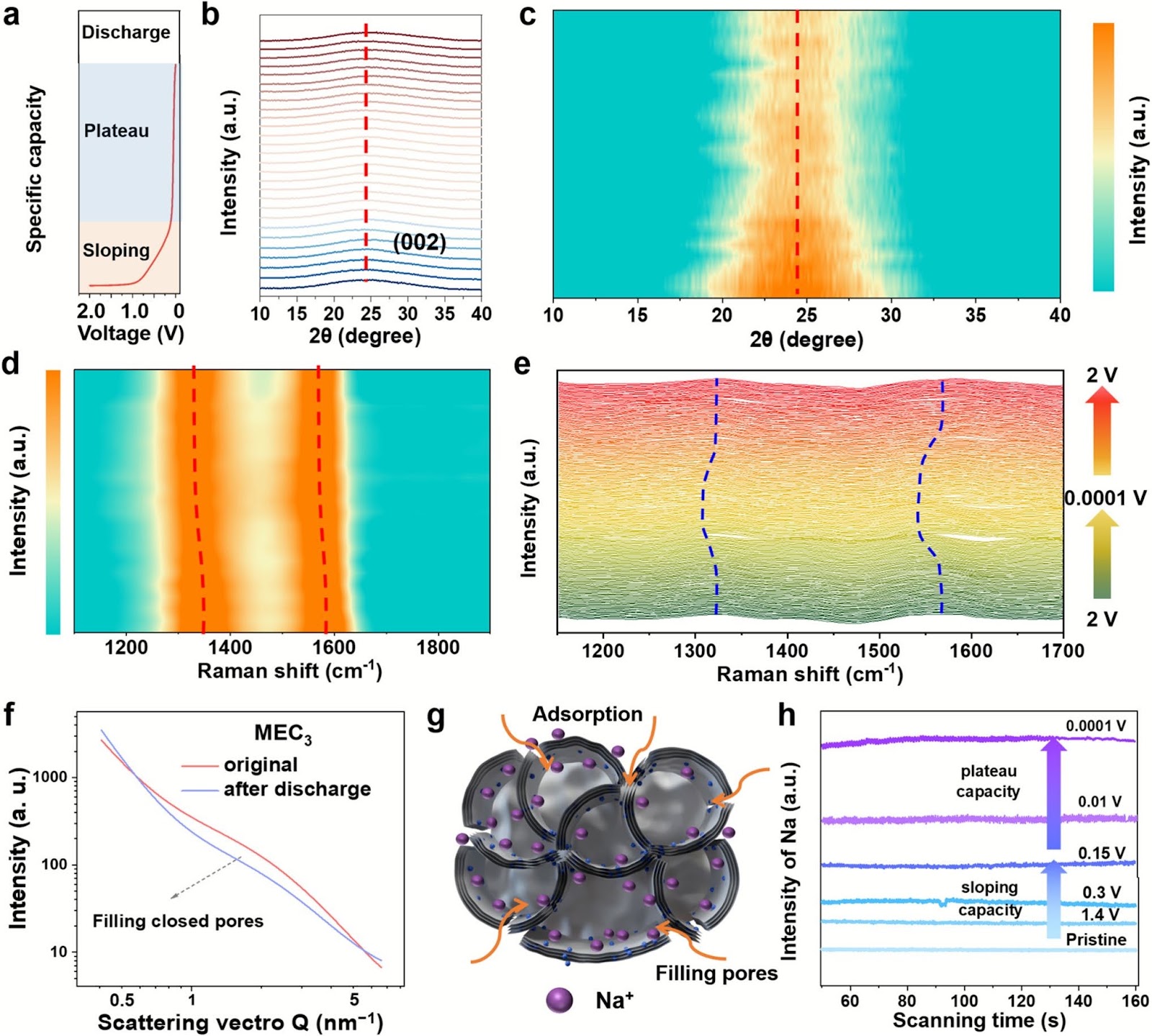
Ion-Mediated Carbon Microdomain Engineering Boosting Enhanced Plateau Capacity of Carbon Anode under High Rate Towards High-Performance Sodium Dual-Ion Batteries

Authors: Bin Tang, Yuchen Zhang, Bifa Ji, Geng Yu, Yongping Zheng, Xiaolong Zhou, Nuntaporn Kamonsutthipaijit, Pornsuwan Buangam, Sarayut Tunmee, Hideki Nakajima, Ukit Rittihong, Qingguang Pan, Fan Zhang, Yongbing Tang

Sodium-based dual-ion batteries (SDIBs) have been attracting increasing attention in recent years owing to their low cost, environmental benignancy, and high operating voltage. However, the sluggish ion kinetics of conventional carbon anodes that cannot match the fast capacitive anion intercalation behavior of graphite cathodes constraints on improving power density of SDIBs. Herein, we present an ingenious carbon microdomain engineering strategy to fabricate high-performance carbon anode with ion-mediated high-activity nitrogen species and molecular-scale closed-pore architectures. Experimental characterizations and theoretical investigations demonstrate that Zn2+-mediated structural engineering tailors oxidized nitrogen species, which proficiently accelerate the sodium-ion desolvation kinetics; meanwhile the acetate-mediated pore-forming process modulates closed pores, which synergistically afford abundant sodium storage sites for high plateau-region capacity. As a result, the optimized microdomain engineered carbon material (MEC3) tailored with the optimal amount of zinc acetate demonstrates an outstanding plateau-region capacity of 253 mAh g−1 even at 1 C, among the highest reported values. Consequently, the MEC3||expanded graphite dual-ion battery exhibits an unprecedented cycling stability at high current rate, maintaining 80.6% capacity retention after 10,000 cycles at 10 C, among the best reports. This microdomain engineering strategy provides a new design principle for overcoming kinetic limitations of carbonaceous materials in plateau-dominated sodium storage systems.

Ion-Mediated Carbon Microdomain Engineering Boosting Enhanced Plateau Capacity of Carbon Anode under High Rate Towards High-Performance Sodium Dual-Ion Batteries
Graphical Abstract
Original ResearchVol. 18, Issue 5 • pp. 5DOI: 10.1007/s40820-025-01847-5Jan 15, 2026

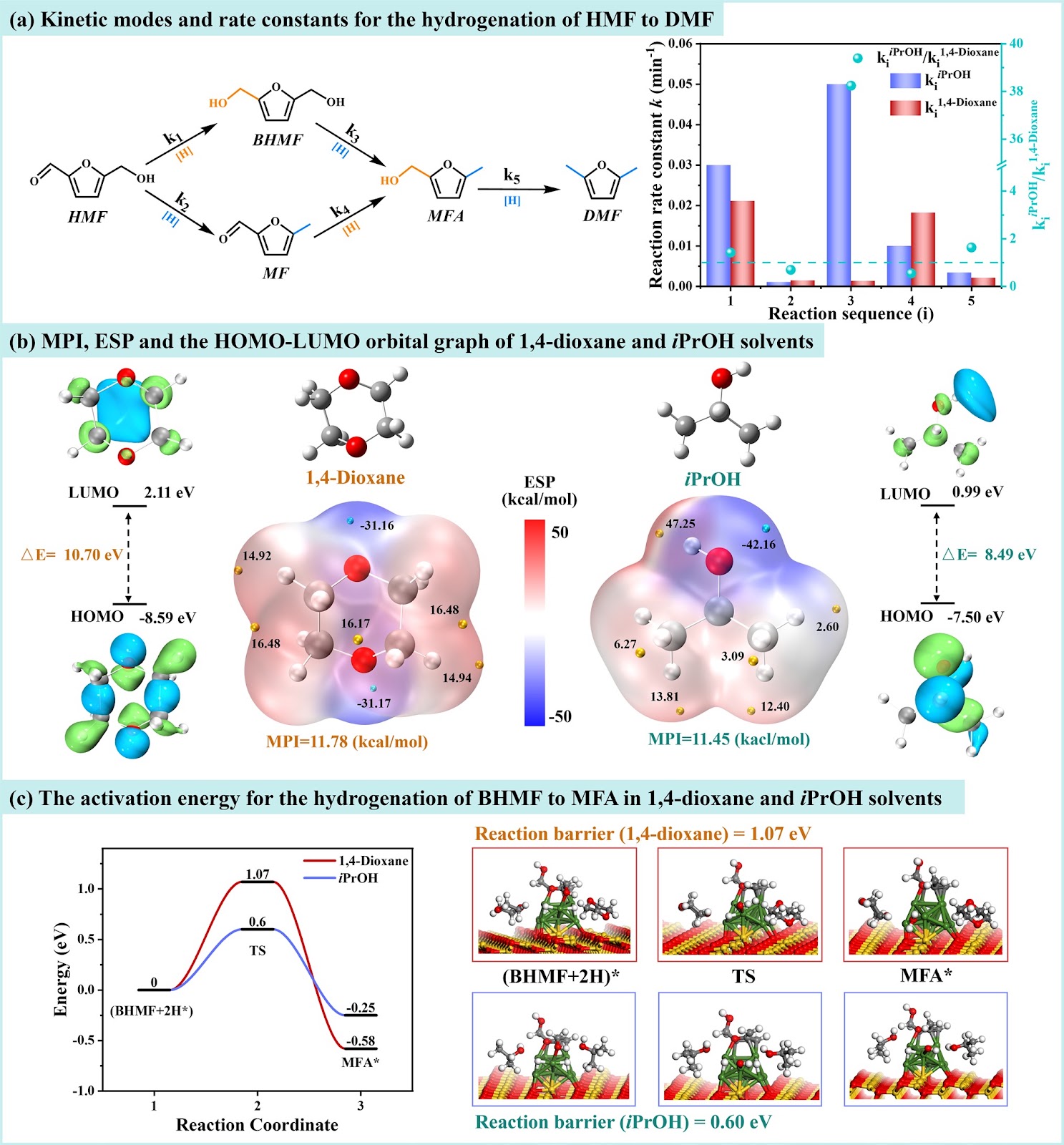
A Promising Strategy for Solvent-Regulated Selective Hydrogenation of 5-Hydroxymethylfurfural over Porous Carbon-Supported Ni-ZnO Nanoparticles

Authors: Rulu Huang, Chao Liu, Kaili Zhang, Jianchun Jiang, Ziqi Tian, Yongming Chai, Kui Wang

Developing biomass platform compounds into high value-added chemicals is a key step in renewable resource utilization. Herein, we report porous carbon-supported Ni-ZnO nanoparticles catalyst (Ni-ZnO/AC) synthesized via low-temperature coprecipitation, exhibiting excellent performance for the selective hydrogenation of 5-hydroxymethylfurfural (HMF). A linear correlation is first observed between solvent polarity (ET(30)) and product selectivity within both polar aprotic and protic solvent classes, suggesting that solvent properties play a vital role in directing reaction pathways. Among these, 1,4-dioxane (aprotic) favors the formation of 2,5-bis(hydroxymethyl)furan (BHMF) with 97.5% selectivity, while isopropanol (iPrOH, protic) promotes 2,5-dimethylfuran production with up to 99.5% selectivity. Mechanistic investigations further reveal that beyond polarity, proton-donating ability is critical in facilitating hydrodeoxygenation. iPrOH enables a hydrogen shuttle mechanism where protons assist in hydroxyl group removal, lowering the activation barrier. In contrast, 1,4-dioxane, lacking hydrogen bond donors, stabilizes BHMF and hinders further conversion. Density functional theory calculations confirm a lower activation energy in iPrOH (0.60 eV) compared to 1,4-dioxane (1.07 eV). This work offers mechanistic insights and a practical strategy for solvent-mediated control of product selectivity in biomass hydrogenation, highlighting the decisive role of solvent-catalyst-substrate interactions.

A Promising Strategy for Solvent-Regulated Selective Hydrogenation of 5-Hydroxymethylfurfural over Porous Carbon-Supported Ni-ZnO Nanoparticles
Graphical Abstract
Original ResearchVol. 18, Issue 47 • pp. 1-14DOI: 10.1007/s40820-025-01889-9Jan 15, 2026

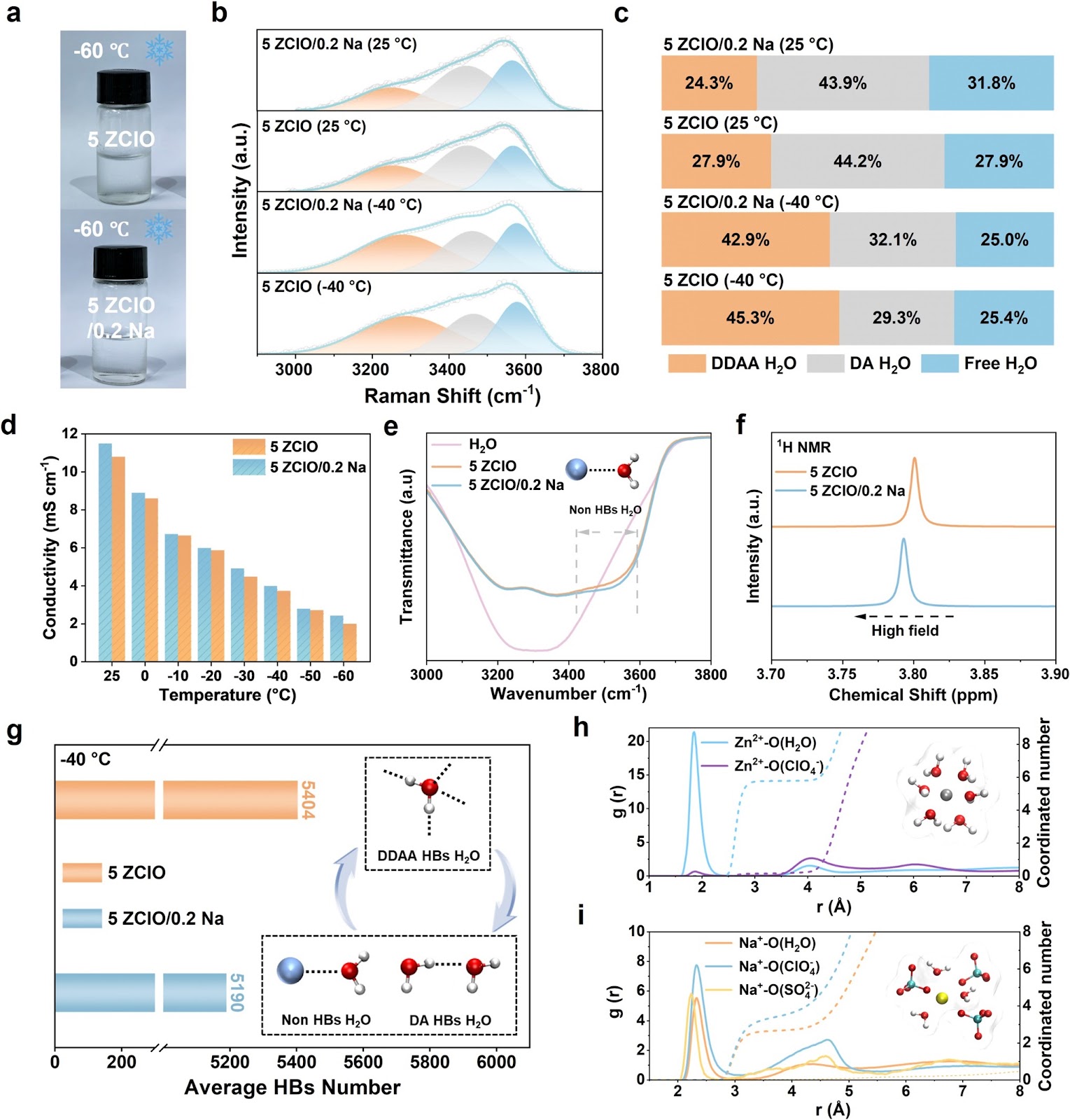
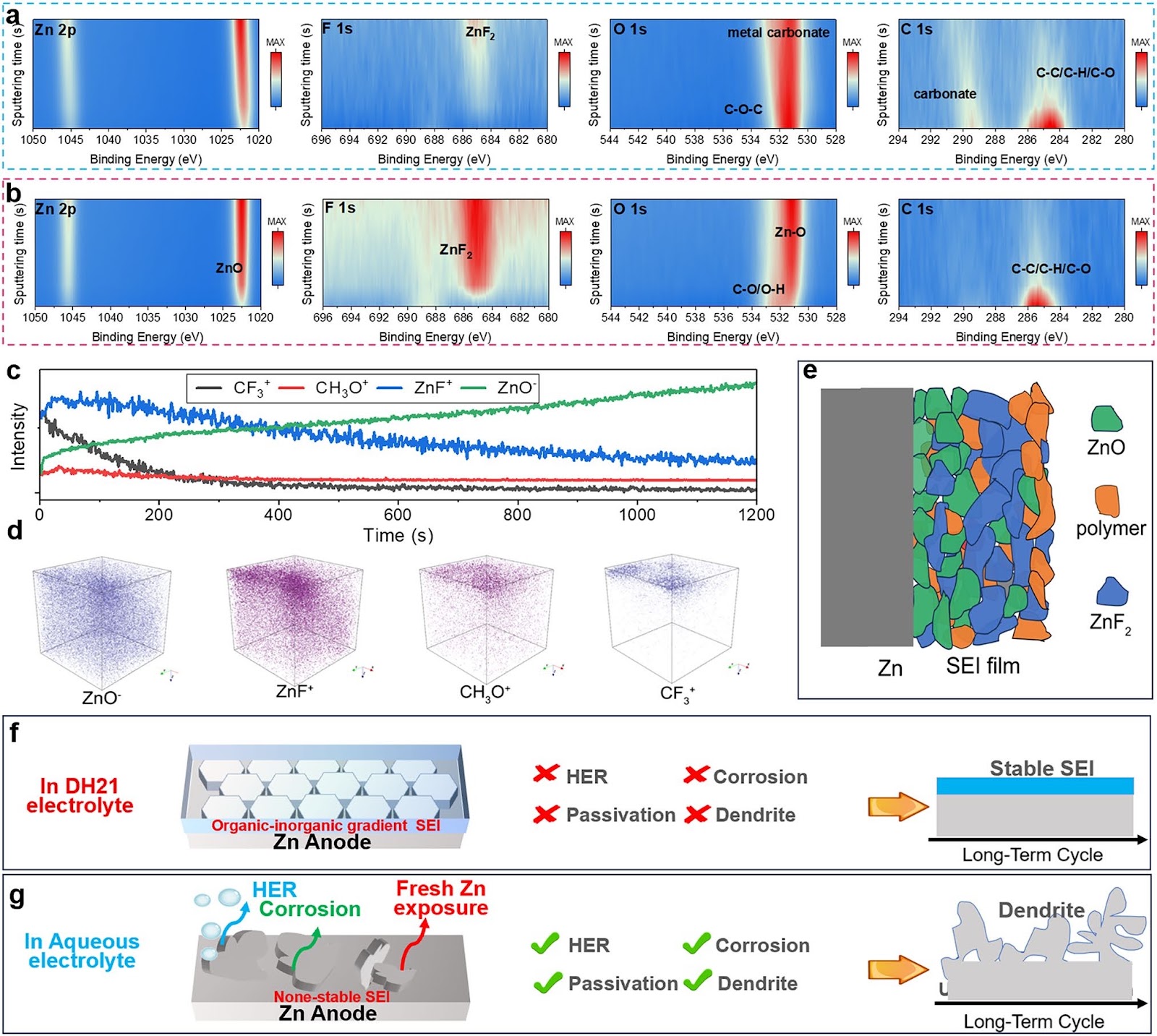
Prioritized Na+ Adsorption-Driven Cationic Electrostatic Repulsion Enables Highly Reversible Zinc Anodes at Low Temperatures

Authors: Guanchong Mao, Pan Xu, Xin Liu, Xingyu Zhao, Zexiang Shen, Dongliang Chao, Minghua Chen

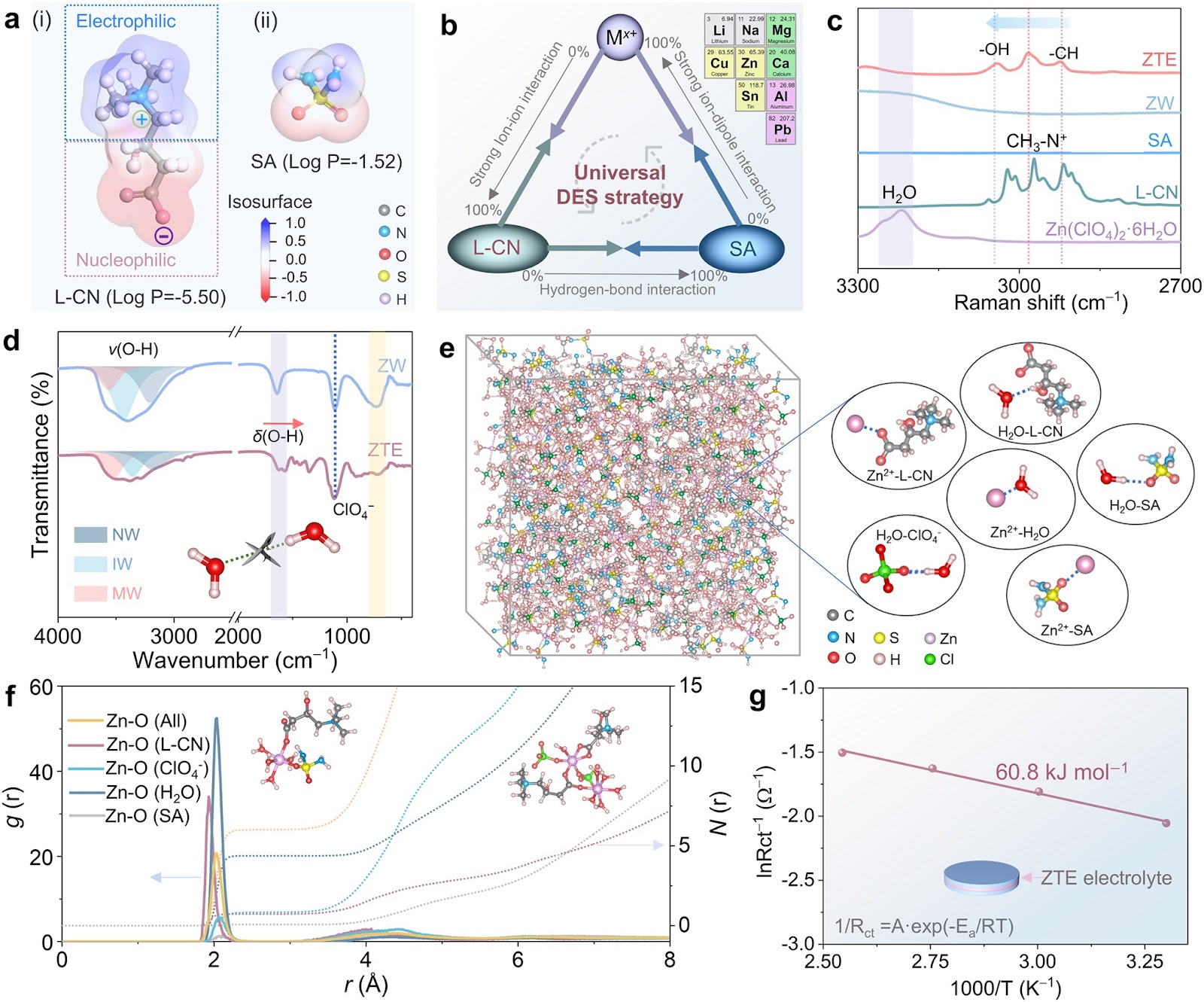
Aqueous zinc metal batteries (AZMBs) are promising candidates for renewable energy storage, yet their practical deployment in subzero environments remains challenging due to electrolyte freezing and dendritic growth. Although organic additives can enhance the antifreeze properties of electrolytes, their weak polarity diminishes ionic conductivity, and their flammability poses safety concerns, undermining the inherent advantages of aqueous systems. Herein, we present a cost-effective and highly stable Na2SO4 additive introduced into a Zn(ClO4)2-based electrolyte to create an organic-free antifreeze electrolyte. Through Raman spectroscopy, in situ optical microscopy, density functional theory computations, and molecular dynamics simulations, we demonstrate that Na+ ions improve low-temperature electrolyte performance and mitigate dendrite formation by regulating uniform Zn2+ deposition through preferential adsorption and electrostatic interactions. As a result, the Zn||Zn cells using this electrolyte achieve a remarkable cycling life of 360 h at −40 °C with 61% depth of discharge, and the Zn||PANI cells retained an ultrahigh capacity retention of 91% even after 8000 charge/discharge cycles at −40 °C. This work proposes a cost-effective and practical approach for enhancing the long-term operational stability of AZMBs in low-temperature environments.

Prioritized Na+ Adsorption-Driven Cationic Electrostatic Repulsion Enables Highly Reversible Zinc Anodes at Low Temperatures
Graphical Abstract
Original ResearchVol. 18, Issue 138 • pp. 1-16DOI: 10.1007/s40820-025-01992-xJan 15, 2026

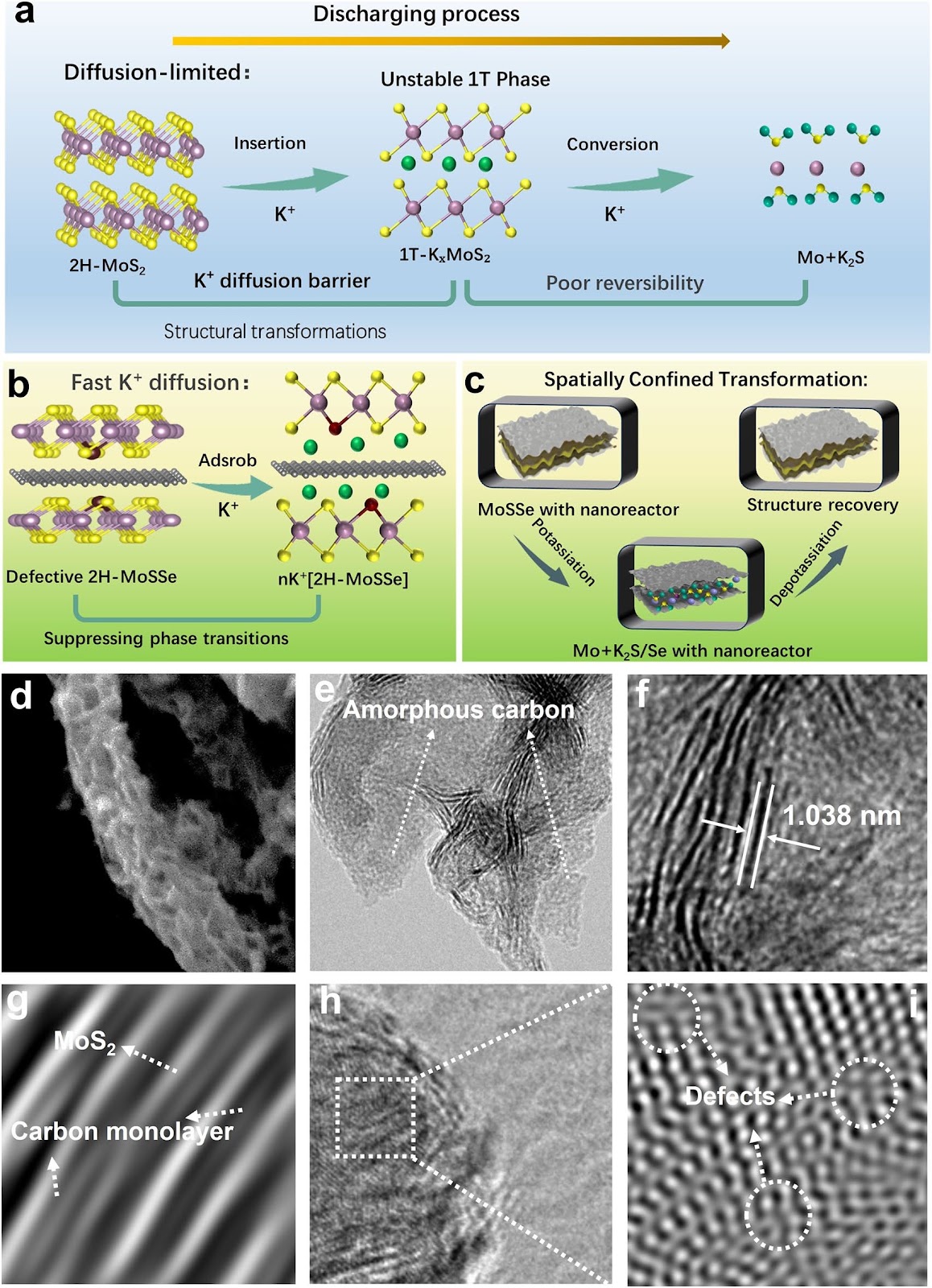
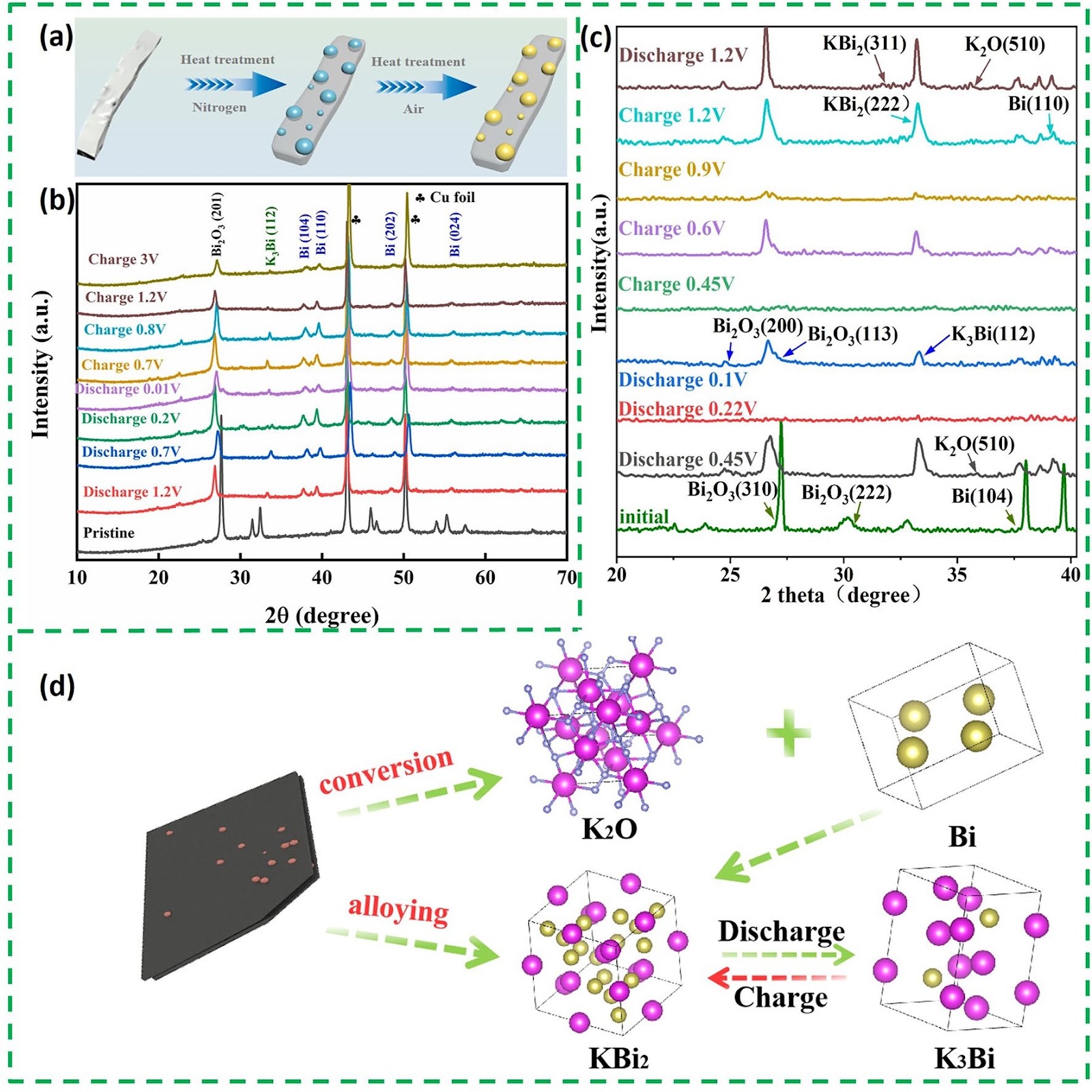
Nanoreactor-Structured Defective MoS2: Suppressing Intercalation-Induced Phase Transitions and Enhancing Reversibility for Potassium-Ion Batteries

Authors: Chunrong Ma, Cyrus Koroni, Jiacheng Hu, Ji Qian, Guangshuai Han, Hui Xiong

Conversion-type electrode materials hold significant promise for potassium-ion batteries (PIBs) due to their high theoretical capacities, yet their practical deployment is hindered by sluggish kinetics and irreversible structural degradation. To overcome these limitations, we propose a rationally engineered nanoreactor architecture that stabilizes defect-rich MoS2 via interlayer incorporation of a carbon monolayer, followed by encapsulation within a nitrogen-doped carbon shell, forming a MoSSe@NC heterostructure. This tailored structure synergistically accelerates both K+ diffusion kinetics and electron transfer, enabling unprecedented rate performance (107 mAh g−1 at 10 A g−1) and ultralong cyclability (86.5% capacity retention after 1200 cycles at 3 A g−1). Mechanistic insights reveal a distinctive “adsorption-conversion” pathway, where sulfur vacancies on exposed S–Mo–S basal planes act as preferential K+ adsorption sites, effectively suppressing parasitic phase transitions during intercalation. In situ X-ray diffraction and transmission electron microscopy corroborate the structural reversibility of the conversion reaction, with the carbon matrix dynamically accommodating strain while preserving electrode integrity. This work not only advances the understanding of defect-driven interfacial chemistry in conversion-type materials but also provides a versatile strategy for designing high-performance anodes in next-generation PIBs through heterostructure engineering.

Nanoreactor-Structured Defective MoS2: Suppressing Intercalation-Induced Phase Transitions and Enhancing Reversibility for Potassium-Ion Batteries
Graphical Abstract
Original ResearchVol. 18, Issue 4 • pp. 4DOI: 10.1007/s40820-025-01840-yJan 15, 2026

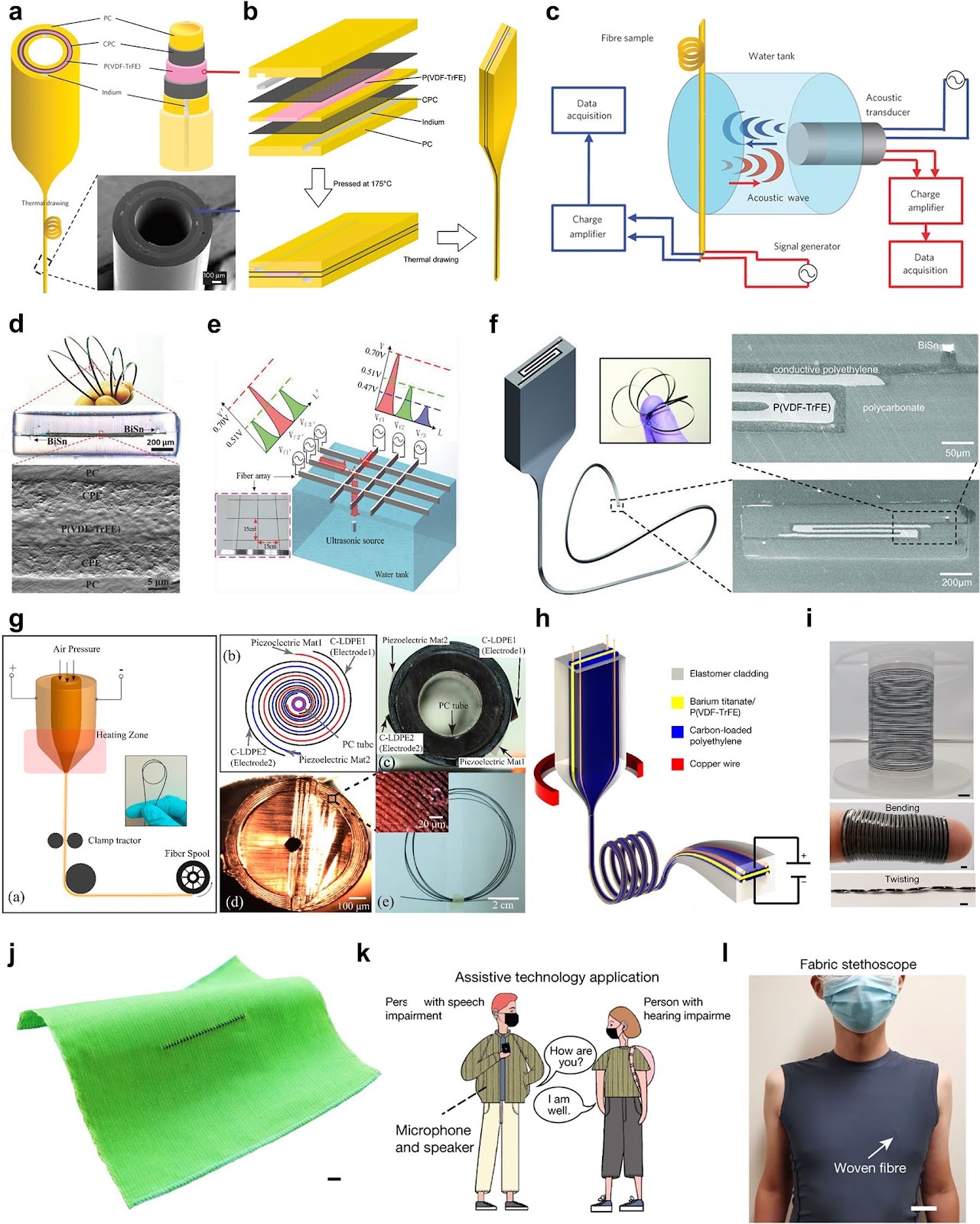
Thermally Drawn Flexible Fiber Sensors: Principles, Materials, Structures, and Applications

Authors: ZhaoLun Zhang, Yuchang Xue, Pengyu Zhang, Xiao Yang, Xishun Wang, Chunyang Wang, Haisheng Chen, Xinghua Zheng, Xin Yin, Ting Zhang

Flexible fiber sensors, with their excellent wearability and biocompatibility, are essential components of flexible electronics. However, traditional methods face challenges in fabricating low-cost, large-scale fiber sensors. In recent years, the thermal drawing process has rapidly advanced, offering a novel approach to flexible fiber sensors. Through the preform-to-fiber manufacturing technique, a variety of fiber sensors with complex functionalities spanning from the nanoscale to kilometer scale can be automated in a short time. Examples include temperature, acoustic, mechanical, chemical, biological, optoelectronic, and multifunctional sensors, which operate on diverse sensing principles such as resistance, capacitance, piezoelectricity, triboelectricity, photoelectricity, and thermoelectricity. This review outlines the principles of the thermal drawing process and provides a detailed overview of the latest advancements in various thermally drawn fiber sensors. Finally, the future developments of thermally drawn fiber sensors are discussed.

Thermally Drawn Flexible Fiber Sensors: Principles, Materials, Structures, and Applications
Graphical Abstract
Original ResearchVol. 18, Issue 1 • pp. 9DOI: 10.1007/s40820-025-01848-4Jan 15, 2026

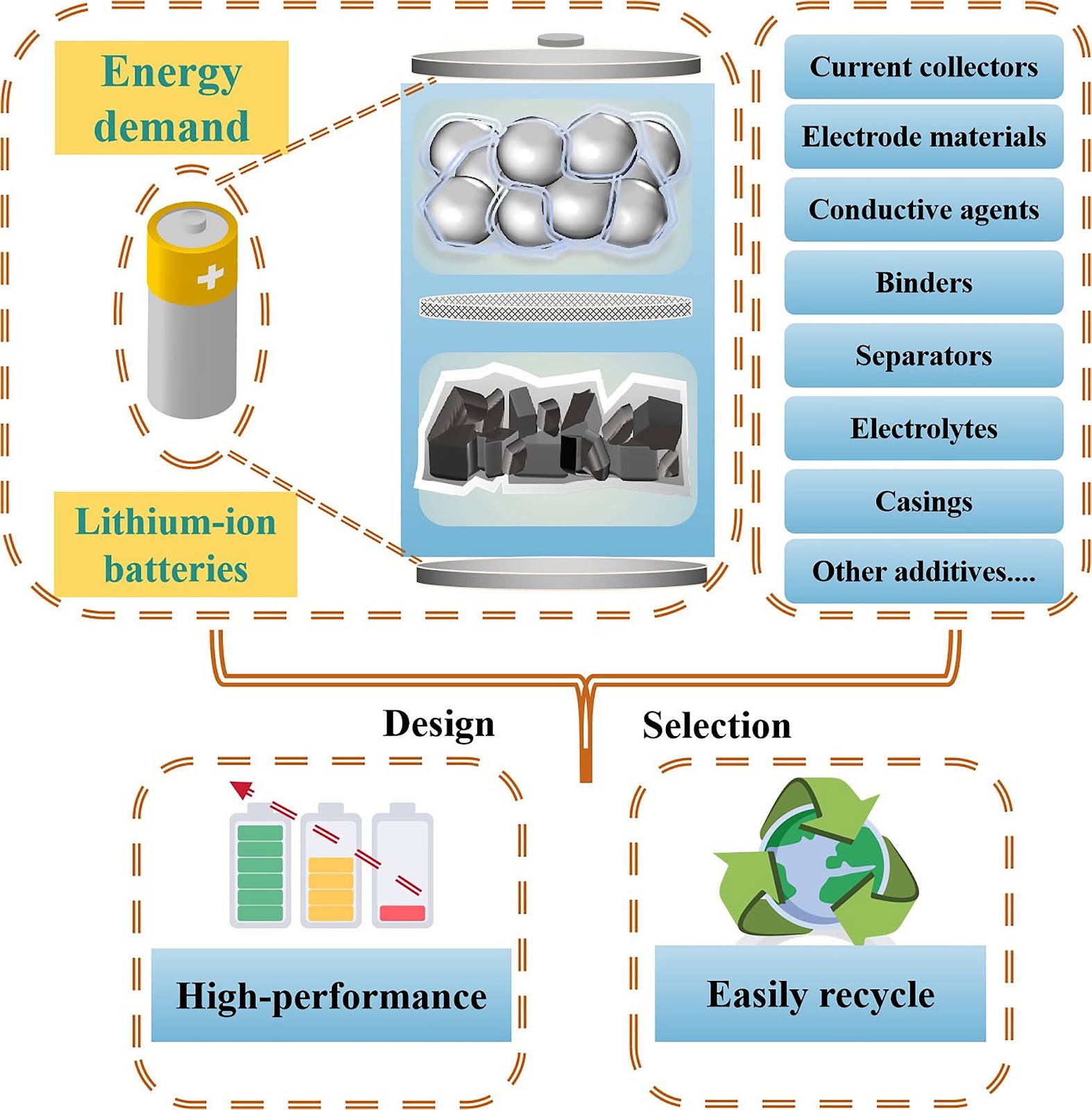
Tackling Challenges and Exploring Opportunities in Cathode Binder Innovation

Authors: Tingrun Lai, Li Wang, Zhibei Liu, Adnan Murad Bhayo, Yude Wang, Xiangming He

Long-life energy storage batteries are integral to energy storage systems and electric vehicles, with lithium-ion batteries (LIBs) currently being the preferred option for extended usage-life energy storage. To further extend the life span of LIBs, it is essential to intensify investments in battery design, manufacturing processes, and the advancement of ancillary materials. The pursuit of long durability introduces new challenges for battery energy density. The advent of electrode material offers effective support in enhancing the battery’s long-duration performance. Often underestimated as part of the cathode composition, the binder plays a pivotal role in the longevity and electrochemical performance of the electrode. Maintaining the mechanical integrity of the electrode through judicious binder design is a fundamental requirement for achieving consistent long-life cycles and high energy density. This paper primarily concentrates on the commonly employed cathode systems in lithium-ion batteries, elucidates the significance of binders for both, discusses the application status, strengths, and weaknesses of novel binders, and ultimately puts forth corresponding optimization strategies. It underscores the critical function of binders in enhancing battery performance and advancing the sustainable development of lithium-ion batteries, aiming to offer fresh insights and perspectives for the design of high-performance LIBs.

Tackling Challenges and Exploring Opportunities in Cathode Binder Innovation
Graphical Abstract
Original ResearchVol. 18, Issue 1 • pp. 183DOI: 10.1007/s40820-025-02012-8Jan 15, 2026

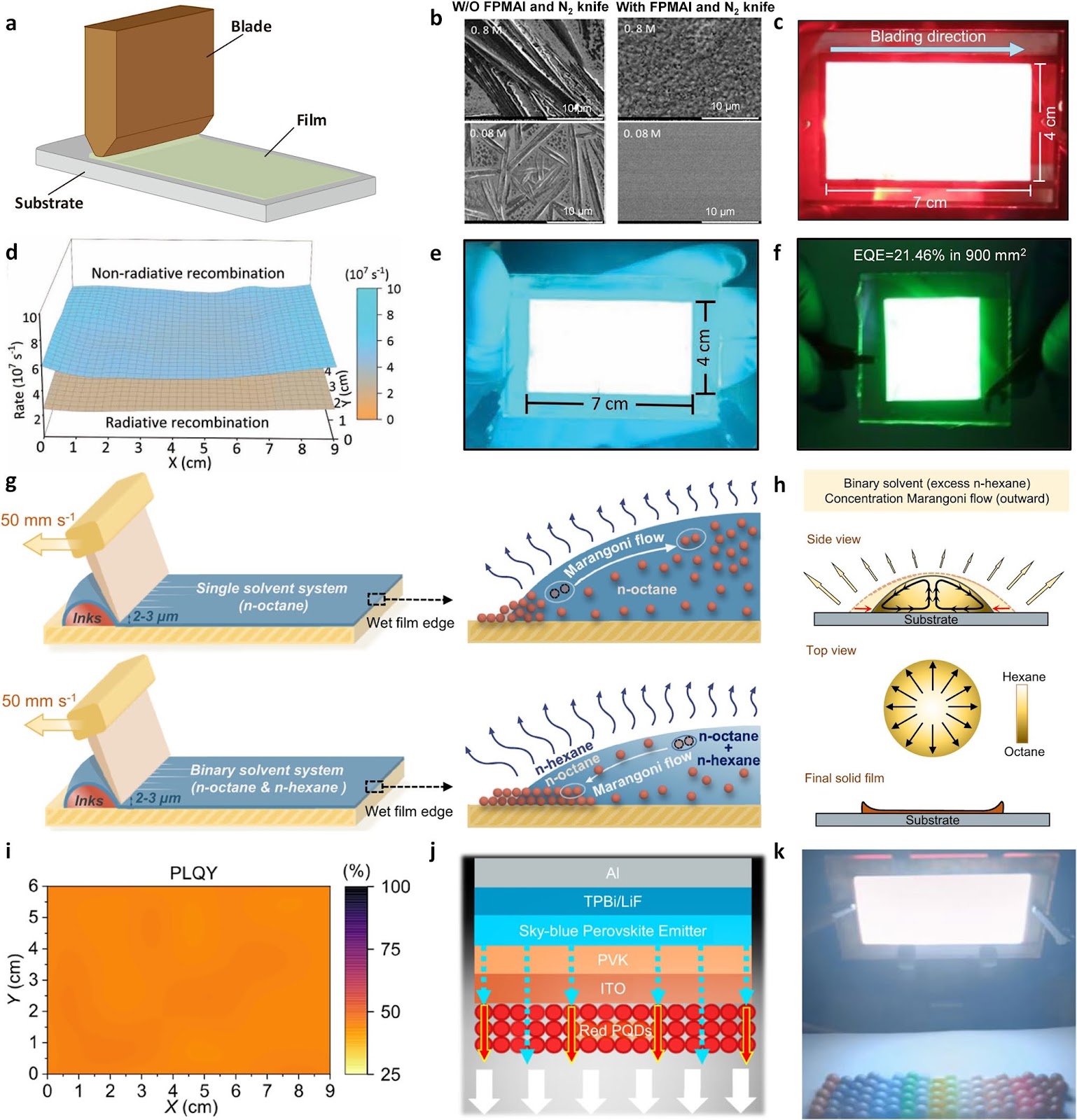
Scalable Manufacturing and Precise Patterning of Perovskites for Light-Emitting Diodes

Authors: Shuaiqi Liu, Hao Jiang, Jizhuang Wang, Li Liu, Zhiwen Zhou, Mojun Chen

Owing to the exceptional optoelectronic properties, metal halide perovskites have emerged as leading semiconductor materials for next-generation display technologies, providing perovskite light-emitting diodes (PeLEDs) great potential for high-quality color displays with a wide color gamut and pure color emission. Although laboratory-scale PeLEDs have achieved near-theoretical efficiencies, challenges such as achieving uniform large-area films, improving material stability, and enhancing patterning precision remain barriers to commercialization. This review presents a systematic analysis of scalable manufacturing and precision patterning strategies for PeLEDs, focusing on their applications in large-area lighting and full-color displays. Fabrication methods are categorized into film deposition techniques (spin-coating, blade-coating, and thermal evaporation) and patterning strategies, including top-down (photolithography, laser/e-beam lithography, and nanoimprinting) and bottom-up (patterned crystal growth, inkjet printing, and electrohydrodynamic jet printing) approaches. In this review, we discuss the advantages and limitations of each strategy, highlight current challenges, and outlook possible pathways towards scalable, high-performance PeLEDs for advanced optoelectronic applications.

Scalable Manufacturing and Precise Patterning of Perovskites for Light-Emitting Diodes
Graphical Abstract
Original ResearchVol. 18, Issue 1 • pp. 174DOI: 10.1007/s40820-025-02000-yJan 15, 2026

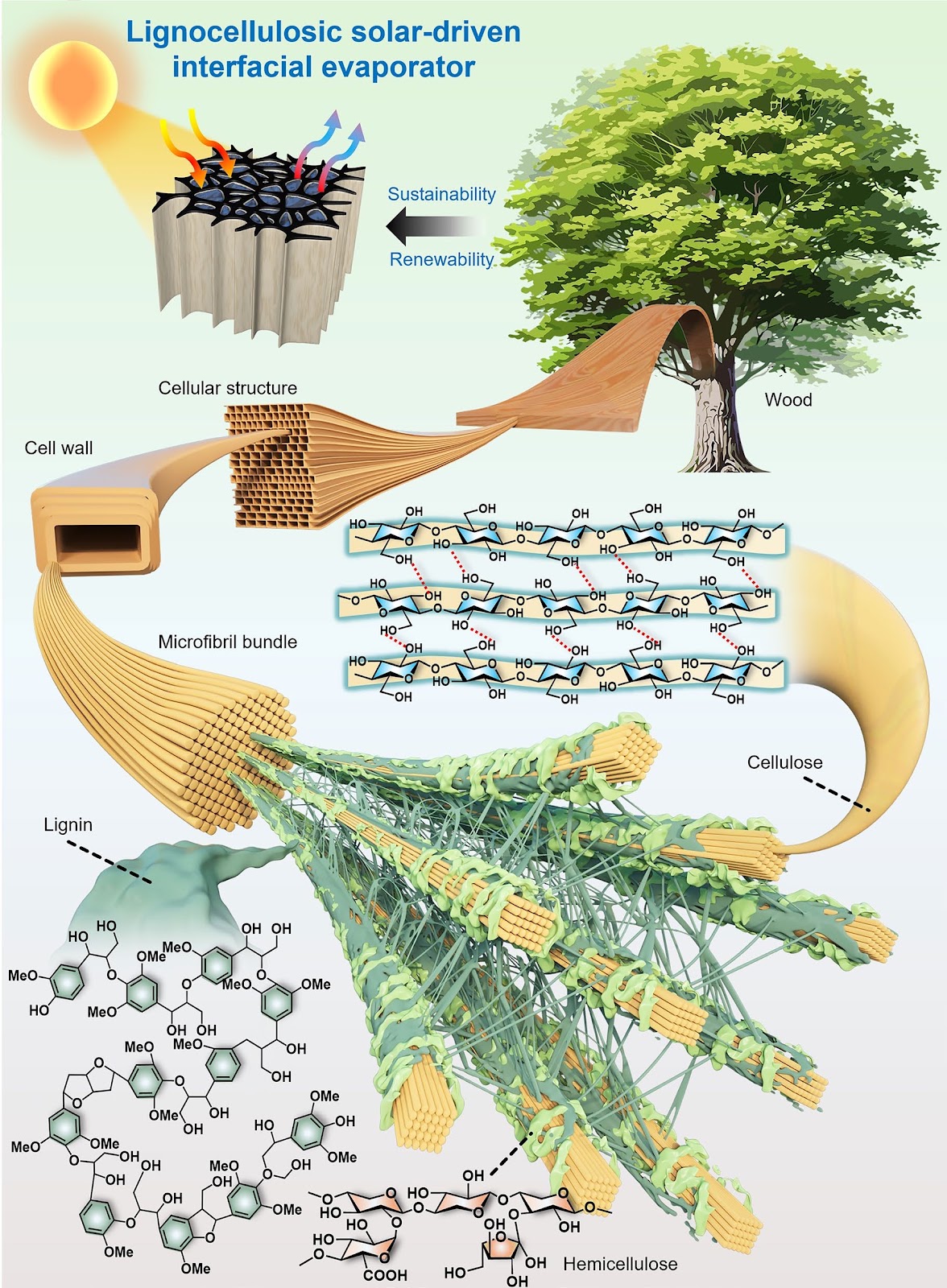
Engineering Renewable Lignocellulosic Biomass as Sustainable Solar-Driven Interfacial Evaporators

Authors: Jinlong Zhu, Jifei Zhang, Jincheng Zha, Siqi Zhao, Wenfeng Ren, Bing Wang, Ling-Ping Xiao, Sanwei Hao, Changyou Shao, Jun Yang, Runcang Sun

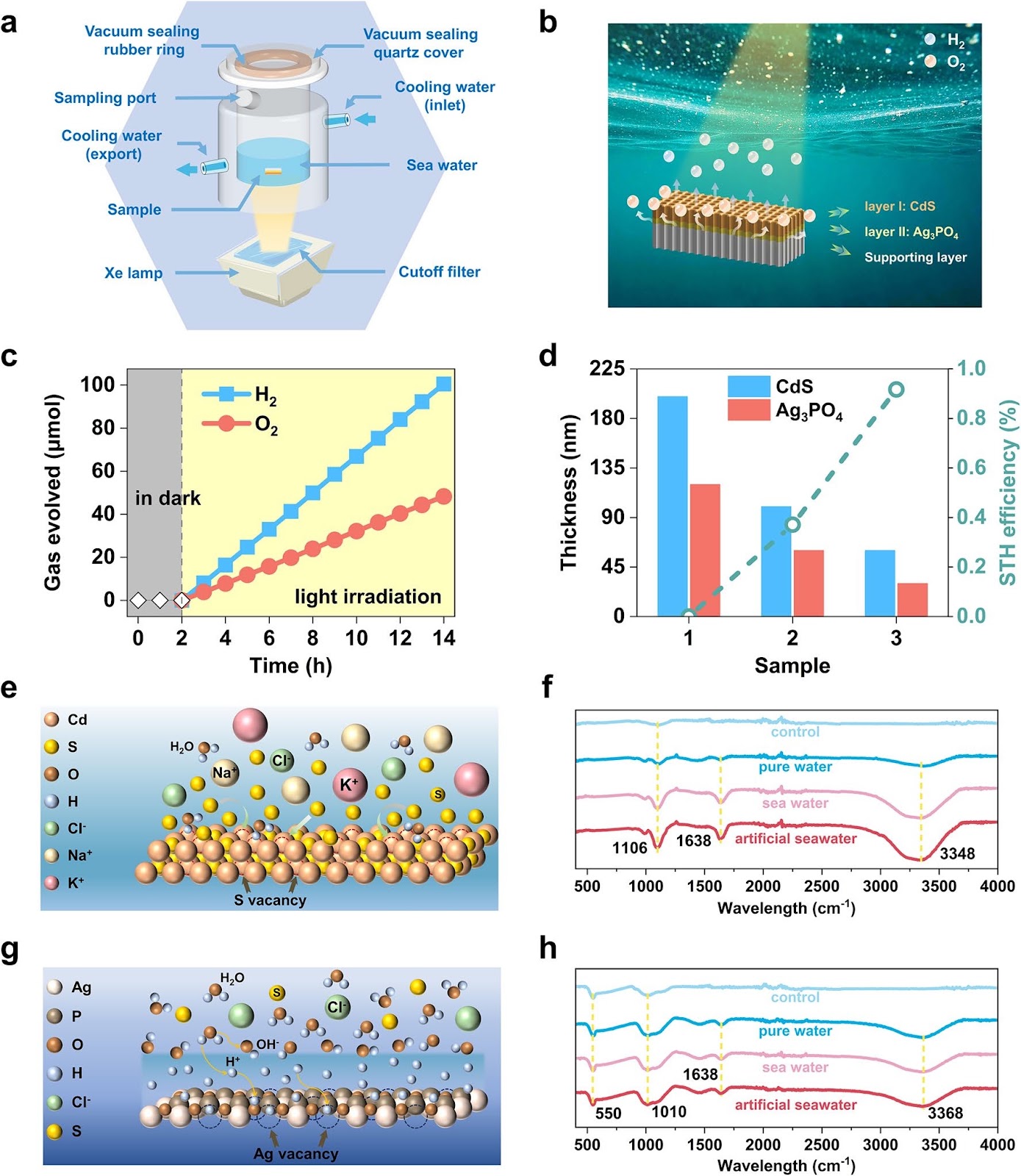
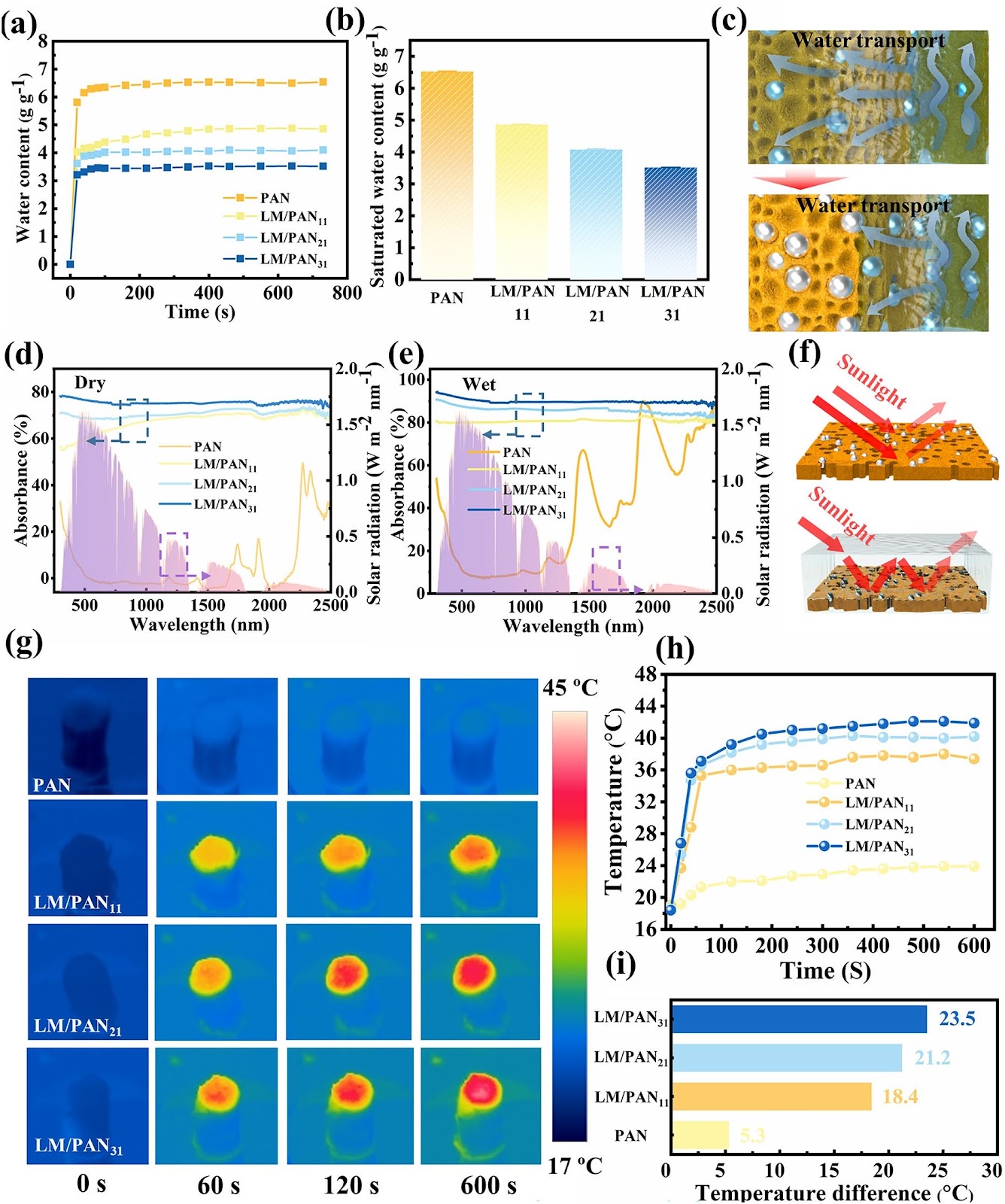
The increasing scarcity of freshwater resources has driven the rapid emergence of solar-driven interfacial evaporators (SDIEs) as a sustainable approach to harvest fresh water by utilizing solar energy. Lignocellulosic biomass, featuring natural abundance, excellent renewability, unique natural structures, and superior biodegradability compared to the synthetic polymers, is highly attractive for constructing solar steam generators. This review aims to offer an innovative and in-depth insight into designing and optimizing high-performance integrated solar interfacial evaporators derived from renewable lignocellulosic biomass. First, the structural characteristics of lignocellulosic biomass are briefly introduced, serving as photothermal layer or supporting substrates in SDIEs. Secondly, the fabrication methods and processing technologies of lignocellulosic biomass-based evaporators are summarized from the perspective of photothermal layer and supporting substrates. Next, the most recent advances of regulation and optimization strategies are proposed to improve evaporation efficiency. Subsequently, this review summarizes the diverse functionalities of SDIEs, including desalination, power generation, wastewater treatment and antimicrobial, atmospheric water harvesting, and photocatalytic hydrogen production. Finally, the challenges in this field and outlook on the future development are discussed, which are anticipated to provide new opportunities for the advancement of lignocellulosic biomass-based SDIEs.

Engineering Renewable Lignocellulosic Biomass as Sustainable Solar-Driven Interfacial Evaporators
Graphical Abstract
Original ResearchVol. 18, Issue 1 • pp. 178DOI: 10.1007/s40820-025-02015-5Jan 15, 2026

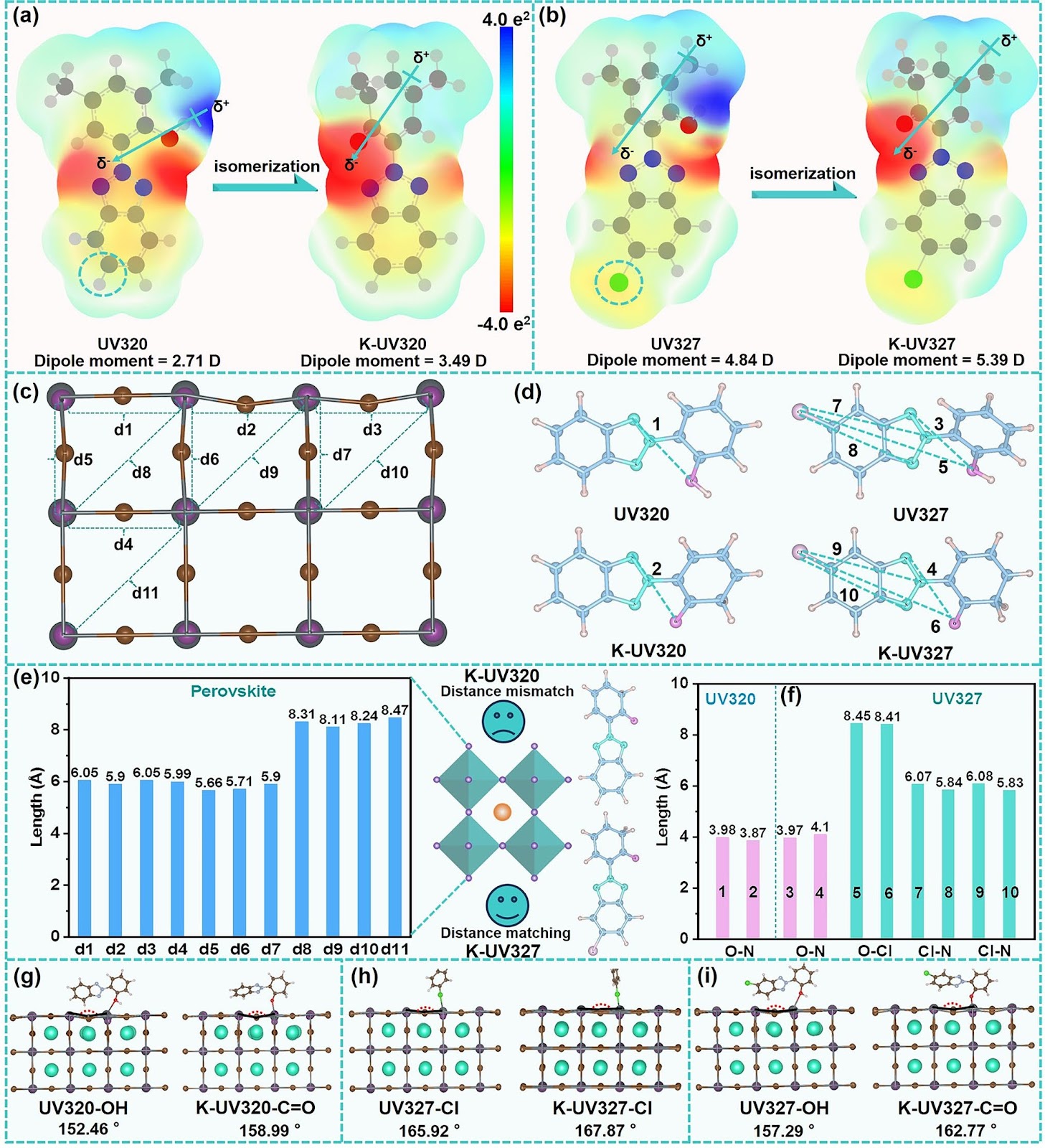
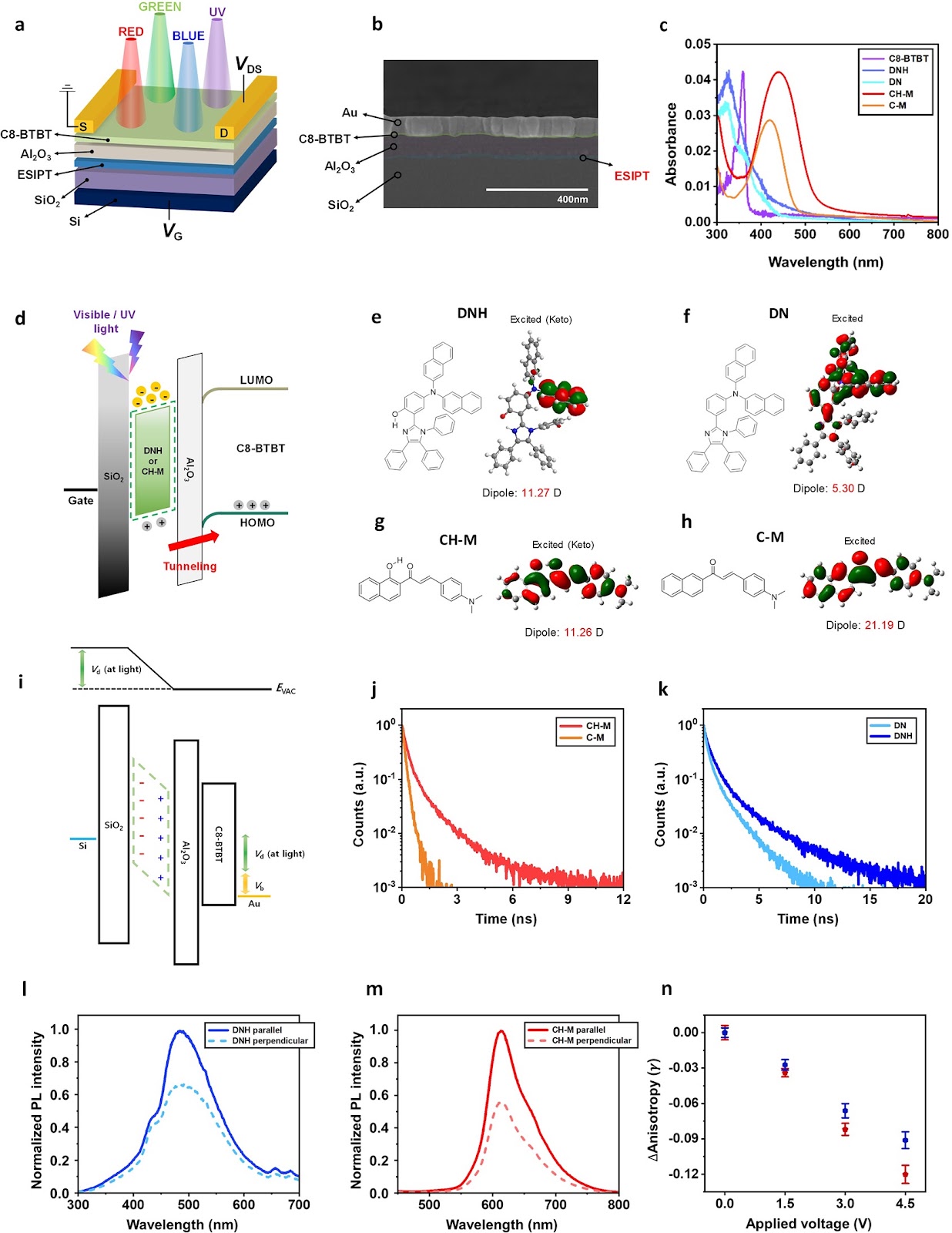
Enhancing Ultraviolet Stability and Operational Durability of Perovskite Photodetectors by Incorporating Chlorine into Thermally-Switchable Tautomeric Passivators

Authors: Yong Wang, Guangsheng Liu, Feng Lin, Yuqin Hu, Niu Lai, Junhong Lv, Shuming Ye, Jie Yang, Rongfei Wang, Feng Qiu, Yu Yang, Wenhua Zhang, Chong Wang

UV-absorbing additives have recently been demonstrated to be effective interfacial modifiers that simultaneously enhance the UV stability and crystallization of halide perovskite. However, the underlying mechanisms concerning UV absorption, defect passivation, and efficacy optimization of these additives remain unresolved. Herein, two UV tautomeric absorbers (UV320 and UV327) are selected as defect-passivators for perovskites. The keto–enol tautomeric evolution processes and corresponding defect passivation performance/mechanism of both the original molecules and their tautomers are thoroughly compared and elucidated through experimental characterizations and density functional theory calculations. The additional carbonyl (–C=O) groups generated through the keto–enol tautomeric process triggered by the Cl atom in UV327 ultimately provide superior chemical coordination and enhanced defect-passivation capability compared to the original counterparts. Moreover, the versatility of K-UV327 is further demonstrated by its optimization of SnO2 film quality, interfacial energy band alignment, charge extraction efficiency, and defect state suppression. The photodetector optimized by UV327’s tautomer achieves an ultralow dark current density of 3.22 × 10−10 A cm−2, an enhanced linear dynamic range of 94.14 dB, and a fast response time of 23.35/26.19 μs. Notably, unencapsulated devices maintain a stable response at 3900 Hz following 300 h exposure to 40% ± 5% relative humidity and 30 h UV irradiation.

Enhancing Ultraviolet Stability and Operational Durability of Perovskite Photodetectors by Incorporating Chlorine into Thermally-Switchable Tautomeric Passivators
Graphical Abstract
Original ResearchVol. 18, Issue 1 • pp. 176DOI: 10.1007/s40820-025-01881-3Jan 15, 2026

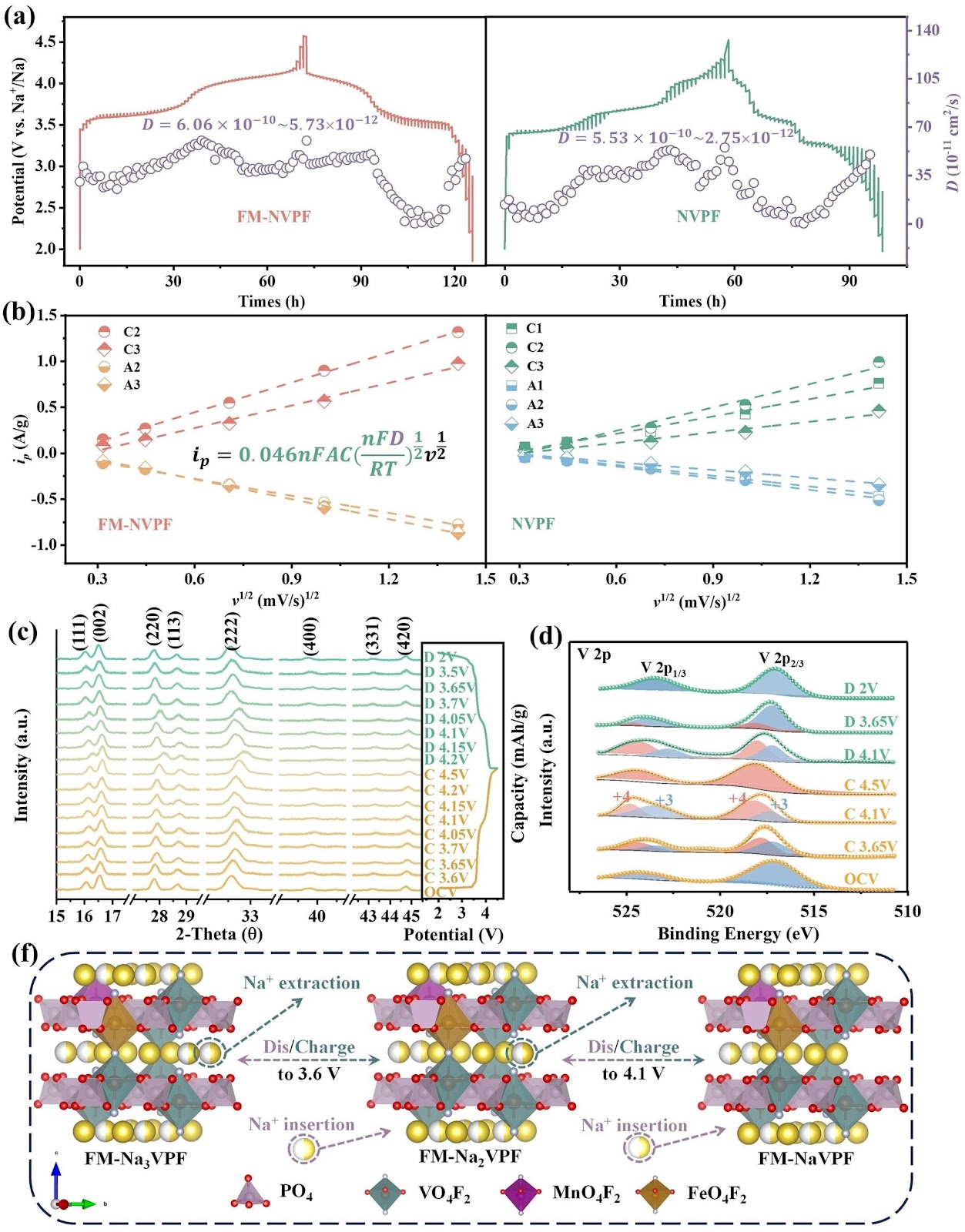
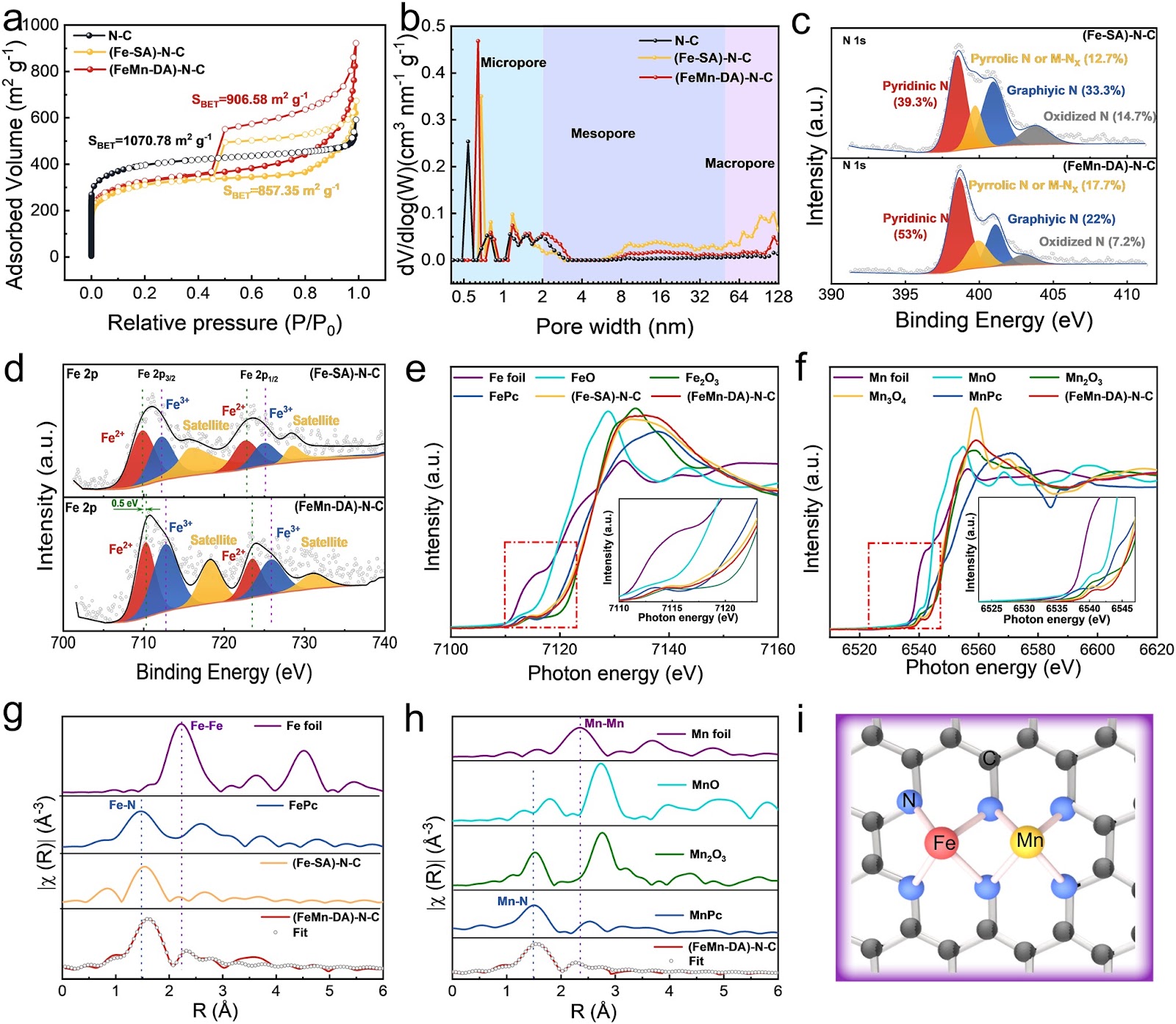
Iron–Manganese Dual-Doping Tailors the Electronic Structure of Na3V2(PO4)2F3 for High-Performance Sodium-Ion Batteries

Authors: Jien Li, Shuang Luo, Renjie Li, Yingkai Hua, Linlong Lyu, Xiangjun Pu, Jun Fan, Zheng-Long Xu

Sodium superionic conductor (NASICON)-type materials are promising cathodes for sodium-ion batteries due to their stable multi-channel frameworks and exceptional ionic conductivity. Among them, Na3V2(PO4)2F3 (NVPF) has attracted significant attention. However, the low electronic conductivity and phase impurities limit its sodium storage capability. Herein, we present a Fe and Mn dual-doped NVPF (FM-NVPF) cathode with improved phase purity, electronic conductivity, and electrochemical activities. Detailed ex-situ analyses and density functional theory calculations reveal that Fe and Mn dopants induce defect energy levels and modulate the electronic structure, resulting in a direct-to-indirect bandgap transition in NVPF, which in turn increases carrier concentration and lifetime, accelerates ionic/electronic transport, and improves structural stability. As a result, the FM-NVPF cathode delivers a high capacity of 126.6 mAh g⁻1 at 0.1 C (1 C = 128 mAh g⁻1) and outstanding high-rate capability of 67.6 mAh g⁻1 at 50 C, corresponding to 1.2 min per charge. Furthermore, Na ion full cells assembled with the FM-NVPF cathodes and hard carbon anodes exhibit a high energy density of about 175 Wh kg⁻1 cathode+anode mass and appealing cyclic stability. This work provides an efficient strategy for developing high-purity and high-performance NVPF cathode materials for advanced sodium-ion batteries.

Iron–Manganese Dual-Doping Tailors the Electronic Structure of Na3V2(PO4)2F3 for High-Performance Sodium-Ion Batteries
Graphical Abstract
Original ResearchVol. 18, Issue 1 • pp. 173DOI: 10.1007/s40820-025-02011-9Jan 15, 2026

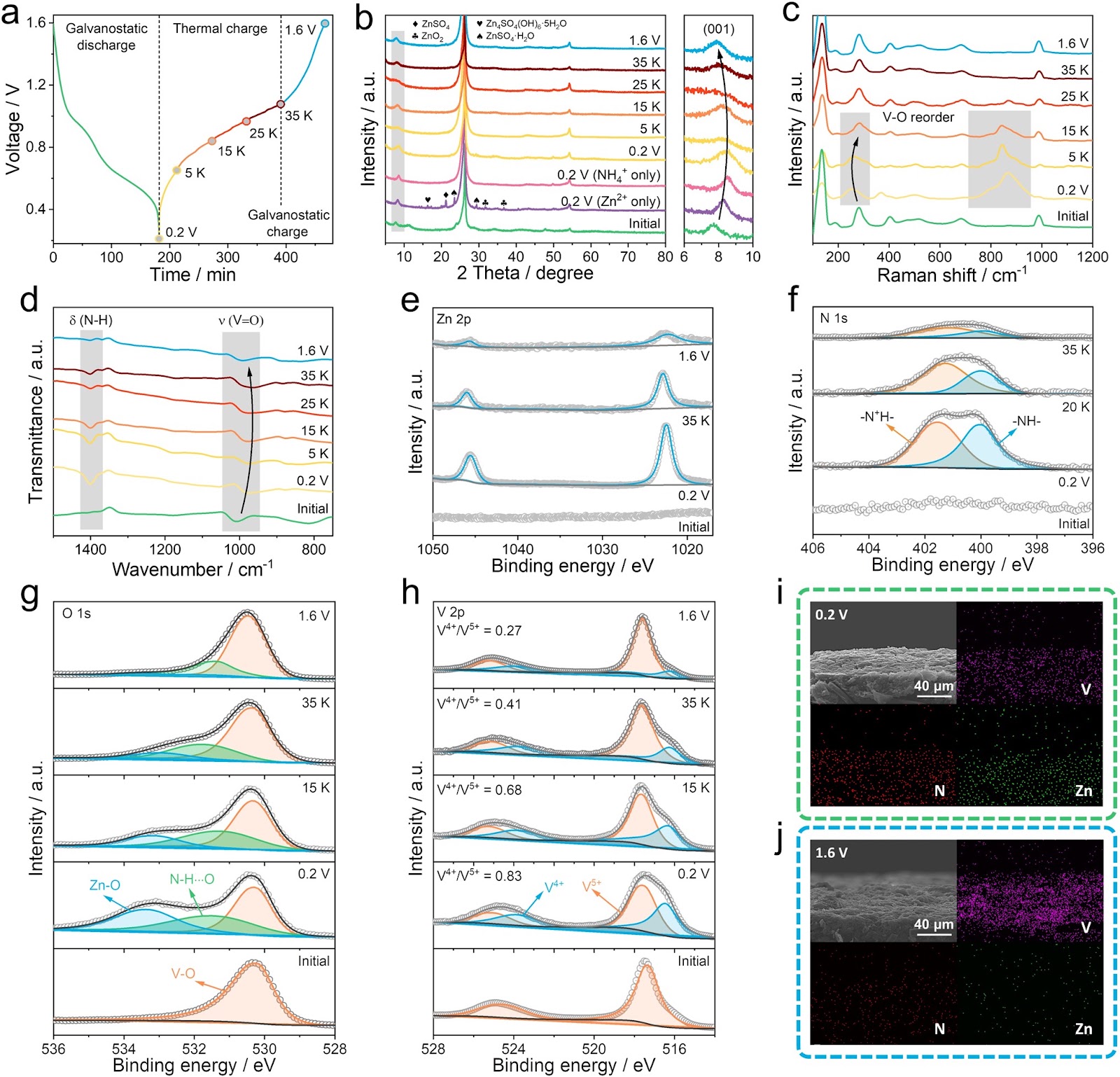
A High-Performance Thermal Charging Cell with High Power Density and Long Runtime Enabled by Zn2+ and NH4+ Co-insertion

Authors: Zhiwei Han, Shengliang Zhang, Helang Huang, Jing Wang, Hui Dou, Tianran Zhang, Xiaogang Zhang

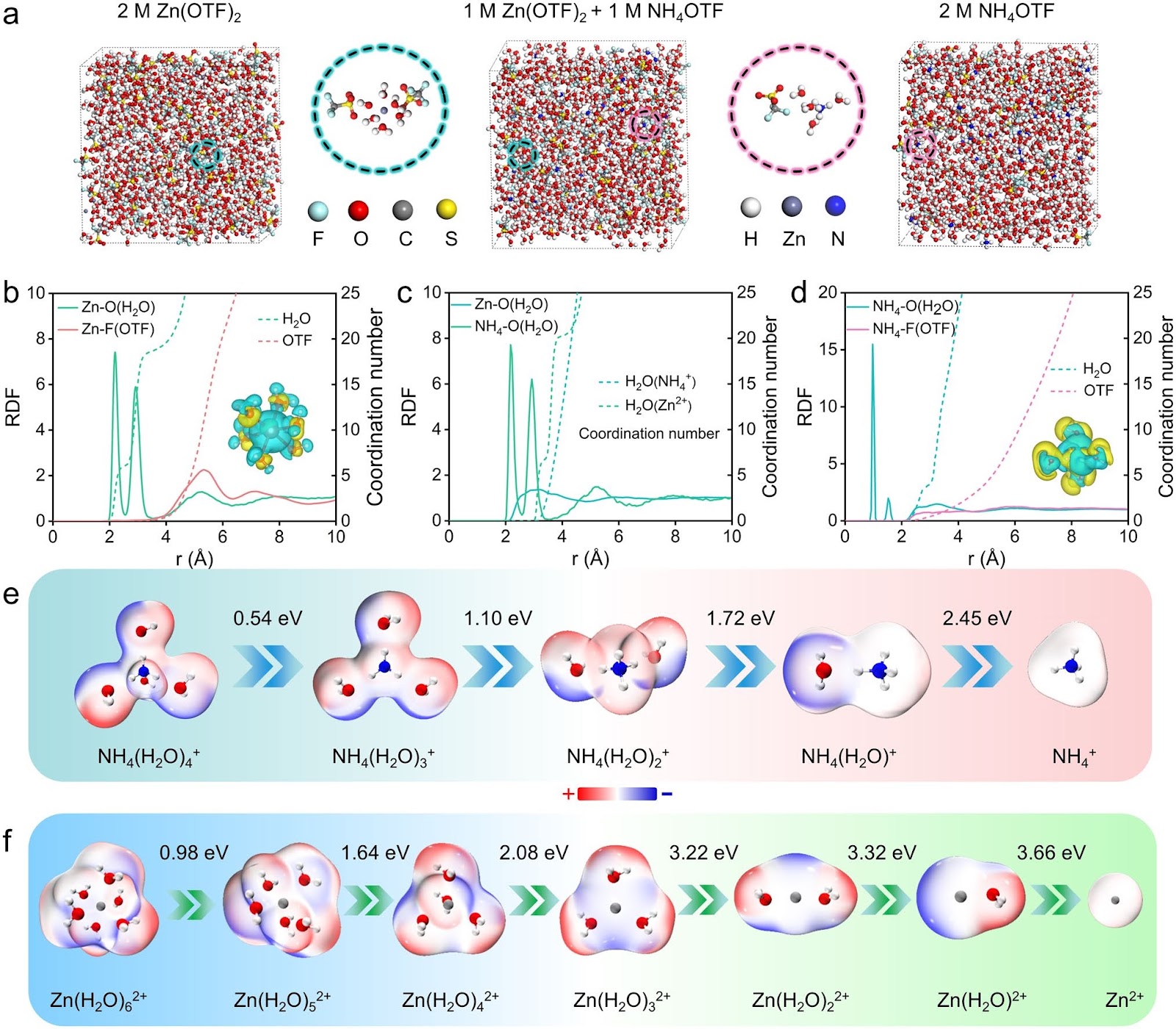
Zn-based thermal charging devices, utilizing the synergistic effect of ion thermoextraction and thermodiffusion, are able to efficiently convert thermal energy into electrical energy and storage in the devices, making them a highly promising technology for low-grade heat recovery and utilization. However, the low output power density and energy conversion efficiency resulted by the slow diffusion kinetics of Zn2+ hinder their development. Herein, we present a high-performance thermal charging cell design using Zn2+/NH4+ hybrid ion electrolyte, which not only maintains the high output voltage of the Zn-based thermoelectric system, but also significantly enhances the output power density due to the fast diffusion kinetics of NH4+. Based on this strategy, the thermal charging cell displays a high thermopower of 12.5 mV K−1 and an excellent normalized power density of 19.6 mW m−2 K−2 at a temperature difference of 35 K. The Carnot-relative efficiency is as high as 12.74%. Moreover, it can operate continuously for over 72 h when the temperature difference persists, achieving a balance between thermoelectric conversion and output. This work provides a simple and effective strategy for the design of high-performance thermal charging cells for low-grade heat conversion and utilization.

A High-Performance Thermal Charging Cell with High Power Density and Long Runtime Enabled by Zn2+ and NH4+ Co-insertion
Graphical Abstract
Original ResearchVol. 18, Issue 168 • pp. 1-17DOI: 10.1007/s40820-025-02007-5Jan 15, 2026

Electrically Insulating Rigid Multi-Channel Electrolyte Container for Customizable Electron Transfer in Zn-Halogen Batteries

Authors: Yifan Zhou, Yicai Pan, Yongqiang Yang, Taghreed F. Altamimi, Yunpeng Zhong, Dalal A. Alshammari, Zeinhom M. El-Bahy, Shuquan Liang, Jiang Zhou, Xinxin Cao

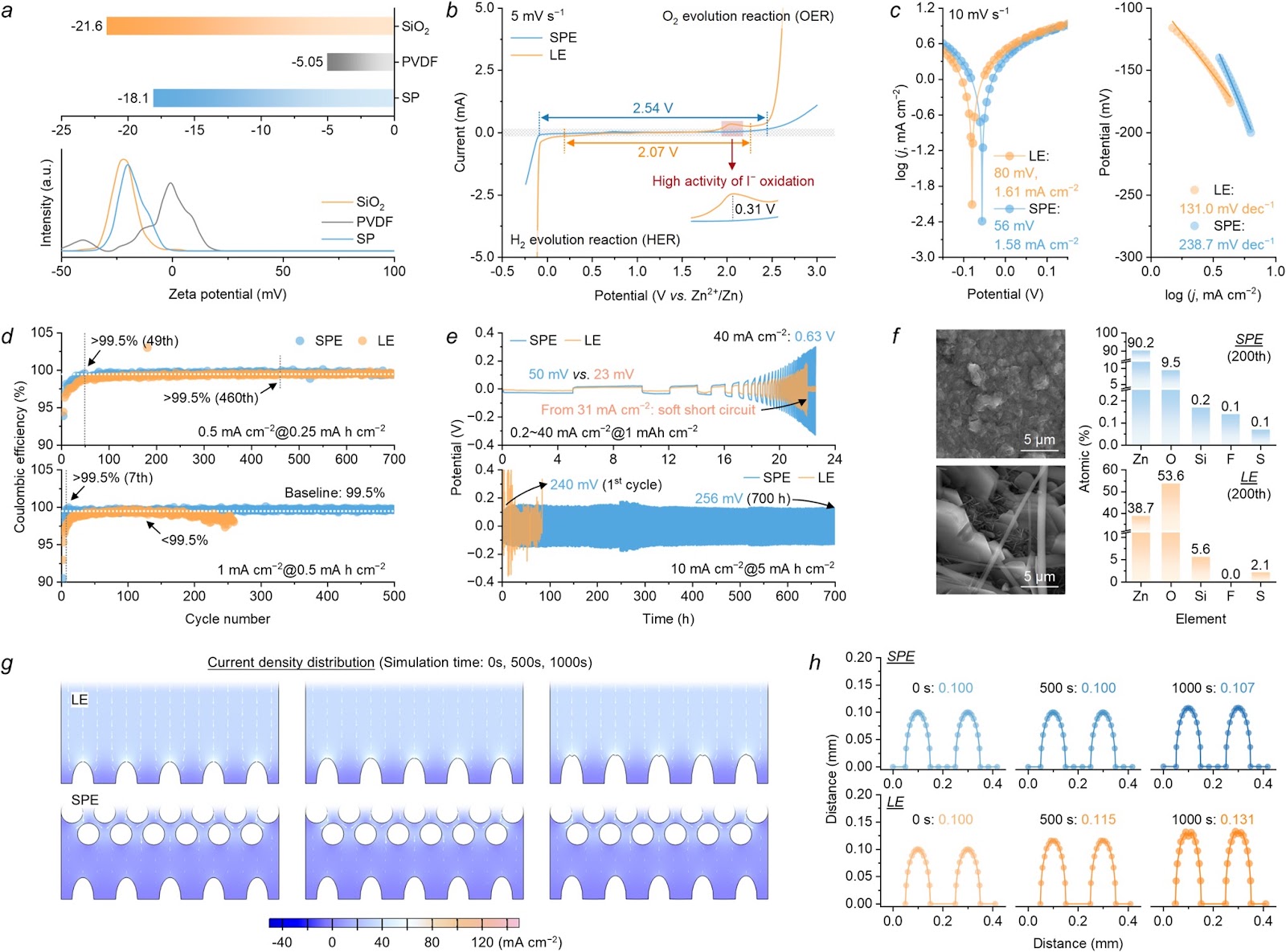
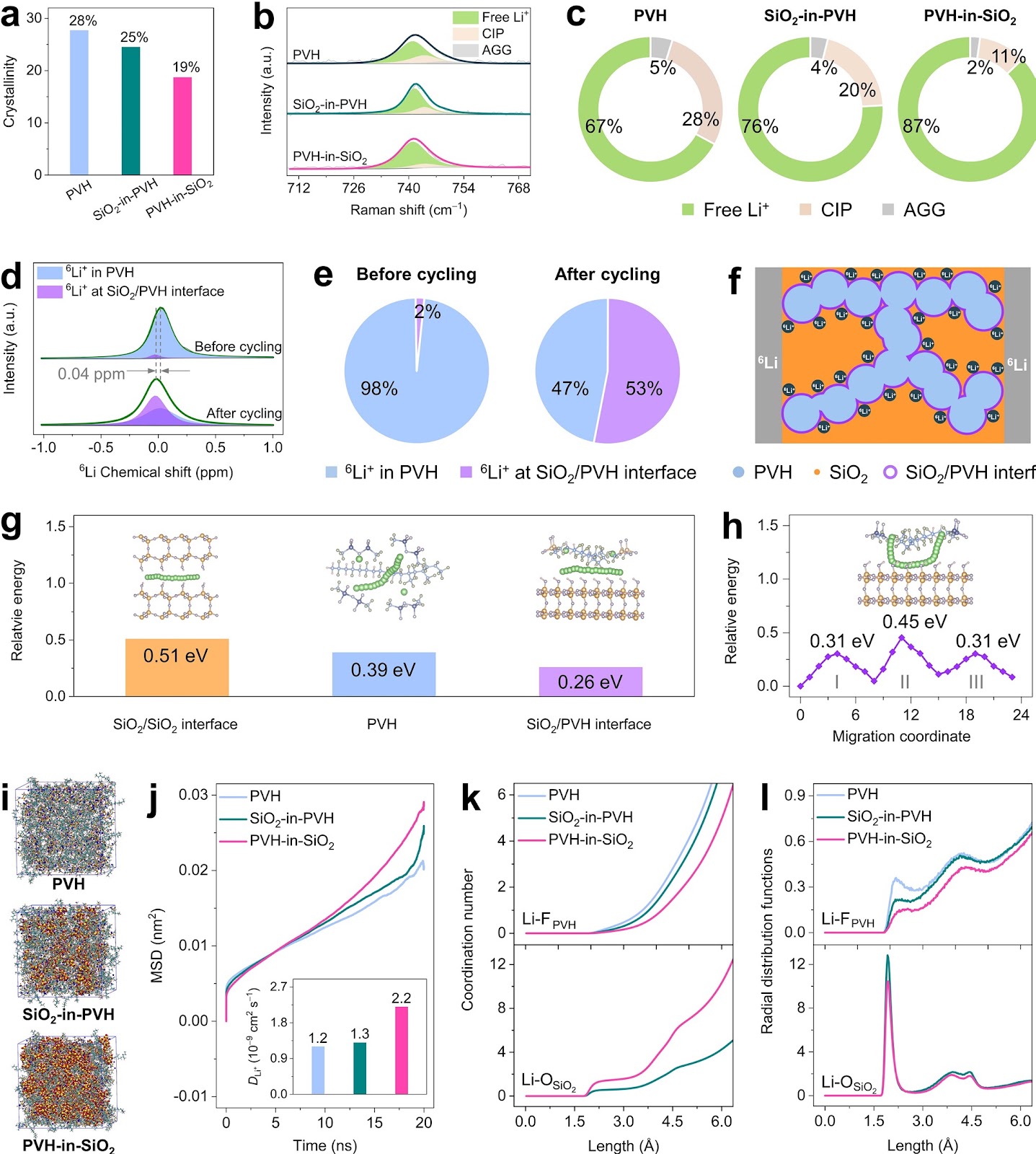
Recent advancements in Zn-halogen batteries have focused on enhancing the adsorptive or catalytic capability of host materials and stabilizing complex intermediates with electrolyte additives, while the halogen-ion electrolyte modifications exhibit strong potential for integrated interfacial regulation. Herein, we design an electrically insulating rigid electrolyte container to immobilize a liquid halogen-ion electrolyte for separator-free Zn-halogen batteries with customizable electron transfer. Robust hydrogen bonding of hydroxyl groups in SiO2 with fluorinated moieties in PVDF-hfp regulates Zn2+ solvation and suppresses H2O activity, while multi-channels formed by microcracks and interparticle gaps not only enhance mass transfer but also buffer interfacial electric field, jointly enabling a durable Zn plating/stripping. Effective confinement of intermediates also ensures the high reversibility across single-(I−/I0), double-(I−/I0/I⁺), and triple-(I−/I0/I⁺, Cl−/Cl0) electron transfer mechanisms at cathode, as evidenced by the double-electron transfer systems exhibiting a low capacity decay rate of 0.02‰ over 4500 cycles at 10 mA cm−2 and a high areal capacity of 11.9 mAh cm−2 at 2 mA cm−2. This work presents a novel “container engineering” approach to halogen-ion electrolyte design and provides fundamental insights into the relationships between redox reversibility and reaction kinetics.

Electrically Insulating Rigid Multi-Channel Electrolyte Container for Customizable Electron Transfer in Zn-Halogen Batteries
Graphical Abstract
Original ResearchVol. 18, Issue 1 • pp. 166DOI: 10.1007/s40820-025-02009-3Jan 15, 2026

Design, Fabrication, and Application of Stretchable Electronic Conductors

Authors: Bin Cheng, Jingting Zhuo, Yao Zhou, Jiaxiang Chen, Lingyun Cao, Jiangfeng He, Zhihong Chen, Xiaoxiao Ma, Juan Wang, Honglong Li, Guowei Yang, Fang Yi

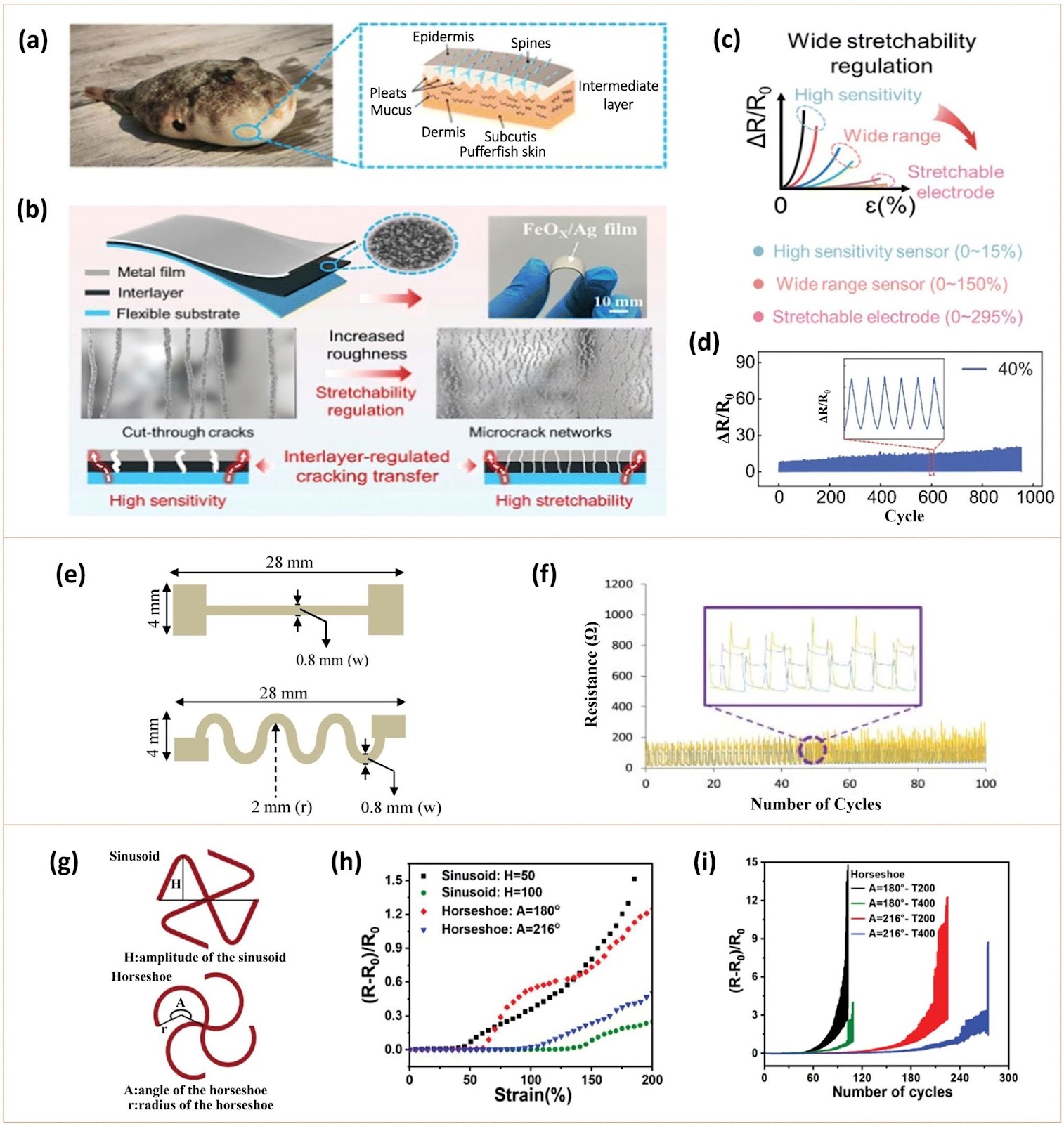
Stretchable electronics have been recognized as intriguing next-generation electronics that possess huge market value, and stretchable electronic conductors (SECs) are essential for stretchable electronics, which not only can serve as critical functional components but also are the indispensable electronic connections bridging various electronic components within stretchable electronic systems. Herein, we offer a comprehensive review of recent progress in SECs including the material categories, structure designs, fabrication techniques, and applications. The characteristics, performance enhancement strategies, and application requirements are emphasized. Based on the recent advances, the existing challenges and future prospects are outlined and discussed.

Design, Fabrication, and Application of Stretchable Electronic Conductors
Graphical Abstract
Original ResearchVol. 18, Issue 1 • pp. 163DOI: 10.1007/s40820-025-02017-3Jan 15, 2026

Regulating Li+ Transport and Interfacial Stability with Zwitterionic COF Protective Layer Towards High-Performance Lithium Metal Batteries

Authors: Liya Rong, Yifeng Han, Chi Zhang, Hongling Yao, Zhaojun He, Xianbao Wang, Zaiping Guo, Tao Mei

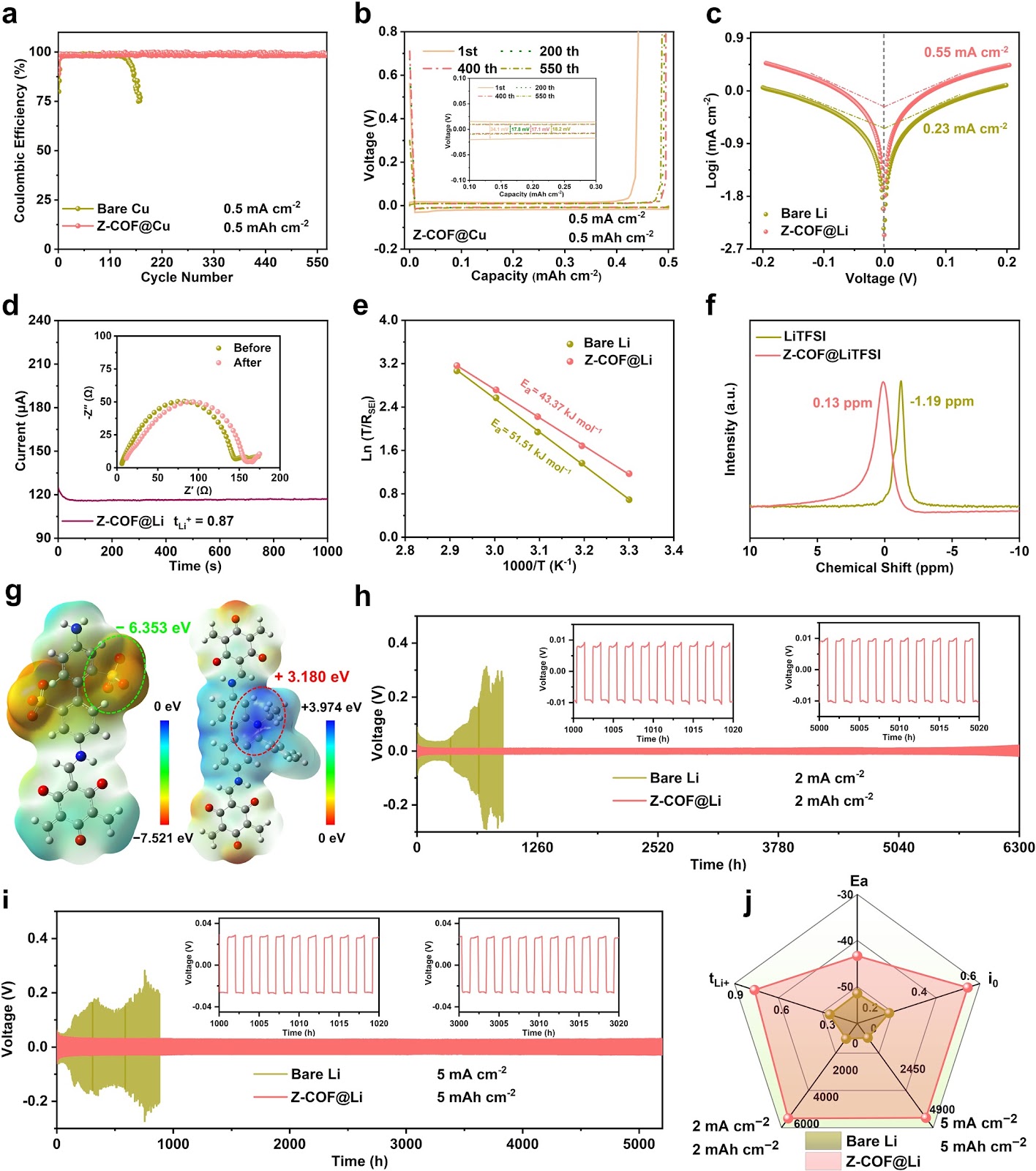
The sluggish Li+ migration kinetics and unstable electrode/electrolyte interface severely hinder the commercial application of high-performance lithium metal batteries (LMBs). Herein, an artificial protective layer is constructed using zwitterionic covalent organic framework (Z-COF) simultaneously containing sulfonate and ethidium groups, aiming to facilitate rapid, uniform Li+ transport and stabilize anode interface. The sulfonate groups with high lithiophilicity provide abundant hopping sites for fast Li+ diffusion. The ethidium cations immobilize TFSI− and solvent molecules by ion–dipole interactions, which accelerate the dissociation of LiTFSI and Li+ desolvation. Moreover, the monodispersed zwitterionic units coupling with ordered micropore structures in Z-COF create exclusive Li+ migration channels, modulate homogeneous space charge distribution, kinetically facilitating uniform Li+ deposition. Experiments and theoretical calculations indicate that C–F and S–N bonds of TFSI− exhibit enhanced cleavage susceptibility driven by electrostatic attraction, realizing a LiF/Li3N-rich electrolyte/electrode interface. The designed Z-COF protection layer enables Li|Li symmetrical cells stable cycling over 6300 h at 2 mA cm−2/2 mAh cm−2. The Z-COF@Li|LiFePO4 (LFP) full cells deliver high-capacity retention of 85.2% after 1000 cycles at 8 C. The assembled Z-COF@Li|LFP pouch cells demonstrate a lifespan of more than 240 cycles. This work provides fresh insights into the practical application of zwitterionic COF in next-generation LMBs.

Regulating Li+ Transport and Interfacial Stability with Zwitterionic COF Protective Layer Towards High-Performance Lithium Metal Batteries
Graphical Abstract
Original ResearchVol. 18, Issue 1 • pp. 171DOI: 10.1007/s40820-025-02016-4Jan 15, 2026

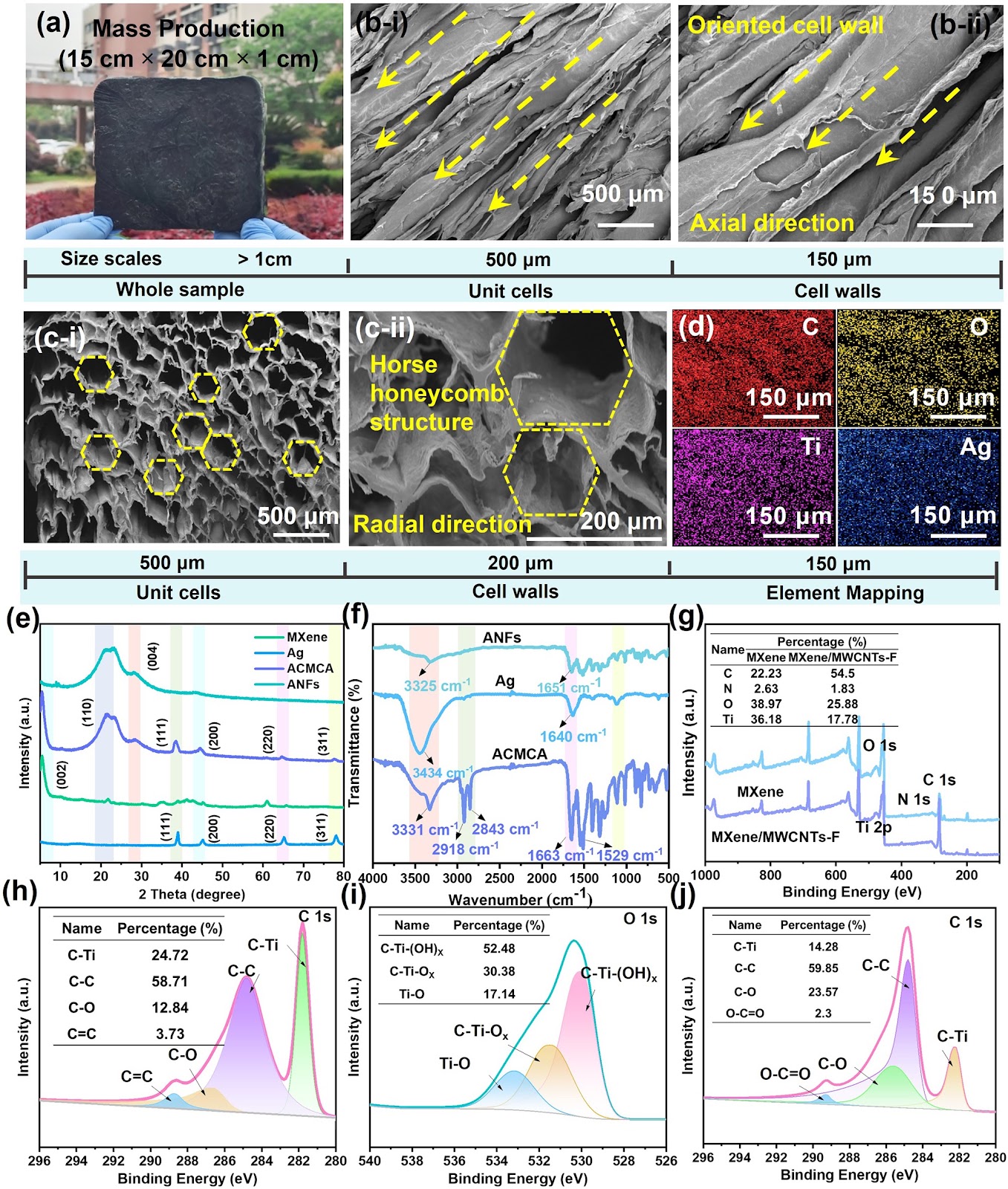
Highly Elastic and Conductive Lamellar Wood Sponge via Cell Wall Reconfiguration Toward Smart Multifunctional Applications

Authors: Xin-jian Dai, Xin Wang, Ji-hang Hu, Pan Jiang, Xiao-qing Wang

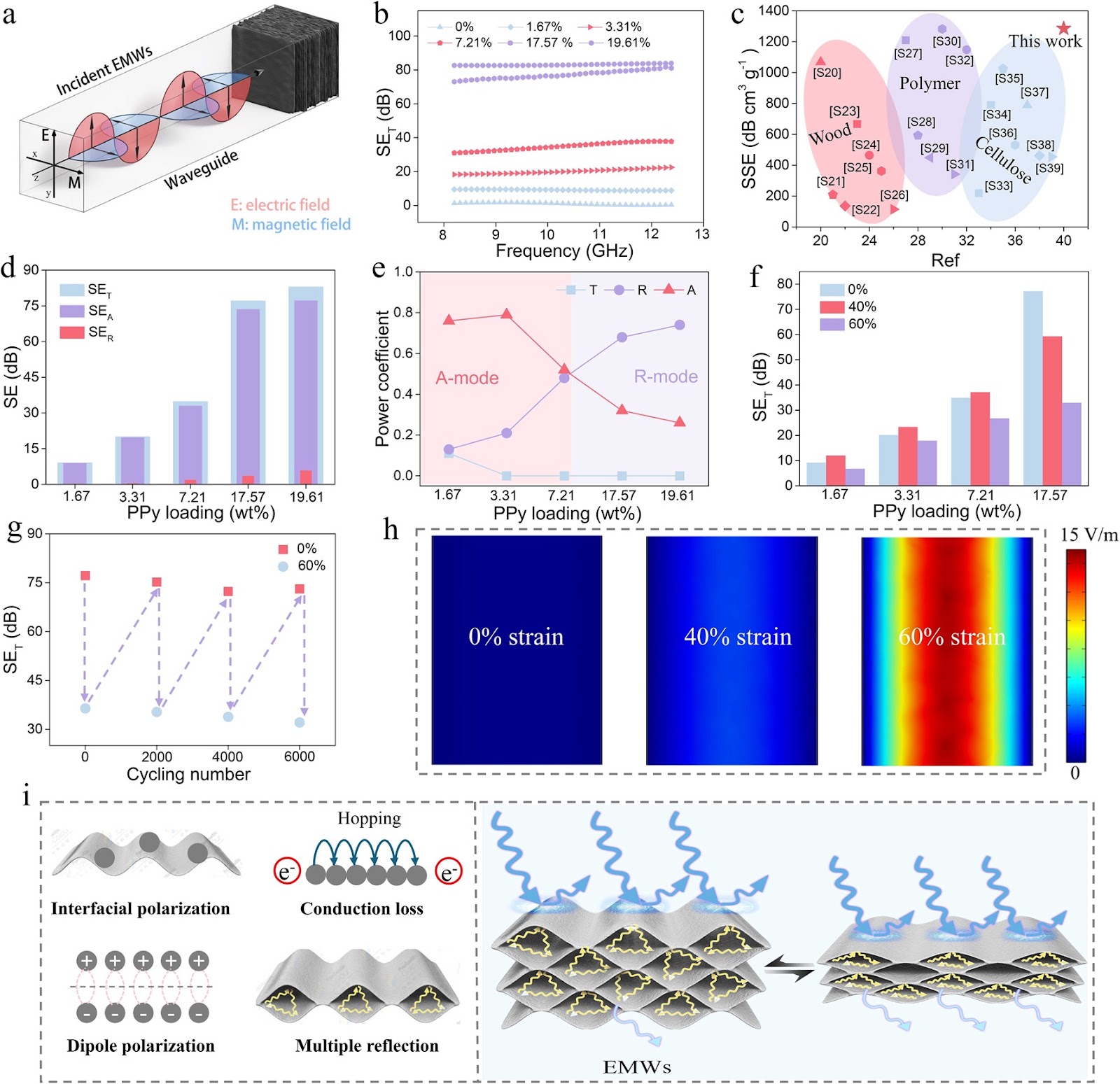
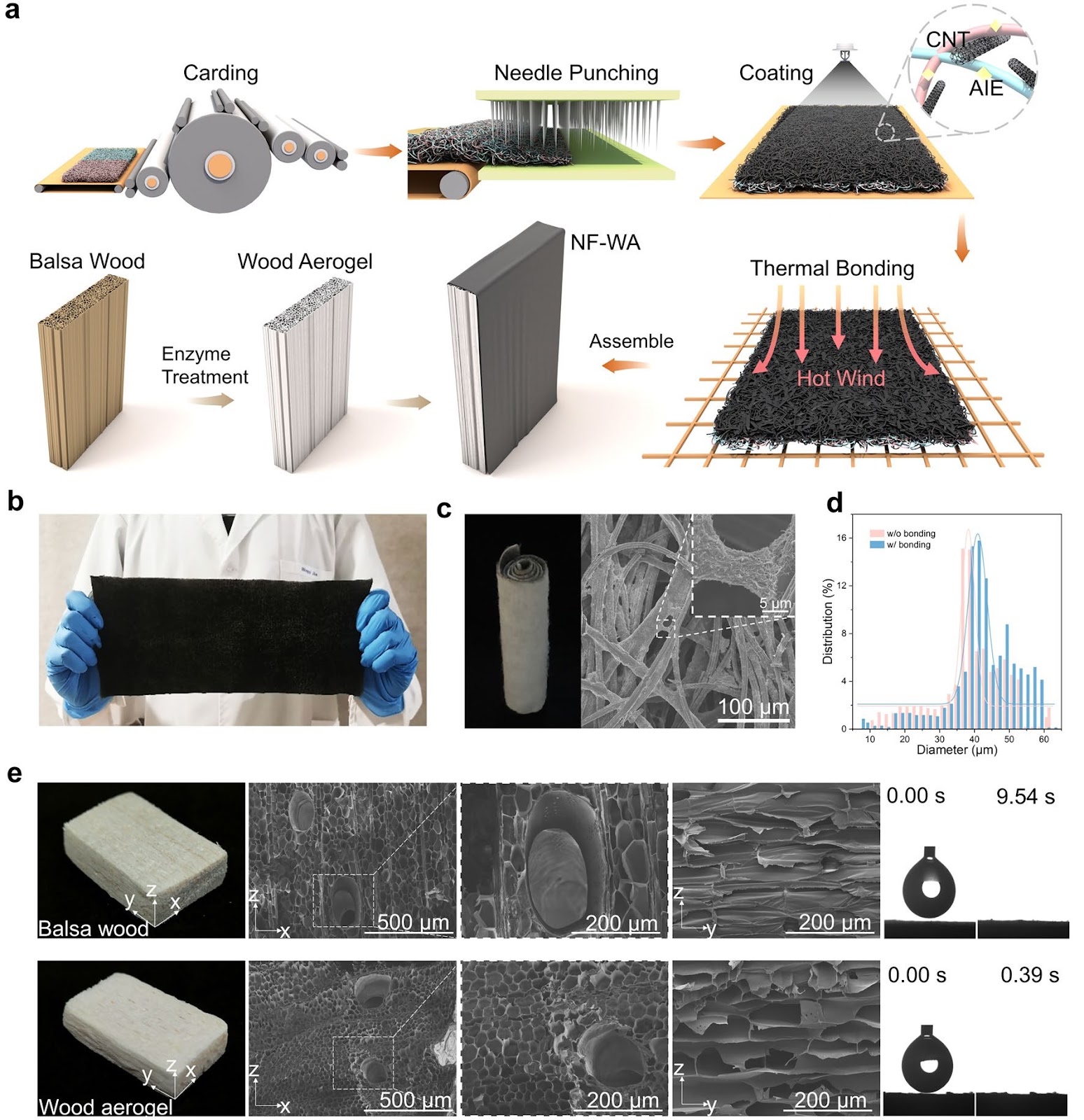
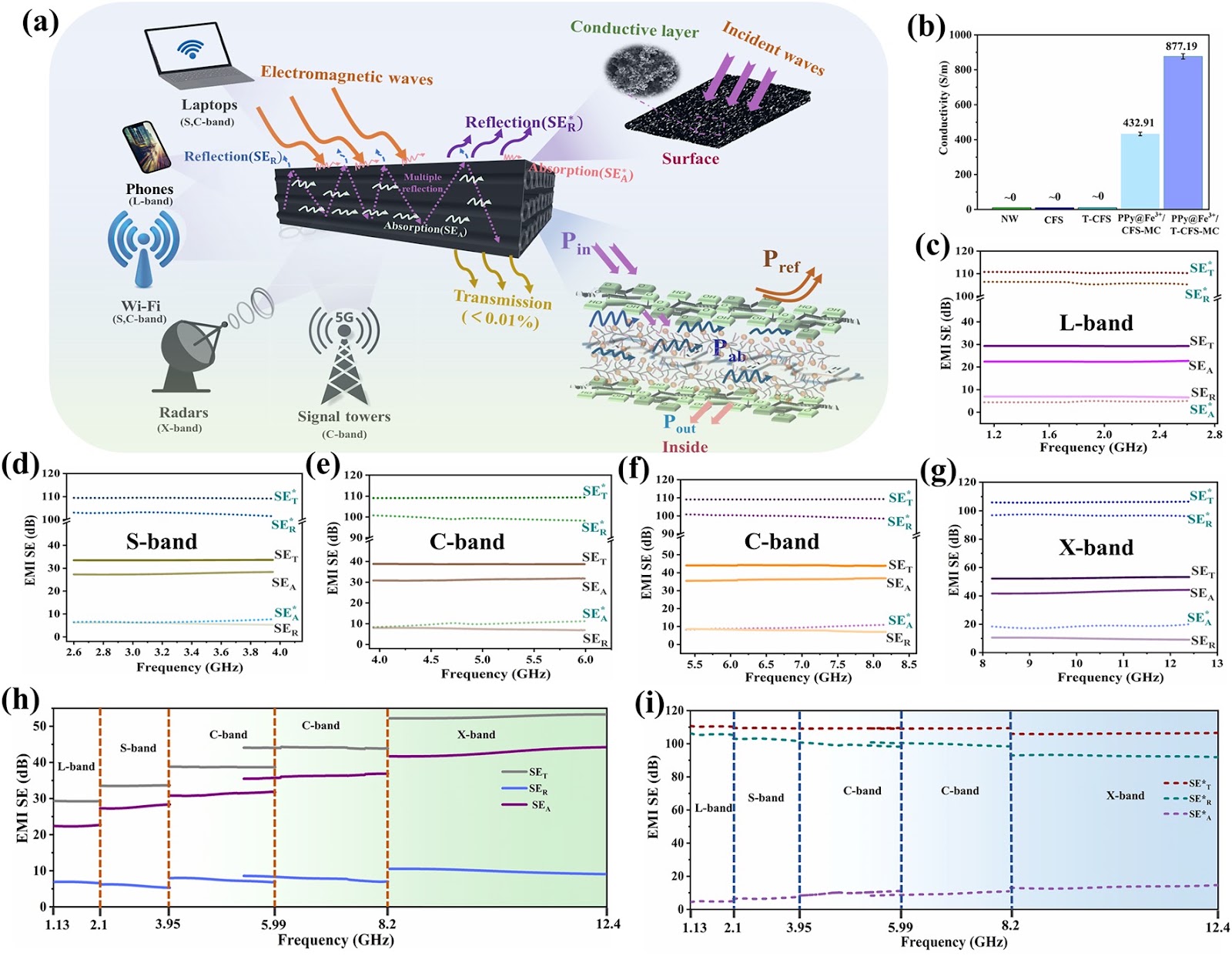
Three-dimensional porous foams and aerogels with high compressibility and elasticity hold great promise for applications in pressure sensing, electromagnetic interference (EMI) shielding, and thermal insulation. However, their widespread application is often hindered by compromised structural stability and inadequate fatigue resistance under repeated compression. Herein, a sustainable “top-down” cell wall reconfiguration strategy is proposed to fabricate highly elastic, fatigue-resistant, and electrically conductive lamellar wood sponge from natural balsa wood. This strategy involves the conversion of the intrinsic cellular structure of wood into an arch-shaped lamellar architecture reinforced by chemical cross-linking, followed by coating the lamellar scaffold with conductive polypyrrole (PPy) via in situ polymerization. The resulting PPy-coated cross-linked wood sponge (CWS@PPy) demonstrates reversible compressibility, excellent fatigue resistance (∼3.5% plastic deformation after 10,000 cycles at 40% strain). The strain-induced conductivity changes in CWS@PPy enable tunable EMI shielding effectiveness under cyclic compression and also facilities high-sensitivity pressure sensing (0.72 kPa−1). Additionally, CWS@PPy exhibits a low through-plane thermal conductivity of 0.037 W m−1 K−1, which can be dynamically tuned for adaptive thermal management. The proposed mechanically robust and conductive wood sponge provides a versatile and sustainable platform for next-generation smart devices.

Highly Elastic and Conductive Lamellar Wood Sponge via Cell Wall Reconfiguration Toward Smart Multifunctional Applications
Graphical Abstract
Original ResearchVol. 18, Issue 1 • pp. 164DOI: 10.1007/s40820-025-02003-9Jan 15, 2026

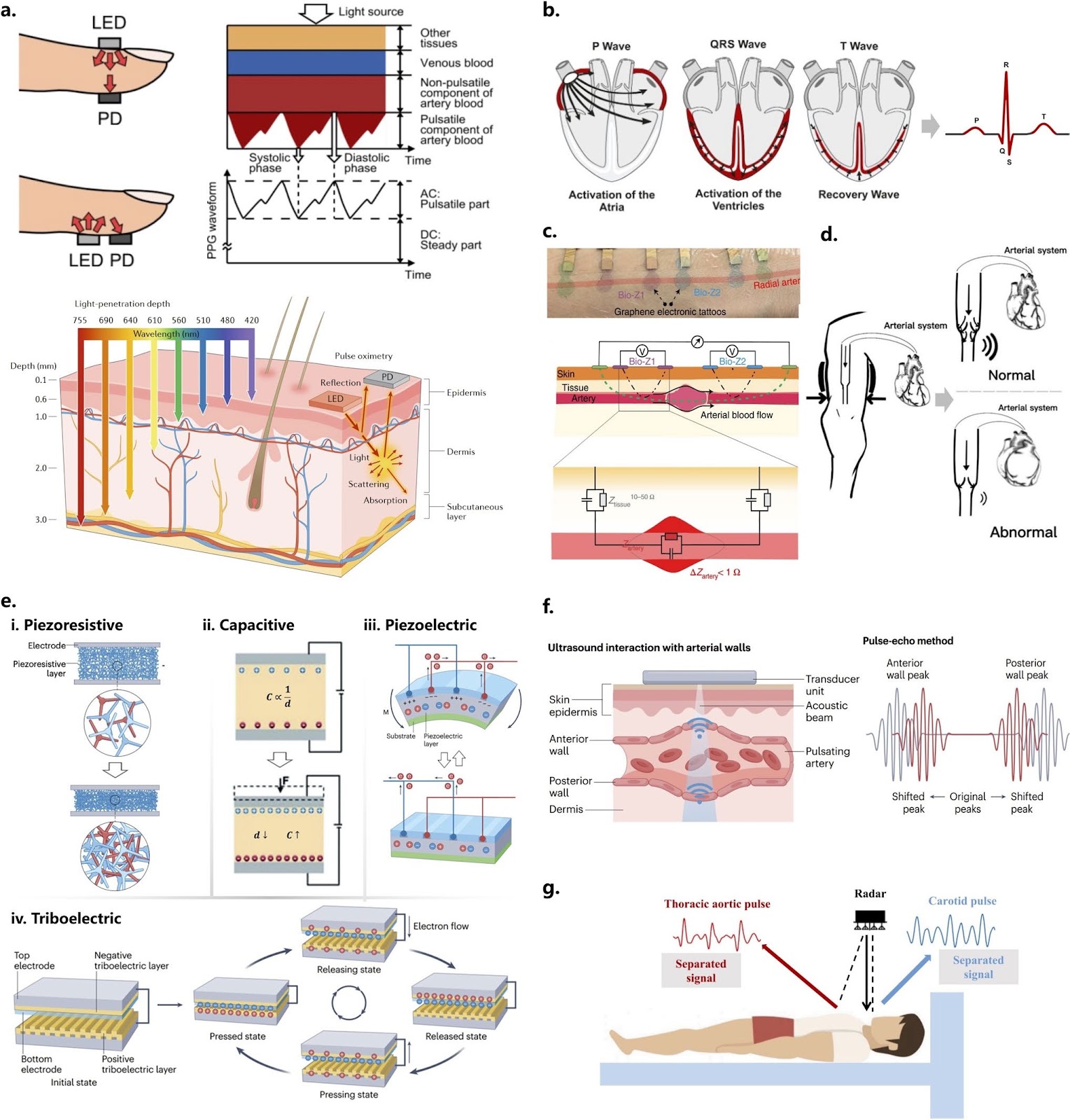
Artificial Intelligence-Enhanced Wearable Blood Pressure Monitoring in Resource-Limited Settings: A Co-Design of Sensors, Model, and Deployment

Authors: Yiming Zhang, Shirong Qiu, Kai Du, Shun Wu, Ting Xiang, Kenghao Zheng, Zijun Liu, Hanjie Chen, Nan Ji, Fa Wang, Weijia Wu, Yuan-Ting Zhang

Accurate blood pressure (BP) monitoring is essential for preventing and managing cardiovascular disease. Advancements in materials science, medicine, flexible electronic, and artificial intelligence (AI) have enabled cuffless, unobtrusive BP monitoring systems, offering an alternative to traditional sphygmomanometers. However, extending these advances to real-world cardiovascular care particularly in resource-limited settings remains challenging due to constraints in computational resources, power efficiency, and deployment scalability. This review presents a comprehensive synthesis of AI-enhanced wearable BP monitoring, emphasizing its potential for personalized, scalable, and accessible healthcare. We systematically analyze the end-to-end system architecture, from mechano-electric sensing principles and AI-based estimation models to edge-aware deployment strategies tailored for low-resource environments. We further discuss clinical validation metrics and implementation barriers and prospective strategies. To bridge lab-to-field translation, we propose an innovative "sensor-model-deployment-assessment" co-design framework. This roadmap highlights how AI-enhanced BP technologies can support proactive hypertension control and promote cardiovascular health equity on a global scale.

Artificial Intelligence-Enhanced Wearable Blood Pressure Monitoring in Resource-Limited Settings: A Co-Design of Sensors, Model, and Deployment
Graphical Abstract
Original ResearchVol. 18, Issue 1 • pp. 160DOI: 10.1007/s40820-025-01996-7Jan 15, 2026

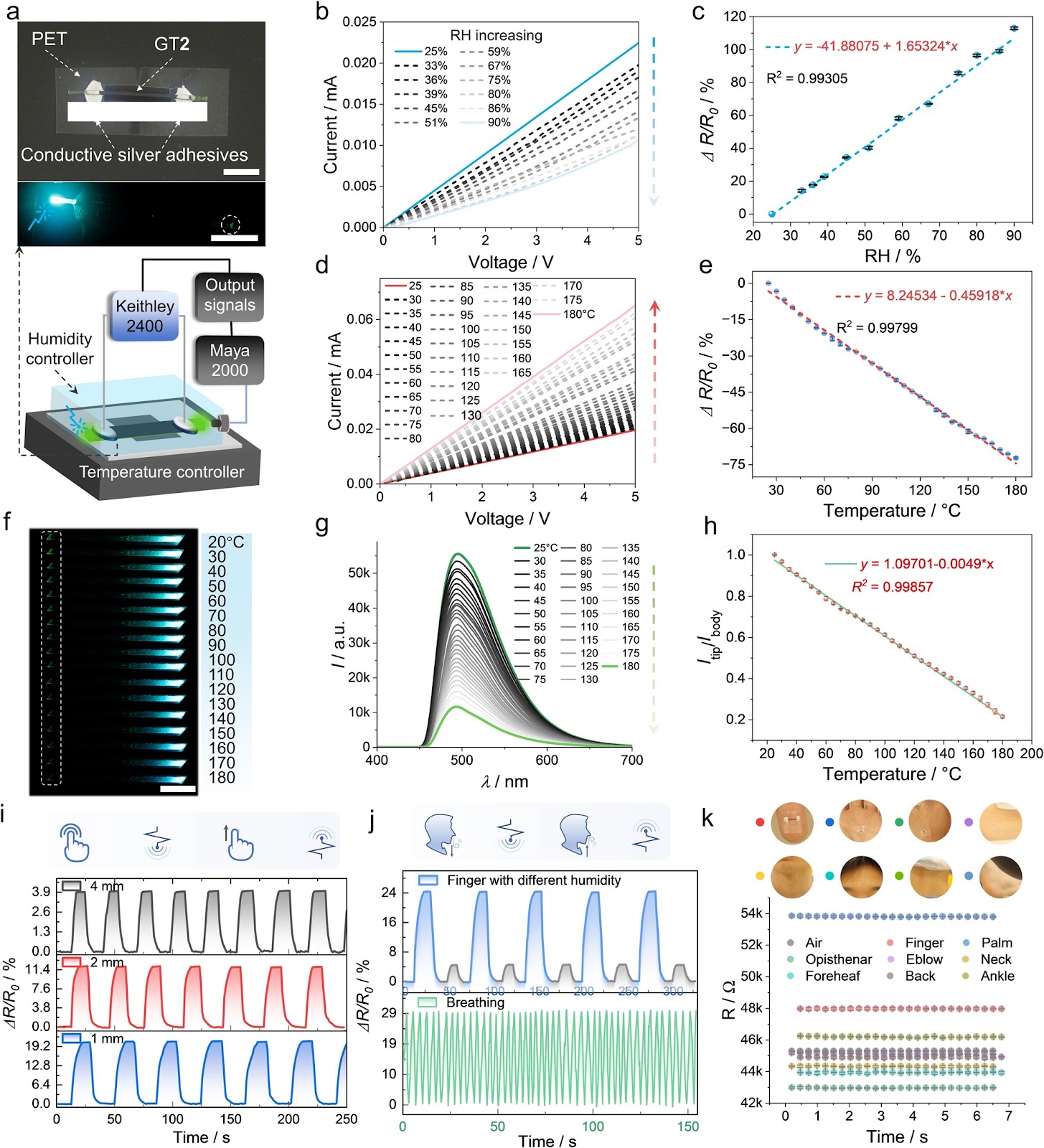
Sandwich-Architected Hybrid Organic Crystals with Humidity–Temperature Sensing and Cryogenic Photothermal Actuation

Authors: Linfeng Lan, Lijie Wang, Chenguang Wang, Hongyu Zhang

The growing demand for personalized health care, smart wearables, and advanced environmental monitoring has spurred the development of multifunctional materials that combine flexibility, environmental adaptability, and diverse functionalities. However, conventional materials often failed to integrate these attributes simultaneously, hindering their applicability in next-generation technologies. Here, we present an organic–inorganic hybrid crystalline material with a unique sandwich-like architecture, in which a flexible organic crystal core is encased by reduced graphene oxide (rGO) and thermoplastic polyurethane (TPU). This strategic integration endows the material with fluorescence, cryogenic flexibility, and electrical conductivity, while also enabling dual sensing and actuation capabilities. The rGO layer facilitates real-time humidity (25–90% RH) and temperature (25–180 °C) sensing through environmental interactions, whereas the differential thermal expansion between TPU and the flexible crystal core drives efficient photothermal actuation at −150 °C for advanced thermal regulation. The hybrid material exhibits stable performance under extreme conditions, making it a promising candidate for biomedical monitoring, flexible electronics, and energy applications. This work establishes hybrid crystalline materials as versatile and scalable platforms for addressing complex technological demands, paving the way for their application in next-generation multifunctional devices.

Sandwich-Architected Hybrid Organic Crystals with Humidity–Temperature Sensing and Cryogenic Photothermal Actuation
Graphical Abstract
Original ResearchVol. 18, Issue 167 • pp. 1-46DOI: 10.1007/s40820-025-02004-8Jan 15, 2026

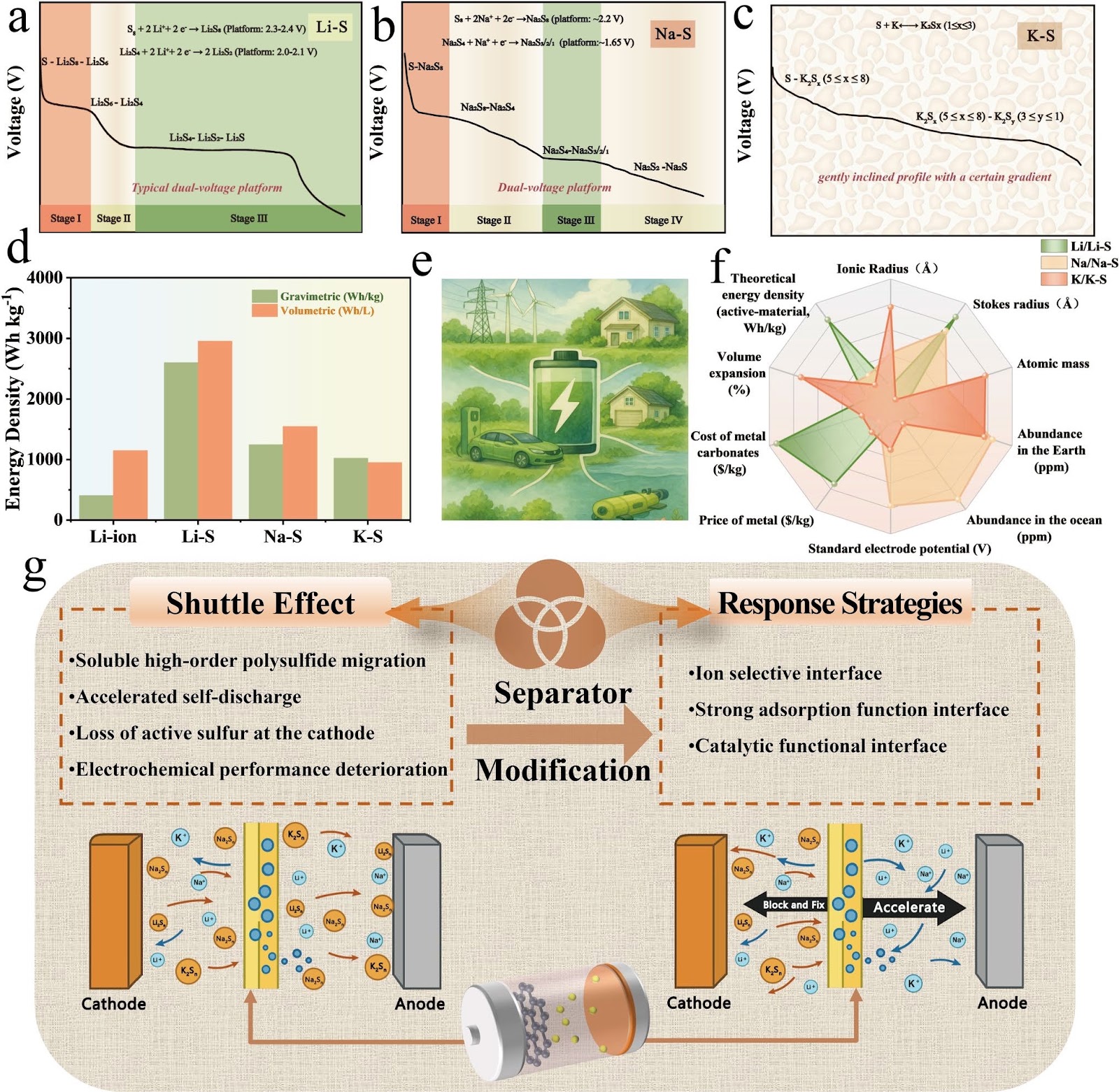
Interface Engineering Strategies for Shuttle Mitigation in Alkali Metal–Sulfur Batteries: A Comparative Review from Li–S to Na–S and K–S Systems

Authors: Zihan Chen, Qiyao Yu, Wei Wang, Jianguo Zhang

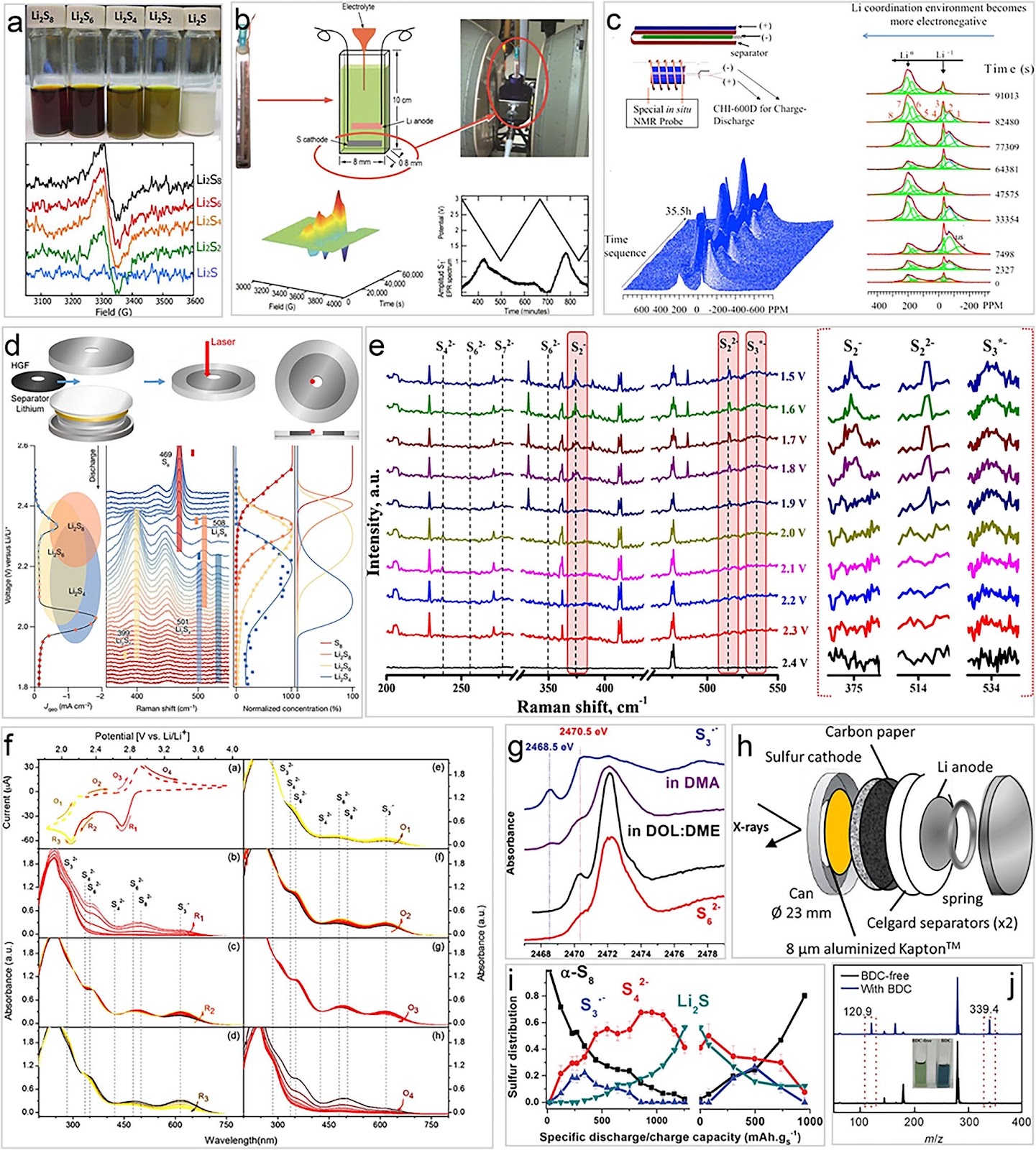
Rechargeable alkali metal-sulfur (M–S) batteries, including Li/Na/K–S chemistries, have the potential to utilize abundant and low-cost sulfur cathodes yet offer high theoretical energy densities. However, their practical electrochemical performance is fundamentally limited by the polysulfide shuttle effect. This challenge is particularly exacerbated in Na–S and K–S systems owing to larger metal-ion radii, weaker solvation energies, slower redox kinetics, and greater electrolyte–electrode incompatibilities compared to Li–S batteries. This review presents a comparative analysis of interface engineering strategies designed to suppress the shuttle effect across these three systems. Following a summary of sulfur cathode properties and reaction mechanisms, we systematically examine the origins of polysulfide shuttling. Our analysis progresses from functional separator design and interlayer enhancements to the implementation of solid‑state electrolytes for root-cause inhibition. By evaluating interface engineering research specific to Na–S and K–S batteries, we elucidate both shared principles and unique challenges inherent to alkali M-S systems. Finally, we propose multifaceted solutions to achieve shuttle-free operation and enhance overall battery performance, thereby establishing a foundation for future advancements.

Interface Engineering Strategies for Shuttle Mitigation in Alkali Metal–Sulfur Batteries: A Comparative Review from Li–S to Na–S and K–S Systems
Graphical Abstract
Original ResearchVol. 18, Issue 1 • pp. 170DOI: 10.1007/s40820-025-02014-6Jan 15, 2026

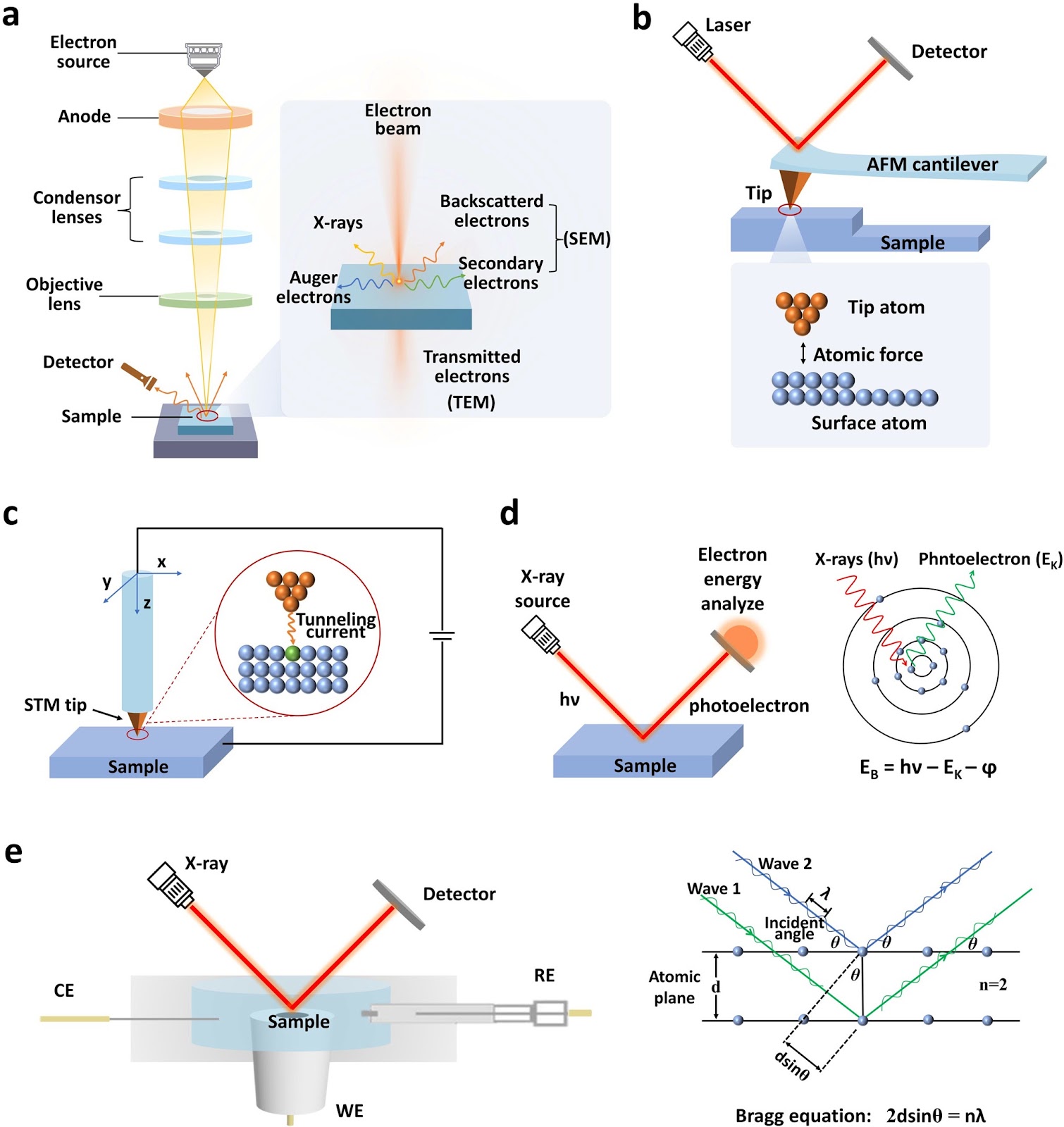
In situ Studies of Electrochemical Energy Conversion and Storage Technologies: From Materials, Intermediates, and Products to Surroundings

Authors: Xing Chen, Yu-Lin Sun, Xiu-Mei Lin, Jin-Chao Dong, Jian-Feng Li

Escalating global energy demands and climate urgency necessitate advanced electrochemical energy conversion and storage technologies (EECSTs) like electrocatalysis and rechargeable batteries. Improving their performance relies on elucidating reaction mechanisms and structure-performance relationships via in situ studies. This review summarizes recent in situ studies of EECSTs through a variety of advanced characterization techniques aiming at mapping reaction pathways for the rational design of overall high-performance reaction systems. We outline the principles, capabilities, advantages, and limitations of various in situ techniques. Their applications in in situ studies of fuel cells, water/CO2 electrolysis, and lithium batteries are highlighted with representative examples. These studies enable dynamic tracking of chemical and structural evolution of overall reaction systems, including materials, intermediates, products, and surroundings during operation, providing insights critical to rational system design. Future advancements will involve integrating multimodal in situ/operando approaches with artificial intelligence to enable real-time monitoring at practical scales. Such integration promises precise mechanistic insights and robust structure-performance correlations, ultimately accelerating the development of high-performance EECSTs aligned with sustainability and market requirements.

In situ Studies of Electrochemical Energy Conversion and Storage Technologies: From Materials, Intermediates, and Products to Surroundings
Graphical Abstract
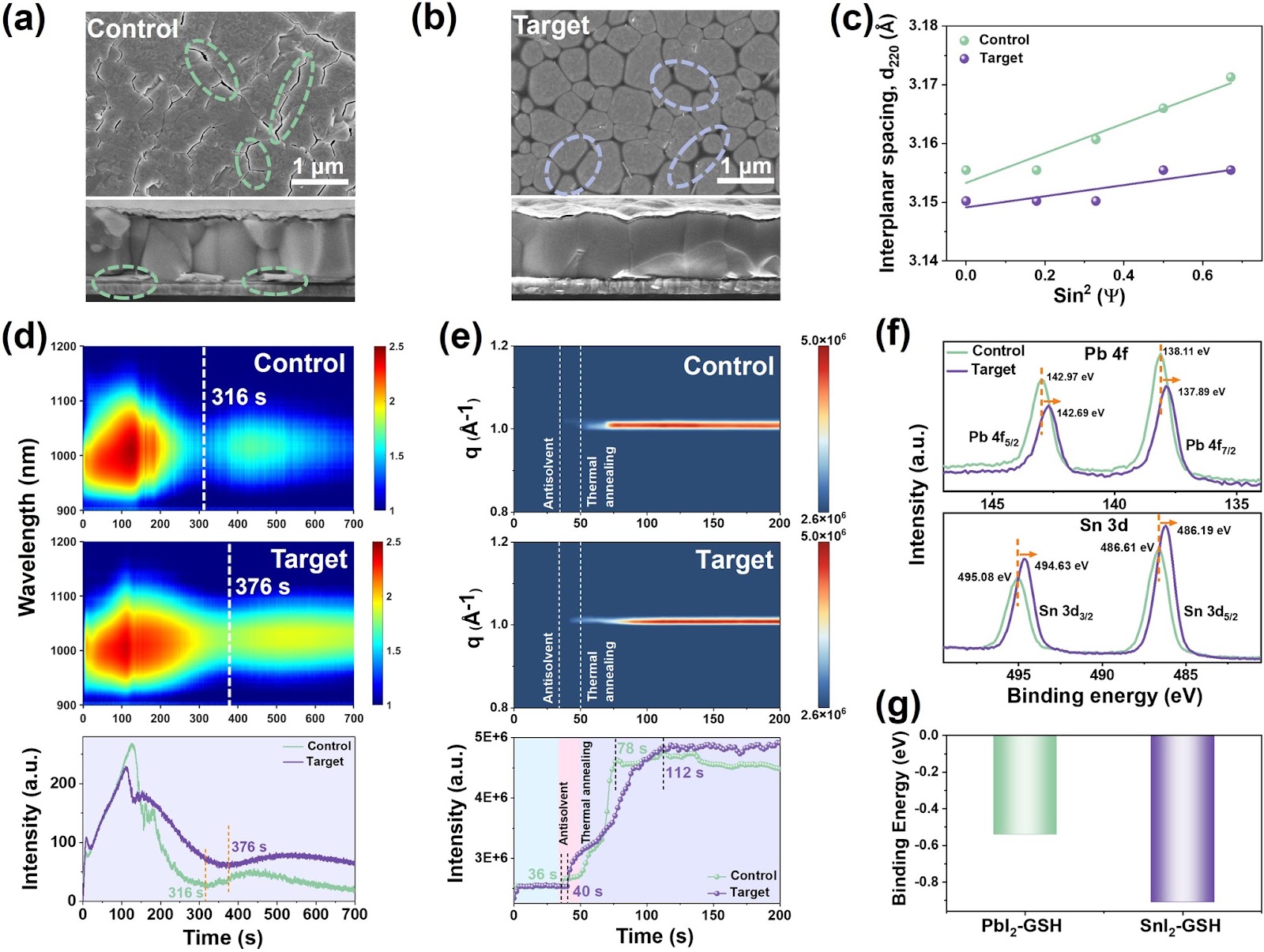
Original ResearchVol. 18, Issue 1 • pp. 165DOI: 10.1007/s40820-025-02006-6Jan 15, 2026

Nature-Inspired Redox Shuttle with Regenerable Antioxidant for Efficient All-Perovskite Tandem Solar Cells

Authors: Rui Meng, Liming Du, Can Li, Zhi Wan, Jishan Shi, Yueying Zhang, Wenfeng Liu, Chongyang Zhi, Chunmei Jia, Lili Tan, Chuanxiao Xiao, Xian-Zong Wang, Lin Song, Xingyu Gao, Zhen Li

Pb–Sn mixed perovskite solar cells (PSCs) are crucial components for realizing efficient all-perovskite tandem devices. However, their efficiency and stability are severely limited by oxidative degradation (Sn4+ formation) and metallic defects (Sn0/Pb0). In addition, the rapid and uncontrolled Sn2+ nucleation kinetics result in nonuniform crystallization. Herein, we introduce a natural redox shuttle glutathione (GSH) in Pb–Sn mixed PSCs, achieving regenerable antioxidation and crystallization regulation simultaneously. The reversible redox reactions between GSH and glutathione disulfide (GSSG) enable the self-healing of Sn4+ and Sn0/Pb0 impurities, creating a regenerable antioxidation protective shell at the perovskite interfaces. Meanwhile, the strong coordination between GSH and perovskite regulates the crystallization process, optimizing the nucleation and crystallization kinetics. Furthermore, the GSH incorporation creates a high-quality charge separation junction at the perovskite/hole transport layer, facilitating carrier separation and extraction. The optimized Pb–Sn PSCs exhibit impressive power conversion efficiencies (PCEs) of up to 23.71%. The champion all-perovskite tandem PSCs with GSH achieve a PCE of 28.49% and retain 90% of the initial PCE after 560 h of continuous illumination. This work establishes a new nature-inspired redox shuttling strategy and elucidates its working mechanism, advancing the development of efficient and stable all-perovskite tandem solar cells.

Nature-Inspired Redox Shuttle with Regenerable Antioxidant for Efficient All-Perovskite Tandem Solar Cells
Graphical Abstract
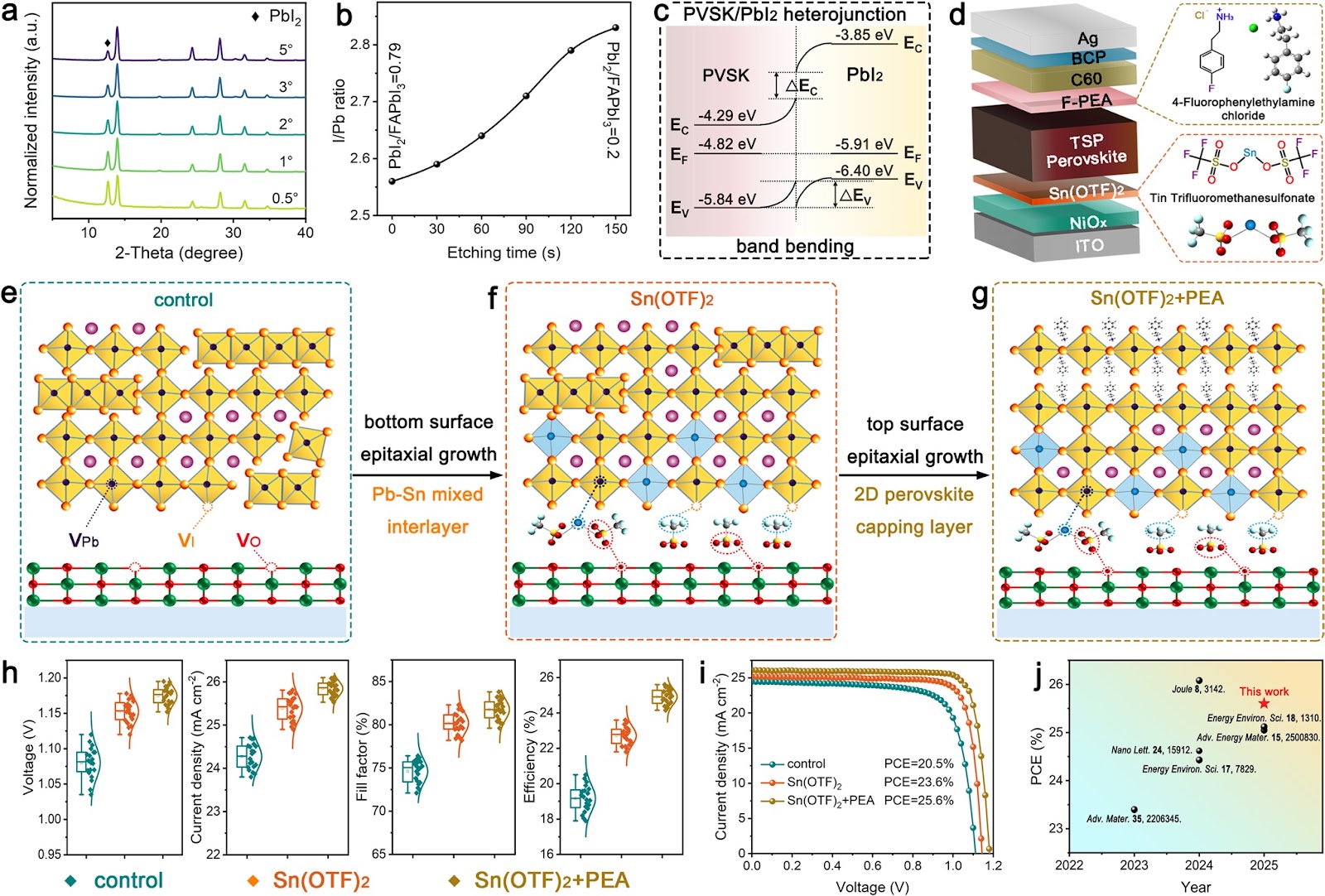
Original ResearchVol. 18, Issue 157 • pp. 1-19DOI: 10.1007/s40820-025-02010-wJan 15, 2026

Vertical Interfacial Engineering in Two-Step-Processed Perovskite Films Enabled by Dual-Interface Modification for High-Efficiency p-i-n Solar Cells

Authors: Wenhao Zhou, Heng Liu, Haiyan Li, Weihai Zhang, Hui Li, Xia Zhou, Rouxi Chen, Wenjun Zhang, Tingting Shi, Antonio Abate, Hsing-Lin Wang

Two-step-processed (TSP) inverted p-i-n perovskite solar cells (PSCs) have demonstrated significant promise in tandem applications. However, the power conversion efficiency (PCE) of TSP p-i-n PSCs rarely exceeds 24%. Here, we demonstrate that TSP perovskite films exhibit a vertically gradient distribution of residual PbI2 clusters, which form Schottky heterojunctions with the perovskite, leading to substantial interfacial energy-level mismatches within NiOx-based TSP p-i-n PSCs. These limitations were effectively addressed via a vertical interfacial engineering enabled by dual-interface modification incorporating tin trifluoromethanesulfonate (Sn(OTF)2) and 4-Fluorophenylethylamine chloride (F-PEA) at the NiOx/perovskite and perovskite/C60 interfaces, respectively. The functional Sn(OTF)2 not only enhances the conductivity of NiOx films but also suppresses ion migration, while inducing the formation of a Pb-Sn mixed perovskite interlayer that precisely regulates the energy level at the NiOx/perovskite interface. Complementally, F-PEA post-treatment effectively converts surface residual PbI2 clusters into a 2D perovskite capping layer, which simultaneously passivates surface defects and enhances energy-level alignment at the perovskite/C60 interface. Consequently, the optimized NiOx-based TSP p-i-n PSCs achieve a notable PCE of 25.6% with superior operational stability. This study elucidates the underlying mechanisms limiting the efficiency of TSP p-i-n PSCs, while establishing design principles for these devices targeting 26% efficiency.

Vertical Interfacial Engineering in Two-Step-Processed Perovskite Films Enabled by Dual-Interface Modification for High-Efficiency p-i-n Solar Cells
Graphical Abstract
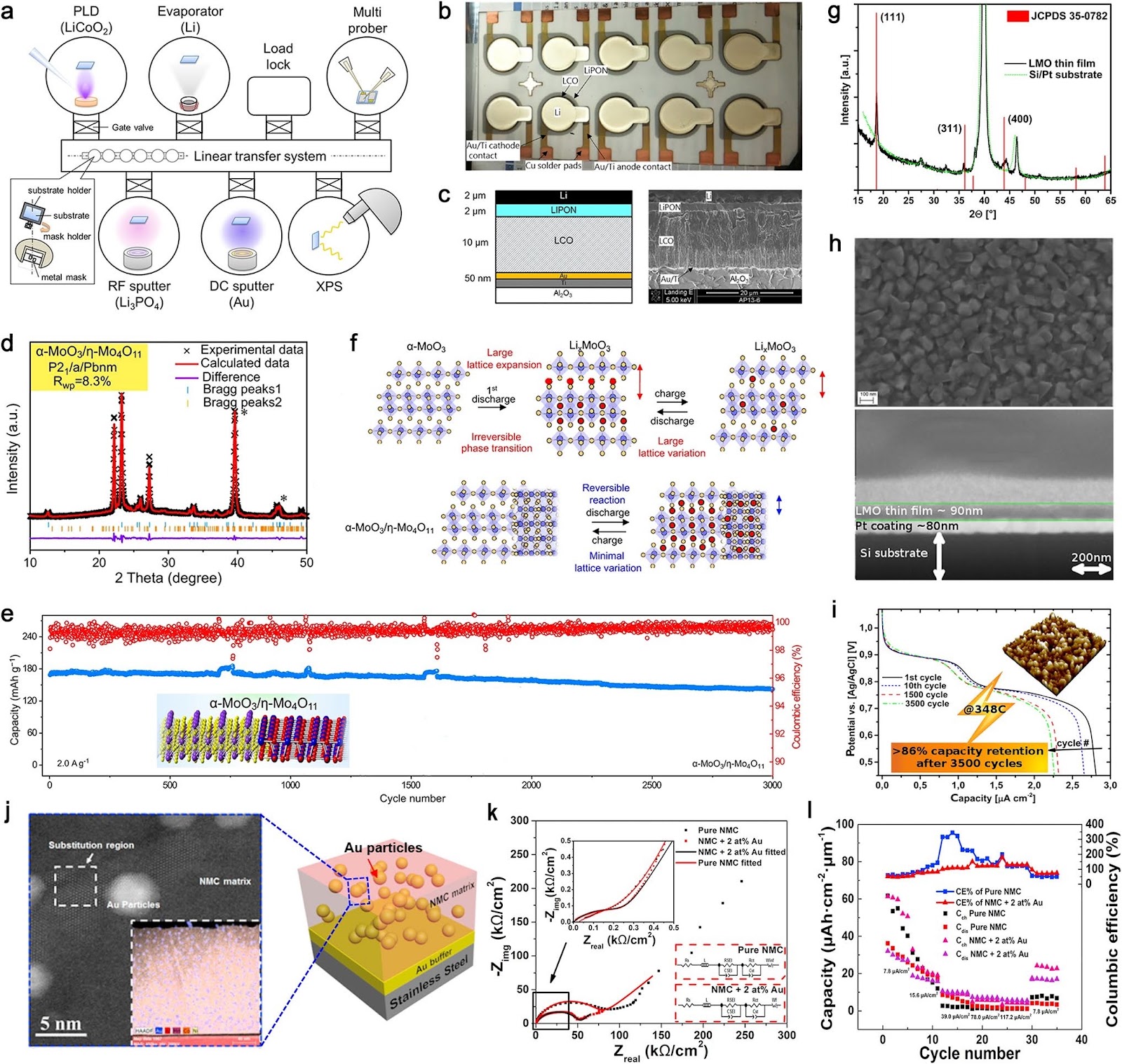
Original ResearchVol. 18, Issue 1 • pp. 159DOI: 10.1007/s40820-025-02002-wJan 15, 2026

Vapor Deposition Engineering for Thin-Film Microbatteries: From Nanoscale Ionics to Interface-Integrated Architectures

Authors: Mingming Zheng, Xinrui Xu, Xiaofei Wang, Haibin Lin, Changmin Hou, Mustafa Khan, Jinlong Zhu, Songbai Han

The rapid proliferation of microelectronics, coupled with the advent of the internet of things (IoT) era, has created an urgent demand for miniaturized, integrable, and reliable on-chip energy storage systems. All-solid-state thin-film microbatteries (TFMBs), distinguished by their intrinsic safety, compact design, and compatibility with microfabrication techniques, have emerged as promising candidates to power next-generation IoT devices. Nevertheless, in contrast to the well-established development of conventional lithium-ion batteries, the advancement of TFMBs remains at an early stage, facing persistent challenges in materials innovation, interface optimization, and scalable manufacturing. This review critically examines the pivotal role of vapor deposition technologies, including magnetron sputtering, pulsed laser deposition, thermal/electron-beam evaporation, chemical vapor deposition, and atomic layer deposition, in the fabrication and performance modulation of TFMBs. We systematically summarize recent progress in thin-film electrodes and solid-state electrolytes, with particular emphasis on how deposition parameters dictate crystallinity, lattice orientation, and ionic transport in functional layers. Furthermore, we highlight strategies for solid–solid interface engineering, three-dimensional structural design, and multifunctional integration to enhance capacity retention, cycling stability, and interfacial compatibility. Looking ahead, TFMBs are expected to evolve toward multifunctional platforms, exhibiting mechanical flexibility, optical transparency, and hybrid energy-harvesting compatibility, thereby meeting the heterogeneous energy requirements of future IoT ecosystems. Overall, this review provides a comprehensive perspective on vapor-phase-enabled TFMB technologies, delivering both theoretical insights and technological guidelines for the scalable realization of high-performance microscale power sources.

Vapor Deposition Engineering for Thin-Film Microbatteries: From Nanoscale Ionics to Interface-Integrated Architectures
Graphical Abstract
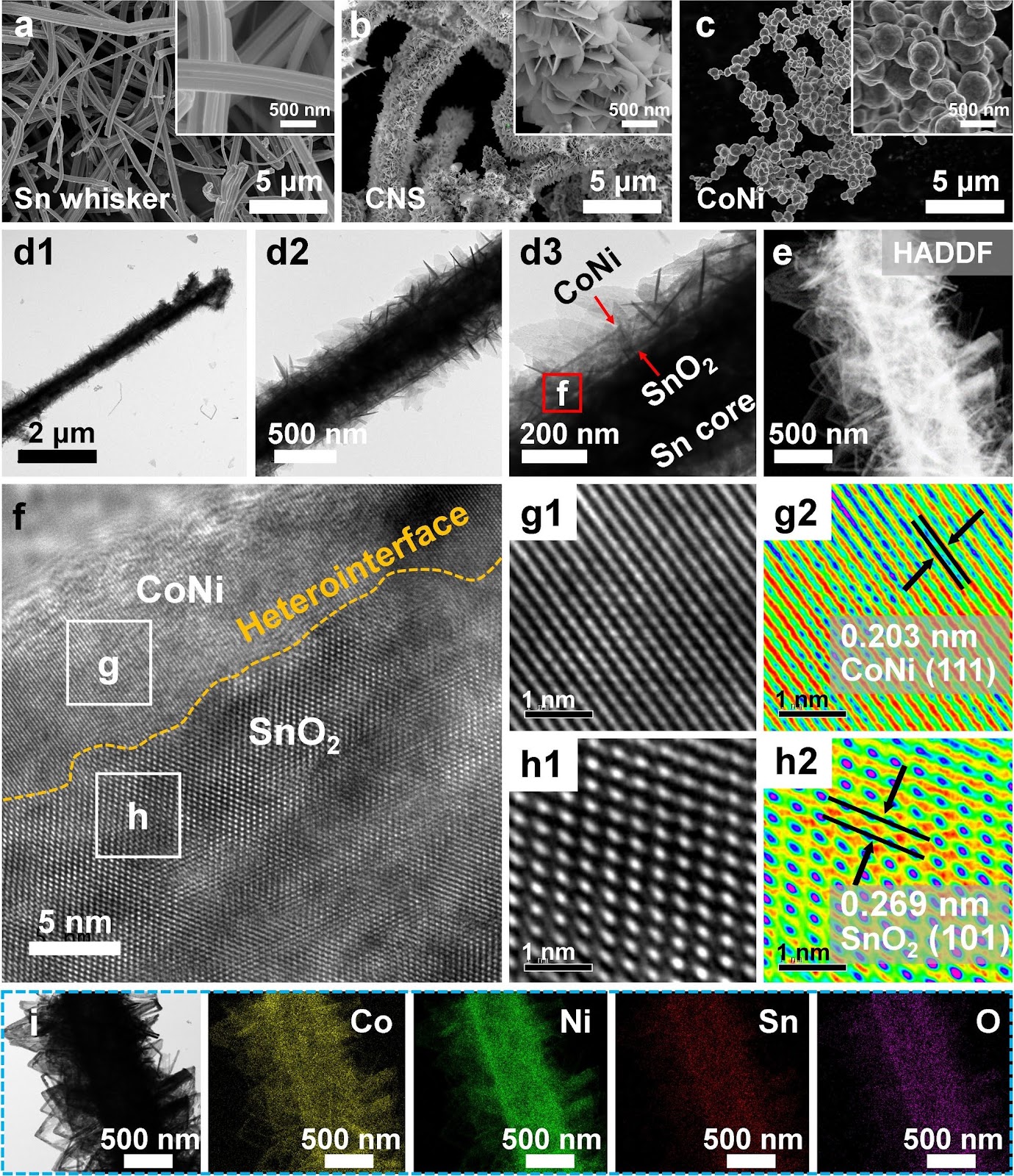
Original ResearchVol. 18, Issue 155 • pp. 1-20DOI: 10.1007/s40820-025-01995-8Jan 15, 2026

Magnetic–Dielectric Synergy in One-Dimensional Metal Heterostructures for Enhanced Low-Frequency Microwave Absorption

Authors: Feiyue Hu, Peigen Zhang, Pei Ding, Shuo Zhang, Bingbing Fan, Ali Saffar Shamshirgar, Wei Zheng, Wenwen Sun, Longzhu Cai, Haijiao Xie, Qiyue Shao, Johanna Rosen, ZhengMing Sun

Microwave absorption (MA) materials often face poor synergy between impedance matching and attenuation in the low-frequency range. Balancing permittivity and permeability through magnetic–dielectric synergy is a promising strategy to address this issue. To realize the synergy, herein, Sn whiskers with an in situ oxide layer served as substrates for magnetic-loss-active CoNi nanosheet growth, forming a hierarchical CoNi@SnO2@Sn (CNS) heterostructure. The CNS absorber achieves a minimum reflection loss (RLmin) value of −62.29 dB with an effective absorption bandwidth (EAB) of 2.2 GHz, covering the entire C-band with 70% absorption at only 2.61 mm thickness. The nanosheet design of CoNi enhances magnetic anisotropy to promote natural resonance, while the conductive Sn core and abundant Sn/SnO2 and CoNi/SnO2 heterointerfaces facilitate conduction loss and dielectric polarization. When composited into a thermoplastic polyurethane (TPU) matrix, the resulting CNS/TPU-2 film (20 wt% CNS) exhibits an RLmin value of -61.04 dB and a 2.5 GHz EAB. Its in-plane and through-plane thermal conductivities reach 2.41 and 0.51 W m−1 K−1, representing 4.1 and 2.6 times those of pure TPU films, respectively, facilitating heat dissipation from protected devices. This work provides valuable insights into magnetic–dielectric synergy for low-frequency MA of 1D metal-based materials, offering promising potential for 5G communications and flexible electronics.

Magnetic–Dielectric Synergy in One-Dimensional Metal Heterostructures for Enhanced Low-Frequency Microwave Absorption
Graphical Abstract
Original ResearchVol. 18, Issue 1 • pp. 156DOI: 10.1007/s40820-025-01990-zJan 15, 2026

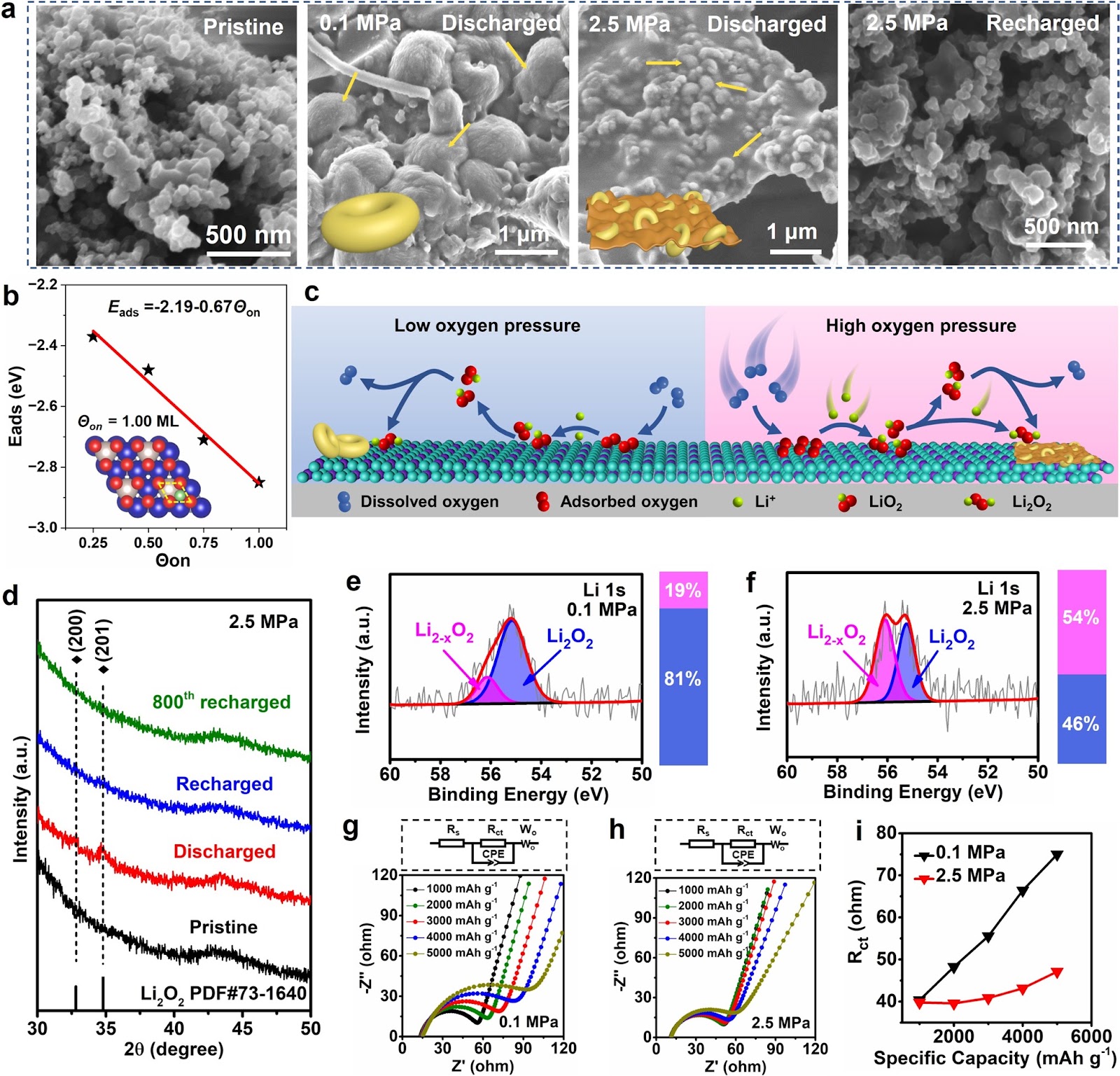
Oxygen-Pressure Protocol Breaking Cycle Limit of Continuously Reversible Lithium-Oxygen Batteries

Authors: Xinhang Cui, Fenglong Xiao, Guoliang Zhang, Zhangliu Tian, Qingshan Bao, Yanlu Li, Deliang Cui, Qilong Wang, Feng Dang, Wei Chen, Haohai Yu, Huaijin Zhang, Gang Lian

Lithium-oxygen (Li-O2) battery is favored among “beyond lithium-ion” technologies for sustainability because of its exceptional energy density. Major impediments are the poor cycle stability and grievous capacity degradation at high current densities. We address these issues by a “killing two birds with one stone” O2-pressure protocol. It first resolves efficient O2 mass transport at high rates. The accelerated reaction kinetics optimizes the composition and growth pathway of discharge products. This protocol secondly achieves protection of Li anodes via densifying corrosion layers on them. Consequently, the battery delivers both ultrahigh discharge capacity (> 9,000 mAh g−1) at 3,000 mA g−1 and excellent cycling stability. Under a dual-strategy effect of high-pressure O2 and artificial protection layers, the battery actualizes over 11-fold increase in cycle life of 5,170 h (2,585 cycles). The strategy opens avenues for advancing Li-O2 batteries towards practical application and confers the extension to other gas-based batteries.

Oxygen-Pressure Protocol Breaking Cycle Limit of Continuously Reversible Lithium-Oxygen Batteries
Graphical Abstract
Original ResearchVol. 18, Issue 1 • pp. 151DOI: 10.1007/s40820-025-01979-8Jan 15, 2026

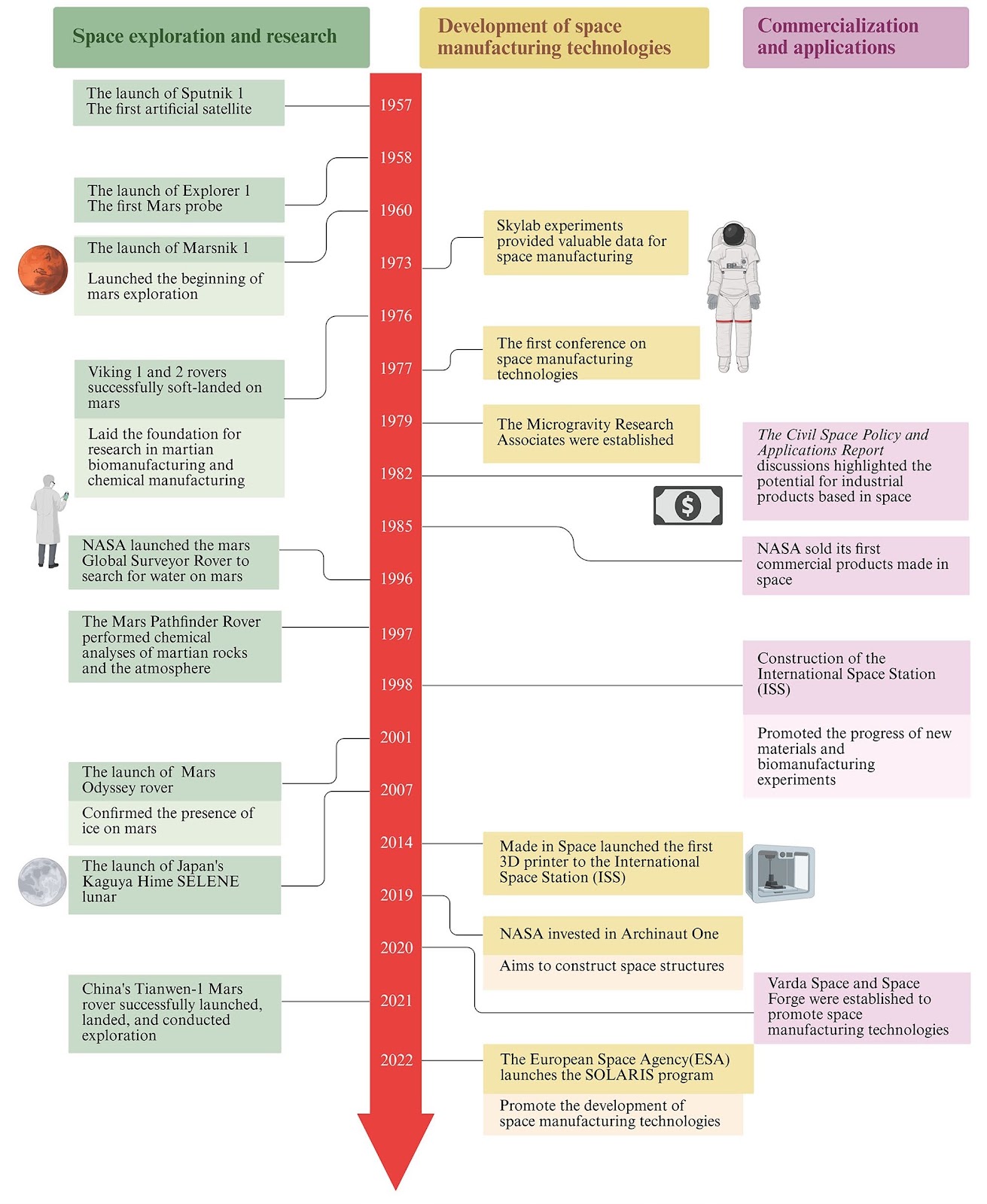
Emerging Chemical and Biological Materials Technologies in the Extraplanetary Environment

Authors: Qingyao Jiang, Bin Wang, Yifan Cheng, Yiming Wang, Hongxin Zhao, Yuan Lu

Space exploration and manufacturing are of critical importance for scientific advancement, technological innovation, national security, and the acquisition of extraterrestrial resources. In view of this, chemical and biological nano-/micro-/meso-scale manufacturing provide complementary approaches to overcome key space exploration challenges by enabling the in-situ production of essential life-support materials, propellants, and other resources. This review examines the origin and historical evolution of space manufacturing and the latest advances across different environments—from orbital space stations and the lunar surface to Mars and asteroids. It is structured to present the current state of research, outline key manufacturing strategies and technologies, assess the technical and environmental challenges, and discuss emerging trends and future directions. Besides, the potential applications of emerging technologies such as synthetic biology and artificial intelligence in overcoming the limitations of microgravity, limited resources, and extreme conditions are discussed. Ultimately, this integrative review could serve to guide future development, from advancing space science and disruptive manufacturing to enabling interdisciplinary and application-level innovations.

Emerging Chemical and Biological Materials Technologies in the Extraplanetary Environment
Graphical Abstract
Original ResearchVol. 18, Issue 1 • pp. 154DOI: 10.1007/s40820-025-01999-4Jan 15, 2026

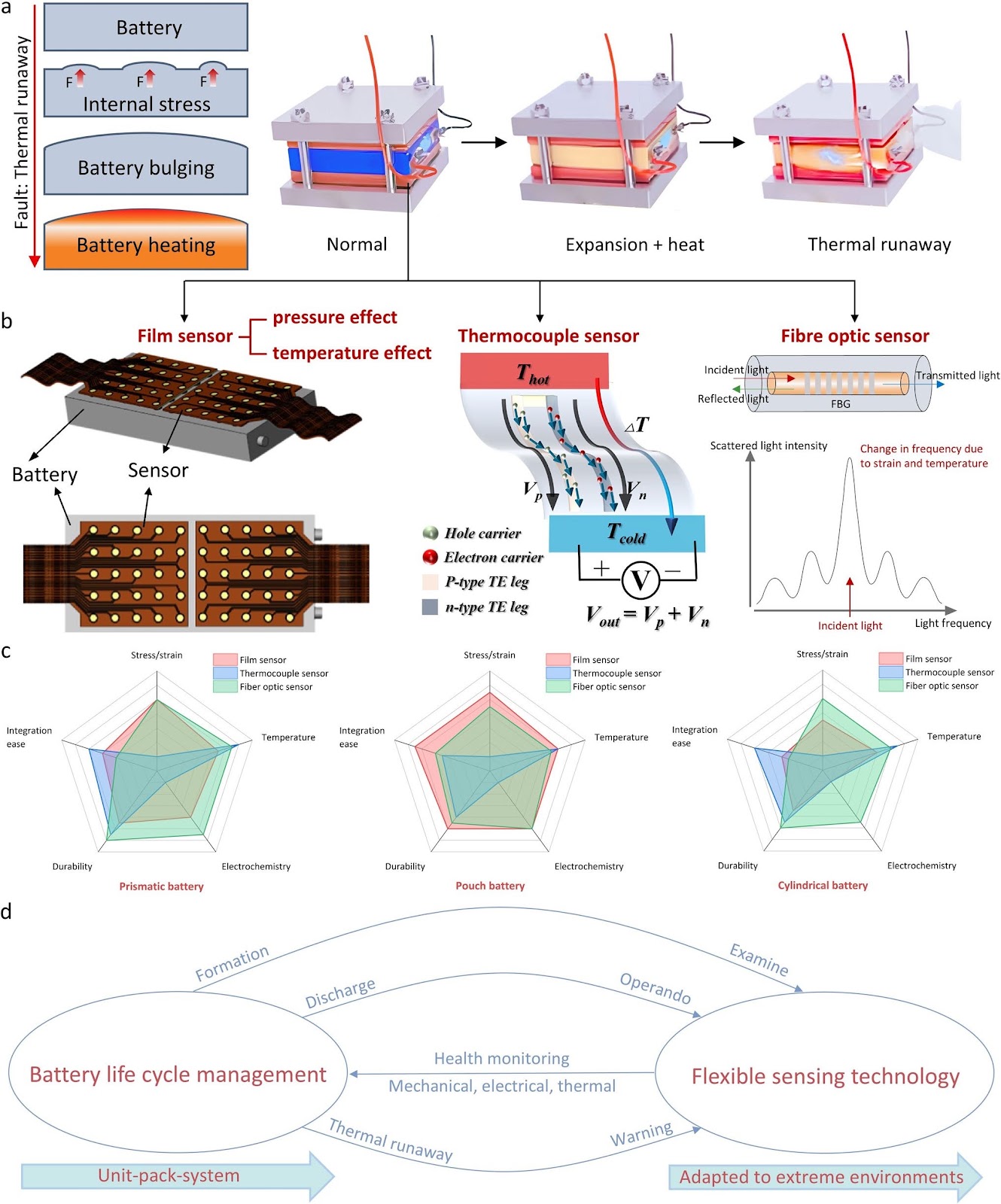
Flexible Sensors for Battery Health Monitoring

Authors: Xin Wang, Haiyan Zhang, Xinyi Qi, Sheng Chen, Zekai Huang, Jinwei Zhao, Yihang Wang, Dezhi Wu, Gaofeng Zheng, Chenyang Xue, Jianlin Zhou, Hailong Wang, Zongyou Yin, Libo Gao

With the widespread application of lithium batteries in electric vehicles and energy storage systems, battery-related safety and reliability issues have become increasingly prominent. Conventional monitoring methods often struggle to address dynamic changes under complex operando. In recent years, flexible sensing technology has emerged as a promising solution for battery health monitoring due to its high adaptability and conformability to complex structures. Meanwhile, empowered by artificial intelligence (AI) for data analysis, the collected data enables efficient and accurate state assessment, offering robust support for accident prevention. Against this background, this paper first explores the integrated applications of flexible sensors in battery health monitoring and their unique advantages in addressing complex battery operating conditions, while analyzing the potential of AI in battery state analysis. Subsequently, it systematically reviews mainstream flexible sensing technologies (e.g., film sensors, thermocouples, and optical fiber sensors), elucidating their mechanisms for revealing intricate internal battery processes during operation. Finally, the paper discusses AI’s role in enhancing monitoring efficiency and accuracy, and envisions future research directions and application prospects. This work aims to provide technical references for the battery health monitoring field as well as promote the application of flexible sensing technologies in improving battery system safety and reliability.

Flexible Sensors for Battery Health Monitoring
Graphical Abstract
Original ResearchVol. 18, Issue 152 • pp. 1-21DOI: 10.1007/s40820-025-01998-5Jan 15, 2026

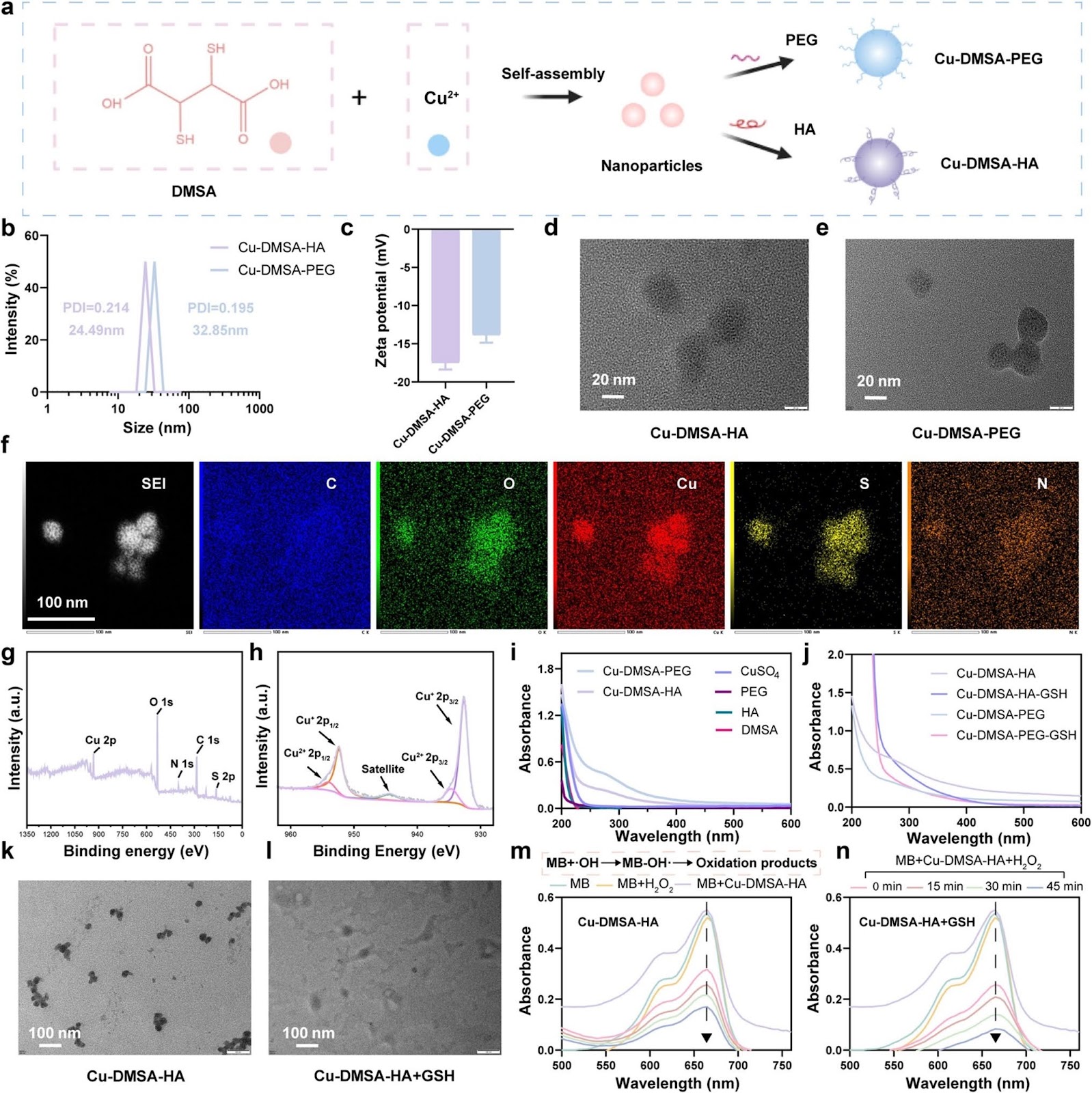
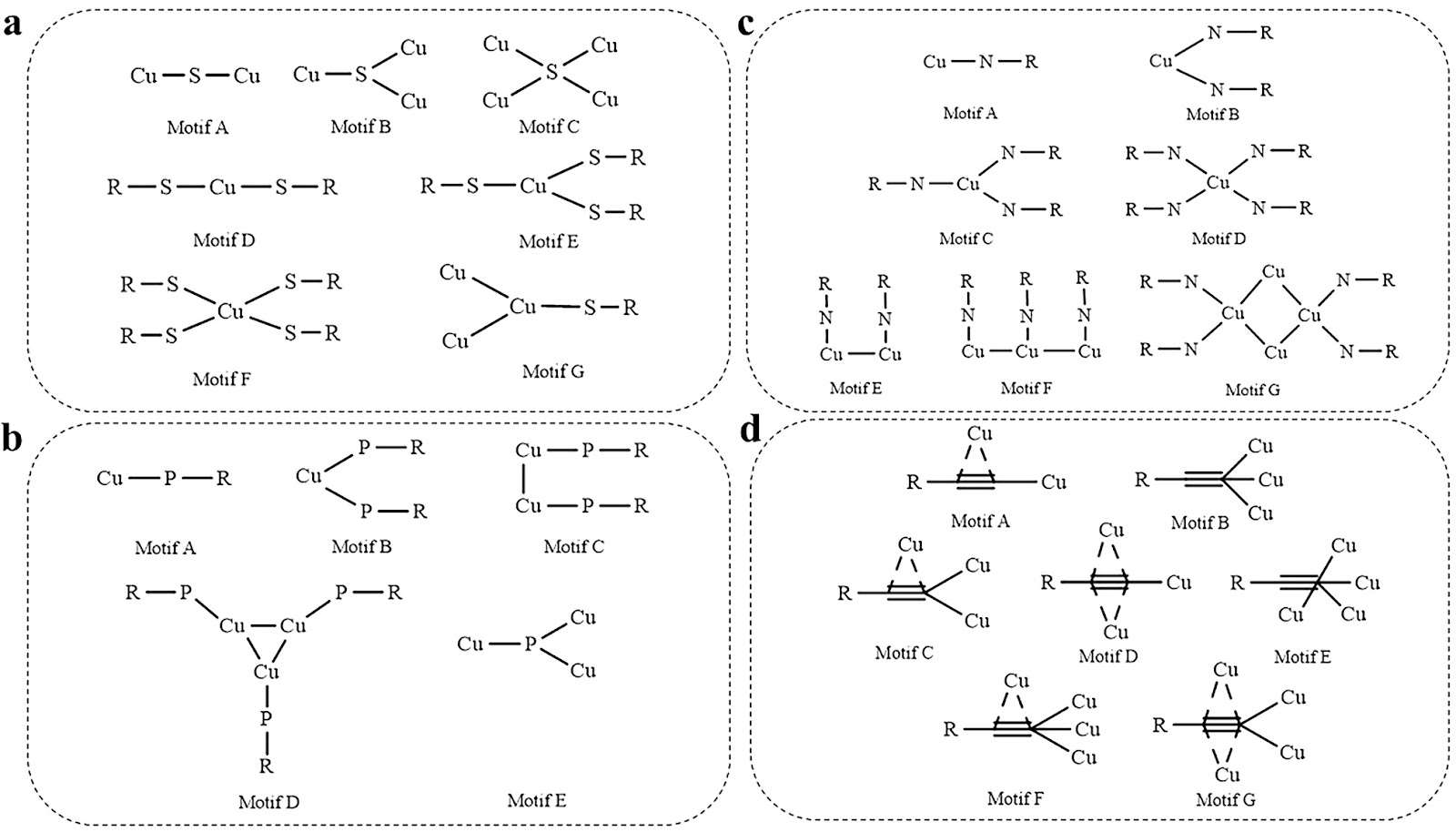
Copper-Based Targeted Nanocatalytic Therapeutics for Non-Small Cell Lung Cancer

Authors: Yongfei Fan, Jiao Chang, Xichun Qin, Meng Li, Yan Li, Leilei Wu, Kun Li, Zhimin Chen, Yani Li, Zhongmin Tang, Dong Xie, Jianlin Shi

Conventional treatments for non-small cell lung cancer (NSCLC) suffer from low remission rates, high drug resistance, and severe adverse effects. To leverage the therapeutic potential of reactive oxygen species (ROS), nanocatalytic medicine utilizes nanomaterials to generate ROS specifically within tumor sites, enabling efficient and targeted cancer treatment. In this study, hyaluronic acid (HA)-modified copper-N,N-dimethyl-N-phenylsulfonylbisamine (DMSA)-assembled nanoparticles (Cu-DMSA-HA NPs) are developed with tumor-targeting capability and efficiently catalyze ROS production via coordination chemistry. Targeted delivery is facilitated by HA surface modification through recognition of overexpressed cluster of differentiation 44 receptors on cancer cells, which enhances nanoparticle uptake. Once internalized, intracellular glutathione is depleted by the NPs, followed by a Fenton-like reaction that sustains ROS production. Both in vitro and in vivo studies demonstrate that this catalytic strategy effectively inhibits DNA replication, prevents cell cycle progression, down-regulates glutathione peroxidase 4 expression, induces ferroptosis, and ultimately suppresses NSCLC progression. Overall, the readily prepared Cu-DMSA-HA NPs exhibit robust catalytic activity and tumor specificity, highlighting their strong potential for clinical translation in nanocatalytic cancer therapy.

Copper-Based Targeted Nanocatalytic Therapeutics for Non-Small Cell Lung Cancer
Graphical Abstract
Original ResearchVol. 18, Issue 147 • pp. 147DOI: 10.1007/s40820-025-01987-8Jan 15, 2026

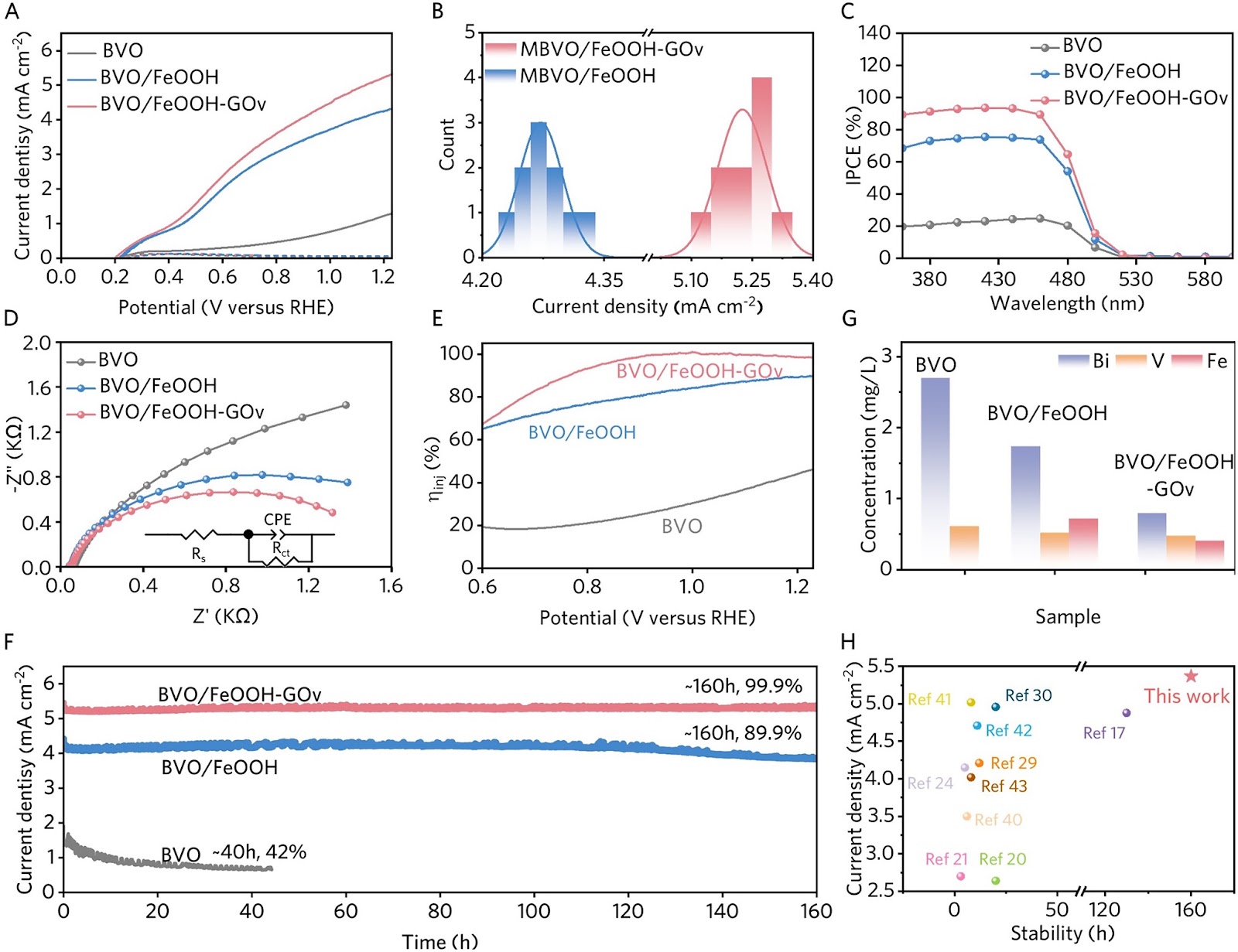
FeOOH Cocatalysts with Gradient Oxygen Vacancy Distribution Enabling Efficient and Stable BiVO4 Photoanodes

Authors: Shiyuan Wang, Mengjia Jiao, Qian Ye, Jie Jian, Fan Li, Guirong Su, Lu Zhang, Ziying Zhang, Zelin Ma, Jiulong Wang, Yazhou Shuang, Fang Wang, Yalong Song, Lichao Jia, Hongqiang Wang

Highly active and stable FeOOH cocatalysts are essential for achieving optimal performance of BiVO4 (BVO) photoanodes. Despite offering remarkable structural stability, widely used thick FeOOH cocatalysts often suffer from insufficient hole transport capability, which hinders the overall activity. The present study demonstrates that a simple photoetching strategy is able to introduce gradient distributed oxygen vacancies (GOV) in the thick FeOOH layer and significantly enhances the photogenerated holes transport dynamics. The incorporation of GOV within FeOOH not only realizes the “relay transport” of photogenerated hole through the progressive upward shift of the valence band in the spatial distribution, but also provides abundant oxidation active sites by efficient hole trapping. These improvements effectively improve the oxygen evolution reaction (OER) activities and mitigate photocorrosion by the instantaneous hole extraction. Consequently, the FeOOH-GOV layer enables the BVO/FeOOH-GOV photoanode to achieve an impressive photocurrent density of 5.37 mA cm−2 and a robust operational stability up to 160 h at 1.23 VRHE, setting new benchmarks for current density and stability in FeOOH-based BVO photoanodes. This work provides an effective avenue to optimize OER cocatalysts for constructing highly efficient and stable photoelectrochemical water splitting devices.

FeOOH Cocatalysts with Gradient Oxygen Vacancy Distribution Enabling Efficient and Stable BiVO4 Photoanodes
Graphical Abstract
Original ResearchVol. 18, Issue 149 • pp. 1-36DOI: 10.1007/s40820-025-01978-9Jan 15, 2026

Bright Sparks of Single-Atom and Nano-Islands in Catalysis: Breaking Activity-Stability Trade-Off

Authors: Xinyu Liu, Suhua Chen, Shenglian Luo, Bo Li, Jiajie Wang, Gaoxia Zhang, Yuqi Zhu, Jianping Zou

Single-atom catalysts (SACs) are among the most cutting-edge catalysts in the multiphase catalysis track due to their unique geometrical and electronic properties, the highest atom utilization efficiency, and uniform active sites. SACs have been facing an unresolved problem in practical applications: the opposing contradiction of activity-stability. The successful development of single-atom nano-islands (SANIs) cleverly combines the ultra-high atom utilization efficiency of SACs with the confinement effect and structural stability of nano-island structures, realizing the “moving but not aggregation” of SACs, which fundamentally solves this inherent contradiction. Although research on the precise loading of single atoms on nano-islands continues to advance, existing reviews have not yet established a closed-loop cognitive framework encompassing “models-synthesis-high stability mechanisms-high activity essence-applications.” This work fills this critical gap by systematically integrating the basic conceptual models and cutting-edge synthesis strategies of SANIs, focusing on revealing the underlying mechanisms by which SANIs overcome the stability bottleneck of SACs, elucidating the role of nano-islands and their synergistic mechanisms to clarify the high activity essence, and establishing the structure–activity relationship between atomic confinement effects and macroscopic performance, ultimately achieving breakthrough validation across catalytic systems. This review aims to open new perspectives, drive a paradigm shift in understanding the multi-dimensional advantages of SANIs, and thereby spur breakthrough progress in this frontier field.

Bright Sparks of Single-Atom and Nano-Islands in Catalysis: Breaking Activity-Stability Trade-Off
Graphical Abstract
Original ResearchVol. 18, Issue 148 • pp. 1-16DOI: 10.1007/s40820-025-01994-9Jan 15, 2026

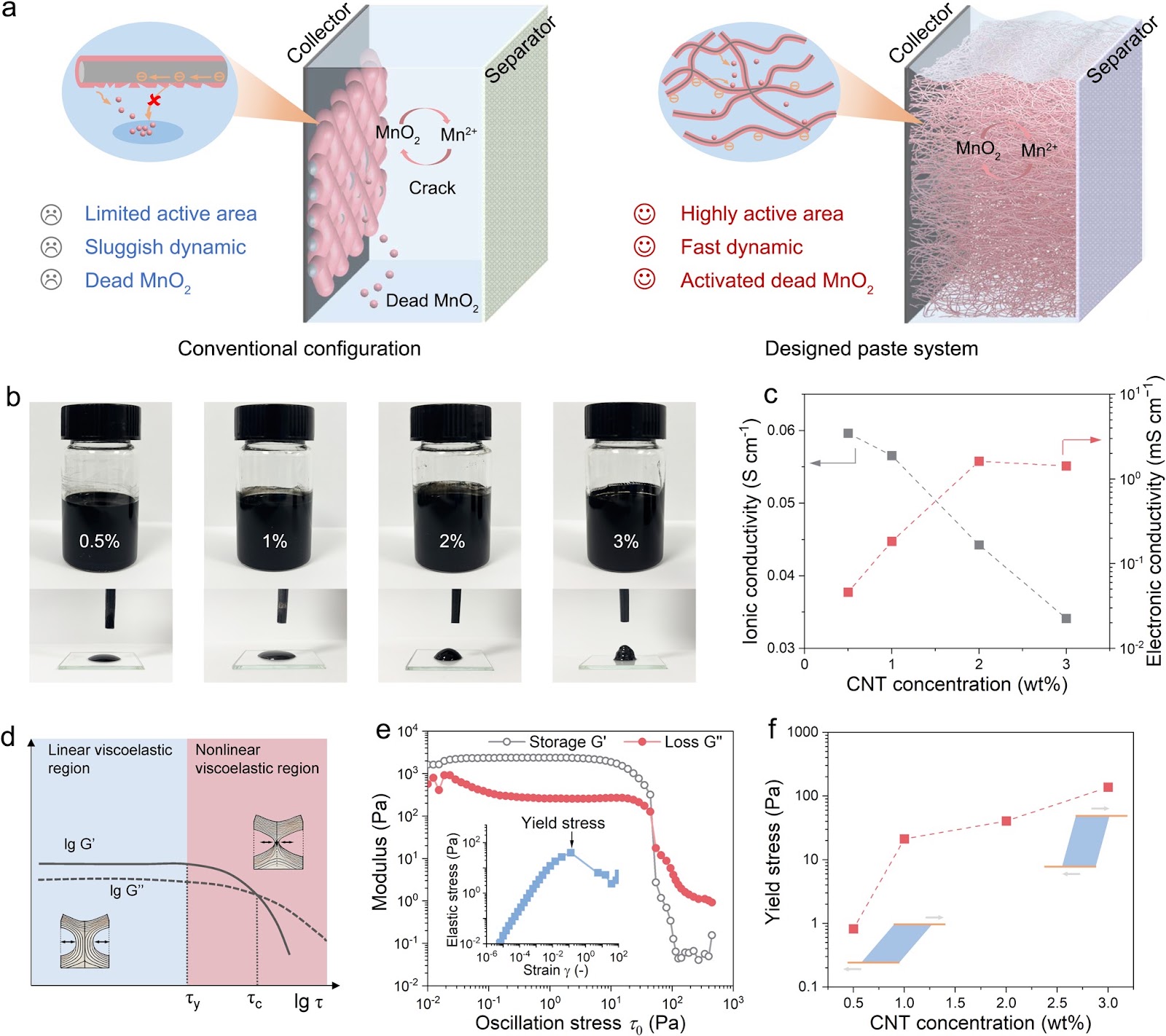
Unlocking Reversible Mn2+/MnO2 Chemistry in Semisolid Slurry Electrodes for High-Performance Aqueous Zn–Mn Batteries

Authors: Zefang Yang, Qi Zhang, Chao Hu, Yougen Tang, Jinchi Li, Qi Wang, Wanhai Zhou, Dongliang Chao, Haiyan Wang

Electrolytic Zn–MnO2 batteries are promising candidates for safe and sustainable energy storage owing to their high voltage, environmental benignity, and cost-effectiveness. However, practical applications are hindered by the poor conductivity and the irreversible dissolution of conventional ε-MnO2 deposits. Herein, we report a scalable semisolid slurry electrode architecture that enables stable MnO2 deposition/dissolution using a three-dimensional percolating network of carbon nanotubes (CNTs) as both conductive matrix and deposition host. The slurry system promotes the formation of highly conductive γ-MnO2 owing to enhanced charge transfer kinetics, enabling overall dissolution rather than the localized separation typically seen in traditional electrodes. The Zn–MnO2 slurry cell exhibits a reversible areal capacity approaching 60 mAh cm−2. Moreover, the flowable nature of the slurry allows electrochemically inactive MnO2 formed during dissolution to be reconnected and reactivated by CNTs in the rheological network, ensuring deep utilization and cycling stability. This work establishes a slurry electrode strategy to improve electrolytic MnO2 reactions and offers a viable pathway toward renewable aqueous batteries for grid-scale applications.
Unlocking Reversible Mn2+/MnO2 Chemistry in Semisolid Slurry Electrodes for High-Performance Aqueous Zn–Mn Batteries
Graphical Abstract
Original ResearchVol. 18, Issue 144 • pp. 1-48DOI: 10.1007/s40820-025-01986-9Jan 15, 2026

Rational Design and Functionalization of Melt Electrowritten 4D Scaffolds for Biomedical Applications

Authors: Yanping Zhang, Fengqiang Zhao, Aike Qiao, Youjun Liu, Menglin Chen

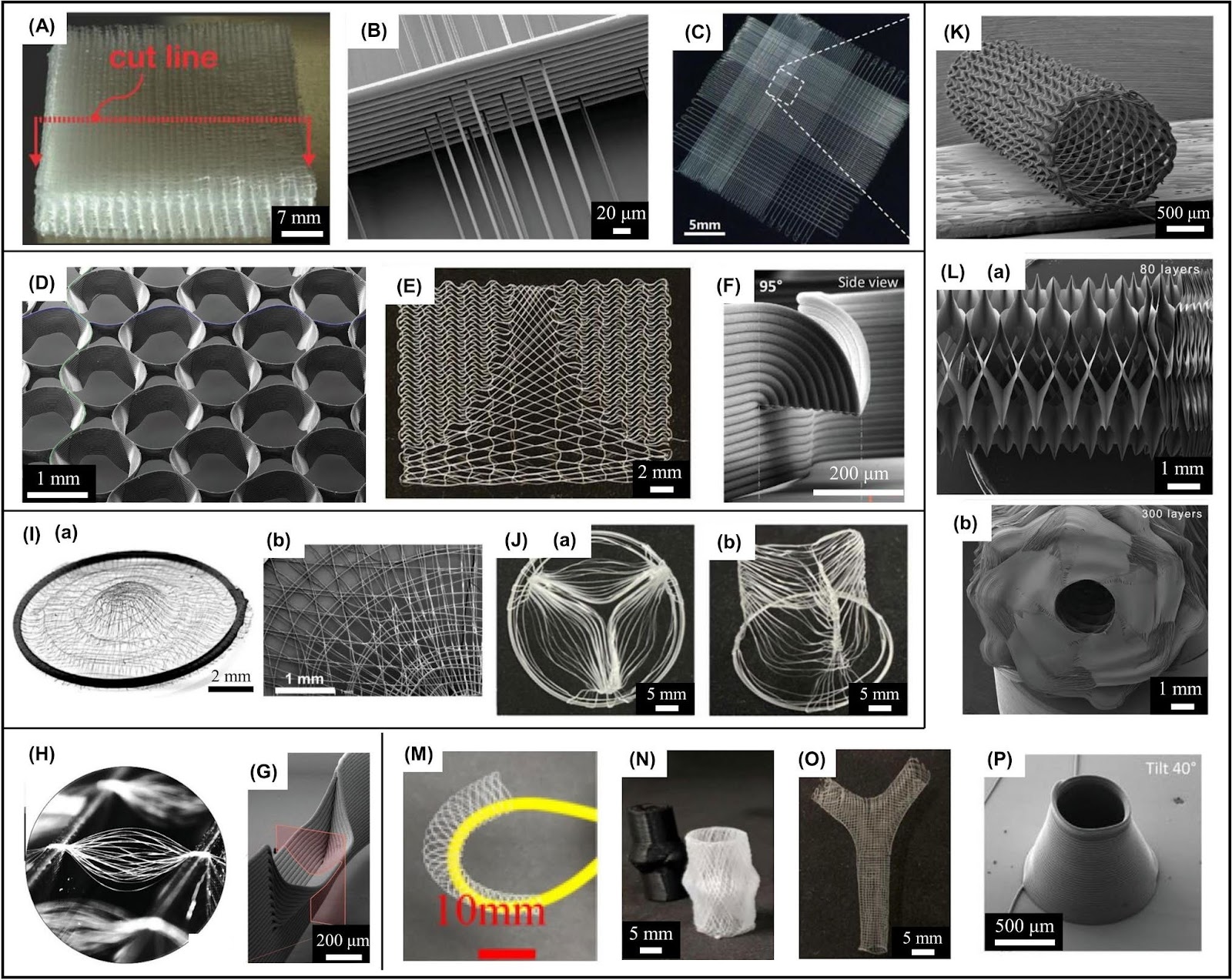
Melt electrowriting (MEW) enables the precise deposition of polymeric fibers at micro-/nanoscale, allowing for the fabrication of 3D biomimetic scaffolds. By incorporating stimuli-responsive polymers and/or functional fillers, MEW-based 4D printing creates scaffolds capable of undergoing controlled, reversible shape transformations in response to external stimuli over time. These dynamic 4D scaffolds can be tailored for minimally invasive delivery, remote actuation, and real-time responsiveness to physiological environments, making them highly relevant for biomedical applications. This review systematically elucidates the principles of MEW-based 4D printing, including material considerations, actuation methods, and structure design strategies, along with shape programming and morphing mechanisms. The versatility of MEW for rational fabrication of biomimetic scaffolds is firstly introduced. Subsequently, the critical elements underpinning MEW-based 4D printing process are overviewed, including an analysis of stimuli-responsive materials compatible with MEW, an evaluation of applicable external stimuli, and a discussion on the advancements in design strategies for 4D scaffolds. Recent progress of MEW 4D scaffolds for applications in tissue engineering, biomedical implants, and drug delivery systems are highlighted. Finally, key challenges and perspectives toward material innovation, fabrication optimization, and actuation control are discussed. This review aims to provide valuable insights for design and creation of multifunctional biomimetic dynamic scaffolds by MEW-based 4D printing.

Rational Design and Functionalization of Melt Electrowritten 4D Scaffolds for Biomedical Applications
Graphical Abstract
Original ResearchVol. 18, Issue 1 • pp. 143DOI: 10.1007/s40820-025-01982-zJan 15, 2026

TENG-Based Self-Powered Silent Speech Recognition Interface: from Assistive Communication to Immersive AR/VR Interaction

Authors: Shuai Lin, Yanmin Guo, Xiangyao Zeng, Xiongtu Zhou, Yongai Zhang, Chengda Li, Chaoxing Wu

Lip language provides a silent, intuitive, and efficient mode of communication, offering a promising solution for individuals with speech impairments. Its articulation relies on complex movements of the jaw and the muscles surrounding it. However, the accurate and real-time acquisition and decoding of these movements into reliable silent speech signals remains a significant challenge. In this work, we propose a real-time silent speech recognition system, which integrates a triboelectric nanogenerator-based flexible pressure sensor (FPS) with a deep learning framework. The FPS employs a porous pyramid–structured silicone film as the negative triboelectric layer, enabling highly sensitive pressure detection in the low-force regime (1 V N−1 for 0–10 N and 4.6 V N−1 for 10–24 N). This allows it to precisely capture jaw movements during speech and convert them into electrical signals. To decode the signals, we proposed a convolutional neural network-long short-term memory (CNN–LSTM) hybrid network, combining CNN and LSTM model to extract both local spatial features and temporal dynamics. The model achieved 95.83% classification accuracy in 30 categories of daily words. Furthermore, the decoded silent speech signals can be directly translated into executable commands for contactless and precise control of the smartphone. The system can also be connected to AR glasses, offering a novel human–machine interaction approach with promising potential in AR/VR applications.
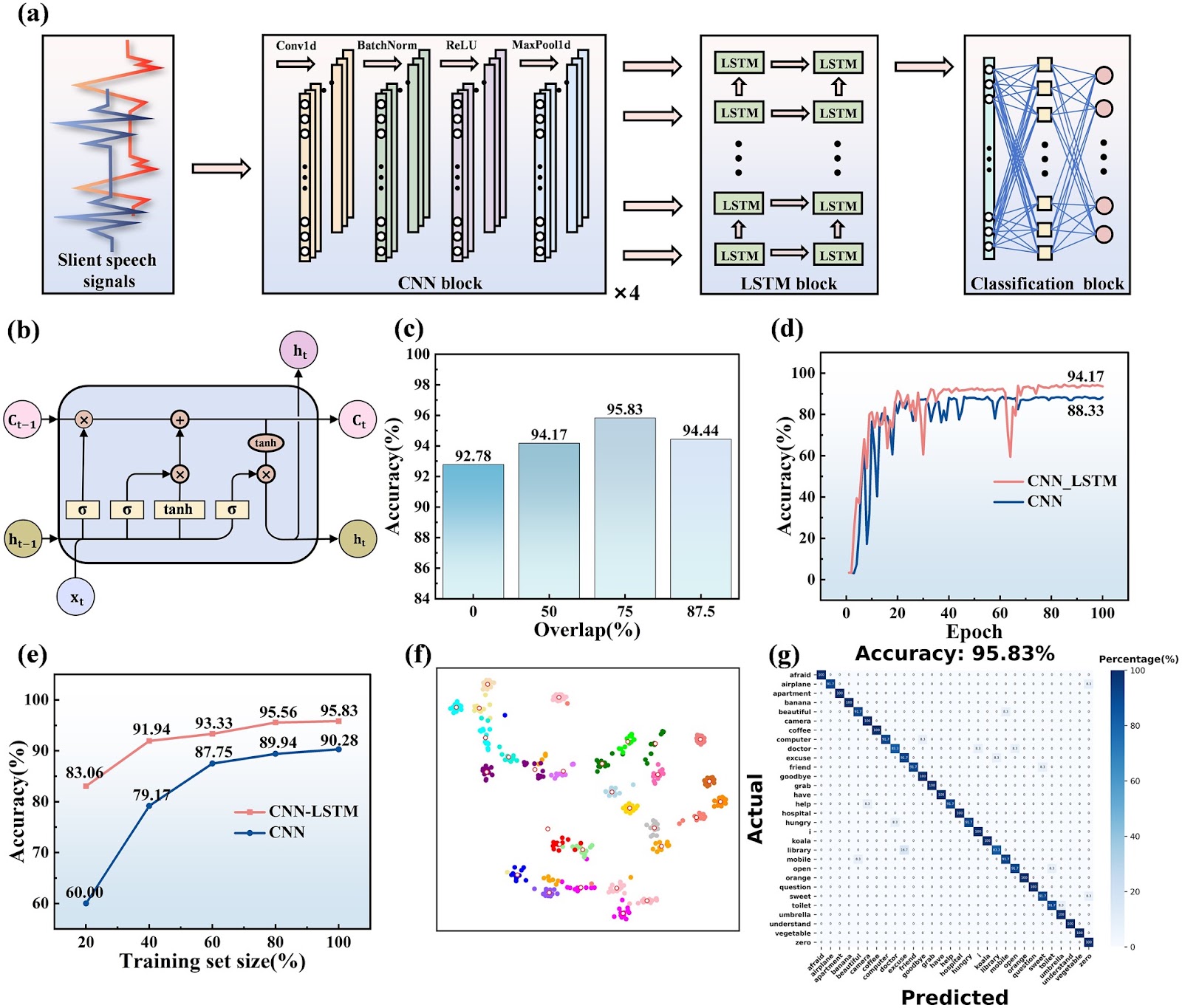
TENG-Based Self-Powered Silent Speech Recognition Interface: from Assistive Communication to Immersive AR/VR Interaction
Graphical Abstract
Original ResearchVol. 18, Issue 146 • pp. 1-42DOI: 10.1007/s40820-025-01981-0Jan 15, 2026

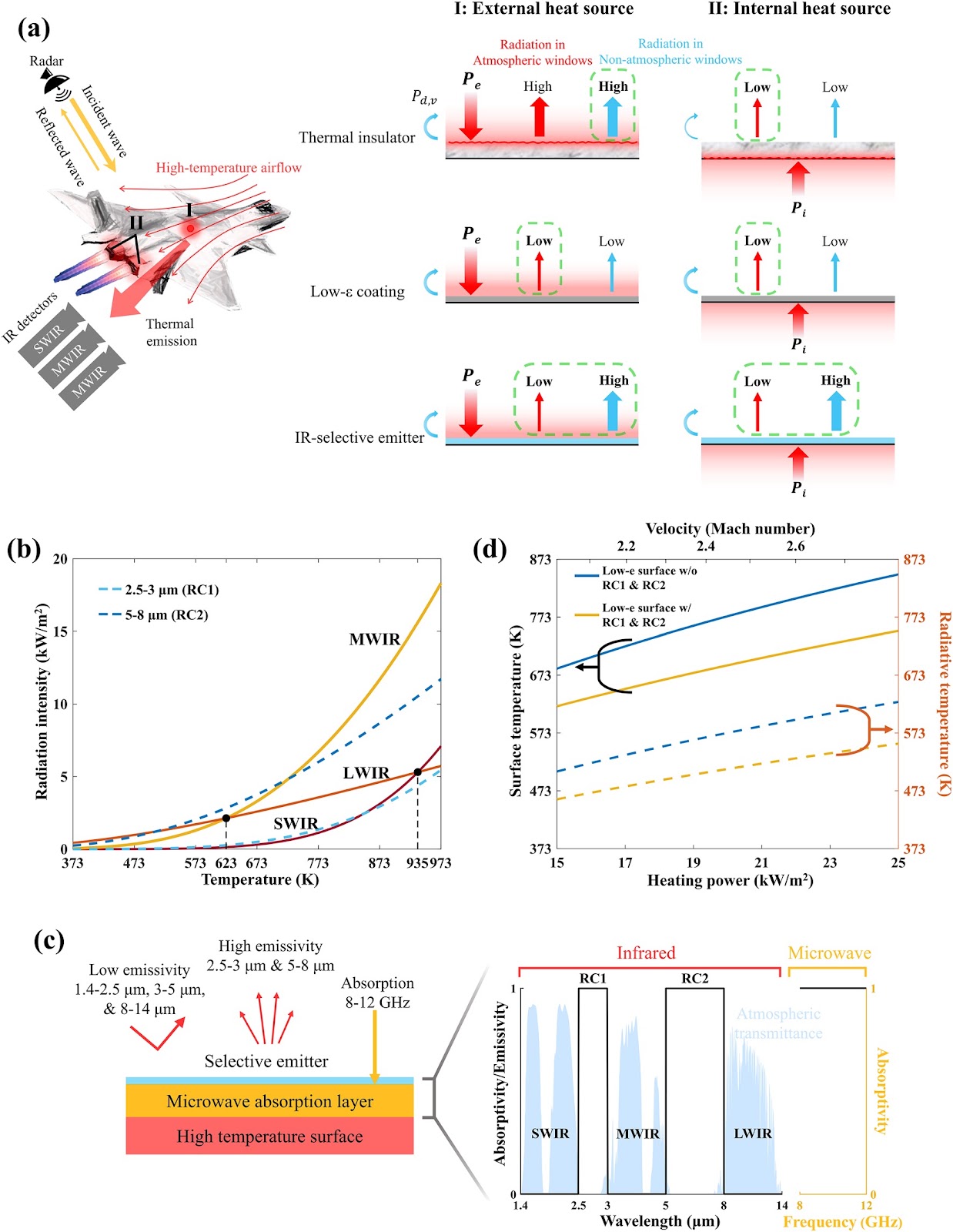
Dynamic Radiative Cooling: Mechanisms, Strategies, and Applications for Smart Thermal Management

Authors: Yan Dong, Boxi Tian, Cunhai Wang, Guoliang Zhang, Fengjiao Hua, Weifeng Meng, Chunzhe Li, Yuying Yan, Ziming Cheng, Fuqiang Wang

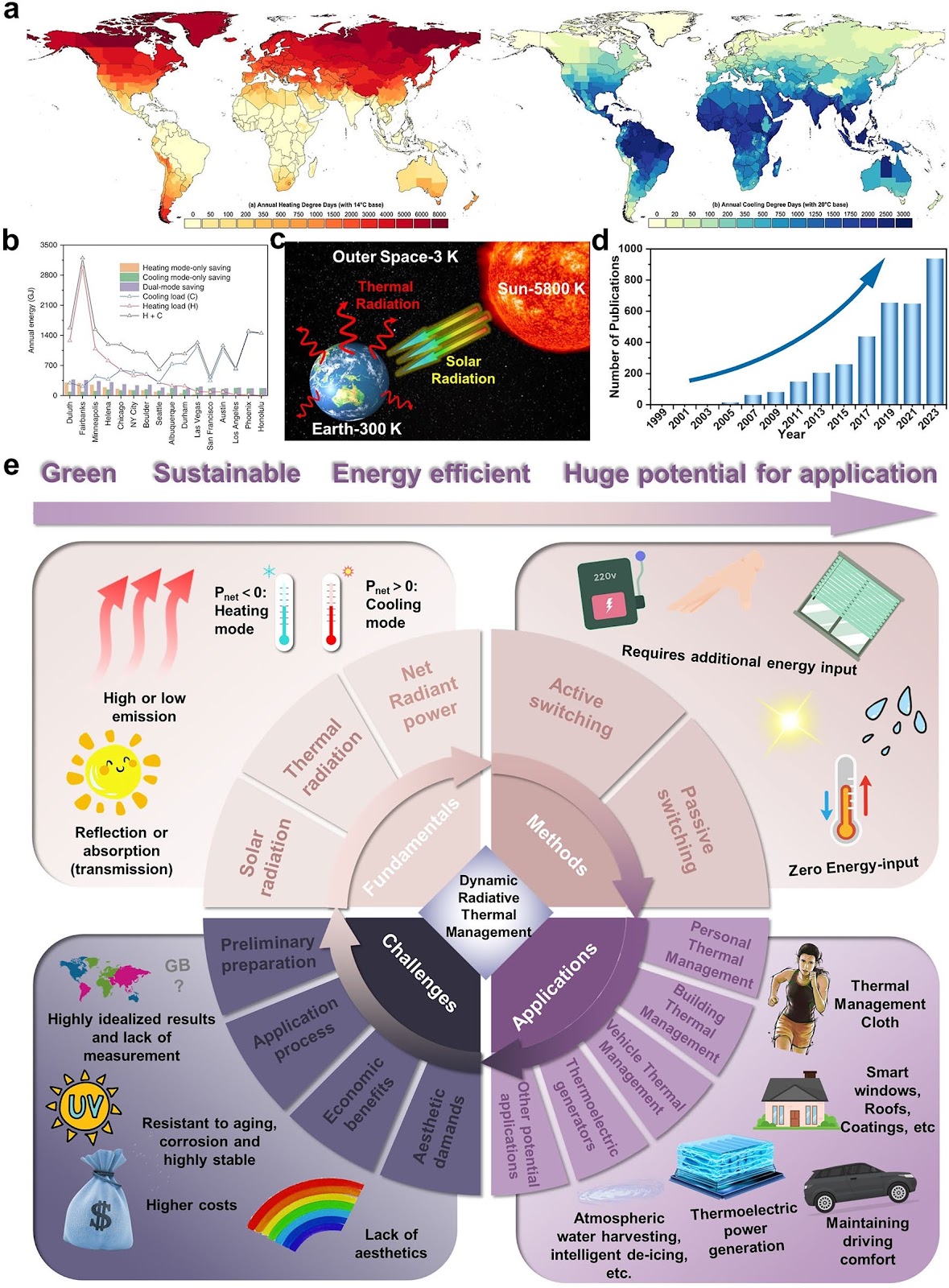
As an emerging thermal management strategy, dynamic radiative cooling (DRC) technology enables dynamic modulation of spectral radiation properties under varying environmental conditions through the directional design of material spectral characteristics. However, a comprehensive review of the basic physical mechanisms of radiative heat transfer in DRC materials and various design principles involved in dynamic radiative thermal regulation is still lacking. This review systematically summarizes recent advances in this field, spanning from fundamental physical principles to intrinsic molecular and electronic mechanisms, and further to representative material systems and multi-band regulation strategies, highlighting the interdisciplinary research achievements and technological innovations. This work outlines the core mechanisms governing the regulation of different spectral bands during radiative heat transfer processes. Then, the main categories of DRC materials are systematically reviewed, including actively responsive structures, passively responsive structures, and multi-stimuli-responsive materials. Furthermore, the challenges faced by current DRC technology and future development trends are summarized and discussed, providing valuable reference and guidance for further research in this field. Although DRC technologies still face significant challenges in material stability, manufacturing processes, and system integration, the continuous advances in related areas and multifunctional materials are expected to broaden the application prospects of DRC in the future.

Dynamic Radiative Cooling: Mechanisms, Strategies, and Applications for Smart Thermal Management
Graphical Abstract
Original ResearchVol. 18, Issue 1 • pp. 150DOI: 10.1007/s40820-025-02001-xJan 15, 2026

Biomimetic Gradient Lubrication Hydrogel Contrived by Self-Reinforced MOFs Nanoparticle Network

Authors: Desheng Liu, Yixian Wang, Changcheng Bai, Danli Hu, Xingxing Yang, Yaozhong Lu, Tao Wu, Fei Zhai, Pan Jiang, Xiaolong Wang, Weimin Liu

The development of gradient lubrication materials is critical for numerous biomedical applications, particularly in magnifying mechanical properties and service longevity. Herein, we present an innovative approach to fabricate biomimetic gradient lubrication hydrogel through the synergistic integration of three-dimensional (3D) printed metal–organic frameworks (MOFs) nanoparticle network hydrogel skeletons with bio-inspired lubrication design. Specifically, robust hydrogel skeletons were engineered through single or multi-material 3D printing, followed by the in situ growth of MOFs nanoparticles within this hydrogel network to create a reinforced, load-bearing architecture. Subsequently, biomimetic lubrication capability was enabled by mechanically coupling another lubricating hydrogel within 3D-printed MOFs nanoparticle network hydrogel skeleton. The superficial layer is highly lubricious to ensure low coefficient of friction (~ 0.1141) and wear resistance (40,000 cycles), while the deeper layer is stiffer to afford the obligatory mechanical support (fracture strength ~ 2.50 MPa). Furthermore, the gradient architecture stiffness of the hydrogel can be modulated by manipulating the spatial distribution of MOFs within the 3D-printed hydrogel skeleton. As a proof-of-concept, biomimetic gradient hydrogel meniscus structures with C- and O-shaped configurations were constructed by leveraging multi-material 3D printing, demonstrating exceptional lubrication performance. This innovative biomimetic design opens new avenues for creating implantable biomedical gradient lubricating materials with reinforced mechanical and lubrication performance.

Biomimetic Gradient Lubrication Hydrogel Contrived by Self-Reinforced MOFs Nanoparticle Network
Graphical Abstract
Original ResearchVol. 18, Issue 1 • pp. 139DOI: 10.1007/s40820-025-01993-wJan 15, 2026

Hydrogel Electrolytes for Zinc-Ion Batteries: Materials Design, Functional Strategies, and Future Perspectives

Authors: Zhengchu Zhang, Yongbiao Mu, Lijuan Xiao, Hengyuan Hu, Tao Xue, Limin Zang, Eiichi Sakai, Meisheng Han, Chao Yang, Lin Zeng, Jianhui Qiu

With the escalating demand for safe, sustainable, and high-performance energy storage systems, hydrogel electrolytes have emerged as promising alternatives to conventional liquid electrolytes in zinc-ion batteries. By integrating the high ionic conductivity of liquid electrolytes with the mechanical robustness of solid frameworks, hydrogel electrolytes offer distinct advantages in suppressing zinc dendrite formation, enhancing interfacial stability, and enabling reliable operation under extreme environmental conditions. This review systematically summarizes the fundamental characteristics and design criteria of hydrogel electrolytes, including mechanical flexibility, ionic transport capabilities, and environmental adaptability. It further explores various compositional design strategies involving natural polymers, synthetic polymers, and composite systems, as well as the incorporation of electrolyte salts and functional additives. In addition, recent advances in functional optimization, such as anti-freezing properties, self-healing abilities, thermal responsiveness, and biocompatibility, are comprehensively discussed. Finally, the review outlines the current challenges and proposes potential directions for future research.

Hydrogel Electrolytes for Zinc-Ion Batteries: Materials Design, Functional Strategies, and Future Perspectives
Graphical Abstract
Original ResearchVol. 18, Issue 1 • pp. 141DOI: 10.1007/s40820-025-01991-yJan 15, 2026

Monolithic Integration of Redox-Stable Sn–Pb Halide Perovskite Single-Crystalline Films for Durable Near-Infrared Photodetection

Authors: Rajendra Kumar Gunasekaran, Jihoon Nam, Myeong-geun Choi, Won Chang Choi, Sunwoo Kim, Doyun Im, Yeonghun Yun, Yun Hwa Hong, Sang Hyeok Ryou, Hyungwoo Lee, Kwang Heo, Sangwook Lee

Tin–lead (Sn–Pb) halide perovskite single crystals combine narrow bandgaps, long carrier diffusion lengths, and low trap densities, positioning them as ideal candidates for near-infrared (NIR) optoelectronics. However, conventional growth strategies rely on bulk crystallization at elevated temperatures, leading to uncontrolled nucleation, Sn2+ oxidation, and poor compatibility with planar integration. Here, we develop a coordination-engineered crystallization strategy that enables direct, low-temperature growth of micrometer-thick Sn–Pb single-crystal thin films on device-compatible substrates. By modulating metal–solvent coordination strength using a low-donor number cosolvent system, we delineate a narrow processing window that stabilizes precursor speciation, lowers the nucleation barrier, and guides directional crystal growth under mild thermal conditions (< 40 °C). The resulting crystal films exhibit smooth morphology, high crystallinity, compositional uniformity, and ultralow trap densities (~ 3.98 × 10^12 cm−3). When integrated into NIR photodetectors, these films deliver high responsivity (0.51 A W−1 at 900 nm), specific detectivity up to 3.6 × 10^12 Jones, fast response (~ 188 μs), and > 25,000 cycles of ambient operational stability. This approach establishes a scalable platform for redox-stable, low-temperature growth of Sn–Pb perovskite crystal films and expands the processing–structure–function landscape for next-generation infrared optoelectronics.

Monolithic Integration of Redox-Stable Sn–Pb Halide Perovskite Single-Crystalline Films for Durable Near-Infrared Photodetection
Graphical Abstract
Original ResearchVol. 18, Issue 1 • pp. 145DOI: 10.1007/s40820-025-01956-1Jan 15, 2026

Violet Arsenic Phosphorus: Switching p-Type into High Performance n-Type Semiconductor by Arsenic Substitution

Authors: Rui Zhai, Zhuorui Wen, Xuewen Zhao, Junyi She, Mengyue Gu, Fanqi Bu, Chang Huang, Guodong Meng, Yonghong Cheng, Jinying Zhang

Violet phosphorus, a recently explored layered elemental semiconductor, has attracted much attention due to its unique photo-electric, mechanical properties, and high hole mobility. Herein, violet arsenic phosphorus has for the first time been synthesized by a molten lead method. The crystal structure of violet arsenic phosphorus (P83.4As0.6, CSD-2408761) was determined by single crystal X-ray diffraction to have similar structure as that of violet phosphorus, where P12 is occupied by arsenic/phosphorus (As/P) atoms as mixed occupancy sites As1/P12. The arsenic substitution has been demonstrated to tune the band structure of violet phosphorus, switching p-type of violet phosphorus to high-performance n-type violet arsenic phosphorus. The effective electron mass along the <010> direction is significantly reduced from 1.792 to 0.515 m0 by arsenic substitution, resulting in an extremely high electron mobility of 2622.503 cm2 V⁻1 s⁻1. The field effect transistor built with P83.4As0.6 nanosheets was measured to have a high electron mobility (137.06 cm2 V⁻1 s⁻1, 61.2 nm), even under ambient conditions for 5 h, much higher than the hole mobility of violet phosphorene nanosheets (4.07 cm2 V⁻1 s⁻1, 73.3 nm). This work provides a new idea for designing phosphorus-based materials for field effect transistors, giving significant potential in complementary metal–oxide–semiconductor applications.

Violet Arsenic Phosphorus: Switching p-Type into High Performance n-Type Semiconductor by Arsenic Substitution
Graphical Abstract
Original ResearchVol. 18, Issue 142 • pp. 1-16DOI: 10.1007/s40820-025-01984-xJan 15, 2026

Flexible High-Aspect-Ratio COF Nanofibers: Defect-Engineered Synthesis, Superelastic Aerogels, and Uranium Extraction Applications

Authors: Binbin Fan, Jianyong Yu, Xueli Wang, Yang Si, Peixin Tang

The lack of macro-continuity and mechanical strength of covalent organic frameworks (COFs) has significantly limited their practical applications. Here, we propose an “alcohol-triggered defect cleavage” strategy to precisely regulate the growth and stacking of COF grains through a moderate reversed Schiff base reaction, realizing the direct synthesis of COF nanofibers (CNFs) with high aspect ratio (L/D = 103.05) and long length (> 20 μm). An individual CNF exhibits a biomimetic scale-like architecture, achieving superior flexibility and fatigue resistance under dynamic bending via a multiscale stress dissipation mechanism. Taking advantages of these structural features, we engineer CNF aerogels (CNF-As) with programmable porous structures (e.g., honeycomb, lamellar, isotropic) via directional ice-template methodology. CNF-As demonstrate 100% COF content, high specific surface area (396.15 m2 g−1) and superelasticity (~0% elastic deformation after 500 compression cycles at 50% strain), outperforming most COF-based counterparts. Compared with the conventional COF aerogels, the unique structural features of CNF-A enable it to perform outstandingly in uranium extraction, with an 11.72-fold increment in adsorption capacity (920.12 mg g−1) and adsorption rate (89.9%), and a 2.48-fold improvement in selectivity (U/V = 2.31). This study provides a direct strategy for the development of next-generation COF materials with outstanding functionality and structural robustness.

Flexible High-Aspect-Ratio COF Nanofibers: Defect-Engineered Synthesis, Superelastic Aerogels, and Uranium Extraction Applications
Graphical Abstract
Original ResearchVol. 18, Issue 100 • pp. 1-32DOI: 10.1007/s40820-025-01939-2Jan 15, 2026

Innovative Strategies to Overcome Stability Challenges of Single-Atom Nanozymes

Authors: Rong Guo, Qiuzheng Du, Yaping He, Haoan Wu, Yu Zhang, Ziwei Jing

Single-atom nanozymes (SAzymes) exhibit exceptional catalytic efficiency due to their maximized atom utilization and precisely modulated metal-carrier interactions, which have attracted significant attention in the biomedical field. However, stability issues may impede the clinical translation of SAzymes. This review provides a comprehensive overview of the applications of SAzymes in various biomedical fields, including disease diagnosis (e.g., biosensors and diagnostic imaging), antitumor therapy (e.g., photothermal therapy, photodynamic therapy, sonodynamic therapy, and immunotherapy), antimicrobial therapy, and anti-oxidative stress therapy. More importantly, the existing challenges of SAzymes are discussed, such as metal atom clustering and active site loss, ligand bond breakage at high temperature, insufficient environment tolerance, biosecurity risks, and limited catalytic long-term stability. Finally, several innovative strategies to address these stability concerns are proposed—synthesis process optimization (space-limited strategy, coordination site design, bimetallic synergistic strategy, defect engineering strategy, atom stripping-capture), surface modification, and dynamic responsive design—that collectively pave the way for robust, clinically viable SAzymes.

Innovative Strategies to Overcome Stability Challenges of Single-Atom Nanozymes
Graphical Abstract
Original ResearchVol. 18, Issue 136 • pp. 1-20DOI: 10.1007/s40820-025-01971-2Jan 15, 2026

Interfacial Evolution and Accelerated Aging Mechanism for LiFePO4/Graphite Pouch Batteries Under Multi-Step Indirect Activation

Authors: Yun Liu, Jinyang Dong, Jialong Zhou, Yibiao Guan, Yimin Wei, Jiayu Zhao, Jinding Liang, Xixiu Shi, Kang Yan, Yun Lu, Ning Li, Yuefeng Su, Feng Wu, Lai Chen

The dissolution of iron from the cathode and electrode/electrolyte interface (EEI) during long cycles significantly accelerates the aging process of LiFePO4 (LFP)/graphite batteries; there is a lack of systematic understanding of the spatial distribution of the EEI interface layer and the dissolve of Fe ions, especially in terms of the mechanism of the cathode–electrolyte interphase (CEI), solid electrolyte interphase (SEI), and iron dissolution. In this study, aged cells were subjected to continuous activation with constant current and multi-step segmented indirect activation (IA) and analyzed for capacity fade, impedance growth, and active Li+ mass loss at the EEI and nanoscale levels. The interaction between dissolved Fe2+ and the EEI in LFP/graphite pouch batteries was proposed and verified. The findings indicate that during IA process, the electric field facilitates the migration of solvated ions toward the electrodes, while simultaneously inhibiting the formation of organic species such as ROCO2Li. The SEI primarily consists of a mixture of organic and inorganic small molecules, forming a continuous and uniform film on the electrode surface. This study demonstrates that IA favors the formation of a uniform EEI and offers constructive insights for advancing accelerated lifetime prediction strategies in lithium-ion batteries.

Interfacial Evolution and Accelerated Aging Mechanism for LiFePO4/Graphite Pouch Batteries Under Multi-Step Indirect Activation
Graphical Abstract
Original ResearchVol. 18, Issue 98 • pp. 1-55DOI: 10.1007/s40820-025-01944-5Jan 15, 2026

Triboelectric Nanogenerators for Future Space Missions

Authors: Rayyan Ali Shaukat, Muhammad Muqeet Rehman, Maryam Khan, Rui Chang, Carlo Saverio Iorio, Yarjan Abdul Samad, Yijun Shi

Space exploration is significant for scientific innovation, resource utilization, and planetary security. Space exploration involves several systems including satellites, space suits, communication systems, and robotics, which have to function under harsh space conditions such as extreme temperatures (− 270 to 1650 °C), microgravity (10⁻⁶ g), unhealthy humidity (< 20% RH or > 60% RH), high atmospheric pressure (~ 1450 psi), and radiation (4000–5000 mSv). Conventional energy-harvesting technologies (solar cells, fuel cells, and nuclear energy), that are normally used to power these space systems have certain limitations (e.g., sunlight dependence, weight, degradation, big size, high cost, low capacity, radioactivity, complexity, and low efficiency). The constraints in conventional energy resources have made it imperative to look for non-conventional yet efficient alternatives. A great potential for enhancing efficiency, sustainability, and mission duration in space exploration can be offered by integrating triboelectric nanogenerators (TENGs) with existing energy sources. Recently, the potential of TENG including energy harvesting (from vibrations/movements in satellites and spacecraft), self-powered sensing, and microgravity, for multiple applications in different space missions has been discussed. This review comprehensively covers the use of TENGs for various space applications, such as planetary exploration missions (Mars environment monitoring), manned space equipment, In-orbit robotic operations /collision monitoring, spacecraft’s design and structural health monitoring, Aeronautical systems, and conventional energy harvesting (solar and nuclear). This review also discusses the use of self-powered TENG sensors for deep space object perception. At the same time, this review compares TENGs with conventional energy harvesting technologies for space systems. Lastly, this review talks about energy harvesting in satellites, TENG-based satellite communication systems, and future practical implementation challenges (with possible solutions).

Triboelectric Nanogenerators for Future Space Missions
Graphical Abstract
Original ResearchVol. 18, Issue 97 • pp. 1-61DOI: 10.1007/s40820-025-01941-8Jan 15, 2026

Advancing Energy Development with MBene: Chemical Mechanism, AI, and Applications in Energy Storage and Harvesting

Authors: Jai Kumar, Nadeem Hussain Solangi, Rana R. Neiber, Fangyuan Bai, Victor Charles, Pengfei Zhai, Zhuanpei Wang, Xiaowei Yang

MXene derivatives are notable two-dimensional nanomaterials with numerous prospective applications in the domains of energy development. MXene derivative, MBene, diversifies its focus on energy storage and harvesting due to its exceptional electrical conductivity, structural flexibility, and mechanical properties. This comprehensive review describes the sandwich-like structure of the synthesized MBene, derived from its multilayered parent material and its distinct chemical framework to date. The fields of focus encompass the investigation of novel MBenes, the study of phase-changing mechanisms, and the examination of hex-MBenes, ortho-MBenes, tetra-MBenes, tri-MBenes, and MXenes with identical transition metal components. A critical analysis is also provided on the electrochemical mechanism and performance of MBene in energy storage (Li/Na/Mg/Ca/Li–S batteries and supercapacitors), as well as conversion and harvesting (CO2 reduction, and nitrogen reduction reactions). The persistent difficulties associated with conducting experimental synthesis and establishing artificial intelligence-based forecasts are extensively deliberated alongside the potential and forthcoming prospects of MBenes. This review provides a single platform for an overview of the MBene’s potential in energy storage and harvesting.

Advancing Energy Development with MBene: Chemical Mechanism, AI, and Applications in Energy Storage and Harvesting
Graphical Abstract
Original ResearchVol. 18, Issue 99 • pp. 1-40DOI: 10.1007/s40820-025-01926-7Jan 15, 2026

Multifunctional Dipoles Enabling Enhanced Ionic and Electronic Transport for High-Energy Batteries

Authors: Shihai Cao, Yuntong Sun, Yinghao Li, Ao Wang, Wenyao Zhang, Zhendong Hao, Jong-Min Lee

Achieving high-energy density remains a key objective for advanced energy storage systems. However, challenges, such as poor cathode conductivity, anode dendrite formation, polysulfide shuttling, and electrolyte degradation, continue to limit performance and stability. Molecular and ionic dipole interactions have emerged as an effective strategy to address these issues by regulating ionic transport, modulating solvation structures, optimizing interfacial chemistry, and enhancing charge transfer kinetics. These interactions also stabilize electrode interfaces, suppress side reactions, and mitigate anode corrosion, collectively improving the durability of high-energy batteries. A deeper understanding of these mechanisms is essential to guide the design of next-generation battery materials. Herein, this review summarizes the development, classification, and advantages of dipole interactions in high-energy batteries. The roles of dipoles, including facilitating ion transport, controlling solvation dynamics, stabilizing the electric double layer, optimizing solid electrolyte interphase and cathode–electrolyte interface layers, and inhibiting parasitic reactions—are comprehensively discussed. Finally, perspectives on future research directions are proposed to advance dipole-enabled strategies for high-performance energy storage. This review aims to provide insights into the rational design of dipole-interactive systems and promote the progress of electrochemical energy storage technologies.

Multifunctional Dipoles Enabling Enhanced Ionic and Electronic Transport for High-Energy Batteries
Graphical Abstract
Original ResearchVol. 18, Issue 52 • pp. 52DOI: 10.1007/s40820-025-01901-2Jan 15, 2026

BaTiO3 Nanoparticle-Induced Interfacial Electric Field Optimization in Chloride Solid Electrolytes for 4.8 V All-Solid-State Lithium Batteries

Authors: Qingmei Xiao, Shiming Huang, Donghao Liang, Cheng Liu, Ruonan Zhang, Wenjin Li, Guangliang Gary Liu

Chloride-based solid electrolytes are considered promising candidates for next-generation high-energy–density all-solid-state batteries (ASSBs). However, their relatively low oxidative decomposition threshold (~4.2 V vs. Li+/Li) constrains their use in ultrahigh-voltage systems (e.g., 4.8 V). In this work, ferroelectric BaTiO3 (BTO) nanoparticles with optimized thickness of ~50–100 nm were successfully coated onto Li2.5Y0.5Zr0.5Cl6 (LYZC@5BTO) electrolytes using a time-efficient ball-milling process. The nanoparticle-induced interfacial ionic conduction enhancement mechanism contributed to the preservation of LYZC's high ionic conductivity, which remained at 1.06 mS cm−1 for LYZC@5BTO. Furthermore, this surface electric field engineering strategy effectively mitigates the voltage-induced self-decomposition of chloride-based solid electrolytes, suppresses parasitic interfacial reactions with single-crystal NCM811 (SCNCM811), and inhibits the irreversible phase transition of SCNCM811. Consequently, the cycling stability of LYZC under high-voltage conditions (4.8 V vs. Li⁺/Li) is significantly improved. Specifically, ASSB cells employing LYZC@5BTO exhibited a superior discharge capacity of 95.4 mAh g−1 over 200 cycles at 1 C, way outperforming cell using pristine LYZC that only shows a capacity of 55.4 mAh g−1. Furthermore, time-of-flight secondary ion mass spectrometry and X-ray photoelectron spectroscopy analysis revealed that Metal-O-Cl by-products from cumulative interfacial side reactions accounted for 6% of the surface species initially, rising to 26% after 200 cycles in pristine LYZC. In contrast, LYZC@5BTO limited this increase to only 14%, confirming the effectiveness of BTO in stabilizing the interfacial chemistry. This electric field modulation strategy offers a promising route toward the commercialization of high-voltage solid-state electrolytes and energy-dense ASSBs.

BaTiO3 Nanoparticle-Induced Interfacial Electric Field Optimization in Chloride Solid Electrolytes for 4.8 V All-Solid-State Lithium Batteries
Graphical Abstract
Original ResearchVol. 18, Issue 1 • pp. 55DOI: 10.1007/s40820-025-01887-xJan 15, 2026

Skin-Inspired Ultra-Linear Flexible Iontronic Pressure Sensors for Wearable Musculoskeletal Monitoring

Authors: Pei Li, Shipan Lang, Lei Xie, Yong Zhang, Xin Gou, Chao Zhang, Chenhui Dong, Chunbao Li, Jun Yang

The growing prevalence of exercise-induced tibial stress fractures demands wearable sensors capable of monitoring dynamic musculoskeletal loads with medical-grade precision. While flexible pressure-sensing insoles show clinical potential, their development has been hindered by the intrinsic trade-off between high sensitivity and full-range linearity (R2 > 0.99 up to 1 MPa) in conventional designs. Inspired by the tactile sensing mechanism of human skin, where dermal stratification enables wide-range pressure adaptation and ion-channel-regulated signaling maintains linear electrical responses, we developed a dual-mechanism flexible iontronic pressure sensor (FIPS). This innovative design synergistically combines two bioinspired components: interdigitated fabric microstructures enabling pressure-proportional contact area expansion (∝ P1/3) and iontronic film facilitating self-adaptive ion concentration modulation (∝ P2/3), which together generate a linear capacitance-pressure response (C ∝ P). The FIPS achieves breakthrough performance: 242 kPa−1 sensitivity with 0.997 linearity across 0–1 MPa, yielding a record linear sensing factor (LSF = 242,000). The design is validated across various substrates and ionic materials, demonstrating its versatility. Finally, the FIPS-driven design enables a smart insole demonstrating 1.8% error in tibial load assessment during gait analysis, outperforming nonlinear counterparts (6.5% error) in early fracture-risk prediction. The biomimetic design framework establishes a universal approach for developing high-performance linear sensors, establishing generalized principles for medical-grade wearable devices.

Skin-Inspired Ultra-Linear Flexible Iontronic Pressure Sensors for Wearable Musculoskeletal Monitoring
Graphical Abstract
Original ResearchVol. 18, Issue 53 • pp. 1-18DOI: 10.1007/s40820-025-01851-9Jan 15, 2026

Moisture-Resistant Scalable Ambient-Air Crystallization of Perovskite Films via Self-Buffered Molecular Migration Strategy

Authors: Mei Yang, Weidong Zhu, Laijun Liang, Wenming Chai, Xiaomeng Wu, Zeyang Ren, Long Zhou, Dazheng Chen, He Xi, Chunfu Zhang, Jincheng Zhang, Yue Hao

Ambient-air, moisture-assisted annealing is widely used in fabricating perovskite solar cells (PSCs). However, the inherent sensitivity of perovskite intermediate-phase to moisture—due to fast and spontaneous intermolecular exchange reaction—requires strict control of ambient humidity and immediate thermal annealing treatment, raising manufacturing costs and causing fast nucleation of perovskite films. We report herein a self-buffered molecular migration strategy to slow down the intermolecular exchange reaction by introducing a n–butylammonium bromide shielding layer, which limits moisture diffusion into intermediate-phase film. This further endows the notably wide nucleation time and humidity windows for perovskite crystallization in ambient air. Consequently, the optimized 1.68 eV-bandgap n-i-p structured PSC reaches a record-high reverse-scan (RS) PCE of 22.09%. Furthermore, the versatility and applicability of as-proposed self-buffered molecular migration strategy are certified by employing various shielding materials and 1.53 eV-/1.77 eV-bandgap perovskite materials. The n-i-p structured PSCs based on 1.53 eV- and 1.77 eV-bandgap perovskite films achieve outstanding RS PCEs of 25.23% and 19.09%, respectively, both of which are beyond of the state-of-the-art ambient-air processed PSCs.

Moisture-Resistant Scalable Ambient-Air Crystallization of Perovskite Films via Self-Buffered Molecular Migration Strategy
Graphical Abstract
Original ResearchVol. 18, Issue 96 • pp. 1-15DOI: 10.1007/s40820-025-01943-6Jan 15, 2026

Heteroatom-Coordinated Fe–N4 Catalysts for Enhanced Oxygen Reduction in Alkaline Seawater Zinc-Air Batteries

Authors: Wenhan Fang, Kailong Xu, Xinlei Wang, Yuanhang Zhu, Xiuting Li, Hui Liu, Danlei Li, Jun Wu

Seawater zinc-air batteries are promising energy storage devices due to their high energy density and utilization of seawater electrolytes. However, their efficiency is hindered by the sluggish oxygen reduction reaction (ORR) and chloride-induced degradation over conventional catalysts. In this study, we proposed a universal synthetic strategy to construct heteroatom axially coordinated Fe–N4 single-atom seawater catalyst materials (Cl–Fe–N4 and S–Fe–N4). X-ray absorption spectroscopy confirmed their five-coordinated square pyramidal structure. Systematic evaluation of catalytic activities revealed that compared with S–Fe–N4, Cl–Fe–N4 exhibits smaller electrochemical active surface area and specific surface area, yet demonstrates higher limiting current density (5.8 mA cm−2). The assembled zinc-air batteries using Cl–Fe–N4 showed superior power density (187.7 mW cm−2 at 245.1 mA cm−2), indicating that Cl axial coordination more effectively enhances the intrinsic ORR activity. Moreover, Cl–Fe–N4 demonstrates stronger Cl− poisoning resistance in seawater environments. Chronoamperometry tests and zinc-air battery cycling performance evaluations confirmed its enhanced stability. Density functional theory calculations revealed that the introduction of heteroatoms in the axial direction regulates the electron center of Fe single atom, leading to more active reaction intermediates and increased electron density of Fe single sites, thereby enhancing the reduction in adsorbed intermediates and hence the overall ORR catalytic activity.

Heteroatom-Coordinated Fe–N4 Catalysts for Enhanced Oxygen Reduction in Alkaline Seawater Zinc-Air Batteries
Graphical Abstract
Original ResearchVol. 18, Issue 1 • pp. 49DOI: 10.1007/s40820-025-01886-yJan 15, 2026

Solar-Driven Redox Reactions with Metal Halide Perovskites Heterogeneous Structures

Authors: Qing Guo, Jin-Dan Zhang, Jian Li, Xiyuan Feng

Metal halide perovskites (MHPs) with striking electrical and optical properties have appeared at the forefront of semiconductor materials for photocatalytic redox reactions but still suffer from some intrinsic drawbacks such as inferior stability, severe charge-carrier recombination, and limited active sites. Heterojunctions have recently been widely constructed to improve light absorption, passivate surface for enhanced stability, and promote charge-carrier dynamics of MHPs. However, little attention has been paid to the review of MHPs-based heterojunctions for photocatalytic redox reactions. Here, recent advances of MHPs-based heterojunctions for photocatalytic redox reactions are highlighted. The structure, synthesis, and photophysical properties of MHPs-based heterojunctions are first introduced, including basic principles, categories (such as Schottky junction, type-I, type-II, Z-scheme, and S-scheme junction), and synthesis strategies. MHPs-based heterojunctions for photocatalytic redox reactions are then reviewed in four categories: H2 evolution, CO2 reduction, pollutant degradation, and organic synthesis. The challenges and prospects in solar-light-driven redox reactions with MHPs-based heterojunctions in the future are finally discussed.

Solar-Driven Redox Reactions with Metal Halide Perovskites Heterogeneous Structures
Graphical Abstract
Original ResearchVol. 18, Issue 95 • pp. 1-55DOI: 10.1007/s40820-025-01933-8Jan 3, 2026

Surface/Interface Engineering for High-Resolution Micro-/Nano-Photodetectors

Authors: Jinlin Chang, Ting Liu, Xiao Geng, Genting Dai, Liangliang Yang, Mingjun Cheng, Linpan Jiang, Zhenyuan Sun, Jianshe Liu, Wei Chen

Photodetectors can convert light energy into electrical signals, so are widely used in photovoltaics, photon counting, monitoring, and imaging. Photodetectors are easy to prepare high-resolution photochips because of their small size unit integration. However, these photodetector units often exhibit poor photoelectric performance due to material defects and inadequate structures, which greatly limit the functions of devices. Designing modification strategies and micro-/nanostructures can compensate for defects, adjust the bandgap, and develop novel quantum structures, which consequently optimize photovoltaic units and revolutionize optoelectronic devices. Here, this paper aims to comprehensively elaborate on the surface/interface engineering scheme of micro-/nano-photodetectors. It starts from the fundamentals of photodetectors, such as principles, types, and parameters, and describes the influence of material selection, manufacturing techniques, and post-processing. Then, we analyse in detail the great influence of surface/interface engineering on the performance of photovoltaic devices, including surface/interface modification and micro-/nanostructural design. Finally, the applications and prospects of optoelectronic devices in various fields such as miniaturization of electronic devices, robotics, and human–computer interaction are shown.

Surface/Interface Engineering for High-Resolution Micro-/Nano-Photodetectors
Graphical Abstract
Original ResearchVol. 18, Issue 93 • pp. 1-16DOI: 10.1007/s40820-025-01951-6Jan 2, 2026

Ammonia Borane All-In-One Modification Strategy Enables High-Performance Perovskite Solar Cells

Authors: Jiaxin Ma, Cong Shao, Yirong Wang, Guosheng Niu, Kaiyi Yang, Yao Zhao, Fuyi Wang, Zongxiu Nie, Jizheng Wang

Perovskite solar cells have achieved remarkable progress in photovoltaic efficiency. However, interfacial defects at the buried and upper interfaces of perovskite layer remain a critical challenge, leading to charge recombination, ion migration, and iodine oxidation. To address this, we propose a novel all-in-one modification strategy employing ammonia borane (BNH6) as a multifunctional complex. By incorporating BNH6 at both buried and upper interfaces simultaneously, we achieve dual-interfacial defect passivation and iodide oxidation suppression through three key mechanisms: (1) hydrolysis-induced interaction with SnO2, (2) coordination with Pb2+, and (3) inhibition of I− oxidation. This approach significantly enhances device performance, yielding a champion power conversion efficiency (PCE) of 26.43% (certified 25.98%). Furthermore, the unencapsulated device demonstrates prominent enhanced operation stability, maintaining 90% of its initial PCE after 500 h under continuous illumination. Notably, our strategy eliminates the need for separate interface treatments, streamlining fabrication and offering a scalable route toward high-performance perovskite photovoltaics.

Ammonia Borane All-In-One Modification Strategy Enables High-Performance Perovskite Solar Cells
Graphical Abstract
Original ResearchVol. 18, Issue 1 • pp. 94DOI: 10.1007/s40820-025-01931-wJan 2, 2026

Achieving Wide-Temperature-Range Physical and Chemical Hydrogen Sorption in a Structural Optimized Mg/N-Doped Porous Carbon Nanocomposite

Authors: Yinghui Li, Li Ren, Zi Li, Yingying Yao, Xi Lin, Wenjiang Ding, Andrea C. Ferrari, Jianxin Zou

Nanoconfinement is a promising approach to simultaneously enhance the thermodynamics, kinetics, and cycling stability of hydrogen storage materials. The introduction of supporting scaffolds usually causes a reduction in the total hydrogen storage capacity due to “dead weight.” Here, we synthesize an optimized N-doped porous carbon (rN-pC) without heavy metal as supporting scaffold to confine Mg/MgH2 nanoparticles (Mg/MgH2@rN-pC). rN-pC with 60 wt% loading capacity of Mg (denoted as 60 Mg@rN-pC) can adsorb and desorb 0.62 wt% H2 on the rN-pC scaffold. The nanoconfined MgH2 can be chemically dehydrided at 175 °C, providing ~3.59 wt% H2 with fast kinetics (fully dehydrogenated at 300 °C within 15 min). This study presents the first realization of nanoconfined Mg-based system with adsorption-active scaffolds. Besides, the nanoconfined MgH2 formation enthalpy is reduced to ~68 kJ mol−1 H2 from ~75 kJ mol−1 H2 for pure MgH2. The composite can be also compressed to nanostructured pellets, with volumetric H2 density reaching 33.4 g L−1 after 500 MPa compression pressure, which surpasses the 24 g L−1 volumetric capacity of 350 bar compressed H2. Our approach can be implemented to the design of hybrid H2 storage materials with enhanced capacity and desorption rate.

Achieving Wide-Temperature-Range Physical and Chemical Hydrogen Sorption in a Structural Optimized Mg/N-Doped Porous Carbon Nanocomposite
Graphical Abstract
Original ResearchVol. 18, Issue 92 • pp. 92DOI: 10.1007/s40820-025-01946-3Jan 1, 2026

Ultrafast Sulfur Redox Dynamics Enabled by a PPy@N-TiO2 Z-Scheme Heterojunction Photoelectrode for Photo-Assisted Lithium–Sulfur Batteries

Authors: Fei Zhao, Yibo He, Xuhong Li, Ke Yang, Shuo Chen, Yuanzhi Jiang, Xue-Sen Wang, Chunyuan Song, Xuqing Liu

Photo-assisted lithium–sulfur batteries (PALSBs) offer an eco-friendly solution to address the issue of sluggish reaction kinetics of conventional LSBs. However, designing an efficient photoelectrode for practical implementation remains a significant challenge. Herein, we construct a free-standing polymer–inorganic hybrid photoelectrode with a direct Z-scheme heterostructure to develop high-efficiency PALSBs. Specifically, polypyrrole (PPy) is in situ vapor-phase polymerized on the surface of N-doped TiO2 nanorods supported on carbon cloth (N-TiO2/CC), thereby forming a well-defined p–n heterojunction. This architecture efficiently facilitates the carrier separation of photo-generated electron–hole pairs and significantly enhances carrier transport by creating a built-in electric field. Thus, the PPy@N-TiO2/CC can simultaneously act as a photocatalyst and an electrocatalyst to accelerate the reduction and evolution of sulfur, enabling ultrafast sulfur redox dynamics, as convincingly validated by both theoretical simulations and experimental results. Consequently, the PPy@N-TiO2/CC PALSB achieves a high discharge capacity of 1653 mAh g−1, reaching 98.7% of the theoretical value. Furthermore, 5 h of photo-charging without external voltage enables the PALSB to deliver a discharge capacity of 333 mAh g−1, achieving dual-mode energy harvesting capabilities. This work successfully integrates solar energy conversion and storage within a rechargeable battery system, providing a promising strategy for sustainable energy storage technologies.

Ultrafast Sulfur Redox Dynamics Enabled by a PPy@N-TiO2 Z-Scheme Heterojunction Photoelectrode for Photo-Assisted Lithium–Sulfur Batteries
Graphical Abstract
Original ResearchVol. 18, Issue 91 • pp. 1-17DOI: 10.1007/s40820-025-01949-0Jan 1, 2026

Crystallographic Engineering Enables Fast Low-Temperature Ion Transport of TiNb2O7 for Cold-Region Lithium-Ion Batteries

Authors: Lihua Wei, Shenglu Geng, Hailu Liu, Liang Deng, Yiyang Mao, Yanbin Ning, Biqiong Wang, Yueping Xiong, Yan Zhang, Shuaifeng Lou

TiNb2O7 represents an up-and-coming anode material for fast-charging lithium-ion batteries, but its practicalities are severely impeded by slow transfer rates of ionic and electronic especially at the low-temperature conditions. Herein, we introduce crystallographic engineering to enhance structure stability and promote Li+ diffusion kinetics of TiNb2O7 (TNO). The density functional theory computation reveals that Ti4+ is replaced by Sb5+ and Nb5+ in crystal lattices, which can reduce the Li+ diffusion impediment and improve electronic conductivity. Synchrotron radiation X-ray 3D nano-computed tomography and in situ X-ray diffraction measurement confirm the introduction of Sb/Nb alleviates volume expansion during lithiation and delithiation processes, contributing to enhancing structure stability. Extended X-ray absorption fine structure spectra results verify that crystallographic engineering also increases short Nb-O bond length in TNO-Sb/Nb. Accordingly, the TNO-Sb/Nb anode delivers an outstanding capacity retention rate of 89.8% at 10 C after 700 cycles and excellent rate performance (140.4 mAh g−1 at 20 C). Even at −30 °C, TNO-Sb/Nb anode delivers a capacity of 102.6 mAh g−1 with little capacity degeneration for 500 cycles. This work provides guidance for the design of fast-charging batteries at low-temperature condition.

Crystallographic Engineering Enables Fast Low-Temperature Ion Transport of TiNb2O7 for Cold-Region Lithium-Ion Batteries
Graphical Abstract
Original ResearchVol. 17, Issue 1 • pp. 219DOI: 10.1007/s40820-025-01744-xApr 15, 2025

Cost Effectivities Analysis of Perovskite Solar Cells: Will it Outperform Crystalline Silicon Ones?

Authors: Yingming Liu, Ziyang Zhang, Tianhao Wu, Wenxiang Xiang, Zhenzhen Qin, Xiangqian Shen, Yong Peng, Wenzhong Shen, Yongfang Li, Liyuan Han

The commercialization of perovskite solar cells (PSCs) has garnered worldwide attention and many efforts were devoted on the improvement of efficiency and stability. Here, we estimated the cost effectivities of PSCs based on the current industrial condition. Through the analysis of current process, the manufacturing cost and the levelized cost of electricity (LCOE) of PSCs is estimated as 0.57 $ W−1 and 18–22 US cents (kWh)−1, respectively, and we demonstrate the materials cost shares 70% of the total cost. Sensitivity analysis indicates that the improvement of efficiency, yield and decrease in materials cost significantly reduce the cost of the modules. Analysis of the module cost and LCOE indicates that the PSCs have the potential to outperform the silicon solar cells in the condition of over 25% efficiency and 25-year lifetime in future. To achieve this target, it is essential to further refine the fabrication processes of each layer in the module, develop stable inorganic transport materials, and precisely control material formation and processing at the microscale and nanoscale to enhance charge transport.

Cost Effectivities Analysis of Perovskite Solar Cells: Will it Outperform Crystalline Silicon Ones?
Graphical Abstract
Original ResearchVol. 17, Issue 1 • pp. 218DOI: 10.1007/s40820-025-01724-1Apr 14, 2025

Integrating Hard Silicon for High-Performance Soft Electronics via Geometry Engineering

Authors: Lei Yan, Zongguang Liu, Junzhuan Wang, Linwei Yu

Soft electronics, which are designed to function under mechanical deformation (such as bending, stretching, and folding), have become essential in applications like wearable electronics, artificial skin, and brain-machine interfaces. Crystalline silicon is one of the most mature and reliable materials for high-performance electronics; however, its intrinsic brittleness and rigidity pose challenges for integrating it into soft electronics. Recent research has focused on overcoming these limitations by utilizing structural design techniques to impart flexibility and stretchability to Si-based materials, such as transforming them into thin nanomembranes or nanowires. This review summarizes key strategies in geometry engineering for integrating crystalline silicon into soft electronics, from the use of hard silicon islands to creating out-of-plane foldable silicon nanofilms on flexible substrates, and ultimately to shaping silicon nanowires using vapor–liquid–solid or in-plane solid–liquid–solid techniques. We explore the latest developments in Si-based soft electronic devices, with applications in sensors, nanoprobes, robotics, and brain-machine interfaces. Finally, the paper discusses the current challenges in the field and outlines future research directions to enable the widespread adoption of silicon-based flexible electronics.

Integrating Hard Silicon for High-Performance Soft Electronics via Geometry Engineering
Graphical Abstract
Original ResearchVol. 17, Issue 216 • pp. 1-14DOI: 10.1007/s40820-025-01711-6Apr 14, 2025

100% Conversion of CO2–CH4 with Non-Precious Co@ZnO Catalyst in Hot Water

Authors: Yang Yang, Xu Liu, Daoping He, Fangming Jin

The combination of solar energy and natural hydrothermal systems will innovate the chemistry of CO2 hydrogenation; however, the approach remains challenging due to the lack of robust and cost-effective catalytic system. Here, Zn which can be recycled with solar energy-induced approach was chosen as the reductant and Co as catalyst to achieve robust hydrothermal CO2 methanation. Nanosheets of honeycomb ZnO were grown in situ on the Co surface, resulting in a new motif (Co@ZnO catalyst) that inhibits Co deactivation through ZnO-assisted CoOx reduction. The stabilized Co and interaction between Co and ZnO functioned collaboratively toward the full conversion of CO2–CH4. In situ hydrothermal infrared spectroscopy confirmed the formation of formic acid as an intermediate, thereby avoiding CO formation and unwanted side reaction pathways. This study presents a straightforward one-step process for both highly efficient CO2 conversion and catalyst synthesis, paving the way for solar-driven CO2 methanation.

100% Conversion of CO2–CH4 with Non-Precious Co@ZnO Catalyst in Hot Water
Graphical Abstract
Original ResearchVol. 17, Issue 1 • pp. 214DOI: 10.1007/s40820-025-01728-xApr 14, 2025

Muscle-Inspired Anisotropic Aramid Nanofibers Aerogel Exhibiting High-Efficiency Thermoelectric Conversion and Precise Temperature Monitoring for Firefighting Clothing

Authors: Zhicai Yu, Yuhang Wan, Mi Zhou, Md Hasib Mia, Siqi Huo, Lele Huang, Jie Xu, Qing Jiang, Zhenrong Zheng, Xiaodong Hu, Hualing He

Enhancing the firefighting protective clothing with exceptional thermal barrier and temperature sensing functions to ensure high fire safety for firefighters has long been anticipated, but it remains a major challenge. Herein, inspired by the human muscle, an anisotropic fire safety aerogel (ACMCA) with precise self-actuated temperature monitoring performance is developed by combining aramid nanofibers with eicosane/MXene to form an anisotropically oriented conductive network. By combining the two synergies of the negative temperature-dependent thermal conductive eicosane, which induces a high-temperature differential, and directionally ordered MXene that establishes a conductive network along the directional freezing direction. The resultant ACMCA exhibited remarkable thermoelectric properties, with S values reaching 46.78 μV K−1 and κ values as low as 0.048 W m−1 K−1 at room temperature. Moreover, the prepared anisotropic aerogel ACMCA exhibited electrical responsiveness to temperature variations, facilitating its application in intelligent temperature monitoring systems. The designed anisotropic aerogel ACMCA could be incorporated into the firefighting clothing as a thermal barrier layer, demonstrating a wide temperature sensing range (50–400 °C) and a rapid response time for early high-temperature alerts (~1.43 s). This work provides novel insights into the design and application of temperature-sensitive anisotropic aramid nanofibers aerogel in firefighting clothing.

Muscle-Inspired Anisotropic Aramid Nanofibers Aerogel Exhibiting High-Efficiency Thermoelectric Conversion and Precise Temperature Monitoring for Firefighting Clothing
Graphical Abstract
Original ResearchVol. 17, Issue 1 • pp. 215DOI: 10.1007/s40820-025-01745-wApr 14, 2025

Intelligent Point-of-Care Biosensing Platform Based on Luminescent Nanoparticles and Microfluidic Biochip with Machine Vision Algorithm Analysis

Authors: Yuan Liu, Xinyue Lao, Man-Chung Wong, Menglin Song, Yifei Zhao, Yingjin Ma, Qianqian Bai, Jianhua Hao

Realizing the point-of-care tumor markers biodetection with good convenience and high sensitivity possesses great significance for prompting cancer monitoring and screening in biomedical study field. Herein, the quantum dots luminescence and microfluidic biochip with machine vision algorithm-based intelligent biosensing platform have been designed and manufactured for point-of-care tumor markers diagnostics. The employed quantum dots with excellent photoluminescent performance are modified with specific antibody as the optical labeling agents for the designed sandwich structure immunoassay. The corresponding biosensing investigations of the designed biodetection platform illustrate several advantages involving high sensitivity (~0.021 ng mL−1), outstanding accessibility, and great integrability. Moreover, related test results of human-sourced artificial saliva samples demonstrate better detection capabilities compared with commercially utilized rapid test strips. Combining these infusive abilities, our elaborate biosensing platform is expected to exhibit potential applications for the future point-of-care tumor markers diagnostic area.

Intelligent Point-of-Care Biosensing Platform Based on Luminescent Nanoparticles and Microfluidic Biochip with Machine Vision Algorithm Analysis
Graphical Abstract
Original ResearchVol. 17, Issue 1 • pp. 217DOI: 10.1007/s40820-025-01705-4Apr 14, 2025

Low-Power Memristor for Neuromorphic Computing: From Materials to Applications

Authors: Zhipeng Xia, Xiao Sun, Zhenlong Wang, Jialin Meng, Boyan Jin, Tianyu Wang

As an emerging memory device, memristor shows great potential in neuromorphic computing applications due to its advantage of low power consumption. This review paper focuses on the application of low-power-based memristors in various aspects. The concept and structure of memristor devices are introduced. The selection of functional materials for low-power memristors is discussed, including ion transport materials, phase change materials, magnetoresistive materials, and ferroelectric materials. Two common types of memristor arrays, 1T1R and 1S1R crossbar arrays are introduced, and physical diagrams of edge computing memristor chips are discussed in detail. Potential applications of low-power memristors in advanced multi-value storage, digital logic gates, and analogue neuromorphic computing are summarized. Furthermore, the future challenges and outlook of neuromorphic computing based on memristor are deeply discussed.

Low-Power Memristor for Neuromorphic Computing: From Materials to Applications
Graphical Abstract
Original ResearchVol. 17, Issue 1 • pp. 213DOI: 10.1007/s40820-025-01710-7Apr 11, 2025

Breaking Boundaries: Advancing Trisulfur Radical-Mediated Catalysis for High-Performance Lithium–Sulfur Batteries

Authors: Junfeng Wu, Bohai Zhang, Zhiqi Zhao, Yuehui Hou, Yufeng Wang, Ruizheng Zhao, Hao Zhang, Jiandong Hu, Ke Yang, Bin Tang, Zhen Zhou

Lithium–sulfur batteries (LSBs) have attracted significant attention due to their high theoretical energy density and low-cost raw materials. However, LSBs still face various challenges in practical applications, particularly the shuttle effect, electrode passivation, and slow kinetics. In recent years, trisulfur radicals (TRs), important intermediates in LSBs, have emerged as a promising and beyond-traditional solution to these problems, which serves as a mediated catalyst to improve the electrochemical performance of LSBs. As a system that is inconsistent with the catalytic conversion process discussed in the traditional LSBs, this review focuses on the generation, detection, promotion, and catalytic roles of TRs, especially emphasizing the formation of TRs in solid-state lapis lazuli analogs and discussing the pros and cons of high donor number solvents and/or their co-solvents in stabilizing TRs. Strategies involving homogeneous/heterogeneous catalysts are discussed for increment of TRs and enhancing catalytic reactions in LSBs. Ultimately, given TRs’ significant potential as a key factor in enhancing the performance of LSBs, future perspectives and outlooks are provided to guide the further development of TRs in LSBs. This review provides valuable insights into the design of electrolytes and catalysts for increment of TRs, paving the new practical direction and way for advanced LSBs.

Breaking Boundaries: Advancing Trisulfur Radical-Mediated Catalysis for High-Performance Lithium–Sulfur Batteries
Graphical Abstract
Original ResearchVol. 17, Issue 212 • pp. 1-29DOI: 10.1007/s40820-025-01732-1Apr 11, 2025

Sustainable Materials Enabled Terahertz Functional Devices

Authors: Baoning Wang, Haolan Wang, Ying Bao, Waqas Ahmad, Wenhui Geng, Yibin Ying, Wendao Xu

Terahertz (THz) devices, owing to their distinctive optical properties, have achieved myriad applications in diverse domains including wireless communication, medical imaging therapy, hazardous substance detection, and environmental governance. Concurrently, to mitigate the environmental impact of electronic waste generated by traditional materials, sustainable materials-based THz functional devices are being explored for further research by taking advantages of their eco-friendliness, cost-effective, enhanced safety, robust biodegradability and biocompatibility. This review focuses on the origins and distinctive biological structures of sustainable materials as well as succinctly elucidates the latest applications in THz functional device fabrication, including wireless communication devices, macromolecule detection sensors, environment monitoring sensors, and biomedical therapeutic devices. We further highlight recent applications of sustainable materials-based THz functional devices in hazardous substance detection, protein-based macromolecule detection, and environmental monitoring. Besides, this review explores the developmental prospects of integrating sustainable materials with THz functional devices, presenting their potential applications in the future.

Sustainable Materials Enabled Terahertz Functional Devices
Graphical Abstract
Original ResearchVol. 17, Issue 209 • pp. 1-28DOI: 10.1007/s40820-025-01726-zApr 10, 2025

Review on MXenes-Based Electrocatalysts for High-Energy-Density Lithium–Sulfur Batteries

Authors: Xintao Zuo, Yanhui Qiu, Mengmeng Zhen, Dapeng Liu, Yu Zhang

Lithium–sulfur batteries (LSBs) hold significant promise as advanced energy storage systems due to their high energy density, low cost, and environmental advantages. However, despite recent advancements, their practical energy density still falls short of the levels required for commercial viability. The energy density is critically dependent on both sulfur loading and the amount of electrolyte used. High-sulfur loading coupled with lean electrolyte conditions presents several challenges, including the insulating nature of sulfur and Li2S, insufficient electrolyte absorption, degradation of the cathode structure, severe lithium polysulfide shuttling, slow redox reaction kinetics, and instability of the Li metal anode. MXenes-based materials, with their metallic conductivity, large polar surfaces, and abundant active sites, have been identified as promising electrocatalysts to improve the redox reactions in LSBs. This review focuses on the significance and challenges associated with high-sulfur loading and lean electrolytes in LSBs, highlighting recent advancements in MXenes-based electrocatalysts aimed at optimizing sulfur cathodes and lithium anodes. It provides a comprehensive discussion on MXenes as both active materials and substrates in LSBs, with the goal of enhancing understanding of the regulatory mechanisms that govern sulfur conversion reactions and lithium plating/stripping behavior. Finally, the review explores future opportunities for MXenes-based electrocatalysts, paving the way for the practical application of LSBs.

Review on MXenes-Based Electrocatalysts for High-Energy-Density Lithium–Sulfur Batteries
Graphical Abstract
Original ResearchVol. 17, Issue 210 • pp. 1-13DOI: 10.1007/s40820-025-01714-3Apr 10, 2025

Pulse-Charging Energy Storage for Triboelectric Nanogenerator Based on Frequency Modulation

Authors: Kwon-Hyung Lee, Min-Gyun Kim, Woosuk Kang, Hyun-Moon Park, Youngmin Cho, Jeongsoo Hong, Tae-Hee Kim, Seung-Hyeok Kim, Seok-Kyu Cho, Donghyeon Kang, Sang-Woo Kim, Changshin Jo, Sang-Young Lee

Energy harvesting storage hybrid devices have garnered considerable attention as self-rechargeable power sources for wireless and ubiquitous electronics. Triboelectric nanogenerators (TENGs), a common type of energy harvester, generate alternating current-based, irregular short pulses, posing a challenge for storing the generated electrical energy in energy storage systems that typically operate with direct current (DC)-based low-frequency response. In this study, we propose a new strategy that leverages high-frequency response to develop efficient chargeable TENG–supercapacitor (SC) hybrid devices. A high-frequency SC was fabricated using hollow-structured MXene electrode materials, resulting in a twofold increase in the charging efficiency of the hybrid device compared to a control SC made with conventional carbon electrode materials. For a systematic understanding, the electrochemical interplay between the TENGs and SCs was investigated as a function of the frequency characteristics of SCs (fSC) and the output pulse duration of TENGs (ΔtTENG). Increasing the fSC·ΔtTENG enhanced the charging efficiency of the TENG–SC hybrid devices. This study highlights the importance of frequency response design in developing efficient chargeable TENG–SC hybrid devices.

Pulse-Charging Energy Storage for Triboelectric Nanogenerator Based on Frequency Modulation
Graphical Abstract
Original ResearchVol. 17, Issue 1 • pp. 208DOI: 10.1007/s40820-025-01716-1Apr 9, 2025

Highly Permeable and Liquid-Repellent Textiles with Micro-Nano-Networks for Medical and Health Protection

Authors: Na Meng, Yuen Hu, Yufei Zhang, Ningbo Cheng, Yanyan Lin, Chengfeng Ding, Qingyu Chen, Shaoju Fu, Zhaoling Li, Xianfeng Wang, Jianyong Yu, Bin Ding

Current protective clothing often lacks sufficient comfort to ensure efficient performance of healthcare workers. Developing protective textiles with high air and moisture permeability is a potential and effective solution to discomfort of medical protective clothing. However, realizing the facile production of a protective textile that combines safety and comfort remains a challenge. Herein, we report the fabrication of highly permeable protective textiles (HPPT) with micro/nano-networks, using non-solvent induced phase separation synergistically driven by CaCl2 and fluorinated polyurethane, combined with spraying technique. The HPPT demonstrates excellent liquid repellency and comfort, ensuring high safety and a dry microenvironment for the wearer. The textile exhibits not only a high hydrostatic pressure (12.86 kPa) due to its tailored small mean pore size (1.03 μm) and chemical composition, but also demonstrates excellent air permeability (14.24 mm s−1) and moisture permeability (7.92 kg m−2 d−1) owing to the rational combination of small pore size and high porosity (69%). The HPPT offers superior comfort compared to the commercially available protective materials. Additionally, we elucidated a molding mechanism synergistically inducted by diffusion–dissolution-phase separation. This research provides an innovative perspective on enhancing the comfort of medical protective clothing and offers theoretical support for regulating of pore structure during phase separations.

Highly Permeable and Liquid-Repellent Textiles with Micro-Nano-Networks for Medical and Health Protection
Graphical Abstract
Original ResearchVol. 17, Issue 1 • pp. 206DOI: 10.1007/s40820-025-01715-2Apr 1, 2025

Achieving 20% Toluene-Processed Binary Organic Solar Cells via Secondary Regulation of Donor Aggregation in Sequential Processing

Authors: Yufei Wang, Chuanlin Gao, Wen Lei, Tao Yang, Zezhou Liang, Kangbo Sun, Chaoyue Zhao, Lu Chen, Liangxiang Zhu, Haoxuan Zeng, Xiaokang Sun, Bin He, Hanlin Hu, Zeguo Tang, Mingxia Qiu, Shunpu Li, Peigang Han, Guangye Zhang

Sequential processing (SqP) of the active layer offers independent optimization of the donor and acceptor with more targeted solvent design, which is considered the most promising strategy for achieving efficient organic solar cells (OSCs). In the SqP method, the favorable interpenetrating network seriously depends on the fine control of the bottom layer swelling. However, the choice of solvent(s) for both the donor and acceptor have been mostly based on a trial-and-error manner. A single solvent often cannot achieve sufficient yet not excessive swelling, which has long been a difficulty in the high efficient SqP OSCs. Herein, two new isomeric molecules are introduced to fine-tune the nucleation and crystallization dynamics that allows judicious control over the swelling of the bottom layer. The strong non-covalent interaction between the isomeric molecule and active materials provides an excellent driving force for optimize the swelling-process. Among them, the molecule with high dipole moment promotes earlier nucleation of the PM6 and provides extended time for crystallization during SqP, improving bulk morphology and vertical phase segregation. As a result, champion efficiencies of 17.38% and 20.00% (certified 19.70%) are achieved based on PM6/PYF-T-o (all-polymer) and PM6/BTP-eC9 devices casted by toluene solvent.

Achieving 20% Toluene-Processed Binary Organic Solar Cells via Secondary Regulation of Donor Aggregation in Sequential Processing
Graphical Abstract
Original ResearchVol. 17, Issue 1 • pp. 204DOI: 10.1007/s40820-025-01721-4Mar 31, 2025

An Ultra-Thin Wearable Thermoelectric Paster Based on Structured Organic Ion Gel Electrolyte

Authors: Zhijian Du, La Li, Guozhen Shen

Thermoelectric technology that utilizes thermodynamic effects to convert thermal energy into electrical energy has greatly expanded wearable health monitoring, personalized detecting, and communicating applications. Encouragingly, thermoelectric technology assisted by artificial intelligence exerts great development potential in wearable electronic devices that rely on the self-sustainable operation of human body heat. Ionic thermoelectric (i-TE) devices that possess high Seebeck coefficients and a constant and stable electrical output are expected to achieve an effective conversation of thermal energy harvesting. Herein, we developed an i-TE paster for thermal chargeable energy storage, temperature-triggered material recognition, contact/non-contact temperature detection, and photo thermoelectric conversion applications. An all-solid-state organic ionic gel electrolyte (PVDF-HFP-PEO gel) with onion epidermal cells-like structure was sandwiched between two electrodes, which take full advantage of a synergy between the Soret effect and the polymer thermal expansion effect, thus achieving the enhanced ZT value up to 900% compared with the PEO-free electrolyte. The i-TE device delivers a Seebeck coefficient of 28 mV K−1, a maximum energy conversion efficiency of 1.3% in performance, and ultra-thin and skin-attachable properties in wearability, which demonstrate the great potential and application prospect of the i-TE paster in self-sustainable wearable electronics.

An Ultra-Thin Wearable Thermoelectric Paster Based on Structured Organic Ion Gel Electrolyte
Graphical Abstract
Original ResearchVol. 17, Issue 1 • pp. 205DOI: 10.1007/s40820-025-01718-zMar 31, 2025

Boosting Sensitivity of Cellulose Pressure Sensor via Hierarchically Porous Structure

Authors: Minzhang Chen, Xiaoni An, Fengyan Zhao, Pan Chen, Junfeng Wang, Miaoqian Zhang, Ang Lu

Pressure sensors are essential for a wide range of applications, including health monitoring, industrial diagnostics, etc. However, achieving both high sensitivity and mechanical ability to withstand high pressure in a single material remains a significant challenge. This study introduces a high-performance cellulose hydrogel inspired by the biomimetic layered porous structure of human skin. The hydrogel features a novel design composed of a soft layer with large macropores and a hard layer with small micropores, each of which contribute uniquely to its pressure-sensing capabilities. The macropores in the soft part facilitate significant deformation and charge accumulation, providing exceptional sensitivity to low pressures. In contrast, the microporous structure in the hard part enhances pressure range, ensuring support under high pressures and preventing structural failure. The performance of hydrogel is further optimized through ion introduction, which improves its conductivity, and as well the sensitivity. The sensor demonstrated a high sensitivity of 1622 kPa⁻¹, a detection range up to 160 kPa, excellent conductivity of 4.01 S m⁻¹, rapid response time of 33 ms, and a low detection limit of 1.6 Pa, outperforming most existing cellulose-based sensors. This innovative hierarchically porous architecture not only enhances the pressure-sensing performance but also offers a simple and effective approach for utilizing natural polymers in sensing technologies. The cellulose hydrogel demonstrates significant potential in both health monitoring and industrial applications, providing a sensitive, durable, and versatile solution for pressure sensing.

Boosting Sensitivity of Cellulose Pressure Sensor via Hierarchically Porous Structure
Graphical Abstract
Original ResearchVol. 17, Issue 1 • pp. 203DOI: 10.1007/s40820-025-01707-2Mar 28, 2025

Engineering Bipolar Doping in a Janus Dual-Atom Catalyst for Photo-Enhanced Rechargeable Zn-Air Battery

Authors: Ning Liu, Yinwu Li, Wencai Liu, Zhanhao Liang, Bin Liao, Fang Yang, Ming Zhao, Bo Yan, Xuchun Gui, Hong Bin Yang, Dingshan Yu, Zhiping Zeng, Guowei Yang

Harnessing solar energy to enhance the rechargeable zinc–air batteries (RZABs) performance is a promising avenue toward sustainable energy storage and conversion. Simultaneously enhancing light-absorption capacity and carrier separation efficiency in nanomaterials, as well as improving electrical conductivity and configuration for electrocatalysis, presents a formidable challenge due to inherent trade-offs and interdependencies. Here, we have developed a Janus dual-atom catalyst (JDAC) with bifunctional centers for efficient charge separation and electrocatalytic performance through a bipolar doping strategy. The in situ X-ray absorption near-edge structure and Raman spectroscopy analyses demonstrated that the Ni and Fe centers in JDAC not only function as effective sites for oxygen evolution reaction and oxygen reduction reaction, respectively, but also serve as efficient hole and electron enrichment sites, effectively suppressing photoelectron recombination while enhancing photocurrent generation. As a result, the assembled JDAC-based light-assisted RZABs exhibited extraordinary stability at large current densities. This work delivers pivotal insight to design Janus dual-atom catalysts that efficiently convert solar energy into electric and chemical energy.

Engineering Bipolar Doping in a Janus Dual-Atom Catalyst for Photo-Enhanced Rechargeable Zn-Air Battery
Graphical Abstract
Original ResearchVol. 17, Issue 1 • pp. 201DOI: 10.1007/s40820-025-01706-3Mar 26, 2025

Tunable Platform Capacity of Metal–Organic Frameworks via High-Entropy Strategy for Ultra-Fast Sodium Storage

Authors: Shusheng Tao, Ziwei Cao, Xuhuan Xiao, Zirui Song, Dengyi Xiong, Ye Tian, Wentao Deng, Youcai Liu, Hongshuai Hou, Guoqiang Zou, Xiaobo Ji

Precise regulation of the platform capacity/voltage of electrode materials contributes to the efficient operation of sodium-ion fast-charging devices. However, the design of such electrode materials is still in a blank stage. Herein, based on tunable metal–organic frameworks, we have designed a novel material system—two-dimensional high-entropy metal–organic frameworks (HE-MOFs), which exhibits unique properties in sodium storage and is of vital importance for realizing fast-charging batteries. Furthermore, we have found that the high-entropy effect can regulate the electronic structure, the sodium-ion migration environment, and the sodium-ion storage active sites, thereby meeting the requirements of electrode materials for sodium-ion fast-charging devices. Impressively, the HE-MOFs material still maintains a reversible specific capacity of 89 mAh g−1 at a current density of 20 A g−1. It presents an ideal sodium storage voltage plateau of approximately 0.5 V, and its platform capacity is increased to 122.7 mAh g−1, far superior to that of Mn-MOFs (with no platform capacity). This helps to reduce safety hazards during the fast-charging process and demonstrates its great application value in the fields of fast-charging sodium-ion batteries and capacitors. Our research findings have broken the barriers to the application of non-conductive MOFs as energy storage materials, enhanced the understanding of the regulation of platform capacity and voltage, and paved the way for the realization of high-security sodium-ion fast-charging devices.

Tunable Platform Capacity of Metal–Organic Frameworks via High-Entropy Strategy for Ultra-Fast Sodium Storage
Graphical Abstract
Original ResearchVol. 17, Issue 1 • pp. 200DOI: 10.1007/s40820-025-01701-8Mar 26, 2025

Catalysis-Induced Highly-Stable Interface on Porous Silicon for High-Rate Lithium-Ion Batteries

Authors: Zhuobin Han, Phornphimon Maitarad, Nuttapon Yodsin, Baogang Zhao, Haoyu Ma, Kexin Liu, Yongfeng Hu, Siriporn Jungsuttiwong, Yumei Wang, Li Lu, Liyi Shi, Shuai Yuan, Yongyao Xia, Yingying Lv

Silicon stands as a key anode material in lithium-ion battery ascribing to its high energy density. Nevertheless, the poor rate performance and limited cycling life remain unresolved through conventional approaches that involve carbon composites or nanostructures, primarily due to the un-controllable effects arising from the substantial formation of a solid electrolyte interphase (SEI) during the cycling. Here, an ultra-thin and homogeneous Ti doping alumina oxide catalytic interface is meticulously applied on the porous Si through a synergistic etching and hydrolysis process. This defect-rich oxide interface promotes a selective adsorption of fluoroethylene carbonate, leading to a catalytic reaction that can be aptly described as “molecular concentration-in situ conversion”. The resultant inorganic-rich SEI layer is electrochemical stable and favors ion-transport, particularly at high-rate cycling and high temperature. The robustly shielded porous Si, with a large surface area, achieves a high initial Coulombic efficiency of 84.7% and delivers exceptional high-rate performance at 25 A g−1 (692 mAh g−1) and a high Coulombic efficiency of 99.7% over 1000 cycles. The robust SEI constructed through a precious catalytic layer promises significant advantages for the fast development of silicon-based anode in fast-charging batteries.

Catalysis-Induced Highly-Stable Interface on Porous Silicon for High-Rate Lithium-Ion Batteries
Graphical Abstract
Original ResearchVol. 17, Issue 1 • pp. 202DOI: 10.1007/s40820-025-01709-0Mar 26, 2025

Cationic Adsorption-Induced Microlevelling Effect: A Pathway to Dendrite-Free Zinc Anodes

Authors: Long Jiang, Yiqing Ding, Le Li, Yan Tang, Peng Zhou, Bingan Lu, Siyu Tian, Jiang Zhou

Dendrite growth represents one of the most significant challenges that impede the development of aqueous zinc-ion batteries. Herein, Gd3+ ions are introduced into conventional electrolytes as a microlevelling agent to achieve dendrite-free zinc electrodeposition. Simulation and experimental results demonstrate that these Gd3+ ions are preferentially adsorbed onto the zinc surface, which enables dendrite-free zinc anodes by activating the microlevelling effect during electrodeposition. In addition, the Gd3+ additives effectively inhibit side reactions and facilitate the desolvation of [Zn(H2O)6]2+, leading to highly reversible zinc plating/stripping. Due to these improvements, the zinc anode demonstrates a significantly prolonged cycle life of 2100 h and achieves an exceptional average Coulombic efficiency of 99.72% over 1400 cycles. More importantly, the Zn//NH4V4O10 full cell shows a high capacity retention rate of 85.6% after 1000 cycles. This work not only broadens the application of metallic cations in battery electrolytes but also provides fundamental insights into their working mechanisms.

Cationic Adsorption-Induced Microlevelling Effect: A Pathway to Dendrite-Free Zinc Anodes
Graphical Abstract
Original ResearchVol. 17, Issue 1 • pp. 198DOI: 10.1007/s40820-025-01708-1Mar 24, 2025

Bioinspired Electrolyte-Gated Organic Synaptic Transistors: From Fundamental Requirements to Applications

Authors: Yuanying Liang, Hangyu Li, Hu Tang, Chunyang Zhang, Dong Men, Dirk Mayer

Rapid development of artificial intelligence requires the implementation of hardware systems with bioinspired parallel information processing and presentation and energy efficiency. Electrolyte-gated organic transistors (EGOTs) offer significant advantages as neuromorphic devices due to their ultra-low operation voltages, minimal hardwired connectivity, and similar operation environment as electrophysiology. Meanwhile, ionic–electronic coupling and the relatively low elastic moduli of organic channel materials make EGOTs suitable for interfacing with biology. This review presents an overview of the device architectures based on organic electrochemical transistors and organic field-effect transistors. Furthermore, we review the requirements of low energy consumption and tunable synaptic plasticity of EGOTs in emulating biological synapses and how they are affected by the organic materials, electrolyte, architecture, and operation mechanism. In addition, we summarize the basic operation principle of biological sensory systems and the recent progress of EGOTs as a building block in artificial systems. Finally, the current challenges and future development of the organic neuromorphic devices are discussed.

Bioinspired Electrolyte-Gated Organic Synaptic Transistors: From Fundamental Requirements to Applications
Graphical Abstract
Original ResearchVol. 17, Issue 1 • pp. 199DOI: 10.1007/s40820-025-01712-5Mar 24, 2025

High-Temperature Stealth Across Multi-Infrared and Microwave Bands with Efficient Radiative Thermal Management

Authors: Meng Zhao, Huanzheng Zhu, Bing Qin, Rongxuan Zhu, Jihao Zhang, Pintu Ghosh, Zuojia Wang, Min Qiu, Qiang Li

High-temperature stealth is vital for enhancing the concealment, survivability, and longevity of critical assets. However, achieving stealth across multiple infrared bands—particularly in the short-wave infrared (SWIR) band—along with microwave stealth and efficient thermal management at high temperatures, remains a significant challenge. Here, we propose a strategy that integrates an IR-selective emitter (Mo/Si multilayer films) and a microwave metasurface (TiB2–Al2O3–TiB2) to enable multi-infrared band stealth, encompassing mid-wave infrared (MWIR), long-wave infrared (LWIR), and SWIR bands, and microwave (X-band) stealth at 700 °C, with simultaneous radiative cooling in non-atmospheric window (5–8 μm). At 700 °C, the device exhibits low emissivity of 0.38/0.44/0.60 in the MWIR/LWIR/SWIR bands, reflection loss below −3 dB in the X-band (9.6–12 GHz), and high emissivity of 0.82 in 5–8 μm range—corresponding to a cooling power of 9.57 kW m−2. Moreover, under an input power of 17.3 kW m−2—equivalent to the aerodynamic heating at Mach 2.2—the device demonstrates a temperature reduction of 72.4 °C compared to a conventional low-emissivity molybdenum surface at high temperatures. This work provides comprehensive guidance on high-temperature stealth design, with far-reaching implications for multispectral information processing and thermal management in extreme high-temperature environments.

High-Temperature Stealth Across Multi-Infrared and Microwave Bands with Efficient Radiative Thermal Management
Graphical Abstract
Original ResearchVol. 17, Issue 1 • pp. 196DOI: 10.1007/s40820-025-01687-3Mar 21, 2025

An Overview of Dynamic Descriptions for Nanoscale Materials in Particulate Photocatalytic Systems from Spatiotemporal Perspectives

Authors: Jiawei Yan, Zhidong Wei, Kai Takagi, Masaya Motodate, Zhi Jiang, Chiaki Terashima, Wenfeng Shangguan

Particulate photocatalytic systems using nanoscale photocatalysts have been developed as an attractive promising route for solar energy utilization to achieve resource sustainability and environmental harmony. Dynamic obstacles are considered as the dominant inhibition for attaining satisfactory energy-conversion efficiency. The complexity in light absorption and carrier transfer behaviors has remained to be further clearly illuminated. It is challenging to trace the fast evolution of charge carriers involved in transfer migration and interfacial reactions within a micro–nano-single-particle photocatalyst, which requires spatiotemporal high resolution. In this review, comprehensive dynamic descriptions including irradiation field, carrier separation and transfer, and interfacial reaction processes have been elucidated and discussed. The corresponding mechanisms for revealing dynamic behaviors have been explained. In addition, numerical simulation and modeling methods have been illustrated for the description of the irradiation field. Experimental measurements and spatiotemporal characterizations have been clarified for the reflection of carrier behavior and probing detection of interfacial reactions. The representative applications have been introduced according to the reported advanced research works, and the relationships between mechanistic conclusions from variable spatiotemporal measurements and photocatalytic performance results in the specific photocatalytic reactions have been concluded. This review provides a collective perspective for the full understanding and thorough evaluation of the primary dynamic processes, which would be inspired for the improvement in designing solar-driven energy-conversion systems based on nanoscale particulate photocatalysts.

An Overview of Dynamic Descriptions for Nanoscale Materials in Particulate Photocatalytic Systems from Spatiotemporal Perspectives
Graphical Abstract
Original ResearchVol. 17, Issue 1 • pp. 197DOI: 10.1007/s40820-024-01635-7Mar 21, 2025

Physics of 2D Materials for Developing Smart Devices

Authors: Neeraj Goel, Rahul Kumar

Rapid industrialization advancements have grabbed worldwide attention to integrate a very large number of electronic components into a smaller space for performing multifunctional operations. To fulfill the growing computing demand state-of-the-art materials are required for substituting traditional silicon and metal oxide semiconductors frameworks. Two-dimensional (2D) materials have shown their tremendous potential surpassing the limitations of conventional materials for developing smart devices. Despite their ground-breaking progress over the last two decades, systematic studies providing in-depth insights into the exciting physics of 2D materials are still lacking. Therefore, in this review, we discuss the importance of 2D materials in bridging the gap between conventional and advanced technologies due to their distinct statistical and quantum physics. Moreover, the inherent properties of these materials could easily be tailored to meet the specific requirements of smart devices. Hence, we discuss the physics of various 2D materials enabling them to fabricate smart devices. We also shed light on promising opportunities in developing smart devices and identified the formidable challenges that need to be addressed.

Physics of 2D Materials for Developing Smart Devices
Graphical Abstract
Original ResearchVol. 17, Issue 195 • pp. 1-17DOI: 10.1007/s40820-025-01683-7Mar 19, 2025

In Situ Partial-Cyclized Polymerized Acrylonitrile-Coated NCM811 Cathode for High-Temperature ≥ 100 °C Stable Solid-State Lithium Metal Batteries

Authors: Jiayi Zheng, Haolong Jiang, Xieyu Xu, Jie Zhao, Xia Ma, Weiwei Sun, Shuangke Liu, Wei Xie, Yufang Chen, ShiZhao Xiong, Hui Wang, Kai Xie, Yu Han, Maoyi Yi, Chunman Zheng, Qingpeng Guo

High-nickel ternary cathodes hold a great application prospect in solid-state lithium metal batteries to achieve high-energy density, but they still suffer from structural instability and detrimental side reactions with the solid-state electrolytes. To circumvent these issues, a continuous uniform layer polyacrylonitrile (PAN) was introduced on the surface of LiNi0.8Mn0.1Co0.1O2 via in situ polymerization of acrylonitrile (AN). Furthermore, the partial-cyclized treatment of PAN (cPAN) coating layer presents high ionic and electron conductivity, which can accelerate interfacial Li+ and electron diffusion simultaneously. And the thermodynamically stabilized cPAN coating layer cannot only effectively inhibit detrimental side reactions between cathode and solid-state electrolytes but also provide a homogeneous stress to simultaneously address the problems of bulk structural degradation, which contributes to the exceptional mechanical and electrochemical stabilities of the modified electrode. Besides, the coordination bond interaction between the cPAN and NCM811 can suppress the migration of Ni to elevate the stability of the crystal structure. Benefited from these, the In-cPAN-260@NCM811 shows excellent cycling performance with a retention of 86.8% after 300 cycles and superior rate capability. And endow the solid-state battery with thermal safety stability even at high-temperature extreme environment. This facile and scalable surface engineering represents significant progress in developing high-performance solid-state lithium metal batteries.

In Situ Partial-Cyclized Polymerized Acrylonitrile-Coated NCM811 Cathode for High-Temperature ≥ 100 °C Stable Solid-State Lithium Metal Batteries
Graphical Abstract
Original ResearchVol. 17, Issue 1 • pp. 192DOI: 10.1007/s40820-025-01713-4Mar 19, 2025

Selective Emission Fabric for Indoor and Outdoor Passive Radiative Cooling in Personal Thermal Management

Authors: Haijiao Yu, Jiqing Lu, Jie Yan, Tian Bai, Zhaoxuan Niu, Bin Ye, Wanli Cheng, Dong Wang, Siqi Huan, Guangping Han

Radiative cooling fabric creates a thermally comfortable environment without energy input, providing a sustainable approach to personal thermal management. However, most currently reported fabrics mainly focus on outdoor cooling, ignoring to achieve simultaneous cooling both indoors and outdoors, thereby weakening the overall cooling performance. Herein, a full-scale structure fabric with selective emission properties is constructed for simultaneous indoor and outdoor cooling. The fabric achieves 94% reflectance performance in the sunlight band (0.3–2.5 µm) and 6% in the mid-infrared band (2.5–25 µm), effectively minimizing heat absorption and radiation release obstruction. It also demonstrates 81% radiative emission performance in the atmospheric window band (8–13 µm) and 25% radiative transmission performance in the mid-infrared band (2.5–25 μm), providing 60 and 26 W m−2 net cooling power outdoors and indoors. In practical applications, the fabric achieves excellent indoor and outdoor human cooling, with temperatures 1.4–5.5 °C lower than typical polydimethylsiloxane film. This work proposes a novel design for the advanced radiative cooling fabric, offering significant potential to realize sustainable personal thermal management.

Selective Emission Fabric for Indoor and Outdoor Passive Radiative Cooling in Personal Thermal Management
Graphical Abstract
Original ResearchVol. 17, Issue 194 • pp. 1-66DOI: 10.1007/s40820-024-01632-wMar 19, 2025

Quasi-Solid Gel Electrolytes for Alkali Metal Battery Applications

Authors: Jiahui Lu, Yingying Chen, Yaojie Lei, Pauline Jaumaux, Hao Tian, Guoxiu Wang

Alkali metal batteries (AMBs) have undergone substantial development in portable devices due to their high energy density and durable cycle performance. However, with the rising demand for smart wearable electronic devices, a growing focus on safety and durability becomes increasingly apparent. An effective strategy to address these increased requirements involves employing the quasi-solid gel electrolytes (QSGEs). This review focuses on the application of QSGEs in AMBs, emphasizing four types of gel electrolytes and their influence on battery performance and stability. First, self-healing gels are discussed to prolong battery life and enhance safety through self-repair mechanisms. Then, flexible gels are explored for their mechanical flexibility, making them suitable for wearable devices and flexible electronics. In addition, biomimetic gels inspired by natural designs are introduced for high-performance AMBs. Furthermore, biomass materials gels are presented, derived from natural biomaterials, offering environmental friendliness and biocompatibility. Finally, the perspectives and challenges for future developments are discussed in terms of enhancing the ionic conductivity, mechanical strength, and environmental stability of novel gel materials. The review underscores the significant contributions of these QSGEs in enhancing AMBs performance, including increased lifespan, safety, and adaptability, providing new insights and directions for future research and applications in the field.

Quasi-Solid Gel Electrolytes for Alkali Metal Battery Applications
Graphical Abstract
Original ResearchVol. 17, Issue 193 • pp. 1-13DOI: 10.1007/s40820-025-01704-5Mar 19, 2025

Water-Restrained Hydrogel Electrolytes with Repulsion-Driven Cationic Express Pathways for Durable Zinc-Ion Batteries

Authors: Dewu Lin, Yushuang Lin, Ruihong Pan, Jiapei Li, Anquan Zhu, Tian Zhang, Kai Liu, Dongyu Feng, Kunlun Liu, Yin Zhou, Chengkai Yang, Guo Hong, Wenjun Zhang

The development of flexible zinc-ion batteries (ZIBs) faces a three-way trade-off among the ionic conductivity, Zn2+ mobility, and the electrochemical stability of hydrogel electrolytes. To address this challenge, we designed a cationic hydrogel named PAPTMA to holistically improve the reversibility of ZIBs. The long cationic branch chains in the polymeric matrix construct express pathways for rapid Zn2+ transport through an ionic repulsion mechanism, achieving simultaneously high Zn2+ transference number (0.79) and high ionic conductivity (28.7 mS cm−1). Additionally, the reactivity of water in the PAPTMA hydrogels is significantly inhibited, thus possessing a strong resistance to parasitic reactions. Mechanical characterization further reveals the superior tensile and adhesion strength of PAPTMA. Leveraging these properties, symmetric batteries employing PAPTMA hydrogel deliver exceeding 6000 h of reversible cycling at 1 mA cm−2 and maintain stable operation for 1000 h with a discharge of depth of 71%. When applied in 4 × 4 cm2 pouch cells with MnO2 as the cathode material, the device demonstrates remarkable operational stability and mechanical robustness through 150 cycles. This work presents an eclectic strategy for designing advanced hydrogels that combine high ionic conductivity, enhanced Zn2+ mobility, and strong resistance to parasitic reactions, paving the way for long-lasting flexible ZIBs.

Water-Restrained Hydrogel Electrolytes with Repulsion-Driven Cationic Express Pathways for Durable Zinc-Ion Batteries
Graphical Abstract
Original ResearchVol. 17, Issue 191 • pp. 1-12DOI: 10.1007/s40820-025-01702-7Mar 18, 2025

A Valuable and Low-Budget Process Scheme of Equivalized 1 nm Technology Node Based on 2D Materials

Authors: Yang Shen, Zhejia Zhang, Zhujun Yao, Mengge Jin, Jintian Gao, Yuhan Zhao, Wenzhong Bao, Yabin Sun, He Tian

Emerging two-dimensional (2D) semiconductors are among the most promising materials for ultra-scaled transistors due to their intrinsic atomic-level thickness. As the stacking process advances, the complexity and cost of nanosheet field-effect transistors (NSFETs) and complementary FET (CFET) continue to rise. The 1 nm technology node is going to be based on Si-CFET process according to international roadmap for devices and systems (IRDS) (2022, https://irds.ieee.org/), but not publicly confirmed, indicating that more possibilities still exist. The miniaturization advantage of 2D semiconductors motivates us to explore their potential for reducing process costs while matching the performance of next-generation nodes in terms of area, power consumption and speed. In this study, a comprehensive framework is built. A set of MoS2 NSFETs were designed and fabricated to extract the key parameters and performances. And then for benchmarking, the sizes of 2D-NSFET are scaled to a extent that both of the Si-CFET and 2D-NSFET have the same average device footprint. Under these conditions, the frequency of ultra-scaled 2D-NSFET is found to improve by 36% at a fixed power consumption. This work verifies the feasibility of replacing silicon-based CFETs of 1 nm node with 2D-NSFETs and proposes a 2D technology solution for 1 nm nodes, i.e., "2D eq 1 nm" nodes. At the same time, thanks to the lower characteristic length of 2D semiconductors, the miniaturized 2D-NSFET achieves a 28% frequency increase at a fixed power consumption. Further, developing a standard cell library, these devices obtain a similar trend in 16-bit RISC-V CPUs. This work quantifies and highlights the advantages of 2D semiconductors in advanced nodes, offering new possibilities for the application of 2D semiconductors in high-speed and low-power integrated circuits.
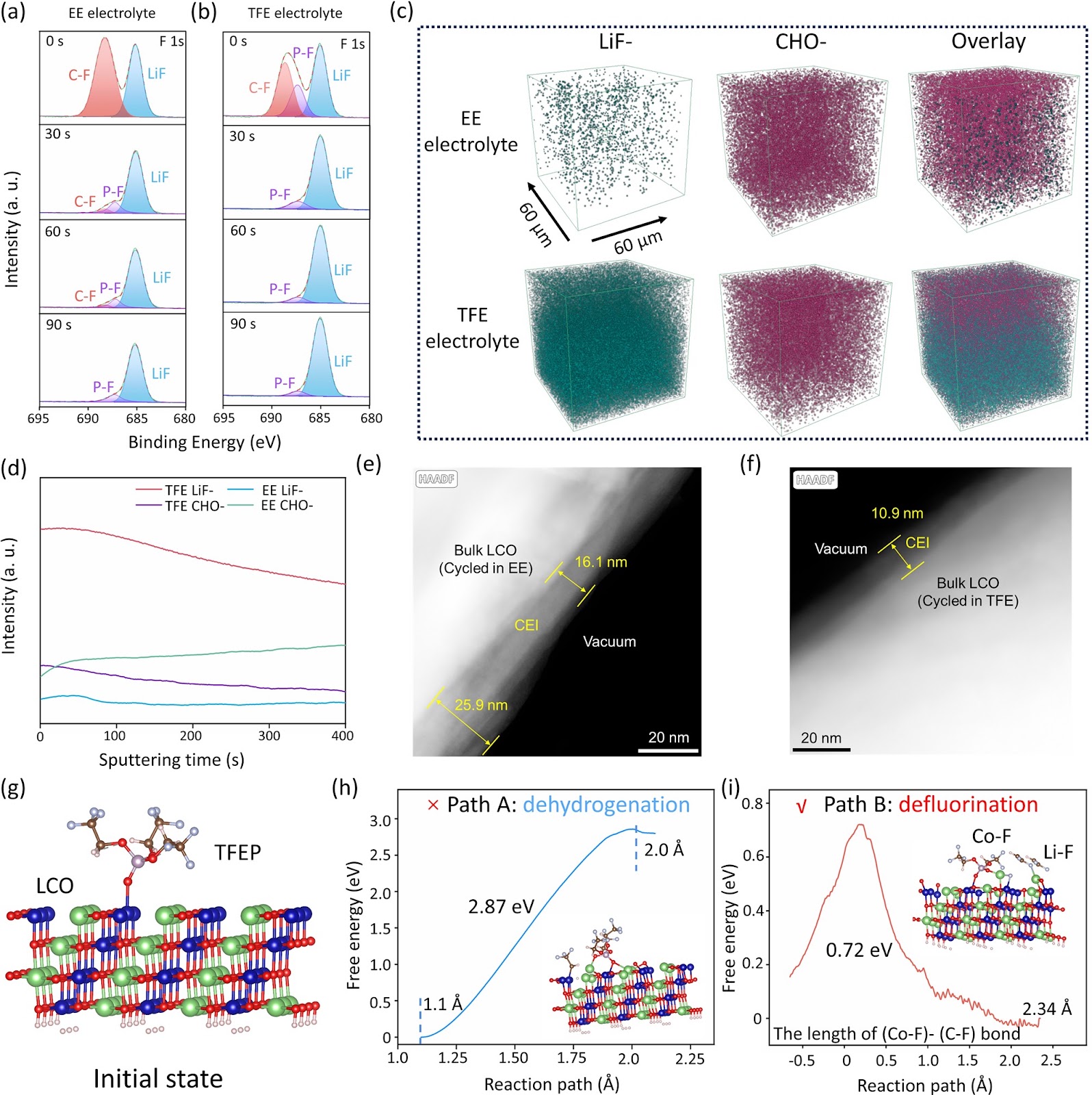
A Valuable and Low-Budget Process Scheme of Equivalized 1 nm Technology Node Based on 2D Materials
Graphical Abstract
Original ResearchVol. 17, Issue 1 • pp. 190DOI: 10.1007/s40820-025-01691-7Mar 17, 2025

Host–Guest Inversion Engineering Induced Superionic Composite Solid Electrolytes for High-Rate Solid-State Alkali Metal Batteries

Authors: Xiong Xiong Liu, Long Pan, Haotian Zhang, Pengcheng Yuan, Mufan Cao, Yaping Wang, Zeyuan Xu, Min Gao, Zheng Ming Sun

Composite solid electrolytes (CSEs) are promising for solid-state Li metal batteries but suffer from inferior room-temperature ionic conductivity due to sluggish ion transport and high cost due to expensive active ceramic fillers. Here, a host–guest inversion engineering strategy is proposed to develop superionic CSEs using cost-effective SiO2 nanoparticles as passive ceramic hosts and poly(vinylidene fluoride-hexafluoropropylene) (PVH) microspheres as polymer guests, forming an unprecedented “polymer guest-in-ceramic host” (i.e., PVH-in-SiO2) architecture differing from the traditional “ceramic guest-in-polymer host”. The PVH-in-SiO2 exhibits excellent Li-salt dissociation, achieving high-concentration free Li+. Owing to the low diffusion energy barriers and high diffusion coefficient, the free Li+ is thermodynamically and kinetically favorable to migrate to and transport at the SiO2/PVH interfaces. Consequently, the PVH-in-SiO2 delivers an exceptional ionic conductivity of 1.32 × 10⁻³ S cm−1 at 25 °C (vs. typically 10−5–10−4 S cm−1 using high-cost active ceramics), achieved under an ultralow residual solvent content of 2.9 wt% (vs. 8–15 wt% in other CSEs). Additionally, PVH-in-SiO2 is electrochemically stable with Li anode and various cathodes. Therefore, the PVH-in-SiO2 demonstrates excellent high-rate cyclability in LiFePO4|Li full cells (92.9% capacity-retention at 3C after 300 cycles under 25 °C) and outstanding stability with high-mass-loading LiFePO4 (9.2 mg cm−1) and high-voltage NCM622 (147.1 mAh g−1). Furthermore, we verify the versatility of the host–guest inversion engineering strategy by fabricating Na-ion and K-ion-based PVH-in-SiO2 CSEs with similarly excellent promotions in ionic conductivity. Our strategy offers a simple, low-cost approach to fabricating superionic CSEs for large-scale application of solid-state Li metal batteries and beyond.

Host–Guest Inversion Engineering Induced Superionic Composite Solid Electrolytes for High-Rate Solid-State Alkali Metal Batteries
Graphical Abstract
Original ResearchVol. 17, Issue 1 • pp. 188DOI: 10.1007/s40820-025-01703-6Mar 17, 2025

Porous Microreactor Chip for Photocatalytic Seawater Splitting over 300 Hours at Atmospheric Pressure

Authors: Desheng Zhu, Zhipeng Dong, Chengmei Zhong, Junhong Zhang, Qi Chen, Ni Yin, Wencheng Jia, Xiong Zheng, Fengzai Lv, Zhong Chen, Zhenchao Dong, Wencai Huang

Photocatalytic seawater splitting is an attractive way for producing green hydrogen. Significant progresses have been made recently in catalytic efficiencies, but the activity of catalysts can only maintain stable for about 10 h. Here, we develop a vacancy-engineered Ag3PO4/CdS porous microreactor chip photocatalyst, operating in seawater with a performance stability exceeding 300 h. This is achieved by the establishment of both catalytic selectivity for impurity ions and tailored interactions between vacancies and sulfur species. Efficient transport of carriers with strong redox ability is ensured by forming a heterojunction within a space charge region, where the visualization of potential distribution confirms the key design concept of our chip. Moreover, the separation of oxidation and reduction reactions in space inhibits the reverse recombination, making the chip capable of working at atmospheric pressure. Consequently, in the presence of Pt co-catalysts, a high solar-to-hydrogen efficiency of 0.81% can be achieved in the whole durability test. When using a fully solar-driven 256 cm2 hydrogen production prototype, a H2 evolution rate of 68.01 mmol h−1 m−2 can be achieved under outdoor insolation. Our findings provide a novel approach to achieve high selectivity, and demonstrate an efficient and scalable prototype suitable for practical solar H2 production.

Porous Microreactor Chip for Photocatalytic Seawater Splitting over 300 Hours at Atmospheric Pressure
Graphical Abstract
Original ResearchVol. 17, Issue 1 • pp. 189DOI: 10.1007/s40820-025-01684-6Mar 17, 2025

Regulating Water Transport Paths on Porous Transport Layer by Hydrophilic Patterning for Highly Efficient Unitized Regenerative Fuel Cells

Authors: Sung Min Lee, Keun Hwan Oh, Hwan Yeop Jeong, Duk Man Yu, Tae-Ho Kim

While unitized regenerative fuel cells (URFCs) are promising for renewable energy storage, their efficient operation requires simultaneous water management and gas transport, which is challenging from the standpoint of water management. Herein, a novel approach is introduced for examining the alignment hydrophilic pattern of a Ti porous transport layer (PTL) with the flow field of a bipolar plate (BP). UV/ozone patterning and is employed to impart amphiphilic characteristics to the hydrophobic silanized Ti PTL, enabling low-cost and scalable fabrication. The hydrophilic pattern and its alignment with the BP are comprehensively analyzed using electrochemical methods and computational simulations. Notably, the serpentine-patterned (SP) Ti PTL, wherein the hydrophilic channel is directly aligned with the serpentine flow field of the BP, effectively enhances oxygen removal in the water electrolyzer (WE) mode and mitigates water flooding in the fuel cell (FC) mode, ensuring uninterrupted water and gas flow. Further, URFCs with SP configuration exhibit remarkable performance in the WE and FC modes, achieving a significantly improved round-trip efficiency of 25.7% at 2 A cm−2.

Regulating Water Transport Paths on Porous Transport Layer by Hydrophilic Patterning for Highly Efficient Unitized Regenerative Fuel Cells
Graphical Abstract
Original ResearchVol. 17, Issue 1 • pp. 187DOI: 10.1007/s40820-025-01689-1Mar 14, 2025

Observation of Ice-Like Two-Dimensional Flakes on Self-Assembled Protein Monolayer without Nanoconfinement under Ambient Conditions

Authors: Wuxian Peng, Linbo Li, Xiyue Bai, Ping Yi, Yu Xie, Lejia Wang, Wei Du, Tao Wang, Jian-Qiang Zhong, Yuan Li

Directly correlating the morphology and composition of interfacial water is vital not only for studying water icing under critical conditions but also for understanding the role of protein–water interactions in bio-relevant systems. In this study, we present a model system to study two-dimensional (2D) water layers under ambient conditions by using self-assembled monolayers (SAMs) supporting the physisorption of the Cytochrome C (Cyt C) protein layer. We observed that the 2D island-like water layers were uniformly distributed on the SAMs as characterized by atomic force microscopy, and their composition was confirmed by nano-atomic force microscopy-infrared spectroscopy and Raman spectroscopy. In addition, these 2D flakes could grow under high-humidity conditions or melt upon the introduction of a heat source. The formation of these flakes is attributed to the activation energy for water desorption from the Cyt C being nearly twofold high than that from the SAMs. Our results provide a new and effective method for further understanding the water–protein interactions.

Observation of Ice-Like Two-Dimensional Flakes on Self-Assembled Protein Monolayer without Nanoconfinement under Ambient Conditions
Graphical Abstract
Original ResearchVol. 17, Issue 1 • pp. 183DOI: 10.1007/s40820-025-01686-4Mar 13, 2025

Rewritable Triple-Mode Light-Emitting Display

Authors: Seokyeong Lee, Jong Woong Park, Jihye Jang, Jin Woo Oh, Gwanho Kim, Jioh Yoo, Jong Gun Jung, Hyowon Han, Wei Jiang, Chang Eun Lee, Jungwon Yoon, Kaiying Zhao, Cheolmin Park

Despite great progress in developing mode-selective light emission technologies based on self-emitting materials, few rewritable displays with mode-selective multiple light emissions have been demonstrated. Herein, we present a rewritable triple-mode light-emitting display enabled by stimuli-interactive fluorescence (FL), room-temperature phosphorescence (RTP), and electroluminescence (EL). The display comprises coplanar electrodes separated by a gap, a polymer composite with FL inorganic phosphors (EL/FL layer), and a polymer composite with solvent-responsive RTP additives (RTP layer). Upon 254 nm UV exposure, a dual-mode emission of RTP and FL occurs from the RTP and EL/FL layers, respectively. When a polar liquid, besides water, is applied on the display and an AC field is applied between the coplanar electrodes, EL from the EL/FL layer is triggered, and the display operates in a triple mode. Interestingly, when water is applied to the display, the RTP mode is deactivated, rendering the display to operate in a dual mode of FL and EL. By manipulating the evaporation of the applied polar liquids and water, the mode-selective light emission of FL, RTP, and EL is rewritable in the triple-mode display. Additionally, a high-security full-color information encryption display is demonstrated, wherein the information of digital numbers, letters, and Morse code encoded in one optical mode is only deciphered when properly matched with that encoded in the other two modes. Thus, this article outlines a strategy to fulfill the substantial demand for high-security personalized information based on room-temperature multi-light-emitting displays.

Rewritable Triple-Mode Light-Emitting Display
Graphical Abstract
Original ResearchVol. 17, Issue 1 • pp. 184DOI: 10.1007/s40820-025-01688-2Mar 13, 2025

Highly Active Oxygen Evolution Integrating with Highly Selective CO2-to-CO Reduction

Authors: Chaowei Wang, Laihong Geng, Yingpu Bi

Artificial carbon fixation is a promising pathway for achieving the carbon cycle and environment remediation. However, the sluggish kinetics of oxygen evolution reaction (OER) and poor selectivity of CO2 reduction seriously limited the overall conversion efficiencies of solar energy to chemical fuels. Herein, we demonstrated a facile and feasible strategy to rationally regulate the coordination environment and electronic structure of surface-active sites on both photoanode and cathode. More specifically, the defect engineering has been employed to reduce the coordination number of ultrathin FeNi catalysts decorated on BiVO4 photoanodes, resulting in one of the highest OER activities of 6.51 mA cm−2 (1.23 VRHE, AM 1.5G). Additionally, single-atom cobalt (II) phthalocyanine anchoring on the N-rich carbon substrates to increase Co–N coordination number remarkably promotes CO2 adsorption and activation for high selective CO production. Their integration achieved a record activity of 109.4 μmol cm−2 h−1 for CO production with a faradaic efficiency of >90%, and an outstanding solar conversion efficiency of 5.41% has been achieved by further integrating a photovoltaic utilizing the sunlight (>500 nm).

Highly Active Oxygen Evolution Integrating with Highly Selective CO2-to-CO Reduction
Graphical Abstract
Original ResearchVol. 17, Issue 1 • pp. 186DOI: 10.1007/s40820-025-01696-2Mar 13, 2025

Rapid Outgassing of Hydrophilic TiO2 Electrodes Achieves Long-Term Stability of Anion Exchange Membrane Water Electrolyzers

Authors: Shajahan Shaik, Jeonghyeon Kim, Mrinal Kanti Kabiraz, Faraz Aziz, Joon Yong Park, Bhargavi Rani Anne, Mengfan Li, Hongwen Huang, Ki Min Nam, Daeseong Jo, Sang-Il Choi

The state-of-the-art anion-exchange membrane water electrolyzers (AEMWEs) require highly stable electrodes for prolonged operation. The stability of the electrode is closely linked to the effective evacuation of H2 or O2 gas generated from electrode surface during the electrolysis. In this study, we prepared a super-hydrophilic electrode by depositing porous nickel–iron nanoparticles on annealed TiO2 nanotubes (NiFe/ATNT) for rapid outgassing of such nonpolar gases. The super-hydrophilic NiFe/ATNT electrode exhibited an overpotential of 235 mV at 10 mA cm−2 for oxygen evolution reaction in 1.0 M KOH solution, and was utilized as the anode in the AEMWE to achieve a current density of 1.67 A cm−2 at 1.80 V. In addition, the AEMWE with NiFe/ATNT electrode, which enables effective outgassing, showed record stability for 1500 h at 0.50 A cm−2 under harsh temperature conditions of 80 ± 3 °C.

Rapid Outgassing of Hydrophilic TiO2 Electrodes Achieves Long-Term Stability of Anion Exchange Membrane Water Electrolyzers
Graphical Abstract
Original ResearchVol. 17, Issue 185 • pp. 1-17DOI: 10.1007/s40820-025-01700-9Mar 13, 2025

Organic Radical-Boosted Ionic Conductivity in Redox Polymer Electrolyte for Advanced Fiber-Shaped Energy Storage Devices

Authors: Jeong-Gil Kim, Jaehyoung Ko, Hyung-Kyu Lim, Yerin Jo, Hayoung Yu, Min Woo Kim, Min Ji Kim, Hyeon Su Jeong, Jinwoo Lee, Yongho Joo, Nam Dong Kim

Fiber-shaped energy storage devices (FSESDs) with exceptional flexibility for wearable power sources should be applied with solid electrolytes over liquid electrolytes due to short circuits and leakage issue during deformation. Among the solid options, polymer electrolytes are particularly preferred due to their robustness and flexibility, although their low ionic conductivity remains a significant challenge. Here, we present a redox polymer electrolyte (HT_RPE) with 4-hydroxy-2,2,6,6-tetramethylpiperidine-1-oxyl (HT) as a multi-functional additive. HT acts as a plasticizer that transforms the glassy state into the rubbery state for improved chain mobility and provides distinctive ion conduction pathway by the self-exchange reaction between radical and oxidized species. These synergetic effects lead to high ionic conductivity (73.5 mS cm−1) based on a lower activation energy of 0.13 eV than other redox additives. Moreover, HT_RPE with a pseudocapacitive characteristic by HT enables an outstanding electrochemical performance of the symmetric FSESDs using carbon-based fiber electrodes (energy density of 25.4 W h kg−1 at a power density of 25,000 W kg−1) without typical active materials, along with excellent stability (capacitance retention of 91.2% after 8,000 bending cycles). This work highlights a versatile HT_RPE that utilizes the unique functionality of HT for both the high ionic conductivity and improved energy storage capability, providing a promising pathway for next-generation flexible energy storage devices.

Organic Radical-Boosted Ionic Conductivity in Redox Polymer Electrolyte for Advanced Fiber-Shaped Energy Storage Devices
Graphical Abstract
Original ResearchVol. 17, Issue 1 • pp. 181DOI: 10.1007/s40820-025-01694-4Mar 12, 2025

Manipulating Interfacial Stability via Preferential Absorption for Highly Stable and Safe 4.6 V LiCoO2 Cathode

Authors: Long Chen, Xin He, Yiqing Chen, Youmin Hou, Yujie Zhang, Kangli Wang, Xinping Ai, Yuliang Cao, Zhongxue Chen

Elevating the upper cutoff voltage to 4.6 V could effectively increase the reversible capacity of LiCoO2 (LCO) cathode, whereas the irreversible structural transition, unstable electrode/electrolyte interface and potentially induced safety hazards severely hinder its industrial application. Building a robust cathode/electrolyte interface film by electrolyte engineering is one of the efficient approaches to boost the performance of high-voltage LCO (HV-LCO); however, the elusive interfacial chemistry poses substantial challenges to the rational design of highly compatible electrolytes. Herein, we propose a novel electrolyte design strategy and screen proper solvents based on two factors: highest occupied molecular orbital energy level and LCO absorption energy. Tris (2, 2, 2-trifluoroethyl) phosphate is determined as the optimal solvent, whose low defluorination energy barrier significantly promotes the construction of LiF-rich cathode/electrolyte interface layer on the surface of LCO, thereby eventually suppresses the phase transition and enhances Li+ diffusion kinetics. The rationally designed electrolyte endows graphite||HV-LCO pouch cells with long cycle life (85.3% capacity retention after 700 cycles), wide-temperature adaptability (−60–80 °C) and high safety (pass nail penetration). This work provides new insights into the electrolyte screening and rational design to constructing stable interface for high-energy lithium-ion batteries.

Manipulating Interfacial Stability via Preferential Absorption for Highly Stable and Safe 4.6 V LiCoO2 Cathode
Graphical Abstract
Original ResearchVol. 17, Issue 1 • pp. 180DOI: 10.1007/s40820-025-01692-6Mar 12, 2025

Bio-Inspired Ionic Sensors: Transforming Natural Mechanisms into Sensory Technologies

Authors: Kyongtae Choi, Gibeom Lee, Min-Gyu Lee, Hee Jae Hwang, Kibeom Lee, Younghoon Lee

Many natural organisms have evolved unique sensory systems over millions of years that have allowed them to detect various changes in their surrounding environments. Sensory systems feature numerous receptors—such as photoreceptors, mechanoreceptors, and chemoreceptors—that detect various types of external stimuli, including light, pressure, vibration, sound, and chemical substances. These stimuli are converted into electrochemical signals, which are transmitted to the brain to produce the sensations of sight, touch, hearing, taste, and smell. Inspired by the biological principles of sensory systems, recent advancements in electronics have led to a wide range of applications in artificial sensors. In the current review, we highlight recent developments in artificial sensors inspired by biological sensory systems utilizing soft ionic materials. The versatile characteristics of these ionic materials are introduced while focusing on their mechanical and electrical properties. The features and working principles of natural and artificial sensing systems are investigated in terms of six categories: vision, tactile, hearing, gustatory, olfactory, and proximity sensing. Lastly, we explore several challenges that must be overcome while outlining future research directions in the field of soft ionic sensors.
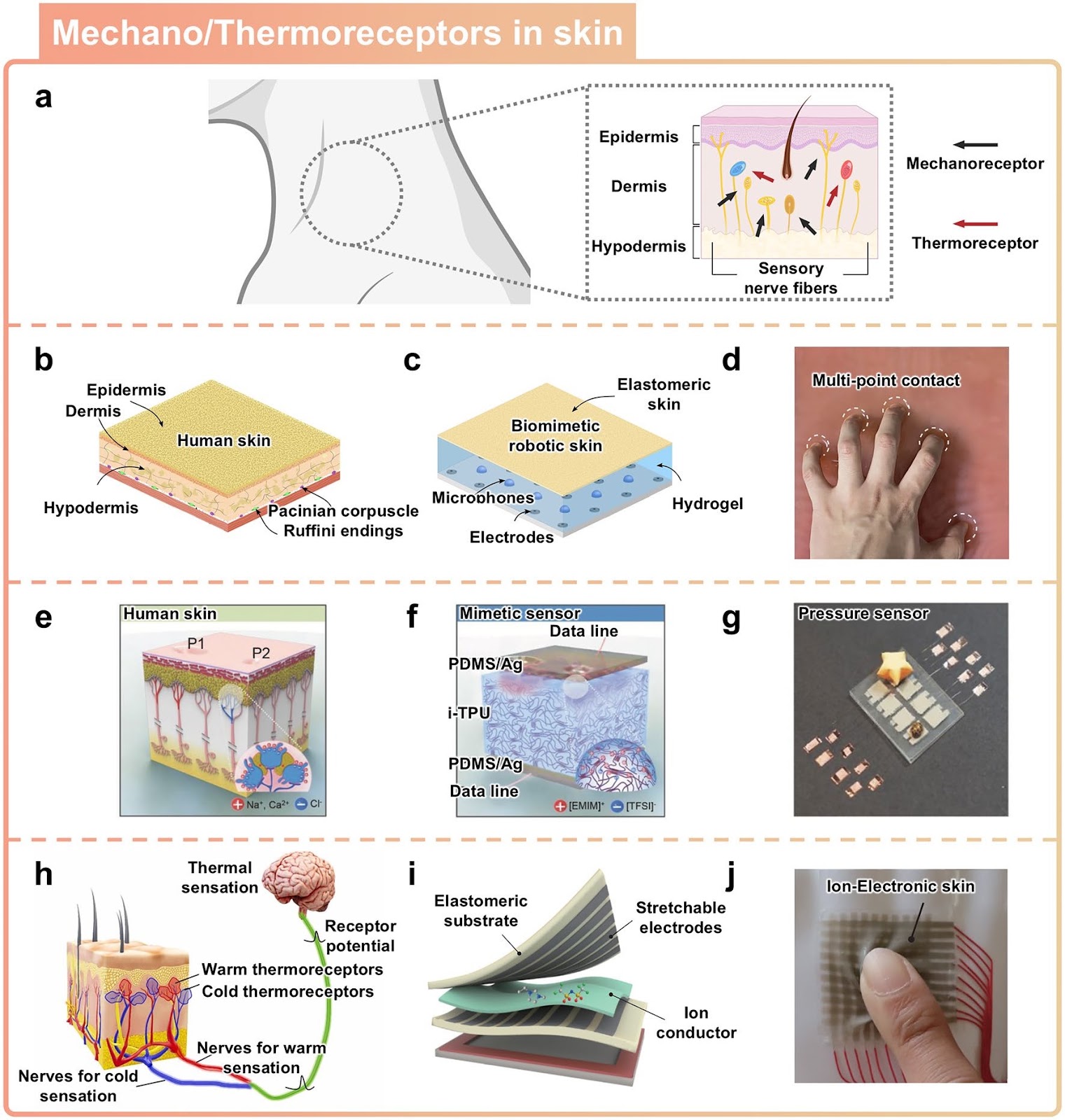
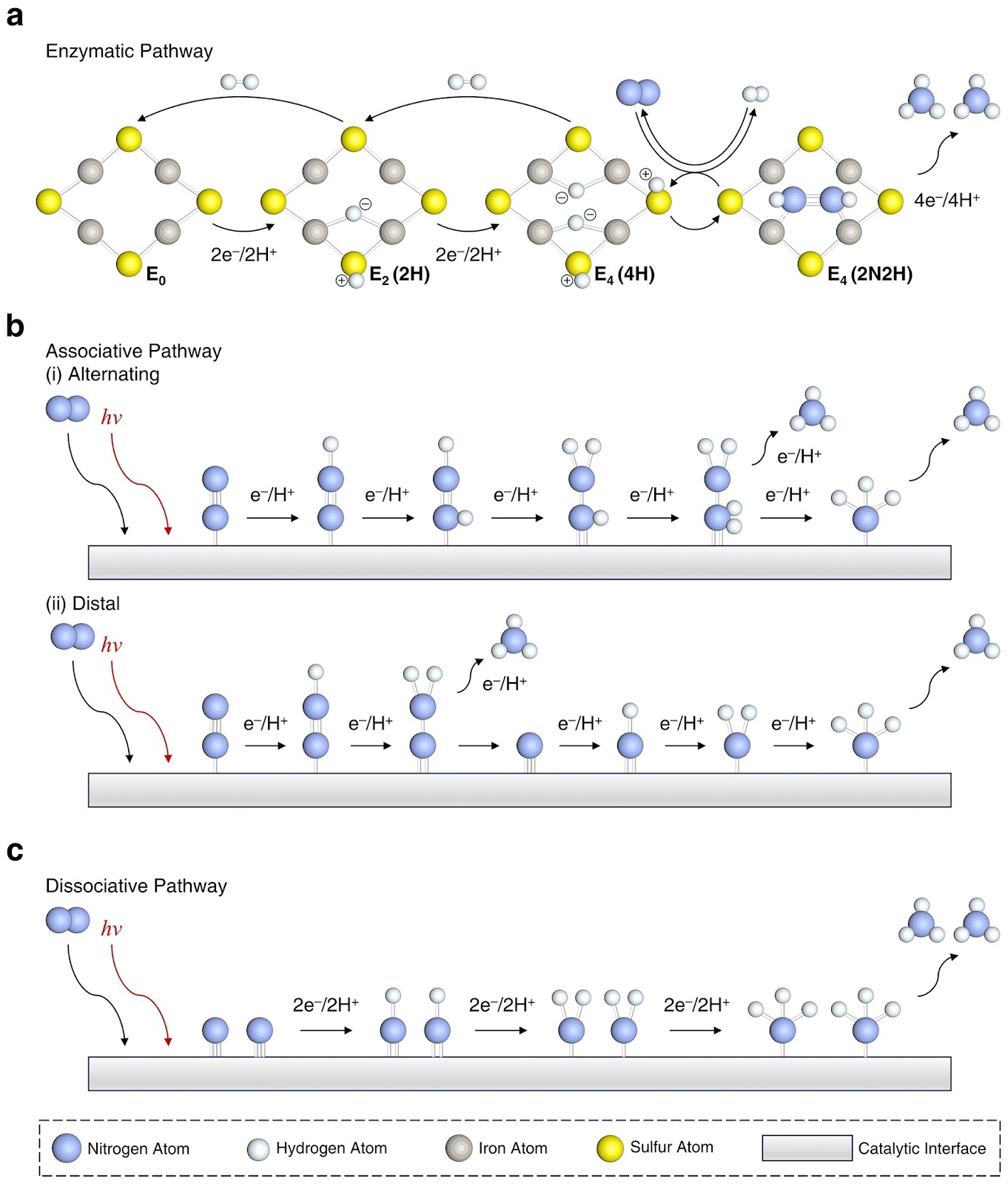
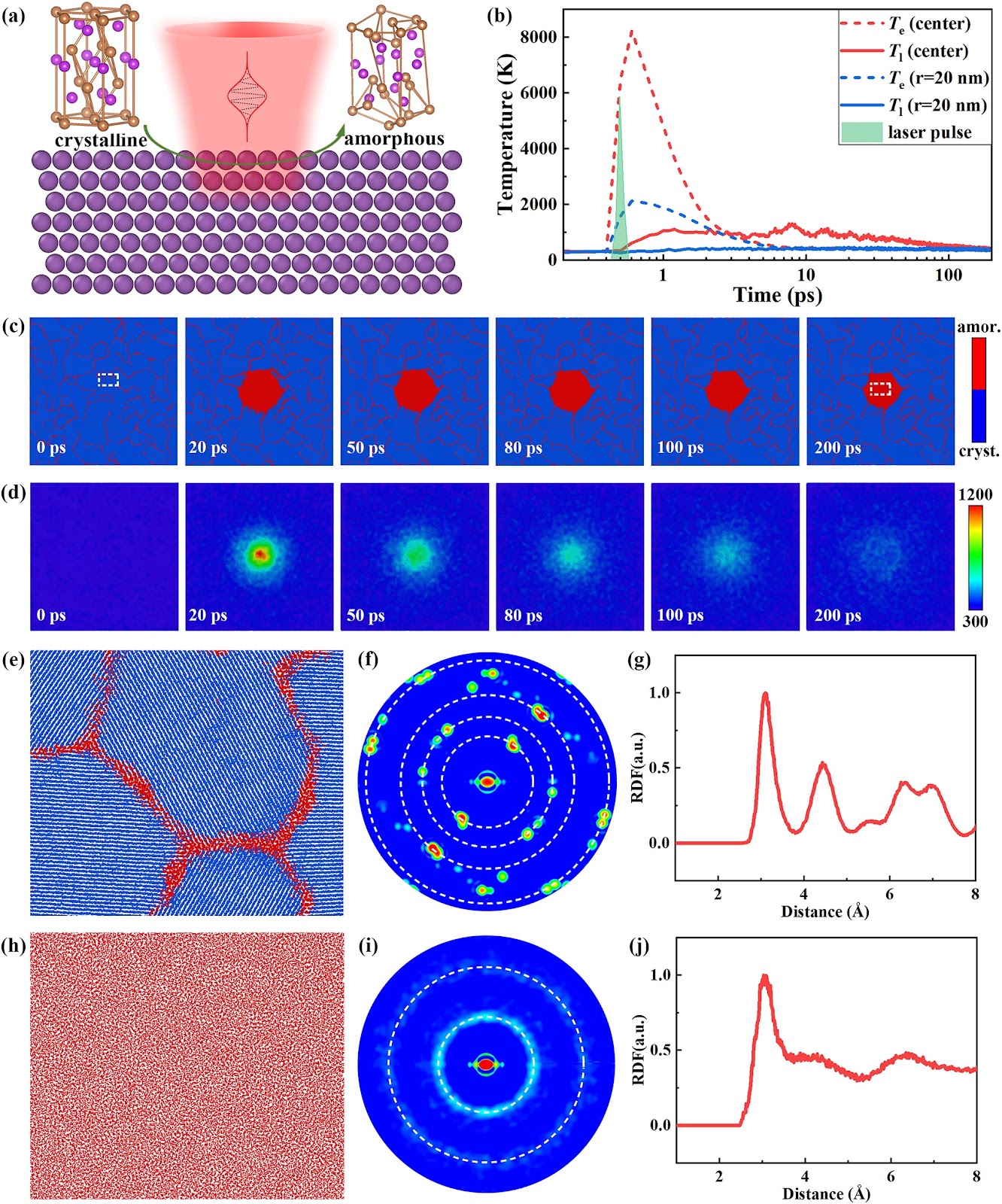
Bio-Inspired Ionic Sensors: Transforming Natural Mechanisms into Sensory Technologies
Graphical Abstract
Original ResearchVol. 17, Issue 1 • pp. 182DOI: 10.1007/s40820-025-01695-3Mar 12, 2025

Design Refinement of Catalytic System for Scale-Up Mild Nitrogen Photo-Fixation

Authors: Xiao Hu Wang, Bin Wu, Yongfa Zhu, Dingsheng Wang, Nian Bing Li, Zhichuan J. Xu, Hong Qun Luo

Ammonia and nitric acid, versatile industrial feedstocks, and burgeoning clean energy vectors hold immense promise for sustainable development. However, Haber–Bosch and Ostwald processes, which generates carbon dioxide as massive by-product, contribute to greenhouse effects and pose environmental challenges. Thus, the pursuit of nitrogen fixation through carbon–neutral pathways under benign conditions is a frontier of scientific topics, with the harnessing of solar energy emerging as an enticing and viable option. This review delves into the refinement strategies for scale-up mild photocatalytic nitrogen fixation, fields ripe with potential for innovation. The narrative is centered on enhancing the intrinsic capabilities of catalysts to surmount current efficiency barriers. Key focus areas include the in-depth exploration of fundamental mechanisms underpinning photocatalytic procedures, rational element selection, and functional planning, state-of-the-art experimental protocols for understanding photo-fixation processes, valid photocatalytic activity evaluation, and the rational design of catalysts. Furthermore, the review offers a suite of forward-looking recommendations aimed at propelling the advancement of mild nitrogen photo-fixation. It scrutinizes the existing challenges and prospects within this burgeoning domain, aspiring to equip researchers with insightful perspectives that can catalyze the evolution of cutting-edge nitrogen fixation methodologies and steer the development of next-generation photocatalytic systems.

Design Refinement of Catalytic System for Scale-Up Mild Nitrogen Photo-Fixation
Graphical Abstract
Original ResearchVol. 17, Issue 1 • pp. 179DOI: 10.1007/s40820-025-01693-5Mar 11, 2025

Photonic Chip Based on Ultrafast Laser-Induced Reversible Phase Change for Convolutional Neural Network

Authors: Jiawang Xie, Jianfeng Yan, Haoze Han, Yuzhi Zhao, Ma Luo, Jiaqun Li, Heng Guo, Ming Qiao

Photonic computing has emerged as a promising technology for the ever-increasing computational demands of machine learning and artificial intelligence. Due to the advantages in computing speed, integrated photonic chips have attracted wide research attention on performing convolutional neural network algorithm. Programmable photonic chips are vital for achieving practical applications of photonic computing. Herein, a programmable photonic chip based on ultrafast laser-induced phase change is fabricated for photonic computing. Through designing the ultrafast laser pulses, the Sb film integrated into photonic waveguides can be reversibly switched between crystalline and amorphous phase, resulting in a large contrast in refractive index and extinction coefficient. As a consequence, the light transmission of waveguides can be switched between write and erase states. To determine the phase change time, the transient laser-induced phase change dynamics of Sb film are revealed at atomic scale, and the time-resolved transient reflectivity is measured. Based on the integrated photonic chip, photonic convolutional neural networks are built to implement machine learning algorithm, and images recognition task is achieved. This work paves a route for fabricating programmable photonic chips by designed ultrafast laser, which will facilitate the application of photonic computing in artificial intelligence.

Photonic Chip Based on Ultrafast Laser-Induced Reversible Phase Change for Convolutional Neural Network
Graphical Abstract
Original ResearchVol. 17, Issue 1 • pp. 178DOI: 10.1007/s40820-025-01698-0Mar 10, 2025

Angle-Selective Photonics for Smart Subambient Radiative Cooling

Authors: Fan Liu, Qichong Zhang

During the daytime, conventional radiative coolers disregard the directionality of thermal radiation, thereby overlooking the upward radiation from the ground. This upward radiation enhances the outward thermal radiation, leading to a substantial reduction in the subambient daytime radiative cooling performance. Conversely, radiative coolers featuring angular asymmetry and spectral selectivity effectively resolve the problem of thermal radiation directionality, successfully evading the interference caused by the ground-generated thermal radiation. This cooler overcomes the limitations posed by the angle of incident light, making it suitable for subambient daytime radiative cooling of vertical surfaces. Furthermore, by adjusting the structure of the cooler, the angular range of thermal radiation can be modulated, enabling the application of radiative cooling technology for intelligent temperature regulation of various inclined surfaces encountered in daily life. This innovative work makes a significant contribution to the development of subambient smart thermal interaction systems and opens up new possibilities for the practical application of radiative cooling technology.

Angle-Selective Photonics for Smart Subambient Radiative Cooling
Graphical Abstract
Original ResearchVol. 17, Issue 1 • pp. 176DOI: 10.1007/s40820-025-01685-5Mar 10, 2025

Integration of Bio-Enzyme-Treated Super-Wood and AIE-Based Nonwoven Fabric for Efficient Evaporating the Wastewater with High Concentration of Ammonia Nitrogen

Authors: Qian Ding, Bingqi Jin, Yinxia Zheng, Huiru Zhao, Jun Wang, Haoxuan Li, Dong Wang, Ben Zhong Tang

The treatment of ammonia nitrogen wastewater (ANW) has garnered significant attention due to the ecology, and even biology is under increasing threat from over discharge ANW. Conventional ANW treatment methods often encounter challenges such as complex processes, high costs and secondary pollution. Considerable progress has been made in employing solar-induced evaporators for wastewater treatment. However, there remain notable barriers to transitioning from fundamental research to practical applications, including insufficient evaporation rates and inadequate resistance to biofouling. Herein, we propose a novel evaporator, which comprises a bio-enzyme-treated wood aerogel that serves as water pumping and storage layer, a cost-effective multi-walled carbon nanotubes coated hydrophobic/hydrophilic fibrous nonwoven mat functioning as photothermal evaporation layer, and aggregation-induced emission (AIE) molecules incorporated as anti-biofouling agent. The resultant bioinspired evaporator demonstrates a high evaporation rate of 12.83 kg m−2 h−1 when treating simulated ANW containing 30 wt% NH4Cl under 1.0 sun of illumination. AIE-doped evaporator exhibits remarkable photodynamic antibacterial activity against mildew and bacteria, ensuring outstanding resistance to biofouling over extended periods of wastewater treatment. When enhanced by natural wind under 1.0 sun irradiation, the evaporator achieves an impressive evaporation rate exceeding 20 kg m−2 h−1. This advancement represents a promising and viable approach for the effective removal of ammonia nitrogen wastewater.

Integration of Bio-Enzyme-Treated Super-Wood and AIE-Based Nonwoven Fabric for Efficient Evaporating the Wastewater with High Concentration of Ammonia Nitrogen
Graphical Abstract
Original ResearchVol. 17, Issue 177 • pp. 1-32DOI: 10.1007/s40820-025-01697-1Mar 10, 2025

Mechanisms and Mitigation Strategies of Gas Generation in Sodium-Ion Batteries

Authors: Xingyan Li, Xi Chen, Meng Li, Haoran Wei, Xuming Yang, Shenghua Ye, Liewu Li, Jing Chen, Xiangzhong Ren, Xiaoping Ouyang, Jianhong Liu, Xiangtong Meng, Jieshan Qiu, Biwei Xiao, Qianling Zhang, Jiangtao Hu

The transition to renewable energy sources has elevated the importance of SIBs (SIBs) as cost-effective alternatives to lithium-ion batteries (LIBs) for large-scale energy storage. This review examines the mechanisms of gas generation in SIBs, identifying sources from cathode materials, anode materials, and electrolytes, which pose safety risks like swelling, leakage, and explosions. Gases such as CO2, H2, and O2 primarily arise from the instability of cathode materials, side reactions between electrode and electrolyte, and electrolyte decomposition under high temperatures or voltages. Enhanced mitigation strategies, encompassing electrolyte design, buffer layer construction, and electrode material optimization, are deliberated upon. Accordingly, subsequent research endeavors should prioritize long-term high-precision gas detection to bolster the safety and performance of SIBs, thereby fortifying their commercial viability and furnishing dependable solutions for large-scale energy storage and electric vehicles.

Mechanisms and Mitigation Strategies of Gas Generation in Sodium-Ion Batteries
Graphical Abstract
Original ResearchVol. 17, Issue 1 • pp. 175DOI: 10.1007/s40820-025-01672-wMar 4, 2025

V–Ti-Based Solid Solution Alloys for Solid-State Hydrogen Storage

Authors: Shaoyang Shen, Yongan Li, Liuzhang Ouyang, Lan Zhang, Min Zhu, Zongwen Liu

This review details the advancement in the development of V–Ti-based hydrogen storage materials for using in metal hydride (MH) tanks to supply hydrogen to fuel cells at relatively ambient temperatures and pressures. V–Ti-based solid solution alloys are excellent hydrogen storage materials among many metal hydrides due to their high reversible hydrogen storage capacity which is over 2 wt% at ambient temperature. The preparation methods, structure characteristics, improvement methods of hydrogen storage performance, and attenuation mechanism are systematically summarized and discussed. The relationships between hydrogen storage properties and alloy compositions as well as phase structures are discussed emphatically. For large-scale applications on MH tanks, it is necessary to develop low-cost and high-performance V–Ti-based solid solution alloys with high reversible hydrogen storage capacity, good cyclic durability, and excellent activation performance.

V–Ti-Based Solid Solution Alloys for Solid-State Hydrogen Storage
Graphical Abstract
Original ResearchVol. 17, Issue 1 • pp. 171DOI: 10.1007/s40820-024-01603-1Mar 3, 2025

All-in-One: A Multifunctional Composite Biomimetic Cryogel for Coagulation Disorder Hemostasis and Infected Diabetic Wound Healing

Authors: Jiaxin Wang, Yutong Yang, Huiru Xu, Shengfei Huang, Baolin Guo, Juan Hu

Traditional hemostatic materials are difficult to meet the needs of non-compressible bleeding and for coagulopathic patients. In addition, open wounds are susceptible to infection, and then develop into chronic wounds. However, the development of integrated dressings that do not depend on coagulation pathway and improve the microenvironment of chronic wounds remains a challenge. Inspired by the porous structure and composition of the natural extracellular matrix, adipic dihydrazide modified gelatin (GA), dodecylamine-grafted hyaluronic acid (HD), and MnO2 nanozyme (manganese dioxide)@DFO (deferoxamine)@PDA (polydopamine) (MDP) nanoparticles were combined to prepare GA/HD/MDP cryogels through amidation reaction and hydrogen bonding. These cryogels exhibited good fatigue resistance, photothermal antibacterial (about 98% killing ratios of both Escherichia coli and methicillin-resistant Staphylococcus aureus (MRSA) after 3 min near-infrared irradiation), reactive oxygen species scavenging, oxygen release, and angiogenesis properties. Furthermore, in the liver defect model of rats with coagulopathy, the cryogel displayed less bleeding and shorter hemostasis time than commercial gelatin sponge. In MRSA-infected diabetic wounds, the cryogel could decrease wound inflammation and oxidative stress, alleviate the hypoxic environment, promote collagen deposition, and induce vascular regeneration, showing a better repair effect compared with the Tegaderm™ film. These results indicated that GA/HD/MDP cryogels have great potential in non-compressible hemorrhage for coagulopathic patients and in healing infected wounds for diabetic patients.

All-in-One: A Multifunctional Composite Biomimetic Cryogel for Coagulation Disorder Hemostasis and Infected Diabetic Wound Healing
Graphical Abstract
Original ResearchVol. 17, Issue 1 • pp. 173DOI: 10.1007/s40820-025-01673-9Mar 3, 2025

A Review of MAX Series Materials: From Diversity, Synthesis, Prediction, Properties Oriented to Functions

Authors: Jian Zhang, Ru Jia, Kar Ban Tan, Jiaming Li, Shichong Xu, Guobing Ying, Wenjuan Han, Ming Lu

MAX series materials, as non-van der Waals layered multi-element compounds, contribute remarkable regulated properties and functional dimension, combining the features of metal and ceramic materials due to their inherently laminated crystal structure that Mn+1Xn slabs are intercalated with A element layers. Oriented to the functional requirements of information, intelligence, electrification, and aerospace in the new era, how to accelerate MAX series materials into new quality productive forces? The systematic enhancement of knowledge about MAX series materials is intrinsic to understanding its low-dimensional geometric structure characteristics, and physical and chemical properties, revealing the correlation of composition, structure, and function and further realizing rational design based on simulation and prediction. Diversity also brings complexity to MAX materials research. This review provides substantial tabular information on (I) MAX's research timeline from 1960 to the present, (II) structure diversity and classification convention, (III) synthesis route exploration, (IV) prediction based on theory and machine learning, (V) properties, and (VI) functional applications. Herein, the researchers can quickly locate research content and recognize connections and differences of MAX series materials. In addition, the research challenges for the future development of MAX series materials are highlighted.

A Review of MAX Series Materials: From Diversity, Synthesis, Prediction, Properties Oriented to Functions
Graphical Abstract
Original ResearchVol. 17, Issue 1 • pp. 172DOI: 10.1007/s40820-025-01678-4Mar 3, 2025

Boosting Alcohol Oxidation Electrocatalysis with Multifactorial Engineered Pd1/Pt Single-Atom Alloy-BiOx Adatoms Surface

Authors: Yujia Liao, Wen Chen, Yutian Ding, Lei Xie, Qi Yang, Qilong Wu, Xianglong Liu, Jinliang Zhu, Renfei Feng, Xian-Zhu Fu, Shuiping Luo, Jing-Li Luo

Engineering nanomaterials at single-atomic sites could enable unprecedented catalytic properties for broad applications, yet it remains challenging to do so on the surface of multimetallic nanocrystals. Herein, we present the multifactorial engineering (size, shape, phase, and composition) of the fully ordered PtBi nanoplates at atomic level, achieving a unique catalyst surface where the face-centered cubic (fcc) Pt edges are modified by the isolated Pd atoms and BiOx adatoms. This Pd1/Pt-BiOx electrocatalyst exhibits an ultrahigh mass activity of 16.01 A mg−1 Pt+Pd toward ethanol oxidation in alkaline electrolyte and enables a direct ethanol fuel cell of peak power density of 56.7 mW cm−2. The surrounding BiOx adatoms are critical for mitigating CO-poisoning on the Pt surface, and the Pd1/Pt single-atom alloy further facilitates the electrooxidation of CH3CH2OH. This work offers new insights into the rational design and construction of sophisticated catalyst surface at single-atomic sites for highly efficient electrocatalysis.

Boosting Alcohol Oxidation Electrocatalysis with Multifactorial Engineered Pd1/Pt Single-Atom Alloy-BiOx Adatoms Surface
Graphical Abstract
Original ResearchVol. 17, Issue 1 • pp. 170DOI: 10.1007/s40820-025-01664-wFeb 28, 2025

Design of Ultra-Stable Solid Amine Adsorbents and Mechanisms of Hydroxyl Group-Dependent Deactivation for Reversible CO2 Capture from Flue Gas

Authors: Meng Zhao, Liang Huang, Yanshan Gao, Ziling Wang, Shuyu Liang, Xuancan Zhu, Qiang Wang, Hong He, Dermot O’Hare

Although supported solid amine adsorbents have attracted great attention for CO2 capture, critical chemical deactivation problems including oxidative degradation and urea formation have severely restricted their practical applications for flue gas CO2 capture. In this work, we reveal that the nature of surface hydroxyl groups (metal hydroxyl Al–OH and nonmetal hydroxyl Si–OH) plays a key role in the deactivation mechanisms. The polyethyleneimine (PEI) supported on Al–OH-containing substrates suffers from severe oxidative degradation during the CO2 capture step due to the breakage of amine-support hydrogen bonding networks, but exhibits an excellent anti-urea formation feature by preventing dehydration of carbamate products under a pure CO2 regeneration atmosphere. In contrast, PEI supported on Si–OH-containing substrates exhibits excellent anti-oxidative stability under simulated flue gas conditions by forming a robust hydrogen bonding protective network with Si–OH, but suffers from obvious urea formation during the pure CO2 regeneration step. We also reveal that the urea formation problem for PEI-SBA-15 can be avoided by the incorporation of an OH-containing PEG additive. Based on the intrinsic understanding of degradation mechanisms, we successfully synthesized an adsorbent 40PEI-20PEG-SBA-15 that demonstrates outstanding stability and retention of a high CO2 capacity of 2.45 mmol g−1 over 1000 adsorption–desorption cycles, together with negligible capacity loss during aging in simulated flue gas (10% CO2 + 5% O2 + 3% H2O) for one month at 60–70 °C. We believe this work makes great contribution to the advancement in the field of ultra-stable solid amine-based CO2 capture materials.

Design of Ultra-Stable Solid Amine Adsorbents and Mechanisms of Hydroxyl Group-Dependent Deactivation for Reversible CO2 Capture from Flue Gas
Graphical Abstract
Original ResearchVol. 17, Issue 1 • pp. 169DOI: 10.1007/s40820-025-01677-5Feb 27, 2025

Quantum Dots Mediated Crystallization Enhancement in Two-Step Processed Perovskite Solar Cells

Authors: Heng Liu, Geyu Jin, Jiantao Wang, Weihai Zhang, Long Qing, Yao Zhang, Qiongqiong Lu, Pengfei Yue, Guoshang Zhang, Jing Wei, Hongbo Li, Hsing-Lin Wang

Hybrid organic–inorganic lead halide perovskites have emerged as a promising material for high-efficiency solar cells, yet challenges related to crystallization and defects limit their performance and stability. This study investigates the use of perovskite quantum dots (QDs) as crystallization seeds to enhance the quality of FAPbI3 perovskite films and improve the performance of perovskite solar cells (PSCs). We demonstrate that CsPbI3 and CsPbBr3 QDs effectively guide the crystallization process, leading to the formation of larger crystals with preferential orientations, particularly the (001) and (002) planes, which are associated with reduced defect densities. This seed-mediated growth strategy resulted in PSCs with power conversion efficiencies (PCEs) of 24.75% and 24.11%, respectively, compared to the baseline efficiency of 22.05% for control devices. Furthermore, devices incorporating QD-treated perovskite films exhibited remarkable stability, maintaining over 80% of their initial PCE after 1000 h of simulated sunlight exposure, a significant improvement over the control. Detailed optoelectronic characterization revealed reduced non-radiative recombination and enhanced charge transport in QD-treated devices. These findings highlight the potential of QDs as a powerful tool to improve perovskite crystallization, facet orientation, and overall device performance, offering a promising route to enhance both efficiency and stability in PSCs.

Quantum Dots Mediated Crystallization Enhancement in Two-Step Processed Perovskite Solar Cells
Graphical Abstract
Original ResearchVol. 17, Issue 1 • pp. 168DOI: 10.1007/s40820-025-01681-9Feb 26, 2025

An Engineered Heterostructured Trinity Enables Fire-Safe, Thermally Conductive Polymer Nanocomposite Films with Low Dielectric Loss

Authors: Qiang Chen, Jiabing Feng, Yijiao Xue, Siqi Huo, Toan Dinh, Hang Xu, Yongqian Shi, Jiefeng Gao, Long-Cheng Tang, Guobo Huang, Weiwei Lei, Pingan Song

To adapt to the trend of increasing miniaturization and high integration of microelectronic equipments, there is a high demand for multifunctional thermally conductive (TC) polymeric films combining excellent flame retardancy and low dielectric constant (ε). To date, there have been few successes that achieve such a performance portfolio in polymer films due to their different and even mutually exclusive governing mechanisms. Herein, we propose a trinity strategy for creating a rationally engineered heterostructure nanoadditive (FG@CuP@ZTC) by in situ self-assembly immobilization of copper-phenyl phosphonate (CuP) and zinc-3, 5-diamino-1,2,4-triazole complex (ZTC) onto the fluorinated graphene (FG) surface. Benefiting from the synergistic effects of FG, CuP, and ZTC and the bionic lay-by-lay (LBL) strategy, the as-fabricated waterborne polyurethane (WPU) nanocomposite film with 30 wt% FG@CuP@ZTC exhibits a 55.6% improvement in limiting oxygen index (LOI), 66.0% and 40.5% reductions in peak heat release rate and total heat release, respectively, and 93.3% increase in tensile strength relative to pure WPU film due to the synergistic effects between FG, CuP, and ZTC. Moreover, the WPU nanocomposite film presents a high thermal conductivity (λ) of 12.7 W m−1 K−1 and a low ε of 2.92 at 106 Hz. This work provides a commercially viable rational design strategy to develop high-performance multifunctional polymer nanocomposite films, which hold great potential as advanced polymeric thermal dissipators for high-power-density microelectronics.

An Engineered Heterostructured Trinity Enables Fire-Safe, Thermally Conductive Polymer Nanocomposite Films with Low Dielectric Loss
Graphical Abstract
Original ResearchVol. 17, Issue 1 • pp. 166DOI: 10.1007/s40820-024-01593-0Feb 26, 2025

Enhancing Thermal Protection in Lithium Batteries with Power Bank-Inspired Multi-Network Aerogel and Thermally Induced Flexible Composite Phase Change Material

Authors: Zaichao Li, Feng Cao, Yuang Zhang, Shufen Zhang, Bingtao Tang

Thermal runaway (TR) is considered a significant safety hazard for lithium batteries, and thermal protection materials are crucial in mitigating this risk. However, current thermal protection materials generally suffer from poor mechanical properties, flammability, leakage, and rigid crystallization, and they struggle to continuously block excess heat transfer and propagation once thermal saturation occurs. This study proposes a novel type of thermal protection material: an aerogel coupled composite phase change material (CPCM). The composite material consists of gelatin/sodium alginate (Ge/SA) composite biomass aerogel as an insulating component and a thermally induced flexible CPCM made from thermoplastic polyester elastomer as a heat-absorbing component. Inspired by power bank, we coupled the aerogel with CPCM through the binder, so that CPCM can continue to ‘charge and store energy’ for the aerogel, effectively absorbing heat, delaying the heat saturation phenomenon, and maximizing the duration of thermal insulation. The results demonstrate that the Ge/SA aerogel exhibits excellent thermal insulation (with a temperature difference of approximately 120 °C across a 1 cm thickness) and flame retardancy (achieving a V-0 flame retardant rating). The CPCM exhibits high heat storage density (811.9 J g−1), good thermally induced flexibility (bendable above 40 °C), and thermal stability. Furthermore, the Ge/SA-CPCM coupled composite material shows even more outstanding thermal insulation performance, with the top surface temperature remaining at 89 °C after 100 min of exposure to a high temperature of 230 °C. This study provides a new direction for the development of TR protection materials for lithium batteries.

Enhancing Thermal Protection in Lithium Batteries with Power Bank-Inspired Multi-Network Aerogel and Thermally Induced Flexible Composite Phase Change Material
Graphical Abstract
Original ResearchVol. 17, Issue 1 • pp. 167DOI: 10.1007/s40820-024-01626-8Feb 26, 2025

Yolk–Shell CoNi@N‑Doped Carbon‑CoNi@CNTs for Enhanced Microwave Absorption, Photothermal, Anti‑Corrosion, and Antimicrobial Properties

Authors: Qiqin Liang, Mukun He, Beibei Zhan, Hua Guo, Xiaosi Qi, Yunpeng Qu, Yali Zhang, Wei Zhong, Junwei Gu

The previous studies mainly focused on improving microwave absorbing (MA) performances of MA materials. Even so, these designed MA materials were very difficult to be employed in complex and changing environments owing to their single-functionalities. Herein, a combined Prussian blue analogues derived and catalytical chemical vapor deposition strategy was proposed to produce hierarchical cubic sea urchin-like yolk–shell CoNi@N-doped carbon (NC)-CoNi@carbon nanotubes (CNTs) mixed-dimensional multicomponent nanocomposites (MCNCs), which were composed of zero-dimensional CoNi nanoparticles, three-dimensional NC nanocubes and one-dimensional CNTs. Because of good impedance matching and attenuation characteristics, the designed CoNi@NC-CoNi@CNTs mixed-dimensional MCNCs exhibited excellent MA performances, which achieved a minimum reflection loss (RLmin) of −71.70 dB at 2.78 mm and Radar Cross section value of −53.23 dB m2. More importantly, the acquired results demonstrated that CoNi@NC-CoNi@CNTs MCNCs presented excellent photothermal, antimicrobial and anti-corrosion properties owing to their hierarchical cubic sea urchin-like yolk–shell structure, highlighting their potential multifunctional applications. It could be seen that this finding not only presented a generalizable route to produce hierarchical cubic sea urchin-like yolk–shell magnetic NC-CNTs-based mixed-dimensional MCNCs, but also provided an effective strategy to develop multifunctional MCNCs and improve their environmental adaptabilities.

Yolk–Shell CoNi@N‑Doped Carbon‑CoNi@CNTs for Enhanced Microwave Absorption, Photothermal, Anti‑Corrosion, and Antimicrobial Properties
Graphical Abstract
Original ResearchVol. 17, Issue 1 • pp. 165DOI: 10.1007/s40820-025-01680-wFeb 25, 2025

Durable Acidic Oxygen Evolution Via Self-Construction of Iridium Oxide/Iridium-Tantalum Oxide Bi-Layer Nanostructure with Dynamic Replenishment of Active Sites

Authors: Qi Guo, Rui Li, Yanan Zhang, Qiqin Zhang, Yi He, Zhibin Li, Weihong Liu, Xiongjun Liu, Zhaoping Lu

Proton exchange membrane (PEM) water electrolysis presents considerable advantages in green hydrogen production. Nevertheless, oxygen evolution reaction (OER) catalysts in PEM water electrolysis currently encounter several pressing challenges, including high noble metal loading, low mass activity, and inadequate durability, which impede their practical application and commercialization. Here we report a self-constructed layered catalyst for acidic OER by directly using an Ir–Ta-based metallic glass as the matrix, featuring a nanoporous IrO2 surface formed in situ on the amorphous IrTaOx nanostructure during OER. This distinctive architecture significantly enhances the accessibility and utilization of Ir, achieving a high mass activity of 1.06 A mgIr−1 at a 300 mV overpotential, 13.6 and 31.2 times greater than commercial Ir/C and IrO2, respectively. The catalyst also exhibits superb stability under industrial-relevant current densities in acid, indicating its potential for practical uses. Our analyses reveal that the coordinated nature of the surface-active Ir species is effectively modulated through electronic interaction between Ir and Ta, preventing them from rapidly evolving into high valence states and suppressing the lattice oxygen participation. Furthermore, the underlying IrTaOx dynamically replenishes the depletion of surface-active sites through inward crystallization and selective dissolution, thereby ensuring the catalyst’s long-term durability.

Durable Acidic Oxygen Evolution Via Self-Construction of Iridium Oxide/Iridium-Tantalum Oxide Bi-Layer Nanostructure with Dynamic Replenishment of Active Sites
Graphical Abstract
Original ResearchVol. 17, Issue 1 • pp. 164DOI: 10.1007/s40820-024-01638-4Feb 25, 2025

Modulating Electromagnetic Genes Through Bi-Phase High-Entropy Engineering Toward Temperature-Stable Ultra-Broadband Megahertz Electromagnetic Wave Absorption

Authors: Xiaoji Liu, Yuping Duan, Nan Wu, Guangming Li, Yuan Guo, Jiangyong Liu, Ning Zhu, Qiang Wang, Lin Wang, Zichen Xu, Hao Wei, Guojun Wang, Zhijia Zhang, Songsong Zhang, Wenjun Zhou, Teng Ma, Tongmin Wang

Magnetic absorbers with high permeability have significant advantages in low-frequency and broadband electromagnetic wave (EMW) absorption. However, the insufficient magnetic loss and inherent high conductivity of existing magnetic absorbers limit the further expansion of EMW absorption bandwidth. Herein, the spinel (FeCoNiCrCu)3O4 high-entropy oxides (HEO) are successfully constructed on the surface of FeCoNiCr0.4Cu0.2 high-entropy alloys (HEA) through low-temperature oxygen bath treatment. On the one hand, HEO and HEA have different magnetocrystalline anisotropies, which is conducive to achieving continuous natural resonance to improve magnetic loss. On the other hand, HEO with low conductivity can serve as an impedance matching layer, achieving magneto-electric co-modulation. When the thickness is 5 mm, the minimum reflection loss (RL) value and absorption bandwidth (RL < −5 dB) of bi-phase high-entropy composites (BPHEC) can reach −12.8 dB and 633 MHz, respectively. The RCS reduction value of multilayer sample with impedance gradient characteristic can reach 18.34 dB m2. In addition, the BPHEC also exhibits temperature-stable EMW absorption performance, high Curie temperature, and oxidation resistance. The absorption bandwidth maintains between 593 and 691 MHz from −50 to 150 °C. This work offers a new and tunable strategy toward modulating the electromagnetic genes for temperature-stable ultra-broadband megahertz EMW absorption.

Modulating Electromagnetic Genes Through Bi-Phase High-Entropy Engineering Toward Temperature-Stable Ultra-Broadband Megahertz Electromagnetic Wave Absorption
Graphical Abstract
Original ResearchVol. 17, Issue 1 • pp. 161DOI: 10.1007/s40820-025-01682-8Feb 24, 2025

Robust and Reprocessable Biorenewable Polyester Nanocomposites In Situ Catalyzed and Reinforced by Dendritic MXene@CNT Heterostructure

Authors: Hao Wang, Jiheng Ding, Hongran Zhao, Qinchao Chu, Jin Zhu, Jinggang Wang

Renewable 2,5-furandicarboxylic acid-based polyesters are one of the most promising materials for achieving plastic replacement in the age of energy and environmental crisis. However, their properties still cannot compete with those of petrochemical-based plastics, owing to insufficient molecular and/or microstructure designs. Herein, we utilize the Ti3C2Tx-based MXene nanosheets for decorating carbon nanotube (CNT) and obtaining the structurally stable and highly dispersed dendritic heterostructured MXene@CNT, that can act as multi-roles, i.e., polycondensation catalyst, crystal nucleator, and interface enhancer of polyester. The bio-based MXene@CNT/polybutylene furandicarboxylate (PBF) (denoted as MCP) nanocomposites are synthesized by the strategy of “in situ catalytic polymerization and hot-pressing”. Benefiting from the multi-scale interactions (i.e., covalent bonds, hydrogen bonds, and physical interlocks) in hybrid structure, the MCP presents exceptional mechanical strength (≈101 MPa), stiffness (≈3.1 GPa), toughness (≈130 MJ m−3), and barrier properties (e.g., O2 0.0187 barrer, CO2 0.0264 barrer, and H2O 1.57 × 10⁻¹⁴ g cm cm−2 s Pa) that are higher than most reported bio-based materials and engineering plastics. Moreover, it also displays satisfactory multifunctionality with high reprocessability (90% strength retention after 5 recycling), UV resistance (blocking 85% UVA rays), and solvent-resistant properties. As a state-of-art high-performance and multifunctional material, the novel bio-based MCP nanocomposite offers a more sustainable alternative to petrochemical-based plastics in packaging and engineering material fields. More importantly, our catalysis-interfacial strengthening integration strategy opens a door for designing and constructing high-performance bio-based polyester materials in future.

Robust and Reprocessable Biorenewable Polyester Nanocomposites In Situ Catalyzed and Reinforced by Dendritic MXene@CNT Heterostructure
Graphical Abstract
Original ResearchVol. 17, Issue 163 • pp. 1-20DOI: 10.1007/s40820-025-01663-xFeb 24, 2025

Electron Acceptor-Driven Solid Electrolyte Interphases with Elevated LiF Content for 4.7 V Lithium Metal Batteries

Authors: Yongbiao Mu, Zifan Liao, Youqi Chu, Qing Zhang, Lingfeng Zou, Lin Yang, Yitian Feng, Haixiang Ren, Meisheng Han, Lin Zeng

High-voltage lithium (Li) metal batteries (LMBs) face substantial challenges, including Li dendrite growth and instability in high-voltage cathodes such as LiNi0.8Mn0.1Co0.1O2 (NCM811), which impede their practical applications and long-term stability. To address these challenges, tris(pentafluorophenyl)borane additive as an electron acceptor is introduced into an ethyl methyl carbonate/fluoroethylene carbonate-based electrolyte. This approach effectively engineers robust dual interfaces on the Li metal anode and the NCM811 cathode, thereby mitigating dendritic growth of Li and enhancing the stability of the cathode. This additive-driven strategy enables LMBs to operate at ultra-high voltages up to 4.7 V. Consequently, Li||Cu cells achieve a coulombic efficiency of 98.96%, and Li||Li symmetric cells extend their cycle life to an impressive 4000 h. Li||NCM811 full cells maintain a high capacity retention of 87.8% after 100 cycles at 4.7 V. Additionally, Li||LNMO full cells exhibit exceptional rate capability, delivering 132.2 mAh g−1 at 10 C and retaining 95.0% capacity after 250 cycles at 1 C and 5 V. As a result, NCM811||graphite pouch cells maintain a 93.4% capacity retention after 1100 cycles at 1 C. These findings underscore the efficacy of additive engineering in addressing Li dendrite formation and instability of cathode under high voltage, thereby paving the road for durable, high-performance LMBs.

Electron Acceptor-Driven Solid Electrolyte Interphases with Elevated LiF Content for 4.7 V Lithium Metal Batteries
Graphical Abstract
Original ResearchVol. 17, Issue 1 • pp. 162DOI: 10.1007/s40820-025-01679-3Feb 24, 2025

2D Undulated Metal Hydrogen-Bonded Organic Frameworks with Self-Adaption Interlayered Sites for Highly Efficient C–C Coupling in the Electrocatalytic CO2 Reduction

Authors: Jianning Lv, Wenrui Li, Shuai Li, Shuo Xu, Zunhang Lv, Zhejiaji Zhu, Lu Dai, Bo Wang, Pengfei Li

The hydrogen-bonded organic frameworks (HOFs) as a new type of porous framework materials have been widely studied in various areas. However, the lack of appropriate active sites, low intrinsic conductivity, and poor stability limited their performance in the field of electrocatalysis. Herein, we designed two 2D metal hydrogen-bonded organic frameworks (2D–M–HOF, M = Cu2+ or Ni2+) with coordination compounds based on 2,3,6,7,14,15-hexahydroxyl cyclotricatechylene and transition metal ions (Cu2+ and Ni2+), respectively. The crystal structure of 2D–Cu–HOF is determined by continuous rotation electron diffraction, indicating an undulated 2D hydrogen-bond network with interlayered π-π stacking. The flexible structure of 2D–M–HOF leads to the formation of self-adaption interlayered sites, resulting in superior activity and selectivity in the electrocatalytic conversion of CO2 to C2 products, achieving a total Faradaic efficiency exceeding 80% due to the high-efficiency C–C coupling. The experimental results and density functional calculations verify that the undulated 2D–M–HOF enables the energetically favorable formation of *OCCHO intermediate. This work provides a promising strategy for designing HOF catalysts in electrocatalysis and related processes.

2D Undulated Metal Hydrogen-Bonded Organic Frameworks with Self-Adaption Interlayered Sites for Highly Efficient C–C Coupling in the Electrocatalytic CO2 Reduction
Graphical Abstract
Original ResearchVol. 17, Issue 1 • pp. 157DOI: 10.1007/s40820-025-01666-8Feb 24, 2025

Nanomaterials Enhanced Sonodynamic Therapy for Multiple Tumor Treatment

Authors: Mengyao Yang, Xin Wang, Mengke Peng, Fei Wang, Senlin Hou, Ruirui Xing, Aibing Chen

Sonodynamic therapy (SDT) as an emerging modality for malignant tumors mainly involves in sonosensitizers and low-intensity ultrasound (US), which can safely penetrate the tissue without significant attenuation. SDT not only has the advantages including high precision, non-invasiveness, and minimal side effects, but also overcomes the limitation of low penetration of light to deep tumors. The cytotoxic reactive oxygen species can be produced by the utilization of sonosensitizers combined with US and kill tumor cells. However, the underlying mechanism of SDT has not been elucidated, and its unsatisfactory efficiency retards its further clinical application. Herein, we shed light on the main mechanisms of SDT and the types of sonosensitizers, including organic sonosensitizers and inorganic sonosensitizers. Due to the development of nanotechnology, many novel nanoplatforms are utilized in this arisen field to solve the barriers of sonosensitizers and enable continuous innovation. This review also highlights the potential advantages of nanosonosensitizers and focus on the enhanced efficiency of SDT based on nanosonosensitizers with monotherapy or synergistic therapy for deep tumors that are difficult to reach by traditional treatment, especially orthotopic cancers.

Nanomaterials Enhanced Sonodynamic Therapy for Multiple Tumor Treatment
Graphical Abstract
Original ResearchVol. 17, Issue 1 • pp. 159DOI: 10.1007/s40820-024-01585-0Feb 24, 2025

Scalable Electrocatalytic Urea Wastewater Treatment Coupled with Hydrogen Production by Regulating Adsorption Behavior of Urea Molecule

Authors: Chunming Yang, Huijuan Pang, Xiang Li, Xueyan Zheng, Tingting Wei, Xu Ma, Qi Wang, Chuantao Wang, Danjun Wang, Bin Xu

Electrocatalytic urea wastewater treatment technology has emerged as a promising method for environmental remediation. However, the realization of highly efficient and scalable electrocatalytic urea wastewater treatment (SEUWT) is still an enormous challenge. Herein, through regulating the adsorption behavior of urea functional groups, the efficient SEUWT coupled hydrogen production is realized in anion exchange membrane water electrolyzer (AEMWE). Density functional theory calculations indicate that self-driven electron transfer at the heterogeneous interface (NiO/Co3O4) can induce charge redistribution, resulting in electron-rich NiO and electron-deficient Co3O4, which are superior to adsorbing C=O (electron-withdrawing group) and –NH2 (electron-donating group), respectively, regulating the adsorption behavior of urea molecule and accelerating the reaction kinetics of urea oxidation. This viewpoint is further verified by temperature-programmed desorption experiments. The SEUWT coupled hydrogen production in AEMWE assembled with NiO/Co3O4 (anode) and NiCoP (cathode) can continuously treat urea wastewater at an initial current density of 600 mA cm−2, with the average urea treatment efficiency about 53%. Compared with overall water splitting, the H2 production rate (8.33 mmol s−1) increases by approximately 3.5 times. This work provides a cost-effective strategy for scalable purifying urea-rich wastewater and energy-saving hydrogen production.

Scalable Electrocatalytic Urea Wastewater Treatment Coupled with Hydrogen Production by Regulating Adsorption Behavior of Urea Molecule
Graphical Abstract
Original ResearchVol. 17, Issue 160 • pp. 1-16DOI: 10.1007/s40820-025-01671-xFeb 24, 2025

Aggregation-Induced Emissive Scintillators: A New Frontier for Radiation Detection and Imaging

Authors: Xinyi Li, Jiafu Yu, Yinghao Fan, Yuting Gao, Guangda Niu

Aggregation-induced emission (AIE) is a unique phenomenon where certain organic materials exhibit enhanced luminescence in their aggregated states, overcoming the typical quenching observed in conventional organic materials. Since its discovery in 2001, AIE has driven significant advances in fields like OLEDs and biological imaging, earning recognition in fundamental research. However, its application in high-energy radiation detection remains underexplored. Organic scintillators, though widely used, face challenges such as low light yield and poor radiation attenuation. AIE materials offer promising solutions by improving light yield, response speed, and radiation attenuation. This review summarizes the design strategies behind AIE scintillators and their very recent applications in X-ray, γ-ray, and fast neutron detection. We highlight their advantages in enhancing detection sensitivity, reducing background noise, and achieving high-resolution imaging. By addressing the current challenges, we believe AIE materials will play a pivotal role in advancing future radiation detection and imaging technologies.

Aggregation-Induced Emissive Scintillators: A New Frontier for Radiation Detection and Imaging
Graphical Abstract
Original ResearchVol. 17, Issue 1 • pp. 158DOI: 10.1007/s40820-024-01589-wFeb 24, 2025

An Ultra-Stable, High-Energy and Wide-Temperature-Range Aqueous Alkaline Sodium-Ion Battery with the Microporous C4N/rGO Anode

Authors: Mengxiao Li, Rui Li, Huige Ma, Mingsheng Yang, Yujie Dai, HaiPing Yu, Yuxin Hao, Zhihui Wang, Bei Wang, Mingjun Hu, Jun Yang

Common anode materials in aqueous alkaline electrolytes, such as cadmium, metal hydrides and zinc, usually suffer from remarkable biotoxicity, high cost, and serious side reactions. To overcome these problems, we develop a conjugated porous polymer (CPP) in-situ grown on reduced graphene oxide (rGO) and Ketjen black (KB), noted as C4N/rGO and C4N/KB respectively, as the alternative anodes. The results show that C4N/rGO electrode delivers a low redox potential (−0.905 V vs. Ag/AgCl), high specific capacity (268.8 mAh g−1 at 0.2 A g−1), ultra-stable and fast sodium ion storage behavior (216 mAh g−1 at 20 A g−1) in 2 M NaOH electrolyte. The assembled C4N/rGO//Ni(OH)2 full battery can cycle stably more than 38,000 cycles. Furthermore, by adding a small amount of antifreeze additive dimethyl sulfoxide (DMSO) to adjust the hydrogen bonding network, the low-temperature performance of the electrolyte (0.1 DMSO/2 M NaOH) is significantly improved while hydrogen evolution is inhibited. Consequently, the C4N/rGO//Ni(OH)2 full cell exhibits an energy density of 147.3 Wh Kg−1 and ultra-high cycling stability over a wide temperature range from −70 to 45 °C. This work provides an ultra-stable high-capacity CPP-based anode and antifreeze electrolyte for aqueous alkaline batteries and will facilitate their practical applications under extreme conditions.

An Ultra-Stable, High-Energy and Wide-Temperature-Range Aqueous Alkaline Sodium-Ion Battery with the Microporous C4N/rGO Anode
Graphical Abstract
Original ResearchVol. 17, Issue 1 • pp. 156DOI: 10.1007/s40820-025-01656-wFeb 21, 2025

A Flexible-Integrated Multimodal Hydrogel-Based Sensing Patch

Authors: Peng Wang, Guoqing Wang, Guifen Sun, Chenchen Bao, Yang Li, Chuizhou Meng, Zhao Yao

Sleep monitoring is an important part of health management because sleep quality is crucial for restoration of human health. However, current commercial products of polysomnography are cumbersome with connecting wires and state-of-the-art flexible sensors are still interferential for being attached to the body. Herein, we develop a flexible-integrated multimodal sensing patch based on hydrogel and its application in unconstraint sleep monitoring. The patch comprises a bottom hydrogel-based dual-mode pressure–temperature sensing layer and a top electrospun nanofiber-based non-contact detection layer as one integrated device. The hydrogel as core substrate exhibits strong toughness and water retention, and the multimodal sensing of temperature, pressure, and non-contact proximity is realized based on different sensing mechanisms with no crosstalk interference. The multimodal sensing function is verified in a simulated real-world scenario by a robotic hand grasping objects to validate its practicability. Multiple multimodal sensing patches integrated on different locations of a pillow are assembled for intelligent sleep monitoring. Versatile human–pillow interaction information as well as their evolution over time are acquired and analyzed by a one-dimensional convolutional neural network. Track of head movement and recognition of bad patterns that may lead to poor sleep are achieved, which provides a promising approach for sleep monitoring.

A Flexible-Integrated Multimodal Hydrogel-Based Sensing Patch
Graphical Abstract
Original ResearchVol. 17, Issue 1 • pp. 155DOI: 10.1007/s40820-025-01665-9Feb 21, 2025

Developing mRNA Nanomedicines with Advanced Targeting Functions

Authors: Ji Wang, Lijun Cai, Ning Li, Zhiqiang Luo, Haozhen Ren, Bing Zhang, Yuanjin Zhao

The emerging messenger RNA (mRNA) nanomedicines have sprung up for disease treatment. Developing targeted mRNA nanomedicines has become a thrilling research hotspot in recent years, as they can be precisely delivered to specific organs or tissues to enhance efficiency and avoid side effects. Herein, we give a comprehensive review on the latest research progress of mRNA nanomedicines with targeting functions. mRNA and its carriers are first described in detail. Then, mechanisms of passive targeting, endogenous targeting, and active targeting are outlined, with a focus on various biological barriers that mRNA may encounter during in vivo delivery. Next, emphasis is placed on summarizing mRNA-based organ-targeting strategies. Lastly, the advantages and challenges of mRNA nanomedicines in clinical translation are mentioned. This review is expected to inspire researchers in this field and drive further development of mRNA targeting technology.

Developing mRNA Nanomedicines with Advanced Targeting Functions
Graphical Abstract
Original ResearchVol. 17, Issue 1 • pp. 153DOI: 10.1007/s40820-025-01650-2Feb 19, 2025

Robust and High-Wettability Cellulose Separators with Molecule-Reassembled Nano-Cracked Structures for High-Performance Supercapacitors

Authors: Xiaoyu Wang, Wenqiu Zheng, Hui Zhao, Junying Li, Sheng Chen, Feng Xu

Separators in supercapacitors (SCs) frequently suffer from high resistance and the risk of short circuits due to inadequate electrolyte wettability, depressed mechanical properties, and insufficient thermal stability. Here, we develop a high-performance regenerated cellulose separator with nano-cracked structures for SCs via a binary solvent of superbase-derived ionic liquid and dimethylsulfoxide (DMSO). The unique nano-cracks with an average width of 7.45 nm arise from the acceleration of cellulose molecular reassembly by DMSO-regulated hydrogen bonding, which endows the separator with high porosity (70.2%) and excellent electrolyte retention (329%). The outstanding thermal stability (273 °C) and mechanical strength (70 MPa) enable the separator to maintain its structural integrity under high temperatures and external forces. With these benefits, the SC utilizing the cellulose separator enables a high specific capacitance of 93.6 F g−1 at 1.0 A g−1 and a remarkable capacitance retention of 99.5% after 10,000 cycles compared with the commercial NKK-MPF30AC and NKK-TF4030. The robust and high-wettability cellulose separator holds promise as a superior alternative to commercial separators for advanced SCs with enhanced performance and improved safety.

Robust and High-Wettability Cellulose Separators with Molecule-Reassembled Nano-Cracked Structures for High-Performance Supercapacitors
Graphical Abstract
Original ResearchVol. 17, Issue 1 • pp. 154DOI: 10.1007/s40820-025-01674-8Feb 19, 2025

High-Performance Gate-All-Around Field Effect Transistors Based on Orderly Arrays of Catalytic Si Nanowire Channels

Authors: Wei Liao, Wentao Qian, Junyang An, Lei Liang, Zhiyan Hu, Junzhuan Wang, Linwei Yu

Gate-all-around field-effect transistors (GAA-FETs) represent the leading-edge channel architecture for constructing state-of-the-art high-performance FETs. Despite the advantages offered by the GAA configuration, its application to catalytic silicon nanowire (SiNW) channels, known for facile low-temperature fabrication and high yield, has faced challenges primarily due to issues with precise positioning and alignment. In exploring this promising avenue, we employed an in-plane solid–liquid-solid (IPSLS) growth technique to batch-fabricate orderly arrays of ultrathin SiNWs, with diameters of DNW = 22.4 ± 2.4 nm and interwire spacing of 90 nm. An in situ channel-releasing technique has been developed to well preserve the geometry integrity of suspended SiNW arrays. By optimizing the source/drain contacts, high-performance GAA-FET devices have been successfully fabricated, based on these catalytic SiNW channels for the first time, yielding a high on/off current ratio of 10^7 and a steep subthreshold swing of 66 mV dec−1, closing the performance gap between the catalytic SiNW-FETs and state-of-the-art GAA-FETs fabricated by using advanced top-down EBL and EUV lithography. These results indicate that catalytic IPSLS SiNWs can also serve as the ideal 1D channels for scalable fabrication of high-performance GAA-FETs, well suited for monolithic 3D integrations.

High-Performance Gate-All-Around Field Effect Transistors Based on Orderly Arrays of Catalytic Si Nanowire Channels
Graphical Abstract
Original ResearchVol. 17, Issue 150 • pp. 1-16DOI: 10.1007/s40820-024-01600-4Feb 17, 2025

Tailoring the Reversible Phase Transition of Perovskite Nanofiber Electrodes for High-Performance and Durable Reversible Solid Oxide Cells

Authors: Chaofan Yin, Jiaming Yang, Jiangyuan Feng, Yueyue Sun, Zhengrong Liu, Junkai Wang, Jiajia Cui, Zixuan Xue, Liang Zhang, Yucun Zhou, Jun Zhou, Liangfei Xu, Kai Wu, Jianqiu Li

Reversible solid oxide cells (RSOCs) are capable of converting various energy resources, between electricity and chemical fuels, with high efficiency and flexibility, making them suitable for grid balancing and renewable energy consumption. However, the practical application of RSOCs is still limited by the insufficient activity and stability of the electrodes in different operating modes. Herein, a highly efficient symmetrical electrode composed of La0.3Sr0.6Ti0.1Co0.2Fe0.7O3−δ (LSTCF) nanofibers and in situ exsolved Co3Fe7 nanoparticles is developed for boosting the performance of RSOCs. The reversible phase transition, high activity and stability of the electrode have been confirmed by a combination of experimental (e.g., transmission electron microscopy and X-ray absorption fine structure) and computational studies. Electrolyte-supported RSOCs with the symmetrical electrode demonstrate excellent catalytic activity and stability, achieving a high peak power density of 0.98 W cm−2 in the fuel cell mode using H2 as the fuel (or 0.53 W cm−2 using CH4 as the fuel) and a high current density of 1.09 A cm−2 at 1.4 V in the CO2 electrolysis mode (or 1.03 A cm−2 at 1.3 V for H2O electrolysis) at 800 °C while maintaining excellent durability for over 100 h.

Tailoring the Reversible Phase Transition of Perovskite Nanofiber Electrodes for High-Performance and Durable Reversible Solid Oxide Cells
Graphical Abstract
Original ResearchVol. 17, Issue 149 • pp. 1-27DOI: 10.1007/s40820-024-01629-5Feb 17, 2025

Advances in Anion Chemistry in the Electrolyte Design for Better Lithium Batteries

Authors: Hecong Xiao, Xiang Li, Yongzhu Fu

Electrolytes are crucial components in electrochemical energy storage devices, sparking considerable research interest. However, the significance of anions in the electrolytes is often underestimated. In fact, the anions have significant impacts on the performance and stability of lithium batteries. Therefore, comprehensively understanding anion chemistry in electrolytes is of crucial importance. Herein, in-depth comprehension of anion chemistry and its positive effects on the interface, solvation structure of Li-ions, as well as the electrochemical performance of the batteries have been emphasized and summarized. This review aims to present a full scope of anion chemistry and furnish systematic cognition for the rational design of advanced electrolytes for better lithium batteries with high energy density, lifespan, and safety. Furthermore, insightful analysis and perspectives based on the current research are proposed. We hope that this review sheds light on new perspectives on understanding anion chemistry in electrolytes.

Advances in Anion Chemistry in the Electrolyte Design for Better Lithium Batteries
Graphical Abstract
Original ResearchVol. 17, Issue 1 • pp. 152DOI: 10.1007/s40820-024-01601-3Feb 17, 2025

Wireless, Multifunctional System-Integrated Programmable Soft Robot

Authors: Sungkeun Han, Jeong-Woong Shin, Joong Hoon Lee, Bowen Li, Gwan-Jin Ko, Tae-Min Jang, Ankan Dutta, Won Bae Han, Seung Min Yang, Dong-Je Kim, Heeseok Kang, Jun Hyeon Lim, Chan-Hwi Eom, So Jeong Choi, Huanyu Cheng, Suk-Won Hwang

Soft robots have partially or entirely provided versatile opportunities for issues or roles that cannot be addressed by conventional machine robots, although most studies are limited to designs, controls, or physical/mechanical motions. Here, we present a transformable, reconfigurable robotic platform created by the integration of magnetically responsive soft composite matrices with deformable multifunctional electronics. Magnetic compounds engineered to undergo phase transition at a low temperature can readily achieve reversible magnetization and conduct various changes of motions and shapes. Thin and flexible electronic system designed with mechanical dynamics does not interfere with movements of the soft electronic robot, and the performances of wireless circuit, sensors, and devices are independent of a variety of activities, all of which are verified by theoretical studies. Demonstration of navigations and electronic operations in an artificial track highlights the potential of the integrated soft robot for on-demand, environments-responsive movements/metamorphoses, and optoelectrical detection and stimulation. Further improvements to a miniaturized, sophisticated system with material options enable in situ monitoring and treatment in envisioned areas such as biomedical implants.

Wireless, Multifunctional System-Integrated Programmable Soft Robot
Graphical Abstract
Original ResearchVol. 17, Issue 1 • pp. 151DOI: 10.1007/s40820-025-01668-6Feb 17, 2025

A Transparent Polymer-Composite Film for Window Energy Conservation

Authors: Xianhu Liu, Haoyu Zhang, Yamin Pan, Jun Ma, Chuntai Liu, Changyu Shen

As living standards improve, the energy consumption for regulating indoor temperature keeps increasing. Windows, in particular, enhance indoor brightness but also lead to increased energy loss, especially in sunny weather. Developing a product that can maintain indoor brightness while reducing energy consumption is a challenge. We developed a facile, spectrally selective transparent ultrahigh-molecular-weight polyethylene composite film to address this trade-off. It is based on a blend of antimony-doped tin oxide and then spin-coated hydrophobic fumed silica, achieving a high visible light transmittance (> 70%) and high shielding rates for ultraviolet (> 90%) and near-infrared (> 70%). When applied to the acrylic window of containers and placed outside, this film can cause a 10 °C temperature drop compared to a pure polymer film. Moreover, in building energy simulations, the annual energy savings could be between 14.1% ~ 31.9% per year. The development of energy-efficient and eco-friendly transparent films is crucial for reducing energy consumption and promoting sustainability in the window environment.

A Transparent Polymer-Composite Film for Window Energy Conservation
Graphical Abstract
Original ResearchVol. 17, Issue 1 • pp. 148DOI: 10.1007/s40820-025-01648-wFeb 17, 2025

Recent Advances of Electrocatalysts and Electrodes for Direct Formic Acid Fuel Cells: from Nano to Meter Scale Challenges

Authors: Yang Li, Ming-Shui Yao, Yanping He, Shangfeng Du

Direct formic acid fuel cells are promising energy devices with advantages of low working temperature and high safety in fuel storage and transport. They have been expected to be a future power source for portable electronic devices. The technology has been developed rapidly to overcome the high cost and low power performance that hinder its practical application, which mainly originated from the slow reaction kinetics of the formic acid oxidation and complex mass transfer within the fuel cell electrodes. Here, we provide a comprehensive review of the progress around this technology, in particular for addressing multiscale challenges from catalytic mechanism understanding at the atomic scale, to catalyst design at the nanoscale, electrode structure at the micro scale and design at the millimeter scale, and finally to device fabrication at the meter scale. The gap between the highly active electrocatalysts and the poor electrode performance in practical devices is highlighted. Finally, perspectives and opportunities are proposed to potentially bridge this gap for further development of this technology.

Recent Advances of Electrocatalysts and Electrodes for Direct Formic Acid Fuel Cells: from Nano to Meter Scale Challenges
Graphical Abstract
Original ResearchVol. 17, Issue 1 • pp. 146DOI: 10.1007/s40820-025-01676-6Feb 17, 2025

Fast-Developing Dynamic Radiative Thermal Management: Full-Scale Fundamentals, Switching Methods, Applications, and Challenges

Authors: Long Xie, Xuechuan Wang, Yageng Bai, Xiaoliang Zou, Xinhua Liu

Rapid population growth in recent decades has intensified both the global energy crisis and the challenges posed by climate change, including global warming. Currently, the increased frequency of extreme weather events and large fluctuations in ambient temperature disrupt thermal comfort and negatively impact health, driving a growing dependence on cooling and heating energy sources. Consequently, efficient thermal management has become a central focus of energy research. Traditional thermal management systems consume substantial energy, further contributing to greenhouse gas emissions. In contrast, emergent radiant thermal management technologies that rely on renewable energy have been proposed as sustainable alternatives. However, achieving year-round thermal management without additional energy input remains a formidable challenge. Recently, dynamic radiative thermal management technologies have emerged as the most promising solution, offering the potential for energy-efficient adaptation across seasonal variations. This review systematically presents recent advancements in dynamic radiative thermal management, covering fundamental principles, switching mechanisms, primary materials, and application areas. Additionally, the key challenges hindering the broader adoption of dynamic radiative thermal management technologies are discussed. By highlighting their transformative potential, this review provides insights into the design and industrial scalability of these innovations, with the ultimate aim of promoting renewable energy integration in thermal management applications.

Fast-Developing Dynamic Radiative Thermal Management: Full-Scale Fundamentals, Switching Methods, Applications, and Challenges
Graphical Abstract
Original ResearchVol. 17, Issue 1 • pp. 147DOI: 10.1007/s40820-025-01675-7Feb 17, 2025

Absorption–Reflection–Transmission Power Coefficient Guiding Gradient Distribution of Magnetic MXene in Layered Composites for Electromagnetic Wave Absorption

Authors: Yang Zhou, Wen Zhang, Dong Pan, Zhaoyang Li, Bing Zhou, Ming Huang, Liwei Mi, Chuntai Liu, Yuezhan Feng, Changyu Shen

The morphological distribution of absorbent in composites is equally important with absorbents for the overall electromagnetic properties, but it is often ignored. Herein, a comprehensive consideration including electromagnetic component regulation, layered arrangement structure, and gradient concentration distribution was used to optimize impedance matching and enhance electromagnetic loss. On the microscale, the incorporation of magnetic Ni nanoparticles into MXene nanosheets (Ni@MXene) endows suitable intrinsic permittivity and permeability. On the macroscale, the layered arrangement of Ni@MXene increases the effective interaction area with electromagnetic waves, inducing multiple reflection/scattering effects. On this basis, according to the analysis of absorption, reflection, and transmission (A–R–T) power coefficients of layered composites, the gradient concentration distribution was constructed to realize the impedance matching at low-concentration surface layer, electromagnetic loss at middle concentration interlayer and microwave reflection at high-concentration bottom layer. Consequently, the layered gradient composite (LG5-10–15) achieves complete absorption coverage of X-band at thickness of 2.00–2.20 mm with RLmin of −68.67 dB at 9.85 GHz in 2.05 mm, which is 199.0%, 12.6%, and 50.6% higher than non-layered, layered and layered descending gradient composites, respectively. Therefore, this work confirms the importance of layered gradient structure in improving absorption performance and broadens the design of high-performance microwave absorption materials.

Absorption–Reflection–Transmission Power Coefficient Guiding Gradient Distribution of Magnetic MXene in Layered Composites for Electromagnetic Wave Absorption
Graphical Abstract
Original ResearchVol. 17, Issue 1 • pp. 145DOI: 10.1007/s40820-025-01655-xFeb 14, 2025

Understanding the Decoupled Effects of Cations and Anions Doping for High-Performance Perovskite Solar Cells

Authors: Tianxiang Hu, Yixi Wang, Kai Liu, Jia Liu, Haoyang Zhang, Qudrat Ullah Khan, Shijie Dai, Weifan Qian, Ruochen Liu, Yanyan Wang, Chongyuan Li, Zhenru Zhang, Mingxiang Luo, Xiaofei Yue, Chunxiao Cong, Yuan Yongbo, Anran Yu, Jia Zhang, Yiqiang Zhan

The past decade has witnessed the rapid increasement in power conversion efficiency of perovskite solar cells (PSCs). However, serious ion migration hampers their operational stability. Although dopants composed of varied cations and anions are introduced into perovskite to suppress ion migration, the impact of cations or anions is not individually explored, which hinders the evaluation of different cations and further application of doping strategy. Here we report that a special group of sulfonic anions (like CF3SO3−) successfully introduce alkaline earth ions (like Ca2+) into perovskite lattice compared to its halide counterparts. Furthermore, with effective crystallization regulation and defect passivation of sulfonic anions, perovskite with Ca(CF3SO3)2 shows reduced PbI2 residue and metallic Pb0 defects; thereby, corresponding PSCs show an enhanced PCE of 24.95%. Finally by comparing the properties of perovskite with Ca(CF3SO3)2 and FACF3SO3, we found that doped Ca2+ significantly suppressed halide migration with an activation energy of 1.246 eV which accounts for the improved operational stability of Ca(CF3SO3)2-doped PSCs, while no obvious impact of Ca2+ on trap density is observed. Combining the benefits of cations and anions, this study presents an effective method to decouple the effects of cations and anions and fabricate efficient and stable PSCs.

Understanding the Decoupled Effects of Cations and Anions Doping for High-Performance Perovskite Solar Cells
Graphical Abstract
Original ResearchVol. 17, Issue 1 • pp. 143DOI: 10.1007/s40820-024-01636-6Feb 13, 2025

Integrating Electric Ambipolar Effect for High-Performance Zinc Bromide Batteries

Authors: Wenda Li, Hengyue Xu, Shanzhe Ke, Hongyi Zhang, Hao Chen, Gaijuan Guo, Xuanyi Xiong, Shiyao Zhang, Jianwei Fu, Chengbin Jing, Jiangong Cheng, Shaohua Liu

The coupling of fast redox kinetics, high-energy density, and prolonged lifespan is a permanent aspiration for aqueous rechargeable zinc batteries, but which has been severely hampered by a narrow voltage range and suboptimal compatibility between the electrolytes and electrodes. Here, we unprecedentedly introduced an electric ambipolar effect for synergistic manipulation on Zn2+ ternary-hydrated eutectic electrolyte (ZTE) enabling high-performance Zn-Br2 batteries. The electric ambipolar effect motivates strong dipole interactions among hydrated perchlorates and bipolar ligands of L-carnitine (L-CN) and sulfamide, which reorganized primary cations solvation sheath in a manner of forming Zn[(L-CN)(SA)(H2O)4]2+ configuration and dynamically restricting desolvated H2O molecules, thus ensuring a broadened electrochemical window of 2.9 V coupled with high ionic conductivity. Noticeably, L-CN affords an electrostatic shielding effect and an in situ construction of organic–inorganic interphase, endowing oriented Zn anode plating/stripping reversibly for over 2400 h. Therefore, with the synergy of electro/nucleophilicity and exceptional compatibility, the ZTE electrolyte dynamically boosts the conversion redox of Zn-Br2 batteries in terms of high specific capacity and stable cycling performance. These findings open a window for designing electrolytes with synergetic chemical stability and compatibility toward advanced zinc-ion batteries.

Integrating Electric Ambipolar Effect for High-Performance Zinc Bromide Batteries
Graphical Abstract
Original ResearchVol. 17, Issue 1 • pp. 144DOI: 10.1007/s40820-025-01670-yFeb 13, 2025

Thin and Flexible Breeze-Sense Generators for Non-Contact Haptic Feedback in Virtual Reality

Authors: Kaijun Zhang, Zhe Liu, Yexi Zhou, Zhaoyang Li, Dazhe Zhao, Xiao Guan, Tianjun Lan, Yanting Gong, Bingpu Zhou, Junwen Zhong

In the realm of virtual reality (VR), haptic feedback is integral to enhance the immersive experience; yet, existing wearable devices predominantly rely on skin contact feedback, lacking options for compact and non-contact breeze-sense feedback. Herein, we propose a compact and non-contact working model piezoelectret actuator for providing a gentle and safe breeze sensation. This easy-fabricated and flexible breeze-sense generator with thickness around 1 mm generates air flow pressure up to ~163 Pa, which is significantly sensed by human skin. In a typical demonstration, the breeze-sense generators array showcases its versatility by employing multiple coded modes for non-contact information transmitting. The thin thinness and good flexibility facilitate seamless integration with wearable VR setups, and the wearable arrays empower volunteers to precisely perceive the continuous and sudden breeze senses in the virtual environments. This work is expected to inspire developing new haptic feedback devices that play pivotal roles in human–machine interfaces for VR applications.

Thin and Flexible Breeze-Sense Generators for Non-Contact Haptic Feedback in Virtual Reality
Graphical Abstract
Original ResearchVol. 17, Issue 1 • pp. 142DOI: 10.1007/s40820-025-01657-9Feb 12, 2025

Synergistic Single-Atom and Clustered Cobalt Sites on N/S Co-Doped Defect Nano-Carbon for Efficient H2O2 Electrosynthesis

Authors: Yuzhong Huang, Chang Zhang, Xingyu Wang, Yuji Wu, Jun Lv, Jian Zhang, Wangqiang Shen, Xing Lu

Non-noble-based single atomic catalysts have exhibited significant potential in electrochemical production of H2O2 via two-electron oxygen reduction reactions (2e− ORR). However, constructing highly efficient and acid-resistant catalysts remains a challenge but significant. In this work, fullerene (C60) with abundant pentagonal inherent defects was employed as a carbon substrate to synthesize defect-rich nanocarbon electrocatalysts doped with NSCo single atoms and accompanied by metallic Co nanoparticles (CoSA/CoNP-NSDNC) for the first time. The electrochemical experiments demonstrate that the active sites of CoSA/CoNP-NSDNC are formed through the synergistic interaction between NSCo single atoms and Co nanoparticle clusters embedded within the carbon framework. The obtained CoSA/CoNP-NSDNC catalyst exhibits an onset potential as 0.72 V versus RHE and achieves up to 90% H2O2 selectivity over a wide potential range of 500 mV. Moreover, the as-obtained CoSA/CoNP-NSDNC configured as the cathode in a self-assembled flow cell under acidic conditions achieves a high H2O2 production rate of 4206.96 mmol gcat⁻1 h⁻1 with a Faraday efficiency of ∼ 95% and exhibit ultra fast degradation of organic pollutants. This work focuses on the synergistic effect of non-noble metal nanoparticles, metal single-atom sites, and topological defects on the 2e− ORR process, which provides a new direction for designing carbon-based catalysts for efficient H2O2 electrosynthesis.

Synergistic Single-Atom and Clustered Cobalt Sites on N/S Co-Doped Defect Nano-Carbon for Efficient H2O2 Electrosynthesis
Graphical Abstract
Original ResearchVol. 17, Issue 1 • pp. 140DOI: 10.1007/s40820-025-01667-7Feb 11, 2025

Construction of Multifunctional Conductive Carbon-Based Cathode Additives for Boosting Li6PS5Cl-Based All-Solid-State Lithium Batteries

Authors: Xin Gao, Ya Chen, Zheng Zhen, Lifeng Cui, Ling Huang, Xiao Chen, Jiayi Chen, Xiaodong Chen, Duu-Jong Lee, Guoxiu Wang

The electrochemical performance of all-solid-state lithium batteries (ASSLBs) can be prominently enhanced by minimizing the detrimental degradation of solid electrolytes through their undesirable side reactions with the conductive carbon additives (CCAs) inside the composite cathodes. Herein, the well-defined Mo3Ni3N nanosheets embedded onto the N-doped porous carbons (NPCs) substrate are successfully synthesized (Mo-Ni@NPCs) as CCAs inside LiCoO2 for Li6PSC5Cl (LPSCl)-based ASSLBs. This nano-composite not only makes it difficult for hydroxide groups (–OH) to survive on the surface but also allows the in situ surface reconstruction to generate the ultra-stable MoS2-Mo3Ni3N heterostructures after the initial cycling stage. These can effectively prevent the occurrence of OH-induced LPSC decomposition reaction from producing harmful insulating sulfates, as well as simultaneously constructing the highly-efficient electrons/ions dual-migration pathways at the cathode interfaces to facilitate the improvement of both electrons and Li+ ions conductivities in ASSLBs. With this approach, fine-tuned Mo-Ni@NPCs can deliver extremely outstanding performance, including an ultra-high first discharge-specific capacity of 148.61 mAh g−1 (0.1C), a high Coulombic efficiency (94.01%), and a capacity retention rate after 1000 cycles still attain as high as 90.62%. This work provides a brand-new approach of “conversion-protection” strategy to overcome the drawbacks of composite cathodes interfaces instability and further promotes the commercialization of ASSLBs.

Construction of Multifunctional Conductive Carbon-Based Cathode Additives for Boosting Li6PS5Cl-Based All-Solid-State Lithium Batteries
Graphical Abstract
Original ResearchVol. 17, Issue 141 • pp. 1-20DOI: 10.1007/s40820-024-01631-xFeb 11, 2025

Top-Down Dual-Interface Carrier Management for Highly Efficient and Stable Perovskite/Silicon Tandem Solar Cells

Authors: Xin Li, Zhiqin Ying, Shuo Li, Lei Chen, Meili Zhang, Linhui Liu, Xuchao Guo, Jun Wu, Yihan Sun, Chuanxiao Xiao, Yuheng Zeng, Jian Wu, Xi Yang, Jichun Ye

Despite significant advancements in the power conversion efficiency (PCE) of perovskite/silicon tandem solar cells, improving carrier management in top cells remains challenging due to the defective dual interfaces of wide-bandgap perovskite, particularly on textured silicon surfaces. Herein, a series of halide ions (Cl−, Br−, I−) substituted piperazinium salts are designed and synthesized as post-treatment modifiers for perovskite surfaces. Notably, piperazinium chloride induces an asymmetric bidirectional ions distribution from the top to the bottom surface, with large piperazinium cations concentrating at the perovskite surface and small chloride anions migrating downward to accumulate at the buried interface. This results in effective dual-interface defect passivation and energy band modulation, enabling wide-bandgap (1.68 eV) perovskite solar cells to achieve a PCE of 22.3% and a record product of open-circuit voltage × fill factor (84.4% relative to the Shockley–Queisser limit). Furthermore, the device retains 91.3% of its initial efficiency after 1200 h of maximum power point tracking without encapsulation. When integrated with double-textured silicon heterojunction solar cells, a remarkable PCE of 31.5% is achieved for a 1.04 cm2 monolithic perovskite/silicon tandem solar cell, exhibiting excellent long-term operational stability (T80 = 755 h) without encapsulation in ambient air. This work provides a convenient strategy on dual-interface engineering for making high-efficiency and stable perovskite platforms.

Top-Down Dual-Interface Carrier Management for Highly Efficient and Stable Perovskite/Silicon Tandem Solar Cells
Graphical Abstract
Original ResearchVol. 17, Issue 1 • pp. 139DOI: 10.1007/s40820-024-01609-9Feb 8, 2025

Structural Mechanisms of Quasi-2D Perovskites for Next-Generation Photovoltaics

Authors: Hyeonseok Lee, Taeho Moon, Younghyun Lee, Jinhyun Kim

Quasi-two-dimensional (2D) perovskite embodies characteristics of both three-dimensional (3D) and 2D perovskites, achieving the superior external environment stability structure of 2D perovskites alongside the high efficiency of 3D perovskites. This effect is realized through critical structural modifications in device fabrication. Typically, perovskites have an octahedral structure, generally ABX3, where an organic ammonium cation (A’) participates in forming the perovskite structure, with A’(n) (n = 1 or 2) sandwiched between A(n-1)B(n)X(3n+1) perovskite layers. Depending on whether A’ is a monovalent or divalent cation, 2D perovskites are classified into Ruddlesden-Popper perovskite or Dion-Jacobson perovskite, each generating different structures. Although each structure achieves similar effects, they incorporate distinct mechanisms in their formation. And according to these different structures, various properties appear, and additive and optimizing methods to increase the efficiency of 3D perovskites also exist in 2D perovskites. In this review, scientific understanding and engineering perspectives of the quasi-2D perovskite is investigated, and the optimal structure quasi-2D and the device optimization is also discussed to provide the insight in the field.

Structural Mechanisms of Quasi-2D Perovskites for Next-Generation Photovoltaics
Graphical Abstract
Original ResearchVol. 17, Issue 1 • pp. 138DOI: 10.1007/s40820-025-01651-1Feb 7, 2025

Highly Thermally Conductive and Flame-Retardant Waterborne Polyurethane Composites with 3D BNNS Bridging Structures via Magnetic Field Assistance

Authors: Hao Jiang, Yuhui Xie, Mukun He, Jindao Li, Feng Wu, Hua Guo, Yongqiang Guo, Delong Xie, Yi Mei, Junwei Gu

The microstructure design for thermal conduction pathways in polymeric electrical encapsulation materials is essential to meet the stringent requirements for efficient thermal management and thermal runaway safety in modern electronic devices. Hence, a composite with three-dimensional network (Ho/U-BNNS/WPU) is developed by simultaneously incorporating magnetically modified boron nitride nanosheets (M@BNNS) and non-magnetic organo-grafted BNNS (U-BNNS) into waterborne polyurethane (WPU) to synchronous molding under a horizontal magnetic field. The results indicate that the continuous in-plane pathways formed by M@BNNS aligned along the magnetic field direction, combined with the bridging structure established by U-BNNS, enable Ho/U-BNNS/WPU to exhibit exceptional in-plane (λ//) and through-plane thermal conductivities (λ⊥). In particular, with the addition of 30 wt% M@BNNS and 5 wt% U-BNNS, the λ// and λ⊥ of composites reach 11.47 and 2.88 W m−1 K−1, respectively, which representing a 194.2% improvement in λ⊥ compared to the composites with a single orientation of M@BNNS. Meanwhile, Ho/U-BNNS/WPU exhibits distinguished thermal management capabilities as thermal interface materials for LED and chips. The composites also demonstrate excellent flame retardancy, with a peak heat release and total heat release reduced by 58.9% and 36.9%, respectively, compared to WPU. Thus, this work offers new insights into the thermally conductive structural design and efficient flame-retardant systems of polymer composites, presenting broad application potential in electronic packaging fields.

Highly Thermally Conductive and Flame-Retardant Waterborne Polyurethane Composites with 3D BNNS Bridging Structures via Magnetic Field Assistance
Graphical Abstract
Original ResearchVol. 17, Issue 1 • pp. 137DOI: 10.1007/s40820-025-01659-7Feb 6, 2025

Electromagnetic Functions Modulation of Recycled By-Products by Heterodimensional Structure

Authors: Ze Nan, Wei Wei, Zhenhua Lin, Ruimei Yuan, Miao Zhang, Jincheng Zhang, Jianyong Ouyang, Jingjing Chang, Hejun Li, Yue Hao

One of the significant technological challenges in safeguarding electronic devices pertains to the modulation of electromagnetic (EM) wave jamming and the recycling of defensive shields. The synergistic effect of heterodimensional materials can effectively enable the manipulation of EM waves by altering the nanostructure. Here we propose a novel approach for upcycling by-products of silver nanowires that can fabricate shape-tunable aerogels which enable the modulation of its interaction with microwaves by heterodimensional structure of by-products. By-product heterodimensionality was used to design EM-wave-jamming-dissipation structures and therefore two typical tunable aerogel forms were studied. The first tunable form was aerogel film, which shielded EM interference (EMI shielding effectiveness (EMI SE) > 89 dB) and the second tunable form was foam, which performed dual EM functions (SE > 30 dB & reflective loss (RL) < -35 dB, effective absorption bandwidth (EAB) > 6.7 GHz). We show that secondary recycled aerogels retain nearly all of their EM protection properties, making this type of closed-loop cycle an appealing option. Our findings pave the way for the development of adaptive EM functions with nanoscale regulation in a green and closed-loop cycle, and they shed light on the fundamental understanding of microwave interactions with heterodimensional structures.

Electromagnetic Functions Modulation of Recycled By-Products by Heterodimensional Structure
Graphical Abstract
Original ResearchVol. 17, Issue 1 • pp. 136DOI: 10.1007/s40820-025-01647-xFeb 6, 2025

Multifunctional Janus-Structured Polytetrafluoroethylene-Carbon Nanotube-Fe3O4/MXene Membranes for Enhanced EMI Shielding and Thermal Management

Authors: Runze Shao, Guilong Wang, Jialong Chai, Jun Lin, Guoqun Zhao, Zhihui Zeng, Guizhen Wang

Herein, a novel Janus-structured multifunctional membrane with integrated electromagnetic interference (EMI) shielding and personalized thermal management is fabricated using shear-induced in situ fibrillation and vacuum-assisted filtration. Interestingly, within the polytetrafluoroethylene (PTFE)-carbon nanotube (CNT)-Fe3O4 layer (FCFe), CNT nanofibers interweave with PTFE fibers to form a stable “silk-like” structure that effectively captures Fe3O4 particles. By incorporating a highly conductive MXene layer, the FCFe/MXene (FCFe/M) membrane exhibits excellent electrical/thermal conductivity, mechanical properties, and flame retardancy. Impressively, benefiting from the rational regulation of component proportions and the design of a Janus structure, the FCFe/M membrane with a thickness of only 84.9 µm delivers outstanding EMI shielding effectiveness of 44.56 dB in the X-band, with a normalized specific SE reaching 10,421.3 dB cm2 g−1, which is attributed to the “absorption-reflection-reabsorption” mechanism. Furthermore, the membrane demonstrates low-voltage-driven Joule heating and fast-response photothermal performance. Under the stimulation of a 3 V voltage and an optical power density of 320 mW cm−2, the surface temperatures of the FCFe/M membranes can reach up to 140.4 and 145.7 °C, respectively. In brief, the FCFe/M membrane with anti-electromagnetic radiation and temperature regulation is an attractive candidate for the next generation of wearable electronics, EMI compatibility, visual heating, thermotherapy, and military and aerospace applications.

Multifunctional Janus-Structured Polytetrafluoroethylene-Carbon Nanotube-Fe3O4/MXene Membranes for Enhanced EMI Shielding and Thermal Management
Graphical Abstract
Original ResearchVol. 17, Issue 1 • pp. 132DOI: 10.1007/s40820-025-01662-yFeb 6, 2025

Microneedle-Based Approaches for Skin Disease Treatment

Authors: Yanhua Han, Xiaoyu Qin, Weisen Lin, Chen Wang, Xuanying Yin, Jiaxin Wu, Yang Chen, Xiaojia Chen, Tongkai Chen

The use of microneedles (MNs) has been established as an effective transdermal drug delivery strategy that has been extensively deployed for treating various diseases, including skin diseases. MNs can surpass the constraints of conventional drug delivery methods by their superior safety and efficacy through precise targeting, while simultaneously enabling painless delivery. Currently, MNs are increasingly used as carriers for drug delivery, with the loading of insoluble drugs to improve their treatment efficiency or combining with bioactive substances for the construction of an efficient drug delivery system to maximize the effects of bioactive substances. The methods used for preparation MNs are diverse, enabling them to meet the requirements of most applications. The emergence of MNs has addressed the shortcomings associated with insoluble drugs, expanded the applications of bioactive substances, and improved their use in clinical practice. This review summarizes current information on the application of MNs in a variety of skin diseases, such as psoriasis, vitiligo, alopecia, hypertrophic scarring, atopic dermatitis, melanoma, acne, and skin infections. The current clinical applications and future opportunities for MNs in the treatment of skin diseases are also discussed. Despite substantial progress in the clinical application of MNs as delivery vectors, issues such as low drug loading and poor mechanical strength during MNs preparation remain the main challenges. Therefore, clinical implementation of MNs-based therapies remains limited, highlighting key opportunities for future research.

Microneedle-Based Approaches for Skin Disease Treatment
Graphical Abstract
Original ResearchVol. 17, Issue 1 • pp. 133DOI: 10.1007/s40820-025-01658-8Feb 6, 2025

Multifunctional Carbon Foam with Nanoscale Chiral Magnetic Heterostructures for Broadband Microwave Absorption in Low Frequency

Authors: Hao Zhang, Kaili Kuang, Yifeng Zhang, Chen Sun, Tingkang Yuan, Ruilin Yin, Zeng Fan, Renchao Che, Lujun Pan

The construction of carbon nanocoil (CNC)-based chiral-dielectric-magnetic trinity composites is considered as a promising approach to achieve excellent low-frequency microwave absorption. However, it is still challenging to further enhance the low frequency microwave absorption and elucidate the related loss mechanisms. Herein, the chiral CNCs are first synthesized on a three-dimensional (3D) carbon foam and then combined with the FeNi/NiFe2O4 nanoparticles to form a novel chiral-dielectric-magnetic trinity foam. The 3D porous CNC-carbon foam network provides excellent impedance matching and strong conduction loss. The formation of the FeNi-carbon interfaces induces interfacial polarization loss, which is confirmed by the density functional theory calculations. Further permeability analysis and the micromagnetic simulation indicate that the nanoscale chiral magnetic heterostructures achieve magnetic pinning and coupling effects, which enhance the magnetic anisotropy and magnetic loss capability. Owing to the synergistic effect between dielectricity, chirality, and magnetism, the trinity composite foam exhibits excellent microwave absorption performance with an ultrabroad effective absorption bandwidth (EAB) of 14 GHz and a minimum reflection of loss less than −50 dB. More importantly, the C-band EAB of the foam is extended to 4 GHz, achieving the full C-band coverage. This study provides further guidelines for the microstructure design of the chiral-dielectric-magnetic trinity composites to achieve broadband microwave absorption.

Multifunctional Carbon Foam with Nanoscale Chiral Magnetic Heterostructures for Broadband Microwave Absorption in Low Frequency
Graphical Abstract
Original ResearchVol. 17, Issue 1 • pp. 131DOI: 10.1007/s40820-024-01643-7Feb 6, 2025

Light Management in 2D Perovskite Toward High-Performance Optoelectronic Applications

Authors: Kailian Dong, Tao Jiang, Guoyi Chen, Hongsen Cui, Shuxin Wang, Shun Zhou, Chen Wang, Yi Yang, Fang Yao, Chen Tao, Weijun Ke, Guojia Fang

Two-dimensional Dion-Jacobson (DJ) perovskite has garnered significant attention due to its superior responsivity and operation stability. However, efforts are predominantly focused on discovering new organic spacer to synthesize novel perovskites, while material-form-associated light management, which is crucial for enhancing the photodetector’s efficiency, is largely overlooked. Herein, we introduced surface light management strategy into DJ-type perovskite system by synthesizing surface-patterned BDAPbBr4 (BPB, BDA = NH3(CH2)4NH3) microplates (MPs) using template-assisted space-confined method, which was further elucidated by theoretical optical simulation. By leveraging surface-patterned MPs to enhance light absorption, the BPB-based photodetectors (PDs) achieved remarkable photoresponse in ultraviolet region, marked by a high on/off ratio (~ 5000), superior responsivity (2.24 A W−1), along with large detectivity (~ 1013 Jones) and low detection limit (68.7 nW cm−2). Additionally, the PDs showcased superior light communication and imaging capabilities even under weak-light illumination. Notably, the anisotropic nature of the surface-patterned MPs conferred excellent polarization sensitivity to the PD. These results represented the first demonstration of BPB perovskite in weak-light communication and imaging, as well as in polarized light detection. Our findings offer valuable insights into enhancing photodetector performance and optoelectronic applications through surface light management strategies.

Light Management in 2D Perovskite Toward High-Performance Optoelectronic Applications
Graphical Abstract
Original ResearchVol. 17, Issue 135 • pp. 1-30DOI: 10.1007/s40820-024-01634-8Feb 6, 2025

Artificial Intelligence-Powered Materials Science

Authors: Xiaopeng Bai, Xingcai Zhang

The advancement of materials has played a pivotal role in the advancement of human civilization, and the emergence of artificial intelligence (AI)-empowered materials science heralds a new era with substantial potential to tackle the escalating challenges related to energy, environment, and biomedical concerns in a sustainable manner. The exploration and development of sustainable materials are poised to assume a critical role in attaining technologically advanced solutions that are environmentally friendly, energy-efficient, and conducive to human well-being. This review provides a comprehensive overview of the current scholarly progress in artificial intelligence-powered materials science and its cutting-edge applications. We anticipate that AI technology will be extensively utilized in material research and development, thereby expediting the growth and implementation of novel materials. AI will serve as a catalyst for materials innovation, and in turn, advancements in materials innovation will further enhance the capabilities of AI and AI-powered materials science. Through the synergistic collaboration between AI and materials science, we stand to realize a future propelled by advanced AI-powered materials.

Artificial Intelligence-Powered Materials Science
Graphical Abstract
Original ResearchVol. 17, Issue 1 • pp. 134DOI: 10.1007/s40820-025-01669-5Feb 6, 2025

Functionalized Aluminum Nitride for Improving Hydrolysis Resistances of Highly Thermally Conductive Polysiloxane Composites

Authors: Mukun He, Lei Zhang, Kunpeng Ruan, Junliang Zhang, Haitian Zhang, Peng Lv, Yongqiang Guo, Xuetao Shi, Hua Guo, Jie Kong, Junwei Gu

A series of divinylphenyl-acryloyl chloride copolymers (PDVB-co-PACl) is synthesized via atom transfer radical polymerization employing tert-butyl acrylate and divinylbenzene as monomers. PDVB-co-PACl is utilized to graft on the surface of spherical aluminum nitride (AlN) to prepare functionalized AlN (AlN@PDVB-co-PACl). Polymethylhydrosiloxane (PMHS) is then used as the matrix to prepare thermally conductive AlN@PDVB-co-PACl/PMHS composites with AlN@PDVB-co-PACl as fillers through blending and curing. The grafting of PDVB-co-PACl synchronously enhances the hydrolysis resistance of AlN and its interfacial compatibility with PMHS matrix. When the molecular weight of PDVB-co-PACl is 5100 g mol−1 and the grafting density is 0.8 wt%, the composites containing 75 wt% of AlN@PDVB-co-PACl exhibit the optimal comprehensive performance. The thermal conductivity (λ) of the composite is 1.14 W m−1 K−1, which enhances by 20% and 420% compared to the λ of simply physically blended AlN/PMHS composite and pure PMHS, respectively. Meanwhile, AlN@PDVB-co-PACl/PMHS composites display remarkable hydrothermal aging resistance by retaining 99.1% of its λ after soaking in 90 °C deionized water for 80 h, whereas the λ of the blended AlN/PMHS composites decreases sharply to 93.7%.

Functionalized Aluminum Nitride for Improving Hydrolysis Resistances of Highly Thermally Conductive Polysiloxane Composites
Graphical Abstract
Original ResearchVol. 17, Issue 1 • pp. 128DOI: 10.1007/s40820-024-01596-xFeb 5, 2025

Functionalized Separators Boosting Electrochemical Performances for Lithium Batteries

Authors: Zixin Fan, Xiaoyu Chen, Jingjing Shi, Hui Nie, Xiaoming Zhang, Xingping Zhou, Xiaolin Xie, Zhigang Xue

The growing demands for energy storage systems, electric vehicles, and portable electronics have significantly pushed forward the need for safe and reliable lithium batteries. It is essential to design functional separators with improved mechanical and electrochemical characteristics. This review covers the improved mechanical and electrochemical performances as well as the advancements made in the design of separators utilizing a variety of techniques. In terms of electrolyte wettability and adhesion of the coating materials, we provide an overview of the current status of research on coated separators, in situ modified separators, and grafting modified separators, and elaborate additional performance parameters of interest. The characteristics of inorganics coated separators, organic framework coated separators and inorganic–organic coated separators from different fabrication methods are compared. Future directions regarding new modified materials, manufacturing process, quantitative analysis of adhesion and so on are proposed toward next-generation advanced lithium batteries.

Functionalized Separators Boosting Electrochemical Performances for Lithium Batteries
Graphical Abstract
Original ResearchVol. 17, Issue 1 • pp. 130DOI: 10.1007/s40820-024-01628-6Feb 5, 2025

Enhanced Conductivity of Multilayer Copper–Carbon Nanofilms via Plasma Immersion Deposition

Authors: Haotian Weng, Xiwu Zhang, Xuan Liu, Yunhui Tang, Hewei Yuan, Yang Xu, Kun Li, Xiaolu Huang

Although room-temperature superconductivity is still difficult to achieve, researching materials with electrical conductivity significantly higher than that of copper will be of great importance in improving energy efficiency, reducing costs, lightening equipment weight, and enhancing overall performance. Herein, this study presents a novel copper–carbon nanofilm composite with enhanced conductivity which has great applications in the electronic devices and electrical equipment. Multilayer copper–carbon nanofilms and interfaces with superior electronic structures are formed based on copper materials using plasma immersion nanocarbon layer deposition technology, effectively enhancing conductivity. Experimental results show that for a five-layer copper–carbon nanofilm composite, the conductivity improves significantly when the thickness of the carbon nanofilm increases. When the carbon nanofilm accounts for 16% of the total thickness, the overall conductivity increases up to 30.20% compared to pure copper. The mechanism of the enhanced conductivity is analyzed including roles of copper atom adsorption sites and electron migration pathways by applying effective medium theory, first-principles calculations and density of states analysis. Under an applied electric field, the high-density electrons in the copper film can migrate into the nanocarbon film, forming highly efficient electron transport channels, which significantly enhance the material’s conductivity. Finally, large-area electrode coating equipment is developed based on this study, providing the novel and robust strategy to enhance the conductivity of copper materials, which enables industrial application of copper–carbon nanocomposite films in the field of high conductivity materials.

Enhanced Conductivity of Multilayer Copper–Carbon Nanofilms via Plasma Immersion Deposition
Graphical Abstract
Original ResearchVol. 17, Issue 1 • pp. 129DOI: 10.1007/s40820-025-01661-zFeb 5, 2025

Multiscale Biomimetic Evaporators Based on Liquid Metal/Polyacrylonitrile Composite Fibers for Highly Efficient Solar Steam Generation

Authors: Yuxuan Sun, Dan Liu, Fei Zhang, Xiaobo Gao, Jie Xue, Qingbin Zheng

Solar steam generation (SSG) offers a cost-effective solution for producing clean water by utilizing solar energy. However, integrating effective thermal management and water transportation to develop high-efficiency solar evaporators remains a significant challenge. Here, inspired by the hierarchical structure of the stem of bird of paradise, a three-dimensional multiscale liquid metal/polyacrylonitrile (LM/PAN) evaporator is fabricated by assembling LM/PAN fibers. The strong localized surface plasmon resonance of LM particles and porous structure of LM/PAN fibers with interconnected channels lead to efficient light absorption up to 90.9%. Consequently, the multiscale biomimetic LM/PAN evaporator achieves an outstanding water evaporation rate of 2.66 kg m−2 h−1 with a solar energy efficiency of 96.5% under one sun irradiation and an exceptional water rate of 2.58 kg m−2 h−1 in brine. Additionally, the LM/PAN evaporator demonstrates a superior purification performance for seawater, with the concentration of Na+, Mg2+, K+ and Ca2+ in real seawater dramatically decreased by three orders to less than 7 mg L−1 after desalination under light irradiation. The multiscale LM/PAN evaporator with hierarchical structure regulates the water transportation as well as thermal management for highly effective solar-driven evaporation, providing valuable insight into the structural design principles for advanced SSG systems.

Multiscale Biomimetic Evaporators Based on Liquid Metal/Polyacrylonitrile Composite Fibers for Highly Efficient Solar Steam Generation
Graphical Abstract
Original ResearchVol. 17, Issue 127 • pp. 1-15DOI: 10.1007/s40820-024-01627-7Jan 31, 2025

Laser-Induced Nanowire Percolation Interlocking for Ultrarobust Soft Electronics

Authors: Yeongju Jung, Kyung Rok Pyun, Sejong Yu, Jiyong Ahn, Jinsol Kim, Jung Jae Park, Min Jae Lee, Byunghong Lee, Daeyeon Won, Junhyuk Bang, Seung Hwan Ko

Metallic nanowires have served as novel materials for soft electronics due to their outstanding mechanical compliance and electrical properties. However, weak adhesion and low mechanical robustness of nanowire networks to substrates significantly undermine their reliability, necessitating the use of an insulating protective layer, which greatly limits their utility. Herein, we present a versatile and generalized laser-based process that simultaneously achieves strong adhesion and mechanical robustness of nanowire networks on diverse substrates without the need for a protective layer. In this method, the laser-induced photothermal energy at the interface between the nanowire network and the substrate facilitates the interpenetration of the nanowire network and the polymer matrix, resulting in mechanical interlocking through percolation. This mechanism is broadly applicable across different metallic nanowires and thermoplastic substrates, significantly enhancing its universality in diverse applications. Thereby, we demonstrated the mechanical robustness of nanowires in reusable wearable physiological sensors on the skin without compromising the performance of the sensor. Furthermore, enhanced robustness and electrical conductivity by the laser-induced interlocking enables a stable functionalization of conducting polymers in a wet environment, broadening its application into various electrochemical devices.

Laser-Induced Nanowire Percolation Interlocking for Ultrarobust Soft Electronics
Graphical Abstract
Original ResearchVol. 17, Issue 1 • pp. 124DOI: 10.1007/s40820-024-01640-wJan 31, 2025

Advances in TENGs for Marine Energy Harvesting and In Situ Electrochemistry

Authors: Chuguo Zhang, Yijun Hao, Xiangqian Lu, Wei Su, Hongke Zhang, Zhong Lin Wang, Xiuhan Li

The large-scale use of ample marine energy will be one of the most important ways for human to achieve sustainable development through carbon neutral development plans. As a burgeoning technological method for electromechanical conversion, triboelectric nanogenerator (TENG) has significant advantages in marine energy for its low weight, cost-effectiveness, and high efficiency in low-frequency range. It can realize the efficient and economical harvesting of low-frequency blue energy by constructing the floating marine energy harvesting TENG. This paper firstly introduces the power transfer process and structural composition of TENG for marine energy harvesting in detail. In addition, the latest research works of TENG on marine energy harvesting in basic research and structural design are systematically reviewed by category. Finally, the advanced research progress in the power take-off types and engineering study of TENG with the marine energy are comprehensively generalized. Importantly, the challenges and problems faced by TENG in marine energy and in situ electrochemical application are summarized and the corresponding prospects and suggestions are proposed for the subsequent development direction and prospects to look forward to promoting the commercialization process of this field.

Advances in TENGs for Marine Energy Harvesting and In Situ Electrochemistry
Graphical Abstract
Original ResearchVol. 17, Issue 1 • pp. 125DOI: 10.1007/s40820-024-01639-3Jan 31, 2025

Atomically Dispersed Metal Atoms: Minimizing Interfacial Charge Transport Barrier for Efficient Carbon-Based Perovskite Solar Cells

Authors: Yanying Shi, Xusheng Cheng, Yudi Wang, Wenrui Li, Wenzhe Shang, Wei Liu, Wei Lu, Jiashuo Cheng, Lida Liu, Yantao Shi

Carbon-based perovskite solar cells (C-PSCs) exhibit notable stability and durability. However, the power conversion efficiency (PCE) is significantly hindered by energy level mismatches, which result in interfacial charge transport barriers at the electrode-related interfaces. Herein, we report a back electrode that utilizes atomically dispersed metallic cobalt (Co) in carbon nanosheets (Co1/CN) to adjust the interfacial energy levels. The electrons in the d-orbitals of Co atoms disrupt the electronic symmetry of the carbon nanosheets (CN), inducing a redistribution of the electronic density of states that leads to a downward shift in the Fermi level and a significantly reduced interfacial energy barrier. As a result, the C-PSCs using Co1/CN as back electrodes achieve a notable PCE of 22.61% with exceptional long-term stability, maintaining 94.4% of their initial efficiency after 1000 h of continuous illumination without encapsulation. This work provides a promising universal method to regulate the energy level of carbon electrodes for C-PSCs and paves the way for more efficient, stable, and scalable solar technologies toward commercialization.

Atomically Dispersed Metal Atoms: Minimizing Interfacial Charge Transport Barrier for Efficient Carbon-Based Perovskite Solar Cells
Graphical Abstract
Original ResearchVol. 17, Issue 1 • pp. 126DOI: 10.1007/s40820-024-01641-9Jan 31, 2025

Advanced Bismuth-Based Anode Materials for Efficient Potassium Storage: Structural Features, Storage Mechanisms and Modification Strategies

Authors: Yiye Tan, Fanglan Mo, Hongyan Li

Potassium-ion batteries (PIBs) are considered as a promising energy storage system owing to its abundant potassium resources. As an important part of the battery composition, anode materials play a vital role in the future development of PIBs. Bismuth-based anode materials demonstrate great potential for storing potassium ions (K+) due to their layered structure, high theoretical capacity based on the alloying reaction mechanism, and safe operating voltage. However, the large radius of K+ inevitably induces severe volume expansion in depotassiation/potassiation, and the sluggish kinetics of K+ insertion/extraction limits its further development. Herein, we summarize the strategies used to improve the potassium storage properties of various types of materials and introduce recent advances in the design and fabrication of favorable structural features of bismuth-based materials. Firstly, this review analyzes the structure, working mechanism and advantages and disadvantages of various types of materials for potassium storage. Then, based on this, the manuscript focuses on summarizing modification strategies including structural and morphological design, compositing with other materials, and electrolyte optimization, and elucidating the advantages of various modifications in enhancing the potassium storage performance. Finally, we outline the current challenges of bismuth-based materials in PIBs and put forward some prospects to be verified.

Advanced Bismuth-Based Anode Materials for Efficient Potassium Storage: Structural Features, Storage Mechanisms and Modification Strategies
Graphical Abstract
Original ResearchVol. 17, Issue 123 • pp. 1-15DOI: 10.1007/s40820-025-01654-yJan 31, 2025

Transition Metal Carbonitride MXenes Anchored with Pt Sub-Nanometer Clusters to Achieve High-Performance Hydrogen Evolution Reaction at All pH Range

Authors: Zhihao Lei, Sajjad Ali, CI Sathish, Muhammad Ibrar Ahmed, Jiangtao Qu, Rongkun Zheng, Shibo Xi, Xiaojiang Yu, M. B. H. Breese, Chao Liu, Jizhen Zhang, Shuai Qi, Xinwei Guan, Vibin Perumalsamy, Mohammed Fawaz, Jae-Hun Yang, Mohamed Bououdina, Kazunari Domen, Ajayan Vinu, Liang Qiao, Jiabao Yi

Transition metal carbides, known as MXenes, particularly Ti3C2Tx, have been extensively explored as promising materials for electrochemical reactions. However, transition metal carbonitride MXenes with high nitrogen content for electrochemical reactions are rarely reported. In this work, transition metal carbonitride MXenes incorporated with Pt-based electrocatalysts, ranging from single atoms to sub-nanometer dimensions, are explored for hydrogen evolution reaction (HER). The fabricated Pt clusters/MXene catalyst exhibits superior HER performance compared to the single-atom-incorporated MXene and commercial Pt/C catalyst in both acidic and alkaline electrolytes. The optimized sample shows low overpotentials of 28, 65, and 154 mV at current densities of 10, 100, and 500 mA cm−2, a small Tafel slope of 29 mV dec−1, a high mass activity of 1203 mA mgPt−1 and an excellent turnover frequency of 6.1 s−1 in the acidic electrolyte. Density functional theory calculations indicate that this high performance can be attributed to the enhanced active sites, increased surface functional groups, faster charge transfer dynamics, and stronger electronic interaction between Pt and MXene, resulting in optimized hydrogen absorption/desorption toward better HER. This work demonstrates that MXenes with a high content of nitrogen may be promising candidates for various catalytic reactions by incorporating single atoms or clusters.

Transition Metal Carbonitride MXenes Anchored with Pt Sub-Nanometer Clusters to Achieve High-Performance Hydrogen Evolution Reaction at All pH Range
Graphical Abstract
Original ResearchVol. 17, Issue 1 • pp. 122DOI: 10.1007/s40820-025-01652-0Jan 31, 2025

Novel Cellulosic Fiber Composites with Integrated Multi-Band Electromagnetic Interference Shielding and Energy Storage Functionalities

Authors: Xuewen Han, Cheng Hao, Yukang Peng, Han Yu, Tao Zhang, Haonan Zhang, Kaiwen Chen, Heyu Chen, Zhenxing Wang, Ning Yan, Junwen Pu

In an era where technological advancement and sustainability converge, developing renewable materials with multifunctional integration is increasingly in demand. This study filled a crucial gap by integrating energy storage, multi-band electromagnetic interference (EMI) shielding, and structural design into bio-based materials. Specifically, conductive polymer layers were formed within the 2,2,6,6-tetramethylpiperidine-1-oxide (TEMPO)-oxidized cellulose fiber skeleton, where a mild TEMPO-mediated oxidation system was applied to endow it with abundant macropores that could be utilized as active sites (specific surface area of 105.6 m2 g−1). Benefiting from the special hierarchical porous structure of the material, the constructed cellulose fiber-derived composites can realize high areal-specific capacitance of 12.44 F cm−2 at 5 mA cm−2 and areal energy density of 3.99 mWh cm−2 (2005 mW cm−2) with an excellent stability of maintaining 90.23% after 10,000 cycles at 50 mA cm−2. Meanwhile, the composites showed a high electrical conductivity of 877.19 S m−1 and excellent EMI efficiency (>99.99%) in multiple wavelength bands. The composite material’s EMI values exceed 100 dB across the L, S, C, and X bands, effectively shielding electromagnetic waves in daily life. The proposed strategy paves the way for utilizing bio-based materials in applications like energy storage and EMI shielding, contributing to a more sustainable future.

Novel Cellulosic Fiber Composites with Integrated Multi-Band Electromagnetic Interference Shielding and Energy Storage Functionalities
Graphical Abstract
Original ResearchVol. 17, Issue 1 • pp. 120DOI: 10.1007/s40820-025-01649-9Jan 28, 2025

Zn(TFSI)2-Mediated Ring-Opening Polymerization for Electrolyte Engineering Toward Stable Aqueous Zinc Metal Batteries

Authors: Zhenjie Liu, Murong Xi, Rui Sheng, Yudai Huang, Juan Ding, Zhouliang Tan, Jiapei Li, Wenjun Zhang, Yonggang Wang

Practical Zn metal batteries have been hindered by several challenges, including Zn dendrite growth, undesirable side reactions, and unstable electrode/electrolyte interface. These issues are particularly more serious in low-concentration electrolytes. Herein, we design a Zn salt-mediated electrolyte with in situ ring-opening polymerization of the small molecule organic solvent. The Zn(TFSI)2 salt catalyzes the ring-opening polymerization of (1,3-dioxolane (DOL)), generating oxidation-resistant and non-combustible long-chain polymer (poly(1,3-dioxolane) (pDOL)). The pDOL reduces the active H2O molecules in electrolyte and assists in forming stable organic–inorganic gradient solid electrolyte interphase with rich organic constituents, ZnO and ZnF2. The introduction of pDOL endows the electrolyte with several advantages: excellent Zn dendrite inhibition, improved corrosion resistance, widened electrochemical window (2.6 V), and enhanced low-temperature performance (freezing point = −34.9 °C). Zn plating/stripping in pDOL-enhanced electrolyte lasts for 4200 cycles at 99.02% Coulomb efficiency and maintains a lifetime of 8200 h. Moreover, Zn metal anodes deliver stable cycling for 2500 h with a high Zn utilization of 60%. A Zn//VO2 pouch cell assembled with lean electrolyte (electrolyte/capacity (E/C = 41 mL (Ah)−1) also demonstrates a capacity retention ratio of 92% after 600 cycles. These results highlight the promising application prospects of practical Zn metal batteries enabled by the Zn(TFSI)2-mediated electrolyte engineering.

Zn(TFSI)2-Mediated Ring-Opening Polymerization for Electrolyte Engineering Toward Stable Aqueous Zinc Metal Batteries
Graphical Abstract
Original ResearchVol. 17, Issue 121 • pp. 1-16DOI: 10.1007/s40820-024-01630-yJan 28, 2025

Multifunctional Graphdiyne Enables Efficient Perovskite Solar Cells via Anti-Solvent Additive Engineering

Authors: Cong Shao, Jingyi He, Jiaxin Ma, Yirong Wang, Guosheng Niu, Pengfei Zhang, Kaiyi Yang, Yao Zhao, Fuyi Wang, Yongjun Li, Jizheng Wang

Finding ways to produce dense and smooth perovskite films with negligible defects is vital for achieving high-efficiency perovskite solar cells (PSCs). Herein, we aim to enhance the quality of the perovskite films through the utilization of a multifunctional additive in the perovskite anti-solvent, a strategy referred to as anti-solvent additive engineering. Specifically, we introduce ortho-substituted-4′-(4,4″-di-tert-butyl-1,1′:3′,1″-terphenyl)-graphdiyne (o-TB-GDY) as an AAE additive, characterized by its sp/sp2-cohybridized and highly π-conjugated structure, into the anti-solvent. o-TB-GDY not only significantly passivates undercoordinated lead defects (through potent coordination originating from specific high π–electron conjugation), but also serves as nucleation seeds to effectively enhance the nucleation and growth of perovskite crystals. This markedly reduces defects and non-radiative recombination, thereby increasing the power conversion efficiency (PCE) to 25.62% (certified as 25.01%). Meanwhile, the PSCs exhibit largely enhanced stability, maintaining 92.6% of their initial PCEs after 500 h continuous 1-sun illumination at ~23 °C in a nitrogen-filled glove box.

Multifunctional Graphdiyne Enables Efficient Perovskite Solar Cells via Anti-Solvent Additive Engineering
Graphical Abstract
Original ResearchVol. 17, Issue 119 • pp. 1-16DOI: 10.1007/s40820-024-01644-6Jan 28, 2025

Half-Covered 'Glitter-Cake' AM@SE Composite: A Novel Electrode Design for High Energy Density All-Solid-State Batteries

Authors: Min Ji Kim, Jin-Sung Park, Jin Woong Lee, Sung Eun Wang, Dowoong Yoon, Jong Deok Lee, Jung Hyun Kim, Taeseup Song, Ju Li, Yun Chan Kang, Dae Soo Jung

All-solid-state batteries (ASSBs) are pursued due to their potential for better safety and high energy density. However, the energy density of the cathode for ASSBs does not seem to be satisfactory due to the low utilization of active materials (AMs) at high loading. With small amount of solid electrolyte (SE) powder in the cathode, poor electrochemical performance is often observed due to contact loss and non-homogeneous distribution of AMs and SEs, leading to high tortuosity and limitation of lithium and electron transport pathways. Here, we propose a novel cathode design that can achieve high volumetric energy density of 1258 Wh L−1 at high AM content of 85 wt% by synergizing the merits of AM@SE core–shell composite particles with conformally coated thin SE shell prepared from mechanofusion process and small SE particles. The core–shell structure with an intimate and thin SE shell guarantees high ionic conduction pathway while unharming the electronic conduction. In addition, small SE particles play the role of a filler that reduces the packing porosity in the cathode composite electrode as well as between the cathode and the SE separator layer. The systematic demonstration of the optimization process may provide understanding and guidance on the design of electrodes for ASSBs with high electrode density, capacity, and ultimately energy density.

Half-Covered 'Glitter-Cake' AM@SE Composite: A Novel Electrode Design for High Energy Density All-Solid-State Batteries
Graphical Abstract
Original ResearchVol. 17, Issue 1 • pp. 118DOI: 10.1007/s40820-024-01584-1Jan 27, 2025

Molecular Mechanism Behind the Capture of Fluorinated Gases by Metal–Organic Frameworks

Authors: Qian Wang, Yong Hu, Yifan Gu

Fluorinated gases (F-gases) play a vital role in the chemical industry and in the fields of air conditioning, refrigeration, health care, and organic synthesis. However, the direct emission of waste gases containing F-gases into the atmosphere contributes to greenhouse effects and generates toxic substances. Developing porous materials for the energy-efficient capture, separation, and recovery of F-gases is highly desired. Recently, as a highly designable porous adsorbents, metal–organic frameworks (MOFs) exhibit excellent selective sorption performance toward F-gases, especially for the recognition and separation of different F-gases with highly similar properties, showing their great potential in F-gases control and recovery. In this review, we discuss the capture and separation of F-gases and their azeotropic, near-azeotropic, and isomeric mixtures in various application scenarios by MOFs, specifically classify and analyze molecular interaction between F-gases and MOFs, and interpret the mechanisms underlying their high performance regarding both adsorption capacity and selectivity, providing a repertoire for future materials design. Challenges faced in the transformation research roadmap of MOFs adsorbent separation technologies toward F-gases are also discussed, and areas for future research endeavors are highlighted.

Molecular Mechanism Behind the Capture of Fluorinated Gases by Metal–Organic Frameworks
Graphical Abstract
Original ResearchVol. 17, Issue 1 • pp. 117DOI: 10.1007/s40820-025-01660-0Jan 27, 2025

NH4+-Modulated Cathodic Interfacial Spatial Charge Redistribution for High-Performance Dual-Ion Capacitors

Authors: Yumin Chen, Ziyang Song, Yaokang Lv, Lihua Gan, Mingxian Liu

Compared with Zn2+, the current mainly reported charge carrier for zinc hybrid capacitors, small-hydrated-sized and light-weight NH4+ is expected as a better one to mediate cathodic interfacial electrochemical behaviors, yet has not been unraveled. Here we propose an NH4+-modulated cationic solvation strategy to optimize cathodic spatial charge distribution and achieve dynamic Zn2+/NH4+ co-storage for boosting Zinc hybrid capacitors. Owing to the hierarchical cationic solvated structure in hybrid Zn(CF3SO3)2–NH4CF3SO3 electrolyte, high-reactive Zn2+ and small-hydrate-sized NH4(H2O)4+ induce cathodic interfacial Helmholtz plane reconfiguration, thus effectively enhancing the spatial charge density to activate 20% capacity enhancement. Furthermore, cathodic interfacial adsorbed hydrated NH4+ ions afford high-kinetics and ultrastable C‧‧‧H (NH4+) charge storage process due to a much lower desolvation energy barrier compared with heavy and rigid Zn(H2O)6 2+ (5.81 vs. 14.90 eV). Consequently, physical uptake and multielectron redox of Zn2+/NH4+ in carbon cathode enable the zinc capacitor to deliver high capacity (240 mAh g−1 at 0.5 A g−1), large-current tolerance (130 mAh g−1 at 50 A g−1) and ultralong lifespan (400,000 cycles). This study gives new insights into the design of cathode–electrolyte interfaces toward advanced zinc-based energy storage.

NH4+-Modulated Cathodic Interfacial Spatial Charge Redistribution for High-Performance Dual-Ion Capacitors
Graphical Abstract
Original ResearchVol. 17, Issue 1 • pp. 116DOI: 10.1007/s40820-025-01646-yJan 27, 2025

Layered Double Hydroxide Nanosheets Incorporated Hierarchical Hydrogen Bonding Polymer Networks for Transparent and Fire-Proof Ceramizable Coatings

Authors: Bifan Guo, Yimin He, Yongming Chen, Tianci Yang, Chaohua Peng, Weiang Luo, Birong Zeng, Yiting Xu, Lizong Dai

In recent decades, annual urban fire incidents, including those involving ancient wooden buildings burned, transportation, and solar panels, have increased, leading to significant loss of human life and property. Addressing this issue without altering the surface morphology or interfering with optical behavior of flammable materials poses a substantial challenge. Herein, we present a transparent, low thickness, ceramifiable nanosystem coating composed of a highly adhesive base (poly(SSS1-co-HEMA1)), nanoscale layered double hydroxide sheets as ceramic precursors, and supramolecular melamine di-borate as an accelerator. We demonstrate that this hybrid coating can transform into a porous, fire-resistant protective layer with a highly thermostable vitreous phase upon exposure to flame/heat source. A nanosystem coating of just ~100 μm thickness can significantly increase the limiting oxygen index of wood (Pine) to 37.3%, dramatically reduce total heat release by 78.6%, and maintain low smoke toxicity (CITG = 0.016). Detailed molecular force analysis, combined with a comprehensive examination of the underlying flame-retardant mechanisms, underscores the effectiveness of this coating. This work offers a strategy for creating efficient, environmentally friendly coatings with fire safety applications across various industries.

Layered Double Hydroxide Nanosheets Incorporated Hierarchical Hydrogen Bonding Polymer Networks for Transparent and Fire-Proof Ceramizable Coatings
Graphical Abstract
Original ResearchVol. 17, Issue 1 • pp. 115DOI: 10.1007/s40820-024-01645-5Jan 24, 2025

Ultrasensitive Chemiresistive Gas Sensors Based on Dual-Mesoporous Zinc Stannate Composites for Room Temperature Rice Quality Monitoring

Authors: Jinyong Xu, Xuxiong Fan, Kaichun Xu, Kaidi Wu, Hanlin Liao, Chao Zhang

The integration of dual-mesoporous structures, the construction of heterojunctions, and the incorporation of highly concentrated oxygen vacancies are pivotal for advancing metal oxide-based gas sensors. Nonetheless, achieving an optimal design that simultaneously combines mesoporous structures, precise heterojunction modulation, and controlled oxygen vacancies through a one-step process remains challenging. This study proposes an innovative method for fabricating zinc stannate semiconductors featuring dual-mesoporous structures and tunable oxygen vacancies via a direct solution precursor plasma spray technique. As a proof of concept, the resulting zinc stannate-based coatings are applied to detect 2-undecanone, a key biomarker for rice aging. Remarkably, the zinc oxide/zinc stannate heterojunctions with a well-defined secondary pore structure exhibit exceptional gas-sensing performance for 2-undecanone at room temperature. Furthermore, practical experiments indicate that the developed sensor effectively identifies adulteration in various rice varieties. These results underscore the potential of this method for designing metal oxides with tailored properties for high-performance gas sensors. The enhanced adsorption capacity and dual-mesoporous features of this semiconductor make it a promising candidate for sensing applications in agricultural food safety inspections.

Ultrasensitive Chemiresistive Gas Sensors Based on Dual-Mesoporous Zinc Stannate Composites for Room Temperature Rice Quality Monitoring
Graphical Abstract
Original ResearchVol. 17, Issue 1 • pp. 114DOI: 10.1007/s40820-024-01610-2Jan 23, 2025

Membranes of Polymer of Intrinsic Microporosity PIM-1 for Gas Separation: Modification Strategies and Meta-Analysis

Authors: Boya Qiu, Yong Gao, Patricia Gorgojo, Xiaolei Fan

Polymers of intrinsic microporosity (PIMs) have received considerable attention for making high-performance membranes for carbon dioxide separation over the last two decades, owing to their highly permeable porous structures. However, challenges regarding its relatively low selectivity, physical aging, and plasticisation impede relevant industrial adoptions for gas separation. To address these issues, several strategies including chain modification, post-modification, blending with other polymers, and the addition of fillers, have been developed and explored. PIM-1 is the most investigated PIMs, and hence here we review the state-of-the-arts of the modification strategies of PIM-1 critically and discuss the progress achieved for addressing the aforementioned challenges via meta-analysis. Additionally, the development of PIM-1-based thin film composite membranes is commented as well, shedding light on their potential in industrial gas separation. We hope that the review can be a timely snapshot of the relevant state-of-the-arts of PIMs guiding future design and optimisation of PIMs-based membranes for enhanced performance towards a higher technology readiness level for practical applications.

Membranes of Polymer of Intrinsic Microporosity PIM-1 for Gas Separation: Modification Strategies and Meta-Analysis
Graphical Abstract
Original ResearchVol. 17, Issue 1 • pp. 113DOI: 10.1007/s40820-025-01653-zJan 22, 2025

Comprehensive Chlorine Suppression: Advances in Materials and System Technologies for Direct Seawater Electrolysis

Authors: Cenkai Zhao, Zheyuan Ding, Kunye Zhang, Ziting Du, Haiqiu Fang, Ling Chen, Hao Jiang, Min Wang, Mingbo Wu

Seawater electrolysis offers a promising pathway to generate green hydrogen, which is crucial for the net-zero emission targets. Indirect seawater electrolysis is severely limited by high energy demands and system complexity, while the direct seawater electrolysis bypasses pre-treatment, offering a simpler and more cost-effective solution. However, the chlorine evolution reaction and impurities in the seawater lead to severe corrosion and hinder electrolysis’s efficiency. Herein, we review recent advances in the rational design of chlorine-suppressive catalysts and integrated electrolysis systems architectures for chloride-induced corrosion, with simultaneous enhancement of Faradaic efficiency and reduction of electrolysis’s cost. Furthermore, promising directions are proposed for durable and efficient seawater electrolysis systems. This review provides perspectives for seawater electrolysis toward sustainable energy conversion and environmental protection.

Comprehensive Chlorine Suppression: Advances in Materials and System Technologies for Direct Seawater Electrolysis
Graphical Abstract
Original ResearchVol. 17, Issue 112 • pp. 1-16DOI: 10.1007/s40820-024-01642-8Jan 21, 2025

Cellulose Elementary Fibrils as Deagglomerated Binder for High-Mass-Loading Lithium Battery Electrodes

Authors: Young-Kuk Hong, Jung-Hui Kim, Nag-Young Kim, Kyeong-Seok Oh, Hong-I Kim, Seokhyeon Ryu, Yumi Ko, Ji-Young Kim, Kwon-Hyung Lee, Sang-Young Lee

Amidst the ever-growing interest in high-mass-loading Li battery electrodes, a persistent challenge has been the insufficient continuity of their ion/electron conduction pathways. Here, we propose cellulose elementary fibrils (CEFs) as a class of deagglomerated binder for high-mass-loading electrodes. Derived from natural wood, CEF represents the most fundamental unit of cellulose with nanoscale diameter. The preparation of the CEFs involves the modulation of intermolecular hydrogen bonding by the treatment with a proton acceptor and a hydrotropic agent. This elementary deagglomeration of the cellulose fibers increases surface area and anionic charge density, thus promoting uniform dispersion with carbon conductive additives and suppressing interfacial side reactions at electrodes. Consequently, a homogeneous redox reaction is achieved throughout the electrodes. The resulting CEF-based cathode (overlithiated layered oxide (OLO) is chosen as a benchmark electrode active material) exhibits a high areal-mass-loading (50 mg cm–2, equivalent to an areal capacity of 12.5 mAh cm–2) and a high specific energy density (445.4 Wh kg–1) of a cell, which far exceeds those of previously reported OLO cathodes. This study highlights the viability of the deagglomerated binder in enabling sustainable high-mass-loading electrodes that are difficult to achieve with conventional synthetic polymer binders.

Cellulose Elementary Fibrils as Deagglomerated Binder for High-Mass-Loading Lithium Battery Electrodes
Graphical Abstract
Original ResearchVol. 17, Issue 1 • pp. 111DOI: 10.1007/s40820-024-01637-5Jan 20, 2025

Revisiting Dipole-Induced Fluorinated-Anion Decomposition Reaction for Promoting a LiF-Rich Interphase in Lithium-Metal Batteries

Authors: Liu Wang, Jiahui Guo, Qi Qi, Xiaotong Li, Yuanmeng Ge, Haoyi Li, Yunfeng Chao, Jiang Du, Xinwei Cui

Building anion-derived solid electrolyte interphase (SEI) with enriched LiF is considered the most promising strategy to address inferior safety features and poor cyclability of lithium-metal batteries (LMBs). Herein, we discover that, instead of direct electron transfer from surface polar groups to bis(trifluoromethanesulfonyl)imide (TFSI−) for inducing a LiF-rich SEI, the dipole-induced fluorinated-anion decomposition reaction begins with the adsorption of Li ions and is highly dependent on their mobility on the polar surface. To demonstrate this, a single-layer graphdiyne on MXene (sGDY@MXene) heterostructure has been successfully fabricated and integrated into polypropylene separators. It is found that the adsorbed Li ions connect electron-donating sGDY@MXene to TFSI−, facilitating interfacial charge transfer for TFSI− decomposition. However, this does not capture the entire picture. The sGDY@MXene also renders the adsorbed Li ions with high mobility, enabling them to reach optimal reaction sites and expedite their coordination processes with O on O=S=O and F on the broken –CF3−, facilitating bond cleavage. In contrast, immobilized Li ions on the more lithiophilic pristine MXene retard these cleavage processes. Consequently, the decomposition reaction is accelerated on sGDY@MXene. This work highlights the dedicate balance between lithiophilicity and Li-ion mobility in effectively promoting a LiF-rich SEI for the long-term stability of LMBs.

Revisiting Dipole-Induced Fluorinated-Anion Decomposition Reaction for Promoting a LiF-Rich Interphase in Lithium-Metal Batteries
Graphical Abstract
Original ResearchVol. 17, Issue 1 • pp. 109DOI: 10.1007/s40820-024-01597-wJan 15, 2025

Wearable Biodevices Based on Two-Dimensional Materials: From Flexible Sensors to Smart Integrated Systems

Authors: Yingzhi Sun, Weiyi He, Can Jiang, Jing Li, Jianli Liu, Mingjie Liu

The proliferation of wearable biodevices has boosted the development of soft, innovative, and multifunctional materials for human health monitoring. The integration of wearable sensors with intelligent systems is an overwhelming tendency, providing powerful tools for remote health monitoring and personal health management. Among many candidates, two-dimensional (2D) materials stand out due to several exotic mechanical, electrical, optical, and chemical properties that can be efficiently integrated into atomic-thin films. While previous reviews on 2D materials for biodevices primarily focus on conventional configurations and materials like graphene, the rapid development of new 2D materials with exotic properties has opened up novel applications, particularly in smart interaction and integrated functionalities. This review aims to consolidate recent progress, highlight the unique advantages of 2D materials, and guide future research by discussing existing challenges and opportunities in applying 2D materials for smart wearable biodevices. We begin with an in-depth analysis of the advantages, sensing mechanisms, and potential applications of 2D materials in wearable biodevice fabrication. Following this, we systematically discuss state-of-the-art biodevices based on 2D materials for monitoring various physiological signals within the human body. Special attention is given to showcasing the integration of multi-functionality in 2D smart devices, mainly including self-power supply, integrated diagnosis/treatment, and human–machine interaction. Finally, the review concludes with a concise summary of existing challenges and prospective solutions concerning the utilization of 2D materials for advanced biodevices.

Wearable Biodevices Based on Two-Dimensional Materials: From Flexible Sensors to Smart Integrated Systems
Graphical Abstract
Original ResearchVol. 17, Issue 1 • pp. 107DOI: 10.1007/s40820-024-01613-zJan 10, 2025

Tuning Isomerism Effect in Organic Bulk Additives Enables Efficient and Stable Perovskite Solar Cells

Authors: Qi Zhang, Qiangqiang Zhao, Han Wang, Yiguo Yao, Lei Li, Yulin Wei, Ruida Xu, Chenyang Zhang, Erik O. Shalenov, Yongguang Tu, Kai Wang, Mingjia Xiao

Organic additives with multiple functional groups have shown great promise in improving the performance and stability of perovskite solar cells. The functional groups can passivate undercoordinated ions to reduce nonradiative recombination losses. However, how these groups synergistically affect the enhancement beyond passivation is still unclear. Specifically, isomeric molecules with different substitution patterns or molecular shapes remain elusive in designing new organic additives. Here, we report two isomeric carbazolyl bisphosphonate additives, 2,7-CzBP and 3,6-CzBP. The isomerism effect on passivation and charge transport process was studied. The two molecules have similar passivation effects through multiple interactions, e.g., P=O···Pb, P=O···H–N and N–H···I. 2,7-CzBP can further bridge the perovskite crystallites to facilitates charge transport. Power conversion efficiencies (PCEs) of 25.88% and 21.04% were achieved for 0.09 cm2 devices and 14 cm2 modules after 2,7-CzBP treatment, respectively. The devices exhibited enhanced operational stability maintaining 95% of initial PCE after 1000 h of continuous maximum power point tracking. This study of isomerism effect hints at the importance of tuning substitution positions and molecular shapes for organic additives, which paves the way for innovation of next-generation multifunctional aromatic additives.

Tuning Isomerism Effect in Organic Bulk Additives Enables Efficient and Stable Perovskite Solar Cells
Graphical Abstract
Original ResearchVol. 17, Issue 1 • pp. 106DOI: 10.1007/s40820-024-01599-8Jan 9, 2025

Advancements in Passive Wireless Sensing Systems in Monitoring Harsh Environment and Healthcare Applications

Authors: Wei Yue, Yunjian Guo, Jong-Chul Lee, Enkhzaya Ganbold, Jia-Kang Wu, Yang Li, Cong Wang, Hyun Soo Kim, Young-Kee Shin, Jun-Ge Liang, Eun-Seong Kim, Nam-Young Kim

Recent advancements in passive wireless sensor technology have significantly extended the application scope of sensing, particularly in challenging environments for monitoring industry and healthcare applications. These systems are equipped with battery-free operation, wireless connectivity, and are designed to be both miniaturized and lightweight. Such features enable the safe, real-time monitoring of industrial environments and support high-precision physiological measurements in confined internal body spaces and on wearable epidermal devices. Despite the exploration into diverse application environments, the development of a systematic and comprehensive research framework for system architecture remains elusive, which hampers further optimization of these systems. This review, therefore, begins with an examination of application scenarios, progresses to evaluate current system architectures, and discusses the function of each component—specifically, the passive sensor module, the wireless communication model, and the readout module—within the context of key implementations in target sensing systems. Furthermore, we present case studies that demonstrate the feasibility of proposed classified components for sensing scenarios, derived from this systematic approach. By outlining a research trajectory for the application of passive wireless systems in sensing technologies, this paper aims to establish a foundation for more advanced, user-friendly applications.

Advancements in Passive Wireless Sensing Systems in Monitoring Harsh Environment and Healthcare Applications
Graphical Abstract
Original ResearchVol. 17, Issue 1 • pp. 103DOI: 10.1007/s40820-024-01569-0Jan 8, 2025

Plant Cell Wall-Like Soft Materials: Micro- and Nanoengineering, Properties, and Applications

Authors: Roya Koshani, Mica L. Pitcher, Jingyi Yu, Christine L. Mahajan, Seong H. Kim, Amir Sheikhi

Plant cell wall (CW)-like soft materials, referred to as artificial CWs, are composites of assembled polymers containing micro-/nanoparticles or fibers/fibrils that are designed to mimic the composition, structure, and mechanics of plant CWs. CW-like materials have recently emerged to test hypotheses pertaining to the intricate structure–property relationships of native plant CWs or to fabricate functional materials. Here, research on plant CWs and CW-like materials is reviewed by distilling key studies on biomimetic composites primarily composed of plant polysaccharides, including cellulose, pectin, and hemicellulose, as well as organic polymers like lignin. Micro- and nanofabrication of plant CW-like composites, characterization techniques, and in silico studies are reviewed, with a brief overview of current and potential applications. Micro-/nanofabrication approaches include bacterial growth and impregnation, layer-by-layer assembly, film casting, 3-dimensional templating microcapsules, and particle coating. Various characterization techniques are necessary for the comprehensive mechanical, chemical, morphological, and structural analyses of plant CWs and CW-like materials. CW-like materials demonstrate versatility in real-life applications, including biomass conversion, pulp and paper, food science, construction, catalysis, and reaction engineering. This review seeks to facilitate the rational design and thorough characterization of plant CW-mimetic materials, with the goal of advancing the development of innovative soft materials and elucidating the complex structure–property relationships inherent in native CWs.

Plant Cell Wall-Like Soft Materials: Micro- and Nanoengineering, Properties, and Applications
Graphical Abstract
Original ResearchVol. 17, Issue 104 • pp. 1-39DOI: 10.1007/s40820-024-01611-1Jan 8, 2025

Local Strain Engineering of Two-Dimensional Transition Metal Dichalcogenides Towards Quantum Emitters

Authors: Ruoqi Ai, Ximin Cui, Yang Li, Xiaolu Zhuo

Two-dimensional transition metal dichalcogenides (2D TMDCs) have received considerable attention in local strain engineering due to their extraordinary mechanical flexibility, electronic structure, and optical properties. The strain-induced out-of-plane deformations in 2D TMDCs lead to diverse excitonic behaviors and versatile modulations in optical properties, paving the way for the development of advanced quantum technologies, flexible optoelectronic materials, and straintronic devices. Research on local strain engineering on 2D TMDCs has been delved into fabrication techniques, electronic state variations, and quantum optical applications. This review begins by summarizing the state-of-the-art methods for introducing local strain into 2D TMDCs, followed by an exploration of the impact of local strain engineering on optical properties. The intriguing phenomena resulting from local strain, such as exciton funnelling and anti-funnelling, are also discussed. We then shift the focus to the application of locally strained 2D TMDCs as quantum emitters, with various strategies outlined for modulating the properties of TMDC-based quantum emitters. Finally, we discuss the remaining questions in this field and provide an outlook on the future of local strain engineering on 2D TMDCs.

Local Strain Engineering of Two-Dimensional Transition Metal Dichalcogenides Towards Quantum Emitters
Graphical Abstract
Original ResearchVol. 17, Issue 1 • pp. 105DOI: 10.1007/s40820-024-01625-9Jan 8, 2025

Photolithographic Microfabrication of Microbatteries for On-Chip Energy Storage

Authors: Yuan Ma, Sen Wang, Zhong-Shuai Wu

Microbatteries (MBs) are crucial to power miniaturized devices for the Internet of Things. In the evolutionary journey of MBs, fabrication technology emerges as the cornerstone, guiding the intricacies of their configuration designs, ensuring precision, and facilitating scalability for mass production. Photolithography stands out as an ideal technology, leveraging its unparalleled resolution, exceptional design flexibility, and entrenched position within the mature semiconductor industry. However, comprehensive reviews on its application in MB development remain scarce. This review aims to bridge that gap by thoroughly assessing the recent status and promising prospects of photolithographic microfabrication for MBs. Firstly, we delve into the fundamental principles and step-by-step procedures of photolithography, offering a nuanced understanding of its operational mechanisms and the criteria for photoresist selection. Subsequently, we highlighted the specific roles of photolithography in the fabrication of MBs, including its utilization as a template for creating miniaturized micropatterns, a protective layer during the etching process, a mold for soft lithography, a constituent of MB active component, and a sacrificial layer in the construction of micro-Swiss-roll structure. Finally, the review concludes with a summary of the key challenges and future perspectives of MBs fabricated by photolithography, providing comprehensive insights and sparking research inspiration in this field.

Photolithographic Microfabrication of Microbatteries for On-Chip Energy Storage
Graphical Abstract
Original ResearchVol. 17, Issue 1 • pp. 102DOI: 10.1007/s40820-024-01612-0Jan 6, 2025

Biomimetic Micro-Nanostructured Evaporator with Dual-Transition-Metal MXene for Efficient Solar Steam Generation and Multifunctional Salt Harvesting

Authors: Ruiqi Xu, Hongzhi Cui, Na Wei, Yang Yu, Lin Dai, Xiaohua Chen

Solar-driven interfacial evaporation is one of the most attractive approaches to addressing the global freshwater shortage. However, achieving an integrated high evaporation rate, salt harvesting, and multifunctionality in evaporator is still a crucial challenge. Here, a novel composite membrane with biomimetic micro-nanostructured superhydrophobic surface is designed via ultrafast laser etching technology. Attractively, the double-transition-metal (V1/2Mo1/2)2CTx MXene nanomaterials as a photothermal layer, exhibiting the enhanced photothermal conversion performance due to elevated joint densities of states, which enables high populations of photoexcited carrier relaxation and heat release, provides a new insight into the photothermal conversion mechanism for multiple principal element MXene. Hence, the (V1/2Mo1/2)2CTx MXene-200 composite membrane can achieve a high evaporation rate of 2.23 kg m−2 h−1 under one sun, owing to the enhanced “light trap” effect, photothermal conversion, and high-throughput water transfer. Synergetically, the membrane can induce the directed precipitation of salt at the membrane edge, thus enabling salt harvesting for recycling and zero-emission of brine water. Moreover, the composite membrane is endowed with excellent multifunctionality of anti-/de-icing, anti-fouling, and antibacterial, overcoming the disadvantage that versatility is difficult to be compatible. Therefore, the evaporator and the promising strategy hold great potential for the practical application of solar evaporation.

Biomimetic Micro-Nanostructured Evaporator with Dual-Transition-Metal MXene for Efficient Solar Steam Generation and Multifunctional Salt Harvesting
Graphical Abstract
Original ResearchVol. 17, Issue 1 • pp. 100DOI: 10.1007/s40820-024-01591-2Dec 30, 2024

Lessons from Nature: Advances and Perspectives in Bionic Microwave Absorption Materials

Authors: Dashuang Wang, Tuo Ping, Zhilan Du, Xiaoying Liu, Yuxin Zhang

Inspired by the remarkable electromagnetic response capabilities of the complex morphologies and subtle microstructures evolved by natural organisms, this paper delves into the research advancements and future application potential of bionic microwave-absorbing materials (BMAMs). It outlines the significance of achieving high-performance microwave-absorbing materials through ingenious microstructural design and judicious composition selection, while emphasizing the innovative strategies offered by bionic manufacturing. Furthermore, this work meticulously analyzes how inspiration can be drawn from the intricate structures of marine organisms, plants, animals, and non-metallic minerals in nature to devise and develop BMAMs with superior electromagnetic wave absorption properties. Additionally, the paper provides an in-depth exploration of the theoretical underpinnings of BMAMs, particularly the latest breakthroughs in broadband absorption. By incorporating advanced methodologies such as simulation modeling and bionic gradient design, we unravel the scientific principles governing the microwave absorption mechanisms of BMAMs, thereby furnishing a solid theoretical foundation for understanding and optimizing their performance. Ultimately, this review aims to offer valuable insights and inspiration to researchers in related fields, fostering the collective advancement of research on BMAMs.

Lessons from Nature: Advances and Perspectives in Bionic Microwave Absorption Materials
Graphical Abstract
Original ResearchVol. 17, Issue 99 • pp. 1-19DOI: 10.1007/s40820-024-01607-xDec 30, 2024

Recent Advances in Wide-Range Temperature Metal-CO2 Batteries: A Mini Review

Authors: Xuejing Zhang, Ning Zhao, Hanqi Zhang, Yiming Fan, Feng Jin, Chunsheng Li, Yan Sun, Jiaqi Wang, Ming Chen, Xiaofei Hu

The metal–carbon dioxide batteries, emerging as high-energy–density energy storage devices, enable direct CO2 utilization, offering promising prospects for CO2 capture and utilization, energy conversion, and storage. However, the electrochemical performance of M-CO2 batteries faces significant challenges, particularly at extreme temperatures. Issues such as high overpotential, poor charge reversibility, and cycling capacity decay arise from complex reaction interfaces, sluggish oxidation kinetics, inefficient catalysts, dendrite growth, and unstable electrolytes. Despite significant advancements at room temperature, limited research has focused on the performance of M-CO2 batteries across a wide-temperature range. This review examines the effects of low and high temperatures on M-CO2 battery components and their reaction mechanism, as well as the advancements made in extending operational ranges from room temperature to extremely low and high temperatures. It discusses strategies to enhance electrochemical performance at extreme temperatures and outlines opportunities, challenges, and future directions for the development of M-CO2 batteries.

Recent Advances in Wide-Range Temperature Metal-CO2 Batteries: A Mini Review
Graphical Abstract
Original ResearchVol. 17, Issue 101 • pp. 101DOI: 10.1007/s40820-024-01605-zDec 30, 2024

Ti3C2Tx Composite Aerogels Enable Pressure Sensors for Dialect Speech Recognition Assisted by Deep Learning

Authors: Yanan Xiao, He Li, Tianyi Gu, Xiaoteng Jia, Shixiang Sun, Yong Liu, Bin Wang, He Tian, Peng Sun, Fangmeng Liu, Geyu Lu

Wearable pressure sensors capable of adhering comfortably to the skin hold great promise in sound detection. However, current intelligent speech assistants based on pressure sensors can only recognize standard languages, which hampers effective communication for non-standard language people. Here, we prepare an ultralight Ti3C2Tx MXene/chitosan/polyvinylidene difluoride composite aerogel with a detection range of 6.25 Pa-1200 kPa, rapid response/recovery time, and low hysteresis (13.69%). The wearable aerogel pressure sensor can detect speech information through the throat muscle vibrations without any interference, allowing for accurate recognition of six dialects (96.2% accuracy) and seven different words (96.6% accuracy) with the assistance of convolutional neural networks. This work represents a significant step forward in silent speech recognition for human–machine interaction and physiological signal monitoring.

Ti3C2Tx Composite Aerogels Enable Pressure Sensors for Dialect Speech Recognition Assisted by Deep Learning
Graphical Abstract
Original ResearchVol. 17, Issue 1 • pp. 98DOI: 10.1007/s40820-024-01604-0Dec 27, 2024

An Efficient and Flexible Bifunctional Dual-Band Electrochromic Device Integrating with Energy Storage

Authors: Zekun Huang, Yutao Peng, Jing Zhao, Shengliang Zhang, Penglu Qi, Xianlin Qu, Fuqiang Yan, Bing Ding, Yimin Xuan, Xiaogang Zhang

Dual-band electrochromic devices capable of the spectral-selective modulation of visible (VIS) light and near-infrared (NIR) can notably reduce the energy consumption of buildings and improve the occupants’ visual and thermal comfort. However, the low optical modulation and poor durability of these devices severely limit its practical applications. Herein, we demonstrate an efficient and flexible bifunctional dual-band electrochromic device which not only shows excellent spectral-selective electrochromic performance with a high optical modulation and a long cycle life, but also displays a high capacitance and a high energy recycling efficiency of 51.4%, integrating energy-saving with energy-storage. The nanowires structure and abundant oxygen-vacancies of oxygen-deficient tungsten oxide nanowires endows it high flexibility and a high optical modulation of 73.1% and 85.3% at 633 and 1200 nm respectively. The prototype device assembled can modulate the VIS light and NIR independently and effectively through three distinct modes with a long cycle life (3.3% capacity loss after 10,000 cycles) and a high energy-saving performance (8.8 °C lower than the common glass). Furthermore, simulations also demonstrate that our device outperforms the commercial low-emissivity glass in terms of energy-saving in most climatic zones around the world. Such windows represent an intriguing potential technology to improve the building energy efficiency.

An Efficient and Flexible Bifunctional Dual-Band Electrochromic Device Integrating with Energy Storage
Graphical Abstract
Original ResearchVol. 17, Issue 95 • pp. 1-14DOI: 10.1007/s40820-024-01592-1Dec 26, 2024

Breaking Solvation Dominance Effect Enabled by Ion–Dipole Interaction Toward Long-Spanlife Silicon Oxide Anodes in Lithium-Ion Batteries

Authors: Shengwei Dong, Lingfeng Shi, Shenglu Geng, Yanbin Ning, Cong Kang, Yan Zhang, Ziwei Liu, Jiaming Zhu, Zhuomin Qiang, Lin Zhou, Geping Yin, Dalong Li, Tiansheng Mu, Shuaifeng Lou

Micrometer-sized silicon oxide (SiO) anodes encounter challenges in large-scale applications due to significant volume expansion during the alloy/de-alloy process. Herein, an innovative deep eutectic electrolyte derived from succinonitrile is introduced to enhance the cycling stability of SiO anodes. Density functional theory calculations validate a robust ion–dipole interaction between lithium ions (Li+) and succinonitrile (SN). The cosolvent fluoroethylene carbonate (FEC) optimizes the Li+ solvation structure in the SN-based electrolyte with its weakly solvating ability. Molecular dynamics simulations investigate the regulating mechanism of ion–dipole and cation–anion interaction. The unique Li+ solvation structure, enriched with FEC and TFSI−, facilitates the formation of an inorganic–organic composite solid electrolyte interphase on SiO anodes. Micro-CT further detects the inhibiting effect on the SiO volume expansion. As a result, the SiO|LiCoO2 full cells exhibit excellent electrochemical performance in deep eutectic-based electrolytes. This work presents an effective strategy for extending the cycle life of SiO anodes by designing a new SN-based deep eutectic electrolyte.

Breaking Solvation Dominance Effect Enabled by Ion–Dipole Interaction Toward Long-Spanlife Silicon Oxide Anodes in Lithium-Ion Batteries
Graphical Abstract
Original ResearchVol. 17, Issue 1 • pp. 96DOI: 10.1007/s40820-024-01598-9Dec 26, 2024

Carbon Dots-Modified Hollow Mesoporous Photonic Crystal Materials for Sensitivity- and Selectivity-Enhanced Sensing of Chloroform Vapor

Authors: Junchen Liu, Ji Liu, Zhipeng Li, Liupeng Zhao, Tianshuang Wang, Xu Yan, Fangmeng Liu, Xiaomin Li, Qin Li, Peng Sun, Geyu Lu, Dongyuan Zhao

Chloroform and other volatile organic pollutants have garnered widespread attention from the public and researchers, because of their potential harm to the respiratory system, nervous system, skin, and eyes. However, research on chloroform vapor sensing is still in its early stages, primarily due to the lack of specific recognition motif. Here we report a mesoporous photonic crystal sensor incorporating carbon dots-based nanoreceptor (HMSS@CDs-PCs) for enhanced chloroform sensing. The colloidal PC packed with hollow mesoporous silica spheres provides an interconnected ordered macro-meso-hierarchical porous structure, ideal for rapid gas sensing utilizing the photonic bandgap shift as the readout signal. The as-synthesized CDs with pyridinic-N-oxide functional groups adsorbed in the hollow mesoporous silica spheres are found to not only serve as the chloroform adsorption sites, but also a molecular glue that prevents crack formation in the colloidal PC. The sensitivity of HMSS@CDs-PCs sensor is 0.79 nm ppm−1 and an impressively low limit of detection is 3.22 ppm, which are the best reported values in fast-response chloroform vapor sensor without multi-signal assistance. The positive response time is 7.5 s and the negative response time 9 s. Furthermore, relatively stable sensing can be maintained within a relative humidity of 20%–85%RH and temperature of 25–55 °C. This study demonstrates that HMSS@CDs-PCs sensors have practical application potential in indoor and outdoor chloroform vapor detection.

Carbon Dots-Modified Hollow Mesoporous Photonic Crystal Materials for Sensitivity- and Selectivity-Enhanced Sensing of Chloroform Vapor
Graphical Abstract
Original ResearchVol. 17, Issue 1 • pp. 97DOI: 10.1007/s40820-024-01588-xDec 26, 2024

Hierarchically Porous Polypyrrole Foams Contained Ordered Polypyrrole Nanowire Arrays for Multifunctional Electromagnetic Interference Shielding and Dynamic Infrared Stealth

Authors: Yu-long Liu, Ting-yu Zhu, Qin Wang, Zi-jie Huang, De-xiang Sun, Jing-hui Yang, Xiao-dong Qi, Yong Wang

As modern communication and detection technologies advance at a swift pace, multifunctional electromagnetic interference (EMI) shielding materials with active/positive infrared stealth, hydrophobicity, and electric-thermal conversion ability have received extensive attention. Meeting the aforesaid requirements simultaneously remains a huge challenge. In this research, the melamine foam (MF)/polypyrrole (PPy) nanowire arrays (MF@PPy) were fabricated via one-step electrochemical polymerization. The hierarchical MF@PPy foam was composed of three-dimensional PPy micro-skeleton and ordered PPy nanowire arrays. Due to the upwardly grown PPy nanowire arrays, the MF@PPy foam possessed good hydrophobicity ability with a water contact angle of 142.00° and outstanding stability under various harsh environments. Meanwhile, the MF@PPy foam showed excellent thermal insulation property on account of the low thermal conductivity and elongated ligament characteristic of PPy nanowire arrays. Furthermore, taking advantage of the high conductivity (128.2 S m−1), the MF@PPy foam exhibited rapid Joule heating under 3 V, resulting in dynamic infrared stealth and thermal camouflage effects. More importantly, the MF@PPy foam exhibited remarkable EMI shielding effectiveness values of 55.77 dB and 19,928.57 dB cm2 g−1. Strong EMI shielding was put down to the hierarchically porous PPy structure, which offered outstanding impedance matching, conduction loss, and multiple attenuations. This innovative approach provides significant insights to the development of advanced multifunctional EMI shielding foams by constructing PPy nanowire arrays, showing great applications in both military and civilian fields.

Hierarchically Porous Polypyrrole Foams Contained Ordered Polypyrrole Nanowire Arrays for Multifunctional Electromagnetic Interference Shielding and Dynamic Infrared Stealth
Graphical Abstract
Original ResearchVol. 17, Issue 94 • pp. 1-4DOI: 10.1007/s40820-024-01595-yDec 26, 2024

NiNC Catalysts in CO2-to-CO Electrolysis

Authors: Hao Zhang, Menghui Qi, Yong Wang

CO2-to-CO electrolyzer technology converts carbon dioxide into carbon monoxide using electrochemical methods, offering significant environmental and energy benefits by aiding in greenhouse gas mitigation and promoting a carbon circular economy. Recent study by Strasser et al. in Nature Chemical Engineering presents a high-performance CO2-to-CO electrolyzer utilizing a NiNC catalyst with nearly 100% faradaic efficiency, employing innovative diagnostic tools like the carbon crossover coefficient (CCC) to address transport-related failures and optimize overall efficiency. Strasser’s research demonstrates the potential of NiNC catalysts, particularly NiNC-IMI, for efficient CO production in CO2-to-CO electrolyzers, highlighting their high selectivity and performance. However, challenges such as localized CO2 depletion and mass transport limitations underscore the need for further optimization and development of diagnostic tools like CCC. Strategies for optimizing catalyst structure and operational parameters offer avenues for enhancing the performance and reliability of electrochemical CO2 reduction catalysts.

NiNC Catalysts in CO2-to-CO Electrolysis
Graphical Abstract
Original ResearchVol. 17, Issue 93 • pp. 1-16DOI: 10.1007/s40820-024-01594-zDec 26, 2024

Thermoelectric Modulation of Neat Ti3C2Tx MXenes by Finely Regulating the Stacking of Nanosheets

Authors: Junhui Tang, Renyang Zhu, Ya-Hsin Pai, Yan Zhao, Chen Xu, Ziqi Liang

Emerging two-dimensional MXenes have been extensively studied in a wide range of fields thanks to their superior electrical and hydrophilic attributes as well as excellent chemical stability and mechanical flexibility. Among them, the ultrahigh electrical conductivity (σ) and tunable band structures of benchmark Ti3C2Tx MXene demonstrate its good potential as thermoelectric (TE) materials. However, both the large variation of σ reported in the literature and the intrinsically low Seebeck coefficient (S) hinder the practical applications. Herein, this study has for the first time systematically investigated the TE properties of neat Ti3C2Tx films, which are finely modulated by exploiting different dispersing solvents, controlling nanosheet sizes and constructing composites. First, deionized water is found to be superior for obtaining closely packed MXene sheets relative to other polar solvents. Second, a simultaneous increase in both S and σ is realized via elevating centrifugal speed on MXene aqueous suspensions to obtain small-sized nanosheets, thus yielding an ultrahigh power factor up to ~156 μW m−1 K−2. Third, S is significantly enhanced yet accompanied by a reduction in σ when constructing MXene-based nanocomposites, the latter of which is originated from the damage to the intimate stackings of MXene nanosheets. Together, a correlation between the TE properties of neat Ti3C2Tx films and the stacking of nanosheets is elucidated, which would stimulate further exploration of MXene TEs.

Thermoelectric Modulation of Neat Ti3C2Tx MXenes by Finely Regulating the Stacking of Nanosheets
Graphical Abstract
Original ResearchVol. 17, Issue 92 • pp. 1-15DOI: 10.1007/s40820-024-01602-2Dec 23, 2024

Ammonium Sensing Patch with Ultrawide Linear Range and Eliminated Interference for Universal Body Fluids Analysis

Authors: Mingli Huang, Xiaohao Ma, Zongze Wu, Jirong Li, Yuqing Shi, Teng Yang, Jiarun Xu, Shuhan Wang, Kongpeng Lv, Yuanjing Lin

Ammonium level in body fluids serves as one of the critical biomarkers for healthcare, especially those relative to liver diseases. The continuous and real-time monitoring in both invasive and non-invasive manners is highly desired, while the ammonium concentrations vary largely in different body fluids. Besides, the sensing reliability based on ion-selective biosensors can be significantly interfered by potassium ions. To tackle these challenges, a flexible and biocompatible sensing patch for wireless ammonium level sensing was reported with an ultrawide linear range for universal body fluids including blood, tears, saliva, sweat and urine. The as-prepared biocompatible sensors deliver a reliable sensitivity of 58.7 mV decade−1 in the range of 1–100 mM and a desirable selectivity coefficient of 0.11 in the interference of potassium ions, attributed to the cross-calibration within the sensors array. The sensor’s biocompatibility was validated by the cell growth on the sensor surface (>80%), hemolysis rates (<5%), negligible cellular inflammatory responses and weight changes of the mice with implanted sensors. Such biocompatible sensors with ultrawide linear range and desirable selectivity open up new possibility of highly compatible biomarker analysis via different body fluids in versatile approaches.

Ammonium Sensing Patch with Ultrawide Linear Range and Eliminated Interference for Universal Body Fluids Analysis
Graphical Abstract
Original ResearchVol. 17, Issue 1 • pp. 91DOI: 10.1007/s40820-024-01606-yDec 20, 2024

Next-Generation Desalination Membranes Empowered by Novel Materials: Where Are We Now?

Authors: Siqi Wu, Lu Elfa Peng, Zhe Yang, Pulak Sarkar, Mihail Barboiu, Chuyang Y. Tang, Anthony G. Fane

Membrane desalination is an economical and energy-efficient method to meet the current worldwide water scarcity. However, state-of-the-art reverse osmosis membranes are gradually being replaced by novel membrane materials as a result of ongoing technological advancements. These novel materials possess intrinsic pore structures or can be assembled to form lamellar membrane channels for selective transport of water or solutes (e.g., NaCl). Still, in real applications, the results fall below the theoretical predictions, and a few properties, including large-scale fabrication, mechanical strength, and chemical stability, also have an impact on the overall effectiveness of those materials. In view of this, we develop a new evaluation framework in the form of radar charts with five dimensions (i.e., water permeance, water/NaCl selectivity, membrane cost, scale of development, and stability) to assess the advantages, disadvantages, and potential of state-of-the-art and newly developed desalination membranes. In this framework, the reported thin film nanocomposite membranes and membranes developed from novel materials were compared with the state-of-the-art thin film composite membranes. This review will demonstrate the current advancements in novel membrane materials and bridge the gap between different desalination membranes. In this review, we also point out the prospects and challenges of next-generation membranes for desalination applications. We believe that this comprehensive framework may be used as a future reference for designing next-generation desalination membranes and will encourage further research and development in the field of membrane technology, leading to new insights and advancements.

Next-Generation Desalination Membranes Empowered by Novel Materials: Where Are We Now?
Graphical Abstract
Original ResearchVol. 17, Issue 1 • pp. 90DOI: 10.1007/s40820-024-01566-3Dec 19, 2024

Skin-Friendly Large Matrix Iontronic Sensing Meta-Fabric for Spasticity Visualization and Rehabilitation Training via Piezo-Ionic Dynamics

Authors: Ruidong Xu, Tong Xu, Minghua She, Xinran Ji, Ganghua Li, Shijin Zhang, Xinwei Zhang, Hong Liu, Bin Sun, Guozhen Shen, Mingwei Tian

Rehabilitation training is believed to be an effectual strategy that can reduce the risk of dysfunction caused by spasticity. However, achieving visualization rehabilitation training for patients remains clinically challenging. Herein, we propose visual rehabilitation training system including iontronic meta-fabrics with skin-friendly and large matrix features, as well as high-resolution image modules for distribution of human muscle tension. Attributed to the dynamic connection and dissociation of the meta-fabric, the fabric exhibits outstanding tactile sensing properties, such as wide tactile sensing range (0~300 kPa) and high-resolution tactile perception (50 Pa or 0.058%). Meanwhile, thanks to the differential capillary effect, the meta-fabric exhibits a "hitting three birds with one stone" property (dryness wearing experience, long working time and cooling sensing). Based on this, the fabrics can be integrated with garments and advanced data analysis systems to manufacture a series of large matrix structure (40×40, 1600 sensing units) training devices. Significantly, the tunability of piezo-ionic dynamics of the meta-fabric and the programmability of high-resolution imaging modules allow this visualization training strategy extendable to various common disease monitoring. Therefore, we believe that our study overcomes the constraint of standard spasticity rehabilitation training devices in terms of visual display and paves the way for future smart healthcare.

Skin-Friendly Large Matrix Iontronic Sensing Meta-Fabric for Spasticity Visualization and Rehabilitation Training via Piezo-Ionic Dynamics
Graphical Abstract
Original ResearchVol. 17, Issue 1 • pp. 88DOI: 10.1007/s40820-024-01580-5Dec 16, 2024

Concurrently Boosting Activity and Stability of Oxygen Reduction Reaction Catalysts via Judiciously Crafting Fe–Mn Dual Atoms for Fuel Cells

Authors: Lei Zhang, Yuchen Dong, Lubing Li, Yuchuan Shi, Yan Zhang, Liting Wei, Chung-Li Dong, Zhiqun Lin, Jinzhan Su

The ability to unlock the interplay between the activity and stability of oxygen reduction reaction (ORR) represents an important endeavor toward creating robust ORR catalysts for efficient fuel cells. Herein, we report an effective strategy to concurrent enhance the activity and stability of ORR catalysts via constructing atomically dispersed Fe–Mn dual-metal sites on N-doped carbon (denoted (FeMn-DA)–N–C) for both anion-exchange membrane fuel cells (AEMFC) and proton exchange membrane fuel cells (PEMFC). The (FeMn-DA)–N–C catalysts possess ample dual-metal atoms consisting of adjacent Fe-N4 and Mn-N4 sites on the carbon surface, yielded via a facile doping-adsorption-pyrolysis route. The introduction of Mn carries several advantageous attributes: increasing the number of active sites, effectively anchoring Fe due to effective electron transfer to Mn (revealed by X-ray absorption spectroscopy and density-functional theory (DFT), thus preventing the aggregation of Fe), and effectively circumventing the occurrence of Fenton reaction, thus reducing the consumption of Fe. The (FeMn-DA)–N–C catalysts showcase half-wave potentials of 0.92 and 0.82 V in 0.1 M KOH and 0.1 M HClO4, respectively, as well as outstanding stability. As manifested by DFT calculations, the introduction of Mn affects the electronic structure of Fe, down-shifts the d-band Fe active center, accelerates the desorption of OH groups, and creates higher limiting potentials. The AEMFC and PEMFC with (FeMn-DA)–N–C as the cathode catalyst display high power densities of 1060 and 746 mW cm−2, respectively, underscoring their promising potential for practical applications. Our study highlights the robustness of designing Fe-containing dual-atom ORR catalysts to promote both activity and stability for energy conversion and storage materials and devices.

Concurrently Boosting Activity and Stability of Oxygen Reduction Reaction Catalysts via Judiciously Crafting Fe–Mn Dual Atoms for Fuel Cells
Graphical Abstract
Original ResearchVol. 17, Issue 1 • pp. 87DOI: 10.1007/s40820-024-01558-3Dec 11, 2024

Precision-Engineered Construction of Proton-Conducting Metal–Organic Frameworks

Authors: Liyu Zhu, Hongbin Yang, Ting Xu, Feng Shen, Chuanling Si

Proton-conducting materials have attracted considerable interest because of their extensive application in energy storage and conversion devices. Among them, metal–organic frameworks (MOFs) present tremendous development potential and possibilities for constructing novel advanced proton conductors due to their special advantages in crystallinity, designability, and porosity. In particular, several special design strategies for the structure of MOFs have opened new doors for the advancement of MOF proton conductors, such as charged network construction, ligand functionalization, metal-center manipulation, defective engineering, guest molecule incorporation, and pore-space manipulation. With the implementation of these strategies, proton-conducting MOFs have developed significantly and profoundly within the last decade. Therefore, in this review, we critically discuss and analyze the fundamental principles, design strategies, and implementation methods targeted at improving the proton conductivity of MOFs through representative examples. Besides, the structural features, the proton conduction mechanism and the behavior of MOFs are discussed thoroughly and meticulously. Future endeavors are also proposed to address the challenges of proton-conducting MOFs in practical research. We sincerely expect that this review will bring guidance and inspiration for the design of proton-conducting MOFs and further motivate the research enthusiasm for novel proton-conducting materials.

Precision-Engineered Construction of Proton-Conducting Metal–Organic Frameworks
Graphical Abstract
Original ResearchVol. 17, Issue 1 • pp. 86DOI: 10.1007/s40820-024-01567-2Dec 9, 2024

Unlocking Novel Functionality: Pseudocapacitive Sensing in MXene-Based Flexible Supercapacitors

Authors: Eunji Kim, Seongbeen Kim, Hyeong Min Jin, Gyungtae Kim, Hwi-Heon Ha, Yunhui Choi, Kyoungha Min, Su-Ho Cho, Hee Han, Chi Won Ahn, Jaewoo Roh, Il-Kwon Oh, Jinwoo Lee, Yonghee Lee

Extensively explored for their distinctive pseudocapacitance characteristics, MXenes, a distinguished group of 2D materials, have led to remarkable achievements, particularly in the realm of energy storage devices. This work presents an innovative Pseudocapacitive Sensor. The key lies in switching the energy storage kinetics from pseudocapacitor to electrical double layer capacitor by employing the change of local pH (-log[H+]) in MXene-based flexible supercapacitors during bending. Pseudocapacitive sensing is observed in acidic electrolyte but absent in neutral electrolyte. Applied shearing during bending causes liquid-crystalline MXene sheets to increase in their degree of anisotropic alignment. With blocking of H+ mobility due to the higher diffusion barrier, local pH increases. The electrochemical energy storage kinetics transits from Faradaic chemical protonation (intercalation) to non-Faradaic physical adsorption. We utilize the phenomenon of capacitance change due to shifting energy storage kinetics for strain sensing purposes. The developed highly sensitive Pseudocapacitive Sensors feature a remarkable gauge factor (GF) of approximately 1200, far surpassing conventional strain sensors (GF: ~1 for dielectric-cap sensor). The introduction of the Pseudocapacitive Sensor represents a paradigm shift, expanding the application of pseudocapacitance from being solely confined to energy devices to the realm of multifunctional electronics. This technological leap enriches our understanding of the pseudocapacitance mechanism of MXenes, and will drive innovation in cutting-edge technology areas, including advanced robotics, implantable biomedical devices, and health monitoring systems.

Unlocking Novel Functionality: Pseudocapacitive Sensing in MXene-Based Flexible Supercapacitors
Graphical Abstract
Original ResearchVol. 17, Issue 85 • pp. 1-31DOI: 10.1007/s40820-024-01573-4Dec 4, 2024

Tailoring Cathode–Electrolyte Interface for High-Power and Stable Lithium–Sulfur Batteries

Authors: Mengting Liu, Ling-Jiao Hu, Zhao-Kun Guan, Tian-Ling Chen, Xin-Yu Zhang, Shuai Sun, Ruoli Shi, Panpan Jing, Peng-Fei Wang

Global interest in lithium–sulfur batteries as one of the most promising energy storage technologies has been sparked by their low sulfur cathode cost, high gravimetric, volumetric energy densities, abundant resources, and environmental friendliness. However, their practical application is significantly impeded by several serious issues that arise at the cathode–electrolyte interface, such as interface structure degradation including the uneven deposition of Li2S, unstable cathode–electrolyte interphase (CEI) layer and intermediate polysulfide shuttle effect. Thus, an optimized cathode–electrolyte interface along with optimized electrodes is required for overall improvement. Herein, we comprehensively outline the challenges and corresponding strategies, including electrolyte optimization to create a dense CEI layer, regulating the Li2S deposition pattern, and inhibiting the shuttle effect with regard to the solid–liquid–solid pathway, the transformation from solid–liquid–solid to solid–solid pathway, and solid–solid pathway at the cathode–electrolyte interface. In order to spur more perceptive research and hasten the widespread use of lithium–sulfur batteries, viewpoints on designing a stable interface with a deep comprehension are also put forth.

Tailoring Cathode–Electrolyte Interface for High-Power and Stable Lithium–Sulfur Batteries
Graphical Abstract
Original ResearchVol. 17, Issue 1 • pp. 81DOI: 10.1007/s40820-024-01577-0Dec 3, 2024

Anti-Swelling Polyelectrolyte Hydrogel with Submillimeter Lateral Confinement for Osmotic Energy Conversion

Authors: Yongxu Liu, Jiangnan Song, Zhen Liu, Jialin Chen, Dejuan Wang, Hui Zhi, Jiebin Tang, Yafang Zhang, Ningbo Li, Weijia Zhou, Meng An, Hong Liu, Guobin Xue

Harvesting the immense and renewable osmotic energy with reverse electrodialysis (RED) technology shows great promise in dealing with the ever-growing energy crisis. One key challenge is to improve the output power density with improved trade-off between membrane permeability and selectivity. Herein, polyelectrolyte hydrogels (channel width, 2.2 nm) with inherent high ion conductivity have been demonstrated to enable excellent selective ion transfer when confined in cylindrical anodized aluminum pore with lateral size even up to the submillimeter scale (radius, 0.1 mm). The membrane permeability of the anti-swelling hydrogel can also be further increased with cellulose nanofibers. With real seawater and river water, the output power density of a three-chamber cell on behalf of repeat unit of RED system can reach up to 8.99 W m−2 (per unit total membrane area), much better than state-of-the-art membranes. This work provides a new strategy for the preparation of polyelectrolyte hydrogel-based ion-selective membranes, owning broad application prospects in the fields of osmotic energy collection, electrodialysis, flow battery and so on.

Anti-Swelling Polyelectrolyte Hydrogel with Submillimeter Lateral Confinement for Osmotic Energy Conversion
Graphical Abstract
Original ResearchVol. 17, Issue 82 • pp. 82DOI: 10.1007/s40820-024-01590-3Dec 3, 2024

Hierarchical Polyimide Nonwoven Fabric with Ultralow-Reflectivity Electromagnetic Interference Shielding and High-Temperature Resistant Infrared Stealth Performance

Authors: Xinwei Tang, Yezi Lu, Shuangshuang Li, Mingyang Zhu, Zixuan Wang, Yan Li, Zaiyin Hu, Penglun Zheng, Zicheng Wang, Tianxi Liu

Designing and fabricating a compatible low-reflectivity electromagnetic interference (EMI) shielding/high-temperature resistant infrared stealth material possesses a critical significance in the field of military. Hence, a hierarchical polyimide (PI) nonwoven fabric is fabricated by alkali treatment, in-situ growth of magnetic particles and "self-activated" electroless Ag plating process. Especially, the hierarchical impedance matching can be constructed by systematically assembling Fe3O4/Ag-loaded PI nonwoven fabric (PFA) and pure Ag-coated PI nonwoven fabric (PA), endowing it with an ultralow-reflectivity EMI shielding performance. In addition, thermal insulation of fluffy three-dimensional (3D) space structure in PFA and low infrared emissivity of PA originated from Ag plating bring an excellent infrared stealth performance. More importantly, the strong bonding interaction between Fe3O4, Ag, and PI fiber improves thermal stability in EMI shielding and high-temperature resistant infrared stealth performance. Such excellent comprehensive performance makes it promising for military tents to protect internal equipment from electromagnetic interference stemmed from adjacent equipment and/or enemy, and inhibit external infrared detection.

Hierarchical Polyimide Nonwoven Fabric with Ultralow-Reflectivity Electromagnetic Interference Shielding and High-Temperature Resistant Infrared Stealth Performance
Graphical Abstract
Original ResearchVol. 17, Issue 84 • pp. 84DOI: 10.1007/s40820-024-01574-3Dec 3, 2024

Revealing the Role of Hydrogen in Highly Efficient Ag-Substituted CZTSSe Photovoltaic Devices: Photoelectric Properties Modulation and Defect Passivation

Authors: Xiaoyue Zhao, Jingru Li, Chenyang Hu, Yafang Qi, Zhengji Zhou, Dongxing Kou, Wenhui Zhou, Shengjie Yuan, Sixin Wu

The presence of SnZn-related defects in Cu2ZnSn(S,Se)4 (CZTSSe) absorber results in large irreversible energy loss and extra irreversible electron–hole non-radiative recombination, thus hindering the efficiency enhancement of CZTSSe devices. Although the incorporation of Ag in CZTSSe can effectively suppress the SnZn-related defects and significantly improve the resulting cell performance, an excellent efficiency has not been achieved to date primarily owing to the poor electrical-conductivity and the low carrier density of the CZTSSe film induced by Ag substitution. Herein, this study exquisitely devises an Ag/H co-doping strategy in CZTSSe absorber via Ag substitution programs followed by hydrogen-plasma treatment procedure to suppress SnZn defects for achieving efficient CZTSSe devices. In-depth investigation results demonstrate that the incorporation of H in Ag-based CZTSSe absorber is expected to improve the poor electrical-conductivity and the low carrier density caused by Ag substitution. Importantly, the C=O and O–H functional groups induced by hydrogen incorporation, serving as an electron donor, can interact with under-coordinated cations in CZTSSe material, effectively passivating the SnZn-related defects. Consequently, the incorporation of an appropriate amount of Ag/H in CZTSSe mitigates carrier non-radiative recombination, prolongs minority carrier lifetime, and thus yields a champion efficiency of 14.74%, showing its promising application in kesterite-based CZTSSe devices.

Revealing the Role of Hydrogen in Highly Efficient Ag-Substituted CZTSSe Photovoltaic Devices: Photoelectric Properties Modulation and Defect Passivation
Graphical Abstract
Original ResearchVol. 17, Issue 83 • pp. 83DOI: 10.1007/s40820-024-01555-6Dec 3, 2024

Atomically Precise Cu Nanoclusters: Recent Advances, Challenges, and Perspectives in Synthesis and Catalytic Applications

Authors: Mengyao Chen, Chengyu Guo, Lubing Qin, Lei Wang, Liang Qiao, Kebin Chi, Zhenghua Tang

Atomically precise metal nanoclusters are an emerging type of nanomaterial which has diverse interfacial metal–ligand coordination motifs that can significantly affect their physicochemical properties and functionalities. Among that, Cu nanoclusters have been gaining continuous increasing research attentions, thanks to the low cost, diversified structures, and superior catalytic performance for various reactions. In this review, we first summarize the recent progress regarding the synthetic methods of atomically precise Cu nanoclusters and the coordination modes between Cu and several typical ligands and then discuss the catalytic applications of these Cu nanoclusters with some explicit examples to explain the atomical-level structure–performance relationship. Finally, the current challenges and future research perspectives with some critical thoughts are elaborated. We hope this review can not only provide a whole picture of the current advances regarding the synthesis and catalytic applications of atomically precise Cu nanoclusters, but also points out some future research visions in this rapidly booming field.

Atomically Precise Cu Nanoclusters: Recent Advances, Challenges, and Perspectives in Synthesis and Catalytic Applications
Graphical Abstract
Original ResearchVol. 17, Issue 80 • pp. 80DOI: 10.1007/s40820-024-01583-2Dec 2, 2024

Carbon Nanofiber/Polyaniline Composite Aerogel with Excellent Electromagnetic Interference Shielding, Low Thermal Conductivity, and Extremely Low Heat Release

Authors: Mingyi Chen, Jian Zhu, Kai Zhang, Hongkang Zhou, Yufei Gao, Jie Fan, Rouxi Chen, Hsing-Lin Wang

The rapid development of communication technology and high-frequency electronic devices has created a need for more advanced electromagnetic interference (EMI) shielding materials. In response to this demand, a study has been conducted to develop multifunctional carbon nanofibers (CNFs)/polyaniline (PANI) aerogels with excellent electromagnetic interference shielding, flame retardancy, and thermal insulation performance. The process involved freeze-drying of electrospun CNFs and PANI nanoparticles followed by in situ growth PANI to coat the CNFs, creating the core–shell structured CNFs/PANI composite fiber and its hybrid aerogels (CP-3@PANI). The interaction between PANI and aniline (ANI) provides attachment sites, allowing additional ANI adsorption into the aerogel for in situ polymerization. This results in PANI uniformly covering the surface of the CNFs, creating a core–shell composite fiber with a flexible CNF core and PANI shell. This process enhances the utilization rate of the ANI monomer and increases the PANI content loaded onto the aerogel. Additionally, effective connections are established between the CNFs, forming a stable, conductive three-dimensional network structure. The prepared CP-3@PANI aerogels exhibit excellent EMI shielding efficiency (SE) of 85.4 dB and specific EMI SE (SE d−1) of 791.2 dB cm3 g⁻1 in the X-band. Due to the synergistic flame-retardant effect of CNFs, PANI, and the dopant (phytic acid), the CP-3@PANI aerogels demonstrate outstanding flame-retardant and thermal insulation properties, with a peak heat release rate (PHRR) as low as 7.8 W g⁻1 and a total heat release of only 0.58 kJ g⁻1. This study provides an effective strategy for preparing multifunctional integrated EMI shielding materials.

Carbon Nanofiber/Polyaniline Composite Aerogel with Excellent Electromagnetic Interference Shielding, Low Thermal Conductivity, and Extremely Low Heat Release
Graphical Abstract
Original ResearchVol. 17, Issue 1 • pp. 78DOI: 10.1007/s40820-024-01579-yNov 29, 2024

RGB Color-Discriminable Photonic Synapse for Neuromorphic Vision System

Authors: Bum Ho Jeong, Jaewon Lee, Miju Ku, Jongmin Lee, Dohyung Kim, Seokhyun Ham, Kyu-Tae Lee, Young-Beom Kim, Hui Joon Park

To emulate the functionality of the human retina and achieve a neuromorphic visual system, the development of a photonic synapse capable of multispectral color discrimination is of paramount importance. However, attaining robust color discrimination across a wide intensity range, even irrespective of medium limitations in the channel layer, poses a significant challenge. Here, we propose an approach that can bestow the color-discriminating synaptic functionality upon a three-terminal transistor flash memory even with enhanced discriminating capabilities. By incorporating the strong induced dipole moment effect at the excitation, modulated by the wavelength of the incident light, into the floating gate, we achieve outstanding RGB color-discriminating synaptic functionality within a remarkable intensity range spanning from 0.05 to 40 mW cm−2. This approach is not restricted to a specific medium in the channel layer, thereby enhancing its applicability. The effectiveness of this color-discriminating synaptic functionality is demonstrated through visual pre-processing of a photonic synapse array, involving the differentiation of RGB channels and the enhancement of image contrast with noise reduction. Consequently, a convolutional neural network can achieve an impressive inference accuracy of over 94% for Canadian-Institute-For-Advanced-Research-10 colorful image recognition task after the pre-processing. Our proposed approach offers a promising solution for achieving robust and versatile RGB color discrimination in photonic synapses, enabling significant advancements in artificial visual systems.

RGB Color-Discriminable Photonic Synapse for Neuromorphic Vision System
Graphical Abstract
Original ResearchVol. 17, Issue 79 • pp. 1-14DOI: 10.1007/s40820-024-01586-zNov 29, 2024

Ultrahigh Energy and Power Density in Ni–Zn Aqueous Battery via Superoxide-Activated Three-Electron Transfer

Authors: Yixue Duan, Bolong Li, Kai Yang, Zheng Gong, Xuqiao Peng, Liang He, Derek Ho

Aqueous Ni–Zn microbatteries are safe, reliable and inexpensive but notoriously suffer from inadequate energy and power densities. Herein, we present a novel mechanism of superoxide-activated Ni substrate that realizes the redox reaction featuring three-electron transfers (Ni ↔ Ni3+). The superoxide activates the direct redox reaction between Ni substrate and KNiO2 by lowering the reaction Gibbs free energy, supported by in-situ Raman and density functional theory simulations. The prepared chronopotentiostatic superoxidation-activated Ni (CPS-Ni) electrodes exhibit an ultrahigh capacity of 3.21 mAh cm−2 at the current density of 5 mA cm−2, nearly 8 times that of traditional one-electron processes electrodes. Even under the ultrahigh 200 mA cm−2 current density, the CPS-Ni electrodes show 86.4% capacity retention with a Columbic efficiency of 99.2% after 10,000 cycles. The CPS-Ni||Zn microbattery achieves an exceptional energy density of 6.88 mWh cm−2 and power density of 339.56 mW cm−2. Device demonstration shows that the power source can continuously operate for more than 7 days in powering the sensing and computation intensive practical application of photoplethysmographic waveform monitoring. This work paves the way to the development of multi-electron transfer mechanisms for advanced aqueous Ni–Zn batteries with high capacity and long lifetime.

Ultrahigh Energy and Power Density in Ni–Zn Aqueous Battery via Superoxide-Activated Three-Electron Transfer
Graphical Abstract
Original ResearchVol. 17, Issue 77 • pp. 77DOI: 10.1007/s40820-024-01564-5Nov 28, 2024

Ligand Engineering Achieves Suppression of Temperature Quenching in Pure Green Perovskite Nanocrystals for Efficient and Thermostable Electroluminescence

Authors: Kaiwang Chen, Qing Du, Qiufen Cao, Chao Du, Shangwei Feng, Yutong Pan, Yue Liang, Lei Wang, Jiangshan Chen, Dongge Ma

Formamidinium lead bromide (FAPbBr3) perovskite nanocrystals (NCs) are promising for display and lighting due to their ultra-pure green emission. However, the thermal quenching will exacerbate their performance degradation in practical applications, which is a common issue for halide perovskites. Here, we reported the heat-resistant FAPbBr3 NCs prepared by a ligand-engineered room-temperature synthesis strategy. An aromatic amine, specifically β-phenylethylamine (PEA) or 3-fluorophenylethylamine (3-F-PEA), was incorporated as the short-chain ligand to expedite the crystallization rate and control the size distribution of FAPbBr3 NCs. Employing this ligand engineering approach, we synthesized high quality FAPbBr3 NCs with uniform grain size and reduced long-chain alkyl ligands, resulting in substantially suppressed thermal quenching and enhanced carrier transportation in the perovskite NCs films. Most notably, more than 90% of the room temperature PL intensity in the 3-F-PEA modified FAPbBr3 NCs film was preserved at 380 K. Consequently, we fabricated ultra-pure green EL devices with a room temperature external quantum efficiency (EQE) as high as 21.9% at the luminance of above 1,000 cd m−2, and demonstrated less than 10% loss in EQE at 343 K. This study introduces a novel room temperature method to synthesize efficient FAPbBr3 NCs with exceptional thermal stability, paving the way for advanced optoelectronic device applications.

Ligand Engineering Achieves Suppression of Temperature Quenching in Pure Green Perovskite Nanocrystals for Efficient and Thermostable Electroluminescence
Graphical Abstract
Original ResearchVol. 17, Issue 1 • pp. 76DOI: 10.1007/s40820-024-01587-yNov 27, 2024

A Multifunctional Hydrogel with Multimodal Self-Powered Sensing Capability and Stable Direct Current Output for Outdoor Plant Monitoring Systems

Authors: Xinge Guo, Luwei Wang, Zhenyang Jin, Chengkuo Lee

Smart farming with outdoor monitoring systems is critical to address food shortages and sustainability challenges. These systems facilitate informed decisions that enhance efficiency in broader environmental management. Existing outdoor systems equipped with energy harvesters and self-powered sensors often struggle with fluctuating energy sources, low durability under harsh conditions, non-transparent or non-biocompatible materials, and complex structures. Herein, a multifunctional hydrogel is developed, which can fulfill all the above requirements and build self-sustainable outdoor monitoring systems solely by it. It can serve as a stable energy harvester that continuously generates direct current output with an average power density of 1.9 W m−3 for nearly 60 days of operation in normal environments (24 °C, 60% RH), with an energy density of around 1.36 × 10^7 J m−3. It also shows good self-recoverability in severe environments (45 °C, 30% RH) in nearly 40 days of continuous operation. Moreover, this hydrogel enables noninvasive and self-powered monitoring of leaf relative water content, providing critical data on evaluating plant health, previously obtainable only through invasive or high-power consumption methods. Its potential extends to acting as other self-powered environmental sensors. This multifunctional hydrogel enables self-sustainable outdoor systems with scalable and low-cost production, paving the way for future agriculture.

A Multifunctional Hydrogel with Multimodal Self-Powered Sensing Capability and Stable Direct Current Output for Outdoor Plant Monitoring Systems
Graphical Abstract
Original ResearchVol. 17, Issue 1 • pp. 72DOI: 10.1007/s40820-024-01576-1Nov 27, 2024

Dual-Donor-Induced Crystallinity Modulation Enables 19.23% Efficiency Organic Solar Cells

Authors: Anhai Liang, Yuqing Sun, Sein Chung, Jiyeong Shin, Kangbo Sun, Chaofeng Zhu, Jingjing Zhao, Zhenmin Zhao, Yufei Zhong, Guangye Zhang, Kilwon Cho, Zhipeng Kan

Trap-assisted charge recombination is one of the primary limitations of restricting the performance of organic solar cells. However, effectively reducing the presence of traps in the photoactive layer remains challenging. Herein, wide bandgap polymer donor PTzBI-dF is demonstrated as an effective modulator for enhancing the crystallinity of the bulk heterojunction active layers composed of D18 derivatives blended with Y6, leading to dense and ordered molecular packings, and thus, improves photoluminescence quenching properties. As a result, the photovoltaic devices exhibit reduced trap-assisted charge recombination losses, achieving an optimized power conversion efficiency of over 19%. Besides the efficiency enhancement, the devices comprised of PTzBI-dF as a third component simultaneously attain decreased current leakage, improved charge carrier mobilities, and suppressed bimolecular charge recombination, leading to reduced energy losses. The advanced crystalline structures induced by PTzBI-dF and its characteristics, such as well-aligned energy level, and complementary absorption spectra, are ascribed to the promising performance improvements. Our findings suggest that donor phase engineering is a feasible approach to tuning the molecular packings in the active layer, providing guidelines for designing effective morphology modulators for high-performance organic solar cells.

Dual-Donor-Induced Crystallinity Modulation Enables 19.23% Efficiency Organic Solar Cells
Graphical Abstract
Original ResearchVol. 17, Issue 1 • pp. 75DOI: 10.1007/s40820-024-01581-4Nov 27, 2024

Advances in the Development of Gradient Scaffolds Made of Nano-Micromaterials for Musculoskeletal Tissue Regeneration

Authors: Lei Fang, Xiaoqi Lin, Ruian Xu, Lu Liu, Yu Zhang, Feng Tian, Jiao Jiao Li, Jiajia Xue

The intricate hierarchical structure of musculoskeletal tissues, including bone and interface tissues, necessitates the use of complex scaffold designs and material structures to serve as tissue-engineered substitutes. This has led to growing interest in the development of gradient bone scaffolds with hierarchical structures mimicking the extracellular matrix of native tissues to achieve improved therapeutic outcomes. Building on the anatomical characteristics of bone and interfacial tissues, this review provides a summary of current strategies used to design and fabricate biomimetic gradient scaffolds for repairing musculoskeletal tissues, specifically focusing on methods used to construct compositional and structural gradients within the scaffolds. The latest applications of gradient scaffolds for the regeneration of bone, osteochondral, and tendon-to-bone interfaces are presented. Furthermore, the current progress of testing gradient scaffolds in physiologically relevant animal models of skeletal repair is discussed, as well as the challenges and prospects of moving these scaffolds into clinical application for treating musculoskeletal injuries.

Advances in the Development of Gradient Scaffolds Made of Nano-Micromaterials for Musculoskeletal Tissue Regeneration
Graphical Abstract