Key Takeaways & Executive Findings
- •• Dual-mesoporous heterostructured semiconducting metal oxides were directly fabricated using a simple template-free method, optimizing porosity and improving surface area for enhanced gas-sensing. • The fabricated sensor exhibited high sensitivity (11.03 for 13 ppm), a rapid response time (21 s), and an impressively low theoretical detection limit (431 ppb) for 2-Undecanone at room temperature. • An innovative real-time method was developed for analyzing characteristic biomarkers of rice aging, enabling accurate and timely monitoring of rice quality. • The sensor effectively identifies adulteration in various rice varieties, demonstrating its potential for agricultural food safety inspections.
Abstract
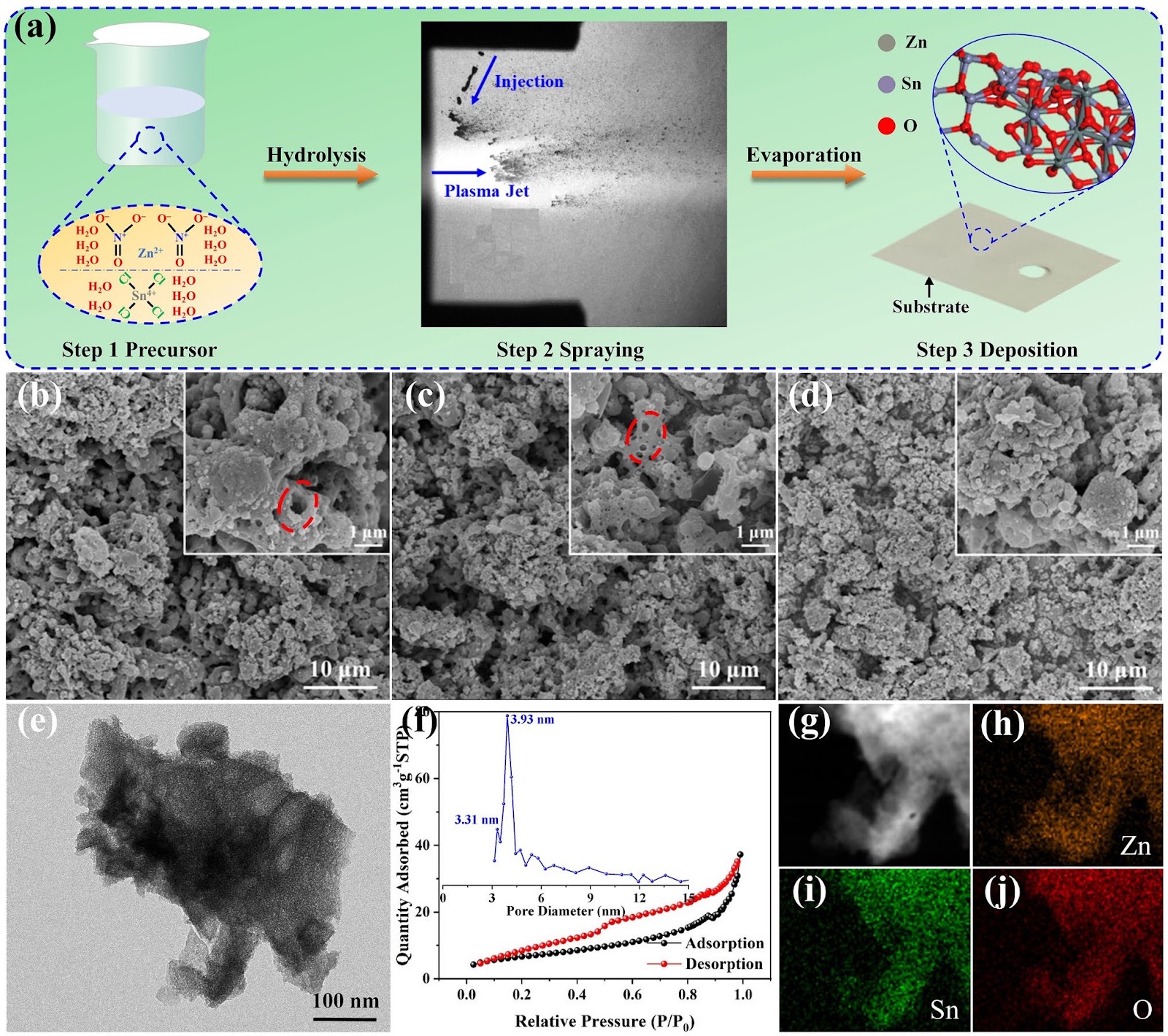
The integration of dual-mesoporous structures, the construction of heterojunctions, and the incorporation of highly concentrated oxygen vacancies are pivotal for advancing metal oxide-based gas sensors. Nonetheless, achieving an optimal design that simultaneously combines mesoporous structures, precise heterojunction modulation, and controlled oxygen vacancies through a one-step process remains challenging. This study proposes an innovative method for fabricating zinc stannate semiconductors featuring dual-mesoporous structures and tunable oxygen vacancies via a direct solution precursor plasma spray technique. As a proof of concept, the resulting zinc stannate-based coatings are applied to detect 2-undecanone, a key biomarker for rice aging. Remarkably, the zinc oxide/zinc stannate heterojunctions with a well-defined secondary pore structure exhibit exceptional gas-sensing performance for 2-undecanone at room temperature. Furthermore, practical experiments indicate that the developed sensor effectively identifies adulteration in various rice varieties. These results underscore the potential of this method for designing metal oxides with tailored properties for high-performance gas sensors. The enhanced adsorption capacity and dual-mesoporous features of this semiconductor make it a promising candidate for sensing applications in agricultural food safety inspections.
1. Introduction
Rice is well supplied with numerous nutrients including carbohydrates, lipids, and proteins. With changes in the storage surroundings (i.e., temperature, pressure, humidity, etc.), these nutrients can deteriorate under enzyme activities in rice. This deterioration leads to the formation of numerous volatile organic compounds (VOCs), which are highly associated with the aging of rice. Among those VOCs, 2-undecanone stands out as a ketone derived from the oxidative breakdown of unsaturated fatty acids in rice [1–3]. The concentration of 2-undecanone increases with the oxidation rate of fatty acids during aging, making it a valuable biomarker for assessing rice quality. Currently, techniques such as headspace solid-phase micro-extraction combined with gas chromatography-mass spectroscopy and near-infrared spectroscopy have been extensively available for quantifying 2-undecanone in aged rice [4]. Despite their high stability and precision, these methods face challenges such as complex procedures, limited qualitative capabilities, and lengthy testing times. These limitations hinder their widespread application for rice quality inspection. Therefore, there is a significant need for a real-time and non-destructive method for monitoring 2-undecanone, offering exceptional sensitivity, selectivity, and long-term stability.
The development of gas sensors based on semiconducting metal oxides for VOC monitoring has gained prominence due to their cost-effective fabrication, superior physicochemical stability, and excellent sensing properties. However, most metal oxides require elevated operating temperature (above 200 °C) owing to their wide bandgap, which can exceed the boiling point of 2-undecanone and potentially lead to its decomposition through pyrolysis. Accordingly, the utilization of metal oxides for 2-undecanone sensing has not been explored to date. Among those metal oxides, zinc stannate stands out as a promising candidate for VOC sensing applications. It boasts high electron mobility (~10–15 cm² V⁻¹ S⁻¹), significant electrical conductivity (~10⁴ S cm⁻¹), and low light visible adsorption (bandgap ~3.1–3.9 eV) [5]. Given these characteristics, metal oxides with unique morphologies and heterostructures are highly desired for gas-sensing. Zinc stannate can be fabricated into various structures, such as porous, hierarchical, and core–shell configurations. For instance, Cao et al. [6] prepared mesoporous zinc stannate (ZnSnO₃) thin films using magnetron sputtering, which demonstrated a high sensitivity of 11.5–50 ppm ethanol at 290 °C, attributed to the large specific surface areas of the mesoporous structures. Recent interest has focused on metal oxides with dual-mesoporous structures, as they offer enhanced pore connectivity compared to single-mesoporous structures, significantly improving gas molecules transmission through Knudsen diffusion and interaction with active absorption sites.
Loading authentic research manuscript (Pages 1–5)...
Jinyong Xu, Xuxiong Fan, Kaichun Xu, Kaidi Wu, Hanlin Liao, Chao Zhang (2025). Ultrasensitive Chemiresistive Gas Sensors Based on Dual-Mesoporous Zinc Stannate Composites for Room Temperature Rice Quality Monitoring. Nano-Micro Letters. https://doi.org/10.1007/s40820-024-01645-5
Research & Educational Purpose Only:The translations, structured abstracts, analytical annotations, and data reports provided by SinoTechIntel are intended exclusively for academic research, internal corporate R&D, and educational benchmarking. They do not constitute formal engineering, chemical safety, legal, or professional advice.
Copyright & Intellectual Property Notice: Original copyright of the underlying source articles and experimental data remains with the respective authors, institutions, and original publishing journals. SinoTechIntel claims intellectual property only over its proprietary translations, analytical syntheses, and AEO structured enhancements in accordance with international fair use and academic citation principles.
Frequently Asked Questions
What is the significance of dual-mesoporous structures in gas sensors?
Dual-mesoporous structures enhance pore connectivity compared to single-mesoporous structures, significantly improving gas molecule transmission through Knudsen diffusion and interaction with active absorption sites, leading to enhanced gas-sensing performance.
How does the sensor detect rice aging?
The sensor detects 2-undecanone, a key biomarker for rice aging, which is a ketone derived from the oxidative breakdown of unsaturated fatty acids in rice. Its concentration increases with the oxidation rate of fatty acids during aging, making it a valuable indicator of rice quality.
What are the key performance metrics of the fabricated sensor?
The sensor exhibits high sensitivity (11.03 for 13 ppm), a rapid response time (21 s), and an impressively low theoretical detection limit (431 ppb) for 2-undecanone at room temperature.
What method was used to fabricate the zinc stannate composites?
The zinc stannate semiconductors featuring dual-mesoporous structures and tunable oxygen vacancies were fabricated via a direct solution precursor plasma spray technique, which is a simple template-free method.
What are the potential applications of this sensor?
The sensor can be used for real-time and non-destructive monitoring of rice quality, specifically detecting adulteration in various rice varieties, and has potential for agricultural food safety inspections.
Related Technical Papers & Translations
Direct Repair of the Crystal Structure and Coating Surface of Spent LiFePO4 Materials Enables Superfast Li-Ion Migration
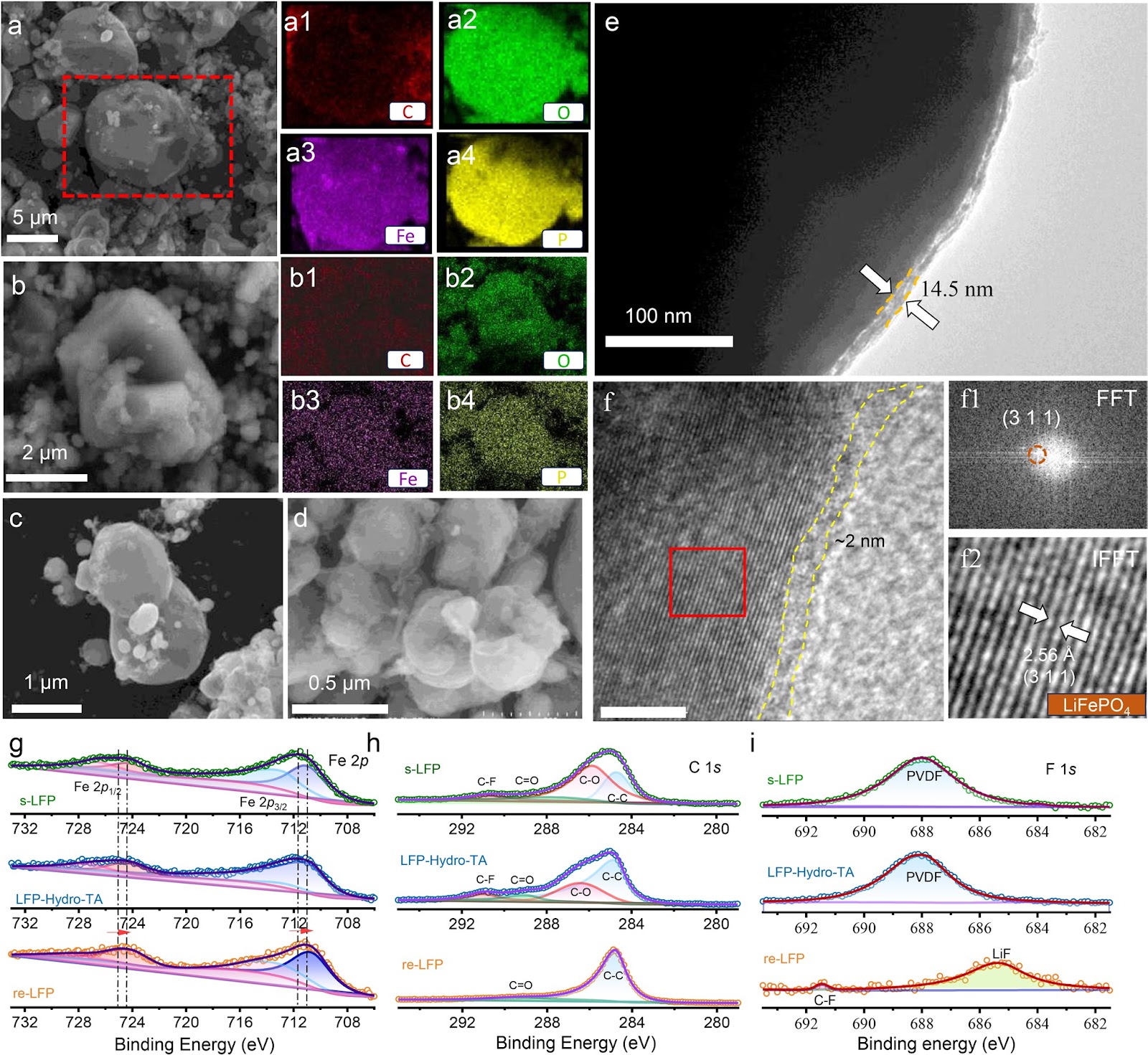
The rapid accumulation of spent LiFePO4 (LFP) cathodes from retired lithium-ion batteries necessitates the development of effective and environmental-friendly recycling strategies. In this context, direct regeneration has emerged as a promising approach for reclaiming LFP cathode materials, offering a streamlined pathway to restore their electrochemical functionality. We report an integrated regeneration protocol that simultaneously repairs the degraded crystal structure and reconstructs the damaged carbon coating in spent LFP. The regenerated cathode material had superfast lithium-ion diffusion kinetics and a stable cathode–electrolyte interface, giving a remarkable rate capability with specific capacities of 122 mAh g−1 at 5C and 106 mAh g−1 at 10C (1C = 170 mA g−1). It also maintained capacities of 110.7 mAh g−1 (5C) and 84.1 mAh g−1 (10C) after 400 cycles. It could be used in harsh environments and could be stably cycled at subzero temperatures (−10 and −20 °C) and in solid-state electrolyte batteries. Life cycle assessment combined with economic evaluation using the EverBatt model reveals that this direct regeneration approach has high economic and environmental benefits.
Oxide Semiconductor for Advanced Memory Architectures: Atomic Layer Deposition, Key Requirement and Challenges
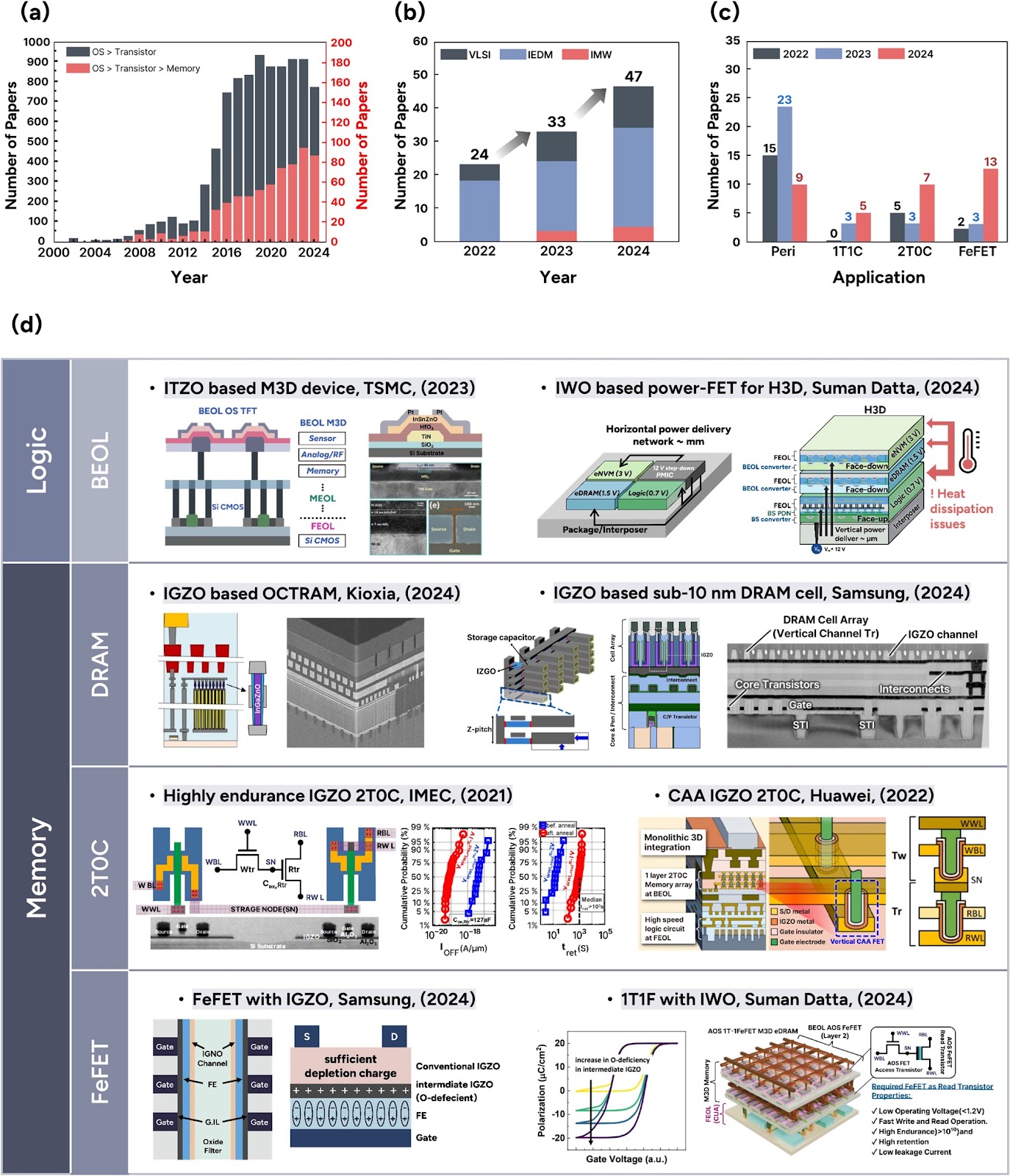
Oxide semiconductors (OSs), introduced by the Hosono group in the early 2000s, have evolved from display backplane materials to promising candidates for advanced memory and logic devices. The exceptionally low leakage current of OSs and compatibility with three-dimensional (3D) architectures have recently sparked renewed interest in their use in semiconductor applications. This review begins by exploring the unique material properties of OSs, which fundamentally originate from their distinct electronic band structure. Subsequently, we focus on atomic layer deposition (ALD), a core technique for growing excellent OS films, covering both basic and advanced processes compatible with 3D scaling. The basic surface reaction mechanisms—adsorption and reaction—and their roles in film growth are introduced. Furthermore, material design strategies, such as cation selection, crystallinity control, anion doping, and heterostructure engineering, are discussed. We also highlight challenges in memory applications, including contact resistance, hydrogen instability, and lack of p-type materials, and discuss the feasibility of ALD-grown OSs as potential solutions. Lastly, we provide an outlook on the role of ALD-grown OSs in memory technologies. This review bridges material fundamentals and device-level requirements, offering a comprehensive perspective on the potential of ALD-driven OSs for next-generation semiconductor memory devices.
Laser powder bed fusion of biodegradable Zn-4Cu alloy: Processing, microstructure and properties
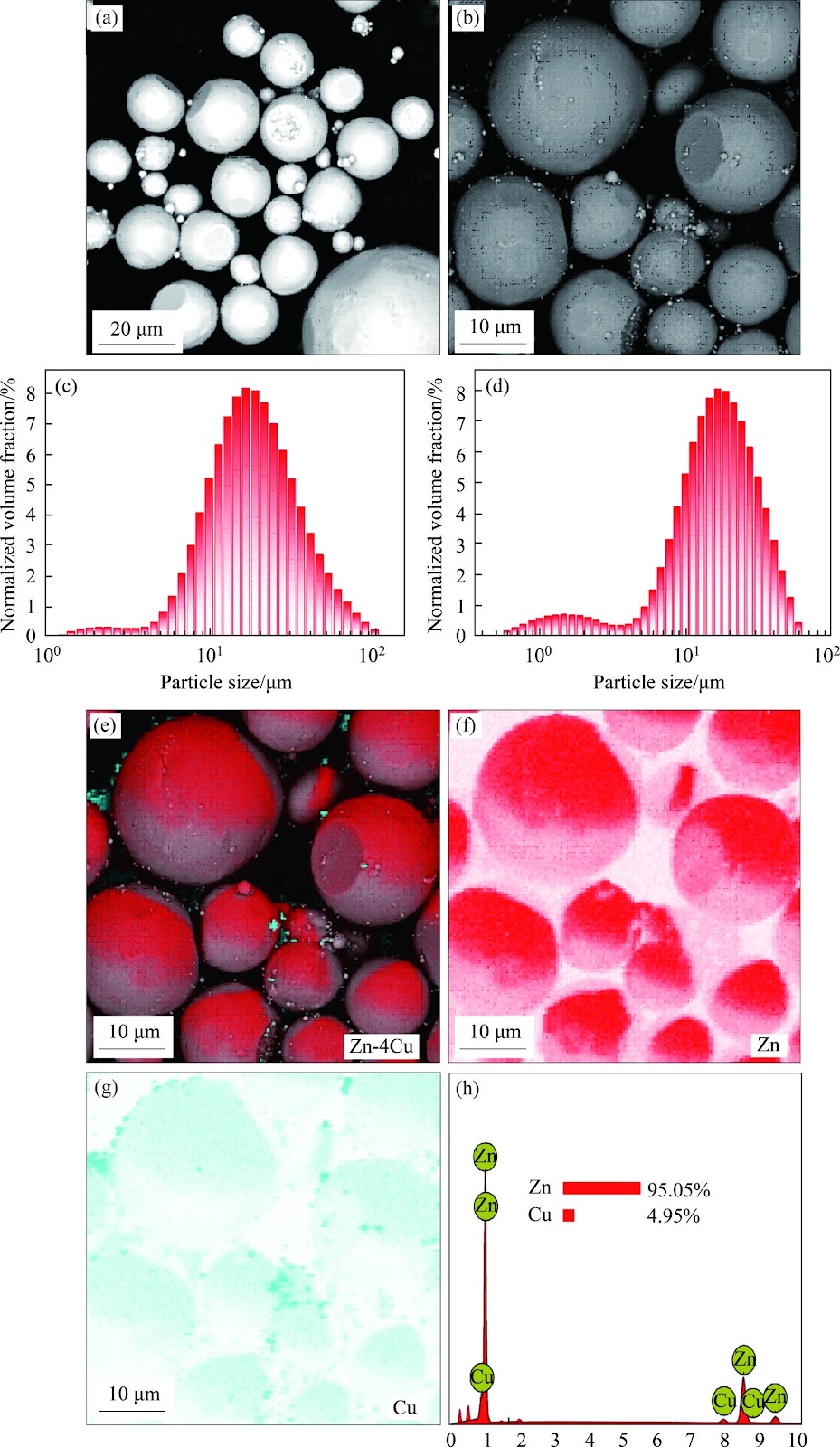
Zn's natural degradability and biocompatibility make it a promising candidate for implants, however, its mechanical properties remain insufficient for bone applications. In this study, the performance of Zn was enhanced by developing Zn-Cu alloys via laser powder bed fusion (LPBF). Optimal LPBF parameters for forming stable tracks were achieved by adjusting laser power and scanning speed. Under optimized conditions of 100 W and 100 mm/s, high-density (99.58%) Zn-Cu alloys with improved hardness (68.2HV) and yield strength (160 MPa) were achieved. These improvements are attributed to solid solution strengthening, segregation strengthening, and grain refinement. The Zn-Cu alloys also demonstrated favorable degradation behavior, with a rate of 0.16 mm/year. This degradation is primarily driven by micro-galvanic corrosion between the CuZn5 phase and Zn matrix, along with refined grains and increased grain boundary density. This work demonstrates a viable strategy for fabricating Zn-based implants with enhanced structural integrity and mechanical performance via LPBF.