Key Takeaways & Executive Findings
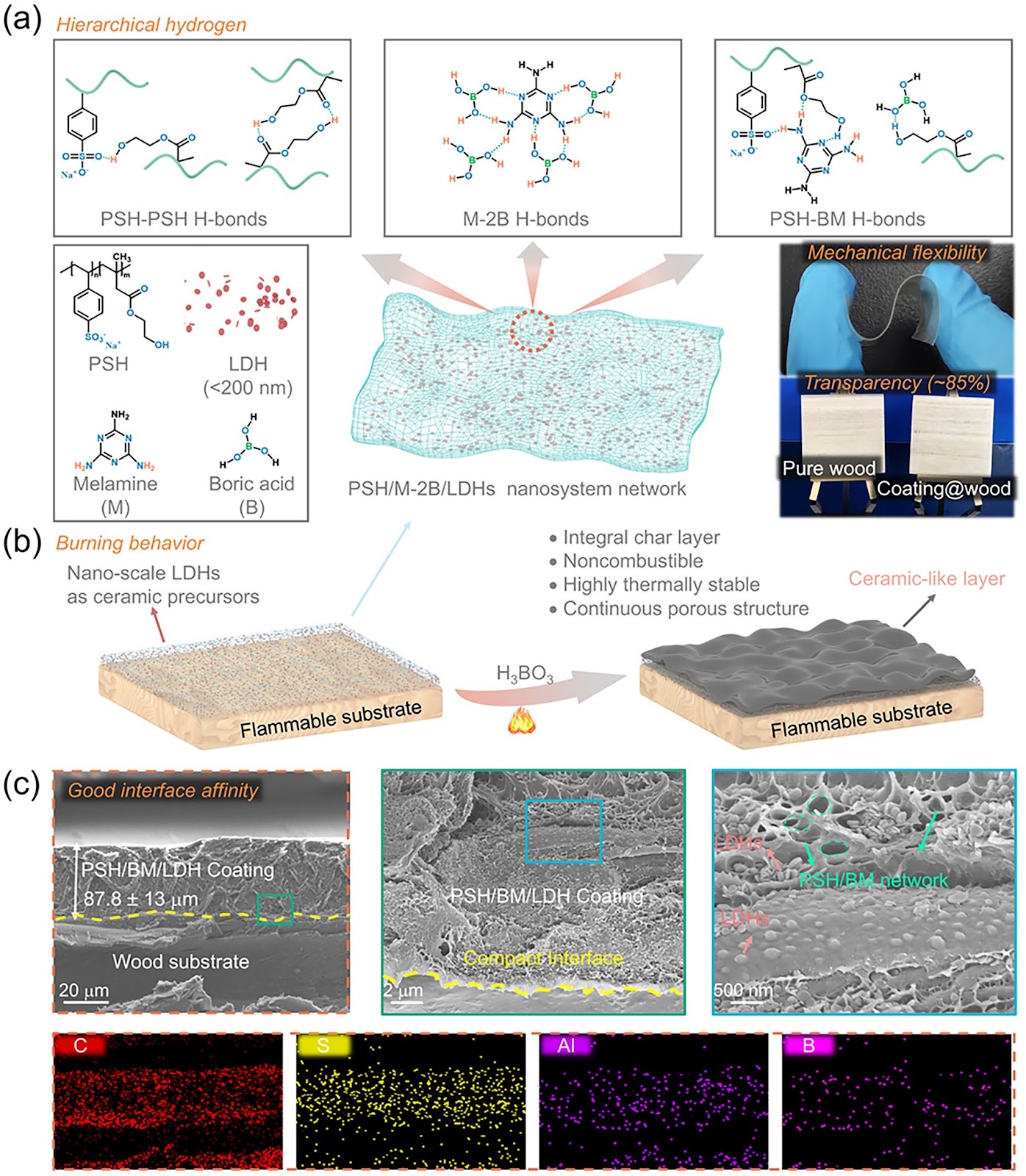
- •• A transparent and ceramizable coating was developed by incorporating nano-layered double hydroxide nanosheets into hierarchical hydrogen bonding polymer networks. • The resulting coating composites demonstrated excellent high-temperature stability and fire resistance, effectively withstanding direct exposure to a butane flame (~1100 °C) in air atmosphere. • A ~100 μm thick coating increased the limiting oxygen index of wood to 37.3%, reduced total heat release by 78.6%, and maintained low smoke toxicity (CITG = 0.016). • The mechanisms behind the flame-retardant behavior and ceramicization behaviors were thoroughly investigated and explained.
Abstract
In recent decades, annual urban fire incidents, including those involving ancient wooden buildings burned, transportation, and solar panels, have increased, leading to significant loss of human life and property. Addressing this issue without altering the surface morphology or interfering with optical behavior of flammable materials poses a substantial challenge. Herein, we present a transparent, low thickness, ceramifiable nanosystem coating composed of a highly adhesive base (poly(SSS1-co-HEMA1)), nanoscale layered double hydroxide sheets as ceramic precursors, and supramolecular melamine di-borate as an accelerator. We demonstrate that this hybrid coating can transform into a porous, fire-resistant protective layer with a highly thermostable vitreous phase upon exposure to flame/heat source. A nanosystem coating of just ~100 μm thickness can significantly increase the limiting oxygen index of wood (Pine) to 37.3%, dramatically reduce total heat release by 78.6%, and maintain low smoke toxicity (CITG = 0.016). Detailed molecular force analysis, combined with a comprehensive examination of the underlying flame-retardant mechanisms, underscores the effectiveness of this coating. This work offers a strategy for creating efficient, environmentally friendly coatings with fire safety applications across various industries.
1. Introduction
Fire, a cornerstone of civilization, has dramatically shaped the trajectory of human development, facilitating the transition of our ancestors from primitive to advanced societies [1]. Nevertheless, flames can quickly lead to devastating fire disasters, causing irretrievable losses of property and life once they are out of bounds [2]. Indeed, both human society and the natural world experience numerous fire incidents each year, with solid wood and various polymer products often serving as fuel sources [3, 4]. For example, the Notre-Dame de Paris fire in 2019 highlighted the vulnerability of wooden structures to fire, resulting in severe damages to this historic architecture [5]. On the other hand, the buildings incorporating photovoltaic are receiving increased attention due to the prevalence of green lifestyle [6]. However, these systems pose potential fire risks due to electrical arcing [7], which can release toxic chemicals and explosive gases [8]. As a result of such events, it is imperative to develop reliable and effective fire-retardant coating for flammable wooden products and other materials to ensure safety and protect lives.
In general, the design of fire-proof materials follows two main strategies: mechanical mixing with fire retardants and surface fire-retardant coating techniques. While the incorporation of traditional fire-retardant fillers (e.g., layered double hydroxide (LDHs) [9], and ammonium polyphosphate (APP) [10]) into a matrix through physical mixing at a high content (~4 wt%, even >20 wt% [11]) is widely used, it often leads to increased system viscosity. This rise in viscosity can restrict subsequent manufacturing processes, such as the foaming of foam materials and the blow molding of films. Additionally, the introduction of bulk flame retardants can degrade tensile strength and elongation, making it challenging to achieve ideal low-density foams or highly flexible films [12]. Moreover, natural materials like wood products struggle to achieve effective flame retardance through above method. In contrast, surface fire-retardant coatings offer a promising means of providing robust fire protection for various substrates, including wood products, fabric, steel, polymer foams, and more [13–20]. Since these coatings localized on the surface, they have minimal impact on the mechanical or processing performance of the substrate. Typically, they form a thermostable fire-protective layer that acts as a physical barrier against mass and heat transfer when exposed to flame resource [21–23], thus preventing damage to the underlying materials. For this reason, some impressive efforts have been made to achieve a fire safety, especially combining nano-/microscale filler (e.g., nanocellulose, MXene, LDHs, graphene oxide (GO)) with adhesive macromolecule to create a composite coating [16, 22, 24–26].
Loading authentic research manuscript (Pages 1–5)...
Bifan Guo, Yimin He, Yongming Chen, Tianci Yang, Chaohua Peng, Weiang Luo, Birong Zeng, Yiting Xu, Lizong Dai (2025). Layered Double Hydroxide Nanosheets Incorporated Hierarchical Hydrogen Bonding Polymer Networks for Transparent and Fire-Proof Ceramizable Coatings. Nano-Micro Letters. https://doi.org/10.1007/s40820-025-01646-y
Research & Educational Purpose Only:The translations, structured abstracts, analytical annotations, and data reports provided by SinoTechIntel are intended exclusively for academic research, internal corporate R&D, and educational benchmarking. They do not constitute formal engineering, chemical safety, legal, or professional advice.
Copyright & Intellectual Property Notice: Original copyright of the underlying source articles and experimental data remains with the respective authors, institutions, and original publishing journals. SinoTechIntel claims intellectual property only over its proprietary translations, analytical syntheses, and AEO structured enhancements in accordance with international fair use and academic citation principles.
Frequently Asked Questions
What is the main innovation of this coating?
The coating integrates layered double hydroxide nanosheets into hierarchical hydrogen bonding polymer networks, achieving transparency, low thickness, and ceramizable fire-proof properties.
How does the coating provide fire protection?
Upon exposure to flame, the coating transforms into a porous, fire-resistant protective layer with a highly thermostable vitreous phase, acting as a physical barrier against heat and mass transfer.
What performance improvements were observed on wood?
A ~100 μm thick coating increased the limiting oxygen index of wood to 37.3%, reduced total heat release by 78.6%, and maintained low smoke toxicity (CITG = 0.016).
What is the significance of the coating's transparency?
Transparency allows the coating to be applied to surfaces without altering their optical appearance, which is crucial for applications like solar panels and historic buildings where aesthetics are important.
What are the potential applications of this coating?
The coating can be used for fire safety in various industries, including construction (wooden structures), transportation, and solar panels, providing an efficient and environmentally friendly solution.
Related Technical Papers & Translations
Direct Repair of the Crystal Structure and Coating Surface of Spent LiFePO4 Materials Enables Superfast Li-Ion Migration
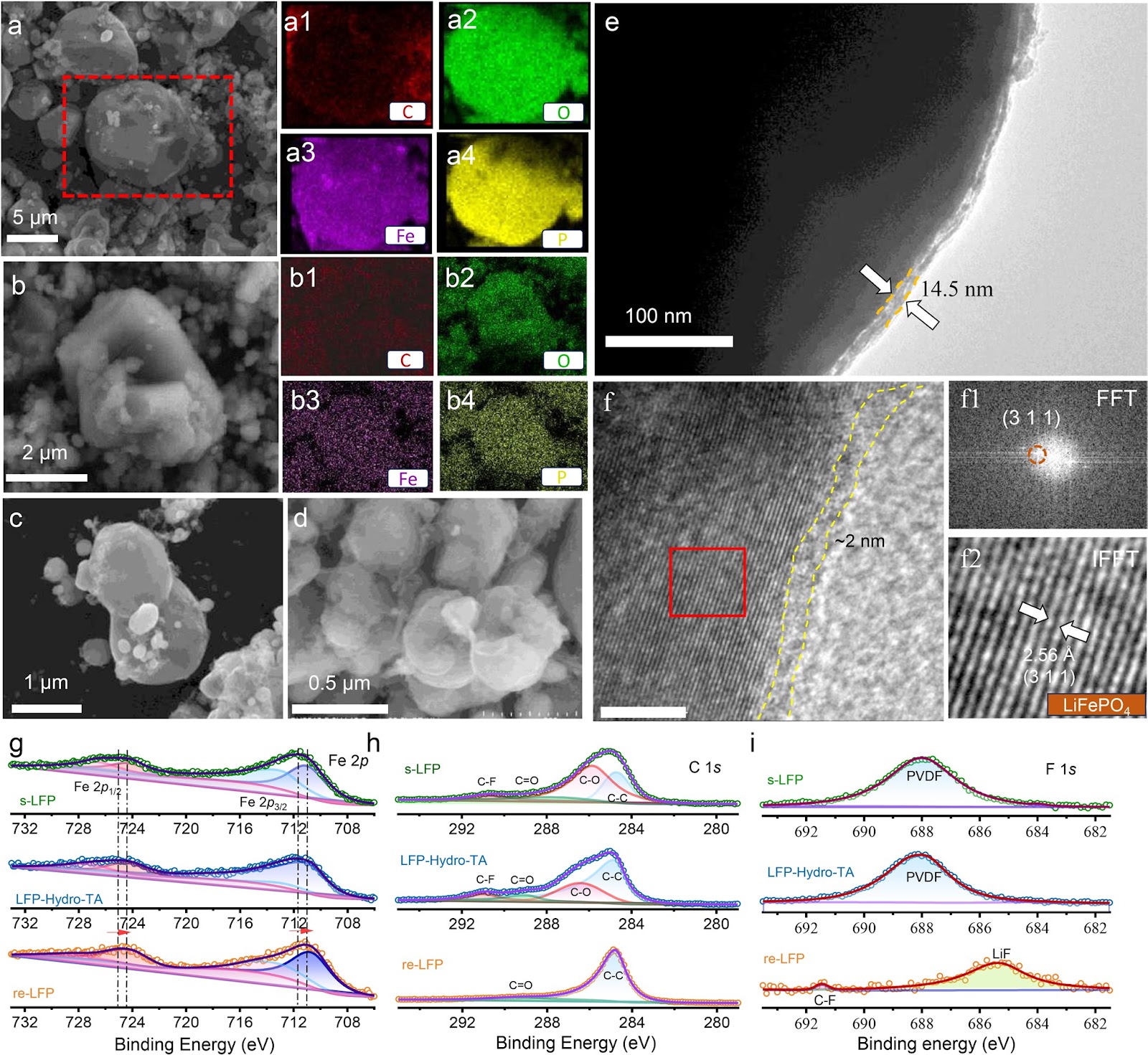
The rapid accumulation of spent LiFePO4 (LFP) cathodes from retired lithium-ion batteries necessitates the development of effective and environmental-friendly recycling strategies. In this context, direct regeneration has emerged as a promising approach for reclaiming LFP cathode materials, offering a streamlined pathway to restore their electrochemical functionality. We report an integrated regeneration protocol that simultaneously repairs the degraded crystal structure and reconstructs the damaged carbon coating in spent LFP. The regenerated cathode material had superfast lithium-ion diffusion kinetics and a stable cathode–electrolyte interface, giving a remarkable rate capability with specific capacities of 122 mAh g−1 at 5C and 106 mAh g−1 at 10C (1C = 170 mA g−1). It also maintained capacities of 110.7 mAh g−1 (5C) and 84.1 mAh g−1 (10C) after 400 cycles. It could be used in harsh environments and could be stably cycled at subzero temperatures (−10 and −20 °C) and in solid-state electrolyte batteries. Life cycle assessment combined with economic evaluation using the EverBatt model reveals that this direct regeneration approach has high economic and environmental benefits.
Oxide Semiconductor for Advanced Memory Architectures: Atomic Layer Deposition, Key Requirement and Challenges
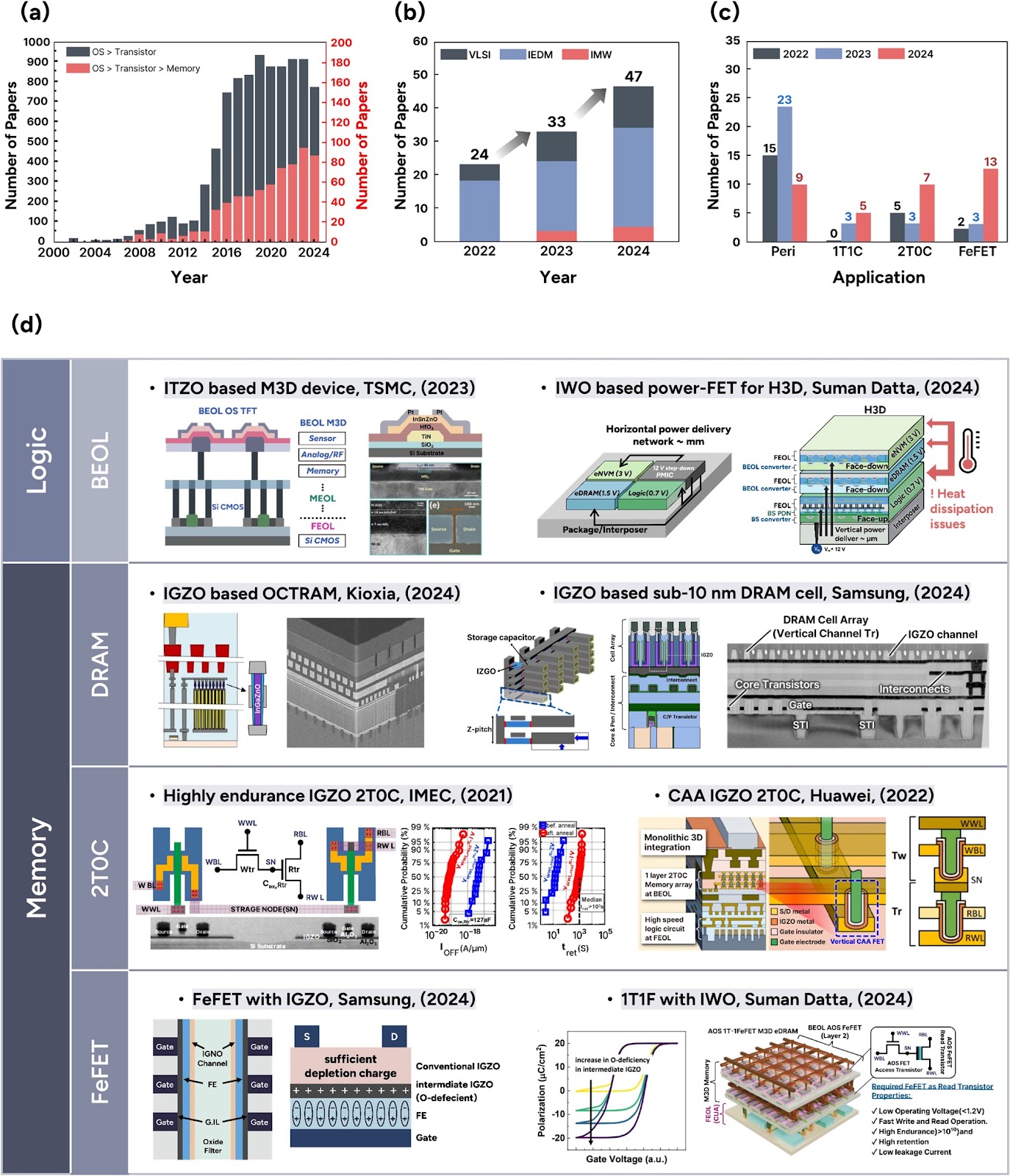
Oxide semiconductors (OSs), introduced by the Hosono group in the early 2000s, have evolved from display backplane materials to promising candidates for advanced memory and logic devices. The exceptionally low leakage current of OSs and compatibility with three-dimensional (3D) architectures have recently sparked renewed interest in their use in semiconductor applications. This review begins by exploring the unique material properties of OSs, which fundamentally originate from their distinct electronic band structure. Subsequently, we focus on atomic layer deposition (ALD), a core technique for growing excellent OS films, covering both basic and advanced processes compatible with 3D scaling. The basic surface reaction mechanisms—adsorption and reaction—and their roles in film growth are introduced. Furthermore, material design strategies, such as cation selection, crystallinity control, anion doping, and heterostructure engineering, are discussed. We also highlight challenges in memory applications, including contact resistance, hydrogen instability, and lack of p-type materials, and discuss the feasibility of ALD-grown OSs as potential solutions. Lastly, we provide an outlook on the role of ALD-grown OSs in memory technologies. This review bridges material fundamentals and device-level requirements, offering a comprehensive perspective on the potential of ALD-driven OSs for next-generation semiconductor memory devices.
Laser powder bed fusion of biodegradable Zn-4Cu alloy: Processing, microstructure and properties
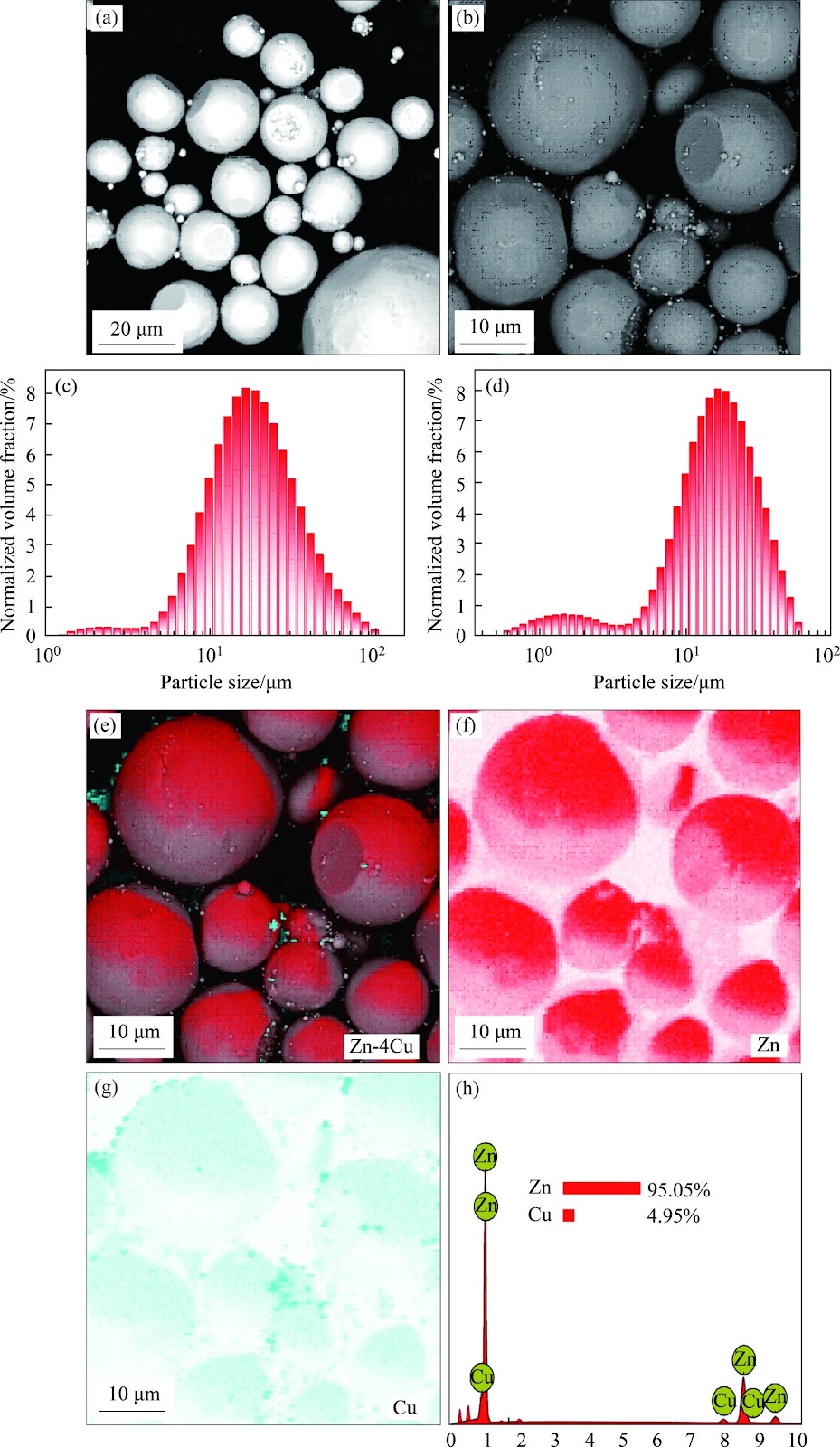
Zn's natural degradability and biocompatibility make it a promising candidate for implants, however, its mechanical properties remain insufficient for bone applications. In this study, the performance of Zn was enhanced by developing Zn-Cu alloys via laser powder bed fusion (LPBF). Optimal LPBF parameters for forming stable tracks were achieved by adjusting laser power and scanning speed. Under optimized conditions of 100 W and 100 mm/s, high-density (99.58%) Zn-Cu alloys with improved hardness (68.2HV) and yield strength (160 MPa) were achieved. These improvements are attributed to solid solution strengthening, segregation strengthening, and grain refinement. The Zn-Cu alloys also demonstrated favorable degradation behavior, with a rate of 0.16 mm/year. This degradation is primarily driven by micro-galvanic corrosion between the CuZn5 phase and Zn matrix, along with refined grains and increased grain boundary density. This work demonstrates a viable strategy for fabricating Zn-based implants with enhanced structural integrity and mechanical performance via LPBF.