Key Takeaways & Executive Findings
- •• This review highlights the gradient variations in the structural composition of musculoskeletal tissues and comprehensively examines recent progress in the fabrication and application of biomimetic gradient scaffolds for musculoskeletal repair. • The challenges and prospects of gradient scaffolds for clinical application are discussed. • Gradient scaffolds mimic the extracellular matrix of native tissues, offering improved therapeutic outcomes for bone and interface tissue regeneration. • Advanced manufacturing techniques enable precise compositional and structural gradients, addressing the limitations of conventional bone grafts.
Abstract
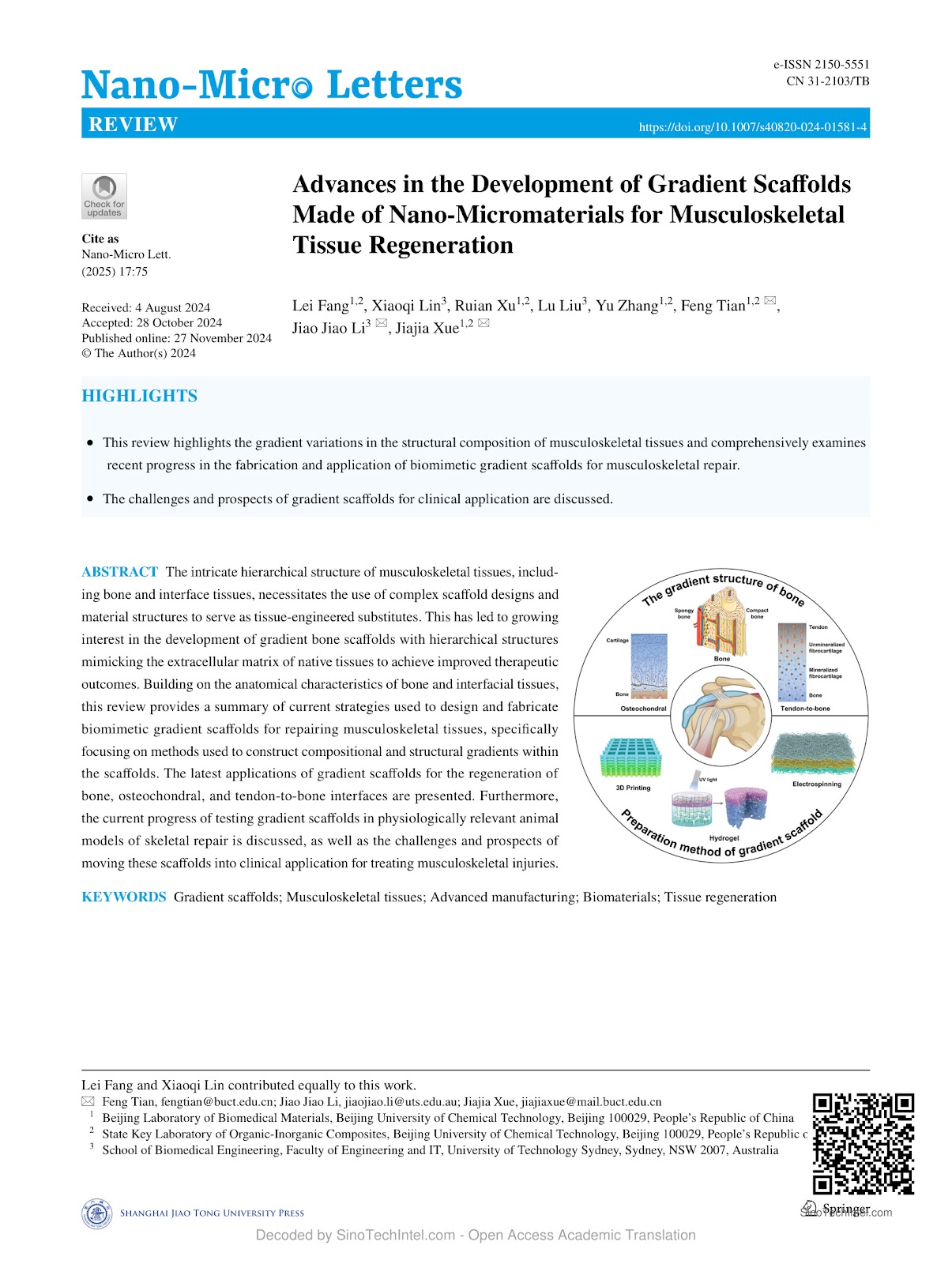
The intricate hierarchical structure of musculoskeletal tissues, including bone and interface tissues, necessitates the use of complex scaffold designs and material structures to serve as tissue-engineered substitutes. This has led to growing interest in the development of gradient bone scaffolds with hierarchical structures mimicking the extracellular matrix of native tissues to achieve improved therapeutic outcomes. Building on the anatomical characteristics of bone and interfacial tissues, this review provides a summary of current strategies used to design and fabricate biomimetic gradient scaffolds for repairing musculoskeletal tissues, specifically focusing on methods used to construct compositional and structural gradients within the scaffolds. The latest applications of gradient scaffolds for the regeneration of bone, osteochondral, and tendon-to-bone interfaces are presented. Furthermore, the current progress of testing gradient scaffolds in physiologically relevant animal models of skeletal repair is discussed, as well as the challenges and prospects of moving these scaffolds into clinical application for treating musculoskeletal injuries.
1. Introduction
Exacerbated by a globally aging population, the treatment of musculoskeletal conditions arising from trauma and chronic diseases is becoming an increasingly important healthcare concern [1]. Although natural bone tissue can self-repair for injuries with a critical threshold of approximately 2 cm, complete healing is usually only possible for small or confined areas of bone loss. If the defect area is complex or exceeds this critical threshold, surgical intervention is necessary to facilitate the healing process. Bone transplantation is the primary surgical method used for treating bone defects [2, 3]. Currently, the categories of clinically used materials for bone repair include autologous, allogeneic, and artificial bone grafts. However, as the clinical gold standard, the use of autologous bone is constrained by supply shortage, donor site injury, and additional complications, while the alternative use of allogeneic bone experiences problems of poor tissue integration and vascularization along with a potential risk of immune rejection or infection.
Using tissue engineering strategies, artificial bone scaffolds have recently emerged as an improved approach to bone repair. They offer the advantages of flexible structural design, the capacity for mass production, and the potential to incorporate biologically active factors, drugs, or external stimuli based on individual requirements. While few products have been translated into clinical applications, the advantages of artificial bone scaffolds have made them a mainstream trend in current research into bone repair strategies [4, 5].
Bone is a highly dense and complex calcified tissue composed of organic protein, inorganic minerals, and various cell types [6]. Natural bone tissue and bone-containing interface tissues often exhibit a combination of structural and compositional gradients, with discrete or continuous change in properties depending on the specific tissue/interface region, demonstrating a high level of hierarchical organization. In addition to the difficulties of repairing bone tissue alone, pathologies that occur at the interface between bone and other connective tissues pose significant challenges to successful repair, with chronic impacts on human health and quality of life, such as rotator cuff tears, patellar tendon injuries, and osteochondral defects [7]. Clinically, injuries at the tendon–bone interface are frequently treated with suture anchors and tendon transposition, but these procedures are prone to the postoperative development of scar tissue, which is mechanically inferior to the normal tendon–bone insertion point and may lead to poor recovery or even recurrence. The failure rate of surgical treatment for tendon–bone injuries has been reported to reach 20%–95% [8–10]. For osteochondral injuries, the most commonly used clinical procedures include mosaicplasty [11], subchondral bone drilling [12], and microfracture [13]. However, these methods frequently lead to the formation of fibrocarti...
Loading authentic research manuscript (Pages 1–5)...
Lei Fang, Xiaoqi Lin, Ruian Xu, Lu Liu, Yu Zhang, Feng Tian, Jiao Jiao Li, Jiajia Xue (2024). Advances in the Development of Gradient Scaffolds Made of Nano-Micromaterials for Musculoskeletal Tissue Regeneration. Nano-Micro Letters. https://doi.org/10.1007/s40820-024-01581-4
Research & Educational Purpose Only:The translations, structured abstracts, analytical annotations, and data reports provided by SinoTechIntel are intended exclusively for academic research, internal corporate R&D, and educational benchmarking. They do not constitute formal engineering, chemical safety, legal, or professional advice.
Copyright & Intellectual Property Notice: Original copyright of the underlying source articles and experimental data remains with the respective authors, institutions, and original publishing journals. SinoTechIntel claims intellectual property only over its proprietary translations, analytical syntheses, and AEO structured enhancements in accordance with international fair use and academic citation principles.
Frequently Asked Questions
What are gradient scaffolds for musculoskeletal tissue regeneration?
Gradient scaffolds are biomimetic constructs that mimic the natural compositional and structural gradients of musculoskeletal tissues, such as bone and interface tissues. They are designed to improve therapeutic outcomes by providing appropriate cues for cell behavior and tissue integration.
Why are gradient scaffolds important in bone repair?
Gradient scaffolds replicate the hierarchical organization of native bone and interface tissues, which is crucial for functional regeneration. They can be engineered to have spatial variations in composition and structure, promoting better integration and mechanical stability compared to uniform scaffolds.
What manufacturing methods are used to create gradient scaffolds?
Advanced manufacturing techniques such as 3D printing, electrospinning, and microfluidics are commonly used to fabricate gradient scaffolds. These methods allow precise control over the spatial distribution of materials and bioactive factors.
What are the challenges for clinical translation of gradient scaffolds?
Challenges include scalability, reproducibility, regulatory approval, and ensuring long-term safety and efficacy. Additionally, the complexity of mimicking native tissue gradients and the need for patient-specific designs pose significant hurdles.
What is the significance of this review?
This review provides a comprehensive overview of recent advances in gradient scaffolds for musculoskeletal repair, highlighting fabrication strategies, applications, and future directions. It serves as a valuable resource for researchers and clinicians in the field of tissue engineering.
Related Technical Papers & Translations
Direct Repair of the Crystal Structure and Coating Surface of Spent LiFePO4 Materials Enables Superfast Li-Ion Migration
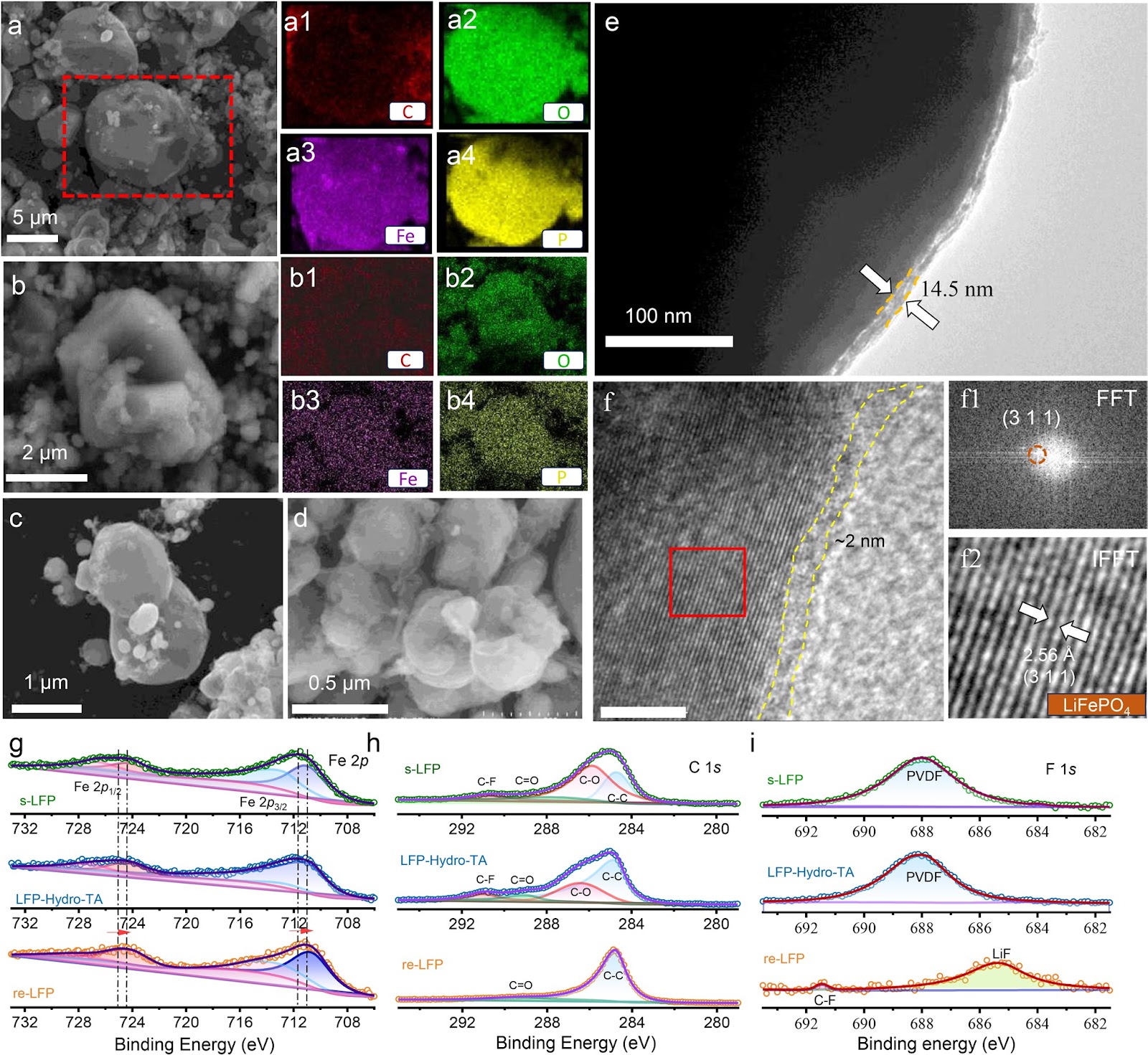
The rapid accumulation of spent LiFePO4 (LFP) cathodes from retired lithium-ion batteries necessitates the development of effective and environmental-friendly recycling strategies. In this context, direct regeneration has emerged as a promising approach for reclaiming LFP cathode materials, offering a streamlined pathway to restore their electrochemical functionality. We report an integrated regeneration protocol that simultaneously repairs the degraded crystal structure and reconstructs the damaged carbon coating in spent LFP. The regenerated cathode material had superfast lithium-ion diffusion kinetics and a stable cathode–electrolyte interface, giving a remarkable rate capability with specific capacities of 122 mAh g−1 at 5C and 106 mAh g−1 at 10C (1C = 170 mA g−1). It also maintained capacities of 110.7 mAh g−1 (5C) and 84.1 mAh g−1 (10C) after 400 cycles. It could be used in harsh environments and could be stably cycled at subzero temperatures (−10 and −20 °C) and in solid-state electrolyte batteries. Life cycle assessment combined with economic evaluation using the EverBatt model reveals that this direct regeneration approach has high economic and environmental benefits.
Oxide Semiconductor for Advanced Memory Architectures: Atomic Layer Deposition, Key Requirement and Challenges
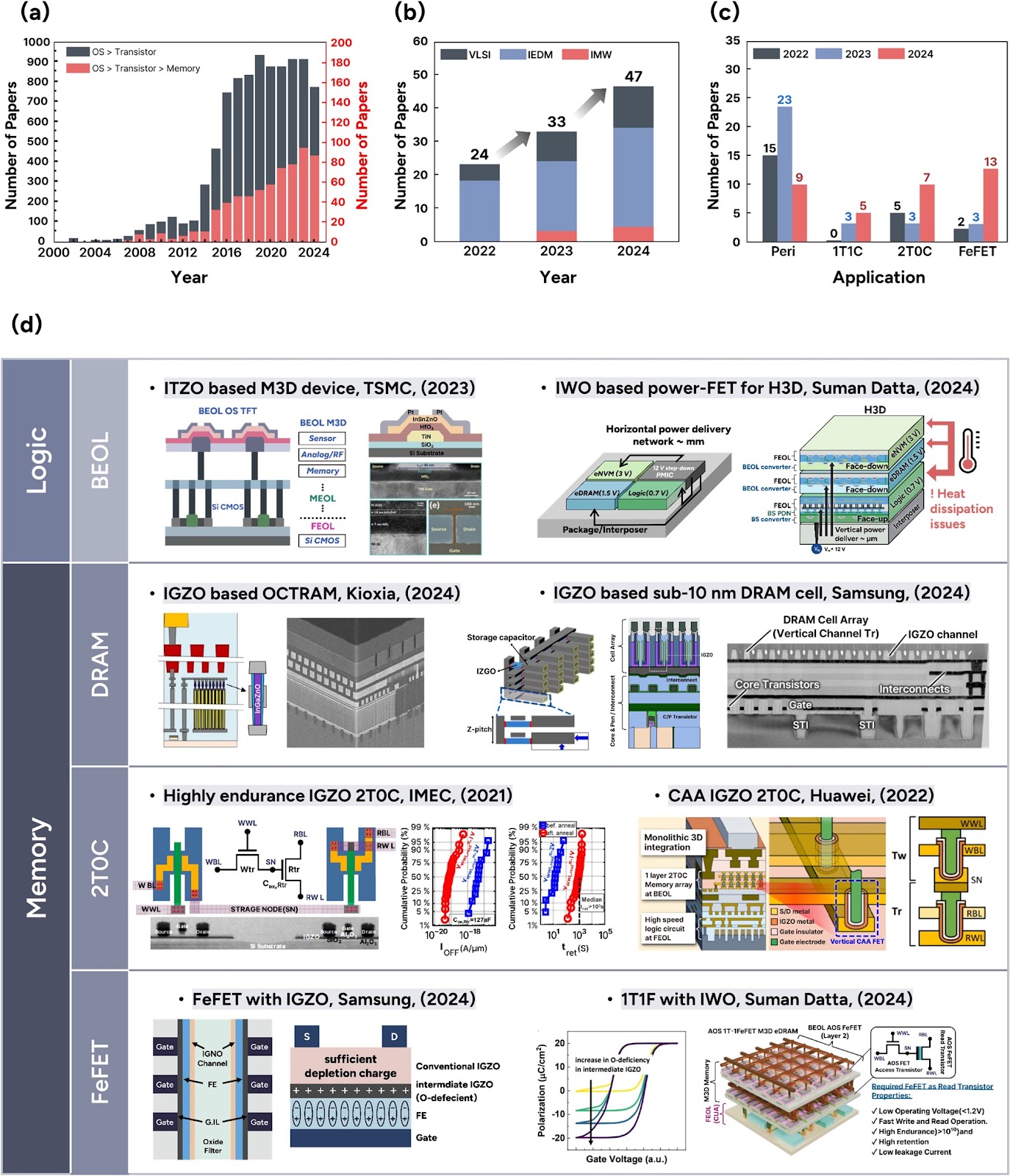
Oxide semiconductors (OSs), introduced by the Hosono group in the early 2000s, have evolved from display backplane materials to promising candidates for advanced memory and logic devices. The exceptionally low leakage current of OSs and compatibility with three-dimensional (3D) architectures have recently sparked renewed interest in their use in semiconductor applications. This review begins by exploring the unique material properties of OSs, which fundamentally originate from their distinct electronic band structure. Subsequently, we focus on atomic layer deposition (ALD), a core technique for growing excellent OS films, covering both basic and advanced processes compatible with 3D scaling. The basic surface reaction mechanisms—adsorption and reaction—and their roles in film growth are introduced. Furthermore, material design strategies, such as cation selection, crystallinity control, anion doping, and heterostructure engineering, are discussed. We also highlight challenges in memory applications, including contact resistance, hydrogen instability, and lack of p-type materials, and discuss the feasibility of ALD-grown OSs as potential solutions. Lastly, we provide an outlook on the role of ALD-grown OSs in memory technologies. This review bridges material fundamentals and device-level requirements, offering a comprehensive perspective on the potential of ALD-driven OSs for next-generation semiconductor memory devices.
Laser powder bed fusion of biodegradable Zn-4Cu alloy: Processing, microstructure and properties
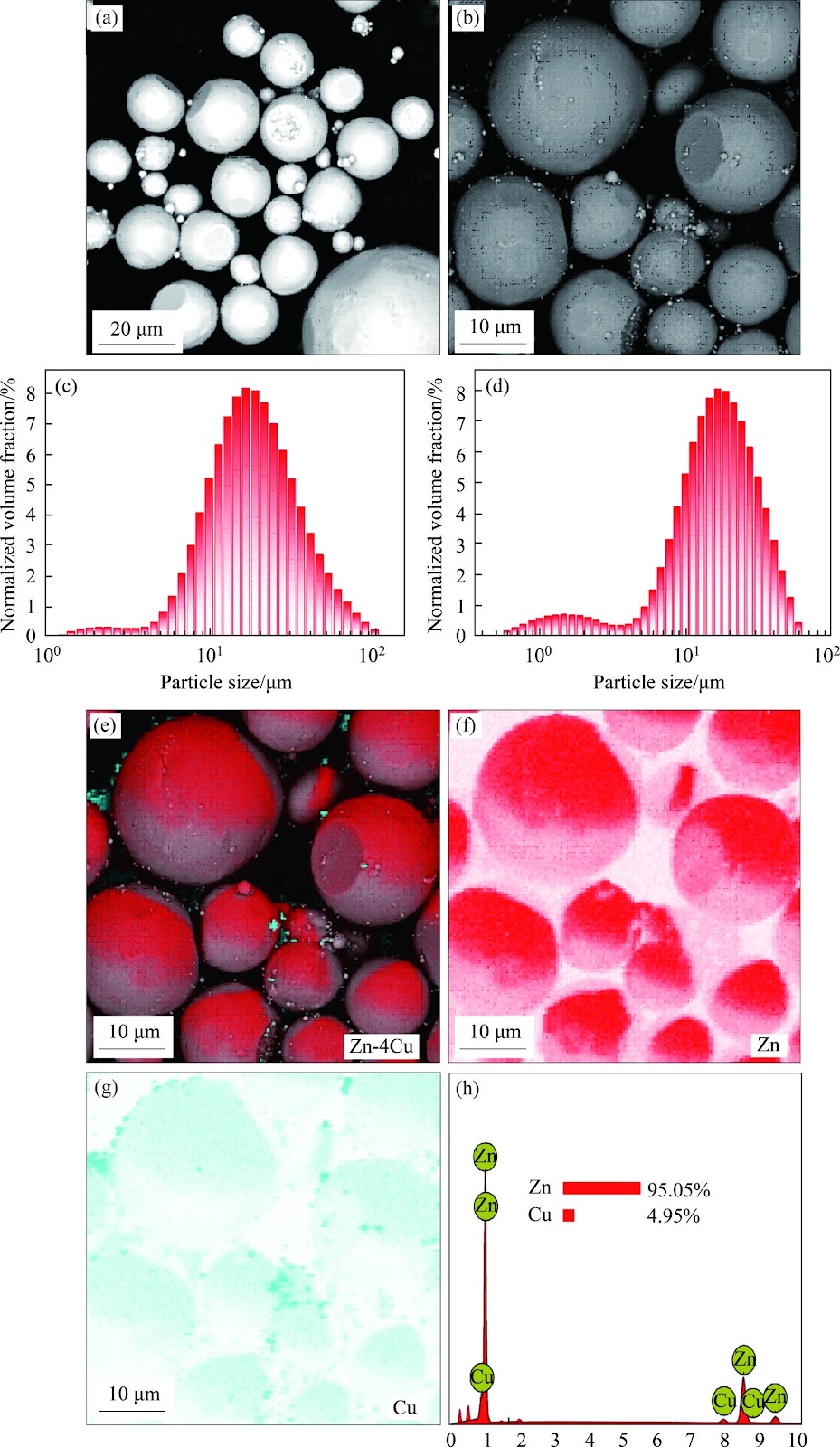
Zn's natural degradability and biocompatibility make it a promising candidate for implants, however, its mechanical properties remain insufficient for bone applications. In this study, the performance of Zn was enhanced by developing Zn-Cu alloys via laser powder bed fusion (LPBF). Optimal LPBF parameters for forming stable tracks were achieved by adjusting laser power and scanning speed. Under optimized conditions of 100 W and 100 mm/s, high-density (99.58%) Zn-Cu alloys with improved hardness (68.2HV) and yield strength (160 MPa) were achieved. These improvements are attributed to solid solution strengthening, segregation strengthening, and grain refinement. The Zn-Cu alloys also demonstrated favorable degradation behavior, with a rate of 0.16 mm/year. This degradation is primarily driven by micro-galvanic corrosion between the CuZn5 phase and Zn matrix, along with refined grains and increased grain boundary density. This work demonstrates a viable strategy for fabricating Zn-based implants with enhanced structural integrity and mechanical performance via LPBF.