Key Takeaways & Executive Findings
- •• An all-in-one cryogel integrates hemostasis and wound healing for coagulopathic and diabetic patients. • The cryogel exhibits rapid liquid-triggered volume expansion and synergistic physicochemical hemostatic properties. • It provides photothermal antibacterial activity, ROS scavenging, oxygen release, and promotes angiogenesis. • In vivo studies demonstrate superior performance in coagulopathic bleeding and infected diabetic wound healing compared to commercial dressings.
Abstract
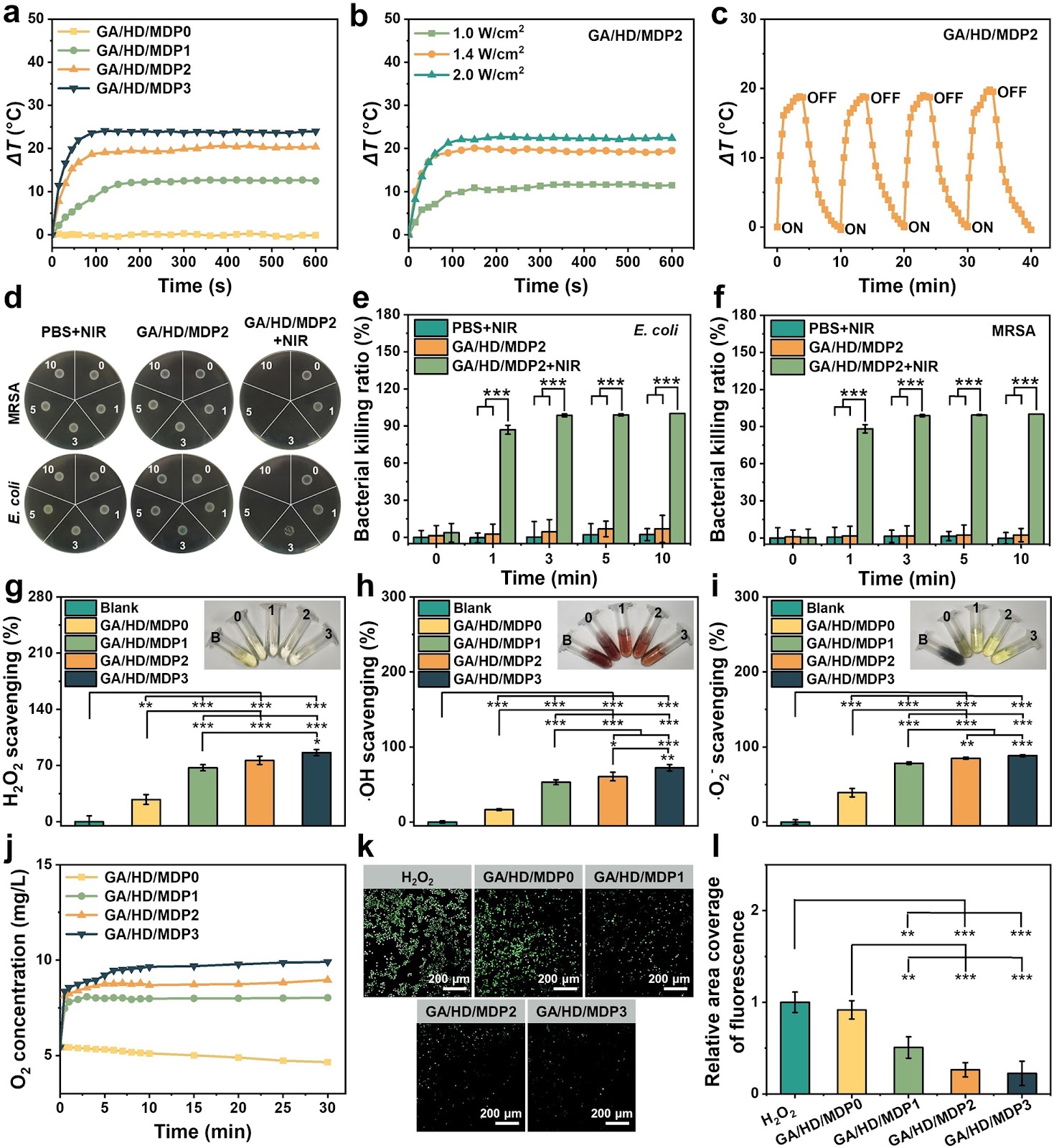
Traditional hemostatic materials are difficult to meet the needs of non-compressible bleeding and for coagulopathic patients. In addition, open wounds are susceptible to infection, and then develop into chronic wounds. However, the development of integrated dressings that do not depend on coagulation pathway and improve the microenvironment of chronic wounds remains a challenge. Inspired by the porous structure and composition of the natural extracellular matrix, adipic dihydrazide modified gelatin (GA), dodecylamine-grafted hyaluronic acid (HD), and MnO2 nanozyme (manganese dioxide)@DFO (deferoxamine)@PDA (polydopamine) (MDP) nanoparticles were combined to prepare GA/HD/MDP cryogels through amidation reaction and hydrogen bonding. These cryogels exhibited good fatigue resistance, photothermal antibacterial (about 98% killing ratios of both Escherichia coli and methicillin-resistant Staphylococcus aureus (MRSA) after 3 min near-infrared irradiation), reactive oxygen species scavenging, oxygen release, and angiogenesis properties. Furthermore, in the liver defect model of rats with coagulopathy, the cryogel displayed less bleeding and shorter hemostasis time than commercial gelatin sponge. In MRSA-infected diabetic wounds, the cryogel could decrease wound inflammation and oxidative stress, alleviate the hypoxic environment, promote collagen deposition, and induce vascular regeneration, showing a better repair effect compared with the Tegaderm™ film. These results indicated that GA/HD/MDP cryogels have great potential in non-compressible hemorrhage for coagulopathic patients and in healing infected wounds for diabetic patients.
1. Introduction
Wound hemostasis and wound healing are always the major public health issues with global concern. More than 5.8 million people die globally each year caused by severe trauma such as wars and accidents [1]. The main cause of death is because of bleeding from non-compressible blooding [2]. In addition, one-quarter of severely traumatized patients have coagulation disorders in the early stages, resulting in excessive blood loss owing to platelet insufficiency as well as coagulation factor deficiencies, which threaten the patient’s life [3]. Furthermore, open wounds are susceptible to developing into chronic wounds because of local and systemic factors. The diabetic wound is a common and serious chronic wound with bacterial infection, excessive inflammation, oxidative imbalance, hypoxia, and vascular network destruction [4]. These factors lead to prolonged healing times, imposing a significant economic burden and decreasing the quality of patients’ lives [5]. In summary, the development of multifunctional materials is crucial to address the challenges of hemostasis in non-compressible bleeding among coagulation-disordered patients and to promote healing in chronic wounds among diabetic patients.
Different forms of materials have been developed to address the above challenges. Cryogel, with its interconnected porous structure, can effectively concentrate blood during hemostasis and provide a moist and breathable environment during healing, which makes it an ideal dressing form [6, 7]. However, for coagulation-disordered patients, simple physical sealing is not effective in hemostasis, and it is difficult to rely on biological and chemical strategies to activate the coagulation pathway resulting in synergistic hemostasis [8]. Therefore, researchers have proposed that aggregating and activating red blood cells and platelets can promote blood clot formation independent of coagulation cascades reaction, which in turn accelerates coagulation [9]. Among the various components that interact with blood cells, the dodecyl hydrophobic chain can insert and anchor to the lipid bilayer of cell membrane, inducing the aggregation of red blood cells and platelets through hydrophobic interactions [10, 11]. Furthermore, the catechol group of polydopamine (PDA) can interact covalently and non-covalently with the reactive groups of proteins or polysaccharides in blood cells [8]. It effectively adheres and activates red blood cells and platelets, which in turn accelerates coagulation.
Loading authentic research manuscript (Pages 1–5)...
Jiaxin Wang, Yutong Yang, Huiru Xu, Shengfei Huang, Baolin Guo, Juan Hu (2025). All-in-One: A Multifunctional Composite Biomimetic Cryogel for Coagulation Disorder Hemostasis and Infected Diabetic Wound Healing. Nano-Micro Letters. https://doi.org/10.1007/s40820-024-01603-1
Research & Educational Purpose Only:The translations, structured abstracts, analytical annotations, and data reports provided by SinoTechIntel are intended exclusively for academic research, internal corporate R&D, and educational benchmarking. They do not constitute formal engineering, chemical safety, legal, or professional advice.
Copyright & Intellectual Property Notice: Original copyright of the underlying source articles and experimental data remains with the respective authors, institutions, and original publishing journals. SinoTechIntel claims intellectual property only over its proprietary translations, analytical syntheses, and AEO structured enhancements in accordance with international fair use and academic citation principles.
Frequently Asked Questions
What is the main innovation of this cryogel?
The cryogel integrates multiple functions: it provides hemostasis independent of the coagulation cascade, making it effective for coagulopathic patients, and it also promotes infected diabetic wound healing through antibacterial, ROS scavenging, oxygen release, and angiogenesis properties.
How does the cryogel achieve hemostasis in coagulopathic conditions?
The cryogel contains dodecyl hydrophobic chains and polydopamine catechol groups that interact with red blood cells and platelets, inducing aggregation and activation independent of the coagulation cascade, thus promoting clot formation even in coagulopathic patients.
What are the key components of the cryogel?
The cryogel is composed of adipic dihydrazide modified gelatin (GA), dodecylamine-grafted hyaluronic acid (HD), and MnO2 nanozyme@deferoxamine@polydopamine (MDP) nanoparticles, crosslinked via amidation and hydrogen bonding.
How does the cryogel aid in diabetic wound healing?
The cryogel releases oxygen and deferoxamine, which help alleviate hypoxia, reduce oxidative stress, decrease inflammation, promote collagen deposition, and induce vascular regeneration, thereby accelerating healing of infected diabetic wounds.
What are the advantages of the cryogel over commercial dressings?
In vivo studies show that the cryogel achieves less bleeding and shorter hemostasis time than commercial gelatin sponge in coagulopathic liver defects, and better wound repair than Tegaderm™ film in MRSA-infected diabetic wounds.
Related Technical Papers & Translations
Direct Repair of the Crystal Structure and Coating Surface of Spent LiFePO4 Materials Enables Superfast Li-Ion Migration
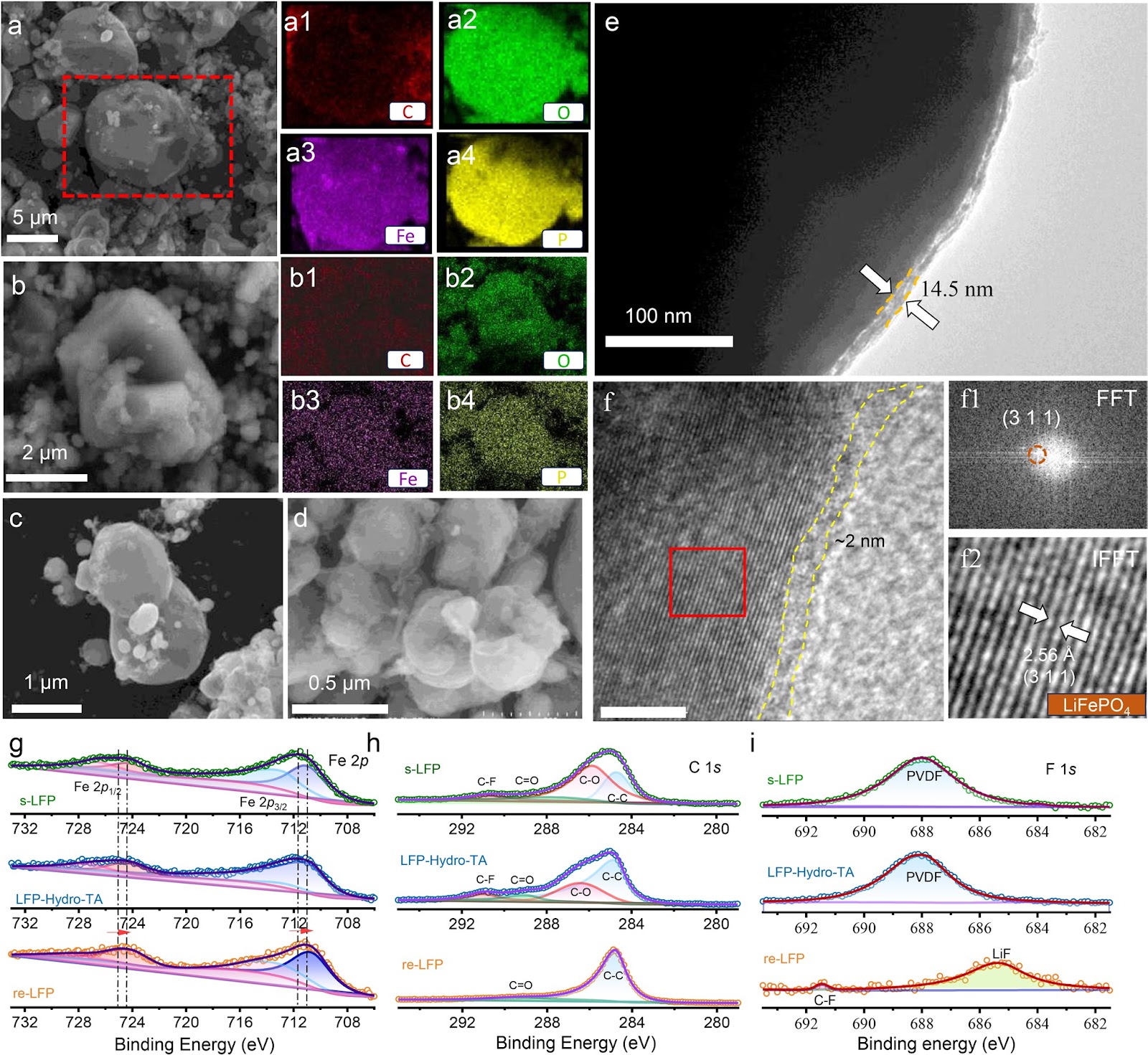
The rapid accumulation of spent LiFePO4 (LFP) cathodes from retired lithium-ion batteries necessitates the development of effective and environmental-friendly recycling strategies. In this context, direct regeneration has emerged as a promising approach for reclaiming LFP cathode materials, offering a streamlined pathway to restore their electrochemical functionality. We report an integrated regeneration protocol that simultaneously repairs the degraded crystal structure and reconstructs the damaged carbon coating in spent LFP. The regenerated cathode material had superfast lithium-ion diffusion kinetics and a stable cathode–electrolyte interface, giving a remarkable rate capability with specific capacities of 122 mAh g−1 at 5C and 106 mAh g−1 at 10C (1C = 170 mA g−1). It also maintained capacities of 110.7 mAh g−1 (5C) and 84.1 mAh g−1 (10C) after 400 cycles. It could be used in harsh environments and could be stably cycled at subzero temperatures (−10 and −20 °C) and in solid-state electrolyte batteries. Life cycle assessment combined with economic evaluation using the EverBatt model reveals that this direct regeneration approach has high economic and environmental benefits.
Oxide Semiconductor for Advanced Memory Architectures: Atomic Layer Deposition, Key Requirement and Challenges
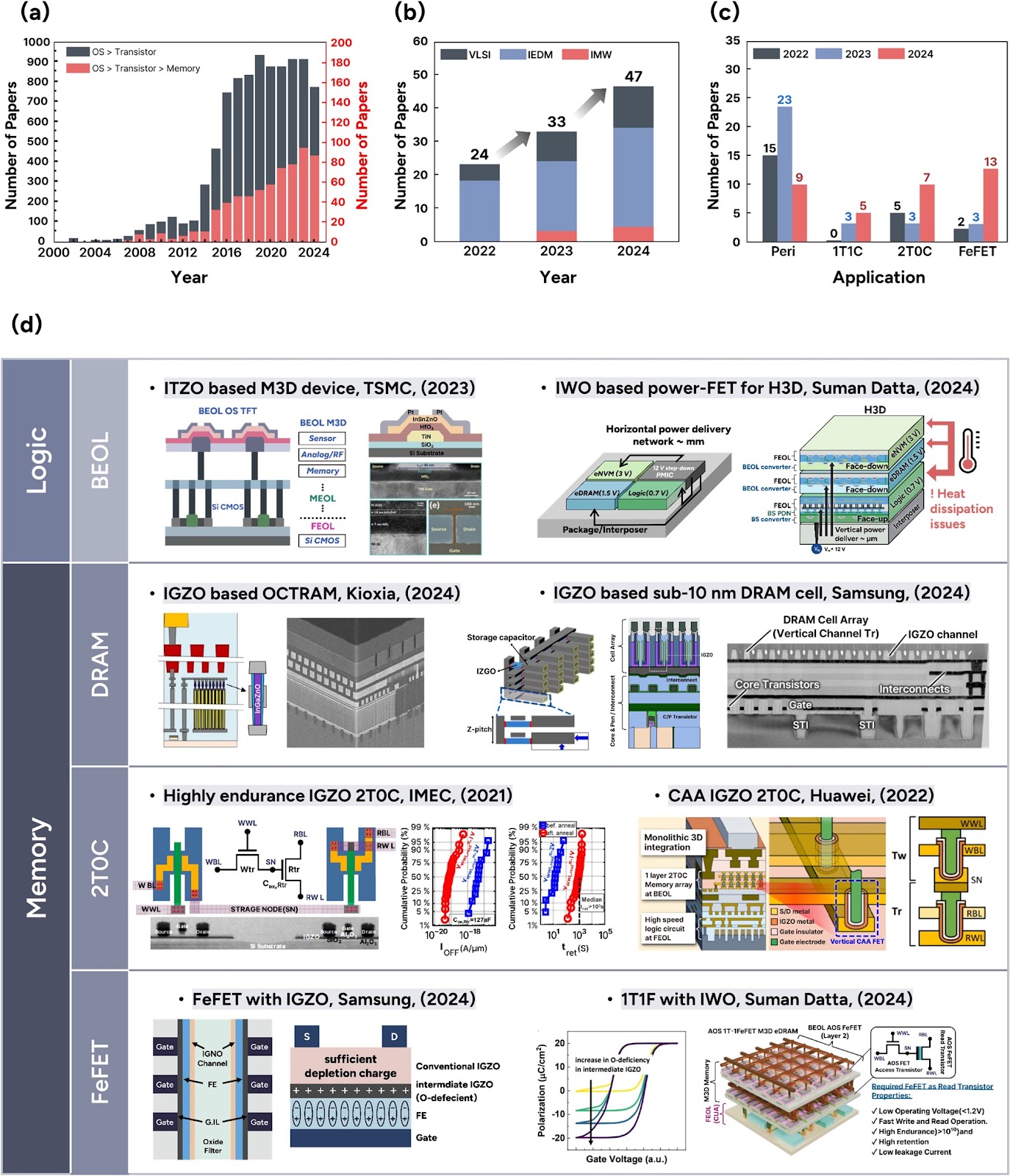
Oxide semiconductors (OSs), introduced by the Hosono group in the early 2000s, have evolved from display backplane materials to promising candidates for advanced memory and logic devices. The exceptionally low leakage current of OSs and compatibility with three-dimensional (3D) architectures have recently sparked renewed interest in their use in semiconductor applications. This review begins by exploring the unique material properties of OSs, which fundamentally originate from their distinct electronic band structure. Subsequently, we focus on atomic layer deposition (ALD), a core technique for growing excellent OS films, covering both basic and advanced processes compatible with 3D scaling. The basic surface reaction mechanisms—adsorption and reaction—and their roles in film growth are introduced. Furthermore, material design strategies, such as cation selection, crystallinity control, anion doping, and heterostructure engineering, are discussed. We also highlight challenges in memory applications, including contact resistance, hydrogen instability, and lack of p-type materials, and discuss the feasibility of ALD-grown OSs as potential solutions. Lastly, we provide an outlook on the role of ALD-grown OSs in memory technologies. This review bridges material fundamentals and device-level requirements, offering a comprehensive perspective on the potential of ALD-driven OSs for next-generation semiconductor memory devices.
Laser powder bed fusion of biodegradable Zn-4Cu alloy: Processing, microstructure and properties
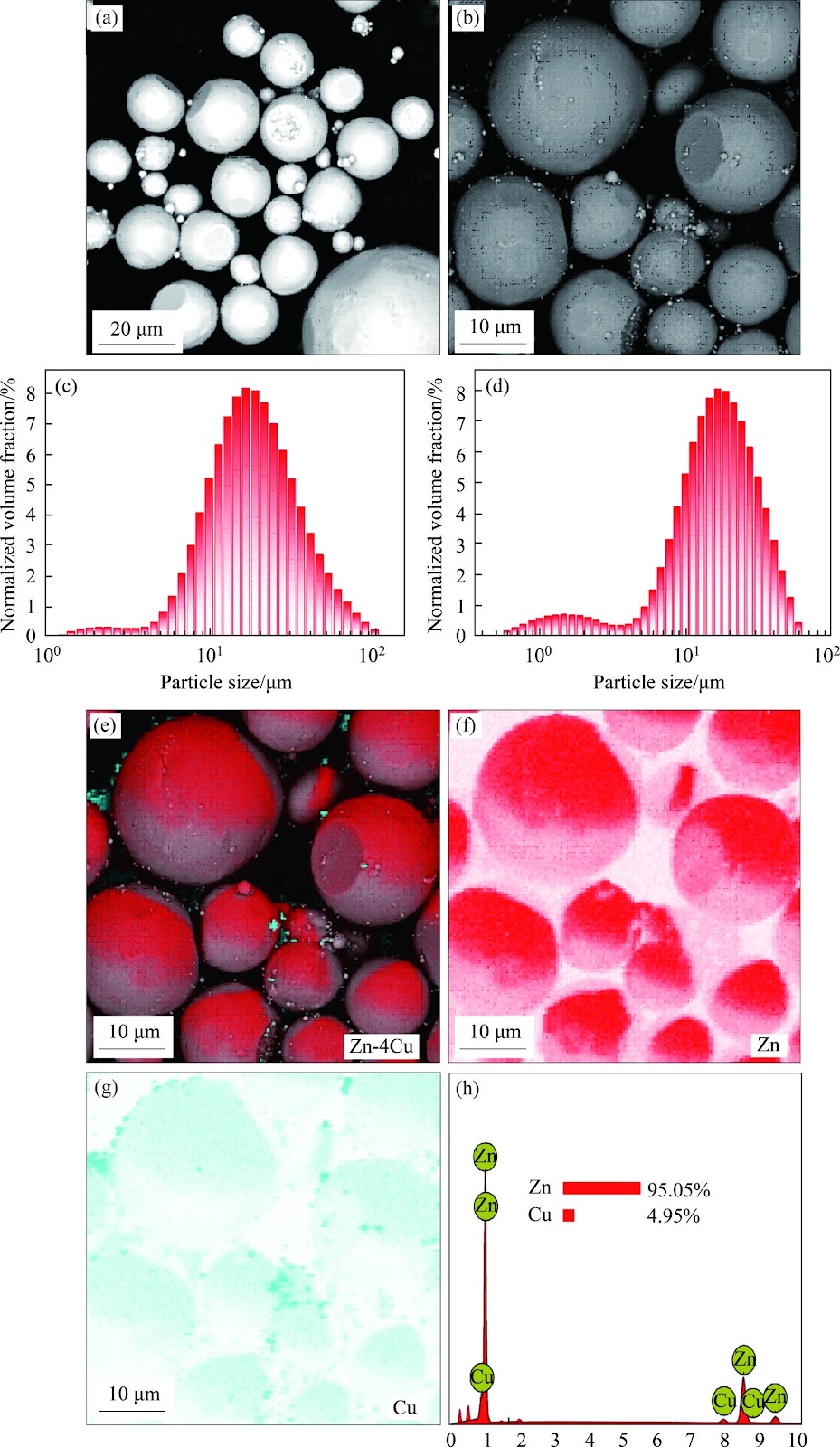
Zn's natural degradability and biocompatibility make it a promising candidate for implants, however, its mechanical properties remain insufficient for bone applications. In this study, the performance of Zn was enhanced by developing Zn-Cu alloys via laser powder bed fusion (LPBF). Optimal LPBF parameters for forming stable tracks were achieved by adjusting laser power and scanning speed. Under optimized conditions of 100 W and 100 mm/s, high-density (99.58%) Zn-Cu alloys with improved hardness (68.2HV) and yield strength (160 MPa) were achieved. These improvements are attributed to solid solution strengthening, segregation strengthening, and grain refinement. The Zn-Cu alloys also demonstrated favorable degradation behavior, with a rate of 0.16 mm/year. This degradation is primarily driven by micro-galvanic corrosion between the CuZn5 phase and Zn matrix, along with refined grains and increased grain boundary density. This work demonstrates a viable strategy for fabricating Zn-based implants with enhanced structural integrity and mechanical performance via LPBF.