Key Takeaways & Executive Findings
- •• Cellulose elementary fibrils (CEFs) are proposed as a deagglomerated binder for high-mass-loading Li battery electrodes, addressing ion/electron conduction pathway continuity. • CEFs, derived from natural wood, exhibit increased surface area and anionic charge density, promoting uniform dispersion with carbon additives and mitigating interfacial side reactions. • The CEF-based overlithiated layered oxide (OLO) cathode achieves a high areal mass loading of 50 mg cm–2 and a high specific energy density of 445.4 Wh kg–1, outperforming previously reported OLO cathodes. • This work demonstrates the potential of sustainable, deagglomerated binders to enable high-performance electrodes that are challenging with conventional synthetic polymer binders.
Abstract
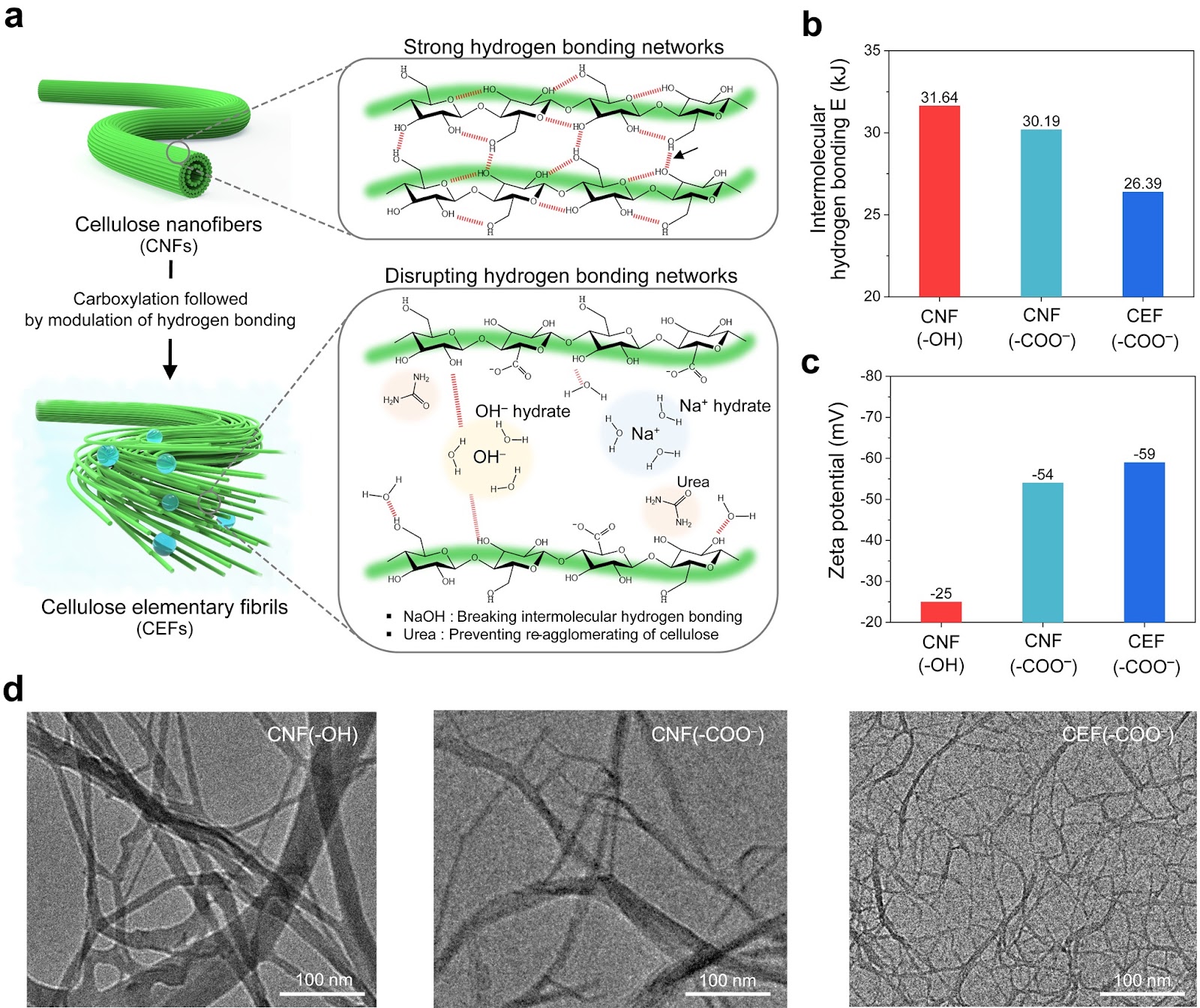
Amidst the ever-growing interest in high-mass-loading Li battery electrodes, a persistent challenge has been the insufficient continuity of their ion/electron conduction pathways. Here, we propose cellulose elementary fibrils (CEFs) as a class of deagglomerated binder for high-mass-loading electrodes. Derived from natural wood, CEF represents the most fundamental unit of cellulose with nanoscale diameter. The preparation of the CEFs involves the modulation of intermolecular hydrogen bonding by the treatment with a proton acceptor and a hydrotropic agent. This elementary deagglomeration of the cellulose fibers increases surface area and anionic charge density, thus promoting uniform dispersion with carbon conductive additives and suppressing interfacial side reactions at electrodes. Consequently, a homogeneous redox reaction is achieved throughout the electrodes. The resulting CEF-based cathode (overlithiated layered oxide (OLO) is chosen as a benchmark electrode active material) exhibits a high areal-mass-loading (50 mg cm–2, equivalent to an areal capacity of 12.5 mAh cm–2) and a high specific energy density (445.4 Wh kg–1) of a cell, which far exceeds those of previously reported OLO cathodes. This study highlights the viability of the deagglomerated binder in enabling sustainable high-mass-loading electrodes that are difficult to achieve with conventional synthetic polymer binders.
1. Introduction
The ongoing surge in demand for smart portable electronics, electric vehicles, and grid-scale energy storage systems has catalyzed the relentless pursuit of high-energy–density lithium (Li) batteries with electrochemical sustainability [1–3]. Many previous studies implemented to reach this goal have concentrated on synthesizing and engineering new electrode active materials [4, 5]. Along with these material-driven approaches, the design of high-mass-loading electrodes has recently emerged as a practical strategy owing to its simplicity and scalability in realizing high-energy–density cells [6–8].
However, a longstanding challenge with the high-mass-loading electrodes has been the difficulty in achieving sufficient interconnectivity of their ion/electron conduction pathways [9–12]. The random and nonuniform intermolecular interactions between electrode components, including carbon conductive additives and polymer binders, often lead to their poor dispersion in electrode slurries [13–17]. This issue becomes more pronounced with the incorporation of carbon nanotubes (CNTs), which tend to aggregate due to their strong van der Waals interactions, thus limiting their effectiveness in forming conductive networks [18]. To address these challenges, both physical methods (e.g., high-shear mixing, three-roll milling) and chemical methods (e.g., surface functionalization, polymer grafting) have been explored [19, 20]. However, these approaches often cause structural damage to the components, require additional dispersants, and complicate fabrication processes, thereby hindering their practical application [21–23]. Consequently, this issue hinders the formation of bi-continuous ion/electron conduction networks across the electrode thickness, resulting in a loss of electrochemical performance and energy densities in the resulting cells [24, 25].
To achieve well-developed ion/electron conduction pathways in the electrodes, it is necessary to inhibit electrode components’ aggregation while enhancing intermolecular interactions between heterogeneous components [26–28]. Previous approaches have primarily centered on the chemical modification of electrode binders [29–32], including the amphiphilic bottlebrush polymers to enhance component dispersion, elastic and composite binders to improve mechanical stability, and polymer-wrapped SWCNTs to establish conductive networks. However, these efforts have often failed to address the complexity that arises from the interactions of multi-components. Furthermore, the intricate multiscaling of binder architecture, coupled with its interact...
Loading authentic research manuscript (Pages 1–5)...
Young-Kuk Hong, Jung-Hui Kim, Nag-Young Kim, Kyeong-Seok Oh, Hong-I Kim, Seokhyeon Ryu, Yumi Ko, Ji-Young Kim, Kwon-Hyung Lee, Sang-Young Lee (2025). Cellulose Elementary Fibrils as Deagglomerated Binder for High-Mass-Loading Lithium Battery Electrodes. Nano-Micro Letters. https://doi.org/10.1007/s40820-024-01642-8
Research & Educational Purpose Only:The translations, structured abstracts, analytical annotations, and data reports provided by SinoTechIntel are intended exclusively for academic research, internal corporate R&D, and educational benchmarking. They do not constitute formal engineering, chemical safety, legal, or professional advice.
Copyright & Intellectual Property Notice: Original copyright of the underlying source articles and experimental data remains with the respective authors, institutions, and original publishing journals. SinoTechIntel claims intellectual property only over its proprietary translations, analytical syntheses, and AEO structured enhancements in accordance with international fair use and academic citation principles.
Frequently Asked Questions
What are cellulose elementary fibrils (CEFs) and how are they used in lithium battery electrodes?
Cellulose elementary fibrils (CEFs) are the most fundamental nanoscale units of cellulose, derived from natural wood. In this study, they are used as a deagglomerated binder for high-mass-loading lithium battery electrodes. The CEFs are prepared by modulating intermolecular hydrogen bonding with a proton acceptor and a hydrotropic agent, which increases their surface area and anionic charge density. This promotes uniform dispersion with carbon additives and suppresses interfacial side reactions, leading to improved electrode performance.
What are the key benefits of using CEFs as a binder compared to conventional synthetic polymer binders?
CEFs offer several advantages over conventional synthetic polymer binders: they are derived from renewable natural wood, making them sustainable; their deagglomerated nature enhances dispersion with conductive additives, improving ion/electron conduction pathways; and they suppress interfacial side reactions, enabling high-mass-loading electrodes with high specific energy density. This addresses challenges that are difficult to achieve with synthetic polymer binders.
What performance metrics were achieved with the CEF-based cathode in this study?
The CEF-based overlithiated layered oxide (OLO) cathode achieved a high areal mass loading of 50 mg cm–2, equivalent to an areal capacity of 12.5 mAh cm–2, and a high specific energy density of 445.4 Wh kg–1 at the cell level. These values far exceed those of previously reported OLO cathodes.
How do CEFs improve the dispersion of carbon conductive additives in electrode slurries?
CEFs, due to their increased surface area and anionic charge density, promote uniform dispersion with carbon conductive additives. This is because the deagglomeration of cellulose fibers reduces aggregation and enhances intermolecular interactions, preventing the clumping of carbon additives like carbon nanotubes, which typically aggregate due to van der Waals forces.
What is the significance of this research for the future of lithium battery technology?
This research demonstrates the viability of using sustainable, deagglomerated binders like CEFs to enable high-mass-loading electrodes, which are crucial for achieving high-energy-density lithium batteries. By addressing the challenge of ion/electron conduction pathway continuity, this work provides a practical and scalable strategy for next-generation energy storage systems, contributing to the advancement of electric vehicles and grid-scale storage.
Related Technical Papers & Translations
Direct Repair of the Crystal Structure and Coating Surface of Spent LiFePO4 Materials Enables Superfast Li-Ion Migration
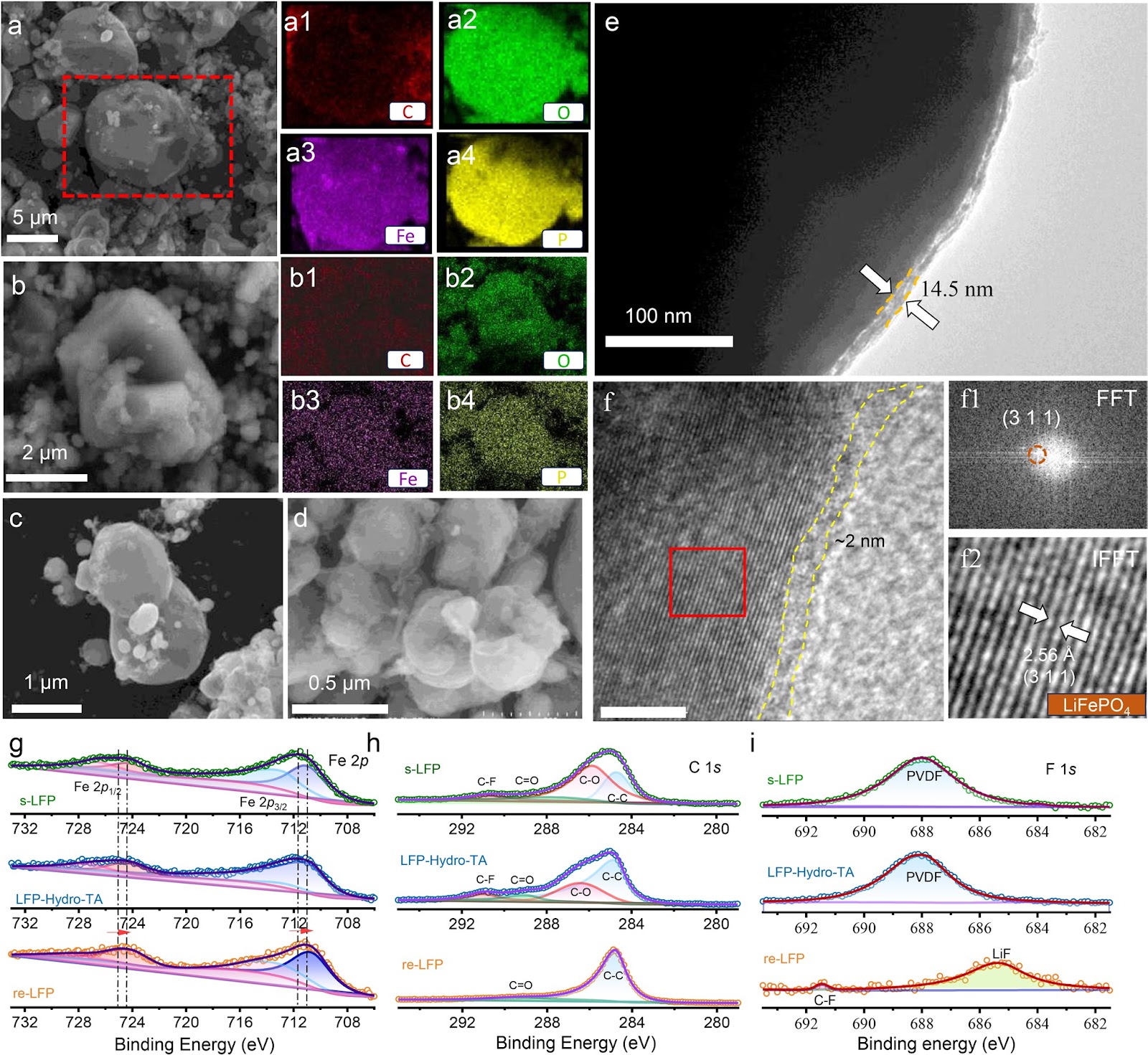
The rapid accumulation of spent LiFePO4 (LFP) cathodes from retired lithium-ion batteries necessitates the development of effective and environmental-friendly recycling strategies. In this context, direct regeneration has emerged as a promising approach for reclaiming LFP cathode materials, offering a streamlined pathway to restore their electrochemical functionality. We report an integrated regeneration protocol that simultaneously repairs the degraded crystal structure and reconstructs the damaged carbon coating in spent LFP. The regenerated cathode material had superfast lithium-ion diffusion kinetics and a stable cathode–electrolyte interface, giving a remarkable rate capability with specific capacities of 122 mAh g−1 at 5C and 106 mAh g−1 at 10C (1C = 170 mA g−1). It also maintained capacities of 110.7 mAh g−1 (5C) and 84.1 mAh g−1 (10C) after 400 cycles. It could be used in harsh environments and could be stably cycled at subzero temperatures (−10 and −20 °C) and in solid-state electrolyte batteries. Life cycle assessment combined with economic evaluation using the EverBatt model reveals that this direct regeneration approach has high economic and environmental benefits.
Oxide Semiconductor for Advanced Memory Architectures: Atomic Layer Deposition, Key Requirement and Challenges
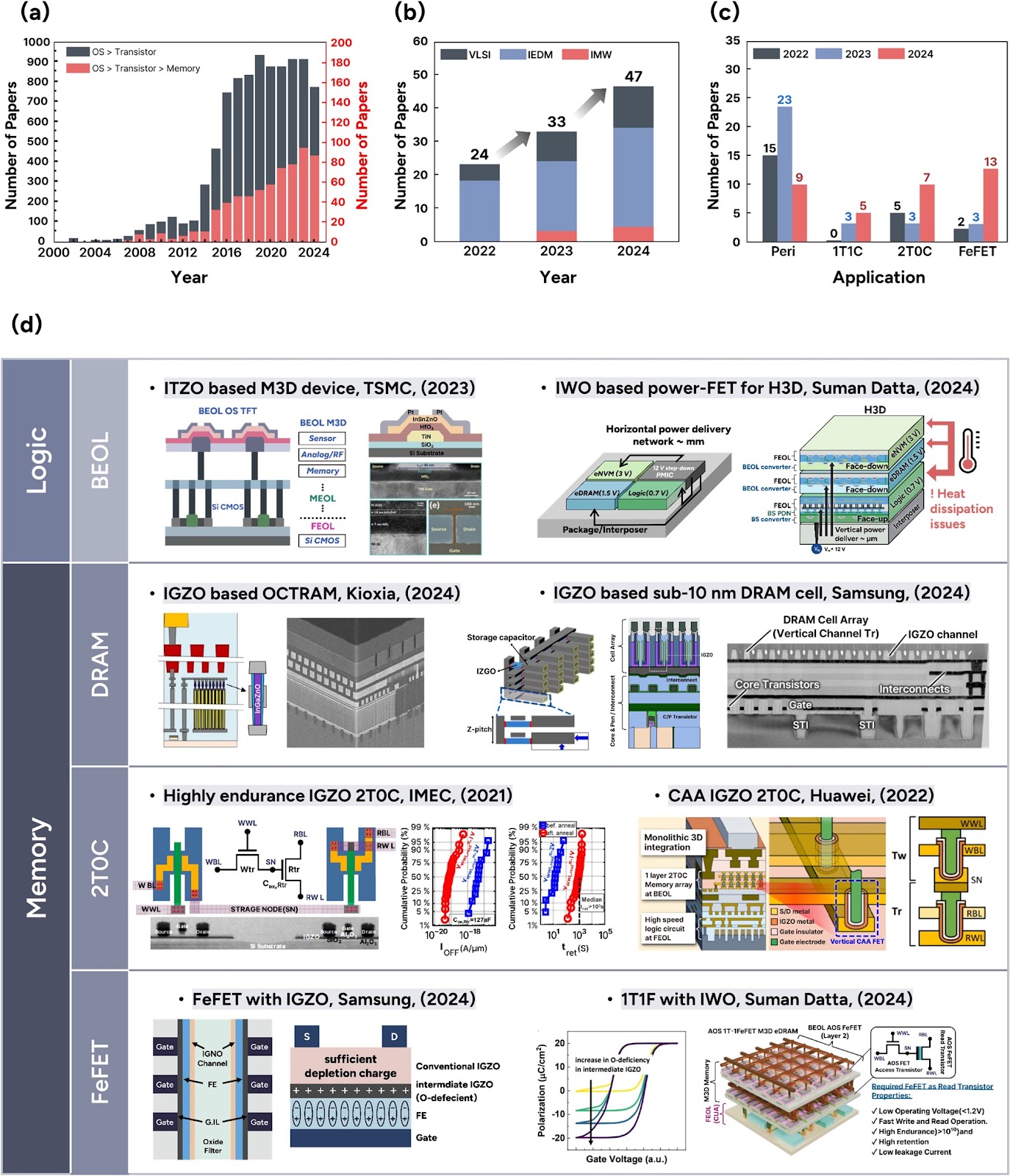
Oxide semiconductors (OSs), introduced by the Hosono group in the early 2000s, have evolved from display backplane materials to promising candidates for advanced memory and logic devices. The exceptionally low leakage current of OSs and compatibility with three-dimensional (3D) architectures have recently sparked renewed interest in their use in semiconductor applications. This review begins by exploring the unique material properties of OSs, which fundamentally originate from their distinct electronic band structure. Subsequently, we focus on atomic layer deposition (ALD), a core technique for growing excellent OS films, covering both basic and advanced processes compatible with 3D scaling. The basic surface reaction mechanisms—adsorption and reaction—and their roles in film growth are introduced. Furthermore, material design strategies, such as cation selection, crystallinity control, anion doping, and heterostructure engineering, are discussed. We also highlight challenges in memory applications, including contact resistance, hydrogen instability, and lack of p-type materials, and discuss the feasibility of ALD-grown OSs as potential solutions. Lastly, we provide an outlook on the role of ALD-grown OSs in memory technologies. This review bridges material fundamentals and device-level requirements, offering a comprehensive perspective on the potential of ALD-driven OSs for next-generation semiconductor memory devices.
Laser powder bed fusion of biodegradable Zn-4Cu alloy: Processing, microstructure and properties
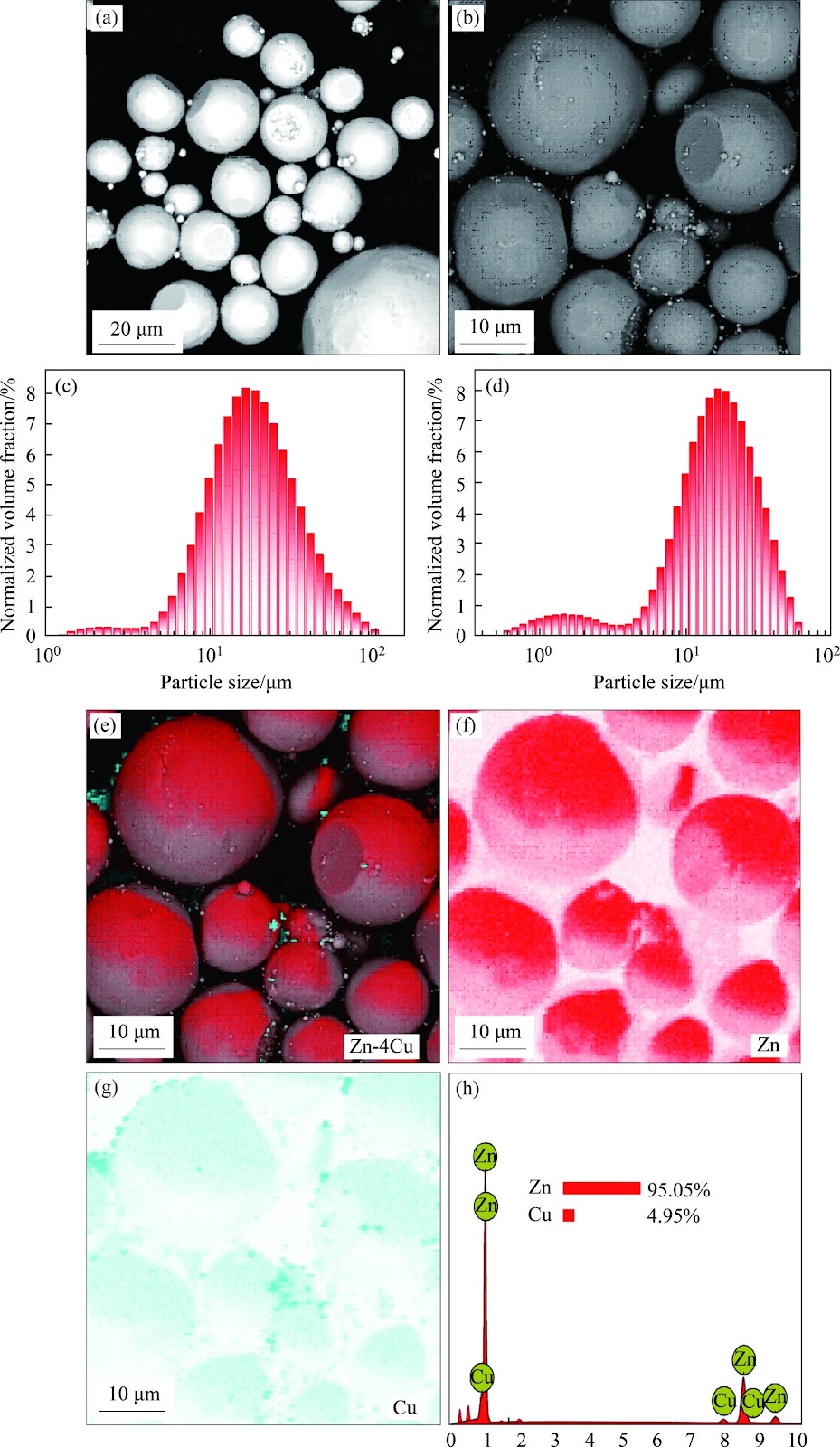
Zn's natural degradability and biocompatibility make it a promising candidate for implants, however, its mechanical properties remain insufficient for bone applications. In this study, the performance of Zn was enhanced by developing Zn-Cu alloys via laser powder bed fusion (LPBF). Optimal LPBF parameters for forming stable tracks were achieved by adjusting laser power and scanning speed. Under optimized conditions of 100 W and 100 mm/s, high-density (99.58%) Zn-Cu alloys with improved hardness (68.2HV) and yield strength (160 MPa) were achieved. These improvements are attributed to solid solution strengthening, segregation strengthening, and grain refinement. The Zn-Cu alloys also demonstrated favorable degradation behavior, with a rate of 0.16 mm/year. This degradation is primarily driven by micro-galvanic corrosion between the CuZn5 phase and Zn matrix, along with refined grains and increased grain boundary density. This work demonstrates a viable strategy for fabricating Zn-based implants with enhanced structural integrity and mechanical performance via LPBF.