Key Takeaways & Executive Findings
- •• Comprehensive evaluation of TENGs for various space environments, highlighting their potential to overcome limitations of conventional energy sources. • TENGs serve multifunctional roles beyond energy harvesting, including self-powered sensing and structural health monitoring in space missions. • Integration of TENGs with existing energy systems can enhance efficiency, sustainability, and mission duration in space exploration. • Future roadmap for TENG utilization in space exploration is outlined, addressing practical implementation challenges and possible solutions.
Abstract
Space exploration is significant for scientific innovation, resource utilization, and planetary security. Space exploration involves several systems including satellites, space suits, communication systems, and robotics, which have to function under harsh space conditions such as extreme temperatures (− 270 to 1650 °C), microgravity (10⁻⁶ g), unhealthy humidity (< 20% RH or > 60% RH), high atmospheric pressure (~ 1450 psi), and radiation (4000–5000 mSv). Conventional energy-harvesting technologies (solar cells, fuel cells, and nuclear energy), that are normally used to power these space systems have certain limitations (e.g., sunlight dependence, weight, degradation, big size, high cost, low capacity, radioactivity, complexity, and low efficiency). The constraints in conventional energy resources have made it imperative to look for non-conventional yet efficient alternatives. A great potential for enhancing efficiency, sustainability, and mission duration in space exploration can be offered by integrating triboelectric nanogenerators (TENGs) with existing energy sources. Recently, the potential of TENG including energy harvesting (from vibrations/movements in satellites and spacecraft), self-powered sensing, and microgravity, for multiple applications in different space missions has been discussed. This review comprehensively covers the use of TENGs for various space applications, such as planetary exploration missions (Mars environment monitoring), manned space equipment, In-orbit robotic operations /collision monitoring, spacecraft’s design and structural health monitoring, Aeronautical systems, and conventional energy harvesting (solar and nuclear). This review also discusses the use of self-powered TENG sensors for deep space object perception. At the same time, this review compares TENGs with conventional energy harvesting technologies for space systems. Lastly, this review talks about energy harvesting in satellites, TENG-based satellite communication systems, and future practical implementation challenges (with possible solutions).
1. Introduction
Space exploration and satellite systems depend critically on advanced energy harvesting and autonomous sensing technologies to endure and operate effectively in the extreme conditions of outer space. Temperature fluctuations during space missions could be dramatically extreme: in shadowed regions, temperatures can depreciate to approximately − 270 °C (− 454 °F), while the spacecraft can face an extremely high temperature of ~ 1650 °C as reentering into earth’s atmosphere. Space itself is an almost perfect vacuum with pressures averaging between 10⁻¹² and 10⁻¹⁵ torr, compared to Earth’s atmospheric pressure of 760 torr [1]. Astronauts in low Earth orbit (LEO) are exposed to cosmic radiation levels of ~ 0.1–0.2 Sieverts (Sv) annually (higher than Earth’s average of 0.01 Sv). During solar flares, radiation levels can spike dramatically, reaching several hundred times normal rates. In LEO, while gravity is approximately 90% of Earth’s, astronauts experience microgravity conditions (~ 10⁻⁶ g). The lunar surface further complicates space exploration due to its dust, composed of highly abrasive particles ranging from microns to millimeters in size [2, 3]. Moreover, the Van Allen radiation belts present a significant hazard to both satellites and astronauts, with inner belt (700–12,000 km altitude) radiation levels exceeding 1–5 mGy/day while 0.1–1 mGy/day in the outer belt (13,000–60,000 km altitude). Such extreme conditions render severe challenges to conventional energy systems, making them unsuitable for long space missions and hence, necessitating innovative solutions tailored to the unique demands of space environments.
Space systems, like satellites and spacecraft, usually rely on energy harvesting technologies that have inherent limitations. Conventional sources such as solar cells, fuel cells, and nuclear energy are often heavy, inefficient, or degrade over time, and they may not provide sufficient power for long-duration missions. Therefore, there is a pressing need for alternative energy solutions that are lightweight, reliable, and capable of operating in harsh space conditions. Triboelectric nanogenerators (TENGs) have emerged as a promising technology that can harvest mechanical energy from vibrations, movements, and other sources, and can also serve as self-powered sensors. This review comprehensively explores the potential of TENGs for various space applications, including planetary exploration, manned space equipment, in-orbit robotic operations, and structural health monitoring, and discusses the future trends and challenges for their integration into space missions.
Loading authentic research manuscript (Pages 1–5)...
Rayyan Ali Shaukat, Muhammad Muqeet Rehman, Maryam Khan, Rui Chang, Carlo Saverio Iorio, Yarjan Abdul Samad, Yijun Shi (2026). Triboelectric Nanogenerators for Future Space Missions. Nano-Micro Letters. https://doi.org/10.1007/s40820-025-01944-5
Research & Educational Purpose Only:The translations, structured abstracts, analytical annotations, and data reports provided by SinoTechIntel are intended exclusively for academic research, internal corporate R&D, and educational benchmarking. They do not constitute formal engineering, chemical safety, legal, or professional advice.
Copyright & Intellectual Property Notice: Original copyright of the underlying source articles and experimental data remains with the respective authors, institutions, and original publishing journals. SinoTechIntel claims intellectual property only over its proprietary translations, analytical syntheses, and AEO structured enhancements in accordance with international fair use and academic citation principles.
Frequently Asked Questions
What are triboelectric nanogenerators (TENGs) and how do they work?
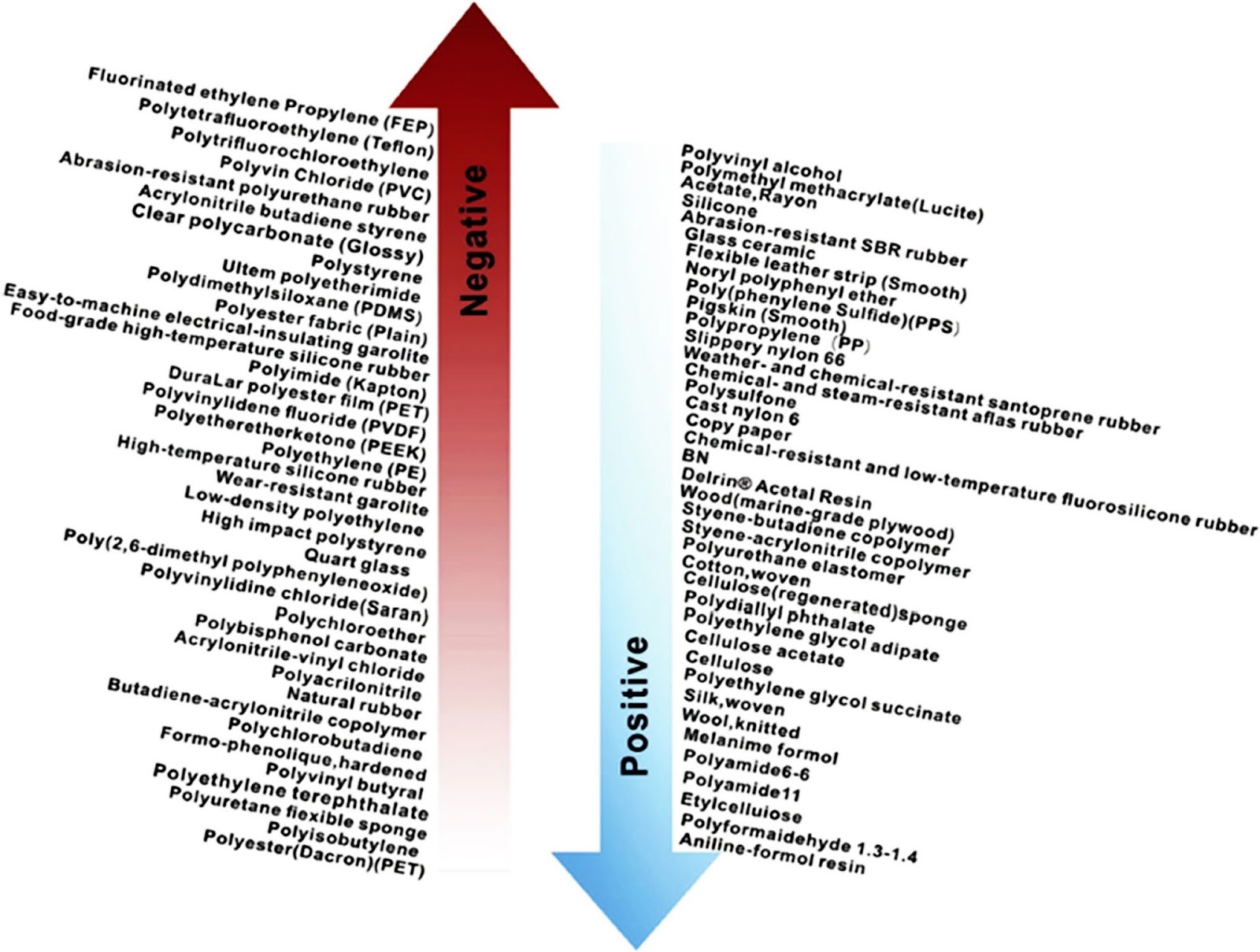
Triboelectric nanogenerators (TENGs) are devices that convert mechanical energy into electrical energy through the triboelectric effect and electrostatic induction. They generate electricity when two different materials come into contact and then separate, creating a charge transfer. TENGs can harvest energy from vibrations, movements, and other mechanical sources, making them suitable for powering sensors and small devices in space environments.
Why are conventional energy sources insufficient for long-duration space missions?
Conventional energy sources like solar cells, fuel cells, and nuclear energy have limitations such as dependence on sunlight, heavy weight, degradation over time, large size, high cost, low capacity, radioactivity, complexity, and low efficiency. These drawbacks make them less suitable for long-duration missions where reliability and sustainability are critical.
What are the main applications of TENGs in space missions?
TENGs can be used for energy harvesting from vibrations and movements in satellites and spacecraft, self-powered sensing for structural health monitoring, planetary exploration (e.g., Mars environment monitoring), manned space equipment, in-orbit robotic operations and collision monitoring, and even for deep space object perception. They can also be integrated with conventional energy sources to enhance overall system efficiency.
What are the challenges for implementing TENGs in space?
Challenges include the harsh space environment (extreme temperatures, vacuum, radiation, microgravity), material durability, and the need for reliable performance over long durations. Additionally, integrating TENGs with existing systems and scaling up their power output are practical issues that need to be addressed. The review discusses possible solutions to these challenges.
How do TENGs compare to conventional energy harvesting technologies for space systems?
TENGs offer advantages such as being lightweight, low-cost, and capable of harvesting energy from a wide range of mechanical sources, including low-frequency vibrations. They can also serve as self-powered sensors, reducing the need for separate power supplies. However, they typically generate lower power compared to conventional sources, so they are often used in combination with other energy sources to enhance overall system performance.
Related Technical Papers & Translations
Direct Repair of the Crystal Structure and Coating Surface of Spent LiFePO4 Materials Enables Superfast Li-Ion Migration
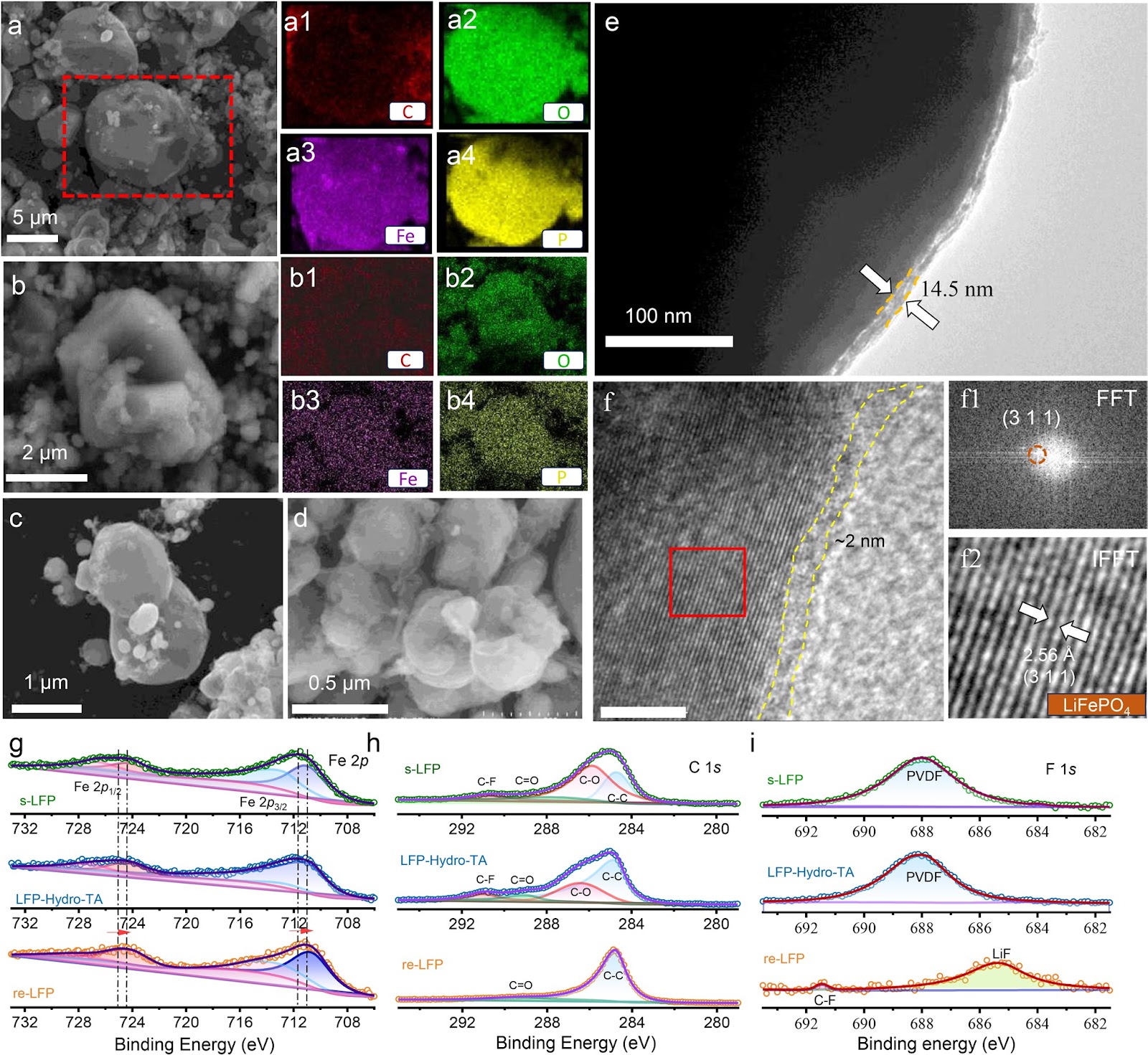
The rapid accumulation of spent LiFePO4 (LFP) cathodes from retired lithium-ion batteries necessitates the development of effective and environmental-friendly recycling strategies. In this context, direct regeneration has emerged as a promising approach for reclaiming LFP cathode materials, offering a streamlined pathway to restore their electrochemical functionality. We report an integrated regeneration protocol that simultaneously repairs the degraded crystal structure and reconstructs the damaged carbon coating in spent LFP. The regenerated cathode material had superfast lithium-ion diffusion kinetics and a stable cathode–electrolyte interface, giving a remarkable rate capability with specific capacities of 122 mAh g−1 at 5C and 106 mAh g−1 at 10C (1C = 170 mA g−1). It also maintained capacities of 110.7 mAh g−1 (5C) and 84.1 mAh g−1 (10C) after 400 cycles. It could be used in harsh environments and could be stably cycled at subzero temperatures (−10 and −20 °C) and in solid-state electrolyte batteries. Life cycle assessment combined with economic evaluation using the EverBatt model reveals that this direct regeneration approach has high economic and environmental benefits.
Oxide Semiconductor for Advanced Memory Architectures: Atomic Layer Deposition, Key Requirement and Challenges
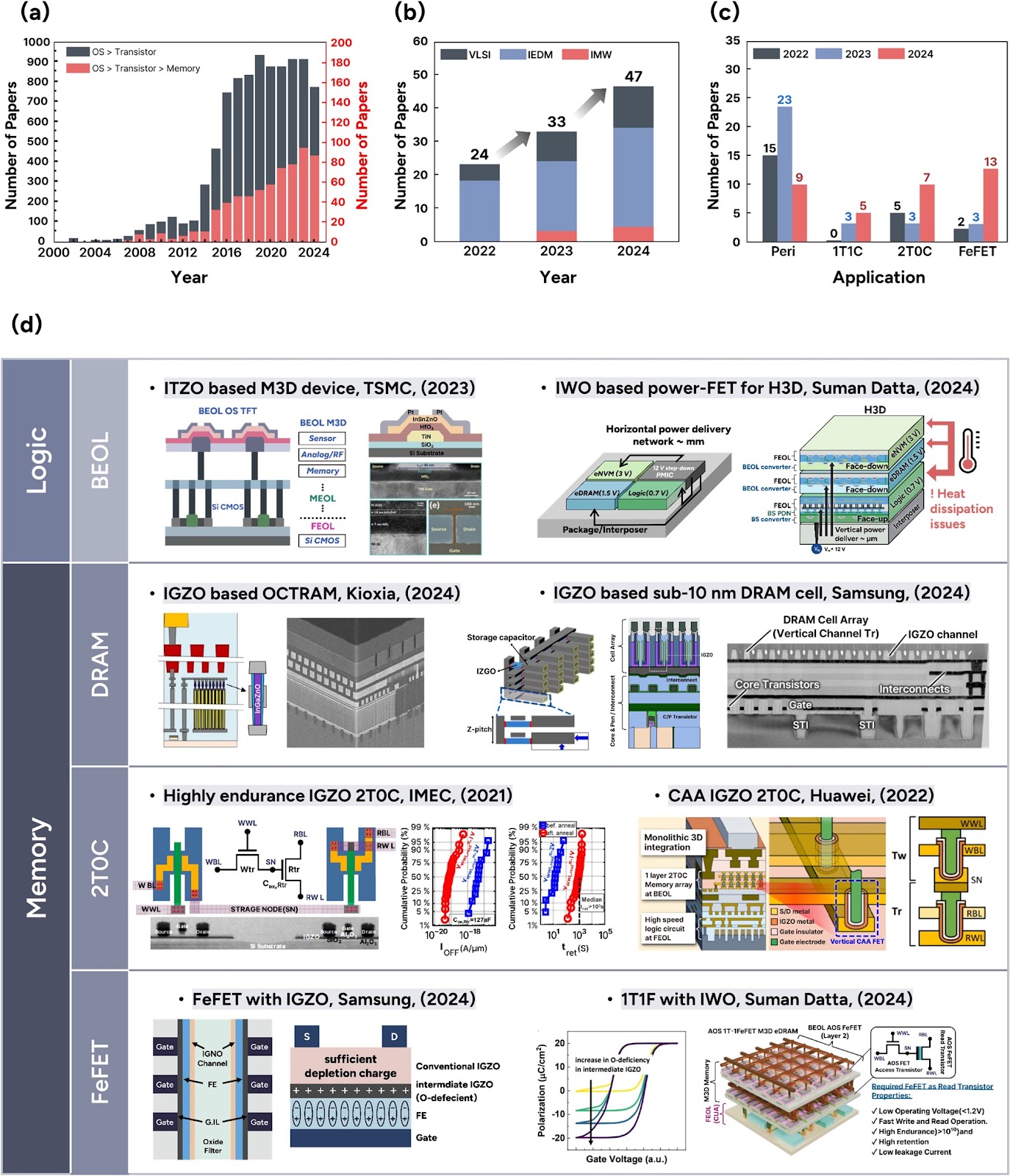
Oxide semiconductors (OSs), introduced by the Hosono group in the early 2000s, have evolved from display backplane materials to promising candidates for advanced memory and logic devices. The exceptionally low leakage current of OSs and compatibility with three-dimensional (3D) architectures have recently sparked renewed interest in their use in semiconductor applications. This review begins by exploring the unique material properties of OSs, which fundamentally originate from their distinct electronic band structure. Subsequently, we focus on atomic layer deposition (ALD), a core technique for growing excellent OS films, covering both basic and advanced processes compatible with 3D scaling. The basic surface reaction mechanisms—adsorption and reaction—and their roles in film growth are introduced. Furthermore, material design strategies, such as cation selection, crystallinity control, anion doping, and heterostructure engineering, are discussed. We also highlight challenges in memory applications, including contact resistance, hydrogen instability, and lack of p-type materials, and discuss the feasibility of ALD-grown OSs as potential solutions. Lastly, we provide an outlook on the role of ALD-grown OSs in memory technologies. This review bridges material fundamentals and device-level requirements, offering a comprehensive perspective on the potential of ALD-driven OSs for next-generation semiconductor memory devices.
Laser powder bed fusion of biodegradable Zn-4Cu alloy: Processing, microstructure and properties
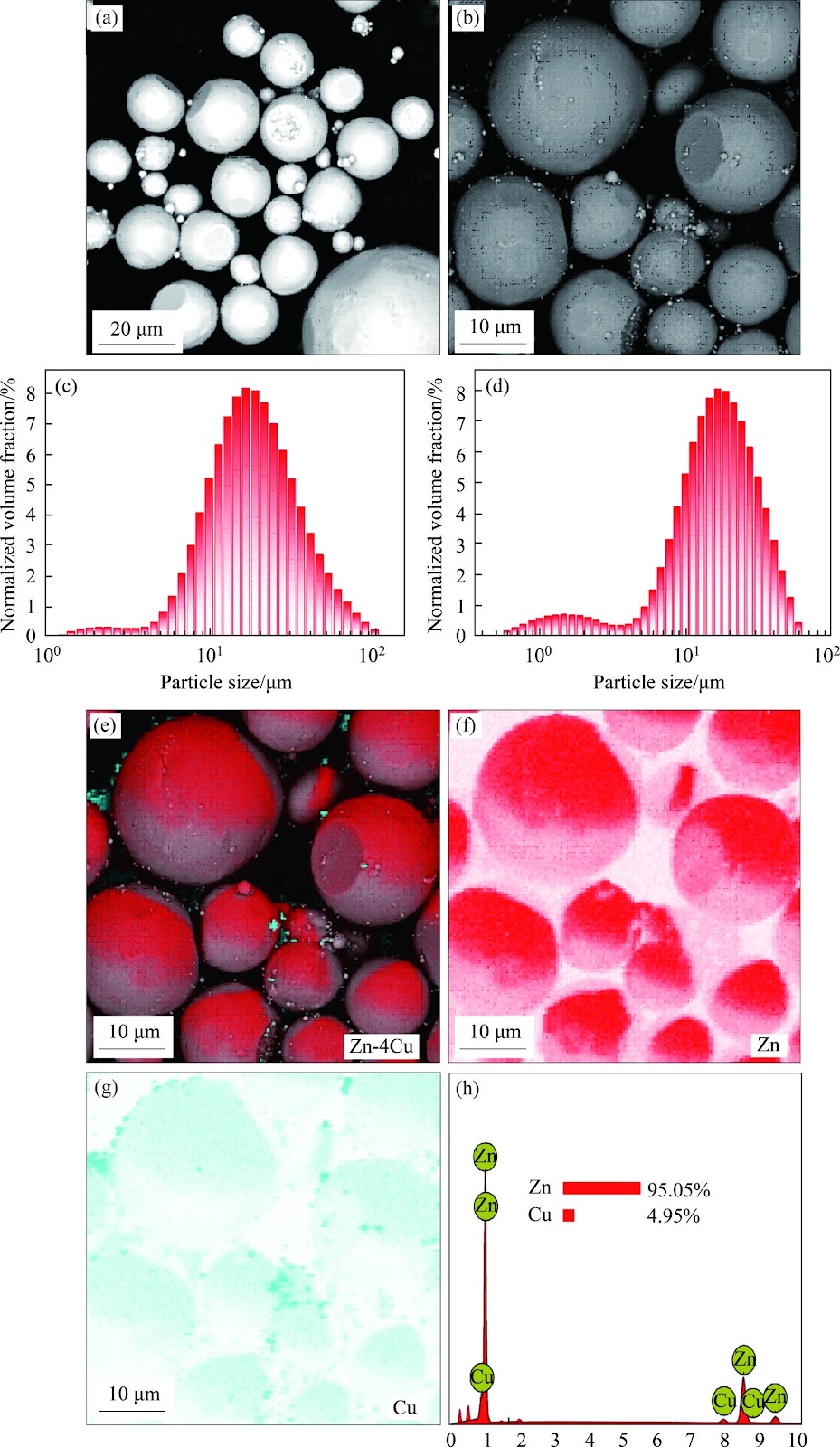
Zn's natural degradability and biocompatibility make it a promising candidate for implants, however, its mechanical properties remain insufficient for bone applications. In this study, the performance of Zn was enhanced by developing Zn-Cu alloys via laser powder bed fusion (LPBF). Optimal LPBF parameters for forming stable tracks were achieved by adjusting laser power and scanning speed. Under optimized conditions of 100 W and 100 mm/s, high-density (99.58%) Zn-Cu alloys with improved hardness (68.2HV) and yield strength (160 MPa) were achieved. These improvements are attributed to solid solution strengthening, segregation strengthening, and grain refinement. The Zn-Cu alloys also demonstrated favorable degradation behavior, with a rate of 0.16 mm/year. This degradation is primarily driven by micro-galvanic corrosion between the CuZn5 phase and Zn matrix, along with refined grains and increased grain boundary density. This work demonstrates a viable strategy for fabricating Zn-based implants with enhanced structural integrity and mechanical performance via LPBF.