Key Takeaways & Executive Findings
- •• Gd3+ ions act as a microlevelling agent, preferentially adsorbing onto zinc protrusions to suppress dendrite growth. • The adsorbed Gd3+ ions create a water-poor electric double layer, effectively inhibiting side reactions like hydrogen evolution and corrosion. • The modified electrolyte enables zinc anodes to achieve a prolonged cycle life of 2100 hours and a high Coulombic efficiency of 99.72%. • Full cells with NH4V4O10 cathodes demonstrate excellent capacity retention of 85.6% after 1000 cycles, highlighting practical applicability.
Abstract
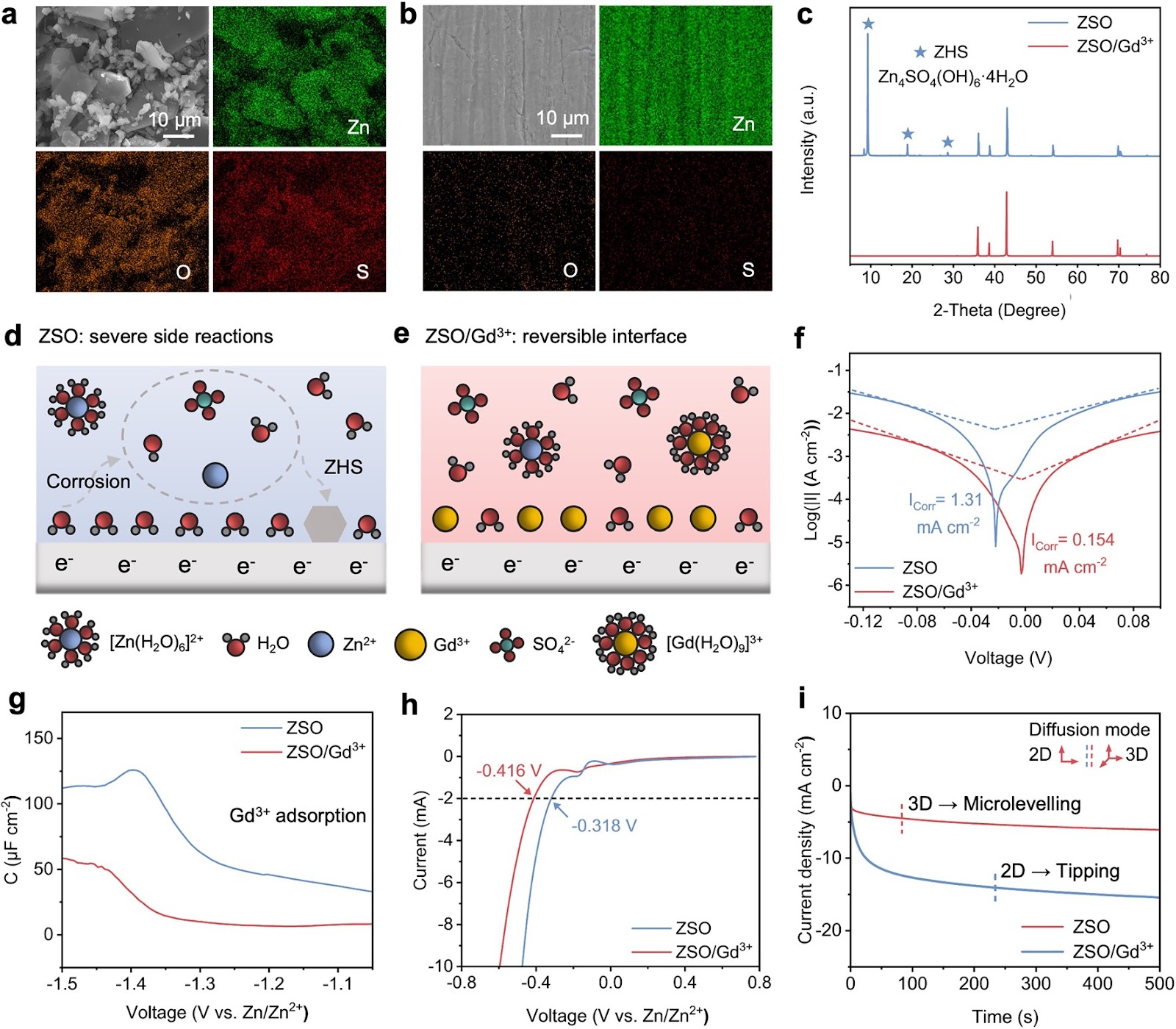
Dendrite growth represents one of the most significant challenges that impede the development of aqueous zinc-ion batteries. Herein, Gd3+ ions are introduced into conventional electrolytes as a microlevelling agent to achieve dendrite-free zinc electrodeposition. Simulation and experimental results demonstrate that these Gd3+ ions are preferentially adsorbed onto the zinc surface, which enables dendrite-free zinc anodes by activating the microlevelling effect during electrodeposition. In addition, the Gd3+ additives effectively inhibit side reactions and facilitate the desolvation of [Zn(H2O)6]2+, leading to highly reversible zinc plating/stripping. Due to these improvements, the zinc anode demonstrates a significantly prolonged cycle life of 2100 h and achieves an exceptional average Coulombic efficiency of 99.72% over 1400 cycles. More importantly, the Zn//NH4V4O10 full cell shows a high capacity retention rate of 85.6% after 1000 cycles. This work not only broadens the application of metallic cations in battery electrolytes but also provides fundamental insights into their working mechanisms.
1. Introduction
Aqueous zinc-ion batteries (AZIBs) are widely regarded as promising candidates for large-scale energy storage systems owing to their superior advantages in cost, safety, and resource availability. However, their practical employment is hindered by rapid dendrite evolution caused by uneven zinc deposition during charge/discharge. At the microscopic scale, zinc anodes typically exhibit a rough and irregular surface morphology. This morphological irregularity results in a tipping effect where charges accumulate at protrusions on the anode surface, creating localized electric field and concentrated Zn2+ fluxes. During zinc deposition, these concentrated Zn2+ ions preferentially deposit on the protrusions, leading to the formation of dendrites. The growth of dendrites further exacerbates the tipping effect, resulting in uncontrollable zinc dendrite growth that can ultimately induce short circuits within the battery.
Additionally, water molecules tend to be adsorbed on the negatively charged zinc surface, forming a water-rich electric double layer (EDL). The interfacial water molecules, particularly those located near the dendrites, can easily trigger a series of side reactions, including zinc corrosion, hydrogen evolution reaction (HER), and by-product formation. Therefore, inhibiting zinc dendrite growth is essential for improving the stability and overall performance of AZIBs.
To address the issue of zinc dendrites, many strategies have been proposed, primarily focusing on anode modification, separator functionalization, and electrolyte engineering. Among these strategies, incorporating functional additives into electrolytes has emerged as one of the most promising approaches. For instance, organic additives such as dimethyl sulfoxide and dimethylformamide have been shown to effectively inhibit zinc dendrite growth by modulating the Zn2+ solvation structures. However, the use of flammable organic molecules compromises battery safety and increases battery polarization. Moreover, the continuous decomposition of organic additives can lead to thickening of the interphase layer, ultimately resulting in unsatisfactory battery performance. In contrast, inorganic salts containing metallic cations (e.g., Li+, Mg2+, Ce3+, La3+, Y3+) are highly effective and durable in regulating zinc deposition behavior. Compared to monovalent and divalent cations, trivalent cations demonstrate superior effectiveness in inhibiting dendrite growth due to their stronger electrostatic interactions with the charged zinc surface and Zn2+ ions. Additionally, metallic cations have been widely used as electrolyte additives in conventional zinc electroplating technologies to improve coating homogeneity and corrosion resistance.
Loading authentic research manuscript (Pages 1–5)...
Long Jiang, Yiqing Ding, Le Li, Yan Tang, Peng Zhou, Bingan Lu, Siyu Tian, Jiang Zhou (2025). Cationic Adsorption-Induced Microlevelling Effect: A Pathway to Dendrite-Free Zinc Anodes. Nano-Micro Letters. https://doi.org/10.1007/s40820-025-01709-0
Research & Educational Purpose Only:The translations, structured abstracts, analytical annotations, and data reports provided by SinoTechIntel are intended exclusively for academic research, internal corporate R&D, and educational benchmarking. They do not constitute formal engineering, chemical safety, legal, or professional advice.
Copyright & Intellectual Property Notice: Original copyright of the underlying source articles and experimental data remains with the respective authors, institutions, and original publishing journals. SinoTechIntel claims intellectual property only over its proprietary translations, analytical syntheses, and AEO structured enhancements in accordance with international fair use and academic citation principles.
Frequently Asked Questions
What is the main challenge in aqueous zinc-ion batteries?
The main challenge is dendrite growth, which leads to short circuits and reduced battery performance.
How does Gd3+ addition help in achieving dendrite-free zinc anodes?
Gd3+ ions are preferentially adsorbed onto zinc protrusions, creating a microlevelling effect that shields these areas from further deposition, thus preventing dendrite formation.
What are the key performance improvements reported in this study?
The zinc anode with Gd3+ additive shows a cycle life of 2100 hours, an average Coulombic efficiency of 99.72% over 1400 cycles, and a capacity retention of 85.6% after 1000 cycles in a full cell.
What is the significance of using trivalent cations like Gd3+?
Trivalent cations have stronger electrostatic interactions with the zinc surface and Zn2+ ions, making them more effective in inhibiting dendrite growth compared to monovalent or divalent cations.
What is the working mechanism of Gd3+ in the electrolyte?
Gd3+ ions adsorb onto the zinc surface, forming a water-poor electric double layer that suppresses side reactions and facilitates desolvation of [Zn(H2O)6]2+, leading to uniform zinc deposition.
Related Technical Papers & Translations
Direct Repair of the Crystal Structure and Coating Surface of Spent LiFePO4 Materials Enables Superfast Li-Ion Migration
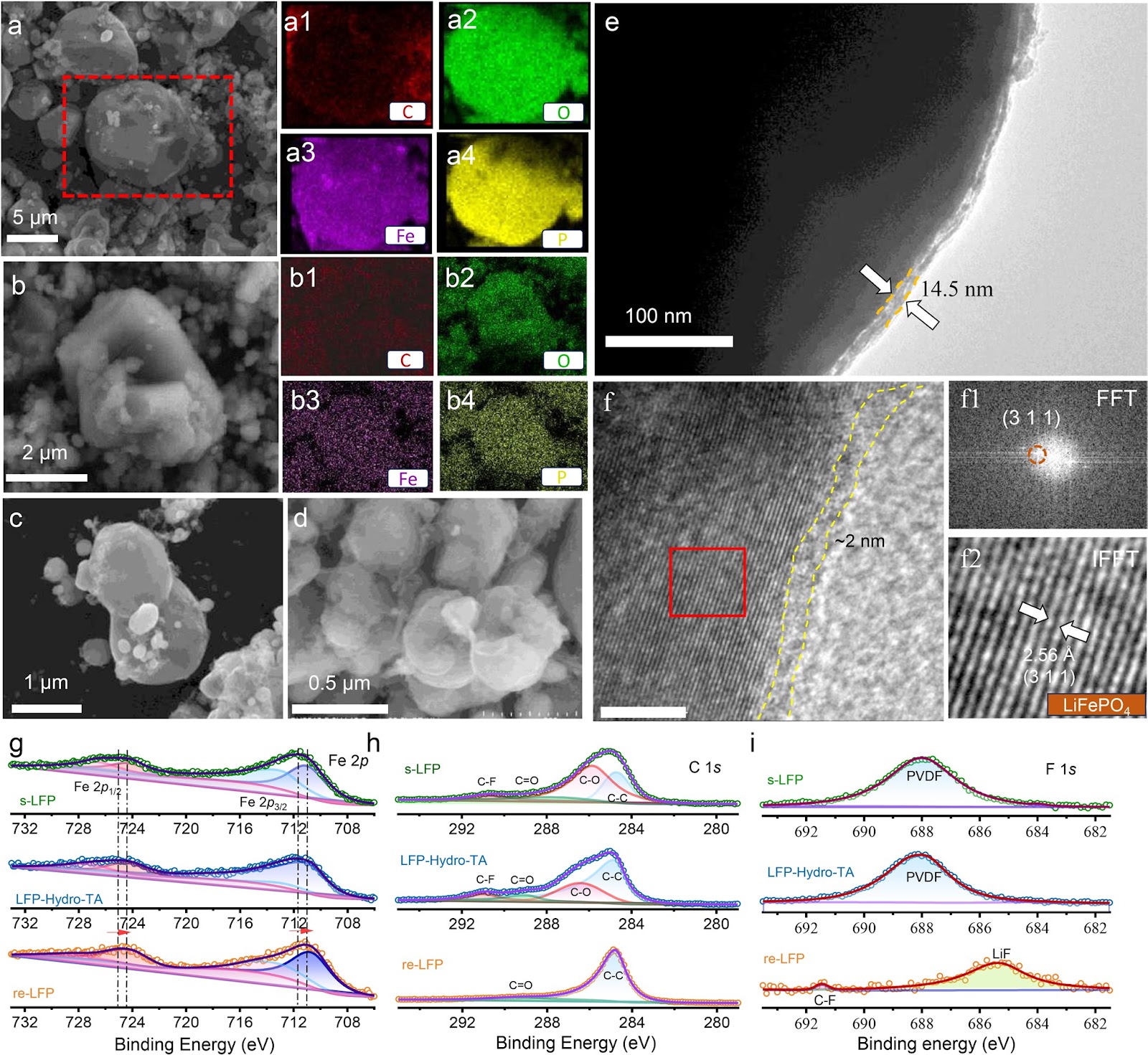
The rapid accumulation of spent LiFePO4 (LFP) cathodes from retired lithium-ion batteries necessitates the development of effective and environmental-friendly recycling strategies. In this context, direct regeneration has emerged as a promising approach for reclaiming LFP cathode materials, offering a streamlined pathway to restore their electrochemical functionality. We report an integrated regeneration protocol that simultaneously repairs the degraded crystal structure and reconstructs the damaged carbon coating in spent LFP. The regenerated cathode material had superfast lithium-ion diffusion kinetics and a stable cathode–electrolyte interface, giving a remarkable rate capability with specific capacities of 122 mAh g−1 at 5C and 106 mAh g−1 at 10C (1C = 170 mA g−1). It also maintained capacities of 110.7 mAh g−1 (5C) and 84.1 mAh g−1 (10C) after 400 cycles. It could be used in harsh environments and could be stably cycled at subzero temperatures (−10 and −20 °C) and in solid-state electrolyte batteries. Life cycle assessment combined with economic evaluation using the EverBatt model reveals that this direct regeneration approach has high economic and environmental benefits.
Oxide Semiconductor for Advanced Memory Architectures: Atomic Layer Deposition, Key Requirement and Challenges
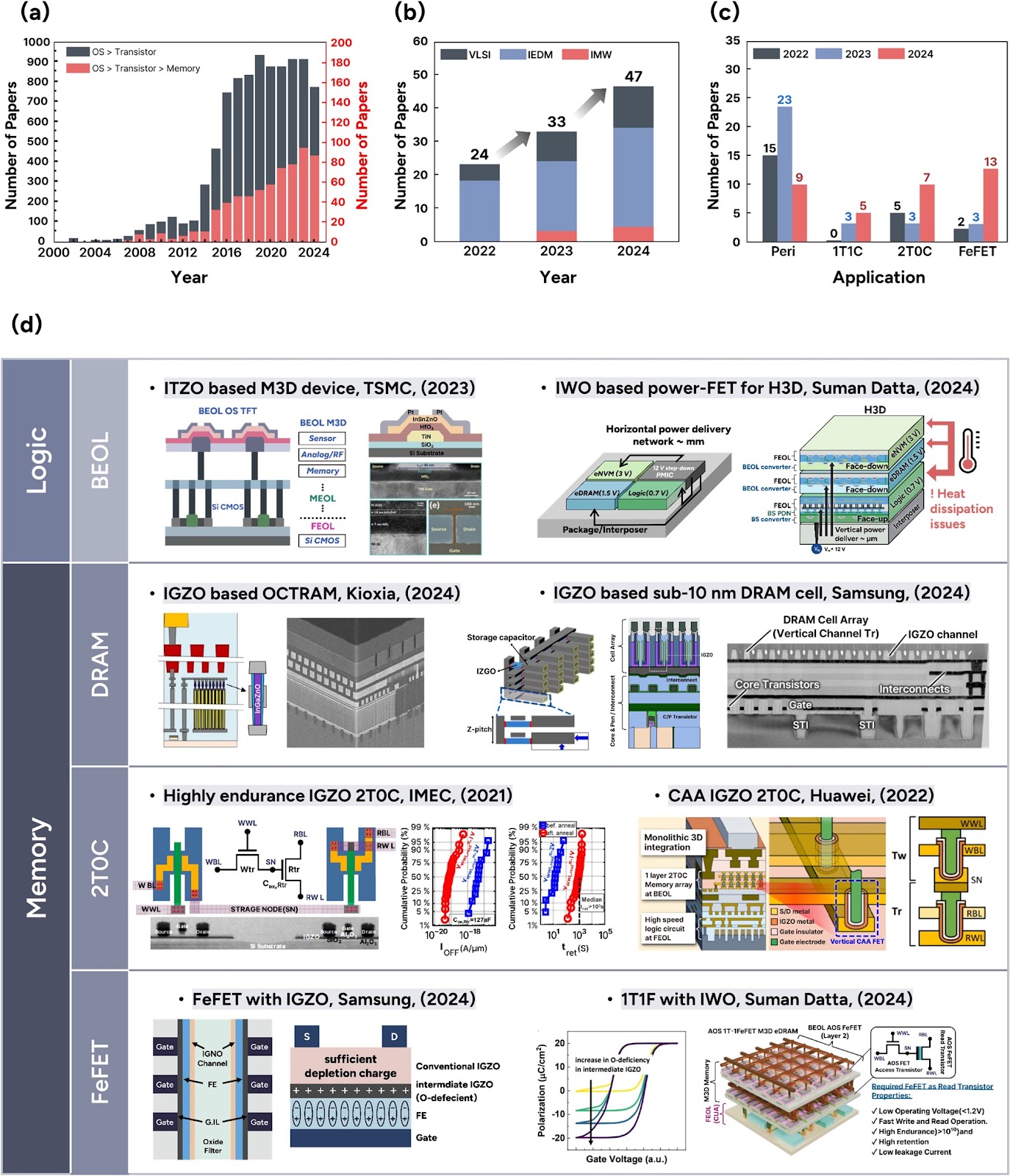
Oxide semiconductors (OSs), introduced by the Hosono group in the early 2000s, have evolved from display backplane materials to promising candidates for advanced memory and logic devices. The exceptionally low leakage current of OSs and compatibility with three-dimensional (3D) architectures have recently sparked renewed interest in their use in semiconductor applications. This review begins by exploring the unique material properties of OSs, which fundamentally originate from their distinct electronic band structure. Subsequently, we focus on atomic layer deposition (ALD), a core technique for growing excellent OS films, covering both basic and advanced processes compatible with 3D scaling. The basic surface reaction mechanisms—adsorption and reaction—and their roles in film growth are introduced. Furthermore, material design strategies, such as cation selection, crystallinity control, anion doping, and heterostructure engineering, are discussed. We also highlight challenges in memory applications, including contact resistance, hydrogen instability, and lack of p-type materials, and discuss the feasibility of ALD-grown OSs as potential solutions. Lastly, we provide an outlook on the role of ALD-grown OSs in memory technologies. This review bridges material fundamentals and device-level requirements, offering a comprehensive perspective on the potential of ALD-driven OSs for next-generation semiconductor memory devices.
Laser powder bed fusion of biodegradable Zn-4Cu alloy: Processing, microstructure and properties
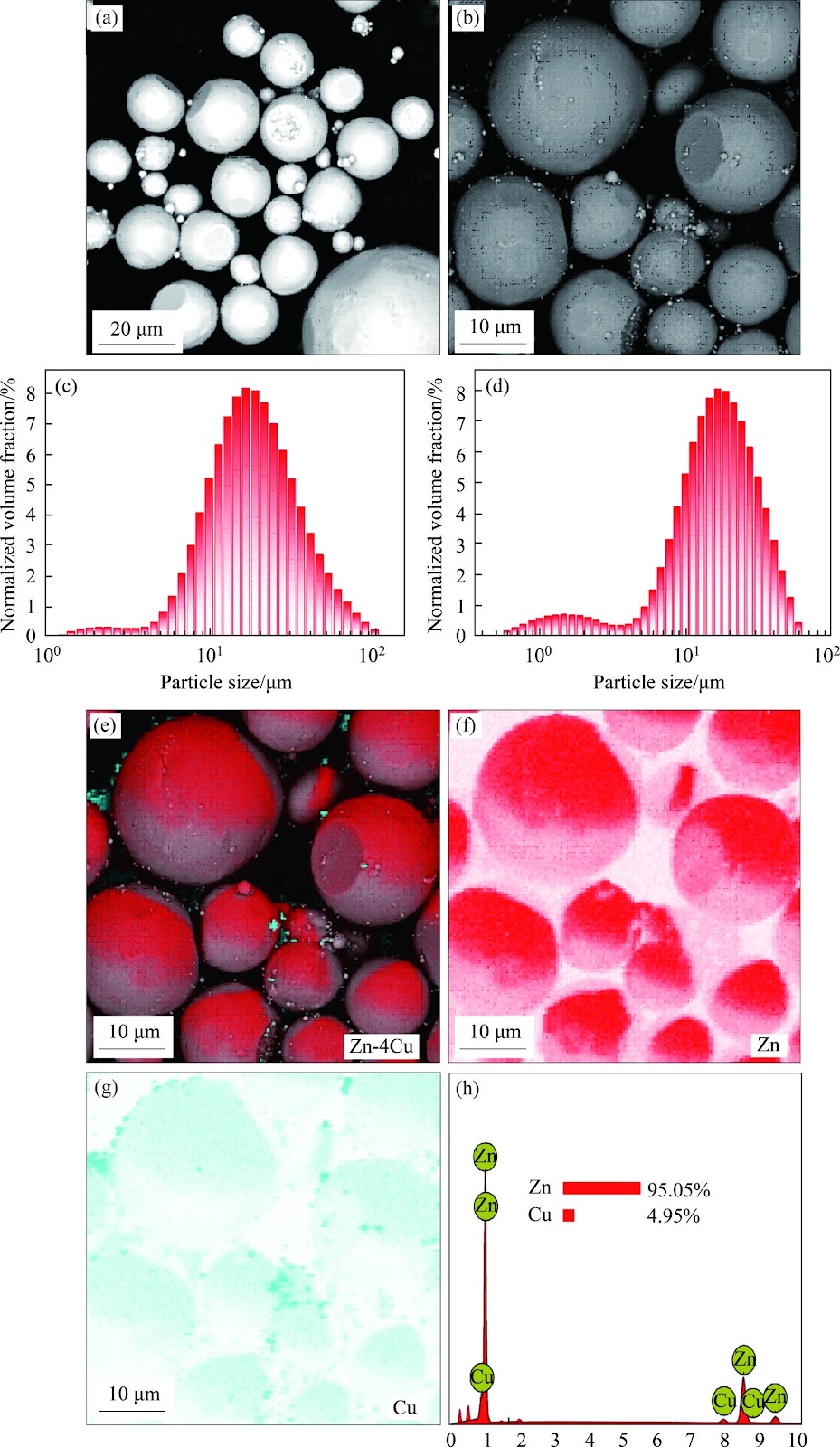
Zn's natural degradability and biocompatibility make it a promising candidate for implants, however, its mechanical properties remain insufficient for bone applications. In this study, the performance of Zn was enhanced by developing Zn-Cu alloys via laser powder bed fusion (LPBF). Optimal LPBF parameters for forming stable tracks were achieved by adjusting laser power and scanning speed. Under optimized conditions of 100 W and 100 mm/s, high-density (99.58%) Zn-Cu alloys with improved hardness (68.2HV) and yield strength (160 MPa) were achieved. These improvements are attributed to solid solution strengthening, segregation strengthening, and grain refinement. The Zn-Cu alloys also demonstrated favorable degradation behavior, with a rate of 0.16 mm/year. This degradation is primarily driven by micro-galvanic corrosion between the CuZn5 phase and Zn matrix, along with refined grains and increased grain boundary density. This work demonstrates a viable strategy for fabricating Zn-based implants with enhanced structural integrity and mechanical performance via LPBF.