SinoTechIntel Academic Portal
🏛️ Indexed Academic JournalImpact Factor: 3.8 (Q1 - Elsevier)Original: 中国化学工程学报 (英文版)

Chinese Journal of Chemical Engineering

Access authentic peer-reviewed engineering methodologies, experimental datasets, and scientific literature published in this journal on SinoTechIntel.

Total Research Papers: 98
Access: 100% Free Open Access
Browse by Publication Year & Volume

Published Research Papers

Showing 98 of 98 peer-reviewed papers with full Graphical Abstracts.

Original ResearchVol. 89, Issue 1 • pp. 13-24DOI: 10.1016/j_cjche_1525Jan 15, 2026

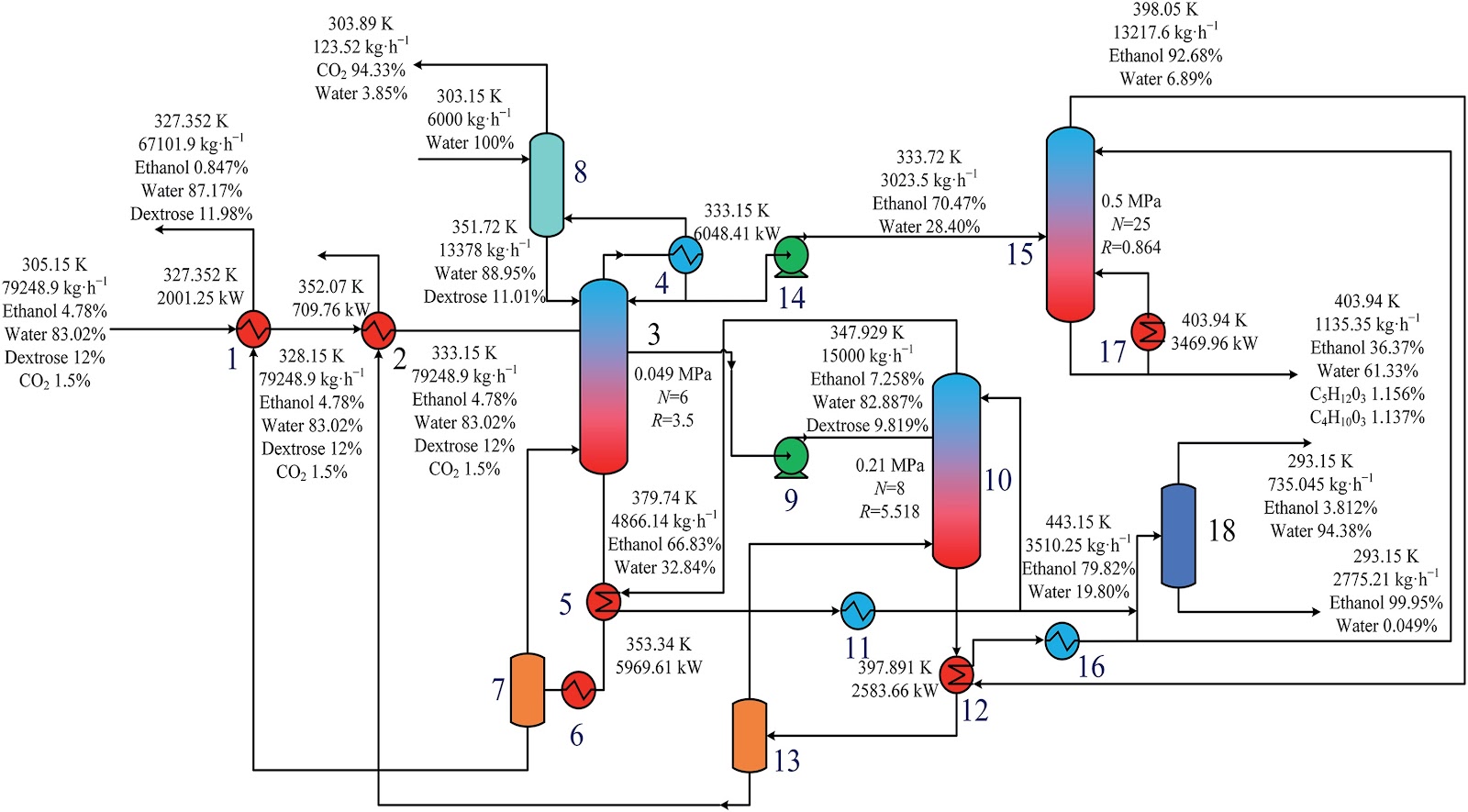
Design and optimization of a high-efficiency distillation process for cellulosic fuel ethanol integrated with thermal coupling and molecular sieve adsorption

Authors: Xuefeng Feng, Shuaishuai Lu, Xuan Du, Shaolan Zhuang, Zhongqi Ren, Zhongwei Ding, Qunsheng Li, Weiying Feng, Hongkang Zhao

To address the challenges of high energy consumption and prominent costs in the traditional three-columns distillation process for cellulosic fuel ethanol, a distillation—molecular sieve coupling separation process is proposed. This process integrates a three-column (crude distillation column, first distillation column, second distillation column) system with a 3A molecular sieve adsorption deep dehydration unit. A thermal coupling network is constructed via differential pressure design (steam from medium/high-pressure columns as mutual heat sources, reboiler liquid waste heat for feed preheating), and molecular sieve adsorption conditions are optimized. The study first performs a thermodynamic consistency test on the ethanol—water system, determines optimal non-random two-liquid (NRTL) model binary interaction parameters via experimental data regression for Aspen Plus simulation. Aiming at minimum total annual cost (TAC), Aspen Plus is used to optimize process parameters (theoretical tray number, feed location, reflux ratio, side-draw position, etc.). Economic analysis shows this process reduces CO2 emission costs by 27.56%, TAC by 15.58% (to 5.123 × 10⁶ USD·a-1), and increases ethanol purity to >99.6%, providing an effective solution for green, efficient separation.
Design and optimization of a high-efficiency distillation process for cellulosic fuel ethanol integrated with thermal coupling and molecular sieve adsorption
Graphical Abstract
Original ResearchVol. 32, Issue 10 • pp. 591-603DOI: 10.1016/j_cjche_144878868Oct 19, 2025

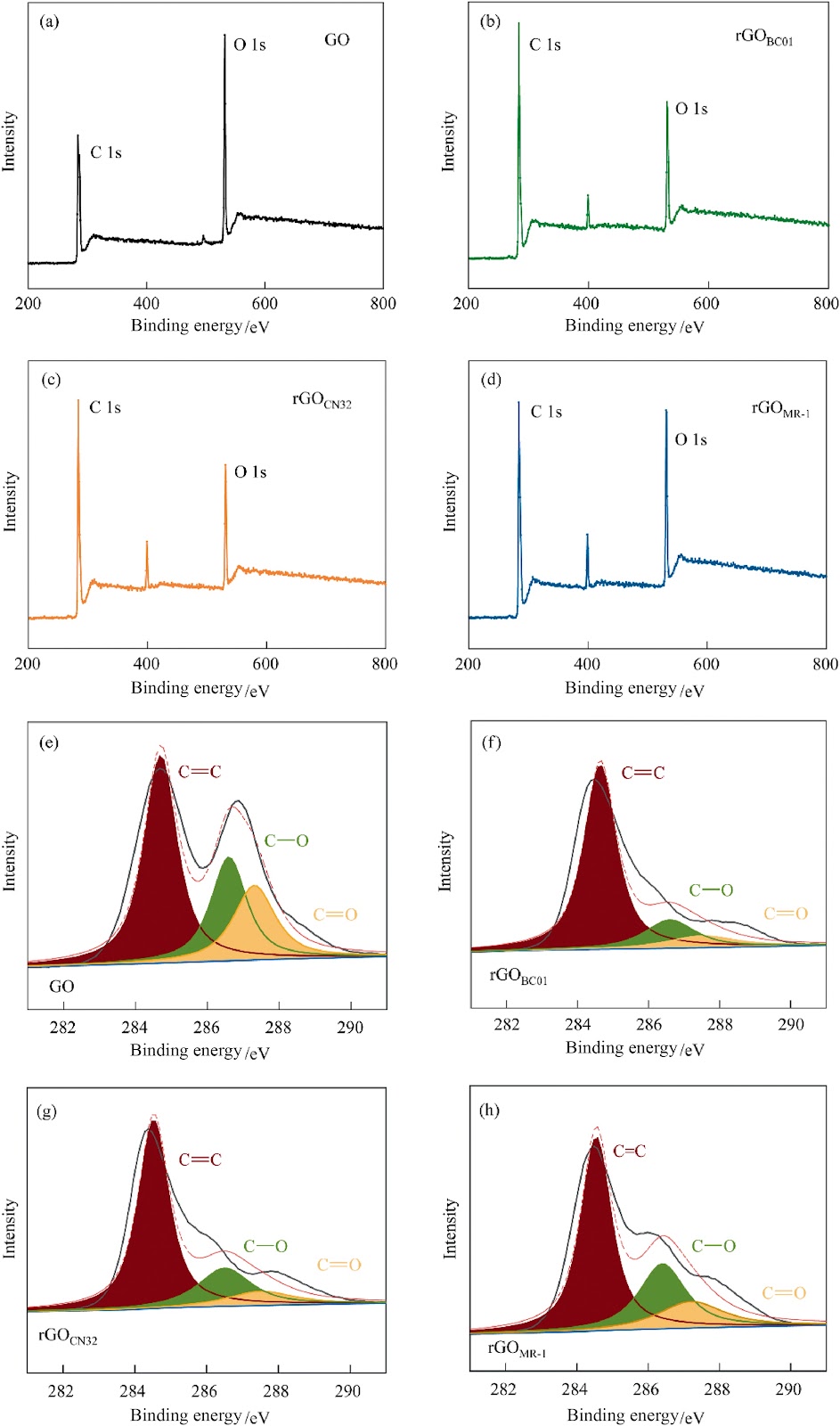
Aggregation-regulated bioreduction process of graphene oxide by Shewanella bacteria

Authors: Kaixin Han, Yibo Zeng, Yinghua Lu, Ping Zeng, Liang Shen

The bioreduction of graphene oxide (GO) using environmentally functional bacteria such as Shewanella represents a green approach to produce reduced graphene oxide (rGO). This process differs from the chemical reduction that involves instantaneous molecular reactions. In bioreduction, the contact of bacterial cells and GO is considered the rate-limiting step. To reveal how the bacteriaeGO integration regulates rGO production, the comparative experiments of GO and three Shewanella strains were carried out. Fourier-transform infrared spectroscopy, X-ray photoelectron spectroscopy, Raman spectroscopy, and atomic force microscopy were used to characterize the reduction degree and the aggregation degree. The results showed that a spontaneous aggregation of GO and Shewanella into the condensed entity occurred within 36 h. A positive linear correlation was established, linking three indexes of the aggregation potential, the bacterial reduction ability, and the reduction degree (ID/IG) comprehensively. © 2024 The Chemical Industry and Engineering Society of China, and Chemical Industry Press Co., Ltd. All rights reserved.

Aggregation-regulated bioreduction process of graphene oxide by Shewanella bacteria
Graphical Abstract
Original ResearchVol. 88, Issue 1 • pp. 1-12DOI: 10.1016/j_cjche_1496Oct 9, 2025

Humification of organic matter and passivation of heavy metals during the hydrothermal carbonization of swine manure

Authors: Jiangbo Xiong, Chunfei Zhou, Qingwen Zhang, Huiwen Gu, Yujuan Huang, Pin Zhang, Min Jiang, Faying Lai, Xiaoping Liu, Huajun Huang

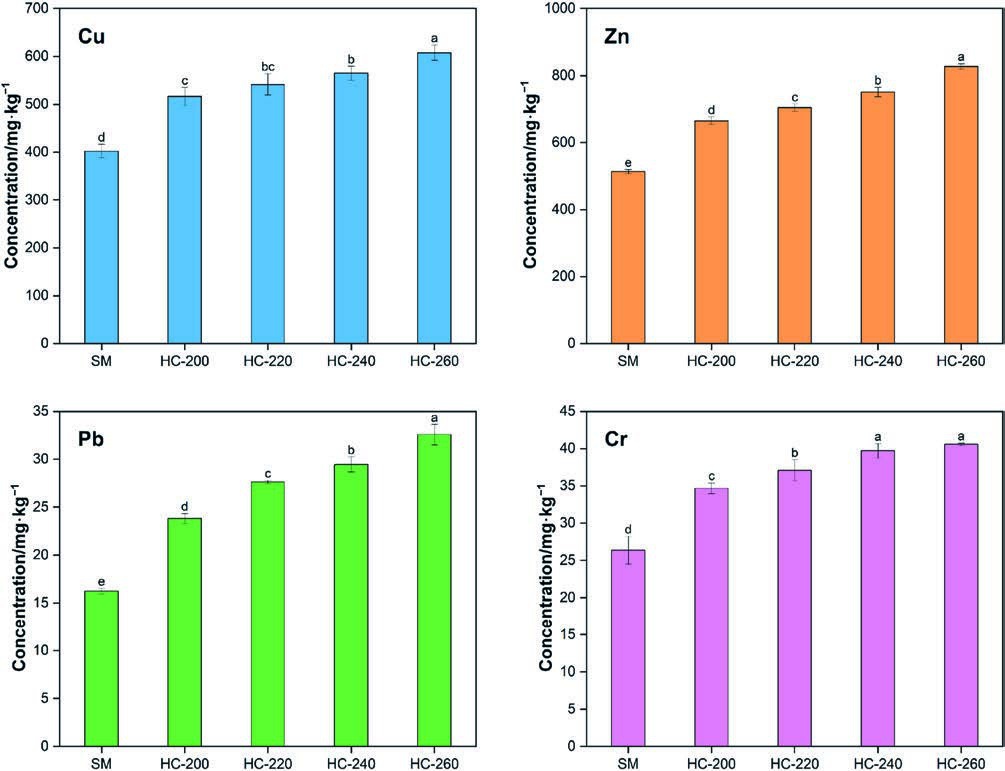
Hydrothermal carbonization (HTC) is a promising technology for the coversion of swine manure (SM) for hydrochars (HCs). Currently, information on the humifica cation of organic matter is limited during the HTC of SM, and its potential correlation with the passivation of heavy metals (HMs) remains unclear, which is crucial referece for the land application of SM-derived HCs. This study systematically inves-tigated the humifica cation of organic matter and the passivation of HMs during the HTC of SM and then explored their intrinsic connection. The HTC treatment can enhance the humifica cation of organic matter, and the HCs obtained at 240 ◦C had the best humifica cation effect, with the highest content of humus (83.84 mg·g−1 versus 41.97 mg·g−1 in SM) and humifica cation rate (28.89% versus 15.73% in SM). Dissolved organic carbons (DOC) and readily oxidized organic carbons (ROC) were more easily degraded in the HTC of SM, and part was further converted into inactive organic carbon. HMs (Cu, Zn, Pb, and Cr) were enriched in HCs, but all HMs were largely passivated. The ecological risk of multi-HMs was reduced from moderate risk in SM to low risk in HCs. The percentages of HMs in exchangeable/acid-soluble forms were positively correlated with the contents of DOC and negatively correlated with the ratio of humic acids to fulvic acids (P < 0.05). It was inferred that the humifica cation of organic matter promoted the passivation of HMs in the HTC of SM. This study provided deeper insights into the humifica cation of organic matter and it's intrinsic correlation with HMs-passivation during the HTC of SM.

Humification of organic matter and passivation of heavy metals during the hydrothermal carbonization of swine manure
Graphical Abstract
Original ResearchVol. 88, Issue 1 • pp. 13-20DOI: 10.1016/j_cjche_1496Aug 7, 2025

Effect of geometry ratios on droplet breakup in a T-junction microchannel: A theoretical predictive model

Authors: Thanh Tung Nguyen, Van Thanh Hoang

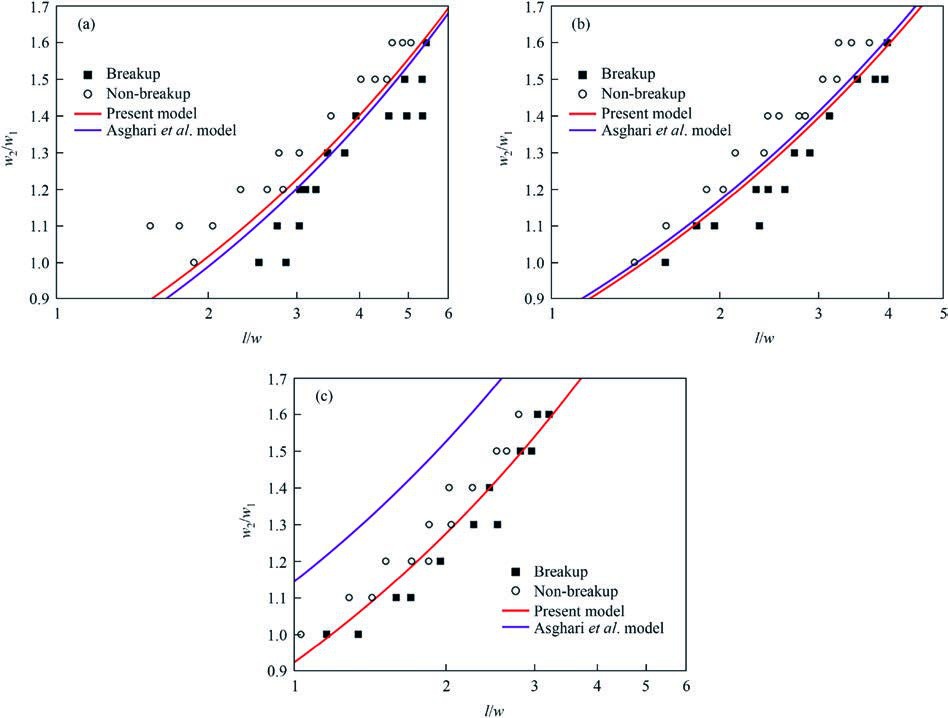
Understanding and predicting droplet breakup is essential in droplet-based microfluidic systems, as it enables precise control over droplet manipulation for various applications. In this study, droplet breakup behavior in a T-junction microchannel is investigated under the influence of microchannel geometry using three-dimensional numerical simulations. A theoretical model is developed based on the balance between surface tension and viscous drag forces acting on the droplet, incorporating the effects of geometric parameters on droplet length. This model predicts the critical Capillary number required for breakup to occur. The theoretical predictions are validated using both previous research data and the present numerical simulations. The results show that the model accurately predicts the transition between breakup and non-breakup regimes. Specifically, an increase in sidearm length ratio inhibits droplet breakup and leads to an asymmetric breakup regime. Furthermore, increasing the outlet-to-inlet width ratio also reduces the likelihood of droplet breakup. These findings provide a predictive framework for understanding and controlling droplet dynamics in microfluidic T-junctions, with potential applications in lab-on-a-chip technologies.

Effect of geometry ratios on droplet breakup in a T-junction microchannel: A theoretical predictive model
Graphical Abstract
Original ResearchVol. 32, Issue 8 • pp. 545-557DOI: 10.1016/j_cjche_144878852Aug 5, 2025

Fabrication of graphene oxide decorated with poly(dimethyl amino ethyl methacrylate) brush for efficient Cr(VI) adsorption from aqueous solution

Authors: Alireza Nouri, Siew Fen Chua, Ebrahim Mahmoudi, Abdul Wahab Mohammad, Wei Lun Ang

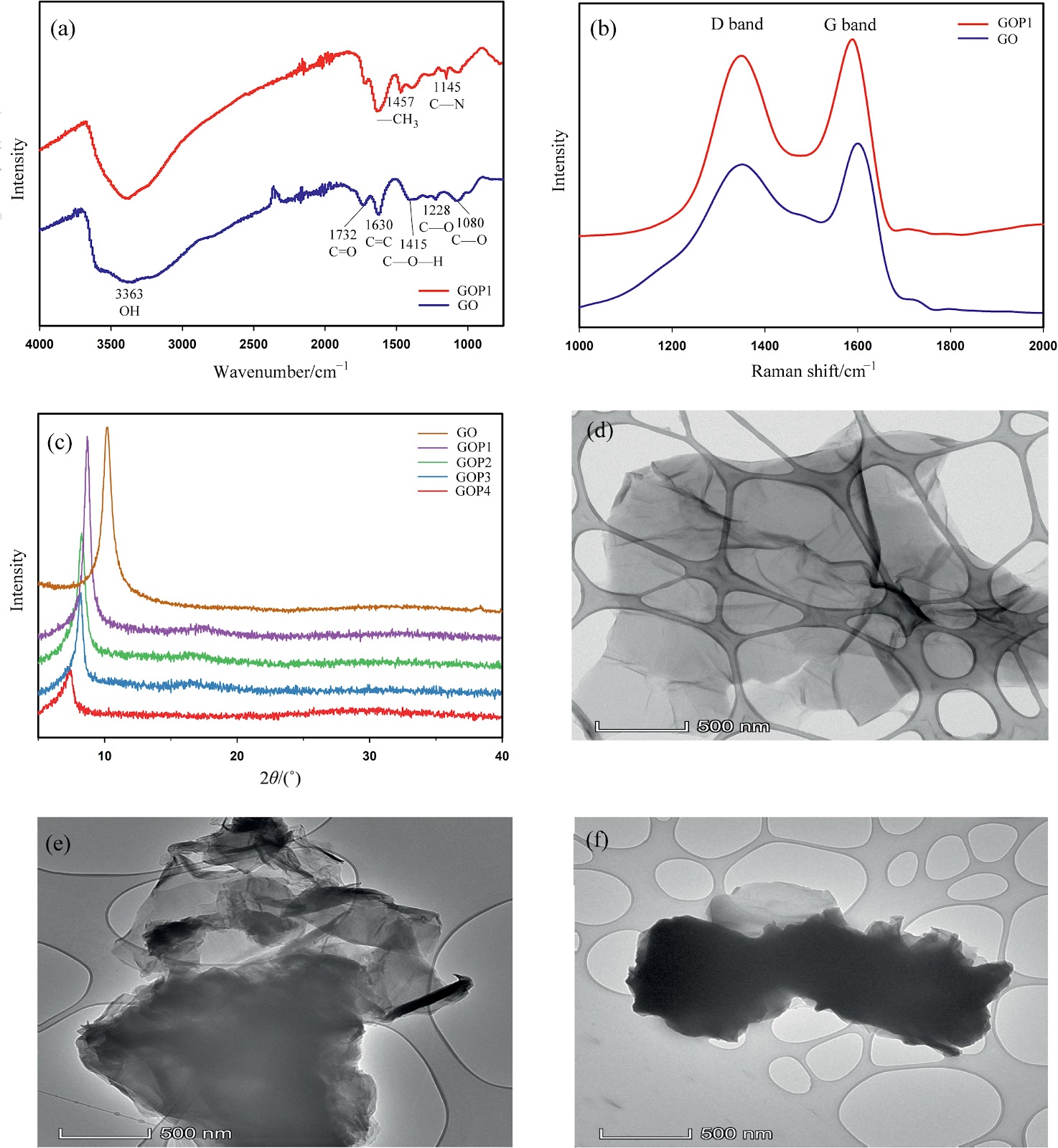
Confronting the severe health threats and environmental impacts of Cr(VI) in aquatic environments demands innovative and effective remediation approaches. In this study, Graphene oxide (GO)-decorated poly(dimethyl amino ethyl methacrylate) (PDMAEMA) brush nanocomposites (GOP1, GOP2, GOP3, and GOP4) were fabricated using atom transfer radical polymerization (ATRP) by the “graft from” method. The resulting nanocomposites were utilized for removing Cr(VI) with good adsorption performance due to the electrostatic interaction of protonated nitrogen groups in the brush chains with negatively charged particles in the solution. The kinetic model of pseudo-second-order best represented the contaminants' adsorption characteristics. The Weber–Morris model further indicated that surface adsorption and intraparticle diffusion mechanisms primarily controlled the adsorption procedure. Additionally, the Langmuir and Temkin isotherm models were found to most accurately represent the adsorption characteristics of the pollutants on the nanocomposites, and GOP4 can achieve the maximum adsorption capacity of 164.4 mg·g−1. The adsorbents' capacity maintains above 85% after five cycles of adsorption-desorption. The nanocomposites in this study demonstrate promising potential for eliminating Cr(VI) from aqueous solutions.

Fabrication of graphene oxide decorated with poly(dimethyl amino ethyl methacrylate) brush for efficient Cr(VI) adsorption from aqueous solution
Graphical Abstract
Original ResearchVol. 87, Issue 1 • pp. 10-18DOI: 10.1016/j_cjche_1496Jul 8, 2025

Self-catalyzed cycloaddition of CO2 and epoxides over covalent organic frameworks without adding solvent and co-catalyst

Authors: Jingwen Yang, Zhengyan Qu, Jiuxuan Zhang, Hong Jiang, Zhenchen Tang, Weihong Xing, Rizhi Chen

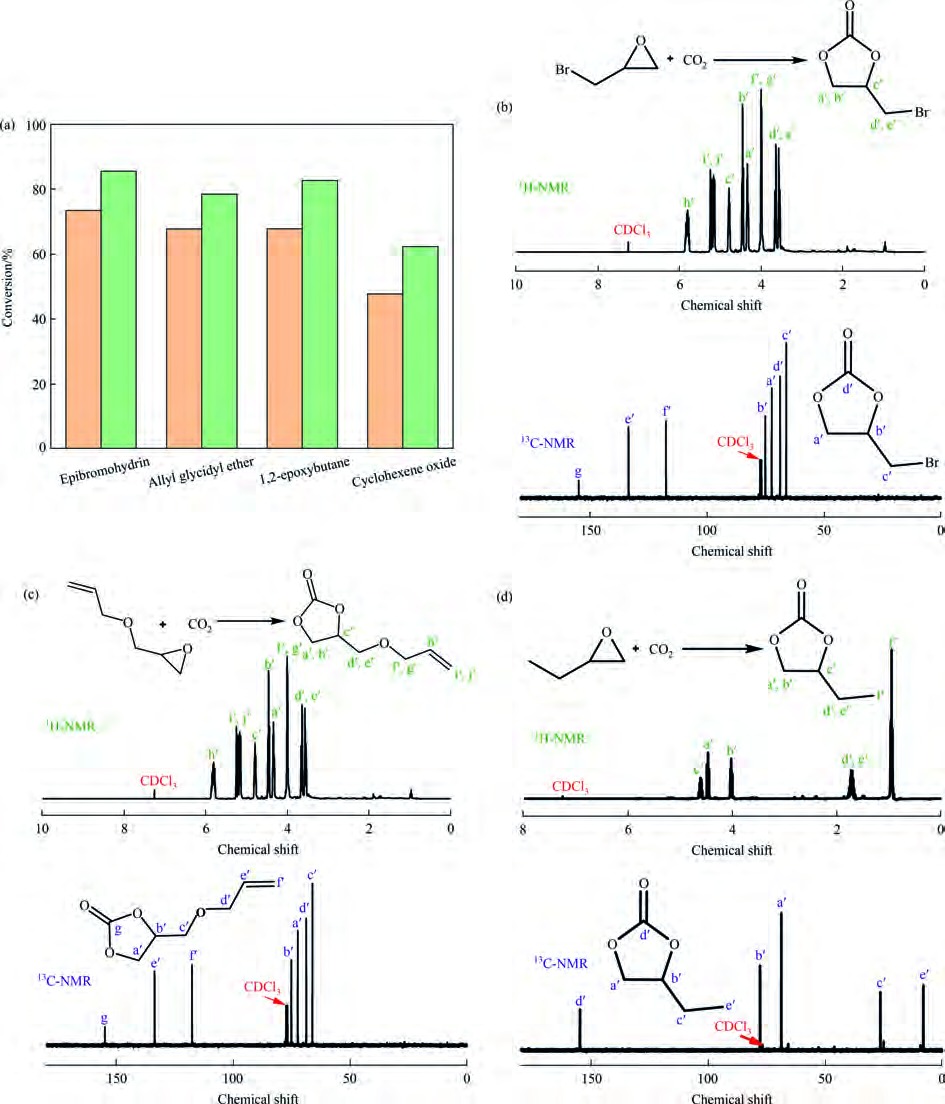
The cycloaddition of CO2 and epoxides to synthesize cyclic carbonates is a key strategy for CO2 utilization, though heterogeneous catalysts often suffer from instability. Covalent organic frameworks (COFs) present a compelling alternative due to their excellent textural properties and abundant Lewis basic sites. Herein, triazine-based COFs (PC-COFs) were synthesized by optimizing reaction time and temperature and were applied to catalyze the CO2 cycloaddition with epichlorohydrin (ECH) under solvent-free conditions, Instead of necessity of adding homogeneous co-catalyst, this study reveals a synergistic self-catalysis mechanism, where the carbonate product adsorbed on the Lewis basic PC-COF surface forms catalytic pairs with Lewis acidic carbonates, significantly accelerating the reaction. After five cycles, catalytic activity increased by 35% from 56.2% to 91.4%, and stabilizing over seven cycles. Under optimal reaction conditions, PC-COF-50-30 demonstrated outstanding catalytic performance, with a 98.7% ECH conversion, 97.6% selectivity to ECH carbonate and a CO2 conversion rate of 9.0 g‧g−1·h−1. This work provides a valuable example of high-performance CO2 cycloaddition catalysts and a strategy to achieve enhanced catalytic efficiency through product-catalyst synergy.

Self-catalyzed cycloaddition of CO2 and epoxides over covalent organic frameworks without adding solvent and co-catalyst
Graphical Abstract
Original ResearchVol. 87, Issue 1 • pp. 1-9DOI: 10.1016/j_cjche_1496Jun 19, 2025

Investigation of a violent explosion for nitric acid—n-hexane system using calorimetric method

Authors: Shiyi Li, Yiming Ding, Jinjun Wang, Xiaobao Lv, Min Sheng, Zihong Xia

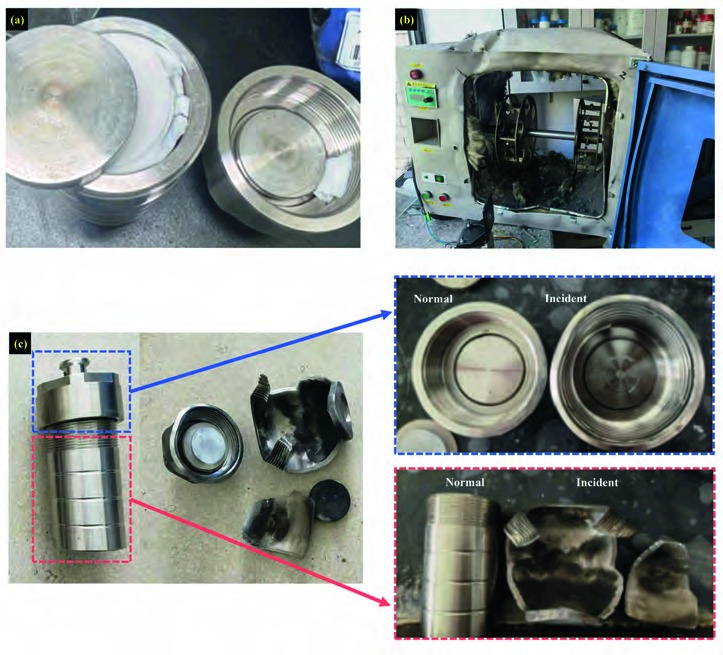
With the acceleration of the energy transition, new synthetic routes for converting alkanes into high-value products are emerging. However, the thermal safety of these new routes may not have been fully considered, potentially leading to dangers during the optimization of reaction conditions. This study reports, for the first time, a reactor explosion incident during the experiment of a new synthetic route for adipic acid: nitric acid oxidation of n-hexane. Differential scanning calorimetry (DSC), accelerating rate calorimetry (ARC), and corrective calculations were used to investigate the cause of the explosion. The results indicate that the polyparaphenol (PPL) liner material, which was used for the first time in the experiment, is unlikely to react with the system and cause the explosion. When the nitric acid concentration is increased from 3.7 mol·L−1 to 5.4 mol·L−1, the thermal stability of the system decreases, and the heat release surpasses the chemical explosion threshold (1000 J·g−1). The maximum self-heat rate (dT/dtmax) increases by at least 7 times, and the maximum pressure rise rate (dp/dtmax) increases by at least 11 times. This led to the actual pressure in the reactor increasing from 4.96 MPa to at least 11.09 MPa, which far exceeded the rated pressure (3 MPa) and reached the rupture pressure (3.5 to 4 times their rated pressure), resulting in the explosion. This study aims to provide a warning regarding the safety of new synthetic routes involving the nitric acid−organic systems, particularly the conversion of alkanes, to prevent the recurrence of similar incidents.

Investigation of a violent explosion for nitric acid—n-hexane system using calorimetric method
Graphical Abstract
Original ResearchVol. 32, Issue 6 • pp. 499-511DOI: 10.1016/j_cjche_144878716Jun 18, 2025

Effects of ionic liquids on the vapor–liquid equilibrium of 1,3,5-trioxane–water system at 101.3 kPa

Authors: Fei Li, Tao Zhang, Li Lv, Wenxiang Tang, Yan Wang, Shengwei Tang

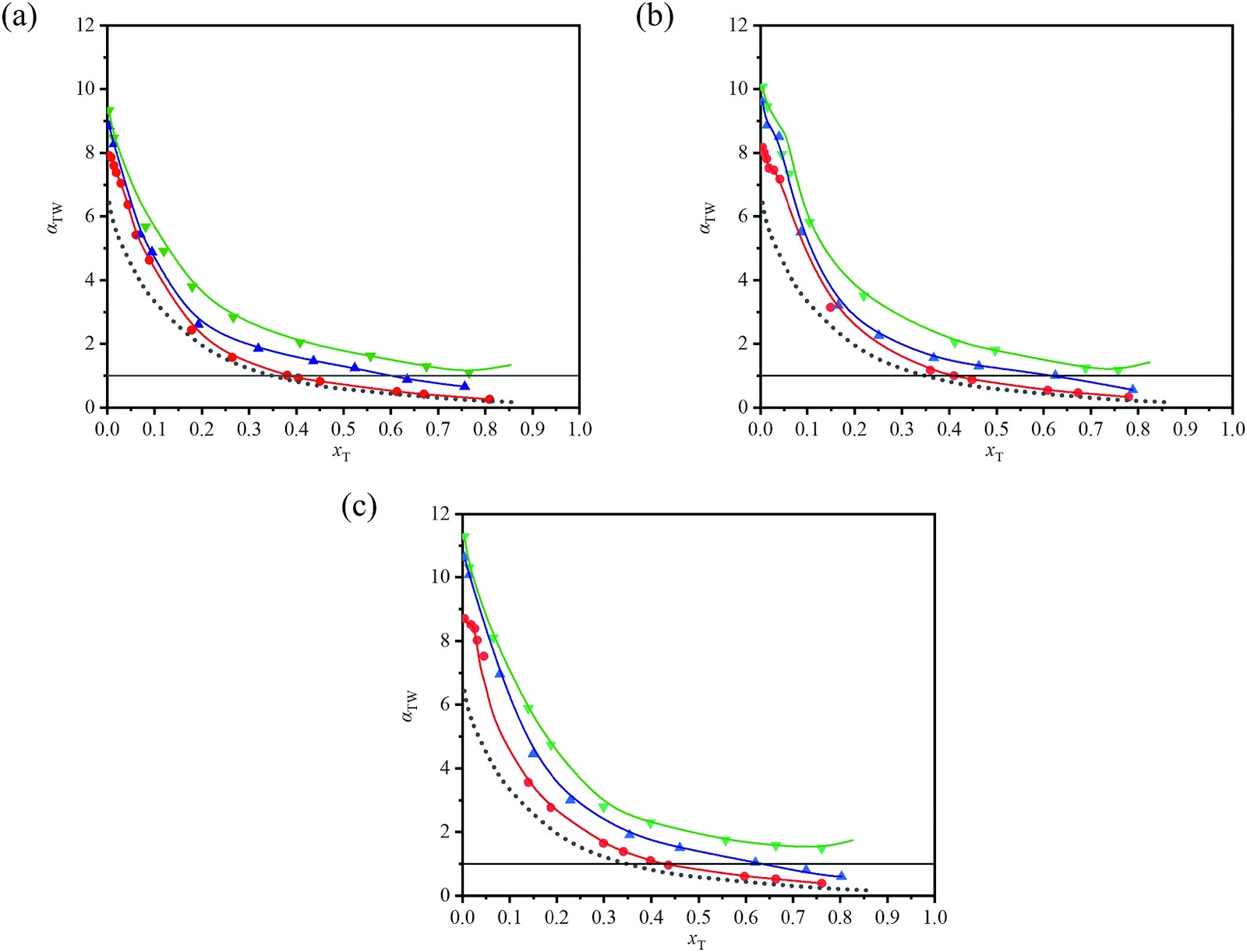
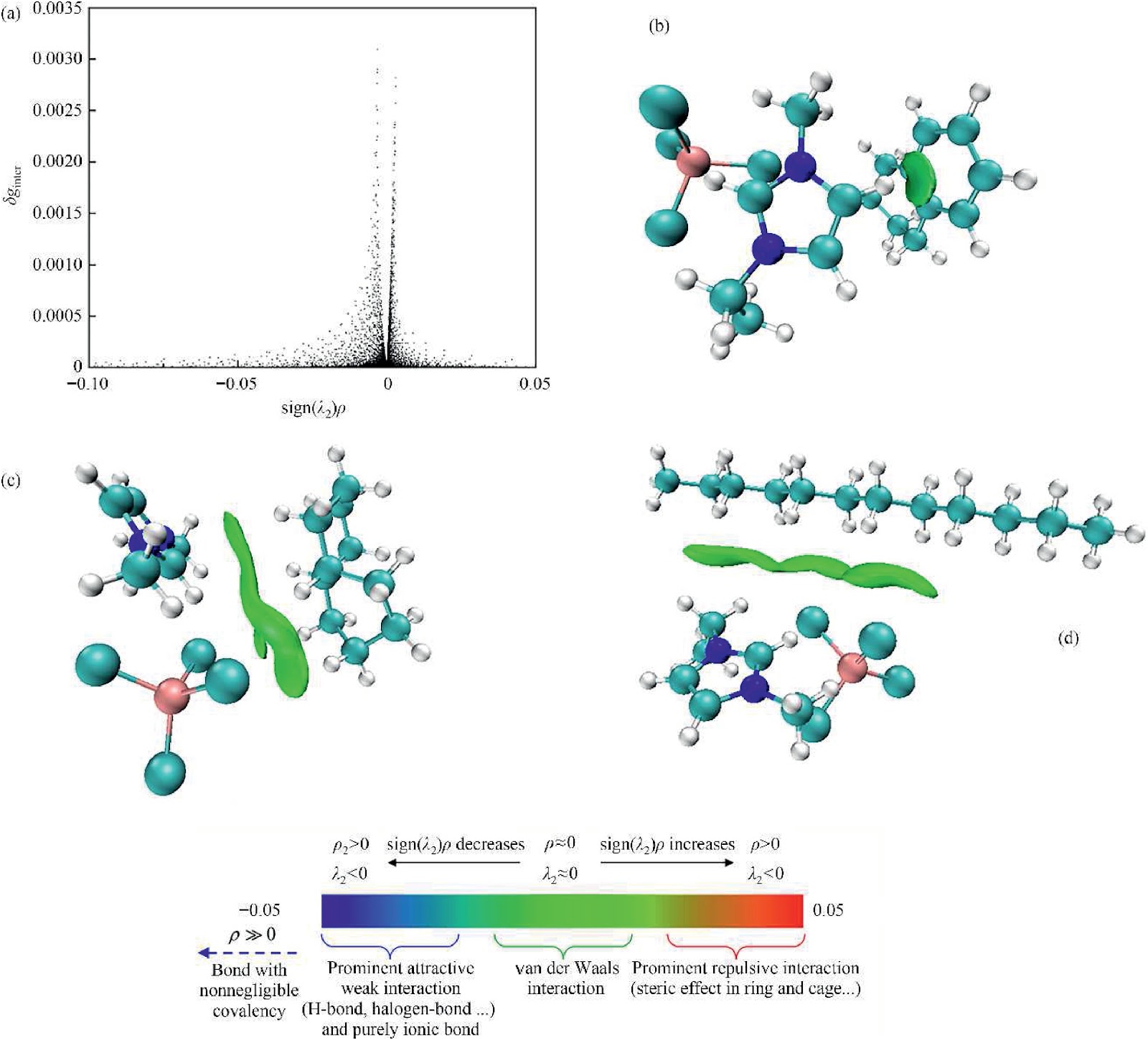
Increasing the 1,3,5-trioxane (TOX) concentration in the equilibrated vapor phase of TOX–H2O system has been recognized as a challenge for the azeotrope. Ionic liquids (ILs) were used to improve the relative volatility of TOX to H2O and destroy the azeotrope in the TOX–H2O system. The vapor–liquid equilibrium of TOX–H2O system at 101.3 kPa was studied with the addition of 1-butyl-3-methylimidazolium hydrogen sulfate, 1-hexyl-3-methylimidazolium hydrogen sulfate and 1-butyl-3-methylimidazolium nitrate, respectively. The results showed that the volatility of TOX increased with the increase in IL dosage. And the volatility of water decreased with the increase in IL dosage. The relative volatility of TOX to H2O was improved with the increase in ILs dosage. The azeotrope could be destroyed with an IL mole fraction of about 0.10. A non-random two-liquid (NRTL) model was successfully used to correlate the experimental data. The interaction parameters were obtained by fitting the experimental data with the model. The results indicated that a strong interaction existed between ILs and water. The strong interaction improved the volatility of TOX and inhibited the volatility of water, and then intensified the relative volatility of TOX to H2O. The results showed that an ILs with strong polarity and hydrophilicity may be a potential additive to improve the TOX concentration in the equilibrated vapor phase.

Effects of ionic liquids on the vapor–liquid equilibrium of 1,3,5-trioxane–water system at 101.3 kPa
Graphical Abstract
Original ResearchVol. 31, Issue 12 • pp. 635-647DOI: 10.1016/j_cjche_144878035Dec 16, 2024

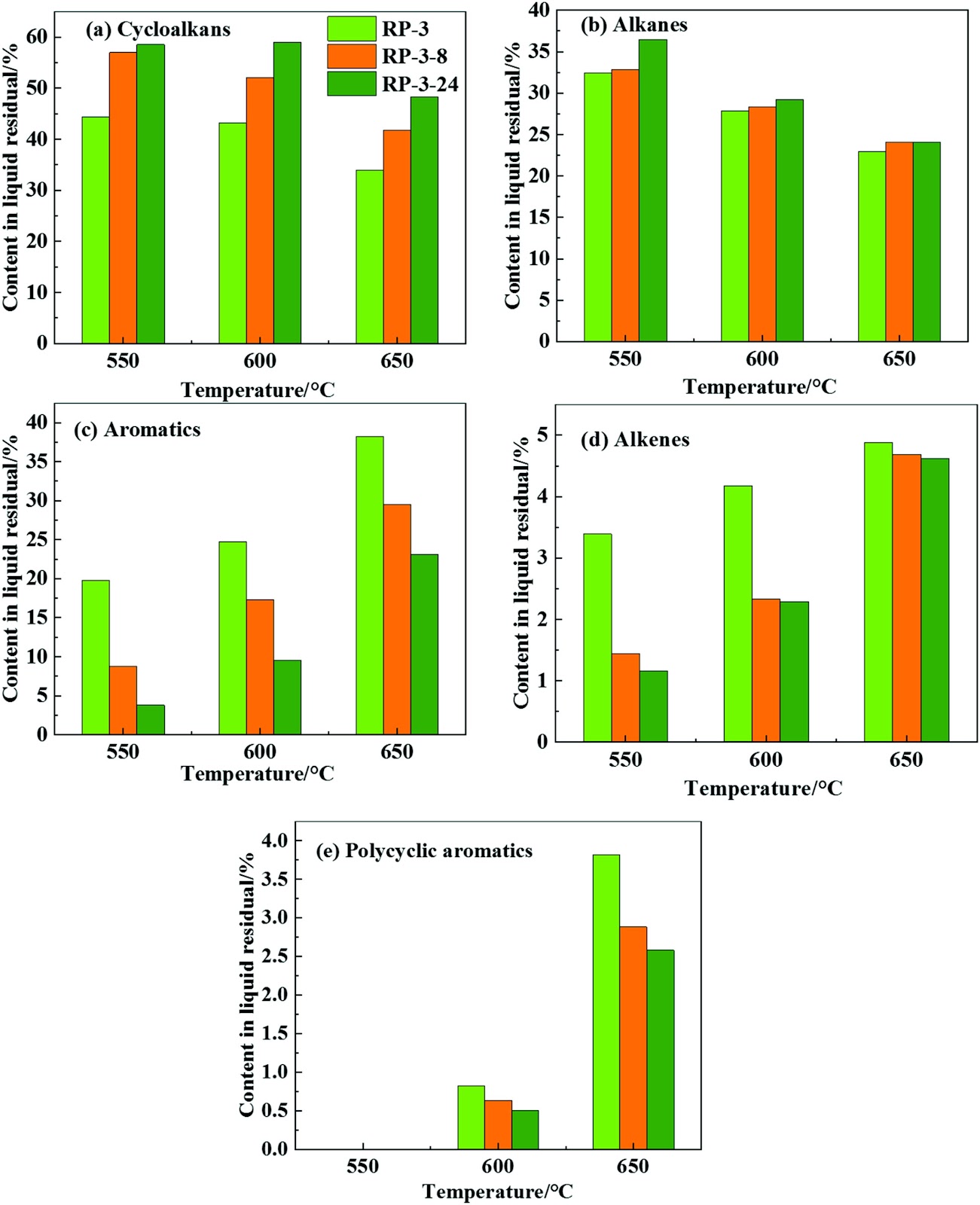
Study on coal pyrolysis characteristics by combining different pyrolysis reactors

Authors: Xiaoping Su, Zhao Wang, Ning Li, Longjian Li, Ping Zhang, Ming Sun, Xiaoxun Ma

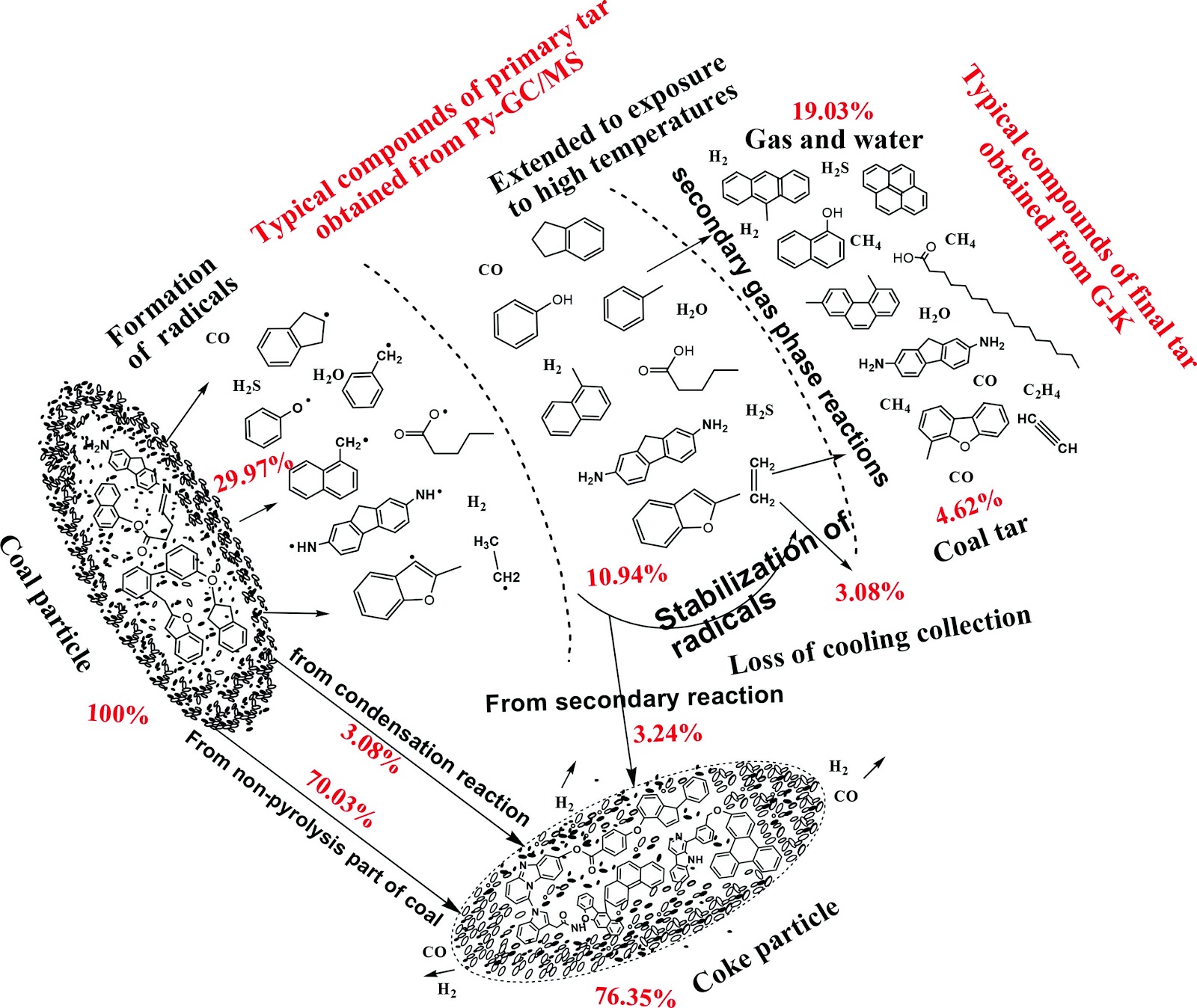
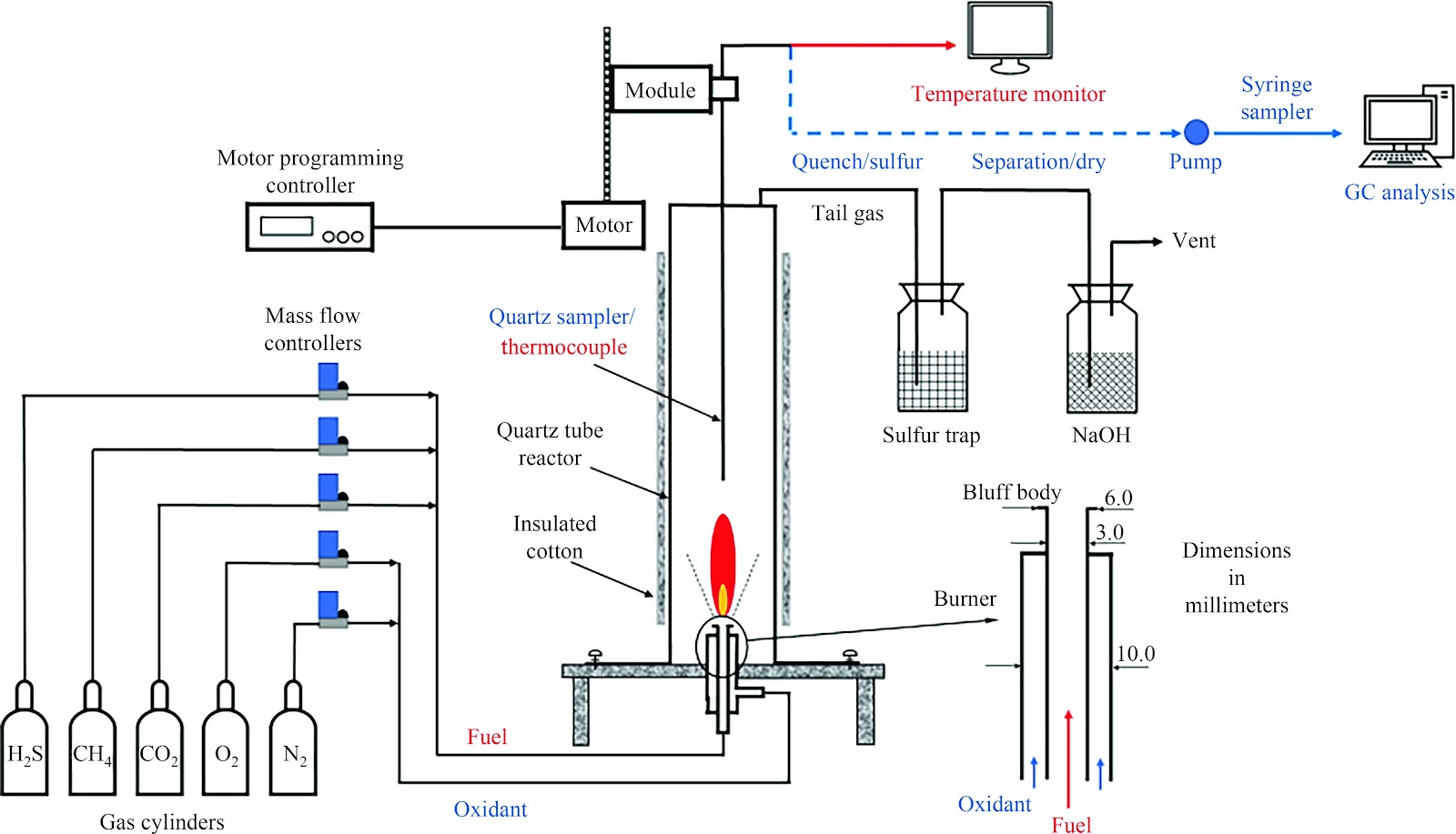
The pyrolysis process of Shendong coal (SD) was first studied by combining the characteristics of thermal gravimetric (TG), pyrolysis-gas chromatography/mass spectrometry (Py-GC/MS) and Gray-King assay (G-K). The results show that the order of coke yields is G-K (76.35% (mass))>TG (73.11% (mass))>Py (70.03% (mass)). G-K coke yield caused by condensation reaction and secondary reaction accounts for 3.08% (mass) and 3.24% (mass), respectively. Compared with slow pyrolysis, fast pyrolysis has stronger fracture ability to coal molecules and can obtain more O-compounds, mono-ring aromatics and aliphatics. Especially, the content of phenolics increases significantly from 15.49% to 35.17%, but the content of multi-ring aromatics decreases from 23.13% to 2.36%. By comparing the compositions of Py primary tar and G-K final tar, it is found that secondary reactions occurred during G-K pyrolysis process include the cleavage of alkane and esters, condensation of mono-ring aromatics with low carbon alkene, ring opening, isomerization of tri-ring aromatics, hydrogenation of aromatics and acids.

Study on coal pyrolysis characteristics by combining different pyrolysis reactors
Graphical Abstract
Original ResearchVol. 31, Issue 12 • pp. 839-851DOI: 10.1016/j_cjche_144878459Dec 2, 2024

Center-concave nanosheets of core-shell WO3@Prussian blue based handheld microchip-devices for ultrasensitive lysine determination

Authors: Huaiyu Song, Meiyue Wang, Tao Liu, Zhengkun Liu, Ying Xie, Zhenyu Chu, Wanqin Jin

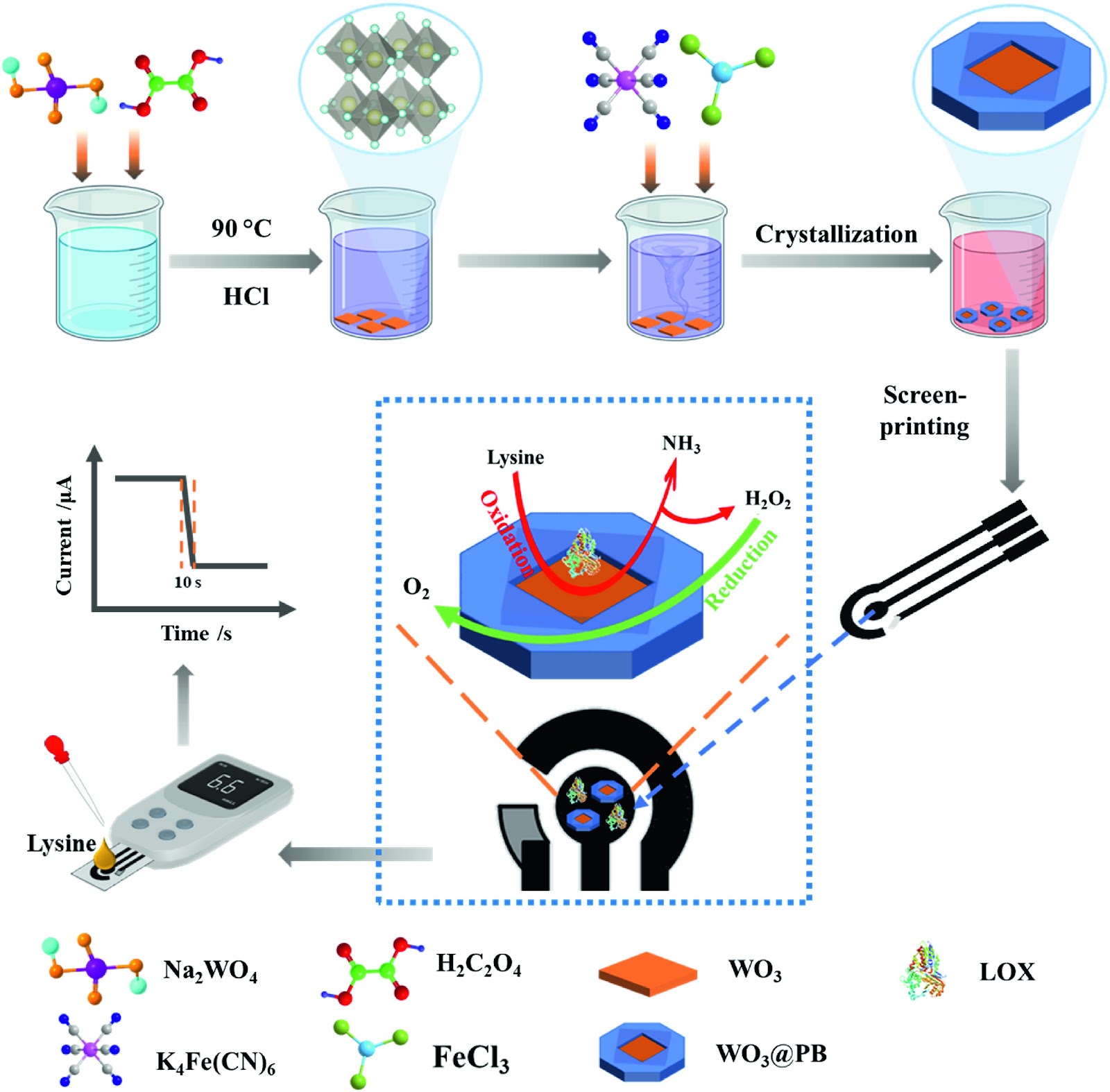
Lysine is one of the essential amino acids for human body, and its imbalance is a major cause to anemia, aging process, leukemia cell proliferation and tumor growth. Therefore, its monitoring is dominative to the prevention the disease progress and guidance to the clinical treatment. However, traditional in-hospital detection methods, such as colorimetry and fluorometric, often suffer the disadvantages of high cost and long time-consuming. These drawbacks show a difficulty in the home-in and dairy monitoring for the lysine regulation in body. In this study, we have proposed an ultrasensitive microchip-based portable device to achieve the onsite and precise determination of lysine within only 10 s. This microchip was functionalized through constructing a center-concave nanosheet of core-shell WO3@Prussian blue (WO3@PB) to remarkably strengthen the generation and transfer of the detection signal. In this special architecture, the core WO3 nanosheet can be exposed at the center region of this nanocomposite to effectively promote the enzymatic oxidation, while the PB shell enables to strongly reduce the H2O2 produced by the enzymatic reaction. Under above synergetic effects, a handheld device was designed to support the plug-and-play microchip, which performed an outstanding accuracy for the lysine detection in blood.

Center-concave nanosheets of core-shell WO3@Prussian blue based handheld microchip-devices for ultrasensitive lysine determination
Graphical Abstract
Original ResearchVol. 76, Issue 1 • pp. 157-186DOI: 10.1016/j_cjche_1448Oct 18, 2024

Recent study on hydrophilization of polyvinylidene fluoride membrane for oily wastewater treatment

Authors: Nita Aryanti, Aininu Nafisa, Tutuk Djoko Kusworo

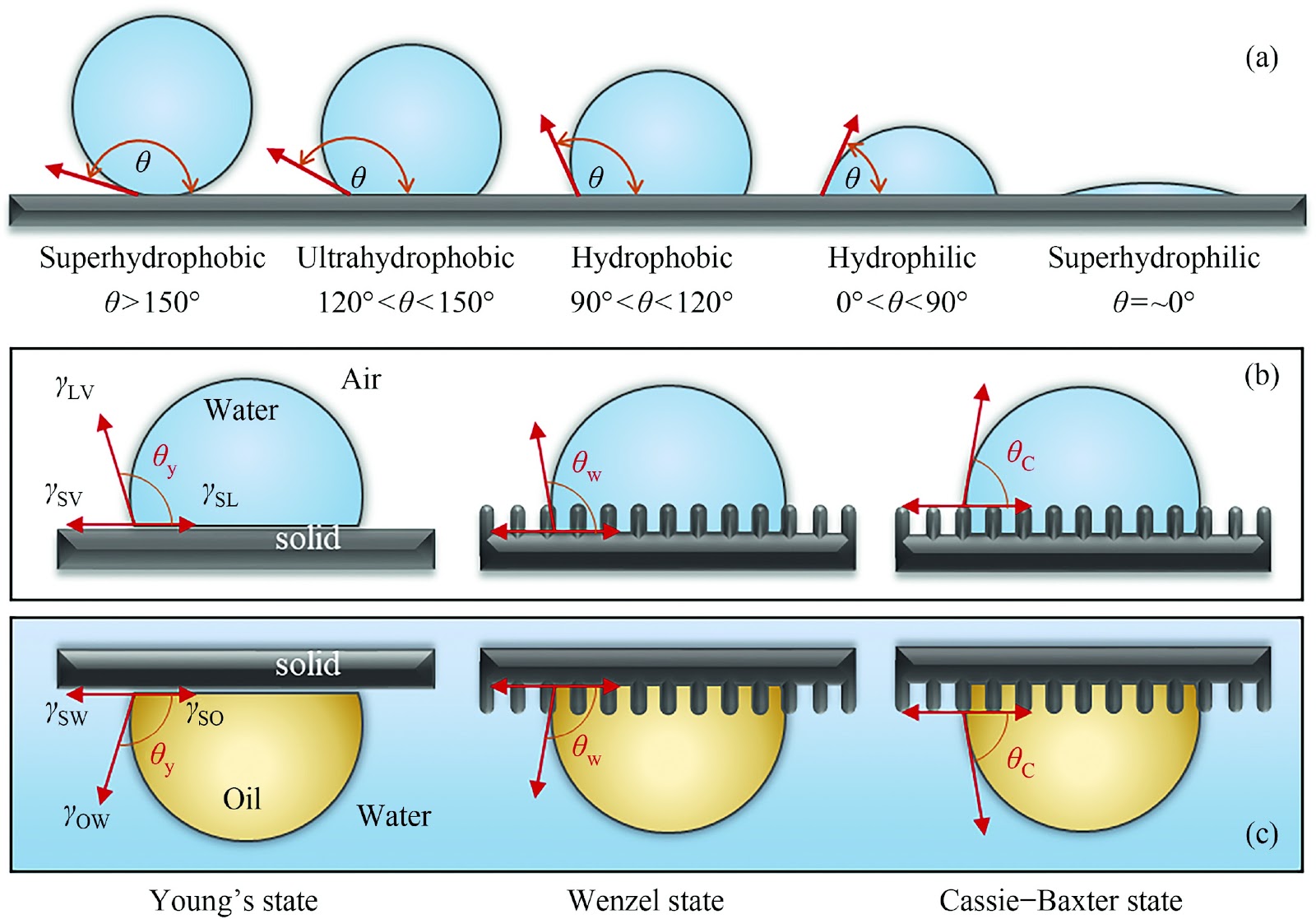
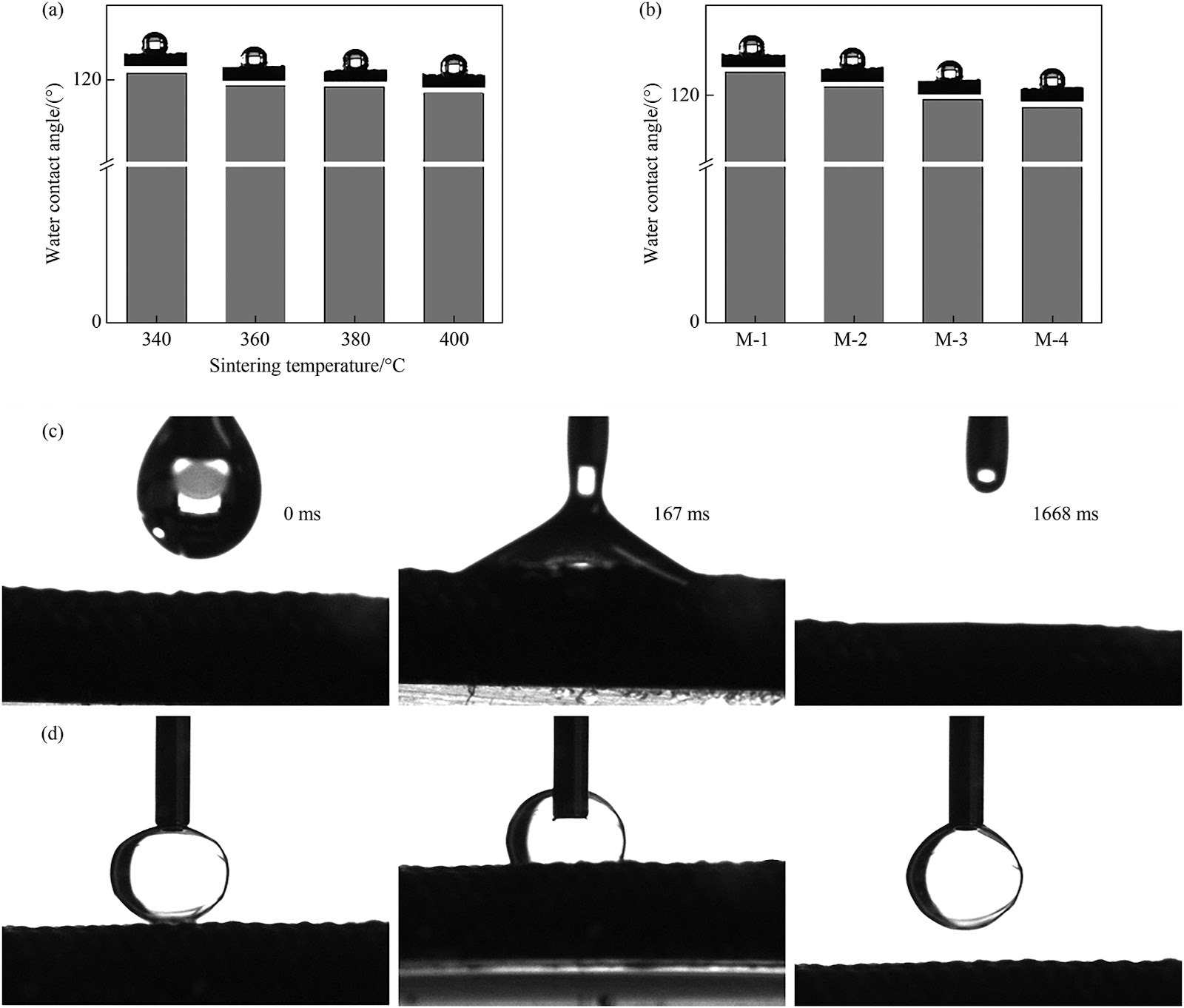
Polyvinylidene fluoride (PVDF) polymer-based membranes are extensively used in wastewater treatment, yet their partially hydrophobic nature poses significant challenges. Numerous studies have focused on creating super-wetting membranes to enhance the water affinity of PVDF membranes. This review provides a comprehensive discussion on the hydrophilization of PVDF-based membranes, examining the chemical and physical properties that influence water affinity. Followed by various fabrication techniques, appropriate modifier materials, efficient operational conditions, and recent advancements in hydrophilization methods. Additionally, the review systematically evaluates the performance of these hydrophilized membranes in separating surfactant-stabilized oil-in-water emulsions, highlighting the importance of long-term stability and environmental considerations. The antifouling mechanisms and the effectiveness of hydrophilic membranes in oil-water separation processes are also discussed, offering insights into the development and application of these technologies. The discussion explain in this review provides important information for the research of wastewater treatment, green material and green industry.

Recent study on hydrophilization of polyvinylidene fluoride membrane for oily wastewater treatment
Graphical Abstract
Original ResearchVol. 76, Issue 1 • pp. 201-210DOI: 10.1016/j_cjche_1448Oct 11, 2024

NiMo-MMO catalyst derived from LDHs precursors toward the deep hydrogenation of pyrene

Authors: Yongliang Jia, Boyang Bai, Jing Wang, Yueyi Wang, Zheng Wang, Xiaoxun Ma

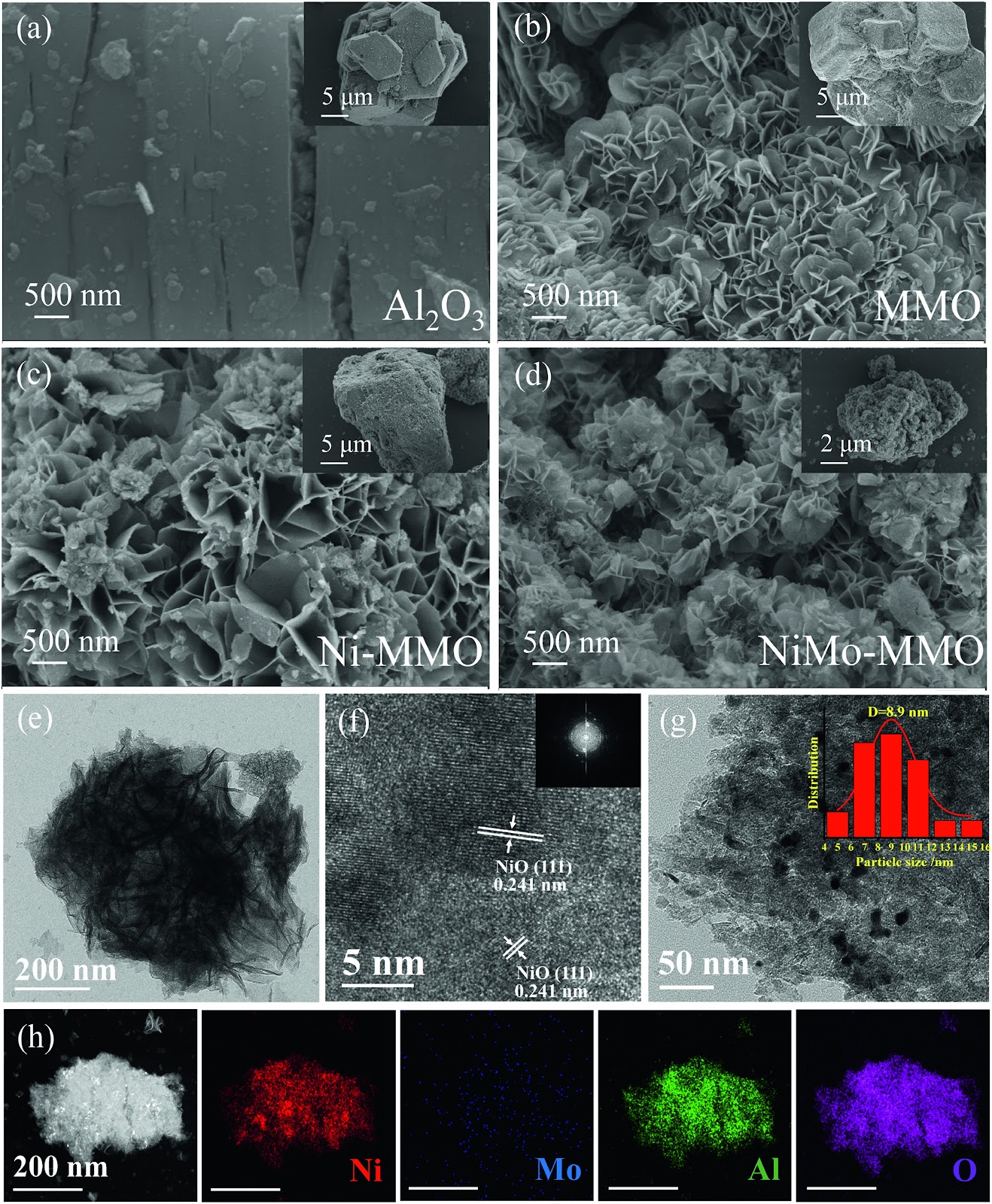
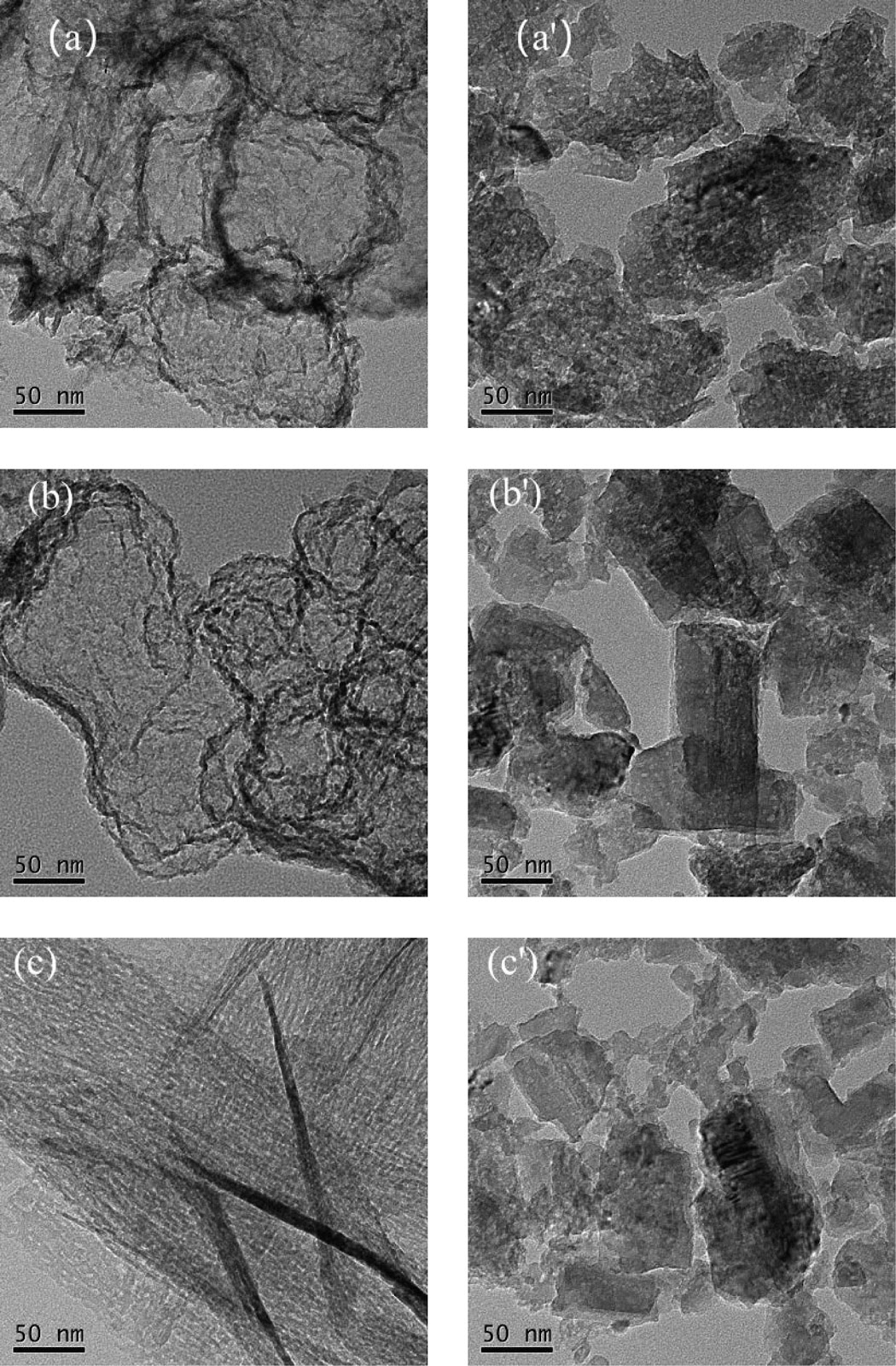
A series of Ni-based catalysts were prepared via structural topological transformation from the Ni@Al2O3 layered double hydroxides (LDHs) precursors, and applied for the deep catalytic hydrogenation saturation of pyrene in a high-pressure reactor. The pore structures, active species dispersion, surface morphology, amount and type of acid of the prepared catalysts were characterized by BET, XRD, SEM, TEM, XPS, SEM, NH3-TPD and Py-IR. We studied the influence of physicochemical properties of Ni-based catalysts on the regularity and mechanism of deep hydrogenation of pyrene. Meanwhile, the synergy between Ni and Mo, and the interaction between active metals and support were discussed to further reveal the constitutive relationship during the hydrogenation reaction of pyrene. The results of the evaluation of the catalytic hydrogenation of pyrene show that the as-prepared NiMo mixed metal oxide (MMO) catalyst showed excellent catalytic activity: ~95% pyrene conversion, 90.12% for the selectivity of deep hydrogenation products (hexahydropyrene, decahydropyrene and hexadecahydropyrene). It was expected that the successfully preparation and utilization of NiMo-MMO catalyst could provide a theoretical basis for the design of this kind of catalysts for deep catalytic hydrogenation of polycyclic aromatic hydrocarbons (PAHs).

NiMo-MMO catalyst derived from LDHs precursors toward the deep hydrogenation of pyrene
Graphical Abstract
Original ResearchVol. 76, Issue 1 • pp. 64-74DOI: 10.1016/j_cjche_1448Oct 11, 2024

Numerical investigation of turbulent mass transfer processes in turbulent fluidized bed by computational mass transfer

Authors: Hailun Ren, Liang Zeng, Wenbin Li, Shuyong Chen, Zhongli Tang, Donghui Zhang

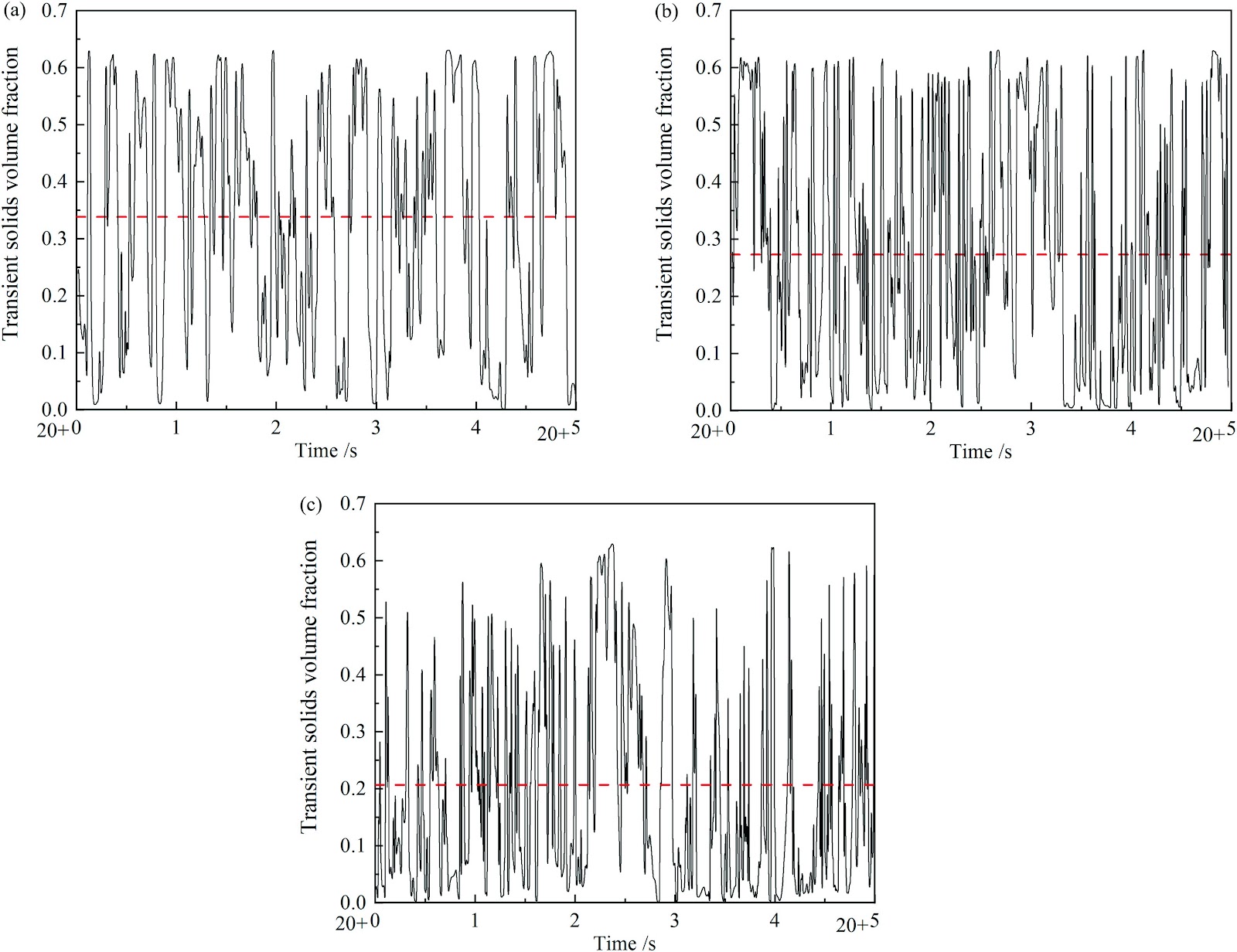
Turbulent fluidized bed possesses a distinct advantage over bubbling fluidized bed in high solids contact efficiency and thus exerts great potential in applications to many industrial processes. Simulation for fluidization of fluid catalytic cracking (FCC) particles and the catalytic reaction of ozone decomposition in turbulent fluidized bed is conducted using the Eulerian–Eulerian approach, where the recently developed two-equation turbulent (TET) model is introduced to describe the turbulent mass diffusion. The energy minimization multi-scale (EMMS) drag model and the kinetic theory of granular flow (KTGF) are adopted to describe gas–particles interaction and particle–particle interaction respectively. The TET model features the rigorous closure for the turbulent mass transfer equations and thus enables more reliable simulation. With this model, distributions of ozone concentration and gas–particles two-phase velocity as well as volume fraction are obtained and compared against experimental data. The average absolute relative deviation for the simulated ozone concentration is 9.67% which confirms the validity of the proposed model. Moreover, it is found that the transition velocity from bubbling fluidization to turbulent fluidization for FCC particles is about 0.5 m·s−1 which is consistent with experimental observation.

Numerical investigation of turbulent mass transfer processes in turbulent fluidized bed by computational mass transfer
Graphical Abstract
Original ResearchVol. 76, Issue 1 • pp. 237-250DOI: 10.1016/j_cjche_1448Oct 5, 2024

Preparation of Mn-Ce oxide-loaded Al2O3 by citric acid-assisted impregnation for enhanced catalytic ozonation degradation of dye wastewater

Authors: Shaopeng Li, Weichao Li, Yun Wu, Xianming Zheng, Xuehui Zhao, Ning Nan, Hongwei Zhang

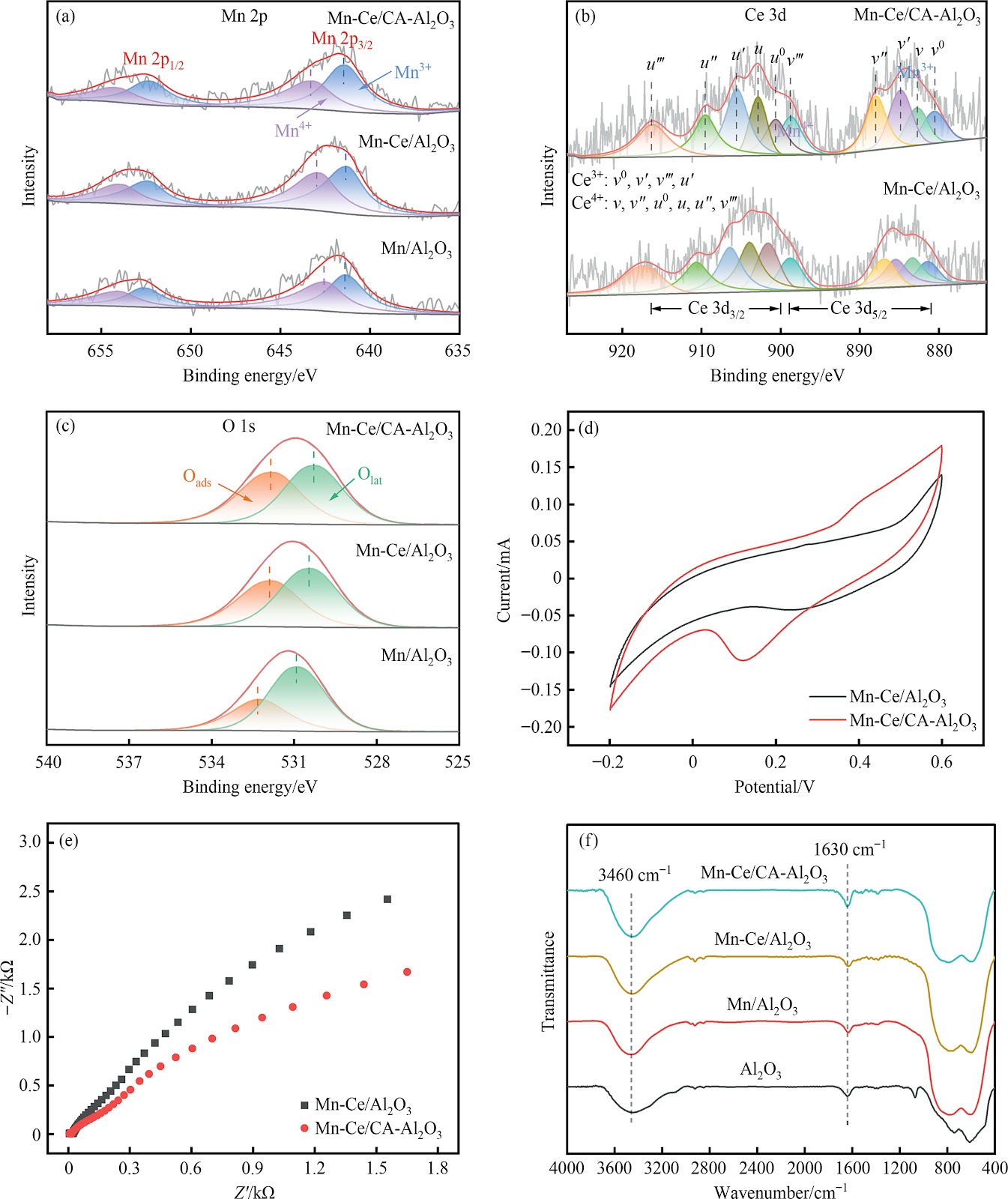
The performance of supported catalysts is significantly affected by the dispersion degree of the active components on the support. In this study, citric acid (CA) was used as a modifier to prepare Al2O3 supported Mn-Ce oxides (Mn-Ce/CA-Al2O3) by the impregnation-calcination method. The characterization results showed that adding citric acid enhanced the dispersion of Mn-Ce oxides on the support, rendering Mn-Ce/CA-Al2O3 with a larger specific surface area and abundant surface hydroxyl groups, thereby providing more reaction sites for catalytic ozonation. The Mn-Ce/CA-Al2O3 exhibited excellent catalytic ozonation performance in degrading Reactive Black 5 (RB5) dye. It achieved nearly complete decolorization of RB5 within 60 min, with a COD removal efficiency of 60%, which was superior to the sole ozonation (30%). Furthermore, the Mn-Ce/CA-Al2O3 system demonstrated significant degradation of RB5 over a wide pH range of 3-11. Based on the XPS and EPR analysis results, a preliminary mechanism of catalytic ozonation over the Mn-Ce/CA-Al2O3 was proposed. The redox cycle of Mn3+/Mn4+ and Ce3+/Ce4+ effectively accelerated the electron transfer process, thus promoting the generation of reactive oxygen species (ROS) and improving the degradation of RB5. Meanwhile, the Mn-Ce/CA-Al2O3 exhibited superior catalytic stability and effective treatment capabilities for real dye wastewater.

Preparation of Mn-Ce oxide-loaded Al2O3 by citric acid-assisted impregnation for enhanced catalytic ozonation degradation of dye wastewater
Graphical Abstract
Original ResearchVol. 76, Issue 1 • pp. 211-226DOI: 10.1016/j_cjche_1448Oct 5, 2024

Rigorous design and economic optimization of reactive distillation column considering real liquid hold-up and hydraulic conditions of industrial device

Authors: Yuchang Du, Yiqing Luo, Peilin Yang, Shengkun Jia, Xigang Yuan

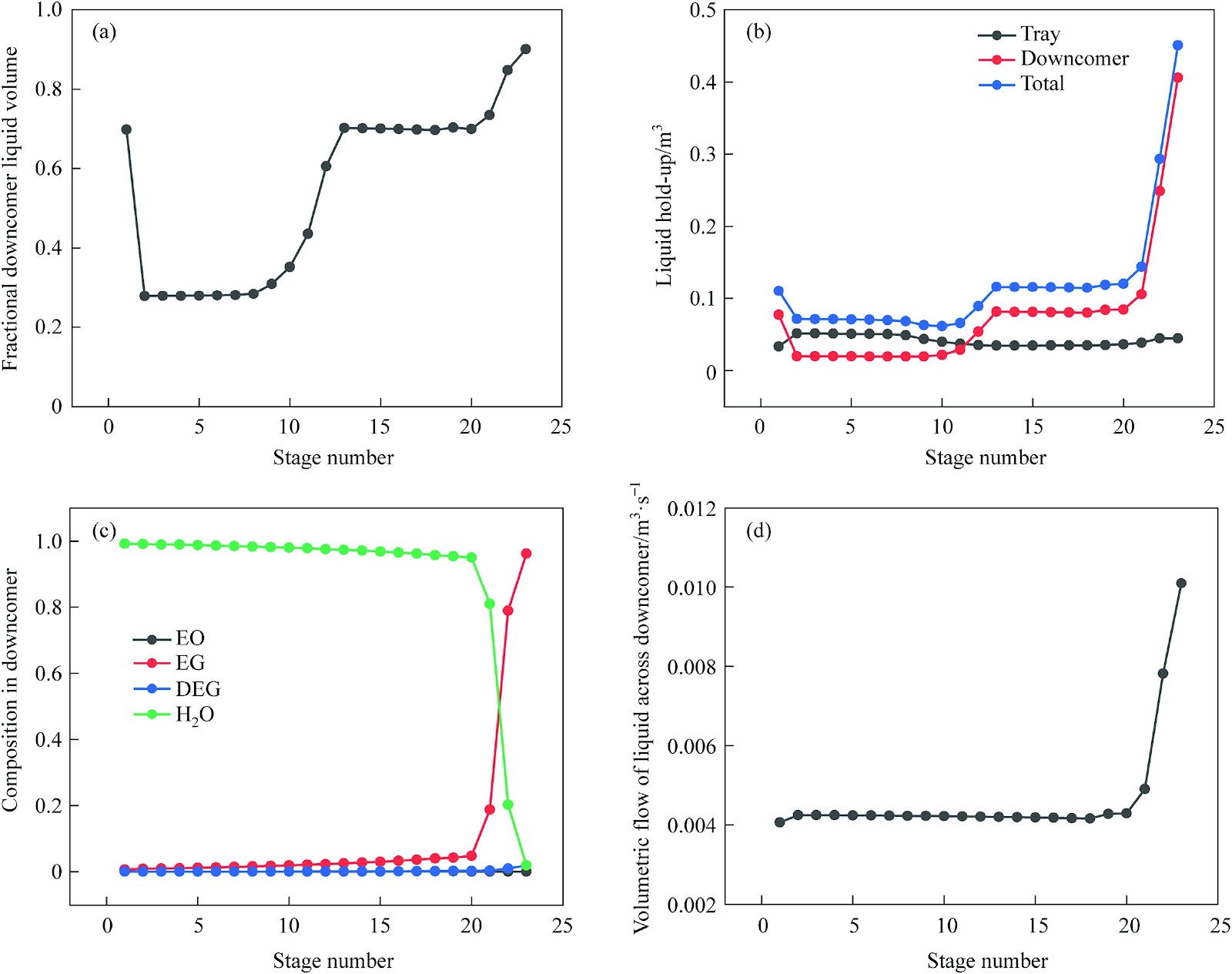
The liquid hold-up in a reactive distillation (RD) column not only has a significant impact on the extent of reactions, but also affects the pressure drop and hydraulic conditions in the column. Therefore, the liquid hold-up would be a critical design factor for RD columns. However, the existing design methods for RD columns typically neglect the influence of considerable amount of liquid hold-up in downcomers owing to the difficulties of solving a large-scale nonlinear model system by considering downcomer hydraulics, resulting in significant deviations from actual situation and even operation infeasibility of the designed column. In this paper, a pseudo-transient (PT) RD model based on equilibrium model considering tray hydraulics was established for rigorous simulation and optimization of RD plate columns considering the liquid hold-up both in downcomers and column trays, and a steady-state optimization algorithm assisted by the PT model was adopted to robustly solve the optimization problem. The optimization results of either ethylene glycol RD or methyl acetate RD demonstrated that assuming all the liquid hold-up of a stage belonged to the tray will cause significant deviations in the column diameter, weir height, and the number of stages, which leads to not meeting the separation requirements and even operation hydraulic infeasibility. The rigorous model proposed in this study which considers the liquid hold-up both on trays and in downcomers as well as hydraulic constraints can be applied to systematically design industrial RD plate columns to simultaneously obtain optimal operating variables and equipment structure variables.

Rigorous design and economic optimization of reactive distillation column considering real liquid hold-up and hydraulic conditions of industrial device
Graphical Abstract
Original ResearchVol. 76, Issue 1 • pp. 83-94DOI: 10.1016/j_cjche_1448Oct 4, 2024

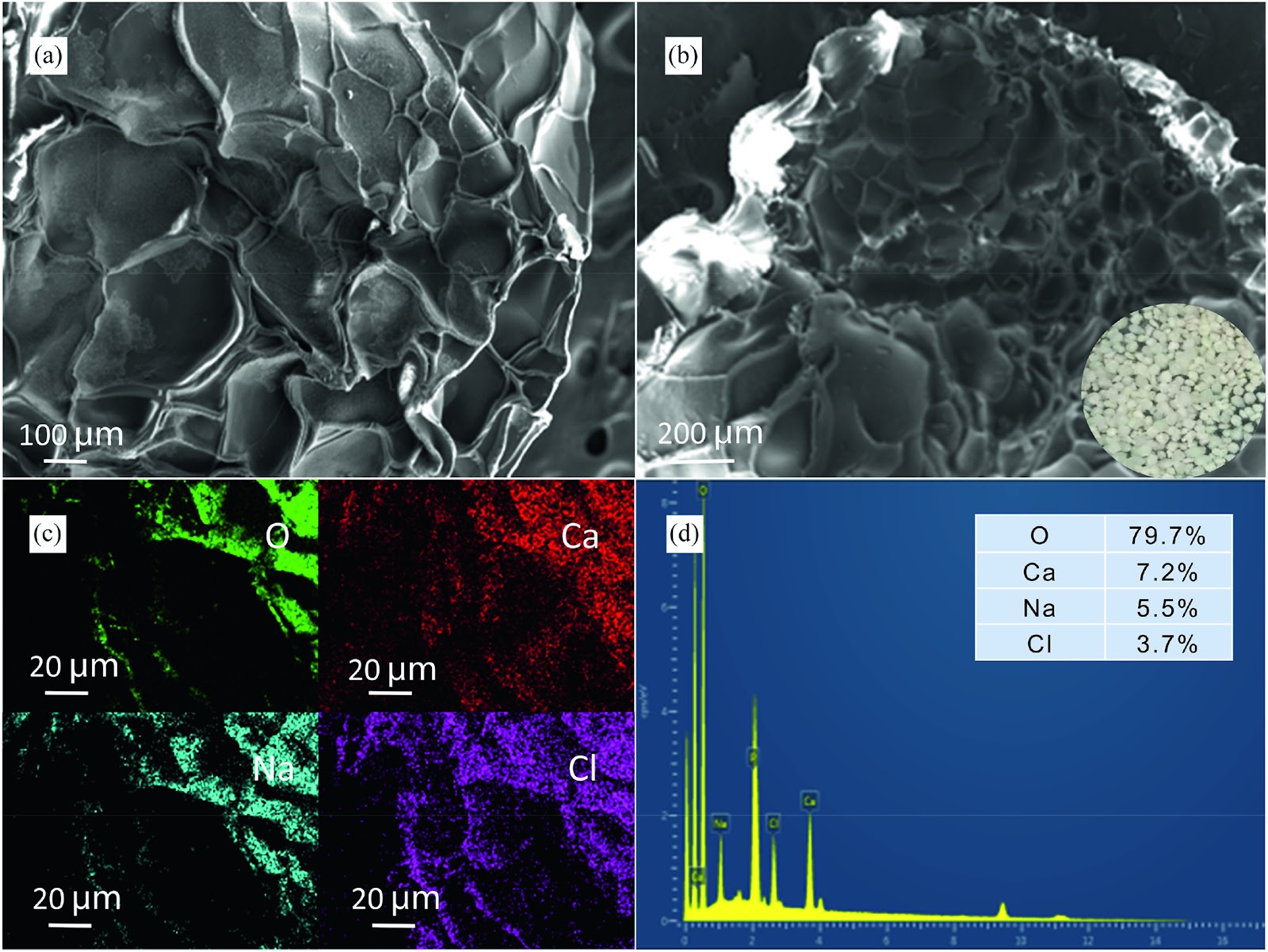
Solid–liquid phase equilibria in the aqueous system containing the chlorides of potassium, ammonium, and calcium at 298.2, 323.2, and 348.2 K

Authors: Fuyu Zhuge, Nan Zhang, Haiying Tang, Qi Li, Niancu Chen, Xudong Yu

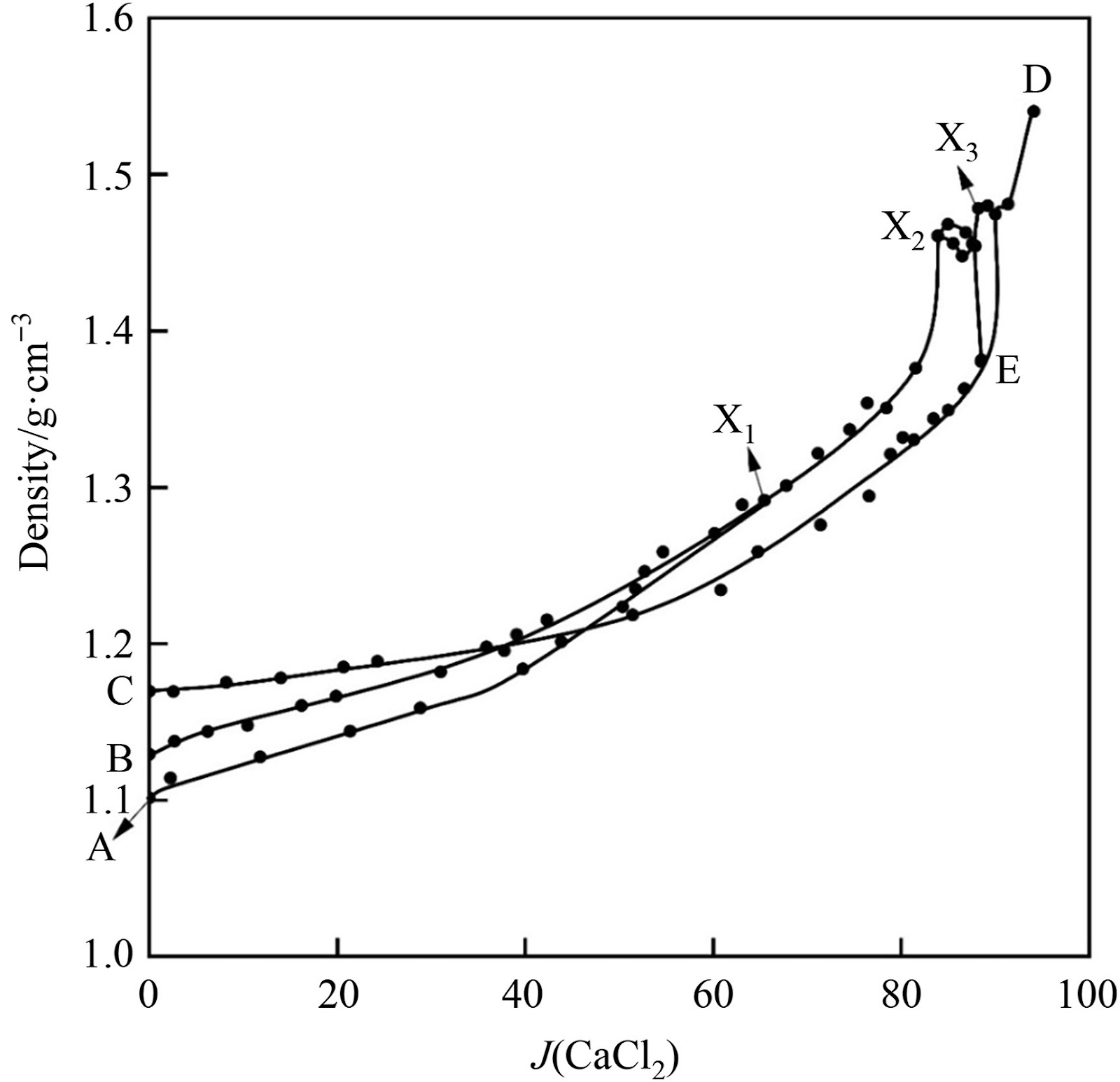
In order to obtain the crystalline forms of the salts of the potassium, ammonium, calcium coexisting chloride system, the phase equilibria relationship of quaternary system K+, NH4+, Ca2+//Cl−-H2O at 298.2, 323.2, and 348.2 K was studied by isothermal dissolution equilibrium method. The solubility and density of equilibrium liquid phases of the system were experimentally determined; X-ray powder diffractometer was used to determine the compositions of the equilibrium solid phase at the quaternary invariant point. It is found that the quaternary system is a complex system at these three temperatures. The phase diagram at 298.2 K consists of three invariant points, seven univariate curves and five crystalline phase regions, forming the solid solutions (NH4Cl)x(KCl)1−x and (KCl)x(NH4Cl)1−x; while at 323.2 and 348.2 K the phase diagram consists of five invariant points, eleven univariate curves and seven crystalline phase regions, the double salts (KCl·CaCl2) and (2NH4Cl·CaCl2·3H2O), solid solutions (KCl)x(NH4Cl)1−x and (NH4Cl)x(KCl)1−x were formed. Among them, the crystalline phase region of solid solution (KCl)x(NH4Cl)1−x is the largest at three temperatures, indicating that it is the easiest to crystallize in this system. Comparing the phase diagrams of the quaternary system at 298.2, 323.2, and 348.2 K, it can be seen that the crystalline form of CaCl2 changes with the increase of temperature: CaCl2·6H2O at 298.2 K, CaCl2·2H2O at 323.2 and 348.2 K. From 323.2 to 348.2 K, the crystalline phase regions of (KCl·CaCl2) and (2NH4Cl·CaCl2·3H2O) increased gradually.

Solid–liquid phase equilibria in the aqueous system containing the chlorides of potassium, ammonium, and calcium at 298.2, 323.2, and 348.2 K
Graphical Abstract
Original ResearchVol. 76, Issue 1 • pp. 227-236DOI: 10.1016/j_cjche_1448Oct 3, 2024

A model free adaptive control method based on self-adjusting PID algorithm in pH neutralization process

Authors: Kang Liu, You Fan, Juan Chen

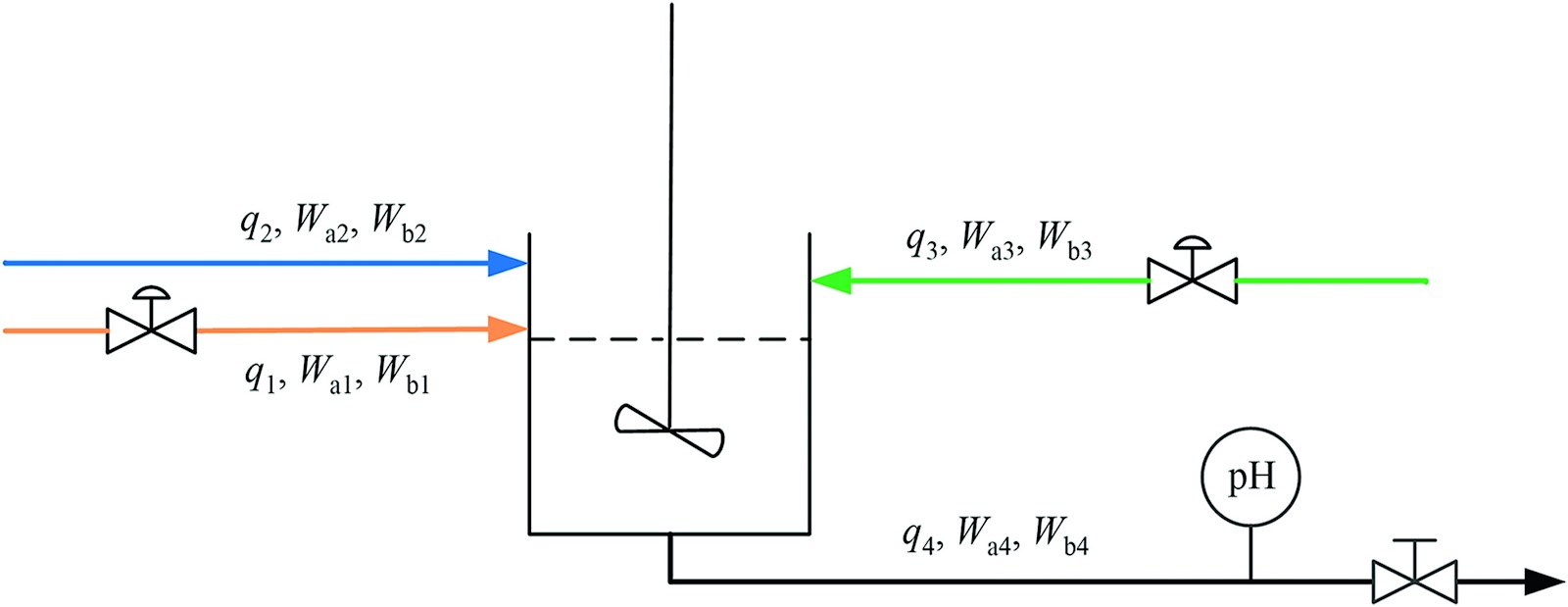
In this paper, a new model free adaptive control method based on self-adjusting PID algorithm (MFAC-SA-PID) is proposed to solve the problem that the pH process with strong nonlinearity is difficult to control near the neutralization point. The MFAC-SA-PID method also solves the problem that the parameters of the model free adaptive control (MFAC) method are not easy to be adjusted and the effect is not obvious by introducing a fuzzy self-adjusting algorithm to adjust the controller parameters. Then the convergence and stability of the MFAC-SA-PID method are proved in this paper. In the simulation study, the control performance of the MFAC-SA-PID method proposed in this paper is compared with the traditional MFAC method and the improved model free adaptive control (IMFAC) method, respectively. The results show that the proposed MFAC-SA-PID method has better control effect on the pH neutralization process. The MFAC-SA-PID control performance also outperforms the traditional MFAC method and IMFAC method when step input disturbances are added, which indicates that the MFAC-SA-PID method has better robustness and stability.

A model free adaptive control method based on self-adjusting PID algorithm in pH neutralization process
Graphical Abstract
Original ResearchVol. 76, Issue 1 • pp. 251-263DOI: 10.1016/j_cjche_1448Sep 30, 2024

A fuzzy compensation-Koopman model predictive control design for pressure regulation in proton exchange membrane electrolyzer

Authors: Haokun Xiong, Lei Xie, Cheng Hu, Hongye Su

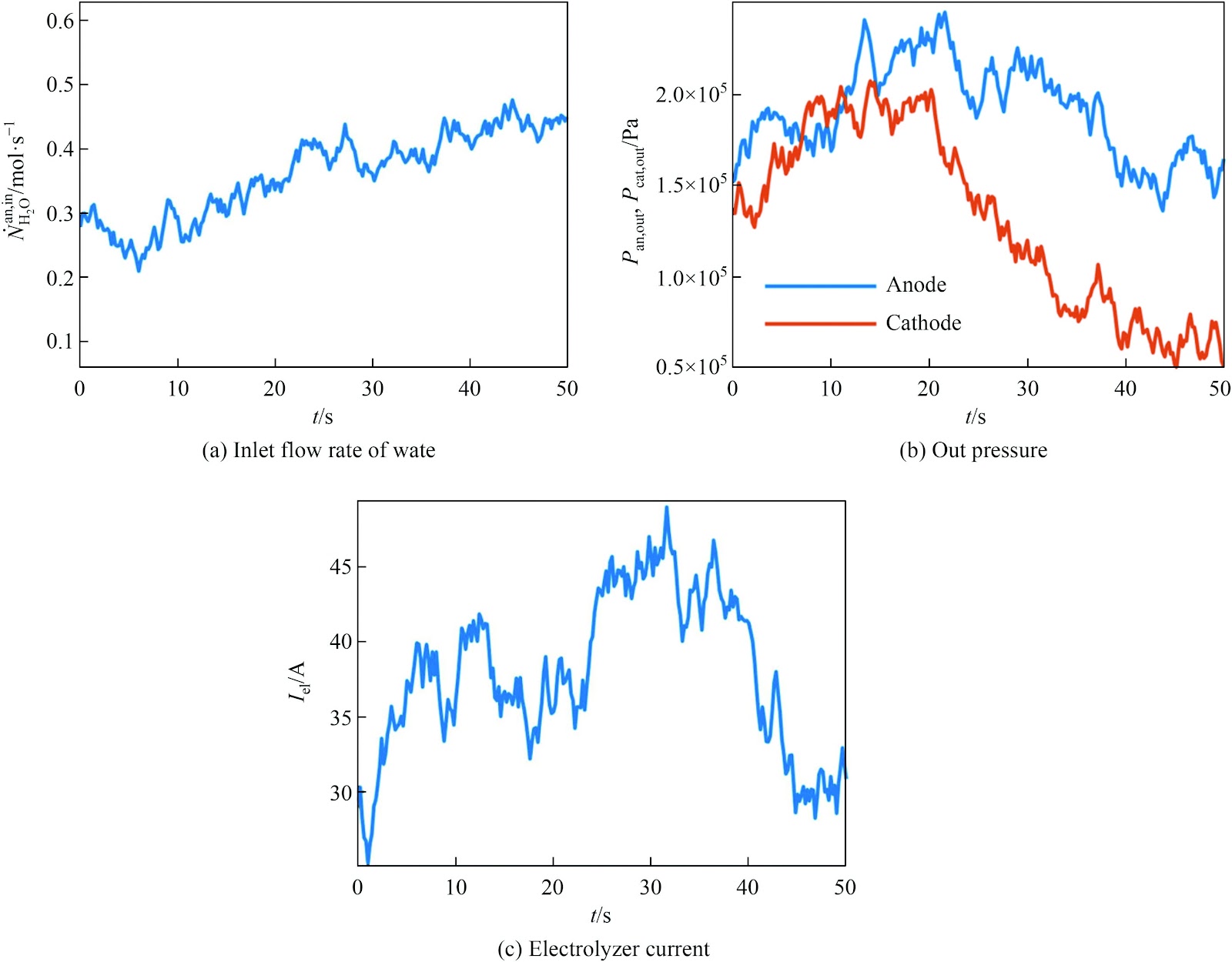
Proton exchange membrane (PEM) electrolyzer have attracted increasing attention from the industrial and researchers in recent years due to its excellent hydrogen production performance. Developing accurate models to predict their performance is crucial for promoting and accelerating the design and optimization of electrolysis systems. This work developed a Koopman model predictive control (MPC) method incorporating fuzzy compensation for regulating the anode and cathode pressures in a PEM electrolyzer. A PEM electrolyzer is then built to study pressure control and provide experimental data for the identification of the Koopman linear predictor. The identified linear predictors are used to design the Koopman MPC. In addition, the developed fuzzy compensator can effectively solve the Koopman MPC model mismatch problem. The effectiveness of the proposed method is verified through the hydrogen production process in PEM simulation.

A fuzzy compensation-Koopman model predictive control design for pressure regulation in proton exchange membrane electrolyzer
Graphical Abstract
Original ResearchVol. 76, Issue 1 • pp. 281-291DOI: 10.1016/j_cjche_1448Sep 28, 2024

Effect of cobalt on the activity of nickel-based/magnesium-substituted hydroxyapatite catalysts for dry reforming of methane

Authors: Tongming Su, Bo Gong, Xinling Xie, Xuan Luo, Zuzeng Qin, Hongbing Ji

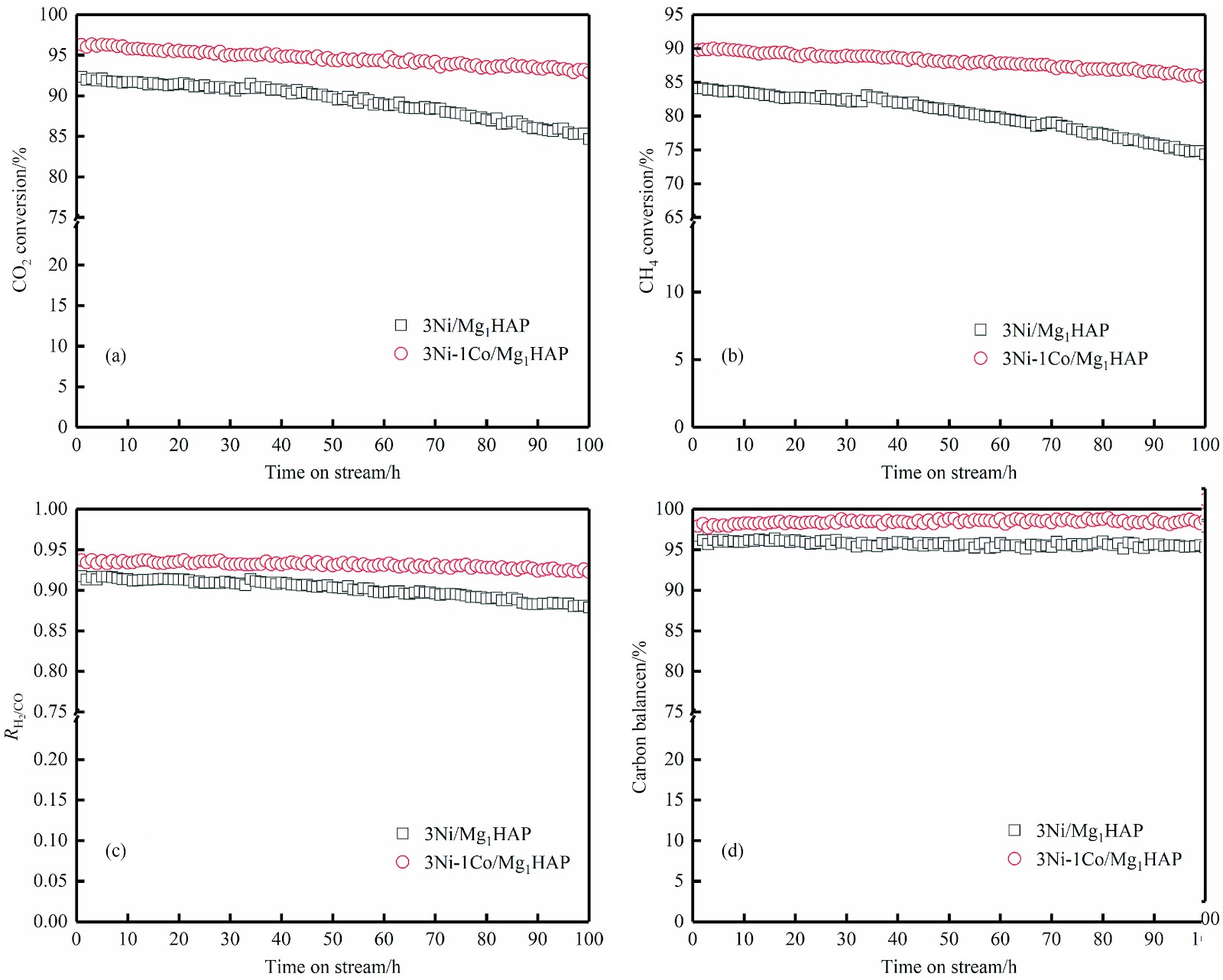
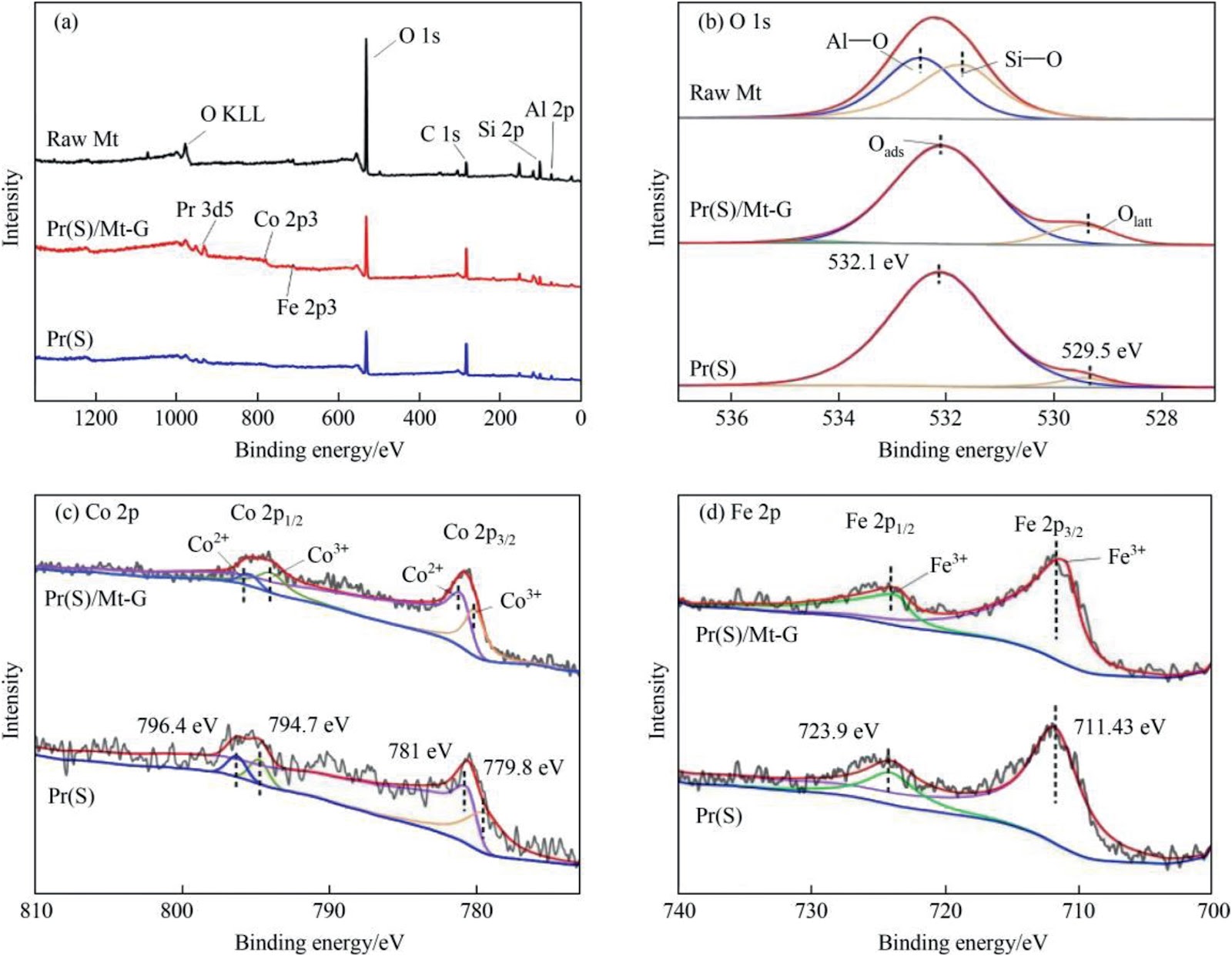
The dry reforming of methane (DRM) reaction can directly convert methane (CH4) and carbon dioxide (CO2) into syngas (H2+CO), which is a promising method for achieving carbon neutralization. In this study, a series of 3Ni-xCo/Mg1HAP alloy catalysts with different ratio were synthesized by the coprecipitation method, and the optimum Ni-Co ratio for the DRM reaction was studied. A series of characterization methods revealed that after Co was added, the formation of Ni-Co alloys increased the interactions between metals. However, an excess of Co inhibits the entry of Ni into the lattice of Mg1HAP, resulting in metal accumulation on the surface of the support. In addition, the introduction of Co improves the dispersion of Ni metal, which endows the catalyst with better catalytic activity and stability. Raman spectroscopy of the catalyst after the stability test showed that the addition of Co reduced the proportion of graphitic carbon, which was also the main reason for its improved stability.

Effect of cobalt on the activity of nickel-based/magnesium-substituted hydroxyapatite catalysts for dry reforming of methane
Graphical Abstract
Original ResearchVol. 76, Issue 1 • pp. 264-271DOI: 10.1016/j_cjche_1448Sep 23, 2024

Multi-timescale feature extraction method of wastewater treatment process based on adaptive entropy

Authors: Honggui Han, Yaqian Zhao, Xiaolong Wu, Hongyan Yang

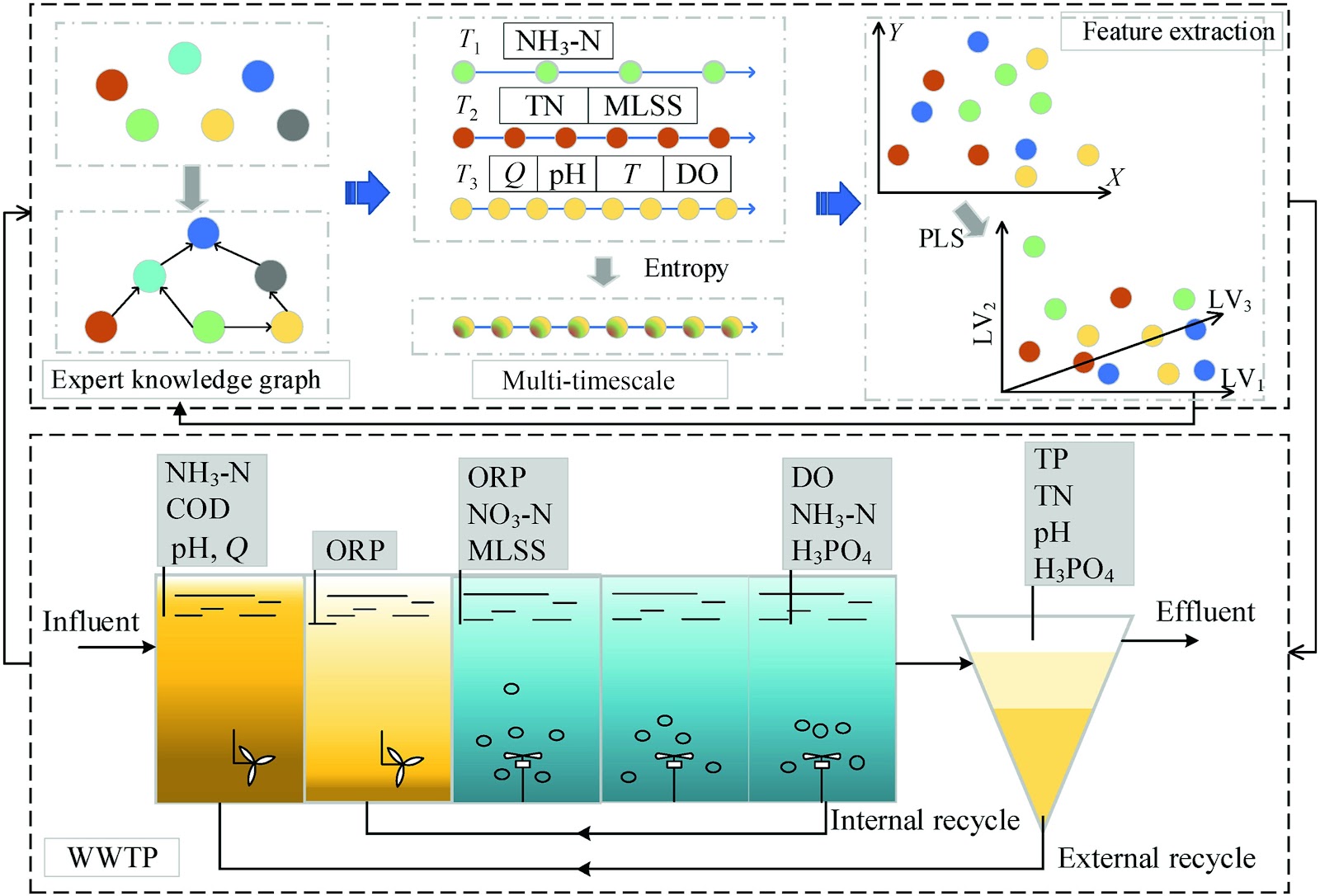
In wastewater treatment systems, extracting meaningful features from process data is essential for effective monitoring and control. However, the multi-time scale data generated by different sampling frequencies pose a challenge to accurately extract features. To solve this issue, a multi-timescale feature extraction method based on adaptive entropy is proposed. Firstly, the expert knowledge graph is constructed by analyzing the characteristics of wastewater components and water quality data, which can illustrate various water quality parameters and the network of relationships among them. Secondly, multiscale entropy analysis is used to investigate the inherent multi-timescale patterns of water quality data in depth, which enables us to minimize information loss while uniformly optimizing the timescale. Thirdly, we harness partial least squares for feature extraction, resulting in an enhanced representation of sample data and the iterative enhancement of our expert knowledge graph. The experimental results show that the multi-timescale feature extraction algorithm can enhance the representation of water quality data and improve monitoring capabilities.

Multi-timescale feature extraction method of wastewater treatment process based on adaptive entropy
Graphical Abstract
Original ResearchVol. 76, Issue 1 • pp. 272-280DOI: 10.1016/j_cjche_1448Sep 21, 2024

Preparation of coconut oil/aluminum nitride/expanded graphite composite phase change materials with high thermal conductivity and stable shape for thermal energy storage

Authors: Chao Gao, Feng Jiang, Benguo Zhang, Mingchuan Shen, Yuguo Zhang

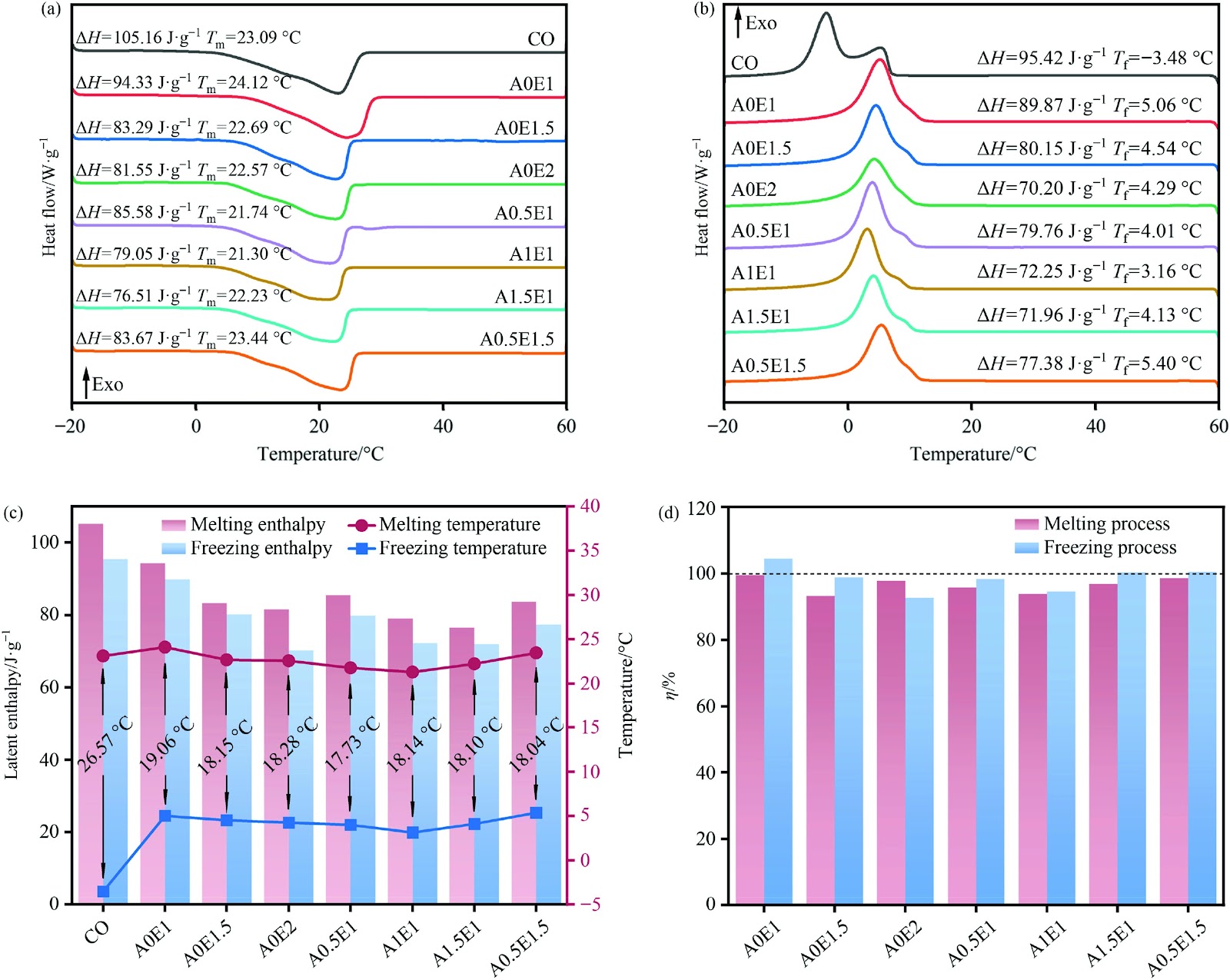
Phase change energy storage is one of the solutions to effectively deal with the problem of intermittency and spatial and temporal mismatch between supply and demand of new energy sources (solar, wind, etc.). However, phase change materials (PCMs) suffer from low thermal conductivity, which greatly affects energy storage and release efficiency. In this study, a novel shape-stable phase change material (SSPCM) was prepared by mixing coconut oil (CO) as a PCM with aluminum nitride (AlN) thermally conductive reinforcing particles and vacuum impregnated into expanded graphite (EG). The results showed that the thermal conductivity of the prepared SSPCM reached 2.985 W·m⁻¹·K⁻¹, which was 1765% higher than that of pure CO. The latent heat of SSPCM was 83.67 J·g⁻¹, which was 99% of the theoretical value. Furthermore, SSPCM showed excellent thermal stability and thermal cycle reliability. The proposed SSPCMs have the advantages of being renewable and simple preparation methods, which have great potential for application.

Preparation of coconut oil/aluminum nitride/expanded graphite composite phase change materials with high thermal conductivity and stable shape for thermal energy storage
Graphical Abstract
Original ResearchVol. 76, Issue 1 • pp. 75-82DOI: 10.1016/j_cjche_1448Sep 19, 2024

The preparation of SnS2@NxC electrodes and its exceptional performance in energy storage usages

Authors: Zhen He, Yuqian Wei, Yunfei Song, Jiaming Liu, Yuxin Wang, Muhammad D. Hayat

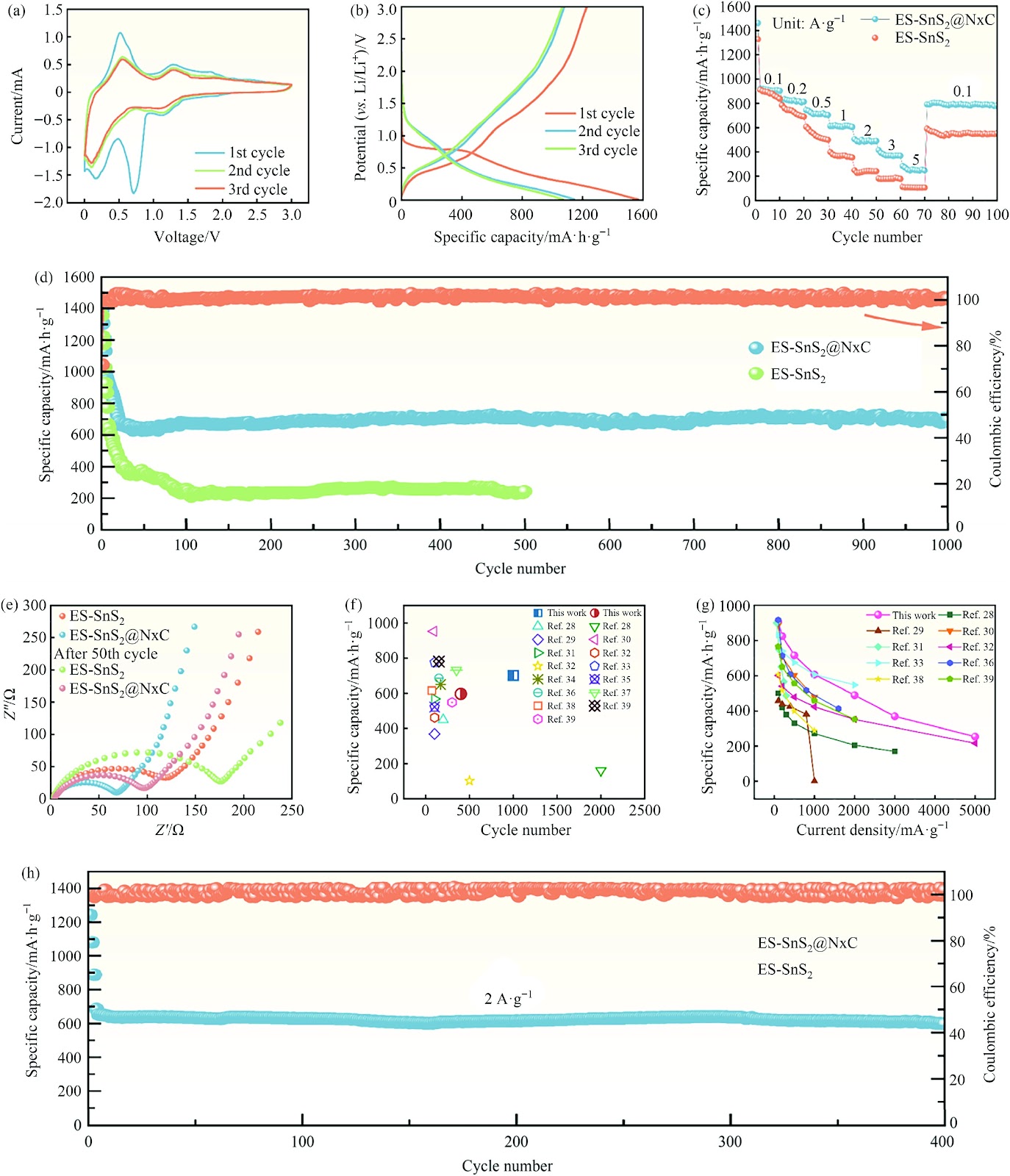
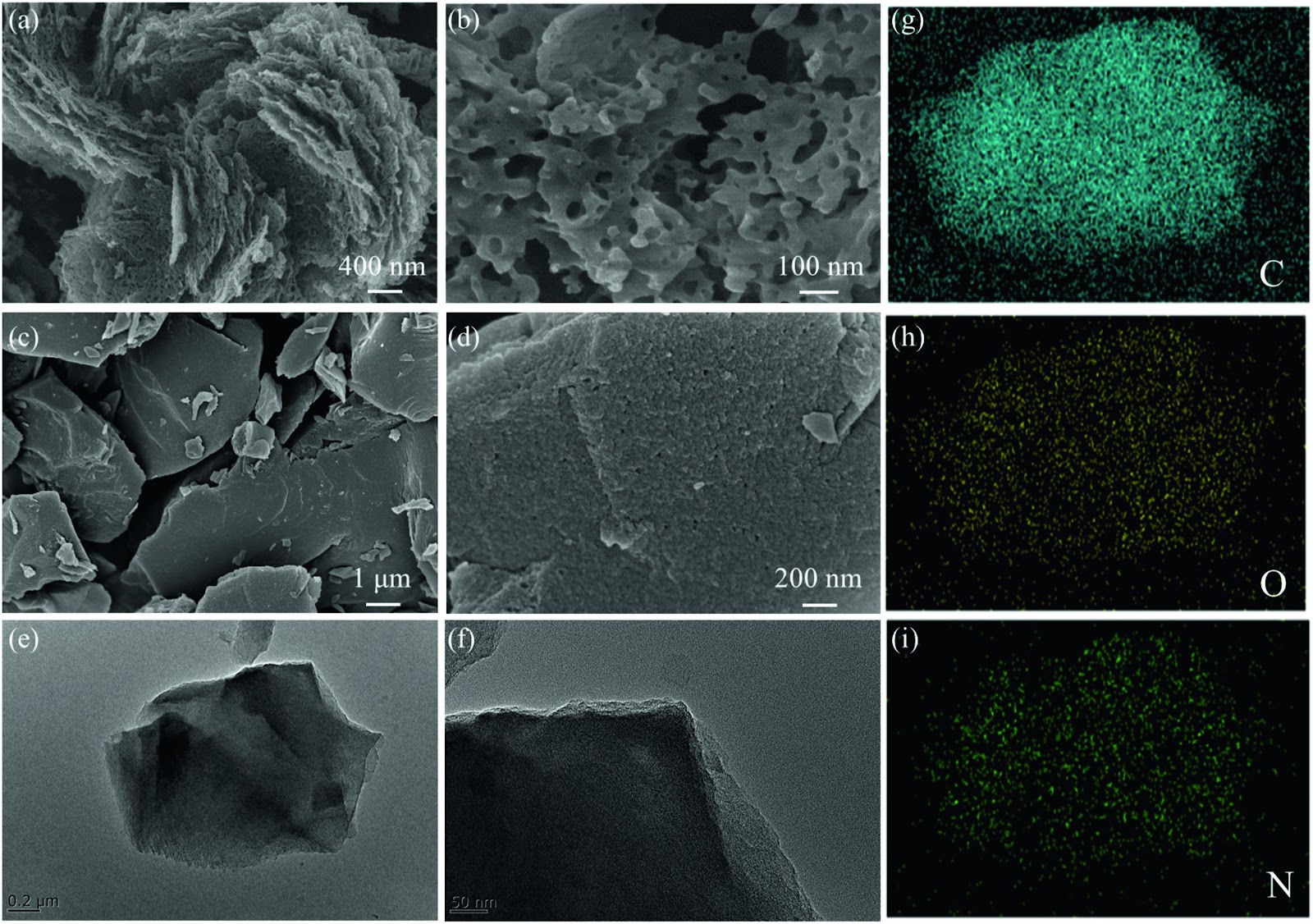
Tin sulfide (SnS2) anodes have garnered significant attention within emerging energy storage technologies. However, the application of SnS2 is curtailed due to its inherent limitations, including poor cyclic stability and inevitable volumetric expansion upon cycling. This study reports the successful fabrication of an innovative SnS2-based composite, featuring an eggshell-like structured nitrogen-doped carbon coating, referred to as SnS2@NxC. This novel architecture, wherein SnS2 acts as the core encapsulated by a nitrogen-doped carbon shell, characterized by a void space between the shell and core, is crucial in mitigating volumetric expansion. This configuration contributes to maintaining the structural integrity of the composite materials, even under the stresses of continuous cycling. Nitrogen within the carbon matrix enhances conductivity and promotes the formation of a more robust and stable solid electrolyte interphase (SEI) layer. Experimental investigations have substantiated the electrochemical superiority of the SnS2@NxC electrode, demonstrating a specific capacity of 701.8 mA·h·g−1 after 1000 cycles at 0.5 A·g−1 and maintaining a capacity of 597.2 mA·h·g−1 after 400 cycles at a heightened current density of 2 A·g−1. These findings underscore the exceptional cyclic performance and durability of the SnS2@NxC electrode.

The preparation of SnS2@NxC electrodes and its exceptional performance in energy storage usages
Graphical Abstract
Original ResearchVol. 76, Issue 1 • pp. 292-300DOI: 10.1016/j_cjche_1448Sep 17, 2024

Ligand-tuning of coordination compound for improved oxygen evolution

Authors: Kunpeng Yang, Yuanjun Liu, Yuyu Liu, Xingmei Guo, Xiangjun Zheng, Junhao Zhang, Guoxing Zhu

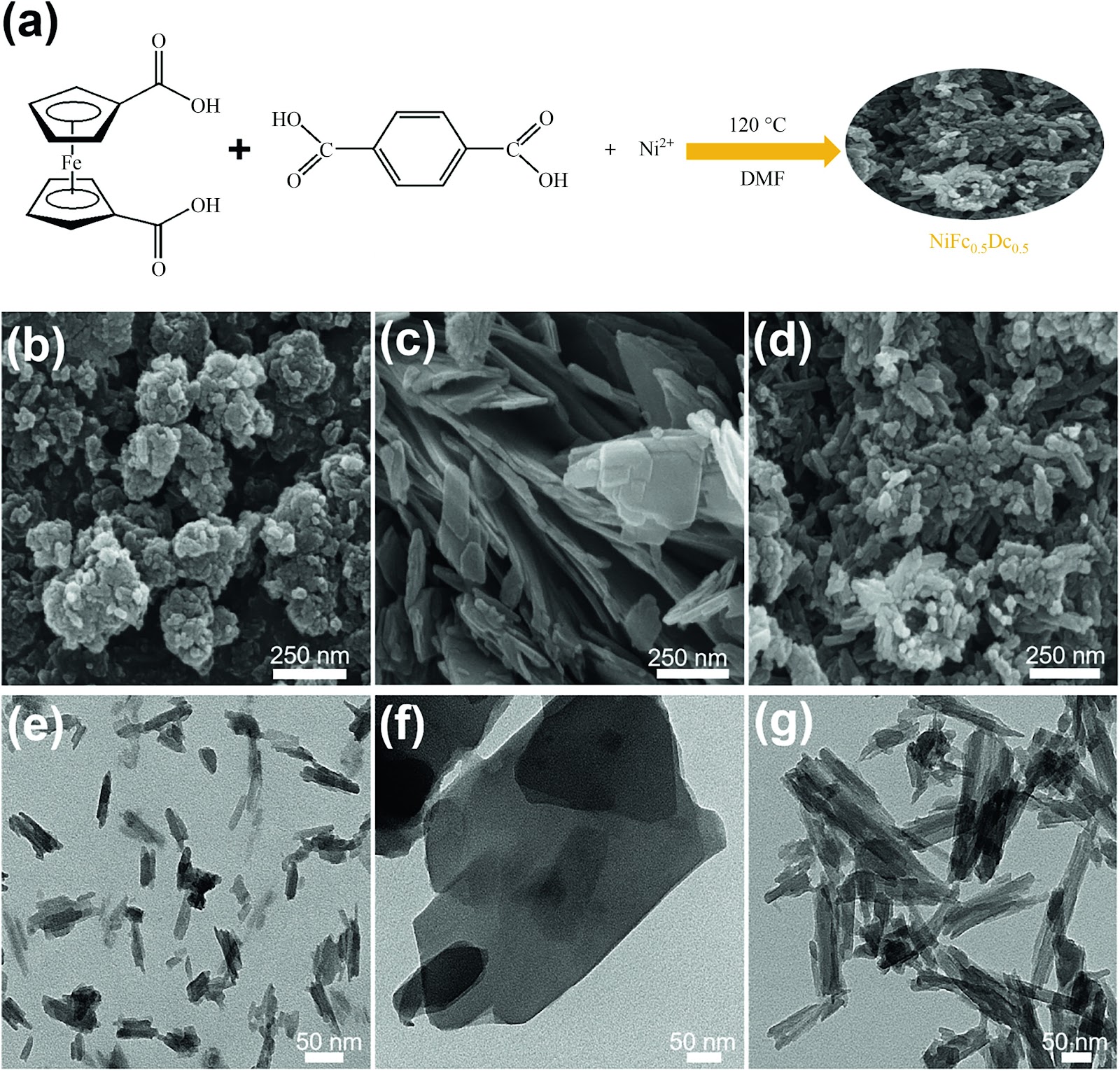
Controllable regulation of the reconstruction process for the pre-catalysts towards oxygen evolution remains as a great challenge. In this study, we report a bi-ligand strategy to facilitate the structural transformation of coordination compounds to metal oxyhydroxides during oxygen evolution with enhanced activity. A coordination compound consisting of 1,10-ferrocene acid (Fc) and Ni2+ was synthesized, in which terephthalic acid was introduced. The second ligand of terephthalic acid facilitates the reconstruction process, inducing an enhanced catalytic activity. In 1 mol·L−1 KOH aqueous solution, the optimized catalyst can drive a current density of 10 mA·cm−2 under a lower overpotential of 220 mV. Using this catalyst, zinc-air batteries can be prepared. The obtained zinc-air battery presents a large specific capacity of 718 mA·h·g−1 with excellent cycling stability for over 100 h far exceeding that of Pt/C+RuO2 battery fabricated with commercial catalysts. The excellent performance and low cost of this catalyst will open up broad prospects for the development of advanced systems for water electrolysis and zinc air batteries.

Ligand-tuning of coordination compound for improved oxygen evolution
Graphical Abstract
Original ResearchVol. 76, Issue 1 • pp. 147-156DOI: 10.1016/j_cjche_1448Sep 16, 2024

A general pressure drop model based on liquid holdup of gas-liquid flow in micro-packed beds

Authors: Junjie Wang, Lin Sheng, Jiang Deng, Guangsheng Luo

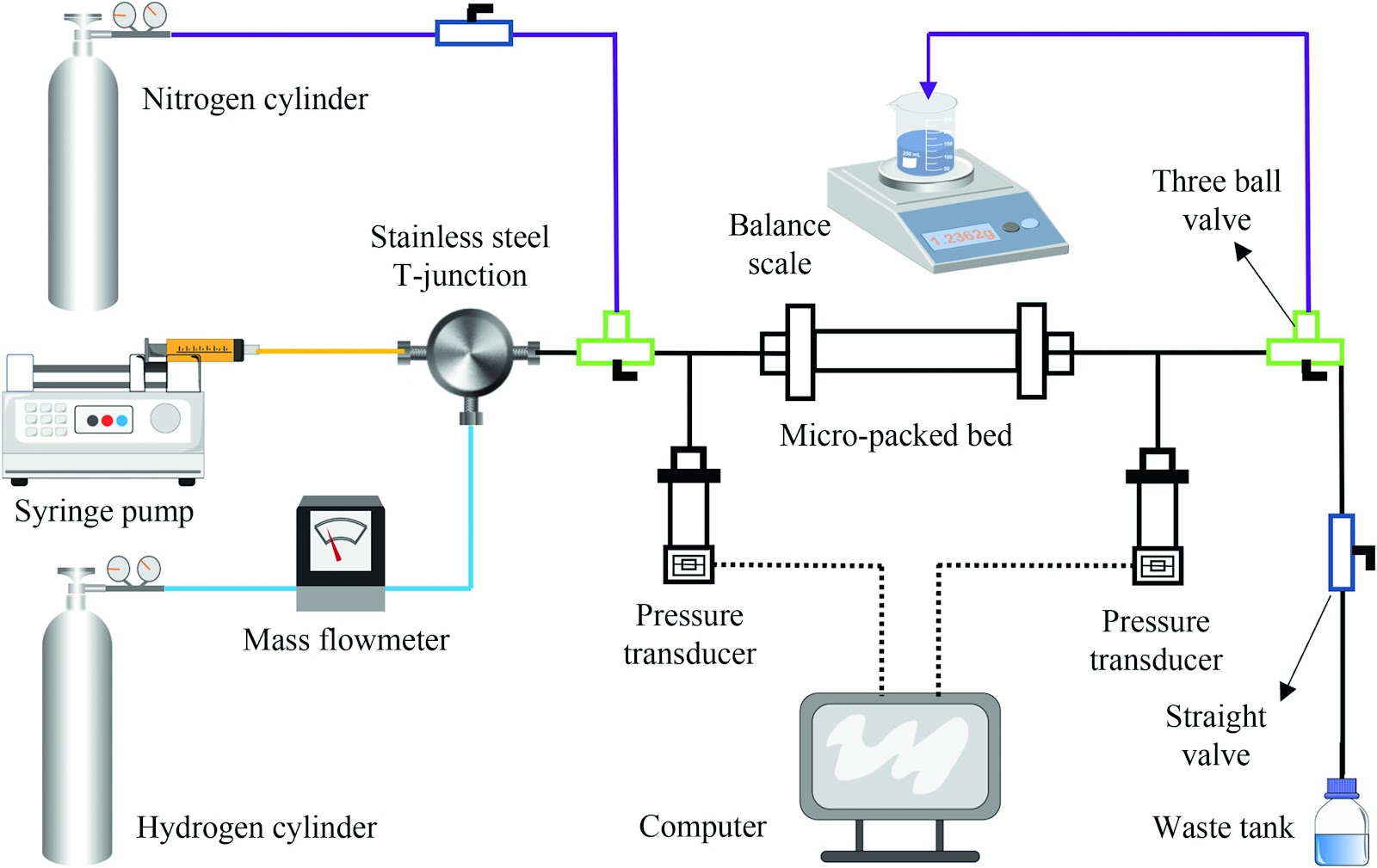
The understanding of the gas-liquid flow characteristics in a micro-packed bed reactor is still immature, especially for many gas-organic working systems commonly used in industry. Accordingly, this study proposes a platform to investigate the gas-liquid flow characteristics in a micro-packed bed reactor and presents a unified expression for these characteristics of both organic and aqueous liquid phase. The influence of two-phase flow rate, working solution viscosity, and packing particle size on the liquid holdup and pressure drop were studied. The gas-organic working systems results show that the liquid holdup ranges between 0.5 and 0.8 and pressure drop ranges from 50 to 350 kPa·m−1. In particular, a strong correlation between the two flow characteristics parameters (liquid holdup and pressure drop) was proposed for the first time. Finally, a general pressure drop mathematical prediction model in micro-packed bed were developed.

A general pressure drop model based on liquid holdup of gas-liquid flow in micro-packed beds
Graphical Abstract
Original ResearchVol. 76, Issue 1 • pp. 118-123DOI: 10.1016/j_cjche_1448Sep 16, 2024

Continuous monitoring of residual water content in boiling water-hydrocarbon emulsions during thermomechanical dehydration

Authors: A. Safiulina, S. Khusnutdinov, I. Khusnutdinov, I. Goncharova

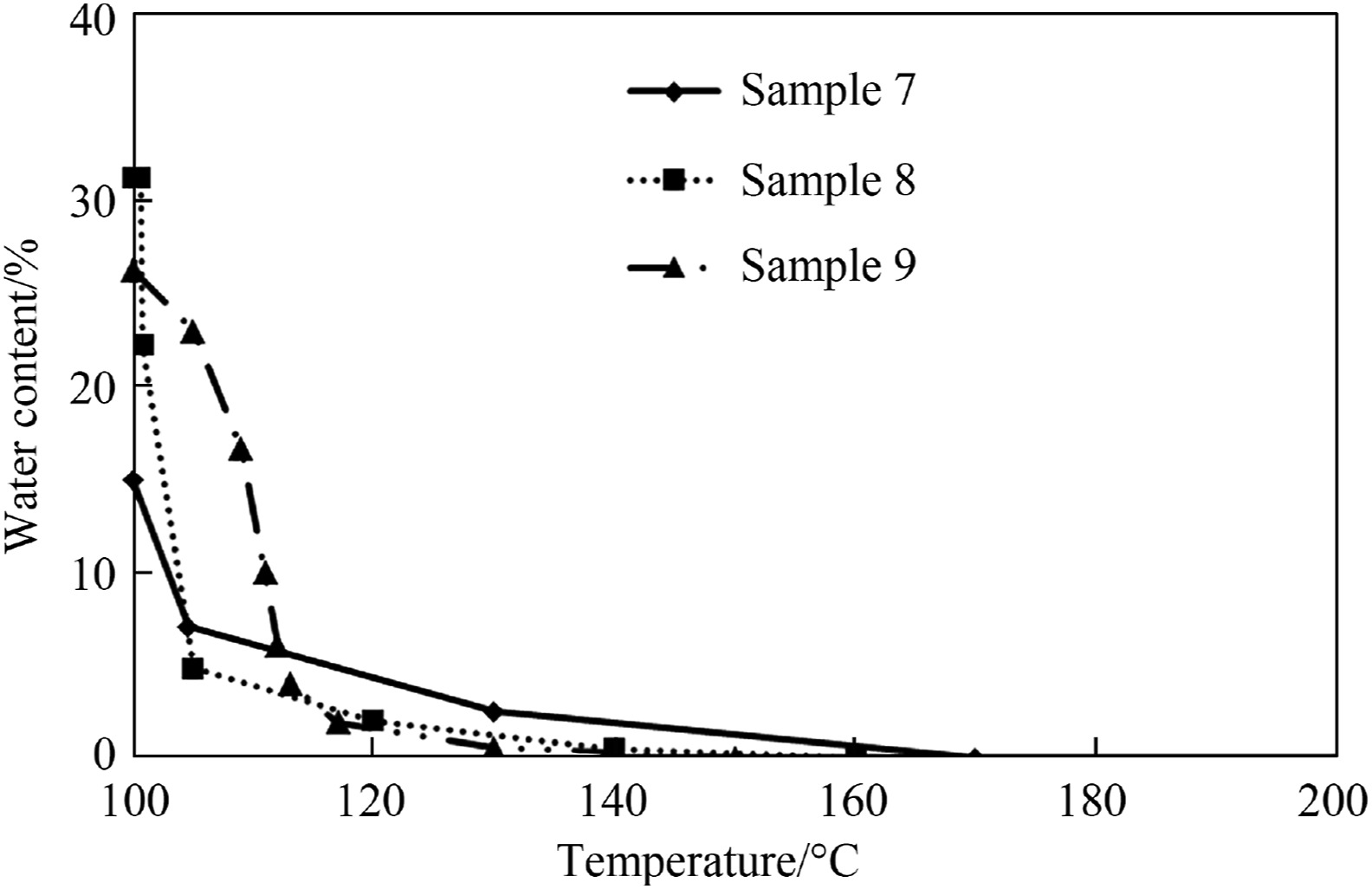
Significant waste resources are generated in the form of water-oil emulsions. These emulsions cannot be effectively destroyed on an industrial scale by traditional methods that rely on the settling of the aqueous phase, and therefore, they accumulate in large quantities. Thermomechanical dehydration, based on the evaporation of the water phase, presents a promising process for recycling such waste. However, within the framework of thermomechanical dehydration, the issue of optimizing energy costs for heating raw materials and controlling the water content in the product arises. Standard methods of determining water content under the boiling conditions of highly stable water-hydrocarbon emulsions are characterized by low efficiency, as they require constant sampling and the involvement of additional equipment and personnel. Consequently, this presents a challenge in predicting and creating an automated thermomechanical dehydration process. Therefore, dynamic curves depicting changes in the water content of these emulsions, depending on the temperature of the boiling liquid, have been obtained. It is proposed to determine the rate of temperature increase (dT/dt) of the boiling emulsion for continuous, real-time monitoring of the residual water content and for recording the moment of complete dehydration. Achieving a boiling emulsion temperature of 130-170 °C (or higher) and/or the rate of temperature increase from 3.0 to 5.5 (or above) indicates the complete dehydration of the emulsion. The proposed method can be implemented in any industrial or laboratory-scale unit for thermomechanical dehydration without significant capital costs. It is based on the use of simple devices consisting of temperature sensors and a computing unit for determining the temperature and rate of heating.

Continuous monitoring of residual water content in boiling water-hydrocarbon emulsions during thermomechanical dehydration
Graphical Abstract
Original ResearchVol. 76, Issue 1 • pp. 95-104DOI: 10.1016/j_cjche_1448Sep 12, 2024

Insights into constructing a stable and efficient microbial consortium system

Authors: Yinshan Lin, Haohong Lin, Jingyuan Liu, Fengxue Xin, Minjiao Chen, Weiliang Dong, Xiujuan Qian, Min Jiang

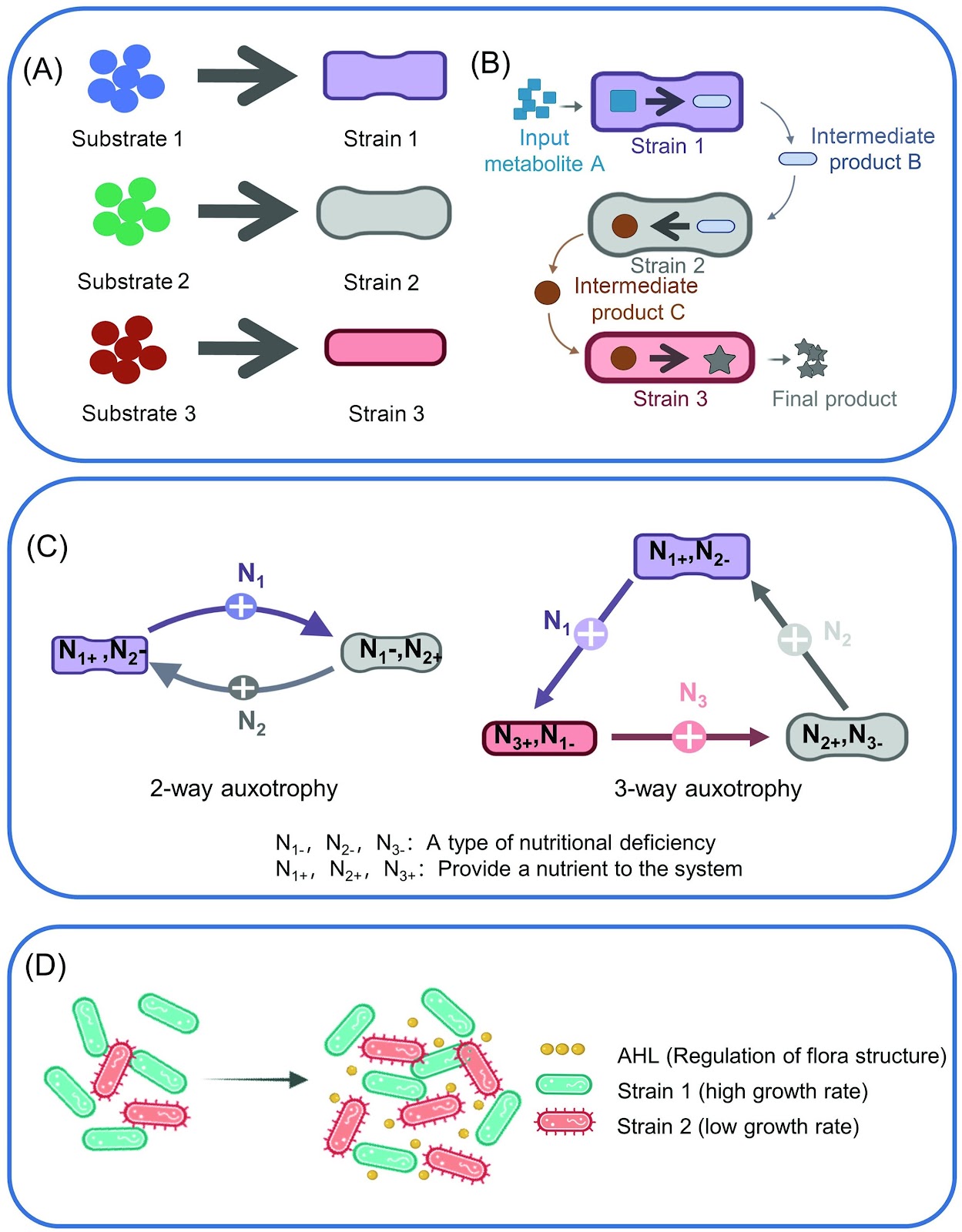
The concept of labor division and multi-module cooperation of microbial consortia offers it promising potentials in various areas, such as the utilization of complex substrates, synthesis of natural compounds with long metabolic pathways and remediation of environmental pollutants within a hostile environment. Consequently, synthetic microbial consortia represent a new frontier for synthetic biology because they can solve more complex problems than monocultures. However, current research on microbial consortia often involves the simple mixing of multiphase systems, where strains are co-cultured sequentially or individually cultured and then mixed-cultured. The instability and low efficiency of microbial consortia systems hindered their practical application. To construct a stable and efficient microbial consortium, it is essential to consider the different growth and metabolic characteristics of strains, the competition for various nutrients as well as the complex carbon, energy and signaling dynamics within the system. In this review, we provide a progressive strategy for constructing a stable and efficient microbial consortium system across three stages: compromised stage (work together), microenvironment-oriented stage (work better), and metabolite delivery-enhanced stage (work best). The detailed methods and points for attention of each stage are summarized, with a highlight on the technical bottleneck and application limitations. Through the integration of interdisciplinary strategies, such as materials science and mathematical models, the goal of building a stable and efficient microbial consortium is constantly advanced.

Insights into constructing a stable and efficient microbial consortium system
Graphical Abstract
Original ResearchVol. 31, Issue 9 • pp. 568-580DOI: 10.1016/j_cjche_144878863Sep 12, 2024

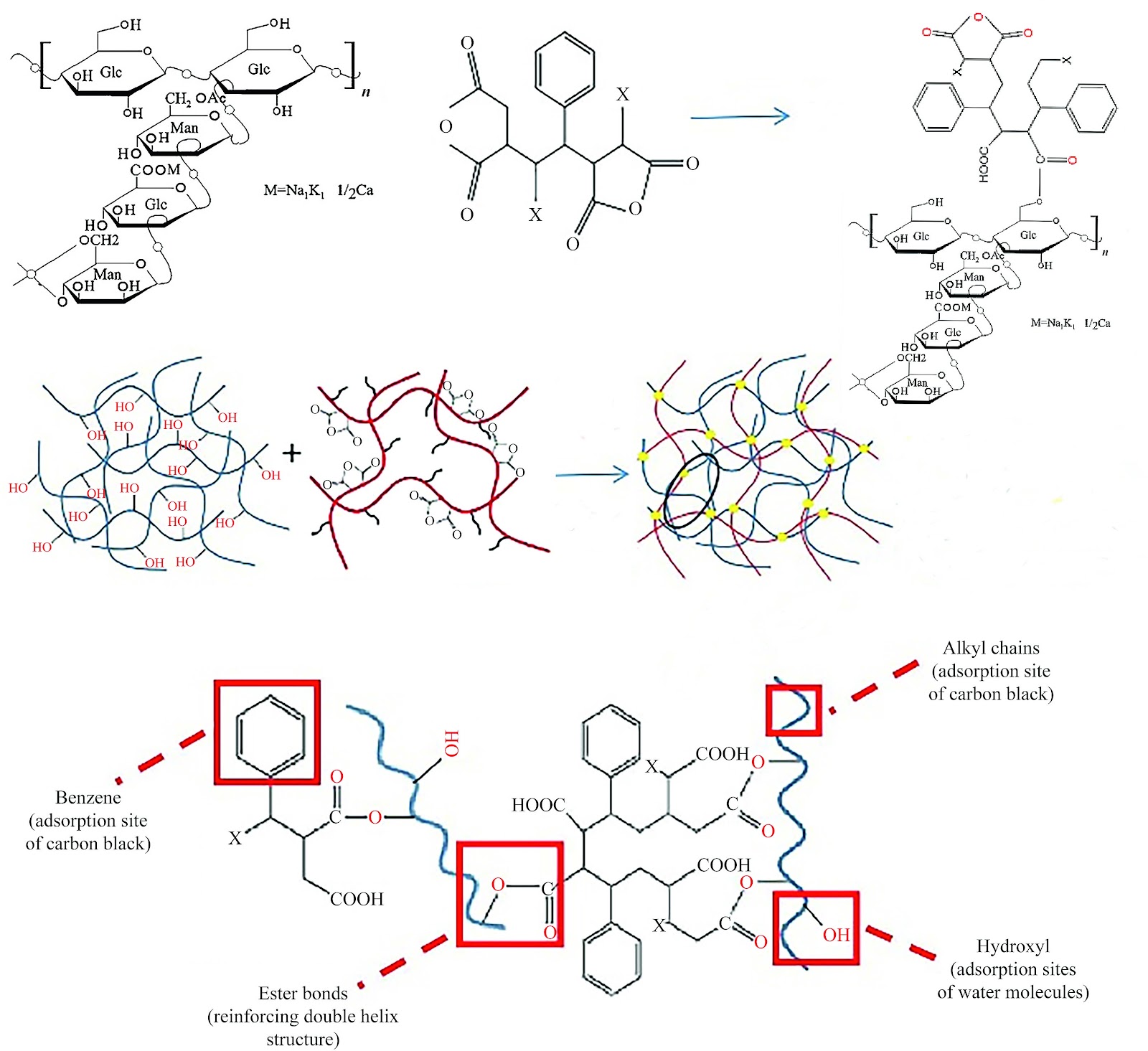
Alleviation of the plastic deformation of gel ink under strong stress through an esterification of xanthan gum reinforcing its double helix structure

Authors: Xiaokun Li, Mingyi Wang, Zilu Liu, Song Yang, Na Xu, Wei Zhao, Gan Luo, Shoujun Liu

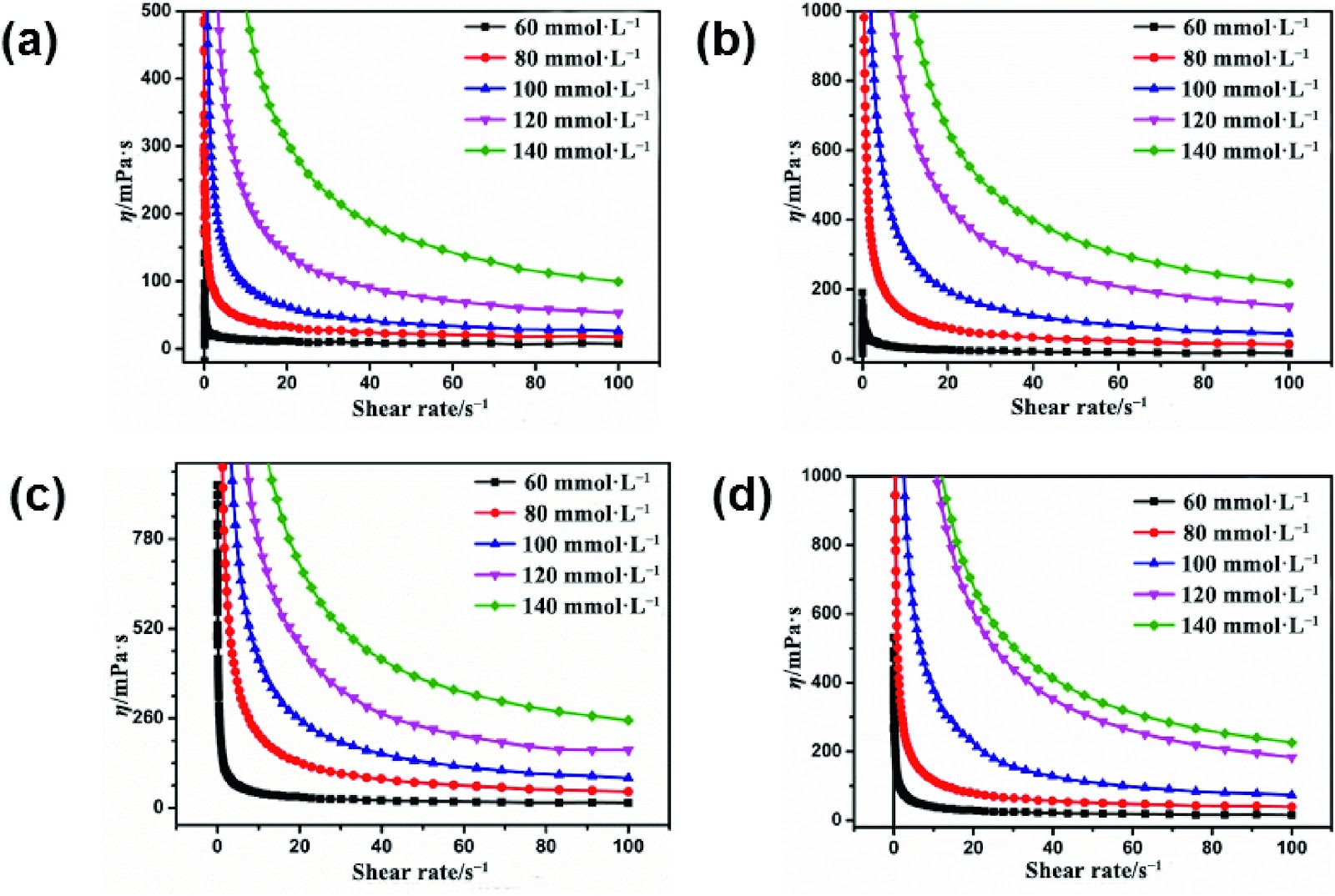
As a natural organic polymer, xanthan gum (XG) can alleviate the plastic deformation of gel ink under strong stress and realize the reasonable regulation of the rheological properties of gel ink. However, as the double-helix structure connected by hydrogen bonds cannot resist the mechanical environment of strong stress, XG shows poor shear resistance. In this study, a polymer gel with interpenetrating polymer network structure was prepared by esterifying XG, taking polystyrene maleic anhydride (SMA) as the modifier. In addition to retaining the excellent rheological properties of XG, the generated polymer gel also exhibited high shear resistance. The optimal addition amount of the esterification reaction modifier was determined as mXG: mSMA = 5:3 according to the gel ink standard. With this amount, the viscosity of the modified xanthan gum (SXG) gel increased to 1578.8 mPa·s and 100.7 mPa·s at shear rates of 4 s⁻¹ and 383 s⁻¹, respectively, and the shear resistance increased more than 2 times compared to the unmodified one. It is because of the ester bond formed by esterification that the reaction strengthens the interaction between molecular segments, enabling the new gel to resist to strong mechanical stress. The new polymer gel studied in this paper and the proposed mechanism of action provide new insights for the development of high-end gel ink and also provide theoretical support for the study of rheological properties of non-Newtonian fluids.

Alleviation of the plastic deformation of gel ink under strong stress through an esterification of xanthan gum reinforcing its double helix structure
Graphical Abstract
Original ResearchVol. 76, Issue 1 • pp. 187-200DOI: 10.1016/j_cjche_1448Sep 11, 2024

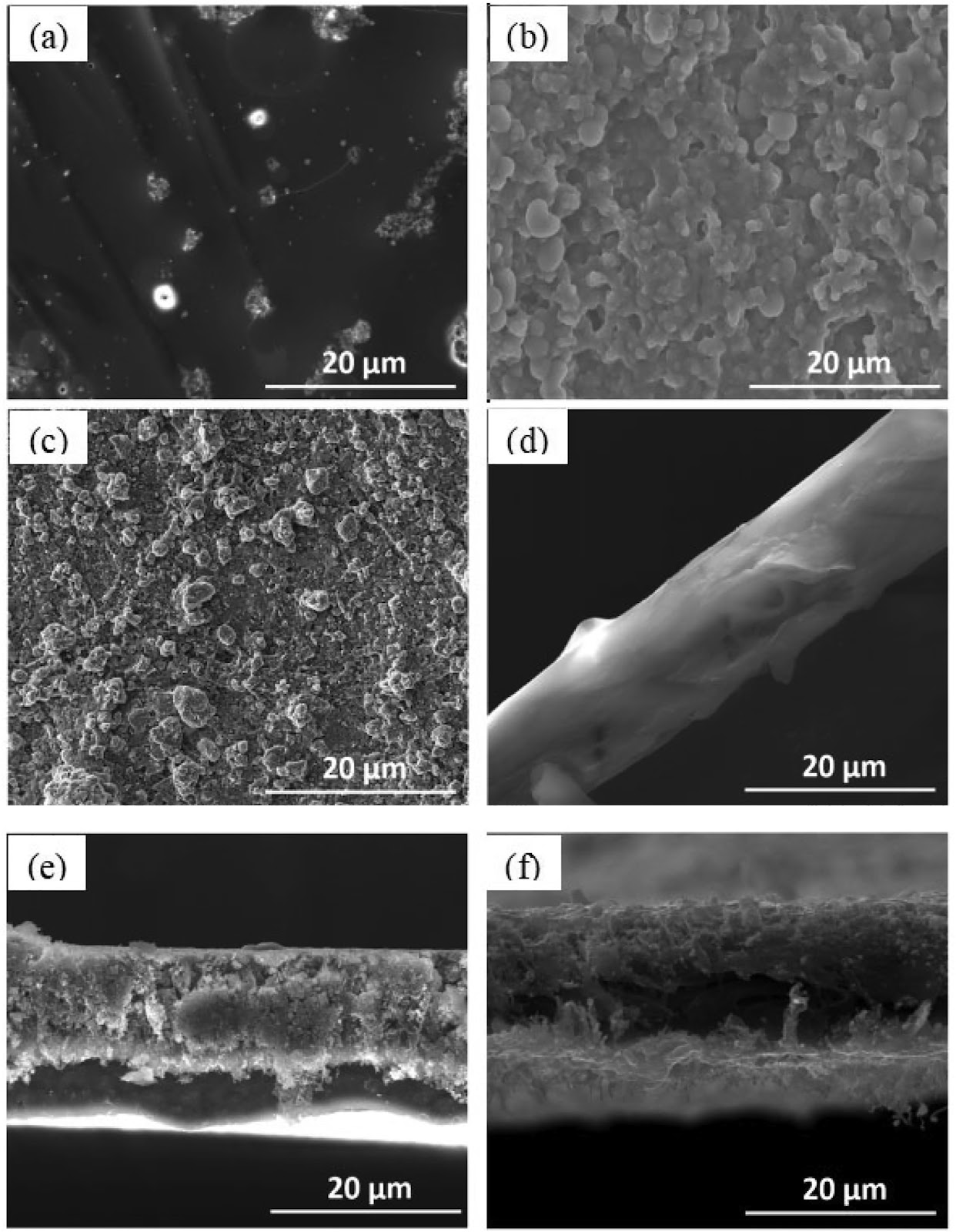
On the enhanced properties of composite asphalt via adding surface modified calcium sulfate whisker-SBR

Authors: Aoqi Cui, Emmerson Hondo, Nur Fatihah Tajul Ariffin, Yanpeng Pei, Xuan Su, Zhonghe Chen

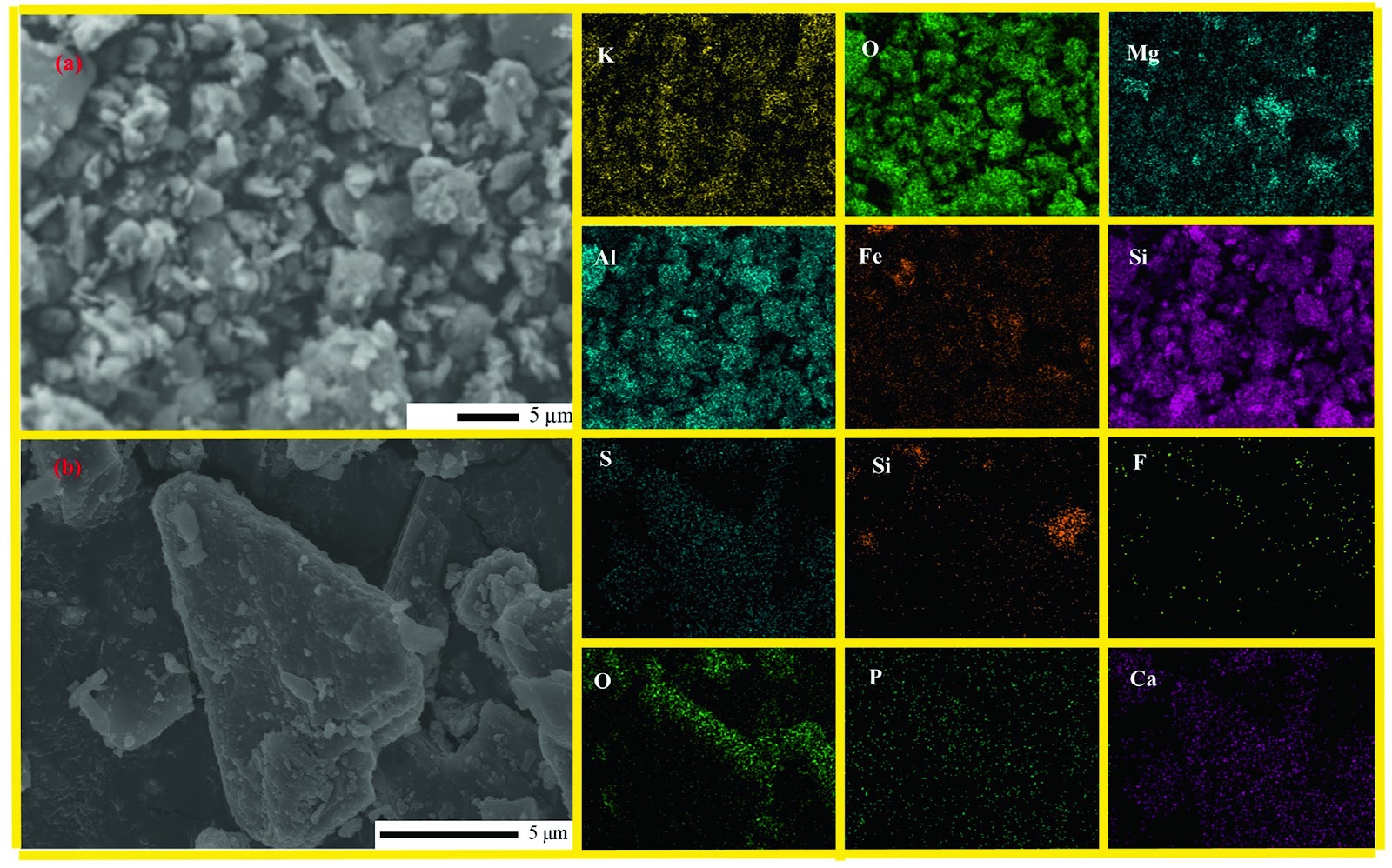
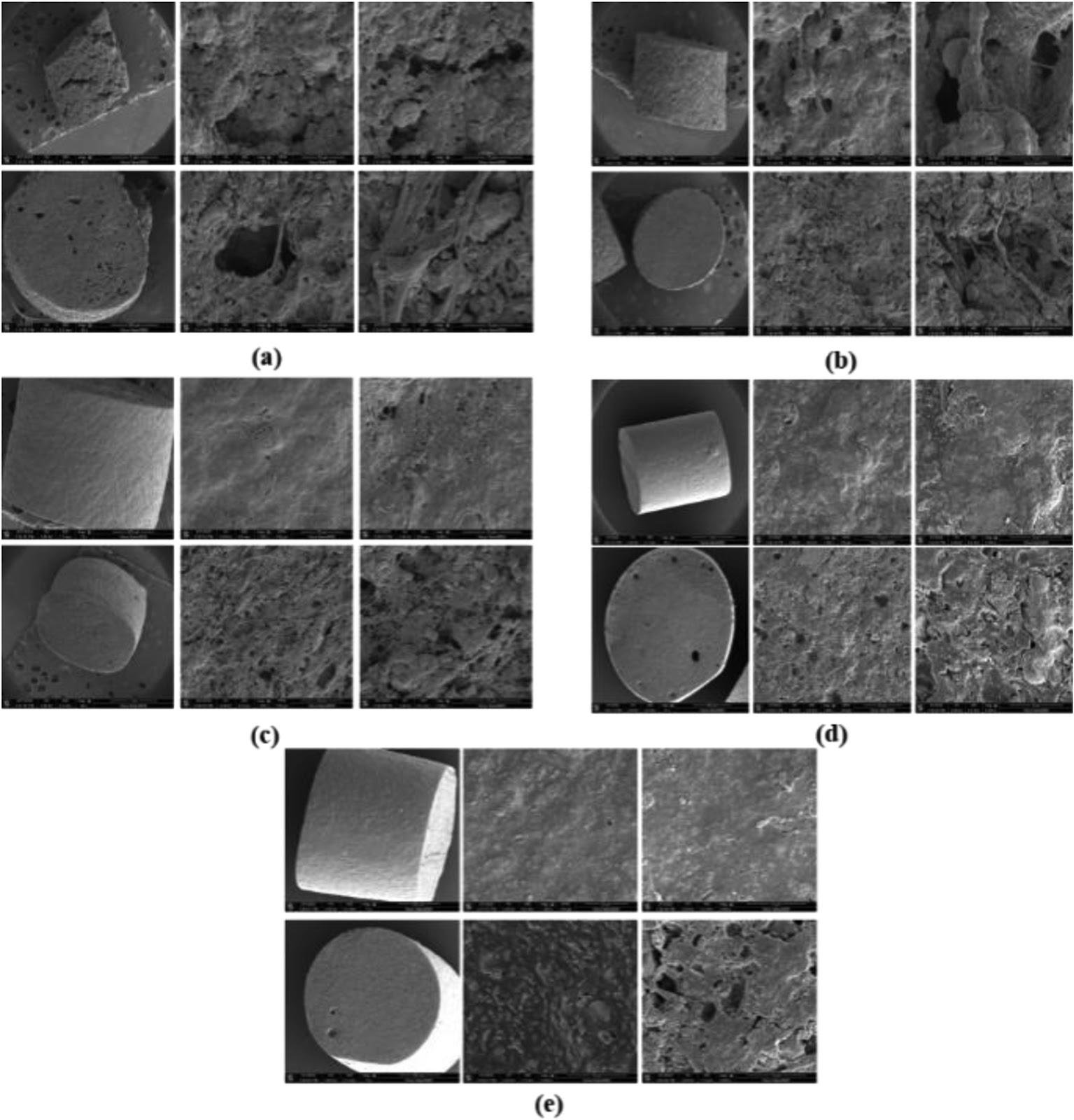
With the aim of improving the durability and safety, erosion time, and cost-effective of asphalt road, a composite of modified calcium sulfate whisker-styrene butadiene rubber modified asphalt (MCSW-SBRMA) was prepared via thermal doping. Firstly, stearic acid and titanate coupling agent (NDZ-201) were used as a modifier to transform calcium sulfate whisker (CSW) into MCSW via wet modification method at 60 °C and anhydrous ethanol as a dispersant. What is more, the optimum loading of modifier (a mixture of 25% stearic acid + 75% NDZ-201) was found to be at 2% to prepare MCSW. Subsequently, a composite of MCSW-SBRMA was prepared with different loading of MCSW (i.e. 2% to 8%) to enhance the softening point of asphalt. In this study, it was found that 4% of modifiers was the best composition to improve the MCSW-SBRMA properties as elucidated in the orthogonal experiment table L16(42). The effects of MCSW and SBR addition on several properties of asphalt were studied by multiple routine tests including penetration, segregation test, and so on. The results show that: 2% to 8% MCSW can increase the softening point of SBR modified asphalt (SBRMA) by 7% to 8%. 4% MCSW increased the PG of SBRMA from 64 to 70, which greatly improved the high temperature characteristics of asphalt. The 5 °C ductility of MCSW-SBRMA is greater than 100 cm, which greatly improves the low temperature performance of asphalt. Through the application of fluorescence microscopy (FM), Fourier transform infrared spectroscopy (FTIR), Scanning electron microscopy (SEM), and energy dispersive spectroscopy (SEM-EDS), it has been demonstrated that MCSW-SBR effectively alters asphalt in a highly uniform manner, with some MCSW still retaining large cross sections, thereby facilitating the dispersion of shear stress and enhancing the durability of asphalt.

On the enhanced properties of composite asphalt via adding surface modified calcium sulfate whisker-SBR
Graphical Abstract
Original ResearchVol. 76, Issue 1 • pp. 124-134DOI: 10.1016/j_cjche_1448Sep 11, 2024

Structural parameters and molecular model of Shendong subbituminous coal

Authors: Xiaoping Su, Ning Li, Longjian Li, Reyila Tuerhong, Yongchong Yu, Ping Zhang, Qiong Su, Tao Shen, Ming Sun, Xiaoxun Ma

Coal has a highly complex chemical structure, similar to polymers, coal is a macromolecular structure composed of a large number of “similar compounds”, which is called the basic structural unit. Understanding coal structure is the basis of its transformation and utilization. Shendong (SD) coal was analyzed by FTIR, XRD, XPS, and NMR. The results show that SD coal normalized structure formula is C100H68.5O35.7N1.2S0.2 and the average number of aromatic rings is 1.98. eCH2d content accounts for about 82% in aliphatic CeH region, and the ratio of ether bond CeO, aromatic ether CeO and C]O is about 2:1:11 in oxygen-containing functional group region. The d002, LC, La and NC of SD coal micro-crystalline structure parameters are 0.1832 nm, 1.4688 nm, 2.0852 nm and 9.017, respectively. Aromatic carbon and aliphatic carbon ratios of SD coal are 55.67% and 29.97%, aromatic cluster size and average methylene chain length are 0.224 and 1.817. Based on these structural parameters, molecular model of SD coal was constructed with 13C SSNMR experimental spectra as a reference. The model was constructed with an atom composition of C214H214O49N2S.

Structural parameters and molecular model of Shendong subbituminous coal
Graphical Abstract
Original ResearchVol. 76, Issue 1 • pp. 49-63DOI: 10.1016/j_cjche_1448Aug 24, 2024

Preparation of an adsorptive membrane of polyvinylidene fluoride incorporated functionalized boron nitride nanosheets for arsenic removal

Authors: S. Selambakkannu, N.L. Ishak, N.M. Fauzi, N. Ismail, Z.A. Karim

Incorporating nanomaterials into membranes will enhance wastewater treatment efficiency with their unique characteristics, such as higher permeability, thermal stability, surface roughness, hydrophilicity, and fouling control. In this study, the surface-modified boron nitride with phosphoric acid 2-hydroxyethyl methacrylate ester (PA/BN) was grafted with polyethylene glycol (PEG) via conventional grafting. The PEG grafted PA/BN (PEG-g-PA/BN) melt blended with polyvinylidene fluoride (PVDF) resin by using an internal mixer at different mass percentages (100% PVDF (PVDF), 3% PEG-g-PA/BN + 97% PVDF (97:3 BN), 5% PEG-g-PA/BN + 95% PVDF (95:5 BN), 7% PEG-g-PA/BN + 93% PVDF (93:7 BN), and 7% PEG-g-PA/BNNS + 93% PVDF (93:7 BNNS). Phase inversion technique was used to cast the blended mixture into a thin membrane. The prepared membranes were analyzed with different characterization techniques to determine chemical composition, crystallinity, morphology, and thermal properties. The prepared composite membrane was evaluated in terms of water permeability, anti-fouling resistance, and solute rejection efficiency with deionized water, bovine serum albumin, and arsenic solution as well. PVDF membranes show high water flux and porosity. The water flux and porosity of the blends decrease as the percentage of PEG-g-PA/BN increases. However, the highest removal capacity for arsenic was observed at 93:7 BN. The adsorption of arsenic ions takes place via complexation with PA/BN in the PVDF matrix. This was confirmed with field emission scanning electron microscopy-energy-dispersive X-ray analysis and X-ray photoelectron spectroscopy analyses.

Preparation of an adsorptive membrane of polyvinylidene fluoride incorporated functionalized boron nitride nanosheets for arsenic removal
Graphical Abstract
Original ResearchVol. 31, Issue 7 • pp. 522-534DOI: 10.1016/j_cjche_144878780Jul 25, 2024

Ca2MnO4-layered perovskite modified by NaNO3 for chemical-looping oxidative dehydrogenation of ethane to ethylene

Authors: Weixiao Ding, Kun Zhao, Shican Jiang, Zhen Huang, Fang He

Chemical-looping oxidative dehydrogenation (CL-ODH) is a process designed for the conversion of alkanes into olefins through cyclic redox reactions, eliminating the need for gaseous O2. In this work, we investigated the use of Ca2MnO4-layered perovskites modified with NaNO3 dopants, serving as redox catalysts (also known as oxygen carriers), for the CL-ODH of ethane within a temperature range of 700-780 °C. Our findings revealed that the incorporation of NaNO3 as a modifier significantly enhanced the selectivity for ethylene generation from Ca2MnO4. At 750 °C and a gas hourly space velocity of 1300 h−1, we achieved an ethane conversion up to 68.17%, accompanied by a corresponding ethylene yield of 57.39%. X-ray photoelectron spectroscopy analysis unveiled that the doping NaNO3 onto Ca2MnO4 not only played a role in reducing the oxidation state of Mn ions but also increased the lattice oxygen content of the redox catalyst. Furthermore, formation of NaNO3 shell on the surface of Ca2MnO4 led to a reduction in the concentration of manganese sites and modulated the oxygen-releasing behavior in a step-wise manner. This modulation contributed significantly to the enhanced selectivity for ethylene of the NaNO3-doped Ca2MnO4 catalyst. These findings provide compelling evidence for the potential of Ca2MnO4-layered perovskites as promising redox catalysts in the context of CL-ODH reactions.

Ca2MnO4-layered perovskite modified by NaNO3 for chemical-looping oxidative dehydrogenation of ethane to ethylene
Graphical Abstract
Original ResearchVol. 73, Issue 1 • pp. 109-119DOI: 10.1016/j_cjche_1448Jul 17, 2024

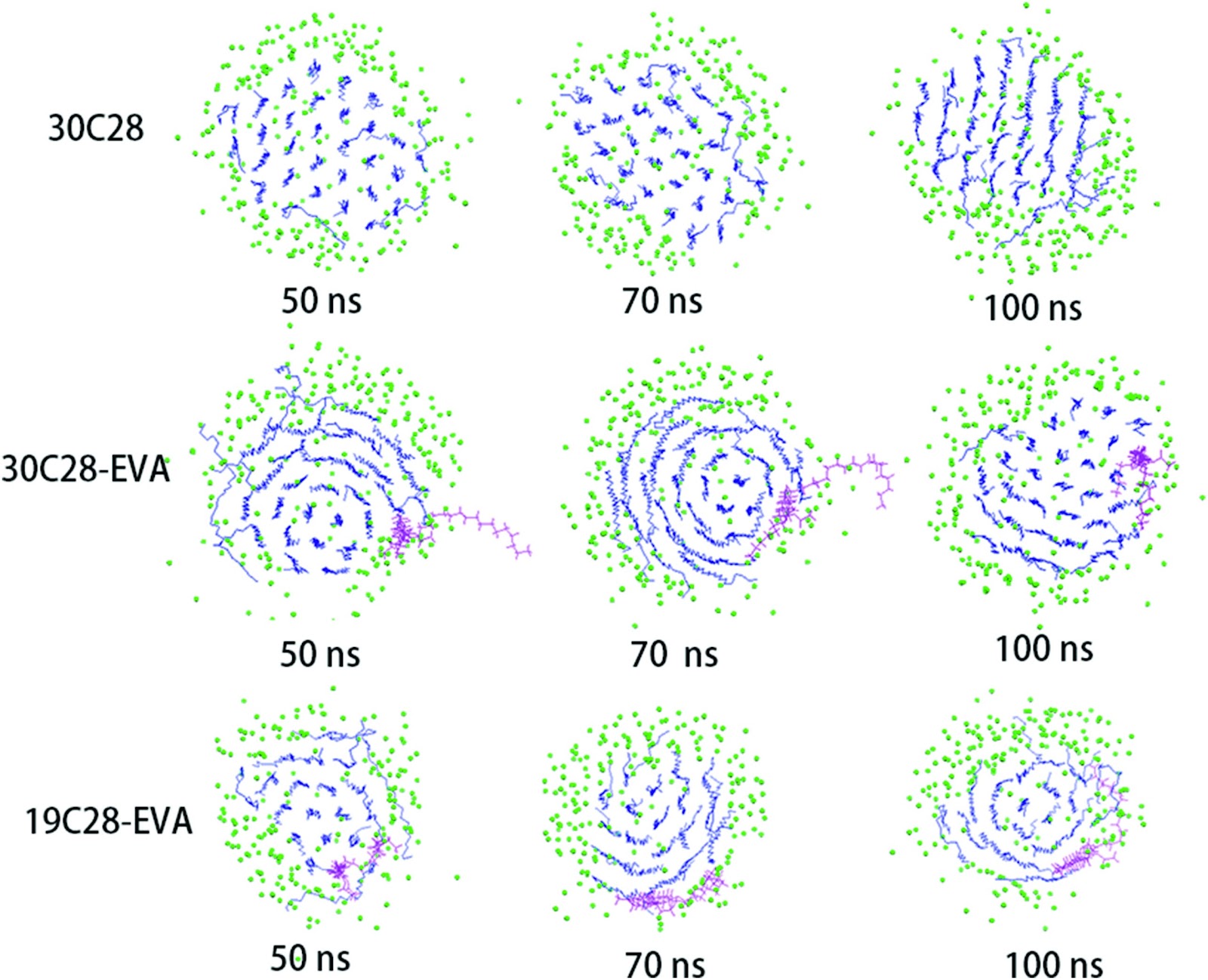
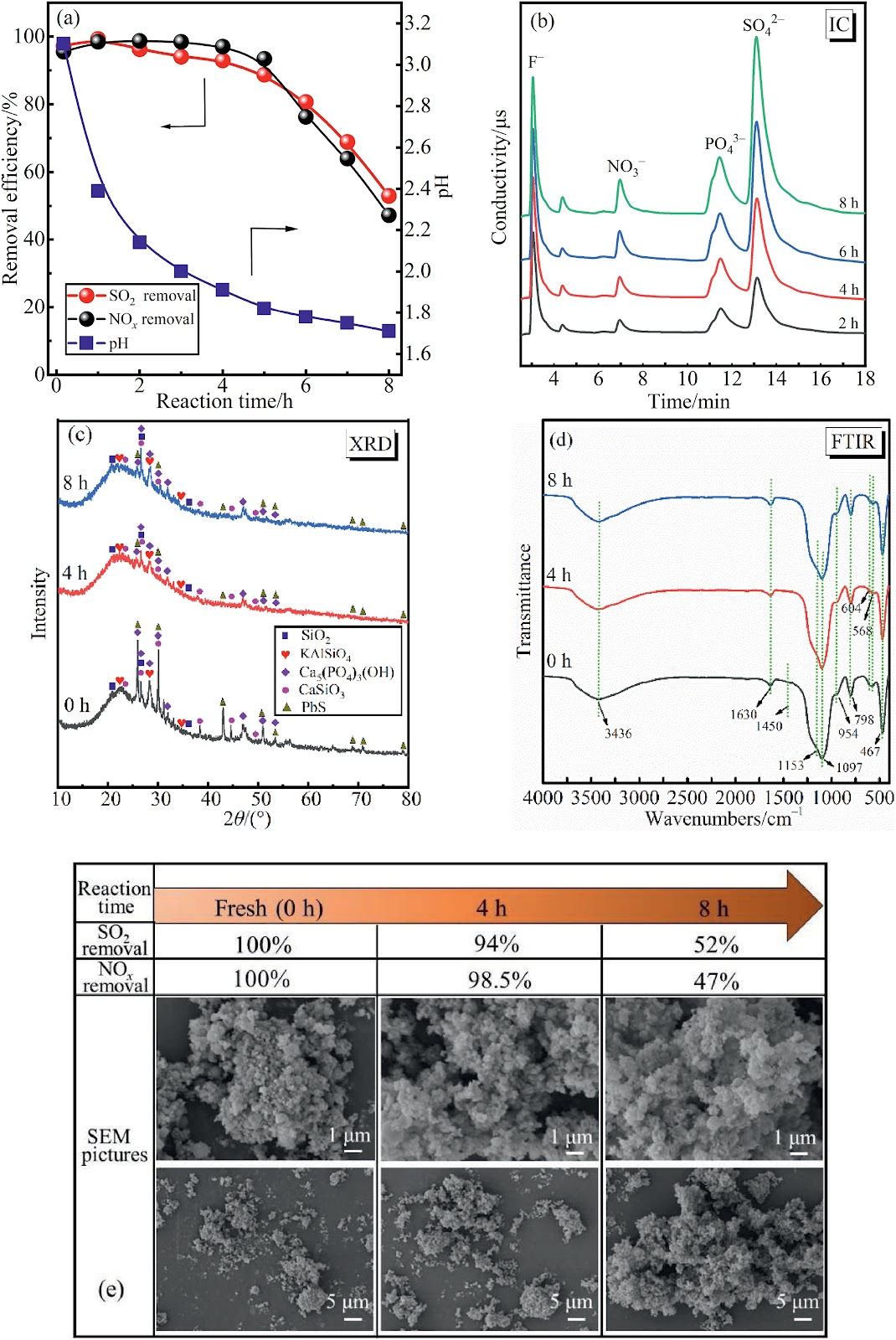
The effect of ethylene-vinyl acetate copolymer on the formation process of wax crystals and hydrates

Authors: Limin Wang, Jinrong Duan, Bei Liu, Zhi Li, Guangjin Chen

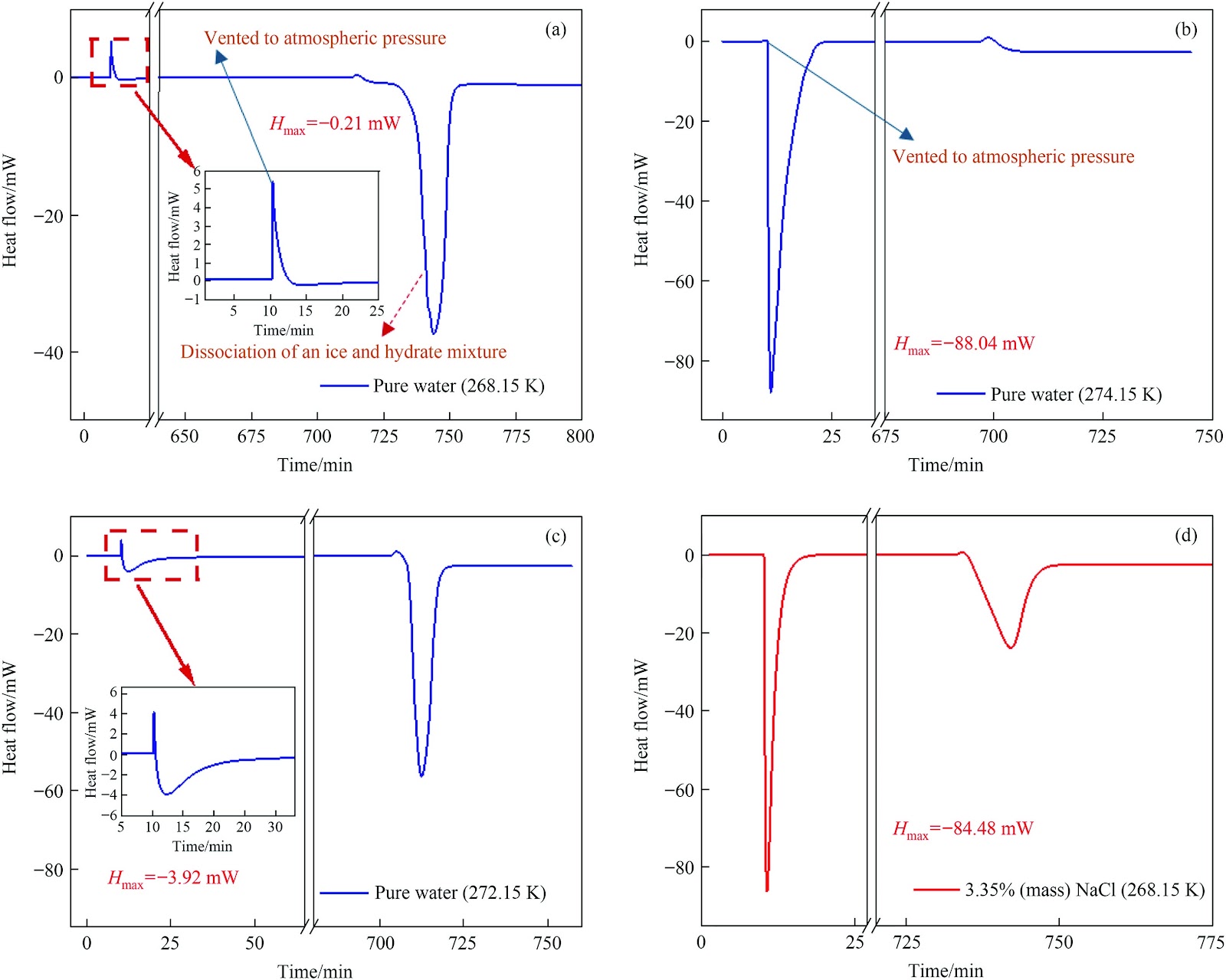
Ethylene-vinyl acetate copolymer (EVA) as a kind of effective polymeric pour point depressant has been extensively used in the pipeline transportation of crude oil to inhibit wax deposition and improve the low temperature fluidity of crude oil. In this work, molecular dynamics simulations were performed to investigate the effect of EVA on wax-hydrate coexistence system to evaluate the application potentiality of EVA to the flow assurance of deep-sea oilegasewater multiphase flow system. Our simulation results reveal that wax molecules gradually stretched and stacked from random coiling to a directional and ordered crystalline state during the process of wax solidification. The strong affinity of polar vinyl acetate side chains of EVA to neighboring water molecules made the EVA molecule prefer being in a curly state, which disrupted the ordered crystallization of surrounding wax molecules and delayed the solidification rate of wax cluster. In addition, it is found that EVA cocrystallized with wax molecules to form eutectic when the wax was fully solidified. The simulation results of hydrate nucleation and growth show that the EVA molecule displayed a two-sided effect on gas adsorption of wax crystals, which was the key factor that affected the nucleation and growth of hydrates in the methane-water system. The nonpolar hydrocarbon backbone of EVA increased the diffusion rate of methane and water, allowing more methane to diffuse to the surface of wax crystals, reducing the methane concentration in aqueous solutions and inhibiting the hydrate formation. On the other hand, the nonpolar vinyl acetate chains had a repulsive effect on methane, which reduced the adsorption area of methane on the eutectic surface and decreased the adsorption threshold value of the wax crystal. The excluded methane molecules would continue dissociating in the aqueous phase and participating in the nucleation and growth process of hydrates. Therefore, the probability of hydrate formation would be increased. It was worth noting that the inhibition performance of EVA on hydrate formation mainly played a significant role in the system with small wax crystal, while its hydrate promotion effect played a dominant role in the system with lager wax crystal. In summary, EVA could significantly inhibit both of the wax and hydrate deposition for the wax-gas-water multiphase system with low wax content. When the wax content in the system was high, the role of EVA was mainly played in the alleviation of wax crystallization rather than the gas hydrates. The results of the present work can contribute to a better understanding of EVA on wax deposition and hydrate formation, and provide theoretical support of the potential industrial applications of EVA.

The effect of ethylene-vinyl acetate copolymer on the formation process of wax crystals and hydrates
Graphical Abstract
Original ResearchVol. 31, Issue 7 • pp. 754-766DOI: 10.1016/j_cjche_144878240Jul 12, 2024

Preparation of ultrafine WC-Co powder via fluidized bed

Authors: Huijun Shang, Hengli Li, Weijun Li, Feng Pan, Zhan Du

In this study, the effects of reaction parameters on the deep-reduction and carbonization process of WO2-Co to WC-Co were studied. The results indicate that the oxygen loss rate of WO2 is positively correlated with temperature and methane partial pressure. The partial pressure of methane has no significant effect on the formation rate of WC. The carbon content and particle size of the product increase with the increase of CH4 partial pressure. By synergistically regulating the reaction temperature to 950 °C, the CH4 partial pressure to 1.25%, and the reaction time to 60 min, ultrafine WC-Co powder without h phase can be obtained. The particle size of the composite powder is 128 nm, with total carbon content of 6.16%, free carbon content of 0.4%, and residual oxygen content of 0.05%, respectively. The growth rate relationship of tungsten carbide is as follows: d(t) = 1.21 × 10^-13 exp(-12809.72/T) √t.

Preparation of ultrafine WC-Co powder via fluidized bed
Graphical Abstract
Original ResearchVol. 73, Issue 1 • pp. 176-188DOI: 10.1016/j_cjche_1448Jul 4, 2024

Thermal conductivity of hydrate and effective thermal conductivity of hydrate-bearing sediment

Authors: Cunning Wang, Xingxun Li, Qingping Li, Guangjin Chen, Changyu Sun

The research on the thermal property of the hydrate has recently made great progress, including the understanding of hydrate thermal conductivity and effective thermal conductivity (ETC) of hydrate-bearing sediment. The thermal conductivity of hydrate is of great significance for the hydrate-related field, such as the natural gas hydrate exploitation and prevention of the hydrate plugging in oil or gas pipelines. In order to obtain a comprehensive understanding of the research progress of the hydrate thermal conductivity and the ETC of hydrate-bearing sediment, the literature on the studies of the thermal conductivity of hydrate and the ETC of hydrate-bearing sediment were summarized and reviewed in this study. Firstly, experimental studies of the reported measured values and the temperature dependence of the thermal conductivity of hydrate were discussed and reviewed. Secondly, the studies of the experimental measurements of the ETC of hydrate-bearing sediment and the effects of temperature, porosity, hydrate saturation, water saturation, thermal conductivity of porous medium, phase change, and other factors on the ETC of hydrate-bearing sediment were discussed and reviewed. Thirdly, the research progress of modeling on the ETC of the hydrate-bearing sediment was reviewed. The thermal conductivity determines the heat transfer capacity of the hydrate reservoir and directly affects the hydrate exploitation efficiency. Future efforts need to be devoted to obtain experimental data of the ETC of hydrate reservoirs and establish models to accurately predict the ETC of hydrate-bearing sediment.

Thermal conductivity of hydrate and effective thermal conductivity of hydrate-bearing sediment
Graphical Abstract
Original ResearchVol. 73, Issue 1 • pp. 130-145DOI: 10.1016/j_cjche_1448Jul 2, 2024

Research methods and devices for hydrate characteristics during oil and gas transportation: A review

Authors: Jie Zhang, Lei Shi, Chuanxian Li, Fei Yang, Bo Yao, Guangyu Sun

Due to the high-pressure and low-temperature exploitation environment, the characteristics of hydrates are directly related to the safety of pipeline transportation, which is an important research topic for deep-sea flow assurance. In this review, six kinds of extensively used experimental equipment and three types of hot computer simulation methods, which are employed to explore the hydrate characteristics under deep-sea conditions, are comprehensively summarized, covering micro to macro research scales. The experimental equipment includes rotational rheometer, flow loop, high-pressure reactor, differential scanning calorimeter (DSC), micromechanical force (MMF) testing apparatus and microscopic morphology observation (MMO) device. The computer simulation methods involve numerical simulation, molecular dynamics (MD) simulation, Monte Carlo (MC) simulation and first-principles calculation. Their advantages and disadvantages are compared in detail, and their basic principles, main applications and the latest research progress are introduced. Some suggestions for future research methods are also provided. This work aims to help readers quickly grasp the characteristics of the most used research methods, choose suitable methods for their study and further expand these methods, so as to advance the development in hydrate research area.

Research methods and devices for hydrate characteristics during oil and gas transportation: A review
Graphical Abstract
Original ResearchVol. 73, Issue 1 • pp. 120-129DOI: 10.1016/j_cjche_1448Jun 29, 2024

The dual action of N2 on morphology regulation and mass-transfer acceleration of CO2 hydrate film

Authors: Jinrong Zhong, Yu Tian, Yifei Sun, Li Wan, Yan Xie, Yujie Zhu, Changyu Sun, Guangjin Chen, Yuefei Zhang

The morphology characteristics of CH4, CO2, and CO2+N2 hydrate film forming on the suspending gas bubbles are studied using microscopic visual method at supercooling conditions from 1.0 to 3.0 K. The hydrate film vertical growth rate and thickness along the planar gas-water interface are measured to study the hydrate formation kinetics and mass transfer process. Adding N2 in the gas mixture plays the same role as lowering the supercooling conditions, both retarding the crystal nucleation and growth rates, which results in larger single crystal size and rough hydrate morphology. N2 in the gas mixture helps to delay the secondary nucleation on the hydrate film, which is beneficial to maintain the pore-throat structure and enhance the mass transfer. The vertical growth rate of hydrate film mainly depends on the supercooling conditions and gas compositions but has weak dependence on the experimental temperature and pressure. Under the same gas composition condition, the final film thickness shows a linear relationship with the supercooling conditions. The mass transfer coefficient of CH4 molecules in hydrates ranges from 4.54 × 10^-8 to 7.54 × 10^-8 mol·cm^-2·s^-1·MPa^-1. The maximum mass transfer coefficient for CO2 + N2 hydrate occurs at the composition of 60% CO2 + 40% N2, which is 3.98 × 10^-8 mol·cm^-2·s^-1·MPa^-1.

The dual action of N2 on morphology regulation and mass-transfer acceleration of CO2 hydrate film
Graphical Abstract
Original ResearchVol. 73, Issue 1 • pp. 212-221DOI: 10.1016/j_cjche_1448Jun 18, 2024

Polygonal mesopores microflower catalysts for the catalytic oxidation of 2-nitro-4-methylsulfonyltoluene to 2-nitro-4-methylsulfonylbenzoic acid in a continuous-flow microreactor

Authors: Jianzhi Wang, Xugen Li, Cheng Zhang, Yuan Pu, Jiawu Liu, Jie Liu, Yanping Liu, Xiao Lin, Faquan Yu

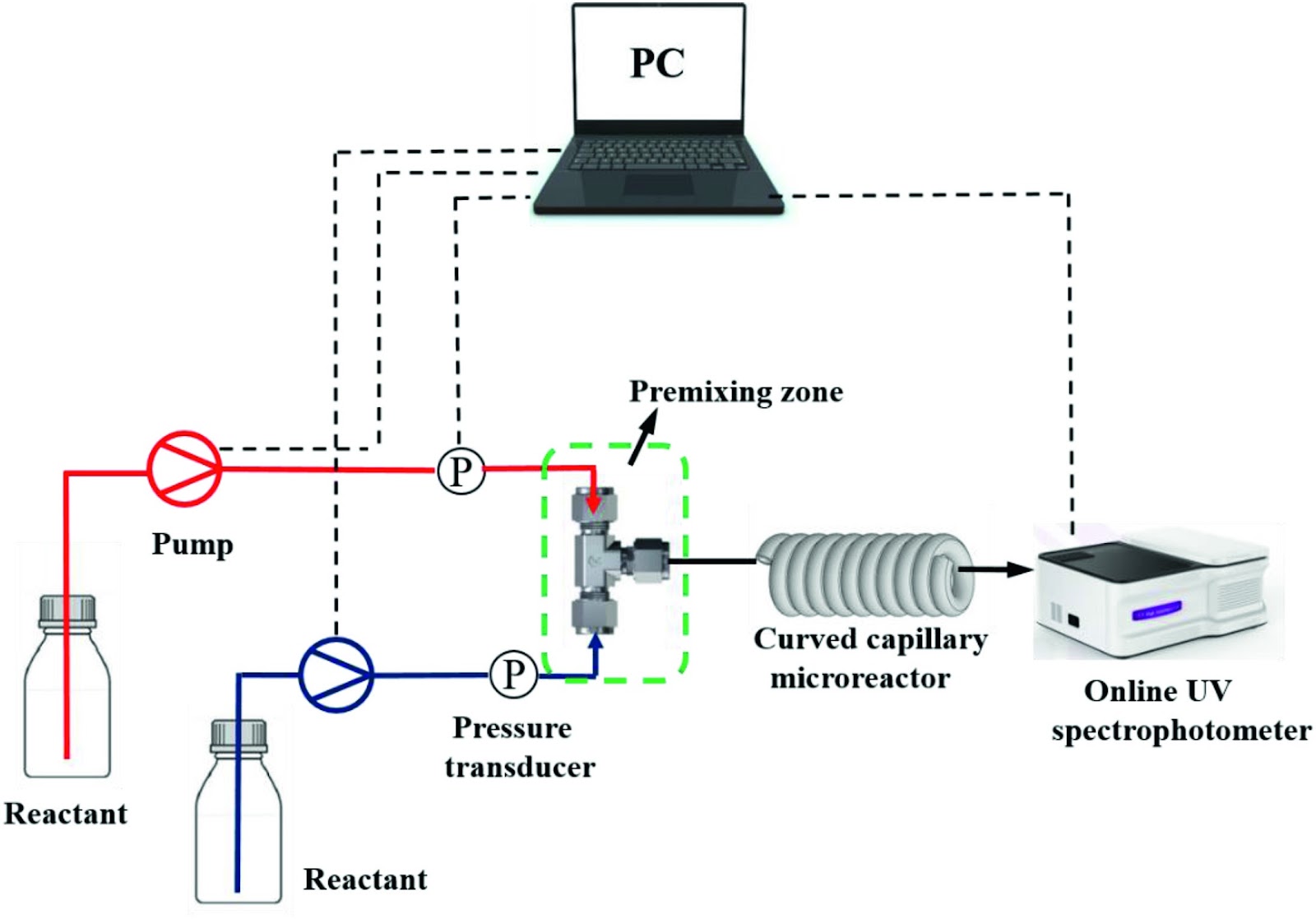
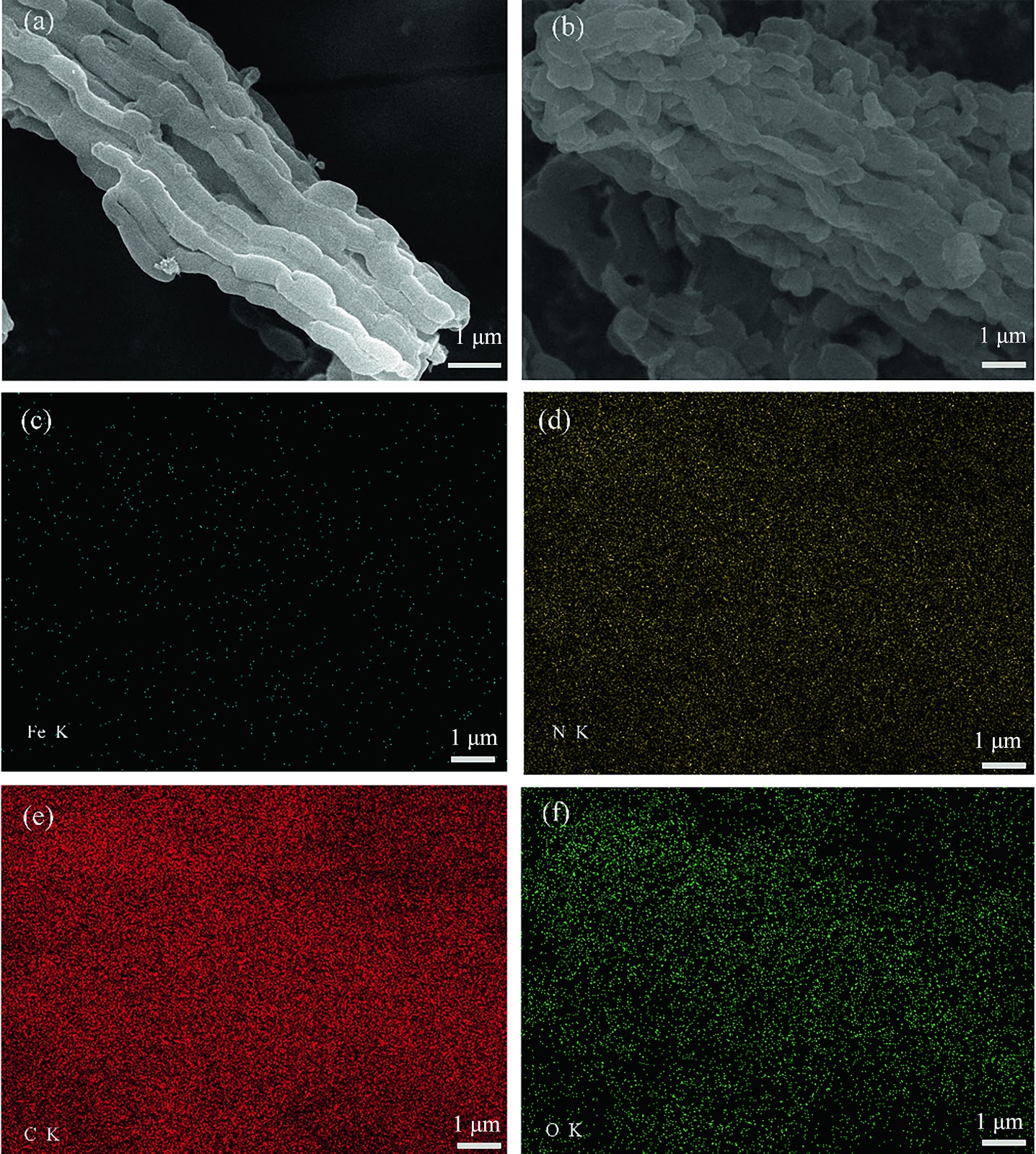
The development of efficient systems for the catalytic oxidation of 2-nitro-4-methylsulfonyltoluene (NMST) to 2-nitro-4-methylsulfonyl benzoic acid (NMSBA) with atmospheric air or molecular oxygen in alkaline medium presents a significant challenge for the chemical industry. Here, we report the synthesis of FeOOH/Fe3O4/metaleorganic framework (MOF) polygonal mesopores microflower templated from a MIL-88B(Fe) at room temperature, which exposes polygonal mesopores with atomistic edge steps and lattice defects. The obtained FeOOH/Fe3O4/MOF catalyst was adsorbed onto glass beads and then introduced into the microchannel reactor. In the alkaline environment, oxygen was used as oxidant to catalyze the oxidation of NMST to NMSBA, showing impressive performance. This sustainable system utilizes oxygen as a clean oxidant in an inexpensive and environmentally friendly NaOH/methanol mixture. The position and type of substituent critically affect the products. Additionally, this sustainable protocol enabled gram-scale preparation of carboxylic acid and benzyl alcohol derivatives with high chemoselectivities. Finally, the reactions can be conducted in a pressure reactor, which can conserve oxygen and prevent solvent loss. Moreover, compared with the traditional batch reactor, the self-built microchannel reactor can accelerate the reaction rate, shorten the reaction time, and enhance the selectivity of catalytic oxidation reactions. This approach contributes to environmental protection and holds potential for industrial applications.

Polygonal mesopores microflower catalysts for the catalytic oxidation of 2-nitro-4-methylsulfonyltoluene to 2-nitro-4-methylsulfonylbenzoic acid in a continuous-flow microreactor
Graphical Abstract
Original ResearchVol. 73, Issue 1 • pp. 163-175DOI: 10.1016/j_cjche_1448Jun 15, 2024

Desulfurization characteristics of slaked lime and regulation optimization of circulating fluidized bed flue gas desulfurization process—A combined experimental and numerical simulation study

Authors: Jing Chen, Wenqi Zhong, Guanwen Zhou, Jinming Li, Shasha Ding

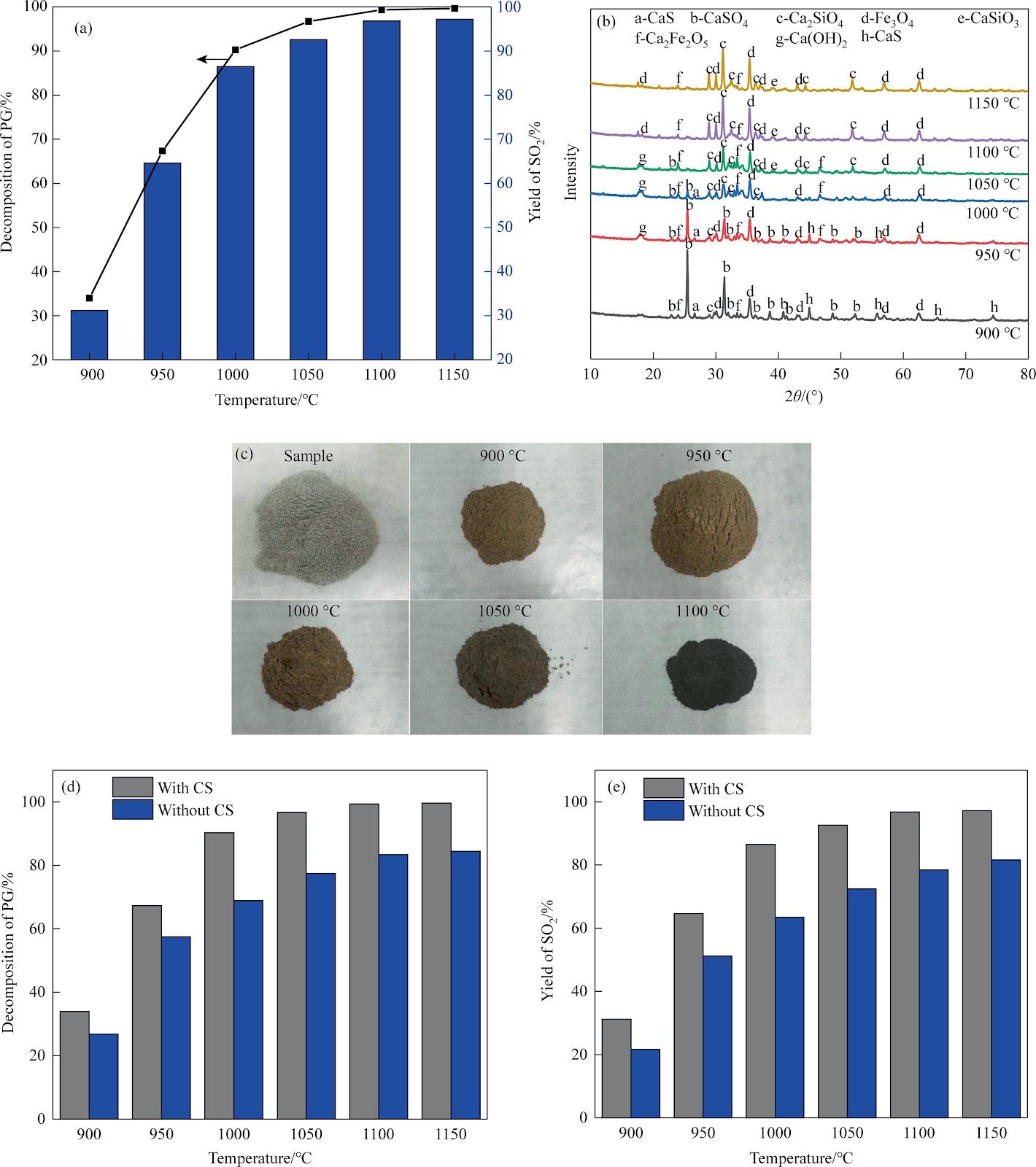
Circulating fluidized bed flue gas desulfurization (CFB-FGD) process has been widely applied in recent years. However, high cost caused by the use of high-quality slaked lime and difficult operation due to the complex flow field are two issues which have received great attention. Accordingly, a laboratory-scale fluidized bed reactor was constructed to investigate the effects of physical properties and external conditions on desulfurization performance of slaked lime, and the conclusions were tried out in an industrial-scale CFB-FGD tower. After that, a numerical model of the tower was established based on computational particle fluid dynamics (CPFD) and two-film theory. After comparison and validation with actual operation data, the effects of operating parameters on gas-solid distribution and desulfurization characteristics were investigated. The results of experiments and industrial trials showed that the use of slaked lime with a calcium hydroxide content of approximately 80% and particle size greater than 40 mm could significantly reduce the cost of desulfurizer. Simulation results showed that the flow field in the desulfurization tower was skewed under the influence of circulating ash. We obtained optimal operating conditions of 7.5 kg·s−1 for the atomized water flow, 70 kg·s−1 for circulating ash flow, and 0.56 kg·s−1 for slaked lime flow, with desulfurization efficiency reaching 98.19% and the exit flue gas meeting the ultraclean emission and safety requirements. All parameters selected in the simulation were based on engineering examples and had certain application reference significance.

Desulfurization characteristics of slaked lime and regulation optimization of circulating fluidized bed flue gas desulfurization process—A combined experimental and numerical simulation study
Graphical Abstract
Original ResearchVol. 73, Issue 1 • pp. 81-89DOI: 10.1016/j_cjche_1448Jun 9, 2024

Bifunctional functionalized two-dimensional transition metal borides for fast reaction redox kinetics in lithiumesulfur batteries

Authors: Na Li, Ninggui Ma, Yulu Zhan, Haishun Wu, Jun Fan, Jianfeng Jia

Lithiumesulfur (LieS) batteries are regarded as one of the most promising next-generation energy storage systems due to their high theoretical specific energy density and low cost. However, serious shuttle effect and sluggish lithium polysulfides (LiPSs) redox kinetics severely impede the practical application of LieS batteries. Employing polar sulfur hosts is an effective strategy to alleviate the above problems. Herein, the potential of two-dimensional (2D) Ti2B-based sulfur hosts for LieS batteries was comprehensively explored using first-principles calculations. The results show that functional groups of Ti2B can significantly modulate its structural properties, thus affecting its interaction with sulfur-containing species. Among S, Se, F, Cl, and Br elements, Ti2B terminated with S and Se atoms possess stronger adsorption capability towards soluble Li2S8, Li2S6, and Li2S4, obviously stronger than organic electrolytes, which indicates that they can completely suppress the shuttle effect. Besides, Ti2BS2 and Ti2BSe2 can powerfully expedite the electrochemical conversion of LiPSs. Moreover, the decomposition energy barrier of Li2S and diffusion energy barrier of single Li ion on them are also fairly low, manifesting their excellent catalytic performance towards the oxidation of Li2S. Finally, Ti2BS2 and Ti2BSe2 always keep metallic conductivity during the whole charge/discharge process. Taking all this into account, Ti2BS2 and Ti2BSe2 are proposed as promising bifunctional sulfur hosts for LieS batteries. Our results suggest that increasing the proportion of S and Se groups during the synthesis of Ti2B monolayers is greatly helpful for obtaining high-performance LieS batteries. Besides, our work not only reveals the huge potential of 2D transition metal borides in LieS batteries, but also provides insightful guidance for the design and screening of new efficient sulfur cathodes.

Bifunctional functionalized two-dimensional transition metal borides for fast reaction redox kinetics in lithiumesulfur batteries
Graphical Abstract
Original ResearchVol. 73, Issue 1 • pp. 189-201DOI: 10.1016/j_cjche_1448Jun 4, 2024

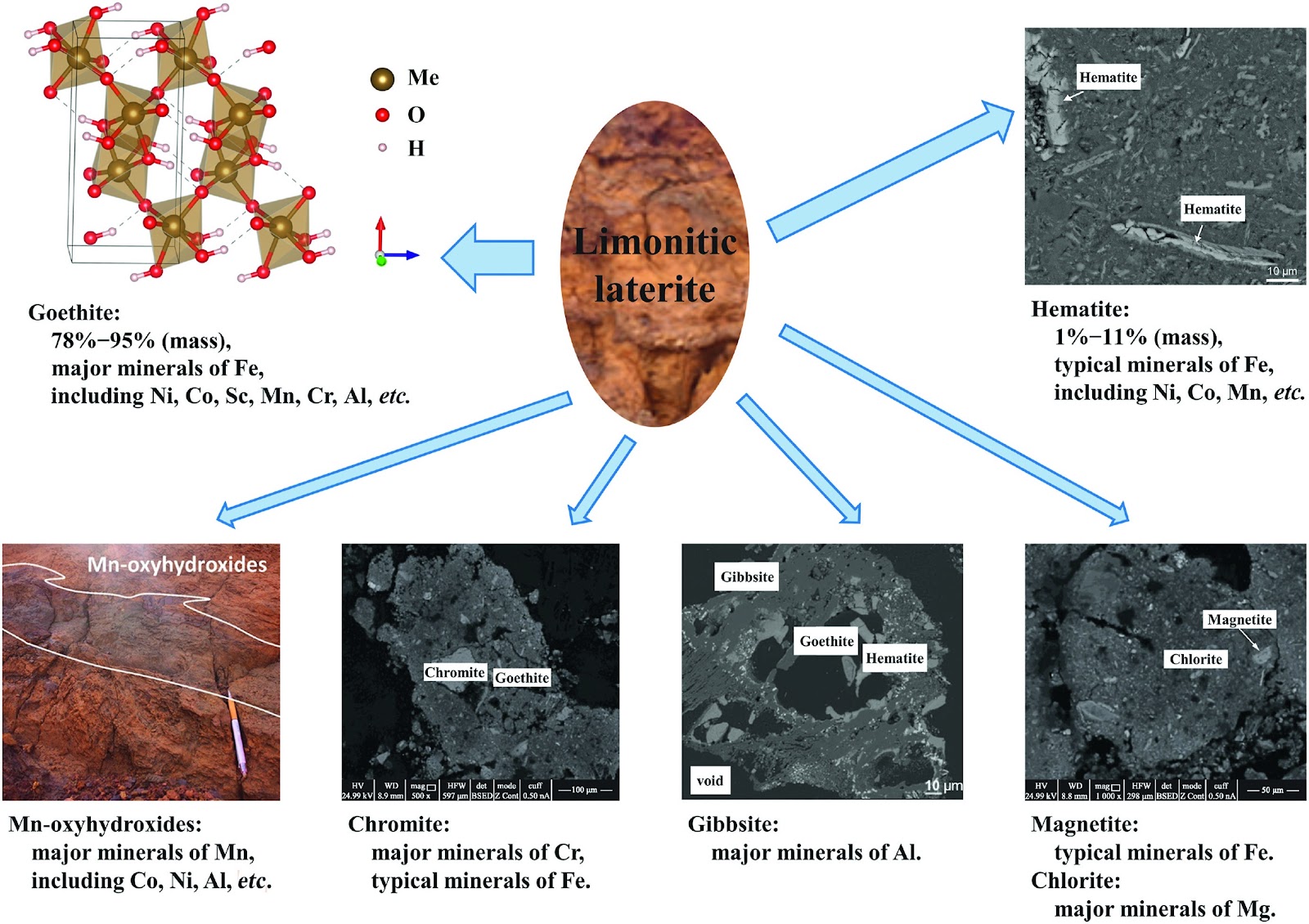
Hydrometallurgical process and recovery of valuable elements for limonitic laterite: A review

Authors: Xinglong Xiong, Baozhong Ma, Xiang Li, Jiancheng Yu, Longfei Shi, Chengyan Wang, Yongqiang Chen

Nickel is a strategic resource in social life and defense technology, playing an essential role in many fields, such as alloys and batteries. With the decrease in nickel sulfide, it is of great significance to extract nickel from laterite. The limonitic laterite is a kind of rich nickel-cobalt-scandium resource. At present, there are few reviews on the extraction of limonitic laterite. This study reviews the hydrometallurgical processes for limonitic laterite ores and the methods of recovering valuable elements. The mineralogical characteristics are analyzed, and the typical mineral compositions are summarized. The main hydrometallurgical processes are compared and discussed, including reduction roasting-ammonia leaching, sulfuric acid pressure leaching, nitric acid pressure leaching, and the atmospheric nitric acid leaching (DNi process). The methods of recovering nickel, cobalt, scandium, and iron are emphatically outlined. Finally, reasonable suggestions are proposed for comprehensive utilization. This study can provide a reference for industrial development and diversified applications.

Hydrometallurgical process and recovery of valuable elements for limonitic laterite: A review
Graphical Abstract
Original ResearchVol. 73, Issue 1 • pp. 101-108DOI: 10.1016/j_cjche_1448May 27, 2024

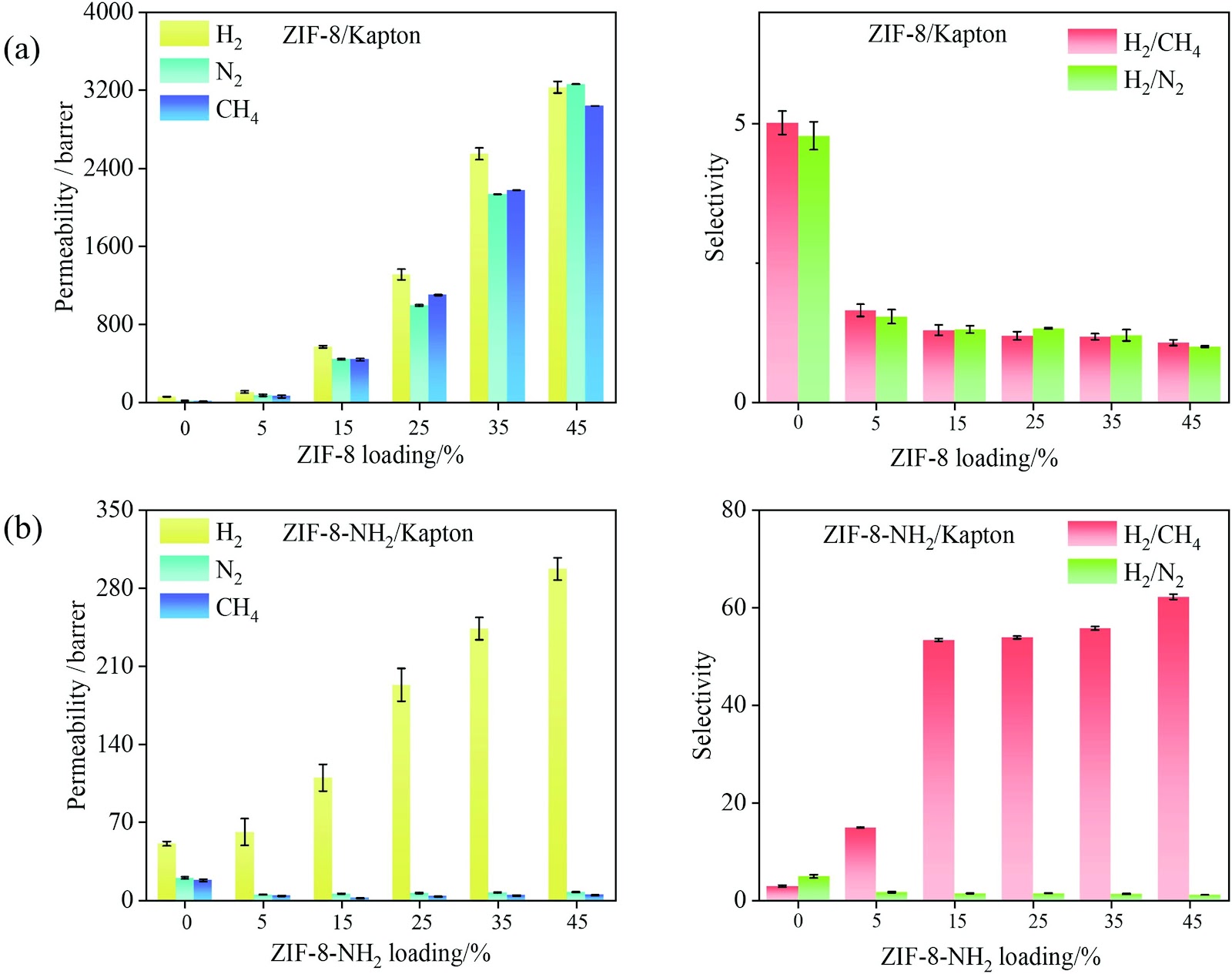
A nonwoven supported mixed matrix membrane for CH4/N2 separation

Authors: Yuntao Liang, Yongjing Wang, Wenbin Feng, Jingkai Xu, Wei Xiao

Efficiently enriching low-concentration CH4 is pivotal for enhancing the utilization of unconventional energy sources and mitigating greenhouse gas emissions. This study focuses on modifying the overall performance of CH4/N2 separation membranes. A novel mixed matrix membrane (MMM) with a reinforced substrate structure was developed through a straightforward dip-coating technique. This MMM incorporates a polytetrafluoroethylene (PTFE) porous membrane as the supporting framework, while a composite of block polymer (styrene-butadiene-styrene) and metal-organic framework (Ni-MOF-74) forms the selective separation layer. Comprehensive characterization of Ni-MOF-74 and the fabricated membranes was conducted using X-ray diffraction, scanning electron microscope, Brunauer-Emmett-Teller analysis, and gas permeance tests. The findings indicate a robust integration of the PTFE porous support with the membrane layer, enhancing the mechanical stability of the MMM. Under optimal conditions, the mechanical strength of the PM20 membrane (containing 20% Ni-MOF-74) was observed to be 37.7 MPa, representing a remarkable increase compared to the non-reinforced MMM. Additionally, the PM20 membrane exhibited an impressive CH4 permeation rate of 92 barrer (1 barrer = 3.35 × 10^-16 mol·m·m^-2·s^-1·Pa^-1) alongside a CH4/N2 selectivity of 4.18. These results underscore the MMM's substantial performance and its promising potential in methane enrichment applications.

A nonwoven supported mixed matrix membrane for CH4/N2 separation
Graphical Abstract
Original ResearchVol. 73, Issue 1 • pp. 90-100DOI: 10.1016/j_cjche_1448May 27, 2024

Hydrophobic CHA-ZIFs with a junctional trap between cha and d6r cages for adsorption of 2,3-butanediol in aqueous solution

Authors: Lifang Ge, Meizhen Gao, Xiaosheng Zhang, Jiang Wang, Qi Shi, Jinxiang Dong

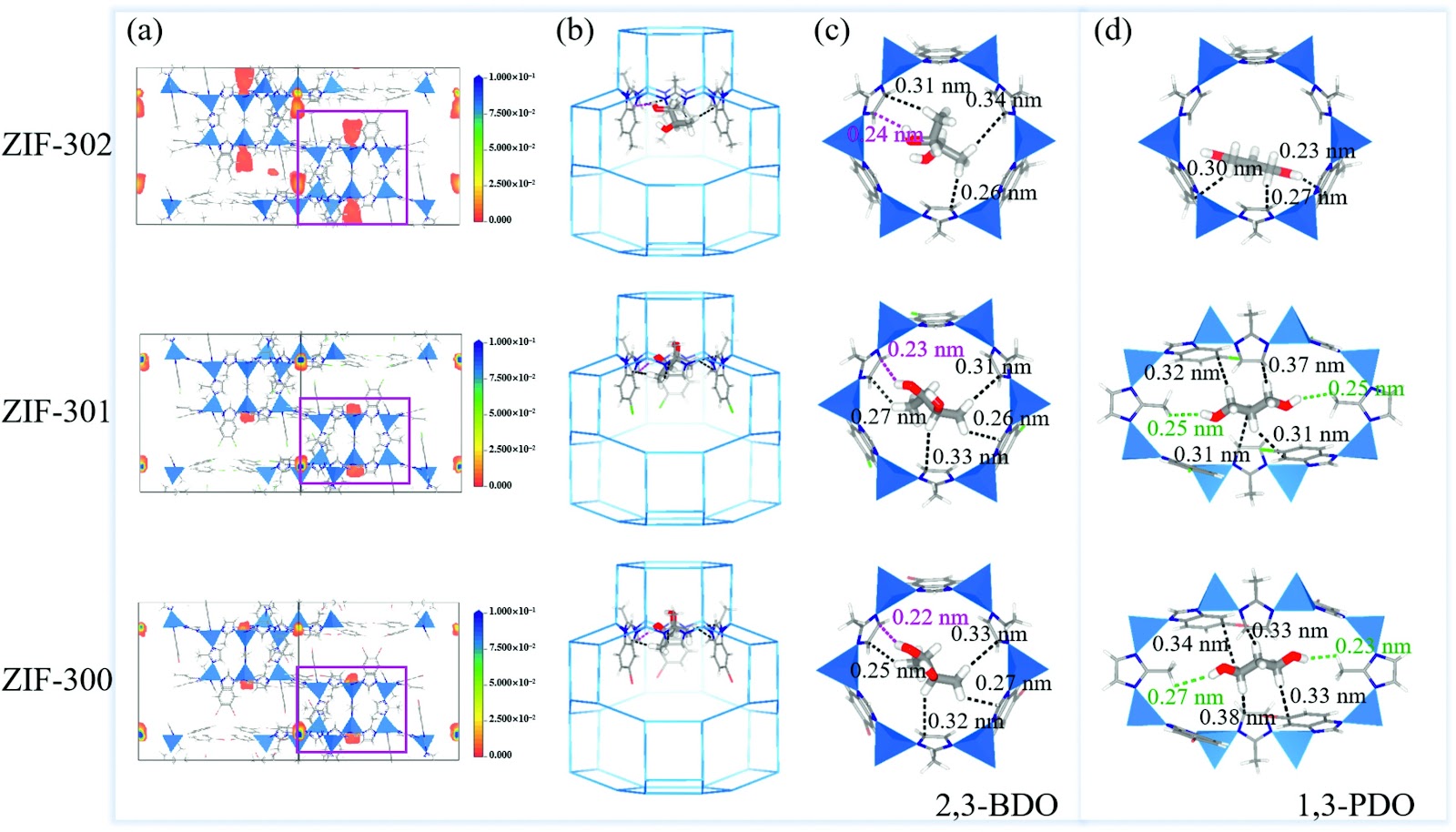
The adsorption and separation of diols from dilute aqueous solution using hydrophobic materials is very challenging due to the strong diol–water hydrogen-bonding interactions. Herein, we screened hydrophobic zeolitic imidazolate frameworks (ZIFs) with chabazite (CHA) topology for separation of 2,3-butanediol (2,3-BDO) and 1,3-propanediol (1,3-PDO), which had junctional and hydrophobic traps matching the two end methyl groups of the 2,3-BDO molecule. Based on CHA-ZIFs with the same small-sized ligand 2-methylimidazole (mIm) and different large-sized ligand benzimidazole derivatives (RbIm), CHA-ZIFs with larger surface areas were obtained by the addition of excess small-sized ligand mIm in the synthesis process. We showed that all of the hydrophobic CHA-ZIFs preferentially adsorbed 2,3-BDO over 1,3-PDO by static batch adsorption and dynamic column adsorption experiments. But ZIF-301 and ZIF-300 with halogen groups exhibited better adsorptive separation performance for 2,3-BDO/1,3-PDO than ZIF-302 with methyl groups. For a typical ZIF-301, its adsorption capacity for 2,3-BDO was 116.4 mg·g−1 and selectivity for 2,3-BDO/1,3-PDO was 3.8 in dynamic column adsorption of the binary-component system (2,3-BDO/1,3-PDO: 50 g·L−1/50 g·L−1). Computational simulations revealed that 2,3-BDO preferentially adsorbed in a trap at the junction between the cha and d6r cages of CHA-ZIFs, meaning the strong host–guest interactions. Therefore, the hydrophobic CHA-ZIFs with a junctional trap were promising candidate materials for adsorbing 2,3-BDO, which also provided a new perspective for separating diols in dilute aqueous solutions.

Hydrophobic CHA-ZIFs with a junctional trap between cha and d6r cages for adsorption of 2,3-butanediol in aqueous solution
Graphical Abstract
Original ResearchVol. 73, Issue 1 • pp. 244-255DOI: 10.1016/j_cjche_1448May 25, 2024

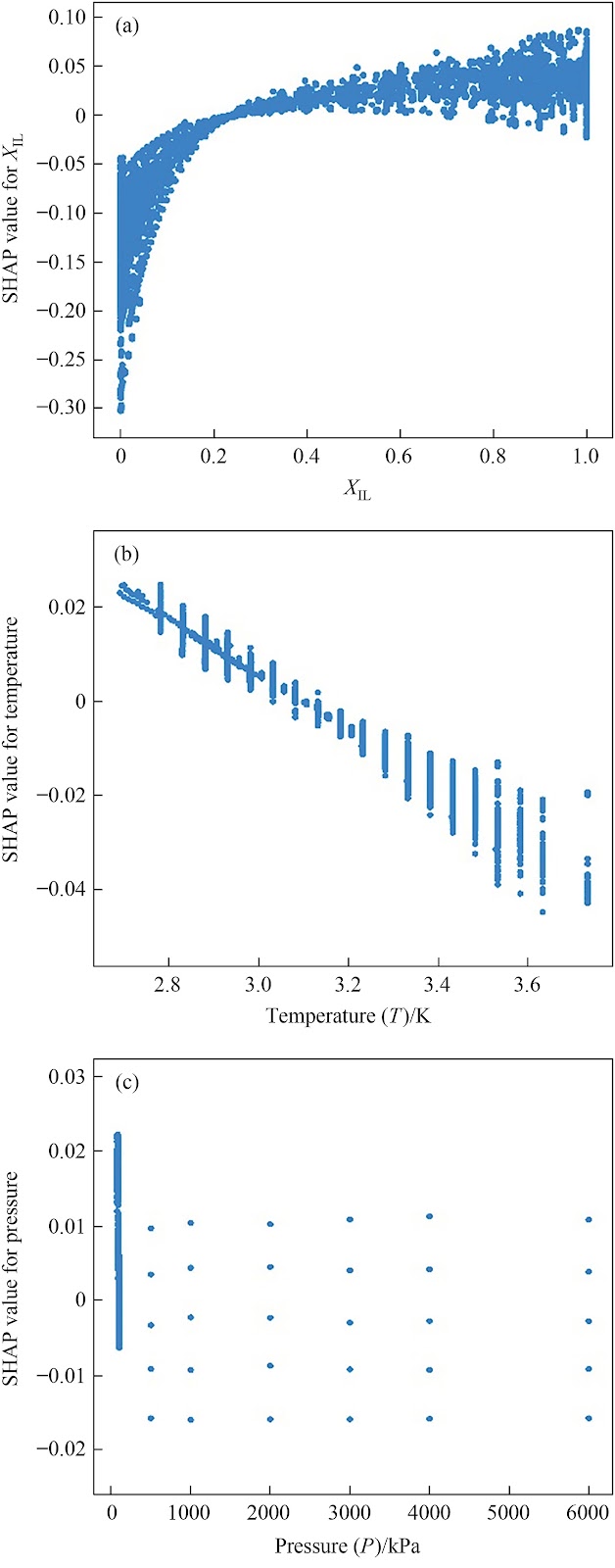
Machine learning models for the density and heat capacity of ionic liquid–water binary mixtures

Authors: Yingxue Fu, Xinyan Liu, Jingzi Gao, Yang Lei, Yuqiu Chen, Xiangping Zhang

Ionic liquids (ILs), because of the advantages of low volatility, good thermal stability, high gas solubility and easy recovery, can be regarded as the green substitute for traditional solvent. However, the high viscosity and synthesis cost limits their application, the hybrid solvent which combining ILs together with others especially water can solve this problem. Compared with the pure IL systems, the study of the ILs–H2O binary system is rare, and the experimental data of corresponding thermodynamic properties (such as density, heat capacity, etc.) are less. Moreover, it is also difficult to obtain all the data through experiments. Therefore, this work establishes a predicted model on ILs-water binary systems based on the group contribution (GC) method. Three different machine learning algorithms (ANN, XGBoost, LightBGM) are applied to fit the density and heat capacity of ILs–water binary systems. And then the three models are compared by two index of MAE and R2. The results show that the ANN-GC model has the best prediction effect on the density and heat capacity of ionic liquid-water mixed system. Furthermore, the Shapley additive explanations (SHAP) method is harnessed to scrutinize the significance of each structure and parameter within the ANN-GC model in relation to prediction outcomes. The results reveal that system components (XIL) within the ILs–H2O binary system exert the most substantial influence on density, while for the heat capacity, the substituents on the cation exhibit the greatest impact. This study not only introduces a robust prediction model for the density and heat capacity properties of IL-H2O binary mixtures but also provides insight into the influence of mixture features on its density and heat capacity.

Machine learning models for the density and heat capacity of ionic liquid–water binary mixtures
Graphical Abstract
Original ResearchVol. 73, Issue 1 • pp. 235-243DOI: 10.1016/j_cjche_1448May 25, 2024

Theoretically predicted innovative palladium stripe doping cobalt(1 1 1) surface with excellent catalytic performance for carbon monoxide oxidative coupling to dimethyl oxalate

Authors: Bingying Han, Neng Shi, Mengjie Dong, Ye Liu, Runping Ye, Lixia Ling, Riguang Zhang, Baojun Wang

Pd-based catalysts are extensively employed to catalyze CO oxidative coupling to generate DMO, while the expensive price and high usage of Pd hinder its massive application in industrial production. Designing Pd-based catalysts with high efficiency and low Pd usage as well as expounding the catalytic mechanisms are significant for the reaction. In this study, we theoretically predict that Pd stripe doping Co(1 1 1) surface exhibits excellent performance than pure Pd(1 1 1), Pd monolayer supporting on Co(1 1 1) and Pd single atom doping Co(1 1 1) surface, and clearly expound the catalytic mechanisms through the density functional theory (DFT) calculation and micro-reaction kinetic model analysis. It is obtained that the favorable reaction pathway is COOCH3eCOOCH3 coupling pathway over these four catalysts, while the rate-controlling step is COOCH3+CO+OCH3/2COOCH3 on Pd stripe doping Co(1 1 1) surface, which is different from the case (2COOCH3/DMO) on pure Pd(1 11), Pd monolayer supporting on Co(1 1 1) and Pd single atom doping Co(1 1 1) surface. This study can contribute a certain reference value for developing Pd-based catalysts with high efficiency and low Pd usage for CO oxidative coupling to DMO.

Theoretically predicted innovative palladium stripe doping cobalt(1 1 1) surface with excellent catalytic performance for carbon monoxide oxidative coupling to dimethyl oxalate
Graphical Abstract
Original ResearchVol. 73, Issue 1 • pp. 146-153DOI: 10.1016/j_cjche_1448May 25, 2024

Rapid and real-time analysis of multi-component dissolved gas in seawater by Raman spectroscopy combined with continuous gas-liquid separator

Authors: Dewang Yang, Wenhua Li, Lei Guo, Yuhang Ji, Yanzhe Gong, Junwei Chu, Libin Du, Yongmei Wang

Rapid and sensitive detection of dissolved gases in seawater is quite essential for the investigation of the global carbon cycle. Large quantities of in situ optical detection techniques showed restricted measurement efficiency, owing to the single gas sensor without the identification ability of multiple gases. In this work, a novel gas-liquid Raman detection method of monitoring the multi-component dissolved gases was proposed based on a continuous gas-liquid separator under a large difference of partial pressure. The limit of detection (LOD) of the gas Raman spectrometer could arrive at about 14 ml·L−1 for N2 gas. Moreover, based on the continuous gas-liquid separation process, the detection time of the dissolved gases could be largely decreased to about 200 s compared with that of the traditional detection method (30 min). Effect of equilibrium time on gas-liquid separation process indicated that the extracted efficiency and decay time of these dissolved gases was CO2 > O2 > N2. In addition, the analysis of the relationship between equilibrium time and flow speed indicated that the decay time decreased with the increase of the flow speed. The validation and application of the developed system presented its great potential for studying the components and spatiotemporal distribution of dissolved gases in seawater.

Rapid and real-time analysis of multi-component dissolved gas in seawater by Raman spectroscopy combined with continuous gas-liquid separator
Graphical Abstract
Original ResearchVol. 73, Issue 1 • pp. 70-80DOI: 10.1016/j_cjche_1448May 23, 2024

Surface activity and cleaning performance of rosin-based quaternary ammonium salt type asymmetric Gemini surfactants

Authors: Haoyu Feng, Yaoqi Pan, Yijia Zhang, Zhuofan Zhang, Yunye Huang, Linxi Hou, Longqiang Xiao

Rosin, a renewable and abundant resource, has been extensively processed and chemically modified to endow it with special properties, especially in the surfactant industry. In this study, four rosin-based quaternary ammonium asymmetric gemini surfactants (RGS-2-n) with different alkyl chain lengths (n = 12, 14, 16, 18) were synthesized using a simple two-step method based on dehydroabietylamine as the raw material. The feasibility of these surfactants for cleaning purposes was comprehensively evaluated, suggesting that the surfactants own high surface activity and good cleaning performance. Furthermore, by successfully introducing the amine group of dehydroabietylamine into the hydrophilic group of the surfactants, we avoided its potential harm to the environment and water pollution. Density functional theory proves rosin-based gemini surfactants with asymmetric structure can further improve cleaning efficiency. Overall, our findings suggests that RGS-2-n surfactants are promising and sustainable candidates for cleaning electric plates, and provide new opportunities for rosin application in the electric industry.

Surface activity and cleaning performance of rosin-based quaternary ammonium salt type asymmetric Gemini surfactants
Graphical Abstract
Original ResearchVol. 73, Issue 1 • pp. 222-234DOI: 10.1016/j_cjche_1448May 22, 2024

Construction of direct-Z-scheme heterojunction photocatalyst of g-C3N4/Ti3C2/TiO2 composite and its degradation behavior for dyes of Rhodamine B

Authors: Hanlin Qian, Jianping Zou, Hongxia Liu, Aishun Ma, Shitong Xu, Ting Li, Sili Ren

Direct-Z-scheme g-C3N4/Ti3C2/TiO2 photocatalyst with giant internal electric field was prepared by one-step aqueous sonication self-assembly method using g-C3N4 and MXene of Ti3C2 as the source materials. The chemical composition and structure of the catalysts was characterized by FT-IR, XRD, SEM, TEM, and XPS. The XPS characterization indicated that Ti3C2 was partially oxidized to TiO2 during the composite process. As a result, an efficient direct-Z-scheme heterojunction structure consisting of the g-C3N4 and TiO2 with Ti3C2 as an electron bridge was constructed. The photocatalytic performance of the prepared catalysts was evaluated by degrading the Rhodamine B (RhB) wastewater. Compared with the single g-C3N4, the g-C3N4/Ti3C2/TiO2 composite photocatalyst exhibited efficient and stable photocatalytic degradation ability, with a degradation efficiency as high as 99.2% for RhB under optimal conditions (2% Ti3C2, pH = 3). The high degradation performance of g-C3N4/Ti3C2/TiO2 for RhB was attributed to the combination of Ti3C2, TiO2, and g-C3N4 components, forming a direct-Z-scheme heterojunction with a high-speed electron transport channel structure. The role of Z-scheme heterojunctions in electron transport is verified by photoelectrochemical characterization, along with photoluminescence (PL). Our research provides a simple method to design photocatalysts by constructing direct-Z-scheme electron transport channels for highly efficient treatment of dye wastewater.

Construction of direct-Z-scheme heterojunction photocatalyst of g-C3N4/Ti3C2/TiO2 composite and its degradation behavior for dyes of Rhodamine B
Graphical Abstract
Original ResearchVol. 73, Issue 1 • pp. 154-162DOI: 10.1016/j_cjche_1448May 21, 2024

Influences of fractional separation on the structure and reactivity of wheat straw cellulose for producing 5-hydroxymethylfurfural

Authors: Di Wu, Ping Hu, Hui Li, Zhidan Xue, Hang Lv, Yimeng Guo, Changwei Hu, Liangfang Zhu

High-efficient production of 5-hydroxymethylfurfural (HMF), a “sleeping giant” in sustainable chemistry, from cellulose depends significantly on the effective separation of cellulose from lignocellulosic biomass. Herein, we report the fractional separation of wheat straw cellulose (WSC) from wheat straw under solvothermal conditions using a mixed solvent of g-valerolactone (GVL) and H2O as the separating solvent, wherein the impacts of fractional separation parameters (solvent composition, temperature, and time) on removals of lignin and hemicellulose as well as purity and recovery of cellulose were studied by a Box-Behnken Design of response surface method. The optimization of the solvothermal parameters enabled an optimal fractional separation condition (VGVL: ~60.0%, T: 205 °C, t: ~1.7 h) that led to a higher purity (89.4%) and recovery (86.7%) of cellulose in WSC. A further correlation of the removals of lignin and hemicellulose as well as purity and recovery of cellulose with the yield of HMF excluded an independent influence of the above factors. Instead, a comprehensive contribution of high fractional separation efficiency (defined as the product of cellulose purity and recovery) and low crystallinity of WSC was found to improve the HMF yield. However, the heat- and freeze-dryings of WSC after the solvothermal separation were found to lower the HMF molar yield because it re-improved the crystallinity of WSC. A high HMF molar yield of 58.6% was achieved after reacting wet-WSC in a mixed solvent of 1,4-dioxane and H2O at 180 °C for 20 min, which was 1.5 fold higher than that from microcrystalline cellulose. This work highlights the importance of enhancing the fractional separation efficiency of cellulose from lignocellulosic biomass while avoiding the drying process for future HMF biorefinery.

Influences of fractional separation on the structure and reactivity of wheat straw cellulose for producing 5-hydroxymethylfurfural
Graphical Abstract
Original ResearchVol. 73, Issue 1 • pp. 62-69DOI: 10.1016/j_cjche_1448May 18, 2024

Thiourea crystal growth kinetics, mechanism and process optimization during cooling crystallization

Authors: Zhongxiang Ding, Wei Song, Tong Zhou, Weihua Cui, Changsong Wang

In the cooling crystallization process of thiourea, a significant issue is the excessively wide crystal size distribution (CSD) and the abundance of fine crystals. This investigation delves into the growth kinetics and mechanisms governing thiourea crystals during the cooling crystallization process. The fitting results indicate that the crystal growth rate coefficient falls within the range of 10^-7 to 10^-8 m·s^-1. Moreover, with decreasing crystallization temperature, the growth process undergoes a transition from diffusion-controlled to surface reaction-controlled, with temperature primarily influencing the surface reaction process and having a limited impact on the diffusion process. Comparing the crystal growth rate and the diffusion-limited growth rate at different temperatures, it is observed that the crystal growth process can be broadly divided into two stages. At temperatures above 25 °C, 1/qd (qd is diffusion control index) approaches 1, indicating the predominance of diffusion control. Conversely, at temperatures below 25 °C, 1/qd increases rapidly, signifying the dominance of surface reaction control. To address these findings, process optimization was conducted. During the high-temperature phase (35-25 °C), agitation was increased to reduce the limitations posed by bulk-phase diffusion in the crystallization process. In the low-temperature phase (25-15 °C), agitation was reduced to minimize crystal breakage. The optimized process resulted in a thiourea crystal product with a particle size distribution predominantly ranging from 0.7 to 0.9 mm, accounting for 84% of the total. This study provides valuable insights into resolving the issue of excessive fine crystals in the thiourea crystallization process.

Thiourea crystal growth kinetics, mechanism and process optimization during cooling crystallization
Graphical Abstract
Original ResearchVol. 31, Issue 5 • pp. 124-136DOI: 10.1016/j_cjche_144878629May 17, 2024

A covalently integrated ZIF-8/polyamide acid mixed matrix membrane with superior gas separation performance

Authors: Guozhen Li, Shiqi Ling, Yuhui Cui, Shilong Dong, Tianyin Liu, Ting Li, Siyu Pang, Peiyong Qin

Zeolitic imidazolate framework-8 (ZIF-8) is a typical filler used to fabricate mixed matrix membranes (MMMs) on account of its attractive advantage of high selective permeability for gas separation. However, the performance is usually affected by filler aggregation due to strong interactions among fillers and weak interactions between the polymer and fillers, which will lead to a decrease of selectivity and the performance of gas separation will be strongly influenced. Herein, we modified ZIF-8 with 3-amino-1,2,4-triazole to obtain ZIF-8-NH2, Kapton polyamide acid was selected as the polymer matrix. Results showed that the ZIF-8-NH2/Kapton MMMs has a good compatibility interface between ZIF-8 and Kapton because of the covalent bridging, even the filler loading up to 45% (mass). The 45% (mass) of ZIF-8-NH2/Kapton membrane showed 297 barrer (1 barrer = 10^-10 cm3·cm·cm^-2·s^-1·cmHg^-1, 1 cmHg = 1333.22 Pa, standard temperature and pressure) of the permeability of H2 and 43.9 and 62.2 of selectivities for H2/N2 and for H2/CH4, respectively, which are beyond the upper limit of Robeson 2008.
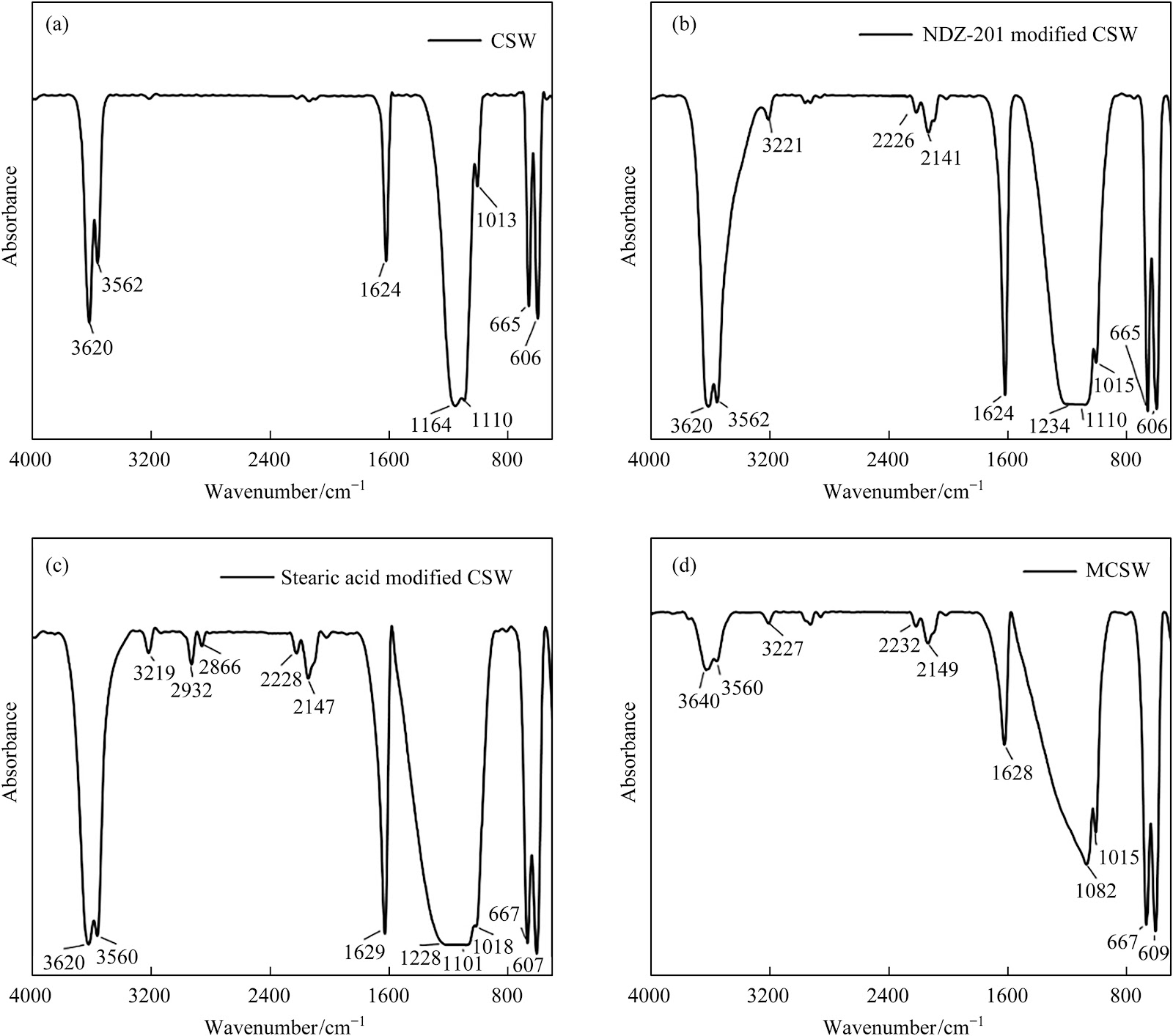
A covalently integrated ZIF-8/polyamide acid mixed matrix membrane with superior gas separation performance
Graphical Abstract
Original ResearchVol. 70, Issue 1 • pp. 173-188DOI: 10.1016/j_cjche_1448Apr 23, 2024

CFD-PBM coupled modeling of the liquideliquid dispersion characteristics and structure optimization for Kenics static mixer

Authors: Junhai Deng, Shilin Lan, Juchang Wu, Shenghua Du, Weidong Liu, Luchang Han, Yefeng Zhou

Kenics static mixers (KSM) are extensively used in industrial mixing-reaction processes by virtue of high mixing efficiency, low power homogenization and easy continuous production. Resolving liquid droplet size and its distribution and thus revealing the dispersion characteristics are of great significance for structural optimization and process intensification in the KSM. In this work, a computational fluid dynamics-population balance model (CFD-PBM) coupled method is employed to systematically investigate the effects of operating conditions and structural parameters of KSM on droplet size and its distribution, to further reveal the liquideliquid dispersion characteristics. Results indicate that higher Reynolds numbers or higher dispersed phase volume fractions increase energy dissipation, reducing Sauter mean diameter (SMD) of dispersed phase droplets and with a shift in droplet size distribution (DSD) towards smaller size. Smaller aspect ratios, greater blade twist and assembly angles amplify shear rate, leading to smaller droplet size and a narrower DSD in the smaller range. The degree of impact exerted by the aspect ratio is notably greater. Notably, mixing elements with different spin enhance shear and stretching efficiency. Compared to the same spin, SMD becomes 3.7e5.8 times smaller in the smaller size range with a significantly narrower distribution. Taking into account the pressure drop and efficiency in a comprehensive manner, optimized structural parameters for the mixing element encompass an aspect ratio of 1e1.5, a blade twist angle of 180°, an assembly angle of 90°, and interlaced assembly of adjacent elements with different spin. This work provides vital theoretical underpinning and future reference for enhancing KSM performance.

CFD-PBM coupled modeling of the liquideliquid dispersion characteristics and structure optimization for Kenics static mixer
Graphical Abstract
Original ResearchVol. 31, Issue 4 • pp. 107-119DOI: 10.1016/j_cjche_144878613Apr 14, 2024

Effect of the presence of trace sulfur dioxide on piperazine-based amine absorbents for carbon dioxide capture

Authors: Songtao Zheng, Yao Jiang, Shaojun Jia, Yan Wu, Peng Cui

The effect of the presence of trace SO2 in industrial flue gas on the amine-scrubbing-based absorption process for CO2 capture has been a matter of concern. This study aimed to investigate the effect of trace SO2 on the CO2 capture process using piperazine-based amine absorbents, focusing on SO2-resistance capability, SO2/CO2 absorption selectivity, and cyclic stability. The presence of trace SO2 not only restrains CO2 absorption, but also promotes the formation of carbamate within the piperazine-based amine absorbents. Remarkably, the incorporation of aminoethyl group in piperazine-based amine absorbents can enhance the SO2-resistance capability by promoting the formation of carbamate, while piperazine-based amine absorbents with hydroxyethyl group can promote the formation of bicarbonate to reduce the SO2-resistance capability. The work offers valuable insights into the efficient application of novel amine absorbents for CO2 capture from practical industrial flue gas.

Effect of the presence of trace sulfur dioxide on piperazine-based amine absorbents for carbon dioxide capture
Graphical Abstract
Original ResearchVol. 70, Issue 1 • pp. 222-233DOI: 10.1016/j_cjche_1448Apr 12, 2024

Porous silica nano-flowers stabilized PtPd bimetallic nanoparticles as heterogeneous catalyst for efficiently synthesizing guaiacol from 2-methoxycyclohexanol

Authors: Junbo Feng, Junyan Wu, Dongdong Yan, Yadong Zhang

Porous silica nano-flowers (KCC-1) immobilized PtPd alloy NPs (PtPd/KCC-1) with different mass ratios of Pd and Pt were successfully prepared by a facile in situ one-step reduction, using hydrazinium hydroxide as a reducing agent. The as-synthesized silica nanospheres possess radial fibers with a distance of 15 nm, exhibiting a high specific surface area (443.56 m2·g−1). Meanwhile, the obtained PtPd alloy NPs are uniformly dispersed on the silica surface with a metallic particle size of 4–6 nm, which exist as metallic Pd and Pt on the surface of monodisperse KCC-1, showing the transfer of electrons from Pd to Pt. The as-synthesized 2.5%Pt-2.5%Pd/KCC-1 exhibited excellent catalytic activity and stability for the continuous dehydrogenation of 2-methoxycyclohexanol to prepare guaiacol. Compared with Pt or Pd single metal supported catalysts, the obtained 2.5%Pt-2.5%Pd/KCC-1 shows 97.2% conversion rate of 2-methoxycyclohexanol and 76.8% selectivity for guaiacol, which attributed to the significant synergistic effect of bimetallic PtPd alloy NPs. Furthermore, turn over frequency value of the obtained 2.5%Pt-2.5%Pd/KCC-1 NPs achieved 4.36 s−1, showing higher catalytic efficiency than other two monometallic catalysts. Reaction pathways of dehydro-aromatization of 2-methoxycyclohexanol over the obtained catalyst are proposed. Consequently, the obtained 2.5%Pt-2.5%Pd/KCC-1 NPs prove their potential in the dehydrogenation of 2-methoxycyclohexanol, while the kinetics and mechanistic study of the dehydrogenation reaction over the catalyst in a continuous fixed-bed reactor may provide valuable information for the development of green, outstanding and powerful synthetic pathway of guaiacol.

Porous silica nano-flowers stabilized PtPd bimetallic nanoparticles as heterogeneous catalyst for efficiently synthesizing guaiacol from 2-methoxycyclohexanol
Graphical Abstract
Original ResearchVol. 70, Issue 1 • pp. 189-198DOI: 10.1016/j_cjche_1448Apr 9, 2024

Silica-modified Pt/TiO2 catalysts with tunable suppression of strong metal-support interaction for cinnamaldehyde hydrogenation

Authors: Zhengjian Hou, Yuanyuan Zhu, Hua Chi, Li Zhao, Huijie Wei, Yanyan Xi, Lishuang Ma, Xiang Feng, Xufeng Lin

Tuning Strong Metal-support Interactions (SMSI) is a key strategy to obtain highly active catalysts, but conventional methods usually enable TiOx encapsulation of noble metal components to minimize the exposure of noble metals. This study demonstrates a catalyst preparation method to modulate a weak encapsulation of Pt metal nanoparticles (NPs) with the supported TiO2, achieving the moderate suppression of SMSI effects. The introduction of silica inhibits this encapsulation, as reflected in the characterization results such as XPS and HRTEM, while the Ti4+ to Ti3+ conversion due to SMSI can still be found on the support surface. Furthermore, the hydrogenation of cinnamaldehyde (CAL) as a probe reaction revealed that once this encapsulation behavior was suppressed, the adsorption capacity of the catalyst for small molecules like H2 and CO was enhanced, which thereby improved the catalytic activity and facilitated the hydrogenation of CAL. Meanwhile, the introduction of SiO2 also changed the surface structure of the catalyst, which inhibited the occurrence of the acetal reaction and improved the conversion efficiency of C=O and C=C hydrogenation. Systematic manipulation of SMSI formation and its consequence on the performance in catalytic hydrogenation reactions are discussed.

Silica-modified Pt/TiO2 catalysts with tunable suppression of strong metal-support interaction for cinnamaldehyde hydrogenation
Graphical Abstract
Original ResearchVol. 70, Issue 1 • pp. 199-210DOI: 10.1016/j_cjche_1448Apr 8, 2024

Phosphotungstic acid immobilized on amino-functionalized TS-1 zeolite as a solid acid catalyst for the synthesis of tributyl citrate

Authors: Pei Li, Bianfang Shi, Junyao Shen, Ran Cui, Wenze Guo, Ling Zhao, Zhenhao Xi

The amino-functionalization of TS-1 zeolite followed by immobilization of phosphotungstic acid (HPW) was presented to prepare a strong solid acid catalyst for the synthesis of bio-based tributyl citrate from the esterification of citric acid and n-butanol. g-Aminopropyltriethoxysilane (APTES) was first grafted on the TS-1 zeolite via the condensation reactions with surface hydroxyl groups, and subsequently the HPW was immobilized via the reaction between the amino groups and the protons from HPW-forming strong ionic bonding. The Keggin structure of HPW and MFI topology of TS-1 zeolite were well maintained after the modifications. The amino-functionalization generated abundant uniformly distributed active sites on TS-1 for HPW immobilization, which promoted the dispersity, abundance, as well as the stability of the acid sites. The tetrahedrally coordinated framework titanium and non-framework titania behaved as weak Lewis acid sites, and the protons from the immobilized HPW acted as the moderate or strong Brønsted acid sites. An optimized TBC yield of 96.2% (mol) with a conversion of eCOOH of 98.1% (mol) was achieved at 150 °C for 6 h over the HPW immobilized on amino-functionalized TS-1. The catalyst exhibited good stability after four consecutive reaction runs, where the activity leveled off at still a relatively high level after somewhat deactivation possibly caused by the leaching of a small portion of weakly anchored APTES or HPW.

Phosphotungstic acid immobilized on amino-functionalized TS-1 zeolite as a solid acid catalyst for the synthesis of tributyl citrate
Graphical Abstract
Original ResearchVol. 69, Issue 1 • pp. 192-198DOI: 10.1016/j_cjche_1448Mar 7, 2024

Efficient adsorption separation of methane from C2-C3 hydrocarbons in a Co(II)-nodes metal-organic framework

Authors: Jie Zhang, Xingzhe Guo, Bing Lin, Guangzu Xiong, Hanshuang Wang, Min Zhang, Liwen Fan, Bingwen Li, Shuisheng Chen

Methane (CH4) as a substitute for other mineral fuels plays a crucial role in reducing energy consumption and preventing environmental pollution. The present study employs a solvothermal method to fabricate a porous framework Co-metal-organic framework (Co-MOF) containing two distinct secondary building units (SBUs): an anionic [Co2(μ2-OH)(COO)4(H2O)] and a neutral [CoN2(COO)2]. Notably, within the anionic SBUs, the coordinated water molecules induce the generation of divergent unsaturated Co(II) centers in the unidirectional porous channels, thereby creating open metal sites. The adsorption performance of Co-MOF towards pure component gases was systematically investigated. The results demonstrated that Co-MOF exhibits superior adsorption capacity for C2-C3 hydrocarbons compared to CH4, which offers the potential for efficient adsorption and separation of CH4 from C2-C3 hydrocarbons. The gas selectivity separation ratios of Co-MOF for C2H6/CH4 and C3H8/CH4 were calculated using the ideal adsorbed solution theory method at 273/298 K and 0.1 MPa. The results revealed that Co-MOF achieved remarkable equilibrium separation selectivity for CH4 and C2-C3 hydrocarbon gases among non-modified MOFs, signifying the potential of the synthesized Co-MOF for efficient recovery and purification of CH4 from C2-C3 hydrocarbons. Breakthrough experiments further demonstrate the ability of Co-MOF to purify methane from C2-C3 hydrocarbons in practical gas separation scenarios. Additionally, molecular simulation calculations further substantiate the propensity of anionic SBUs to interact with C2-C3 hydrocarbon compounds. This study provides a novel paradigm for the development of porous MOF materials in the application of gas mixture separation.
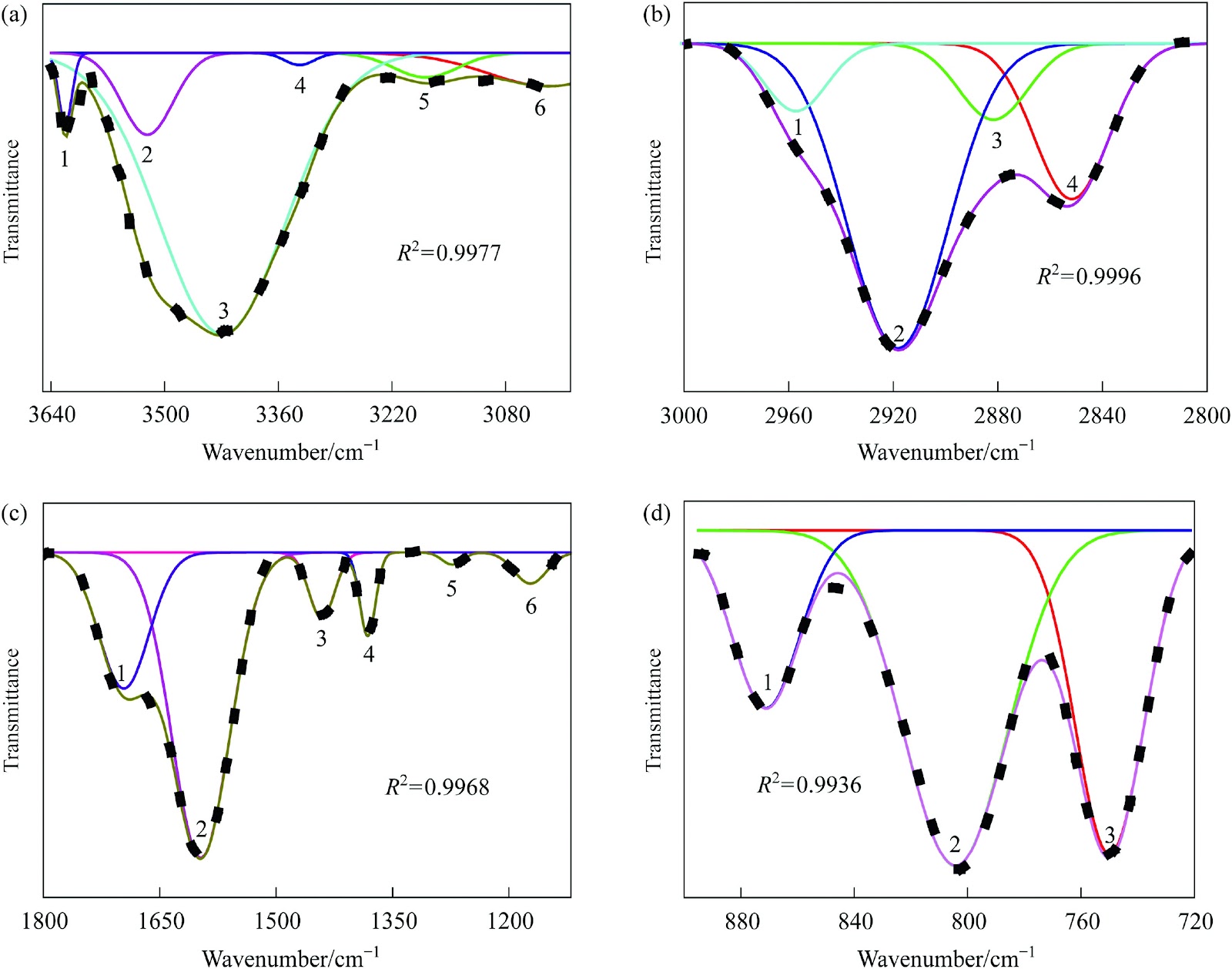
Efficient adsorption separation of methane from C2-C3 hydrocarbons in a Co(II)-nodes metal-organic framework
Graphical Abstract
Original ResearchVol. 69, Issue 1 • pp. 92-100DOI: 10.1016/j_cjche_1448Mar 6, 2024

Enhanced photocatalytic nitrogen fixation performance via in situ constructing BiO2ex/NaNbO3 heterojunction

Authors: Jiayu Zhang, Zhihao Zeng, Lin Yue, Chunran Zhao, Xin Hu, Leihong Zhao, Xiuwen Wang, Yiming He

The fabrication of heterojunction catalysts is an effective strategy to enhance charge separation efficiency, thereby boosting the performance of photocatalysts. In this study, BiO2ex nanosheets were synthesized through a hydrothermal process and loaded onto NaNbO3 microcube to construct a series of BiO2ex/NaNbO3 heterojunctions for photocatalytic N2 fixation. Results indicated that 2.5% BiO2ex/NaNbO3 had the highest photocatalytic performance. The NH3 production rate under simulated solar light reached 406.4 mmol·L−1·g−1·h−1, which reaches 2.6 and 3.8 times that of NaNbO3 and BiO2ex, respectively. BiO2ex nanosheets primarily act as electron trappers to enhance the separation efficiency of charge carriers. The strong interaction between BiO2ex and NaNbO3 facilitates the electron migration between them. Meanwhile, the abundant oxygen vacancies in BiO2ex nanosheets may facilitate the adsorption and activation of N2, which may be another possible reason of the high photocatalytic activity of the BiO2ex/NaNbO3. This study may offer new insights for the development of semiconductor materials in photocatalytic nitrogen fixation.

Enhanced photocatalytic nitrogen fixation performance via in situ constructing BiO2ex/NaNbO3 heterojunction
Graphical Abstract
Original ResearchVol. 69, Issue 1 • pp. 199-211DOI: 10.1016/j_cjche_1448Mar 3, 2024

MXene: Promising materials for magnesium-ion batteries

Authors: Liuyu Song, Haibo Li, Pengkai Wang, Yu Shang, Yue Yang, Zhaoyu Wu

Magnesium-ion batteries (MIBs) have attracted extensive attention due to their high theoretical capacity, superior safety, and low cost. Nonetheless, the development of MIBs is hindered by the lack of cathode materials with long cycle life and rate capability. MXene stands out as a prime choice for MIB cathode or collector for anode-free magnesium batteries (AFMBs) because of its larger surface area, adjustable surface properties, and good electrical conductivity. In this paper, we summarized the preparation and layering methods of MXene and discussed the prospects of MXene as a cathode or collector for MIBs. This review will be immensely beneficial in critically analyzing the synthesis techniques and the applications of MXene material as MIB cathode or AFMB collector. In addition, the challenges of the preparation and layering were concluded, along with raising the research strategies of MXene for storing Mg ions.

MXene: Promising materials for magnesium-ion batteries
Graphical Abstract
Original ResearchVol. 68, Issue 1 • pp. 156-164DOI: 10.1016/j_cjche_1448Jan 26, 2024

Porous nanofibrous dressing enables mesenchymal stem cell spheroid formation and delivery to promote diabetic wound healing

Authors: Kexin Zhang, Wenmin Zhang, Heng An, Zhe Huang, Yanzhen Wen, Xiangyu Jiao, Yongqiang Wen

Delayed and nonhealing of diabetic wounds imposes substantial economic burdens and physical pain on patients. Mesenchymal stem cells (MSCs) promote diabetic wound healing. Particularly when MSCs aggregate into multicellular spheroids, their therapeutic effect is enhanced. However, traditional culture platforms are inadequate for the efficient preparation and delivery of MSC spheroids, resulting in inefficiencies and inconveniences in MSC spheroid therapy. In this study, a three-dimensional porous nanofibrous dressing (NFD) is prepared using a combination of electrospinning and homogeneous freeze-drying. Using thermal crosslinking, the NFD not only achieves satisfactory elasticity but also maintains notable cytocompatibility. Through the design of its structure and chemical composition, the NFD allows MSCs to spontaneously form MSC spheroids with controllable sizes, serving as MSC spheroid delivery systems for diabetic wound sites. Most importantly, MSC spheroids cultured on the NFD exhibit improved secretion of vascular endothelial growth factor, basic fibroblast growth factor, and hepatocyte growth factor, thereby accelerating diabetic wound healing. The NFD provides a competitive strategy for MSC spheroid formation and delivery to promote diabetic wound healing.

Porous nanofibrous dressing enables mesenchymal stem cell spheroid formation and delivery to promote diabetic wound healing
Graphical Abstract
Original ResearchVol. 76, Issue 1 • pp. 105-117DOI: 10.1016/j_cjche_1448Jan 15, 2024

The robust design of PMIA braided tube reinforced PFA hollow fiber membranes with graphene doping for water-in-oil separation

Authors: Wei Zhao, Xin Jin, Kaikai Chen, Haoyang Ling, Hailiang Liu, Changfa Xiao

In order to solve the problem of oily wastewater, the poly(m-phenyleneisophthalamide) (PMIA) braided tube reinforced (PBR) poly(tetrafluoroethylene-co-perfluoropropyl vinyl ether) (PFA) hollow fiber membrane with thermal and solvent resistant property was prepared via no-solvent green method. The membrane surface and pore structure was optimized by changing the sintering temperature and graphene (GE) content. The morphologies showed that the spherical surface with good lipophilicity was formed, and the excellent mechanical strength with a favorable interface bonding state could be obtained due to the PFA melts permeating into the supporting layer. The doping of GE produced synergistic effects with the sintering temperature owing to its good thermal conductivity and pore formation. The PBR-PFA/GE hollow fiber membrane exhibited good hydrophobicity and lipophilicity with more than 97% separation efficiency for different oil products at 0.02 MPa. With the addition of GE, the average pore size first increases and then decreases, and the porosity gradually decreases. In addition, the hollow fiber membrane showed high separation ability to the water-in-oil emulsion, and maintained a stable flux recovery rate after recycling, making it possible to apply in the field of oily wastewater treatment.

The robust design of PMIA braided tube reinforced PFA hollow fiber membranes with graphene doping for water-in-oil separation
Graphical Abstract
Original ResearchVol. 67, Issue 1 • pp. 89-96DOI: 10.1016/j_cjche_1448Jan 15, 2024

Enhanced corrosion resistance of epoxy resin coating via addition of CeO2 and benzotriazole

Authors: Xu Han, Ruijie Guo, Baolong Niu, Hong Yan

The use of fillers to enhance the corrosion protection of epoxy resins has been widely applied. In this work, cerium dioxide (CeO2) and benzotriazole (BTA) were introduced into an epoxy resin to enhance the corrosion resistance of Q235 carbon steel. Scanning electron microscopy results indicated that the CeO2 grains were rod-like and ellipsoidal in shape, and the distribution pattern of BTA was analyzed by energy dispersive spectroscope. The dynamic potential polarization curve proved the excellent corrosion resistance of the composite epoxy resin with CeO2 and BTA co-addition, and electrochemical impedance spectroscopy test analysis indicated the significantly enhanced long-term corrosion protection performance of the composite coating. And the optimal protective performance was provided by the coating containing 0.3% (mass) CeO2 and 20% (mass) BTA, which was attributed to the barrier performance of CeO2 particles and the chemical barrier effect of BTA. The formation of corrosion products was analyzed using X-ray diffraction. In addition, the corrosion resistance mechanism of the coating was also discussed in detail.

Enhanced corrosion resistance of epoxy resin coating via addition of CeO2 and benzotriazole
Graphical Abstract
Original ResearchVol. 68, Issue 1 • pp. 76-82DOI: 10.1016/j_cjche_1448Jan 11, 2024

Enhancement of liquid–liquid micromixing performance in curved capillary microreactor by generation of Dean vortices

Authors: Shaoyun Wu, Zhuang Ma, Zichi Yang, Suying Zhao, Caijin Zhou, Huidong Zheng

Micromixing efficiency is an important parameter for evaluating the multiphase mass transfer performance and reaction efficiency of microreactors. In this work, the novel curved capillary reactor with different shapes was designed to generate Dean flow, which was used to enhance the liquid–liquid micromixing performance. The Villermaux–Dushman probe reaction was employed to characterize the micromixing performance in different curved capillary microreactors. The effects of experiment parameters such as liquid flow rate, inner diameter, tube length, and curve diameter on micromixing performance were systematically investigated. Under the optimal conditions, the minimum value of the segmentation factor XS was 0.008. It was worth noting that at the low Reynolds number (Re < 30), the change of curved shape on the capillary microreactor can significantly improve the micromixing performance with XS reduced by 37.5%. Further, the correlations of segment index XS with dimensionless factor such as Reynolds number or Dean number were developed, which can be used to predict the liquid–liquid micromixing performance in capillary microreactors.

Enhancement of liquid–liquid micromixing performance in curved capillary microreactor by generation of Dean vortices
Graphical Abstract
Original ResearchVol. 68, Issue 1 • pp. 193-202DOI: 10.1016/j_cjche_1448Jan 10, 2024

Design method of extractant for liquideliquid extraction based on elements and chemical bonds

Authors: Yuwen Wei, Chunling Zhang, Yue Zhang, Lili Wang, Li Xia, Xiaoyan Sun, Shuguang Xiang

In the petrochemical industry process, the relative volatility between the components to be separated is close to one or the azeotrope that systems are difficult to separate. Liquideliquid extraction is a common and effective separation method, and selecting an extraction agent is the key to extraction technology research. In this paper, a design method of extractants based on elements and chemical bonds was proposed. A knowledge-based molecular design method was adopted to pre-select elements and chemical bond groups. The molecules were automatically synthesized according to specific combination rules to avoid the problem of “combination explosion” of molecules. The target properties of the extractant were set, and the extractant meeting the requirements was selected by predicting the correlation physical properties of the generated molecules. Based on the separation performance of the extractant in liquideliquid extraction and the relative importance of each index, the fuzzy comprehensive evaluation membership function was established, the analytic hierarchy process determined the mass ratio of each index, and the consistency test results were passed. The results of case study based on quantum chemical analysis demonstrated that effective determination of extractants for the analysis of benzeneecyclohexane systems. The results unanimously prove that the method has important theoretical significance and application value.

Design method of extractant for liquideliquid extraction based on elements and chemical bonds
Graphical Abstract
Original ResearchVol. 67, Issue 1 • pp. 68-77DOI: 10.1016/j_cjche_1448Dec 15, 2023

Amino-functionalized UiO-66-doped mixed matrix membranes with high permeation performance and fouling resistance

Authors: Yi Zhang, Di Liu, Zhaoli Wang, Junjian Yu, Yanyin Cheng, Wenjing Li, Zhe Wang, Hongzhe Ni, Yuchao Wang

For the reduction of bovine serum proteins from wastewater, a novel mixed matrix membrane was prepared by functionalizing the substrate material polyaryletherketone (PAEK), followed by carboxyl groups (C-SPAEKS), and then adding amino-functionalized UiO-66-NH2 (Am-UiO-66-NH2). Amino-functionalization of UiO-66 was accomplished by melamine, followed by an amidation reaction to immobilize Am-UiO-66-NH2, which was immobilized on the surface of the membrane as well as in the pore channels, which enhanced the hydrophilicity of the membrane surface while increasing the negative potential of the membrane surface. This nanoparticle-loaded ultrafiltration membrane has good permeation performance, with a pure water flux of up to 482.3 L·m−2·h−1 for C-SPAEKS/Am-UiO-66-NH2 and a retention rate of up to 98.7% for bovine serum albumin (BSA)-contaminated solutions. Meanwhile, after several hydrophilic modifications, the flux recovery of BSA contaminants by this series of membranes increased from 56.2% to 80.55% of pure membranes. The results of ultrafiltration flux time tests performed at room temperature showed that the series of ultrafiltration membranes remained relatively stable over a test time of 300 min. Thus, the newly developed mixed matrix membrane showed potential for high efficiency and stability in wastewater treatment containing bovine serum proteins.

Amino-functionalized UiO-66-doped mixed matrix membranes with high permeation performance and fouling resistance
Graphical Abstract
Original ResearchVol. 32, Issue 12 • pp. 431-443DOI: 10.1016/j_cjche_144875979Dec 5, 2023

Study of the reaction mechanism for preparing powdered activated coke with SO2 adsorption capability via one-step rapid activation method under flue gas atmosphere

Authors: Binxuan Zhou, Jingcai Chang, Jun Li, Jinglan Hong, Tao Wang, Liqiang Zhang, Ping Zhou, Chunyuan Ma

In this study, the impact of different reaction times on the preparation of powdered activated carbon (PAC) using a one-step rapid activation method under flue gas atmosphere is investigated, and the underlying reaction mechanism is summarized. Results indicate that the reaction process of this method can be divided into three stages: stage I is the rapid release of volatiles and the rapid consumption of O2, primarily occurring within a reaction time range of 0–0.5 s; stage II is mainly the continuous release and diffusion of volatiles, which is the carbonization and activation coupling reaction stage, and the carbonization process is the main in this stage. This stage mainly occurs at the reaction time range of 0.5–2.0 s when SL-coal is used as material, and that is 0.5–3.0 s when JJ-coal is used as material; stage III is mainly the activation stage, during which activated components diffuse to both the surface and interior of particles. This stage mainly involves the reaction stage of CO2 and H2O (g) activation, and it mainly occurs at the reaction time range of 2.0–4.0 s when SL-coal is used as material, and that is 3.0–4.0 s when JJ-coal is used as material. Besides, the main function of the first two stages is to provide more diffusion channels and contact surfaces/activation sites for the diffusion and activation of the activated components in the third stage. Mastering the reaction mechanism would serve as a crucial reference and foundation for designing the structure, size of the reactor, and optimal positioning of the activator nozzle in PAC preparation.
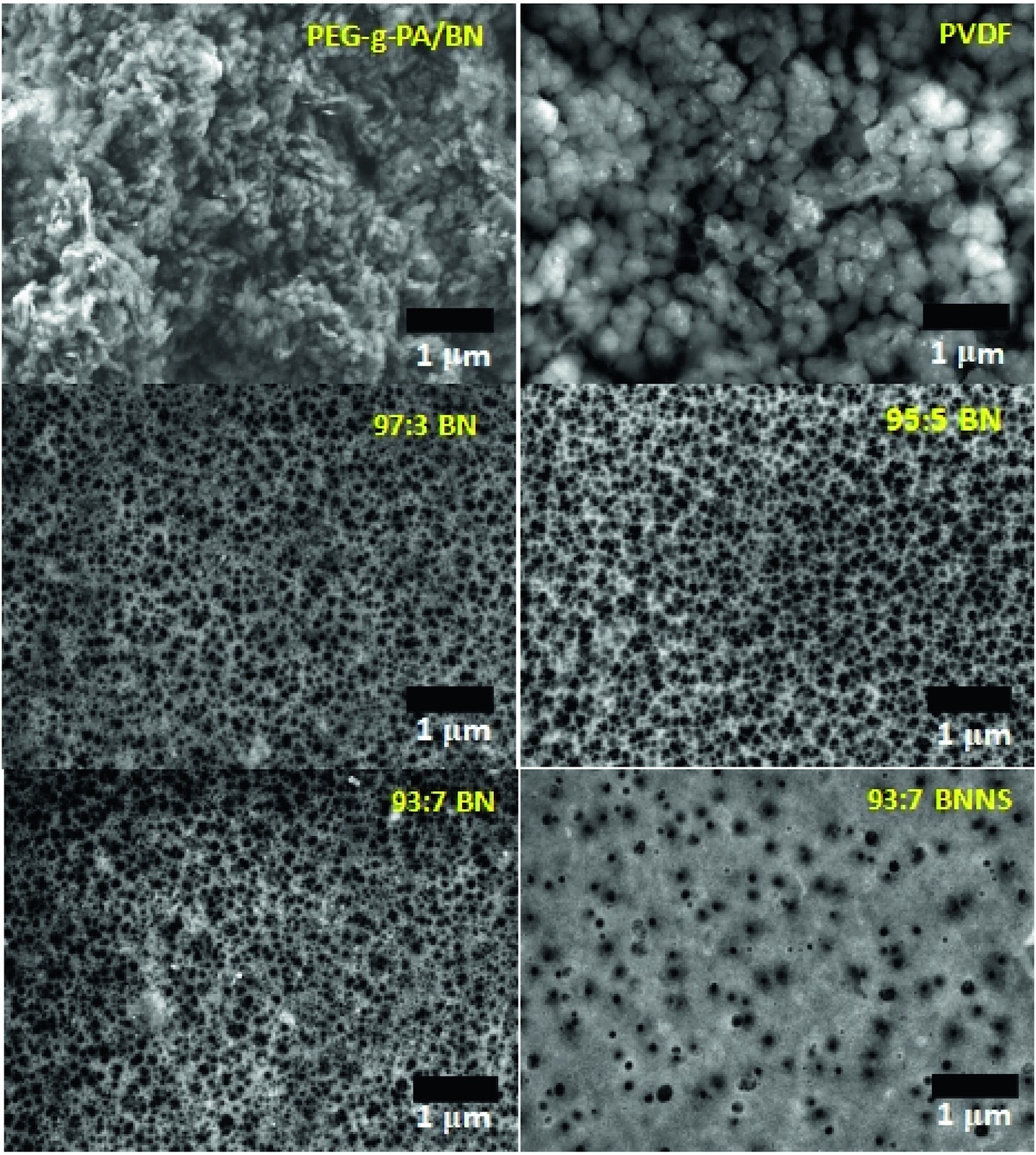
Study of the reaction mechanism for preparing powdered activated coke with SO2 adsorption capability via one-step rapid activation method under flue gas atmosphere
Graphical Abstract
Original ResearchVol. 32, Issue 11 • pp. 822-834DOI: 10.1016/j_cjche_144878408Nov 24, 2023

Selective adsorption of tetracycline by b-CD-immobilized sodium alginate aerogel coupled with ultrafiltration for reclaimed water

Authors: Xi Quan, Jun Zhang, Linlin Yin, Wei Zuo, Yu Tian

In this work, a novel composite material based on b-cyclodextrin-immobilized sodium alginate aerogel (b-CD/NaAlg) was developed utilizing cross-linker of epichlorohydrin and applied as an adsorbent to remove tetracycline antibiotics from reclaimed wastewater. A series of characterizations were utilized to confirm the successful synthesis of the adsorbent and this b-CD/NaAlg presented a three-dimensional network at the nanoscale or microscale. Under optimal conditions (pH ¼ 4, t ¼ 8 h, b-CD: NaAlg ¼ 9, adsorbent dosage ¼ 1.5 g$L-1), the maximum removal rate of b-CD/NaAlg to tetracycline was 70%. The adsorption behavior of tetracycline on b-CD/NaAlg conformed to the Freundlich isotherm model (R2 ¼ 0.9977) and the pseudo-second-order kinetic model (R2 ¼ 0.9993). Moreover, the adsorbent still removed 55.3% of tetracycline after five cycles. Specially, the adsorbent was integrated with ultrafiltration to adsorb tetracycline antibiotics from simulated reclaimed wastewater, and the removal rate of tetracycline reached 78.9% within 2 h. The existence of Cr (VI) had a negligible impact on tetracycline removal, while the presence of humic acid exhibited a promoting effect. The possible adsorption mechanisms were also elucidated through X-ray photoelectron spectroscopy and density functional theory analysis. In summary, b-CD/NaAlg represents an environmentally friendly, efficient, and sustainable adsorbent for removing tetracycline antibiotics from reclaimed water.

Selective adsorption of tetracycline by b-CD-immobilized sodium alginate aerogel coupled with ultrafiltration for reclaimed water
Graphical Abstract
Original ResearchVol. 32, Issue 11 • pp. 618-630DOI: 10.1016/j_cjche_144878042Nov 13, 2023

An effective strategy of constructing multi-metallic oxides of ZnO/CoNiO2/CoO/C microflowers for improved supercapacitive performance

Authors: Wei Guo, Yan Zhang, Xiaxin Lei, Shuang Wang

In this work, a new ZnO/CoNiO2/CoO/C metal oxides composite is prepared by cost-effective hydrothermal method coupled with annealing process under N2 atmosphere. Notably, the oxidation-defect annealing environment is conducive to both morphology and component of the composite, which flower-like ZnO/CoNiO2/CoO/C is obtained. Benefited from good chemical stability of ZnO, high energy capacity of CoNiO2 and CoO and good conductivity of C, the as-prepared sample shows promising electrochemical behavior, including the specific capacity of 1435 C·g−1 at 1 A·g−1, capacity retention of 87.3% at 20 A·g−1, and cycling stability of 90.5% for 3000 cycles at 5 A·g−1, respectively. Furthermore, the prepared ZnO/CoNiO2/CoO/C/NF//AC aqueous hybrid supercapacitors device delivers the best specific energy of 55.9 W·h·kg−1 at 850 W·kg−1. The results reflect that the as-prepared ZnO/CoNiO2/CoO/C microflowers are considered as high performance electrode materials for supercapacitor, and the strategy mentioned in this paper is benefit to prepare mixed metal oxides composite for energy conversion and storage.

An effective strategy of constructing multi-metallic oxides of ZnO/CoNiO2/CoO/C microflowers for improved supercapacitive performance
Graphical Abstract
Original ResearchVol. 32, Issue 11 • pp. 414-426DOI: 10.1016/j_cjche_144875803Nov 2, 2023

Environmental, economic and exergy analysis of separation of ternary azeotrope by variable pressure extractive distillation based on multi-objective optimization

Authors: Peizhe Cui, Jiafu Xing, Chen Li, Mengjin Zhou, Jifu Zhang, Yasen Dai, Limei Zhong, Yinglong Wang

In this work, the ternary azeotrope of tert-butyl alcohol/ethyl acetate/water is separated by extractive distillation (ED) to recover the available constituents and protect the environment. Based on the conductor like shielding model and relative volatility method, ethylene glycol was selected as the extractant in the separation process. In addition, in view of the characteristic that the relative volatility between components changes with pressure, the multi-objective optimization method based on nondominated sorting genetic algorithm II optimizes the pressure and the amount of solvent cooperatively to avoid falling into the optimal local solution. Based on the optimal process parameters, the proposed heat-integrated process can reduce the gas emissions by 29.30%. The heat-integrated ED, further coupled with the pervaporation process, can reduce gas emission by 42.36% and has the highest exergy efficiency of 47.56%. In addition, based on the heat-integrated process, the proposed two heat pump assisted heat-integrated ED processes show good economic and environmental performance. The double heat pump assisted heat-integrated ED can reduce the total annual cost by 28.78% and the gas emissions by 55.83% compared with the basis process, which has a good application prospect. This work provides a feasible approach for the separation of ternary azeotropes.

Environmental, economic and exergy analysis of separation of ternary azeotrope by variable pressure extractive distillation based on multi-objective optimization
Graphical Abstract
Original ResearchVol. 32, Issue 10 • pp. 397-409DOI: 10.1016/j_cjche_144875618Oct 24, 2023

Enhanced activation of peroxymonosulfate by Fe/N co-doped ordered mesoporous carbon with dual active sites for efficient removal of m-cresol

Authors: Donghui Li, Wenzhe Wu, Xue Ren, Xixi Zhao, Hongbing Song, Meng Xiao, Quanhong Zhu, Hengjun Gai, Tingting Huang

The novel Fe-N co-doped ordered mesoporous carbon with high catalytic activity in m-cresol removal was prepared by urea-assisted impregnation and simple pyrolysis method. During the preparation of the Fe-NC catalyst, the complexation of N elements in urea could anchor Fe, and the formation of C3N4 during urea pyrolysis could also prevent migration and aggregation of Fe species, which jointly improve the dispersion and stability of Fe. The FeN4 sites and highly dispersed Fe nanoparticles synergistically trigger the dual-site peroxymonosulfate (PMS) activation for highly efficient m-cresol degradation, while the ordered mesoporous structure of the catalyst could improve the mass transfer rate of the catalytic process, which together promote catalytic degradation of m-cresol by PMS activation. Reactive oxygen species (ROS) analytic experiments demonstrate that the system degrades m-cresol by free radical pathway mainly based on SO4•− and •OH, and partially based on •OH as the active components, and a possible PMS activation mechanism by 5Fe-50 for m-cresol degradation was proposed. This study can provide theoretical guidance for the preparation of efficient and stable catalysts for the degradation of organic pollutants by activated PMS.

Enhanced activation of peroxymonosulfate by Fe/N co-doped ordered mesoporous carbon with dual active sites for efficient removal of m-cresol
Graphical Abstract
Original ResearchVol. 32, Issue 3 • pp. 805-817DOI: 10.1016/j_cjche_144878383Oct 21, 2023

Pervaporation performance and characterization of hydrophilic ZSM-5 zeolite membranes for high inorganic acid and inorganic salts

Authors: Huanxu Teng, Ronghui You, Huanyi Li, Siqi Shao, Qi Zhou, Ying Yang, Ting Wu, Meihua Zhu, Xiangshu Chen, Hidetoshi Kita

The hydrophilic ZSM-5 zeolite membranes are applied to separate the inorganic acid solutions and inorganic acid/inorganic salt mixtures by pervaporation, and the membrane presents good stability, dehydration, and desalination performance. Influences of inorganic acid type (H2SO4, H3PO4, HNO3, and HCl), H2SO4 concentration (1e6 mol$L−1), test temperature (60e90 °C) and inorganic acid/inorganic salt type (2 mol$L−1 H2SO4 and sulfate, 2 mol$L−1 H3PO4 and phosphate) on the pervaporation performance are investigated in this work. Either for concentrating 3% (mass) H2SO4 solution or consecutive dehydrating 20% (mass) H2SO4 solution, the hydrophilic ZSM-5 zeolite membrane has a good dehydration performance and stability. Even though the H2SO4 concentration and test temperature are increased to 6 M and 90 °C, only H2O molecules could pass through the membrane and pH value of the permeation is kept neutral. Besides, the membrane has good dehydration and desalination performance for H2SO4/sulfates and H3PO4/phosphate mixtures, and the rejection of natrium salt, molysite, and magnesium is almost 100%.

Pervaporation performance and characterization of hydrophilic ZSM-5 zeolite membranes for high inorganic acid and inorganic salts
Graphical Abstract
Original ResearchVol. 32, Issue 10 • pp. 601-613DOI: 10.1016/j_cjche_144878040Oct 10, 2023

Metal-organic-framework-derived copper-based catalyst for multicomponent C–S coupling reaction

Authors: Lixin Chen, Hui Zhang, Linxi Hou, Xin Ge

Copper-based metal-organic frameworks (Cu-MOFs) are a promising multiphase catalyst for catalyzing C–S coupling reactions by virtue of their diverse structures and functions. However, the unpleasant odor and instability of the organosulfur, as well as the mass-transfer resistance that exists in multiphase catalysis, have often limited the catalytic application of Cu-MOFs in C–S coupling reactions. In this paper, a Cu-MOFs catalyst modified by cetyltrimethylammonium bromide (CTAB) was designed to enhance mass transfer by increasing the adsorption of organic substrates using the long alkanes of CTAB. Concurrently, elemental sulfur was used to replace organosulfur to achieve a highly efficient and atom-economical multicomponent C–S coupling reaction.

Metal-organic-framework-derived copper-based catalyst for multicomponent C–S coupling reaction
Graphical Abstract
Original ResearchVol. 32, Issue 9 • pp. 380-392DOI: 10.1016/j_cjche_144875065Sep 21, 2023

Green synthesis of ZSM-5 using silica fume and catalytic co-cracking of lignin and plastics for production of monocyclic aromatics

Authors: Hongbing Fu, Yufei Gu, Tianhua Gao, Fuwei Li, Hengshuo Gu, Hucheng Ge, Yuke Liu, Zhixia Li, Hongfei Lin, Jiangfei Cao

ZSM-5 with hierarchical pore structure was synthesized by a simple two-step hydrothermal crystallization from silica fume without using any organic ammonium templates. The synthesized ZSM-5 were oval shaped particles with a particle size about 2.0 lm and weak acid-dominated with proper Brønsted (B) and Lewis (L) acid sites. The ZSM-5 was used for catalytic co-cracking of n-octane and guaiacol, low-density polyethylene (LDPE) and alkali lignin (AL) to enhance the production of benzene, toluene, ethylbenzene and xylene (BTEX). The most significant synergistic effect occurred at n-octane/guaiacol at 1:1 and LDPE/AL at 1:3, under the condition, the achieved BTEX selectivity were 24% and 33% (mass) higher than the calculated values (weighted average). The highest BTEX selectivity reached 88.5%, which was 3.7% and 54.2% higher than those from individual cracking LDPE and AL. The synthesized ZSM-5 exhibited superior catalytic performance compared to the commercial ZSM-5, indicating potential application prospect.

Green synthesis of ZSM-5 using silica fume and catalytic co-cracking of lignin and plastics for production of monocyclic aromatics
Graphical Abstract
Original ResearchVol. 32, Issue 9 • pp. 788-800DOI: 10.1016/j_cjche_144878273Sep 18, 2023

Effect of mesopore spatial distribution of HZSM-5 catalyst on zinc state and product distribution in 1-hexene aromatization

Authors: Chenhao Wei, Di Gao, Guohao Zhang, Liang Zhao, Jinsen Gao, Chunming Xu

1-hexene aromatization is a promising technology to convert excess olefin in fluid catalytic cracking (FCC) gasoline to high-value benzene (B), toluene (T), and xylene. Besides, the increasing market demand of xylene has put forward higher requirements for new generation of catalyst. For increasing xylene yield in 1-hexene aromatization, the effect of mesopore structure and spatial distribution on product distribution and Zn loading was studied. Catalysts with different mesopore spatial distribution were prepared by post-treatment of parent HZSM-5 zeolite, including NaOH treatment, tetra-propylammonium hydroxide (TPAOH) treatment, and recrystallization. It was found the evenly distributed mesopore mainly prolongs the catalyst lifetime by enhancing diffusion properties but reduces the aromatics selectivity, as a result of damage of micropores close to the catalyst surface. While the selectivity of high-value xylene can be highly promoted when the mesopore is mainly distributed interior the catalyst. Besides, the state of loaded Zn was also affected by mesopores spatial distribution. On the optimized catalyst, the xylene selectivity was enhanced by 12.4% compared with conventional Zn-loaded parent HZSM-5 catalyst at conversion over 99%. It was attributed to the synergy effect of mesopores spatial distribution and optimized acid properties. This work reveals the role of mesopores in different spatial positions of 1-hexene aromatization catalysts in the reaction process and the influence on metal distribution, as well as their synergistic effect two on the improvement of xylene selectivity, which can improve our understanding of catalyst pore structure and be helpful for the rational design of high-efficient catalyst.

Effect of mesopore spatial distribution of HZSM-5 catalyst on zinc state and product distribution in 1-hexene aromatization
Graphical Abstract
Original ResearchVol. 32, Issue 9 • pp. 584-596DOI: 10.1016/j_cjche_144877764Sep 7, 2023

Preparation of PrFexCo1exO3/Mt catalyst and study on degradation of 2-hydroxybenzoic acid wastewater by catalytic wet peroxide oxidation

Authors: Binxia Zhao, Yijia Gao, Tiancheng Hun, Xiaoxiao Fan, Nan Shao, Xiaoqian Chen

In this study, the perovskite nanocomposite PrFexCo1exO3(Pr(S)) was successfully synthesized by the sol-gel method; PrFexCo1exO3/Al-pillared montmorillonite (Pr(S)/Mt) catalysts were prepared by impregnation (D) method and solid-melting (G) method, respectively, with Pr(S) as the active component and Al-pillared montmorillonite as the carrier. The catalysts were applied to treat the 2-hydroxybenzoic acid (2-HA)-simulated wastewater by catalytic wet peroxide oxidation (CWPO) technique, and the chemical oxygen demand (COD) removal rate and the 2-HA degradation rate were used as indicators to evaluate the catalytic performance. The results of the experiment indicated that the solid-melting method was more conducive to preparing the catalyst when the Co/Fe molar ratio of 7:3 and the optimal structural properties of the catalysts were achieved. The influence of operating parameters, including reaction temperature, catalyst dosage, H2O2 dosage, pH, and initial 2-HA concentration, were optimized for the degradation of 2-HA by CWPO. The results showed that 97.64% of 2-HA degradation and 75.23% of COD removal rate were achieved under more suitable experimental conditions. In addition, after the catalyst was used five times, the degradation rate of 2-HA could still reach 76.93%, which implied the high stability and reusability of the catalyst. The high catalytic activity of the catalyst was due to the doping of Co into PrFeO3, which could promote the generation of HO•, and the high stability could be attributed to the loading of Pr(S) onto Al-Mt, which reduced the leaching of reactive metals. The study of reaction mechanism and kinetics showed that the whole degradation process conformed to the pseudo-first-order kinetic equation, and the Langmuir-Hinshelwood method was applied to demonstrate that catalysis was dominant in the degradation process.

Preparation of PrFexCo1exO3/Mt catalyst and study on degradation of 2-hydroxybenzoic acid wastewater by catalytic wet peroxide oxidation
Graphical Abstract
Original ResearchVol. 32, Issue 8 • pp. 363-375DOI: 10.1016/j_cjche_144875468Aug 18, 2023

Study on synergistic leaching of potassium and phosphorus from potassium feldspar and solid waste phosphogypsum via coupling reactions

Authors: Chao Li, Shizhao Wang, Yunshan Wang, Xuebin An, Gang Yang, Yong Sun

To achieve the resource utilization of solid waste phosphogypsum (PG) and tackle the problem of utilizing potassium feldspar (PF), a coupled synergistic process between PG and PF is proposed in this paper. The study investigates the features of P and F in PG, and explores the decomposition of PF using hydrofluoric acid (HF) in the sulfuric acid system for K leaching and leaching of P and F in PG. The impact factors such as sulfuric acid concentration, reaction temperature, reaction time, material ratio (PG/PF), liquid–solid ratio, PF particle size, and PF calcination temperature on the leaching of P and K is systematically investigated in this paper. The results show that under optimal conditions, the leaching rate of K and P reach more than 93% and 96%, respectively. Kinetics study using shrinking core model (SCM) indicates two significant stages with internal diffusion predominantly controlling the leaching of K. The apparent activation energies of these two stages are 11.92 kJ·mol⁻¹ and 11.55 kJ·mol⁻¹, respectively.

Study on synergistic leaching of potassium and phosphorus from potassium feldspar and solid waste phosphogypsum via coupling reactions
Graphical Abstract
Original ResearchVol. 32, Issue 8 • pp. 771-783DOI: 10.1016/j_cjche_144878343Aug 15, 2023

Enhancing capacitive deionization performance and cyclic stability of nitrogen-doped activated carbon by the electro-oxidation of anode materials

Authors: Xiaona Liu, Baohua Zhao, Yanyun Hu, Luyue Huang, Jingxiang Ma, Shuqiao Xu, Zhonglin Xia, Xiaoying Ma, Shuangchen Ma

Electrode materials with high desalination capacity and long-term cyclic stability are the focus of capacitive deionization (CDI) community. Understanding the causes of performance decay in traditional carbons is crucial to design a high-performance material. Based on this, here, nitrogen-doped activated carbon (NAC) was prepared by pyrolyzing the blend of activated carbon powder (ACP) and melamine for the positive electrode of asymmetric CDI. By comparing the indicators changes such as conductivity, salt adsorption capacity, pH, and charge efficiency of the symmetrical ACP–ACP device to the asymmetric ACP–NAC device under different CDI cycles, as well as the changes of the electrochemical properties of anode and cathode materials after long-term operation, the reasons for the decline of the stability of the CDI performance were revealed. It was found that the carboxyl functional groups generated by the electro-oxidation of anode carbon materials make the anode zero-charge potential (Epzc) shift positively, which results in the uneven distribution of potential windows of CDI units and affects the adsorption capacity. Furthermore, by understanding the electron density on C atoms surrounding the N atoms, we attribute the increased cyclic stability to the enhanced negativity of the charge of carbon atoms adjacent to quaternary-N and pyridinic-oxide-N.

Enhancing capacitive deionization performance and cyclic stability of nitrogen-doped activated carbon by the electro-oxidation of anode materials
Graphical Abstract
Original ResearchVol. 32, Issue 8 • pp. 567-579DOI: 10.1016/j_cjche_144877726Aug 4, 2023

Rational surface charge engineering of haloalkane dehalogenase for boosting the enzymatic performance in organic solvent solutions

Authors: Yin Wu, Yan Sun

Biocatalysis in organic solvents (OSs) has numerous important applications, but native enzymes in OSs often exhibit limited catalytic performance. Herein, we proposed a computation-aided surface charge engineering strategy to improve the catalytic performance of haloalkane dehalogenase DhaA in OSs based on the energetic analysis of substrate binding to the DhaA surface. Several variants with enhanced OS resistance were obtained by replacing negative charged residues on the surface with positive charged residue (Arg). Particularly, a four-substitution variant E16R/E93R/E121R/E257R exhibited the best catalytic performance (five-fold improvement in OS resistance and seven-fold half-life increase in 40% (vol) dimethylsulfoxide). As a result, the overall catalytic performance of the variant could be at least 26 times higher than the wild-type DhaA. Fluorescence spectroscopy and molecular dynamics simulation studies revealed that the residue substitution mainly enhanced OS resistance from four aspects: (a) improved the overall structural stability, (b) increased the hydrophobicity of the local microenvironment around the catalytic triad, (c) enriched the hydrophobic substrate around the enzyme molecule, and (d) lowered the contact frequency between OS molecules and the catalytic triad. Our findings validate that computation-aided surface charge engineering is an effective and ingenious rational strategy for tailoring enzyme performance in OSs.

Rational surface charge engineering of haloalkane dehalogenase for boosting the enzymatic performance in organic solvent solutions
Graphical Abstract
Original ResearchVol. 32, Issue 7 • pp. 346-358DOI: 10.1016/j_cjche_144875280Jul 15, 2023

Investigation of oxy-fuel combustion for methane and acid gas in a diffusion flame

Authors: Songling Guo, Xun Tao, Fan Zhou, Mengyan Yu, Yufan Wu, Yunfei Gao, Lu Ding, Fuchen Wang

Co-combustion of methane (CH4) and acid gas (AG) is required to sustain the temperature in Claus reaction furnace. In this study, oxy-fuel combustion of methane and acid gas has been experimentally studied in a diffusion flame. Three equivalence ratios (ER = 1.0, 1.5, 2.0) and CH4-addition ratios (CH4/AG = 0.3, 0.5, 0.7) were examined and the flame was interpreted by analyzing the distributions of the temperature and species concentration along central axial. CH4-AG diffusion flame could be classified into three sections namely initial reaction, oxidation and complex reaction sections. Competitive oxidation of CH4 and H2S was noted in the first section wherein H2S was preferred and both were mainly proceeding decomposition and partial oxidation. SO2 was formed at oxidation section together with obvious presence of H2 and CO. However, H2 and CO were inclined to be sustained under fuel rich condition in the complex reaction section. Reducing ER and increasing CH4/AG contributed to higher temperature, H2S and CH4 oxidation and CO2 reactivity. Hence a growing trend for CH4 and AG to convert into H2, CO and SO2 could be witnessed. And this factor enhanced the generation of CS2 and COS in the flame inner core by interactions of CH4 and CO2 with sulfur species. COS was formed through the interactions of CO and CO2 with sulfur species. The CS2 production directly relied on reaction of CH4 with sulfur species. The concentration of COS was greater than CS2 since CS2 was probably inhibited due to the presence of H2. COS and CS2 could be consumed by further oxidation or other complex reactions.

Investigation of oxy-fuel combustion for methane and acid gas in a diffusion flame
Graphical Abstract
Original ResearchVol. 32, Issue 7 • pp. 550-562DOI: 10.1016/j_cjche_144877639Jul 1, 2023

Active MoS2-based electrode for green ammonia synthesis

Authors: Xin Liu, Lei Yang, Tao Wei, Shanping Liu, Beibei Xiao

Nitrogen electro-reduction under mild conditions is one promising alternative approach of the energy-consuming Haber-Bosch process for the artificial ammonia synthesis. One critical aspect to unlocking this technology is to discover the catalysts with high selectivity and efficiency. In this work, the N2-to-NH3 conversion on the functional MoS2 is fully investigated by density functional theory calculations since the layered MoS2 provides the ideal platform for the elaborating copies of the nitrogenase found in nature, wherein the functionalization is achieved via basal-adsorption, basal-substitution or edge-substitution of transition metal elements. Our results reveal that the edge-functionalization is a feasible strategy for the activity promotion; however, the basal-adsorption and basal-substitution separately suffer from the electrochemical instability and the NRR inefficiency. Specifically, MoS2 functionalized via edge W-substitution exhibits an exceptional activity. The energetically favored reaction pathway is through the distal pathway and a limiting potential is less than 0.20 V. Overall, this work escalates the rational design of the high-effective catalysts for nitrogen fixation and provides the explanation why the predicated catalyst have a good performance, paving the guidance for the experiments.

Active MoS2-based electrode for green ammonia synthesis
Graphical Abstract
Original ResearchVol. 32, Issue 6 • pp. 533-545DOI: 10.1016/j_cjche_144877061Jun 23, 2023

Highly selective extraction of aromatics from aliphatics by using metal chloride-based ionic liquids

Authors: Hui Yu, Xiaojia Wu, Chuanqi Geng, Xinyu Li, Chencan Du, Zhiyong Zhou, Zhongqi Ren

The separation of aromatics from aliphatics is essential for achieving maximum exploitation of oil resources in the petrochemical industry. In this study, a series of metal chloride-based ionic liquids were prepared and their performances in the separation of 1,2,3,4-tetrahydronaphthalene (tetralin)/dodecane and tetralin/decalin systems were studied. Among these ionic liquids, 1-ethyl-3-methylimidazolium tetrachloroferrate ([EMIM][FeCl4]) with the highest selectivity was used as the extractant. Density functional theory calculations showed that [EMIM][FeCl4] interacted more strongly with tetralin than with dodecane and decalin. Energy decomposition analysis of [EMIM][FeCl4]–tetralin indicated that electrostatics and dispersion played essential roles, and induction cannot be neglected. The van der Waals forces was a main effect in [EMIM][FeCl4]–tetralin by independent gradient model analysis. The tetralin distribution coefficient and selectivity were 0.8 and 110, respectively, with 10% (mol) tetralin in the initial tetralin/dodecane system, and 0.67 and 19.5, respectively, with 10% (mol) tetralin in the initial tetralin/decalin system. The selectivity increased with decreasing alkyl chain length of the extractant. The influence of the extraction temperature, extractant dosage, and initial concentrations of the system components on the separation performance were studied. Recycling experiments showed that the regenerated [EMIM][FeCl4] could be used repeatedly.

Highly selective extraction of aromatics from aliphatics by using metal chloride-based ionic liquids
Graphical Abstract
Original ResearchVol. 32, Issue 6 • pp. 329-341DOI: 10.1016/j_cjche_144874886Jun 12, 2023

Boosting kinetic separation of ethylene and ethane on microporous materials via crystal size control

Authors: Yixuan Ma, Cong Yu, Lifeng Yang, Rimin You, Yawen Bo, Qihan Gong, Huabin Xing, Xili Cui

The adsorptive separation of C2H4 and C2H6, as an alternative to distillation units consuming high energy, is a promising yet challenging research. The great similarity in the molecular size of C2H4 and C2H6 brings challenges to the regulation of adsorbents to realize efficient dynamic separation. Herein, we reported the enhancement of the kinetic separation of C2H4/C2H6 by controlling the crystal size of ZnAtzPO4 (Atz = 3-amino-1,2,4-triazole) to amplify the diffusion difference of C2H4 and C2H6. Through adjusting the synthesis temperature, reactant concentration, and ligands/metal ions molar ratio, ZnAtzPO4 crystals with different sizes were obtained. Both single-component kinetic adsorption tests and binary-component dynamic breakthrough experiments confirmed the enhancement of the dynamic separation of C2H4/C2H6 with the increase in the crystal size of ZnAtzPO4. The separation selectivity of C2H4/C2H6 increased from 1.3 to 98.5 with the increase in the crystal size of ZnAtzPO4. This work demonstrated the role of morphology and size control of adsorbent crystals in the improvement of the C2H4/C2H6 kinetic separation performance.
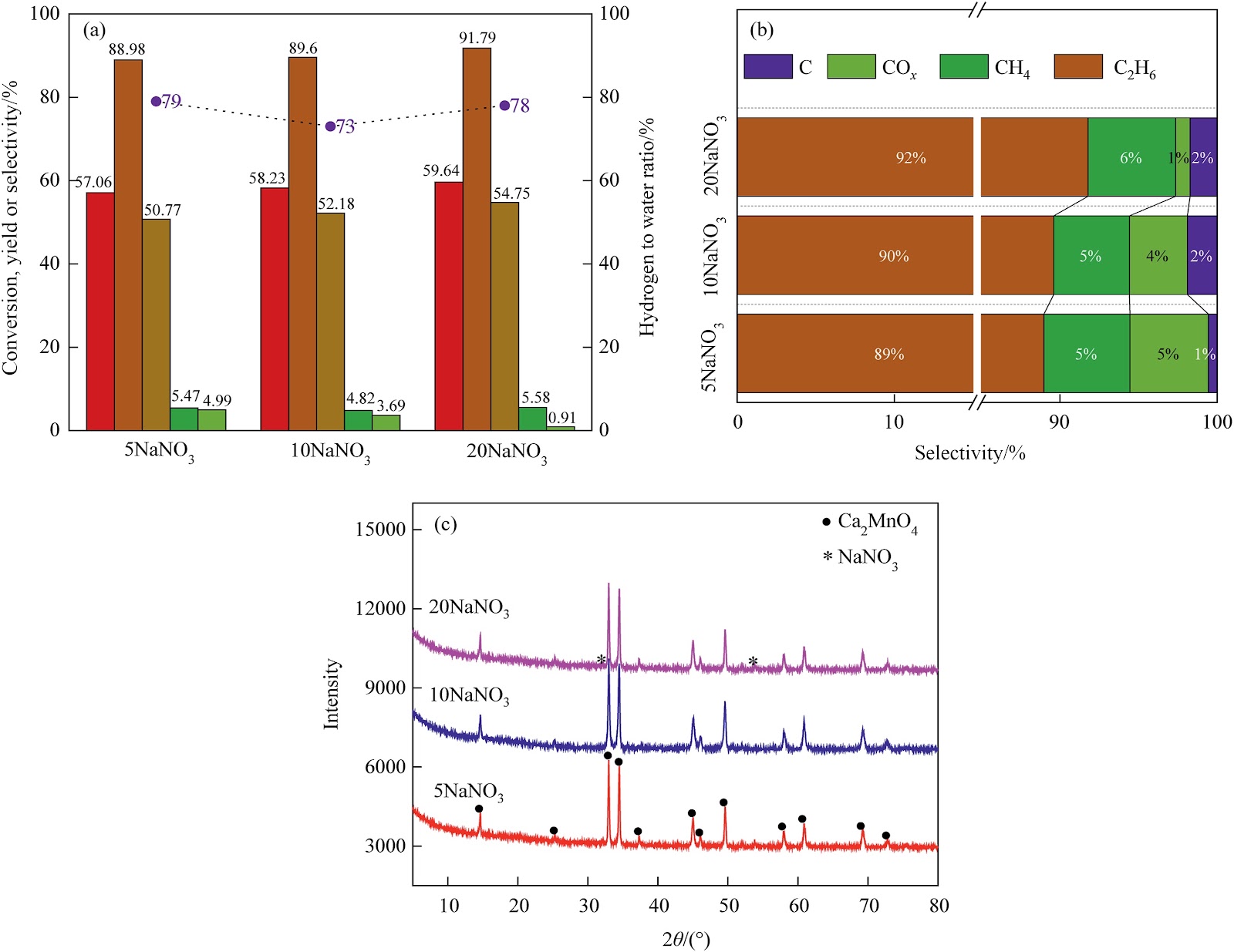
Boosting kinetic separation of ethylene and ethane on microporous materials via crystal size control
Graphical Abstract
Original ResearchVol. 32, Issue 6 • pp. 737-749DOI: 10.1016/j_cjche_144878195Jun 9, 2023

Thermogravimetric characteristics of corn straw and bituminous coal co-pyrolysis based the ilmenite oxygen carriers

Authors: Pengxing Yuan, Xiude Hu, Jingjing Ma, Tuo Guo, Qingjie Guo

Herein, the co-pyrolysis reaction characteristics of corn straw (CS) and bituminous coal in the presence of ilmenite oxygen carriers (OCs) are investigated via thermogravimetry coupled with mass spectrometry. The results reveal that the participation of OCs weakens the devolatilization intensity of co-pyrolysis. When the CS blending ratio is <50%, the mixed fuel exhibits positive synergistic effects. The fitting results according to the Coats-Redfern integral method show that the solid–solid interaction between OCs and coke changes the reaction kinetics, enhancing the co-pyrolysis reactivity at the high-temperature zone (750–950 °C). The synergistic effect is most prominent at a 30% CS blending ratio, with co-pyrolysis activation energy in the range of 26.35–40.57 kJ·mol⁻¹.

Thermogravimetric characteristics of corn straw and bituminous coal co-pyrolysis based the ilmenite oxygen carriers
Graphical Abstract
Original ResearchVol. 32, Issue 5 • pp. 516-528DOI: 10.1016/j_cjche_144877520May 20, 2023

Long-term operation optimization of circulating cooling water systems under fouling conditions

Authors: Jiarui Liang, Yong Tian, Shutong Yang, Yong Wang, Ruiqi Yin, Yufei Wang

Fouling caused by excess metal ions in hard water can negatively impact the performance of the circulating cooling water system (CCWS) by depositing ions on the heat exchanger's surface. Currently, the operation optimization of CCWS often prioritizes short-term flow velocity optimization for minimizing power consumption, without considering fouling. However, low flow velocity promotes fouling. Therefore, it's crucial to balance fouling and energy/water conservation for optimal CCWS long-term operation. This study proposes a mixed-integer nonlinear programming (MINLP) model to achieve this goal. The model considers fouling in the pipeline, dynamic concentration cycle, and variable frequency drive to optimize the synergy between heat transfer, pressure drop, and fouling. By optimizing the concentration cycle of the CCWS, water conservation and fouling control can be achieved. The model can obtain the optimal operating parameters for different operation intervals, including the number of pumps, frequency, and valve local resistance coefficient. Sensitivity experiments on cycle and environmental temperature reveal that as the cycle increases, the marginal benefits of energy/water conservation decrease. In periods with minimal impact on fouling rate, energy/water conservation can be achieved by increasing the cycle while maintaining a low fouling rate. Overall, the proposed model has significant energy/water saving effects and can comprehensively optimize the CCWS through its incorporation of fouling and cycle optimization.
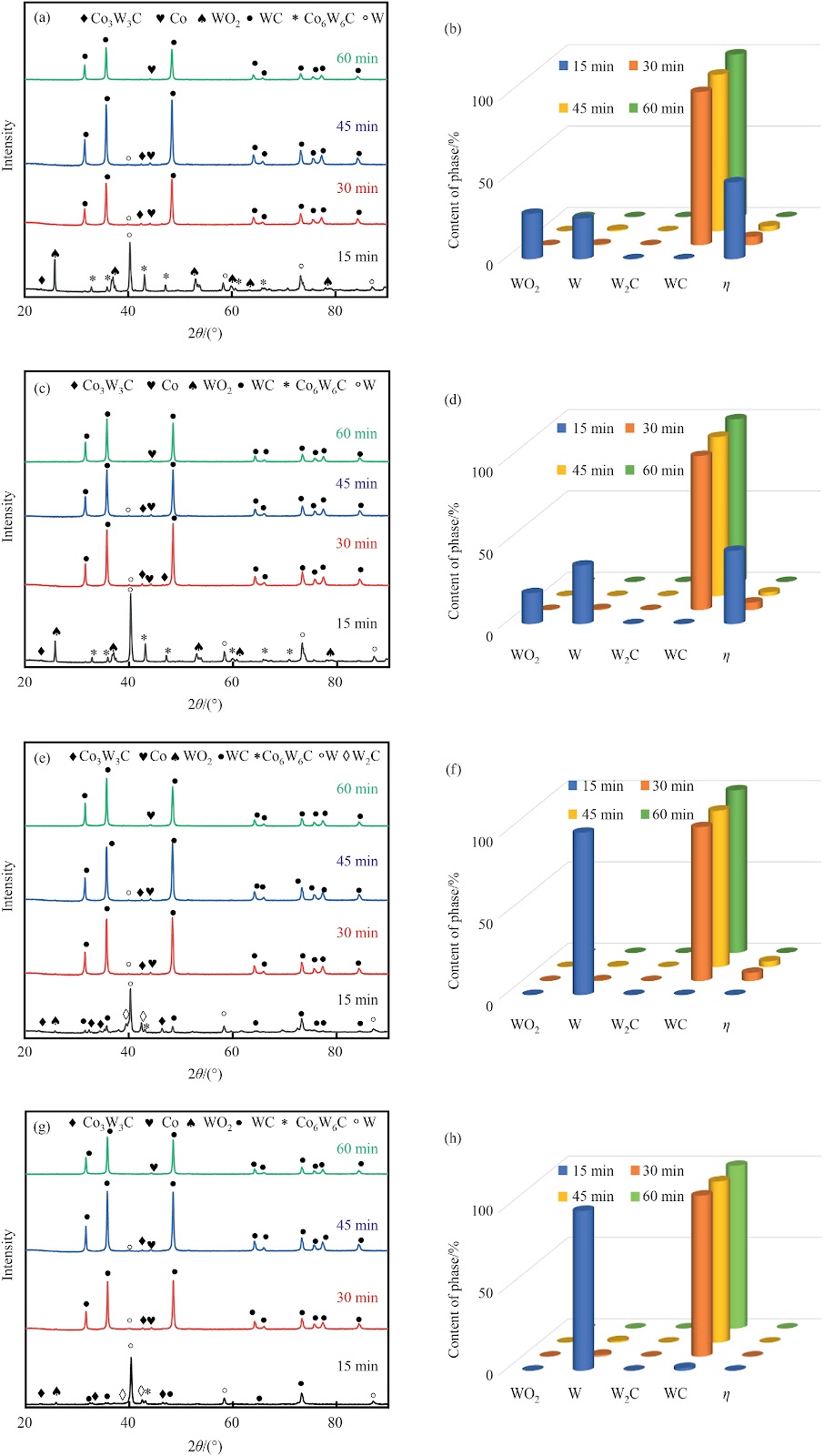
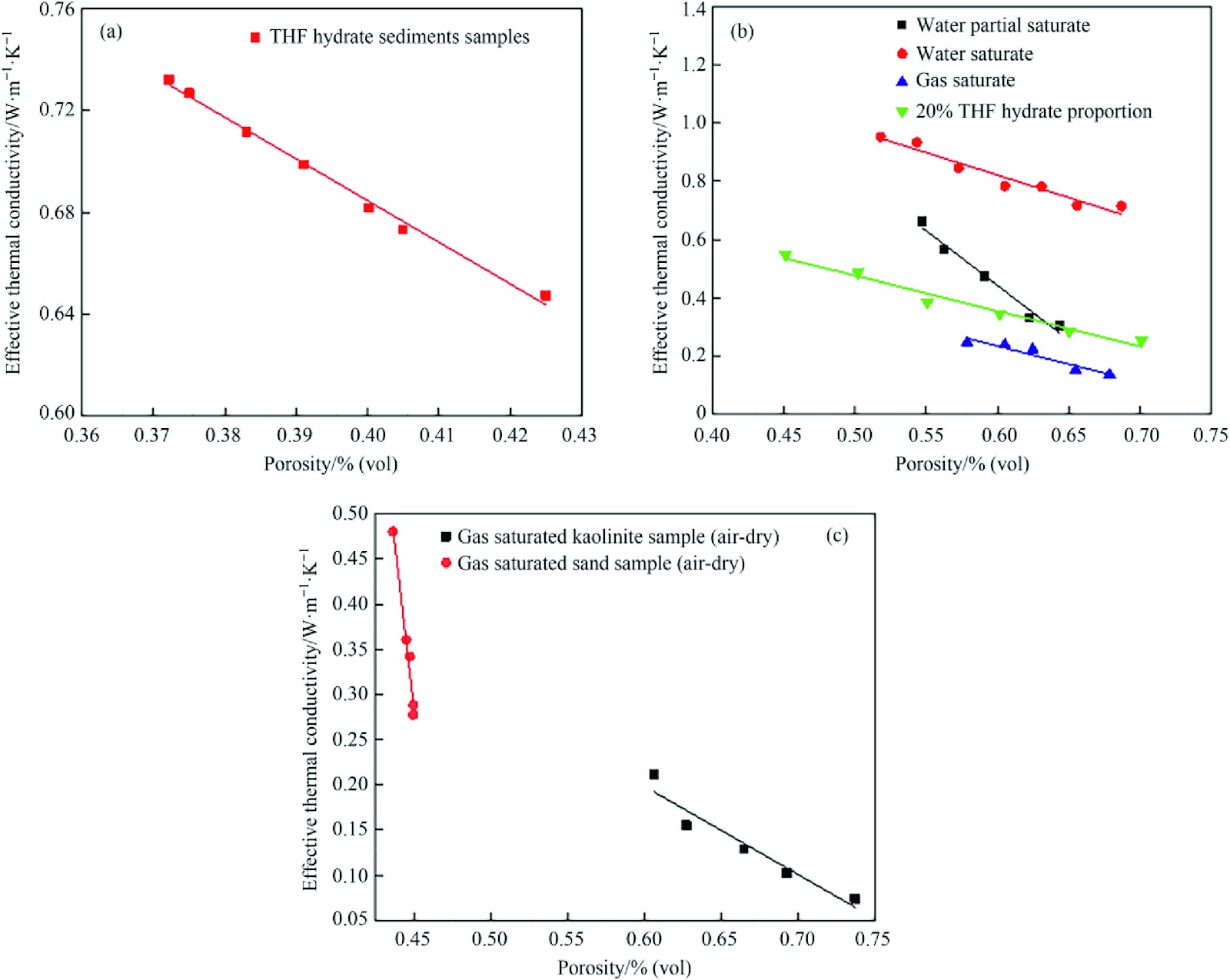
Long-term operation optimization of circulating cooling water systems under fouling conditions
Graphical Abstract
Original ResearchVol. 32, Issue 5 • pp. 312-324DOI: 10.1016/j_cjche_144874495May 9, 2023

Effect of aspect ratio of elliptical stirred vessel on mixing time and flow field characteristics in the absence of baffles

Authors: Yuan Yao, Peiqiao Liu, Qian Zhang, Zequan Li, Benjun Xi, Changyuan Tao, Yundong Wang, Zuohua Liu

Elliptical tanks were used as an alternative to circular tanks in order to improve mixing efficiency and reduce mixing time in unbaffled stirred tanks (USTs). Five different aspect ratios of elliptical vessels were designed to compare their mixing time and flow field. Computational fluid dynamics (CFD) simulations were performed using the k–e model to calculate the mixing time and simulate turbulent flow field features, such as streamline shape, velocity distribution, vortex core region distribution, and turbulent kinetic energy (TKE) transfer. Visualization was also carried out to track the tinctorial evolution of the liquid phase. Results reveal that elliptical stirred tanks can significantly improve mixing performance in USTs. Specifically, the mixing time at an aspect ratio of 2.00 is only 45.3% of the one of a circular stirred tank. Furthermore, the secondary flow is strengthened and the vortex core region increases with the increase of aspect ratio. The axial velocity is more sensitive to the aspect ratio than the circumferential and radial velocity. Additionally, the TKE transfer in elliptical vessels is altered. These findings suggest that elliptical vessels offer a promising alternative to circular vessels for enhancing mixing performance in USTs.

Effect of aspect ratio of elliptical stirred vessel on mixing time and flow field characteristics in the absence of baffles
Graphical Abstract
Original ResearchVol. 32, Issue 5 • pp. 720-732DOI: 10.1016/j_cjche_144878169May 6, 2023

Ionic liquid-assisted preparation of hydroxyapatite and its catalytic performance for decarboxylation of itaconic acid

Authors: Shutong Pang, Hualiang An, Xinqiang Zhao, Yanji Wang

The synthesis of methacrylic acid from biomass-derived itaconic acid is a green route, for it can get rid of the dependence on fossil resource. In order to solve the problems on this route such as use of a precious-metal catalyst and a corrosive homogeneous alkali, we prepared a series of hydroxyapatite catalysts by an ionic liquid-assisted hydrothermal method and evaluated their catalytic performance. The results showed that the ionic liquid [Bmim]BF4 can affect the crystal growth of hydroxyapatite, provide fluoride ion for fluorination of hydroxyapatite, and adjust the surface acidity and basicity, morphology, textural properties, crystallinity, and composition of hydroxyapatite. The [Bmim]BF4 dosage and hydrothermal temperature can affect the fluoride ion concentration in the hydrothermal system, thus changing the degree of fluoridation of hydroxyapatite. High fluoride-ion concentration can lead to the formation of CaF2 and thus significantly decrease the catalytic performance of hydroxyapatite. The hydrothermal time mainly affects the growth of hydroxyapatite crystals on the c axis, leading to different catalytic performance. The suitable conditions for the preparation of this fluoridized hydroxyapatite are as follows: a mass ratio of [Bmim]BF4 to calcium salt = 0.2:1, a hydrothermal time of 12 h, and a hydrothermal temperature of 130 °C. A maximal methacrylic acid yield of 54.7% was obtained using the fluoridized hydroxyapatite under relatively mild reaction conditions (250 °C and 2 MPa of N2) in the absence of a precious-metal catalyst and a corrosive homogeneous alkali.

Ionic liquid-assisted preparation of hydroxyapatite and its catalytic performance for decarboxylation of itaconic acid
Graphical Abstract
Original ResearchVol. 32, Issue 4 • pp. 499-511DOI: 10.1016/j_cjche_144876880Apr 17, 2023

Simultaneous removal of sulfur dioxide and nitrogen oxide from flue gas by phosphorus sludge: The performance and absorption mechanism

Authors: Yuanyuan Yin, Xujun Wang, Lei Xu, Binbin He, Yunxiang Nie, Yi Mei

Developing low-cost and green simultaneous desulfurization and denitrification technologies is of great significance for sulfur dioxide (SO2) and nitrogen oxide (NOx) emission control at low temperatures, especially for small and medium-sized coal-fired boilers and furnaces. Herein, phosphorus sludge, an industrial waste from the production process of yellow phosphorus, has been developed to simultaneously eliminate SO2 and NOx from coal-fired flue gas. The key factors affecting the experimental results indicate that desulfurization and denitrification efficiency of over 95% can be achieved at a low temperature of 55 °C. Further, the absorption mechanism was investigated by characterizing the solid and liquid phases of the phosphorus sludge during the absorption process. The efficient removal of SO2 is attributed to the abundance of iron (Fe3+) and manganese (Mn2+) in the absorbent. SO2 can be rapidly catalyzed and converted to SO4^2- by them. The key to NOx removal is the oxidation of NO toward water-soluble high-valent nitrogen oxides by oxidizing reactive substances induced via yellow phosphorus, which are then absorbed by water and converted to NO3-. Meanwhile, yellow phosphorus is oxidized to phosphoric acid (H3PO4). The spent absorption slurry can be reused through wet process phosphoric acid production, as it contains sulfuric acid (H2SO4), nitric acid (HNO3), and H3PO4. Accordingly, this is a technology with broad application prospects.

Simultaneous removal of sulfur dioxide and nitrogen oxide from flue gas by phosphorus sludge: The performance and absorption mechanism
Graphical Abstract
Original ResearchVol. 32, Issue 4 • pp. 295-307DOI: 10.1016/j_cjche_144874680Apr 6, 2023

Facile synthesis of hierarchical NaX zeolite from natural kaolinite for efficient Knoevenagel condensation

Authors: Wen Xiao, Peng Dong, Chan Wang, Jingdong Xu, Tiesen Li, Haibo Zhu, Tinghai Wang, Renwei Xu, Yuanyuan Yue

Zeolite catalysts have found extensive applications in the synthesis of various fine chemicals. However, the micropores of zeolites impose diffusion limitations on bulky molecules, greatly reducing the catalytic efficiency. Herein, we explore an economic and environmentally friendly method for synthesizing hierarchical NaX zeolite that exhibits improved catalytic performance in the Knoevenagel condensation reaction for producing the useful fine chemical 2-cyano-3-phenylacrylate. The synthesis was achieved via a low-temperature activation of kaolinite and subsequent in-situ transformation strategy without any template or seed. Systematic characterizations reveal that the synthesized NaX zeolite has both inter-crystalline and intra-crystalline mesopores, smaller crystal size, and larger external specific surface area compared to commercial NaX zeolite. Detailed mechanism investigations show that the inter-crystalline mesopores are generated by stacking smaller crystals formed from in-situ crystallization of the depolymerized kaolinite, and the intra-crystalline mesopores are inherited from the pores in the depolymerized kaolinite. This synthesis strategy provides an energy-saving and effective way to construct hierarchical zeolites, which may gain wide applications in fine chemical manufacturing.

Facile synthesis of hierarchical NaX zeolite from natural kaolinite for efficient Knoevenagel condensation
Graphical Abstract
Original ResearchVol. 32, Issue 4 • pp. 703-715DOI: 10.1016/j_cjche_144878161Apr 3, 2023

Hyperbranched polymer hollow-fiber-composite membranes for pervaporation separation of aromatic/aliphatic hydrocarbon mixtures

Authors: Tong Liu, Hao Sun, Xiangqiong Wang, Jie Li, Zhanquan Zhang, Pei Wu, Naixin Wang, Quanfu An

The separation of aromatic/aliphatic hydrocarbon mixtures is crucial in the petrochemical industry. Pervaporation is regarded as a promising approach for the separation of aromatic compounds from alkanes. Developing membrane materials with efficient separation performance is still the main task since the membrane should provide chemical stability, high permeation flux, and selectivity. In this study, the hyperbranched polymer (HBP) was deposited on the outer surface of a polyvinylidene fluoride (PVDF) hollow-fiber ultrafiltration membrane by a facile dip-coating method. The dip-coating rate, HBP concentration, and thermal cross-linking temperature were regulated to optimize the membrane structure. The obtained HBP/PVDF hollow-fiber-composite membrane had a good separation performance for aromatic/aliphatic hydrocarbon mixtures. For the 50%/50% (mass) toluene/n-heptane mixture, the permeation flux of optimized composite membranes could reach 1766 g·m⁻²·h⁻¹, with a separation factor of 4.1 at 60 °C. Therefore, the HBP/PVDF hollow-fiber-composite membrane has great application prospects in the pervaporation separation of aromatic/aliphatic hydrocarbon mixtures.

Hyperbranched polymer hollow-fiber-composite membranes for pervaporation separation of aromatic/aliphatic hydrocarbon mixtures
Graphical Abstract
Original ResearchVol. 32, Issue 3 • pp. 482-494DOI: 10.1016/j_cjche_144876660Mar 14, 2023

Importance of oxygen-containing functionalities and pore structures of biochar in catalyzing pyrolysis of homologous poplar

Authors: Li Qiu, Chao Li, Shu Zhang, Shuang Wang, Bin Li, Zhenhua Cui, Yonggui Tang, Obid Tursunov, Xun Hu

Biochar and bio-oil are produced simultaneously in one pyrolysis process, and they inevitably contact and may interact, influencing the composition of bio-oil and modifying the structure of biochar. In this sense, biochar is an inherent catalyst for pyrolysis. In this study, in order to investigate the influence of functionalities and pore structures of biochar on its capability for catalyzing the conversion of homologous volatiles in bio-oil, three char catalysts (600C, 800C, and 800AC) produced via pyrolysis of poplar wood at 600 or 800 °C or activated at 800 °C, were used for catalyzing pyrolysis of homologous poplar wood at 600 °C, respectively. The results indicated that the 600C catalyst was more active than 800C and 800AC for catalyzing cracking of volatiles to form more gas (yield increase by 40.2%) and aromatization of volatiles to form more light or heavy phenolics, due to its abundant oxygen-containing functionalities acting as active sites. The developed pores of the 800AC showed no such catalytic effect but could trap some volatiles and allow their further conversion via sufficient aromatization. Nevertheless, the interaction with the volatiles consumed oxygen on 600C (decrease by 50%), enhancing the aromatic degree and increasing thermal stability. The dominance of deposition of carbonaceous material of a very aromatic nature over 800C and 800AC resulted in net weight gain and blocked micropores but formed additional macropores. The in situ diffuse reflectance infrared Fourier transform spectroscopy characterization of the catalytic pyrolysis indicated superior activity of 600C for removal of –OH, while conversion of the intermediates bearing C=O was enhanced over all the char catalysts.
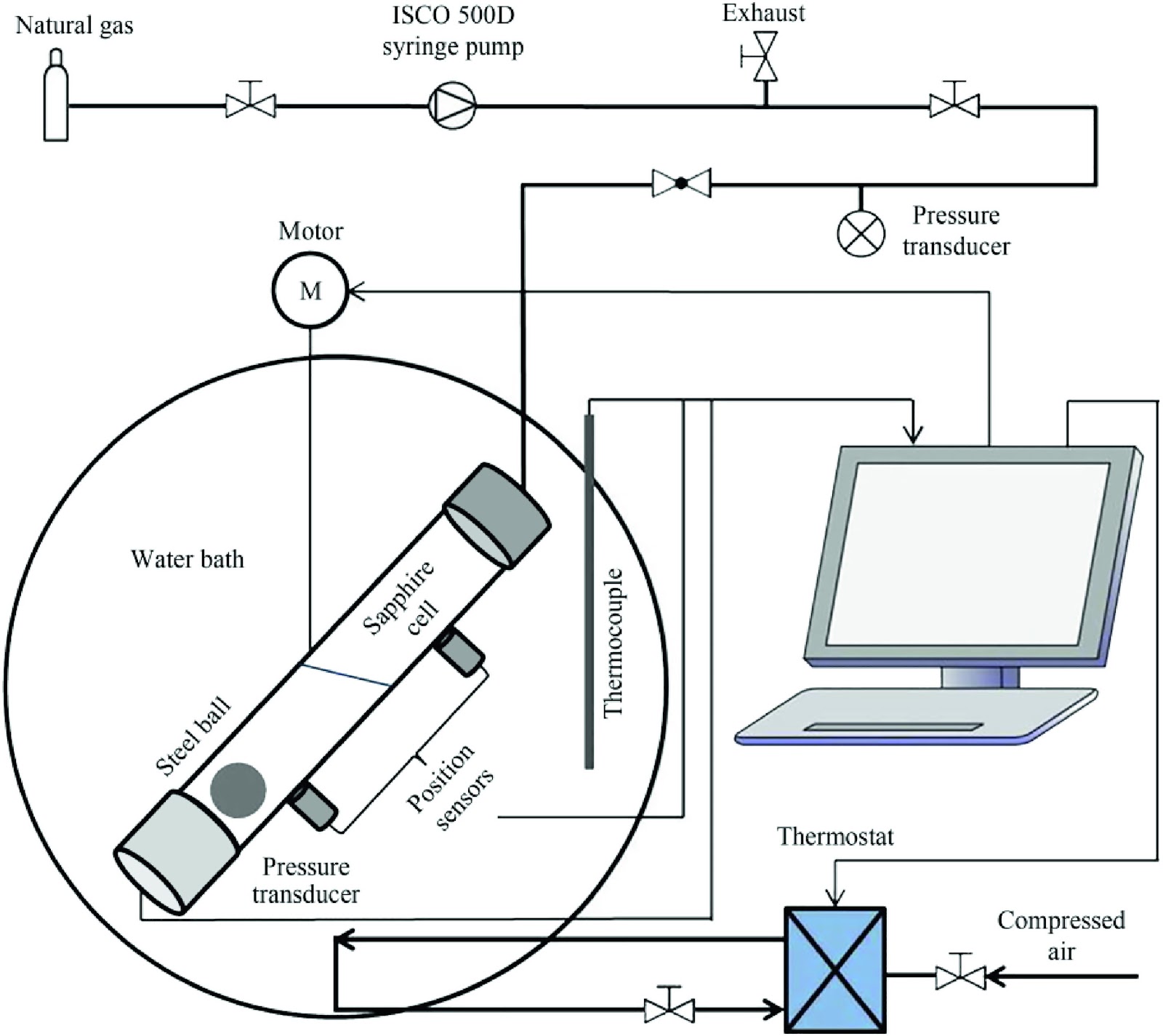
Importance of oxygen-containing functionalities and pore structures of biochar in catalyzing pyrolysis of homologous poplar
Graphical Abstract
Original ResearchVol. 32, Issue 3 • pp. 890-902DOI: 10.1016/j_cjche_144878542Mar 11, 2023

Synthesis of granulated Li1.33Mn1.67O4 via two antisolvent methods for lithium adsorption from gas-produced water

Authors: Jun Qiu, Lu-Ri Bao, Wei Guo, Ying Yang, Shu-Ying Sun

Gas-produced water is an accompanying wastewater in the natural gas extraction process, and it is a potential liquid lithium resource that contains a considerable amount of lithium. This study investigated the feasibility of using manganese-based ion sieves to adsorb and extract lithium from gas-produced water. And we focused on the applicability of two different granulation methods, extrusion and droplet, in gas-produced water systems. Two types of H1.33Mn1.67O4 particles were prepared by the extrusion method (EHMO) and the droplet method (DHMO). The porosity of DHMO was much higher than that of EHMO, and the adsorption performance of DHMO increased with the decrease of binder concentration. DHMO prepared with a binder concentration of 0.14 g·ml−1 exhibited the best adsorption performance in gas-produced water, and the Li+ adsorption capacity could reach 25.14 mg·g−1. In gas-produced water, the adsorption equilibrium of DHMO only took 9 h, and the adsorption process conformed to the Langmuir model and pseudo-second-order kinetic model. The pore diffusion model (PDM) could well describe its adsorption process. Besides, DHMO showed a great selectivity to Li+, and the selectivity order of DHMO in gas-produced water was Li+>Ba2+[Mg2+, Ca2+, Sr2+[Na+[K+. After 20 cycles, the Li+ adsorption capacity was still higher than 17.30 mg·g−1, and the rate of manganese dissolution was less than 1%.
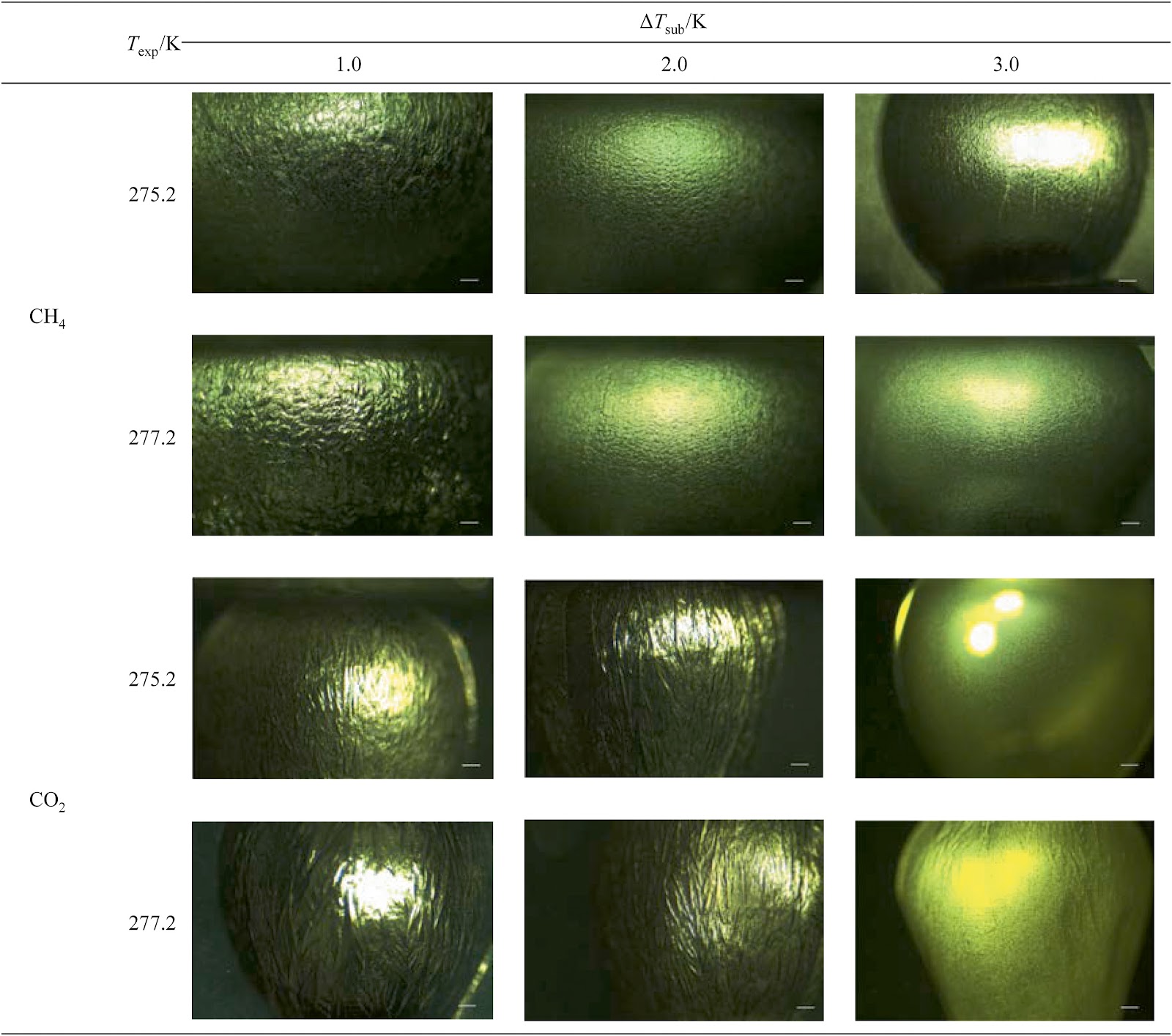
Synthesis of granulated Li1.33Mn1.67O4 via two antisolvent methods for lithium adsorption from gas-produced water
Graphical Abstract
Original ResearchVol. 32, Issue 3 • pp. 278-290DOI: 10.1016/j_cjche_144874305Mar 3, 2023

Copper slag assisted coke reduction of phosphogypsum for sulphur dioxide preparation

Authors: Dong Ma, Qinhui Wang

The reduction of phosphogypsum (PG) to lime slag and SO2 using coke can effectively alleviate the environmental problems caused by PG. However, the PG decomposition temperature remains high and the product yield remains poor. By adding additives, the decomposition temperature can be further reduced and PG decomposition rate and product yield can be improved. However, the use of current additives such as Fe2O3 and SiO2 brings the problem of increasing economic cost. Therefore, it is proposed to use solid waste copper slag (CS) as a new additive to reduce PG to prepare SO2, which can reduce the cost and meet the environmental benefits at the same time. The effects of proportion, temperature and thermostatic time on PG decomposition are investigated by experimental and kinetic analysis combined with FactSage thermodynamic calculations to optimize the roasting conditions. Finally, the reaction mechanism is proposed. It is found that adding CS to the coke and PG system can increase the rate of PG decomposition and SO2 yield while lowering the PG decomposition temperature. For example, when the CS/PG mass ratio increases from 0 to 1, PG decomposition rate increases from 83.38% to 99.35%, SO2 yield increases from 78.62% to 96.81%, and PG decomposition temperature decreases from 992.4 °C to 949.6 °C. The optimal reaction parameters are CS/PG mass ratio of 1, Coke/PG mass ratio of 0.06 at 1100 °C for 20 min with 99.35% PG decomposition rate and 96.81% SO2 yield. The process proceeds according to the following reactions: 2CaSO4 + 0.7C + 0.8Fe2SiO4 → 0.8Ca2SiO4 + 0.2Ca2Fe2O5 + 0.4Fe3O4 + 2SO2 + 0.7CO2. Finally, a process for decomposing PG with coke and CS is proposed.

Copper slag assisted coke reduction of phosphogypsum for sulphur dioxide preparation
Graphical Abstract
Original ResearchVol. 32, Issue 2 • pp. 261-273DOI: 10.1016/j_cjche_144874390Feb 25, 2023

The Al2O3 and Mn/Al2O3 sorbents highly utilized in destructive sorption of NF3

Authors: Yanfei Pan, Hejian Li, Li Zheng, Xiufeng Xu

NF3 is commonly used as an etching and cleaning gas in semiconductor industry, however it is a strongly greenhouse gas. Therefore, the destruction of disposal NF3 is an urgent task to migrate the greenhouse effect. Among the technologies for NF3 abatement, the destructive sorption of NF3 over metal oxides sorbents is an effective way. Thus, the search for a highly reactive and utilized sorbent for NF3 destruction is in great demand. In this work, AlOOH supported on carbon-sphere (AlOOH/CS) as precursors were synthesized hydrothermally and heat-treated to prepare the Al2O3 sorbents. The influence of AlOOH/CS hydrothermal temperatures on the reactivity of derived Al2O3 sorbents for NF3 destruction was investigated, and it is shown that the Al2O3 from AlOOH/CS hydro-thermalized at 120 °C is superior to others. Subsequently, the optimized Al2O3 was covered by Mn(OH)x to prepare Mn/Al2O3 sorbents via changing hydrothermal temperatures and Mn loadings. The results show that the Mn/Al2O3 sorbents are more utilized than bare Al2O3 in NF3 destructive sorption due to the promotional effect of Mn2O3 as surface layer on the fluorination of Al2O3 as substrate, especially the optimal 5%Mn/Al2O3(160 °C) exhibits a utilization percentage as high as 90.4%, and remarkably exceeds all the sorbents reported so far. These findings are beneficial to develop more efficient sorbents for the destruction of NF3.

The Al2O3 and Mn/Al2O3 sorbents highly utilized in destructive sorption of NF3
Graphical Abstract
Original ResearchVol. 32, Issue 2 • pp. 669-681DOI: 10.1016/j_cjche_144878043Feb 22, 2023

Microscopic experimental study on the effects of NaCl concentration on the self-preservation effect of methane hydrates under 268.15 K

Authors: Yu-Jie Zhu, Yu-Zhou Chen, Yan Xie, Jin-Rong Zhong, Xiao-Hui Wang, Peng Xiao, Yi-Fei Sun, Chang-Yu Sun, Guang-Jin Chen

It is known that salt ions are abundant in the natural environment where natural gas hydrates are located; thus, it is essential to investigate the self-preservation effect of salt ions on methane hydrates. The dissociation behaviors of gas hydrates formed from various NaCl concentration solutions in a quartz sand system at 268.15 K were investigated to reveal the microscopic mechanism of the self-preservation effect under different salt concentrations. Results showed that as the salt concentration rises, the initial rate of hydrate decomposition quickens. Methane hydrate hardly shows self-preservation ability in the 3.35% (mass) NaCl and seawater systems at 268.15 K. Combined the morphology of hydrate observed by the confocal microscope with results obtained from in situ Raman spectroscopy, it was found that during the initial decomposition stage of gas hydrate below the ice point, gas hydrate firstly converts into liquid water and gas molecules, then turns from water to solid ice rather than directly transforming into solid ice and gas molecules. The presence of salt ions interferes with the ability of liquid water to condense into solid ice. The results of this study provide an important guide for the mechanism and application of the self-preservation effect on the storage and transport of gas and the exploitation of natural gas hydrates.

Microscopic experimental study on the effects of NaCl concentration on the self-preservation effect of methane hydrates under 268.15 K
Graphical Abstract
Original ResearchVol. 32, Issue 2 • pp. 465-477DOI: 10.1016/j_cjche_144876482Feb 11, 2023

Insight into the experiment and extraction mechanism for separating carbazole from anthracene oil with quaternary ammonium-based deep eutectic solvents

Authors: Xudong Zhang, Yanhua Liu, Jun Shen, Yugao Wang, Gang Liu, Yanxia Niu, Qingtao Sheng

Carbazole is an irreplaceable basic organic chemical raw material and intermediate in industry. The separation of carbazole from anthracene oil by environmental benign solvents is important but still a challenge in chemical engineering. Deep eutectic solvents (DESs) as a sustainable green separation solvent have been proposed for the separation of carbazole from model anthracene oil. In this research, three quaternary ammonium-based DESs were prepared using ethylene glycol (EG) as hydrogen bond donor and tetrabutylammonium chloride (TBAC), tetrabutylammonium bromide or choline chloride as hydrogen bond acceptors. To explore their extraction performance of carbazole, the conductor-like screening model for real solvents (COSMO-RS) model was used to predict the activity coefficient at infinite dilution (γ∞) of carbazole in DESs, and the result indicated TBAC:EG (1:2) had the stronger extraction ability for carbazole due to the higher capacity at infinite dilution (C∞) value. Then, the separation performance of these three DESs was evaluated by experiments, and the experimental results were in good agreement with the COSMO-RS prediction results. The TBAC:EG (1:2) was determined as the most promising solvent. Additionally, the extraction conditions of TBAC:EG (1:2) were optimized, and the extraction efficiency, distribution coefficient and selectivity of carbazole could reach up to 85.74%, 30.18 and 66.10%, respectively. Moreover, the TBAC:EG (1:2) could be recycled by using environmentally friendly water as antisolvent. In addition, the separation performance of TBAC:EG (1:2) was also evaluated by real crude anthracene, the carbazole was obtained with purity and yield of 85.32%, 60.27%, respectively. Lastly, the extraction mechanism was elucidated by σ-profiles and interaction energy analysis. Theoretical calculation results showed that the main driving force for the extraction process was the hydrogen bonding ((N–H...Cl) and van der Waals interactions (C–H...O and C–H...π), which corresponding to the blue and green isosurfaces in IGMH analysis. This work presented a novel method for separating carbazole from crude anthracene oil, and will provide an important reference for the separation of other high value-added products from coal tar.

Insight into the experiment and extraction mechanism for separating carbazole from anthracene oil with quaternary ammonium-based deep eutectic solvents
Graphical Abstract
Original ResearchVol. 32, Issue 2 • pp. 873-885DOI: 10.1016/j_cjche_144878602Feb 8, 2023

Photoinduced transposed Paternò–Büchi reaction for effective synthesis of high-performance jet fuel

Authors: Jinxiu Hu, Xianlong Liu, Yi Liu, Kang Xue, Chengxiang Shi, Xiangwen Zhang, Li Wang, Ji-Jun Zou, Lun Pan

High-energy-density fuels are important for volume-limited aerospace vehicles, but the increase in fuel energy density always leads to poor cryogenic performance. Herein, we investigated the transposed Paternò–Büchi reaction of biomass cyclic ketone and cyclic alkene to synthesize a new kind of alkyl-substituted polycyclic hydrocarbon fuel with high energy density and good cryogenic performance. The triplet-energy-quenching results and phosphorescent emission spectra reveal the sensitization mechanism of the reaction, including photosensitizer excitation, triplet-triplet energy transfer, cyclization, and relaxation, and the possible reaction path was revealed by the density functional theory (DFT) calculations. The reaction conditions of photosensitizer type and addition, molar ratio of substrates, reaction temperature, and incident light intensity were optimized, with the target product yield achieving 65.5%. Moreover, the reaction dynamics of the reaction rate versus the light intensity are established. After the hydrogenation-deoxygenation reaction, three fuels with a high density of 0.864–0.938 g·ml⁻¹ and a low freezing point of < −55 °C are obtained. This work provides a benign and effective approach to synthesize high-performance fuels.

Photoinduced transposed Paternò–Büchi reaction for effective synthesis of high-performance jet fuel
Graphical Abstract
Original ResearchVol. 32, Issue 1 • pp. 652-664DOI: 10.1016/j_cjche_144878052Jan 19, 2023

Energy-saving design and optimization of pressure-swing-assisted ternary heterogenous azeotropic distillations

Authors: Lianjie Wu, Kun Lu, Qirui Li, Lianghua Xu, Yiqing Luo, Xigang Yuan

A huge amount of energy is always consumed to separate the ternary azeotropic mixtures by distillations. The heterogeneous azeotropic distillation and the pressure-swing distillation are two kinds of effective technologies to separate heterogeneous azeotropes without entrainer addition. To give better play to the synergistic energy-saving effect of these two processes, a novel pressure-swing-assisted ternary heterogeneous azeotropic distillation (THAD) process is proposed firstly. In this process, the ternary heterogeneous azeotrope is decanted into two liquid phases before being refluxed into the azeotropic distillation column to avoid the aqueous phase remixing, and three columns' pressures are modified to decrease the flowrates of the recycle streams. Then the dividing wall column and heat integration technologies are introduced to further reduce its energy consumption, and the pressure-swing-assisted ternary heterogeneous azeotropic dividing-wall column and its heat integration structure are achieved. A genetic algorithm procedure is used to optimize the proposed processes. The design results show that the proposed processes have higher energy efficiencies and lower CO2 emissions than the published THAD process.
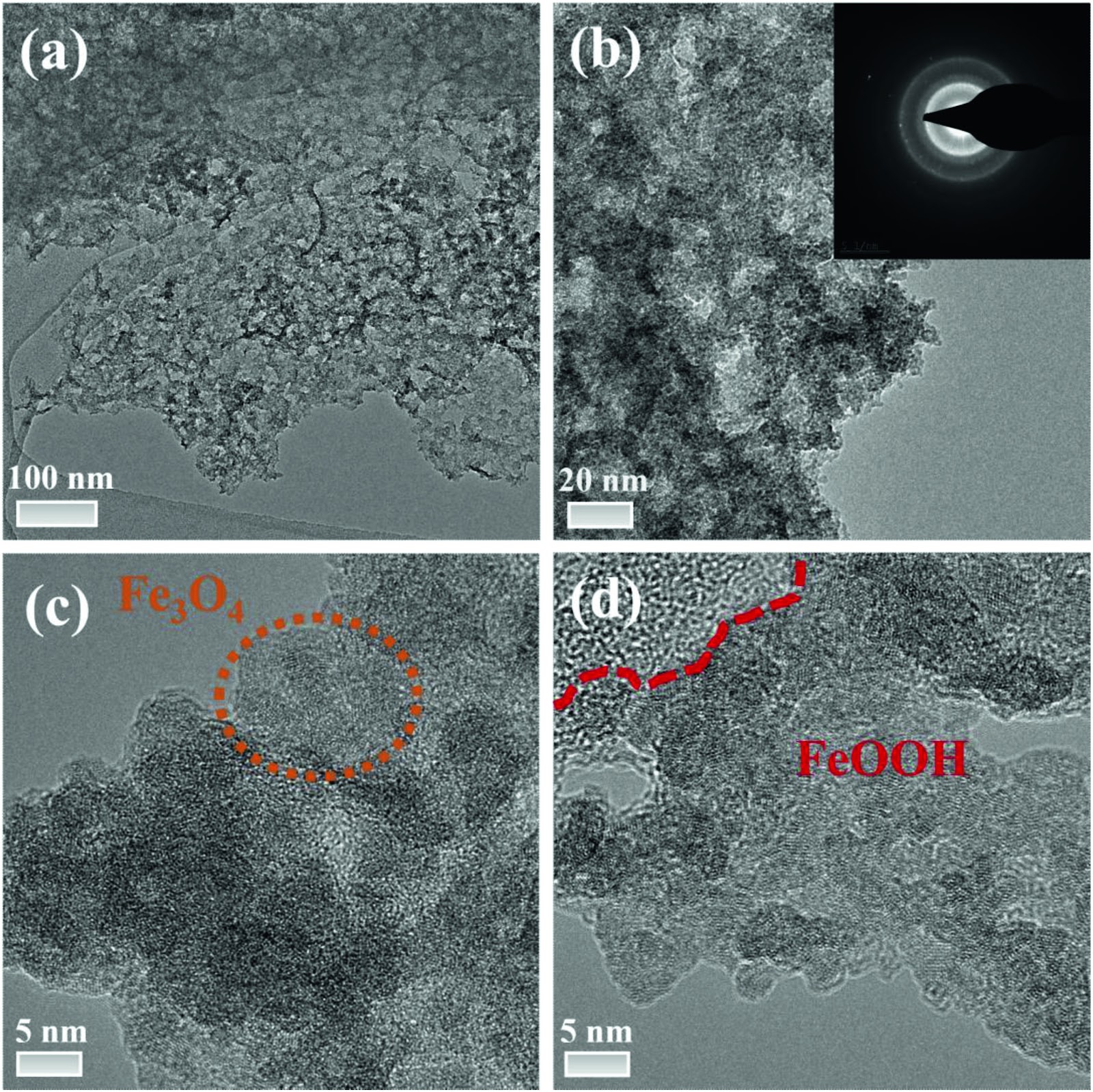
Energy-saving design and optimization of pressure-swing-assisted ternary heterogenous azeotropic distillations
Graphical Abstract
Original ResearchVol. 32, Issue 1 • pp. 448-460DOI: 10.1016/j_cjche_144876270Jan 8, 2023

Removal of kathon by UV-C activated hydrogen peroxide: Kinetics, mechanisms, and enhanced biodegradability assessment

Authors: Jinzhi Cui, Guiqiao Wang, Xing Rong, Wensu Gao, Yaxin Lu, Yawen Luo, Lichao Zhang, Zhongfa Cheng, Canzhu Gao

Kathon (CMI-MI), a mixture of 5-chloro-2-methyl-4-isothiazolin-3-one (CMI) and 2-methyl-4-isothiazolin-3-one (MI), was extensively used in industry as a nonoxidizing biocide or disinfectant. However, it would show adverse effects on aquatic life when it is discharged into surface water. In this study, the removal performance, parameter influence, degradation products and enhancement of subsequent biodegradation of CMI-MI in UV/H2O2 system were systematically investigated. The degradation rate of CMI-MI could reach 90% under UV irradiation for 20 min when the dosage of H2O2 was 0.3 mmol·L–1. The DOC (dissolved organic carbon) mineralization rate of CMI-MI could reach 35% under certain conditions ([H2O2] = 0.3 mmol·L–1, UV irradiation for 40 min). kobs was inversely proportional to the concentration of CMI-MI and proportional to the concentration of H2O2. The degradation rate of CMI-MI was almost unchanged in the pH range from 4 to 10. Except the presence of CO3^2- inhibited the removal rate of CMI-MI, SO4^2-, Cl-, NO3-, and NH4+ did not interfere with the degradation of CMI-MI in the system. It was found that UV/H2O2 system had lower energy consumption and more economic advantage compared with UV/PS system by comparing the EEO (electric energy per order) values under the same conditions. Two main organic products were identified, namely HCOOH and CH3NH2. There's also the formation of Cl- and SO4^2-. After UV and UV/H2O2 photolysis, the biochemical properties of CMI-MI solution were obviously improved, especially the UV/H2O2 treatment effect was better, indicating that UV/H2O2 technology is expected to combine with biotechnology to remove CMI-MI effectively and environmentally friendly from wastewater.

Removal of kathon by UV-C activated hydrogen peroxide: Kinetics, mechanisms, and enhanced biodegradability assessment
Graphical Abstract
Original ResearchVol. 32, Issue 1 • pp. 856-868DOI: 10.1016/j_cjche_144878520Jan 5, 2023

Relationship between hydrogenation degree and pyrolysis performance of jet fuel

Authors: Qing Liu, Tinghao Jia, Lun Pan, Jijun Zou, Xiangwen Zhang

Understanding the relationship between the chemical composition and pyrolysis performance of endothermic hydrocarbon fuel (EHF) is of great significance for the design and optimization of advanced EHFs. In this work, the effect of deep hydrogenation on the pyrolysis of commercial RP-3 is investigated. Fuels with different hydrogenation degrees were obtained by the partially and completely catalytic hydrogenation and their pyrolysis performances were investigated using an apparatus equipped with an electrically heated tubular reactor. The results show that with the increase of hydrogenation degree, fuel conversion almost remains constant during the pyrolysis process (500e650 °C, 4 MPa); however, the heat sink increases slightly, and the anti-coking performance significantly improves, which are highly related to their H/C ratios. Detailed characterisations reveal that the difference of the pyrolysis performance can be ascribed to the content of aromatics and cycloalkanes: the former are prone to initiate secondary reactions to form coking precursors, while the latter could act as the hydrogen donor and release hydrogen, which will terminate the radical propagation reactions and suppress the coke deposition. This work should provide the guidance for upgrading EHFs by modulating the composition of EHFs.
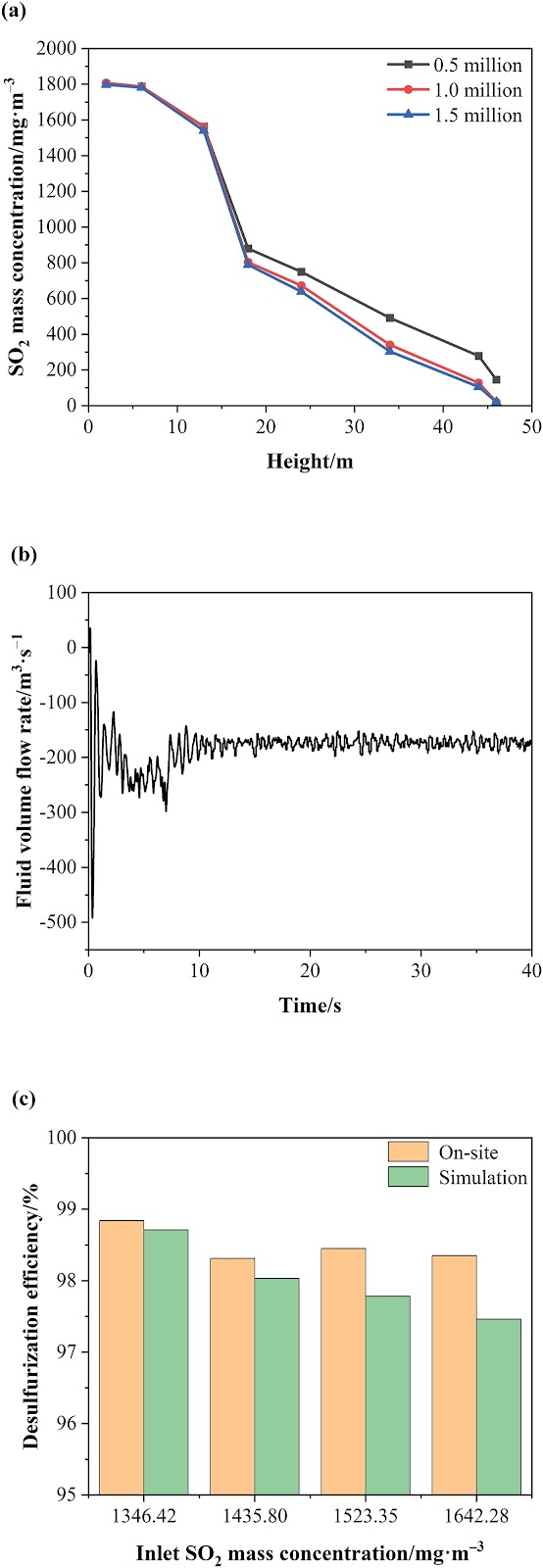
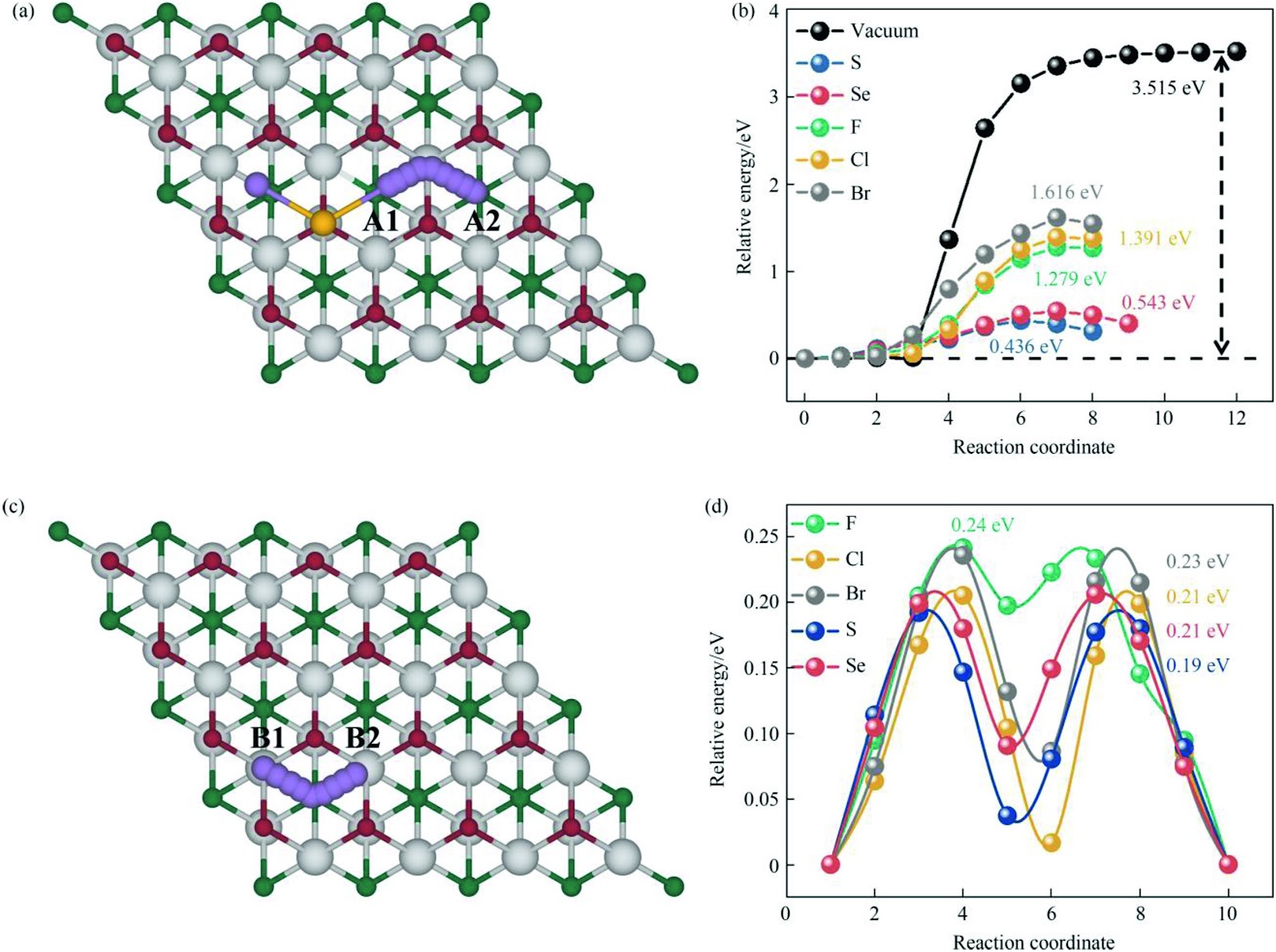
Relationship between hydrogenation degree and pyrolysis performance of jet fuel
Graphical Abstract
Chinese Journal of Chemical Engineering | SinoTechIntel Research Archive | SinoTechIntel