Key Takeaways & Executive Findings
- •• Comprehensive review of six experimental equipment types and three computer simulation methods for hydrate research, covering micro to macro scales. • Detailed comparison of advantages and disadvantages of each method, aiding researchers in selecting appropriate tools. • Highlights the latest research progress and provides future suggestions for advancing hydrate flow assurance. • Essential for understanding hydrate plugging mechanisms and developing effective low-dose hydrate inhibitors (LDHIs).
Abstract
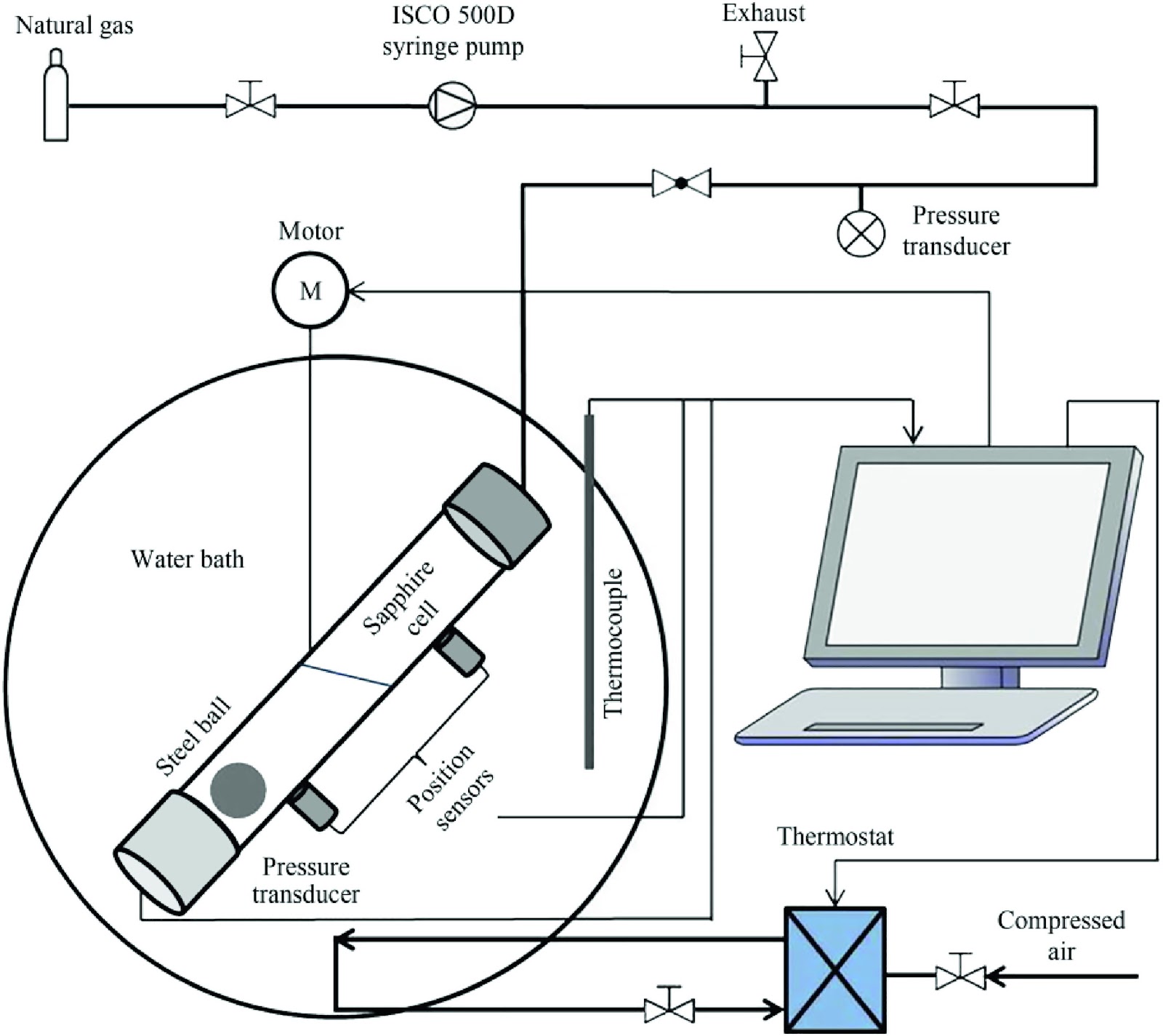
Due to the high-pressure and low-temperature exploitation environment, the characteristics of hydrates are directly related to the safety of pipeline transportation, which is an important research topic for deep-sea flow assurance. In this review, six kinds of extensively used experimental equipment and three types of hot computer simulation methods, which are employed to explore the hydrate characteristics under deep-sea conditions, are comprehensively summarized, covering micro to macro research scales. The experimental equipment includes rotational rheometer, flow loop, high-pressure reactor, differential scanning calorimeter (DSC), micromechanical force (MMF) testing apparatus and microscopic morphology observation (MMO) device. The computer simulation methods involve numerical simulation, molecular dynamics (MD) simulation, Monte Carlo (MC) simulation and first-principles calculation. Their advantages and disadvantages are compared in detail, and their basic principles, main applications and the latest research progress are introduced. Some suggestions for future research methods are also provided. This work aims to help readers quickly grasp the characteristics of the most used research methods, choose suitable methods for their study and further expand these methods, so as to advance the development in hydrate research area.
1. Introduction
Hydrogen-bonded water molecules can form various types of cages (512, 51262, 51264, 51268, 435663, etc.), and guest molecules (such as methane, propane, cyclopentane, etc.) with appropriate size may be captured in these cages. In this way, the combination of specific numbers and types of cages forms natural gas hydrates, which can be mainly divided into three types: structure I, II and H [1]. Hydrates are ice-like compounds, and thus have ice-like properties: once formed in pipelines, they can develop into 'ice blocks' and ultimately lead to pipe plugging [2]. Partial or full obstructions in pipelines can induce pipeline vibrations, abnormal pressures and mechanical damages [3]. Turner [4] proposed the mechanism of hydrate plugging. Specifically, water is dispersed in the oil phase under the shear action of turbulent flow, pipe walls, pumps, etc. Hydrates nucleate and grow in high-pressure and low-temperature pipeline transportation environments. Then, the growing particles adhere together due to liquid or solid bridge forces during collision, resulting in hydrate aggregation. Subsequently, the hydrate aggregates gradually deposit at the bottom and top of the pipeline under the influence of gravity and wall adhesive force. Ultimately, they develop into a partial pipe blockage or total pipe plugging.
In order to prevent hydrate plugging, many physical and chemical methods have been adopted, each with its own advantages and disadvantages. Since the hydrate cold flow technology is put forward, the development of low-cost and environment-friendly low-dose hydrate inhibitors (LDHIs) has become a research hotspot. Therefore, getting knowledge of the characteristics of hydrate slurry is helpful to design and evaluate better hydrate inhibitors, control risks, ensure safe transportation and support its development as a future energy source, separation technology [5] and cold storage technology [6].
Currently, researchers and engineers in the field of hydrate flow assurance have conducted extensive research on a laboratory scale. Heretofore, the reported review articles on hydrates mainly focus on the research process of one kind of hydrates (e.g., CO2 hydrates [7]), hydrate kinetics [8,9], thermodynamics [8,9], rheology [10], interfacial behavior [2,11], application [6,9], hydrate inhibitors [12e15], and a certain research method [16]. However, there is still no comprehensive review that integrates the experimental and computational research methods specifically. In view of this, a comprehensive summary on the basic principles, pros and cons, and applications of six widely used laboratory scale experimental equipment and three types of computer simulation technology is conducted in this work. It will facilitate readers to quickly read and understand the state-of-the-art methods in hydrate research.
Loading authentic research manuscript (Pages 1–5)...
Jie Zhang, Lei Shi, Chuanxian Li, Fei Yang, Bo Yao, Guangyu Sun (2024). Research methods and devices for hydrate characteristics during oil and gas transportation: A review. Chinese Journal of Chemical Engineering. https://doi.org/10.1016/j_cjche_1448
Research & Educational Purpose Only:The translations, structured abstracts, analytical annotations, and data reports provided by SinoTechIntel are intended exclusively for academic research, internal corporate R&D, and educational benchmarking. They do not constitute formal engineering, chemical safety, legal, or professional advice.
Copyright & Intellectual Property Notice: Original copyright of the underlying source articles and experimental data remains with the respective authors, institutions, and original publishing journals. SinoTechIntel claims intellectual property only over its proprietary translations, analytical syntheses, and AEO structured enhancements in accordance with international fair use and academic citation principles.
Frequently Asked Questions
What are the main experimental equipment used for studying hydrate characteristics?
The review covers six types: rotational rheometer, flow loop, high-pressure reactor, differential scanning calorimeter (DSC), micromechanical force (MMF) testing apparatus, and microscopic morphology observation (MMO) device.
Which computer simulation methods are highlighted in this review?
The review discusses numerical simulation, molecular dynamics (MD) simulation, Monte Carlo (MC) simulation, and first-principles calculation.
Why is understanding hydrate characteristics important in oil and gas transportation?
Hydrate formation can lead to pipeline plugging, causing safety hazards and operational issues. Understanding their characteristics helps in designing effective inhibitors and ensuring safe flow assurance.
What is the scope of this review?
It provides a comprehensive summary of experimental and computational methods for studying hydrate characteristics, covering micro to macro scales, and includes comparisons of advantages and disadvantages.
What future research suggestions are provided?
The authors suggest further expansion of existing methods and development of new approaches to advance hydrate research, particularly in the context of deep-sea flow assurance.
Related Technical Papers & Translations
Design and optimization of a high-efficiency distillation process for cellulosic fuel ethanol integrated with thermal coupling and molecular sieve adsorption
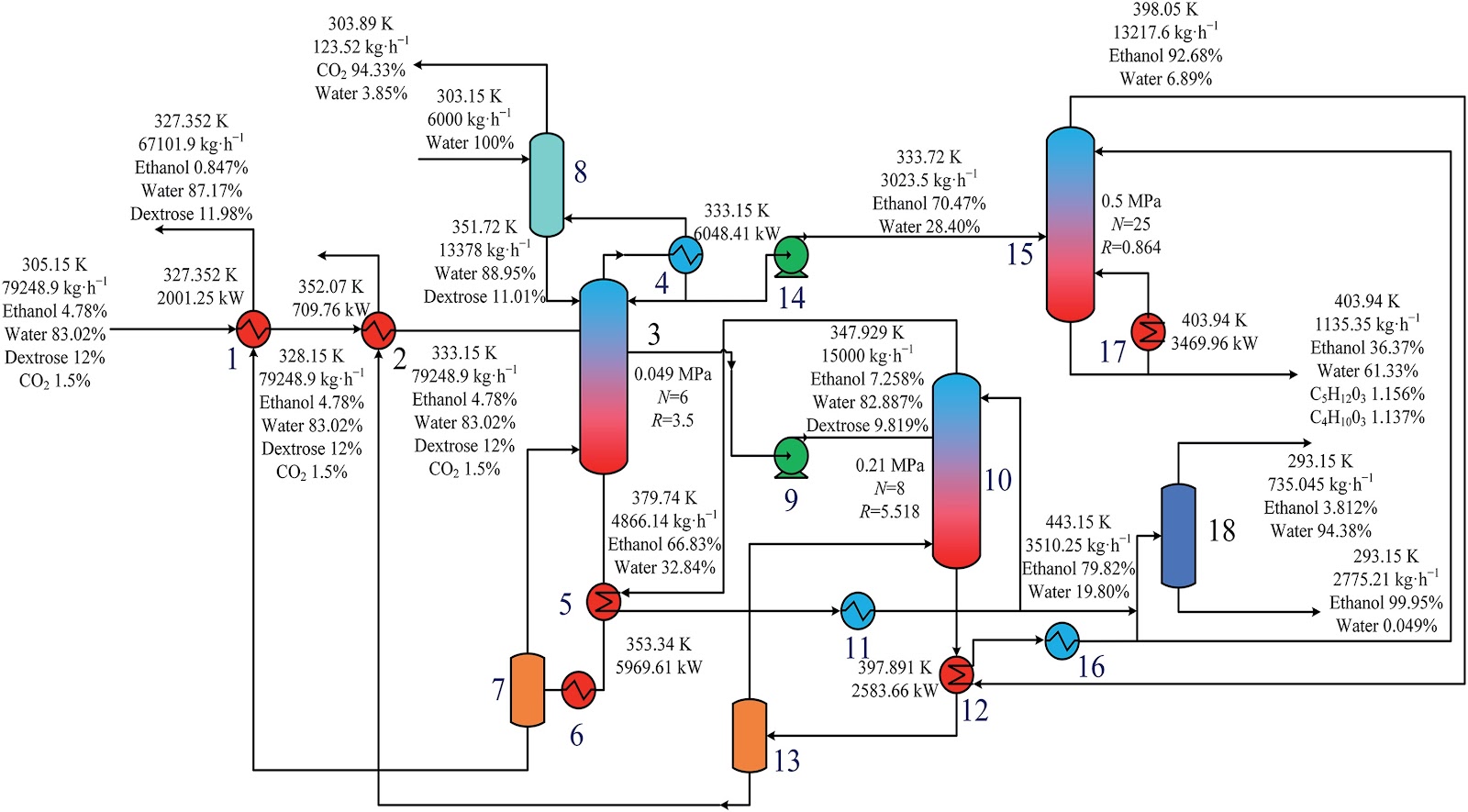
To address the challenges of high energy consumption and prominent costs in the traditional three-columns distillation process for cellulosic fuel ethanol, a distillation—molecular sieve coupling separation process is proposed. This process integrates a three-column (crude distillation column, first distillation column, second distillation column) system with a 3A molecular sieve adsorption deep dehydration unit. A thermal coupling network is constructed via differential pressure design (steam from medium/high-pressure columns as mutual heat sources, reboiler liquid waste heat for feed preheating), and molecular sieve adsorption conditions are optimized. The study first performs a thermodynamic consistency test on the ethanol—water system, determines optimal non-random two-liquid (NRTL) model binary interaction parameters via experimental data regression for Aspen Plus simulation. Aiming at minimum total annual cost (TAC), Aspen Plus is used to optimize process parameters (theoretical tray number, feed location, reflux ratio, side-draw position, etc.). Economic analysis shows this process reduces CO2 emission costs by 27.56%, TAC by 15.58% (to 5.123 × 10⁶ USD·a-1), and increases ethanol purity to >99.6%, providing an effective solution for green, efficient separation.
A cohesion loss model for determining residual strength of deep bedded sandstone
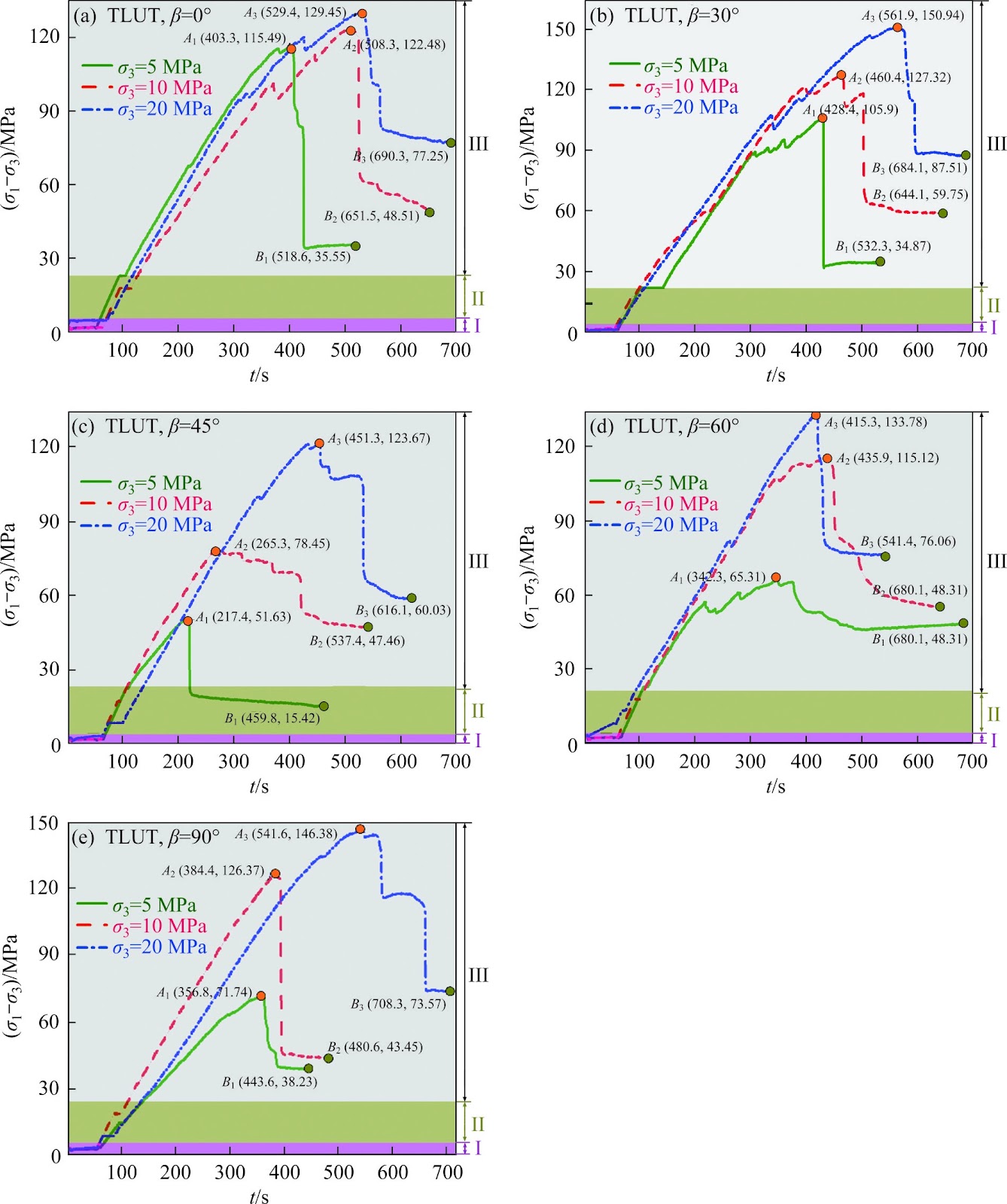
Rock residual strength, as an important input parameter, plays an indispensable role in proposing the reasonable and scientific scheme about stope design, underground tunnel excavation and stability evaluation of deep chambers. Therefore, previous residual strength models of rocks established were reviewed. And corresponding related problems were stated. Subsequently, starting from the effects of bedding and whole life-cycle evolution process, series of triaxial mechanical tests of deep bedded s
Federated model with contrastive learning and adaptive control variates for human activity recognition
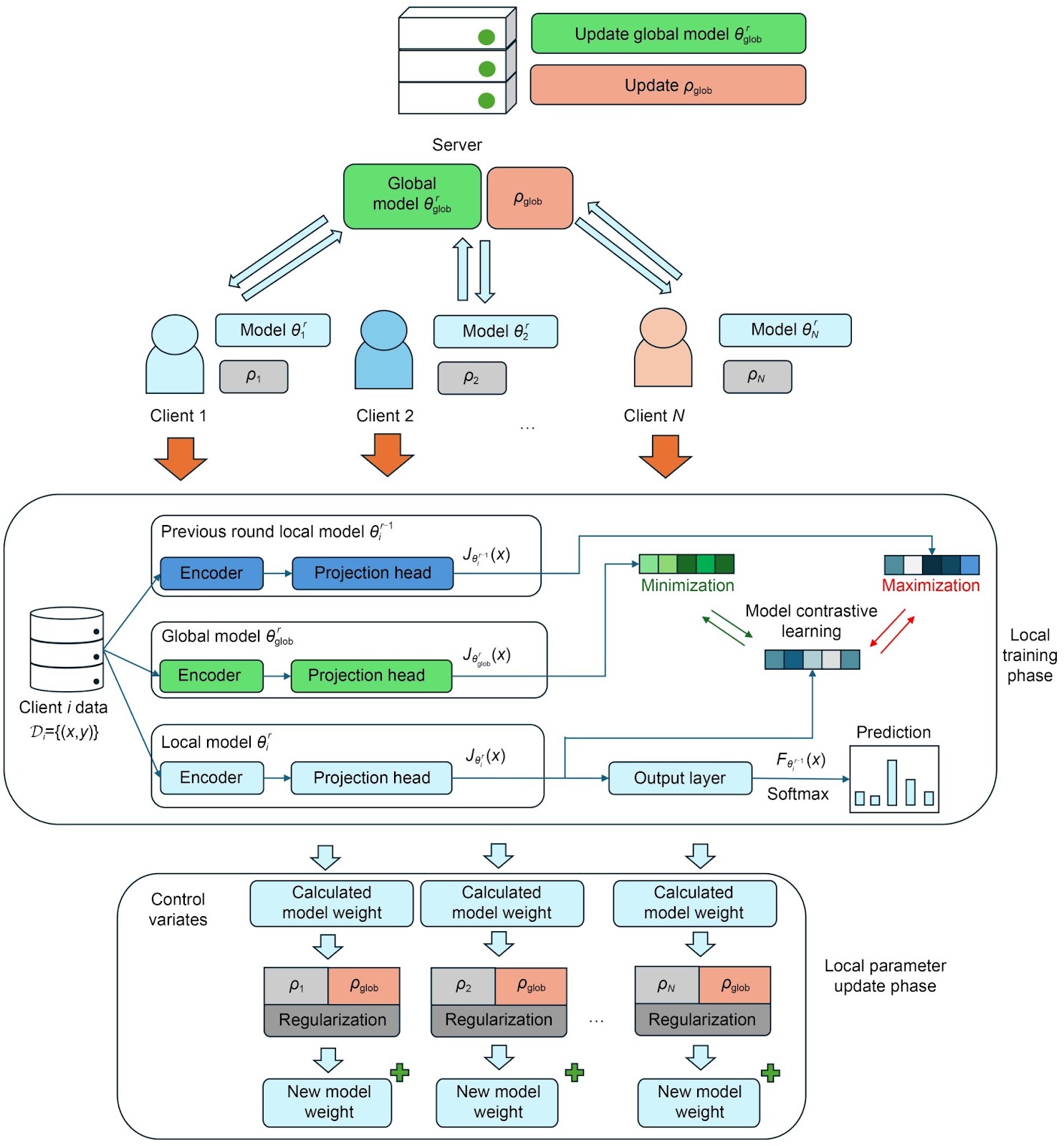
Recent attention to privacy issues demands a communication-safe method for training human activity recognition (HAR) models on client activity data. Federated learning (FL) has become a compelling technique to facilitate model training between the server and clients while preserving data privacy. However, classical FL methods often assume independent and identically distributed (IID) data among clients. This assumption does not hold true in practical scenarios. Human activity in real-world scena