Key Takeaways & Executive Findings
- •• A direct-Z-scheme g-C3N4/Ti3C2/TiO2 heterojunction was synthesized via one-step aqueous sonication, achieving 99.2% degradation of Rhodamine B under optimal conditions. • Ti3C2 acts as an electron bridge, facilitating efficient charge separation and transfer in the Z-scheme system. • The composite exhibits enhanced photocatalytic stability and performance compared to pristine g-C3N4, attributed to the synergistic effects of the components. • This work offers a simple, scalable method for designing high-performance photocatalysts for dye wastewater treatment.
Abstract
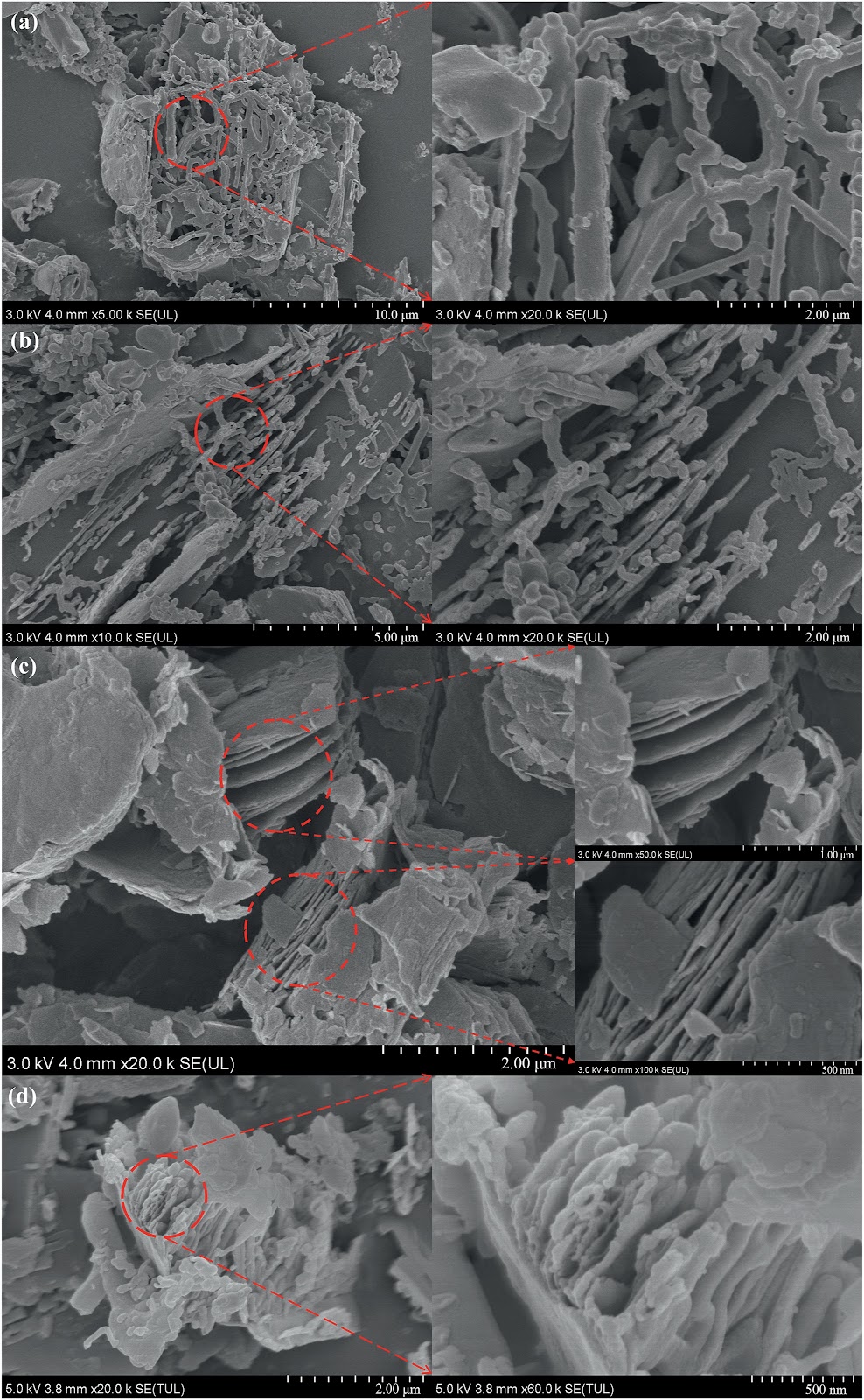
Direct-Z-scheme g-C3N4/Ti3C2/TiO2 photocatalyst with giant internal electric field was prepared by one-step aqueous sonication self-assembly method using g-C3N4 and MXene of Ti3C2 as the source materials. The chemical composition and structure of the catalysts was characterized by FT-IR, XRD, SEM, TEM, and XPS. The XPS characterization indicated that Ti3C2 was partially oxidized to TiO2 during the composite process. As a result, an efficient direct-Z-scheme heterojunction structure consisting of the g-C3N4 and TiO2 with Ti3C2 as an electron bridge was constructed. The photocatalytic performance of the prepared catalysts was evaluated by degrading the Rhodamine B (RhB) wastewater. Compared with the single g-C3N4, the g-C3N4/Ti3C2/TiO2 composite photocatalyst exhibited efficient and stable photocatalytic degradation ability, with a degradation efficiency as high as 99.2% for RhB under optimal conditions (2% Ti3C2, pH = 3). The high degradation performance of g-C3N4/Ti3C2/TiO2 for RhB was attributed to the combination of Ti3C2, TiO2, and g-C3N4 components, forming a direct-Z-scheme heterojunction with a high-speed electron transport channel structure. The role of Z-scheme heterojunctions in electron transport is verified by photoelectrochemical characterization, along with photoluminescence (PL). Our research provides a simple method to design photocatalysts by constructing direct-Z-scheme electron transport channels for highly efficient treatment of dye wastewater.
1. Introduction
Water pollution has become a significant topic in modern environmental science [1]. Over the past few decades, a considerable amount of persistent organic pollutants (POPs) have been discharged into water bodies. Due to their high structural and chemical stabilities and their elevated pathogenicity and carcinogenicity, POPs have severe environmental impacts on water environments. These pollutants, such as antibiotics, dyes, and hormones, not only endanger the stability of the ecological environment but also threaten human health and safety [2]. To address the increasingly serious environmental pollution crisis, a photocatalytic technology utilizing solar energy has received widespread attention [3].
g-C3N4 is a 2D layered non-metallic polymer with a structure similar to graphene, in which carbon (C) and nitrogen (N) atoms are hybridized by sp2 to form a C/N six-membered ring. The remaining lone pairs of electrons of C and N atoms on the six-membered ring bond with each other to form a conjugated p bond, thus creating a highly delocalized p electron conjugated system on a 2D network structure [4,5]. As an n-type semiconductor, g-C3N4 has a band gap of 2.7 eV, conductivity potential of -1.3 eV, and valence potential of 1.4 eV. These characteristics enable g-C3N4 to have the ability to photodegrade water into hydrogen and promote the oxidative degradation of organic pollutants [6]. So, the metal-free polymer graphite carbon nitride (g-C3N4) is considered an attractive photocatalytic catalyst for water treatment. g-C3N4 possesses special semiconductor characteristics, such as low energy density, and good electron affinity. Meanwhile, it also has the ability to absorb visible light and is highly resistant to photocorrosion phenomena, and has an easily adjustable structure, thus has the potential to serve as an excellent photocatalyst.
However, due to the electron coupling effect, the electron-hole pairs generated by g-C3N4 under light excitation are easy to recombine, which greatly limits the catalytic activity and efficiency of the materials [7]. In order to overcome these limitations, various approaches have been proposed to enhance the photocatalytic performance of bulk g-C3N4, including forming hybrid structures [8], stripping into nanosheets [9], preparing nanocomposites with other semiconductors [10], dye sensitization [11], photocatalytic membrane materials [12], and doping to alter its band structure [13]. Following these modification methods, g-C3N4 was combined with other semiconductors (such as TiO2, WO3, ZnO, a...
Loading authentic research manuscript (Pages 1–5)...
Hanlin Qian, Jianping Zou, Hongxia Liu, Aishun Ma, Shitong Xu, Ting Li, Sili Ren (2024). Construction of direct-Z-scheme heterojunction photocatalyst of g-C3N4/Ti3C2/TiO2 composite and its degradation behavior for dyes of Rhodamine B. Chinese Journal of Chemical Engineering. https://doi.org/10.1016/j_cjche_1448
Research & Educational Purpose Only:The translations, structured abstracts, analytical annotations, and data reports provided by SinoTechIntel are intended exclusively for academic research, internal corporate R&D, and educational benchmarking. They do not constitute formal engineering, chemical safety, legal, or professional advice.
Copyright & Intellectual Property Notice: Original copyright of the underlying source articles and experimental data remains with the respective authors, institutions, and original publishing journals. SinoTechIntel claims intellectual property only over its proprietary translations, analytical syntheses, and AEO structured enhancements in accordance with international fair use and academic citation principles.
Frequently Asked Questions
What is the main achievement of this study?
The study successfully constructed a direct-Z-scheme g-C3N4/Ti3C2/TiO2 heterojunction photocatalyst that achieved 99.2% degradation efficiency for Rhodamine B dye under optimal conditions, demonstrating a simple and effective method for dye wastewater treatment.
How does the g-C3N4/Ti3C2/TiO2 composite work as a photocatalyst?
The composite forms a direct-Z-scheme heterojunction where Ti3C2 acts as an electron bridge, facilitating efficient charge separation and transfer between g-C3N4 and TiO2, thereby enhancing photocatalytic activity.
What are the optimal conditions for RhB degradation?
The optimal conditions were found to be a Ti3C2 content of 2% and a pH of 3, under which the degradation efficiency reached 99.2%.
What characterization techniques were used to analyze the catalyst?
The catalyst was characterized using FT-IR, XRD, SEM, TEM, and XPS to determine its chemical composition and structure.
What is the significance of this research for environmental applications?
This research provides a simple and scalable method for designing high-performance photocatalysts, offering a promising solution for the efficient treatment of dye wastewater and other persistent organic pollutants.
Related Technical Papers & Translations
Design and optimization of a high-efficiency distillation process for cellulosic fuel ethanol integrated with thermal coupling and molecular sieve adsorption
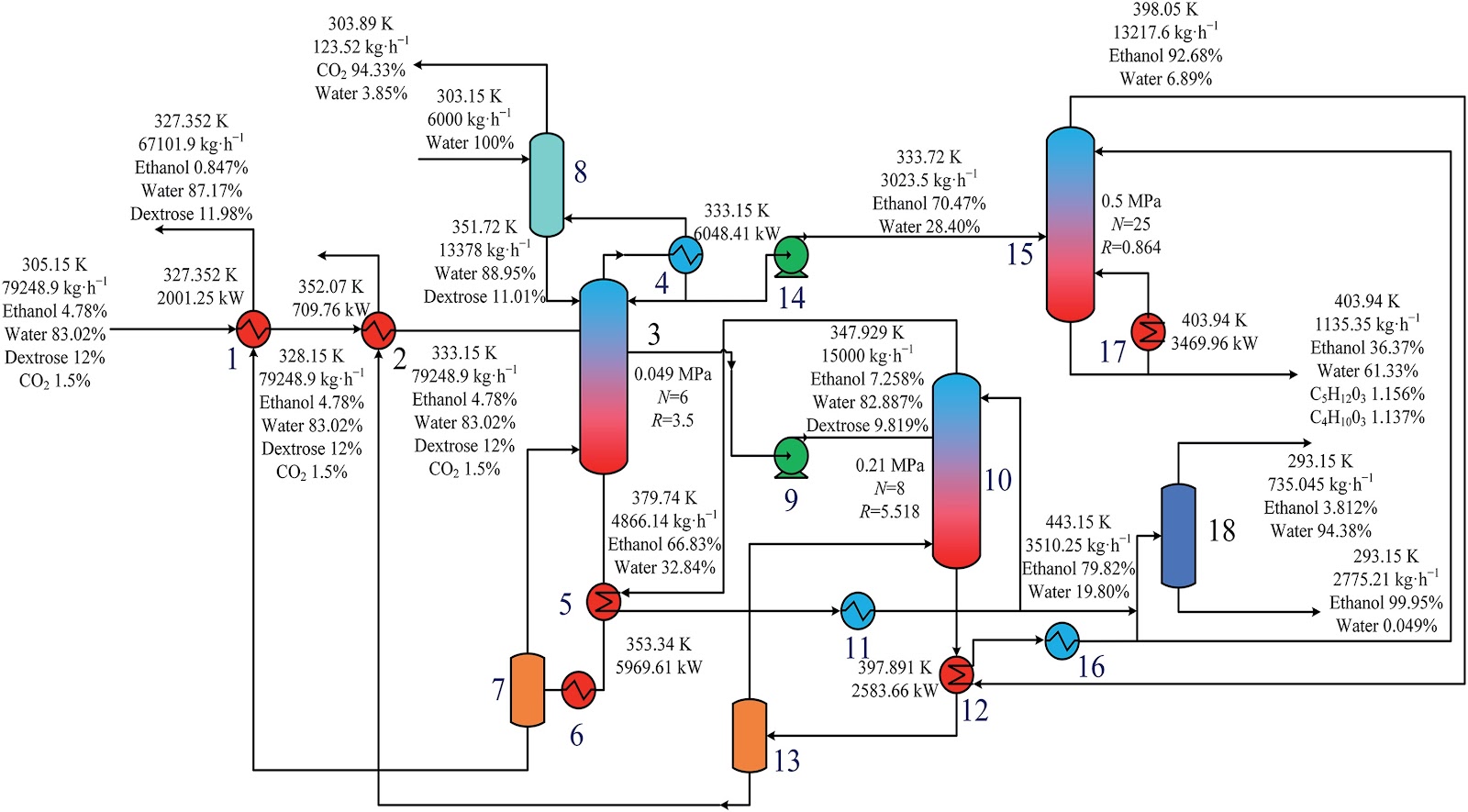
To address the challenges of high energy consumption and prominent costs in the traditional three-columns distillation process for cellulosic fuel ethanol, a distillation—molecular sieve coupling separation process is proposed. This process integrates a three-column (crude distillation column, first distillation column, second distillation column) system with a 3A molecular sieve adsorption deep dehydration unit. A thermal coupling network is constructed via differential pressure design (steam from medium/high-pressure columns as mutual heat sources, reboiler liquid waste heat for feed preheating), and molecular sieve adsorption conditions are optimized. The study first performs a thermodynamic consistency test on the ethanol—water system, determines optimal non-random two-liquid (NRTL) model binary interaction parameters via experimental data regression for Aspen Plus simulation. Aiming at minimum total annual cost (TAC), Aspen Plus is used to optimize process parameters (theoretical tray number, feed location, reflux ratio, side-draw position, etc.). Economic analysis shows this process reduces CO2 emission costs by 27.56%, TAC by 15.58% (to 5.123 × 10⁶ USD·a-1), and increases ethanol purity to >99.6%, providing an effective solution for green, efficient separation.
A cohesion loss model for determining residual strength of deep bedded sandstone
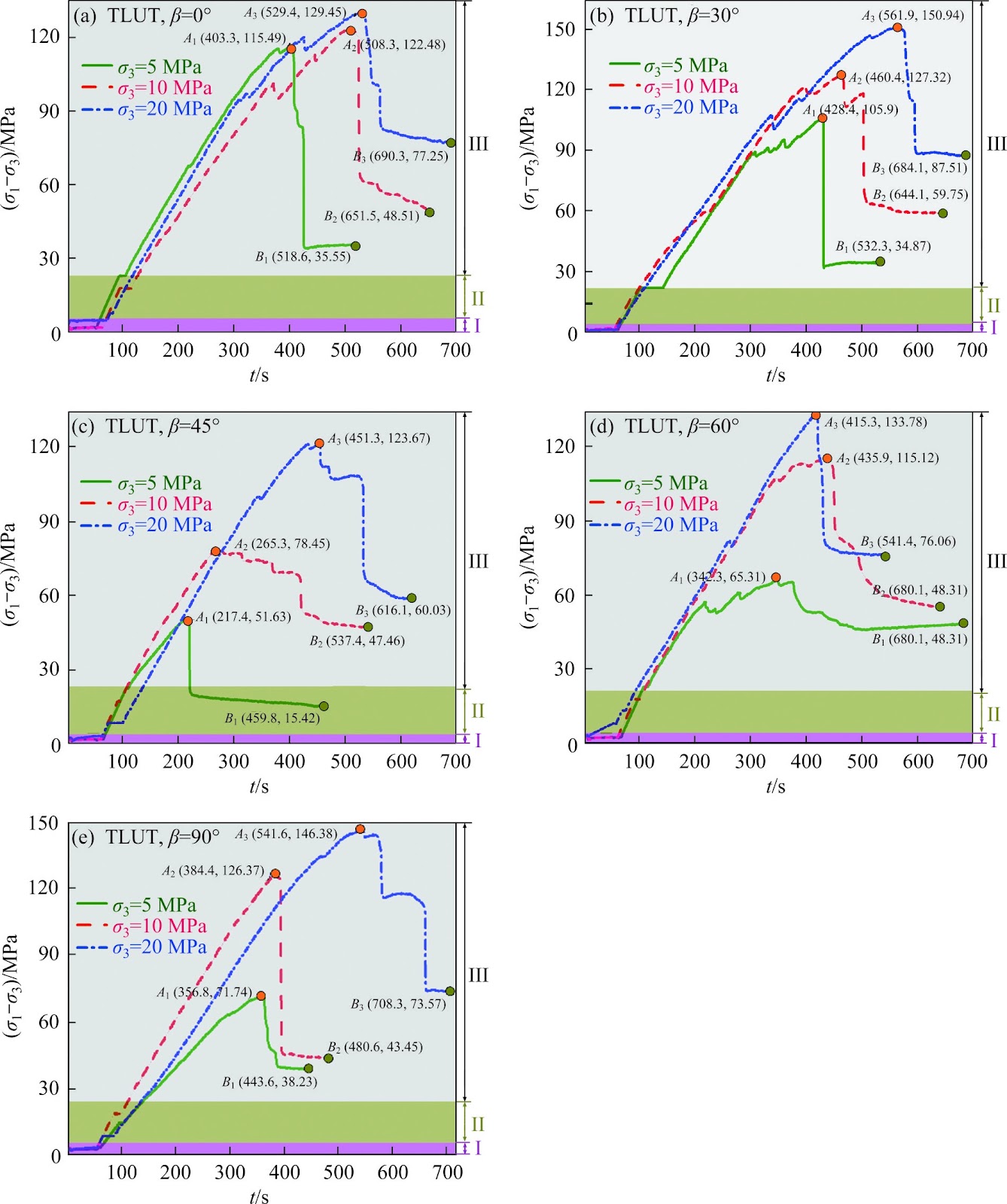
Rock residual strength, as an important input parameter, plays an indispensable role in proposing the reasonable and scientific scheme about stope design, underground tunnel excavation and stability evaluation of deep chambers. Therefore, previous residual strength models of rocks established were reviewed. And corresponding related problems were stated. Subsequently, starting from the effects of bedding and whole life-cycle evolution process, series of triaxial mechanical tests of deep bedded s
Federated model with contrastive learning and adaptive control variates for human activity recognition
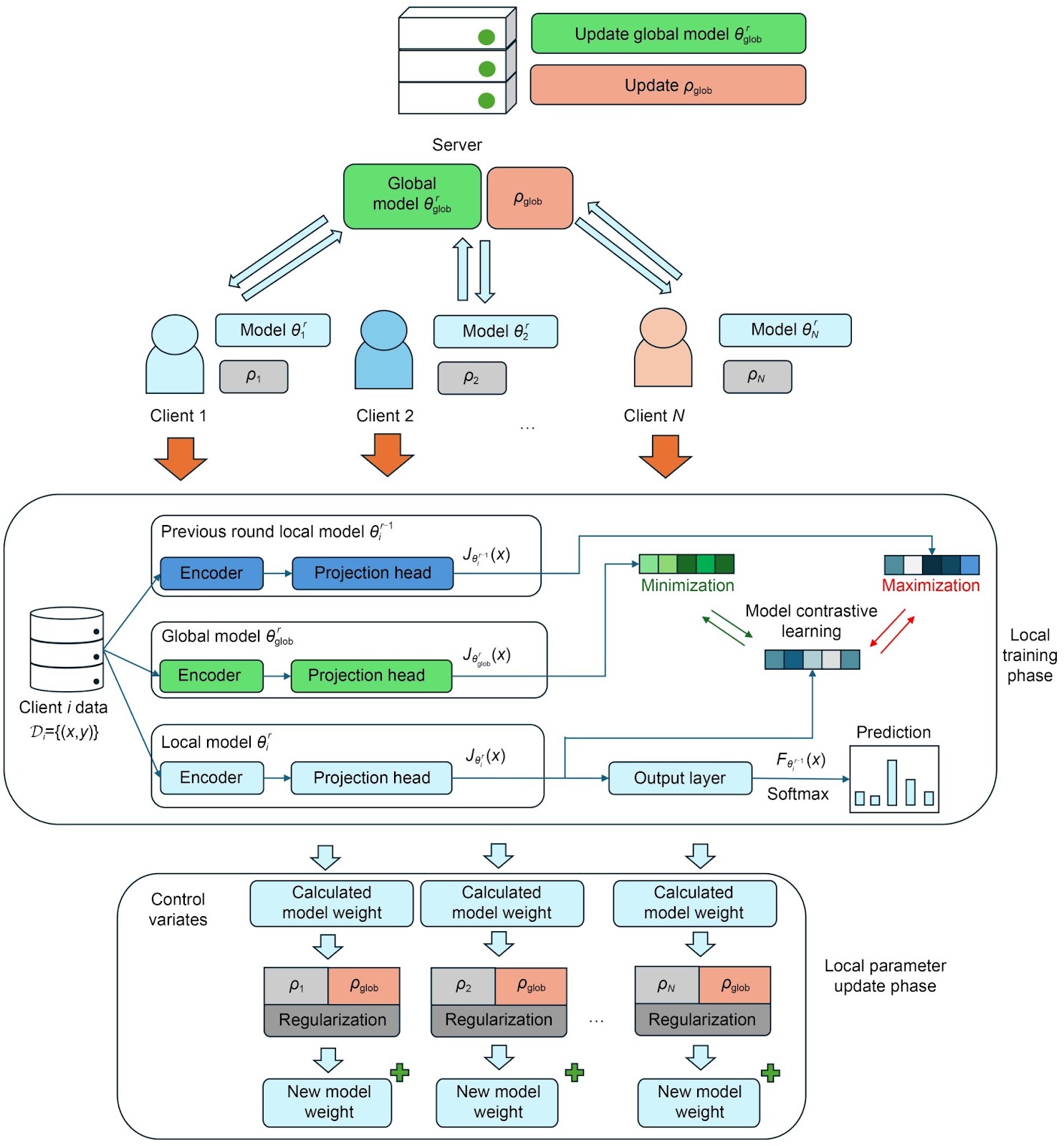
Recent attention to privacy issues demands a communication-safe method for training human activity recognition (HAR) models on client activity data. Federated learning (FL) has become a compelling technique to facilitate model training between the server and clients while preserving data privacy. However, classical FL methods often assume independent and identically distributed (IID) data among clients. This assumption does not hold true in practical scenarios. Human activity in real-world scena