Key Takeaways & Executive Findings
- •• Biochar with abundant oxygen-containing functionalities (600C) exhibits superior catalytic activity for cracking and aromatization of volatiles, increasing gas yield by 40.2%. • Developed pore structures (800AC) do not directly catalyze reactions but can trap volatiles, promoting their further conversion via aromatization. • Volatile-char interactions consume oxygen on the 600C catalyst, enhancing its aromaticity and thermal stability. • Carbonaceous deposition on high-temperature chars (800C, 800AC) leads to net weight gain, micropore blockage, and formation of additional macropores.
Abstract
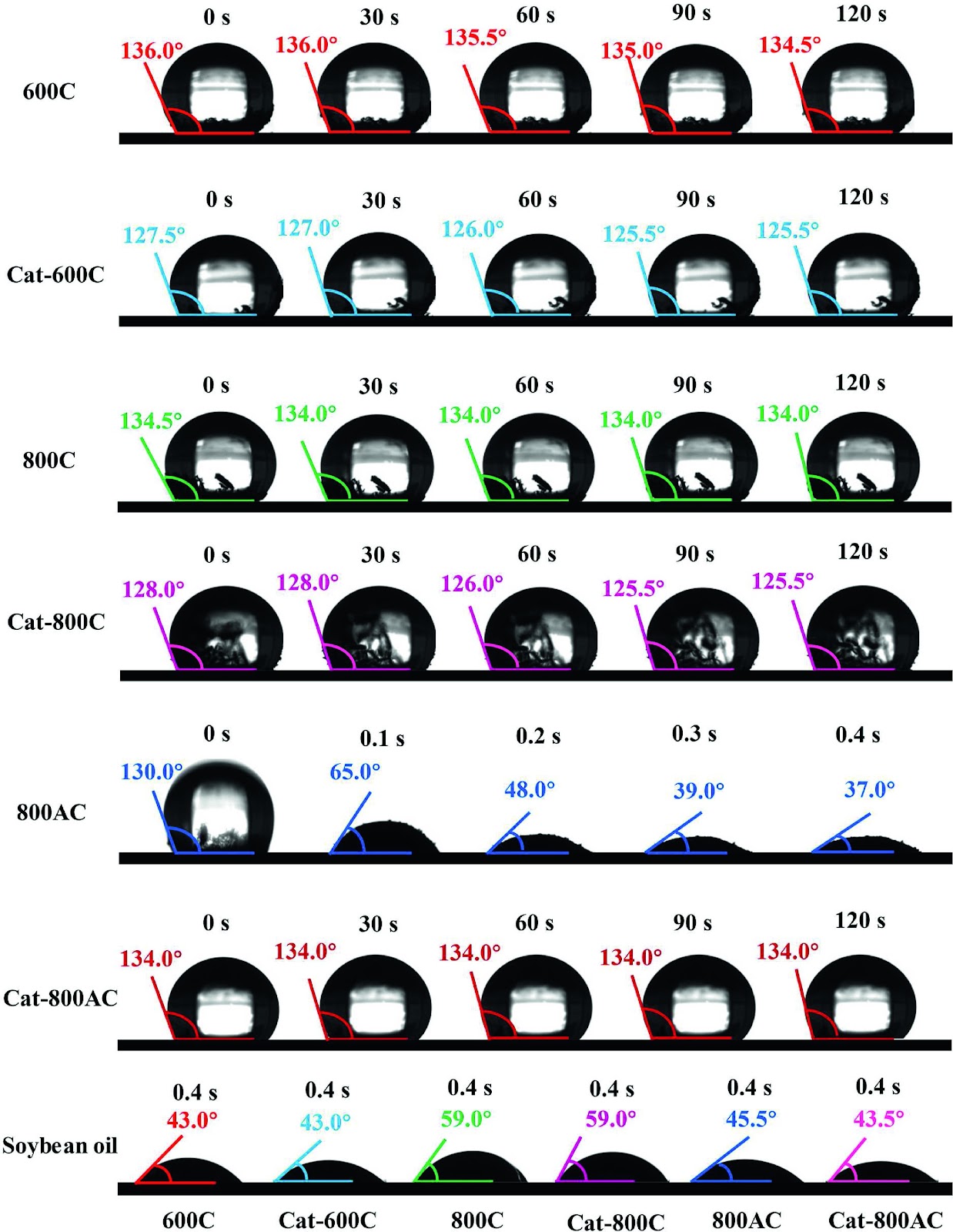
Biochar and bio-oil are produced simultaneously in one pyrolysis process, and they inevitably contact and may interact, influencing the composition of bio-oil and modifying the structure of biochar. In this sense, biochar is an inherent catalyst for pyrolysis. In this study, in order to investigate the influence of functionalities and pore structures of biochar on its capability for catalyzing the conversion of homologous volatiles in bio-oil, three char catalysts (600C, 800C, and 800AC) produced via pyrolysis of poplar wood at 600 or 800 °C or activated at 800 °C, were used for catalyzing pyrolysis of homologous poplar wood at 600 °C, respectively. The results indicated that the 600C catalyst was more active than 800C and 800AC for catalyzing cracking of volatiles to form more gas (yield increase by 40.2%) and aromatization of volatiles to form more light or heavy phenolics, due to its abundant oxygen-containing functionalities acting as active sites. The developed pores of the 800AC showed no such catalytic effect but could trap some volatiles and allow their further conversion via sufficient aromatization. Nevertheless, the interaction with the volatiles consumed oxygen on 600C (decrease by 50%), enhancing the aromatic degree and increasing thermal stability. The dominance of deposition of carbonaceous material of a very aromatic nature over 800C and 800AC resulted in net weight gain and blocked micropores but formed additional macropores. The in situ diffuse reflectance infrared Fourier transform spectroscopy characterization of the catalytic pyrolysis indicated superior activity of 600C for removal of –OH, while conversion of the intermediates bearing C=O was enhanced over all the char catalysts.
1. Introduction
Biochar is homologous with bio-oil, which is produced by the same pyrolysis process [1]. The interaction of the organics in bio-oil with biochar is inevitable during pyrolysis as the majority of volatiles are generated in the inner structures of a biomass particle [2,3]. The travel of volatile organic components from the inner section of a particle in pyrolysis would contact biochar and might interact with biochar as biochar is not an inert material [4,5]. Similar to the organics in bio-oil, biochar has its own oxygen-containing functionalities and skeleton structures, which can be regarded as a “macro” reactive molecule [6e9]. The interaction between bio-oil and biochar shapes the composition of bio-oil and the structure of biochar [2,4,10,11].
There have been many studies about the catalytic effects of biochar in the pyrolysis of biomass [12e22]. For instance, Ren et al. [12] investigated catalytic pyrolysis of Douglas Fir pellets over biochar catalyst and found that the biochar catalyst reduced the production of organic acids in bio-oil while enhancing the formation of hydrocarbons and phenols. The study by Yang et al. [13] showed that corn straw biochar activated with H3PO4 could also promote the formation of phenolic compounds and aromatics (up to 67%) at the expense of oxygenic compounds and acetic acid in pyrolysis of Douglas Fir sawdust pellets. Bai et al. [14] performed catalytic pyrolysis of sewage sludge with self-derived char and found that the char catalyst could promote the formation of aliphatics while suppressing the generation of nitrogen-containing organics. Liu et al. [15] conducted catalytic pyrolysis of anise in a fixed-bed reactor, and the results showed that the Fe/biochar catalyst had high catalytic activity. Xu et al. [16] prepared three Ni/biochar catalysts with different K content for toluene steam reforming, and the results showed that K presence accelerated the consumption of biochar support at higher temperatures. These results demonstrated the catalytic effects of biochar on the evolution of the organics in bio-oil in pyrolysis, but further studies are required for understanding the structural evolution of biochar catalysts during catalytic pyrolysis.
In fact, except for the influence on bio-oil, the interaction between volatiles in bio-oil and biochar also impacted the structural features of biochar [10,23]. In various aspects of the properties of biochar, functionality and pore structure are important features that play essential roles in the determination of ...
Loading authentic research manuscript (Pages 1–5)...
Li Qiu, Chao Li, Shu Zhang, Shuang Wang, Bin Li, Zhenhua Cui, Yonggui Tang, Obid Tursunov, Xun Hu (2023). Importance of oxygen-containing functionalities and pore structures of biochar in catalyzing pyrolysis of homologous poplar. Chinese Journal of Chemical Engineering. https://doi.org/10.1016/j_cjche_144876660
Research & Educational Purpose Only:The translations, structured abstracts, analytical annotations, and data reports provided by SinoTechIntel are intended exclusively for academic research, internal corporate R&D, and educational benchmarking. They do not constitute formal engineering, chemical safety, legal, or professional advice.
Copyright & Intellectual Property Notice: Original copyright of the underlying source articles and experimental data remains with the respective authors, institutions, and original publishing journals. SinoTechIntel claims intellectual property only over its proprietary translations, analytical syntheses, and AEO structured enhancements in accordance with international fair use and academic citation principles.
Frequently Asked Questions
What is the role of oxygen-containing functionalities in biochar during catalytic pyrolysis?
Oxygen-containing functionalities on biochar act as active sites that promote cracking and aromatization of volatiles, leading to increased gas yield and formation of phenolic compounds.
How do pore structures of biochar affect its catalytic performance?
Developed pore structures can trap volatiles and facilitate their further conversion via aromatization, but they do not directly catalyze reactions as effectively as oxygen-containing functionalities.
What happens to biochar catalysts during volatile-char interactions?
Interactions with volatiles can consume oxygen on the biochar surface, enhancing its aromaticity and thermal stability, while deposition of carbonaceous material can block micropores and form additional macropores.
Which biochar catalyst showed the highest activity in this study?
The 600C biochar, produced at 600°C, exhibited superior catalytic activity due to its abundant oxygen-containing functionalities, increasing gas yield by 40.2% compared to other catalysts.
What is the significance of this study for bio-oil production?
Understanding the catalytic effects of biochar on volatile conversion can help optimize pyrolysis conditions to improve bio-oil quality and yield, as well as design more effective biochar catalysts.
Related Technical Papers & Translations
Design and optimization of a high-efficiency distillation process for cellulosic fuel ethanol integrated with thermal coupling and molecular sieve adsorption
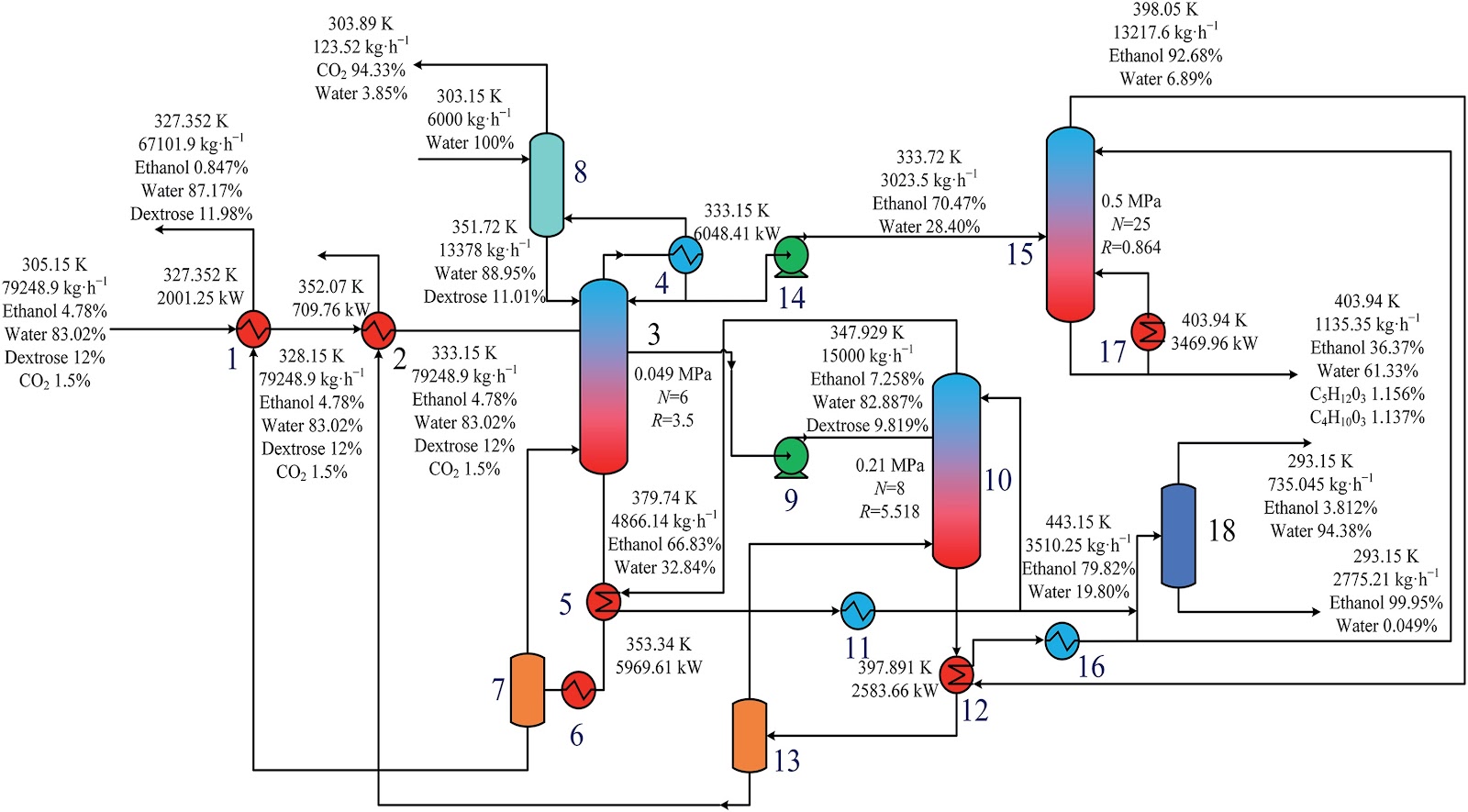
To address the challenges of high energy consumption and prominent costs in the traditional three-columns distillation process for cellulosic fuel ethanol, a distillation—molecular sieve coupling separation process is proposed. This process integrates a three-column (crude distillation column, first distillation column, second distillation column) system with a 3A molecular sieve adsorption deep dehydration unit. A thermal coupling network is constructed via differential pressure design (steam from medium/high-pressure columns as mutual heat sources, reboiler liquid waste heat for feed preheating), and molecular sieve adsorption conditions are optimized. The study first performs a thermodynamic consistency test on the ethanol—water system, determines optimal non-random two-liquid (NRTL) model binary interaction parameters via experimental data regression for Aspen Plus simulation. Aiming at minimum total annual cost (TAC), Aspen Plus is used to optimize process parameters (theoretical tray number, feed location, reflux ratio, side-draw position, etc.). Economic analysis shows this process reduces CO2 emission costs by 27.56%, TAC by 15.58% (to 5.123 × 10⁶ USD·a-1), and increases ethanol purity to >99.6%, providing an effective solution for green, efficient separation.
A cohesion loss model for determining residual strength of deep bedded sandstone
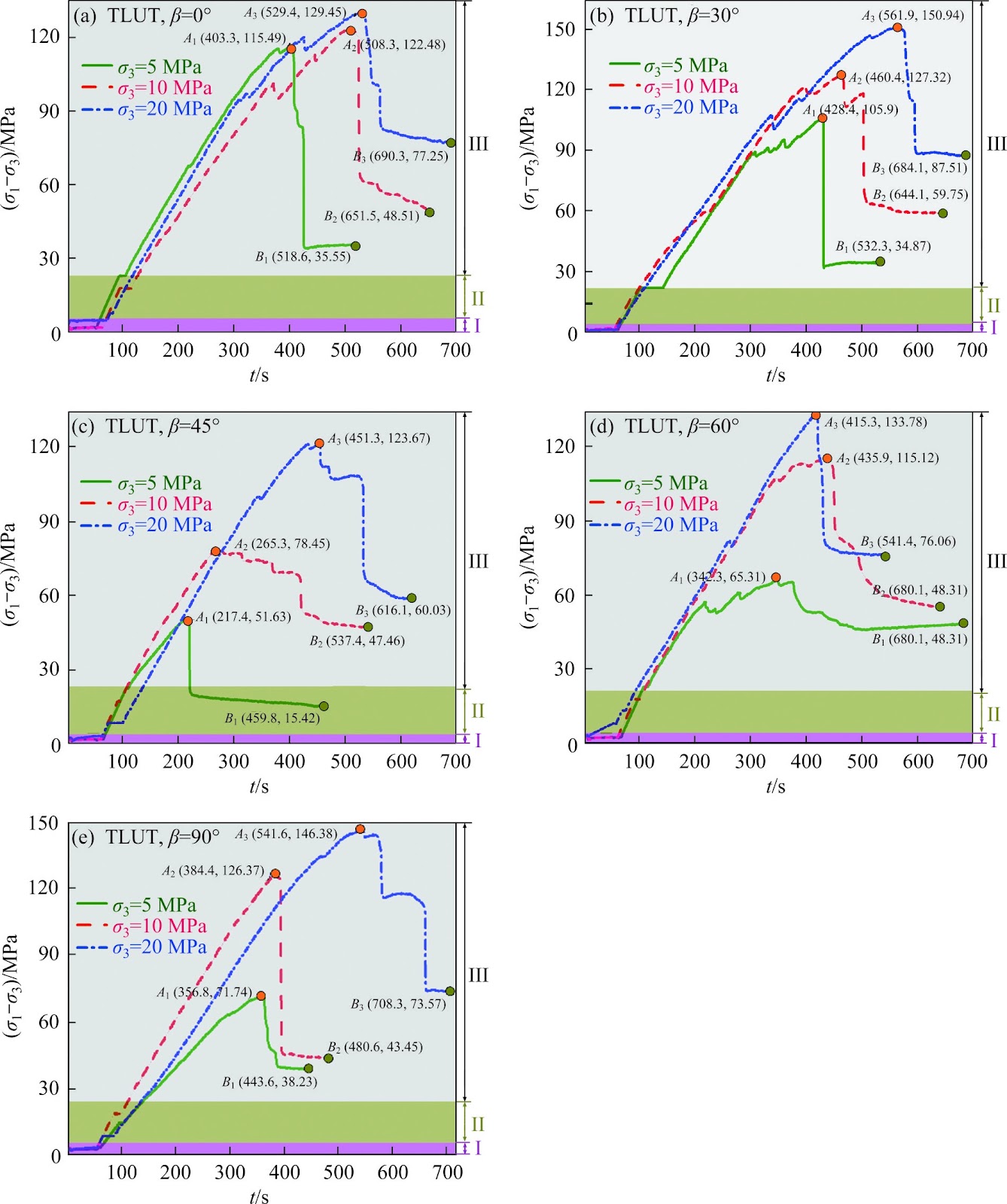
Rock residual strength, as an important input parameter, plays an indispensable role in proposing the reasonable and scientific scheme about stope design, underground tunnel excavation and stability evaluation of deep chambers. Therefore, previous residual strength models of rocks established were reviewed. And corresponding related problems were stated. Subsequently, starting from the effects of bedding and whole life-cycle evolution process, series of triaxial mechanical tests of deep bedded s
Federated model with contrastive learning and adaptive control variates for human activity recognition
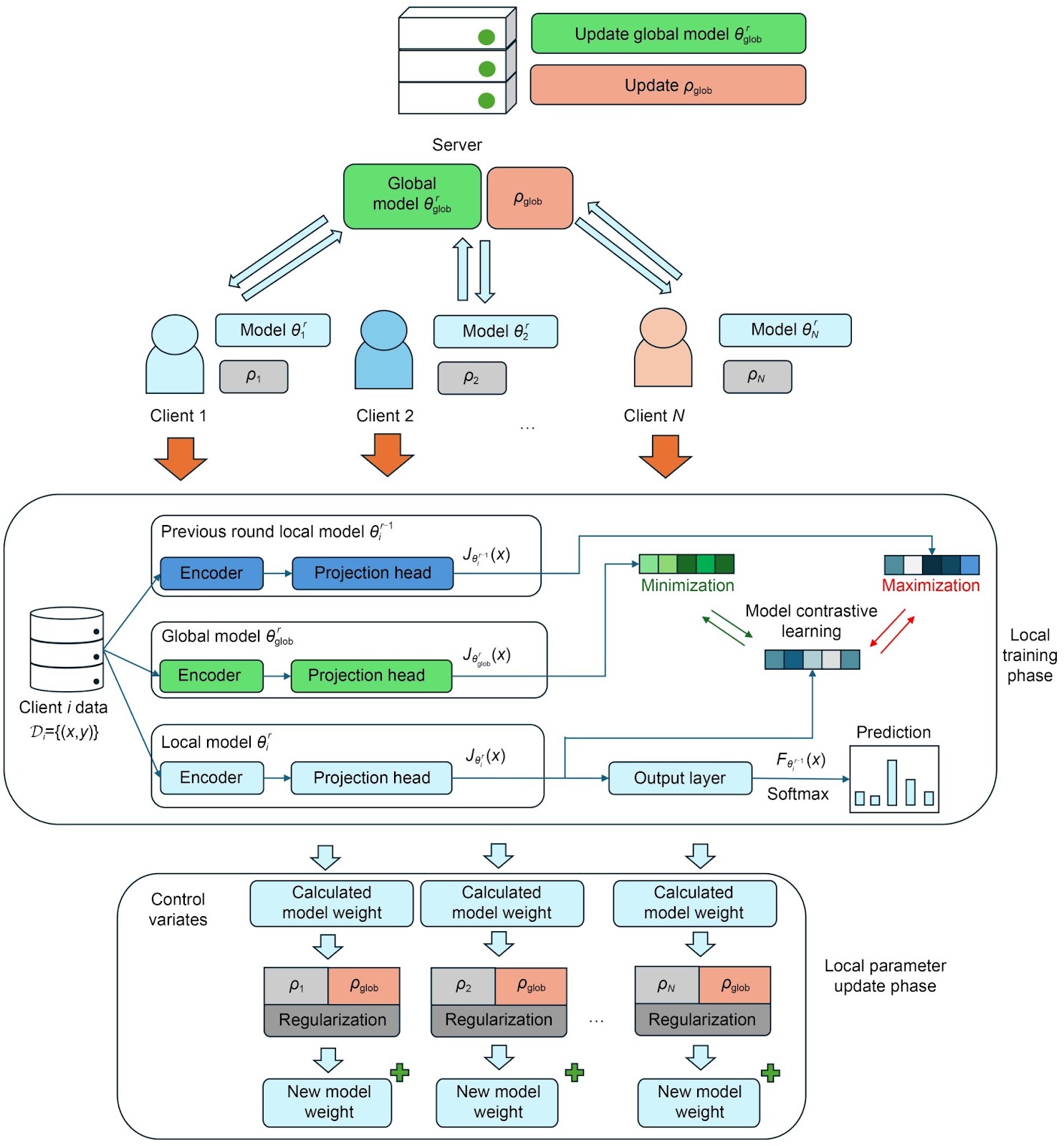
Recent attention to privacy issues demands a communication-safe method for training human activity recognition (HAR) models on client activity data. Federated learning (FL) has become a compelling technique to facilitate model training between the server and clients while preserving data privacy. However, classical FL methods often assume independent and identically distributed (IID) data among clients. This assumption does not hold true in practical scenarios. Human activity in real-world scena