Key Takeaways & Executive Findings
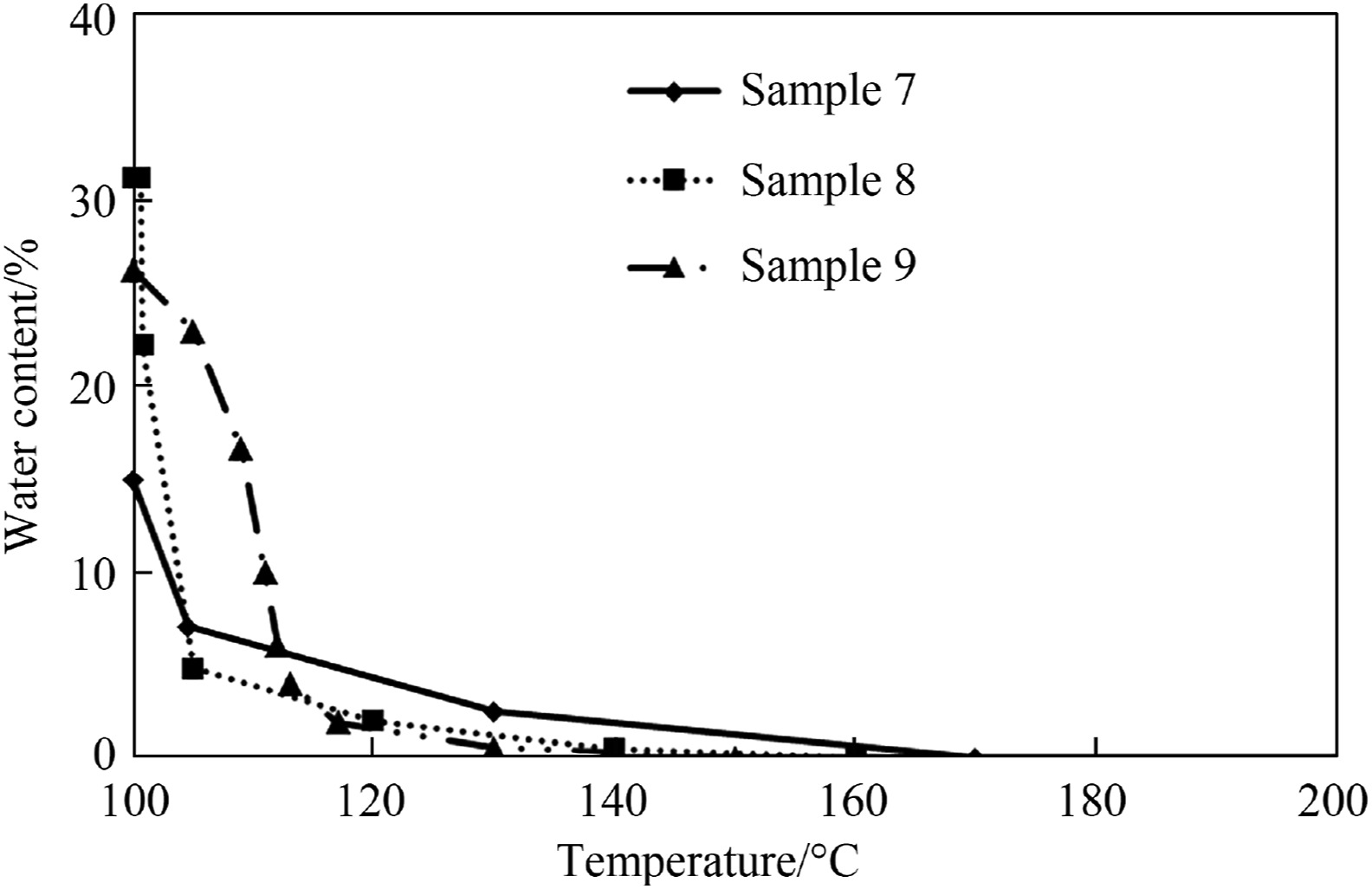
- •• A novel method for continuous, real-time monitoring of residual water content in boiling water-hydrocarbon emulsions during thermomechanical dehydration is proposed, based on the rate of temperature increase (dT/dt). • Complete dehydration is indicated when the boiling emulsion temperature reaches 130-170 °C or higher, and/or the rate of temperature increase is between 3.0 and 5.5 °C/min or above. • The method eliminates the need for constant sampling and additional equipment, enabling automated process control and energy optimization in industrial and laboratory settings. • The approach is cost-effective and can be implemented using simple temperature sensors and a computing unit, making it widely accessible for waste treatment and emulsion processing.
Abstract
Significant waste resources are generated in the form of water-oil emulsions. These emulsions cannot be effectively destroyed on an industrial scale by traditional methods that rely on the settling of the aqueous phase, and therefore, they accumulate in large quantities. Thermomechanical dehydration, based on the evaporation of the water phase, presents a promising process for recycling such waste. However, within the framework of thermomechanical dehydration, the issue of optimizing energy costs for heating raw materials and controlling the water content in the product arises. Standard methods of determining water content under the boiling conditions of highly stable water-hydrocarbon emulsions are characterized by low efficiency, as they require constant sampling and the involvement of additional equipment and personnel. Consequently, this presents a challenge in predicting and creating an automated thermomechanical dehydration process. Therefore, dynamic curves depicting changes in the water content of these emulsions, depending on the temperature of the boiling liquid, have been obtained. It is proposed to determine the rate of temperature increase (dT/dt) of the boiling emulsion for continuous, real-time monitoring of the residual water content and for recording the moment of complete dehydration. Achieving a boiling emulsion temperature of 130-170 °C (or higher) and/or the rate of temperature increase from 3.0 to 5.5 (or above) indicates the complete dehydration of the emulsion. The proposed method can be implemented in any industrial or laboratory-scale unit for thermomechanical dehydration without significant capital costs. It is based on the use of simple devices consisting of temperature sensors and a computing unit for determining the temperature and rate of heating.
1. Introduction
Along with highly viscous natural hydrocarbons, the possibility of utilizing secondary feedstock to obtain potential products with a high market value presents an urgent problem nowadays. For example, cutting fluids, which are actively used as lubricants for processing metals and alloys, become contaminated with various impurities, are subject to biodegradation, and ultimately lose their technological properties [1]. The decomposition of the cutting coolant emulsion is accompanied by the formation of sludge that cannot be subjected to traditional dehydration methods. The specific hydrocarbon composition of the coolant (35% to 45% of low-boiling compounds (initial boiling point <160 °C), 55% to 65% of 160-450 °C fraction) allows us to consider it as a potential component of boiler fuel [2].
Intermediate layer emulsions and oil sludges are consistently formed at various stages of crude oil preparation (settling tanks), processing (heavy pyrolysis resin at the stage of pyrogas quenching and primary fractionation etc.), transportation (cleaning railway tanks for oil) and storage [3,4]. Consequently, large volumes of oil sludge accumulate, environmental pollution occurs, and quantitative losses of valuable hydrocarbon raw materials are observed, along with a decrease in the working volume of the equipment.
Conventional dehydration methods (settling, centrifugation, extraction, electrical dehydration, etc.) cannot be applied to this type of feedstock, as they deal with highly stable polydisperse water-hydrocarbon emulsions that have relatively close densities of the water and hydrocarbon phases; therefore, methods based on settling become unsuitable for such emulsions. In contrast, the thermomechanical dehydration (TMD) technique has proven to be an efficient method for dehydrating the aforementioned emulsions under mechanical agitation through evaporation [5-9]. However, within this technology, there is an urgent need to organize continuous, real-time monitoring of the water cut in the boiling phase. Depending on the water content of these emulsions and their origin, the adhesion strength between water and hydrocarbons can vary significantly.
Loading authentic research manuscript (Pages 1–5)...
A. Safiulina, S. Khusnutdinov, I. Khusnutdinov, I. Goncharova (2024). Continuous monitoring of residual water content in boiling water-hydrocarbon emulsions during thermomechanical dehydration. Chinese Journal of Chemical Engineering. https://doi.org/10.1016/j_cjche_1448
Research & Educational Purpose Only:The translations, structured abstracts, analytical annotations, and data reports provided by SinoTechIntel are intended exclusively for academic research, internal corporate R&D, and educational benchmarking. They do not constitute formal engineering, chemical safety, legal, or professional advice.
Copyright & Intellectual Property Notice: Original copyright of the underlying source articles and experimental data remains with the respective authors, institutions, and original publishing journals. SinoTechIntel claims intellectual property only over its proprietary translations, analytical syntheses, and AEO structured enhancements in accordance with international fair use and academic citation principles.
Frequently Asked Questions
What is the main challenge in thermomechanical dehydration of water-hydrocarbon emulsions?
The main challenge is optimizing energy costs and controlling the water content in the product, as standard methods require constant sampling and additional equipment, making automation difficult.
How does the proposed method monitor residual water content?
The method uses the rate of temperature increase (dT/dt) of the boiling emulsion as an indicator. Continuous monitoring of temperature allows real-time tracking of water content and detection of complete dehydration.
What temperature or rate indicates complete dehydration?
Complete dehydration is indicated when the boiling emulsion temperature reaches 130-170 °C or higher, and/or the rate of temperature increase is between 3.0 and 5.5 °C/min or above.
Can this method be implemented in existing industrial units?
Yes, the method can be implemented in any industrial or laboratory-scale unit for thermomechanical dehydration without significant capital costs, using simple temperature sensors and a computing unit.
What are the benefits of this monitoring approach?
It enables continuous, real-time monitoring without sampling, reduces manual labor, improves process automation, and helps optimize energy consumption during dehydration.
Related Technical Papers & Translations
Design and optimization of a high-efficiency distillation process for cellulosic fuel ethanol integrated with thermal coupling and molecular sieve adsorption
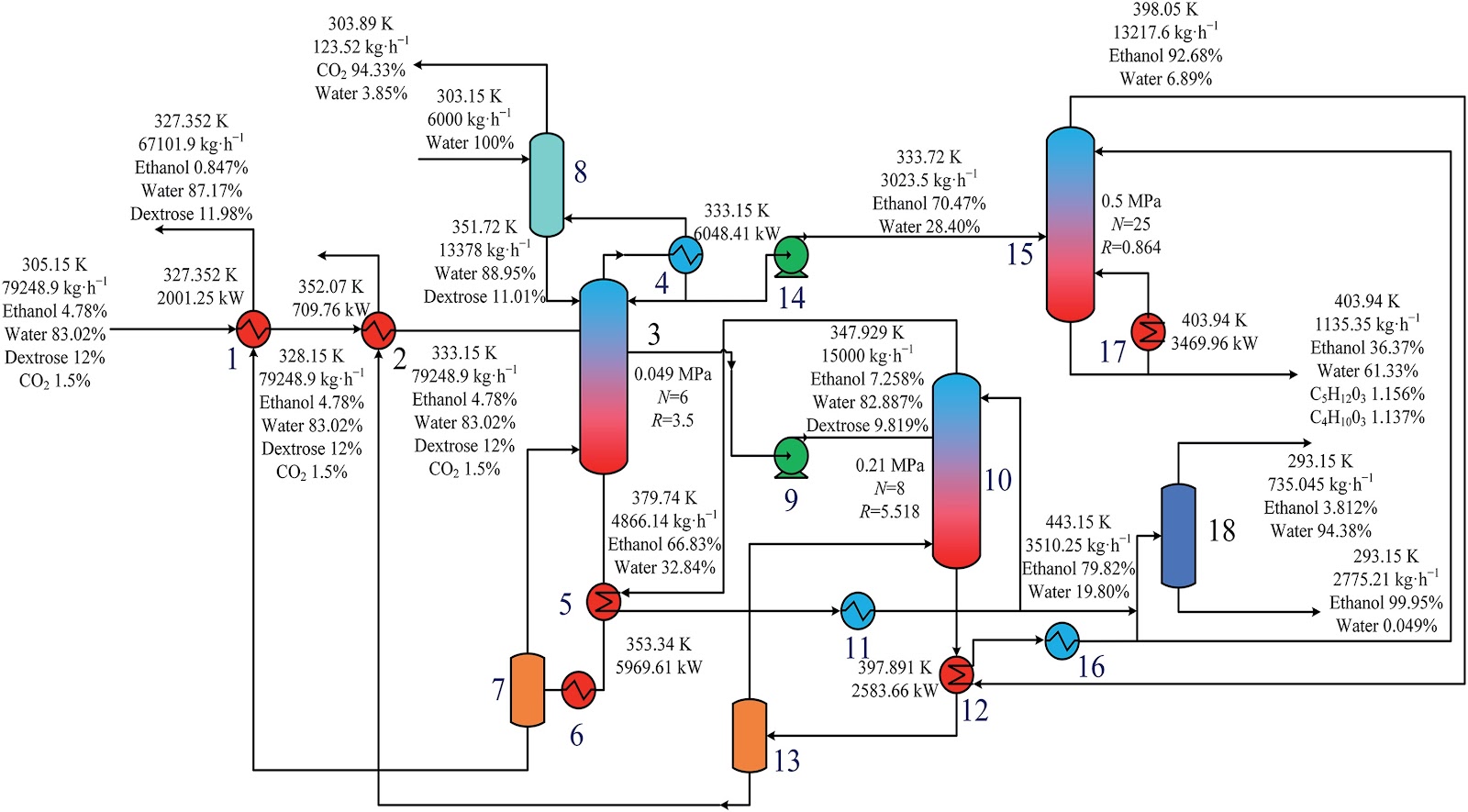
To address the challenges of high energy consumption and prominent costs in the traditional three-columns distillation process for cellulosic fuel ethanol, a distillation—molecular sieve coupling separation process is proposed. This process integrates a three-column (crude distillation column, first distillation column, second distillation column) system with a 3A molecular sieve adsorption deep dehydration unit. A thermal coupling network is constructed via differential pressure design (steam from medium/high-pressure columns as mutual heat sources, reboiler liquid waste heat for feed preheating), and molecular sieve adsorption conditions are optimized. The study first performs a thermodynamic consistency test on the ethanol—water system, determines optimal non-random two-liquid (NRTL) model binary interaction parameters via experimental data regression for Aspen Plus simulation. Aiming at minimum total annual cost (TAC), Aspen Plus is used to optimize process parameters (theoretical tray number, feed location, reflux ratio, side-draw position, etc.). Economic analysis shows this process reduces CO2 emission costs by 27.56%, TAC by 15.58% (to 5.123 × 10⁶ USD·a-1), and increases ethanol purity to >99.6%, providing an effective solution for green, efficient separation.
A cohesion loss model for determining residual strength of deep bedded sandstone
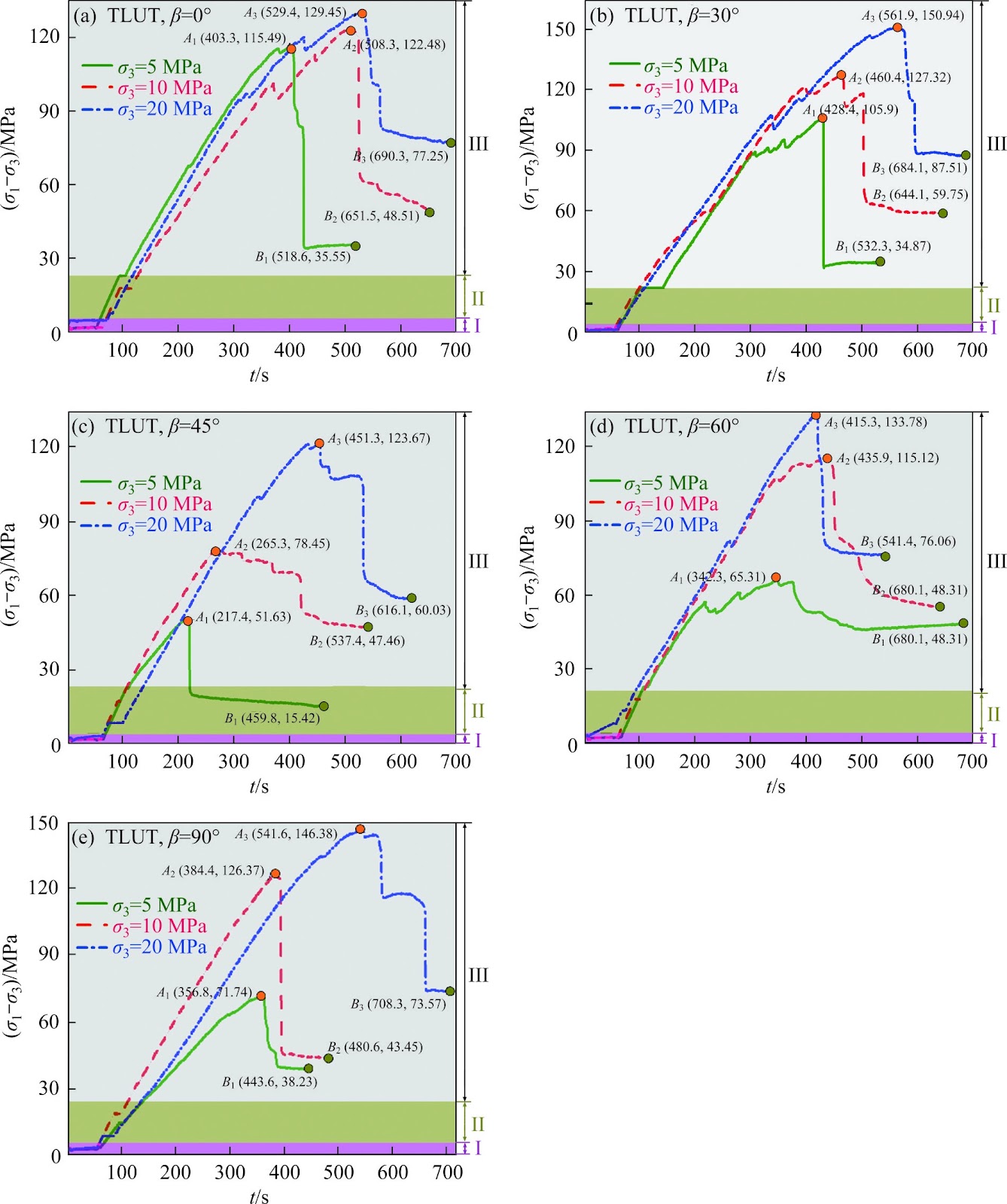
Rock residual strength, as an important input parameter, plays an indispensable role in proposing the reasonable and scientific scheme about stope design, underground tunnel excavation and stability evaluation of deep chambers. Therefore, previous residual strength models of rocks established were reviewed. And corresponding related problems were stated. Subsequently, starting from the effects of bedding and whole life-cycle evolution process, series of triaxial mechanical tests of deep bedded s
Federated model with contrastive learning and adaptive control variates for human activity recognition
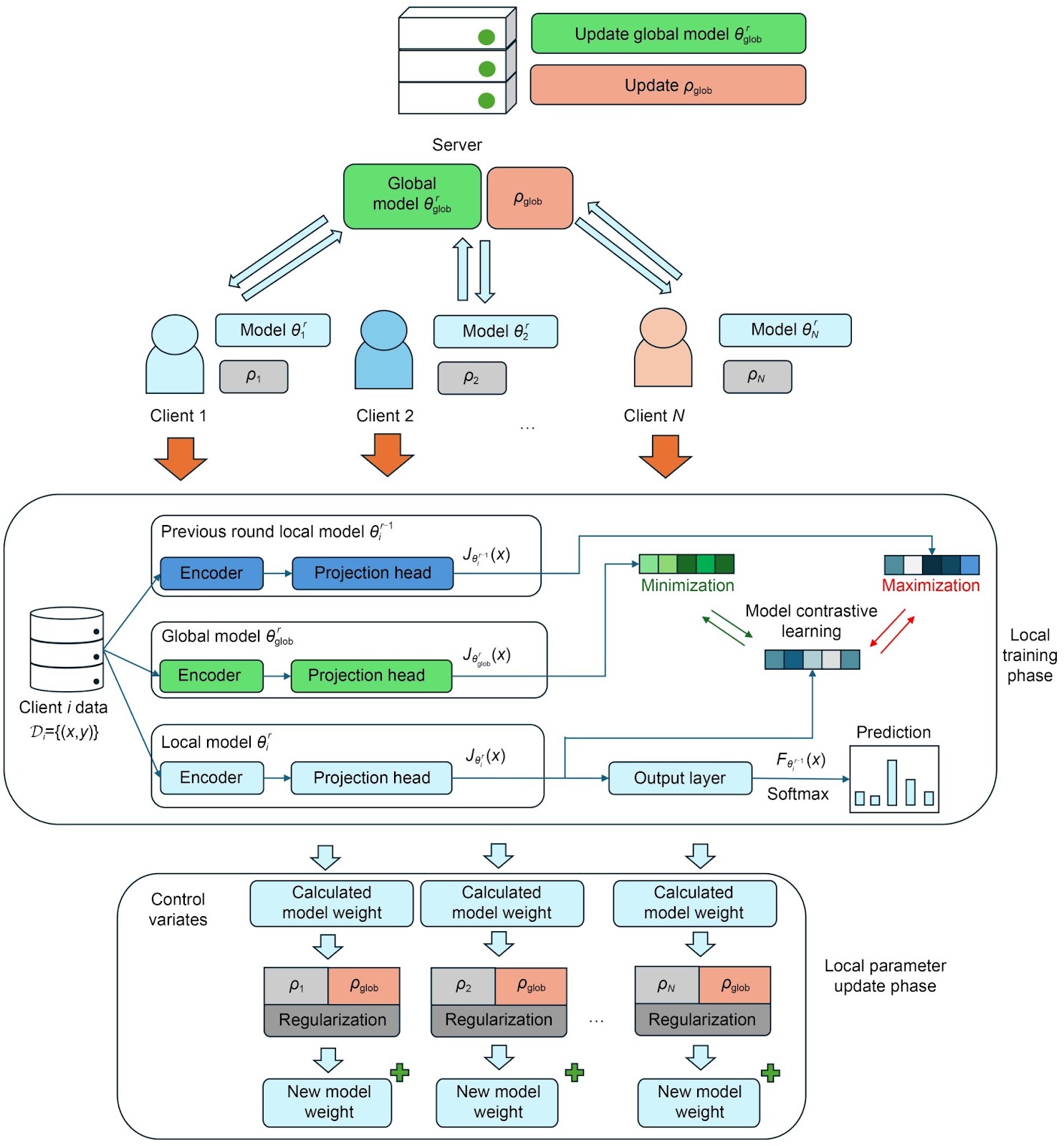
Recent attention to privacy issues demands a communication-safe method for training human activity recognition (HAR) models on client activity data. Federated learning (FL) has become a compelling technique to facilitate model training between the server and clients while preserving data privacy. However, classical FL methods often assume independent and identically distributed (IID) data among clients. This assumption does not hold true in practical scenarios. Human activity in real-world scena