Key Takeaways & Executive Findings
- •• PVDF membranes' inherent hydrophobicity is a major challenge in oily wastewater treatment, driving the need for effective hydrophilization strategies. • Various fabrication techniques and modifier materials, including surface grafting and blending with hydrophilic polymers, enhance water affinity and antifouling properties. • Hydrophilized PVDF membranes demonstrate high efficiency in separating surfactant-stabilized oil-in-water emulsions, with long-term stability being critical for practical applications. • The review emphasizes the importance of green materials and sustainable processes in advancing membrane technology for wastewater treatment.
Abstract
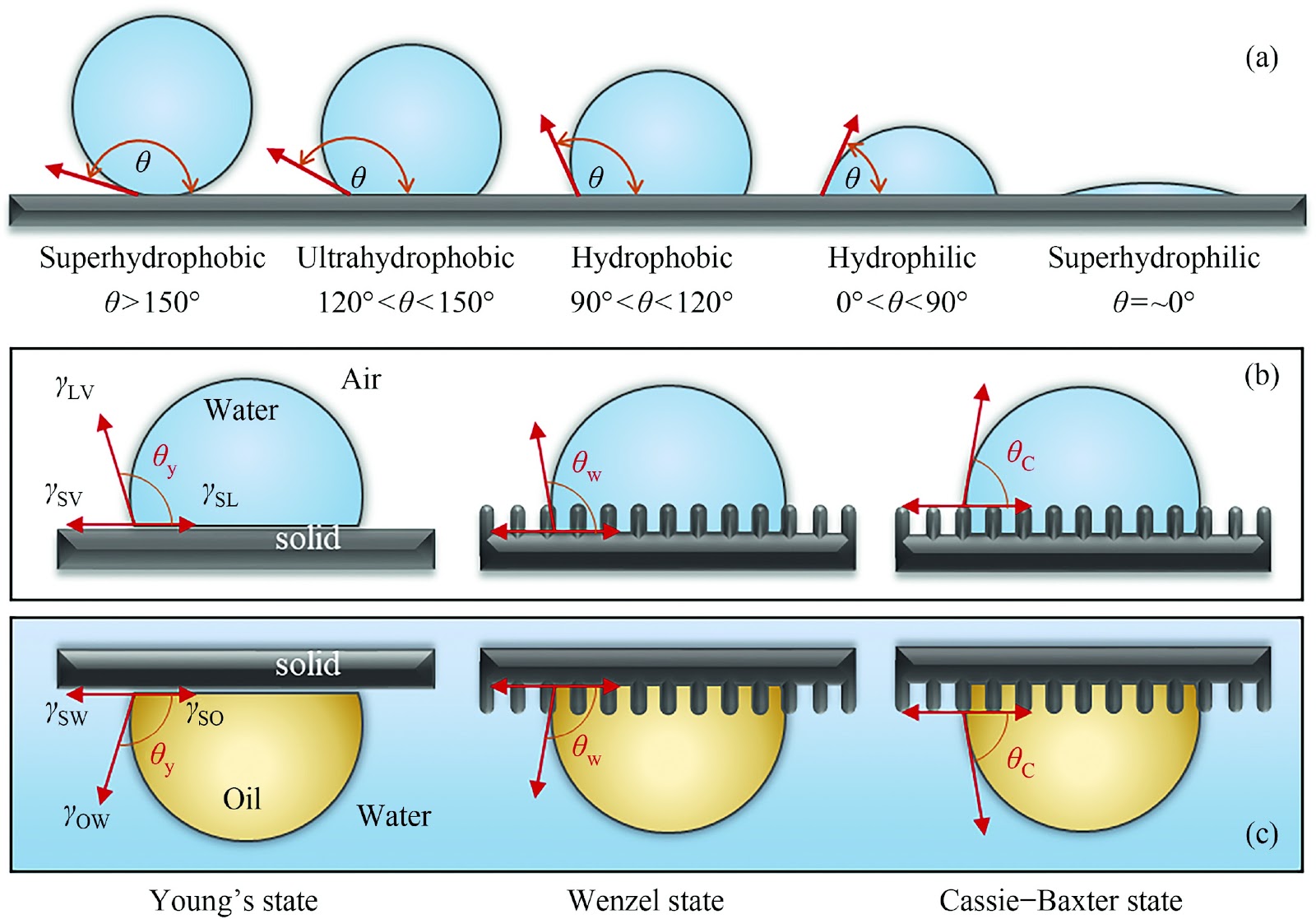
Polyvinylidene fluoride (PVDF) polymer-based membranes are extensively used in wastewater treatment, yet their partially hydrophobic nature poses significant challenges. Numerous studies have focused on creating super-wetting membranes to enhance the water affinity of PVDF membranes. This review provides a comprehensive discussion on the hydrophilization of PVDF-based membranes, examining the chemical and physical properties that influence water affinity. Followed by various fabrication techniques, appropriate modifier materials, efficient operational conditions, and recent advancements in hydrophilization methods. Additionally, the review systematically evaluates the performance of these hydrophilized membranes in separating surfactant-stabilized oil-in-water emulsions, highlighting the importance of long-term stability and environmental considerations. The antifouling mechanisms and the effectiveness of hydrophilic membranes in oil-water separation processes are also discussed, offering insights into the development and application of these technologies. The discussion explain in this review provides important information for the research of wastewater treatment, green material and green industry.
1. Introduction
Water pollution is a global issue, especially the troublesome oily wastewater, which generates severe environmental disruption and interrupts the ecosystem balance. Oily wastewater is not only produced by oil-based industries such as the petrochemical and edible oil industries but also in most industrial ventures. Other manufacturers produce high levels of oily wastewater such as tannery, metal processing, poultry processing and dairy industries [1]. In coherence with SDGs target 6.3, to reduce water pollution, minimize hazardous wastewater, and sustainably improve water quality by 2030. The implementation of efficient wastewater treatment is required.
Membrane technology is known as a promising method in separation technology. Membrane technology shows satisfying results in separating various materials from the water body. The process integrated with membrane technology has various significant advantages for industrial applications. Membrane technology includes no phase changes, requires minimum chemical additives, has an easy-to-scale-up module, and offers simple operation [2]. Some types of membranes require low energy consumption, such as microfiltration and ultrafiltration [3]. The industrial application of membrane technology shows satisfactory results in various fields such as saline water treatment, pharmaceutical industry, gas purification, and various water effluent control.
Loading authentic research manuscript (Pages 1–5)...
Nita Aryanti, Aininu Nafisa, Tutuk Djoko Kusworo (2024). Recent study on hydrophilization of polyvinylidene fluoride membrane for oily wastewater treatment. Chinese Journal of Chemical Engineering. https://doi.org/10.1016/j_cjche_1448
Research & Educational Purpose Only:The translations, structured abstracts, analytical annotations, and data reports provided by SinoTechIntel are intended exclusively for academic research, internal corporate R&D, and educational benchmarking. They do not constitute formal engineering, chemical safety, legal, or professional advice.
Copyright & Intellectual Property Notice: Original copyright of the underlying source articles and experimental data remains with the respective authors, institutions, and original publishing journals. SinoTechIntel claims intellectual property only over its proprietary translations, analytical syntheses, and AEO structured enhancements in accordance with international fair use and academic citation principles.
Frequently Asked Questions
What is the main challenge of using PVDF membranes in wastewater treatment?
PVDF membranes are partially hydrophobic, which makes them prone to fouling by oil and other organic contaminants, reducing their efficiency and lifespan in oily wastewater treatment.
What are common methods for hydrophilizing PVDF membranes?
Common methods include surface grafting with hydrophilic polymers, blending with hydrophilic additives, and chemical modifications such as plasma treatment or coating with nanoparticles to enhance water affinity.
How do hydrophilized PVDF membranes improve oil-water separation?
Hydrophilized membranes exhibit superwetting behavior towards water and superoleophobicity towards oil, allowing water to pass through while repelling oil droplets, thus achieving high separation efficiency and antifouling performance.
What is the significance of long-term stability in hydrophilized membranes?
Long-term stability ensures that the hydrophilic modification remains effective over extended operation, preventing performance decline due to fouling or degradation, which is crucial for practical industrial applications.
What are the environmental considerations in the development of hydrophilic PVDF membranes?
The review highlights the importance of using green materials and sustainable processes in membrane fabrication to minimize environmental impact, aligning with SDG targets for clean water and green industry.
Related Technical Papers & Translations
Design and optimization of a high-efficiency distillation process for cellulosic fuel ethanol integrated with thermal coupling and molecular sieve adsorption
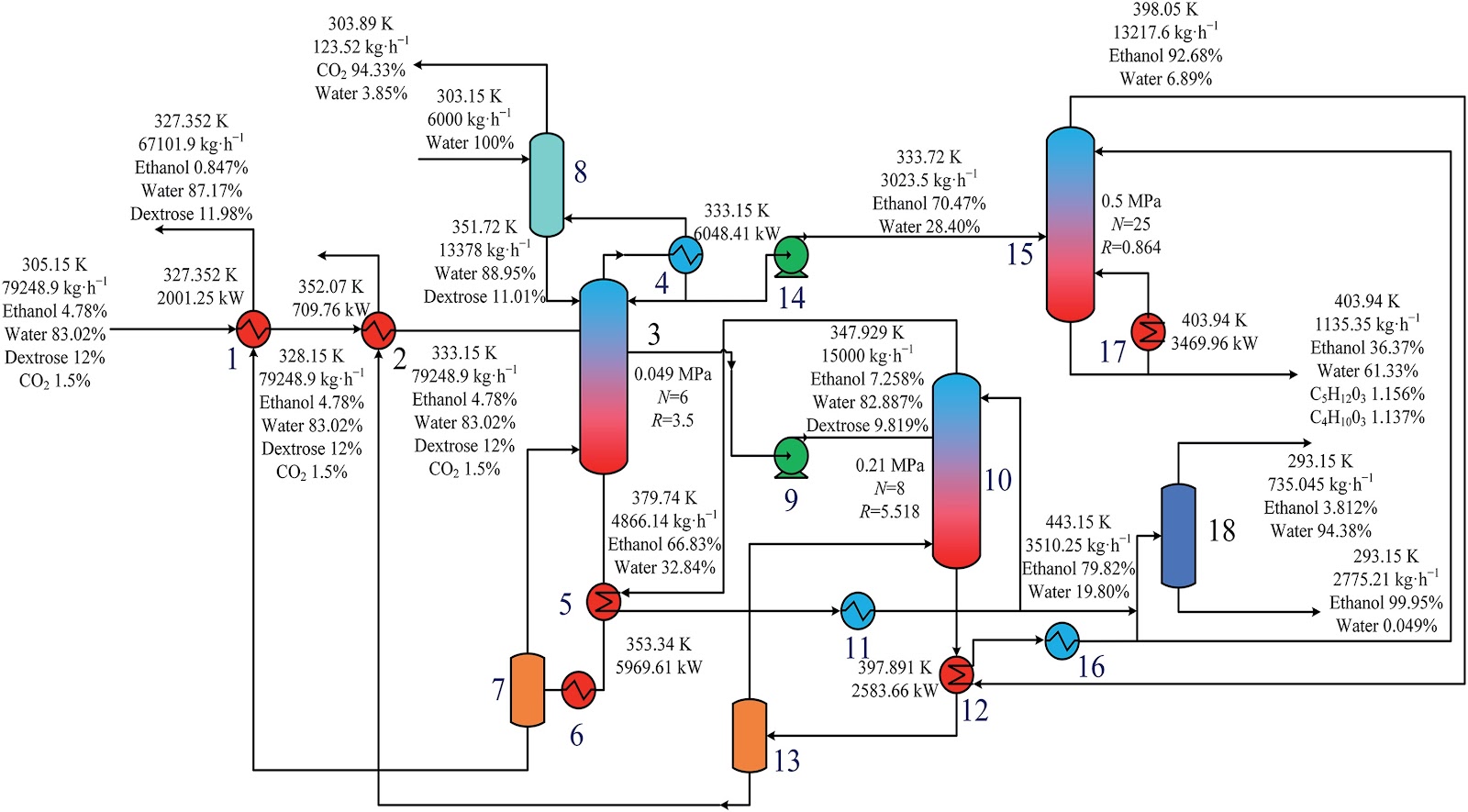
To address the challenges of high energy consumption and prominent costs in the traditional three-columns distillation process for cellulosic fuel ethanol, a distillation—molecular sieve coupling separation process is proposed. This process integrates a three-column (crude distillation column, first distillation column, second distillation column) system with a 3A molecular sieve adsorption deep dehydration unit. A thermal coupling network is constructed via differential pressure design (steam from medium/high-pressure columns as mutual heat sources, reboiler liquid waste heat for feed preheating), and molecular sieve adsorption conditions are optimized. The study first performs a thermodynamic consistency test on the ethanol—water system, determines optimal non-random two-liquid (NRTL) model binary interaction parameters via experimental data regression for Aspen Plus simulation. Aiming at minimum total annual cost (TAC), Aspen Plus is used to optimize process parameters (theoretical tray number, feed location, reflux ratio, side-draw position, etc.). Economic analysis shows this process reduces CO2 emission costs by 27.56%, TAC by 15.58% (to 5.123 × 10⁶ USD·a-1), and increases ethanol purity to >99.6%, providing an effective solution for green, efficient separation.
A cohesion loss model for determining residual strength of deep bedded sandstone
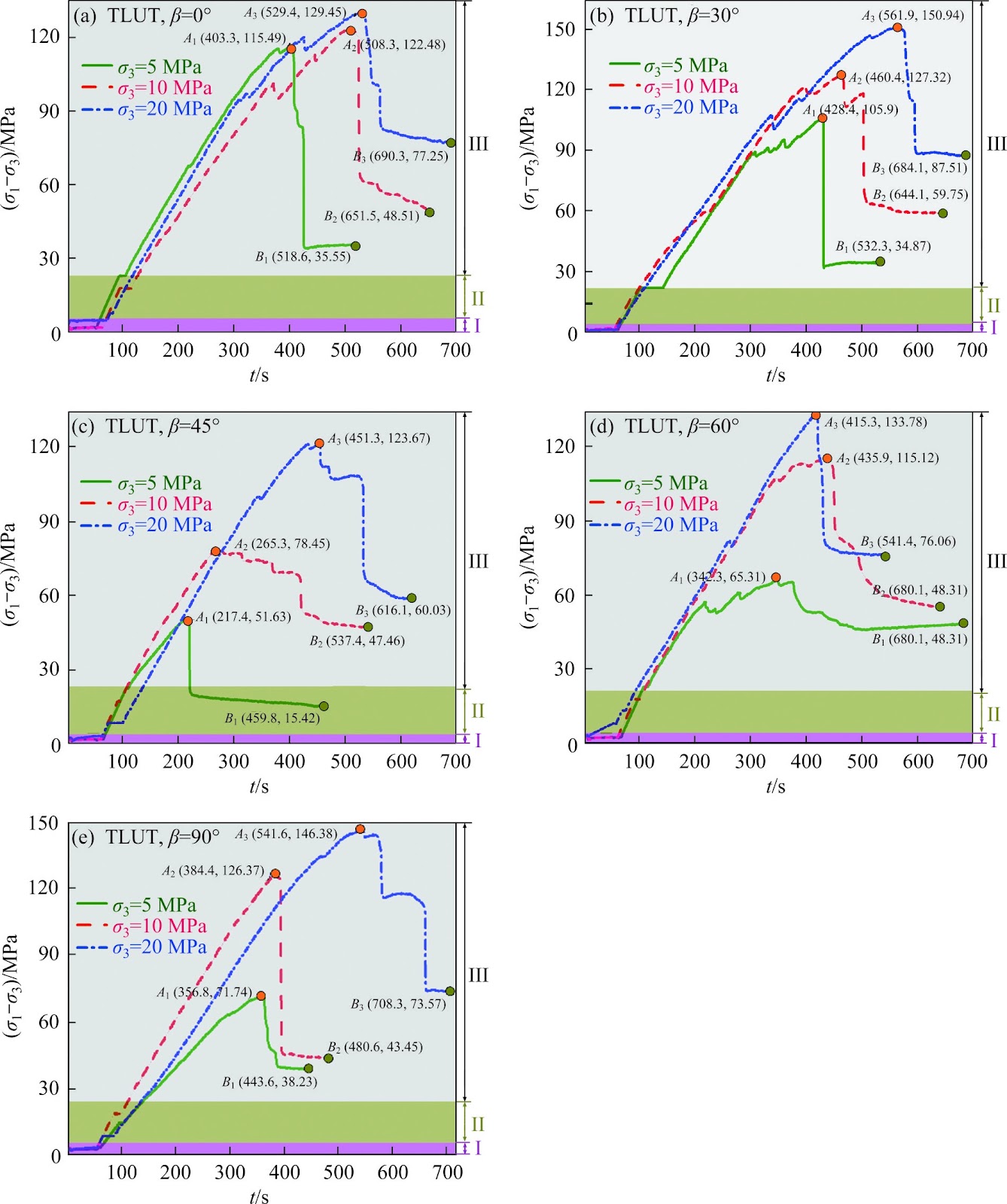
Rock residual strength, as an important input parameter, plays an indispensable role in proposing the reasonable and scientific scheme about stope design, underground tunnel excavation and stability evaluation of deep chambers. Therefore, previous residual strength models of rocks established were reviewed. And corresponding related problems were stated. Subsequently, starting from the effects of bedding and whole life-cycle evolution process, series of triaxial mechanical tests of deep bedded s
Federated model with contrastive learning and adaptive control variates for human activity recognition
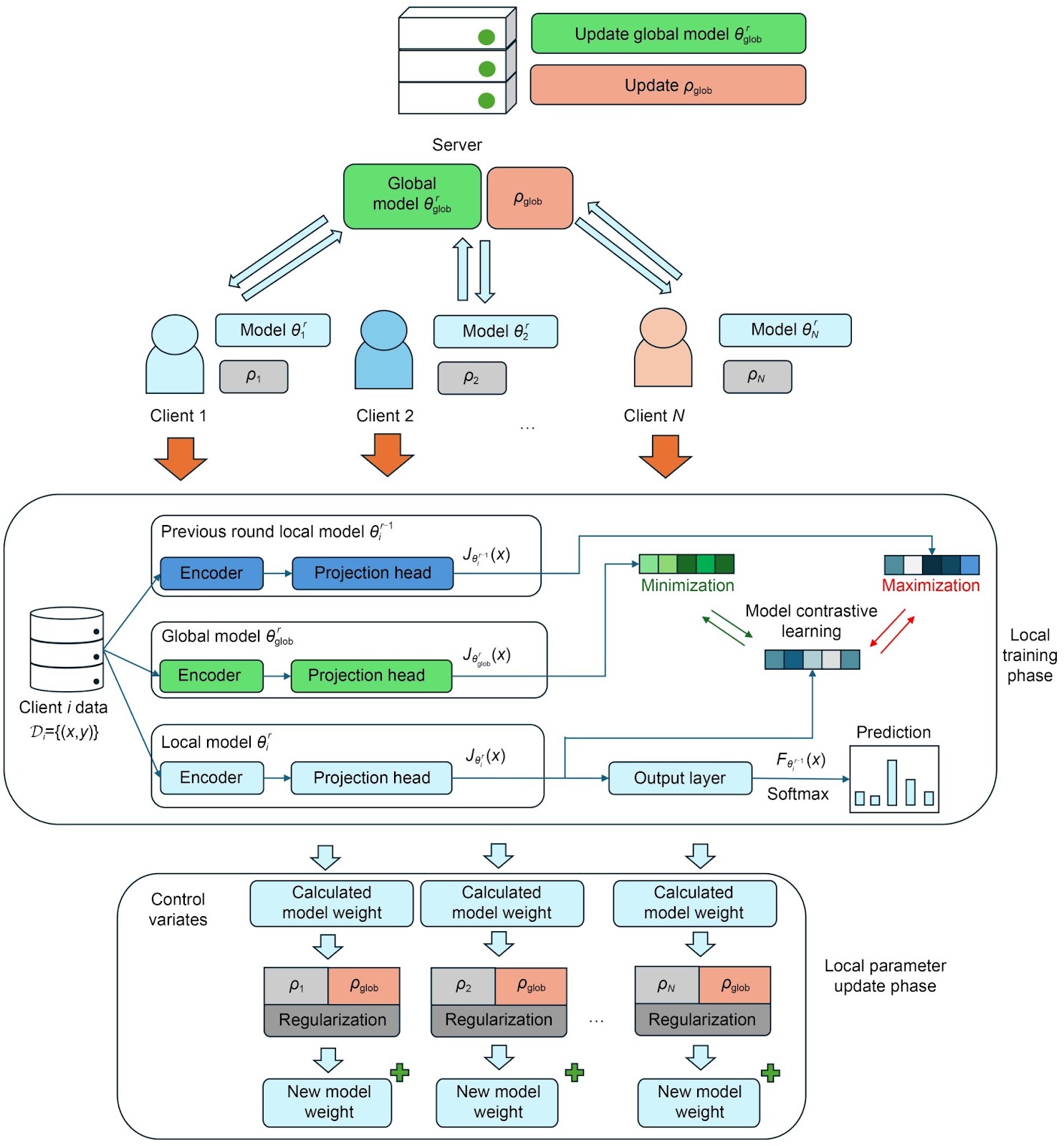
Recent attention to privacy issues demands a communication-safe method for training human activity recognition (HAR) models on client activity data. Federated learning (FL) has become a compelling technique to facilitate model training between the server and clients while preserving data privacy. However, classical FL methods often assume independent and identically distributed (IID) data among clients. This assumption does not hold true in practical scenarios. Human activity in real-world scena