Key Takeaways & Executive Findings
- •• A template-free, low-temperature synthesis of hierarchical NaX zeolite from natural kaolinite is demonstrated, offering an energy-saving and environmentally friendly route. • The hierarchical NaX zeolite exhibits both inter- and intra-crystalline mesopores, smaller crystal size, and larger external surface area than commercial NaX, enhancing accessibility for bulky molecules. • The synthesized catalyst shows significantly improved catalytic performance in Knoevenagel condensation, attributed to reduced diffusion limitations and increased active site accessibility. • This work provides a cost-effective strategy for constructing hierarchical zeolites, with potential for broad application in fine chemical manufacturing.
Abstract
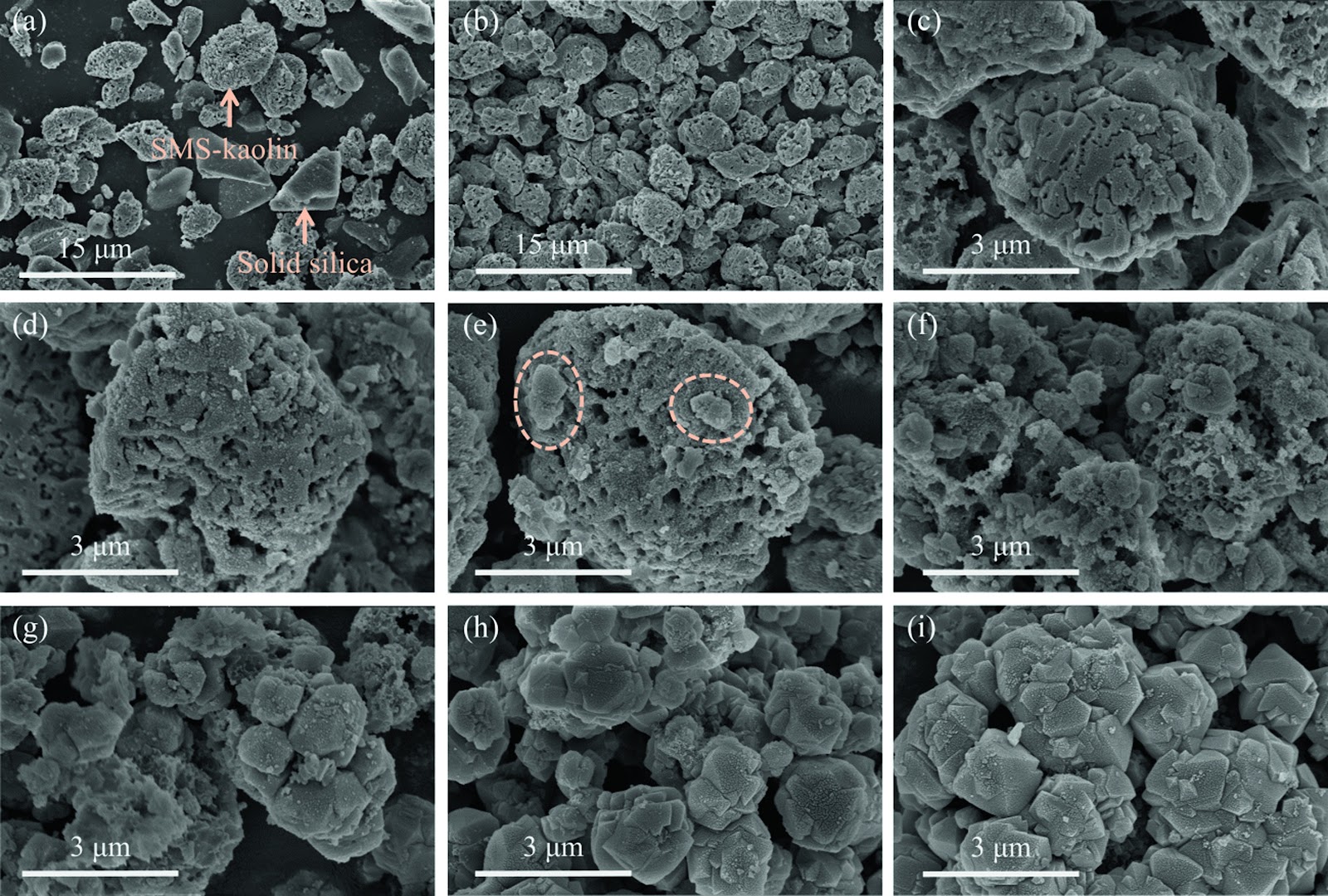
Zeolite catalysts have found extensive applications in the synthesis of various fine chemicals. However, the micropores of zeolites impose diffusion limitations on bulky molecules, greatly reducing the catalytic efficiency. Herein, we explore an economic and environmentally friendly method for synthesizing hierarchical NaX zeolite that exhibits improved catalytic performance in the Knoevenagel condensation reaction for producing the useful fine chemical 2-cyano-3-phenylacrylate. The synthesis was achieved via a low-temperature activation of kaolinite and subsequent in-situ transformation strategy without any template or seed. Systematic characterizations reveal that the synthesized NaX zeolite has both inter-crystalline and intra-crystalline mesopores, smaller crystal size, and larger external specific surface area compared to commercial NaX zeolite. Detailed mechanism investigations show that the inter-crystalline mesopores are generated by stacking smaller crystals formed from in-situ crystallization of the depolymerized kaolinite, and the intra-crystalline mesopores are inherited from the pores in the depolymerized kaolinite. This synthesis strategy provides an energy-saving and effective way to construct hierarchical zeolites, which may gain wide applications in fine chemical manufacturing.
1. Introduction
Recently, zeolites have attracted great attentions in the synthesis of a wide range of fine chemicals, such as flavors, fragrances, pharmaceutical intermediates, detergents and pigments [1,2]. Traditionally, fine chemicals are synthesized via the homogeneous catalysis system [3,4]. However, the separation and recovery of the homogeneous catalysts are difficult and expensive, because they are typically dissolved in the reaction mixture [5]. Moreover, some homogeneous catalysts, such as liquid acid and base, may generate hazardous waste or emit harmful byproducts, leading to environmental concerns [6,7]. Zeolites are known to have several advantages in fine chemical synthesis as a heterogeneous catalyst [8,9]. They are often able to be easily separated from the reaction mixture, allowing for their recovery and reuse, which can reduce costs and increase efficiency. Additionally, zeolites are commonly considered as environmentally friendly catalysts, as they are non-toxic and their production does not generate hazardous waste. Their porous structure and shape selectivity make them highly selective, resulting in high yields of desired products and reduced waste. Furthermore, zeolites are also stable under a wide range of reaction conditions, making them suitable for industrial processes.
In these years, there has been a significant interest in the zeolite-catalyzed Knoevenagel condensation reaction for the synthesis of fine chemicals such as pharmaceuticals, agrochemicals, and natural products [10,11]. Knoevenagel condensation reaction is a versatile and efficient method for the formation of C–C bonds and the introduction of various functional groups into organic molecules [12]. Therefore, the Knoevenagel condensation reaction is a valuable tool for the synthesis of complex organic molecules and has significant applications in the pharmaceutical and fine chemical industries [13–15]. NaX zeolites with basic sites from the sodium cations in zeolite channel, can effectively catalyze the Knoevenagel condensation reaction under the mild conditions [16,17]. However, the Knoevenagel condensation involves bulky molecules, and the micropore in conventional NaX zeolite brings about serious steric hindrance and diffusion limitation of bulky molecules, which greatly decrease the catalysis efficiency [18,19]. To tackle the issue above, scientists have been exploring the hierarchical zeolites with multi-modal pore structures to overcome the drawback of conventional zeolites. Hierarchical zeolites have a more open pore structure than conventional zeolites, enabling better accessibility of bulky reactants to active sites and reducing diffusion limitations [20–22]. This makes them promising materials for heterogeneous catalysis applications. For instance, Verboekend et al. [19,23] reported a ten-fold increase in catalytic activity of hierarchical NaX zeolite compared to the microporous NaX zeolite in the Knoevenagel condensation of benzaldehyde with malononitrile. The enhanced activity was attributed to the improved accessibility of reactants to active sites in hierarchical zeolites. Grass et al. [18] de
Loading authentic research manuscript (Pages 1–5)...
Wen Xiao, Peng Dong, Chan Wang, Jingdong Xu, Tiesen Li, Haibo Zhu, Tinghai Wang, Renwei Xu, Yuanyuan Yue (2023). Facile synthesis of hierarchical NaX zeolite from natural kaolinite for efficient Knoevenagel condensation. Chinese Journal of Chemical Engineering. https://doi.org/10.1016/j_cjche_144874680
Research & Educational Purpose Only:The translations, structured abstracts, analytical annotations, and data reports provided by SinoTechIntel are intended exclusively for academic research, internal corporate R&D, and educational benchmarking. They do not constitute formal engineering, chemical safety, legal, or professional advice.
Copyright & Intellectual Property Notice: Original copyright of the underlying source articles and experimental data remains with the respective authors, institutions, and original publishing journals. SinoTechIntel claims intellectual property only over its proprietary translations, analytical syntheses, and AEO structured enhancements in accordance with international fair use and academic citation principles.
Frequently Asked Questions
What is the main advantage of hierarchical NaX zeolite over conventional NaX zeolite?
Hierarchical NaX zeolite possesses both micro- and mesopores, which significantly reduces diffusion limitations for bulky molecules, improves accessibility to active sites, and enhances catalytic efficiency in reactions like Knoevenagel condensation.
How is the hierarchical NaX zeolite synthesized in this study?
The hierarchical NaX zeolite is synthesized via a low-temperature activation of natural kaolinite followed by an in-situ transformation strategy, without using any template or seed, making the process economical and environmentally friendly.
What is the role of kaolinite in the synthesis?
Kaolinite serves as a natural and inexpensive source of silicon and aluminum. Its low-temperature activation depolymerizes the structure, creating pores that are inherited as intra-crystalline mesopores in the final NaX zeolite, while inter-crystalline mesopores form from stacking of smaller crystals.
What is the Knoevenagel condensation reaction and why is it important?
Knoevenagel condensation is a versatile reaction for forming carbon-carbon bonds, widely used to synthesize fine chemicals like pharmaceuticals and agrochemicals. It is important because it enables the introduction of functional groups into organic molecules under mild conditions.
What are the potential applications of this hierarchical NaX zeolite?
Due to its improved mass transport and catalytic performance, the hierarchical NaX zeolite can be applied in various fine chemical manufacturing processes, particularly those involving bulky molecules, offering a more efficient and sustainable alternative to conventional zeolites.
Related Technical Papers & Translations
Design and optimization of a high-efficiency distillation process for cellulosic fuel ethanol integrated with thermal coupling and molecular sieve adsorption
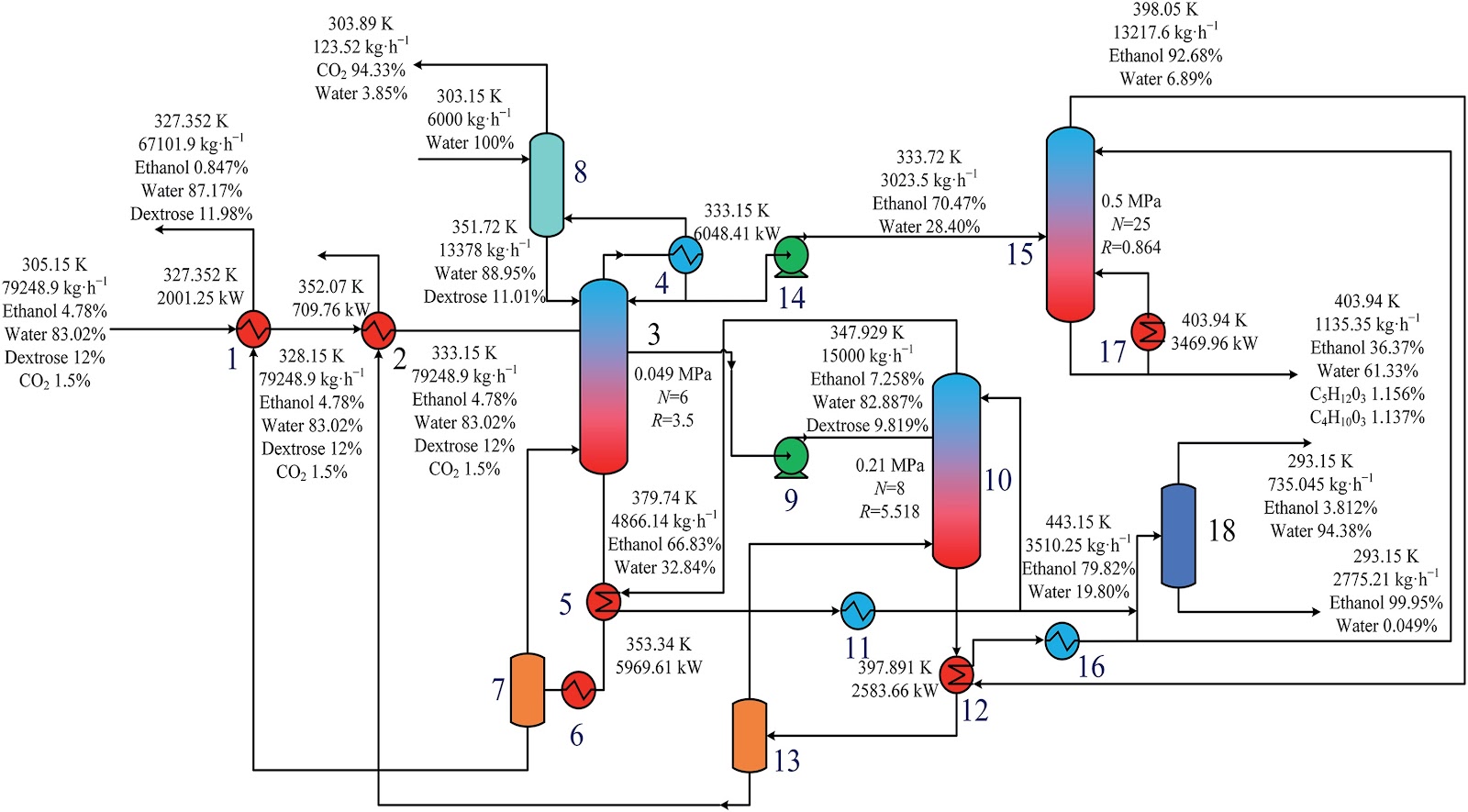
To address the challenges of high energy consumption and prominent costs in the traditional three-columns distillation process for cellulosic fuel ethanol, a distillation—molecular sieve coupling separation process is proposed. This process integrates a three-column (crude distillation column, first distillation column, second distillation column) system with a 3A molecular sieve adsorption deep dehydration unit. A thermal coupling network is constructed via differential pressure design (steam from medium/high-pressure columns as mutual heat sources, reboiler liquid waste heat for feed preheating), and molecular sieve adsorption conditions are optimized. The study first performs a thermodynamic consistency test on the ethanol—water system, determines optimal non-random two-liquid (NRTL) model binary interaction parameters via experimental data regression for Aspen Plus simulation. Aiming at minimum total annual cost (TAC), Aspen Plus is used to optimize process parameters (theoretical tray number, feed location, reflux ratio, side-draw position, etc.). Economic analysis shows this process reduces CO2 emission costs by 27.56%, TAC by 15.58% (to 5.123 × 10⁶ USD·a-1), and increases ethanol purity to >99.6%, providing an effective solution for green, efficient separation.
A cohesion loss model for determining residual strength of deep bedded sandstone
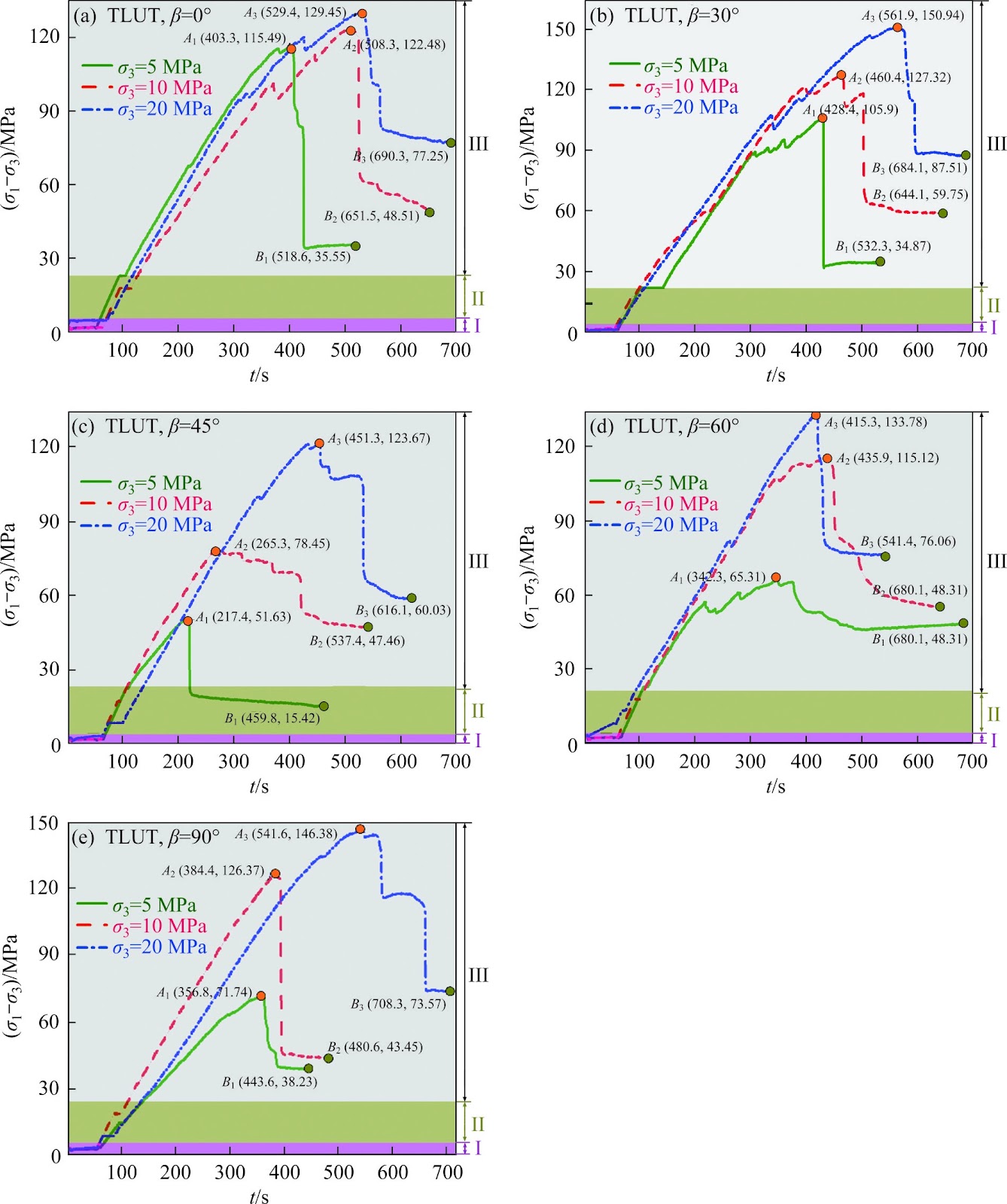
Rock residual strength, as an important input parameter, plays an indispensable role in proposing the reasonable and scientific scheme about stope design, underground tunnel excavation and stability evaluation of deep chambers. Therefore, previous residual strength models of rocks established were reviewed. And corresponding related problems were stated. Subsequently, starting from the effects of bedding and whole life-cycle evolution process, series of triaxial mechanical tests of deep bedded s
Federated model with contrastive learning and adaptive control variates for human activity recognition
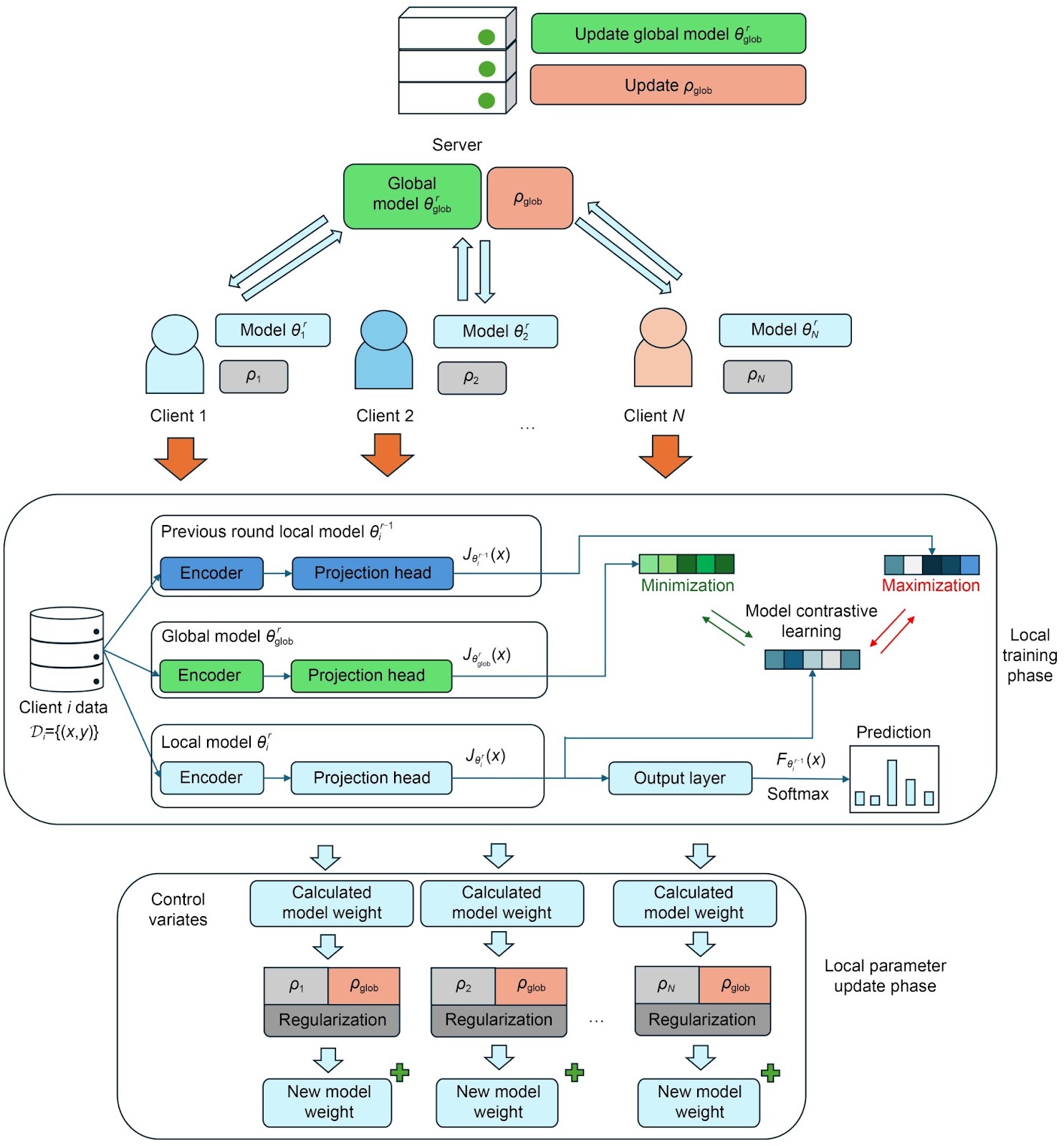
Recent attention to privacy issues demands a communication-safe method for training human activity recognition (HAR) models on client activity data. Federated learning (FL) has become a compelling technique to facilitate model training between the server and clients while preserving data privacy. However, classical FL methods often assume independent and identically distributed (IID) data among clients. This assumption does not hold true in practical scenarios. Human activity in real-world scena