Key Takeaways & Executive Findings
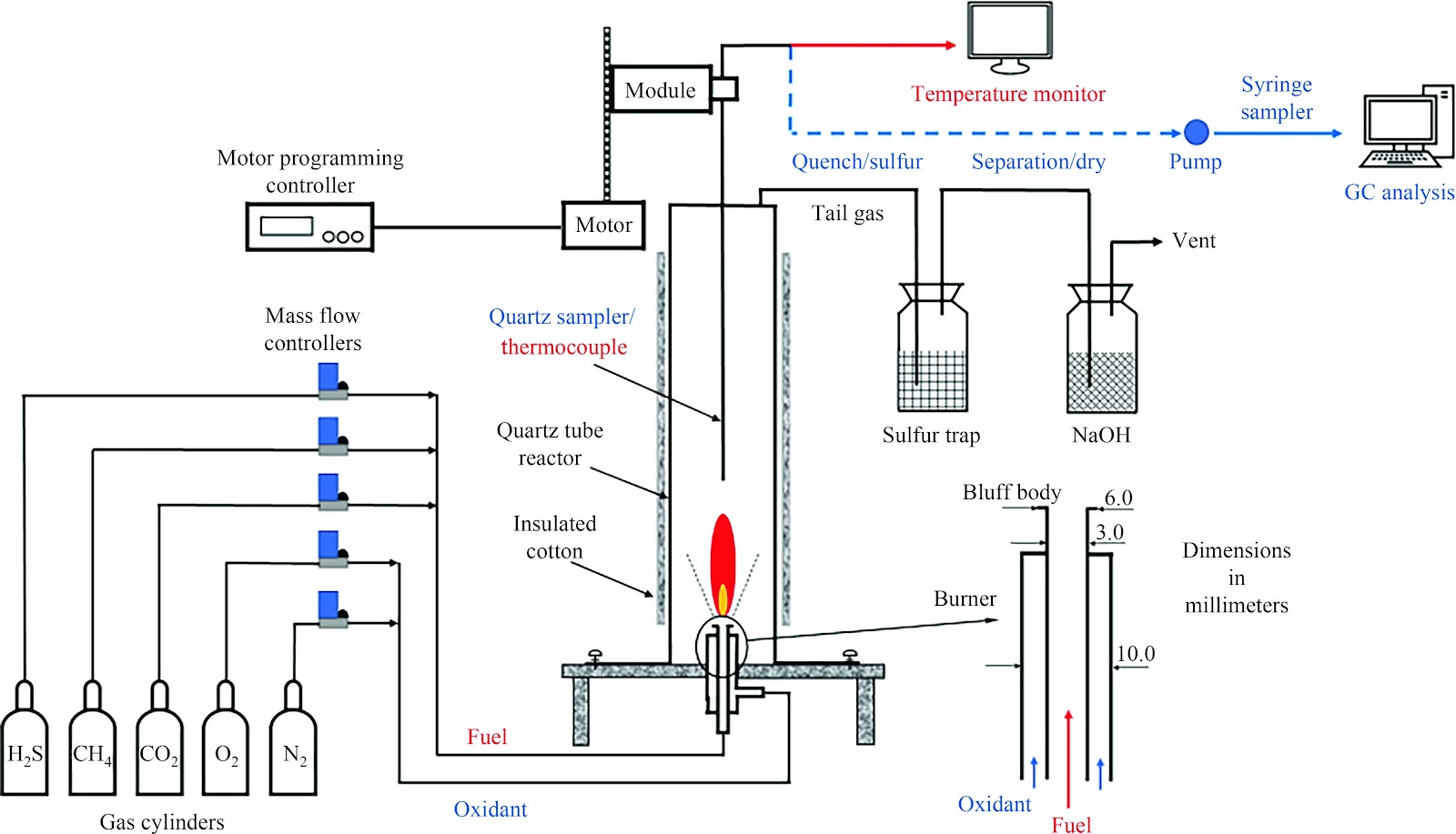
- •• Oxy-fuel combustion of CH4 and acid gas in a diffusion flame was experimentally characterized, revealing three distinct reaction zones: initial reaction, oxidation, and complex reaction sections. • Competitive oxidation between CH4 and H2S occurs, with H2S preferentially oxidized, leading to the formation of SO2, H2, and CO under varying equivalence ratios and CH4/AG ratios. • Lower equivalence ratios and higher CH4/AG ratios enhance temperature, oxidation of H2S and CH4, and CO2 reactivity, promoting conversion to H2, CO, and SO2. • The formation of COS and CS2 is influenced by interactions of CH4 and CO2 with sulfur species; COS dominates over CS2 due to inhibition by H2, and both can be further oxidized or consumed in complex reactions.
Abstract
Co-combustion of methane (CH4) and acid gas (AG) is required to sustain the temperature in Claus reaction furnace. In this study, oxy-fuel combustion of methane and acid gas has been experimentally studied in a diffusion flame. Three equivalence ratios (ER = 1.0, 1.5, 2.0) and CH4-addition ratios (CH4/AG = 0.3, 0.5, 0.7) were examined and the flame was interpreted by analyzing the distributions of the temperature and species concentration along central axial. CH4-AG diffusion flame could be classified into three sections namely initial reaction, oxidation and complex reaction sections. Competitive oxidation of CH4 and H2S was noted in the first section wherein H2S was preferred and both were mainly proceeding decomposition and partial oxidation. SO2 was formed at oxidation section together with obvious presence of H2 and CO. However, H2 and CO were inclined to be sustained under fuel rich condition in the complex reaction section. Reducing ER and increasing CH4/AG contributed to higher temperature, H2S and CH4 oxidation and CO2 reactivity. Hence a growing trend for CH4 and AG to convert into H2, CO and SO2 could be witnessed. And this factor enhanced the generation of CS2 and COS in the flame inner core by interactions of CH4 and CO2 with sulfur species. COS was formed through the interactions of CO and CO2 with sulfur species. The CS2 production directly relied on reaction of CH4 with sulfur species. The concentration of COS was greater than CS2 since CS2 was probably inhibited due to the presence of H2. COS and CS2 could be consumed by further oxidation or other complex reactions.
1. Introduction
Hydrogen sulfide, a flammable and toxic gas, is widely spotted in crude natural gas, petroleum well and coal seams and is a common by-product during a number of industries such as coal or biomass gasification, oil refining, gas sweetening, biogas utilization, waste gas purification, waste water treatment and other desulfurization processes [1–4]. Generally, acid gas (AG) mainly consists of H2S and CO2 and other impurities with low concentration such as hydrocarbons, NH3 and CS2 and COS [3,4]. Meanwhile, it is well known that venting acid gas or its combustion products (mainly SO2) directly into atmosphere without any post processing is forbidden since it can cause various environmental pollution and health hazards [5]. Therefore, acid gas must be processed properly to meet the increasingly strict regulations and consideration of environment and safety.
Currently, the modified Claus process is widely used for the treatment of acid gas and the recovery of economically valuable sulfur products [1,6]. This process consists of three consecutive sections. In the first step, the oxidation of H2S to SO2 (Eq. (1)) and the Claus reaction between H2S and SO2 (Eq. (2)) to form sulfur (mainly S2) occur simultaneously at over 1273 K in the reaction furnace [7]. The second part is a further Claus reaction (Eq. (3)) occurring over catalyst bed at about 573 K in the catalytic converters, rendering S8 as the primary product [8,9]. The final section is the tail gas treatment or incinerating to meet emission standards. The reactions of the Claus process can be described as follows: H2S + 1.5O2 → SO2 + H2O (ΔHr = -520.72 kJ·mol⁻¹) (1); 2H2S + SO2 → 1.5S2 + 2H2O (ΔHr = 42.45 kJ·mol⁻¹) (2); 2H2S + SO2 → 3/8S8 + 2H2O (ΔHr = -104 kJ·mol⁻¹) (3).
The partial oxidation of H2S in the reaction furnace is deemed as the most critical and complex section for the Claus process [10–13]. It includes the generation of up to approximately 70% sulfur and adjustment of the suitable H2S/SO2 ratio for subsequent catalytic reaction [14,15]. Meanwhile, the impurities in acid gas need to be destroyed to mitigate the negative impact on the catalytic section. However, this process is hard to achieve since the CH4 co-combustion is required to maintain the furnace temperature especially when the H2S content is below 50% [16,17]. The presence of additional CH4 and pre-existing CO2 can significantly complicate the reactions in the reaction furnace and further adversely affect the Claus reaction. Not only is there competitive oxidation of H2S and CH4, but unwanted COS and CS2 from various side reactions and soot also proceed in the combustion progress, which can degrade catalyst performance and reduce the sulfur recovery efficiency once existing in the catalytic section due to the sulfate corrosion and coverage on the catalytic pores [18,19]. To understand the effects of CH4 and CO2 on partial oxidation of H2S in the reaction furnace, researchers have been conducting intensively studies in recent decades [20–24]. Li et al. [18] has studied the oxidation process of acid gas in a non-premixed flame. As the reactivity in fuel-rich condition was mainly expressed as ...
Loading authentic research manuscript (Pages 1–5)...
Songling Guo, Xun Tao, Fan Zhou, Mengyan Yu, Yufan Wu, Yunfei Gao, Lu Ding, Fuchen Wang (2023). Investigation of oxy-fuel combustion for methane and acid gas in a diffusion flame. Chinese Journal of Chemical Engineering. https://doi.org/10.1016/j_cjche_144875280
Research & Educational Purpose Only:The translations, structured abstracts, analytical annotations, and data reports provided by SinoTechIntel are intended exclusively for academic research, internal corporate R&D, and educational benchmarking. They do not constitute formal engineering, chemical safety, legal, or professional advice.
Copyright & Intellectual Property Notice: Original copyright of the underlying source articles and experimental data remains with the respective authors, institutions, and original publishing journals. SinoTechIntel claims intellectual property only over its proprietary translations, analytical syntheses, and AEO structured enhancements in accordance with international fair use and academic citation principles.
Frequently Asked Questions
What is the purpose of co-combusting methane with acid gas in the Claus process?
Co-combustion of methane (CH4) with acid gas (AG) is required to sustain the temperature in the Claus reaction furnace, especially when the H2S content is below 50%, to maintain the necessary thermal conditions for sulfur recovery.
What are the main reaction zones identified in the CH4-AG diffusion flame?
The CH4-AG diffusion flame can be classified into three sections: initial reaction, oxidation, and complex reaction sections. In the initial section, competitive oxidation of CH4 and H2S occurs with H2S preferred. SO2 forms in the oxidation section, while H2 and CO are sustained under fuel-rich conditions in the complex reaction section.
How do equivalence ratio and CH4/AG ratio affect the combustion and product distribution?
Reducing the equivalence ratio (ER) and increasing the CH4/AG ratio contribute to higher temperatures, enhanced oxidation of H2S and CH4, and increased CO2 reactivity. This promotes the conversion of CH4 and AG into H2, CO, and SO2, and enhances the generation of CS2 and COS in the flame inner core.
What are the formation pathways for COS and CS2 in the flame?
COS is formed through interactions of CO and CO2 with sulfur species, while CS2 production directly relies on the reaction of CH4 with sulfur species. The concentration of COS is greater than CS2 because CS2 formation is likely inhibited by the presence of H2.
What is the significance of studying oxy-fuel combustion of methane and acid gas?
Understanding the oxy-fuel combustion of methane and acid gas is crucial for optimizing the Claus process, as it helps in controlling the formation of unwanted byproducts like COS and CS2, which can degrade catalyst performance and reduce sulfur recovery efficiency. This study provides insights into the reaction mechanisms and operating conditions to improve process efficiency and environmental compliance.
Related Technical Papers & Translations
Design and optimization of a high-efficiency distillation process for cellulosic fuel ethanol integrated with thermal coupling and molecular sieve adsorption
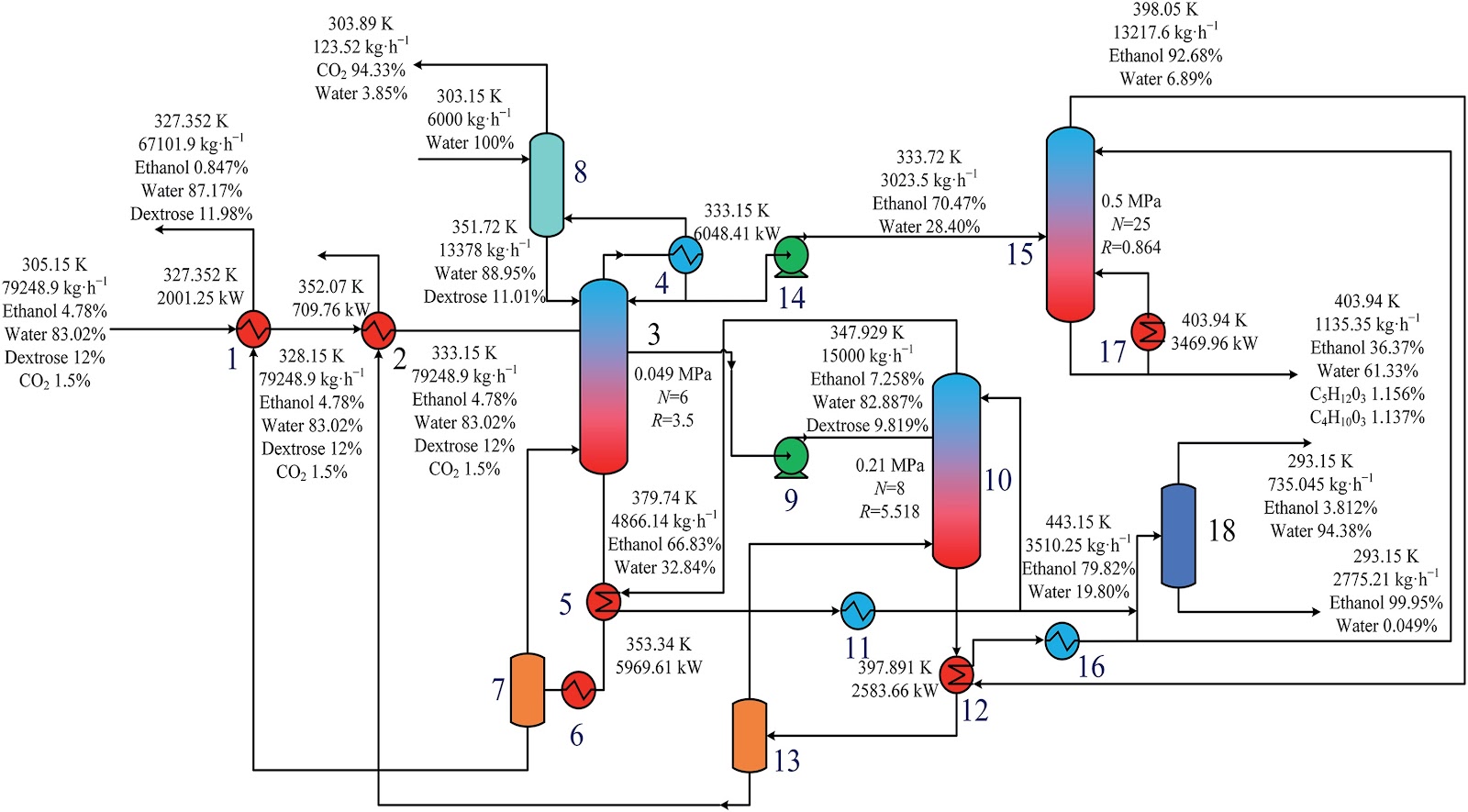
To address the challenges of high energy consumption and prominent costs in the traditional three-columns distillation process for cellulosic fuel ethanol, a distillation—molecular sieve coupling separation process is proposed. This process integrates a three-column (crude distillation column, first distillation column, second distillation column) system with a 3A molecular sieve adsorption deep dehydration unit. A thermal coupling network is constructed via differential pressure design (steam from medium/high-pressure columns as mutual heat sources, reboiler liquid waste heat for feed preheating), and molecular sieve adsorption conditions are optimized. The study first performs a thermodynamic consistency test on the ethanol—water system, determines optimal non-random two-liquid (NRTL) model binary interaction parameters via experimental data regression for Aspen Plus simulation. Aiming at minimum total annual cost (TAC), Aspen Plus is used to optimize process parameters (theoretical tray number, feed location, reflux ratio, side-draw position, etc.). Economic analysis shows this process reduces CO2 emission costs by 27.56%, TAC by 15.58% (to 5.123 × 10⁶ USD·a-1), and increases ethanol purity to >99.6%, providing an effective solution for green, efficient separation.
A cohesion loss model for determining residual strength of deep bedded sandstone
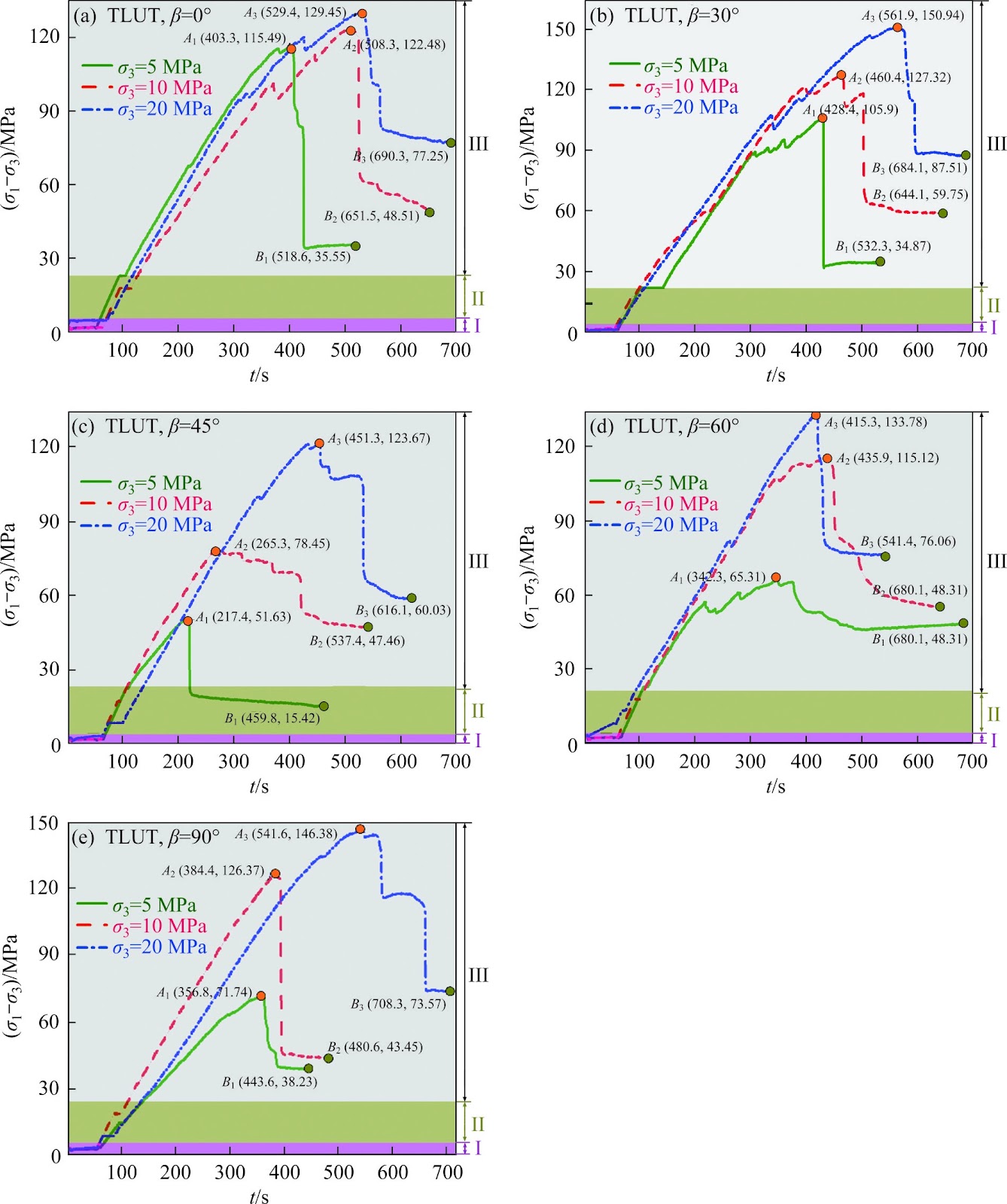
Rock residual strength, as an important input parameter, plays an indispensable role in proposing the reasonable and scientific scheme about stope design, underground tunnel excavation and stability evaluation of deep chambers. Therefore, previous residual strength models of rocks established were reviewed. And corresponding related problems were stated. Subsequently, starting from the effects of bedding and whole life-cycle evolution process, series of triaxial mechanical tests of deep bedded s
Federated model with contrastive learning and adaptive control variates for human activity recognition
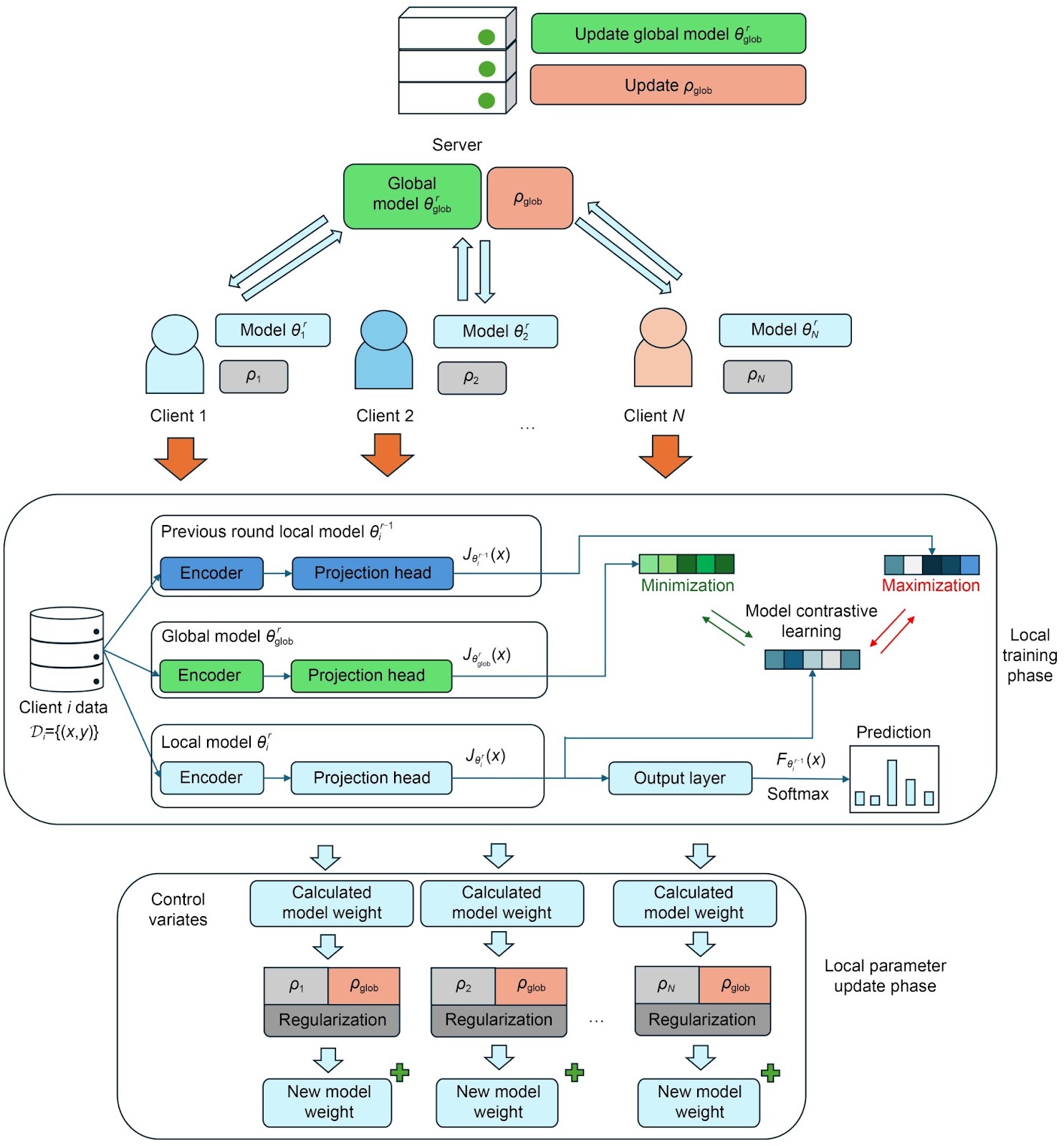
Recent attention to privacy issues demands a communication-safe method for training human activity recognition (HAR) models on client activity data. Federated learning (FL) has become a compelling technique to facilitate model training between the server and clients while preserving data privacy. However, classical FL methods often assume independent and identically distributed (IID) data among clients. This assumption does not hold true in practical scenarios. Human activity in real-world scena