Key Takeaways & Executive Findings
- •• Constructed BiO2ex/NaNbO3 heterojunctions via hydrothermal method, achieving 2.6-fold and 3.8-fold enhancement in NH3 production rate compared to pure NaNbO3 and BiO2ex, respectively. • BiO2ex nanosheets act as electron trappers, significantly improving charge carrier separation efficiency in the heterojunction. • Abundant oxygen vacancies in BiO2ex facilitate N2 adsorption and activation, contributing to the enhanced photocatalytic nitrogen fixation performance. • The study provides new insights into designing efficient semiconductor heterojunctions for sustainable ammonia synthesis under solar light.
Abstract
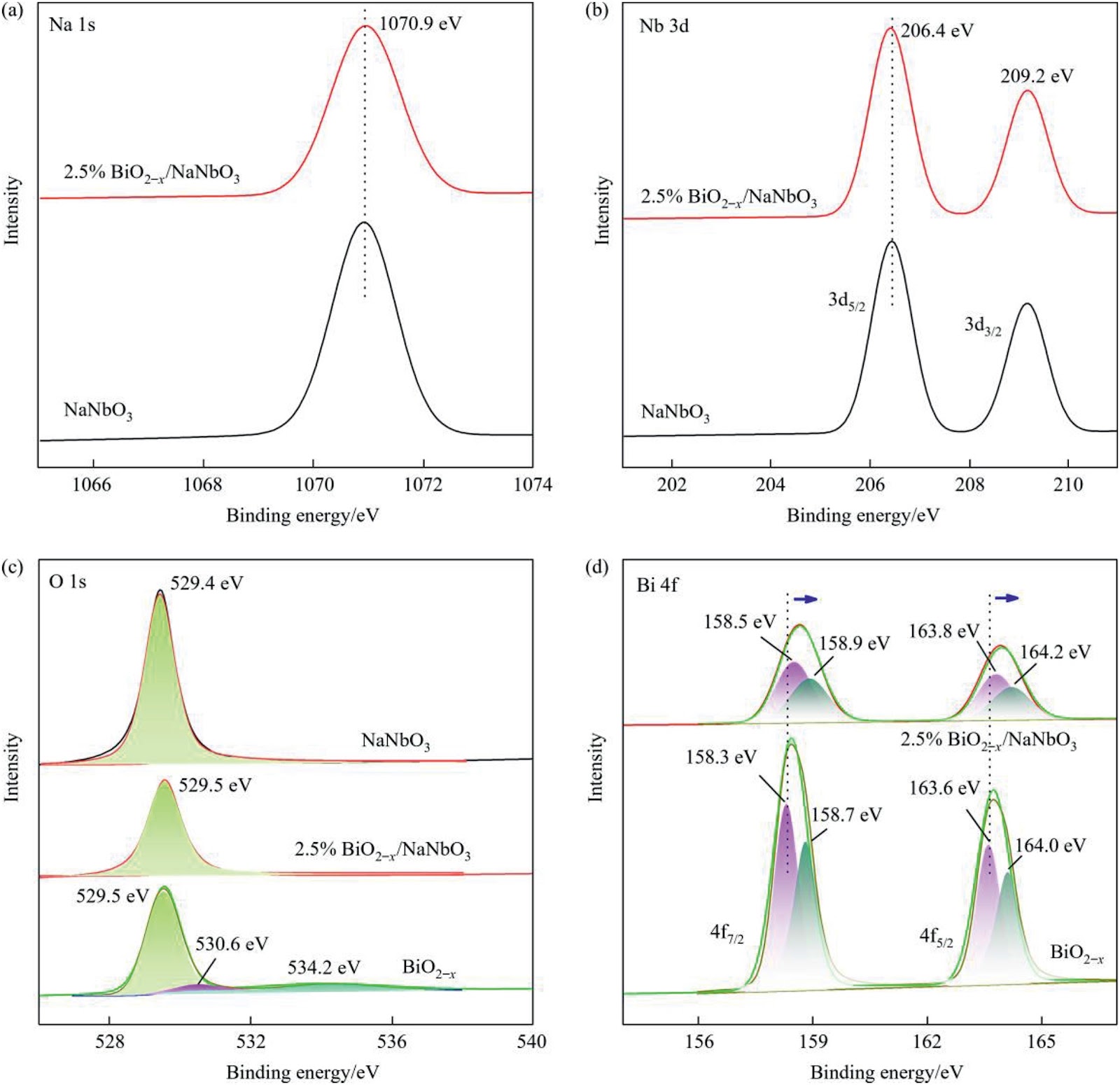
The fabrication of heterojunction catalysts is an effective strategy to enhance charge separation efficiency, thereby boosting the performance of photocatalysts. In this study, BiO2ex nanosheets were synthesized through a hydrothermal process and loaded onto NaNbO3 microcube to construct a series of BiO2ex/NaNbO3 heterojunctions for photocatalytic N2 fixation. Results indicated that 2.5% BiO2ex/NaNbO3 had the highest photocatalytic performance. The NH3 production rate under simulated solar light reached 406.4 mmol·L−1·g−1·h−1, which reaches 2.6 and 3.8 times that of NaNbO3 and BiO2ex, respectively. BiO2ex nanosheets primarily act as electron trappers to enhance the separation efficiency of charge carriers. The strong interaction between BiO2ex and NaNbO3 facilitates the electron migration between them. Meanwhile, the abundant oxygen vacancies in BiO2ex nanosheets may facilitate the adsorption and activation of N2, which may be another possible reason of the high photocatalytic activity of the BiO2ex/NaNbO3. This study may offer new insights for the development of semiconductor materials in photocatalytic nitrogen fixation.
1. Introduction
Global warming and energy crisis have become important issues related to human survival and development. Therefore, the development and utilization of new energy sources has received extensive attention. Ammonia, as an ideal hydrogen storage fuel, plays a very important role in industry and agriculture. In present, the N2 to NH3 conversion in industry is achieved by Bosh-Haber process, which consumes a huge sum of fossil energy and has a serious environment impact. Photocatalysis can achieve the N2 to NH3 conversion driven by solar energy, which has the advantages of being clean and pollution-free. Hence, photocatalytic nitrogen fixation (PNF) has been widely followed by scientists since the pioneering work of Schrauzer in 1977 [1]. Given that efficient photocatalysts are the key to the practical implementation of PNF technology, a large amount of work has focused on the preparation of novel high-efficiency photocatalytic materials and their promotion mechanisms. Some high-efficiency catalysts including CdS [2], g-C3N4 [3,4], ZnO [5,6], KTN [7,8], CeO2 [9], and BiOX (X = Cl, Br, I) [10,11] have been gradually reported. Nevertheless, more efforts are still needed to achieve these goals.
In recent years, perovskite materials such as SrTiO3 [12], KNbO3 [13], BaTiO3 [14], and CeFeO3 [15] have gained significant attention and exhibited promising prospects in the field of PNF. Among them, NaNbO3, a representative perovskite material, has found wide applications in photocatalytic degradation, hydrogen production, and CO2 reduction. Nevertheless, its application in photocatalytic NH3 synthesis is restricted. Our research group recently investigated the synthesis of Pt-loaded NaNbO3 with oxygen vacancies for NH3 synthesis [16]. The PNF rate of the synthesized composite exhibits a remarkable enhancement compared to pure NaNbO3. In the Pt/Ov-NaNbO3 system, the introduction of Pt enhances both carrier separation and N2 adsorption and activation. Nevertheless, Pt concurrently promotes the photocatalytic hydrogen production reaction, which attenuates its overall promoting effect on PNF. Interestingly, besides precious metals, bismuth oxide has been recognized as an active phase for N2 adsorption activation owing to its facile formation of oxygen vacancies [17]. As a result, various Bi-based catalysts, such as BiOX (X = Cl, Br, I) [10,11,18], Bi2WO6 [19,20], Bi2MoO6 [21], Bi2O2CO3 [22,23], and Bi2O3 [24,25], have been documented to demonstrate outstanding properties in PNF. BiO2ex, a bismuth oxide compound, has received much attention owing to its narrow band gap, abundant defect sites, and distinctive layered structure. With a band gap ranging from 1.5 to 1.8 eV, BiO2ex exhibits broad-spectrum responsiveness. However, this characteristic also facilitates the rapid recombination of photogenerated electron-hole pairs, limiting its photocatalytic efficiency. To address this, constructing heterojunctions with suitable semiconductors has been proven effective in promoting charge separation. In this study, we report the in situ construction of BiO2ex/NaNbO3 heterojunctions via a hydrothermal method, aiming to enhance photocatalytic nitrogen fixation performance.
Loading authentic research manuscript (Pages 1–5)...
Jiayu Zhang, Zhihao Zeng, Lin Yue, Chunran Zhao, Xin Hu, Leihong Zhao, Xiuwen Wang, Yiming He (2024). Enhanced photocatalytic nitrogen fixation performance via in situ constructing BiO2ex/NaNbO3 heterojunction. Chinese Journal of Chemical Engineering. https://doi.org/10.1016/j_cjche_1448
Research & Educational Purpose Only:The translations, structured abstracts, analytical annotations, and data reports provided by SinoTechIntel are intended exclusively for academic research, internal corporate R&D, and educational benchmarking. They do not constitute formal engineering, chemical safety, legal, or professional advice.
Copyright & Intellectual Property Notice: Original copyright of the underlying source articles and experimental data remains with the respective authors, institutions, and original publishing journals. SinoTechIntel claims intellectual property only over its proprietary translations, analytical syntheses, and AEO structured enhancements in accordance with international fair use and academic citation principles.
Frequently Asked Questions
What is the main objective of this study?
The main objective is to enhance photocatalytic nitrogen fixation performance by constructing BiO2ex/NaNbO3 heterojunctions, which improve charge separation and N2 activation.
How was the BiO2ex/NaNbO3 heterojunction synthesized?
BiO2ex nanosheets were synthesized via a hydrothermal process and then loaded onto NaNbO3 microcubes to form the heterojunction.
What is the NH3 production rate achieved by the optimal catalyst?
The optimal 2.5% BiO2ex/NaNbO3 catalyst achieved an NH3 production rate of 406.4 mmol·L−1·g−1·h−1 under simulated solar light.
Why does BiO2ex enhance the photocatalytic activity?
BiO2ex acts as an electron trapper, enhancing charge separation, and its abundant oxygen vacancies facilitate N2 adsorption and activation.
What is the significance of this study?
The study provides new insights into designing efficient heterojunction photocatalysts for sustainable ammonia synthesis, addressing energy and environmental challenges.
Related Technical Papers & Translations
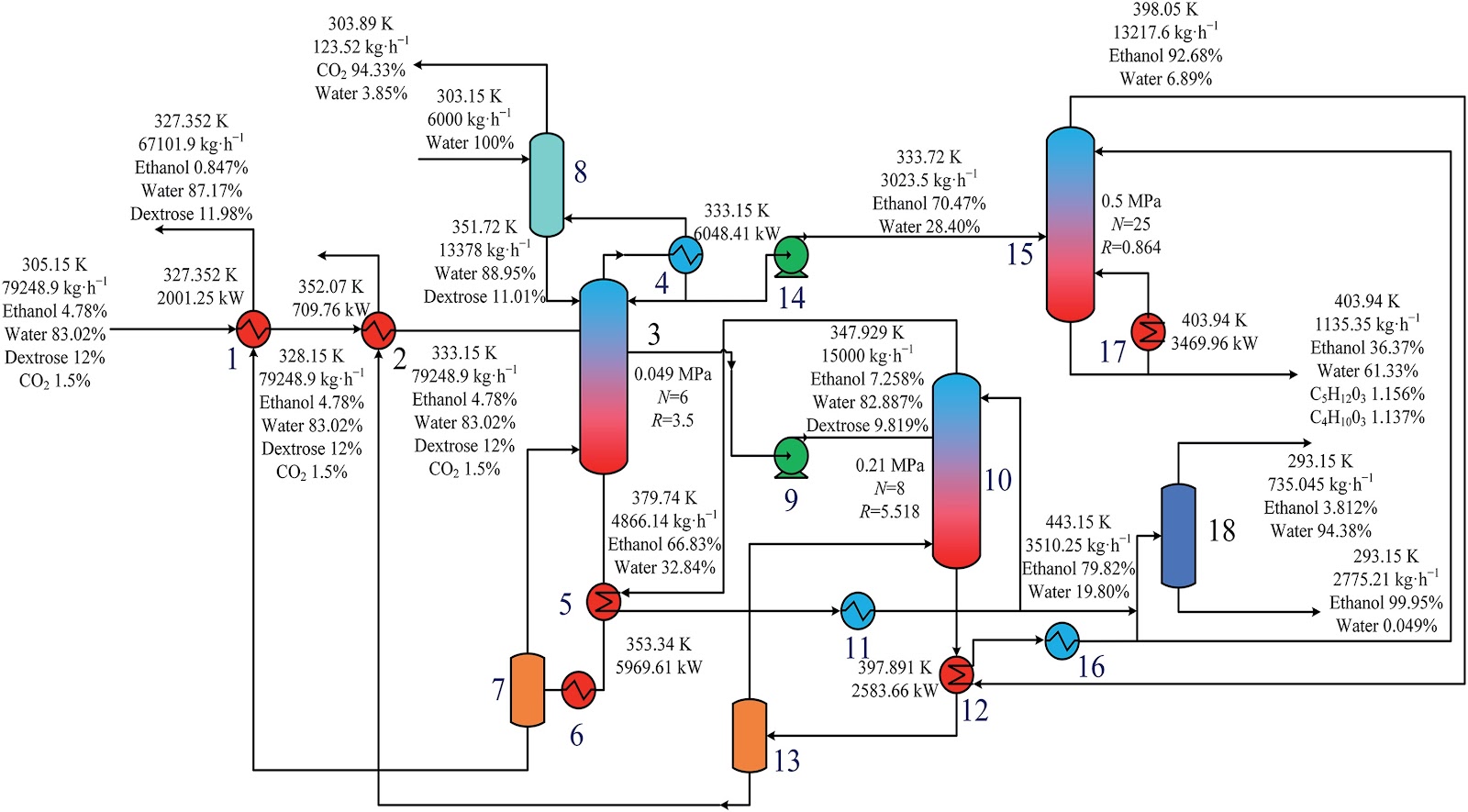
Design and optimization of a high-efficiency distillation process for cellulosic fuel ethanol integrated with thermal coupling and molecular sieve adsorption
To address the challenges of high energy consumption and prominent costs in the traditional three-columns distillation process for cellulosic fuel ethanol, a distillation—molecular sieve coupling separation process is proposed. This process integrates a three-column (crude distillation column, first distillation column, second distillation column) system with a 3A molecular sieve adsorption deep dehydration unit. A thermal coupling network is constructed via differential pressure design (steam from medium/high-pressure columns as mutual heat sources, reboiler liquid waste heat for feed preheating), and molecular sieve adsorption conditions are optimized. The study first performs a thermodynamic consistency test on the ethanol—water system, determines optimal non-random two-liquid (NRTL) model binary interaction parameters via experimental data regression for Aspen Plus simulation. Aiming at minimum total annual cost (TAC), Aspen Plus is used to optimize process parameters (theoretical tray number, feed location, reflux ratio, side-draw position, etc.). Economic analysis shows this process reduces CO2 emission costs by 27.56%, TAC by 15.58% (to 5.123 × 10⁶ USD·a-1), and increases ethanol purity to >99.6%, providing an effective solution for green, efficient separation.
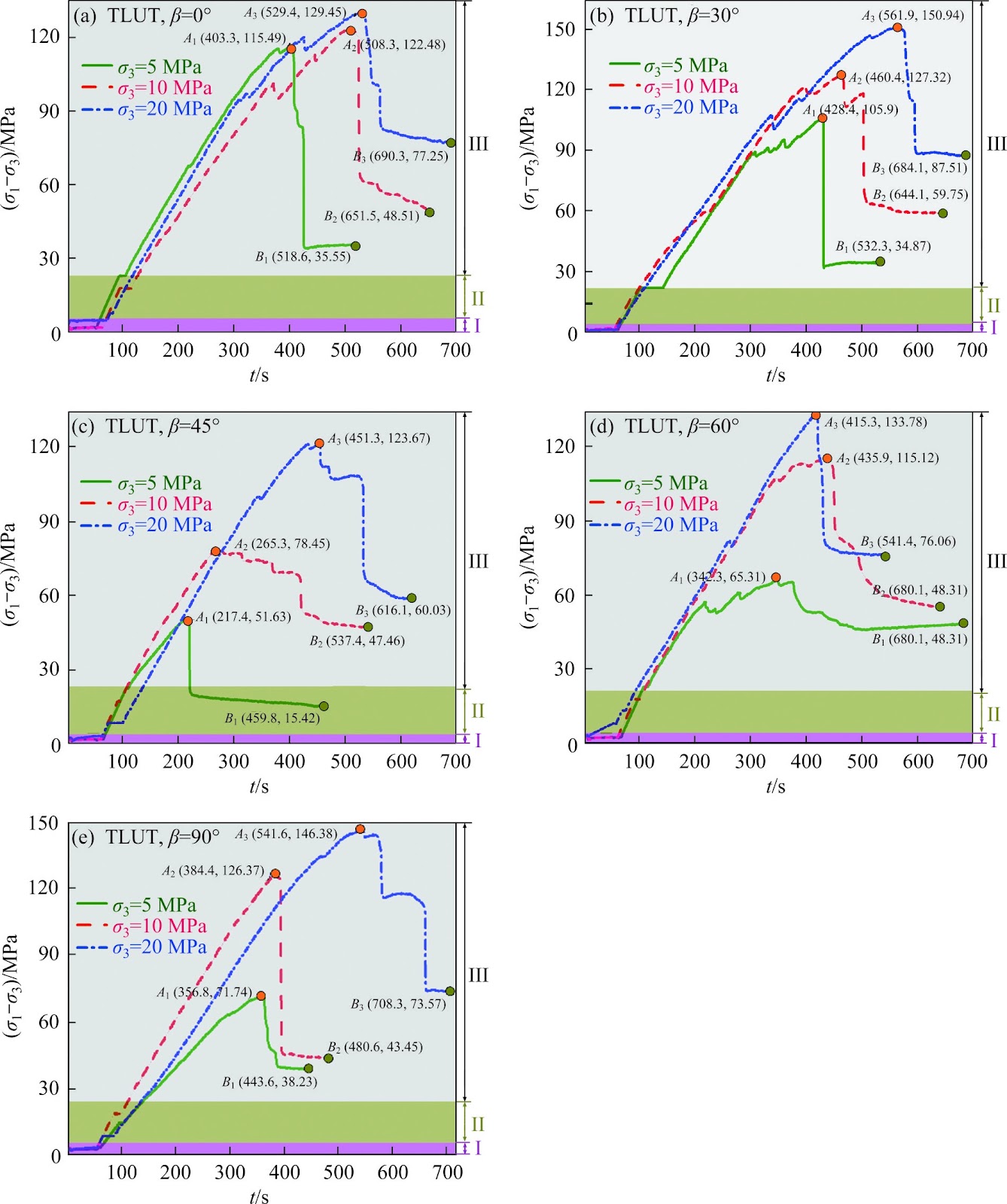
A cohesion loss model for determining residual strength of deep bedded sandstone
Rock residual strength, as an important input parameter, plays an indispensable role in proposing the reasonable and scientific scheme about stope design, underground tunnel excavation and stability evaluation of deep chambers. Therefore, previous residual strength models of rocks established were reviewed. And corresponding related problems were stated. Subsequently, starting from the effects of bedding and whole life-cycle evolution process, series of triaxial mechanical tests of deep bedded s
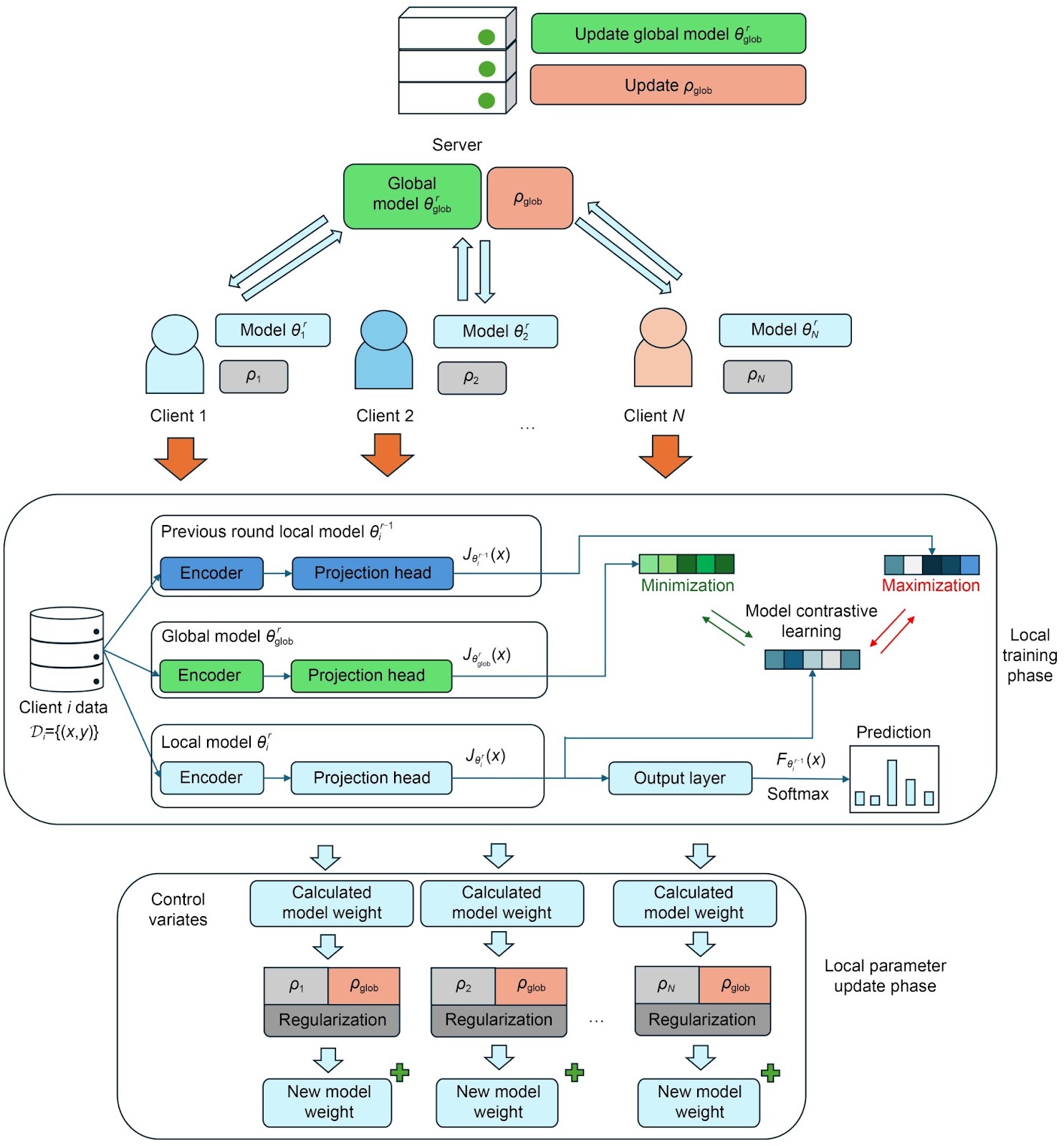
Federated model with contrastive learning and adaptive control variates for human activity recognition
Recent attention to privacy issues demands a communication-safe method for training human activity recognition (HAR) models on client activity data. Federated learning (FL) has become a compelling technique to facilitate model training between the server and clients while preserving data privacy. However, classical FL methods often assume independent and identically distributed (IID) data among clients. This assumption does not hold true in practical scenarios. Human activity in real-world scena