Key Takeaways & Executive Findings
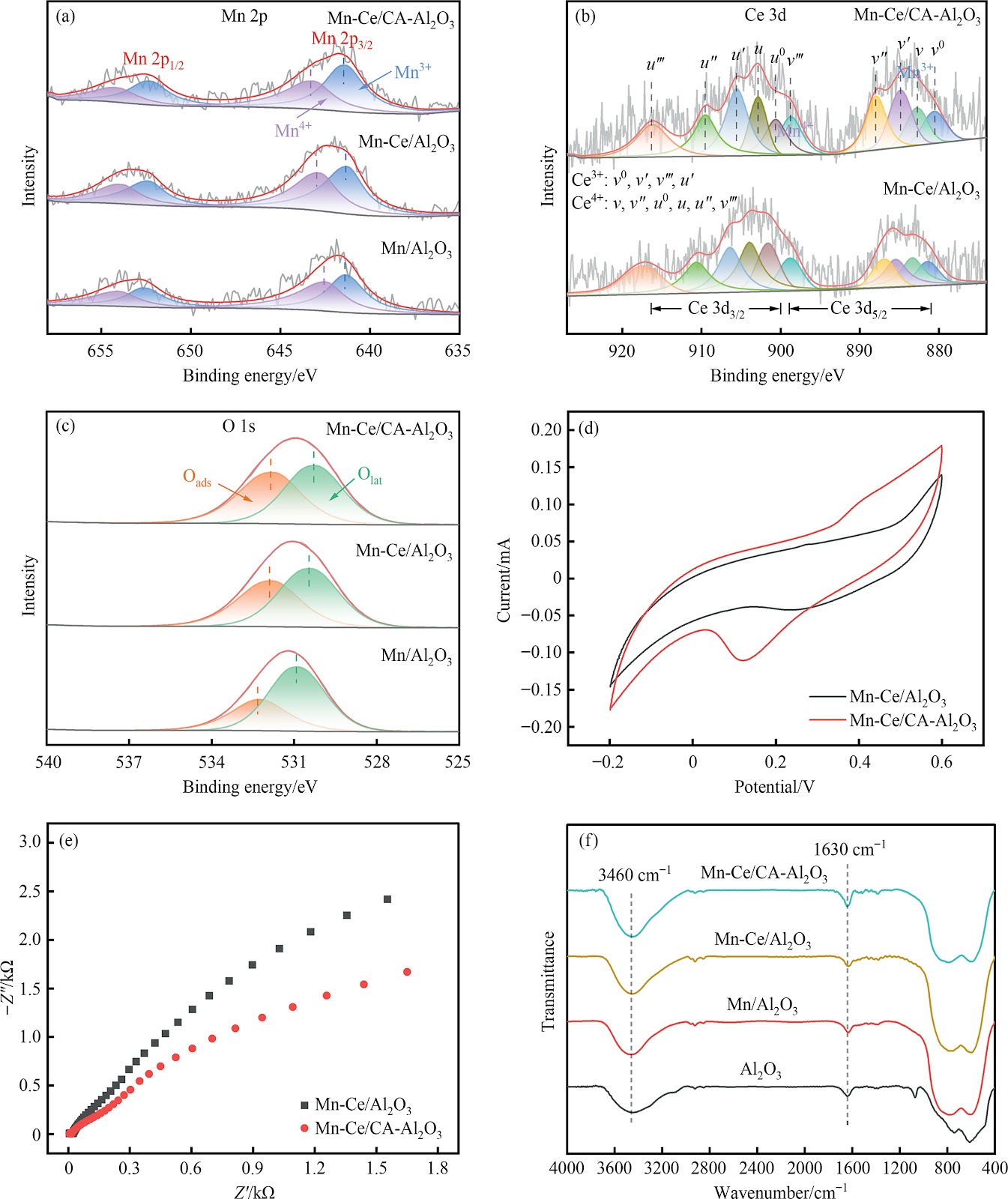
- •• Citric acid modification enhances dispersion of Mn-Ce oxides on Al2O3, increasing surface area and hydroxyl groups for improved catalytic ozonation. • Mn-Ce/CA-Al2O3 achieves near-complete decolorization of Reactive Black 5 within 60 min and 60% COD removal, outperforming sole ozonation (30%). • The catalyst operates effectively across a wide pH range (3-11) and shows excellent stability for real dye wastewater treatment. • The redox cycles of Mn3+/Mn4+ and Ce3+/Ce4+ accelerate electron transfer, promoting ROS generation and enhancing pollutant degradation.
Abstract
The performance of supported catalysts is significantly affected by the dispersion degree of the active components on the support. In this study, citric acid (CA) was used as a modifier to prepare Al2O3 supported Mn-Ce oxides (Mn-Ce/CA-Al2O3) by the impregnation-calcination method. The characterization results showed that adding citric acid enhanced the dispersion of Mn-Ce oxides on the support, rendering Mn-Ce/CA-Al2O3 with a larger specific surface area and abundant surface hydroxyl groups, thereby providing more reaction sites for catalytic ozonation. The Mn-Ce/CA-Al2O3 exhibited excellent catalytic ozonation performance in degrading Reactive Black 5 (RB5) dye. It achieved nearly complete decolorization of RB5 within 60 min, with a COD removal efficiency of 60%, which was superior to the sole ozonation (30%). Furthermore, the Mn-Ce/CA-Al2O3 system demonstrated significant degradation of RB5 over a wide pH range of 3-11. Based on the XPS and EPR analysis results, a preliminary mechanism of catalytic ozonation over the Mn-Ce/CA-Al2O3 was proposed. The redox cycle of Mn3+/Mn4+ and Ce3+/Ce4+ effectively accelerated the electron transfer process, thus promoting the generation of reactive oxygen species (ROS) and improving the degradation of RB5. Meanwhile, the Mn-Ce/CA-Al2O3 exhibited superior catalytic stability and effective treatment capabilities for real dye wastewater.
1. Introduction
In the textile industry, a large amount of wastewater is discharged during various unit operations such as pre-treatment, dyeing, printing, and post-processing in the textile production process [1]. The extensive use of dyes in each process has made them a key focus of textile wastewater treatment. Reactive Black 5 (RB5) is a widely used dis-azo reactive dye with good water solubility and excellent coloring performance. However, during the dyeing process with RB5, its reactive groups are prone to hydrolysis, resulting in a significant amount of residual dye entering the wastewater generated at this stage [2]. This dye wastewater is typically rich in various harmful chemicals, posing substantial threats to human and animal life if these substances are not properly treated and eliminated [3,4]. Unfortunately, research results indicated that traditional physicochemical and biological treatment methods cannot completely remove harmful substances from dye wastewater [5]. Therefore, there is an urgent need to research and develop new technologies for dye wastewater treatment.
As a powerful oxidant, ozone can oxidize a wide range of organic pollutants, including dyes, making it an effective method for treating dye wastewater [6]. Research has shown that ozone could attack the chromophore group of dye molecules, effectively decomposing them. However, due to the selective oxidation of ozone, it was often difficult to completely degrade pollutants, and some toxic intermediates might be formed during the reaction [7]. Wu et al. [8] used ozonation to evaluate the degradation effect of the Reactive Red 2 (RR2) dye. The results showed that ozone can significantly promote dye decolorization, with a decolorization efficiency of over 95% for RR2, but the TOC removal efficiencies were quite low in all experiments, ranging from 17% to 21%. In general, the addition of catalysts could accelerate O3 decomposition and generate reactive oxygen species (ROS), such as hydroxyl radical ($OH), superoxide radical ($O2−) and singlet oxygen (1O2), which in turn enabled rapid degradation and effective mineralization of organic pollutants [9,10]. Early research mainly used transition metal ions as catalysts to enhance the degradation effect of ozone on pollutants [11]. With the in-depth exploration of catalytic ozonation technology, the advantages of heterogeneous catalysts have gradually become prominent. Due to their good catalytic performance, ease of recovery and good stability, heterogeneous catalysts (e.g., metal oxides, carbon-based materials, and supported catalysts) have been widely used in the treatment of actual industrial wastewater. In particular, many studies have demonstrated that catalysts loaded with transition metal oxides
Loading authentic research manuscript (Pages 1–5)...
Shaopeng Li, Weichao Li, Yun Wu, Xianming Zheng, Xuehui Zhao, Ning Nan, Hongwei Zhang (2024). Preparation of Mn-Ce oxide-loaded Al2O3 by citric acid-assisted impregnation for enhanced catalytic ozonation degradation of dye wastewater. Chinese Journal of Chemical Engineering. https://doi.org/10.1016/j_cjche_1448
Research & Educational Purpose Only:The translations, structured abstracts, analytical annotations, and data reports provided by SinoTechIntel are intended exclusively for academic research, internal corporate R&D, and educational benchmarking. They do not constitute formal engineering, chemical safety, legal, or professional advice.
Copyright & Intellectual Property Notice: Original copyright of the underlying source articles and experimental data remains with the respective authors, institutions, and original publishing journals. SinoTechIntel claims intellectual property only over its proprietary translations, analytical syntheses, and AEO structured enhancements in accordance with international fair use and academic citation principles.
Frequently Asked Questions
What is the role of citric acid in the preparation of Mn-Ce/CA-Al2O3 catalyst?
Citric acid acts as a modifier during impregnation, enhancing the dispersion of Mn-Ce oxides on the Al2O3 support. This results in a larger specific surface area and more surface hydroxyl groups, providing additional active sites for catalytic ozonation.
How effective is the Mn-Ce/CA-Al2O3 catalyst in degrading Reactive Black 5?
The catalyst achieves nearly complete decolorization of RB5 within 60 minutes and a COD removal efficiency of 60%, which is significantly higher than the 30% achieved by sole ozonation, demonstrating its superior catalytic performance.
What is the proposed mechanism for enhanced catalytic ozonation over Mn-Ce/CA-Al2O3?
The redox cycles of Mn3+/Mn4+ and Ce3+/Ce4+ accelerate electron transfer, promoting the generation of reactive oxygen species (ROS) such as hydroxyl radicals, superoxide radicals, and singlet oxygen, which enhance the degradation of organic pollutants.
What is the pH range for effective degradation using Mn-Ce/CA-Al2O3?
The Mn-Ce/CA-Al2O3 system demonstrates significant degradation of RB5 over a wide pH range of 3 to 11, indicating its versatility in treating dye wastewater under various pH conditions.
Is the Mn-Ce/CA-Al2O3 catalyst stable for real wastewater treatment?
Yes, the catalyst exhibits superior catalytic stability and effective treatment capabilities for real dye wastewater, making it a promising candidate for practical applications.
Related Technical Papers & Translations
Design and optimization of a high-efficiency distillation process for cellulosic fuel ethanol integrated with thermal coupling and molecular sieve adsorption
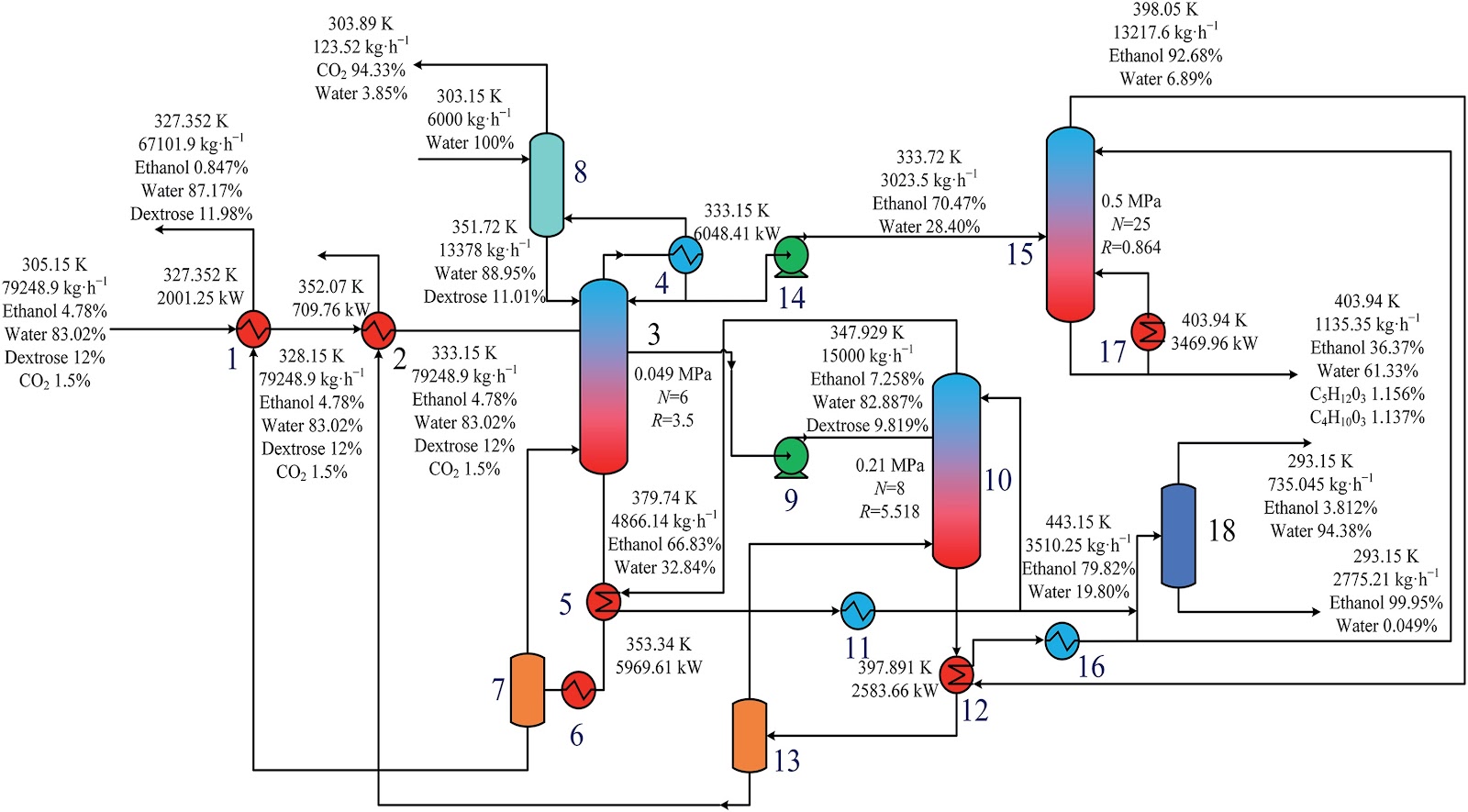
To address the challenges of high energy consumption and prominent costs in the traditional three-columns distillation process for cellulosic fuel ethanol, a distillation—molecular sieve coupling separation process is proposed. This process integrates a three-column (crude distillation column, first distillation column, second distillation column) system with a 3A molecular sieve adsorption deep dehydration unit. A thermal coupling network is constructed via differential pressure design (steam from medium/high-pressure columns as mutual heat sources, reboiler liquid waste heat for feed preheating), and molecular sieve adsorption conditions are optimized. The study first performs a thermodynamic consistency test on the ethanol—water system, determines optimal non-random two-liquid (NRTL) model binary interaction parameters via experimental data regression for Aspen Plus simulation. Aiming at minimum total annual cost (TAC), Aspen Plus is used to optimize process parameters (theoretical tray number, feed location, reflux ratio, side-draw position, etc.). Economic analysis shows this process reduces CO2 emission costs by 27.56%, TAC by 15.58% (to 5.123 × 10⁶ USD·a-1), and increases ethanol purity to >99.6%, providing an effective solution for green, efficient separation.
A cohesion loss model for determining residual strength of deep bedded sandstone
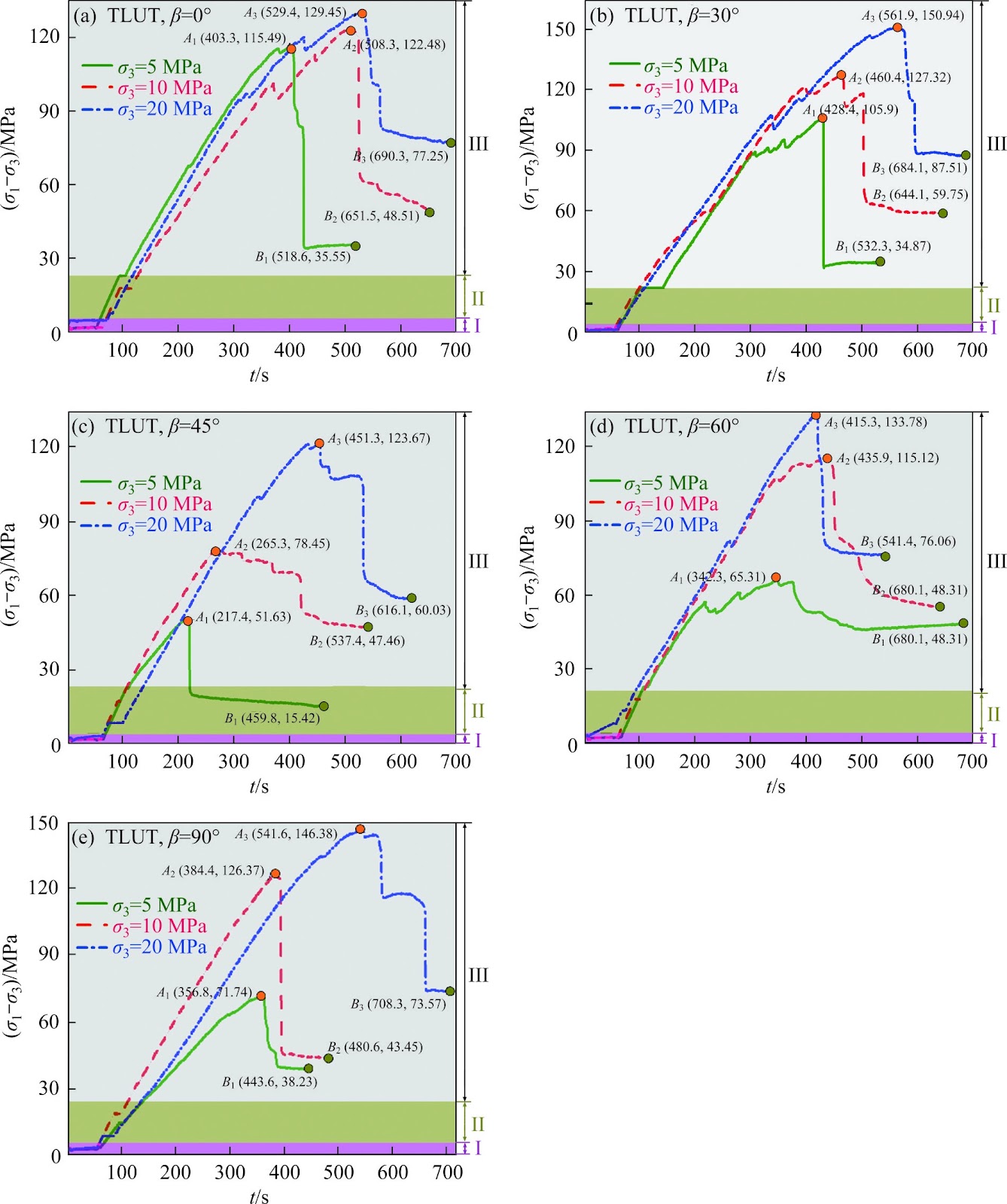
Rock residual strength, as an important input parameter, plays an indispensable role in proposing the reasonable and scientific scheme about stope design, underground tunnel excavation and stability evaluation of deep chambers. Therefore, previous residual strength models of rocks established were reviewed. And corresponding related problems were stated. Subsequently, starting from the effects of bedding and whole life-cycle evolution process, series of triaxial mechanical tests of deep bedded s
Federated model with contrastive learning and adaptive control variates for human activity recognition
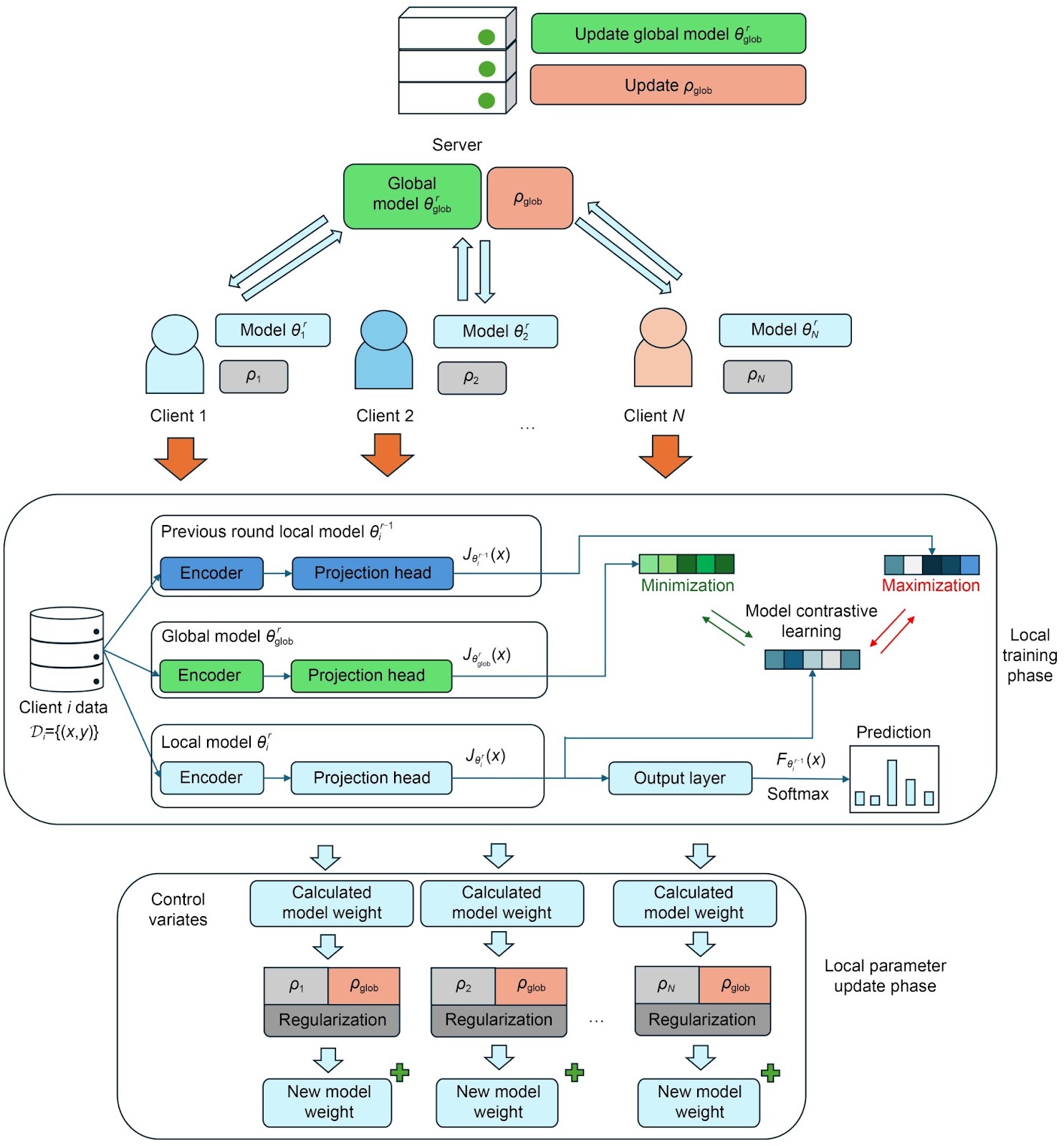
Recent attention to privacy issues demands a communication-safe method for training human activity recognition (HAR) models on client activity data. Federated learning (FL) has become a compelling technique to facilitate model training between the server and clients while preserving data privacy. However, classical FL methods often assume independent and identically distributed (IID) data among clients. This assumption does not hold true in practical scenarios. Human activity in real-world scena