Key Takeaways & Executive Findings
- •• GO-PDMAEMA nanocomposites synthesized via ATRP show high Cr(VI) adsorption capacity up to 164.4 mg·g−1. • Adsorption follows pseudo-second-order kinetics and is controlled by both surface adsorption and intraparticle diffusion. • The adsorbents retain over 85% capacity after five adsorption-desorption cycles, indicating good reusability. • Electrostatic interactions between protonated nitrogen groups and Cr(VI) anions drive the efficient removal.
Abstract
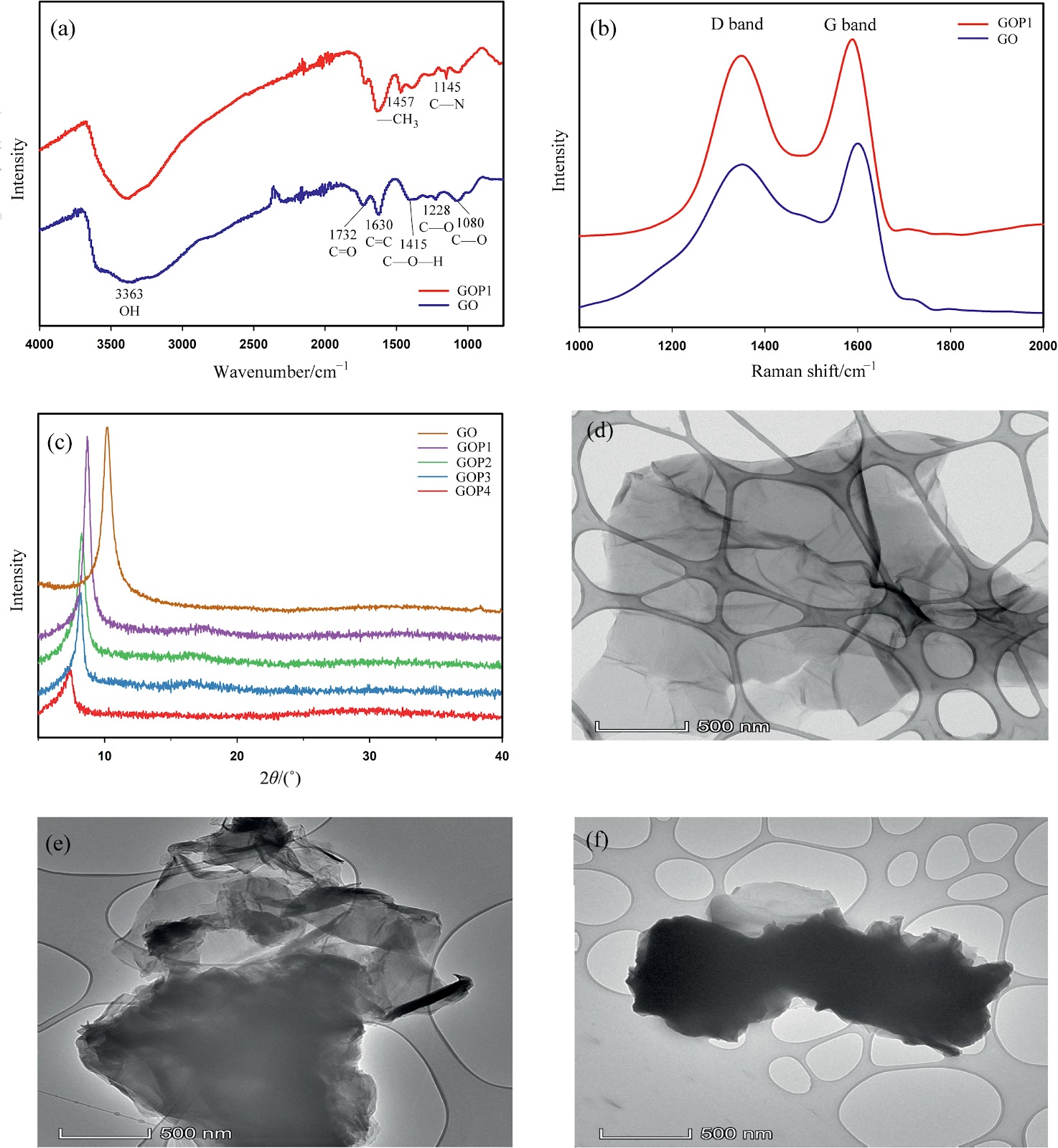
Confronting the severe health threats and environmental impacts of Cr(VI) in aquatic environments demands innovative and effective remediation approaches. In this study, Graphene oxide (GO)-decorated poly(dimethyl amino ethyl methacrylate) (PDMAEMA) brush nanocomposites (GOP1, GOP2, GOP3, and GOP4) were fabricated using atom transfer radical polymerization (ATRP) by the “graft from” method. The resulting nanocomposites were utilized for removing Cr(VI) with good adsorption performance due to the electrostatic interaction of protonated nitrogen groups in the brush chains with negatively charged particles in the solution. The kinetic model of pseudo-second-order best represented the contaminants' adsorption characteristics. The Weber–Morris model further indicated that surface adsorption and intraparticle diffusion mechanisms primarily controlled the adsorption procedure. Additionally, the Langmuir and Temkin isotherm models were found to most accurately represent the adsorption characteristics of the pollutants on the nanocomposites, and GOP4 can achieve the maximum adsorption capacity of 164.4 mg·g−1. The adsorbents' capacity maintains above 85% after five cycles of adsorption-desorption. The nanocomposites in this study demonstrate promising potential for eliminating Cr(VI) from aqueous solutions.
1. Introduction
Potable water quality has deteriorated in recent years due to rapid advancements in urbanization and industrialization, increasing population numbers, excessive utilization of natural water resources, and various anthropogenic influences exerted by human activities [1]. Heavy metals are one type of water-soluble pollutant adversely affecting human health, aquatic ecosystems, and the environment [2], and the primary heavy metal commonly present in wastewater is the chromium (Cr) ion [3] with two stable oxidation states, Cr(III) and Cr(VI); the latter is much more toxic [4]. Due to the presence of Cr ion in various industrial wastewater, such as the ceramics industry and steel fabrication, and its carcinogenic nature, which can lead to various health issues [5], the removal of Cr from wastewater is worth investigating. Based on the World Health Organization (WHO) announcement, the maximum allowable concentration of Cr(VI) for inland surface water and drinking water is 100 and 50 mg·L−1, respectively [3].
Various treatment techniques have been explored for removing Cr(VI) from wastewater with their disadvantages besides the benefits. For example, membrane filtration is expensive compared to other methods, but the efficiency is better than most. Another example is coagulation, which is affordable but requires many chemicals or the ion exchange method, which is easy to operate with high efficiency but has fouling and concentrate disposal issues [5,6]. Adsorption is one of the main techniques due to its convenience, flexibility in design and operation, cost-effectiveness, simplicity, and high efficiency [7]. Various types of adsorbents containing carbon [8], polymer [9], metallic [10], and mineral-based [11] composites have been used to remove pollutants. Graphene oxide (GO), a monolayer arrangement of carbon atoms with distinct physical and chemical properties, such as abundant oxygenous functional groups and large surface area, is a suitable precursor in designing the adsorbents made for Cr(VI) remediation. Various additives have been introduced to enhance the adsorption capabilities. Freire et al. [12] enhanced the relative adsorption of Cr(VI) in solutions containing multiple elements by modification of the magnetite and GO composite with amino groups (MAG-GO1-NH2). The adsorption capacity of 0.574 mmol·g−1 was obtained due to the −NH3+ groups' presence and easy binding with anionic Cr(VI) ions. In general, polymers with nitrogen-containing functional groups exhibit significant potential as contributors to selective Cr(VI) adsorption. This is attributed to the presence of lone pair electrons on nitrogen atoms, allowing them to accept protons and convert them into positively charged groups when exposed to an acidic environment. This enables electrostatic interaction with Cr(VI) anionic species. Notable GO-based adsorbents with nitrogen-containing groups have been reported, but further development is needed to enhance adsorption capacity and reusability.
Loading authentic research manuscript (Pages 1–5)...
Alireza Nouri, Siew Fen Chua, Ebrahim Mahmoudi, Abdul Wahab Mohammad, Wei Lun Ang (2025). Fabrication of graphene oxide decorated with poly(dimethyl amino ethyl methacrylate) brush for efficient Cr(VI) adsorption from aqueous solution. Chinese Journal of Chemical Engineering. https://doi.org/10.1016/j_cjche_144878852
Research & Educational Purpose Only:The translations, structured abstracts, analytical annotations, and data reports provided by SinoTechIntel are intended exclusively for academic research, internal corporate R&D, and educational benchmarking. They do not constitute formal engineering, chemical safety, legal, or professional advice.
Copyright & Intellectual Property Notice: Original copyright of the underlying source articles and experimental data remains with the respective authors, institutions, and original publishing journals. SinoTechIntel claims intellectual property only over its proprietary translations, analytical syntheses, and AEO structured enhancements in accordance with international fair use and academic citation principles.
Frequently Asked Questions
What is the maximum adsorption capacity of the GO-PDMAEMA nanocomposites for Cr(VI)?
The GOP4 nanocomposite achieved a maximum adsorption capacity of 164.4 mg·g−1 for Cr(VI) removal from aqueous solutions.
What is the mechanism of Cr(VI) adsorption onto the GO-PDMAEMA nanocomposites?
The adsorption is primarily driven by electrostatic interactions between protonated nitrogen groups (from PDMAEMA) and negatively charged Cr(VI) species. Kinetic and isotherm studies suggest that both surface adsorption and intraparticle diffusion control the process.
How were the GO-PDMAEMA nanocomposites synthesized?
The nanocomposites were fabricated using atom transfer radical polymerization (ATRP) via the 'graft from' method, resulting in PDMAEMA brushes covalently attached to graphene oxide sheets.
Are the GO-PDMAEMA nanocomposites reusable for Cr(VI) removal?
Yes, the adsorbents retained over 85% of their adsorption capacity after five consecutive adsorption-desorption cycles, indicating good reusability and stability.
What is the significance of using PDMAEMA brushes on graphene oxide for Cr(VI) adsorption?
The PDMAEMA brushes provide abundant nitrogen-containing functional groups that become protonated under acidic conditions, enhancing electrostatic attraction to Cr(VI) anions. This modification significantly improves the adsorption capacity and selectivity compared to unmodified GO.
Related Technical Papers & Translations
Design and optimization of a high-efficiency distillation process for cellulosic fuel ethanol integrated with thermal coupling and molecular sieve adsorption
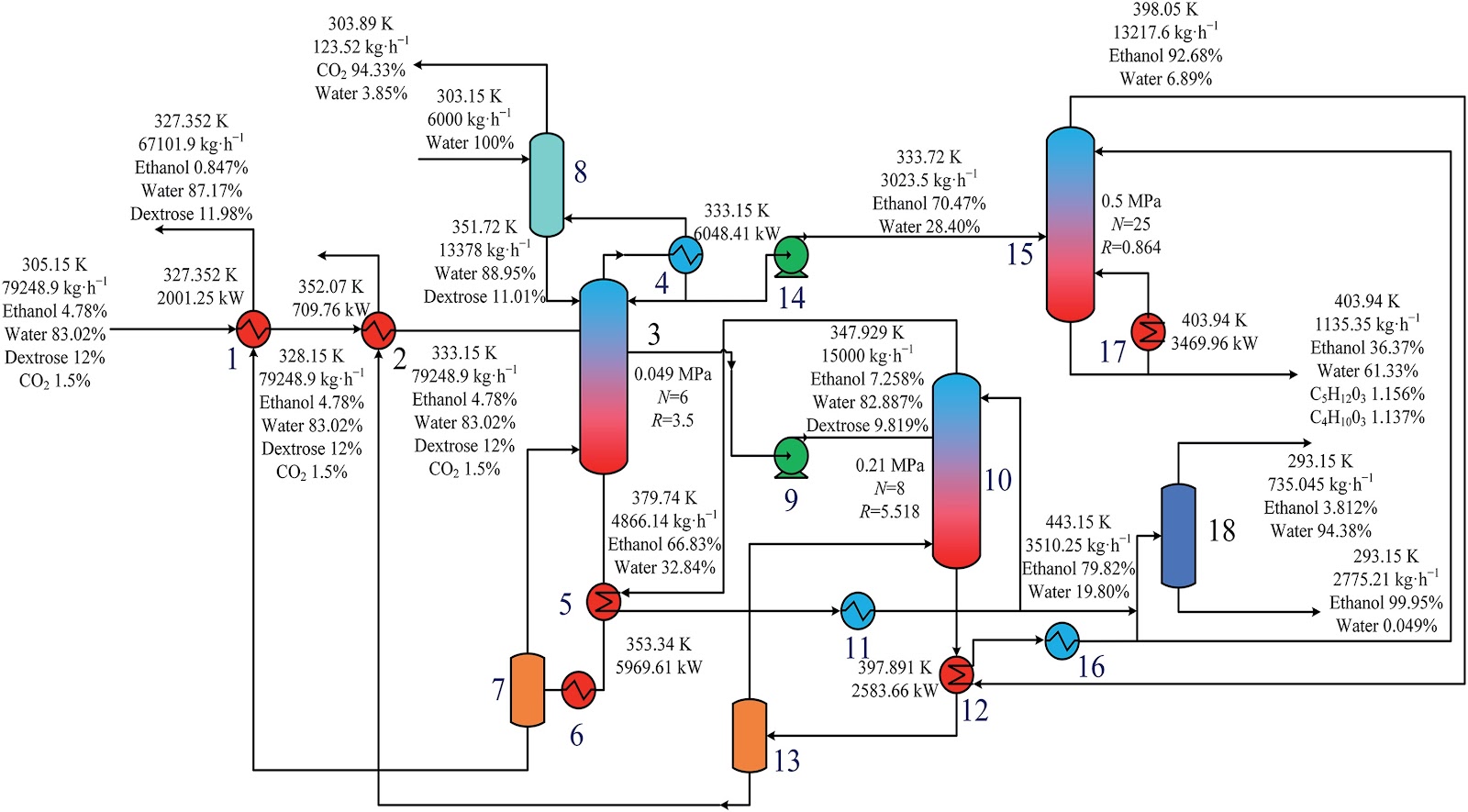
To address the challenges of high energy consumption and prominent costs in the traditional three-columns distillation process for cellulosic fuel ethanol, a distillation—molecular sieve coupling separation process is proposed. This process integrates a three-column (crude distillation column, first distillation column, second distillation column) system with a 3A molecular sieve adsorption deep dehydration unit. A thermal coupling network is constructed via differential pressure design (steam from medium/high-pressure columns as mutual heat sources, reboiler liquid waste heat for feed preheating), and molecular sieve adsorption conditions are optimized. The study first performs a thermodynamic consistency test on the ethanol—water system, determines optimal non-random two-liquid (NRTL) model binary interaction parameters via experimental data regression for Aspen Plus simulation. Aiming at minimum total annual cost (TAC), Aspen Plus is used to optimize process parameters (theoretical tray number, feed location, reflux ratio, side-draw position, etc.). Economic analysis shows this process reduces CO2 emission costs by 27.56%, TAC by 15.58% (to 5.123 × 10⁶ USD·a-1), and increases ethanol purity to >99.6%, providing an effective solution for green, efficient separation.
A cohesion loss model for determining residual strength of deep bedded sandstone
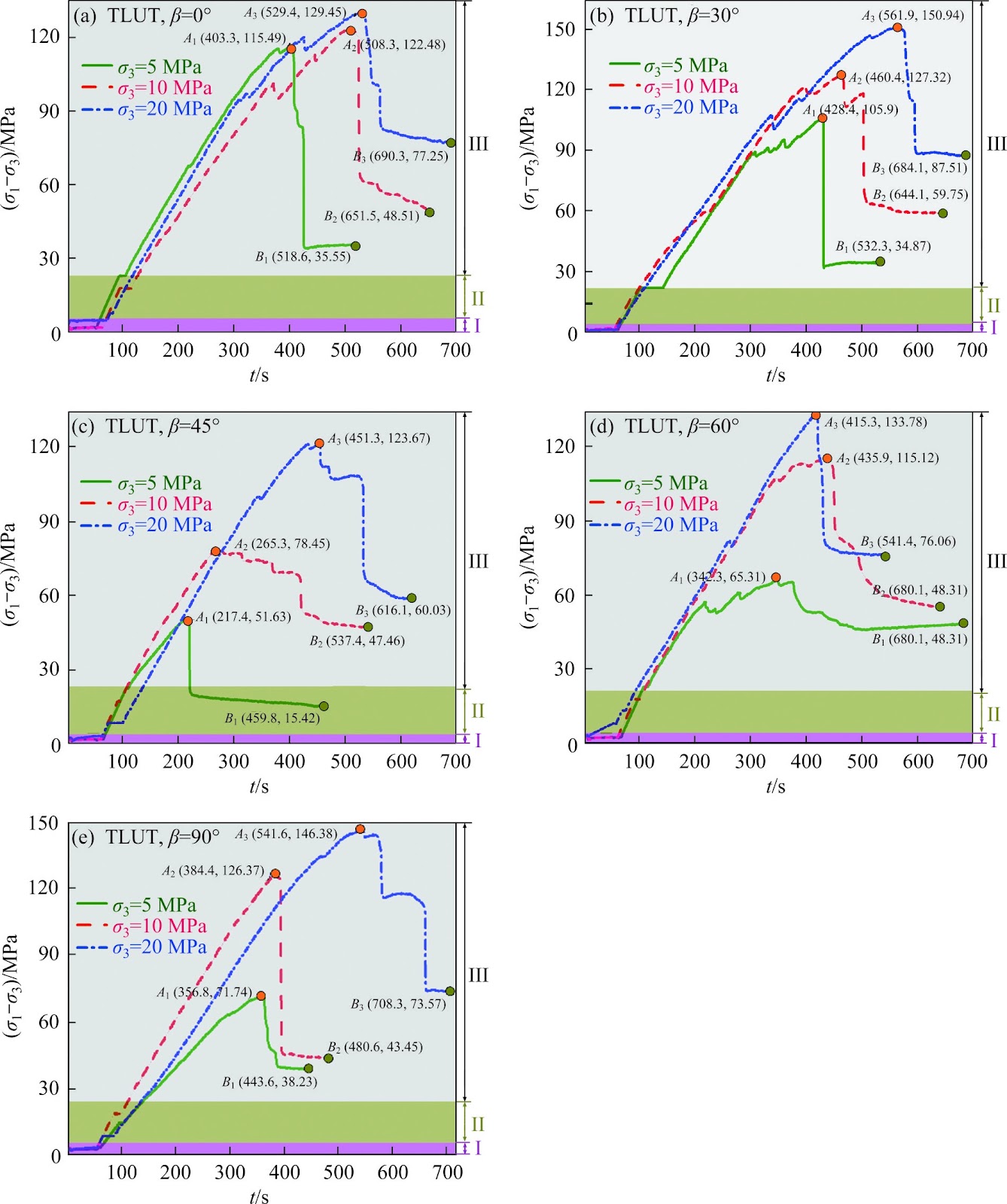
Rock residual strength, as an important input parameter, plays an indispensable role in proposing the reasonable and scientific scheme about stope design, underground tunnel excavation and stability evaluation of deep chambers. Therefore, previous residual strength models of rocks established were reviewed. And corresponding related problems were stated. Subsequently, starting from the effects of bedding and whole life-cycle evolution process, series of triaxial mechanical tests of deep bedded s
Federated model with contrastive learning and adaptive control variates for human activity recognition
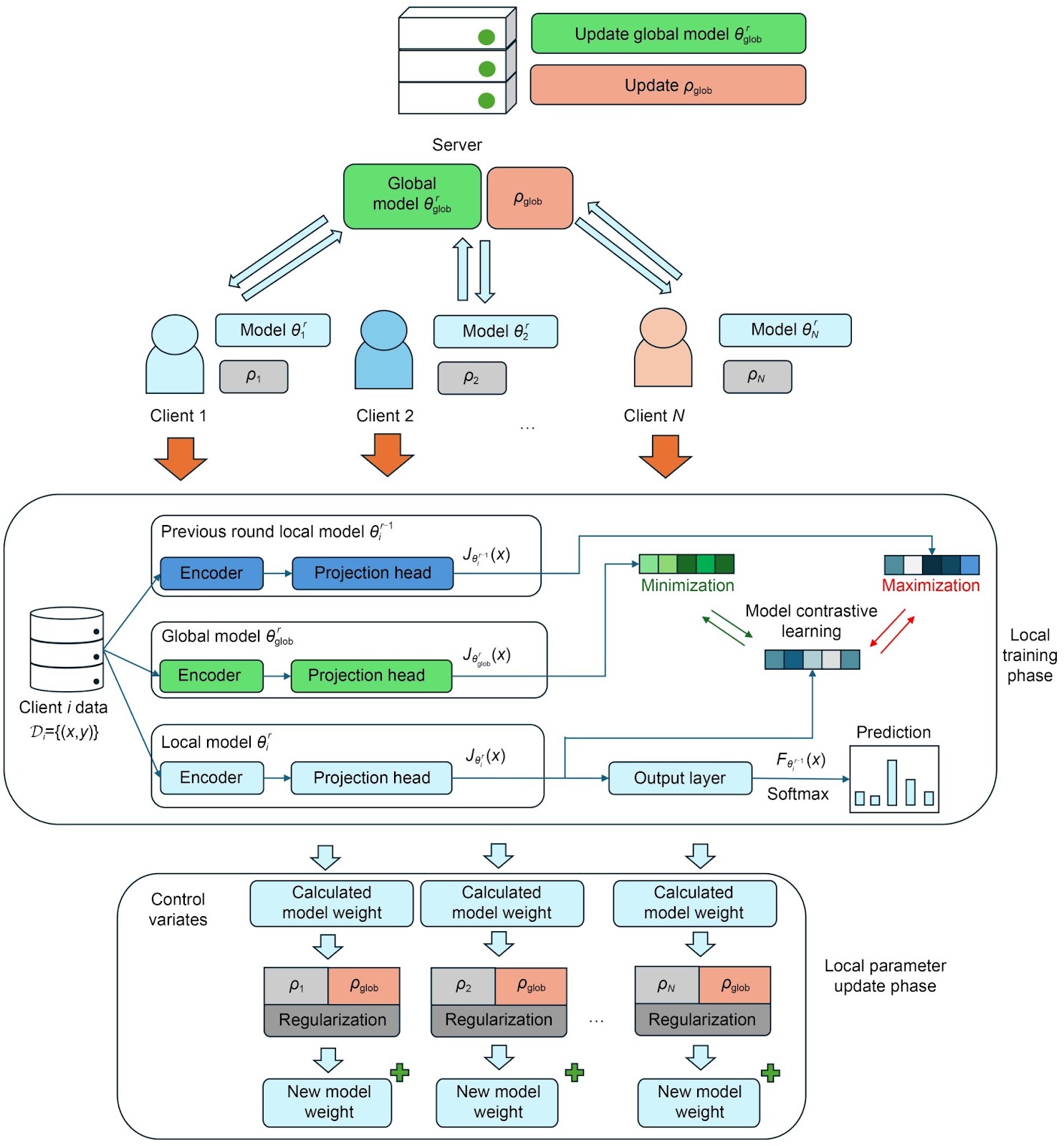
Recent attention to privacy issues demands a communication-safe method for training human activity recognition (HAR) models on client activity data. Federated learning (FL) has become a compelling technique to facilitate model training between the server and clients while preserving data privacy. However, classical FL methods often assume independent and identically distributed (IID) data among clients. This assumption does not hold true in practical scenarios. Human activity in real-world scena