Key Takeaways & Executive Findings
- •• A novel variable pressure extractive distillation process with multi-objective optimization (NSGA-II) effectively separates the ternary azeotrope of tert-butyl alcohol/ethyl acetate/water. • Heat integration and heat pump assistance significantly reduce energy consumption and gas emissions, with the double heat pump scheme achieving a 55.83% reduction in gas emissions and 28.78% lower total annual cost. • The heat-integrated extractive distillation coupled with pervaporation achieves the highest exergy efficiency of 47.56%, demonstrating superior thermodynamic performance. • The study provides a feasible and sustainable approach for industrial separation of ternary azeotropes, balancing economic and environmental objectives.
Abstract
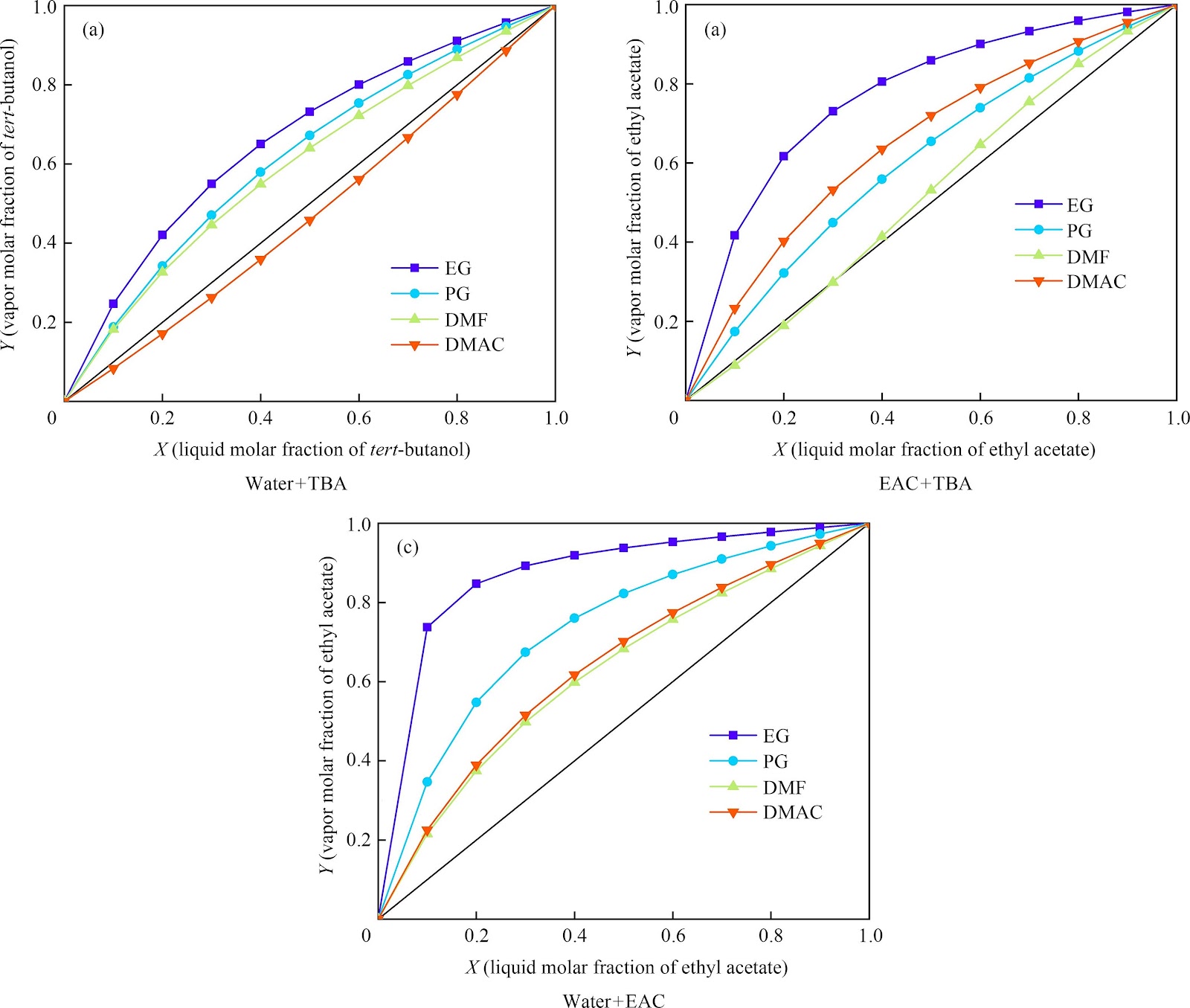
In this work, the ternary azeotrope of tert-butyl alcohol/ethyl acetate/water is separated by extractive distillation (ED) to recover the available constituents and protect the environment. Based on the conductor like shielding model and relative volatility method, ethylene glycol was selected as the extractant in the separation process. In addition, in view of the characteristic that the relative volatility between components changes with pressure, the multi-objective optimization method based on nondominated sorting genetic algorithm II optimizes the pressure and the amount of solvent cooperatively to avoid falling into the optimal local solution. Based on the optimal process parameters, the proposed heat-integrated process can reduce the gas emissions by 29.30%. The heat-integrated ED, further coupled with the pervaporation process, can reduce gas emission by 42.36% and has the highest exergy efficiency of 47.56%. In addition, based on the heat-integrated process, the proposed two heat pump assisted heat-integrated ED processes show good economic and environmental performance. The double heat pump assisted heat-integrated ED can reduce the total annual cost by 28.78% and the gas emissions by 55.83% compared with the basis process, which has a good application prospect. This work provides a feasible approach for the separation of ternary azeotropes.
1. Introduction
Organic wastewater containing tert-butyl alcohol (TBA) and ethyl acetate (EAC) produced in the chemical and pharmaceutical industries must be recycled. As a fuel additive, TBA can prevent the carburetor from icing and improve gasoline octane value. Separation of azeotropes can reduce the waste of resources and enable further utilization of pure components [1]. Nevertheless, organic wastewater containing TBA and EAC cannot be effectively separated by conventional methods. It requires special technical separation [2].
It can be seen from the literature that extractive distillation (ED) is an effective method for separating ternary azeotropes [3]. Lo et al. [4] studied two processes in separating the TBA and water azeotrope, the total annual cost (TAC) of ED with glycerol as the solvent can be reduced by 43.70% compared with the heterogeneous azeotropic distillation and then feed preheater was added to the ED to reduce the TAC by 11.70%. Zhao et al. [5] compared the separation performance of heterogeneous azeotropic and ED when separating the ternary azeotropes of toluene/ethanol/water. The results showed that ED could reduce the TAC and energy consumption by 39.30% and 18.80%.
Pressure swing distillation is currently widely concerned in separating multiple azeotropes [6]. The two pressure swing distillation sequences designed by Akinciturk et al. [7] can realize the effective separation of acetone/methanol/hexane. The proposed whole plant-controlled structure showed good performance under flow perturbation. Zhang et al. [8] explored the process performance of pressure swing distillation for separating butanone/isopropanol/n-heptane. The two heat-integrated schemes adopted in the basis process can reduce TAC by 11.89% and 39.97%, respectively. In addition, the dynamic control strategy proposed can maintain stability under 20.00% feed disturbance.
Loading authentic research manuscript (Pages 1–5)...
Peizhe Cui, Jiafu Xing, Chen Li, Mengjin Zhou, Jifu Zhang, Yasen Dai, Limei Zhong, Yinglong Wang (2023). Environmental, economic and exergy analysis of separation of ternary azeotrope by variable pressure extractive distillation based on multi-objective optimization. Chinese Journal of Chemical Engineering. https://doi.org/10.1016/j_cjche_144875803
Research & Educational Purpose Only:The translations, structured abstracts, analytical annotations, and data reports provided by SinoTechIntel are intended exclusively for academic research, internal corporate R&D, and educational benchmarking. They do not constitute formal engineering, chemical safety, legal, or professional advice.
Copyright & Intellectual Property Notice: Original copyright of the underlying source articles and experimental data remains with the respective authors, institutions, and original publishing journals. SinoTechIntel claims intellectual property only over its proprietary translations, analytical syntheses, and AEO structured enhancements in accordance with international fair use and academic citation principles.
Frequently Asked Questions
What is the main objective of this study?
The main objective is to separate the ternary azeotrope of tert-butyl alcohol/ethyl acetate/water using extractive distillation, with a focus on optimizing process parameters to achieve economic and environmental benefits.
How does the multi-objective optimization improve the separation process?
The multi-objective optimization based on NSGA-II cooperatively optimizes pressure and solvent amount, avoiding local optimal solutions and leading to improved process performance in terms of cost and emissions.
What are the key performance improvements reported?
The heat-integrated process reduces gas emissions by 29.30%, and when coupled with pervaporation, achieves a 42.36% reduction and the highest exergy efficiency of 47.56%. The double heat pump assisted process reduces total annual cost by 28.78% and gas emissions by 55.83% compared to the basis process.
Why is exergy analysis important in this study?
Exergy analysis evaluates the thermodynamic efficiency of the separation processes, identifying where energy losses occur and guiding improvements to enhance overall sustainability.
What is the practical significance of this research?
The research provides a feasible and sustainable approach for industrial separation of ternary azeotropes, offering significant reductions in energy consumption, costs, and environmental impact, which is valuable for chemical and pharmaceutical industries.
Related Technical Papers & Translations
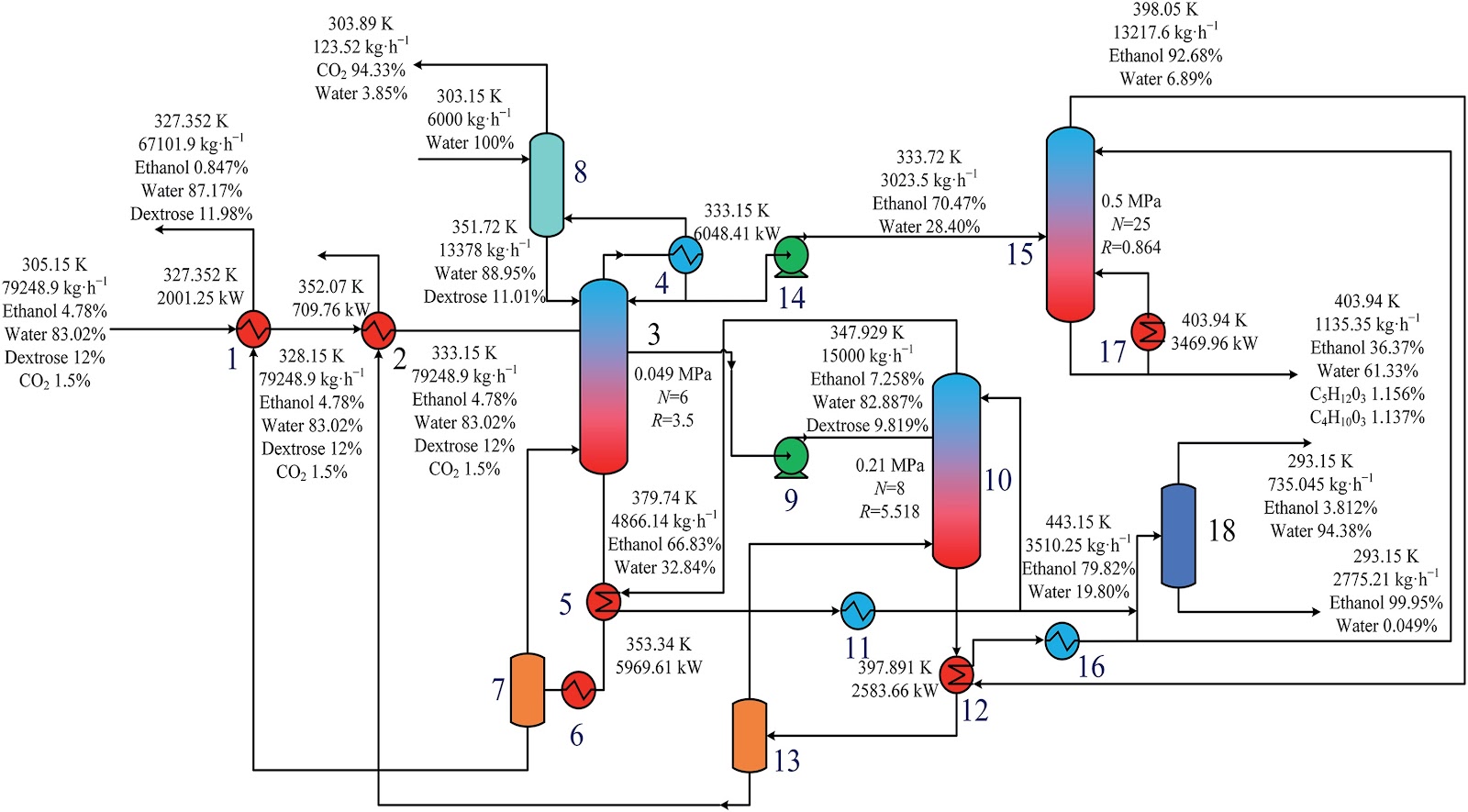
Design and optimization of a high-efficiency distillation process for cellulosic fuel ethanol integrated with thermal coupling and molecular sieve adsorption
To address the challenges of high energy consumption and prominent costs in the traditional three-columns distillation process for cellulosic fuel ethanol, a distillation—molecular sieve coupling separation process is proposed. This process integrates a three-column (crude distillation column, first distillation column, second distillation column) system with a 3A molecular sieve adsorption deep dehydration unit. A thermal coupling network is constructed via differential pressure design (steam from medium/high-pressure columns as mutual heat sources, reboiler liquid waste heat for feed preheating), and molecular sieve adsorption conditions are optimized. The study first performs a thermodynamic consistency test on the ethanol—water system, determines optimal non-random two-liquid (NRTL) model binary interaction parameters via experimental data regression for Aspen Plus simulation. Aiming at minimum total annual cost (TAC), Aspen Plus is used to optimize process parameters (theoretical tray number, feed location, reflux ratio, side-draw position, etc.). Economic analysis shows this process reduces CO2 emission costs by 27.56%, TAC by 15.58% (to 5.123 × 10⁶ USD·a-1), and increases ethanol purity to >99.6%, providing an effective solution for green, efficient separation.
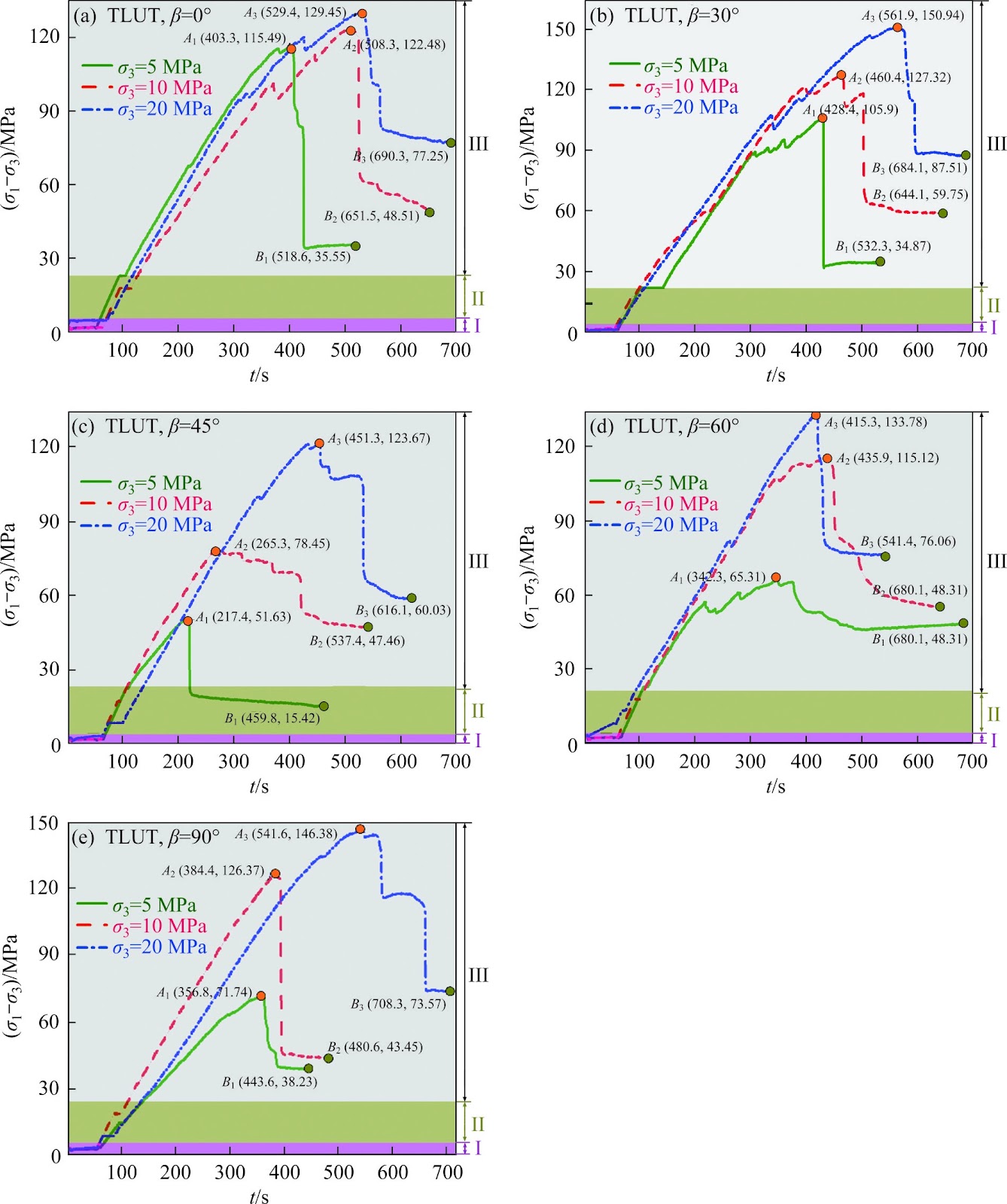
A cohesion loss model for determining residual strength of deep bedded sandstone
Rock residual strength, as an important input parameter, plays an indispensable role in proposing the reasonable and scientific scheme about stope design, underground tunnel excavation and stability evaluation of deep chambers. Therefore, previous residual strength models of rocks established were reviewed. And corresponding related problems were stated. Subsequently, starting from the effects of bedding and whole life-cycle evolution process, series of triaxial mechanical tests of deep bedded s
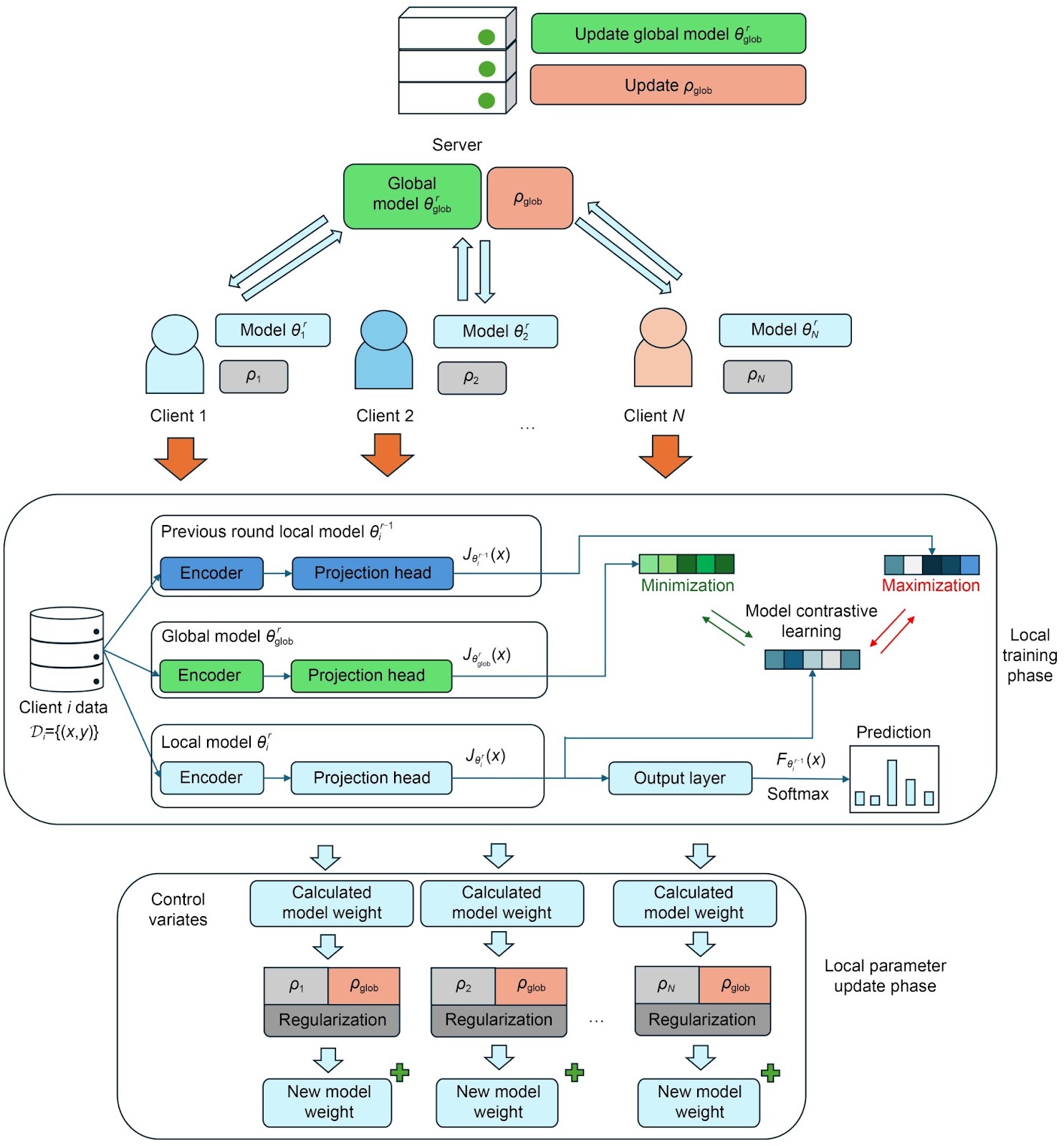
Federated model with contrastive learning and adaptive control variates for human activity recognition
Recent attention to privacy issues demands a communication-safe method for training human activity recognition (HAR) models on client activity data. Federated learning (FL) has become a compelling technique to facilitate model training between the server and clients while preserving data privacy. However, classical FL methods often assume independent and identically distributed (IID) data among clients. This assumption does not hold true in practical scenarios. Human activity in real-world scena