Key Takeaways & Executive Findings
- •• A CTAB-modified Cu-MOF catalyst was designed to enhance mass transfer in multiphase C–S coupling reactions by increasing substrate adsorption via long alkane chains. • Elemental sulfur was employed as a sustainable, odorless sulfur source, replacing unpleasant and unstable organosulfur reagents, achieving an atom-economical multicomponent reaction. • The study addresses key limitations of Cu-MOF catalysts, including mass-transfer resistance and the instability of organosulfur compounds, advancing the practicality of multiphase catalysis. • The work demonstrates a promising strategy for designing efficient and recyclable copper-based heterogeneous catalysts for C–S bond formation, with potential applications in pharmaceutical and agrochemical synthesis.
Abstract
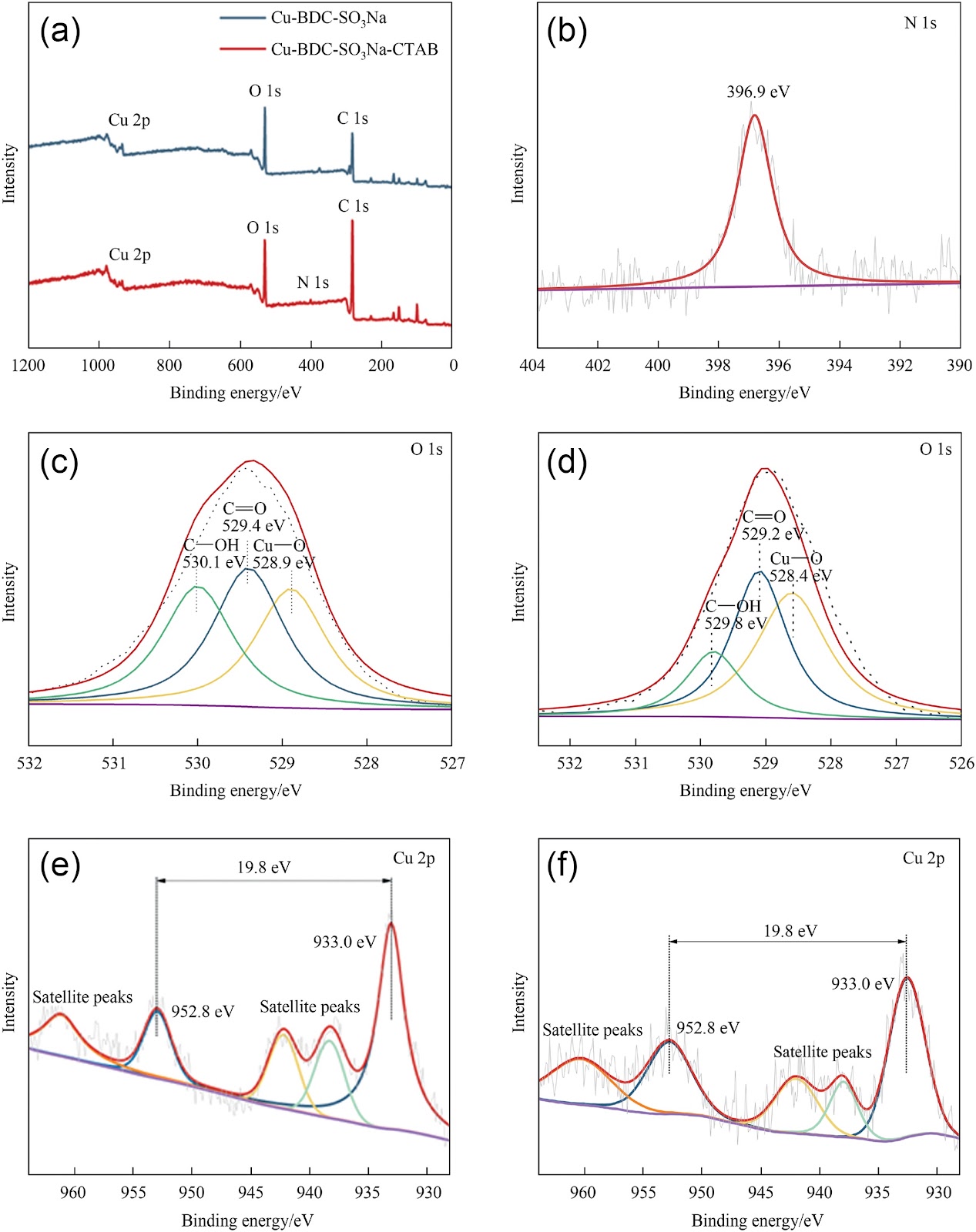
Copper-based metal-organic frameworks (Cu-MOFs) are a promising multiphase catalyst for catalyzing C–S coupling reactions by virtue of their diverse structures and functions. However, the unpleasant odor and instability of the organosulfur, as well as the mass-transfer resistance that exists in multiphase catalysis, have often limited the catalytic application of Cu-MOFs in C–S coupling reactions. In this paper, a Cu-MOFs catalyst modified by cetyltrimethylammonium bromide (CTAB) was designed to enhance mass transfer by increasing the adsorption of organic substrates using the long alkanes of CTAB. Concurrently, elemental sulfur was used to replace organosulfur to achieve a highly efficient and atom-economical multicomponent C–S coupling reaction.
1. Introduction
Thioethers, as important intermediates in organic and drug synthesis, are extensively used in the manufacture of various chemicals, such as polymeric materials, pharmaceuticals, and agrochemicals [1,2]. Accordingly, the C–S coupling reaction, which is one of the significant ways to construct thioether compounds, has turned into a major research topic in synthetic chemistry recently [3]. In the research of constructing C–S bonds, homogeneous transition-metal catalysts have made significant contributions, especially copper-based catalysts, which are notable for their rich redox chemistry and cost-effectiveness [4]. Over the past few years, numerous efforts have been dedicated to exploring copper-catalyzed C–S coupling reactions. Examples include that Cu(OAc)2-catalyzed C3-sulfenylation of indoles with sulfur powder and aryl iodides have exhibited superior yields [5]. Similarly, Cu(CO2CF3)2 provided high catalytic activity in the Chan–Lam-type C–S coupling reaction with aryl sodium sulfite as the substrate [3]. However, copper-based catalysts also inevitably suffer from the common problems of homogeneous catalysts, including difficulties in separation and recycling [6]. Multiphase catalysts are more stable than homogeneous catalysts and are easier to recycle and reuse, thus the conversion of copper-based homogeneous catalysts to multiphase catalysts is a promising approach for the sustainable development of C–S coupling reactions [7,8].
The distinctive composition and structure of metal-organic frameworks (MOFs) make them stand out among many multiphase catalysts [9–11]. MOFs, consisting of metal-containing nodes connected by organic linkers, are novel nanomaterials that have undergone rapid development in the recent decades [12–17]. The metals located at the nodes of the MOF structure have free coordination sites after the thermal removal of aqueous ligands, without significant structural change. Additionally, the shapes and sizes of MOFs are adjustable according to design, providing size-selective catalysis [18–22]. Leveraging these unique advantages, the Cu-based MOFs have captured widespread attention in the enclosure of catalyzing C–S coupling reactions [23]. For instance, Phan et al. [24] synthesized a copper-based framework, Cu2(OBA)2(BPY), to catalyze the direct C–S coupling reaction of sodium sulfinates and oxime acetates. The results showed that the catalytic activity of the Cu-based MOF surpassed a series of conventional copper-based homogeneous catalysts, yielding β-sulfonylvinylamines at rates as high as 87%. In addition, Wang et al. [25] reported a PCN-60 metal-organic skeleton prepared from a copper compound and 1,3,5-triazine-2,4,6-triyl tribenzoate (H3TATB) ligand, exhibiting excellent catalytic performance in catalyzing the reaction of disulfide with aryl iodide and sulfonyl chloride to form sulfonyl diphenylsulfides. However, the copper-based MOF-catalyzed C–S coupling reactions mentioned earlier primarily rely on organosulfur agents, whose unpleasant odor and structural instability limit the advancement of C–S coupling reactions [26–29]. Furthermore, as a multiphase catalyst, the catalytic activity of Cu-based MOFs is also constrained by the mass transfer of reactants and products [30]. Therefore, selecting a suitable sulfur source and improving the mass transfer of reactants and products are key considerations in multiphase catalytic C–S coupling reactions.
Loading authentic research manuscript (Pages 1–5)...
Lixin Chen, Hui Zhang, Linxi Hou, Xin Ge (2023). Metal-organic-framework-derived copper-based catalyst for multicomponent C–S coupling reaction. Chinese Journal of Chemical Engineering. https://doi.org/10.1016/j_cjche_144878040
Research & Educational Purpose Only:The translations, structured abstracts, analytical annotations, and data reports provided by SinoTechIntel are intended exclusively for academic research, internal corporate R&D, and educational benchmarking. They do not constitute formal engineering, chemical safety, legal, or professional advice.
Copyright & Intellectual Property Notice: Original copyright of the underlying source articles and experimental data remains with the respective authors, institutions, and original publishing journals. SinoTechIntel claims intellectual property only over its proprietary translations, analytical syntheses, and AEO structured enhancements in accordance with international fair use and academic citation principles.
Frequently Asked Questions
What is the main innovation of this study?
The study introduces a CTAB-modified Cu-MOF catalyst that enhances mass transfer in multiphase C–S coupling reactions by increasing substrate adsorption, and uses elemental sulfur as a sustainable sulfur source to replace unpleasant organosulfur reagents.
Why is elemental sulfur used instead of organosulfur compounds?
Elemental sulfur is odorless, abundant, and stable, overcoming the unpleasant odor and instability of organosulfur agents, while also providing an atom-economical approach to C–S coupling reactions.
How does CTAB modification improve the catalytic performance?
CTAB's long alkane chains increase the adsorption of organic substrates onto the Cu-MOF surface, thereby reducing mass-transfer resistance and enhancing the overall catalytic efficiency in the multiphase reaction.
What are the advantages of using Cu-MOFs as multiphase catalysts?
Cu-MOFs offer high surface area, tunable porosity, and recyclability, making them more stable and easier to separate and reuse compared to homogeneous copper catalysts, which aligns with sustainable development goals.
What is the potential application of this research?
The developed catalyst system can be applied in the synthesis of thioethers, which are important intermediates in pharmaceuticals, agrochemicals, and polymeric materials, offering a greener and more efficient route for C–S bond formation.
Related Technical Papers & Translations
Design and optimization of a high-efficiency distillation process for cellulosic fuel ethanol integrated with thermal coupling and molecular sieve adsorption
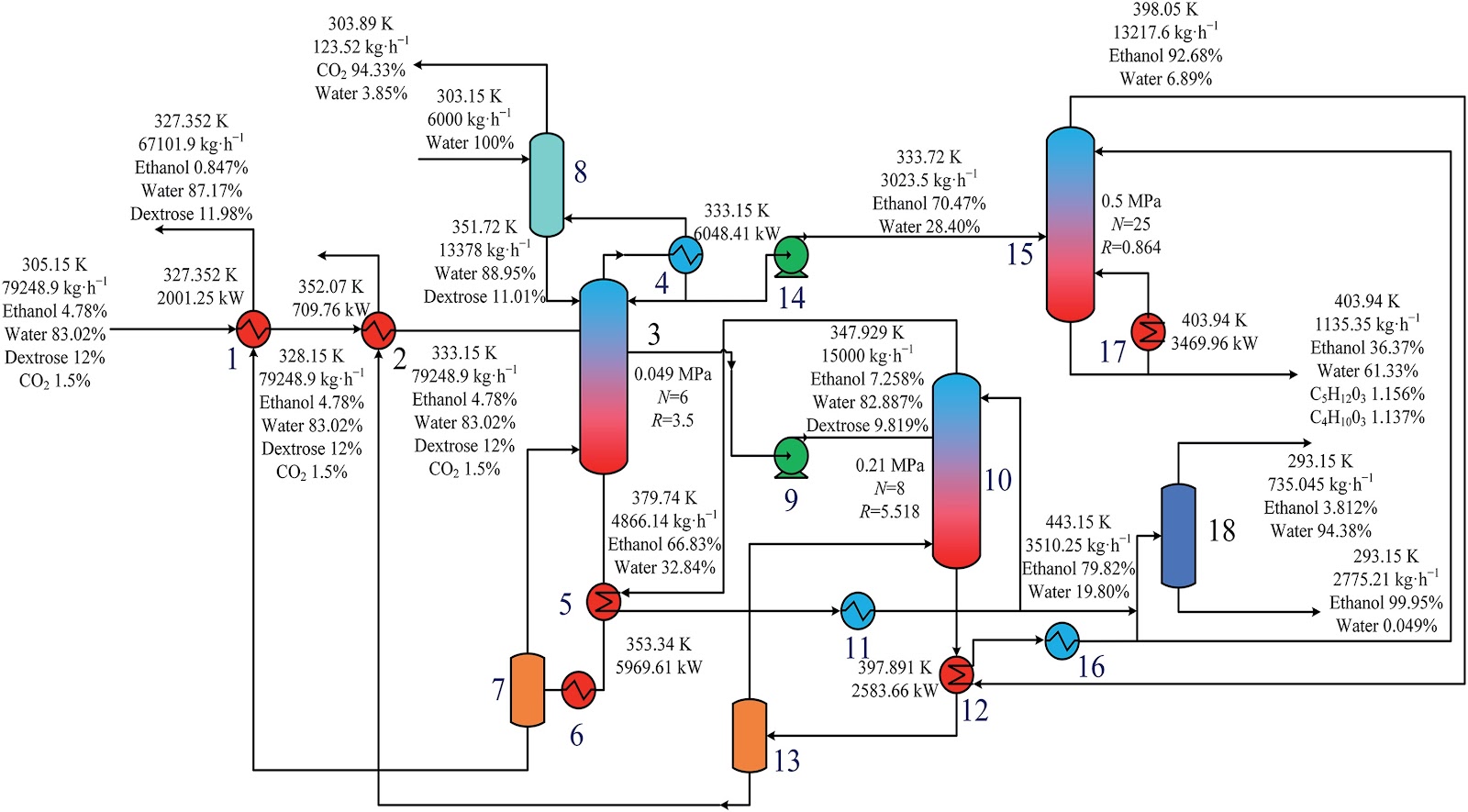
To address the challenges of high energy consumption and prominent costs in the traditional three-columns distillation process for cellulosic fuel ethanol, a distillation—molecular sieve coupling separation process is proposed. This process integrates a three-column (crude distillation column, first distillation column, second distillation column) system with a 3A molecular sieve adsorption deep dehydration unit. A thermal coupling network is constructed via differential pressure design (steam from medium/high-pressure columns as mutual heat sources, reboiler liquid waste heat for feed preheating), and molecular sieve adsorption conditions are optimized. The study first performs a thermodynamic consistency test on the ethanol—water system, determines optimal non-random two-liquid (NRTL) model binary interaction parameters via experimental data regression for Aspen Plus simulation. Aiming at minimum total annual cost (TAC), Aspen Plus is used to optimize process parameters (theoretical tray number, feed location, reflux ratio, side-draw position, etc.). Economic analysis shows this process reduces CO2 emission costs by 27.56%, TAC by 15.58% (to 5.123 × 10⁶ USD·a-1), and increases ethanol purity to >99.6%, providing an effective solution for green, efficient separation.
A cohesion loss model for determining residual strength of deep bedded sandstone
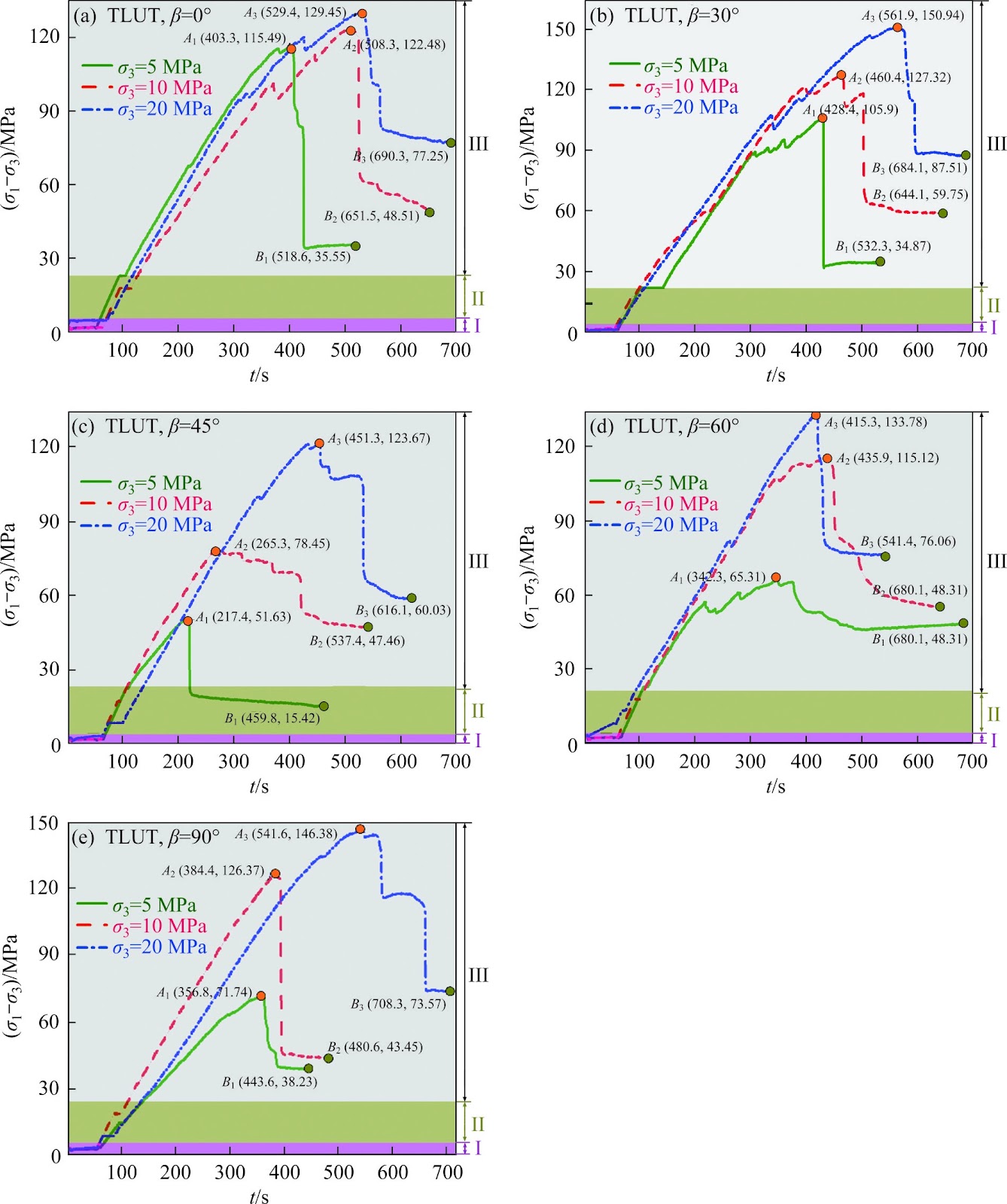
Rock residual strength, as an important input parameter, plays an indispensable role in proposing the reasonable and scientific scheme about stope design, underground tunnel excavation and stability evaluation of deep chambers. Therefore, previous residual strength models of rocks established were reviewed. And corresponding related problems were stated. Subsequently, starting from the effects of bedding and whole life-cycle evolution process, series of triaxial mechanical tests of deep bedded s
Federated model with contrastive learning and adaptive control variates for human activity recognition
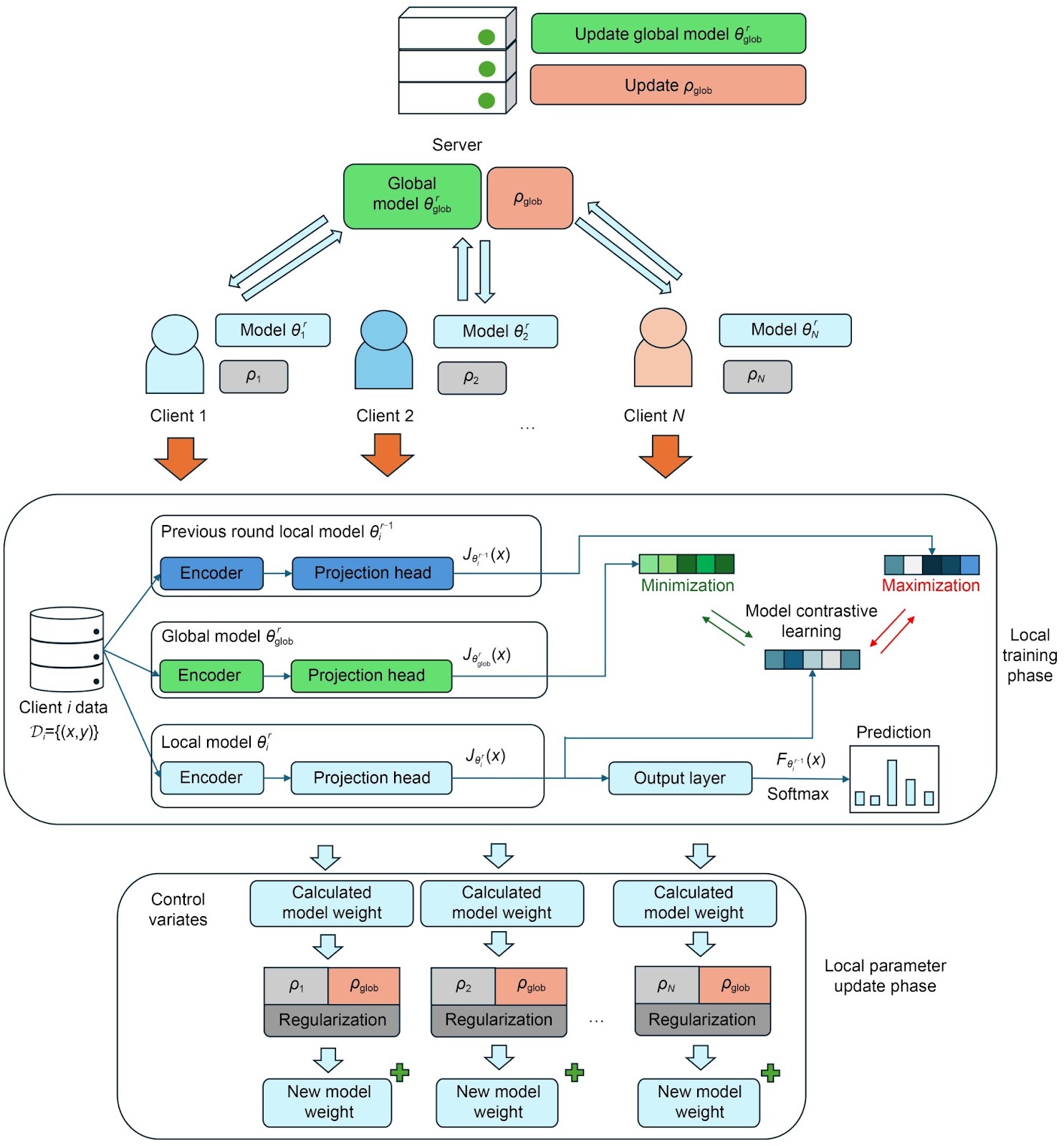
Recent attention to privacy issues demands a communication-safe method for training human activity recognition (HAR) models on client activity data. Federated learning (FL) has become a compelling technique to facilitate model training between the server and clients while preserving data privacy. However, classical FL methods often assume independent and identically distributed (IID) data among clients. This assumption does not hold true in practical scenarios. Human activity in real-world scena