Key Takeaways & Executive Findings
- •• Co addition to Ni/Mg-substituted hydroxyapatite forms Ni-Co alloys, enhancing metal-support interactions and Ni dispersion. • Optimal Co loading improves catalytic activity and stability in dry reforming of methane, while excess Co leads to metal agglomeration. • Co reduces graphitic carbon deposition, a key factor for improved catalyst stability. • The study provides insights for designing efficient Ni-based catalysts for DRM, contributing to carbon neutralization efforts.
Abstract
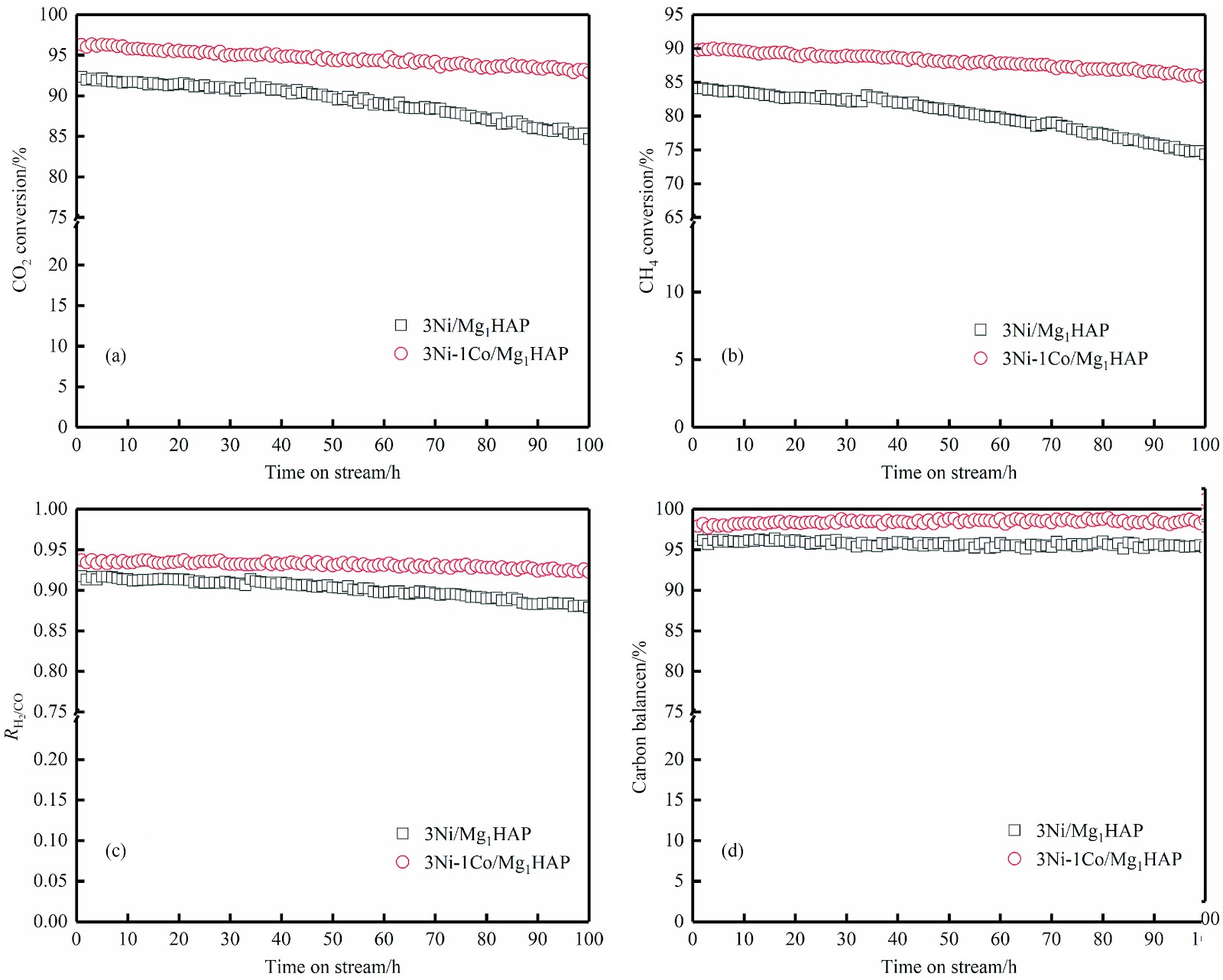
The dry reforming of methane (DRM) reaction can directly convert methane (CH4) and carbon dioxide (CO2) into syngas (H2+CO), which is a promising method for achieving carbon neutralization. In this study, a series of 3Ni-xCo/Mg1HAP alloy catalysts with different ratio were synthesized by the coprecipitation method, and the optimum Ni-Co ratio for the DRM reaction was studied. A series of characterization methods revealed that after Co was added, the formation of Ni-Co alloys increased the interactions between metals. However, an excess of Co inhibits the entry of Ni into the lattice of Mg1HAP, resulting in metal accumulation on the surface of the support. In addition, the introduction of Co improves the dispersion of Ni metal, which endows the catalyst with better catalytic activity and stability. Raman spectroscopy of the catalyst after the stability test showed that the addition of Co reduced the proportion of graphitic carbon, which was also the main reason for its improved stability.
1. Introduction
In recent years, the problem of global warming has attracted increasing amounts of attention, and methane and carbon dioxide, two greenhouse gases, are the main causes of global warming; moreover, carbon neutralization strategies have been widely implemented worldwide [1-7]. Dry reforming of methane is a very effective method. It directly uses carbon dioxide (CO2) and CH4, two greenhouse gases, and converts them into syngas (H2+CO) [8,9]. Syngas can be applied in the Fischer-Tropsch reaction (FTS) to produce methanol or other fuel resources, which can convert low-value-added chemicals into high-value-added chemicals [10,11].
Ni-based catalysts are considered to be the most practical potential dry reforming of methane (DRM) catalysts because they are less expensive and have the same catalytic activity as precious metals (Ir, Rh, Ru, Pt, and Pd) [12-17]. However, catalyst coking and active metal Ni sintering are the main challenges for the commercial application of Ni-based catalysts [18-20]. The sintering of metal Ni occurs mainly through the agglomeration of metal Ni into larger metal Ni particles under high-temperature reduction and high-temperature reaction conditions [21,22], while CH4 tends to decompose excessively on larger Ni particles (CH4 → C+4H*), resulting in carbon deposition [23-25]. Therefore, a useful way to solve the problems of carbon deposition and metal sintering is to reduce the size of metal nanoparticles and enhance the interaction between the metal and support [26,27]. A large number of published reports show that when the size of metal nanoparticles is less than a certain threshold, they can inhibit the nucleation of graphitized carbon and effectively prevent carbon deposition [28-30]. He et al. [31] prepared g-Al2O3-supported ultrafine Ni nanoparticle (3.7 nm) catalysts, which showed remarkable stability to CH4 and CO2 at 700 °C, and the CH4 conversion decreased by only 9.6 % after 20 h of reaction. Wang et al. [32] encapsulated bimetallic Ni nanoparticles (2.8 nm) in silicalite-2. They found that the reaction showed high resistance to carbon deposition even at 650 °C, where severe coking would occur. Metal sintering occurs due to the migration of metal nanoparticles, so it is highly important to enhance the interaction between the metal and support to improve the sintering resistance of metals. It has been proven that the alloying effect can induce stronger metal-support interactions in the reported literature. Because Ni and Co have similar electronic structures, it is very easy to form Ni-Co alloys.
One of the main reasons for the easy deactivation of Ni-based monometallic catalysts is that they have high activity against the C-H orbital of CH4 [23], which leads to the continuous accumulation of carbon species (C*) in the active sites, which eventually leads to deactivation of the catalysts. The addition of a second metal can effectively alleviate this situation, and the addition of a second metal will also improve the metal-support interaction [33,34]. The addition of the second metal promotes electron transfer between Ni and the second metal, which is beneficial for the formation of oxygen species (O*). O* oxidizes the C* produced by CH4 cracking into CO, thus preventing the accumulation of C* on the surface.
Loading authentic research manuscript (Pages 1–5)...
Tongming Su, Bo Gong, Xinling Xie, Xuan Luo, Zuzeng Qin, Hongbing Ji (2024). Effect of cobalt on the activity of nickel-based/magnesium-substituted hydroxyapatite catalysts for dry reforming of methane. Chinese Journal of Chemical Engineering. https://doi.org/10.1016/j_cjche_1448
Research & Educational Purpose Only:The translations, structured abstracts, analytical annotations, and data reports provided by SinoTechIntel are intended exclusively for academic research, internal corporate R&D, and educational benchmarking. They do not constitute formal engineering, chemical safety, legal, or professional advice.
Copyright & Intellectual Property Notice: Original copyright of the underlying source articles and experimental data remains with the respective authors, institutions, and original publishing journals. SinoTechIntel claims intellectual property only over its proprietary translations, analytical syntheses, and AEO structured enhancements in accordance with international fair use and academic citation principles.
Frequently Asked Questions
What is the dry reforming of methane (DRM) reaction?
DRM is a process that converts methane (CH4) and carbon dioxide (CO2) into syngas (a mixture of hydrogen and carbon monoxide), which is valuable for producing chemicals and fuels. It is considered a promising method for carbon neutralization.
Why is cobalt added to nickel-based catalysts for DRM?
Cobalt is added to form Ni-Co alloys, which enhance metal-support interactions, improve nickel dispersion, and reduce carbon deposition. This leads to better catalytic activity and stability compared to monometallic nickel catalysts.
What is the optimal Ni-Co ratio in the studied catalysts?
The study found that an optimum Ni-Co ratio exists; however, the exact ratio is not specified in the abstract. Excess cobalt inhibits nickel incorporation into the support lattice, causing metal agglomeration and reduced performance.
How does cobalt addition affect carbon deposition?
Cobalt addition reduces the proportion of graphitic carbon formed during the reaction, which is a key factor in improving catalyst stability by preventing deactivation due to carbon buildup.
What is the significance of this research?
This research provides insights into designing more efficient and stable Ni-based catalysts for DRM, which is crucial for utilizing greenhouse gases and producing valuable syngas, contributing to sustainable chemical production and carbon neutralization.
Related Technical Papers & Translations
Design and optimization of a high-efficiency distillation process for cellulosic fuel ethanol integrated with thermal coupling and molecular sieve adsorption
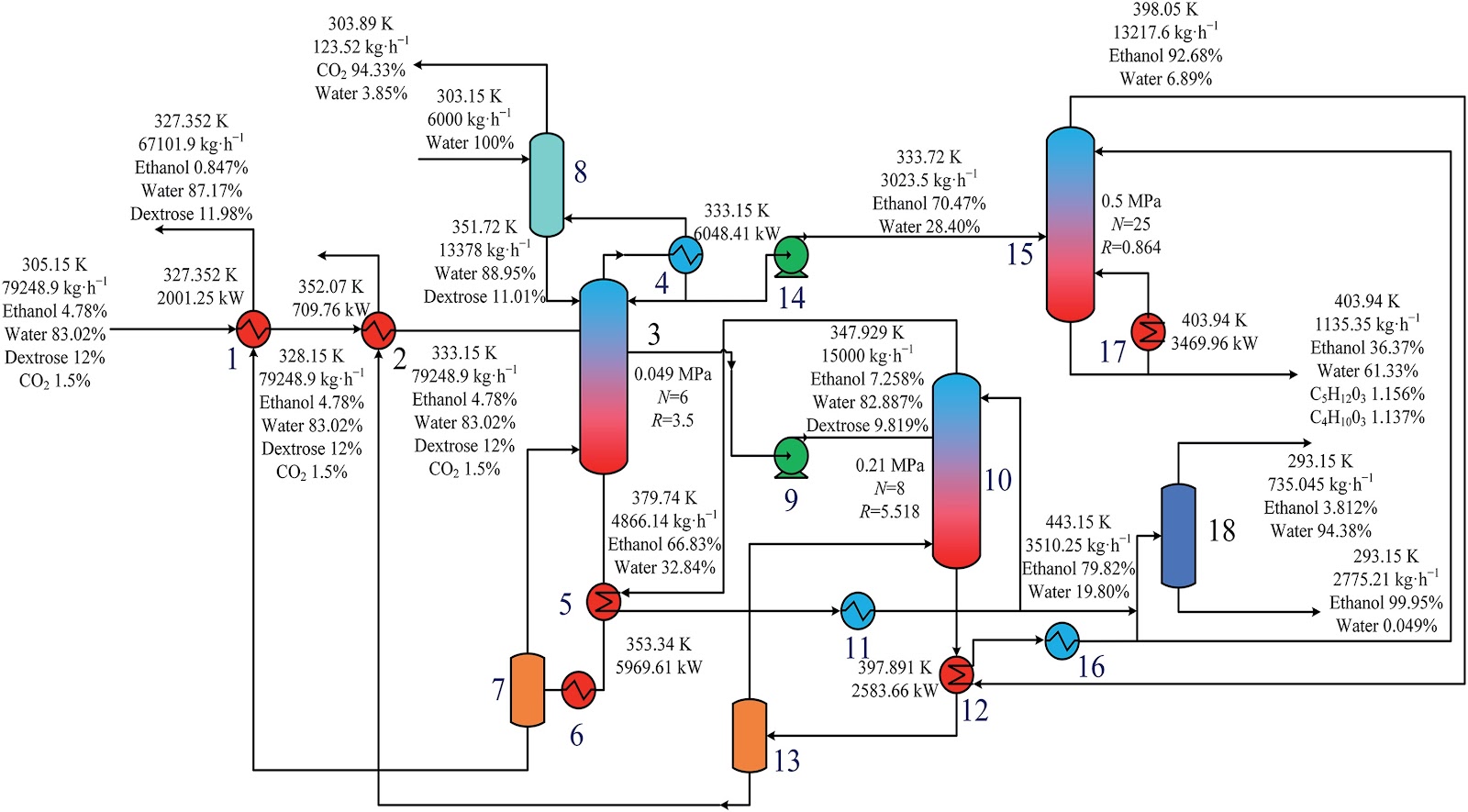
To address the challenges of high energy consumption and prominent costs in the traditional three-columns distillation process for cellulosic fuel ethanol, a distillation—molecular sieve coupling separation process is proposed. This process integrates a three-column (crude distillation column, first distillation column, second distillation column) system with a 3A molecular sieve adsorption deep dehydration unit. A thermal coupling network is constructed via differential pressure design (steam from medium/high-pressure columns as mutual heat sources, reboiler liquid waste heat for feed preheating), and molecular sieve adsorption conditions are optimized. The study first performs a thermodynamic consistency test on the ethanol—water system, determines optimal non-random two-liquid (NRTL) model binary interaction parameters via experimental data regression for Aspen Plus simulation. Aiming at minimum total annual cost (TAC), Aspen Plus is used to optimize process parameters (theoretical tray number, feed location, reflux ratio, side-draw position, etc.). Economic analysis shows this process reduces CO2 emission costs by 27.56%, TAC by 15.58% (to 5.123 × 10⁶ USD·a-1), and increases ethanol purity to >99.6%, providing an effective solution for green, efficient separation.
A cohesion loss model for determining residual strength of deep bedded sandstone
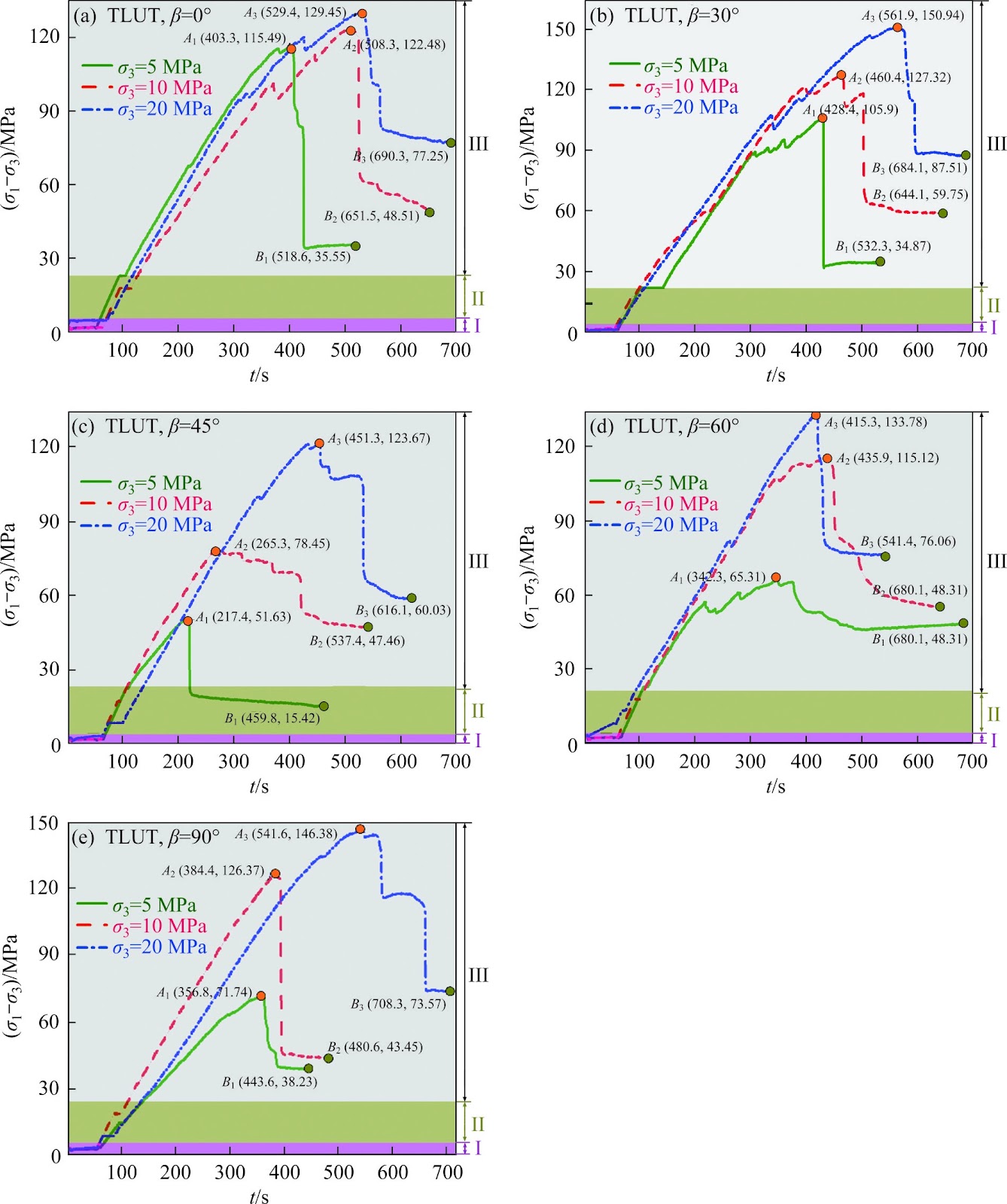
Rock residual strength, as an important input parameter, plays an indispensable role in proposing the reasonable and scientific scheme about stope design, underground tunnel excavation and stability evaluation of deep chambers. Therefore, previous residual strength models of rocks established were reviewed. And corresponding related problems were stated. Subsequently, starting from the effects of bedding and whole life-cycle evolution process, series of triaxial mechanical tests of deep bedded s
Federated model with contrastive learning and adaptive control variates for human activity recognition
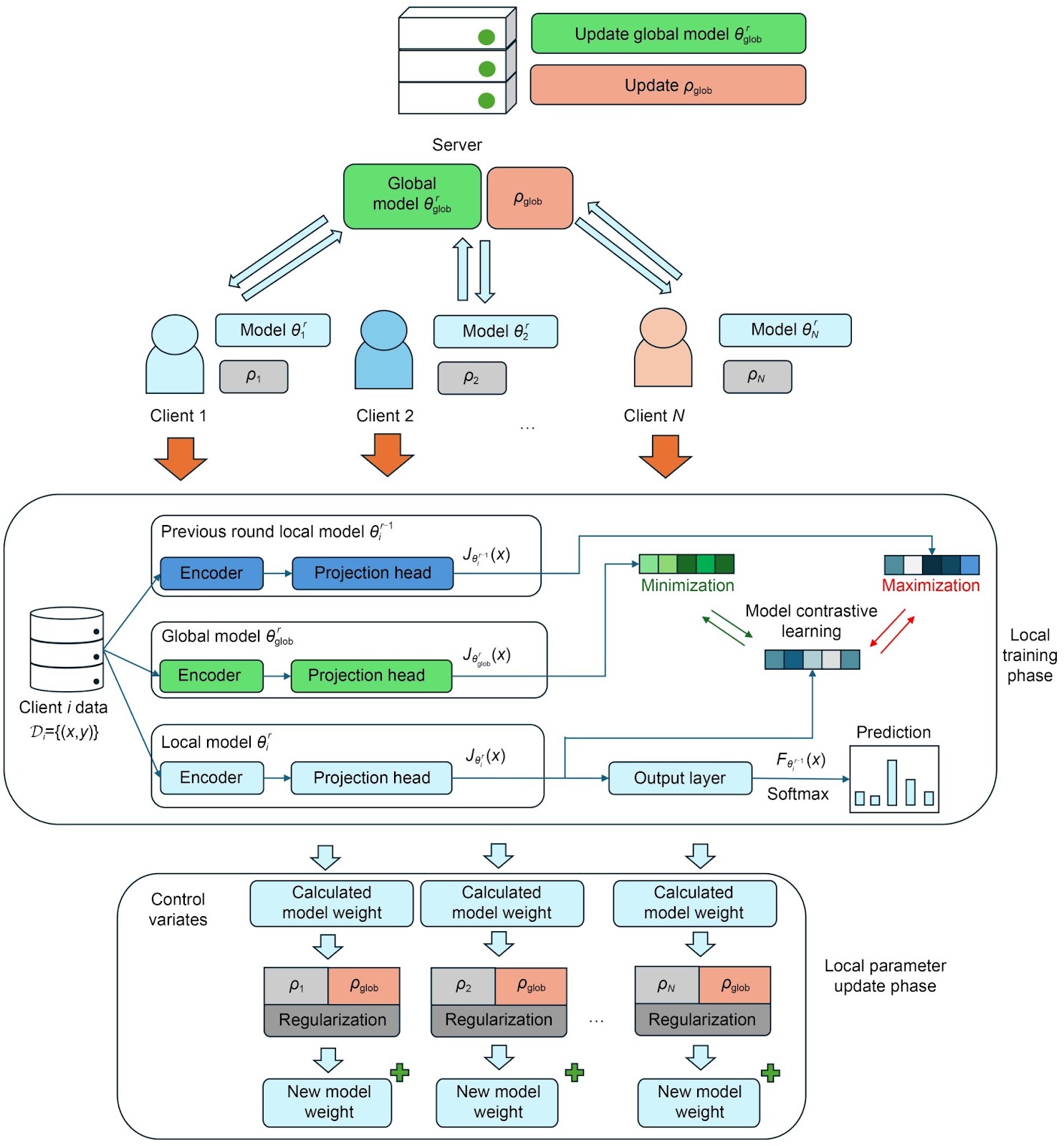
Recent attention to privacy issues demands a communication-safe method for training human activity recognition (HAR) models on client activity data. Federated learning (FL) has become a compelling technique to facilitate model training between the server and clients while preserving data privacy. However, classical FL methods often assume independent and identically distributed (IID) data among clients. This assumption does not hold true in practical scenarios. Human activity in real-world scena