Key Takeaways & Executive Findings
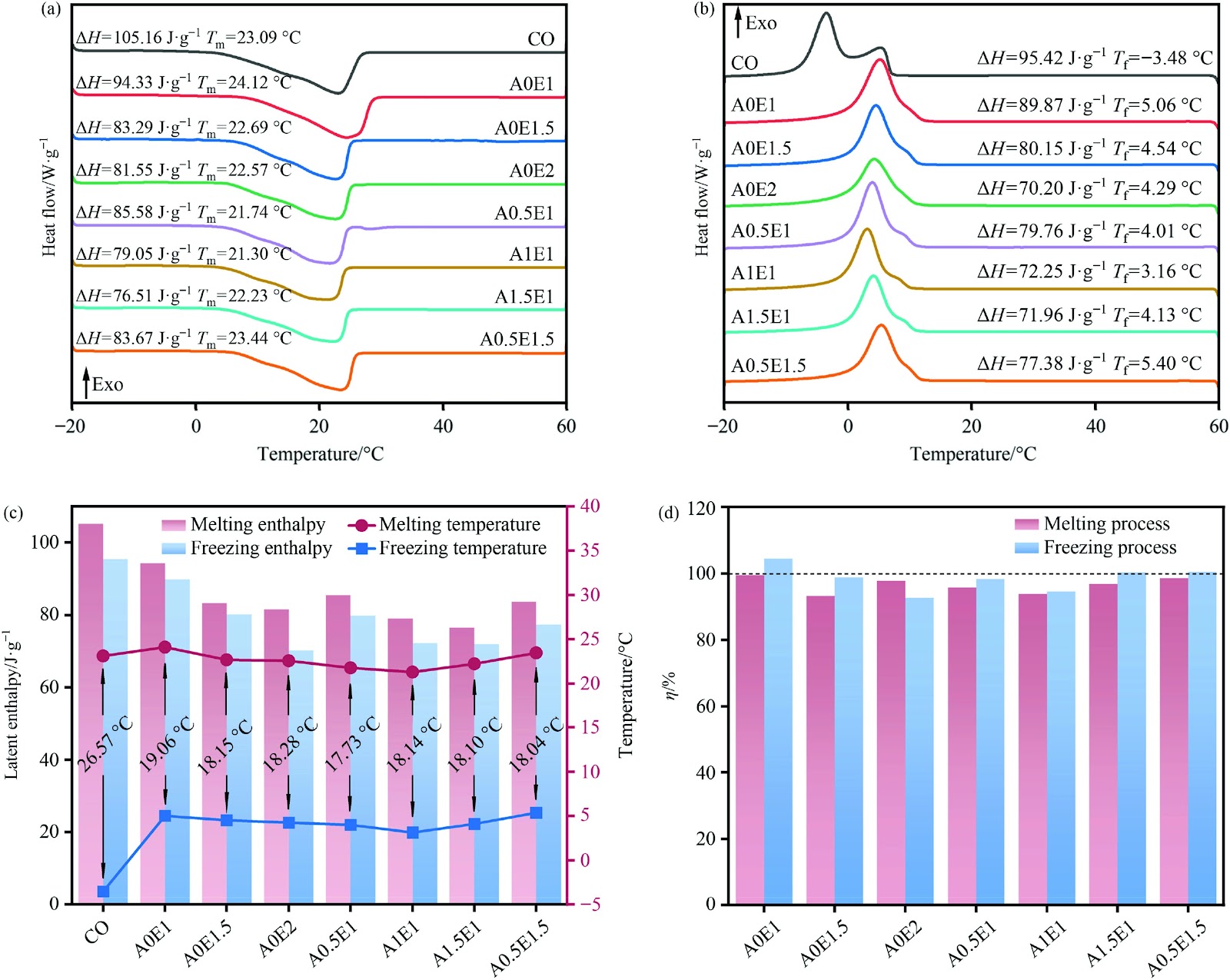
- •• The novel SSPCM achieved a thermal conductivity of 2.985 W·m⁻¹·K⁻¹, a 1765% increase over pure coconut oil, significantly enhancing heat transfer rates. • The latent heat of the composite reached 83.67 J·g⁻¹, retaining 99% of the theoretical value, indicating high energy storage capacity. • The SSPCM exhibited excellent thermal stability and reliability over repeated thermal cycles, making it suitable for long-term thermal energy storage applications. • The use of renewable coconut oil and a simple vacuum impregnation method offers a cost-effective and scalable approach for advanced PCM composites.
Abstract
Phase change energy storage is one of the solutions to effectively deal with the problem of intermittency and spatial and temporal mismatch between supply and demand of new energy sources (solar, wind, etc.). However, phase change materials (PCMs) suffer from low thermal conductivity, which greatly affects energy storage and release efficiency. In this study, a novel shape-stable phase change material (SSPCM) was prepared by mixing coconut oil (CO) as a PCM with aluminum nitride (AlN) thermally conductive reinforcing particles and vacuum impregnated into expanded graphite (EG). The results showed that the thermal conductivity of the prepared SSPCM reached 2.985 W·m⁻¹·K⁻¹, which was 1765% higher than that of pure CO. The latent heat of SSPCM was 83.67 J·g⁻¹, which was 99% of the theoretical value. Furthermore, SSPCM showed excellent thermal stability and thermal cycle reliability. The proposed SSPCMs have the advantages of being renewable and simple preparation methods, which have great potential for application.
1. Introduction
Energy issues have always been emphasized by people, fossil energy will be exhausted one day, and the environmental problems such as the greenhouse effect are increasing in the process [1,2]. Finding renewable and environmentally friendly new energy sources to replace fossil energy has become urgent [3]. Solar, wind, and geothermal energy are considered to be very promising new energy sources. However, they have disadvantages such as volatility and intermittency, which make it difficult to apply them [4,5]. Combining new energy storage technologies with new energy sources is one of the means to effectively solve these problems [6].
Thermal energy storage (TES) system stands out with its advantages of low cost and long service life. TES can be categorized into sensible heat TES, latent heat TES, and thermochemical heat TES [1]. Compared with the other two TES methods, latent heat TES based on phase change materials (PCM) has a higher energy storage density while storing and releasing heat with less temperature change, more stability and reliability, and fewer equipment requirements [7,8]. These features make it play an important role in the fields of waste heat recovery [9], battery thermal management [10], and building energy efficiency [11,12].
PCM can be divided into organic PCM and inorganic PCM according to its chemical composition. Generally speaking, inorganic PCM has a higher enthalpy of phase change and is cheaper, but there is a subcooling phenomenon, easy to phase separation, and corrosive. Organic PCMs have little or no subcooling during crystallization and are generally non-corrosive. However, conventional PCMs, especially organic PCMs, face two great challenges: thermal conductivity is too low and they are prone to leakage. Thermal conductivity determines the rate of energy storage and release by PCM, which is an important indicator of the performance of PCM applications and one of the bottlenecks existing in the development of phase change energy storage [13,14].
Loading authentic research manuscript (Pages 1–5)...
Chao Gao, Feng Jiang, Benguo Zhang, Mingchuan Shen, Yuguo Zhang (2024). Preparation of coconut oil/aluminum nitride/expanded graphite composite phase change materials with high thermal conductivity and stable shape for thermal energy storage. Chinese Journal of Chemical Engineering. https://doi.org/10.1016/j_cjche_1448
Research & Educational Purpose Only:The translations, structured abstracts, analytical annotations, and data reports provided by SinoTechIntel are intended exclusively for academic research, internal corporate R&D, and educational benchmarking. They do not constitute formal engineering, chemical safety, legal, or professional advice.
Copyright & Intellectual Property Notice: Original copyright of the underlying source articles and experimental data remains with the respective authors, institutions, and original publishing journals. SinoTechIntel claims intellectual property only over its proprietary translations, analytical syntheses, and AEO structured enhancements in accordance with international fair use and academic citation principles.
Frequently Asked Questions
What is the main advantage of the coconut oil/aluminum nitride/expanded graphite composite PCM?
The composite achieves a thermal conductivity of 2.985 W·m⁻¹·K⁻¹, which is 1765% higher than pure coconut oil, significantly improving heat transfer efficiency while maintaining high latent heat storage capacity.
How was the shape-stable phase change material (SSPCM) prepared?
The SSPCM was prepared by mixing coconut oil with aluminum nitride particles and vacuum impregnating the mixture into expanded graphite, resulting in a stable shape and enhanced thermal properties.
What is the latent heat of the prepared SSPCM?
The latent heat of the SSPCM is 83.67 J·g⁻¹, which is 99% of the theoretical value, indicating excellent energy storage capability.
Why is thermal conductivity important for phase change materials?
Thermal conductivity determines the rate of energy storage and release. Low thermal conductivity limits the efficiency of PCMs, so enhancing it is crucial for practical applications in thermal energy storage.
What are the potential applications of this SSPCM?
The SSPCM has great potential in waste heat recovery, battery thermal management, and building energy efficiency due to its high thermal conductivity, stable shape, and renewable nature.
Related Technical Papers & Translations
Design and optimization of a high-efficiency distillation process for cellulosic fuel ethanol integrated with thermal coupling and molecular sieve adsorption
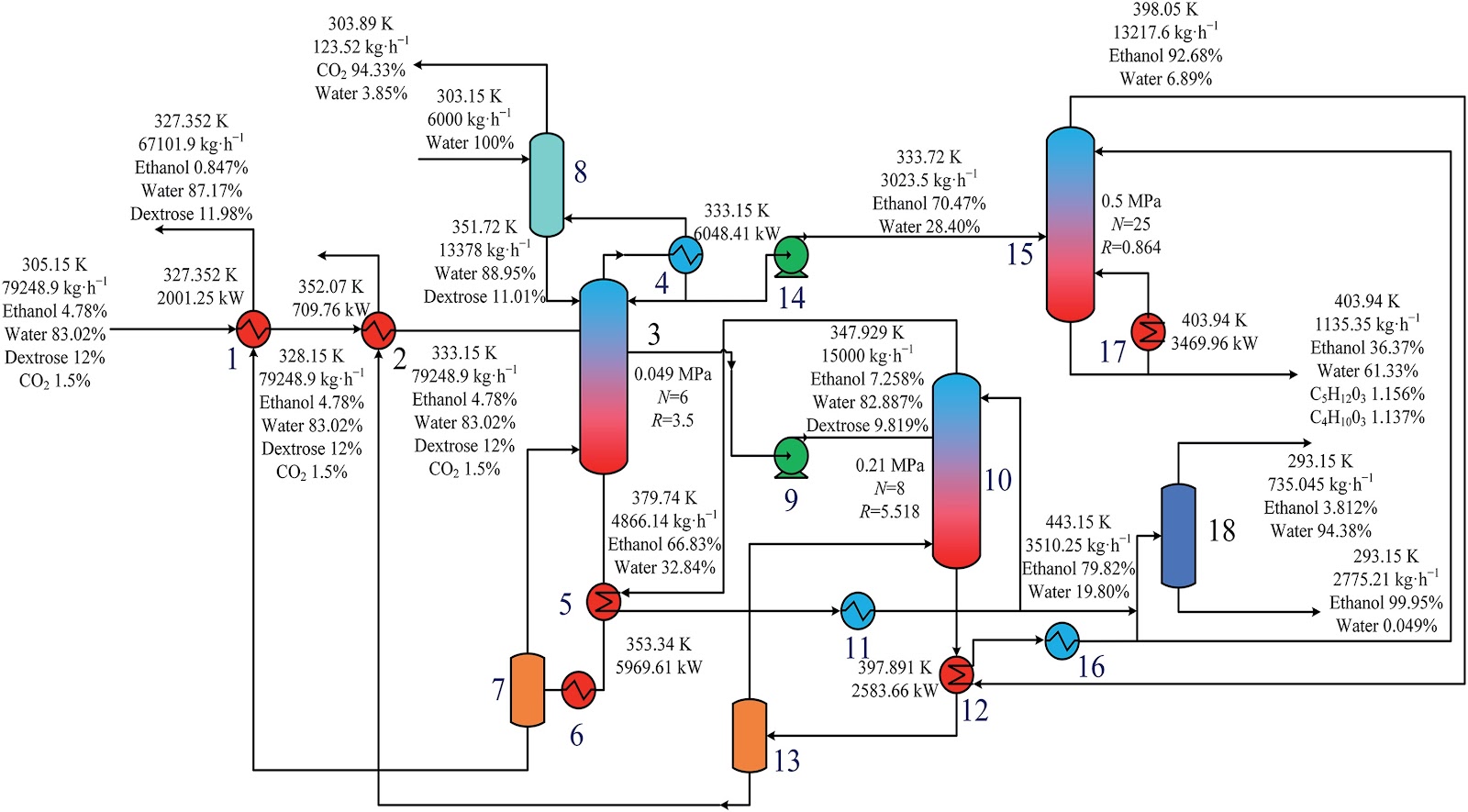
To address the challenges of high energy consumption and prominent costs in the traditional three-columns distillation process for cellulosic fuel ethanol, a distillation—molecular sieve coupling separation process is proposed. This process integrates a three-column (crude distillation column, first distillation column, second distillation column) system with a 3A molecular sieve adsorption deep dehydration unit. A thermal coupling network is constructed via differential pressure design (steam from medium/high-pressure columns as mutual heat sources, reboiler liquid waste heat for feed preheating), and molecular sieve adsorption conditions are optimized. The study first performs a thermodynamic consistency test on the ethanol—water system, determines optimal non-random two-liquid (NRTL) model binary interaction parameters via experimental data regression for Aspen Plus simulation. Aiming at minimum total annual cost (TAC), Aspen Plus is used to optimize process parameters (theoretical tray number, feed location, reflux ratio, side-draw position, etc.). Economic analysis shows this process reduces CO2 emission costs by 27.56%, TAC by 15.58% (to 5.123 × 10⁶ USD·a-1), and increases ethanol purity to >99.6%, providing an effective solution for green, efficient separation.
A cohesion loss model for determining residual strength of deep bedded sandstone
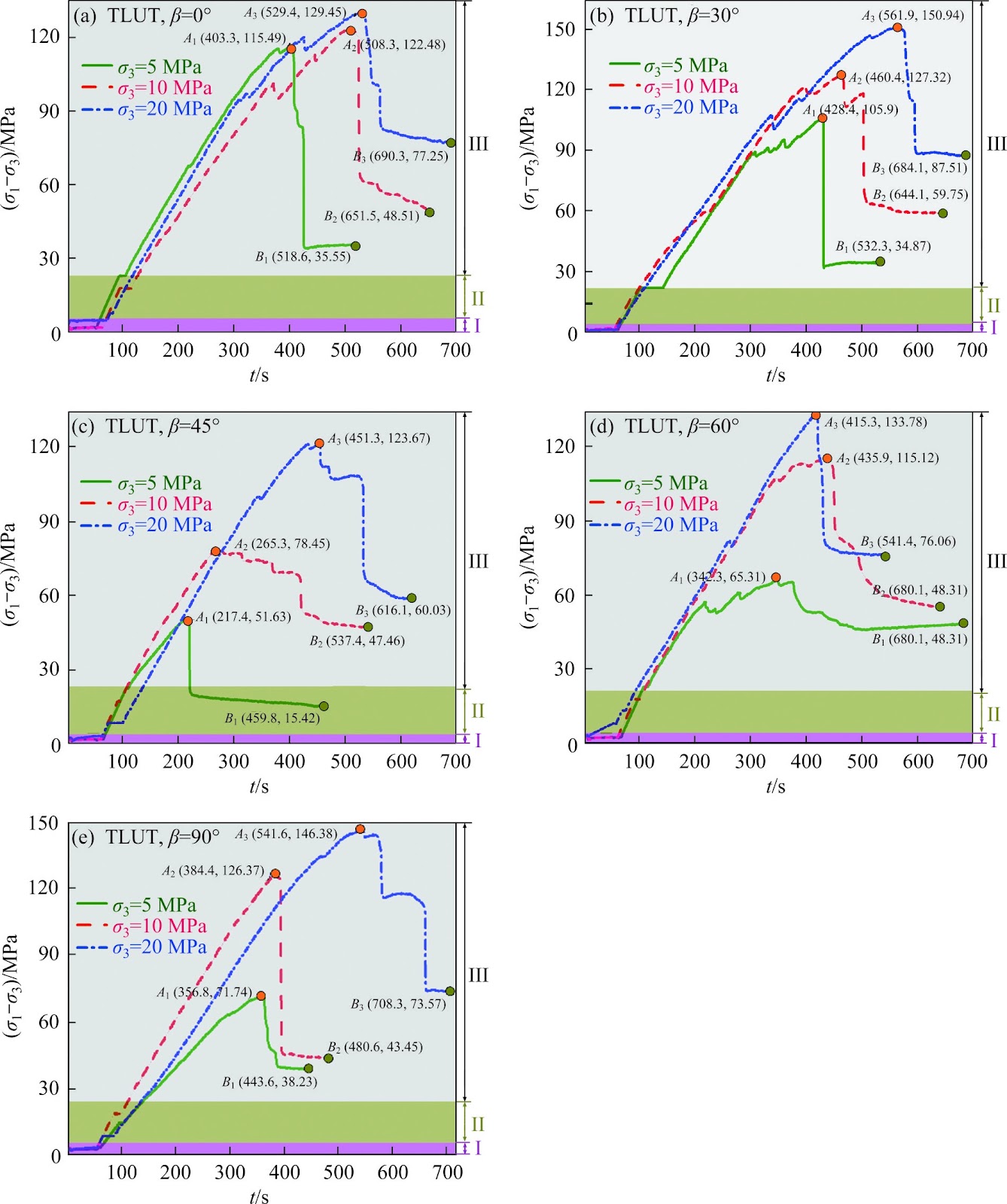
Rock residual strength, as an important input parameter, plays an indispensable role in proposing the reasonable and scientific scheme about stope design, underground tunnel excavation and stability evaluation of deep chambers. Therefore, previous residual strength models of rocks established were reviewed. And corresponding related problems were stated. Subsequently, starting from the effects of bedding and whole life-cycle evolution process, series of triaxial mechanical tests of deep bedded s
Federated model with contrastive learning and adaptive control variates for human activity recognition
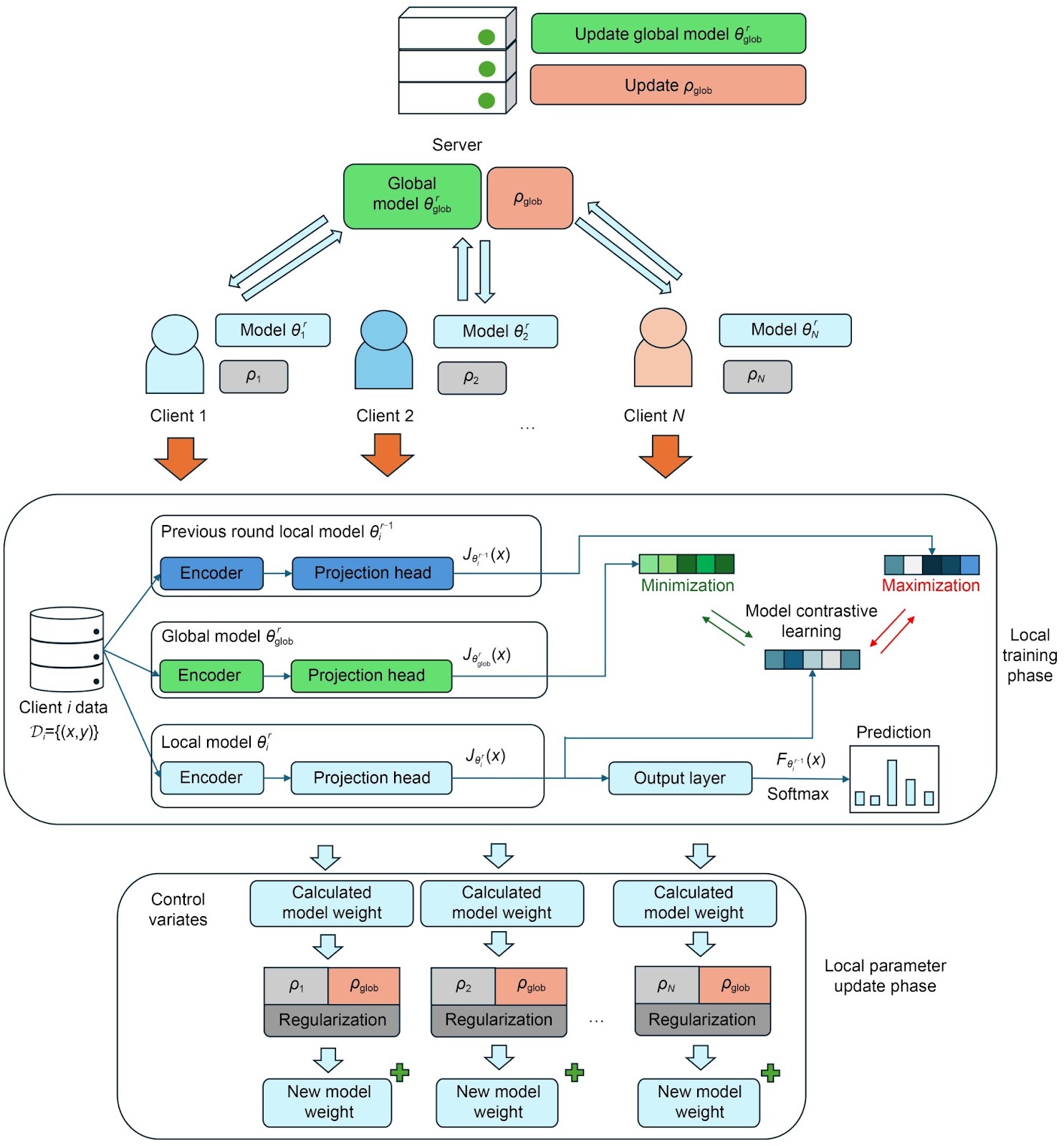
Recent attention to privacy issues demands a communication-safe method for training human activity recognition (HAR) models on client activity data. Federated learning (FL) has become a compelling technique to facilitate model training between the server and clients while preserving data privacy. However, classical FL methods often assume independent and identically distributed (IID) data among clients. This assumption does not hold true in practical scenarios. Human activity in real-world scena