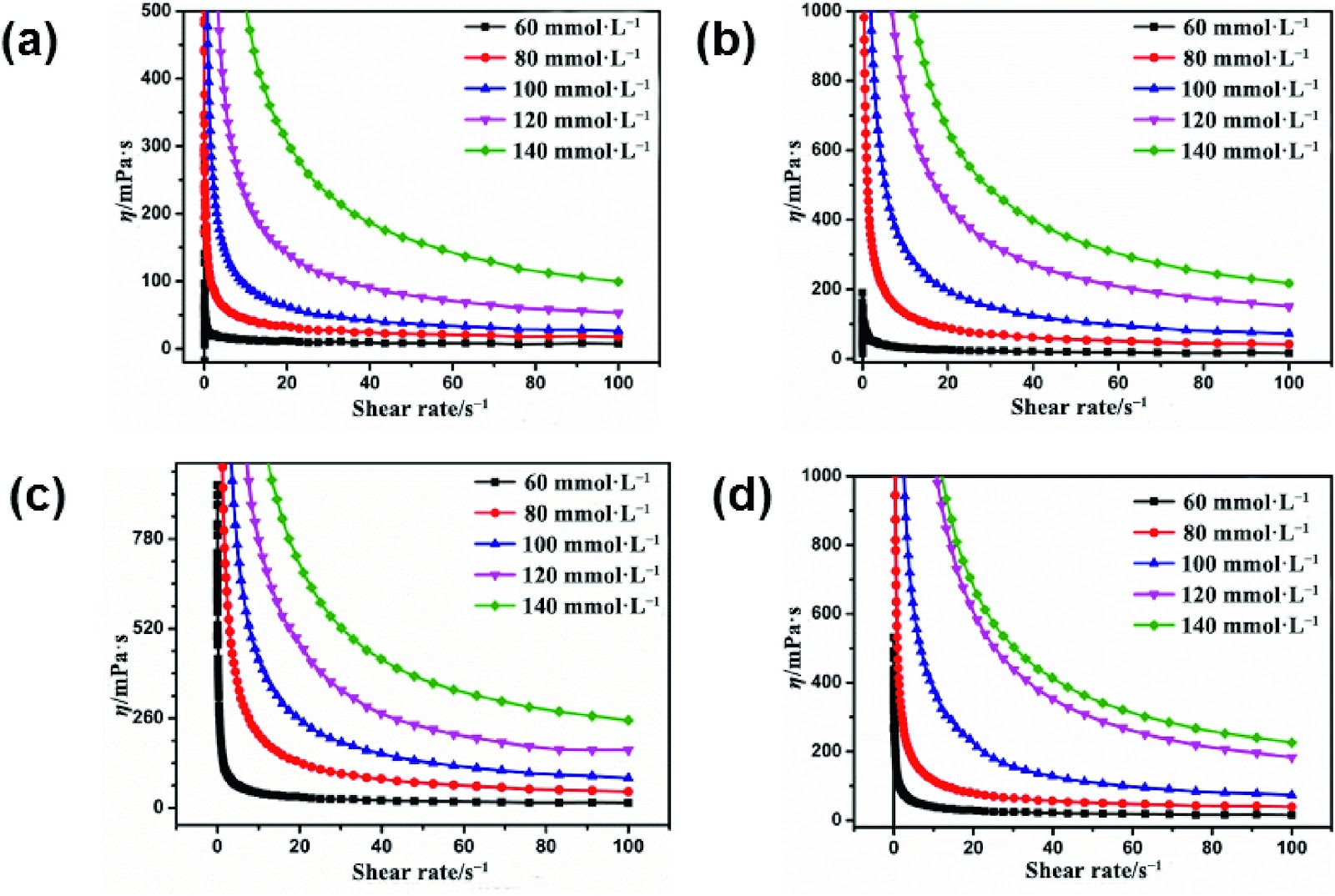
Key Takeaways & Executive Findings
- •• Four novel rosin-based asymmetric gemini surfactants (RGS-2-n) were synthesized via a simple two-step method, exhibiting high surface activity and excellent cleaning performance for electronic components. • The introduction of dehydroabietylamine into the hydrophilic headgroup mitigates environmental and water pollution concerns, aligning with green chemistry principles. • Density functional theory (DFT) calculations confirm that the asymmetric structure enhances cleaning efficiency, providing a molecular-level understanding of the surfactants' superior performance. • RGS-2-n surfactants represent sustainable and promising candidates for water-based cleaning agents in the electronics industry, expanding the application of renewable rosin resources.
Abstract
Rosin, a renewable and abundant resource, has been extensively processed and chemically modified to endow it with special properties, especially in the surfactant industry. In this study, four rosin-based quaternary ammonium asymmetric gemini surfactants (RGS-2-n) with different alkyl chain lengths (n = 12, 14, 16, 18) were synthesized using a simple two-step method based on dehydroabietylamine as the raw material. The feasibility of these surfactants for cleaning purposes was comprehensively evaluated, suggesting that the surfactants own high surface activity and good cleaning performance. Furthermore, by successfully introducing the amine group of dehydroabietylamine into the hydrophilic group of the surfactants, we avoided its potential harm to the environment and water pollution. Density functional theory proves rosin-based gemini surfactants with asymmetric structure can further improve cleaning efficiency. Overall, our findings suggests that RGS-2-n surfactants are promising and sustainable candidates for cleaning electric plates, and provide new opportunities for rosin application in the electric industry.
1. Introduction
In recent years, the electronic information industry has experienced rapid development, wherein printed circuit boards (PCBs) are a vital component. However, during the manufacturing and transportation processes of PCBs, the surface of PCBs is susceptible to a variety of contaminants, including particulate pollutants, polar/non-polar pollutants, and ionic/non-ionic pollutants. These contaminants can pose a significant challenge to the functionality, reliability, and longevity of electronic devices. Therefore, the development of effective cleaning methods for PCBs has become an increasingly critical research topic in the field of electronics.
The current methods of cleaning PCBs include water washing, ultrasonic cleaning, air flow cleaning, and chemical cleaning. Water washing is simple and easy to carry out, but not effective at removing some organic pollutants. Ultrasonic cleaning has good cleaning effect but causes slight damage to the PCBs surface. The latest research has found that the effect of cleaning ionic pollutants on PCBs with dry ice is good, but the efficiency of cleaning other pollutants needs to be further improved. Chemical cleaning involves the use of solvents or acid-base solutions to clean the PCBs surface and remove pollutants. The prevalent cleaning agents used for PCBs are still solvent-based cleaning agents. However, these agents are known to possess high toxicity, rapid volatility, and have the potential to cause environmental pollution. Consequently, water-based cleaning has gained extensive attention as an environmentally friendly alternative to solvent-based cleaning, which utilizes water as a cleaning medium and incorporates surfactants and additives to form a series of water-based cleaning agents.
Loading authentic research manuscript (Pages 1–5)...
Haoyu Feng, Yaoqi Pan, Yijia Zhang, Zhuofan Zhang, Yunye Huang, Linxi Hou, Longqiang Xiao (2024). Surface activity and cleaning performance of rosin-based quaternary ammonium salt type asymmetric Gemini surfactants. Chinese Journal of Chemical Engineering. https://doi.org/10.1016/j_cjche_1448
Research & Educational Purpose Only:The translations, structured abstracts, analytical annotations, and data reports provided by SinoTechIntel are intended exclusively for academic research, internal corporate R&D, and educational benchmarking. They do not constitute formal engineering, chemical safety, legal, or professional advice.
Copyright & Intellectual Property Notice: Original copyright of the underlying source articles and experimental data remains with the respective authors, institutions, and original publishing journals. SinoTechIntel claims intellectual property only over its proprietary translations, analytical syntheses, and AEO structured enhancements in accordance with international fair use and academic citation principles.
Frequently Asked Questions
What are rosin-based asymmetric gemini surfactants?
Rosin-based asymmetric gemini surfactants are a type of surfactant derived from rosin, a renewable natural resource. They feature two hydrophilic headgroups and two hydrophobic tails, but with different chain lengths or structures, making them 'asymmetric'. In this study, four variants (RGS-2-n) were synthesized with different alkyl chain lengths (n=12, 14, 16, 18) and evaluated for their surface activity and cleaning performance.
How do these surfactants benefit electronic component cleaning?
These surfactants exhibit high surface activity and good cleaning performance, effectively removing contaminants from printed circuit boards (PCBs). Their asymmetric structure enhances cleaning efficiency, as confirmed by density functional theory (DFT) calculations. Additionally, they are water-based, offering an environmentally friendly alternative to toxic solvent-based cleaners.
What is the environmental significance of using rosin-based surfactants?
Rosin is a renewable and abundant resource, making these surfactants sustainable. By incorporating dehydroabietylamine into the hydrophilic group, the potential environmental harm and water pollution associated with traditional surfactants are avoided. This aligns with green chemistry principles and reduces reliance on non-renewable petrochemical-derived surfactants.
How were the surfactants synthesized?
The surfactants were synthesized using a simple two-step method starting from dehydroabietylamine, a rosin derivative. The process involves introducing quaternary ammonium groups and varying alkyl chain lengths to produce the asymmetric gemini structure. The method is straightforward and suitable for scalable production.
What are the potential applications of these surfactants beyond electronics?
While the study focuses on cleaning electronic plates, the excellent surface properties (e.g., foam stability, wetting, solubilizing, antibacterial, and washing ability) suggest potential applications in other water-based cleaning formulations, such as household detergents, industrial cleaning agents, and personal care products, where sustainable and effective surfactants are desired.
Related Technical Papers & Translations
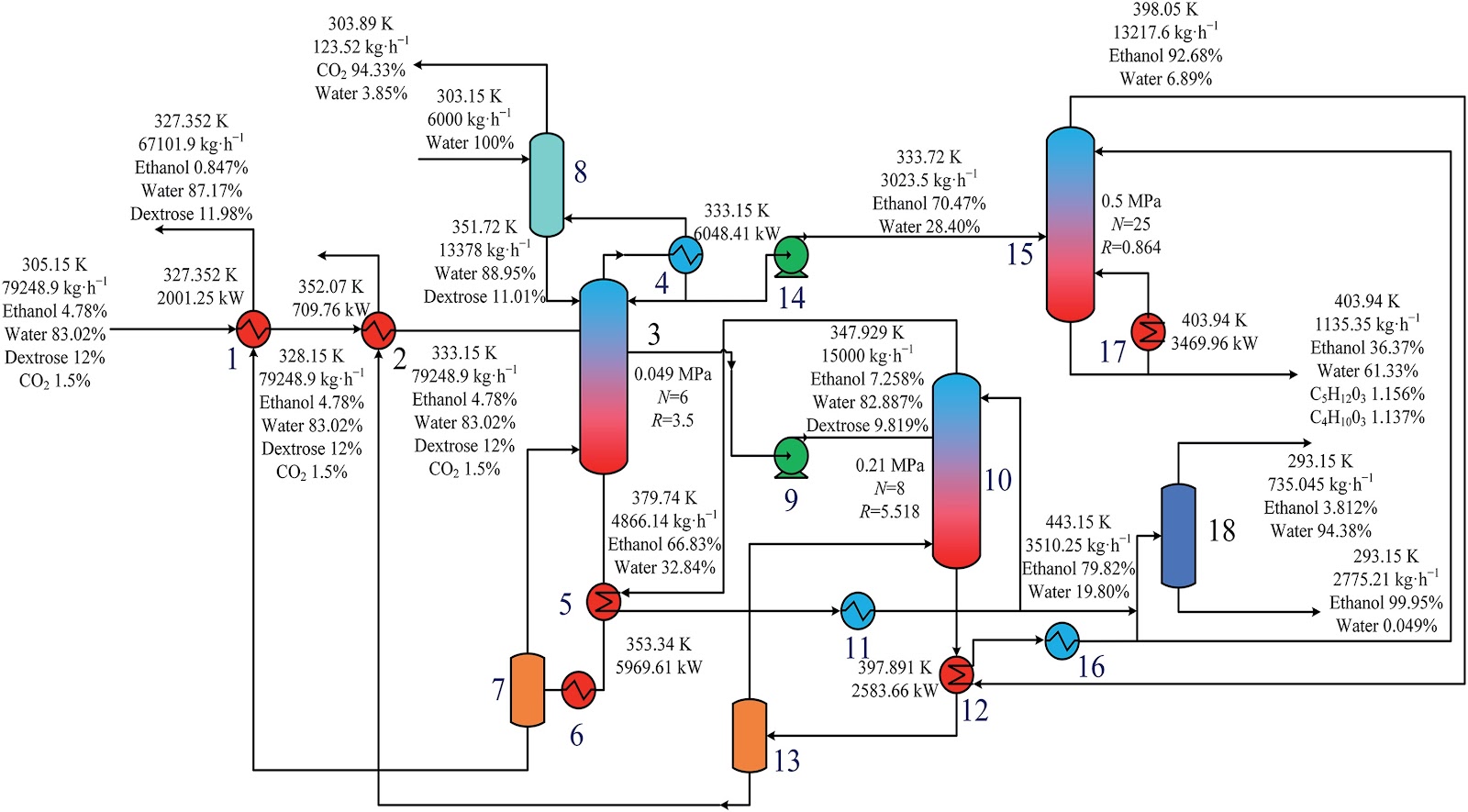
Design and optimization of a high-efficiency distillation process for cellulosic fuel ethanol integrated with thermal coupling and molecular sieve adsorption
To address the challenges of high energy consumption and prominent costs in the traditional three-columns distillation process for cellulosic fuel ethanol, a distillation—molecular sieve coupling separation process is proposed. This process integrates a three-column (crude distillation column, first distillation column, second distillation column) system with a 3A molecular sieve adsorption deep dehydration unit. A thermal coupling network is constructed via differential pressure design (steam from medium/high-pressure columns as mutual heat sources, reboiler liquid waste heat for feed preheating), and molecular sieve adsorption conditions are optimized. The study first performs a thermodynamic consistency test on the ethanol—water system, determines optimal non-random two-liquid (NRTL) model binary interaction parameters via experimental data regression for Aspen Plus simulation. Aiming at minimum total annual cost (TAC), Aspen Plus is used to optimize process parameters (theoretical tray number, feed location, reflux ratio, side-draw position, etc.). Economic analysis shows this process reduces CO2 emission costs by 27.56%, TAC by 15.58% (to 5.123 × 10⁶ USD·a-1), and increases ethanol purity to >99.6%, providing an effective solution for green, efficient separation.
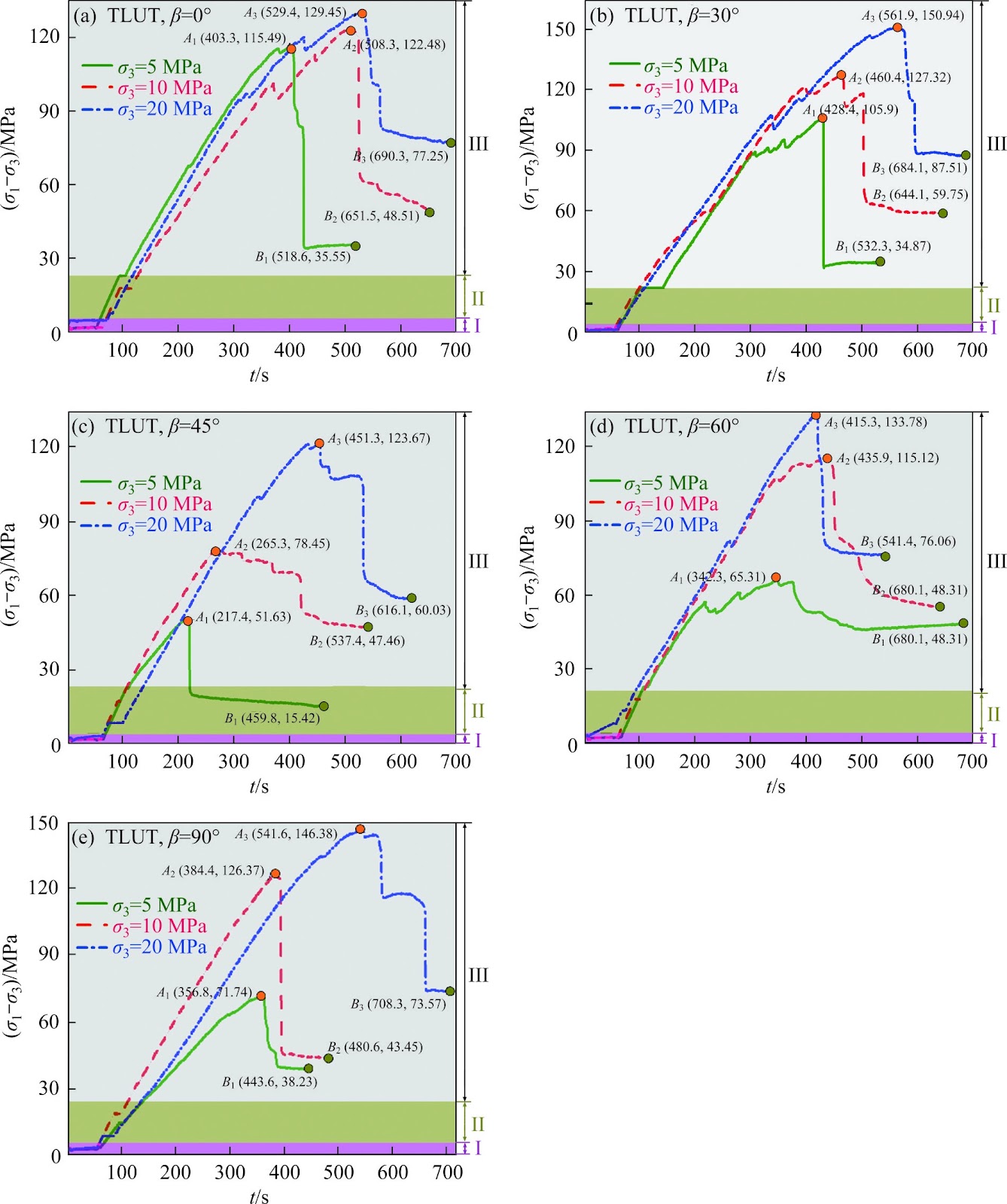
A cohesion loss model for determining residual strength of deep bedded sandstone
Rock residual strength, as an important input parameter, plays an indispensable role in proposing the reasonable and scientific scheme about stope design, underground tunnel excavation and stability evaluation of deep chambers. Therefore, previous residual strength models of rocks established were reviewed. And corresponding related problems were stated. Subsequently, starting from the effects of bedding and whole life-cycle evolution process, series of triaxial mechanical tests of deep bedded s
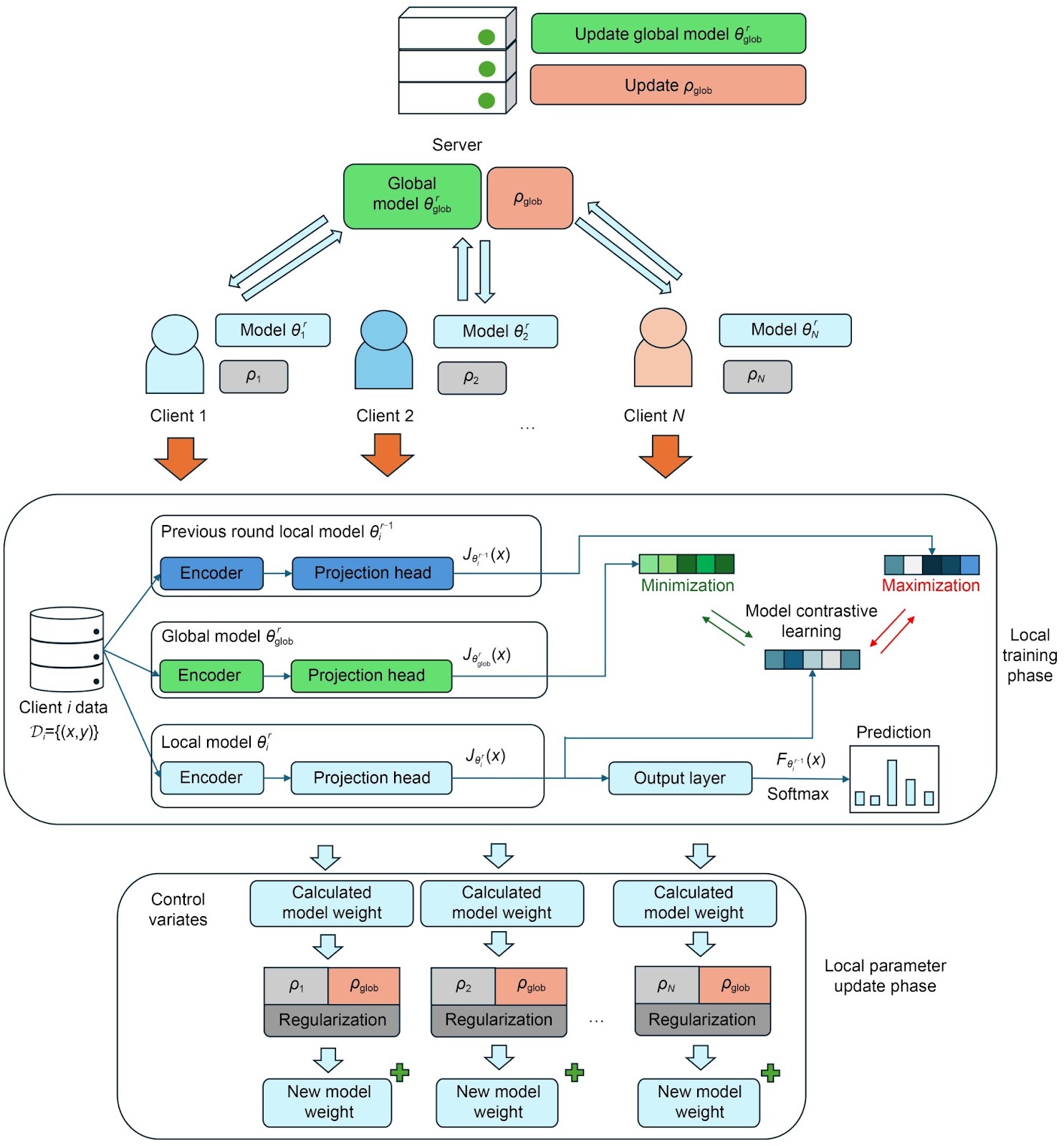
Federated model with contrastive learning and adaptive control variates for human activity recognition
Recent attention to privacy issues demands a communication-safe method for training human activity recognition (HAR) models on client activity data. Federated learning (FL) has become a compelling technique to facilitate model training between the server and clients while preserving data privacy. However, classical FL methods often assume independent and identically distributed (IID) data among clients. This assumption does not hold true in practical scenarios. Human activity in real-world scena