Key Takeaways & Executive Findings
- •• Optimal solvothermal separation (GVL/H2O, 60% GVL, 205°C, 1.7 h) yields wheat straw cellulose with 89.4% purity and 86.7% recovery. • High fractional separation efficiency (purity × recovery) and low crystallinity of cellulose synergistically enhance HMF yield. • Drying of separated cellulose (heat or freeze) re-crystallizes it, reducing HMF yield; wet cellulose gives 58.6% HMF molar yield, 1.5× higher than microcrystalline cellulose. • The study underscores avoiding drying steps in cellulose biorefinery to maintain reactivity for HMF production.
Abstract
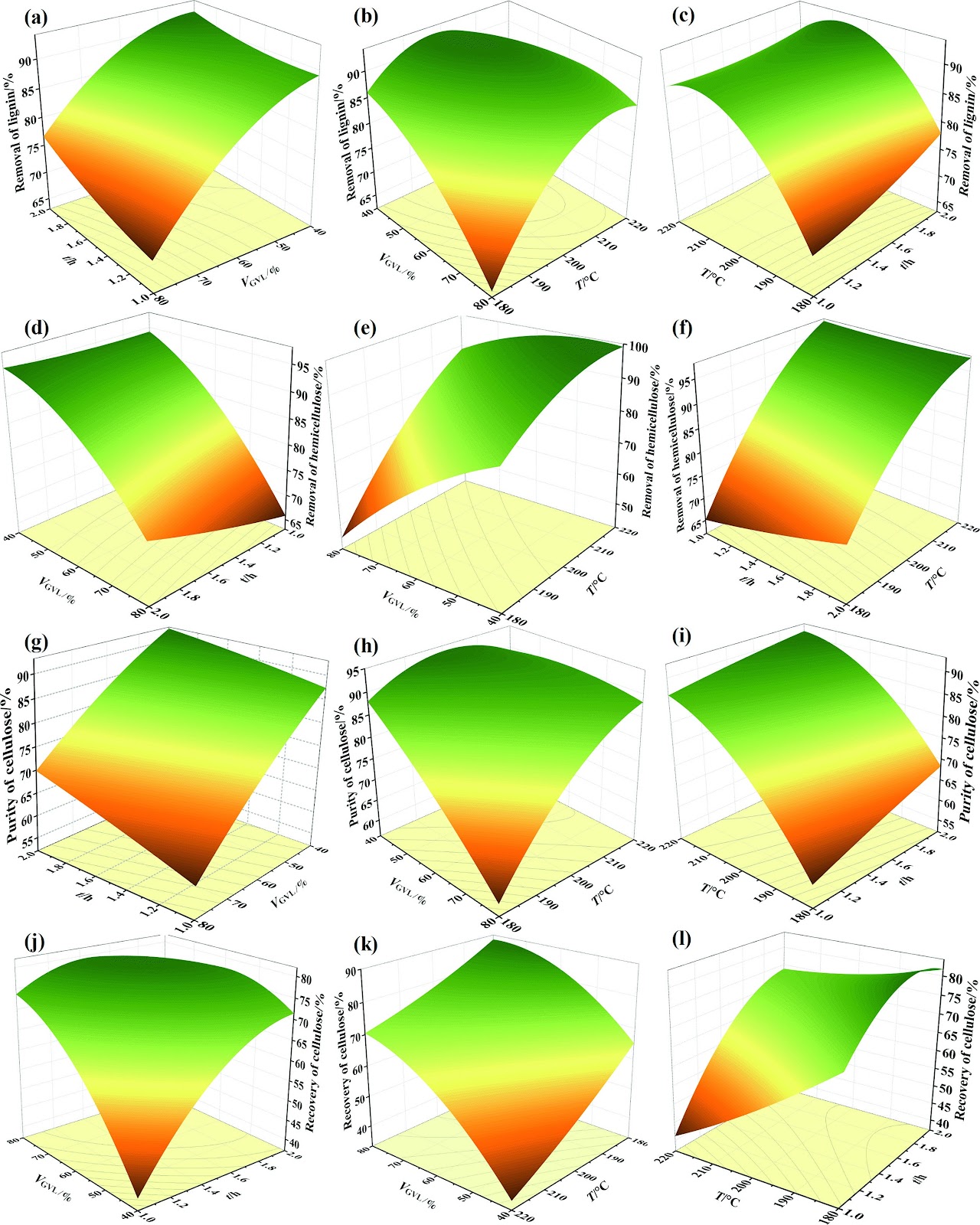
High-efficient production of 5-hydroxymethylfurfural (HMF), a “sleeping giant” in sustainable chemistry, from cellulose depends significantly on the effective separation of cellulose from lignocellulosic biomass. Herein, we report the fractional separation of wheat straw cellulose (WSC) from wheat straw under solvothermal conditions using a mixed solvent of g-valerolactone (GVL) and H2O as the separating solvent, wherein the impacts of fractional separation parameters (solvent composition, temperature, and time) on removals of lignin and hemicellulose as well as purity and recovery of cellulose were studied by a Box-Behnken Design of response surface method. The optimization of the solvothermal parameters enabled an optimal fractional separation condition (VGVL: ~60.0%, T: 205 °C, t: ~1.7 h) that led to a higher purity (89.4%) and recovery (86.7%) of cellulose in WSC. A further correlation of the removals of lignin and hemicellulose as well as purity and recovery of cellulose with the yield of HMF excluded an independent influence of the above factors. Instead, a comprehensive contribution of high fractional separation efficiency (defined as the product of cellulose purity and recovery) and low crystallinity of WSC was found to improve the HMF yield. However, the heat- and freeze-dryings of WSC after the solvothermal separation were found to lower the HMF molar yield because it re-improved the crystallinity of WSC. A high HMF molar yield of 58.6% was achieved after reacting wet-WSC in a mixed solvent of 1,4-dioxane and H2O at 180 °C for 20 min, which was 1.5 fold higher than that from microcrystalline cellulose. This work highlights the importance of enhancing the fractional separation efficiency of cellulose from lignocellulosic biomass while avoiding the drying process for future HMF biorefinery.
1. Introduction
Nowadays, the increasing crisis from both resource and environment arouses the research of biomass conversion for producing value-added chemicals and liquid fuels to substitute the well-established petroleum-based products [1e3]. Lignocellulosic biomass, mainly composed of cellulose (40%e60% (mass)), hemicellulose (20%e40% (mass)), and lignin (10%e25% (mass)) [4,5], is the most abundant biomass resource on the earth, thereby being considered as an ideal raw material for future biorefinery [6e8]. Among others, the valorization of cellulose by acid-catalyzed depolymerization and tandem conversion to 5-hydroxymethylfurfural (HMF), a so-called “sleeping giant” in sustainable chemistry [9], has received increasing attention because HMF has great potential applications in synthesizing a wide range of valuable bio-products [10e12]. However, the industrial production of HMF directly from cellulose in lignocellulosic biomass has not been achieved, primarily owing to the challenges associated with cellulose separation and low yield of cellulose-to-HMF conversion [13e15].
So far, significant progress has been achieved in converting microcrystalline cellulose (MCC) to HMF by taking advantage of its uniform degree of polymerization (DP) and crystallinity [16]. However, MCC is industrially prepared by processing natural cellulose to a level-off DP through acid hydrolysis, drying, and recrystallization [17], which endows MCC with compact hydrogen-bond network and high crystallinity (70%e80%) that normally requires a physical or chemical pretreatment to improve the accessibility of b-1,4-glycosidic bonds by solvents and catalysts [18e20]. In the meanwhile, harsh reaction conditions such as high temperature and/or long time are generally accompanied with to accelerate the hydrolysis and subsequent conversion of MCC [21,22]. To enhance the synthetic efficiency, the direct production of HMF from cellulose separated from lignocellulosic biomass is more feasible [23e26], which depends significantly on the effective fractional separation of cellulose from lignocellulosic biomass.
Within the structure of lignocellulosic biomass, cellulose is connected with hemicellulose and lignin via complicated chemical bonds and hydrogen bonds. For example, cellulose is predominantly linked with hemicellulose by hydrogen bonds [27], whereas lignin ...
Loading authentic research manuscript (Pages 1–5)...
Di Wu, Ping Hu, Hui Li, Zhidan Xue, Hang Lv, Yimeng Guo, Changwei Hu, Liangfang Zhu (2024). Influences of fractional separation on the structure and reactivity of wheat straw cellulose for producing 5-hydroxymethylfurfural. Chinese Journal of Chemical Engineering. https://doi.org/10.1016/j_cjche_1448
Research & Educational Purpose Only:The translations, structured abstracts, analytical annotations, and data reports provided by SinoTechIntel are intended exclusively for academic research, internal corporate R&D, and educational benchmarking. They do not constitute formal engineering, chemical safety, legal, or professional advice.
Copyright & Intellectual Property Notice: Original copyright of the underlying source articles and experimental data remains with the respective authors, institutions, and original publishing journals. SinoTechIntel claims intellectual property only over its proprietary translations, analytical syntheses, and AEO structured enhancements in accordance with international fair use and academic citation principles.
Frequently Asked Questions
What is the optimal fractional separation condition for wheat straw cellulose?
The optimal condition is using a mixed solvent of γ-valerolactone (GVL) and H2O with VGVL ~60.0%, temperature 205 °C, and time ~1.7 h, yielding cellulose with 89.4% purity and 86.7% recovery.
How does drying affect the reactivity of wheat straw cellulose for HMF production?
Drying (heat or freeze) re-crystallizes the cellulose, increasing its crystallinity and reducing the HMF yield. Wet cellulose, without drying, gives a higher HMF molar yield of 58.6%.
What is the significance of fractional separation efficiency in HMF production?
High fractional separation efficiency (product of cellulose purity and recovery) combined with low crystallinity of cellulose improves the HMF yield, indicating that both purity and structural disorder are important.
How does the HMF yield from wet-WSC compare to microcrystalline cellulose?
Wet-WSC gives a HMF molar yield of 58.6%, which is 1.5 times higher than that from microcrystalline cellulose under the same reaction conditions.
What is the main takeaway for future HMF biorefinery?
The study highlights the importance of enhancing fractional separation efficiency of cellulose from lignocellulosic biomass while avoiding drying processes to maintain cellulose reactivity for high HMF yields.
Related Technical Papers & Translations
Design and optimization of a high-efficiency distillation process for cellulosic fuel ethanol integrated with thermal coupling and molecular sieve adsorption
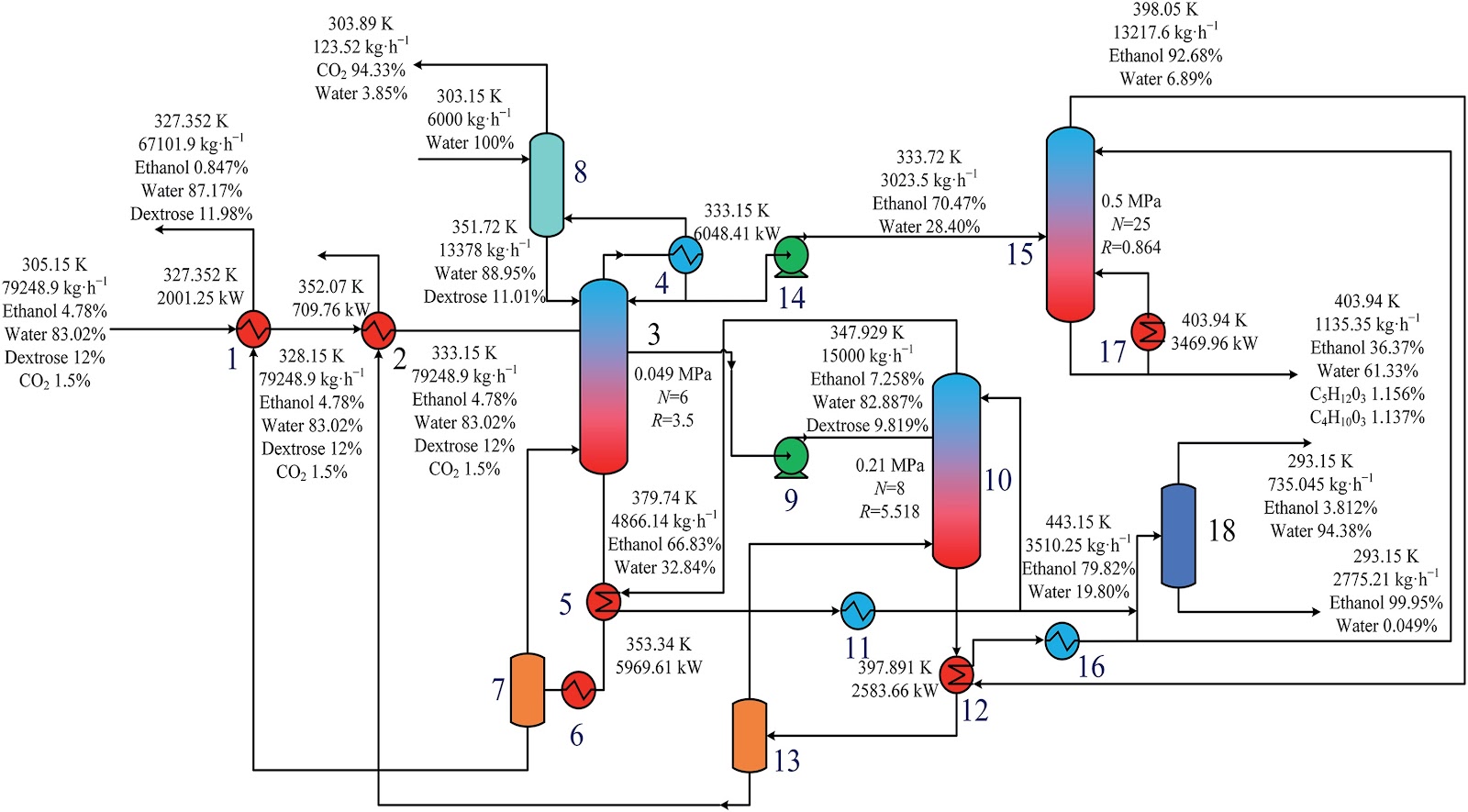
To address the challenges of high energy consumption and prominent costs in the traditional three-columns distillation process for cellulosic fuel ethanol, a distillation—molecular sieve coupling separation process is proposed. This process integrates a three-column (crude distillation column, first distillation column, second distillation column) system with a 3A molecular sieve adsorption deep dehydration unit. A thermal coupling network is constructed via differential pressure design (steam from medium/high-pressure columns as mutual heat sources, reboiler liquid waste heat for feed preheating), and molecular sieve adsorption conditions are optimized. The study first performs a thermodynamic consistency test on the ethanol—water system, determines optimal non-random two-liquid (NRTL) model binary interaction parameters via experimental data regression for Aspen Plus simulation. Aiming at minimum total annual cost (TAC), Aspen Plus is used to optimize process parameters (theoretical tray number, feed location, reflux ratio, side-draw position, etc.). Economic analysis shows this process reduces CO2 emission costs by 27.56%, TAC by 15.58% (to 5.123 × 10⁶ USD·a-1), and increases ethanol purity to >99.6%, providing an effective solution for green, efficient separation.
A cohesion loss model for determining residual strength of deep bedded sandstone
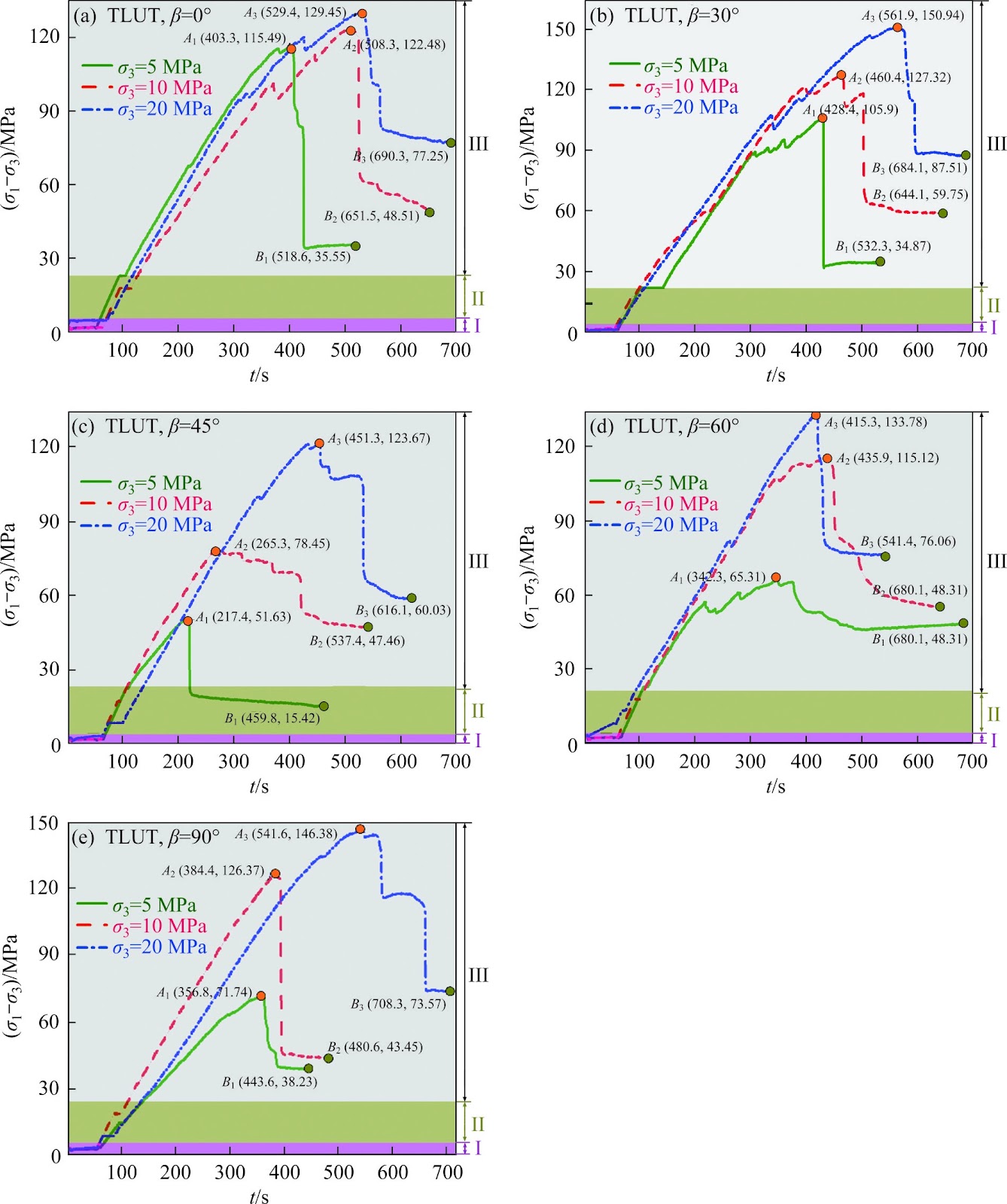
Rock residual strength, as an important input parameter, plays an indispensable role in proposing the reasonable and scientific scheme about stope design, underground tunnel excavation and stability evaluation of deep chambers. Therefore, previous residual strength models of rocks established were reviewed. And corresponding related problems were stated. Subsequently, starting from the effects of bedding and whole life-cycle evolution process, series of triaxial mechanical tests of deep bedded s
Federated model with contrastive learning and adaptive control variates for human activity recognition
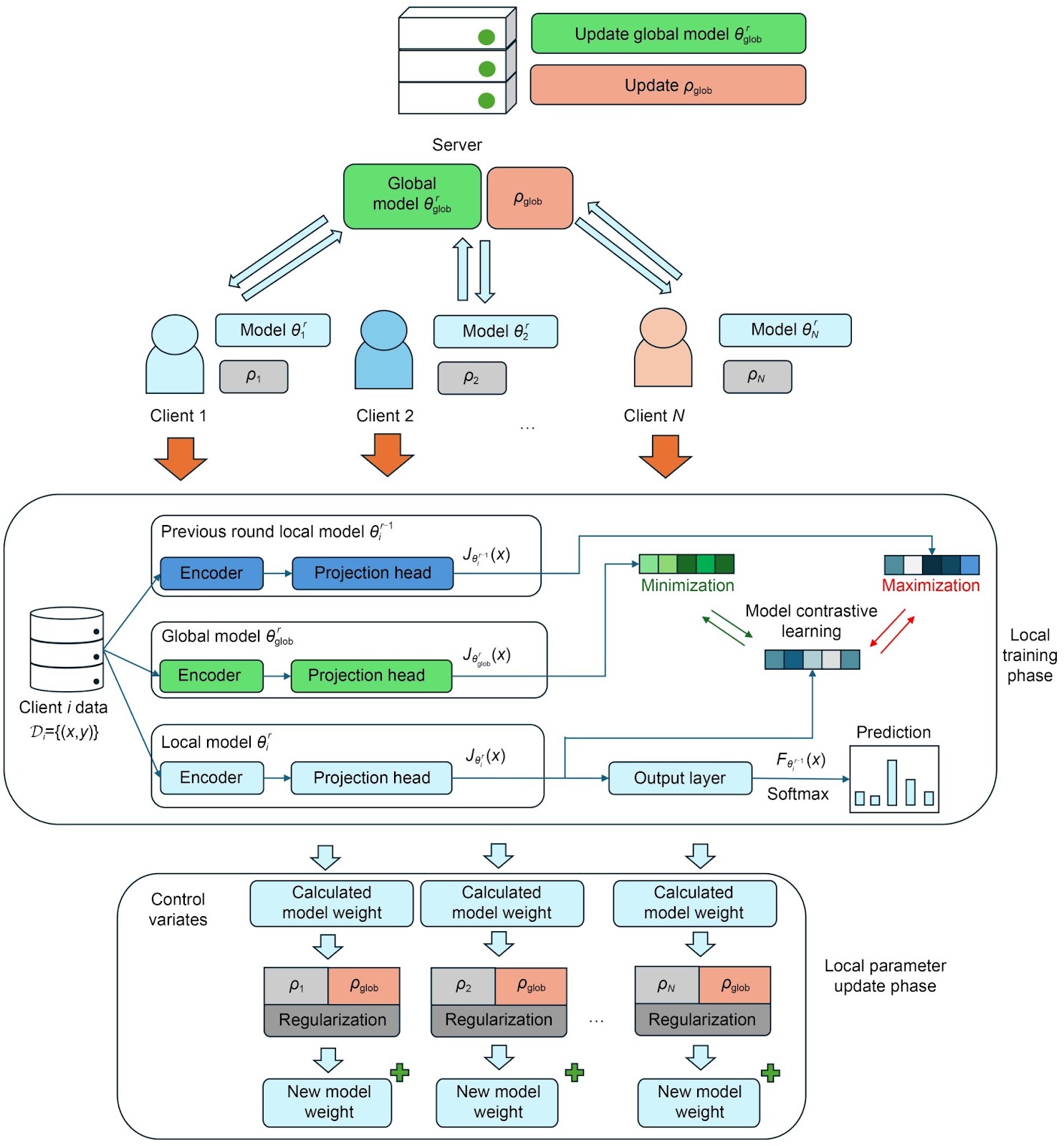
Recent attention to privacy issues demands a communication-safe method for training human activity recognition (HAR) models on client activity data. Federated learning (FL) has become a compelling technique to facilitate model training between the server and clients while preserving data privacy. However, classical FL methods often assume independent and identically distributed (IID) data among clients. This assumption does not hold true in practical scenarios. Human activity in real-world scena