Key Takeaways & Executive Findings
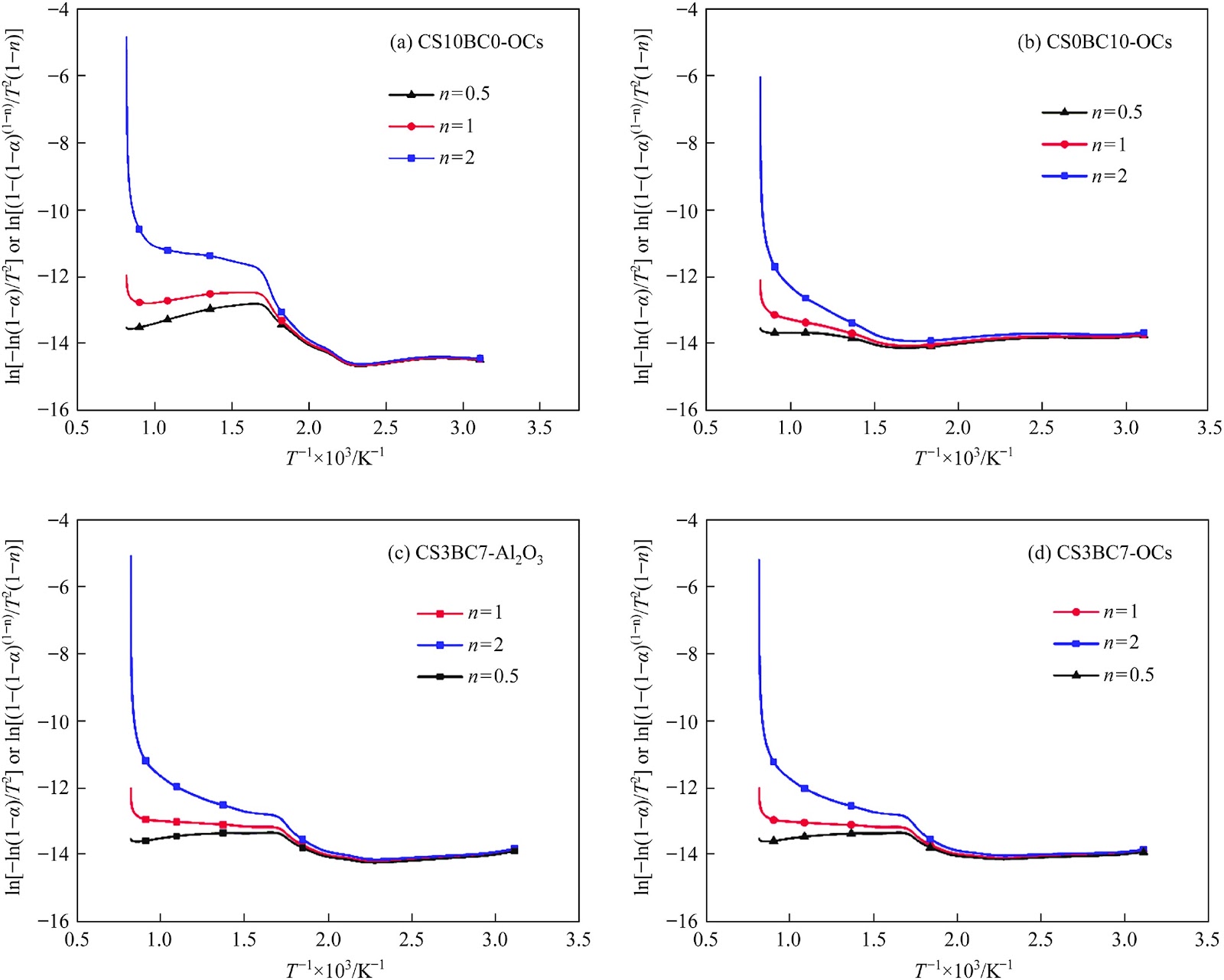
- •• Ilmenite oxygen carriers reduce devolatilization intensity during co-pyrolysis of corn straw and bituminous coal. • Positive synergistic effects occur when corn straw blending ratio is below 50%, with optimal synergy at 30%. • Solid–solid interaction between oxygen carriers and coke enhances co-pyrolysis reactivity at high temperatures (750–950 °C). • Co-pyrolysis activation energy ranges from 26.35 to 40.57 kJ·mol⁻¹, indicating improved reaction kinetics.
Abstract
Herein, the co-pyrolysis reaction characteristics of corn straw (CS) and bituminous coal in the presence of ilmenite oxygen carriers (OCs) are investigated via thermogravimetry coupled with mass spectrometry. The results reveal that the participation of OCs weakens the devolatilization intensity of co-pyrolysis. When the CS blending ratio is <50%, the mixed fuel exhibits positive synergistic effects. The fitting results according to the Coats-Redfern integral method show that the solid–solid interaction between OCs and coke changes the reaction kinetics, enhancing the co-pyrolysis reactivity at the high-temperature zone (750–950 °C). The synergistic effect is most prominent at a 30% CS blending ratio, with co-pyrolysis activation energy in the range of 26.35–40.57 kJ·mol⁻¹.
1. Introduction
Carbon dioxide (CO2) emissions from coal and other fossil fuels majorly contribute to global warming. Efficient and clean conversion of energy depends on the development of green energy and innovation in process design. Biomass, as a potential gasification feedstock, is a renewable carbon source with the highest potential to replace fossil fuels [1]. The advantages of biomass, such as high alkali metal content, high char reactivity, and low pollutant emission, are favorable for increasing the reaction intensity and product yield of thermochemical conversion processes [2]. Unfortunately, the associated low volume density, high transport costs, and seasonal distribution limit the sustainable and stable supply of biomass energy [3]. Co-pyrolysis of coal and biomass can be directly performed to produce solid, liquid, and gas three-phase products, and it is an effective way to improve the quality of energy utilization [4]. Co-pyrolysis is advantageous for improving the conversion mode of coal, increasing carbon conversion efficiency, and reducing environmental pollution. In addition, it helps achieve resource utilization of biomass and sustainable utilization of coal while alleviating the current situation of the energy supply crisis.
Currently, the conventional technology of the co-pyrolysis of coal and biomass has been widely studied. Li et al. [5] investigated the co-pyrolysis behavior of Shenfu coal and rice straw via thermogravimetry coupled with mass spectrometry (TG-MS). Their results indicated that products released during the co-pyrolysis of some fuels were similar to those released during the individual pyrolysis of the fuels. Vuthaluru [6] explored the co-pyrolysis characteristics of bituminous coal (BC) and biomass (wood chips and wheat straw) via TG. The optimal mixing ratio of coal and biomass was reported as 5:5; however, no interaction was observed between the fuels. Chen et al. [7] analyzed the kinetic reaction behavior of the co-pyrolysis of coal and walnut shells using the distributed activation energy model. The results revealed some interaction between coal and biomass. Krerkkaiwan et al. [8] studied the co-pyrolysis characteristics of BC and rice straw in a fixed-bed reactor. The results showed a synergistic effect between coal and biomass at a mass ratio of 1:1, exhibiting high gas production and low tar yield. Huang et al. [9] investigated the co-pyrolysis of BC and biomass (wheat straw, walnut shells, and wood chips) in a high-pressure fluidized bed. The results revealed a synergistic effect at a coal-to-biomass mixture ratio of 7:3, with low tar and coke yields. Overall, the differences in co-pyrolysis synergistic effects may be attributed to various factors, such as feedstock types, reactor types, and experimental parameters (such as heating rate, temperature, and biomass blending ratio). Notably, the co-pyrolysis of coal and biomass has a positive role in increasing gas yield and reducing tar yield.
Loading authentic research manuscript (Pages 1–5)...
Pengxing Yuan, Xiude Hu, Jingjing Ma, Tuo Guo, Qingjie Guo (2023). Thermogravimetric characteristics of corn straw and bituminous coal co-pyrolysis based the ilmenite oxygen carriers. Chinese Journal of Chemical Engineering. https://doi.org/10.1016/j_cjche_144878195
Research & Educational Purpose Only:The translations, structured abstracts, analytical annotations, and data reports provided by SinoTechIntel are intended exclusively for academic research, internal corporate R&D, and educational benchmarking. They do not constitute formal engineering, chemical safety, legal, or professional advice.
Copyright & Intellectual Property Notice: Original copyright of the underlying source articles and experimental data remains with the respective authors, institutions, and original publishing journals. SinoTechIntel claims intellectual property only over its proprietary translations, analytical syntheses, and AEO structured enhancements in accordance with international fair use and academic citation principles.
Frequently Asked Questions
What is the optimal corn straw blending ratio for co-pyrolysis with bituminous coal?
The optimal corn straw blending ratio is 30%, where the synergistic effect is most prominent, with co-pyrolysis activation energy in the range of 26.35–40.57 kJ·mol⁻¹.
How do ilmenite oxygen carriers affect the co-pyrolysis process?
Ilmenite oxygen carriers weaken the devolatilization intensity of co-pyrolysis but enhance the co-pyrolysis reactivity at high temperatures (750–950 °C) through solid–solid interactions with coke.
What methods were used to analyze the co-pyrolysis kinetics?
The study employed thermogravimetry coupled with mass spectrometry (TG-MS) and the Coats-Redfern integral method for kinetic fitting.
What are the main advantages of co-pyrolysis of coal and biomass?
Co-pyrolysis improves coal conversion efficiency, increases gas yield, reduces tar yield, and helps achieve resource utilization of biomass and sustainable utilization of coal.
What is the significance of this research for chemical looping technology?
This research provides insights into the use of ilmenite as an oxygen carrier in chemical looping pyrolysis, which offers advantages such as energy ladder utilization, high product yield, and low system exergy loss.
Related Technical Papers & Translations
Design and optimization of a high-efficiency distillation process for cellulosic fuel ethanol integrated with thermal coupling and molecular sieve adsorption
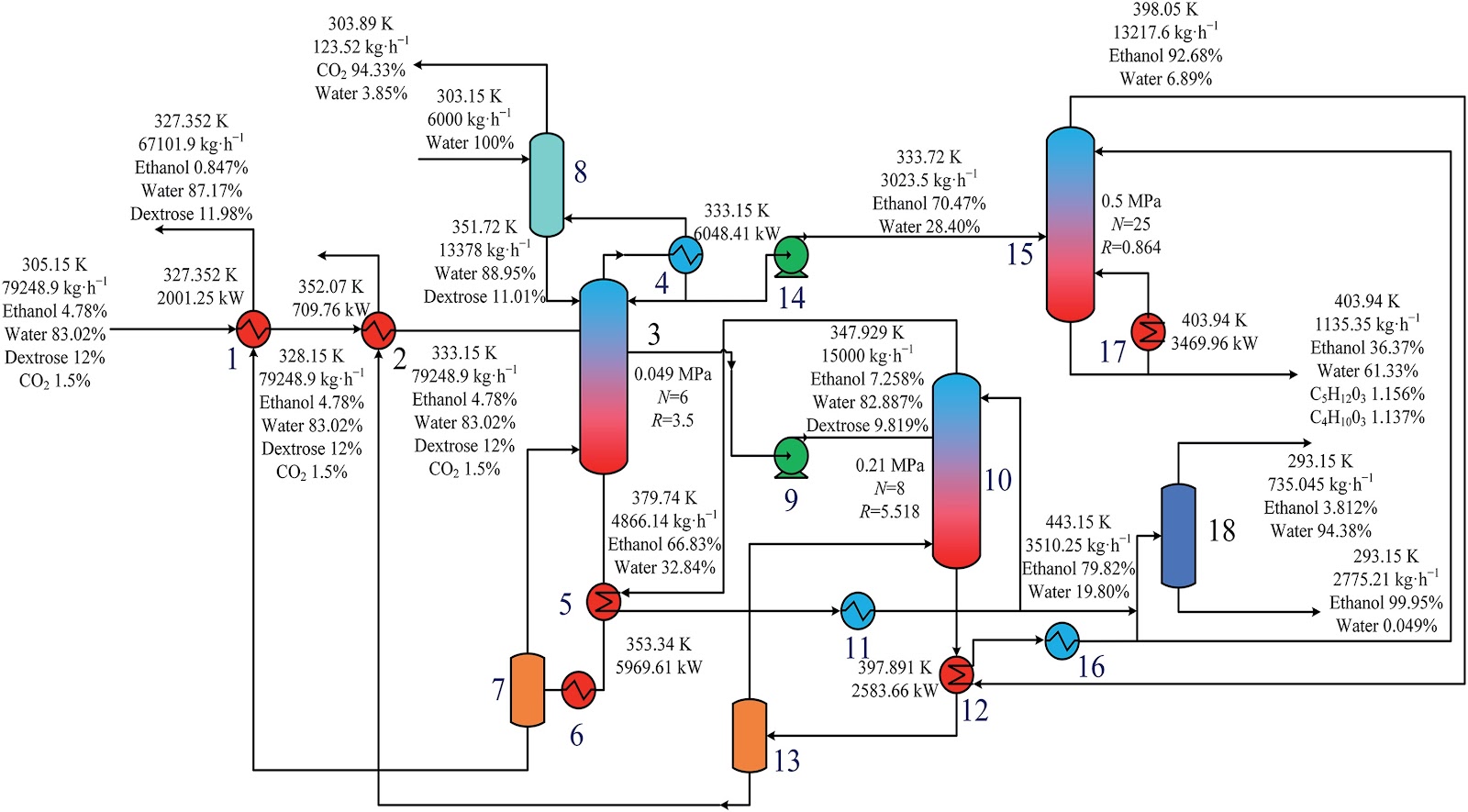
To address the challenges of high energy consumption and prominent costs in the traditional three-columns distillation process for cellulosic fuel ethanol, a distillation—molecular sieve coupling separation process is proposed. This process integrates a three-column (crude distillation column, first distillation column, second distillation column) system with a 3A molecular sieve adsorption deep dehydration unit. A thermal coupling network is constructed via differential pressure design (steam from medium/high-pressure columns as mutual heat sources, reboiler liquid waste heat for feed preheating), and molecular sieve adsorption conditions are optimized. The study first performs a thermodynamic consistency test on the ethanol—water system, determines optimal non-random two-liquid (NRTL) model binary interaction parameters via experimental data regression for Aspen Plus simulation. Aiming at minimum total annual cost (TAC), Aspen Plus is used to optimize process parameters (theoretical tray number, feed location, reflux ratio, side-draw position, etc.). Economic analysis shows this process reduces CO2 emission costs by 27.56%, TAC by 15.58% (to 5.123 × 10⁶ USD·a-1), and increases ethanol purity to >99.6%, providing an effective solution for green, efficient separation.
A cohesion loss model for determining residual strength of deep bedded sandstone
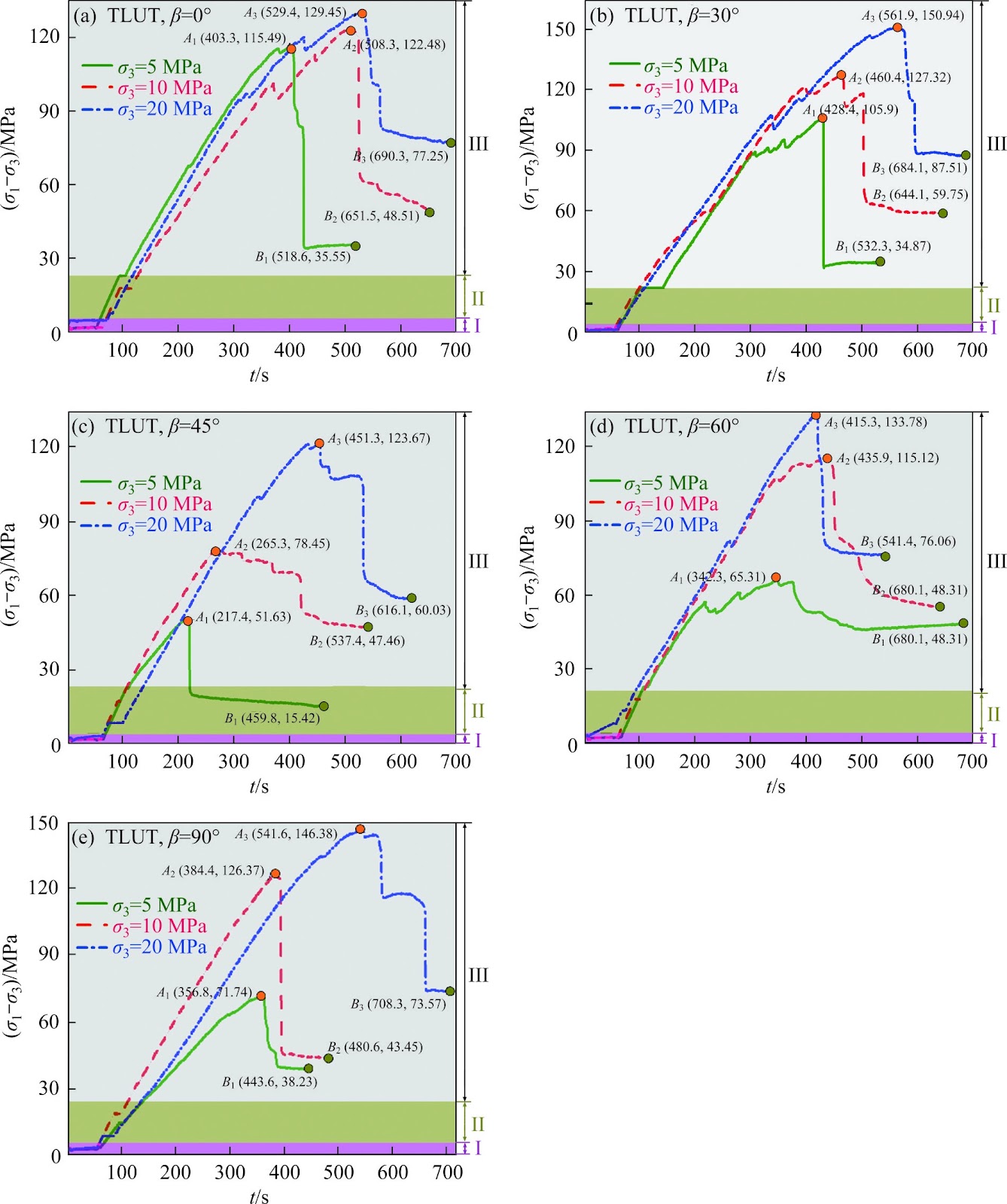
Rock residual strength, as an important input parameter, plays an indispensable role in proposing the reasonable and scientific scheme about stope design, underground tunnel excavation and stability evaluation of deep chambers. Therefore, previous residual strength models of rocks established were reviewed. And corresponding related problems were stated. Subsequently, starting from the effects of bedding and whole life-cycle evolution process, series of triaxial mechanical tests of deep bedded s
Federated model with contrastive learning and adaptive control variates for human activity recognition
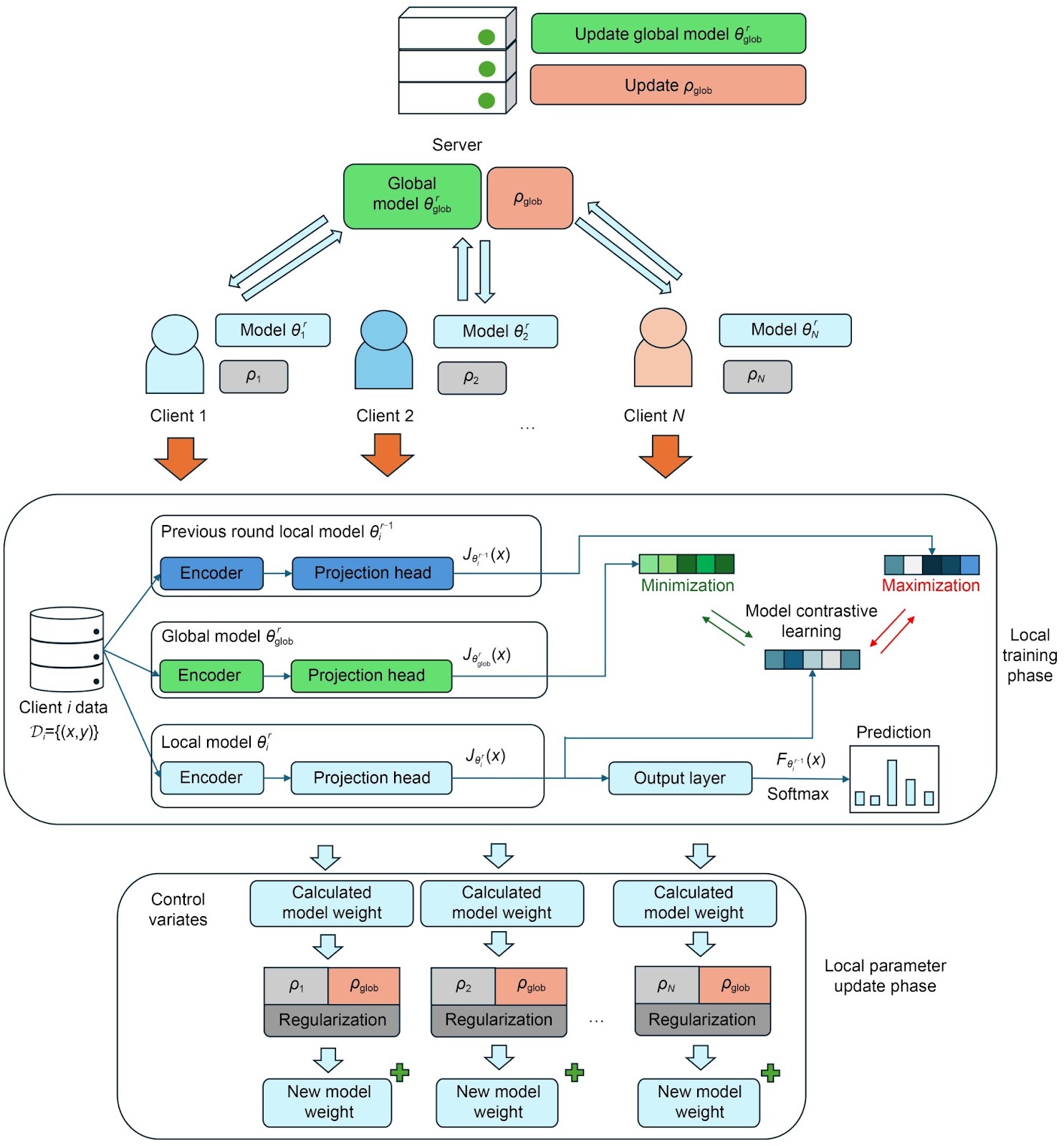
Recent attention to privacy issues demands a communication-safe method for training human activity recognition (HAR) models on client activity data. Federated learning (FL) has become a compelling technique to facilitate model training between the server and clients while preserving data privacy. However, classical FL methods often assume independent and identically distributed (IID) data among clients. This assumption does not hold true in practical scenarios. Human activity in real-world scena