Key Takeaways & Executive Findings
- •• A novel coupled synergistic process using phosphogypsum (PG) and potassium feldspar (PF) achieves simultaneous leaching of potassium (K) and phosphorus (P) with high efficiencies: >93% for K and >96% for P under optimal conditions. • The process leverages the fluorine (F) in PG to generate hydrofluoric acid (HF) in situ, which decomposes the stable structure of PF, enabling K extraction without the need for expensive and hazardous external HF. • Kinetic analysis using the shrinking core model reveals two distinct stages controlled by internal diffusion, with low apparent activation energies (11.92 and 11.55 kJ·mol⁻¹), indicating a thermodynamically favorable and energy-efficient process. • This approach addresses the dual environmental challenges of PG stockpiling and PF underutilization, aligning with circular economy principles and offering a sustainable pathway for waste valorization and resource recovery.
Abstract
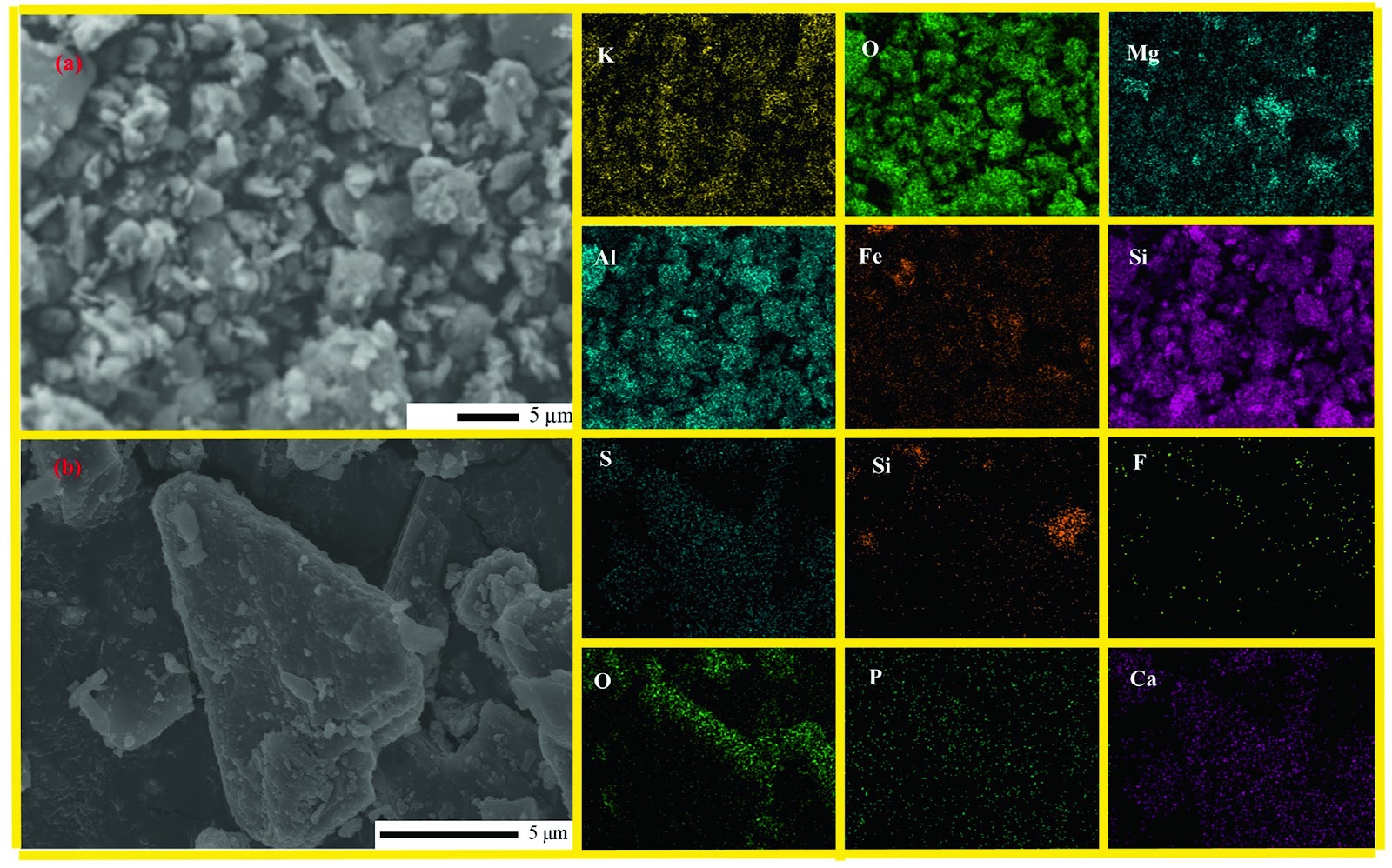
To achieve the resource utilization of solid waste phosphogypsum (PG) and tackle the problem of utilizing potassium feldspar (PF), a coupled synergistic process between PG and PF is proposed in this paper. The study investigates the features of P and F in PG, and explores the decomposition of PF using hydrofluoric acid (HF) in the sulfuric acid system for K leaching and leaching of P and F in PG. The impact factors such as sulfuric acid concentration, reaction temperature, reaction time, material ratio (PG/PF), liquid–solid ratio, PF particle size, and PF calcination temperature on the leaching of P and K is systematically investigated in this paper. The results show that under optimal conditions, the leaching rate of K and P reach more than 93% and 96%, respectively. Kinetics study using shrinking core model (SCM) indicates two significant stages with internal diffusion predominantly controlling the leaching of K. The apparent activation energies of these two stages are 11.92 kJ·mol⁻¹ and 11.55 kJ·mol⁻¹, respectively.
1. Introduction
Phosphogypsum (PG), with main component as CaSO4·2H2O, is a solid by-product generated from wet phosphoric acid production process. The annual stockpiling is estimated to be exceeding 80 million tonnes in China [1]. The current status qua of bulk utilization of PG mainly relies on the preparation of building materials, geotechnical building materials, and chemical raw materials etc [2–8]. However, due to the presence of hazardous impurities such as P, F, and other organic matter (such as 2-methoxyethyl acetate) in PG, these substances will not only greatly impede the utilization of PG in the forementioned approaches, but also leads to stockpiling in colossal quantity along Yangzi River [9]. More importantly, those harmful and hazardous substances impose adverse environmental impact and jeopardize the health & wellbeing of local residences. Taking the F as an example, it is estimated to be approximately 400000 tonnes being discharged annually (with considering over 0.5% in PG on mass basis). The ionic F might evaporate if it encounters at relative high temperature. In addition, the leachate of PG, which is acidic, could potentially pollute aquatic system and cause acute, chronic diseases if it is not properly handled [10].
Albeit the potassium feldspar (PF) is a K rich resource [11], its chemical stable Al–Si–O tetrahedral ionic bond structure significantly prevents the leaching of K cations out of the matrix of PF using strong inorganic acids (i.e., sulfuric acid, hydrochloric acid, etc.) [12]. Although hydrofluoric acid (HF) can destroy the structure of PF, its notorious pricy cost and underlining environmental impacts makes it much less alluring for K leaching on large-scale PF processing.
In order to tackle the problem of utilization of industrial solid waste-PG and K-rich natural resources of PF, a process that considering intrinsic chemical features both of PG and PF rich in K is proposed in this work. By successfully combining PG (including F element) with PF (rich in K element) together with the aid of sulfuric acid, the proposed synergic reactions are found to achieve K leaching and elementary recovery (F in form of HF could be recycled in the process for multiple times). To depict some more appealing features of this proposed process, Table 1 summarizes the existing widely deployed PF and PG utilization methods. Through this proposed process, the removal of P and F from PG, and leaching of K from PF could be ideally achieved simultaneously, which perfectly aligns with circular economy and the philosophy of energy cascade and integrated material utilizations. The reports of using synergic reactions for simultaneous purification of PG and decomposition of PF, to the best of our knowledge, has not been reported before.
Loading authentic research manuscript (Pages 1–5)...
Chao Li, Shizhao Wang, Yunshan Wang, Xuebin An, Gang Yang, Yong Sun (2023). Study on synergistic leaching of potassium and phosphorus from potassium feldspar and solid waste phosphogypsum via coupling reactions. Chinese Journal of Chemical Engineering. https://doi.org/10.1016/j_cjche_144875468
Research & Educational Purpose Only:The translations, structured abstracts, analytical annotations, and data reports provided by SinoTechIntel are intended exclusively for academic research, internal corporate R&D, and educational benchmarking. They do not constitute formal engineering, chemical safety, legal, or professional advice.
Copyright & Intellectual Property Notice: Original copyright of the underlying source articles and experimental data remains with the respective authors, institutions, and original publishing journals. SinoTechIntel claims intellectual property only over its proprietary translations, analytical syntheses, and AEO structured enhancements in accordance with international fair use and academic citation principles.
Frequently Asked Questions
What is the main objective of the study?
The study aims to develop a coupled synergistic process using phosphogypsum (PG) and potassium feldspar (PF) to simultaneously leach potassium (K) from PF and phosphorus (P) from PG, thereby achieving resource utilization of both solid waste and natural ore.
How does the process work?
The process utilizes the fluorine (F) present in phosphogypsum to generate hydrofluoric acid (HF) in situ in a sulfuric acid system. This HF decomposes the stable structure of potassium feldspar, releasing K ions, while P and F are leached from PG. The synergistic reactions enable efficient extraction of both elements.
What are the optimal conditions for maximum leaching?
Under optimal conditions, the leaching rates exceed 93% for K and 96% for P. The specific conditions include sulfuric acid concentration, reaction temperature, time, material ratio (PG/PF), liquid–solid ratio, PF particle size, and calcination temperature, which were systematically optimized in the study.
What is the significance of the kinetic study?
The kinetic study using the shrinking core model revealed two significant stages with internal diffusion as the controlling mechanism for K leaching. The low apparent activation energies (11.92 and 11.55 kJ·mol⁻¹) indicate that the process is energy-efficient and thermodynamically favorable.
How does this process contribute to environmental sustainability?
This process addresses two environmental challenges: the large-scale stockpiling of phosphogypsum (a hazardous solid waste) and the underutilization of potassium feldspar (a K-rich resource). By converting waste into valuable products and recovering K and P, it aligns with circular economy principles and reduces environmental pollution.
Related Technical Papers & Translations
Design and optimization of a high-efficiency distillation process for cellulosic fuel ethanol integrated with thermal coupling and molecular sieve adsorption
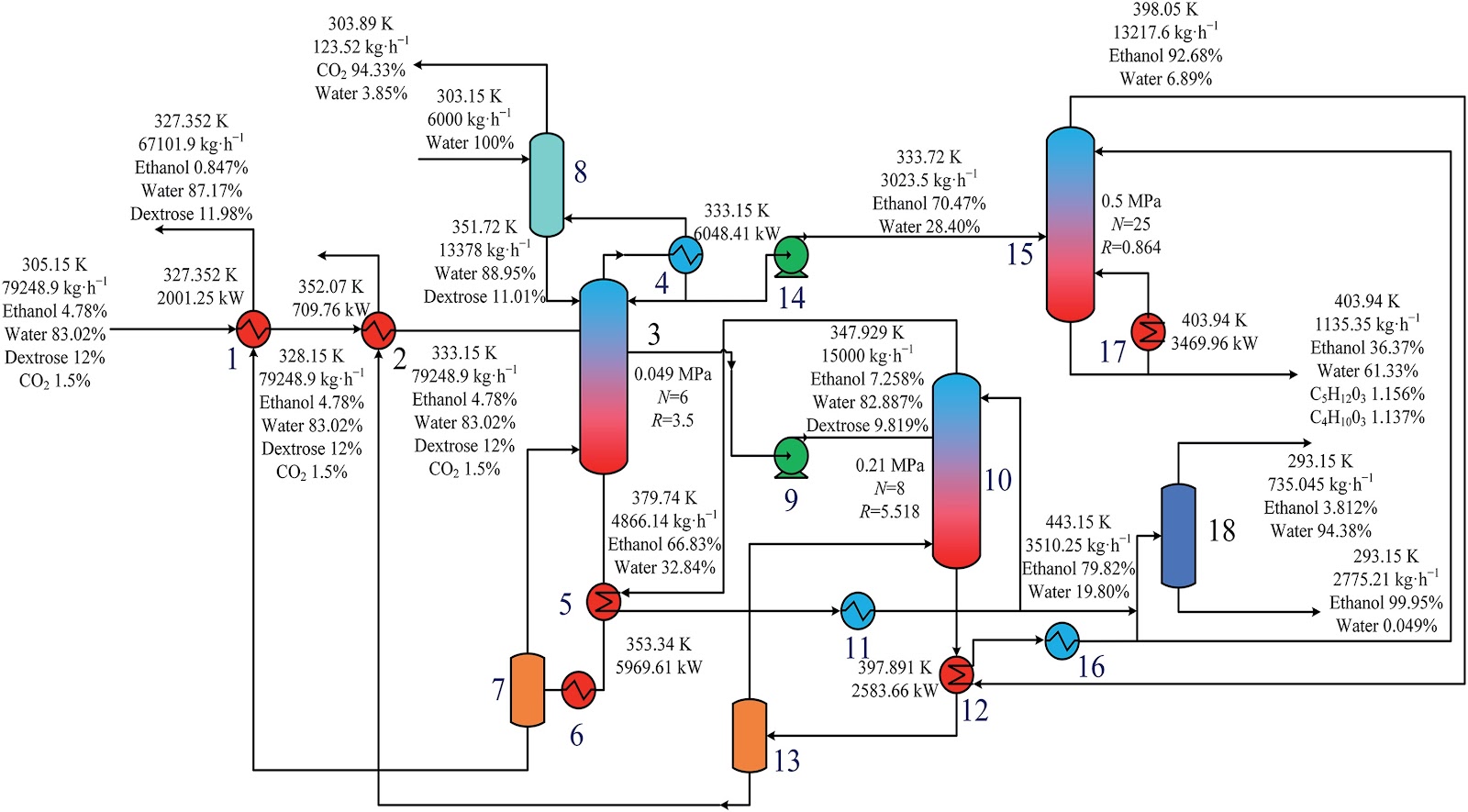
To address the challenges of high energy consumption and prominent costs in the traditional three-columns distillation process for cellulosic fuel ethanol, a distillation—molecular sieve coupling separation process is proposed. This process integrates a three-column (crude distillation column, first distillation column, second distillation column) system with a 3A molecular sieve adsorption deep dehydration unit. A thermal coupling network is constructed via differential pressure design (steam from medium/high-pressure columns as mutual heat sources, reboiler liquid waste heat for feed preheating), and molecular sieve adsorption conditions are optimized. The study first performs a thermodynamic consistency test on the ethanol—water system, determines optimal non-random two-liquid (NRTL) model binary interaction parameters via experimental data regression for Aspen Plus simulation. Aiming at minimum total annual cost (TAC), Aspen Plus is used to optimize process parameters (theoretical tray number, feed location, reflux ratio, side-draw position, etc.). Economic analysis shows this process reduces CO2 emission costs by 27.56%, TAC by 15.58% (to 5.123 × 10⁶ USD·a-1), and increases ethanol purity to >99.6%, providing an effective solution for green, efficient separation.
A cohesion loss model for determining residual strength of deep bedded sandstone
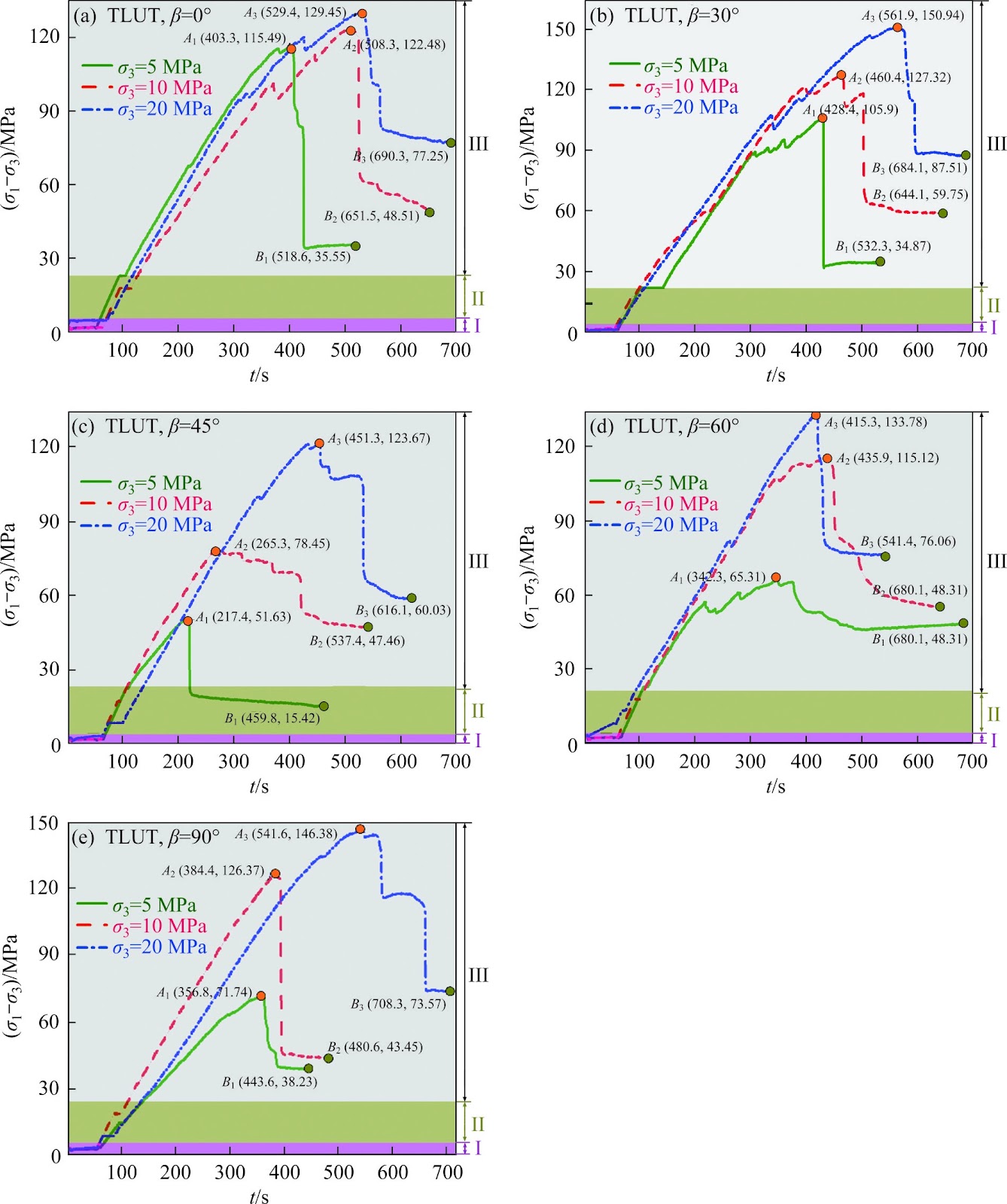
Rock residual strength, as an important input parameter, plays an indispensable role in proposing the reasonable and scientific scheme about stope design, underground tunnel excavation and stability evaluation of deep chambers. Therefore, previous residual strength models of rocks established were reviewed. And corresponding related problems were stated. Subsequently, starting from the effects of bedding and whole life-cycle evolution process, series of triaxial mechanical tests of deep bedded s
Federated model with contrastive learning and adaptive control variates for human activity recognition
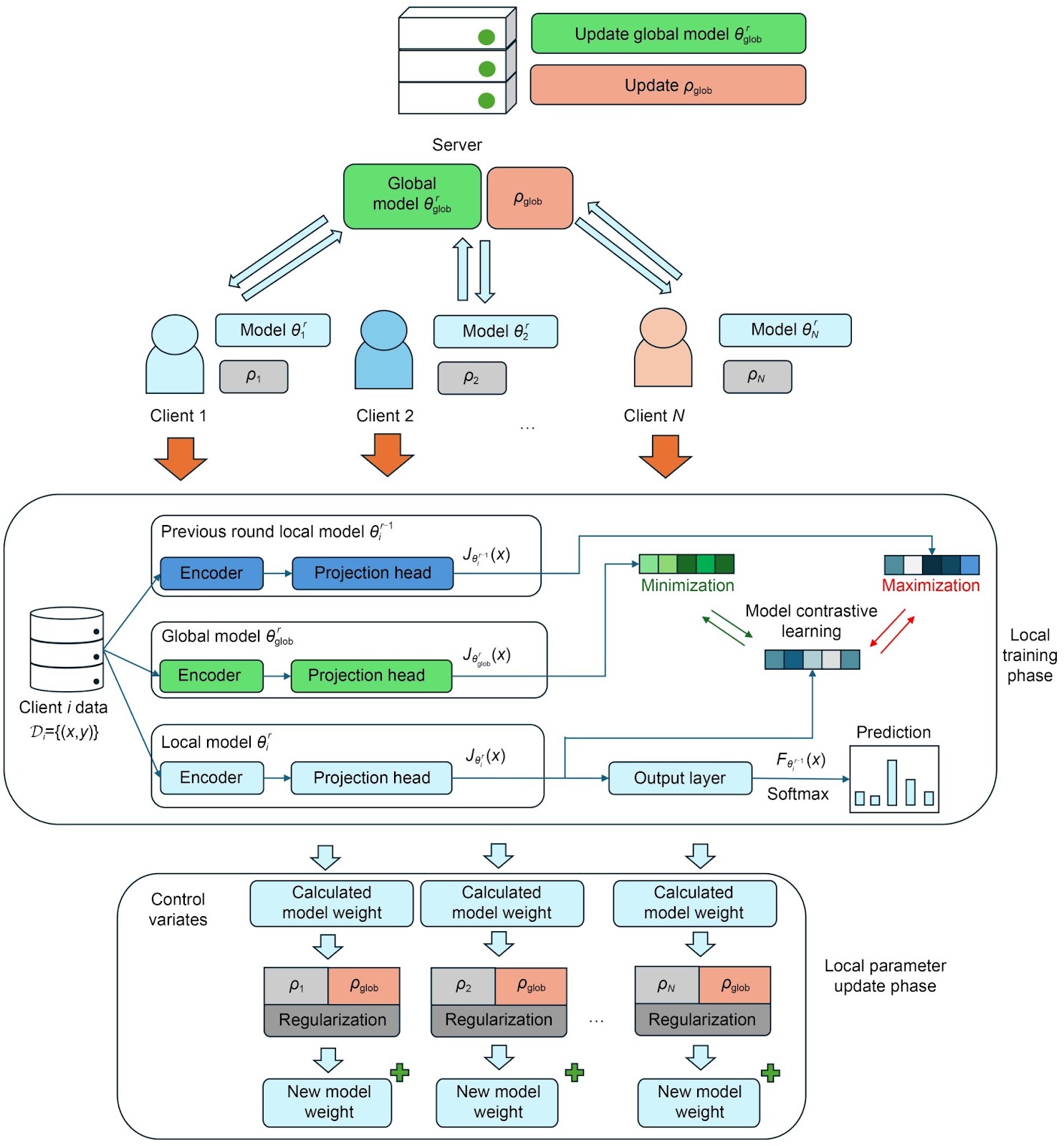
Recent attention to privacy issues demands a communication-safe method for training human activity recognition (HAR) models on client activity data. Federated learning (FL) has become a compelling technique to facilitate model training between the server and clients while preserving data privacy. However, classical FL methods often assume independent and identically distributed (IID) data among clients. This assumption does not hold true in practical scenarios. Human activity in real-world scena