SinoTechIntel Academic Portal
🏛️ Indexed Academic JournalImpact Factor: 3.5 (Q2 - USTB)Original: 矿物冶金与材料学报 (英文版)

Journal of Mineral Metallurgy and Materials Science

3.5 (Q2 - USTB)

Total Research Papers: 111
Access: 100% Free Open Access
Browse by Publication Year & VolumeReset All Filters ✕

Published Research PapersFiltered: Year 2025 • Vol. 32

Showing 104 of 111 peer-reviewed papers with full Graphical Abstracts.

Original ResearchVol. 32, Issue 12 • pp. 147-159DOI: 10.1007/s12613-025-3207-6Dec 24, 2025

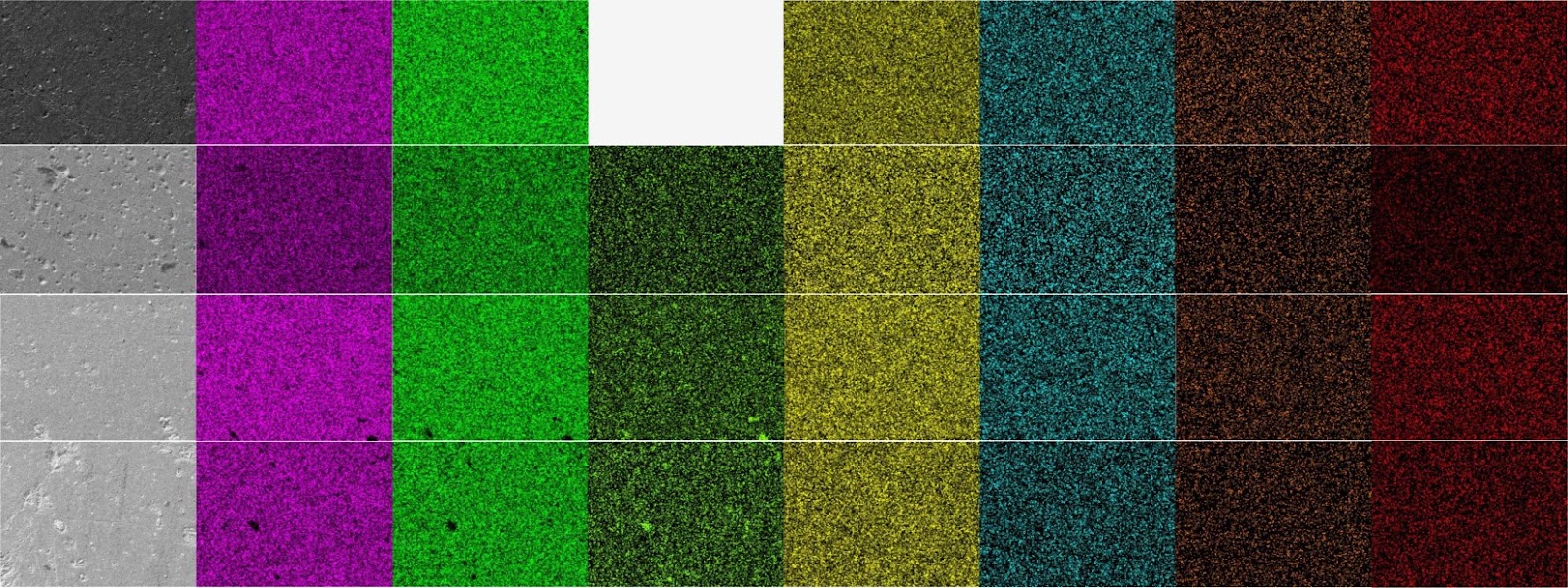
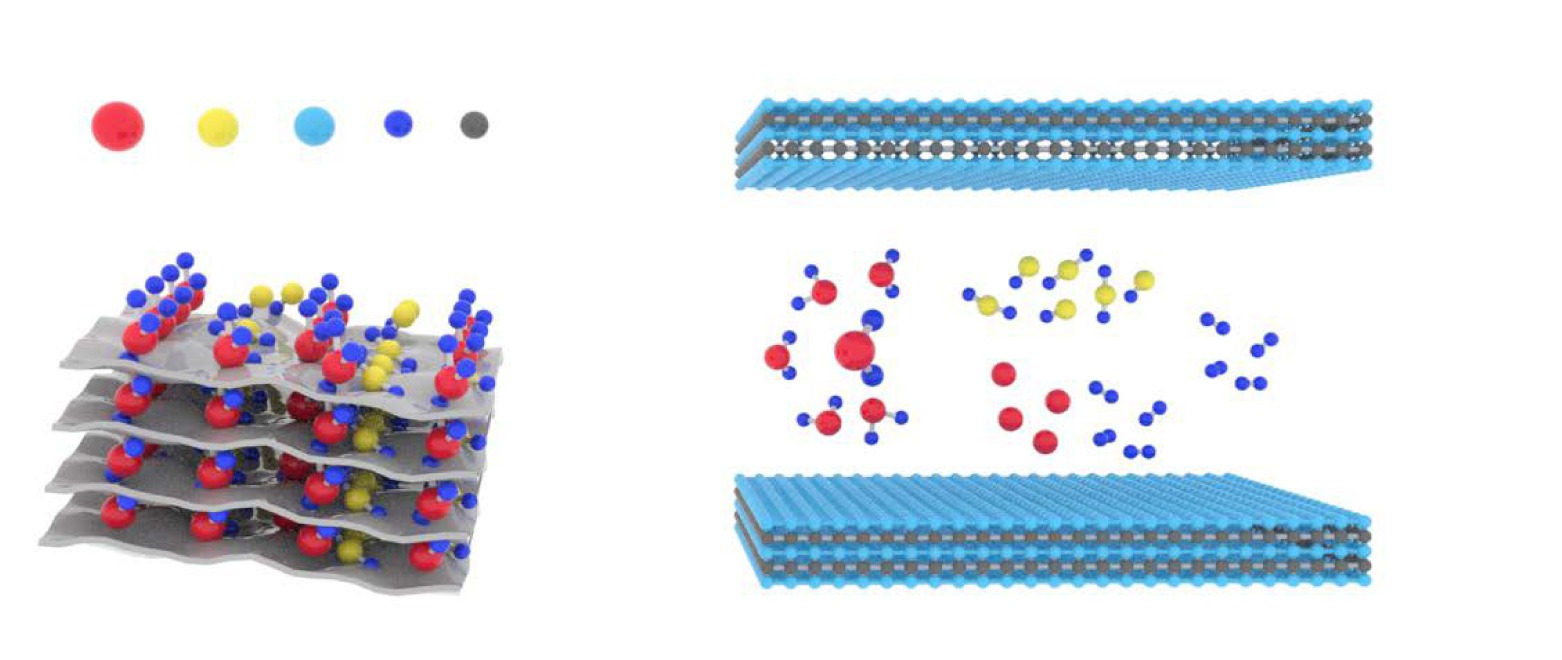
Probing the interfacial role of hydrolysed polymaleic anhydride for efficient target adsorption in scheelite–calcite flotation system: Experimental application and atomic-scale mechanisms

Authors: Qing Shi, Binbin Li, Guofan Zang

Tungsten, a strategic non-ferrous metal critical for advanced industrial applications, predominantly exists as underutilized scheelite resources characterized by fine-grained intergrowths with calcite that are challenging to separate. This study deciphers the atomic-scale mechanism underlying the selective flotation separation of scheelite from calcite mediated by hydrolyzed polymaleic anhydride (HPMA), a novel environmentally benign reagent, through integrated experimental characterization and
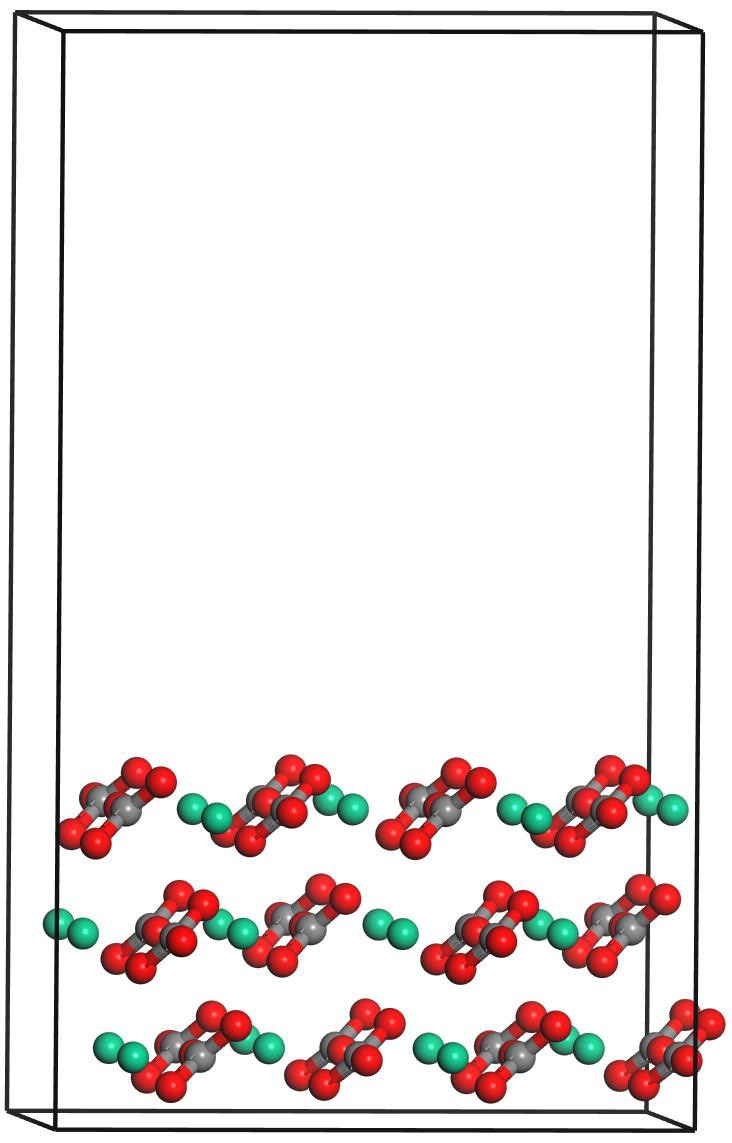
Probing the interfacial role of hydrolysed polymaleic anhydride for efficient target adsorption in scheelite–calcite flotation system: Experimental application and atomic-scale mechanisms
Graphical Abstract
Original ResearchVol. 32, Issue 12 • pp. 163-175DOI: 10.1007/s12613-025-3316-2Dec 18, 2025

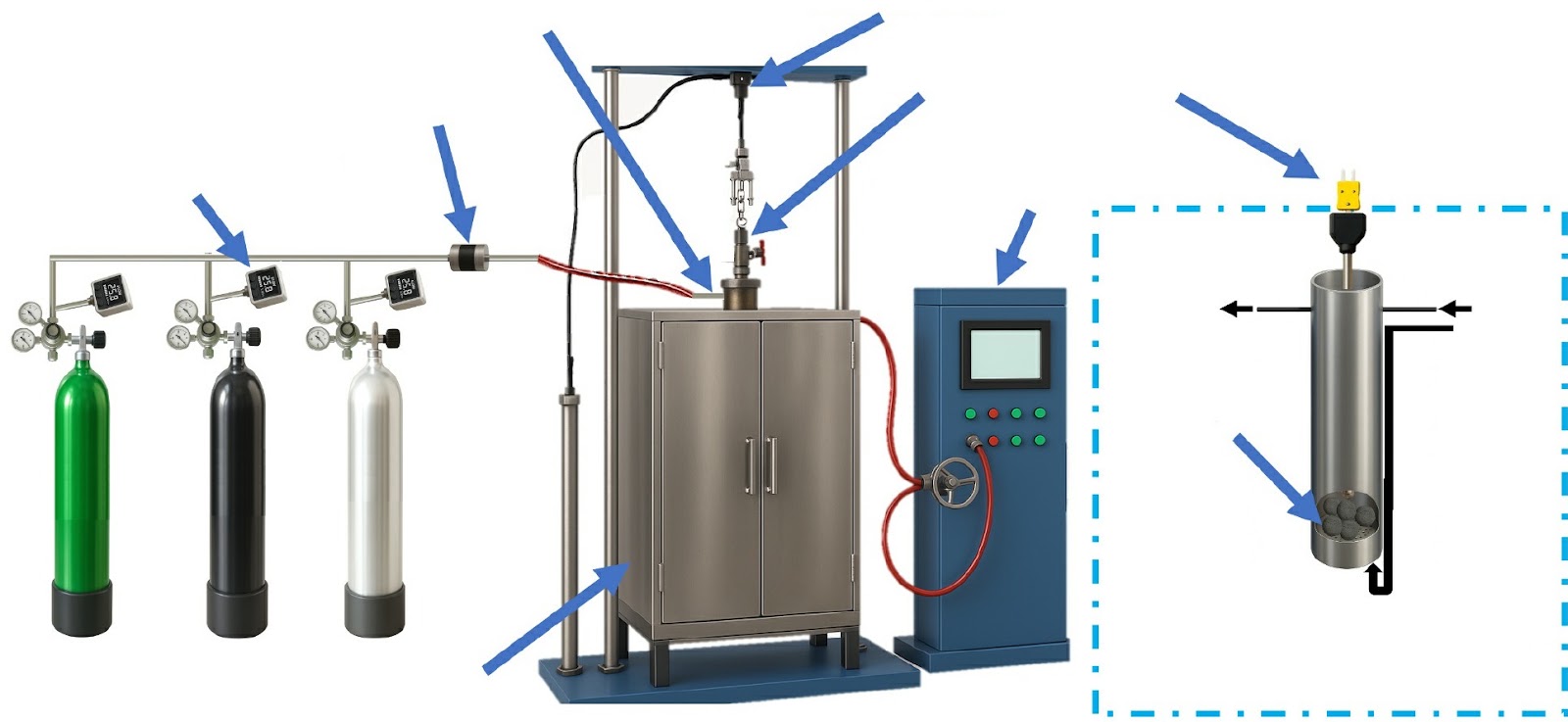
Coupled effect of SiO2 content and hydrogen-enriched atmospheres on the reduction behavior and microstructural evolution of fired hematite pellets

Authors: Bohua Li, Deqing Zhu, Zhengqi Guo, Jian Pan, Congcong Yang, Siwei Li

As demand grows for low-carbon ironmaking, it is essential to understand how hydrogen reduces iron ore pellets under varying gangue compositions and gas atmospheres. In this work, fired hematite pellets with a basicity (mass ratio of CaO to SiO2) of 0.3 and SiO2 contents ranging from 1wt% to 4wt% were systematically investigated under three typical shaft furnace atmospheres (Midrex, HYL, and coke oven gas (COG)) as well as under 100% H2, to clarify the reduction kinetics, reaction mechanism, and

Coupled effect of SiO2 content and hydrogen-enriched atmospheres on the reduction behavior and microstructural evolution of fired hematite pellets
Graphical Abstract
Original ResearchVol. 32, Issue 12 • pp. 571-583DOI: 10.1007/s12613-025-3254-zDec 15, 2025

Suppressing negative natural aging effect in automotive AlMgSiCu alloys via Sn microalloying

Authors: Xuemei Xiang, Yuxiang Lai, Guisen Chen, Cuilan Wu, Jianghua Chen

Although Sn has been established as an effective microalloying element for suppressing the negative natural aging (NA) effect in Al–Mg–Si alloys, its potential to mitigate the negative NA effect in Al–Mg–Si–Cu alloys remains to be confirmed. This study systematically investigated the role of Sn in the NA of Al–Mg–Si–Cu alloys through hardness measurements, differential scanning calorimetry, and atomic-resolution high-angle annular dark-field scanning transmission electron microscopy. Our results

Suppressing negative natural aging effect in automotive AlMgSiCu alloys via Sn microalloying
Graphical Abstract
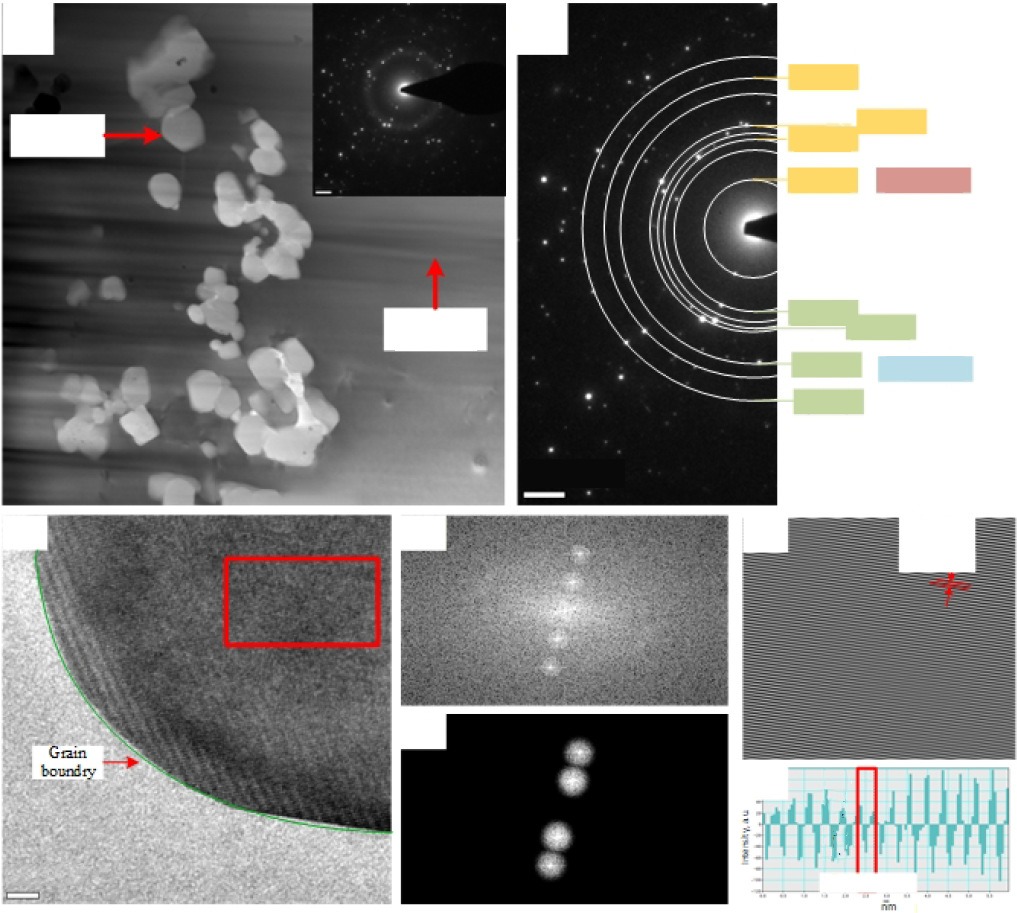
Original ResearchVol. 32, Issue 12 • pp. 743-755DOI: 10.1007/s12613-025-3203-xDec 13, 2025

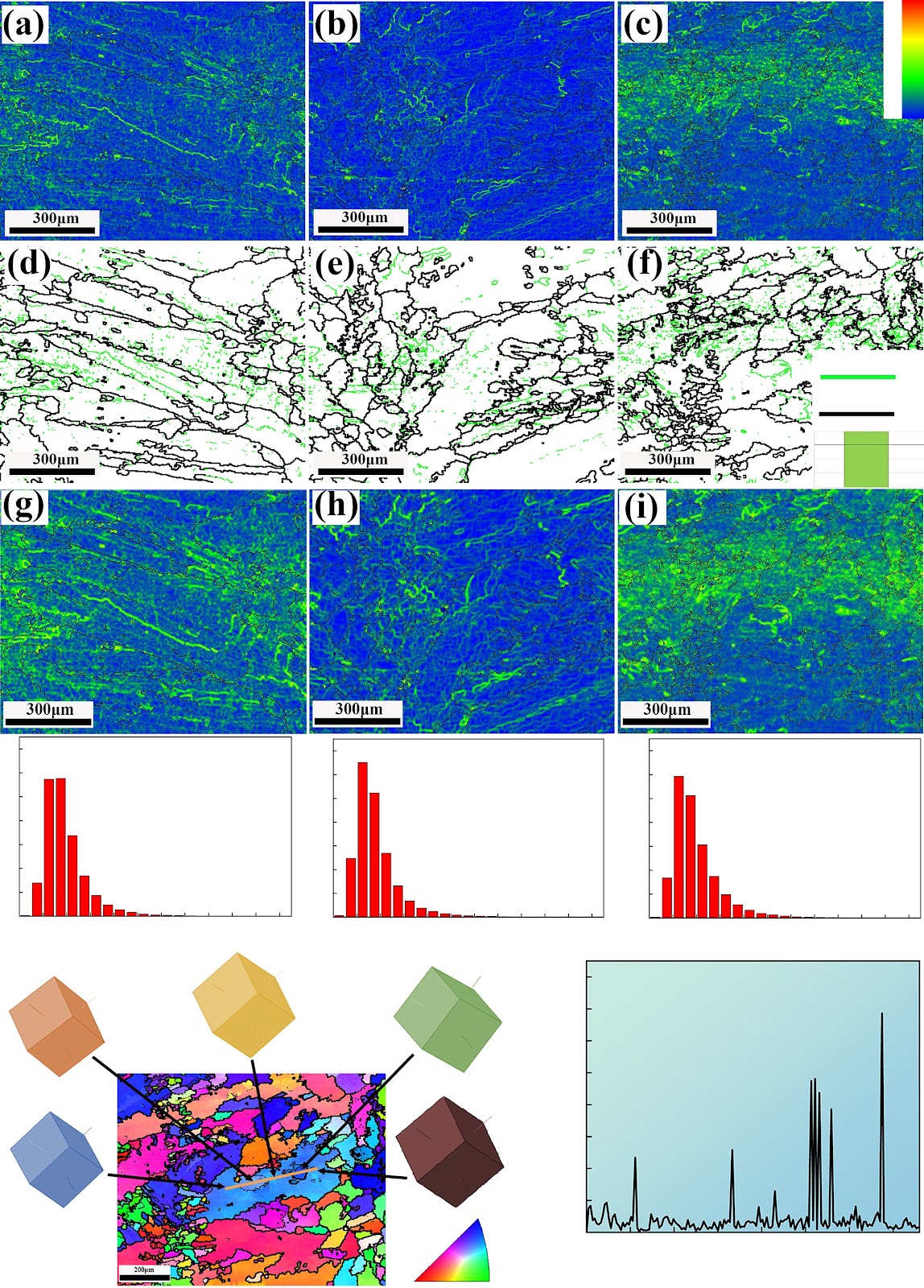
Microstructure, mechanical properties and deformation of electrically assisted friction stir welded twinning-induced plasticity steel joint

Authors: Kaiwei Wang, Ke Qiao, Kuaishe Wang, Wen Wang, Hongduo Wang, Jiangyun Zhang, Yi Liu, Xu Guo, Kai Zhou, Fengming Qiang

Twinning-induced plasticity (TWIP) steel was processed using electrically assisted friction stir welding (EFSW). The microstructure, mechanical properties, and deformation behavior of the welded joints were systematically investigated. The results show that the average grain size was refined from 3.67 μm in the base material (BM) to 1.39 μm in the stir zone (SZ), while it increased to 4.19 μm in the heat-affected zone (HAZ). The fraction of twin boundaries (TBs) decreased from 20.7% in the BM to

Microstructure, mechanical properties and deformation of electrically assisted friction stir welded twinning-induced plasticity steel joint
Graphical Abstract

Original ResearchVol. 32, Issue 12 • pp. 351-363DOI: 10.1007/s12613-025-3332-2Dec 10, 2025

Strength, ductility and zero thermal expansion in multicomponent TRIP-Invar alloys

Authors: Wanda Yang, Haowei Zhou, Jing Chen, Chengyi Yu, Yili Cao, Ke An, Yan Chen, Dunji Yu, Kun Lin, Xianran Xing

Multi-principal-element alloys (MPEAs) have emerged as a transformative class of metallic materials, surpassing conventional alloys due to their “four core effects”. The inherent compositional complexity and programmable multifunctionality of MPEAs collectively drive their emergence as a vanguard in materials innovation. By synergistically modulating metastable engineering and magneto-volume effects, we developed a MPEA (Fe,Co,Cr)100−xNix with an ultralow coefficient of thermal expansion (αl = 1

Strength, ductility and zero thermal expansion in multicomponent TRIP-Invar alloys
Graphical Abstract

Original ResearchVol. 32, Issue 12 • pp. 759-771DOI: 10.1007/s12613-025-3302-8Dec 7, 2025

Phase structure evolution and performance divergence in AB2-type alloys induced by Al and Fe elemental substitution

Authors: Guangbo Shi, Haideng Wang, Kwo Young, Chubin Wan, Xiaoyu Hu, Yuting Wang, Xin Ju, Yuan Wu

This work investigated the crystal structure, hydrogen storage, and electrochemical properties of the Ti0.2Zr0.8(V0.2Mn0.8)1−xMxNi1.0 (M = Al, Fe; x = 0, 0.05, 0.1) Zr-rich AB2 alloys. Rietveld refinement of X-ray diffraction (XRD) revealed that C14 phase abundance increased with Al content, while Fe promoted C15 phase formation, accompanied by a variation in the lattice constants. Hydrogen storage experiments showed C15 phase abundance positively correlated with maximum adsorption capacity, whi

Phase structure evolution and performance divergence in AB2-type alloys induced by Al and Fe elemental substitution
Graphical Abstract

Original ResearchVol. 32, Issue 12 • pp. 367-379DOI: 10.1007/s12613-026-3395-8Dec 4, 2025

Sensitivity analysis of a CNN–LSTM prognostic framework for proton exchange membrane fuel cells: Effects of sliding window size and training data allocation

Authors: Qin Lin, Liang Hu, Wenmiao Liu, Xiaomin Tang, Yuhao Wang, Zhibin Yang

For proton exchange membrane fuel cell (PEMFC) prognostics, deploying deep learning models in real applications depends not only on the network architecture but also on carefully chosen hyperparameters and training strategies. Hybrid Convolutional Neural Network–Long Short-Term Memory (CNN–LSTM) models can attain high predictive accuracy, yet their sensitivity to practical implementation choices has not been systematically quantified. This work addresses that gap by performing a methodological a

Sensitivity analysis of a CNN–LSTM prognostic framework for proton exchange membrane fuel cells: Effects of sliding window size and training data allocation
Graphical Abstract
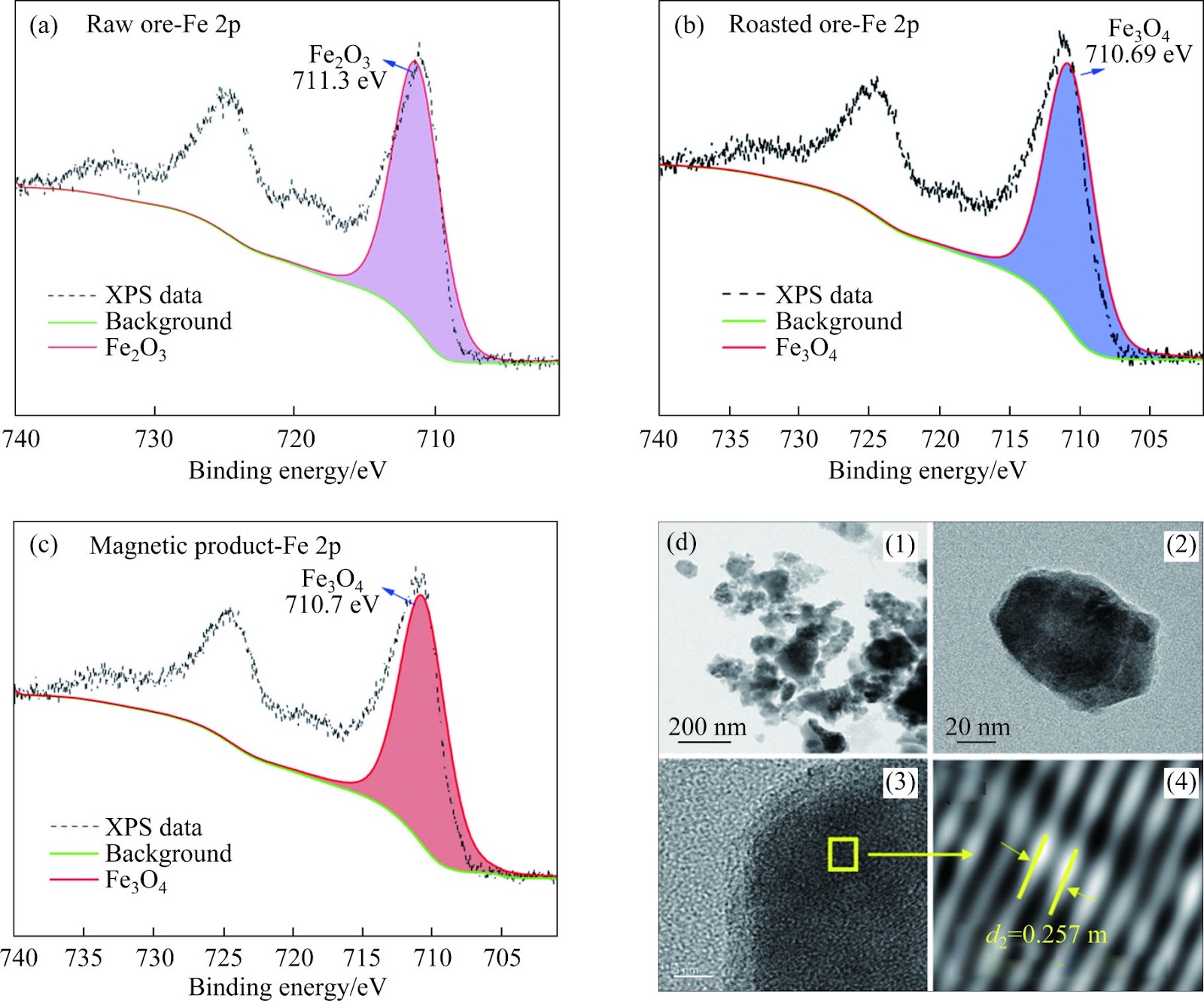
Original ResearchVol. 32, Issue 12 • pp. 539-551DOI: 10.1007/s12613-025-3154-2Dec 2, 2025

CO2 nanobubble-enhanced cement–fly ash backfill: Optimizing aggregate gradation and microstructure

Authors: Xiaoxiao Cao, Haoyan Lyu, Yanlong Chen, Jiangyu Wu, Hideki Shimada, Takashi Sasaoka, Akihiro Hamanaka

Mine filling materials urgently need to improve mechanical properties and achieve low-carbon transformation. This study explores the mechanism of the synergistic effect of optimizing aggregate fractal grading and introducing CO2 nanobubble technology to improve the performance of cement–fly ash-based backfill materials (CFB). The properties including fluidity, setting time, uniaxial compressive strength, elastic modulus, porosity, microstructure and CO2 storage performance were systematically st

CO2 nanobubble-enhanced cement–fly ash backfill: Optimizing aggregate gradation and microstructure
Graphical Abstract
Original ResearchVol. 32, Issue 11 • pp. 522-534DOI: 10.1007/s12613-025-3117-7Nov 24, 2025

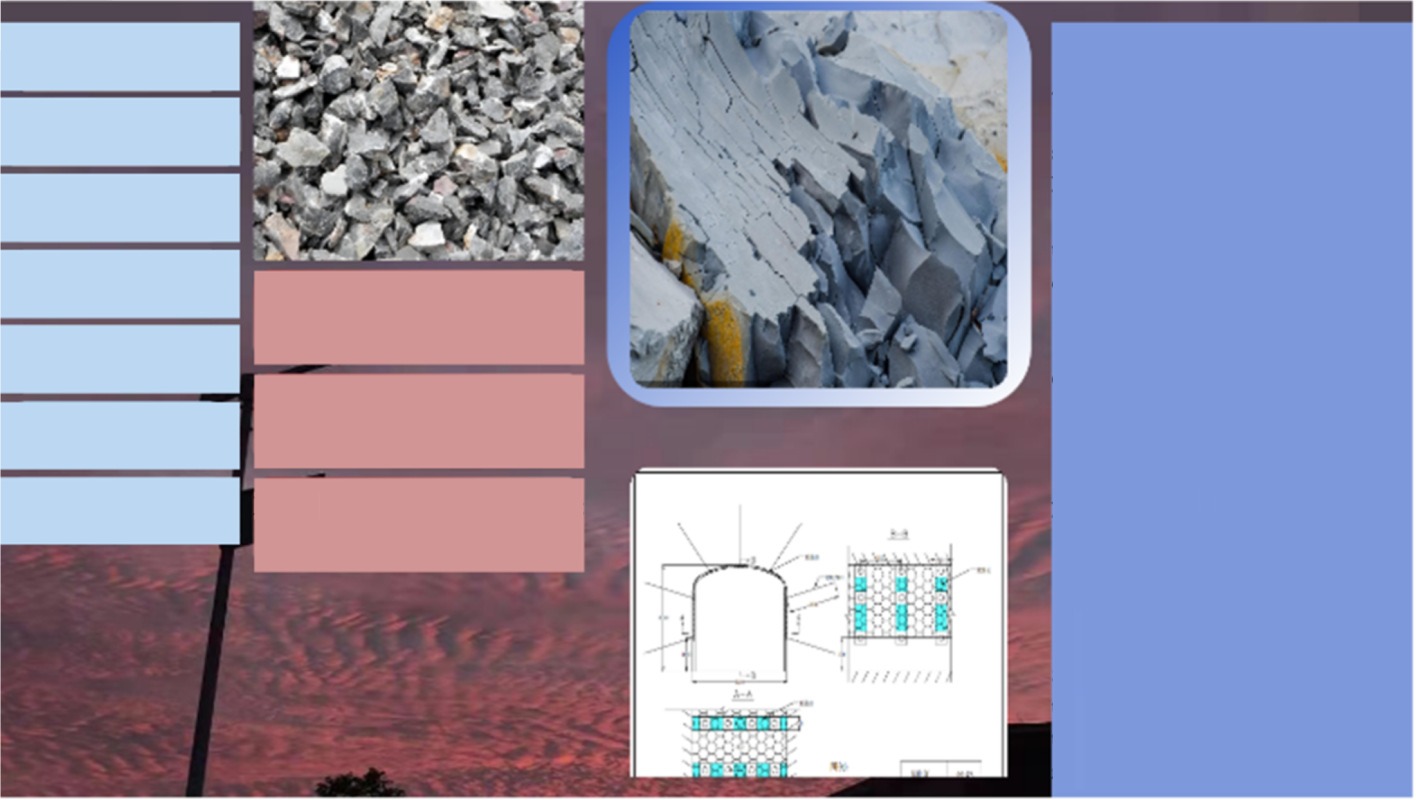
Research on the visualization method of lithology intelligent recognition based on deep learning using mine tunnel images

Authors: Aiai Wang, Shuai Cao, Erol Yilmaz, Hui Cao

An image processing and deep learning method for identifying different types of rock images was proposed. Preprocessing, such as rock image acquisition, gray scaling, Gaussian blurring, and feature dimensionality reduction, was conducted to extract useful feature information and recognize and classify rock images using TensorFlow-based convolutional neural network (CNN) and PyQt5. A rock image dataset was established and separated into workouts, confirmation sets, and test sets. The framework wa

Research on the visualization method of lithology intelligent recognition based on deep learning using mine tunnel images
Graphical Abstract
Original ResearchVol. 32, Issue 11 • pp. 130-142DOI: 10.1007/s12613-025-3211-xNov 21, 2025

Effect of Ce element on hydrogen storage property of TiMn2-based alloys

Authors: Wenjiao Zhou, Tongyue Li, Anjia Zhang, Yaheng Zhao, Qichen Tang, Xiping Song

This study investigates the effect of Ce content on the hydrogen storage properties of Ti0.98Zr0.02Mn1.5Cr0.05V0.43Fe0.09Cex (x = 0, 0.02, 0.04, and 0.06, at%) alloys. Microstructural analysis of these alloys revealed dendritic microstructures without the segregation of chemical elements, with the C14 Laves phase identified as the dominant phase. After two activation cycles at 4 MPa and 293 K, the alloys exhibited excellent hydrogen absorption properties. The addition of Ce significantly improve

Effect of Ce element on hydrogen storage property of TiMn2-based alloys
Graphical Abstract
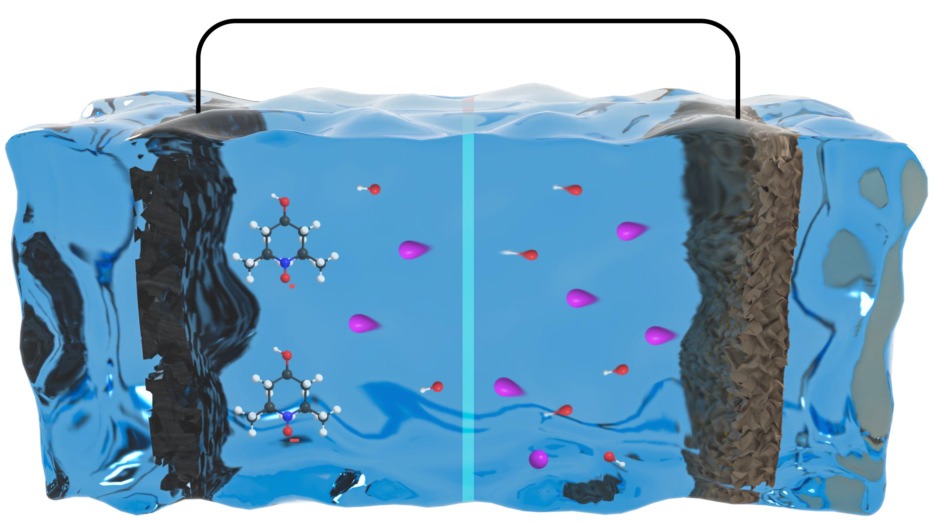
Original ResearchVol. 32, Issue 11 • pp. 538-550DOI: 10.1007/s12613-026-3394-9Nov 18, 2025

MXene-supported VHx nanoparticles enhancing hydrogen storage properties of magnesium hydride

Authors: Changhai Wu, Jiaguang Zheng, Meiling Lü, Yitao Li, Zihan Wei, Meijia Liu, Beibei Xiao

Magnesium hydride (MgH2) is a highly attractive candidate for solid-state hydrogen storage because of its high mass density, excellent cyclic stability, and low cost. However, the commercialization of MgH2 has been hindered by its sluggish hydrogen sorption kinetics and elevated operating temperatures. In this study, vanadium hydride nanoparticles (VHx) adhered to Ti3C2 composite catalyst was synthesized by ball milling to improve the hydrogen storage properties of MgH2. The onset dehydrogenatio

MXene-supported VHx nanoparticles enhancing hydrogen storage properties of magnesium hydride
Graphical Abstract
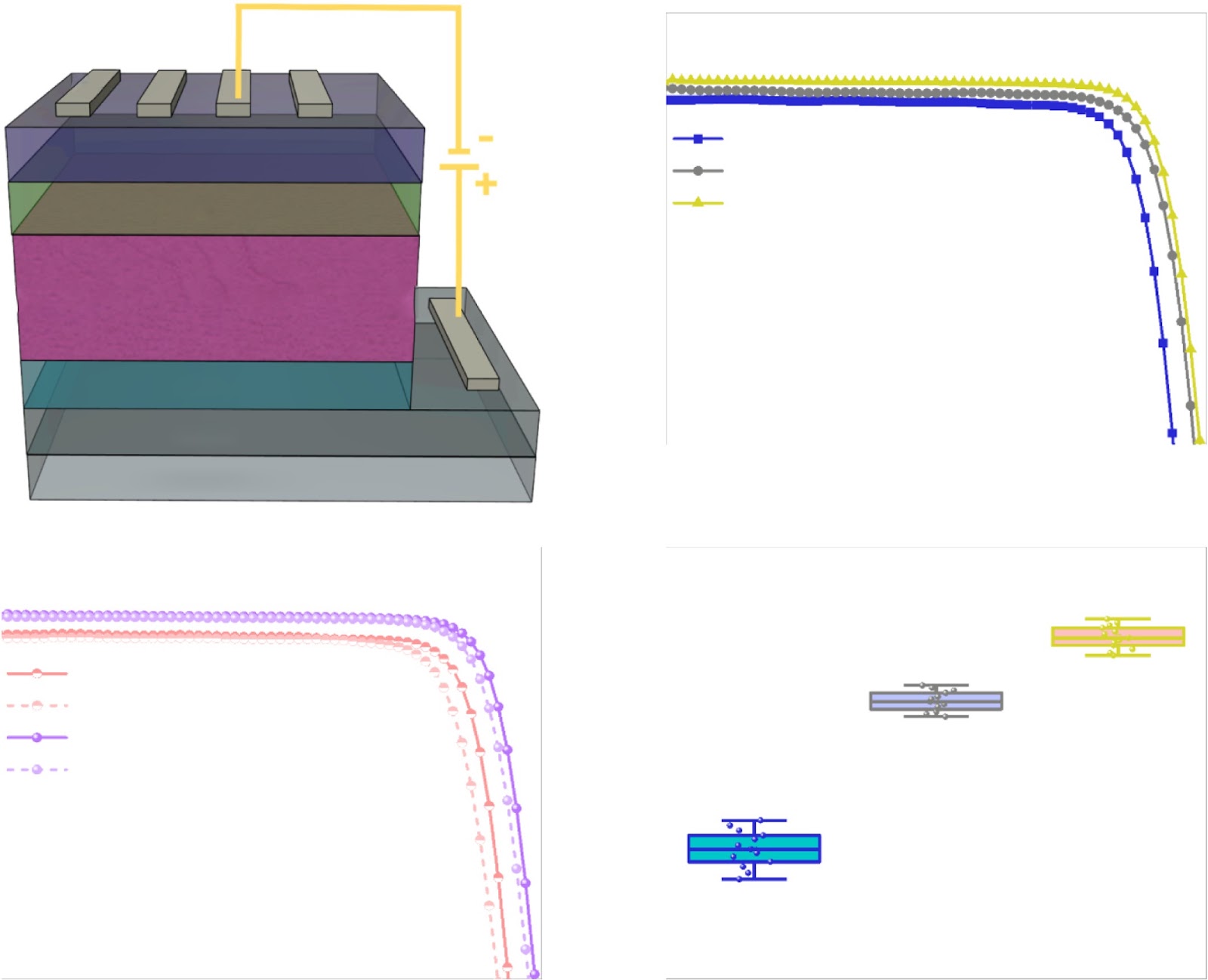
Original ResearchVol. 32, Issue 11 • pp. 146-158DOI: 10.1007/s12613-025-3346-9Nov 15, 2025

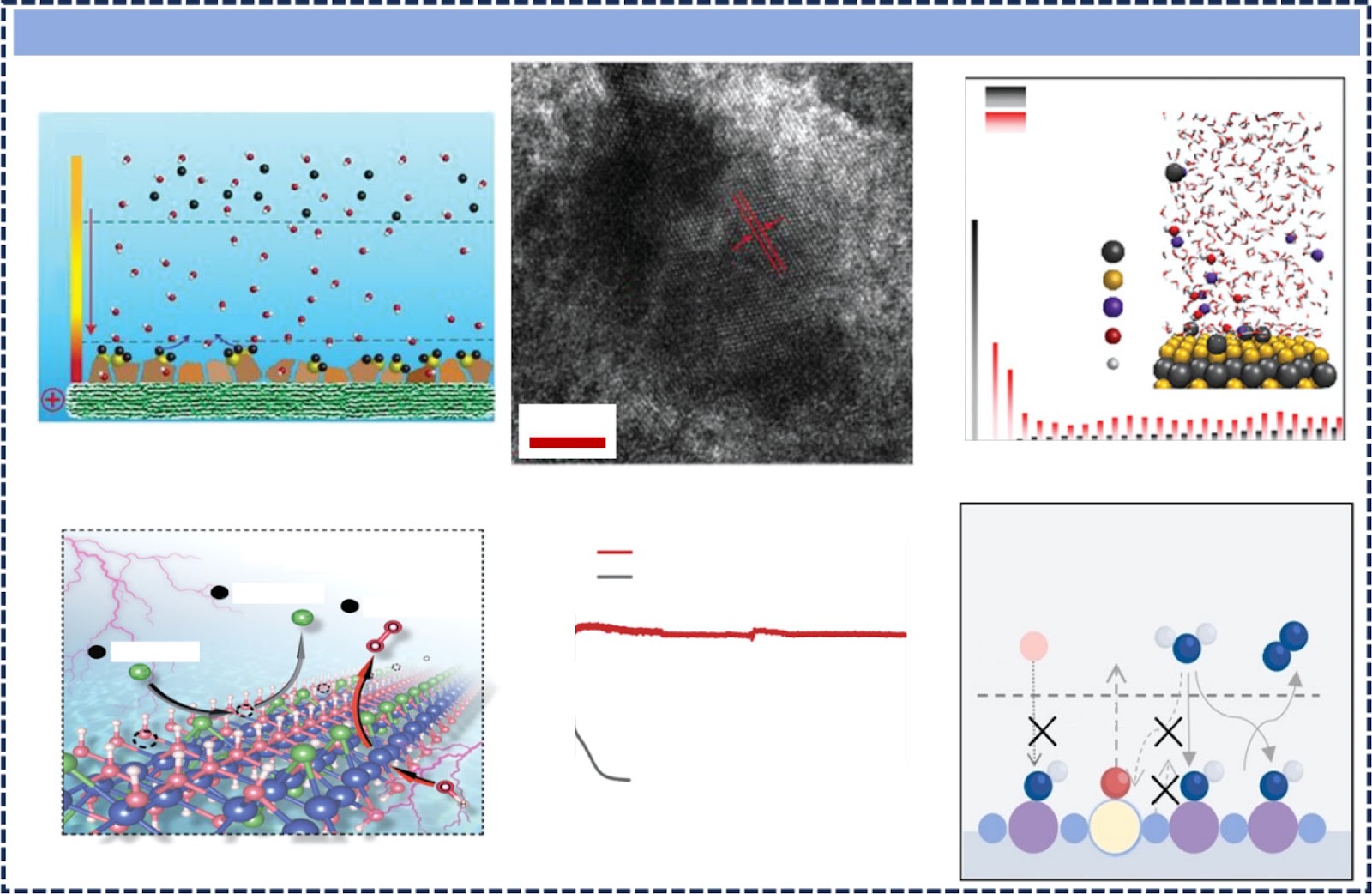
Anion modification for enhanced anode catalyst performance in seawater electrolysis

Authors: Wei Wei, Ruize Ma, Ruguang Wang, Jisi Li, Quanlu Wang, Zheng Lv, Hui Jin, Jinshuai Xu, Jiaxin Guo, Tao Ling

Direct seawater electrolysis presents a promising pathway for sustainable “green hydrogen” production. However, the complex composition of seawater, particularly the presence of chloride ions (Cl−), poses significant challenges to the structural stability and electrocatalytic performance of oxygen evolution reaction (OER) catalysts. Although recent studies have demonstrated that anion modification can improve the stability and activity of catalysts, the extent of these improvements varies consid

Anion modification for enhanced anode catalyst performance in seawater electrolysis
Graphical Abstract

Original ResearchVol. 32, Issue 11 • pp. 554-566DOI: 10.1007/s12613-025-3193-8Nov 12, 2025

Explainable MRF-BBAPM with self-learning for predicting compressive strength of oxidized pellet

Authors: Zezheng Li, Jue Tang, Mansheng Chu, Quan Shi

The compressive strength of oxidized pellets is a key indicator for evaluating pellet quality and stability. Accurate prediction of its variation trend is essential for improving production efficiency and optimizing process parameters. However, due to the high dimensionality and strong nonlinearity of compressive strength prediction, existing models still face limitations in terms of reliability, applicability, and generalization. This study proposes the metallurgical-random forest-based Bayesia

Explainable MRF-BBAPM with self-learning for predicting compressive strength of oxidized pellet
Graphical Abstract
Original ResearchVol. 32, Issue 11 • pp. 726-738DOI: 10.1007/s12613-025-3194-7Nov 10, 2025

Evolution of microstructure and mechanical properties of graphene oxide-reinforced aluminum alloy (6061) composite fabricated via accumulative roll bonding

Authors: Vijay Pratap Singh, Abhishek Sharma, Gaurav Kumar Gupta, Mohammad Ashiq, Sunil Patidar, Manoj Kumar, Srinibash Mishra

This study investigates the fabrication and characterization of Al alloy matrix composites reinforced with graphene oxide (GO) using accumulative roll bonding (ARB). The annealed Al 6061 sheets were processed through 5-pass ARB with GO reinforcement applied during the initial passes. Scanning electron microscopy revealed effective mitigation of GO agglomeration and improved interface bonding due to microscale material mixing. Raman spectroscopy confirmed the strong interaction between GO and the

Evolution of microstructure and mechanical properties of graphene oxide-reinforced aluminum alloy (6061) composite fabricated via accumulative roll bonding
Graphical Abstract
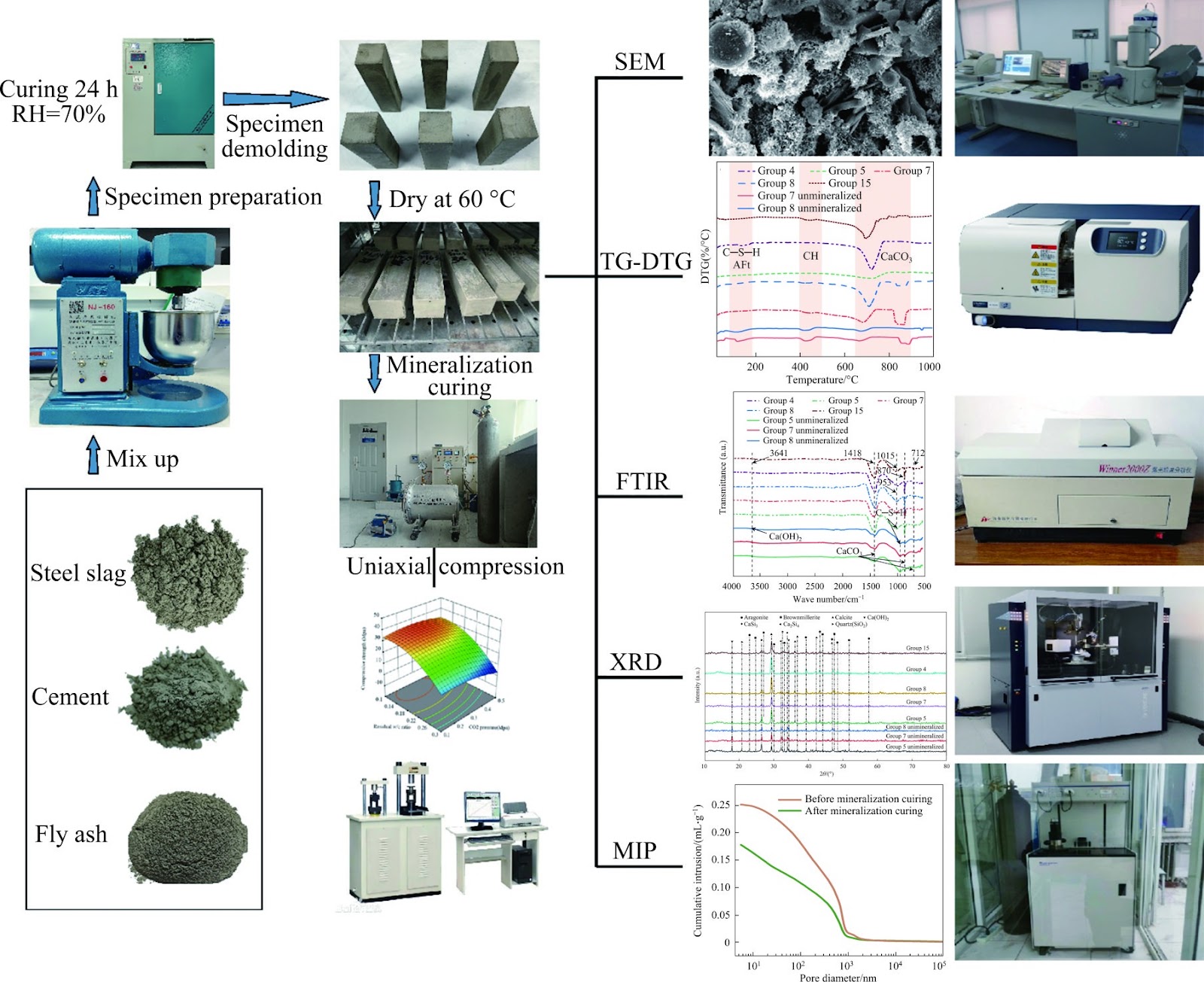
Original ResearchVol. 32, Issue 11 • pp. 334-346DOI: 10.1007/s12613-026-3413-xNov 7, 2025

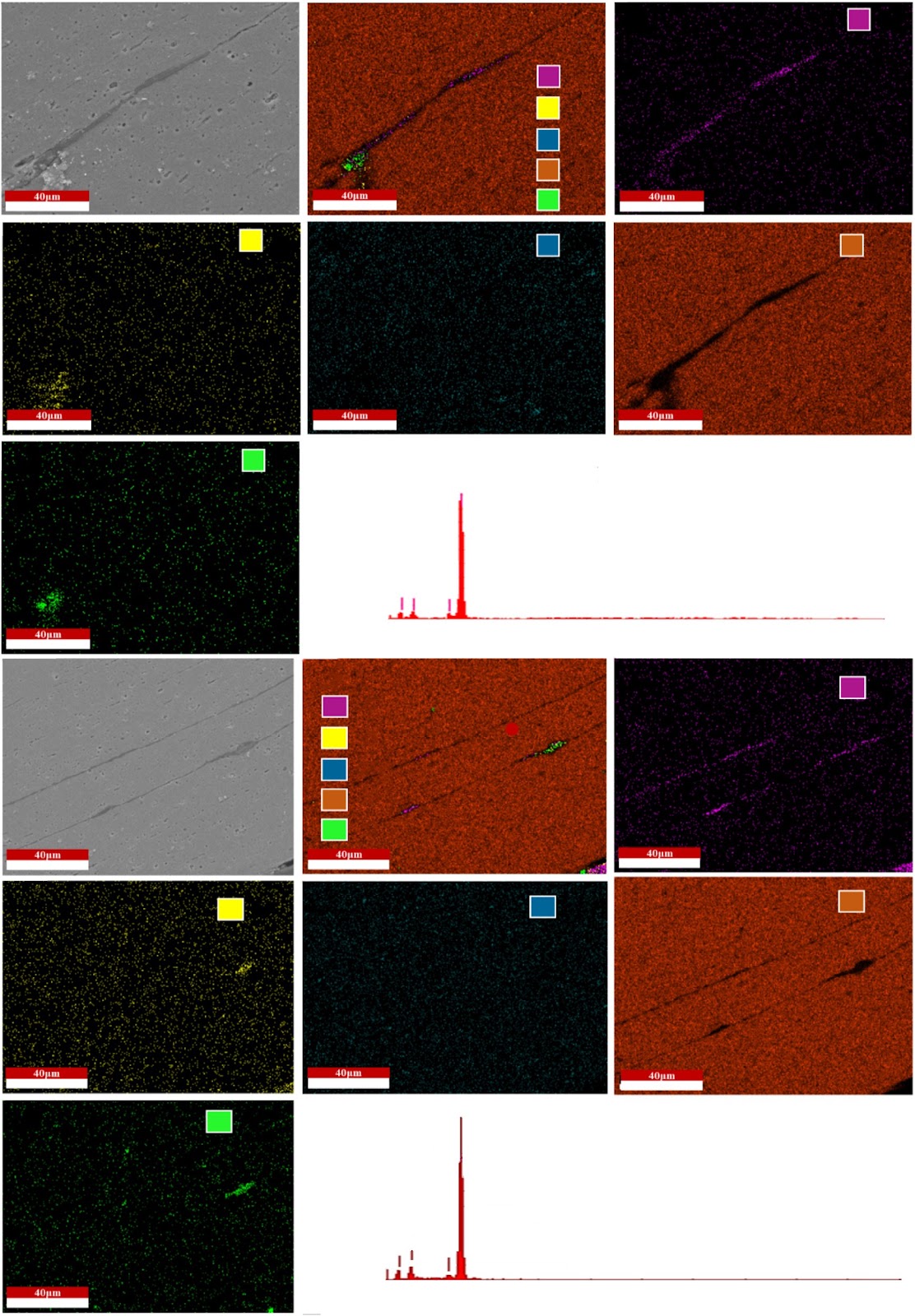
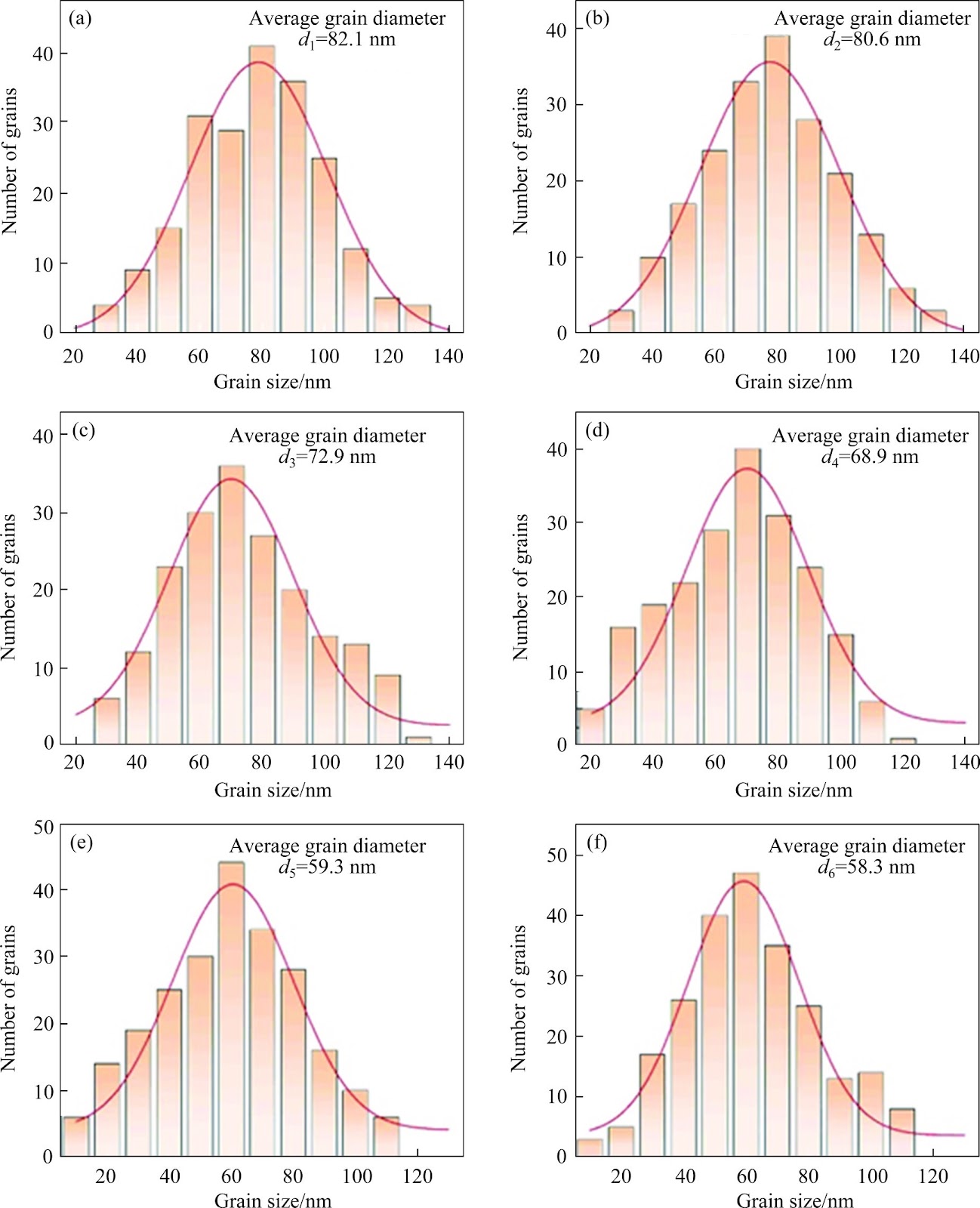
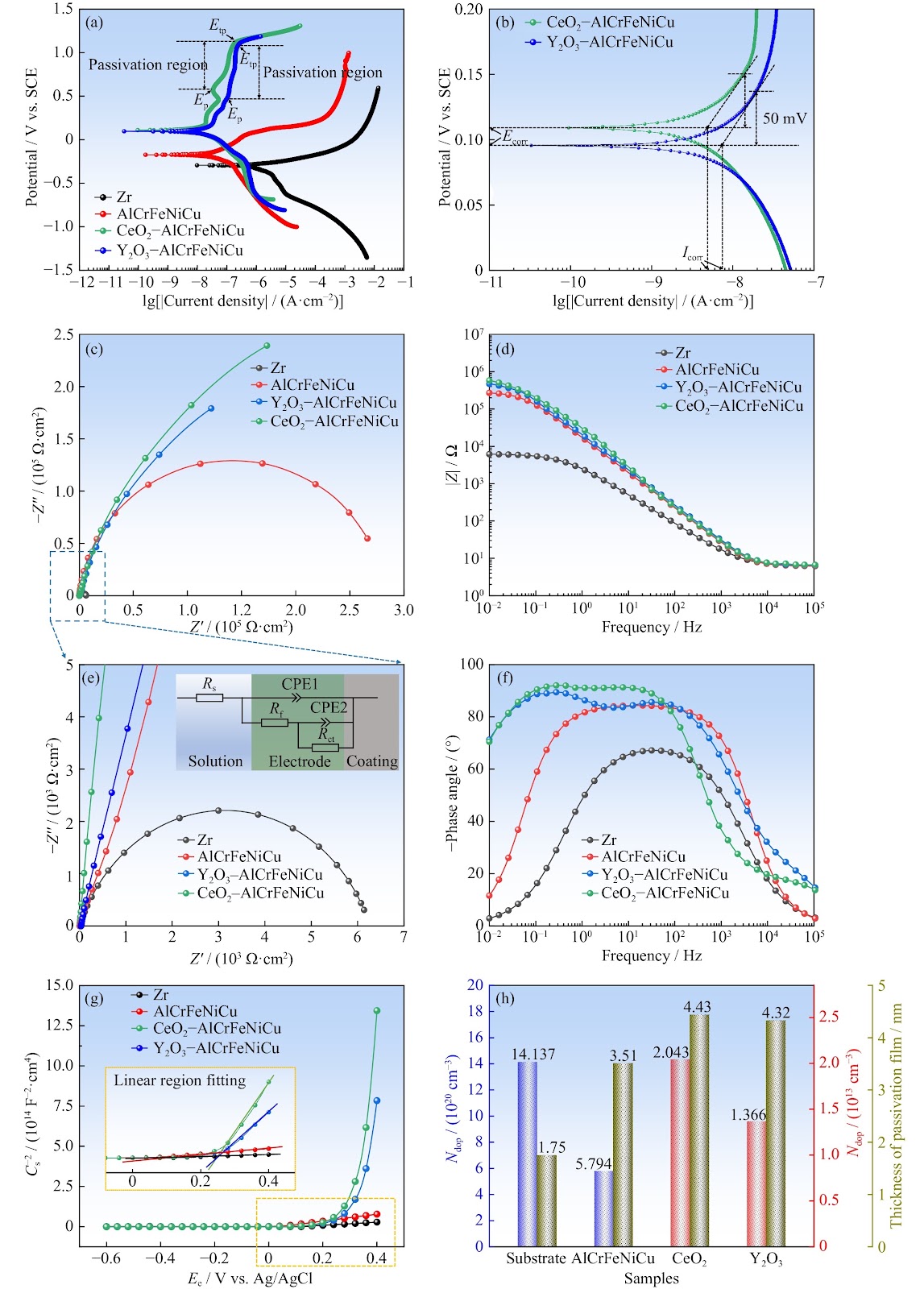
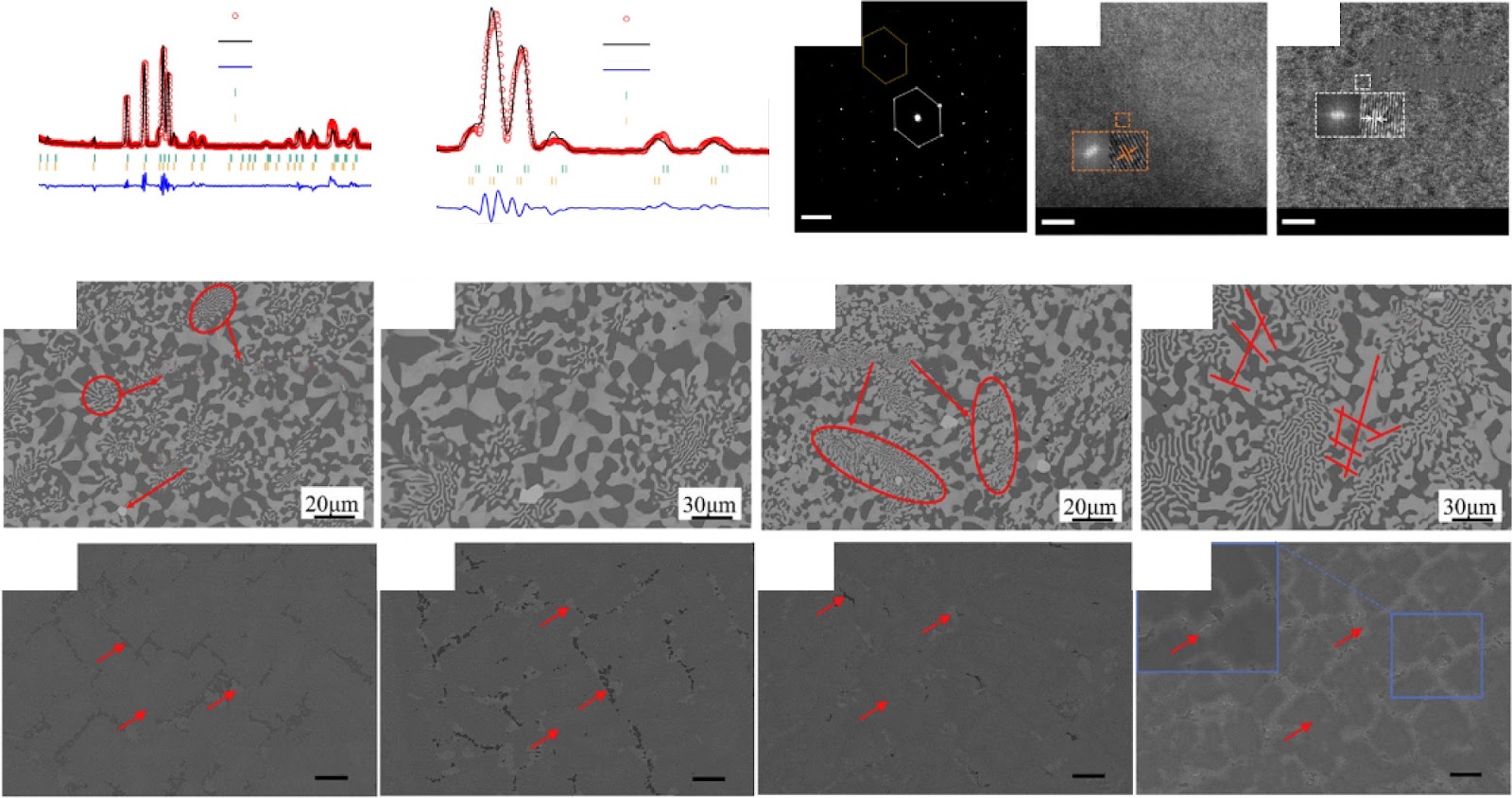
Influence of Y2O3/CeO2 on the microstructure and properties of AlCrFeNiCu high-entropy alloy coating

Authors: Xiaona Ren, Zhipei Chen, Qingzhi Yan, Peng Wang, Wenchang Wang, Yao Wang, Changchun Ge, Yong Zhang

Y2O3 and CeO2 nanoparticles were individually incorporated into an AlCrFeNiCu coating applied to the surface of a Zr-4 rod. The microstructure, hardness, high-temperature fretting wear behavior, corrosion resistance, and high-temperature oxidation resistance of the coatings were comprehensively evaluated. The results demonstrate that the addition of Y2O3 or CeO2 notably modified the solidification kinetics of the molten pool, affected elemental diffusion pathways, and effectively refined the gra

Influence of Y2O3/CeO2 on the microstructure and properties of AlCrFeNiCu high-entropy alloy coating
Graphical Abstract
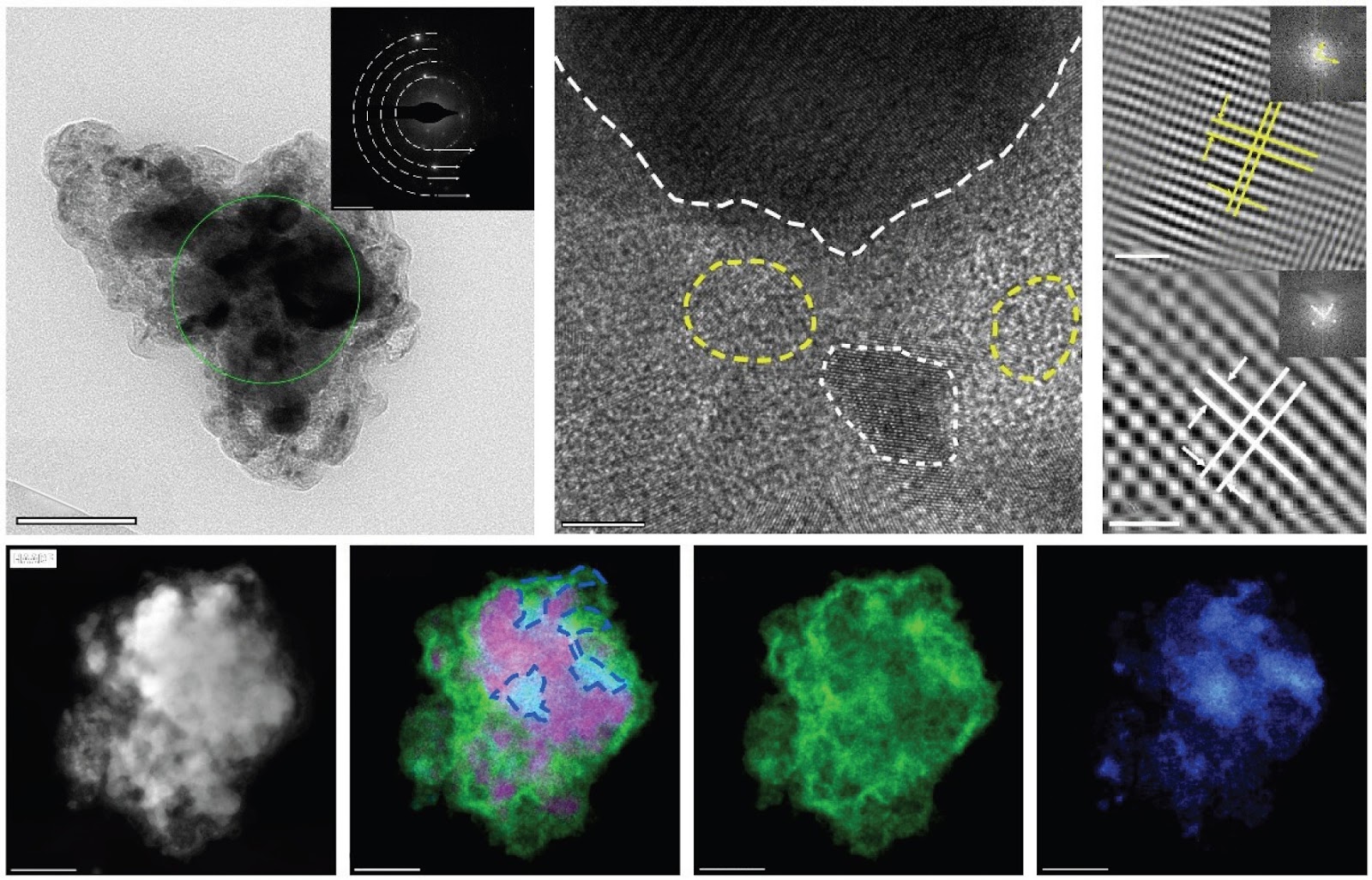
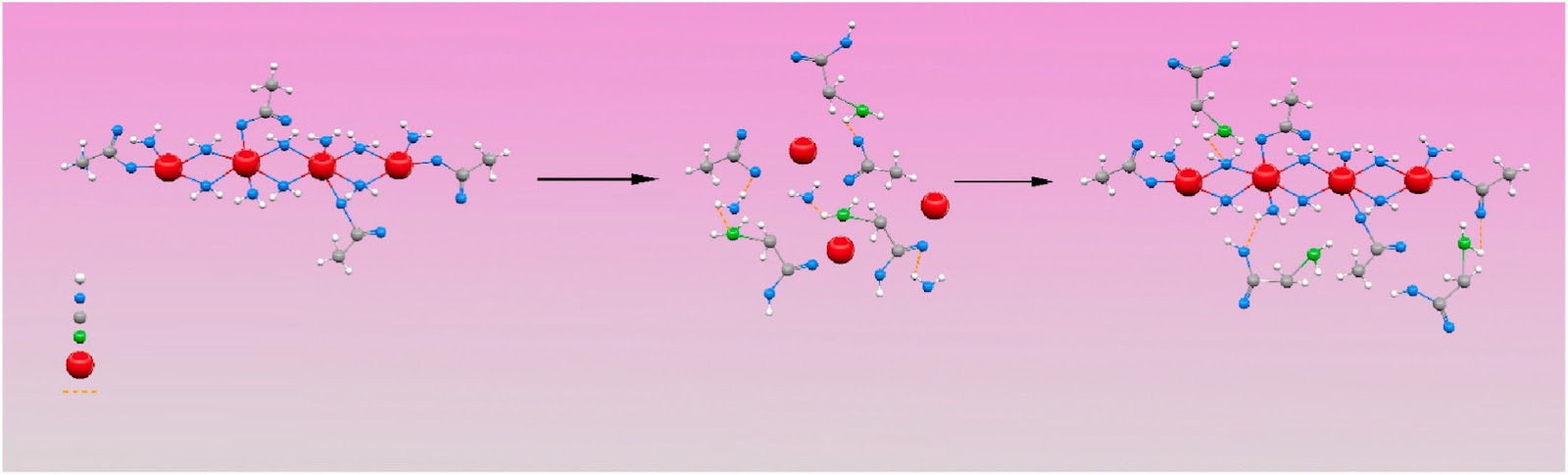
Original ResearchVol. 32, Issue 11 • pp. 742-754DOI: 10.1007/s12613-026-3417-6Nov 4, 2025

First-principles investigation of structural, optoelectronic, mechanical, thermodynamic and hydrogen storage properties of Si-based XCsSiH6 (X = K, Rb) hydrides

Authors: Noorhan F. AlShaikh Mohammad, Ebrahim Nemati-Kande, Ahmad A. Mousa, Mohammed S. Abu-Jafar, Asif Hosen, N.S. Abd EL-Gawaad, Jihad Asad

First-principles density functional theory (DFT) calculations are employed to investigate the structural, optoelectronic, mechanical, thermodynamic, and hydrogen storage properties of XCsSiH6 (X = K, Rb). The hydrogen atoms form discrete SiH6 octahedra stabilized by alkali metal cations, confirming a stable cubic symmetry upon structural optimization. Both compounds exhibit both thermal and dynamical stability. The calculated gravimetric hydrogen storage capacities are 2.94wt% for KCsSiH6 and 2.

First-principles investigation of structural, optoelectronic, mechanical, thermodynamic and hydrogen storage properties of Si-based XCsSiH6 (X = K, Rb) hydrides
Graphical Abstract
Original ResearchVol. 32, Issue 11 • pp. 350-362DOI: 10.1007/s12613-025-3289-1Nov 1, 2025

Microstructures, mechanical properties and corrosion resistances of FCC CoCrFeNiTi high-entropy alloys prepared by pre-alloyed powder mixing and vacuum laser-directed energy deposition

Authors: Jian Zhu, Shuhao Zhao, Zhen Li, Yi Xu, Shuai Wu, Xidong Hui

In this study, vacuum laser-engineered directed energy deposition (V-LDED) was employed to fabricate CoCrFeNiTix (x = 0.1, 0.2, 0.3) high-entropy alloys (HEAs) by strategically mixing equiatomic pre-alloyed CoCrFeNi and CoCrFeNiTi powders. With increasing Ti content, the lattice distortion of the HEAs intensified, grains were refined, and precipitate content increased; however, the face-centered cubic (FCC) structure remained the predominant structure. The strength and plasticity of the HEAs ini

Microstructures, mechanical properties and corrosion resistances of FCC CoCrFeNiTi high-entropy alloys prepared by pre-alloyed powder mixing and vacuum laser-directed energy deposition
Graphical Abstract

Original ResearchVol. 32, Issue 10 • pp. 333-345DOI: 10.1007/s12613-024-2923-7Oct 23, 2025

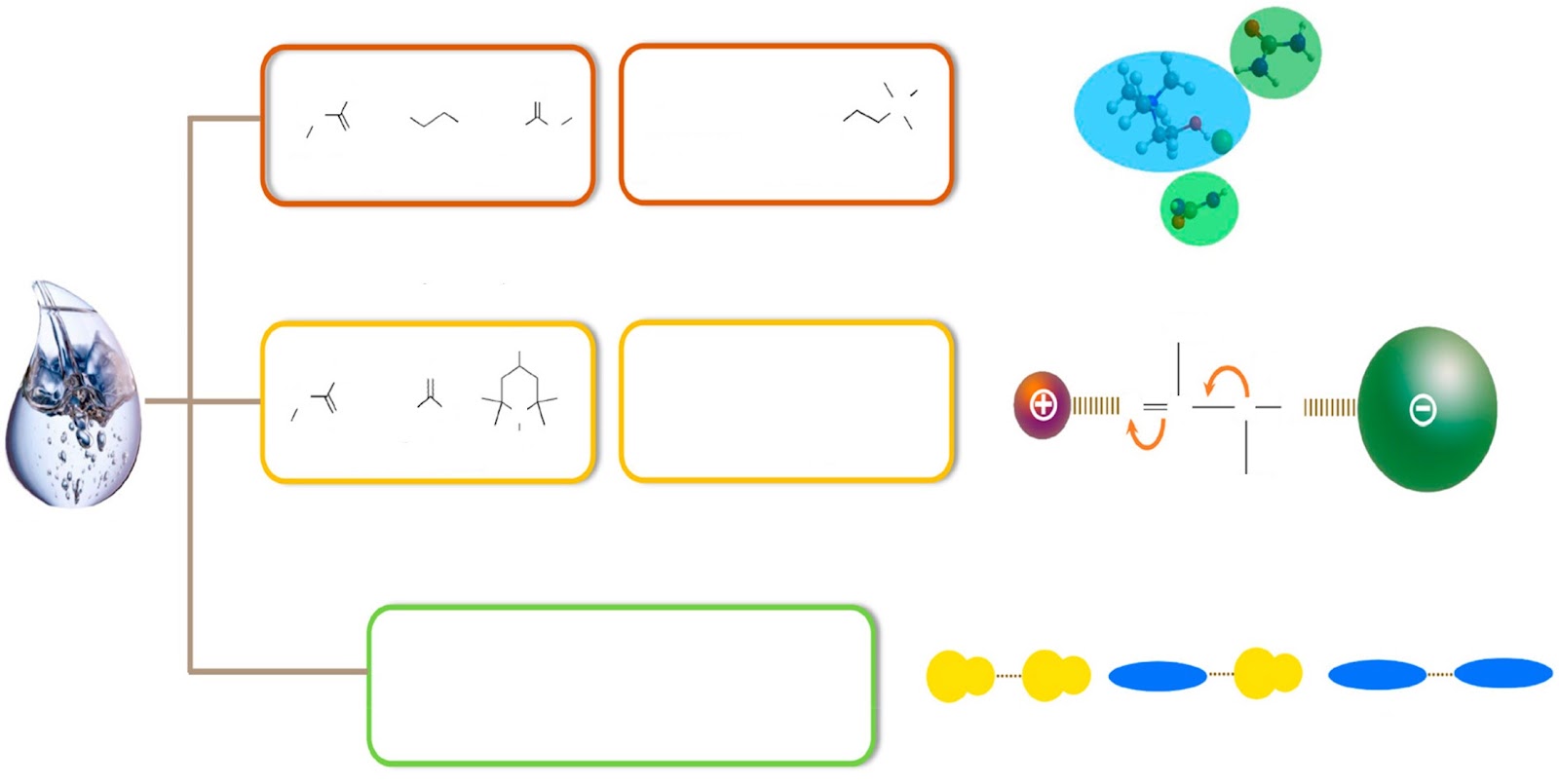
Deep eutectic solvents for separation and purification applications in critical metal metallurgy: Recent advances and perspectives

Authors: Shuo Chen, Shengpeng Su, Yanfang Huang, Bingbing Liu, Hu Sun, Shuzhen Yang, Guihong Han

Solvent extraction, a separation and purification technology, is crucial in critical metal metallurgy. Organic solvents commonly used in solvent extraction exhibit disadvantages, such as high volatility, high toxicity, and flammability, causing a spectrum of hazards to human health and environmental safety. Neoteric solvents have been recognized as potential alternatives to these harmful organic solvents. In the past two decades, several neoteric solvents have been proposed, including ionic liqu

Deep eutectic solvents for separation and purification applications in critical metal metallurgy: Recent advances and perspectives
Graphical Abstract
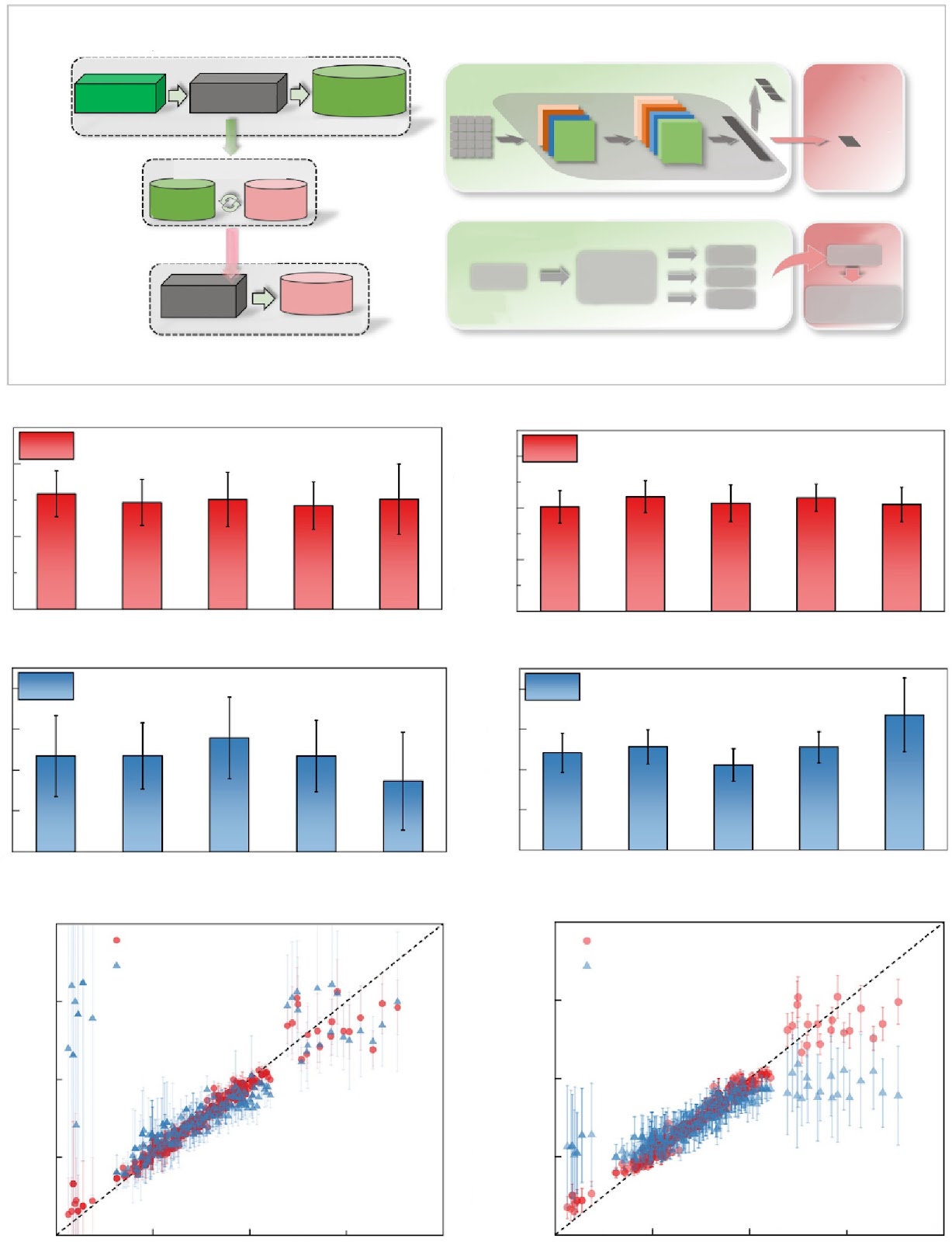
Original ResearchVol. 32, Issue 10 • pp. 505-517DOI: 10.1007/s12613-025-3176-9Oct 21, 2025
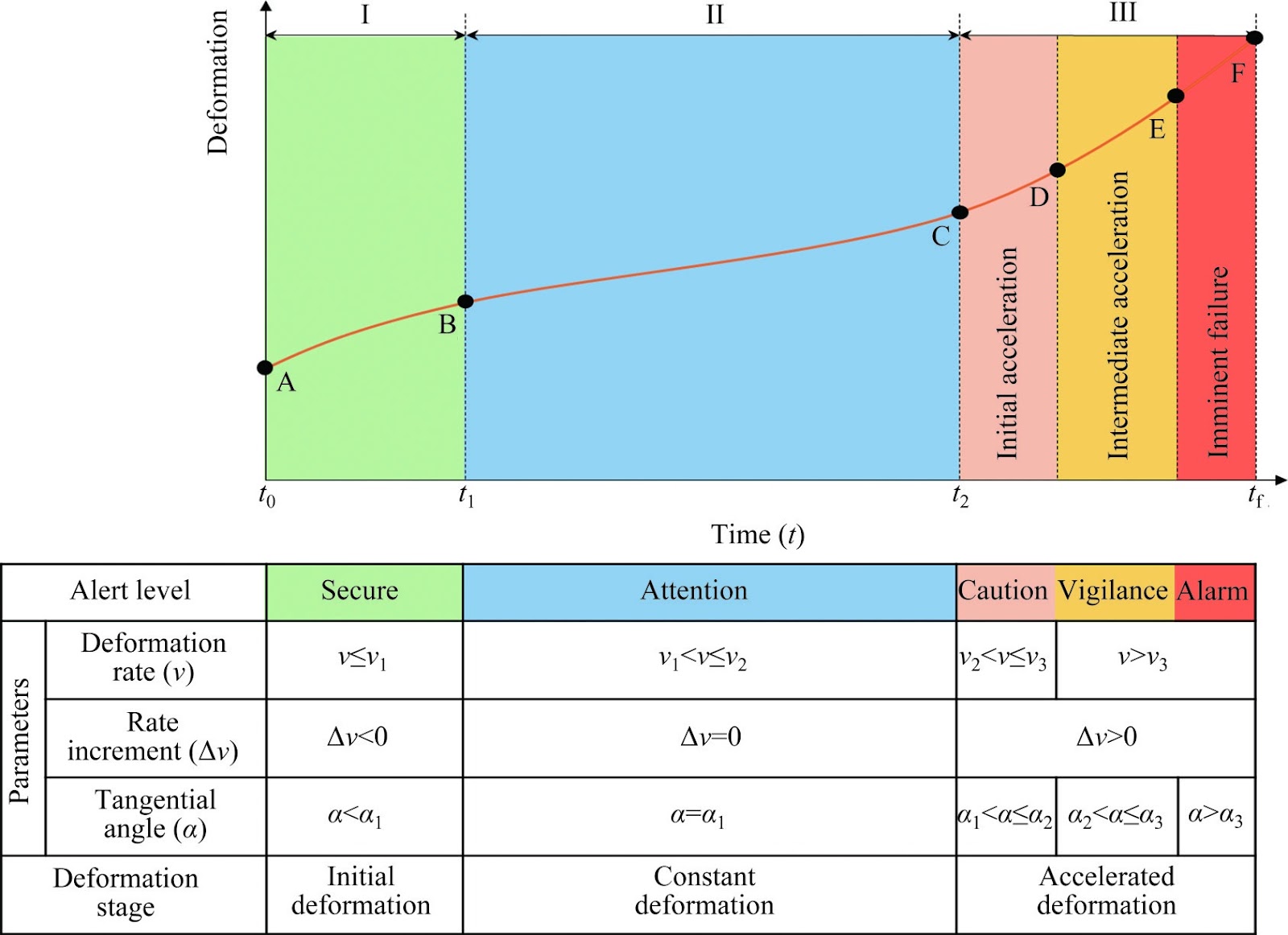
A critical review of the challenges of developing continuous casting mold fluxes for high-Ti steels

Authors: Zhuo Chen, Jiajing Zhang, Xiting Li, Weitong Du, Jianchao Ma, Jian Yang

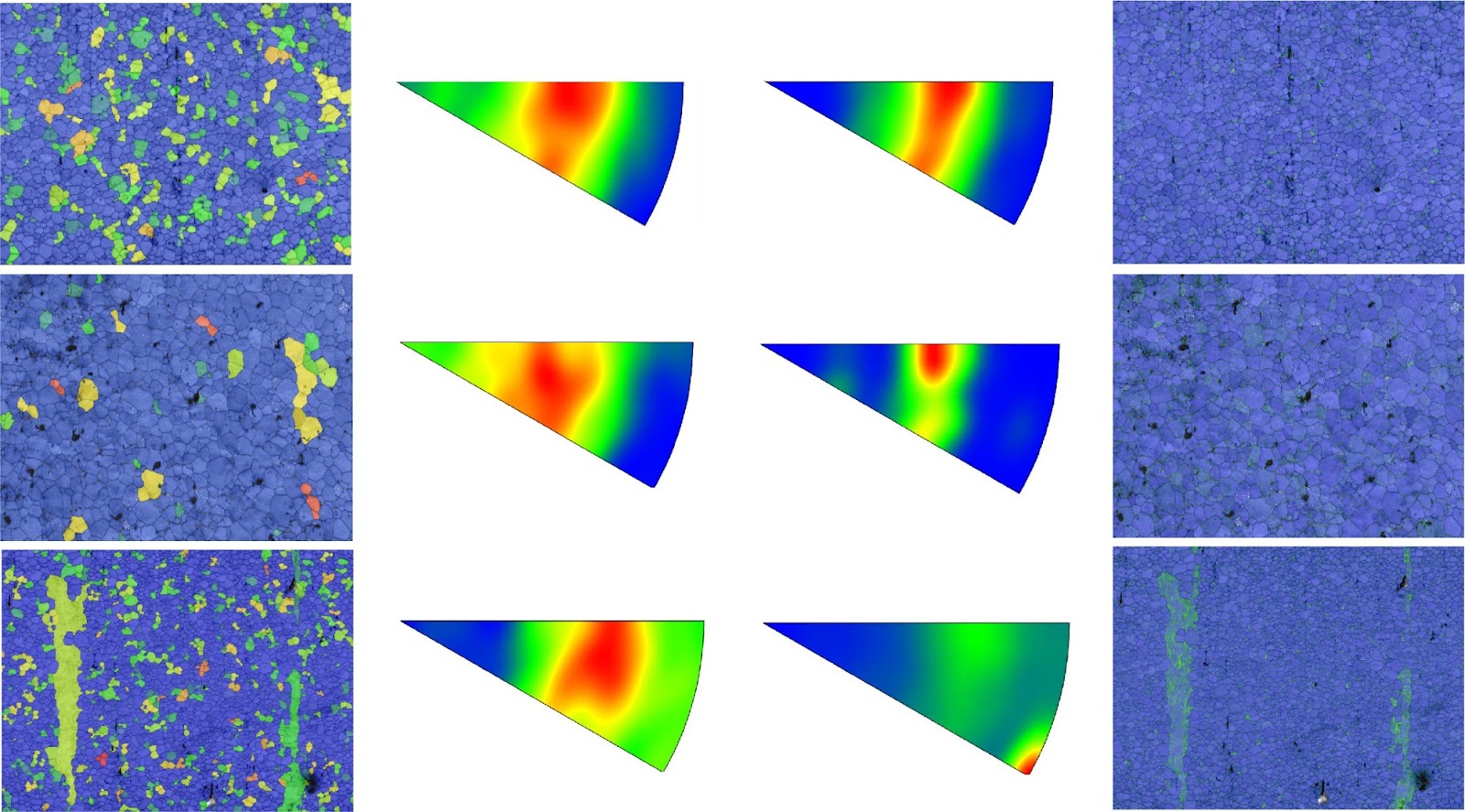
The large-scale production of high-Ti steels is limited by the formation of Ti-containing oxides or nitrides in steel–slag reactions during continuous casting. These processes degrade mold flux properties, clog submerged entry nozzles, form floaters in the molds, and produce various surface defects on the cast slabs. This review summarizes the effects of nonmetallic inclusions on traditional CaO–SiO2-based (CS) mold fluxes and novel CaO–Al2O3-based (CA) low- or non-reactive fluxes containing TiO
A critical review of the challenges of developing continuous casting mold fluxes for high-Ti steels
Graphical Abstract
Original ResearchVol. 32, Issue 10 • pp. 113-125DOI: 10.1007/s12613-025-3252-1Oct 18, 2025

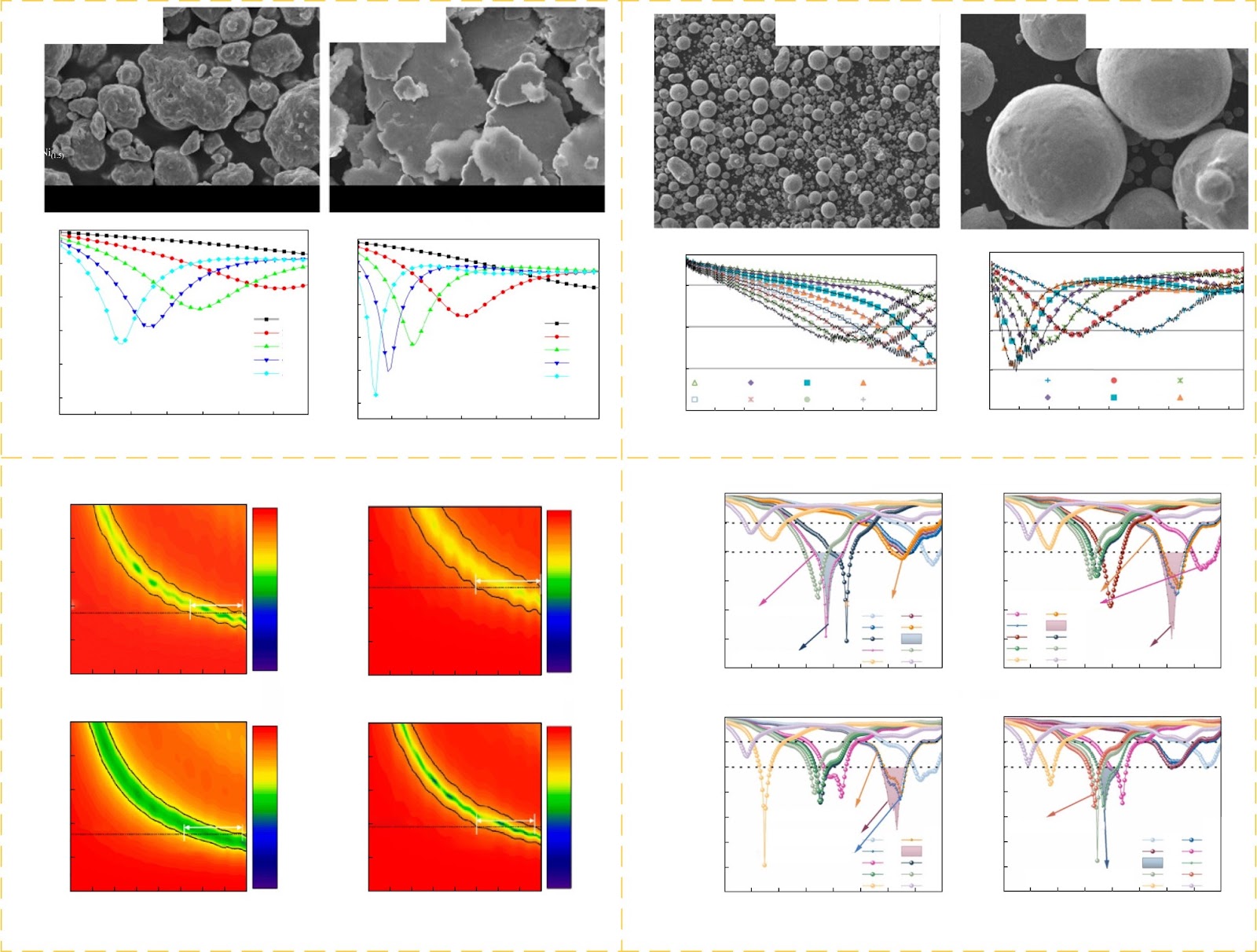
Advances in Fe-based electromagnetic wave absorbers: Multiscale engineering from atomic defects to macroscopic architectures for performance optimization

Authors: Xixi Luo, Hui Xie, Yi Ma, Di Lan, Guanglei Wu, Zirui Jia

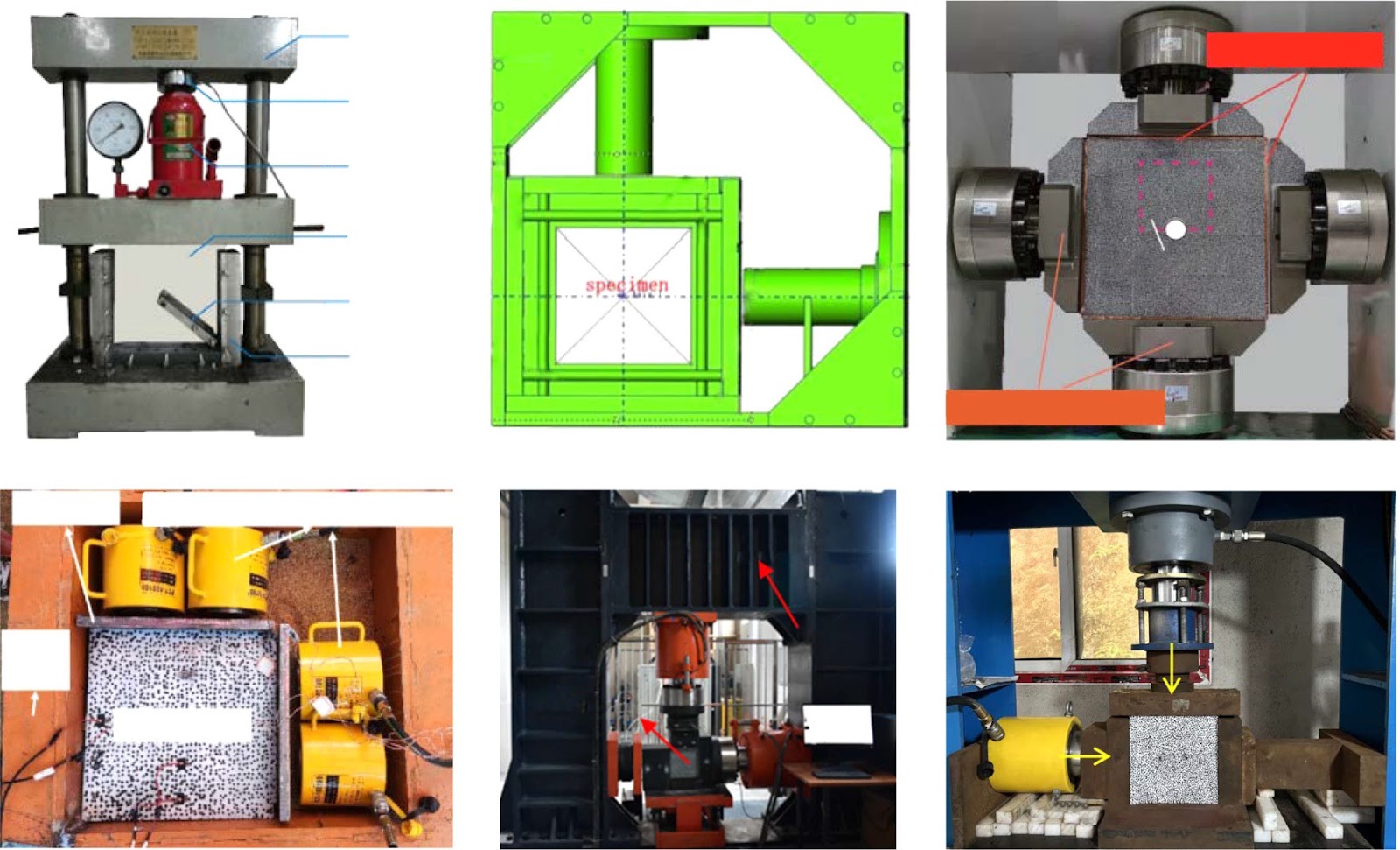
The rapid development of electronic devices and communication technologies has resulted in increasingly severe electromagnetic-wave (EW) pollution. Efficient EW absorption (EWA) materials are essential to mitigate their impact and ensure human safety in modern society. Fe-based EWA materials have garnered significant attention owing to their cost-effectiveness, high saturation magnetization, and superior magnetic loss capabilities. This review begins with an introduction to Fe-based EWA material

Advances in Fe-based electromagnetic wave absorbers: Multiscale engineering from atomic defects to macroscopic architectures for performance optimization
Graphical Abstract
Original ResearchVol. 32, Issue 10 • pp. 521-533DOI: 10.1007/s12613-026-3434-5Oct 15, 2025

Comprehensive structural and hydrogenation analysis of arc-melted and melt-spun Mg1.95Ag0.05Ni alloy

Authors: S.E. Sünbül et al.

In this study, the hydrogen storage properties of Mg1.95Ag0.05Ni alloy and its melt-spun ribbons were systematically investigated. The alloy was synthesized by vacuum arc melting followed by melt spinning to produce micro/nanostructured ribbons. Comprehensive characterization using XRD, XPS, SEM, TEM, DTA, TGA, and electrochemical measurements revealed that Ag substitution alters the electronic environment and reduces the formation enthalpy of the Mg2NiH4 hydride, thereby weakening metal-hydroge

Comprehensive structural and hydrogenation analysis of arc-melted and melt-spun Mg1.95Ag0.05Ni alloy
Graphical Abstract

Original ResearchVol. 32, Issue 10 • pp. 129-141DOI: 10.1007/s12613-025-3251-2Oct 12, 2025

Thermal decomposition of bastnaesite in an inert atmosphere and influence on flotation behavior

Authors: Qiang Zhang, Yongsheng Sun, Peng Gao, Zhao Cao, Yuexin Han

This study aimed to elucidate the influence of thermal decomposition under an inert atmosphere on the phase composition, microstructure, and flotation performance of bastnaesite. Experiments showed that decomposition was strongly temperature-dependent. After complete decomposition, the release of CO2 increased the rare earth oxide grade from 72.90wt% to 86.83wt%, accompanied by an increase in the Ce oxidation degree. Major decomposition products included rare earth oxyfluoride (REOF), rare earth

Thermal decomposition of bastnaesite in an inert atmosphere and influence on flotation behavior
Graphical Abstract
Original ResearchVol. 32, Issue 10 • pp. 537-549DOI: 10.1007/s12613-025-3306-4Oct 9, 2025

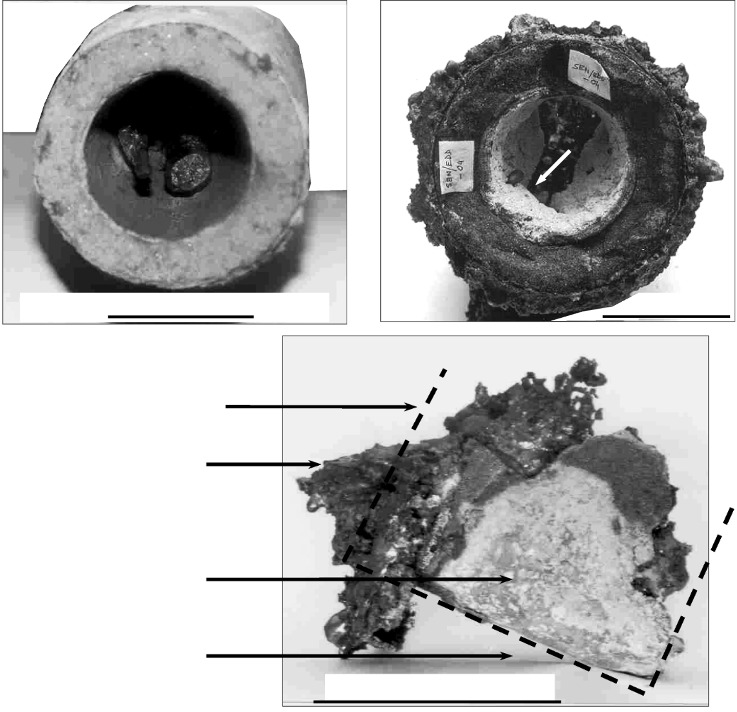
Behavioral characteristics and renewal mechanism of deadman coke in the hearth under low-carbon ironmaking blast furnace conditions

Authors: Sai Meng, Kexin Jiao, Zhenxing Zhou, Jianliang Zhang, Yang Li, Yanbing Zong, Lei Zhang, Xuebin Wang

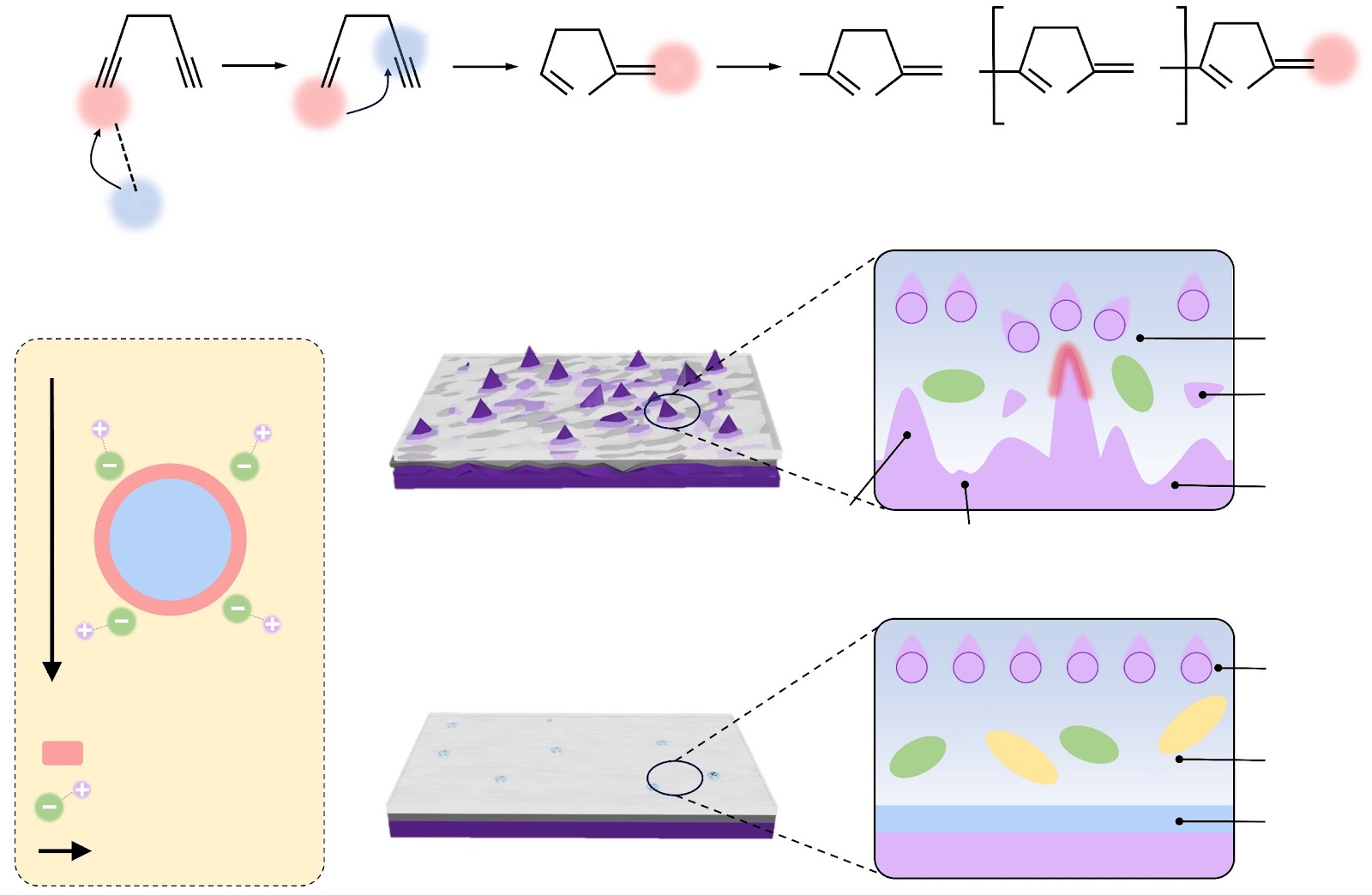
As the sole solid material in the lower part of a blast furnace (BF), the multiphase reaction behavior of coke within the deadman region of the hearth is of significant theoretical and practical importance for carbon emission control and low-carbon production. The multidimensional characterization of the occurrence state, multiphase reaction behavior, and renewal mechanism of deadman coke in the hearth was performed through the dissection of a 3200-m3 BF, combining various methods such as rope-s

Behavioral characteristics and renewal mechanism of deadman coke in the hearth under low-carbon ironmaking blast furnace conditions
Graphical Abstract
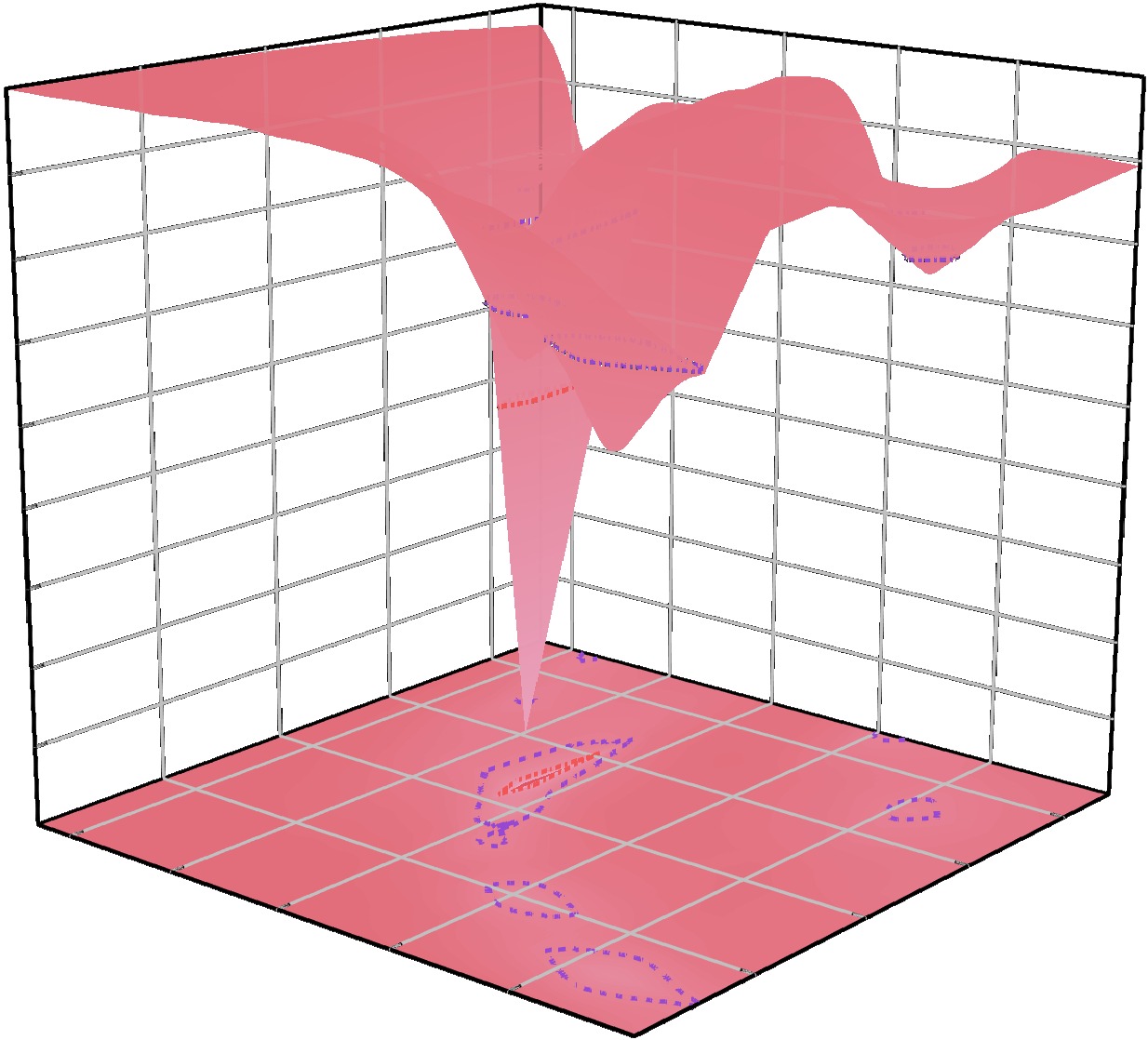
Original ResearchVol. 32, Issue 10 • pp. 709-721DOI: 10.1007/s12613-025-3247-yOct 7, 2025

Grain refinement of Ti5321G alloy created by ultrasonic energy field during laser powder direct energy deposition

Authors: Mingxia Diao, Chunhuan Guo, Tao Dong, Shewei Xin, Zhonggang Sun, Siyuan Zhang, Haolun Song, Zubin Chen, Fengchun Jiang, Sergey Konovalov

The ultrasonic energy field (UEF)-induced grain refinement mechanisms in laser powder direct energy deposition-manufactured Ti5321G alloys were systematically investigated in this study. This study focused on the interplay between recrystallization in the high-temperature solid deposition layers and the ultrasonic cavitation-acoustic streaming effects during molten pool solidification. A novel experimental design was developed to decouple these mechanisms by creating four distinct UEF action zon

Grain refinement of Ti5321G alloy created by ultrasonic energy field during laser powder direct energy deposition
Graphical Abstract
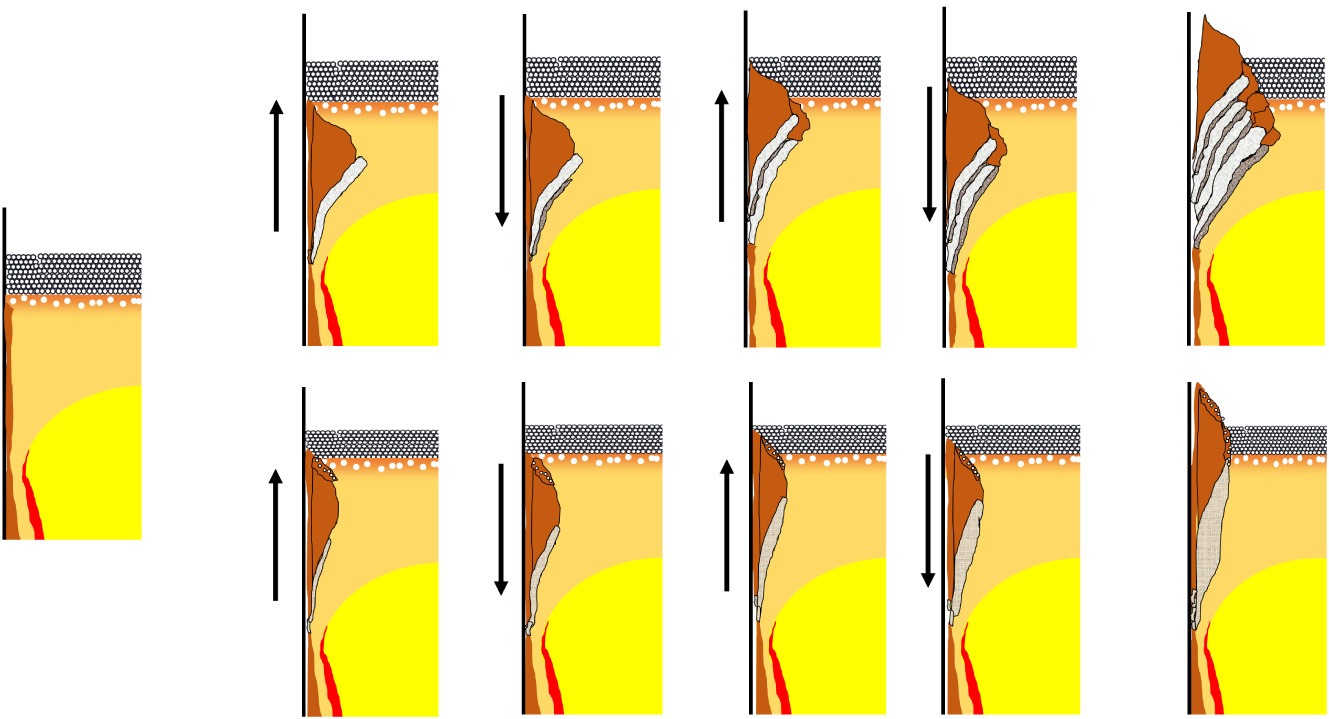
Original ResearchVol. 32, Issue 10 • pp. 317-329DOI: 10.1007/s12613-025-3319-zOct 4, 2025

Determination of interfacial reaction rate constant of nitrogen between N2–CO2–CO–Ar and molten iron using isotope exchange technique

Authors: Zhongzi Chen, Yuewen Fan, Xiaojun Hu, Kuochih Chou

The application of CO2 in the steelmaking process has yielded promising results, demonstrating a certain capability for nitrogen removal. To accurately determine the kinetic parameters of nitrogen reactions at the iron melt interface under CO2 injection conditions, an isotope exchange technique was employed. This technique was used to monitor the evolution of the nitrogen isotopic composition during the reaction between a 28N2–30N2–CO2–CO–Ar gas mixture and an iron melt of controlled composition

Determination of interfacial reaction rate constant of nitrogen between N2–CO2–CO–Ar and molten iron using isotope exchange technique
Graphical Abstract

Original ResearchVol. 32, Issue 10 • pp. 725-737DOI: 10.1007/s12613-025-3288-2Oct 1, 2025

Multi-scale modeling of ultra-thin commercially pure titanium sheet for fuel cell bipolar plates: Plastic anisotropy and distortional strain hardening

Authors: Kyung Mun Min, Seonghwan Choi, Xiaohua Hu, Jinwoo Lee, Hyuk Jong Bong

This study presents a multi-scale modeling framework to describe the mechanical behavior of a 0.1 mm-thick commercially pure titanium (CP-Ti) sheet developed for fuel cell bipolar plates. Since standardized methods for characterizing ultra-thin sheets under complex stress states are lacking, a virtual modeling approach was employed. At the grain scale, a crystal plasticity finite element (CPFE) model was constructed to incorporate the relevant slip and twinning systems, enabling prediction of re

Multi-scale modeling of ultra-thin commercially pure titanium sheet for fuel cell bipolar plates: Plastic anisotropy and distortional strain hardening
Graphical Abstract
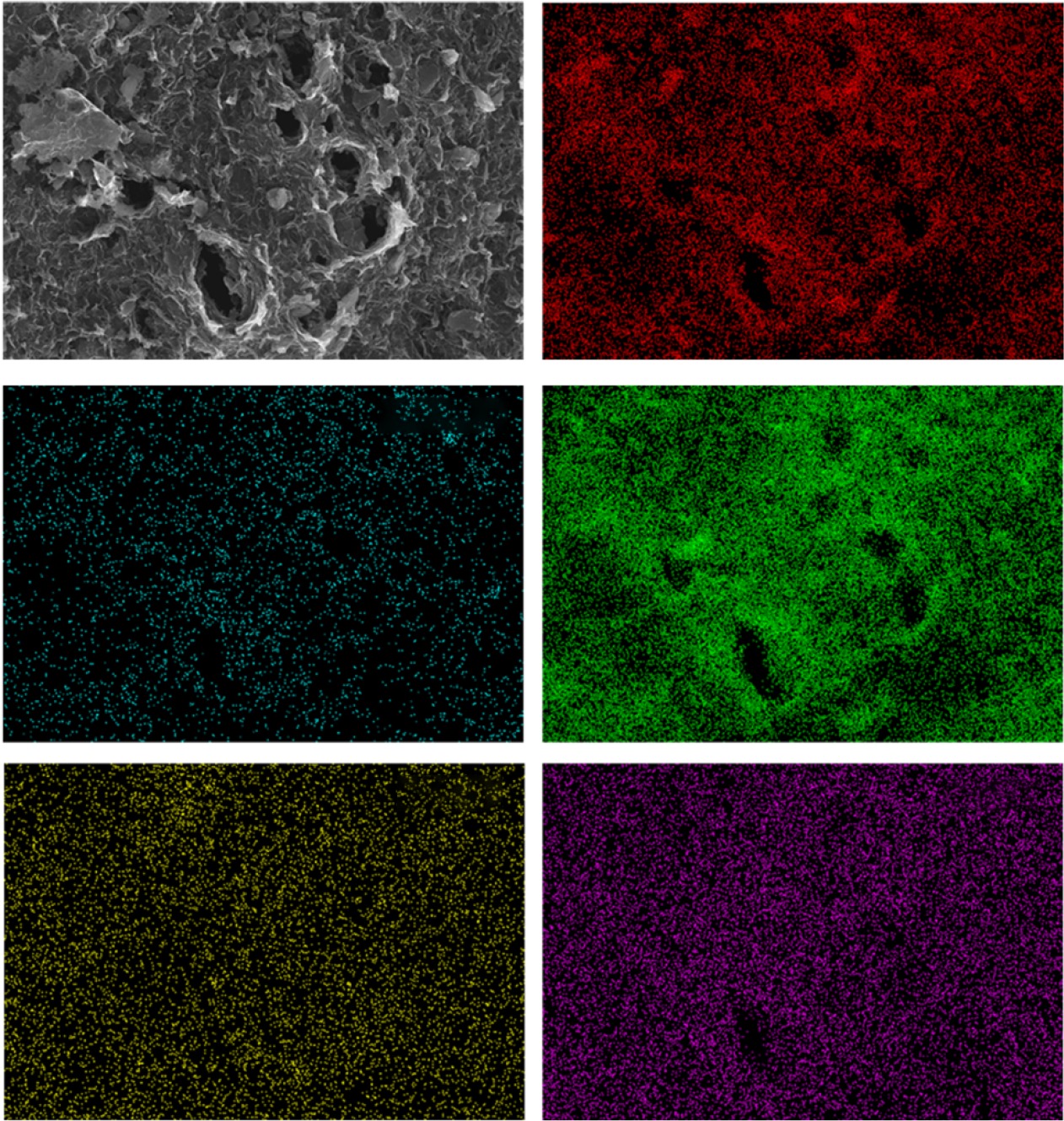
Original ResearchVol. 32, Issue 9 • pp. 708-720DOI: 10.1007/s12613-026-3419-4Sep 23, 2025

Achieving battery-level energy density in carbon/metal sulfide asymmetric supercapacitors using organic radicals

Authors: Xiaolong Li, Yunpeng Zhou, Huilin Wei, Yongzhihan He, Lintong Hu, Caicai Li, Minjie Shi

Asymmetric supercapacitors (ASCs) are promising candidates for high-power output applications; however, their theoretical capacity remains largely unrealized owing to the low specific capacity of carbon negative electrodes. Traditional strategies for enhancing the specific capacity of carbon via structural optimization often compromise the tap density, electrical conductivity, and rate performance of the material. In this study, we address this bottleneck by incorporating 4-hydroxy-2,2,6,6-tetra

Achieving battery-level energy density in carbon/metal sulfide asymmetric supercapacitors using organic radicals
Graphical Abstract
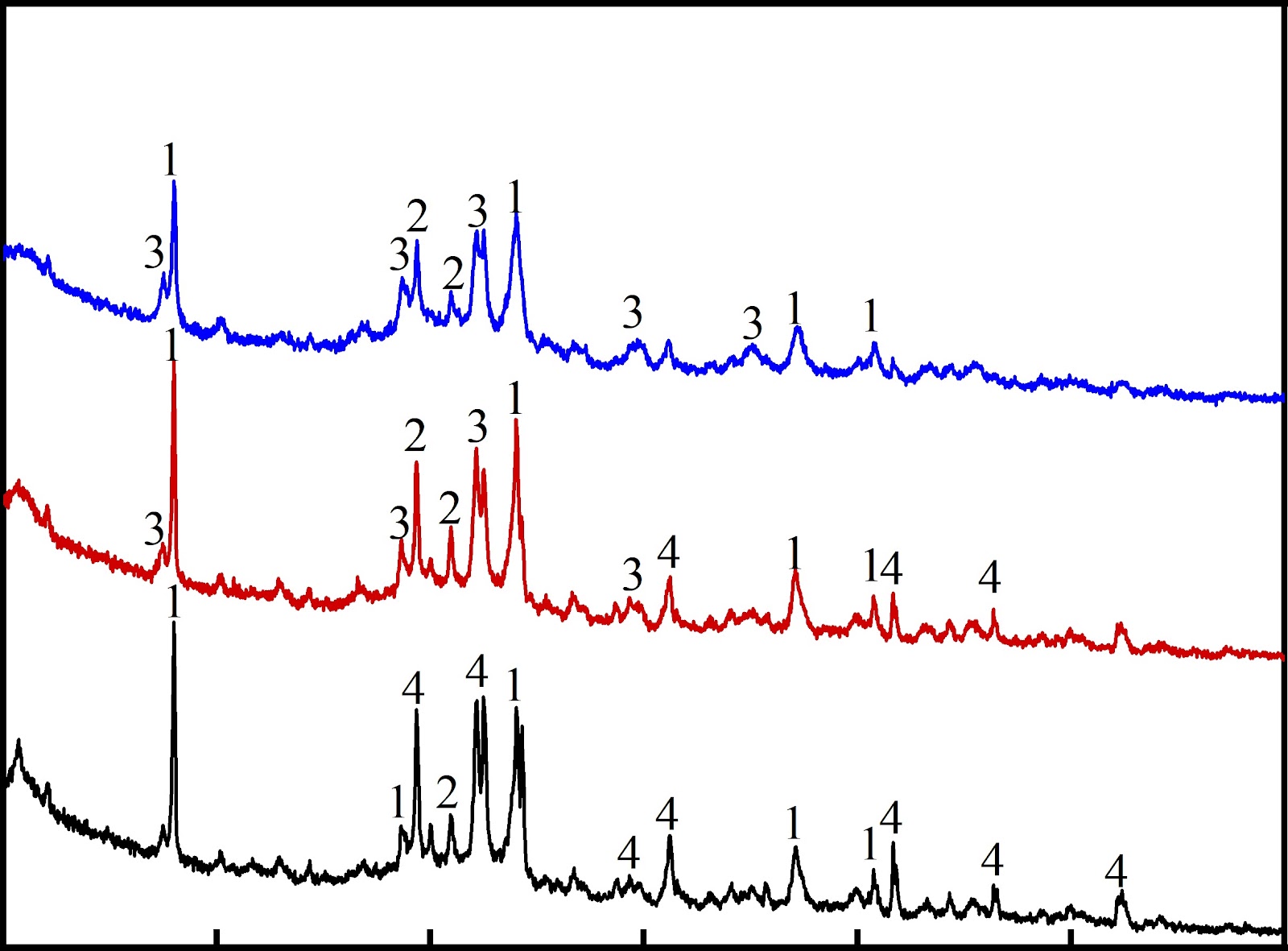
Original ResearchVol. 32, Issue 9 • pp. 316-328DOI: 10.1007/s12613-025-3340-2Sep 20, 2025

Transition metal carbide-engineered active layers for high-efficiency and stable perovskite solar cell

Authors: Sajjad Hussain, Hailiang Liu, Sayed Zafar Abbas, Iftikhar Hussain, Abdullah A. Al-Kahtani, Naesung Lee, Hyun-Seok Kim, Jungwon Kang, Jongwan Jung, Dhanasekaran Vikraman

We introduce an innovative perovskite solar cell (PSC) architecture featuring a multifunctional active layer (AL) of FA0.85MA0.15PbI3 (FA: formamidine, MA: methylamine) integrated with two dimensional (2D) transition metal carbides (TiC/WC). The properties of the chemically reduced WC and TiC were thoroughly validated through structural and morphological analyses. This design significantly enhances the conventional charge-transporting properties of the AL by utilizing conductive carbide networks

Transition metal carbide-engineered active layers for high-efficiency and stable perovskite solar cell
Graphical Abstract
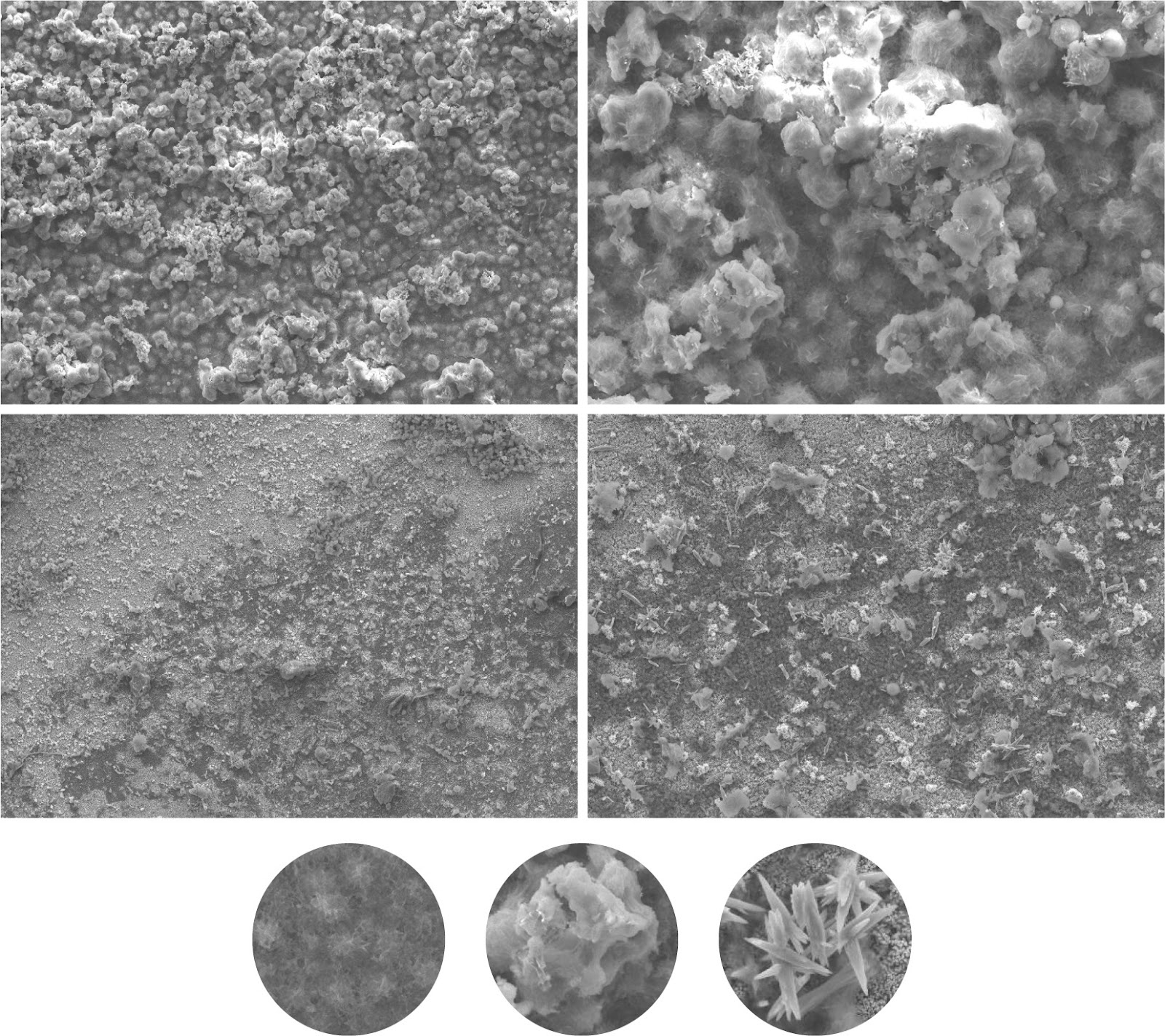
Original ResearchVol. 32, Issue 9 • pp. 488-500DOI: 10.1007/s12613-025-3265-9Sep 18, 2025

Advanced thermal-resistant aluminum conductor alloys: A comprehensive review

Authors: Behrouz Abnar, Samaneh Gashtiazar, Paul Rometsch, Mousa Javidani

This review provides a comprehensive overview of recent advancements in aluminum-based conductor alloys engineered to achieve superior mechanical strength and thermal stability without sacrificing electrical conductivity. Particular emphasis is placed on the role of microalloying elements—particularly Sc and Zr—in promoting the formation of coherent nanoscale precipitates such as Al3Zr, Al3Sc, and core–shell Al3(Sc,Zr) with metastable L12 crystal structures. These precipitates contribute signifi

Advanced thermal-resistant aluminum conductor alloys: A comprehensive review
Graphical Abstract
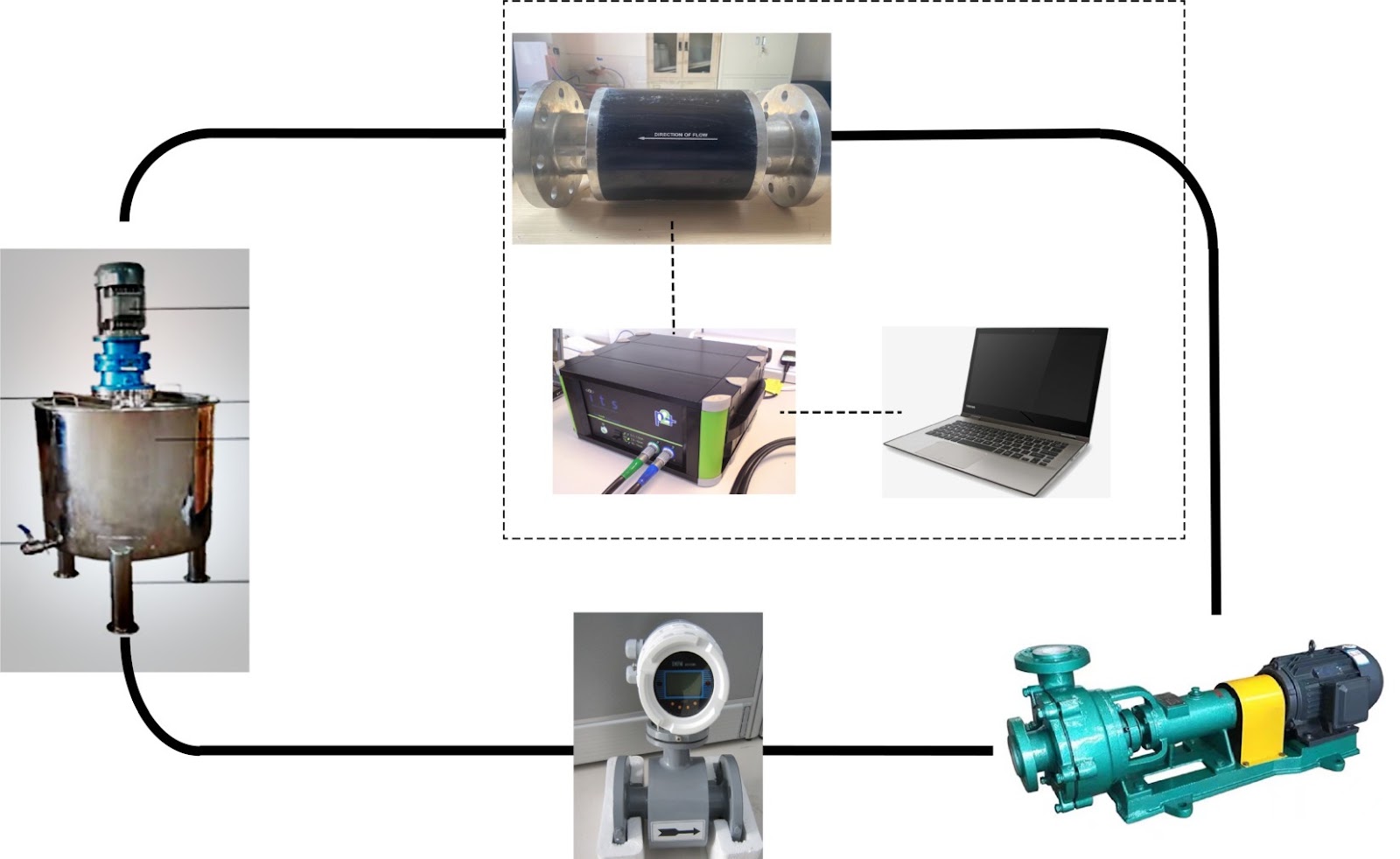
Original ResearchVol. 32, Issue 9 • pp. 896-908DOI: 10.1007/s12613-025-3286-4Sep 15, 2025

Comparison of Zn recovery prediction from carbonate ores with machine-learning methods

Authors: Ilker Erkan, Mehmet Akif Günen

This study addresses the challenge of predicting zinc (Zn) recovery from carbonate ores via sodium hydroxide (NaOH) leaching. This complex process influenced by variable ore composition, surface passivation effects, and nonlinear reaction dynamics, which complicate reagent optimization and process control in hydrometallurgical operations. To tackle this, a dataset containing 422 experimental observations was compiled from previous studies, incorporating ore composition and process parameters, su

Comparison of Zn recovery prediction from carbonate ores with machine-learning methods
Graphical Abstract
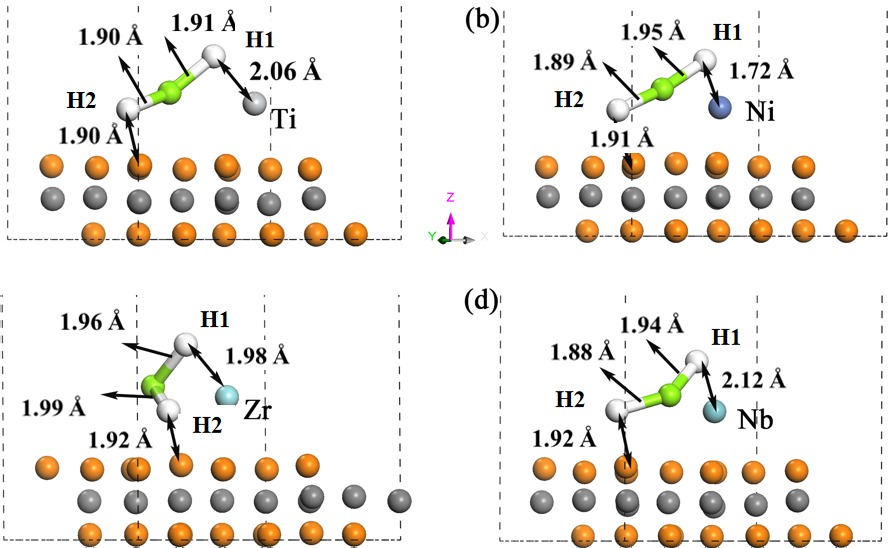
Original ResearchVol. 32, Issue 9 • pp. 504-516DOI: 10.1007/s12613-026-3371-3Sep 12, 2025

Thermodynamic and kinetic destabilization of Mg solid-solution alloys with nanosized grains for hydrogen storage

Authors: Xiansong Jia, Quan Yang, Xiaoli Ding, Haiwen Li, Yongtao Li

Solid-solution magnesium-based alloys have garnered significant attention for hydrogen storage applications. However, their practical implementation has been limited by their stable thermodynamic properties and sluggish kinetics. Herein, we report a nanoengineering approach to simultaneously enhance the kinetic and thermodynamic properties of Mg-based solid-solution alloys. Using Mg(In) alloys as a model system, we demonstrate this positive size effect through a two-step fabrication process. Fir

Thermodynamic and kinetic destabilization of Mg solid-solution alloys with nanosized grains for hydrogen storage
Graphical Abstract
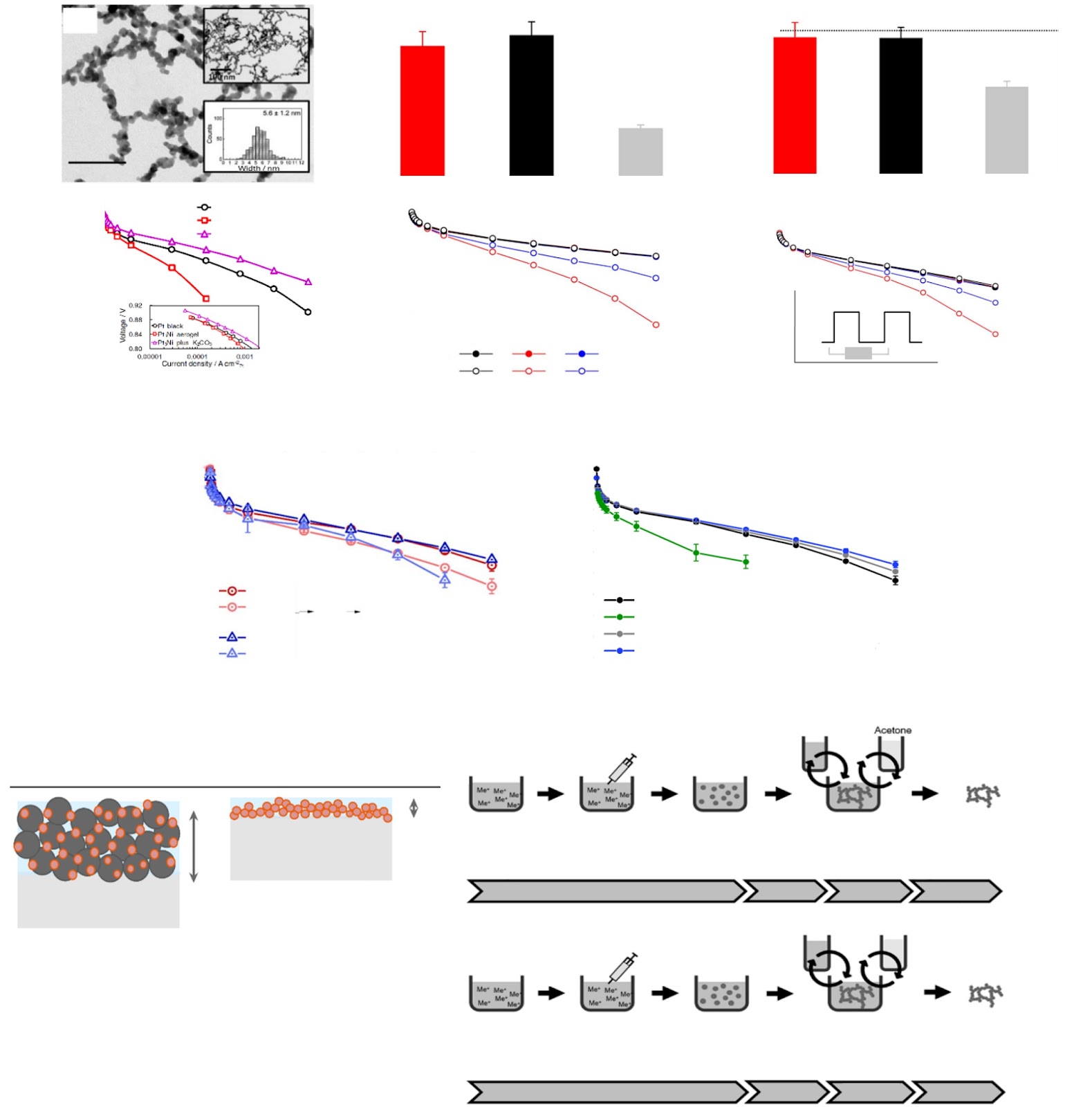
Original ResearchVol. 32, Issue 9 • pp. 112-124DOI: 10.1007/s12613-025-3342-0Sep 9, 2025

Cold storage systems integrated with phase change technology

Authors: Xiao Yang, Baoshan Xie, Xikang Xie, Lijin Zhou, Yuanxin He, Chuanchang Li

Market demand for cold storage systems, a critical component of modern cold-chain logistics, is rapidly expanding. Phase change cold technology offers a low-carbon route for energy savings in cold storage systems and is now a major research focus. This paper outlines the application of cold storage technology, systematically reviews the characteristics of three types of phase change materials (PCMs), and provides a comparative analysis of their advantages and disadvantages. It elaborates on key

Cold storage systems integrated with phase change technology
Graphical Abstract
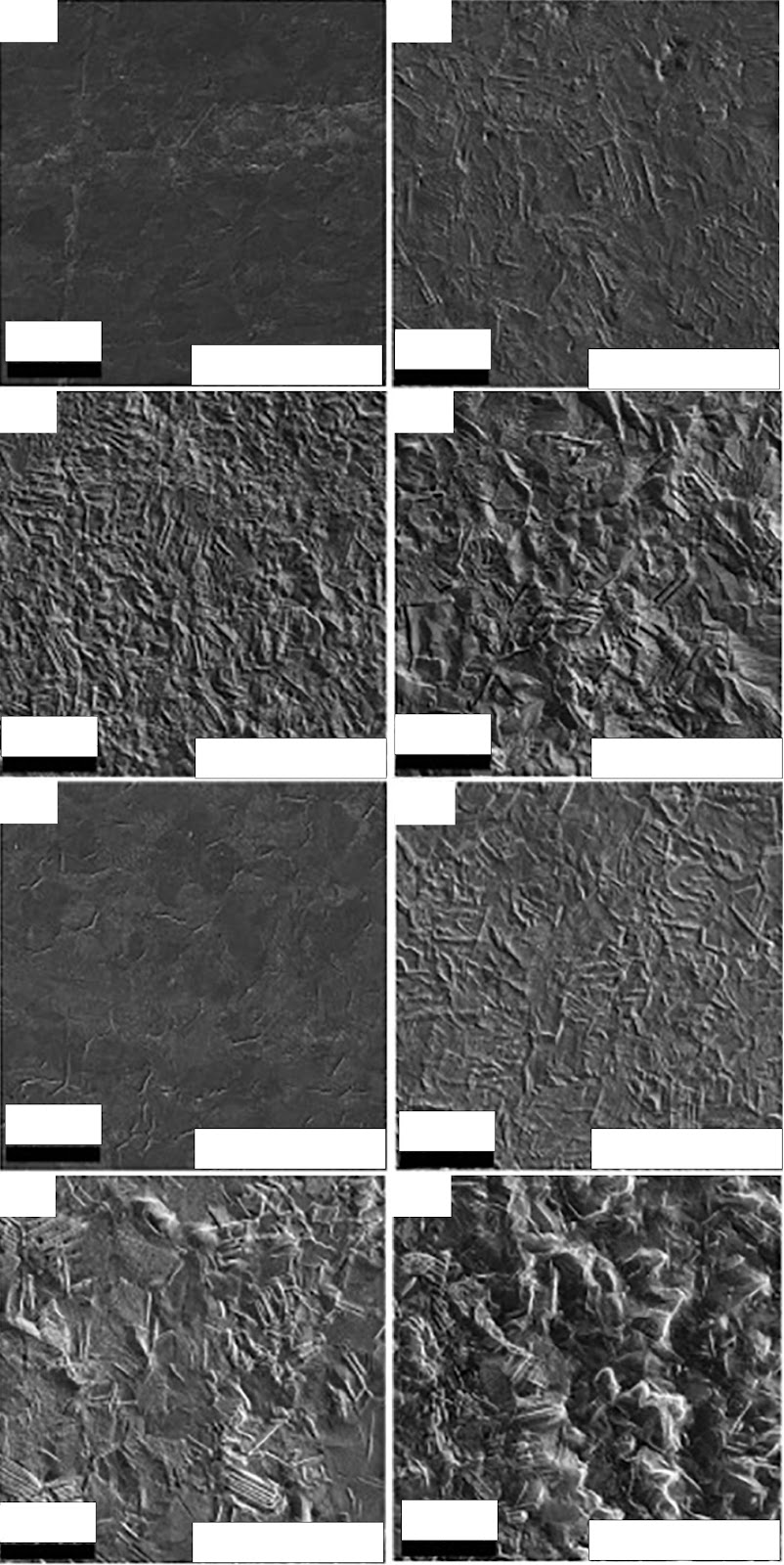
Original ResearchVol. 32, Issue 9 • pp. 520-532DOI: 10.1007/s12613-025-3228-1Sep 6, 2025

Influence of delay time on the blasting effect of multiple charging forms in single free-face rock masses

Authors: Chengxiao Li, Renshu Yang, Jinjing Zuo, Ye Zhu, Ping Xie

In order to improve excavation efficiency, we considered coal mine rock roadway blasting excavation as a background to examine the influence of delay time on the blasting effect of different charging structures under single free-surface conditions. Single-pore dispersed-charge models, dual-pore continuous-charge models, and dual-pore composite charge models were established. Their respective explosive rock-breaking mechanisms were explained using different models. These three numerical models we

Influence of delay time on the blasting effect of multiple charging forms in single free-face rock masses
Graphical Abstract

Original ResearchVol. 32, Issue 9 • pp. 692-704DOI: 10.1007/s12613-025-3267-7Sep 4, 2025

Transfer learning-enabled performance prediction of metallic materials: Methods, applications and prospects

Authors: Yufan Liu, Dexin Zhu, Zhihao Tian, Jiayi Liu, Xing Ran, Zhe Wang, Chengjiang Tang, Lifei Wang, Wei Xu, Xin Lu

In the era of materials genome engineering, data-driven machine learning has become a powerful tool for accelerating the research and development of metallic materials. However, the predictive accuracy and generalization ability of traditional machine learning models are often limited by the scarcity and heterogeneity of available data, especially in small-sample scenarios. To address these challenges, transfer learning has emerged as an effective strategy to leverage knowledge from related doma

Transfer learning-enabled performance prediction of metallic materials: Methods, applications and prospects
Graphical Abstract

Original ResearchVol. 32, Issue 9 • pp. 300-312DOI: 10.1007/s12613-025-3243-2Sep 1, 2025

Effect of Mn content on microstructure, texture and room-temperature mechanical properties of hot-extruded Mg–2Nd–1Gd alloy

Authors: Juan Wang, Guangyu Yang, Chenjin Zhang, Yaozhong Zhou, Zhiyong Kan, Chunhui Wang, Wanqi Jie

The effect of Mn content on the microstructure, texture, and room-temperature mechanical properties of hot-extruded Mg–2Nd–1Gd alloy was investigated. The microstructure of hot-extruded Mg–2Nd–1Gd–xMn (x = 0, 0.25wt%, and 0.5wt%) alloys consisted primarily of a fine-grained α-Mg matrix phase and point-like, streamline-distributed Mg41(Nd,Gd)5 phase along the extrusion direction. In the extruded Mg–2Nd–1Gd–0.25Mn and Mg–2Nd–1Gd–0.5Mn alloys, Mn was mainly present as solid–solution Mn atoms and α-

Effect of Mn content on microstructure, texture and room-temperature mechanical properties of hot-extruded Mg–2Nd–1Gd alloy
Graphical Abstract
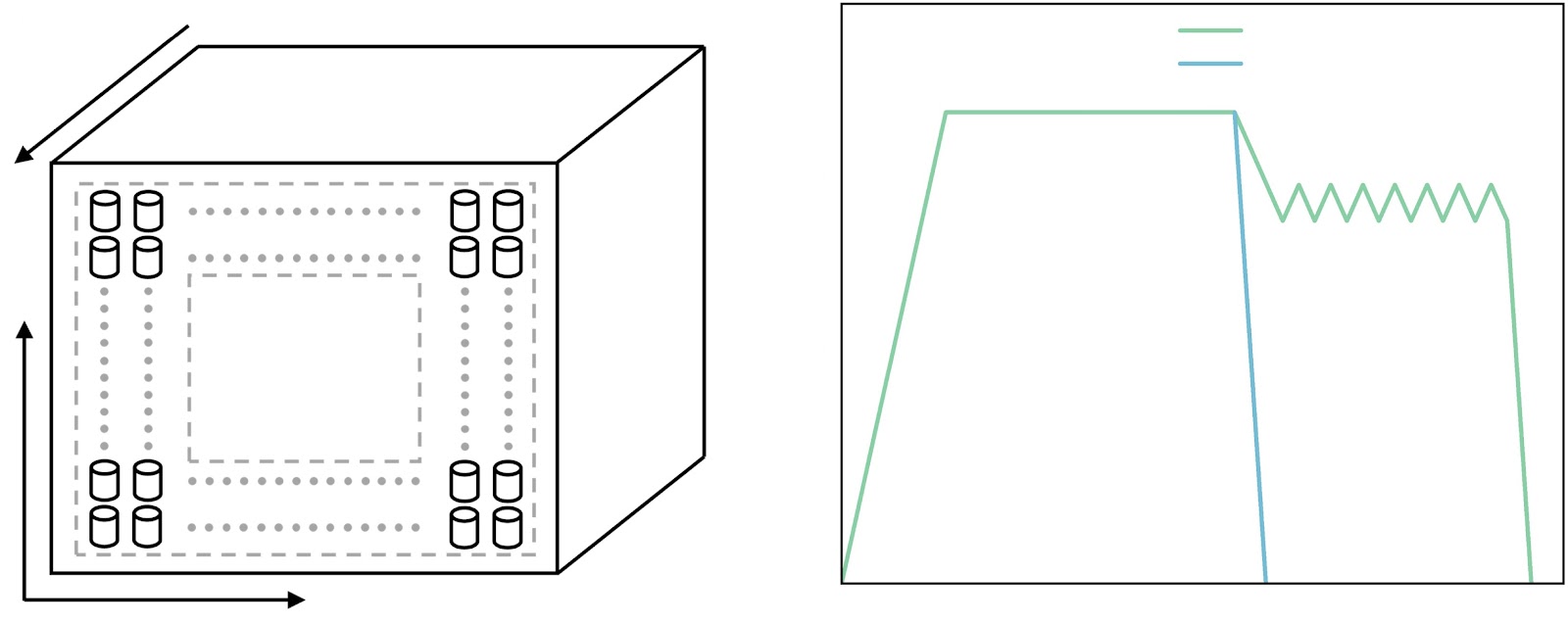
Original ResearchVol. 32, Issue 8 • pp. 691-703DOI: 10.1007/s12613-025-3303-7Aug 20, 2025

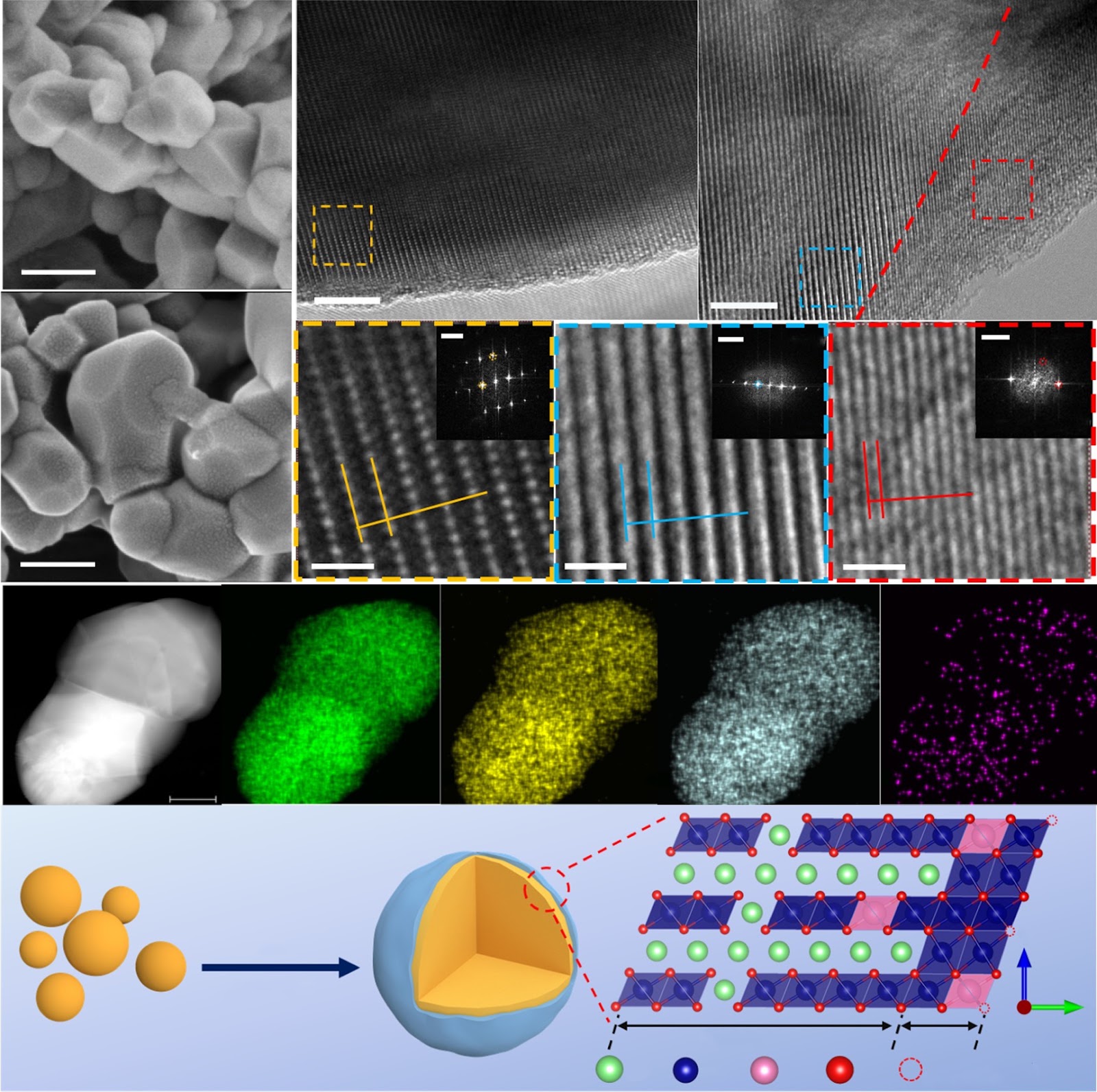
Surface reconstruction via rapid solution quenching to enhance structural stability of lithium-rich layered cathodes

Authors: Hailiang Chu, Jiaxiao Meng, Longde Duan, Shujun Qiu, Errui Wang, Fen Xu, and Lixian Sun

Lithium-rich layered oxides are prospective materials for future-generation cathodes attributable to their high specific capacity. However, significant surface instability, particularly under high-voltage operating conditions, leads to substantial voltage decay and dramatic capacity degradation during long-term cycling, severely limiting their widespread application. In this study, we developed a universal brine quenching strategy to construct a stabilized composite surface structure for lithium

Surface reconstruction via rapid solution quenching to enhance structural stability of lithium-rich layered cathodes
Graphical Abstract
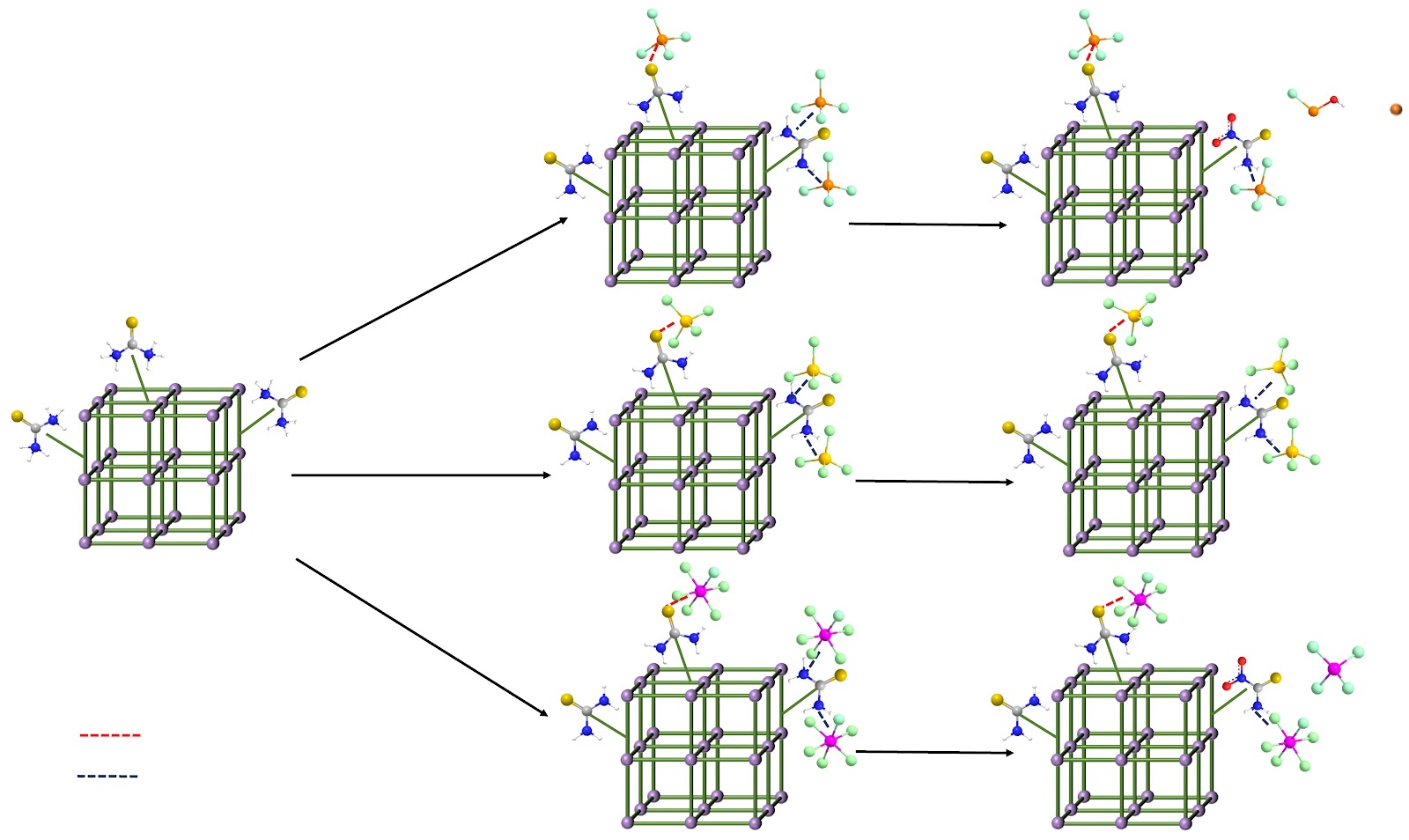
Original ResearchVol. 32, Issue 8 • pp. 299-311DOI: 10.1007/s12613-025-3367-xAug 17, 2025

Extraction of Nb, Ta, Zr and Hf from tin slags originating from cassiterite beneficiation

Authors: D. Michell et al.

The extraction of refractory metals such as Nb, Ta, Zr, and Hf from secondary resources like tin slags typically requires aggressive fluoride-based reagents, leading to environmental and operational challenges. This study proposes a fluoride-free pyro-hydrometallurgical route involving thermal treatment with sulfuric acid followed by aqueous/oxidative leaching. Thermodynamic simulations are integrated to optimize the formation of soluble sulfate complexes and enhance metal recovery. The process

Extraction of Nb, Ta, Zr and Hf from tin slags originating from cassiterite beneficiation
Graphical Abstract
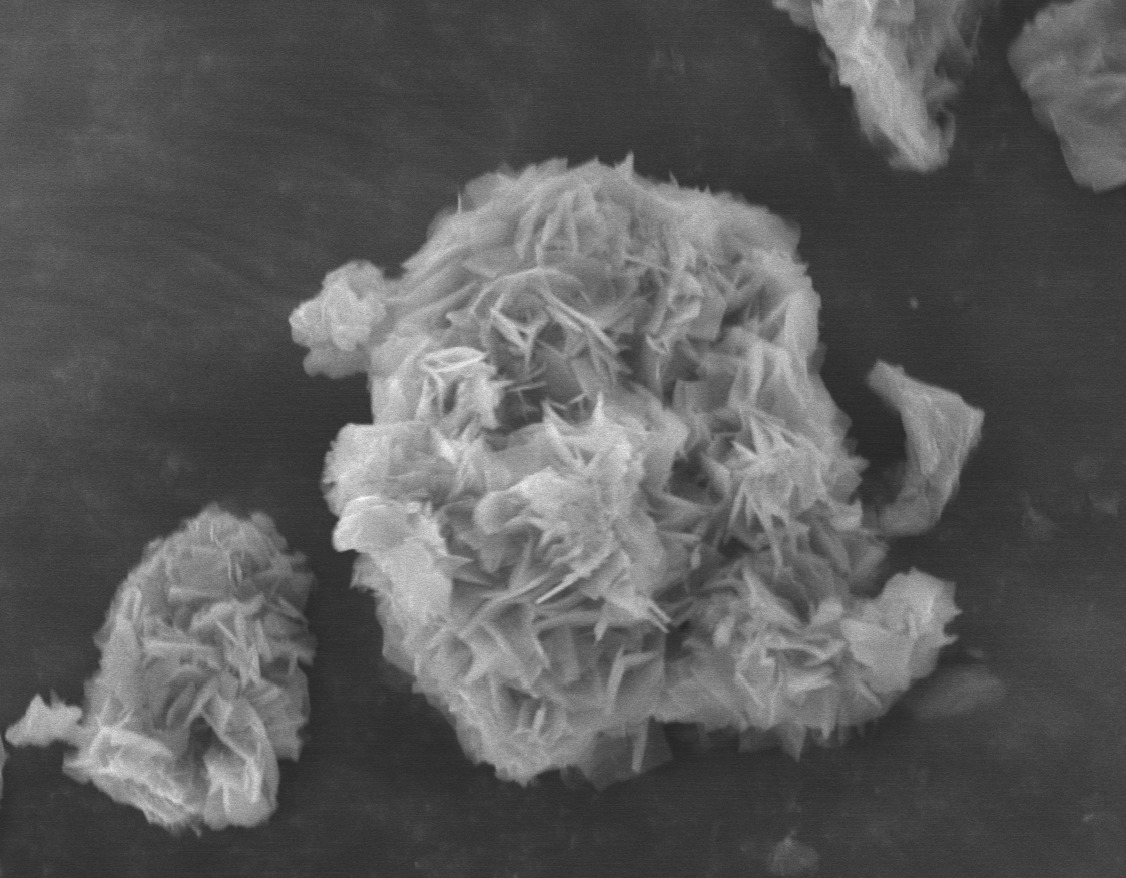
Original ResearchVol. 32, Issue 8 • pp. 879-891DOI: 10.1007/s12613-025-3253-0Aug 12, 2025

Electrochemical properties of sandwich-structured solid electrolyte for all-solid-state Li battery

Authors: Jiayao Lu, Ying Li, Xiaocong Zhu, Jinzhou Li, Kui Li, Shoujiang Guan, Yushi Ding, Wenlong Huang

To improve the solid–solid interface performance of all solid-state lithium batteries (ASSLBs), a novel sandwich-structured solid electrolyte (SSE, total thickness of 0.7 mm) was investigated. It comprises a central layer of perovskite-type Li0.37Sr0.44Zr0.25Ta0.75O3 (LSZT) electrolyte (thickness of 0.5 mm) sandwiched between two layers of composite solid polymer electrolyte (CSPE, each with a thickness of 0.1 mm). The thin CSPE interlayer not only effectively reduces interfacial resistance betw

Electrochemical properties of sandwich-structured solid electrolyte for all-solid-state Li battery
Graphical Abstract
Original ResearchVol. 32, Issue 8 • pp. 487-499DOI: 10.1007/s12613-025-3347-8Aug 9, 2025

NiS2–MXene hybrid composite: Facile synthesis and improved hydrogen storage properties of magnesium hydride

Authors: Ruolin Zhao, Jun Li, Sizhi Ding, Yi Fan, Haizhen Liu, Jin Guo, Zhiqiang Lan

We employed a one-step hydrothermal method to in situ grow spherical NiS2 nanoparticles on the surface of MXene, successfully constructing a NiS2–MXene hybrid composite. This study demonstrates that the integration of a NiS2–MXene hybrid composite into MgH2 substantially improves its hydrogen storage performance. Specifically, the composite reduces the initial dehydrogenation temperature of MgH2 by 118°C, lowering it from 310°C (pure MgH2) to 192°C. At 300°C, it can release 5.87wt% of hydrogen w

NiS2–MXene hybrid composite: Facile synthesis and improved hydrogen storage properties of magnesium hydride
Graphical Abstract
Original ResearchVol. 32, Issue 8 • pp. 895-907DOI: 10.1007/s12613-025-3357-6Aug 6, 2025

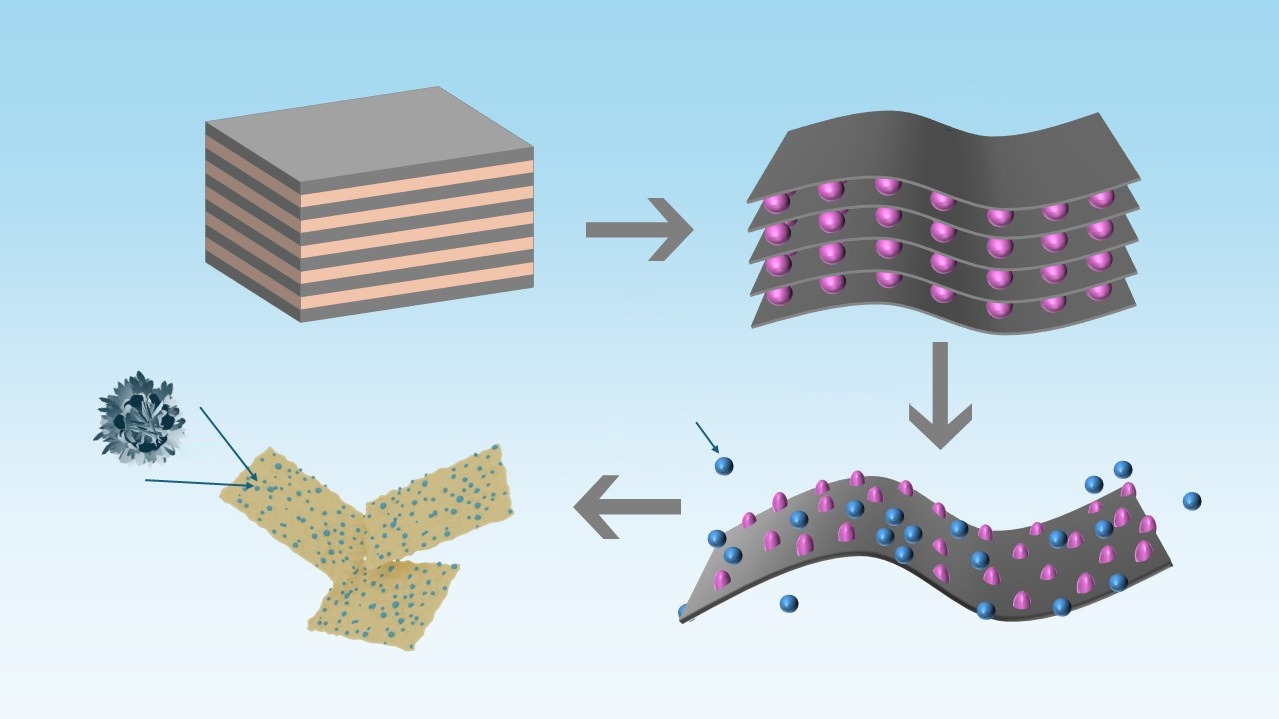
Chemical blowing strategy for three-dimensional graphene materials: Overcoming graphene restacking and integrating macro/microstructural construction

Authors: Kun Han, Jianfei Liu, Qigao Cao, Wan Rong, Zhiwei Liu, Ping Li

Carbon materials, characterized by diverse allotropes, have played critical roles in the advancement of human civilization and industrial manufacturing. As a prominent allotrope, two-dimensional (2D) graphene materials have attracted increasing attention since their discovery owing to their exceptional properties; however, they suffer from the fundamental challenges of restacking and agglomeration, which diminish their performance in practical applications. The design of three-dimensional (3D) f

Chemical blowing strategy for three-dimensional graphene materials: Overcoming graphene restacking and integrating macro/microstructural construction
Graphical Abstract
Original ResearchVol. 32, Issue 8 • pp. 503-515DOI: 10.1007/s12613-026-3448-zAug 3, 2025

Fe-containing high-entropy oxides: An advanced material system for lithium-ion battery anodes

Authors: Ziyu Dong, Nuo Xu, Jiayi Ma, Pengfei Wang, Yuhang Zhang, Liyan Tian, Lina Zhao, Xuecheng Chen, Fanian Shi

The rapid development of the mobile communication and electric vehicle markets is driving a growing demand for next-generation lithium-ion battery (LIB) technology. Key electrochemical properties of LIBs, including energy density, rate performance, and cycling stability, are largely determined by the performance of the anode material. High-entropy oxides (HEOs), with unique multi-component systems and entropy-stabilized frameworks, exhibit tailorable physicochemical properties and outstanding st

Fe-containing high-entropy oxides: An advanced material system for lithium-ion battery anodes
Graphical Abstract
Original ResearchVol. 32, Issue 8 • pp. 675-687DOI: 10.1007/s12613-025-3134-6Aug 1, 2025

Synergistic enhancement of strength and ductility of Ti2AlC/TiAl through Mn solid solution and interface manipulation

Authors: Yuanzheng Wei, Yilu Li, Shili Shu, Hongyu Yang, Feng Qiu, Qichuan Jiang

Introducing Ti2AlC particles into TiAl alloys can effectively improve their strength, but this can also lead to stress concentration at the interface, resulting in the reduction of ductility. Therefore, Mn is adopted to synergistically improve the strength and ductility of the Ti2AlC/TiAl composite through solid solution and interface manipulation. The first-principles calculation shows the Ti–Mn bonds are formed at the Ti2AlC/TiAl interface after Mn doping, characterized primarily by metallic b

Synergistic enhancement of strength and ductility of Ti2AlC/TiAl through Mn solid solution and interface manipulation
Graphical Abstract
Original ResearchVol. 32, Issue 7 • pp. 486-498DOI: 10.1007/s12613-026-3455-0Jul 25, 2025

A focused mini-review on high-entropy intermetallics for hydrogen storage

Authors: Xichen Zhang, Yixiong Hu, Weidong Zhang, Qiong Yang, Fei Peng, Qun Luo, and Zhenggang Wu

Intermetallic compounds (IMCs) are considered desirable materials for hydrogen storage. However, traditional hydrogen-storage IMCs have many shortcomings. High-entropy alloys (HEAs), which are composed of multiple metallic elements, exhibit significant lattice distortion and large interstitial sites, making them a promising class of hydrogen storage materials. Among the HEAs used for hydrogen storage, high-entropy intermetallics (HEIs) have shown great potential for hydrogen absorption kinetics

A focused mini-review on high-entropy intermetallics for hydrogen storage
Graphical Abstract
Original ResearchVol. 32, Issue 7 • pp. 658-670DOI: 10.1007/s12613-025-3105-yJul 23, 2025

Low-toxicity non-cyanide recovering high-sulfur refractory gold ore via microwave roasting self-leaching process: Response surface optimization and mechanism study

Authors: Zhengyu Liu, Jue Kou, Xiaosong Guo, Wei Liu, Chunbao Sun, Anlin Shao, Chang Liu

Microwave roasting self-leaching is an innovative method for recovering gold from high-sulfur refractory gold concentrates, without using deadly toxic cyanide reagents. However, the mechanism of gold self-leaching, which relies on lixiviants prepared using volatilized sulfur obtained from roasting, has not been fully elucidated. This study employs the response surface methodology to optimize processing parameters, resulting in an increased gold extraction rate of 96.18%. Analytical factorization

Low-toxicity non-cyanide recovering high-sulfur refractory gold ore via microwave roasting self-leaching process: Response surface optimization and mechanism study
Graphical Abstract
Original ResearchVol. 32, Issue 7 • pp. 266-278DOI: 10.1007/s12613-025-3221-8Jul 20, 2025

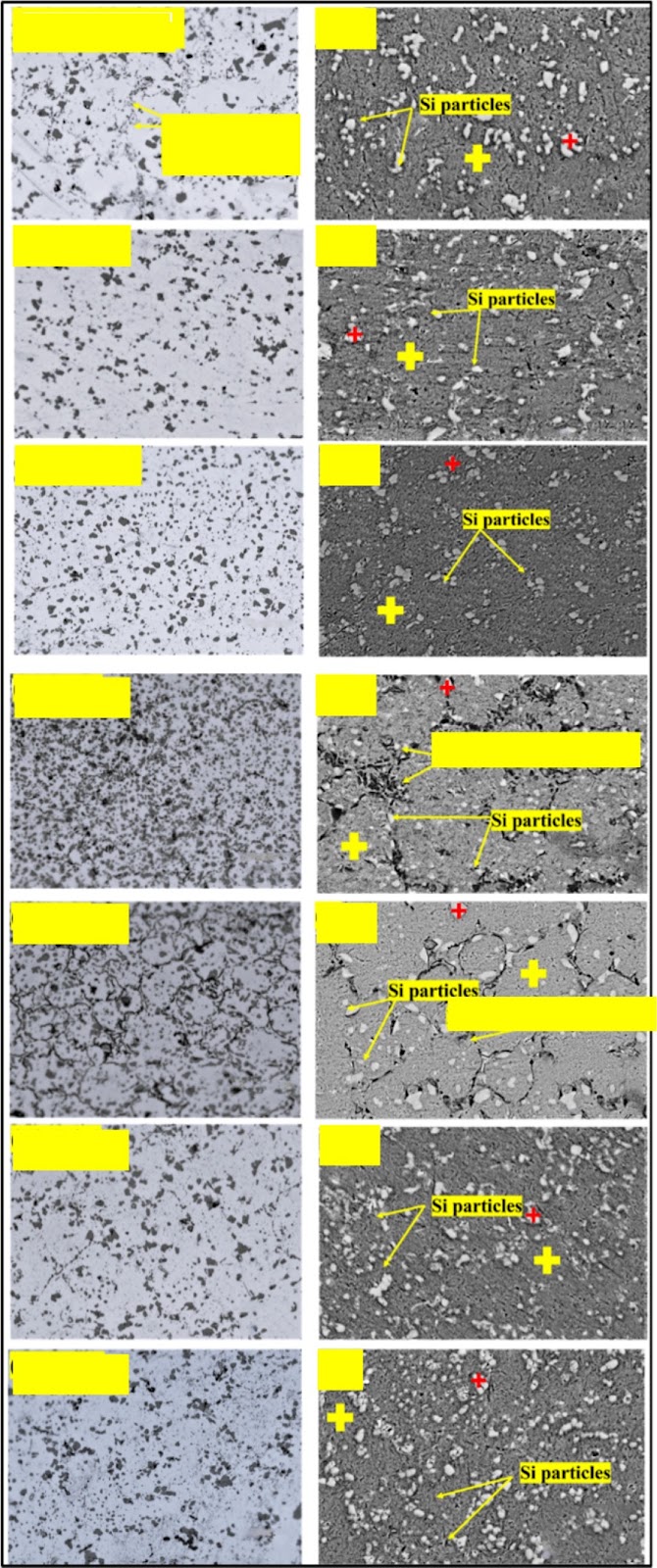
Characterization of heat treatment-driven microstructural evolution, mechanical properties and electrochemical behavior of direct powder forged Al–10Si–0.3Mg alloy

Authors: Akanksha Dwivedi, K.E.R.V. Prasad, Debdipta Banik, Saikat Mandal, A. Durga Prasad, and Srinu Gangolu

This study investigated the effects of direct aging (DA), solution treatment (ST), and ST followed by DA (T6) on the microstructural, mechanical, and corrosion properties of direct powder forged Al–10Si–0.3Mg alloy specimens. Microstructural analyses conducted using optical microscopy, scanning electron microscopy, and electron backscatter diffraction revealed that among DA specimens, direct aging at 200°C (DA-2) exhibited significantly enhanced silicon (Si) particle distribution uniformity and

Characterization of heat treatment-driven microstructural evolution, mechanical properties and electrochemical behavior of direct powder forged Al–10Si–0.3Mg alloy
Graphical Abstract
Original ResearchVol. 32, Issue 7 • pp. 674-686DOI: 10.1007/s12613-026-3385-xJul 17, 2025

Iron phosphide stabilization strategy enables long-cycling Co-free lithium-rich manganese-based cathode materials

Authors: Bufan Cheng, Yiran Cai, Guanxi Lin, Zhiyuan Lu, Ziming Fang, Ruizi Wang, Xin Zhang, Wenping Sun, Mingxia Gao, Hongge Pan

Co-free lithium-rich manganese-based oxides (LRMOs), which offer energy densities over 1000 Wh·kg−1 and low raw material cost, are attractive cathode candidates for next generation high-energy density lithium-ion batteries (LIBs). Nonetheless, their practical application is hindered by their high initial irreversible capacity, capacity and voltage decay, and voltage hysteresis. Herein, a novel iron phosphide modification strategy is presented, where Fe3P is incorporated into the bulk phase of th

Iron phosphide stabilization strategy enables long-cycling Co-free lithium-rich manganese-based cathode materials
Graphical Abstract
Original ResearchVol. 32, Issue 7 • pp. 282-294DOI: 10.1007/s12613-025-3328-yJul 14, 2025

Direct recovery of low-concentration Au(S2O3)3−2 from pregnant leach solution using an activated carbon-coated titanium electrode

Authors: Yong Zeng, Xiyuan Che, Lei Zhang, Peng Chen, Shaoxian Song, Deshou Wang, Feifei Jia

Thiosulfate gold extraction technology has gained considerable interest owing to its environmental compatibility and broad applicability to diverse ore types. However, the lack of efficient methods to recover Au(S2O3)3−2 from leaching solutions has hindered its industrial implementation. To address this challenge, this study used a thiosulfate leaching solution from quartz-type gold ores to design an activated carbon-coated titanium electrode (Ti@AC) with a porous surface structure. This electro

Direct recovery of low-concentration Au(S2O3)3−2 from pregnant leach solution using an activated carbon-coated titanium electrode
Graphical Abstract
Original ResearchVol. 32, Issue 7 • pp. 454-466DOI: 10.1007/s12613-025-3234-3Jul 12, 2025

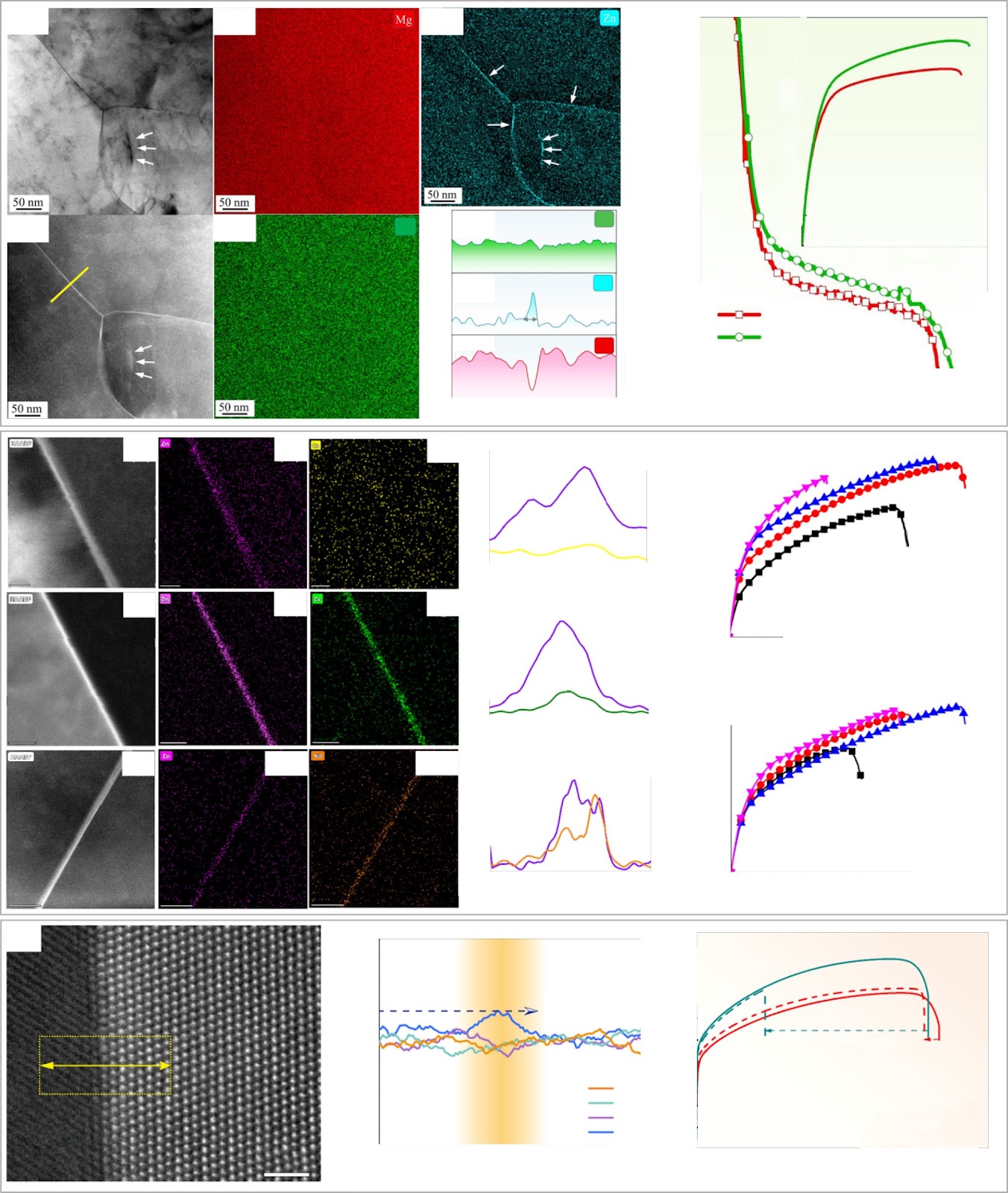
Recent advances and perspectives in interface engineering of high-performance alloys

Authors: Yuan Zhu, Tongbo Jiang, Honghui Wu, Faguo Hou, Xiaoye Zhou, Feiyang Wang, Shuize Wang, Junheng Gao, Haitao Zhao, Chaolei Zhang

High-performance alloys are indispensable in modern engineering because of their exceptional strength, ductility, corrosion resistance, fatigue resistance, and thermal stability, which are all significantly influenced by the alloy interface structures. Despite substantial efforts, a comprehensive overview of interface engineering of high-performance alloys has not been presented so far. In this study, the interfaces in high-performance alloys, particularly grain and phase boundaries, were system

Recent advances and perspectives in interface engineering of high-performance alloys
Graphical Abstract
Original ResearchVol. 32, Issue 7 • pp. 862-874DOI: 10.1007/s12613-025-3271-yJul 9, 2025

Hazards and optimal utilization of iron in low-carbon recycled aluminum alloys

Authors: Yicheng Gao, Baixin Dong, Hongyu Yang, Zhongyi Cai, Tianshu Liu, Xinmiao Zhong, Peijun Cong, Shili Shu, Jia Meng, Jian Qiao, Ming Zhu, Jie Kang, Lin Liu, Feng Qiu, Qichuan Jiang, Laichang Zhang

Driven by the proposed new circular economy goals and “dual carbon” strategy (carbon peak and carbon neutrality), the inherent recyclability of aluminum and its alloys makes their secondary utilization critical for green and sustainable development. Owing to its controllable source, scrap aluminum produced by manufacturing industries, such as the automobile, aerospace, and electronics industries, represents a high-value resource that will be critical for the global supply of aluminum and its all

Hazards and optimal utilization of iron in low-carbon recycled aluminum alloys
Graphical Abstract
Original ResearchVol. 32, Issue 7 • pp. 470-482DOI: 10.1007/s12613-025-3278-4Jul 6, 2025

Enhancing hydrogen desorption in magnesium hydride via nanosized aluminum catalysts synthesized by electrical explosion of wires: Part 2 – The role of formed defect structure

Authors: Alan Kenzhiyev, Viktor N. Kudiiarov, Roman S. Laptev, Roman R. Elman, Andrei V. Mostovshchikov

The current study presents a composite material based on magnesium hydride with the addition of aluminum, obtained by the method of electrical explosion of wires (EEW). The study demonstrated that the material has improved hydrogen interaction characteristics, which is associated with its core–shell structure, defect formation during milling, and the hydrogenation process. The combination of these factors contributes to a decrease in the activation energy of desorption from (161 ± 2) to (109 ± 1

Enhancing hydrogen desorption in magnesium hydride via nanosized aluminum catalysts synthesized by electrical explosion of wires: Part 2 – The role of formed defect structure
Graphical Abstract
Original ResearchVol. 32, Issue 7 • pp. 878-890DOI: 10.1007/s12613-026-3369-xJul 3, 2025

Carbon-based current collectors for stable aqueous Zn anodes

Authors: Yuhan Zou, Tong Shen, Yuyuan Wang, Jingyu Sun

Aqueous Zn metal batteries (AZMBs) have emerged as promising energy-storage systems owing to their inherent safety, environmental compatibility, and cost-effectiveness. However, their practical application is severely hindered by critical challenges pertaining to Zn anodes, including uncontrolled dendrite growth and parasitic side reactions at this anode. Although employing excess Zn foil can mitigate anode failure, this strategy inevitably compromises the energy density of full batteries. Recen

Carbon-based current collectors for stable aqueous Zn anodes
Graphical Abstract
Original ResearchVol. 32, Issue 6 • pp. 861-873DOI: 10.1007/s12613-026-3402-0Jun 25, 2025

Comprehensive review of current trends and future directions of metal-supported solid oxide fuel cell: From materials to applications

Authors: Yanyu Sun, Xinwei Su, Xiongzhuang Li, Wei Kong, Petr Senin, Daifen Chen, Tao Wei

This review provides a systematic analysis of metal-supported solid oxide fuel cells (MS-SOFCs) as next-generation energy conversion devices. By integrating multiscale simulations with experimental validation, we establish performance benchmarks for key components, including thin electrolytes, mixed ionic–electronic conductors (MIECs) used as cathodes, and corrosion-resistant metal substrates. The paper elucidates critical degradation pathways, such as chromium poisoning and interfacial instabil

Comprehensive review of current trends and future directions of metal-supported solid oxide fuel cell: From materials to applications
Graphical Abstract
Original ResearchVol. 32, Issue 6 • pp. 469-481DOI: 10.1007/s12613-026-3456-zJun 22, 2025

Multiscale regulation of thermodynamics and kinetics in high-entropy body-centered cubic type hydrogen storage alloys

Authors: Zefeng Li, Yi Jiang, Junjie Li, Yangfan Lu, Xiaoming Xiong, Shenglan Yang, Qun Luo, Yan Yang, Qian Li

The thermodynamic and kinetic properties of body-centered-cubic (BCC) hydrogen storage alloys highly depend on their chemical compositions, making high-entropy alloying a promising strategy for performance optimization. However, clarifying how multi-principal element compositions regulate multiscale structures and thereby influence their hydrogen storage performance remains challenging, which limits the rational design of high-performance BCC high-entropy alloys (HEAs). This review provides a co

Multiscale regulation of thermodynamics and kinetics in high-entropy body-centered cubic type hydrogen storage alloys
Graphical Abstract
Original ResearchVol. 32, Issue 6 • pp. 641-653DOI: 10.1007/s12613-025-3156-0Jun 20, 2025

Anisotropic thermal conductivity of aluminum matrix composites reinforced by graphene nanoplates and ZrB2 nanoparticles

Authors: Chuang Guan, Xizhou Kai, Wei Qian, Ran Tao, Gang Chen, Yutao Zhao

This study investigates the anisotropic thermal conductivity of aluminum matrix composites reinforced with graphene nanoplates (GNPs) and in situ ZrB2 nanoparticles, while simultaneously maintaining high strength and toughness. A discontinuous layered GNPs–ZrB2/AA6111 composite was prepared using in situ melt reactions and semi-solid stirring casting technology, combined with hot rolling deformation processing. Microstructural analysis revealed that the GNPs were aligned parallel to the rolling

Anisotropic thermal conductivity of aluminum matrix composites reinforced by graphene nanoplates and ZrB2 nanoparticles
Graphical Abstract
Original ResearchVol. 32, Issue 6 • pp. 249-261DOI: 10.1007/s12613-025-3199-2Jun 17, 2025

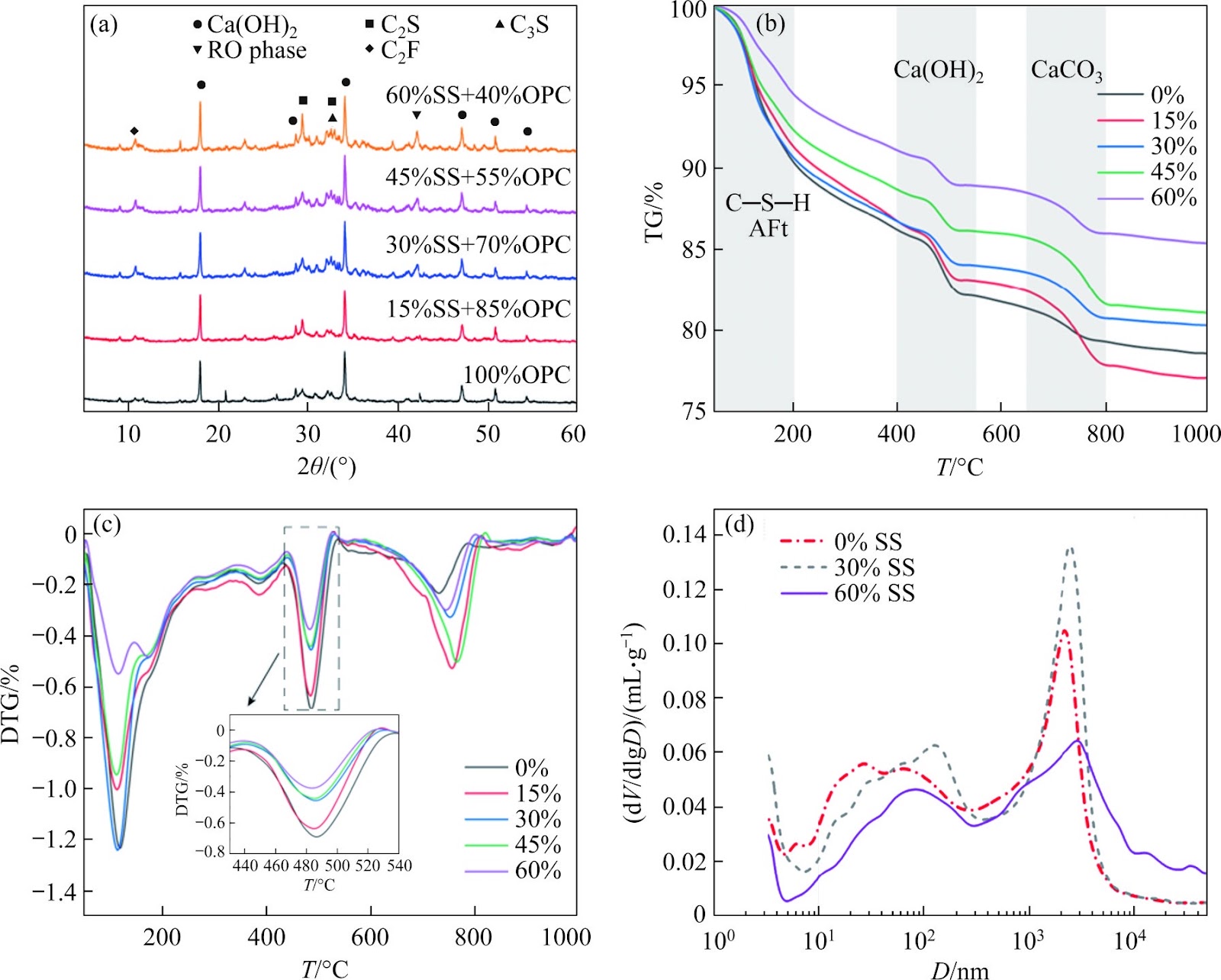
Mechanical and thermal properties of steel slag/stone-wood plastic composites reinforced with calcium sulfate whisker

Authors: Hao Zhang, Qian Wang, Ling Zhao, Liangjun Chen, Xiaojian Ren, Zhifang Zong, Xiaoyan Du

The development of steel slag/stone-wood plastic composites reinforced with calcium sulfate whisker is beneficial for reducing costs in the stone-wood plastic industry and promoting the resource utilization of industrial waste. Steel slag powder (SSP) composited with calcium sulfate whisker (CSW) was investigated as a replacement for a portion of talc powder (TP) in the creation of calcium sulfate whisker-reinforced steel slag/stone-wood plastic composites (CSW-SSP/SPCs). The reinforcement effec

Mechanical and thermal properties of steel slag/stone-wood plastic composites reinforced with calcium sulfate whisker
Graphical Abstract
Original ResearchVol. 32, Issue 6 • pp. 657-669DOI: 10.1007/s12613-025-3329-xJun 14, 2025

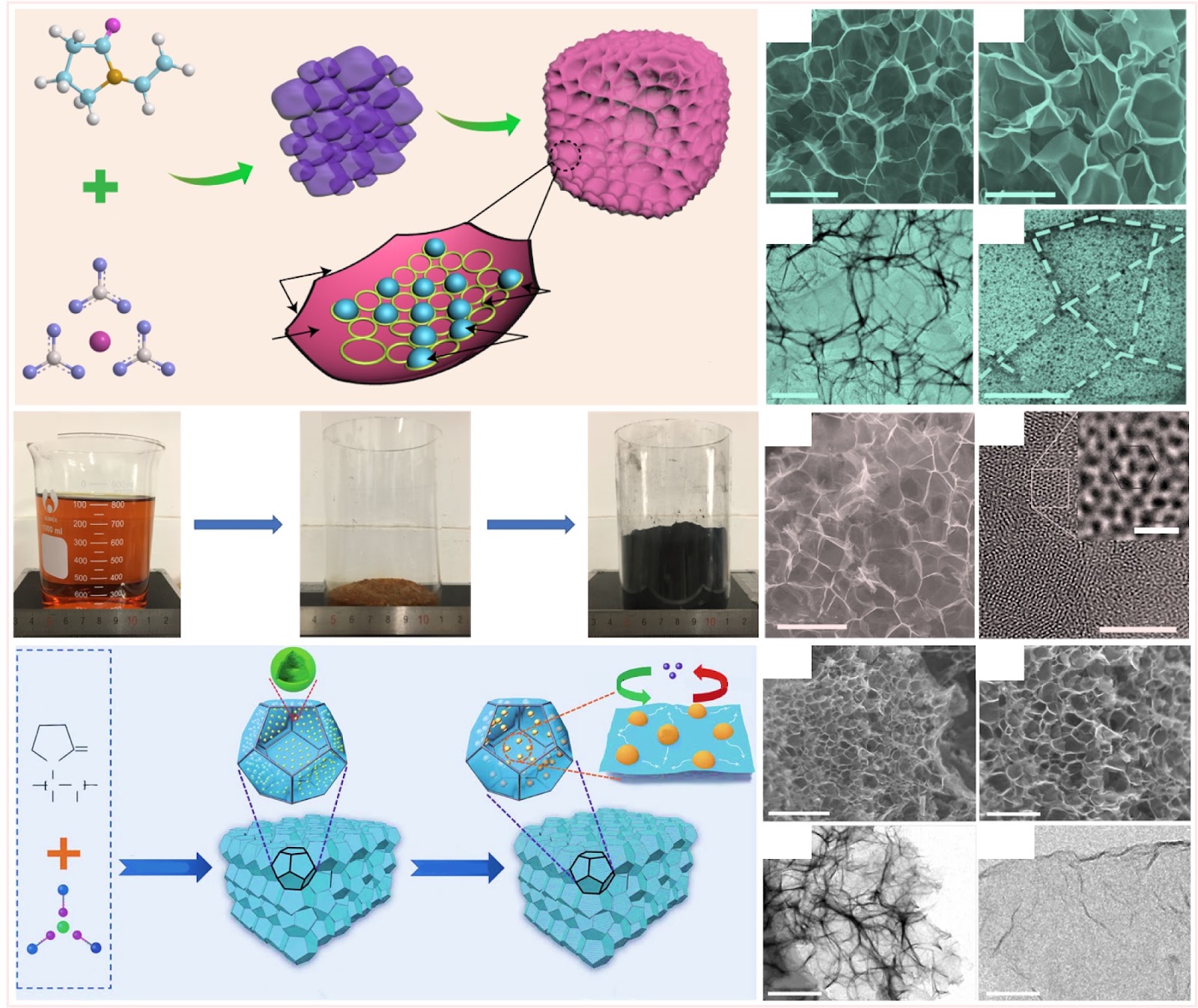
Self-assembled nanoflower zeolitic imidazolate framework-carbon for superior sodium storage

Authors: Xiaohua Zhang, Kangjie Han, Xinxin Zhao, Xiaoyan Yan, Kang Zhang, Hengxiang Li, Baosheng Liu

Conventional hard carbon anodes, despite their high sodium storage capacity, suffer from two major limitations: sluggish ion diffusion kinetics due to tortuous micropore networks and significant volume expansion arising from disordered carbon structures. These inherent defects collectively compromise rate capability and cycling stability. Herein, we devise a graphene oxide (GO)-directed templating approach to architect zeolitic imidazolate framework (ZIF)-derived carbon into a hierarchical nanof

Self-assembled nanoflower zeolitic imidazolate framework-carbon for superior sodium storage
Graphical Abstract
Original ResearchVol. 32, Issue 6 • pp. 265-277DOI: 10.1007/s12613-026-3420-yJun 11, 2025

Atomic-scale simulations and experimental insights into the effect of precipitates on the hemming performance of 6xxx Al alloys

Authors: Yucheng Ji, Feng Ding, Jiahao Wen, Wentao Qin, Chenyang Yao, Xiang Xiao, Guojun Wang, Chaofang Dong

Al–Mg–Si alloys are widely employed in automotive vehicles; however, challenges such as cracking often arise during the hemming process (180° bending). Based on the molecular dynamics simulations and experiments, this study investigated the effects of the size and number of MgSi(Fe) clusters on the mechanical properties of 6xxx Al alloys. The results showed that medium-sized MgSi clusters (containing 10–19 atoms) at the grain boundaries (GBs) enhanced the strength of the GBs, effectively inhibit

Atomic-scale simulations and experimental insights into the effect of precipitates on the hemming performance of 6xxx Al alloys
Graphical Abstract
Original ResearchVol. 32, Issue 6 • pp. 845-857DOI: 10.1007/s12613-025-3229-0Jun 6, 2025

Development and characterization of a high-Cr-content Co–Ni–Al–V–Ta–Cr superalloy: Microstructure, mechanical properties and oxidation resistance

Authors: Xiang Yu, Yuechao Chen, Yong Lu, Yihui Guo, Jinbin Zhang, Yixiong Huang, Yupeng Zhang, Jiajia Han, Cuiping Wang, Xingjun Liu

Enhancing the oxidation resistance of Co-based superalloys by adding a high content of Cr, while simultaneously ensuring the stability of the γ/γ′ phases, presents a significant challenge. This study evaluated the alloying potential of Co–30Ni–10Al–5V–4Ta using the CALPHAD method, revealing promising characteristics. The developed Co–30Ni–10Al–5V–4Ta–12Cr alloy characterized by high Cr content and γ/γ′ two-phase structure, demonstrating high γ′ solvus temperature of 1139°C, low density of 8.48 g

Development and characterization of a high-Cr-content Co–Ni–Al–V–Ta–Cr superalloy: Microstructure, mechanical properties and oxidation resistance
Graphical Abstract
Original ResearchVol. 32, Issue 5 • pp. 436-448DOI: 10.1007/s12613-025-3298-0May 25, 2025

Room-temperature ammonia sensing via Nb2CTₓ/SnS2 nanocomposite sensor with enhanced selectivity

Authors: Waqas Saeed, Liaqat Rasheed, Ye Tian, Irshad Ahmad Mir, Baoji Miao, Shakeel Ahmed, Amina Zulfiqar, Xing Chen, Amna Manzoor

The detection of ammonia (NH3) is essential for environmental monitoring, industrial safety, and medical diagnosis. However, fluctuating environmental conditions and the limited stability of conventional sensing materials make it difficult to achieve highly selective, highly sensitive, and reliable NH3 sensing at room temperature. To improve NH3 selectivity, we investigated a dual-functionalized Nb2CTx/SnS2 composite containing both amine and carboxyl groups. Combining the superior NH3 adsorptio

Room-temperature ammonia sensing via Nb2CTₓ/SnS2 nanocomposite sensor with enhanced selectivity
Graphical Abstract
Original ResearchVol. 32, Issue 5 • pp. 844-856DOI: 10.1007/s12613-025-3330-4May 22, 2025

Unraveling in-situ electrochemical reconstruction of indium oxide catalysts with oxygen vacancy for enhanced electrocatalytic CO2-to-formate conversion

Authors: Biao Hong, Wei Xiao

Indium-based materials have emerged as promising alternative catalysts for the selective electroreduction of CO2 to formate, yet the optimal catalytic configuration remains elusive. Herein, theoretical calculation reveals that metallic indium over oxygen vacancy-containing In2O3 support (In/In2O3-VO) possesses the lowest energy barriers (0.99 eV) for CO2 reduction to formate. A rational air-annealing strategy applied to In3+-adsorbed resin is developed to synthesize indium oxide catalysts contai

Unraveling in-situ electrochemical reconstruction of indium oxide catalysts with oxygen vacancy for enhanced electrocatalytic CO2-to-formate conversion
Graphical Abstract
Original ResearchVol. 32, Issue 5 • pp. 452-464DOI: 10.1007/s12613-026-3458-xMay 19, 2025

Enhancing the activation and cycling properties of V-based alloys by trace Ce doping

Authors: Haiyan Leng, Shangxuan Gao, Shuai Wang, Fenghang Jiang, Xinlong Shen, Siwei Chen, Xingbo Han, Qun Luo, Lei Yan, V. N. Kudiiarov

This study focused on improving the activation property and cycling stability of V78Ti6Cr16 alloy through trace Ce doping. V78Ti6Cr16Cex (x = 0, 0.2, 0.4) alloys were prepared by arc melting. The activation property, the kinetic and thermodynamic properties, the cycling stability and the cycling stability mechanism of the prepared alloys were investigated. The results show that trace Ce doping significantly improves the activation performance of the alloy. The kinetics changed little and the the

Enhancing the activation and cycling properties of V-based alloys by trace Ce doping
Graphical Abstract
Original ResearchVol. 32, Issue 5 • pp. 624-636DOI: 10.1007/s12613-025-3162-2May 17, 2025

Impact toughness, crack initiation and propagation mechanism of Ti6422 alloy with multi-level lamellar microstructure

Authors: Jie Shen, Zhihao Zhang, Jianxin Xie

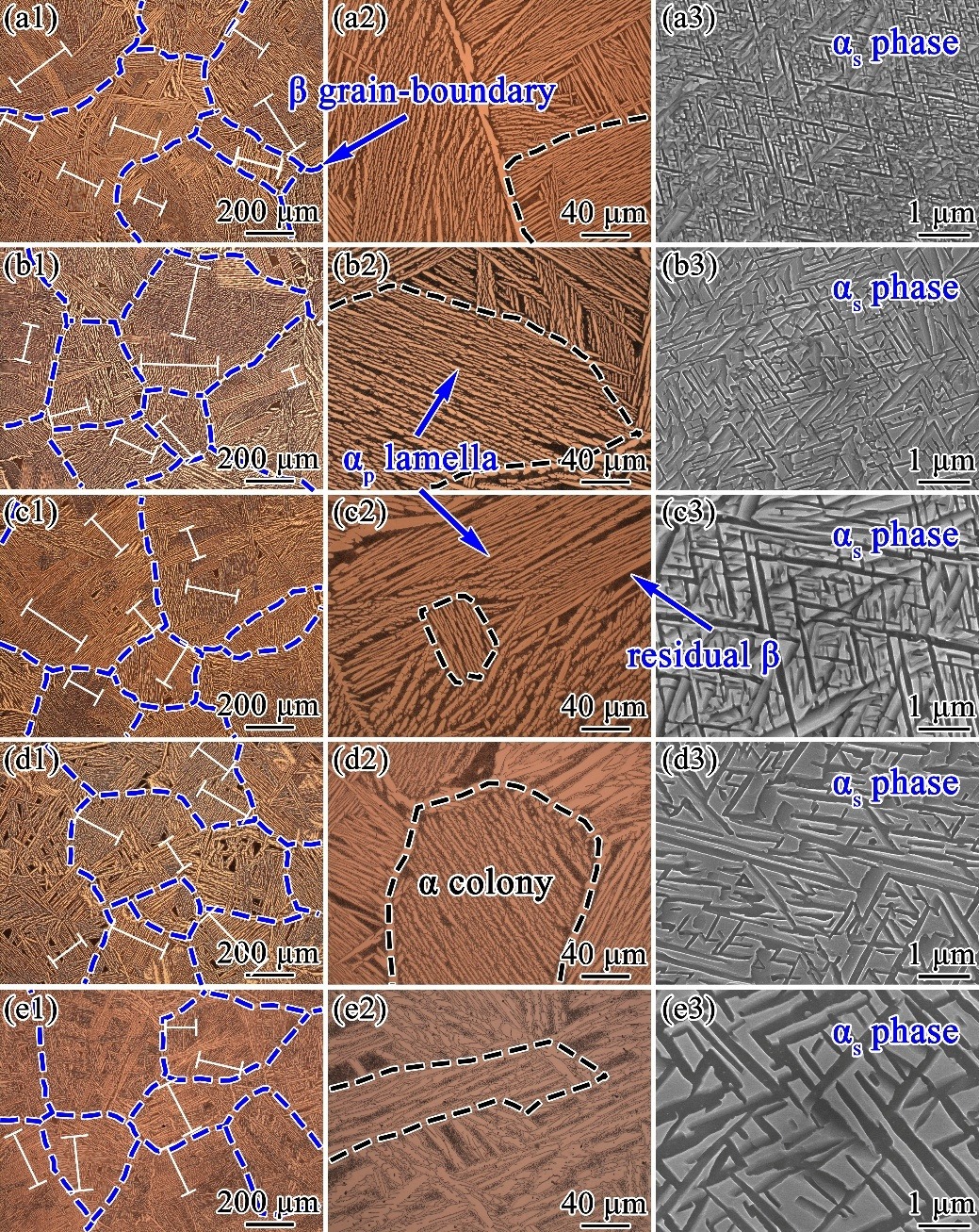
The influence of different solution and aging conditions on the microstructure, impact toughness, and crack initiation and propagation mechanisms of the novel α + β titanium alloy Ti6422 was systematically investigated. By adjusting the furnace cooling time after solution treatment and the aging temperature, Ti6422 alloy samples were developed with a multi-level lamellar microstructure, including microscale α colonies and αp lamellae, as well as nanoscale αs phases. Extending the furnace cooling

Impact toughness, crack initiation and propagation mechanism of Ti6422 alloy with multi-level lamellar microstructure
Graphical Abstract
Original ResearchVol. 32, Issue 5 • pp. 232-244DOI: 10.1007/s12613-025-3185-8May 14, 2025

Achieving 2.6 GPa tensile strength with outstanding ductility in high-carbon low-alloy steel

Authors: Guoyang Li, Feilong Sun, Guilin Wu, Honghui Wu, Junheng Gao, Haitao Zhao, Yuhe Huang, Jun Lu, Chaolei Zhang, Shuize Wang, Xinping Mao

Increasing the carbon content in low-alloy steels is one of the most cost-effective and efficient methods for enhancing strength, often resulting in a significant reduction in ductility. In this study, a high-carbon low-alloy steel with a tensile strength of about 2.6 GPa and a total elongation of 12% was developed, through the synergistic applications of two key strategies: i) refine prior austenite grains (PAGs) leading to the transition of quenched microstructure from brittle twinned martensi

Achieving 2.6 GPa tensile strength with outstanding ductility in high-carbon low-alloy steel
Graphical Abstract
Original ResearchVol. 32, Issue 5 • pp. 640-652DOI: 10.1007/s12613-026-3400-2May 11, 2025

Pyrolytic/solvothermal synthesis of tubular g-C3N4@NiFe-layered double hydroxide for catalytic enhancement of hydrogen storage in LiAlH4

Authors: Riguang Cheng, Zhaoyu Liu, Hengxin Zhang, Pantrangi Manasa, Hongge Pan, Fen Xu, Lixian Sun, Federico Rosei, and Yan Wang

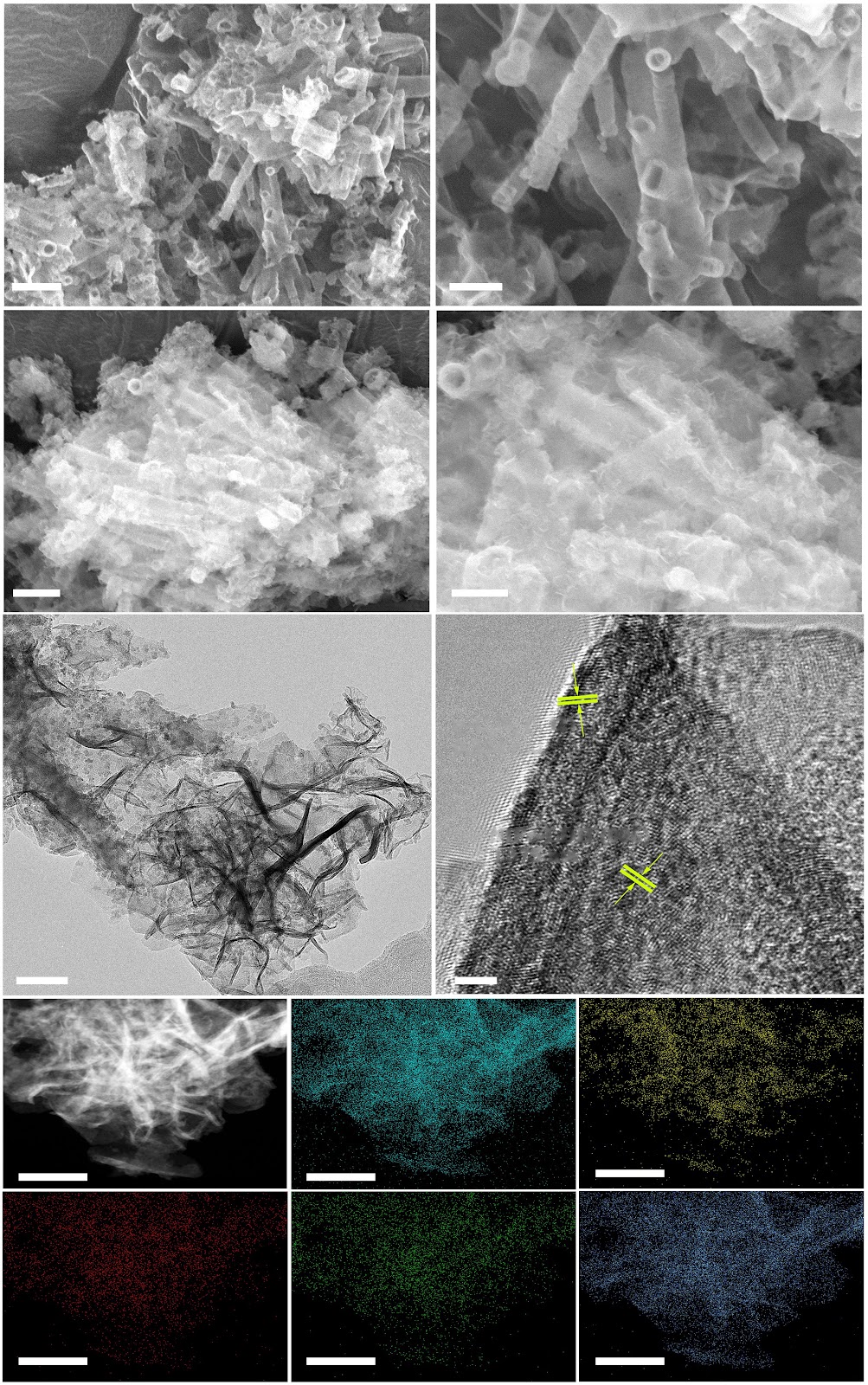
LiAlH4 is hindered for practical hydrogen storage by its high decomposition temperatures, slow kinetics, and poor reversibility. To address the kinetic issues, this study introduces a tubular g-C3N4-supported NiFe-layered double hydroxide (g-C3N4@NiFe-LDH) nanocomposite as a catalytic dopant for LiAlH4. The composite, synthesized via solvothermal and pyrolysis methods, features a well-defined tubular morphology (~3 μm in length, ~200 nm in diameter), which facilitates its homogeneous dispersion

Pyrolytic/solvothermal synthesis of tubular g-C3N4@NiFe-layered double hydroxide for catalytic enhancement of hydrogen storage in LiAlH4
Graphical Abstract
Original ResearchVol. 32, Issue 5 • pp. 248-260DOI: 10.1007/s12613-025-3222-7May 8, 2025

Recovery of chalcopyrite from galena using ellagic acid as a lead-selective and environmentally friendly inhibitor: Experimental and mechanistic insights

Authors: Rong Peng, Liang Wang, Hao Lai, Jinpeng Cai, Peilun Shen, Dianwen Liu

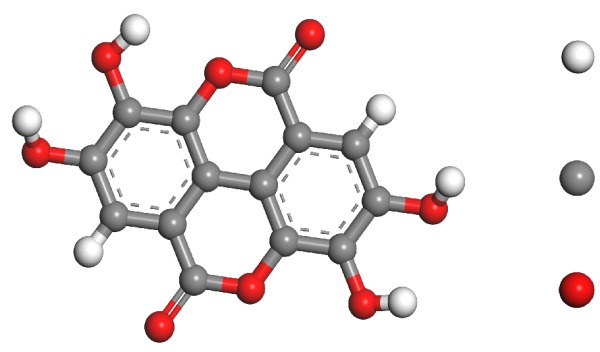
This study explores the selective application of an environmentally friendly organic inhibitor, ellagic acid (EA), in the flotation separation of galena from chalcopyrite. Single-mineral flotation experiments revealed that the galena flotation recovery significantly decreased from approximately 95% to 6.16% following the addition of EA, whereas chalcopyrite maintained a high recovery of approximately 95%. In artificial mixed-ore flotation, effective separation was achieved under optimized condit

Recovery of chalcopyrite from galena using ellagic acid as a lead-selective and environmentally friendly inhibitor: Experimental and mechanistic insights
Graphical Abstract
Original ResearchVol. 32, Issue 5 • pp. 828-840DOI: 10.1007/s12613-025-3304-6May 3, 2025

Enhanced visible light response and cytocompatibility of TiO2–TiC shell–core structured S-scheme photocatalyst

Authors: Yuanyuan Li, Sujun Guan, Yingda Qian, Liang Hao, Sheikh Mohamed Mohamed, Lijun Wang, Takaomi Itoi, Yun Lu, Xinwei Zhao

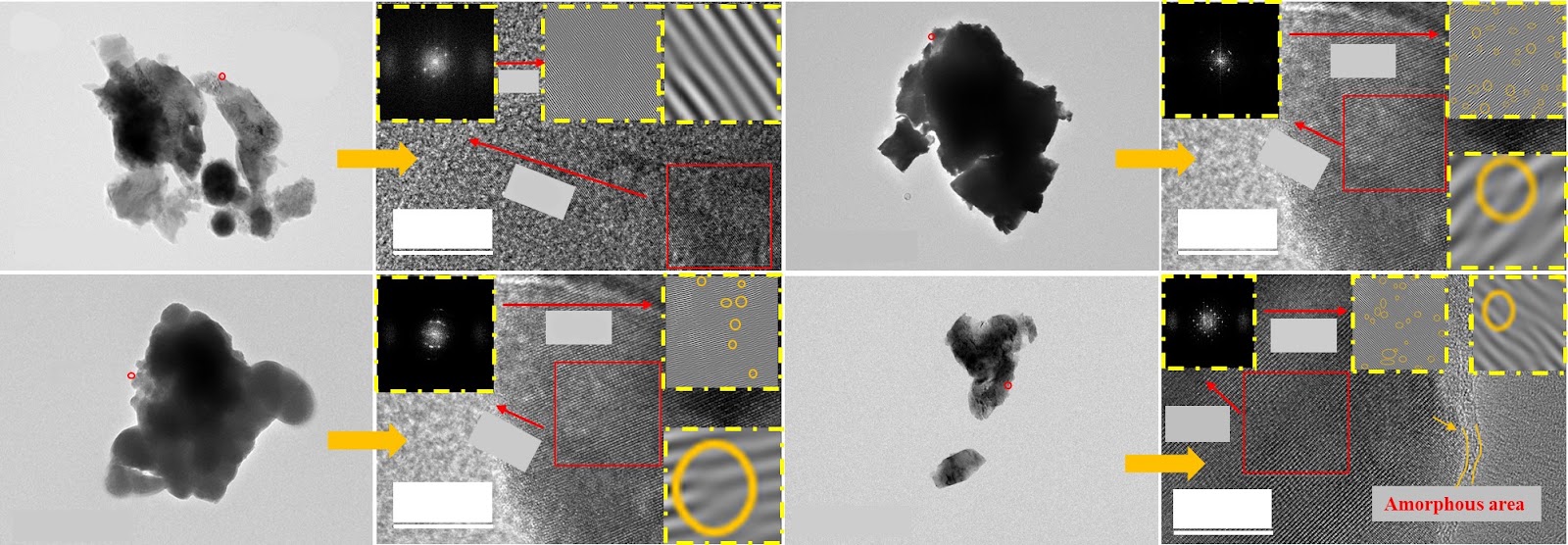
To enhance the visible light response of titanium dioxide (TiO2), titanium carbide (TiC) nanoparticles (NPs) were thermally treated in carbon powder, effectively overcoming the challenges associated with conventional doping methods. During the treatment, a TiO2 thin shell with oxygen vacancies (OVs) formed around the TiC NPs, creating a shell–core structure S-scheme photocatalyst. Transmission electron microscopy (TEM) and ultraviolet–visible (UV–vis) spectroscopy confirmed the successful format

Enhanced visible light response and cytocompatibility of TiO2–TiC shell–core structured S-scheme photocatalyst
Graphical Abstract
Original ResearchVol. 32, Issue 4 • pp. 811-823DOI: 10.1007/s12613-025-3205-8Apr 25, 2025

Effect of gadolinium on the anisotropic tensile properties of a forged high sulfur steel through in-situ tensile experiment

Authors: Lifeng Zhang, Hong Wei, Yadong Wang

The effect of manganese sulfide (MnS) inclusions and gadolinium–sulfide (Gd–S) inclusions on the deformation behavior of steel matrix at different stages was studied by in-situ tensile experiments using a scanning electron microscopy (SEM) at room temperature. Two in-situ tensile experiments of tensile force along the elongation direction of inclusions and perpendicular to the elongation direction were conducted. The hole-induced nucleation mechanism of different tensile directions and inclusion

Effect of gadolinium on the anisotropic tensile properties of a forged high sulfur steel through in-situ tensile experiment
Graphical Abstract
Original ResearchVol. 32, Issue 4 • pp. 419-431DOI: 10.1007/s12613-025-3311-7Apr 22, 2025

From elemental metals to synergistic electrocatalysis: Comparative theoretical and experimental insights into FeNiCoCuMo high-entropy alloy for alkaline oxygen evolution reaction

Authors: Víctor M. Jiménez-Arévalo, Pablo Martin, Pedro Zamora, Xiaorong Zhou, Yi Wang, Gino Ramirez, José H. Zagal, Felipe M. Galleguillos Madrid, Maritza Paez

Self-supported, hot-pressed FeNiCoCuMo high-entropy alloy (HEA) electrodes were fabricated and characterized by X-ray diffraction (XRD), high-resolution transmission electron microscopy (HR-TEM), and energy dispersive spectroscopy (EDS), confirming a face-centered cubic (FCC) matrix with minor body-centered cubic (BCC) phase (~1wt%). We map the redox behavior of the individual constituents (Fe, Ni, Co, Cu, and Mo) and compare it with HEA to reveal solid-solution synergy (“cocktail effect”). Elec

From elemental metals to synergistic electrocatalysis: Comparative theoretical and experimental insights into FeNiCoCuMo high-entropy alloy for alkaline oxygen evolution reaction
Graphical Abstract
Original ResearchVol. 32, Issue 4 • pp. 827-839DOI: 10.1007/s12613-025-3321-5Apr 19, 2025

Oxygen evolution reaction mechanism and identification procedure

Authors: Haoze Li, Tao Yang, Dongdong Zhou, Shuang Liu, Liming Yang, Enhui Wang, Xiangtao Yu, Kang Wang, Xinmei Hou

Amidst escalating global energy demands and the environmental constraints of conventional fossil fuels, hydrogen energy has emerged as a pivotal zero-emission energy carrier. The four-electron oxygen evolution reaction (OER) exhibits slower kinetics compared to the two-electron hydrogen evolution reaction (HER), constitutes the limiting process in electrolytic hydrogen production, with two principal mechanisms currently understood to govern its kinetics: the adsorbate evolution mechanism (AEM),

Oxygen evolution reaction mechanism and identification procedure
Graphical Abstract
Original ResearchVol. 32, Issue 4 • pp. 435-447DOI: 10.1007/s12613-025-3337-xApr 16, 2025

Developing sodium-doped ceria-based electrolytes for low-temperature solid oxide fuel cells

Authors: Qi An, Ruyi Hou, Xinchao Mei, Muhammad Afzal, Wenjing Dong, Baoyuan Wang, Xunying Wang, Chen Xia

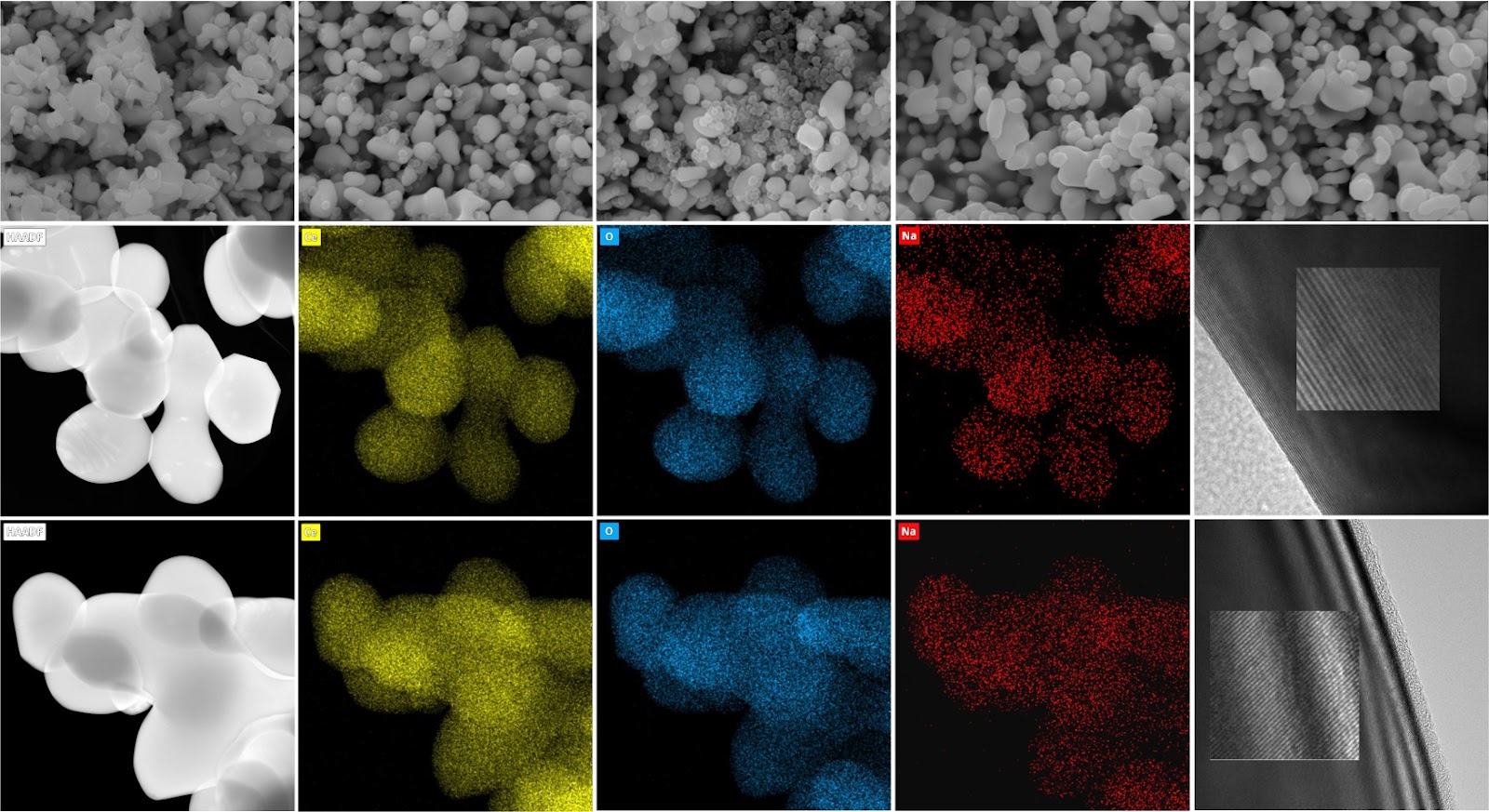
Na-doped CeO2 (NDC) electrolytes with 0.05, 0.10, 0.15, and 0.20 molar ratios of Na ions (0.05NDC, 0.1NDC, 0.15NDC, and 0.2NDC) were synthesized and systematically evaluated for low-temperature solid oxide fuel cell (SOFC) applications. Density functional theory (DFT) calculations reveal that Na doping lowers the oxygen-vacancy formation energy. Structural analysis confirms progressive lattice expansion in NDCs and a maximum oxygen-vacancy concentration in 0.15NDC, while incomplete incorporation

Developing sodium-doped ceria-based electrolytes for low-temperature solid oxide fuel cells
Graphical Abstract
Original ResearchVol. 32, Issue 4 • pp. 607-619DOI: 10.1007/s12613-025-3192-9Apr 14, 2025

Influence of manganese on vanadium precipitation and V2O5 purity based on different roasting methods of vanadium slag

Authors: Lan Zhang, Tao Jiang, Jing Wen, Tangxia Yu, Changqing Li, Xinyu An

Manganese is a major impurity in acidic vanadium-bearing leaching solutions, but its effects on vanadium precipitation via hydrolysis and acidic ammonium salts remain unclear. In this study, vanadium-bearing leachates with varying manganese concentrations (VL-cMn) were prepared through calcium, a calcium–manganese composite, and manganese-based roasting of vanadium slag (VS) to investigate the influence of manganese on vanadium precipitation behavior during hydrolysis precipitation (HP) and ammo

Influence of manganese on vanadium precipitation and V2O5 purity based on different roasting methods of vanadium slag
Graphical Abstract
Original ResearchVol. 32, Issue 4 • pp. 215-227DOI: 10.1007/s12613-025-3200-0Apr 11, 2025

Effect of magnetic field on eutectic carbide morphology and mechanical properties in electroslag remelted M2 high-speed steel

Authors: Mingliang Zhang, Zhonghao Sun, Zhibin Xia, Wenhao Lin, Bangfei Zhou, Zhe Shen, Biao Ding, Tianxiang Zheng, Qiang Li, Yunbo Zhong

65, 130, and 160 mT transverse static magnetic field (TSMF) were introduced into the electroslag remelting (ESR) process to investigate the evolution of eutectic carbide morphology and mechanical property of M2 high speed steel. The application of TSMF induces the homogenization of the temperature field and reduces local solidification time, thereby inhibiting the non-heterogeneous nucleation and the growth of eutectic carbides. According to the result of electron back scatter diffraction (EBSD)

Effect of magnetic field on eutectic carbide morphology and mechanical properties in electroslag remelted M2 high-speed steel
Graphical Abstract
Original ResearchVol. 32, Issue 4 • pp. 623-635DOI: 10.1007/s12613-025-3284-6Apr 8, 2025

Establishing optical indicators for the state of hydrogen in MgH2

Authors: Yuxuan Liu, Tingyan Wang, Man Shu, Jianghao Cai, Xiaotian Tang, Tongao Yao, Zhuoran Xu, Zhengyang Gao, Juan Chen, Weijie Yang

Accurate determination of the state of hydrogen (SOH) in solid-state hydrogen storage materials is essential not only for optimizing hydrogen release kinetics and enhancing storage efficiency but also for ensuring system safety in practical applications. While most existing studies have concentrated on thermodynamics and kinetics, direct monitoring of residual hydrogen content, a parameter of critical engineering relevance, has rarely been reported. This highlights the urgent need to realize onl

Establishing optical indicators for the state of hydrogen in MgH2
Graphical Abstract
Original ResearchVol. 32, Issue 4 • pp. 231-243DOI: 10.1007/s12613-025-3334-0Apr 5, 2025

Mechanistic insights into the synergistic depression of pyrite by H2O2 and Fe3+ in low-alkalinity Cu–S flotation separation

Authors: Yubin Sun, Qian Zhang, Shuming Wen, Yongchao Miao, Ping Zhang

Conventional lime depressants used in copper sulfide flotation separation are limited by persistent challenges of scaling, corrosion, and compromised target-metal recovery, which necessitates the development of efficient and green alternatives. This study demonstrates the synergistic depression of pyrite by H2O2/Fe3+ under low-alkalinity conditions. The complementary action pathways were systematically elucidated by multiscale characterization techniques including mono- and mixed-mineral flotati

Mechanistic insights into the synergistic depression of pyrite by H2O2 and Fe3+ in low-alkalinity Cu–S flotation separation
Graphical Abstract
Original ResearchVol. 32, Issue 3 • pp. 622-634DOI: 10.1007/s12613-024-2944-2Mar 24, 2025

Correlation between the rock mass properties and maximum horizontal stress: A case study of overcoring stress measurements

Authors: Peng Li, Meifeng Cai, Shengjun Miao, Yuan Li, Yu Wang

Understanding the mechanical properties of the lithologies is crucial to accurately determine the horizontal stress magnitude. To investigate the correlation between the rock mass properties and maximum horizontal stress, the three-dimensional (3D) stress tensors at 89 measuring points determined using an improved overcoring technique in nine mines in China were adopted, a newly defined characteristic parameter CERP was proposed as an indicator for evaluating the structural properties of rock ma

Correlation between the rock mass properties and maximum horizontal stress: A case study of overcoring stress measurements
Graphical Abstract
Original ResearchVol. 32, Issue 3 • pp. 794-806DOI: 10.1007/s12613-025-3312-6Mar 22, 2025

Research progress and future prospect of blasting theory and technology for deep rock masses: A review primarily based on Chinese perspectives

Authors: Chenxi Ding, Renshu Yang, Zongxian Zhang, Zhe Sui

Shallow mineral resources are gradually depleting worldwide, therefore, deep mining is becoming increasingly prevalent within the mining industry. Drilling and blasting are the predominant excavation methods used in deep environments. However, challenges such as inefficient borehole utilization and significant over- or under-excavation are frequently encountered. Scientific investigations on deep rock mass blasting are crucial for the effective development and utilization of deep resources, unde

Research progress and future prospect of blasting theory and technology for deep rock masses: A review primarily based on Chinese perspectives
Graphical Abstract
Original ResearchVol. 32, Issue 3 • pp. 402-414DOI: 10.1007/s12613-025-3227-2Mar 19, 2025

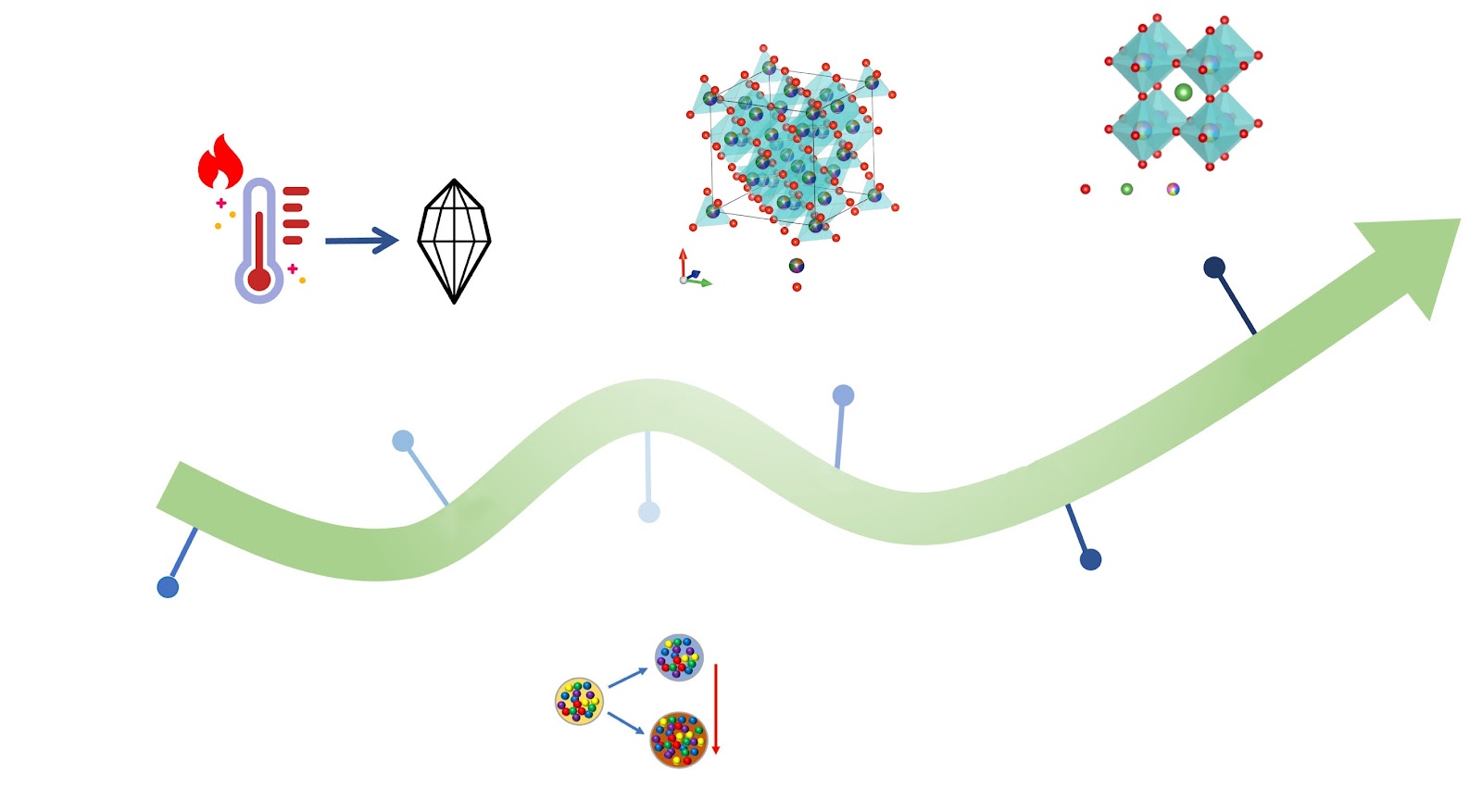
Formation of non-equilibrium metastable phases in rapidly solidified Ti–Fe eutectic alloy

Authors: Xiaogang Gao, Yibo Zhang, Zhichao Lu, Jinkui Zhao, Zhaohui Dong, Ke Yang, Dongbai Sun, Xue Li, Fanqiang Meng, Dong Ma

Ti–Fe alloys are indispensable for crucial applications in the aerospace, marine, and energy industries. To understand the effect of rapid solidification on phase formation and microstructural evolution in Ti–Fe alloys, melt spinning of a typical Ti70.5Fe29.5 eutectic alloy at different cooling rates was investigated in this study. The experimental results show that the melt-spun ribbons exhibit unique three-layered microstructure consisting of thin amorphous–nanocrystalline (Am–NC) hybrid layer

Formation of non-equilibrium metastable phases in rapidly solidified Ti–Fe eutectic alloy
Graphical Abstract
Original ResearchVol. 32, Issue 3 • pp. 810-822DOI: 10.1007/s12613-026-3409-6Mar 16, 2025

Advanced PEO/SN/LLZTO artificial solid electrolyte interphase for long-cycling lithium metal batteries

Authors: Ting Liu, Hao Xu, Shuai Liu, Shixia Cai, Weimin Wang, Kaikai Song, Lina Hu, Kunyan Sui

Lithium metal batteries have been widely used in energy storage applications owing to their high theoretical energy density. However, the unstable solid electrolyte interphase (SEI) in the batteries lead to the formation of lithium dendrites and “dead lithium”, thus affecting the safety and cycle life of the battery. To address this issue, an artificial SEI was prepared using a polymer coating strategy. The introduction of succinonitrile (SN) accelerates ion transport by promoting the dissociati

Advanced PEO/SN/LLZTO artificial solid electrolyte interphase for long-cycling lithium metal batteries
Graphical Abstract
Original ResearchVol. 32, Issue 3 • pp. 418-430DOI: 10.1007/s12613-025-3358-5Mar 13, 2025

Construction of heterostructured silver nanoparticles/silver nanowires@hydrophilic carbon cloth fibers composites for dual-functional microwave absorption and antibacterial applications

Authors: Konghu Tian, Kaipeng Gao, Yi Gong, Ruiwen Shu, Run Huang, Bin Wang, Xiaoqing Zhao, Junming Yang

Advancing multifunctionality in microwave absorbing materials through strategic component selection and architectural tailoring is an emerging research focus. In this work, novel heterostructured composite-silver nanoparticles and silver nanowires anchored on hydrophilic carbon cloth fibers (AgNPs/AgNWs@HCCF) were synthesized via a polyol process coupled with impregnation. The flexible, three-dimensional HCCF scaffold served as a support matrix for the AgNPs and AgNWs, which are known for their

Construction of heterostructured silver nanoparticles/silver nanowires@hydrophilic carbon cloth fibers composites for dual-functional microwave absorption and antibacterial applications
Graphical Abstract
Original ResearchVol. 32, Issue 3 • pp. 590-602DOI: 10.1007/s12613-025-3196-5Mar 11, 2025

Characterization of the formation of slag rims of mold powder during hypo-peritectic steel continuous casting based on full-sectional microstructures

Authors: Zhiqiang Peng, Zibing Hou, Shuxian Xu, Ping Tang, Guanghua Wen

A full-sectional microstructure characterization method was developed to investigate the formation of coarse slag rims during the continuous casting of hypo-peritectic steel. The cross-sectional microstructural analysis of typical slag rims for two highly crystalline powders revealed that their formation was primarily driven by the solidification of the liquid slag. Distinct differences were observed in the microstructures of slag rims from the two powders. Powder A (characterized by a higher br

Characterization of the formation of slag rims of mold powder during hypo-peritectic steel continuous casting based on full-sectional microstructures
Graphical Abstract
Original ResearchVol. 32, Issue 3 • pp. 198-210DOI: 10.1007/s12613-025-3223-6Mar 8, 2025

Thermodynamics formation of oxides in laser powder bed fusion processed aluminum-deoxidized maraging steel and their effects on toughness

Authors: Chao Wang, Lilin Wang, Zhennan Wang, Xin Lin, Geng Liu, Jie Su

Maraging steels are ultrahigh-strength, low-carbon steels requiring strict control of impurity elements to ensure optimal strength and toughness. This study aims to elucidate the role of oxygen content in controlling oxide inclusions and cryogenic toughness in laser powder bed fusion (L-PBF) fabricated maraging steels. Two types of powders were used: vacuum induction gas atomization (VIGA) powder with 0.034wt% oxygen and plasma rotating electrode process (PREP) powder with 0.016wt% oxygen. The P

Thermodynamics formation of oxides in laser powder bed fusion processed aluminum-deoxidized maraging steel and their effects on toughness
Graphical Abstract
Original ResearchVol. 32, Issue 3 • pp. 214-226DOI: 10.1007/s12613-025-3315-3Mar 2, 2025

Porphyrin-based metal–organic framework/graphene composites for selective yttrium capture: Adsorption properties and mechanistic study

Authors: Haibo Ren, Jiawei Ding, Haozhe Li, Ranran Long, Jue Kou, Shaoxian Song, and Yang Hu

In this study, a porous porphyrin-based metal–organic framework/reduced graphene oxide ((Fe–P)n–MOF/graphene) composite was prepared via hydrothermal reduction with tetracarboxyphenyl porphyrin (TCPP) and iron(III) chloride (FeCl3) as the main raw materials. The composite was designed to serve as a selective adsorbent for yttrium ions (Y3+). The adsorption performance of the composite toward Y3+ was investigated. The results indicated that the maximum adsorption capacity of the composite was 102

Porphyrin-based metal–organic framework/graphene composites for selective yttrium capture: Adsorption properties and mechanistic study
Graphical Abstract
Original ResearchVol. 32, Issue 2 • pp. 197-209DOI: 10.1007/s12613-025-3209-4Feb 24, 2025

Technical feasibility of bauxite-enhanced vitrification for utilizing AOD slag as a supplementary cementitious material

Authors: Shaowen Wu, Yanling Zhang, Shuai Zhang, Wei Ren, Zhi Sun

The utilization of bauxite-vitrified argon–oxygen decarburization (AOD) slag as a supplementary cementitious material is explored as an alternative approach for recycling unmanageable AOD slag and reducing the CO2 emission levels. The results demonstrate that AOD slag can be effectively vitrified by incorporating 15wt% bauxite as the alumina source, facilitating the formation of a stable glass phase. The resulting vitrified product exhibits excellent properties, such as initial and final setting

Technical feasibility of bauxite-enhanced vitrification for utilizing AOD slag as a supplementary cementitious material
Graphical Abstract
Original ResearchVol. 32, Issue 2 • pp. 605-617DOI: 10.1007/s12613-026-3414-9Feb 21, 2025

An analytical equation for predicting corrosion rates of biodegradable Zn–0.45Mn–0.2Mg alloy via symbolic regression

Authors: Shanpeng Zhao, Wei Gou, Zhangzhi Shi, Lichen Li, Haijun Zhang, Luning Wang

Corrosion rates of biodegradable Zn alloys are directly related to their post-implantation safety and effectiveness. However, highly accurate and interpretable “white-box” machine learning models for predicting their corrosion rates remain largely unexplored. This study proposes a data-driven method coupled with accelerated corrosion testing for predicting the corrosion rates of biodegradable Zn–0.45Mn–0.2Mg (wt%) alloy. A symbolic regression (SR) machine-learning model was established based on

An analytical equation for predicting corrosion rates of biodegradable Zn–0.45Mn–0.2Mg alloy via symbolic regression
Graphical Abstract
Original ResearchVol. 32, Issue 2 • pp. 777-789DOI: 10.1007/s12613-025-3283-7Feb 19, 2025

Characterizing dynamic segregation behavior in cemented paste during pipeline transport through electrical resistance tomography

Authors: Yingjie Chang, Aixiang Wu, Zhu'en Ruan, Shaoyong Wang, Jiandong Wang, Shulong Liu, Shuangcheng Du

Cement paste backfill (CPB) technology is a key method for mine waste treatment, and pipeline transport is critical for safe and efficient waste transfer. Variations in raw material properties can cause slurry segregation, increase pipeline wear and resistance, raise the risk of blockages or bursts, and disrupt operations. To study CPB slurry segregation during transport, CPB was prepared using cement as the cementitious material and unclassified tailings as inert materials. A small annular-tube

Characterizing dynamic segregation behavior in cemented paste during pipeline transport through electrical resistance tomography
Graphical Abstract
Original ResearchVol. 32, Issue 2 • pp. 385-397DOI: 10.1007/s12613-025-3292-6Feb 16, 2025

Promising prospects of transition metal (Ti, Ni, Zr and Nb)-modified V2C MXenes for improving the hydrogen storage performance of magnesium hydride

Authors: Hua Ning, Junyu Chen, Zhipeng Meng, Zhiqiang Lan, Haizhen Liu, Jin Guo

The effect of modifying V2C using transition metals (TMs) (Ti, Ni, Zr, and Nb) on the MgH2 dehydrogenation properties was investigated using the density functional theory (DFT). The adsorption energy, dehydrogenation energy, and electronic structure of MgH2 on TM (Ti, Ni, Zr, and Nb)@V2C were calculated. The results showed that TM atoms tended to occupy the face-centered cubic sites of V2C. MgH2 adsorption on V2C was improved by adding a TM and the order of the adsorption energy was as follows:

Promising prospects of transition metal (Ti, Ni, Zr and Nb)-modified V2C MXenes for improving the hydrogen storage performance of magnesium hydride
Graphical Abstract
Original ResearchVol. 32, Issue 2 • pp. 793-805DOI: 10.1007/s12613-026-3386-9Feb 13, 2025

Self-supported metal aerogel electrocatalysts for oxygen reduction reaction: Opportunities and challenges

Authors: Shaik Gouse Peera, Shaik Ashmath, Seung Won Kim, Tae-Gwan Lee, Myunghwan Byun, Chao Liu

The development of highly active and stable electrocatalysts for the oxygen reduction reaction (ORR) remains a challenging task for improving the efficiency of fuel cells. Although Pt and Pt–transition metal alloy-based catalysts stand out as practical choices, they suffer from poor Pt utilization and stability. In this regard, highly electrically conducting, purely metallic, hierarchical 3D-porous, and nanowire aerogels as self-supported electrocatalysts have gained interest in recent decades.

Self-supported metal aerogel electrocatalysts for oxygen reduction reaction: Opportunities and challenges
Graphical Abstract
Original ResearchVol. 32, Issue 2 • pp. 401-413DOI: 10.1007/s12613-024-2961-1Feb 10, 2025

Research status and prospects of the fractal analysis of metal material surfaces and interfaces

Authors: Qinjin Dai, Xuefeng Liu, Xin Ma, Shaojie Tian, Qinghe Cui

As a mathematical analysis method, fractal analysis can be used to quantitatively describe irregular shapes with self-similar or self-affine properties. Fractal analysis has been used to characterize the shapes of metal materials at various scales and dimensions. Conventional methods make it difficult to quantitatively describe the relationship between the regular characteristics and properties of metal material surfaces and interfaces. However, fractal analysis can be used to quantitatively des

Research status and prospects of the fractal analysis of metal material surfaces and interfaces
Graphical Abstract
Original ResearchVol. 32, Issue 2 • pp. 573-585DOI: 10.1007/s12613-025-3245-0Feb 8, 2025

Role of multicomponent nanoprecipitates on strength and low-temperature toughness of simulated heat-affected zone (HAZ) in high-strength low-carbon steel

Authors: Tingwei Yin, Yongfeng Shen, Nan Jia, Xin Sun, Wenying Xue

This study investigates the microstructure and co-precipitation behavior of multicomponent (Ni(Al,Mn) and Cu) nanoparticles in the weld heat-affected zones of high-strength low-carbon steel. Through thermal simulations, the intercritical, fine-grained, and coarse-grained heat-affected zones were systematically characterized to elucidate the interplay between the microstructure, precipitation, and mechanical properties. At a heat input of 30 kJ·cm−1, Ni(Al,Mn) nanoparticles dissolve in the interc

Role of multicomponent nanoprecipitates on strength and low-temperature toughness of simulated heat-affected zone (HAZ) in high-strength low-carbon steel
Graphical Abstract
Original ResearchVol. 32, Issue 2 • pp. 181-193DOI: 10.1007/s12613-025-3238-zFeb 5, 2025

Scale-up validation of an integrated process for boron/iron separation and boric acid preparation from ludwigite ore

Authors: Jinxiang You, Xin Zhang, Mingjun Rao, Jun Luo, Zhiwei Peng, Guanghui Li

Ludwigite ore is a strategic mineral resource unique to China. Its efficient and comprehensive utilization is of paramount importance for ensuring the healthy and sustainable development of China’s industry and national defense security. This study presents and validates a scale-up integrated process for separating boron and iron from boron–iron mixed concentrate (BIMC) and producing reduced iron powder and high-purity boric acid. The process involves reductive soda-ash roasting in a rotary kiln

Scale-up validation of an integrated process for boron/iron separation and boric acid preparation from ludwigite ore
Graphical Abstract
Original ResearchVol. 32, Issue 1 • pp. 180-192DOI: 10.1007/s12613-025-3198-3Jan 21, 2025

Mechanism and data dual-driven multimodal deep learning approach for constitutive relationship modeling of bearing steels

Authors: Bochun Liang, Cheng Ji, Xingyi Dai, Miaoyong Zhu

Accurate modeling of material constitutive relationships under compositional fluctuations poses significant challenges. Traditional mechanism-driven methods struggle to capture the complex nonlinear behavior of material properties as composition varies, while data-driven deep learning approaches, despite their high accuracy and robustness, lack strict constraints from physical metallurgical mechanisms, often leading to substantial prediction deviations. To address this critical issue, this study

Mechanism and data dual-driven multimodal deep learning approach for constitutive relationship modeling of bearing steels
Graphical Abstract
Original ResearchVol. 32, Issue 1 • pp. 588-600DOI: 10.1007/s12613-025-3335-zJan 18, 2025

Metalloselective adsorption of Au(III), Pd(II) and Pt(IV) from acidic solutions by a thiourea-modified Cr-based metal-organic framework

Authors: Baili He, Jue Kou, Chunbao Sun, Yue Li, Xiaolin Li, Uktam Temirov, Ziyong Chang

The development of effective adsorbents is crucial for the sustainable recovery of noble metals from secondary resources. In this study, MIL-101(Cr)-Tu, a Cr-based metal‒organic framework (MOF) modified with thiourea, was successfully prepared by double-phase encapsulation followed by post-synthetic modification. At 298 K, the largest adsorption capacities of Au(III), Pd(II), and Pt(IV) by MIL-101(Cr)-Tu were (1230.83 ± 8.72), (330.41 ± 7.29), and (315.58 ± 13.67) mg·g−1, respectively. The uptak

Metalloselective adsorption of Au(III), Pd(II) and Pt(IV) from acidic solutions by a thiourea-modified Cr-based metal-organic framework
Graphical Abstract
Original ResearchVol. 32, Issue 1 • pp. 760-772DOI: 10.1007/s12613-025-3141-7Jan 16, 2025

Efficient preparation of AlV65 alloy through aluminothermic reduction of sodium metavanadate precipitated from shale V-rich solution

Authors: Zihanyu Zhang, Yimin Zhang, Hong Liu, Nannan Xue, Pengcheng Hu, Wenbin Bo

The use of Al–V alloys as intermediate additives is pivotal for producing high-performance Ti alloys. Traditionally, the synthesis of these alloys relies on high-purity V2O5, with sodium metavanadate as an essential intermediate in V2O5 production. This study explores an alternative approach utilizing sodium metavanadate directly, offering an aluminothermic process to alleviate the environmental impact and reduce the time required for V2O5 preparation. Al–V alloys are synthesized using sodium me

Efficient preparation of AlV65 alloy through aluminothermic reduction of sodium metavanadate precipitated from shale V-rich solution
Graphical Abstract
Original ResearchVol. 32, Issue 1 • pp. 368-380DOI: 10.1007/s12613-025-3317-1Jan 13, 2025

Dual-functional core–shell composites: Integrated microwave absorption and thermal management properties

Authors: Xin Du, Feifei Yan, Mingtao Cheng, Haoyu Li, Cheng Peng, Yuliang Liu, Dong Liu, Di Lan, Guanglei Wu, Zirui Jia

The development of high-performance microwave-absorbing materials with integrated thermal management capabilities is critical for advanced electronic and communication systems. In this study, we synthesized hollow core–shell structured composites through controlled pyrolysis of zeolite imidazolate framework (ZIFs). Structural and compositional characterizations confirm the successful formation of highly graphitized carbon frameworks embedded with metallic nanoparticles (Co or Zn) and a protectiv

Dual-functional core–shell composites: Integrated microwave absorption and thermal management properties
Graphical Abstract
Original ResearchVol. 32, Issue 1 • pp. 776-788DOI: 10.1007/s12613-026-3433-6Jan 10, 2025

Pepper stalk hard carbon anodes with temperature-tailored closed pores for high-performance sodium-ion batteries

Authors: Youyu Duan, Yuxiao Chen, Xiaoyan Li, Zeyu Chen, Yanqiu Yu, Xinping Gao, Xing Shen, Jingfeng Wang

Biomass-based hard carbon is considered a highly promising anode for sodium-ion batteries. Nevertheless, its practical deployment is often impeded by excessive specific surface area and an abundance of structural defects, which inevitably lead to limited initial coulombic efficiency and unsatisfactory sodium storage capacity. Herein, we report a pepper stalk-derived hard carbon engineered via temperature-mediated closed-pore tuning, delivering a reversible capacity of 302.3 mAh·g−1 (initial coul

Pepper stalk hard carbon anodes with temperature-tailored closed pores for high-performance sodium-ion batteries
Graphical Abstract
Original ResearchVol. 32, Issue 1 • pp. 384-396DOI: 10.1007/s12613-024-2828-5Jan 7, 2025

Effect of pyrite content on chalcopyrite flotation under different regrinding conditions

Authors: Zejun Wang, Qing Shi, Guofan Zhang, Yuxuan Zhu, Binbin Li

This study aimed to investigate the effect of varying pyrite (Py) content on copper (Cu) in the presence of different regrinding conditions, which were altered using different types of grinding media: iron, ceramic balls, and their mixture, followed by flotation in the cleaner stage. The flotation performance of rough Cu concentrate can be improved by changing the regrinding conditions based on the Py content. Scanning electron microscopy, X-ray spectrometry, ethylenediaminetetraacetic acid diso

Effect of pyrite content on chalcopyrite flotation under different regrinding conditions
Graphical Abstract
Original ResearchVol. 32, Issue 1 • pp. 556-568DOI: 10.1007/s12613-025-3248-xJan 5, 2025

Precise and non-destructive approach for identifying the real concentration based on cured cemented paste backfill using hyperspectral imaging

Authors: Qing Na, Qiusong Chen, Aixiang Wu

Cemented paste backfill (CPB) is a technology that achieves safe mining by filling the goaf with waste rocks, tailings, and other materials. It is an inevitable choice to deal with the development of deep and highly difficult mines and meet the requirements of environmental protection and safety regulations. It promotes the development of a circular economy in mines through the development of low-grade resources and the resource utilization of waste, and extends the service life of mines. The ma

Precise and non-destructive approach for identifying the real concentration based on cured cemented paste backfill using hyperspectral imaging
Graphical Abstract
Original ResearchVol. 32, Issue 1 • pp. 164-176DOI: 10.1007/s12613-025-3259-7Jan 2, 2025

Quantitative analysis of static yield stress variation in thickened tailings within the compaction zone based on fine structure

Authors: Cuiping Li, Gezhong Chen, Zhu'en Ruan, Raimund Bürger, Bingheng Yan, Chen Hu, Xue Li

The poor flowability of high-concentration tailings slurry often leads to slurry hardening and rake blockages in thickeners. To address this, the study employed computed tomography and rheological measurement techniques to investigate the effect of slurry concentration on static yield stress (τB), and a comparative analysis was conducted between thickened tailings and freshly mixed slurry. Results show that the concentration, coarse particle content, and pore structure of thickened tailings are

Quantitative analysis of static yield stress variation in thickened tailings within the compaction zone based on fine structure
Graphical Abstract