Key Takeaways & Executive Findings
- •• Traditional CaO–SiO₂ mold fluxes are ineffective for high-Ti steel casting due to persistent steel–slag reactions that degrade flux properties and cause surface defects. • Novel CaO–Al₂O₃-based low- or non-reactive fluxes with additives like TiO₂, BaO, and B₂O₃ can stabilize viscosity, enhance heat transfer, and control crystallization. • Fluorine-free alternatives (TiO₂, B₂O₃, BaO, Li₂O, Na₂O) replace CaF₂, reducing environmental impact while maintaining similar lubrication and crystallization performance. • Future research must optimize flux compositions for specific steel grades and achieve a balance between lubrication and heat transfer to minimize casting problems and slab defects.
Abstract
The large-scale production of high-Ti steels is limited by the formation of Ti-containing oxides or nitrides in steel–slag reactions during continuous casting. These processes degrade mold flux properties, clog submerged entry nozzles, form floaters in the molds, and produce various surface defects on the cast slabs. This review summarizes the effects of nonmetallic inclusions on traditional CaO–SiO2-based (CS) mold fluxes and novel CaO–Al2O3-based (CA) low- or non-reactive fluxes containing TiO2, BaO, and B2O3 additives to avoid undesirable steel, slag, and inclusion reactions, with the aim of providing a new perspective for research and practice related to balancing the lubrication and heat transfer of mold fluxes to promote smooth operation and reduce surface defects on cast slabs. For traditional CS mold flux, although the addition of solvents such as Na2O, Li2O, and B2O3 can enhance flowability, steel–slag reactions persist, limiting the effectiveness of CS mold fluxes in high-Ti steel casting. Low- or non-reactive CA mold fluxes with reduced SiO2 content are a research focus, where adding other components can significantly change flux characteristics. Replacing CaO with BaO can lower the melting point and inhibit crystallization, allowing the flux to maintain good flowability at low temperatures. Replacing SiO2 with TiO2 can stabilize the viscosity and enhance heat transfer. To reduce the environmental impact, fluorides are replaced with components such as TiO2, B2O3, BaO, Li2O, and Na2O for F-free mold fluxes with similar lubrication, crystallization, and heat-transfer effects. When TiO2 replaces CaF2, it stabilizes the viscosity and enhances the heat conductivity, forming CaTiO3 and CaSiTiO5 phases instead of cuspidine to control crystallization. B2O3 lowers the melting point and suppresses crystallization, forming phases such as Ca3B2O6 and Ca11Si4B2O22. BaO introduces non-bridging oxygen to reduce viscosity and ensure flux flowability at low temperatures. However, further studies are required to determine the optimal mold flux compositions corresponding to the steel grades and the interactions between the various components of the mold flux. In the future, the practical application of new mold fluxes for high-Ti steel will become the focus of further verification to achieve a balance between lubrication and heat transfer, which is expected to minimize the occurrence of casting problems and slab defects.
1. Introduction
Owing to their outstanding strength, corrosion resistance, and high-temperature performance, Ti-containing steels have found widespread application in the aerospace, petrochemical, and biomedical industries [1–3]. Ti binds to carbon to inhibit strain-induced martensitic transformation in stainless steels, and the carbides enhance the thermal stability through Zener pinning, which restricts grain recrystallization and growth [4–5]. In addition, Ti forms a dense TiO₂ film on the steel surface, significantly improving corrosion resistance and maintaining high stability, even in acidic environments. Furthermore, Ti carbides and nitrides prevent chromium carbide precipitation, thereby enhancing the intergranular corrosion resistance [6–7]. Ti also strengthens and hardens steel through precipitation hardening, with Ti(C,N) precipitates at grain boundaries that refine the grain structure and increase the strength. In maraging steels, Ti notably increases the hardness and tensile strength, reducing the risk of brittle fracture [8–10].
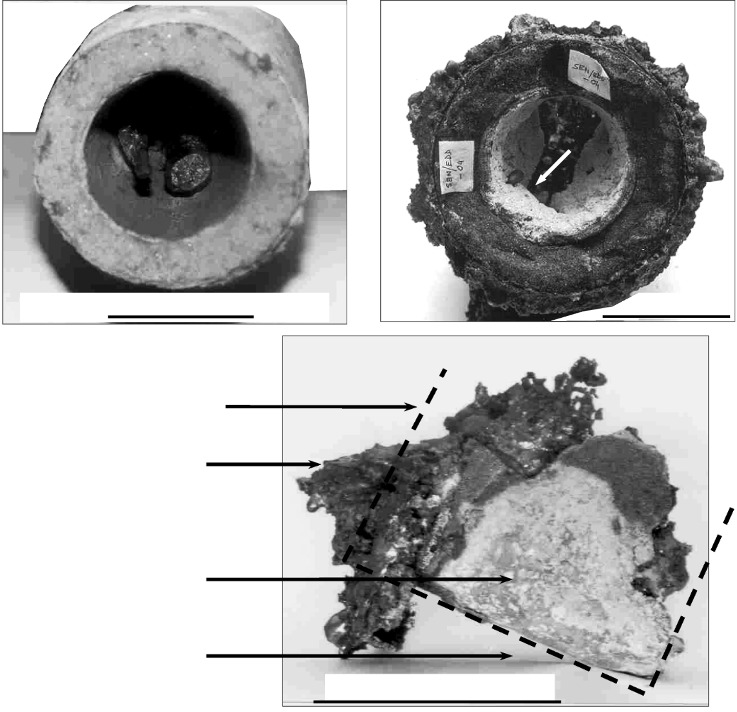
Increasing the content of highly reactive Ti in steel poses various challenges. Most casting difficulties or surface defects that manifest during casting and in the final product are typically attributed to the formation of various solubility-product inclusions, such as TiN, TiOx, or Al₂O₃ [11]. Generally, these inclusions begin to form in the ladle with the addition of Al or Ti and continue to precipitate as the steel cools. They sometimes interact with other inclusions originating from slag entrapment during tapping or with other large exogenous inclusions such as refractories [12]. Moreover, compositional changes, such as a reduction in SiO₂ and increases in Al₂O₃ and TiO₂ contents, likely occur in mold fluxes because of the interfacial reactions of Eqs. (1)–(4).
The interfacial reactions include the reduction of SiO₂ by Ti, oxidation of Al by TiO₂, precipitation of TiN, and reaction of TiN with SiO₂, all of which lead to increases in the viscosity and crystallization temperature of the mold flux. These changes affect the flow behavior and heat flow, leading to several problems in the mold, such as mold lumps (floaters) and clogging, which can ultimately lead to surface defects in the slab [13]. Hence, it is critical to develop efficient continuous casting technologies for high-Ti steels. Table S1 summarizes the recent review articles on mold fluxes [14–18].
Loading authentic research manuscript (Pages 1–5)...
Zhuo Chen, Jiajing Zhang, Xiting Li, Weitong Du, Jianchao Ma, Jian Yang (2025). A critical review of the challenges of developing continuous casting mold fluxes for high-Ti steels. Journal of Mineral Metallurgy and Materials Science. https://doi.org/10.1007/s12613-025-3176-9
Research & Educational Purpose Only:The translations, structured abstracts, analytical annotations, and data reports provided by SinoTechIntel are intended exclusively for academic research, internal corporate R&D, and educational benchmarking. They do not constitute formal engineering, chemical safety, legal, or professional advice.
Copyright & Intellectual Property Notice: Original copyright of the underlying source articles and experimental data remains with the respective authors, institutions, and original publishing journals. SinoTechIntel claims intellectual property only over its proprietary translations, analytical syntheses, and AEO structured enhancements in accordance with international fair use and academic citation principles.
Frequently Asked Questions
What are the main challenges in continuous casting of high-Ti steels?
The main challenges stem from the formation of Ti-containing oxides or nitrides in steel–slag reactions, which degrade mold flux properties, clog submerged entry nozzles, form floaters, and cause surface defects on cast slabs.
Why are traditional CaO-SiO2 mold fluxes often ineffective for high-Ti steel?
Persistent steel–slag reactions limit their effectiveness, even with solvent additions like Na2O, Li2O, and B2O3 that enhance flowability. The reactions alter flux composition and increase viscosity and crystallization temperature.
What are the advantages of CaO-Al2O3-based mold fluxes?
These low- or non-reactive fluxes have reduced SiO2 content, which minimizes steel–slag reactions. With additives like TiO2, BaO, and B2O3, they can achieve stable viscosity, controlled crystallization, and good lubrication at lower temperatures.
How do TiO2, BaO, and B2O3 additives affect mold flux properties?
TiO2 stabilizes viscosity and enhances heat transfer, forming CaTiO3 and CaSiTiO5 instead of cuspidine. BaO lowers melting point and inhibits crystallization via non-bridging oxygen, while B2O3 reduces viscosity and suppresses crystallization by forming phases like Ca3B2O6 and Ca11Si4B2O22.
What is the environmental motivation for developing fluorine-free mold fluxes?
Fluorides are replaced with components such as TiO2, B2O3, BaO, Li2O, and Na2O to avoid fluorine emissions while maintaining similar lubrication, crystallization, and heat-transfer performance, thus reducing environmental impact.
Related Technical Papers & Translations
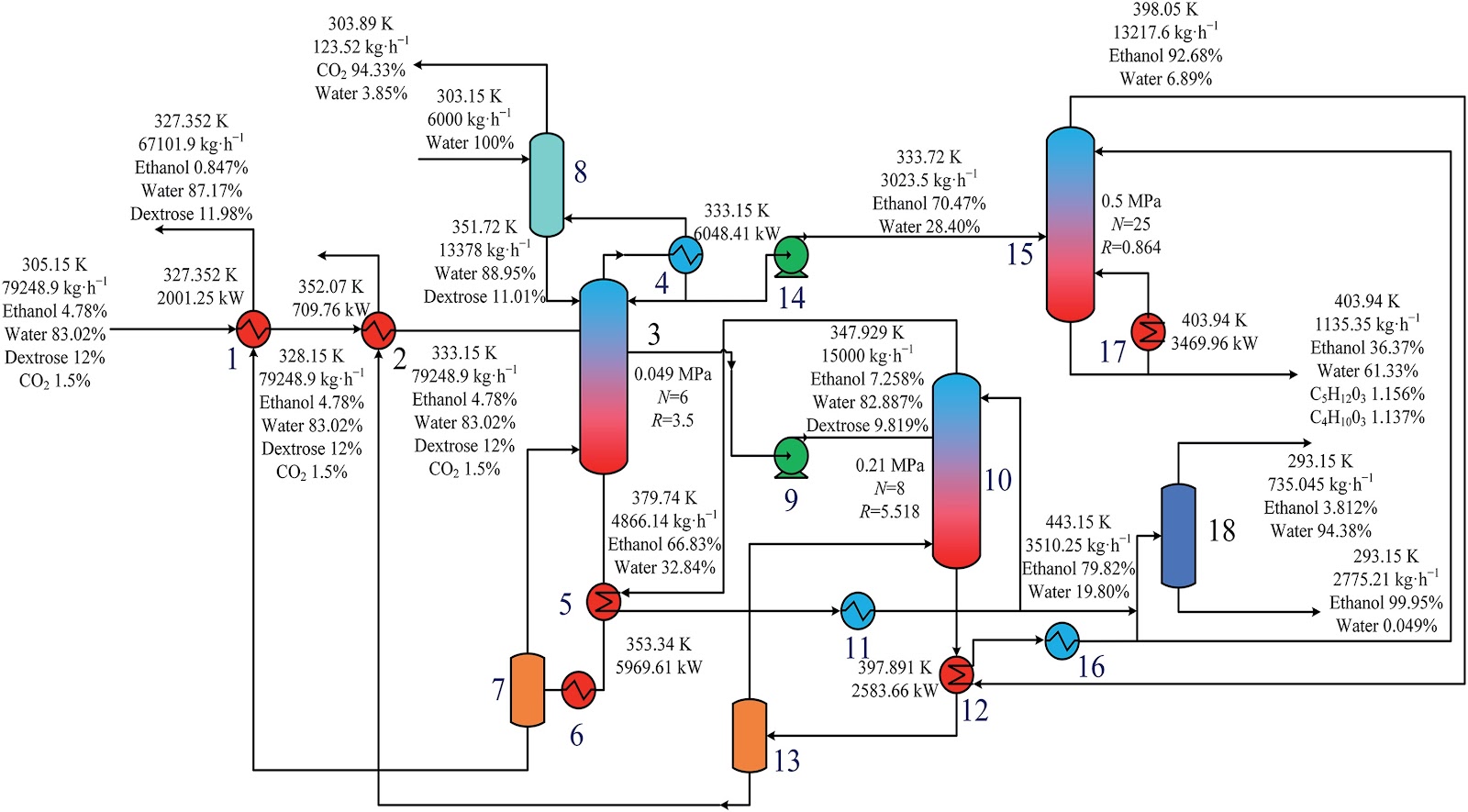
Design and optimization of a high-efficiency distillation process for cellulosic fuel ethanol integrated with thermal coupling and molecular sieve adsorption
To address the challenges of high energy consumption and prominent costs in the traditional three-columns distillation process for cellulosic fuel ethanol, a distillation—molecular sieve coupling separation process is proposed. This process integrates a three-column (crude distillation column, first distillation column, second distillation column) system with a 3A molecular sieve adsorption deep dehydration unit. A thermal coupling network is constructed via differential pressure design (steam from medium/high-pressure columns as mutual heat sources, reboiler liquid waste heat for feed preheating), and molecular sieve adsorption conditions are optimized. The study first performs a thermodynamic consistency test on the ethanol—water system, determines optimal non-random two-liquid (NRTL) model binary interaction parameters via experimental data regression for Aspen Plus simulation. Aiming at minimum total annual cost (TAC), Aspen Plus is used to optimize process parameters (theoretical tray number, feed location, reflux ratio, side-draw position, etc.). Economic analysis shows this process reduces CO2 emission costs by 27.56%, TAC by 15.58% (to 5.123 × 10⁶ USD·a-1), and increases ethanol purity to >99.6%, providing an effective solution for green, efficient separation.
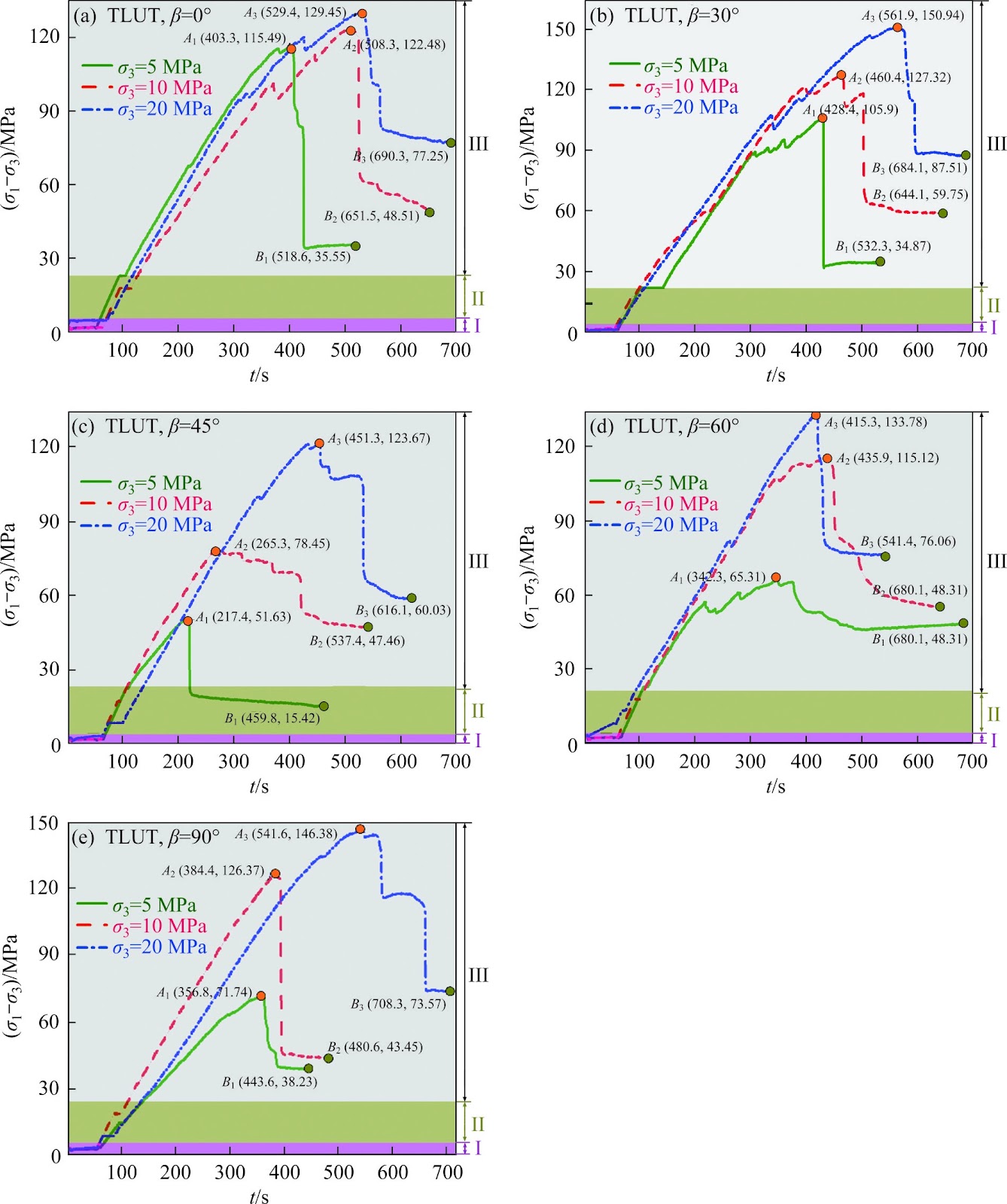
A cohesion loss model for determining residual strength of deep bedded sandstone
Rock residual strength, as an important input parameter, plays an indispensable role in proposing the reasonable and scientific scheme about stope design, underground tunnel excavation and stability evaluation of deep chambers. Therefore, previous residual strength models of rocks established were reviewed. And corresponding related problems were stated. Subsequently, starting from the effects of bedding and whole life-cycle evolution process, series of triaxial mechanical tests of deep bedded s
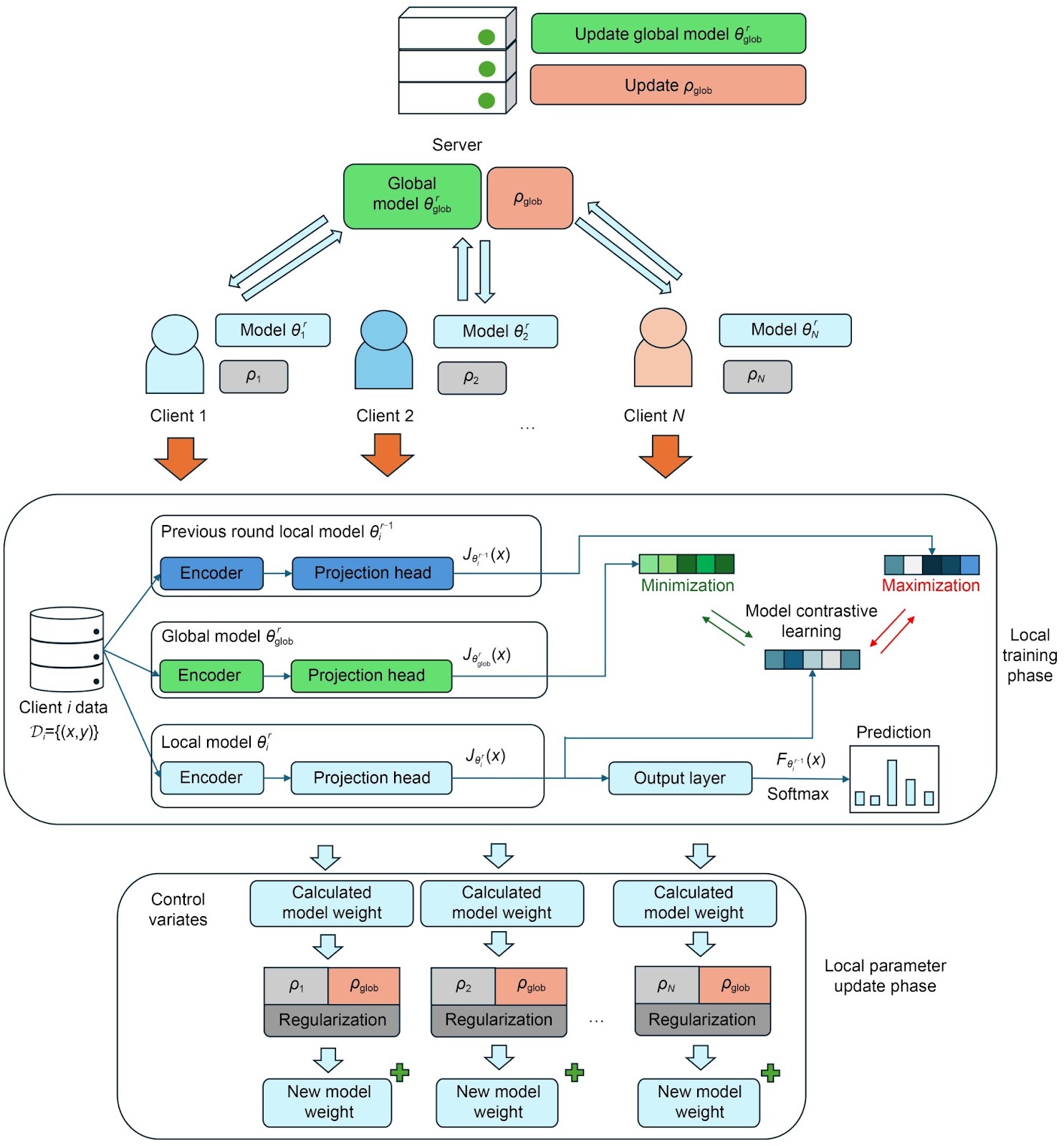
Federated model with contrastive learning and adaptive control variates for human activity recognition
Recent attention to privacy issues demands a communication-safe method for training human activity recognition (HAR) models on client activity data. Federated learning (FL) has become a compelling technique to facilitate model training between the server and clients while preserving data privacy. However, classical FL methods often assume independent and identically distributed (IID) data among clients. This assumption does not hold true in practical scenarios. Human activity in real-world scena