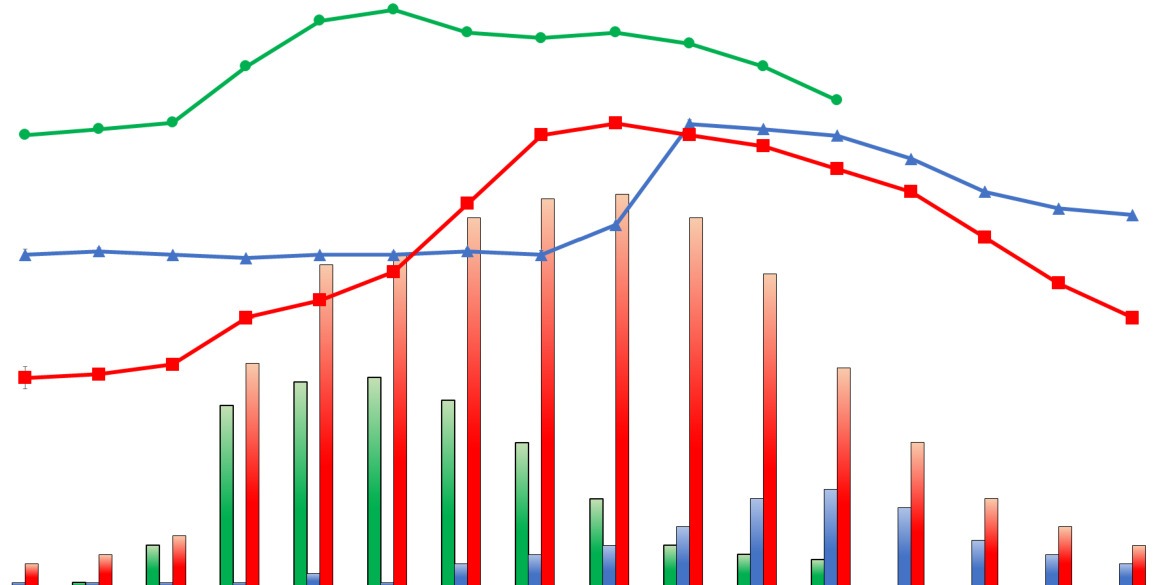
Key Takeaways & Executive Findings
- •• Microalloying with Sc and Zr forms coherent L12 nanoprecipitates (Al3Zr, Al3Sc, Al3(Sc,Zr)) that simultaneously enhance mechanical strength and thermal stability without compromising electrical conductivity. • These precipitates provide precipitation strengthening and Zener pinning of grain boundaries, significantly improving high-temperature performance and resistance to recrystallization. • The addition of rare earth elements like erbium (Er) accelerates precipitation kinetics and retards coarsening, offering a cost-effective route to improve thermal stability. • Advanced thermomechanical processing, such as combining cold drawing with aging treatments, enables scalable optimization of the strength–conductivity balance for high-performance conductor manufacturing.
Abstract
This review provides a comprehensive overview of recent advancements in aluminum-based conductor alloys engineered to achieve superior mechanical strength and thermal stability without sacrificing electrical conductivity. Particular emphasis is placed on the role of microalloying elements—particularly Sc and Zr—in promoting the formation of coherent nanoscale precipitates such as Al3Zr, Al3Sc, and core–shell Al3(Sc,Zr) with metastable L12 crystal structures. These precipitates contribute significantly to high-temperature performance by enabling precipitation strengthening and stabilizing grain boundaries. The review also explores the emerging role of other rare earth elements (REEs), such as erbium (Er), in accelerating precipitation kinetics and improving thermal stability by retarding coarsening. Additionally, recent advancements in thermomechanical processing strategies are examined, with a focus on scalable approaches to optimize the strength–conductivity balance. These approaches involve multi-step heat treatments and carefully controlled manufacturing sequences, particularly the combination of cold drawing and aging treatment to promote uniform and effective precipitation. This review offers valuable insights to guide the development of cost-effective, high-strength, heat-resistant aluminum alloys beyond conductor applications, particularly those strengthened through microalloying with Sc and Zr.
1. Introduction
With the advancement of technology and expanding economic activities, energy consumption is increasing significantly, leading to a rapid growth in the demand for efficient power transmission and distribution systems [1–2]. As a result, there has been significant research in recent decades focused on developing conductors that combine superior strength with high electrical conductivity (EC). Copper conductors are widely valued for their exceptional EC and durability, making them the benchmark in power transmission and electronics. However, aluminium (Al) is increasingly replacing copper (Cu) due to its lower cost, lighter weight, higher strength/weight ratio and relative abundance, offering a more economical and sustainable alternative in various applications [3–4].
Common types of Al alloy electric conductors include all-Al alloy conductors (AAAC), Al conductor steel reinforced (ACSR), and electrical bus bars which are made by hot deformation, e.g., rolling or extrusion [4–6]. The AAAC type is composed entirely of Al alloy strands twisted together to form a single conductor cable. These conductors are specifically chosen for their mechanical strength, EC, and resistance to environmental factors. The 6xxx Al–Mg–Si alloys are generally used to make AAAC, specifically alloys AA6201 and AA6101 [7–10]. The ACSR conductors consist of Al strands surrounding a central steel core. The steel core provides mechanical strength, while the aluminum strands offer good conductivity. Alloy AA1350 is commonly used in such conductors [11]. Additionally, Al electrical bus bars are commonly manufactured in a rectangular bar form using alloys like AA6101 or AA1350, to efficiently distribute electrical power [12–13].
With rising energy consumption, the demand for conducting wires capable of carrying high currents has increased, inevitably raising the wire temperatures. Elevated temperatures severely degrade the mechanical properties of Al wires, compromising power network reliability. Conventional 6xxx series Al alloys, limited by poor thermal resistance, struggle to meet these requirements due to the coarsening or dissolution of strengthening precipitates, restricting their prolonged service temperature to 100°C and limiting current-carrying capacity [14–16]. Recent work has aimed at developing Al conductors with superior strength, high EC, and thermally stable precipitates, addressing the need for enhanced power transmission capabilities [2]. The addition of scandium (Sc) and zirconium (Zr) demonstrates considerable potential for developing Al alloys with high strength and improved thermal stability [17]. During the aging of supersaturated solid solutions in Sc- and Zr-containing Al alloys, nanoscale precipitates such as Al3Sc, Al3Zr, or core–shell Al3(Sc1−xZrx), with the metastable L12 structure, are formed [17–18]. These coherent precipitates exhibit strong interactions with the α-Al matrix, significantly enhancing mechanical strength at both ambient and elevated temperatures [19–22]. The ambient-temperature strength is generally attributed to mechanisms such as precipitate shearing, dislocation looping (Orowan bowing), or a combination of both [23]. At elevated temperatures, Sc- and Zr-containing precipitates effectively pin grain boundaries through the Zener pinning effect, inhibiting grain boundary migration and recrystallization, thus enhancing resistance to grain structure changes [24–26].
Loading authentic research manuscript (Pages 1–5)...
Behrouz Abnar, Samaneh Gashtiazar, Paul Rometsch, Mousa Javidani (2025). Advanced thermal-resistant aluminum conductor alloys: A comprehensive review. Journal of Mineral Metallurgy and Materials Science. https://doi.org/10.1007/s12613-025-3265-9
Research & Educational Purpose Only:The translations, structured abstracts, analytical annotations, and data reports provided by SinoTechIntel are intended exclusively for academic research, internal corporate R&D, and educational benchmarking. They do not constitute formal engineering, chemical safety, legal, or professional advice.
Copyright & Intellectual Property Notice: Original copyright of the underlying source articles and experimental data remains with the respective authors, institutions, and original publishing journals. SinoTechIntel claims intellectual property only over its proprietary translations, analytical syntheses, and AEO structured enhancements in accordance with international fair use and academic citation principles.
Frequently Asked Questions
What are aluminum conductor alloys and why are they important?
Aluminum conductor alloys, such as AAAC and ACSR, are used in power transmission and distribution because they combine mechanical strength with high electrical conductivity. They are increasingly replacing copper due to lower cost, lighter weight, and better strength-to-weight ratio, offering a more economical and sustainable alternative.
How do scandium and zirconium improve the thermal stability of aluminum conductors?
During aging, Sc and Zr form coherent nanoscale precipitates with a metastable L12 structure, such as Al3Zr, Al3Sc, and Al3(Sc,Zr). These precipitates pin grain boundaries via the Zener effect, inhibit recrystallization, and provide precipitation strengthening, thereby maintaining mechanical properties at elevated temperatures.
What is the effect of rare earth elements like erbium on aluminum alloys?
Rare earth elements such as erbium (Er) accelerate precipitation kinetics and improve thermal stability by retarding coarsening of precipitates. This allows for more efficient and uniform precipitation, leading to enhanced high-temperature performance.
How is the strength–conductivity balance achieved in these alloys?
The balance is optimized through carefully controlled thermomechanical processing, including multi-step heat treatments and sequences like combined cold drawing and aging. These approaches promote uniform and effective precipitation, achieving improved strength without significantly sacrificing electrical conductivity.
What are the practical applications of Sc- and Zr-containing aluminum alloys?
These alloys are primarily developed for high-temperature power transmission conductors, but they also offer valuable insights for other applications requiring high strength, thermal stability, and cost-effectiveness, such as aerospace and automotive components where microalloying with Sc and Zr is beneficial.
Related Technical Papers & Translations
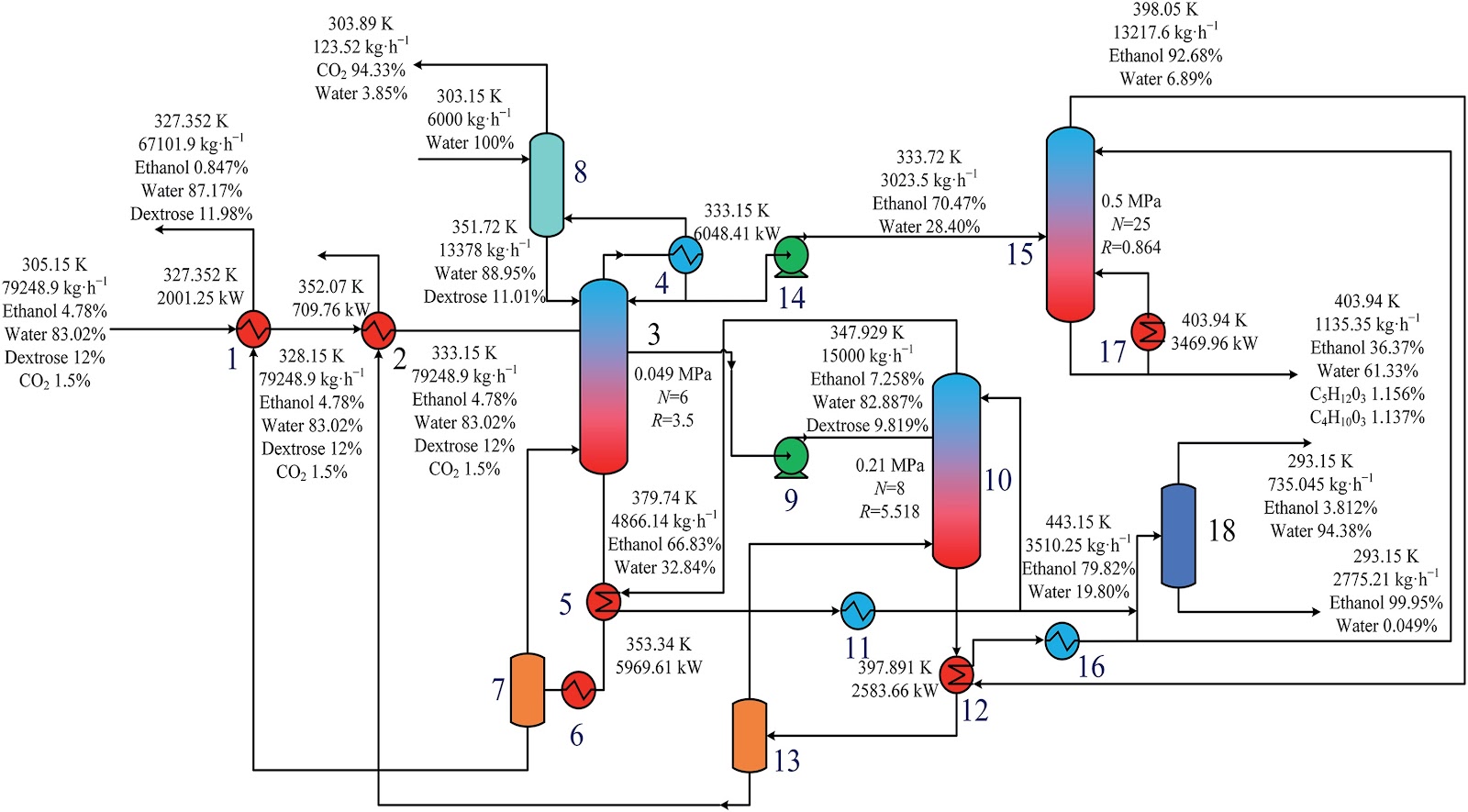
Design and optimization of a high-efficiency distillation process for cellulosic fuel ethanol integrated with thermal coupling and molecular sieve adsorption
To address the challenges of high energy consumption and prominent costs in the traditional three-columns distillation process for cellulosic fuel ethanol, a distillation—molecular sieve coupling separation process is proposed. This process integrates a three-column (crude distillation column, first distillation column, second distillation column) system with a 3A molecular sieve adsorption deep dehydration unit. A thermal coupling network is constructed via differential pressure design (steam from medium/high-pressure columns as mutual heat sources, reboiler liquid waste heat for feed preheating), and molecular sieve adsorption conditions are optimized. The study first performs a thermodynamic consistency test on the ethanol—water system, determines optimal non-random two-liquid (NRTL) model binary interaction parameters via experimental data regression for Aspen Plus simulation. Aiming at minimum total annual cost (TAC), Aspen Plus is used to optimize process parameters (theoretical tray number, feed location, reflux ratio, side-draw position, etc.). Economic analysis shows this process reduces CO2 emission costs by 27.56%, TAC by 15.58% (to 5.123 × 10⁶ USD·a-1), and increases ethanol purity to >99.6%, providing an effective solution for green, efficient separation.
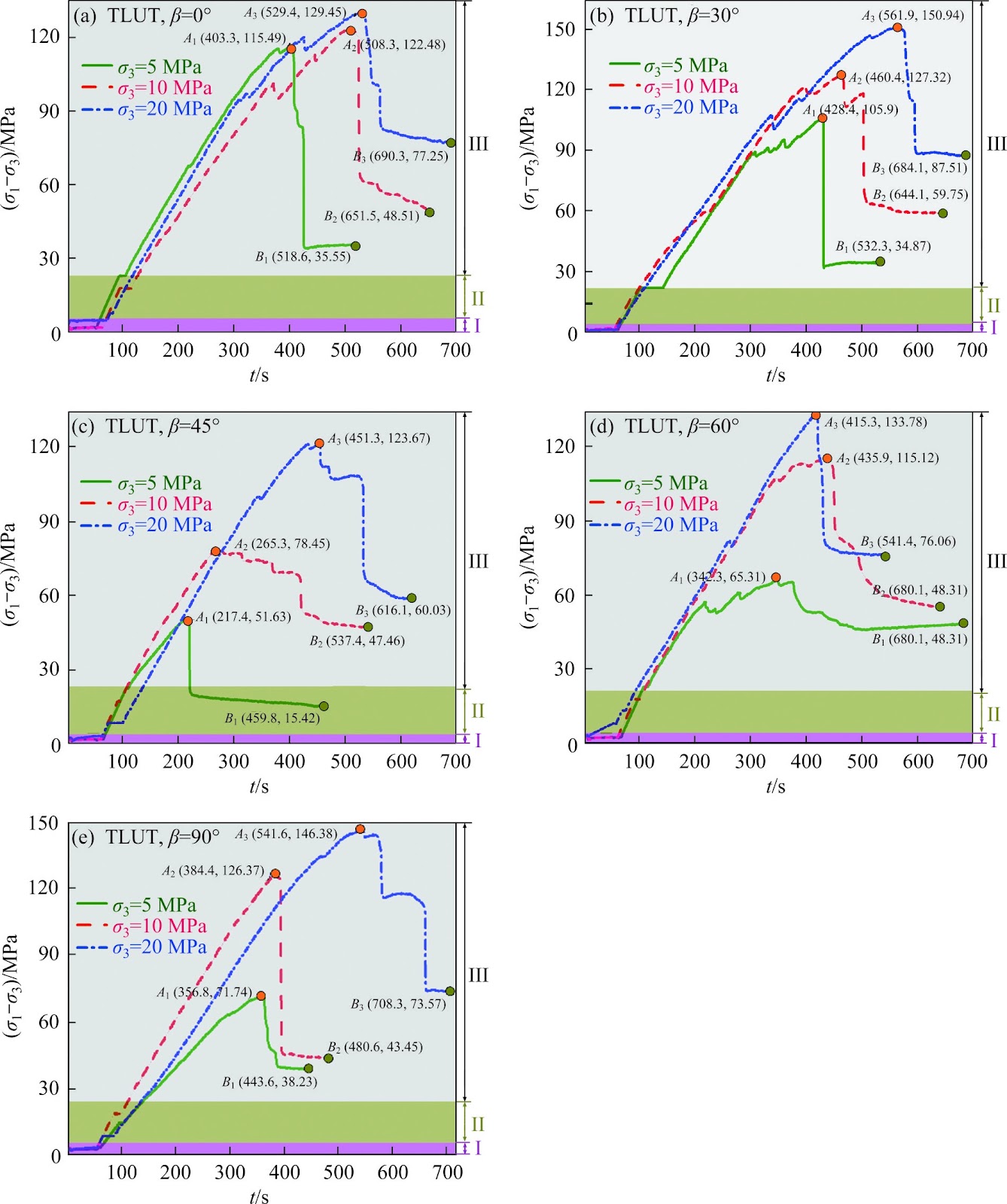
A cohesion loss model for determining residual strength of deep bedded sandstone
Rock residual strength, as an important input parameter, plays an indispensable role in proposing the reasonable and scientific scheme about stope design, underground tunnel excavation and stability evaluation of deep chambers. Therefore, previous residual strength models of rocks established were reviewed. And corresponding related problems were stated. Subsequently, starting from the effects of bedding and whole life-cycle evolution process, series of triaxial mechanical tests of deep bedded s
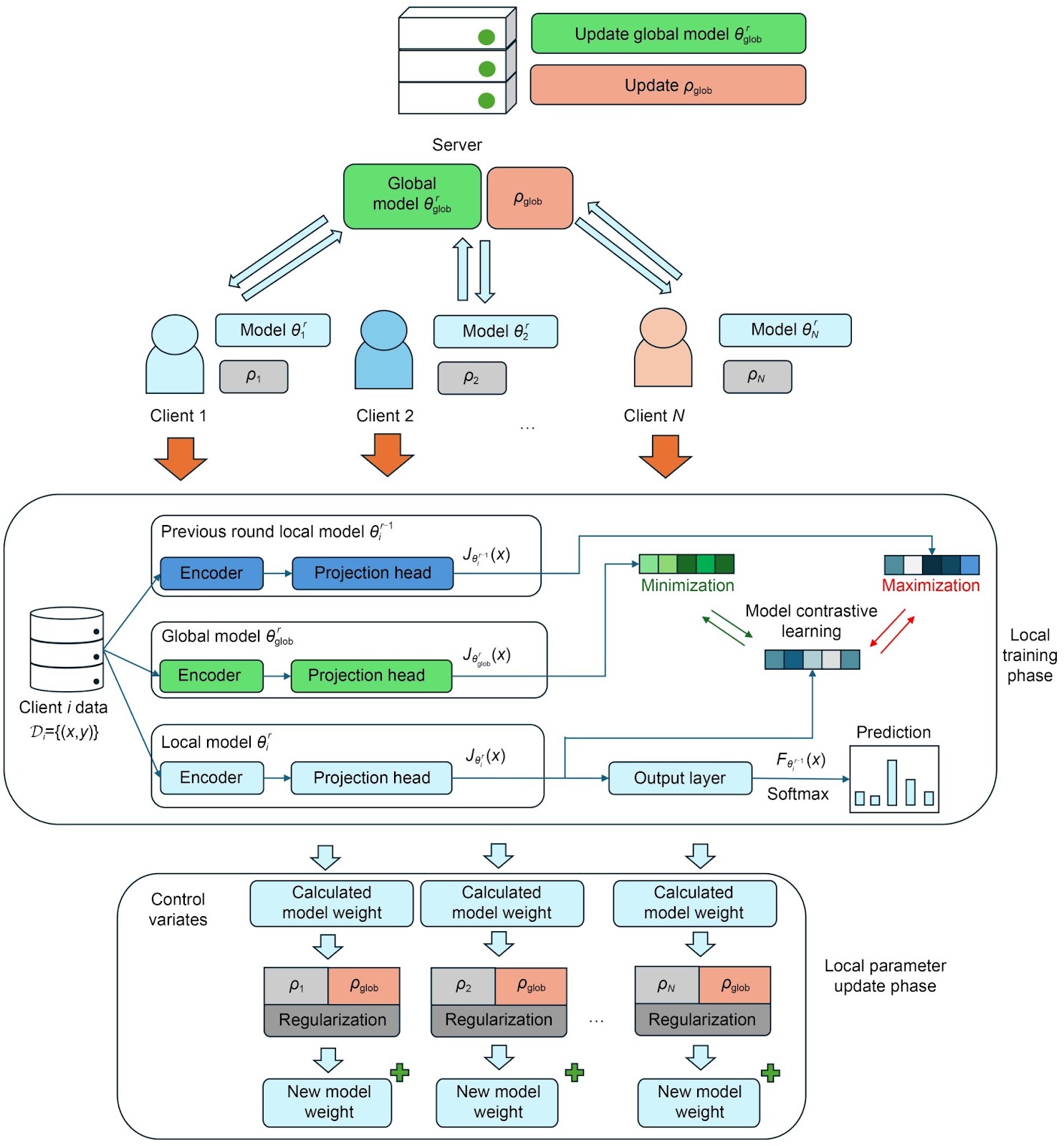
Federated model with contrastive learning and adaptive control variates for human activity recognition
Recent attention to privacy issues demands a communication-safe method for training human activity recognition (HAR) models on client activity data. Federated learning (FL) has become a compelling technique to facilitate model training between the server and clients while preserving data privacy. However, classical FL methods often assume independent and identically distributed (IID) data among clients. This assumption does not hold true in practical scenarios. Human activity in real-world scena