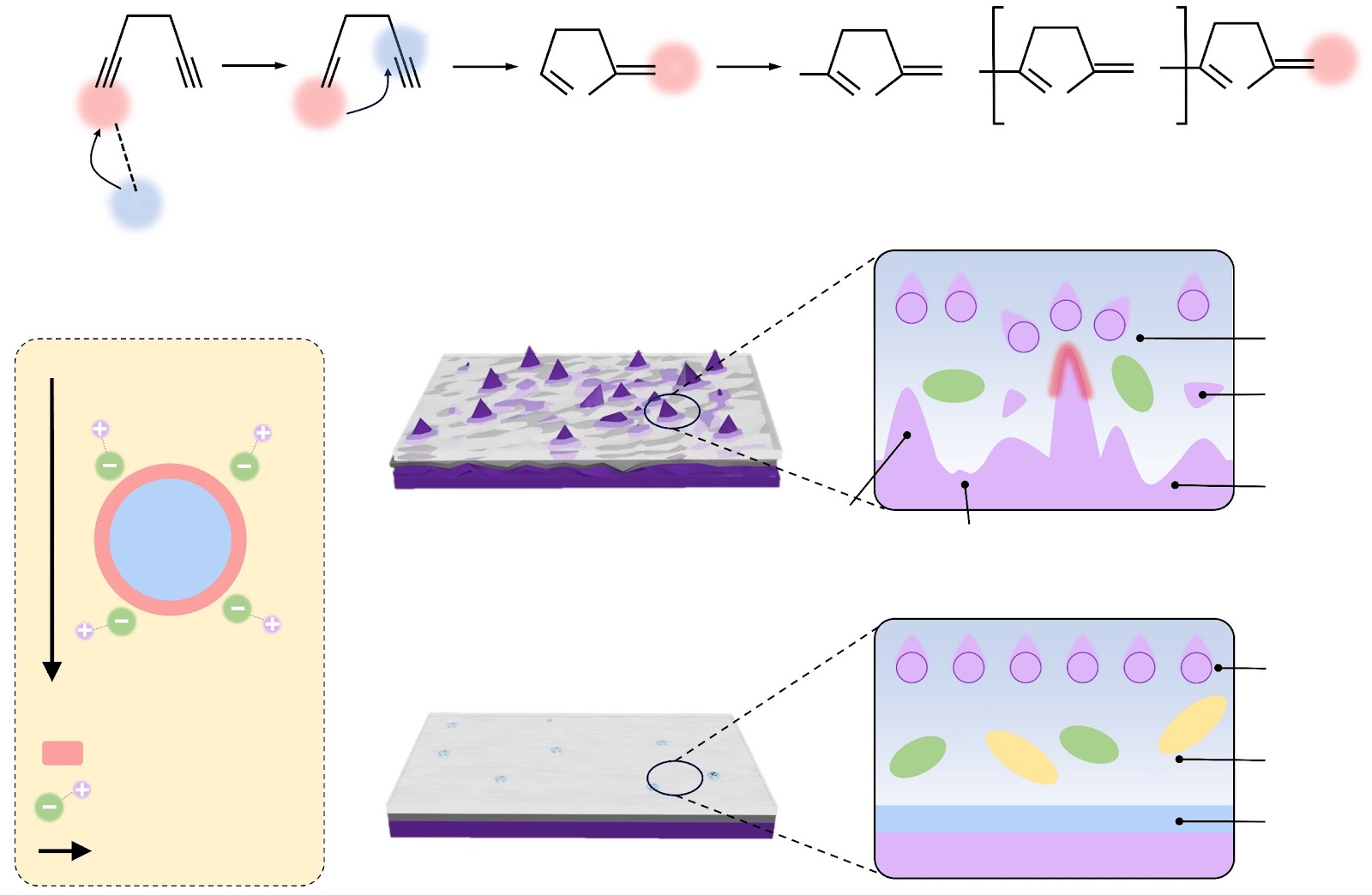
Key Takeaways & Executive Findings
- •• The artificial SEI integrates PEO, SN, and LLZTO to enhance ion transport and mechanical strength, enabling stable lithium plating/stripping for over 10,000 hours. • Competitive coordination between LLZTO and SN suppresses lithium anode corrosion and promotes the formation of LiF and Li3N-rich SEI layers. • In a LiFePO4 full cell, the modified anode delivers a discharge specific capacity of 133 mAh·g−1 with 97% capacity retention after 1000 cycles at 2C. • The artificial SEI maintains excellent electrochemical performance even at low temperatures, broadening the operational range of lithium metal batteries.
Abstract
Lithium metal batteries have been widely used in energy storage applications owing to their high theoretical energy density. However, the unstable solid electrolyte interphase (SEI) in the batteries lead to the formation of lithium dendrites and “dead lithium”, thus affecting the safety and cycle life of the battery. To address this issue, an artificial SEI was prepared using a polymer coating strategy. The introduction of succinonitrile (SN) accelerates ion transport by promoting the dissociation of lithium salts. The solid electrolyte Li6.5La3Zr1.5Ta0.5O12 (LLZTO) enhances the mechanical strength of artificial SEIs and promotes ion conduction. Furthermore, the competitive coordination between LLZTO and SN inhibits lithium anode corrosion, forming SEI rich in LiF and Li3N. Therefore, the lithium metal anode modified with an artificial SEI can be stably plated/stripped for more than 10000 h. The LiFePO4 full cell assembled with the modified anode exhibited a discharge specific capacity of 133 mAh·g−1 and a capacity retention of 97% after 1000 cycles at 2 C (1 C = 170 mA·g−1). Notably, the anode modified with the artificial SEI exhibited excellent electrochemical performance even at low temperatures.
1. Introduction
In recent decades, lithium-ion batteries (LIBs) have become indispensable energy storage devices for use in portable electronic devices and electric vehicles and have also been applied in medical devices, such as portable medical equipment, mobile medical imaging devices, and small handheld terminals [1–2]. However, the energy density of commercial LIBs using graphite anodes (theoretical capacity ≈ 372 mAh·g−1) has already approached its theoretical limit [3–4]. Lithium metal batteries (LMBs) using lithium metal anodes, with lower electrochemical potential (−3.04 V) than the standard hydrogen electrode, have emerged as promising alternatives to commercial batteries owing to their high specific capacity (3860 mAh·g−1) [5–6]. Although lithium metal anodes have enormous potential, the presence of “dead lithium” and lithium dendrites continue to hinder the safe and stable operation of LMBs [7–8]. Lithium metal with high chemical activity will easily react with organic electrolytes to form a heterogeneous solid electrolyte interphase (SEI) layer [9–10]. The SEI plays a critical role in battery safety, energy storage, and cycle life. During cycling, the unstable and fragile native SEI fractures under significant volume changes, and the fractured SEI further exposes fresh lithium inside and generates new fragile SEIs [11–13]. The repeated destruction/reformation of the SEI irreversibly consumes both lithium metal and the electrolyte, leading to a low Coulombic efficiency (CE) and short lifespan [14–16]. Additionally, uncontrolled lithium dendrite growth can pierce the separator and pose serious safety hazards [17–18]. Therefore, an ideal SEI with excellent ionic conductivity, chemical passivation, and high mechanical strength should be constructed to suppress lithium dendrite growth and thereby accelerate the commercialization of LMBs.
Artificial SEIs, which effectively address the aforementioned issues [19–20], are broadly categorized into inorganic and organic types [21]. Inorganic artificial SEIs exhibit high mechanical strength and chemical stability and suppress lithium dendrite growth. However, they typically suffer from interface brittleness and poor adhesion [22–23]. By contrast, organic artificial SEIs exhibit interface adaptability and are processed easily [24–25]. Features like lithium affinity, viscoelasticity, and dynamic segmental motion make polymer-based artificial SEIs particularly promising for accommodating the volume fluctuations of lithium metal and adapting to irregular anode surfaces [26–28]. Polyethylene oxide (PEO) segments can serve as substrates for polymer-based artificial SEIs owing to their high flexibility and strong lithium-ion coordination capacity [29–30]. However, the low mechanical strength and poor ionic conductivity of polymer-based artificial SEIs compromise the interface stability of LMBs during long-term cycling.
Loading authentic research manuscript (Pages 1–5)...
Ting Liu, Hao Xu, Shuai Liu, Shixia Cai, Weimin Wang, Kaikai Song, Lina Hu, Kunyan Sui (2025). Advanced PEO/SN/LLZTO artificial solid electrolyte interphase for long-cycling lithium metal batteries. Journal of Mineral Metallurgy and Materials Science. https://doi.org/10.1007/s12613-026-3409-6
Research & Educational Purpose Only:The translations, structured abstracts, analytical annotations, and data reports provided by SinoTechIntel are intended exclusively for academic research, internal corporate R&D, and educational benchmarking. They do not constitute formal engineering, chemical safety, legal, or professional advice.
Copyright & Intellectual Property Notice: Original copyright of the underlying source articles and experimental data remains with the respective authors, institutions, and original publishing journals. SinoTechIntel claims intellectual property only over its proprietary translations, analytical syntheses, and AEO structured enhancements in accordance with international fair use and academic citation principles.
Frequently Asked Questions
What is the main purpose of the artificial SEI in this study?
The artificial SEI is designed to stabilize the lithium metal anode by suppressing dendrite growth and “dead lithium” formation, thereby enhancing cycle life and safety.
How does succinonitrile (SN) improve the battery performance?
SN accelerates ion transport by promoting the dissociation of lithium salts, which improves the ionic conductivity of the artificial SEI.
What role does LLZTO play in the artificial SEI?
LLZTO enhances the mechanical strength of the artificial SEI and promotes ion conduction, contributing to interface stability and suppressing lithium dendrite growth.
What are the key results of the full cell test?
The LiFePO4 full cell with the modified anode achieved a discharge specific capacity of 133 mAh·g−1 and 97% capacity retention after 1000 cycles at 2C.
Does the artificial SEI perform well at low temperatures?
Yes, the anode modified with the artificial SEI exhibited excellent electrochemical performance even at low temperatures, demonstrating its versatility.
Related Technical Papers & Translations
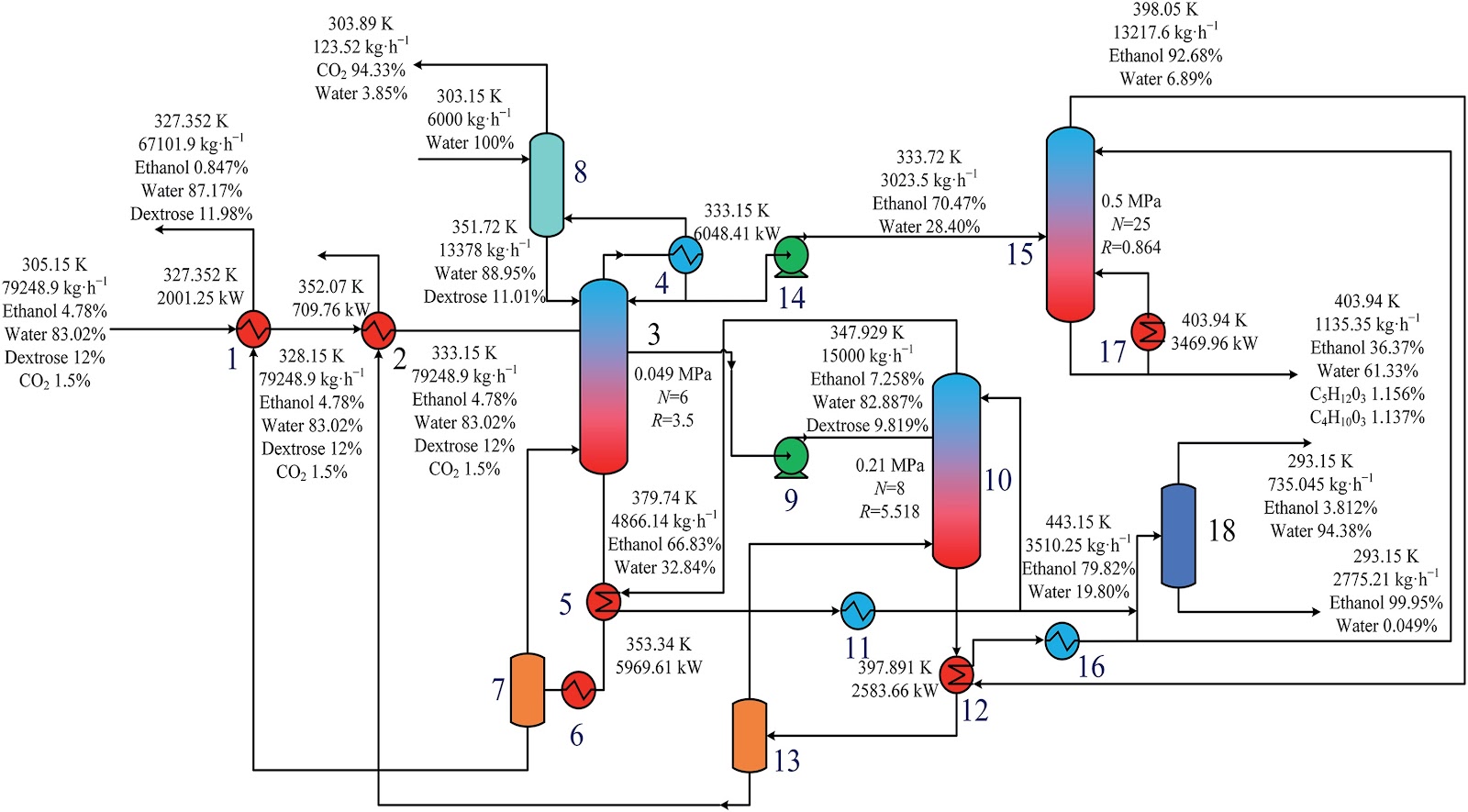
Design and optimization of a high-efficiency distillation process for cellulosic fuel ethanol integrated with thermal coupling and molecular sieve adsorption
To address the challenges of high energy consumption and prominent costs in the traditional three-columns distillation process for cellulosic fuel ethanol, a distillation—molecular sieve coupling separation process is proposed. This process integrates a three-column (crude distillation column, first distillation column, second distillation column) system with a 3A molecular sieve adsorption deep dehydration unit. A thermal coupling network is constructed via differential pressure design (steam from medium/high-pressure columns as mutual heat sources, reboiler liquid waste heat for feed preheating), and molecular sieve adsorption conditions are optimized. The study first performs a thermodynamic consistency test on the ethanol—water system, determines optimal non-random two-liquid (NRTL) model binary interaction parameters via experimental data regression for Aspen Plus simulation. Aiming at minimum total annual cost (TAC), Aspen Plus is used to optimize process parameters (theoretical tray number, feed location, reflux ratio, side-draw position, etc.). Economic analysis shows this process reduces CO2 emission costs by 27.56%, TAC by 15.58% (to 5.123 × 10⁶ USD·a-1), and increases ethanol purity to >99.6%, providing an effective solution for green, efficient separation.
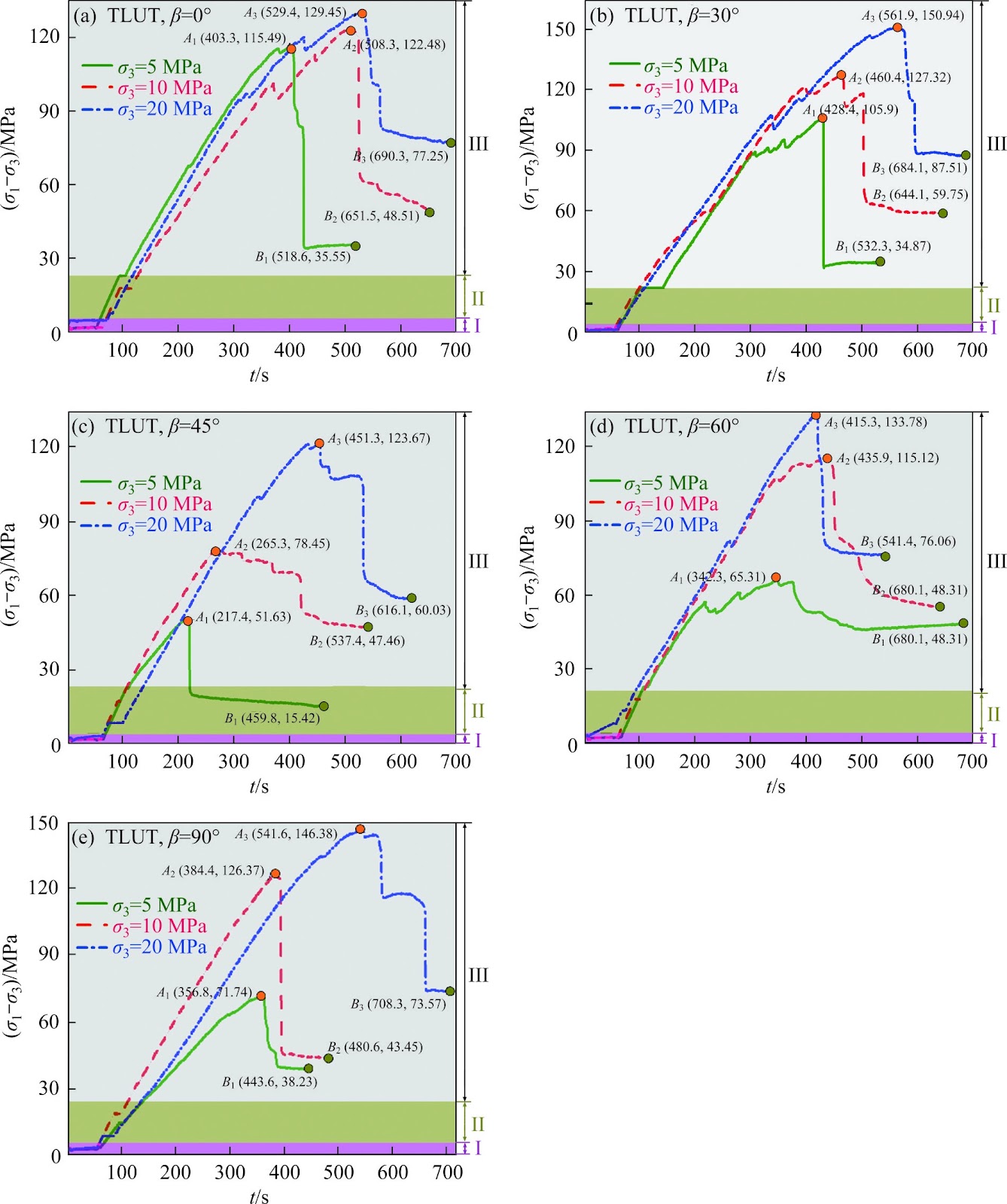
A cohesion loss model for determining residual strength of deep bedded sandstone
Rock residual strength, as an important input parameter, plays an indispensable role in proposing the reasonable and scientific scheme about stope design, underground tunnel excavation and stability evaluation of deep chambers. Therefore, previous residual strength models of rocks established were reviewed. And corresponding related problems were stated. Subsequently, starting from the effects of bedding and whole life-cycle evolution process, series of triaxial mechanical tests of deep bedded s
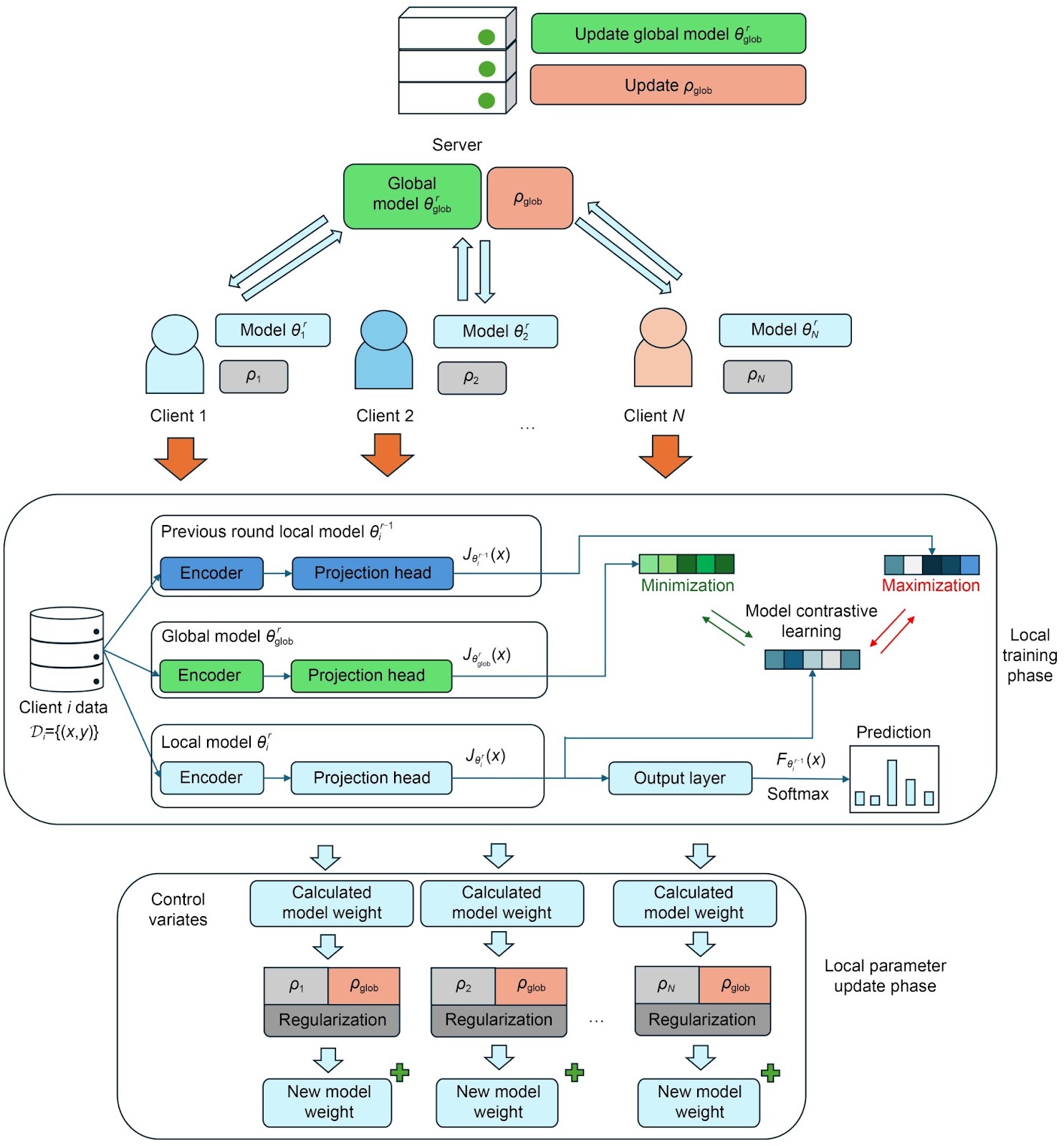
Federated model with contrastive learning and adaptive control variates for human activity recognition
Recent attention to privacy issues demands a communication-safe method for training human activity recognition (HAR) models on client activity data. Federated learning (FL) has become a compelling technique to facilitate model training between the server and clients while preserving data privacy. However, classical FL methods often assume independent and identically distributed (IID) data among clients. This assumption does not hold true in practical scenarios. Human activity in real-world scena