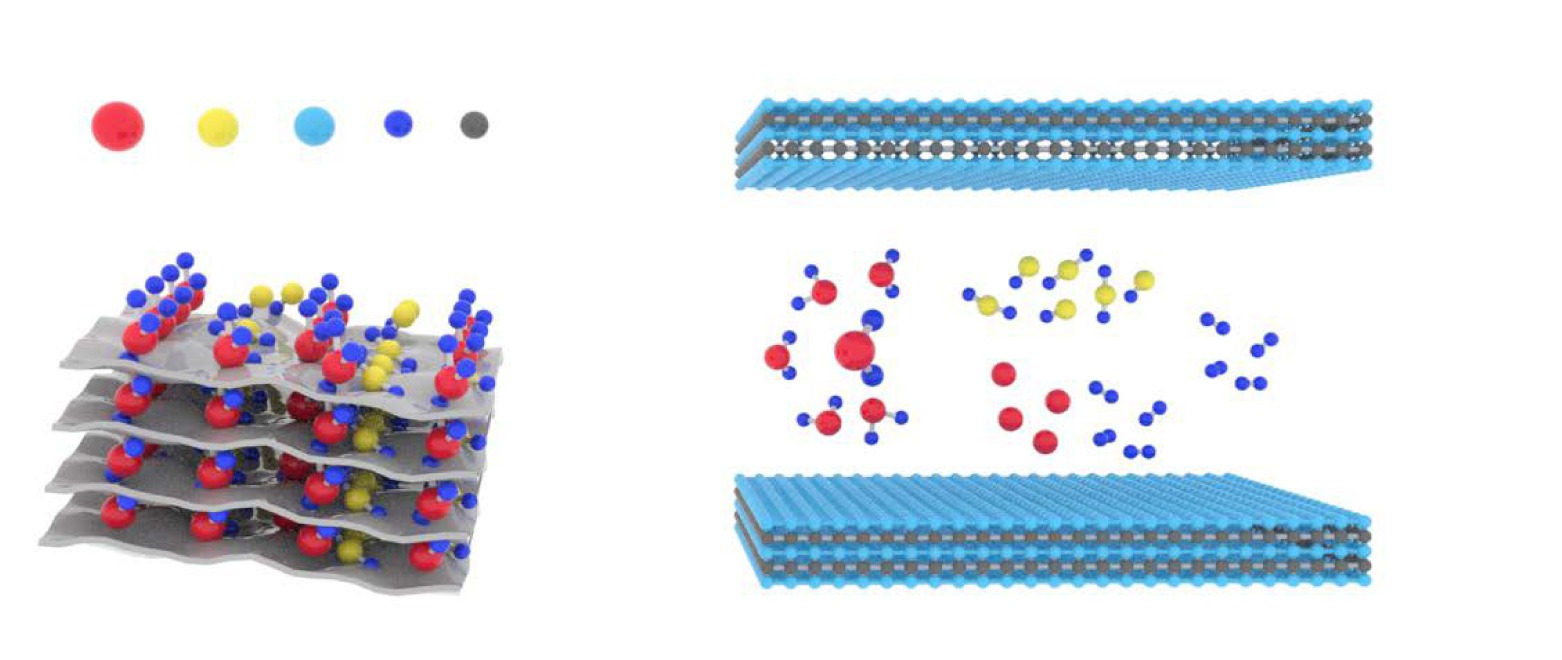
Key Takeaways & Executive Findings
- •• Reduces onset dehydrogenation temperature of MgH2 from 267.6°C to 190.3°C with 10wt% VHx@Ti3C2. • Achieves rapid hydrogen release of 6.72wt% within 10 min at 290°C, compared to only 0.29wt% for pure MgH2. • Maintains over 95% of initial hydrogen absorption/desorption capacity after 20 cycles, demonstrating excellent cycling stability. • Unveils dual catalytic mechanism: layered Ti3C2 provides abundant active sites, while VHx acts as a "hydrogen pump" accelerating H-ion migration.
Abstract
Magnesium hydride (MgH2) is a highly attractive candidate for solid-state hydrogen storage because of its high mass density, excellent cyclic stability, and low cost. However, the commercialization of MgH2 has been hindered by its sluggish hydrogen sorption kinetics and elevated operating temperatures. In this study, vanadium hydride nanoparticles (VHx) adhered to Ti3C2 composite catalyst was synthesized by ball milling to improve the hydrogen storage properties of MgH2. The onset dehydrogenation temperature of the MgH2 + 10wt% VHx@Ti3C2 composite decreased from 267.6 to 190.3°C. In addition, the MgH2 + 10wt% VHx@Ti3C2 composite could release 6.72wt% hydrogen within 10 min at 290°C. By comparison, pure MgH2 started to release hydrogen at 267.6°C, whereas only 0.29wt% hydrogen was released under the same conditions. After 20 cycles, more than 95% of the initial hydrogen absorption and desorption capacities were retained, indicating that the MgH2 + 10wt% VHx@Ti3C2 composite exhibited good cycling performance. Investigation of the catalytic mechanism demonstrated that the layered structure of Ti3C2 served as a matrix supplying a large number of active sites, and VHx functioned as a “hydrogen pump” to accelerate the migration of H ions, thereby facilitating the hydrogen absorption and desorption processes of MgH2 and enhancing its hydrogen storage properties. This study provides a viable strategy for designing vanadium-based catalysts to improve solid-state hydrogen storage materials.
1. Introduction
Overreliance on traditional fossil fuels is a major contributor to the global energy crisis and poses significant environmental challenges [1–2]. The escalating severity of these issues has made hydrogen energy a leading research focus owing to its high energy density, environmental friendliness, and versatile applicability [3–5]. Hydrogen storage is key to harnessing hydrogen as a viable clean energy carrier [6–9]. Because of its high volumetric density and inherent safety, solid-state hydrogen storage has considerable potential for future applications [10–13]. In this category, magnesium hydride (MgH2) has garnered significant research attention because of its high gravimetric capacity (7.6wt%), excellent reversibility, and low cost [14–16]. Nevertheless, the practical implementation of this technology poses a major challenge, primarily because of its sluggish kinetics and high operating temperature requirements [17–18]. Several strategies have been pursued to overcome the limitations of MgH2, including alloying [19–21], nanosizing [22–24], and catalyst doping [25–28]. Catalyst doping is a particularly effective method for accelerating the dehydrogenation/hydrogenation kinetics of MgH2 while maintaining a large capacity for hydrogen and ease of operation [29–30].
Transition metal-based catalysts have been extensively utilized for doping MgH2 because of their unique 3d electron orbitals and electronic structures [31–32]. Li et al. [33] reported the development of a novel Ti-based catalyst (Ti4O7), and the corresponding MgH2 + 7wt% Ti4O7 composite released 6.8wt% hydrogen within 18 min at 325°C. Xu et al. [34] reported that the MgH2 + 10wt% PdNi composite reduced the initial dehydrogenation temperature to 149°C while maintaining a hydrogen capacity of 6.3wt%. These studies revealed that while catalysts derived from Ti, Ni, and Pd offered a discernible improvements in the hydrogen storage performance of MgH2, V-based catalysts also appeared to be highly effective and showed promise for superior hydrogen sorption kinetics. Chen et al. [35] reported that the MgH2 + 3mol% VO2F composite achieved a low desorption activation energy of 80.6 kJ·mol−1, combined with a high capacity retention of 97.6% after 50 cycles. Zhang et al. [36] reported that, with the incorporation of nano-VHx, a composite exhibited excellent hydrogen storage properties. Vanadium hydride acts as a protective agent to inhibit the agglomeration of MgH2 and as a hydrogen diffusion channel to accelerate the reaction. The unique interconversion between V and V–H is attributed to the provision of more reactive sites, which acts as “hydrogen pumps” to boost the conversion between MgH2 and Mg. Nevertheless, the performance can be further optimized by incorporating a matrix that provides a high surface area and abundant active sites [37–38], representing a promising strategy for achieving superior catalytic effects.
The unique attributes of MXene, including its exceptional specific surface area, abundance of active sites, and tunable interlayer spacing, enable its dual function as a catalyst and matrix in solid-state hydrogen storage applications [39–40]. Wu et al. [41] reported that the MgH2 + 6wt% Ti3C2 composite initiated hydrogen release at 142°C, achieving a ca...
Loading authentic research manuscript (Pages 1–5)...
Changhai Wu, Jiaguang Zheng, Meiling Lü, Yitao Li, Zihan Wei, Meijia Liu, Beibei Xiao (2025). MXene-supported VHx nanoparticles enhancing hydrogen storage properties of magnesium hydride. Journal of Mineral Metallurgy and Materials Science. https://doi.org/10.1007/s12613-026-3394-9
Research & Educational Purpose Only:The translations, structured abstracts, analytical annotations, and data reports provided by SinoTechIntel are intended exclusively for academic research, internal corporate R&D, and educational benchmarking. They do not constitute formal engineering, chemical safety, legal, or professional advice.
Copyright & Intellectual Property Notice: Original copyright of the underlying source articles and experimental data remains with the respective authors, institutions, and original publishing journals. SinoTechIntel claims intellectual property only over its proprietary translations, analytical syntheses, and AEO structured enhancements in accordance with international fair use and academic citation principles.
Frequently Asked Questions
What is the main finding of the study?
The study demonstrates that a VHx@Ti3C2 composite catalyst significantly enhances the hydrogen storage performance of MgH2, reducing the onset dehydrogenation temperature from 267.6°C to 190.3°C and achieving rapid hydrogen release of 6.72wt% within 10 minutes at 290°C, with over 95% capacity retention after 20 cycles.
How does the VHx@Ti3C2 catalyst work?
The layered Ti3C2 matrix provides abundant active sites, while VHx nanoparticles act as a “hydrogen pump” that accelerates the migration of hydrogen ions, thereby facilitating both hydrogen absorption and desorption in MgH2.
Why is MXene chosen as a support?
MXene (Ti3C2) offers exceptional specific surface area, abundant active sites, and tunable interlayer spacing, making it an ideal matrix to disperse catalysts and enhance catalytic effects.
What performance improvement is achieved compared with pure MgH2?
Pure MgH2 starts releasing hydrogen at 267.6°C and releases only 0.29wt% hydrogen under the same conditions, while the composite releases 6.72wt% within 10 minutes at 290°C, showing far superior kinetics.
What is the practical significance of this research?
This work provides a viable strategy for designing vanadium-based catalysts supported on MXene to improve solid-state hydrogen storage materials, potentially advancing practical applications of hydrogen energy.
Related Technical Papers & Translations
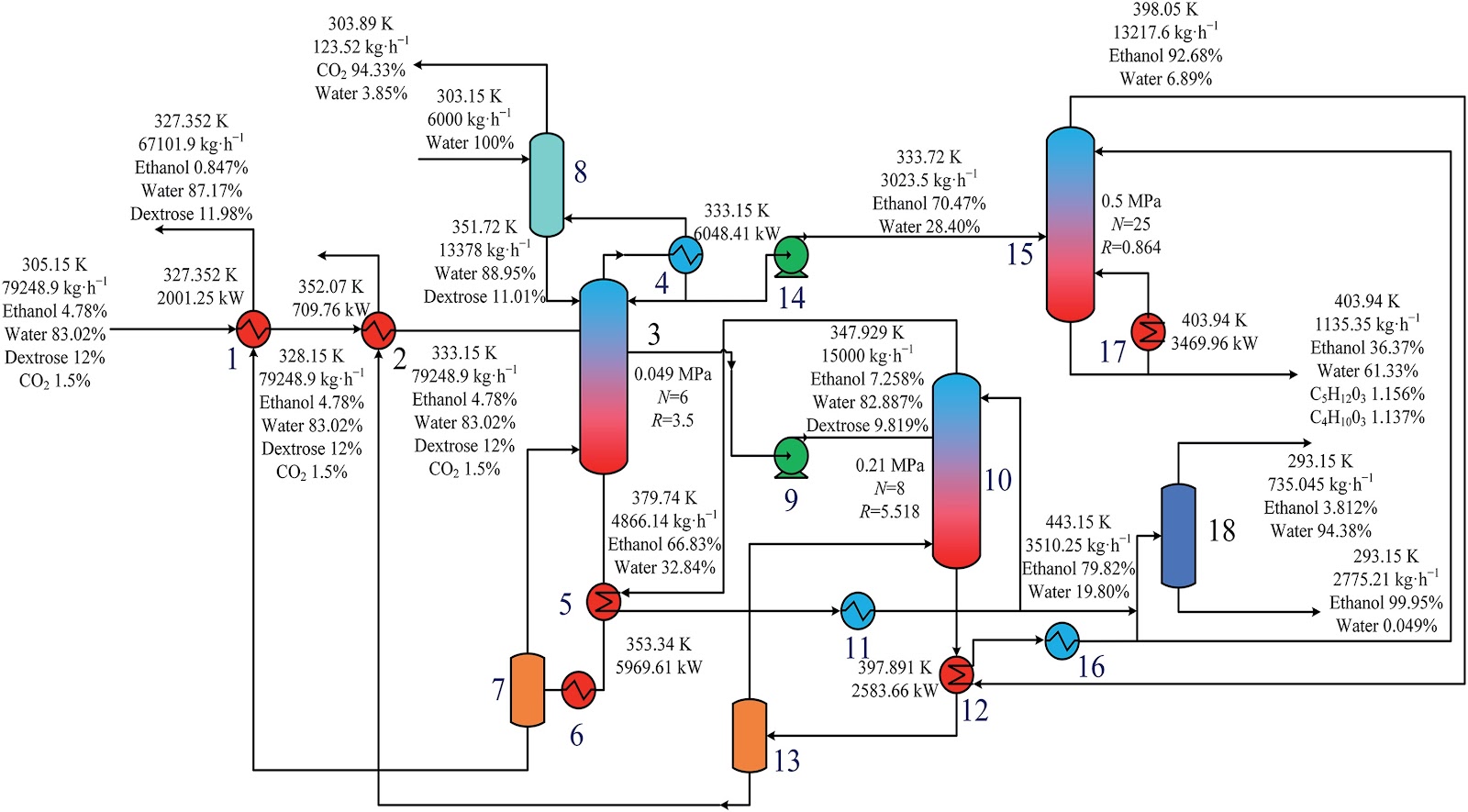
Design and optimization of a high-efficiency distillation process for cellulosic fuel ethanol integrated with thermal coupling and molecular sieve adsorption
To address the challenges of high energy consumption and prominent costs in the traditional three-columns distillation process for cellulosic fuel ethanol, a distillation—molecular sieve coupling separation process is proposed. This process integrates a three-column (crude distillation column, first distillation column, second distillation column) system with a 3A molecular sieve adsorption deep dehydration unit. A thermal coupling network is constructed via differential pressure design (steam from medium/high-pressure columns as mutual heat sources, reboiler liquid waste heat for feed preheating), and molecular sieve adsorption conditions are optimized. The study first performs a thermodynamic consistency test on the ethanol—water system, determines optimal non-random two-liquid (NRTL) model binary interaction parameters via experimental data regression for Aspen Plus simulation. Aiming at minimum total annual cost (TAC), Aspen Plus is used to optimize process parameters (theoretical tray number, feed location, reflux ratio, side-draw position, etc.). Economic analysis shows this process reduces CO2 emission costs by 27.56%, TAC by 15.58% (to 5.123 × 10⁶ USD·a-1), and increases ethanol purity to >99.6%, providing an effective solution for green, efficient separation.
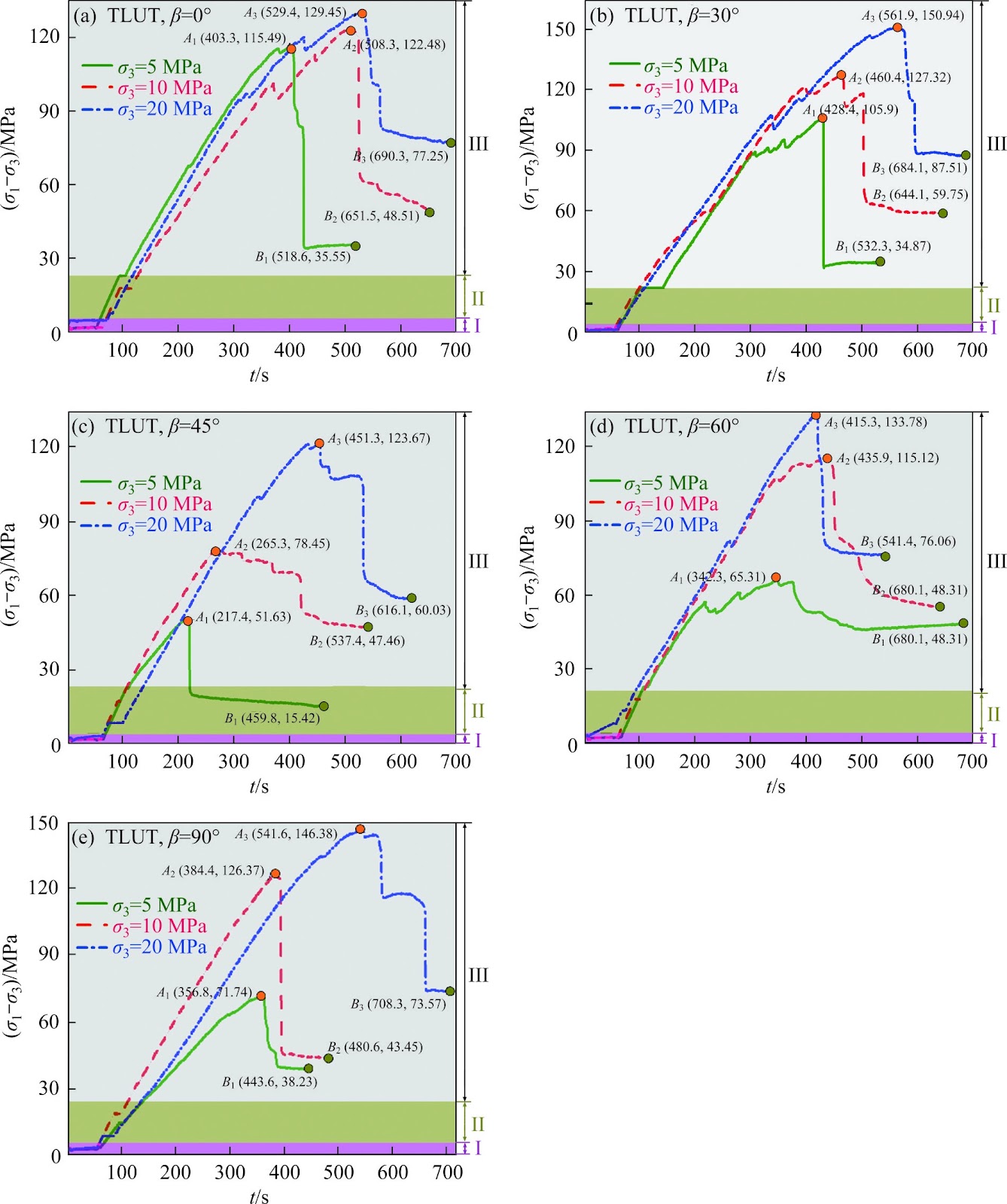
A cohesion loss model for determining residual strength of deep bedded sandstone
Rock residual strength, as an important input parameter, plays an indispensable role in proposing the reasonable and scientific scheme about stope design, underground tunnel excavation and stability evaluation of deep chambers. Therefore, previous residual strength models of rocks established were reviewed. And corresponding related problems were stated. Subsequently, starting from the effects of bedding and whole life-cycle evolution process, series of triaxial mechanical tests of deep bedded s
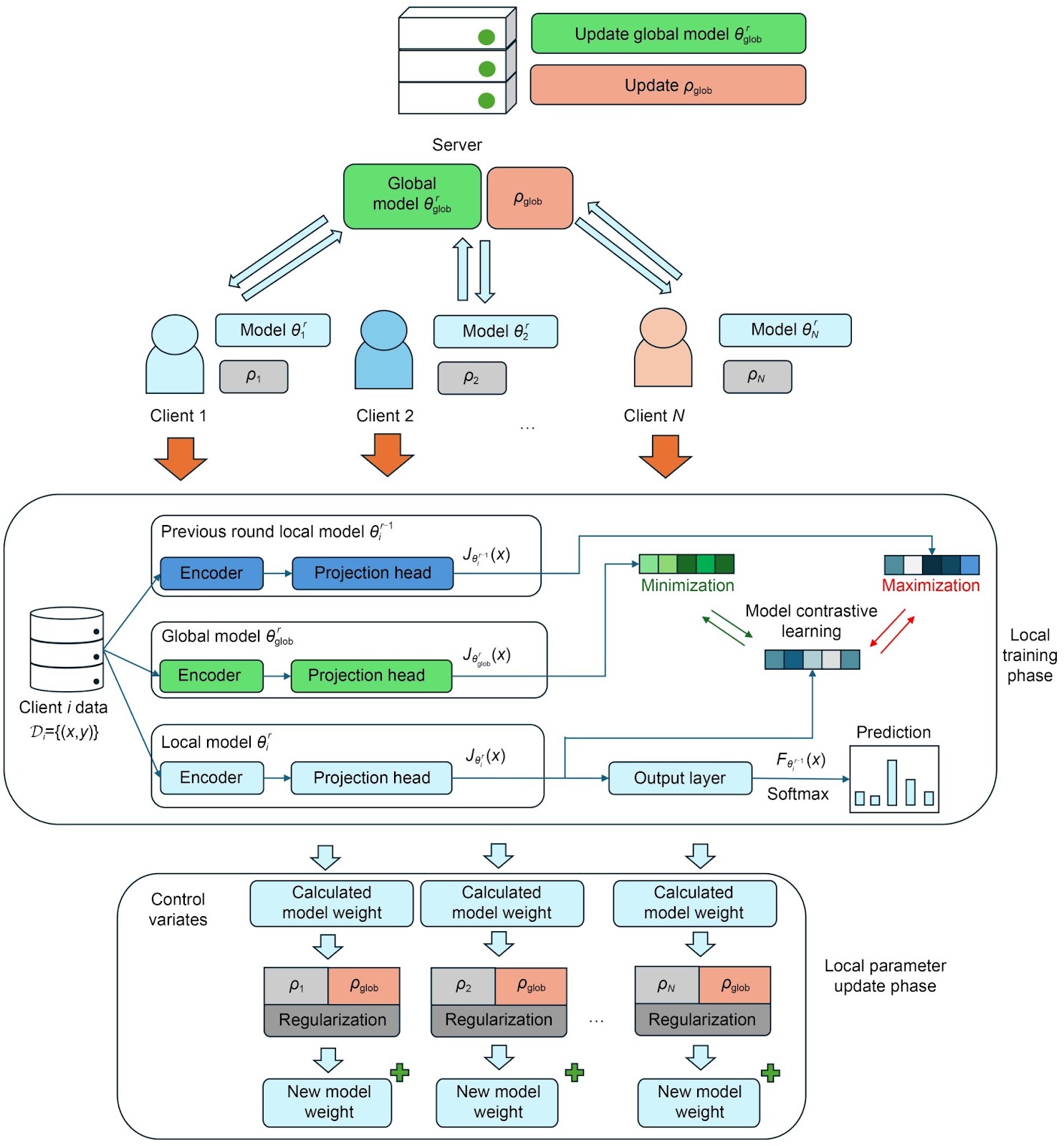
Federated model with contrastive learning and adaptive control variates for human activity recognition
Recent attention to privacy issues demands a communication-safe method for training human activity recognition (HAR) models on client activity data. Federated learning (FL) has become a compelling technique to facilitate model training between the server and clients while preserving data privacy. However, classical FL methods often assume independent and identically distributed (IID) data among clients. This assumption does not hold true in practical scenarios. Human activity in real-world scena