Key Takeaways & Executive Findings
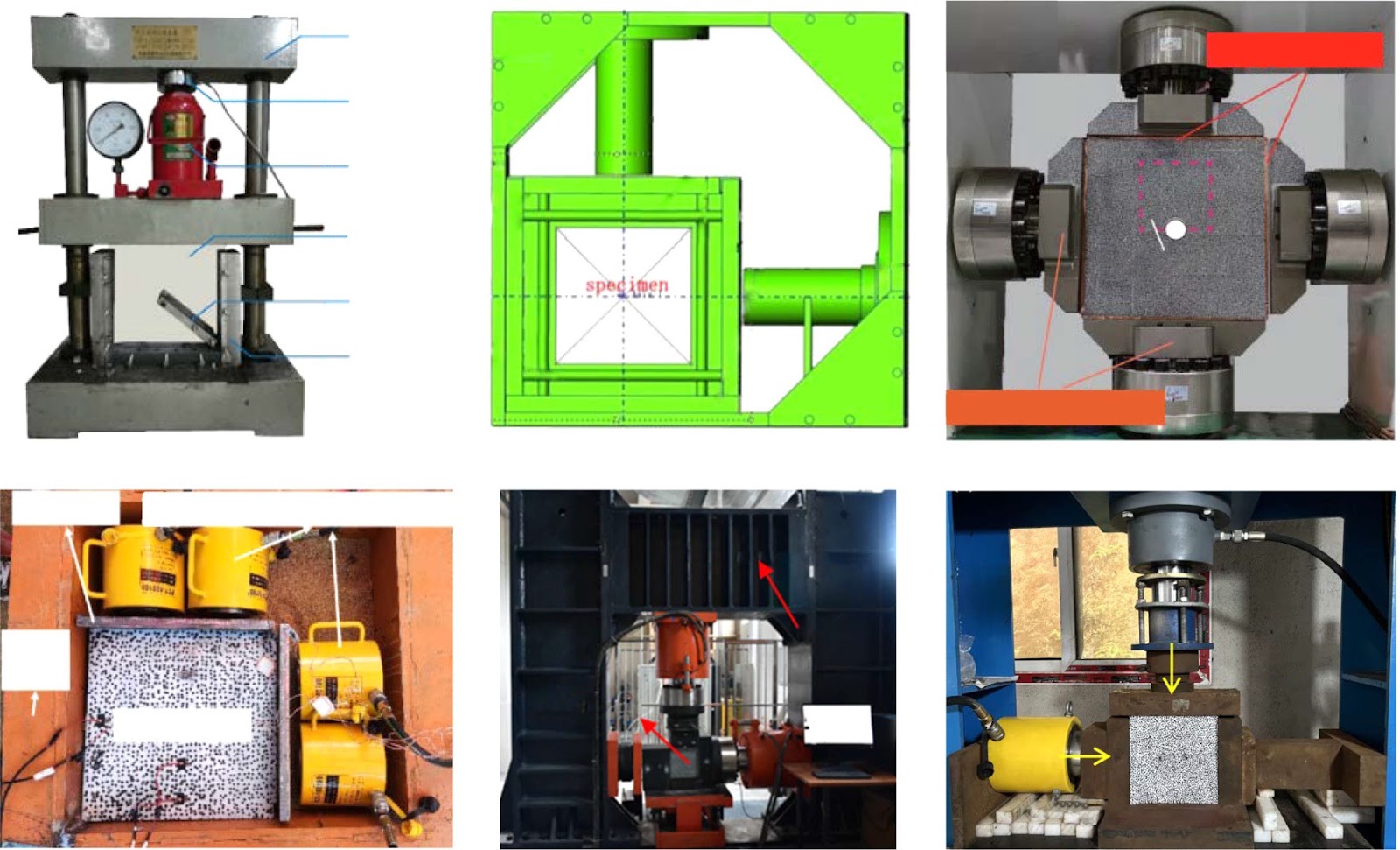
- •• Deep mining is increasingly prevalent due to resource depletion, and drilling and blasting remain the primary excavation methods despite high in-situ stress challenges. • The review, based on Chinese perspectives and bibliometric analysis, identifies three theoretical research areas: blasting stress field evolution, crack propagation, and vibrational response under in-situ stress. • Practical applications of cut and perimeter blasting techniques for deep rock masses are examined and optimized to address high-stress conditions and improve excavation efficiency. • Future research should focus on predicting blasting effects, using unloading stress waves for cooperative fragmentation, and optimizing production blasting in deep metal mines.
Abstract
Shallow mineral resources are gradually depleting worldwide, therefore, deep mining is becoming increasingly prevalent within the mining industry. Drilling and blasting are the predominant excavation methods used in deep environments. However, challenges such as inefficient borehole utilization and significant over- or under-excavation are frequently encountered. Scientific investigations on deep rock mass blasting are crucial for the effective development and utilization of deep resources, underpinning safe and efficient deep mine operations. This paper identifies the challenges faced in deep rock mass blasting and presents a review of the current research, primarily from the perspective of Chinese institutions and their experiences, integrating theoretical and technical perspectives through a bibliometric analysis. First, key developmental trends and prominent research teams were identified in the context of this review. Subsequently, three principal areas of theoretical research are analyzed and summarized: blasting stress field evolution, crack propagation behavior, and vibrational response characteristics under in-situ stress conditions. The application and optimization of cut and perimeter blasting techniques for deep rock masses were also examined. Finally, drawing upon existing research, this study explores three key future directions: prediction of blasting effects, utilization of unloading stress waves for cooperative rock fragmentation, and optimization of production blasting in deep metal mines. This review aims to provide a systematic framework for future research in the field of deep rock mass blasting.
1. Introduction
The increasing depletion of global mineral resources coupled with rising demand is driving the mining industry to greater depths [1]. Deep mines worldwide commonly exceed 1000 m, with some metal mines reaching depths > 4000 m. For example, the Mponeng Gold Mine in South Africa extends beyond 3900 m, ranking it among the world’s deepest mines [2]. This trend of increasing mining depth is evident in major mining nations such as South Africa, Australia, Canada, and China. As a country with significant deep mining activities, China provides a valuable context for reviewing the associated challenges and technological advancements. Driven by the resource demand, this trend presents significant technical and safety challenges. The high temperature, pressure, and rock stability issues encountered in deep environments considerably increase the complexity of deep rock mass blasting [3].
Drilling and blasting are among the most widely adopted and technologically mature excavation methods used in deep mining, particularly for large, complex orebodies. Offering advantages in terms of cost and operational flexibility, drilling and blasting can adapt to diverse geological conditions and are extensively utilized in deep mining and tunnel development. However, increasing the depth introduces new challenges, such as high in-situ stress, which significantly affects energy transfer and rock fragmentation [4–6]. High in-situ stress alters the mechanical properties of the rock mass, making it more difficult to fracture and resulting in suboptimal fragmentation and poor borehole utilization [7]. Consequently, over- and under-excavation have become prevalent, complicating subsequent construction. Critically, this practice increases costs, generates significant blast-induced vibrations, and can trigger geological hazards, such as rock bursts, posing significant safety risks. Therefore, the geological complexities of deep environments necessitate optimized blasting designs and techniques to ensure effectiveness and safety.
Loading authentic research manuscript (Pages 1–5)...
Chenxi Ding, Renshu Yang, Zongxian Zhang, Zhe Sui (2025). Research progress and future prospect of blasting theory and technology for deep rock masses: A review primarily based on Chinese perspectives. Journal of Mineral Metallurgy and Materials Science. https://doi.org/10.1007/s12613-025-3312-6
Research & Educational Purpose Only:The translations, structured abstracts, analytical annotations, and data reports provided by SinoTechIntel are intended exclusively for academic research, internal corporate R&D, and educational benchmarking. They do not constitute formal engineering, chemical safety, legal, or professional advice.
Copyright & Intellectual Property Notice: Original copyright of the underlying source articles and experimental data remains with the respective authors, institutions, and original publishing journals. SinoTechIntel claims intellectual property only over its proprietary translations, analytical syntheses, and AEO structured enhancements in accordance with international fair use and academic citation principles.
Frequently Asked Questions
What are the main challenges of deep rock mass blasting?
The main challenges include high in-situ stress, which affects energy transfer and rock fragmentation, leading to inefficient borehole utilization, over- or under-excavation, increased blast-induced vibrations, and potential rock bursts. These issues complicate deep mining operations and pose safety risks.
What theoretical areas are reviewed in this paper?
The paper reviews three principal theoretical areas: blasting stress field evolution, crack propagation behavior, and vibrational response characteristics under in-situ stress conditions. These areas are analyzed to understand the mechanisms of deep rock mass fragmentation.
What future research directions are proposed?
The study proposes three future directions: prediction of blasting effects, utilization of unloading stress waves for cooperative rock fragmentation, and optimization of production blasting in deep metal mines. These aim to improve blasting efficiency and safety in deep environments.
Why is a Chinese perspective important in this review?
China has significant deep mining activities and has accumulated extensive experience and research in deep rock mass blasting. This perspective provides valuable insights into the challenges and technological advancements relevant to the global mining industry.
What methodology was used to conduct this review?
The review integrates theoretical and technical perspectives through a bibliometric analysis. Key developmental trends and prominent research teams were identified, followed by a systematic analysis of theoretical research and practical blasting techniques.
Related Technical Papers & Translations
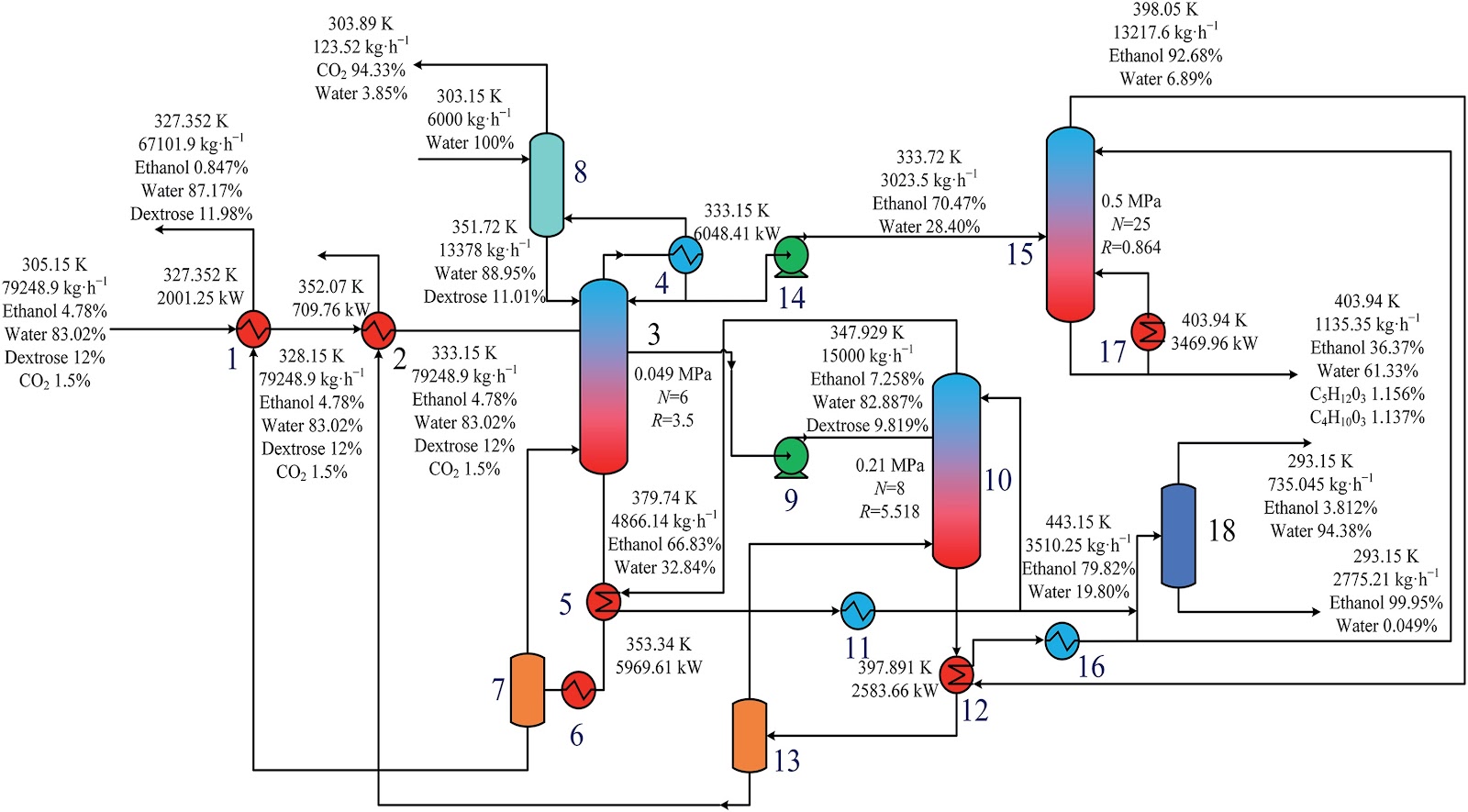
Design and optimization of a high-efficiency distillation process for cellulosic fuel ethanol integrated with thermal coupling and molecular sieve adsorption
To address the challenges of high energy consumption and prominent costs in the traditional three-columns distillation process for cellulosic fuel ethanol, a distillation—molecular sieve coupling separation process is proposed. This process integrates a three-column (crude distillation column, first distillation column, second distillation column) system with a 3A molecular sieve adsorption deep dehydration unit. A thermal coupling network is constructed via differential pressure design (steam from medium/high-pressure columns as mutual heat sources, reboiler liquid waste heat for feed preheating), and molecular sieve adsorption conditions are optimized. The study first performs a thermodynamic consistency test on the ethanol—water system, determines optimal non-random two-liquid (NRTL) model binary interaction parameters via experimental data regression for Aspen Plus simulation. Aiming at minimum total annual cost (TAC), Aspen Plus is used to optimize process parameters (theoretical tray number, feed location, reflux ratio, side-draw position, etc.). Economic analysis shows this process reduces CO2 emission costs by 27.56%, TAC by 15.58% (to 5.123 × 10⁶ USD·a-1), and increases ethanol purity to >99.6%, providing an effective solution for green, efficient separation.
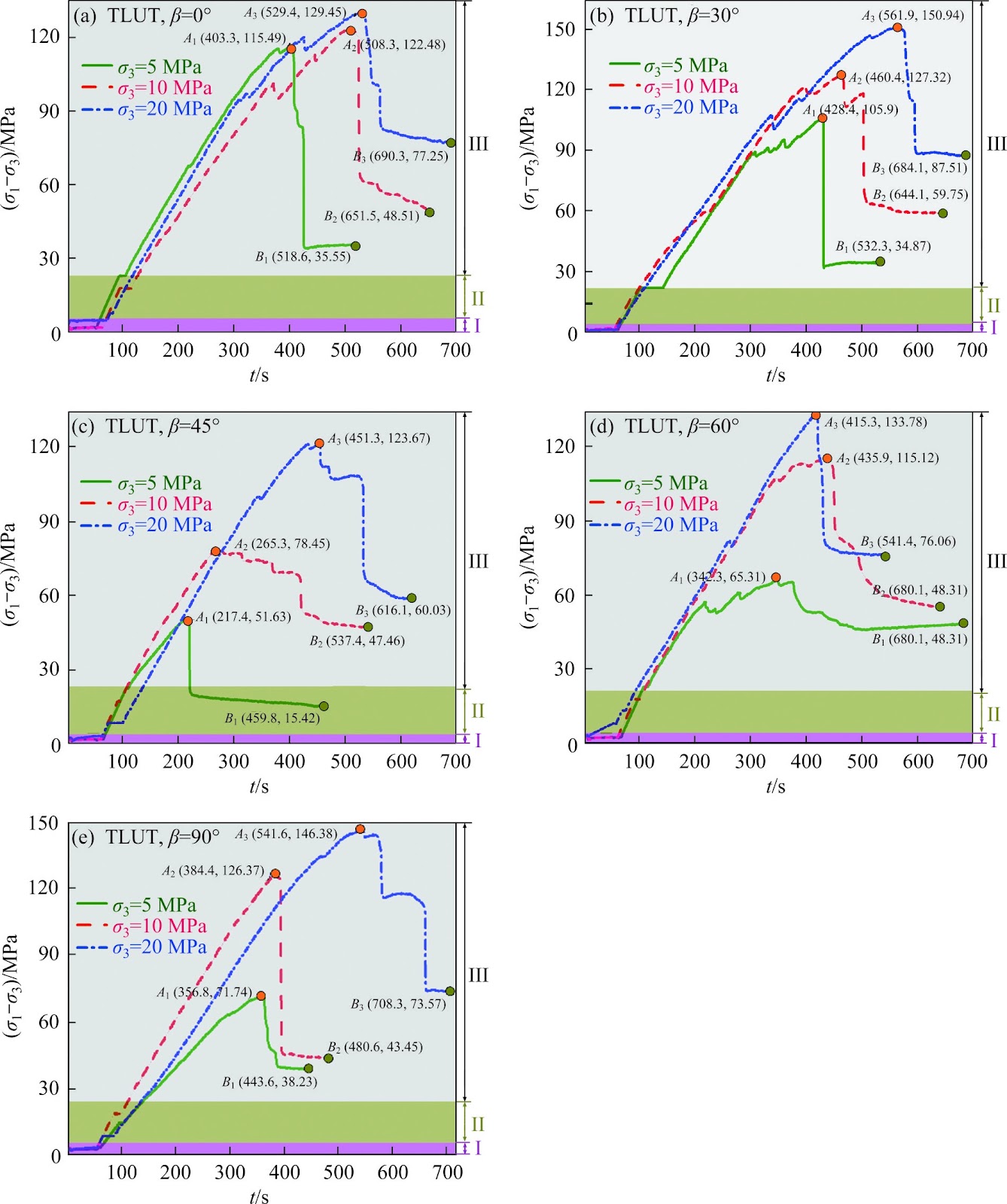
A cohesion loss model for determining residual strength of deep bedded sandstone
Rock residual strength, as an important input parameter, plays an indispensable role in proposing the reasonable and scientific scheme about stope design, underground tunnel excavation and stability evaluation of deep chambers. Therefore, previous residual strength models of rocks established were reviewed. And corresponding related problems were stated. Subsequently, starting from the effects of bedding and whole life-cycle evolution process, series of triaxial mechanical tests of deep bedded s
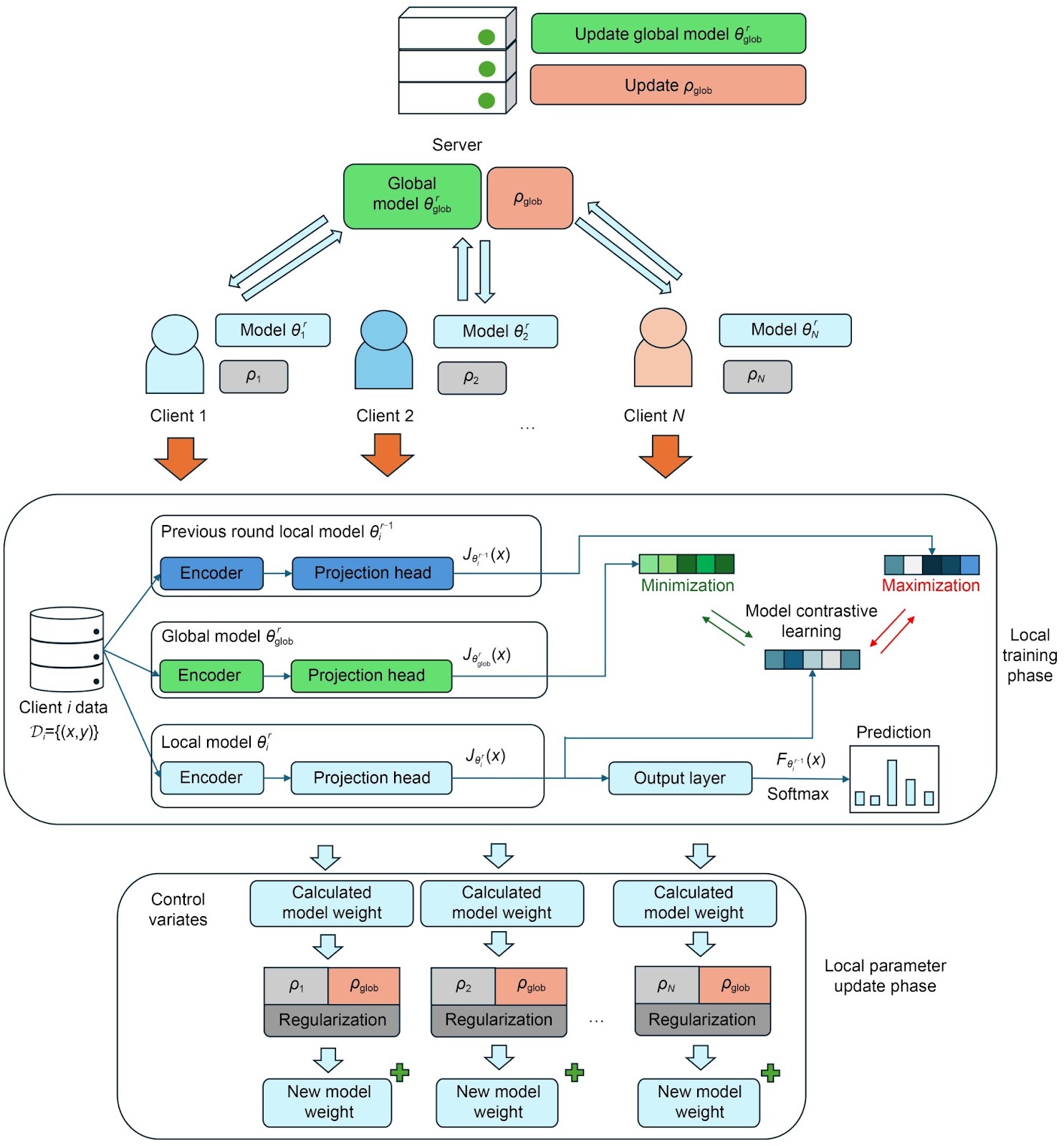
Federated model with contrastive learning and adaptive control variates for human activity recognition
Recent attention to privacy issues demands a communication-safe method for training human activity recognition (HAR) models on client activity data. Federated learning (FL) has become a compelling technique to facilitate model training between the server and clients while preserving data privacy. However, classical FL methods often assume independent and identically distributed (IID) data among clients. This assumption does not hold true in practical scenarios. Human activity in real-world scena