Key Takeaways & Executive Findings
- •• Iron (Fe) is the most harmful impurity in recycled aluminum, forming detrimental Fe-rich phases (FRPs) that degrade alloy properties. • The presence of Fe restricts recycled aluminum to lower-grade applications, limiting its substitution for primary aluminum. • The review systematically summarizes existing Fe removal and deterioration mitigation methods, evaluating their industrial feasibility. • Provides comprehensive theoretical guidance for future FRP control and supports grade preservation of industrial recycled aluminum.
Abstract
Driven by the proposed new circular economy goals and “dual carbon” strategy (carbon peak and carbon neutrality), the inherent recyclability of aluminum and its alloys makes their secondary utilization critical for green and sustainable development. Owing to its controllable source, scrap aluminum produced by manufacturing industries, such as the automobile, aerospace, and electronics industries, represents a high-value resource that will be critical for the global supply of aluminum and its alloys. However, large amounts of impurity elements (Fe, Si, Mg, Cu, and others) are introduced into scrap aluminum during the recycling process, among which Fe is the most harmful. Consequently, recycled aluminum is largely restricted to lower-grade applications, precluding its comprehensive substitution of primary aluminum. This article reviews the detrimental effects of Fe and the resulting Fe-rich phases (FRPs) on aluminum alloys, summarizes existing Fe removal and deterioration mitigation methods, and evaluates the industrial feasibility of these methods to provide comprehensive theoretical guidance for future FRP control technology. Moreover, this review provides guidance for resolving the impediments to the grade preservation and subsequent use of industrial recycled aluminum.
1. Introduction
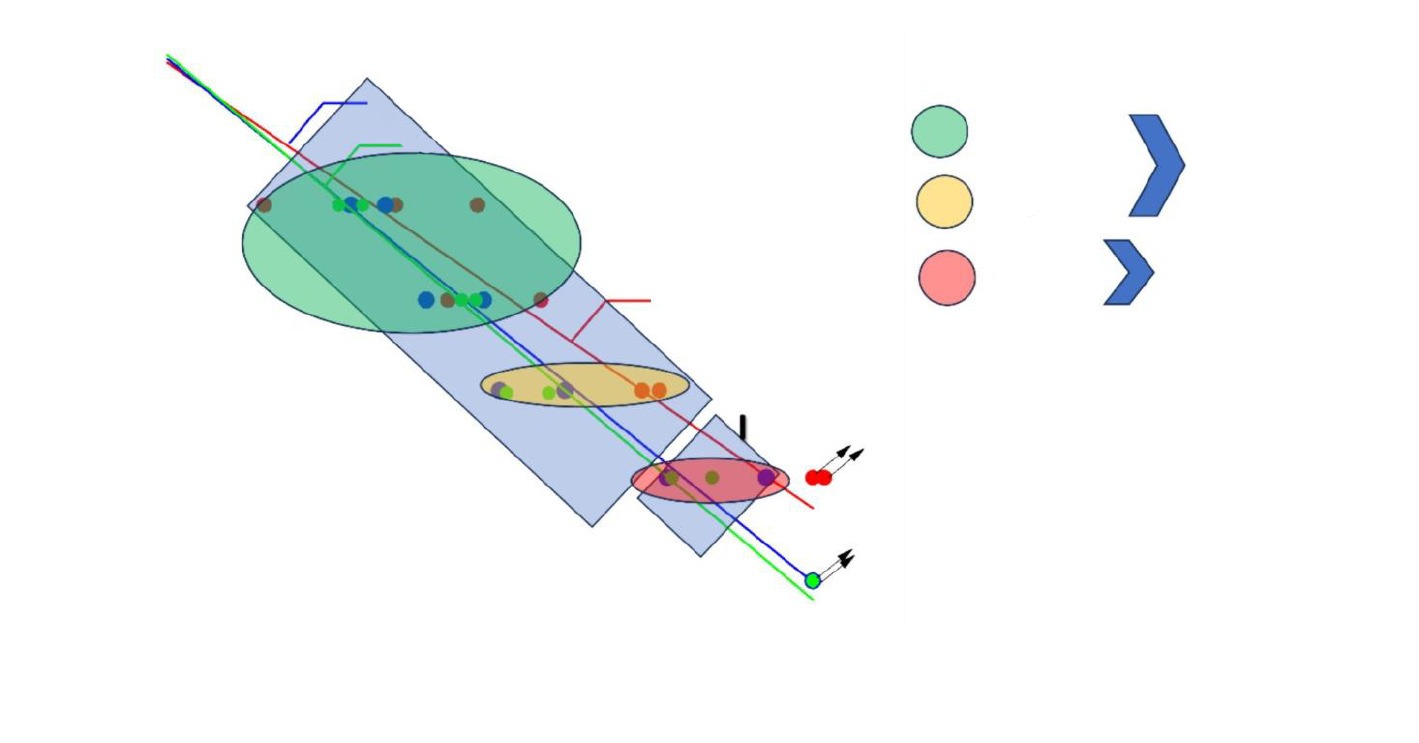
The accelerating modernization and development of the automobile industry has positioned the weight reduction of automobiles through the use of aluminum alloys as a key measure to achieve energy conservation and reduce environmental pollution [1–2]. The implementation of this measure has resulted in unprecedented pressure on the production capacity of the aluminum industry, especially in the high-end aluminum industry, which requires the acceleration of capacity expansion and upgrading of technology. At present, the sources of aluminum alloys in the world can be divided into two categories: electrolytic aluminum and recycled aluminum [3]. Fig. 1(a) illustrates the production process for these two types of aluminum alloys. The production of electrolytic aluminum results in high carbon emissions, and its long-term use is limited by factors such as high energy consumption, corrosion loss, pollution problems, and resource consumption. As an alternative source of aluminum alloys, the production of recycled aluminum is significantly more efficient than that of electrolytic aluminum, consuming less than 5% of the energy necessary for primary electrolytic aluminum production [4–7]. Fig. 1(b) highlights the significant energy-saving and emission-reduction effect of employing recycled aluminum instead of electrolytic aluminum. Meanwhile, the equipment required for the production of recycled aluminum is relatively simple, the raw materials are widely available, and the corresponding investment and cost are considerably low, resulting in significant economic benefits. Therefore, scrap aluminum recycling can significantly reduce the overall energy consumption within the aluminum alloy industry [8–12].
According to International Aluminum Institute forecasts, the production capacity trends for the next few decades indicate that recycled aluminum will progressively become the dominant source, surpassing electrolytic aluminum (Fig. 1(c)). Moreover, some researchers have compared the current status of domestic and international production of recycled aluminum, highlighting the potential and necessity of developing secondary recycled aluminum in China [13–17].
However, recycled aluminum contains a significantly higher Fe content than primary aluminum, considerably limiting the high-quality utilization of recycled aluminum. The accumulation of Fe is attributable to two factors [18–20]: (i) inadequate sorting of scrap aluminum used in daily life, which often contains Fe-based components; and (ii) Fe pickup from the utensils and operating
Loading authentic research manuscript (Pages 1–5)...
Yicheng Gao, Baixin Dong, Hongyu Yang, Zhongyi Cai, Tianshu Liu, Xinmiao Zhong, Peijun Cong, Shili Shu, Jia Meng, Jian Qiao, Ming Zhu, Jie Kang, Lin Liu, Feng Qiu, Qichuan Jiang, Laichang Zhang (2025). Hazards and optimal utilization of iron in low-carbon recycled aluminum alloys. Journal of Mineral Metallurgy and Materials Science. https://doi.org/10.1007/s12613-025-3271-y
Research & Educational Purpose Only:The translations, structured abstracts, analytical annotations, and data reports provided by SinoTechIntel are intended exclusively for academic research, internal corporate R&D, and educational benchmarking. They do not constitute formal engineering, chemical safety, legal, or professional advice.
Copyright & Intellectual Property Notice: Original copyright of the underlying source articles and experimental data remains with the respective authors, institutions, and original publishing journals. SinoTechIntel claims intellectual property only over its proprietary translations, analytical syntheses, and AEO structured enhancements in accordance with international fair use and academic citation principles.
Frequently Asked Questions
Why is iron harmful in recycled aluminum alloys?
Iron is the most harmful impurity in recycled aluminum because it forms brittle Fe-rich phases (FRPs) that deteriorate mechanical properties and service performance, severely limiting the high-quality utilization of recycled aluminum.
What are Fe-rich phases (FRPs) in aluminum alloys?
Fe-rich phases are intermetallic compounds formed when iron combines with aluminum and other elements during solidification. They typically appear as needle-like or platelet-shaped phases that act as stress concentrators, reducing ductility and fracture toughness.
What methods are used to remove iron from recycled aluminum?
Common methods include gravitational separation, electromagnetic separation, and additive-based techniques such as the addition of elements that modify or settle Fe-rich phases. The review evaluates these methods for industrial feasibility.
Why is recycling aluminum important for the circular economy and dual carbon strategy?
Recycled aluminum production consumes less than 5% of the energy required for primary electrolytic aluminum, drastically reducing carbon emissions. This supports circular economy goals and the 'dual carbon' strategy of carbon peak and carbon neutrality.
What is the main objective of this review article?
The review systematically summarizes the detrimental effects of iron and Fe-rich phases on aluminum alloys, evaluates existing iron removal and mitigation methods, and provides theoretical guidance for future control technology to enable grade preservation and broader use of recycled aluminum.
Related Technical Papers & Translations
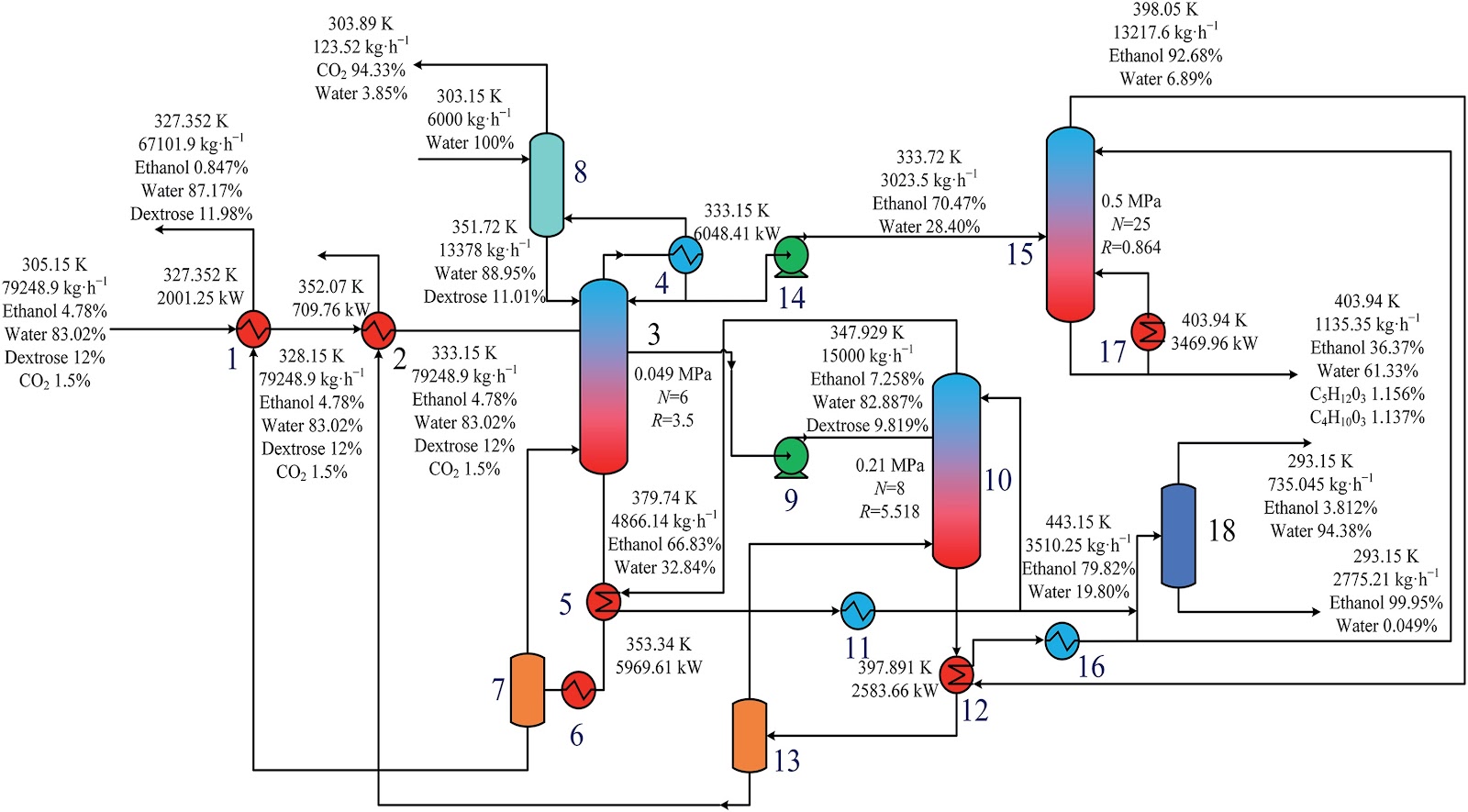
Design and optimization of a high-efficiency distillation process for cellulosic fuel ethanol integrated with thermal coupling and molecular sieve adsorption
To address the challenges of high energy consumption and prominent costs in the traditional three-columns distillation process for cellulosic fuel ethanol, a distillation—molecular sieve coupling separation process is proposed. This process integrates a three-column (crude distillation column, first distillation column, second distillation column) system with a 3A molecular sieve adsorption deep dehydration unit. A thermal coupling network is constructed via differential pressure design (steam from medium/high-pressure columns as mutual heat sources, reboiler liquid waste heat for feed preheating), and molecular sieve adsorption conditions are optimized. The study first performs a thermodynamic consistency test on the ethanol—water system, determines optimal non-random two-liquid (NRTL) model binary interaction parameters via experimental data regression for Aspen Plus simulation. Aiming at minimum total annual cost (TAC), Aspen Plus is used to optimize process parameters (theoretical tray number, feed location, reflux ratio, side-draw position, etc.). Economic analysis shows this process reduces CO2 emission costs by 27.56%, TAC by 15.58% (to 5.123 × 10⁶ USD·a-1), and increases ethanol purity to >99.6%, providing an effective solution for green, efficient separation.
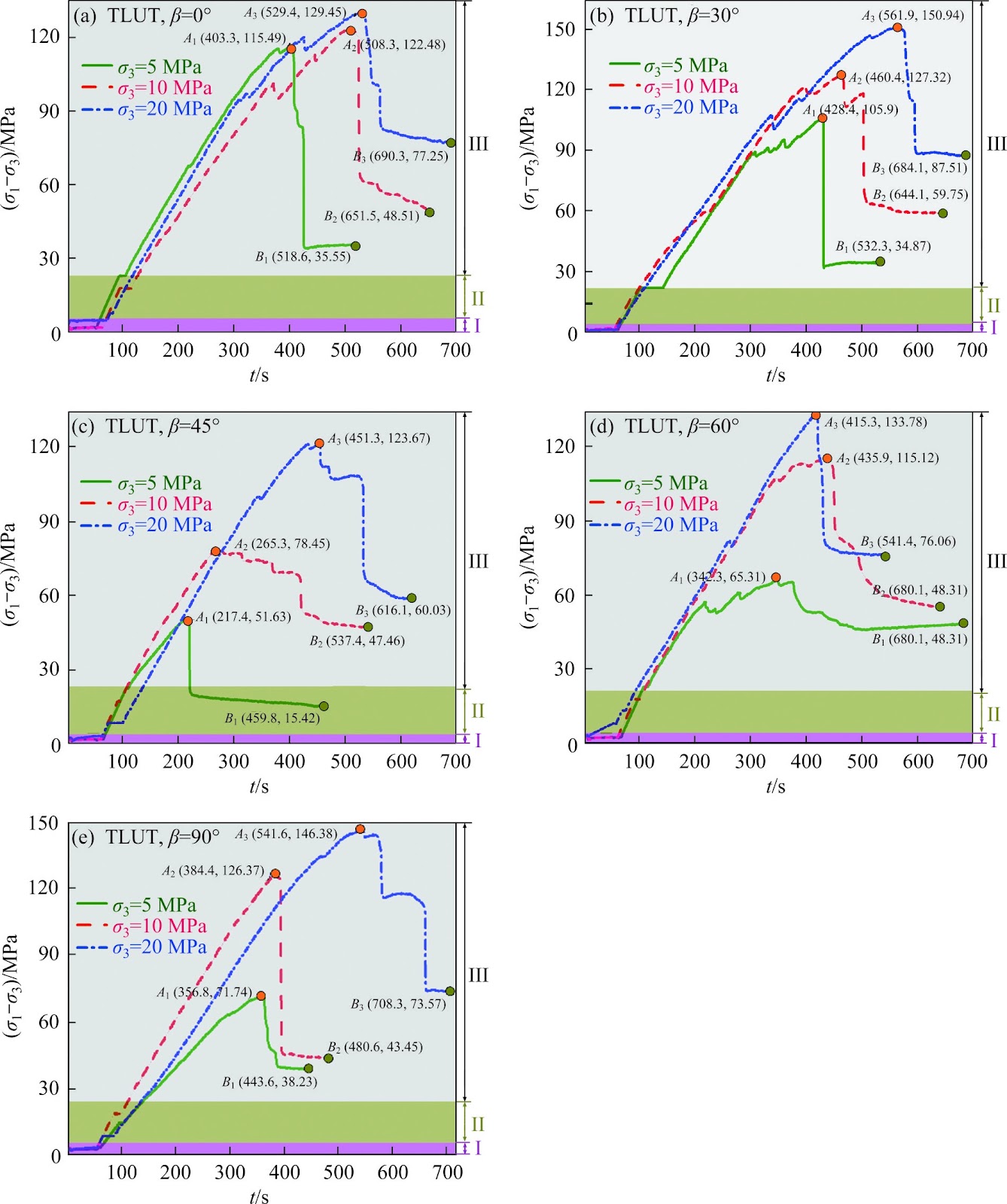
A cohesion loss model for determining residual strength of deep bedded sandstone
Rock residual strength, as an important input parameter, plays an indispensable role in proposing the reasonable and scientific scheme about stope design, underground tunnel excavation and stability evaluation of deep chambers. Therefore, previous residual strength models of rocks established were reviewed. And corresponding related problems were stated. Subsequently, starting from the effects of bedding and whole life-cycle evolution process, series of triaxial mechanical tests of deep bedded s
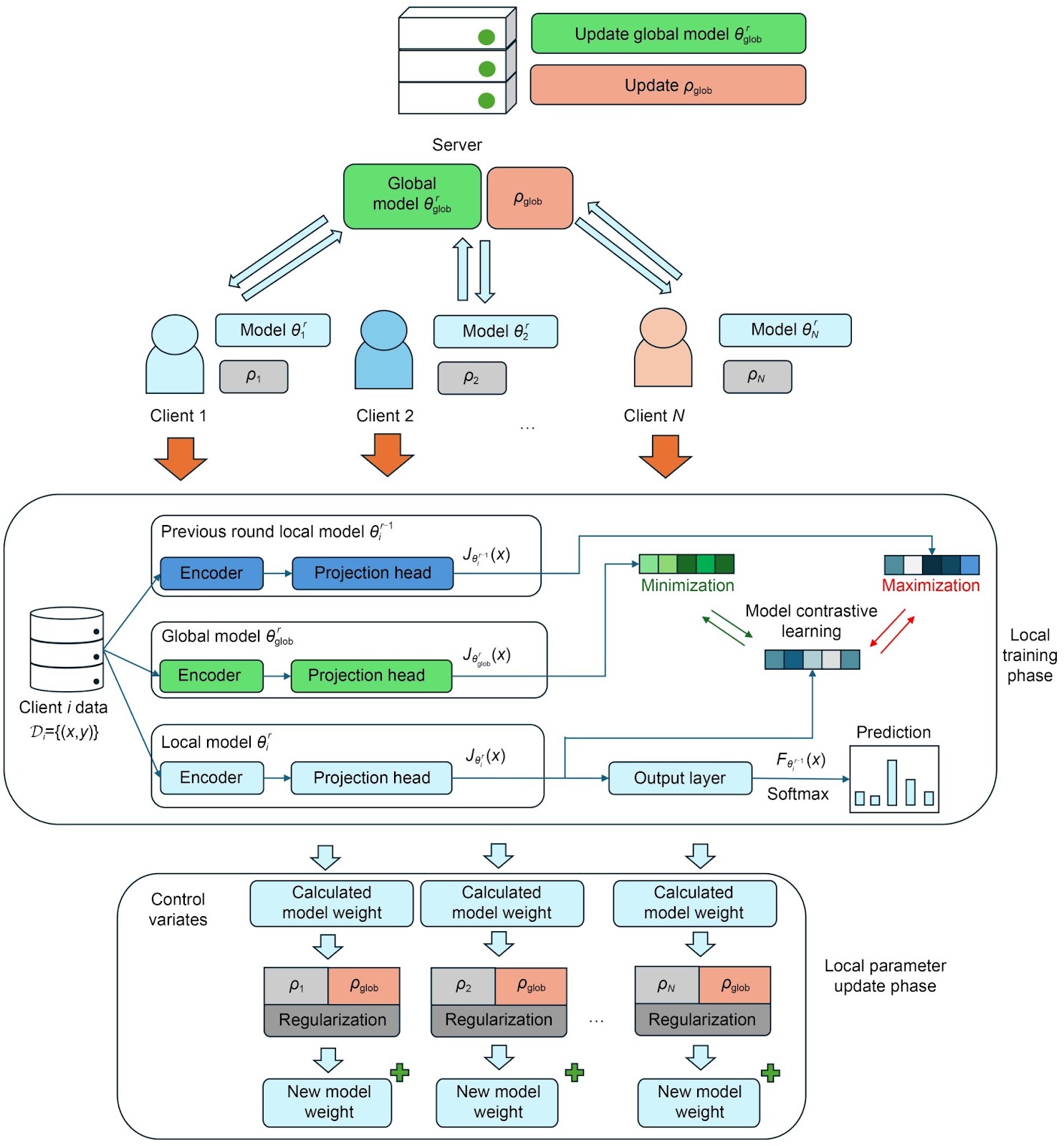
Federated model with contrastive learning and adaptive control variates for human activity recognition
Recent attention to privacy issues demands a communication-safe method for training human activity recognition (HAR) models on client activity data. Federated learning (FL) has become a compelling technique to facilitate model training between the server and clients while preserving data privacy. However, classical FL methods often assume independent and identically distributed (IID) data among clients. This assumption does not hold true in practical scenarios. Human activity in real-world scena