Key Takeaways & Executive Findings
- •• A discontinuous layered GNPs–ZrB2/AA6111 composite achieved high in-plane thermal conductivity of 230 W/(m·K), exceeding the matrix value of 206 W/(m·K). • The composite exhibited pronounced anisotropy, with through-plane conductivity reduced by the low intrinsic through-plane conductivity of GNPs and increased interfacial thermal resistance. • Tightly bonded GNP/Al interfaces, locked by CuAl2 nanoparticles, enabled GNPs to fully exploit their high in-plane thermal conductivity. • The study provides a thermal conductivity model for two-phase nanoparticle-reinforced composites, supporting design of structure-functional integrated AMCs for thermal management applications.
Abstract
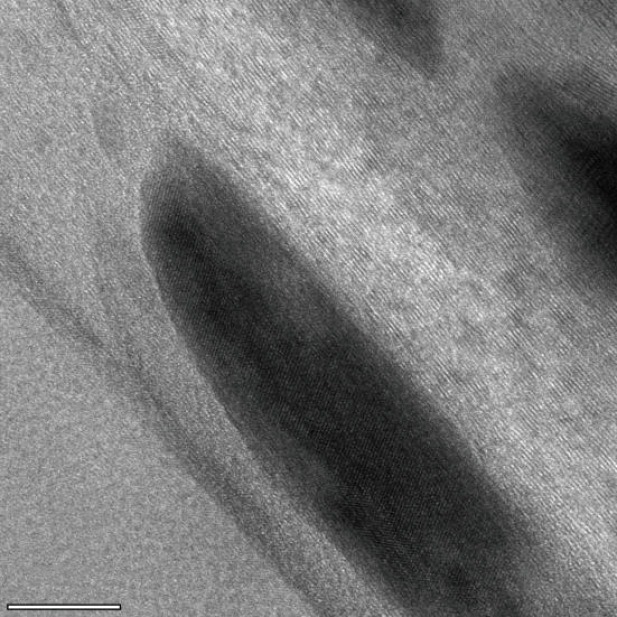
This study investigates the anisotropic thermal conductivity of aluminum matrix composites reinforced with graphene nanoplates (GNPs) and in situ ZrB2 nanoparticles, while simultaneously maintaining high strength and toughness. A discontinuous layered GNPs–ZrB2/AA6111 composite was prepared using in situ melt reactions and semi-solid stirring casting technology, combined with hot rolling deformation processing. Microstructural analysis revealed that the GNPs were aligned parallel to the rolling direction–transverse direction (RD–TD) plane, whereas the ZrB2 nanoparticles aggregated into cluster strips, collectively forming a discontinuous layered structure. This multilayer arrangement maximized the in-plane thermal conductivity of the GNPs. The tightly bonded GNP/Al interfaces with the locking of CuAl2 nanoparticles ensured that the GNPs fully exploited their high thermal conductivity. Therefore, the GNPs–ZrB2/AA6111 composite achieved high in-plane thermal conductivity (230 W/(m·K)), which is higher than that of the matrix (206 W/(m·K)). The improved in-plane thermal conductivity is primarily attributed to the exceptionally high intrinsic in-plane thermal conductivity of the GNPs and their two-dimensional layered structure. However, the composite exhibited pronounced thermal conductivity anisotropy in the in-plane and through-plane directions. The reduced through-plane thermal conductivity is predominantly caused by the intrinsically low through-plane thermal conductivity of the GNPs and the increased interfacial thermal resistance from the additional grain boundaries.
1. Introduction
The rapid development of aerospace, rail transit, electronic communication, and other fields has imposed increasingly stringent demands on the structural and functional performance of Al alloys [1–5]. This is particularly critical for liquid cooling plate materials used in battery thermal management systems in electric vehicles, which require high strength, fracture toughness, and thermal conductivity [6–8]. However, traditional aluminum alloys struggle to achieve these properties [9]. Even for aluminum matrix composites (AMCs) with a single reinforcement, the mechanical properties and functional characteristics cannot be optimized simultaneously [10–11]. Therefore, according to the designability of the composites, different types of high-quality reinforcements were compounded to prepare structural-functional integrated AMCs with high strength, toughness, and thermal conductivity.
In recent years, graphene, as a lightweight material with excellent mechanical and thermal properties, has been considered an ideal reinforcement for AMCs, which has important research value and a broad application background [12–17]. In particular, the tensile strength of graphene reaches 130 GPa, and the in-plane thermal conductivity is as high as 3000–4000 W/(m·K) [18]. Researchers have found that the strength of graphene-reinforced aluminum matrix composites has significantly improved, but their plasticity was greatly reduced, especially the elongation of graphene/aluminum matrix composites with graphene contents below 5% [19]. Hence, breaking through the contradiction of the strength–toughness inversion relationship is the key point of this research. Notably, in situ nanoparticle reinforcement has shown promise in overcoming this strength–toughness dichotomy, enabling the simultaneous enhancement of strength and ductility in AMCs [20–22]. According to our previous research, the AA6111 matrix composites synergistically reinforced with 0.3wt% graphene nanoplates (GNPs) and 0.3wt% in situ ZrB2 nanoparticles achieved a 50% increase in yield strength (349 MPa), and only a 30% compromise on ductility (13.8%), leading to a notable improvement in toughness [23]. Additionally, the strengthening–toughening mechanisms of graphene and particle-reinforced aluminum matrix composites were analyzed [24].
Graphene-reinforced copper matrix composites have demonstrated a 22% enhancement in in-plane thermal conductivity compared to pure copper [6]. This finding strongly suggests that similar improvements in thermal conductivity can be achieved in graphene-reinforced aluminum-matrix composites. Furthermore, the spatial-distribution structure design of heterogeneous, dual-phase, and nanoscale reinforcements must be carefully considered [25–28]. Owing to the special two-dimensional lamellar structure of graphene, its high tensile strength and high thermal conductivity exhibit maxima only in its two-dimensional plane [29–31]. In this study, we successfully fabricated a novel structure-function integrated aluminum matrix composite reinforced with GNPs and in situ ZrB2 nanoparticles. Moreover, this study elucidates the synergistic effects of GNPs and in-situ synthesized ZrB2 nanoparticles on the microstructural characteristics of aluminum matrix composites, correlating its morphological features with anisotropic thermal conductivity properties. A thermal conductivity model of two-phase nanoparticles was established. This provides an important scientific ref
Loading authentic research manuscript (Pages 1–5)...
Chuang Guan, Xizhou Kai, Wei Qian, Ran Tao, Gang Chen, Yutao Zhao (2025). Anisotropic thermal conductivity of aluminum matrix composites reinforced by graphene nanoplates and ZrB2 nanoparticles. Journal of Mineral Metallurgy and Materials Science. https://doi.org/10.1007/s12613-025-3156-0
Research & Educational Purpose Only:The translations, structured abstracts, analytical annotations, and data reports provided by SinoTechIntel are intended exclusively for academic research, internal corporate R&D, and educational benchmarking. They do not constitute formal engineering, chemical safety, legal, or professional advice.
Copyright & Intellectual Property Notice: Original copyright of the underlying source articles and experimental data remains with the respective authors, institutions, and original publishing journals. SinoTechIntel claims intellectual property only over its proprietary translations, analytical syntheses, and AEO structured enhancements in accordance with international fair use and academic citation principles.
Frequently Asked Questions
What is the main achievement of this study?
The study successfully fabricated a GNPs–ZrB2/AA6111 composite with high in-plane thermal conductivity (230 W/(m·K)), surpassing the matrix value (206 W/(m·K)), while maintaining high strength and toughness.
Why does the composite exhibit anisotropic thermal conductivity?
The anisotropy is due to the alignment of graphene nanoplates in the rolling direction–transverse plane and the intrinsically low through-plane thermal conductivity of GNPs, along with increased interfacial thermal resistance from additional grain boundaries.
How were the graphene nanoplates aligned in the composite?
Through hot rolling deformation processing, the GNPs were aligned parallel to the rolling direction–transverse direction (RD–TD) plane, forming a discontinuous layered structure with ZrB2 cluster strips.
What role did ZrB2 nanoparticles play in the composite?
ZrB2 nanoparticles aggregated into cluster strips, contributing to the discontinuous layered structure and enabling simultaneous enhancement of strength and ductility, overcoming the strength–toughness trade-off.
What is the significance of the thermal conductivity model developed?
The model for two-phase nanoparticle-reinforced composites provides a predictive tool for designing aluminum matrix composites with tailored anisotropic thermal conductivity for thermal management applications.
Related Technical Papers & Translations
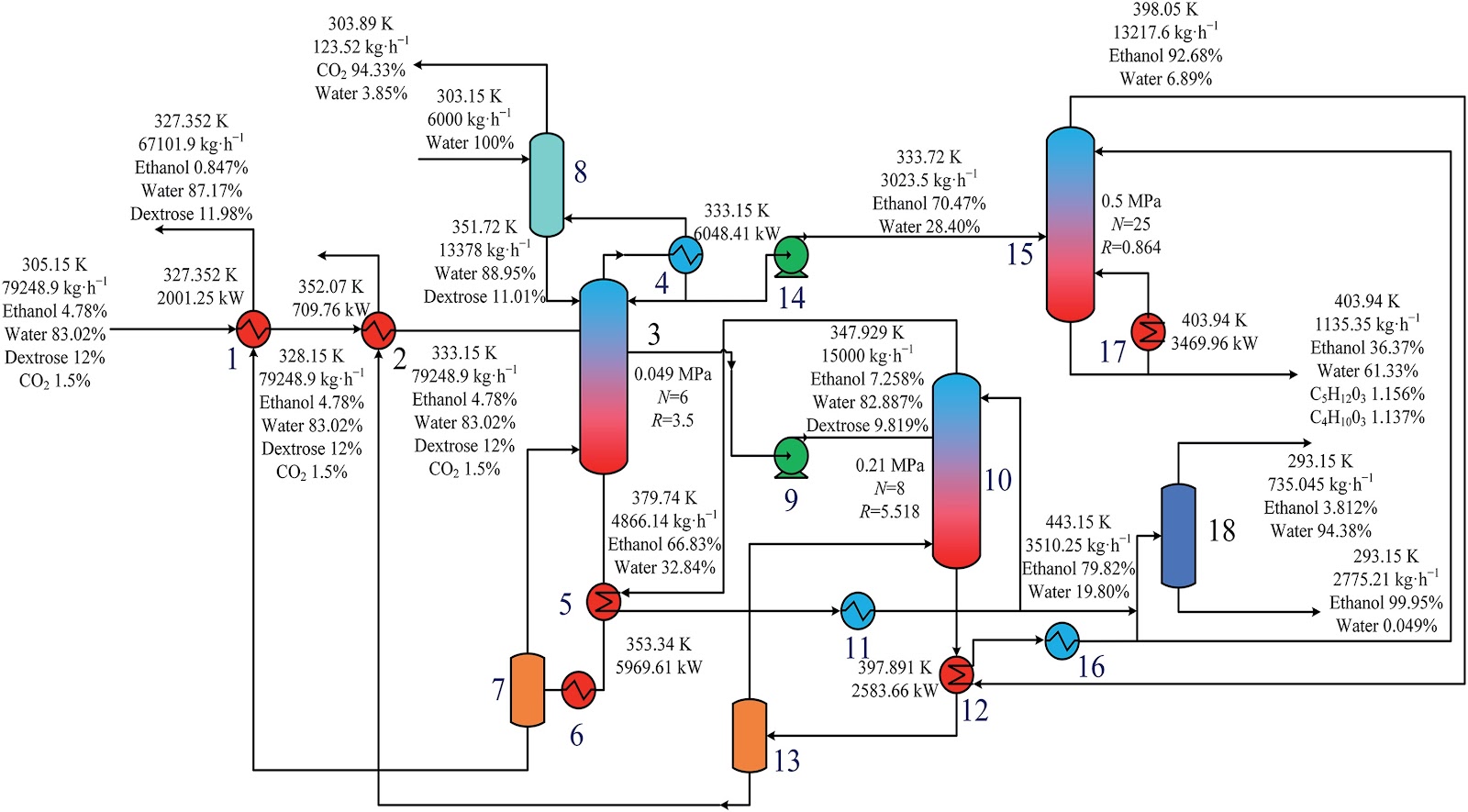
Design and optimization of a high-efficiency distillation process for cellulosic fuel ethanol integrated with thermal coupling and molecular sieve adsorption
To address the challenges of high energy consumption and prominent costs in the traditional three-columns distillation process for cellulosic fuel ethanol, a distillation—molecular sieve coupling separation process is proposed. This process integrates a three-column (crude distillation column, first distillation column, second distillation column) system with a 3A molecular sieve adsorption deep dehydration unit. A thermal coupling network is constructed via differential pressure design (steam from medium/high-pressure columns as mutual heat sources, reboiler liquid waste heat for feed preheating), and molecular sieve adsorption conditions are optimized. The study first performs a thermodynamic consistency test on the ethanol—water system, determines optimal non-random two-liquid (NRTL) model binary interaction parameters via experimental data regression for Aspen Plus simulation. Aiming at minimum total annual cost (TAC), Aspen Plus is used to optimize process parameters (theoretical tray number, feed location, reflux ratio, side-draw position, etc.). Economic analysis shows this process reduces CO2 emission costs by 27.56%, TAC by 15.58% (to 5.123 × 10⁶ USD·a-1), and increases ethanol purity to >99.6%, providing an effective solution for green, efficient separation.
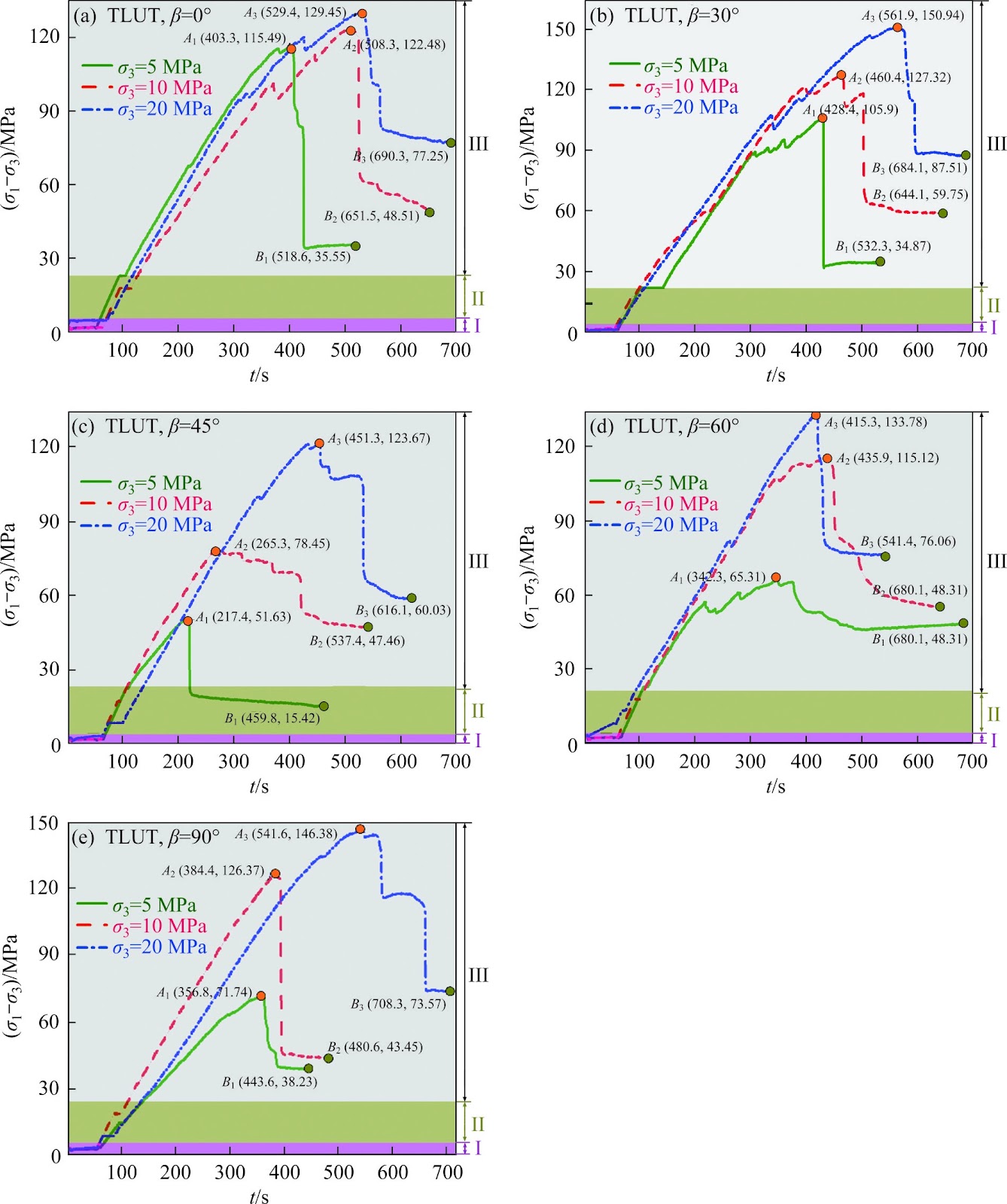
A cohesion loss model for determining residual strength of deep bedded sandstone
Rock residual strength, as an important input parameter, plays an indispensable role in proposing the reasonable and scientific scheme about stope design, underground tunnel excavation and stability evaluation of deep chambers. Therefore, previous residual strength models of rocks established were reviewed. And corresponding related problems were stated. Subsequently, starting from the effects of bedding and whole life-cycle evolution process, series of triaxial mechanical tests of deep bedded s
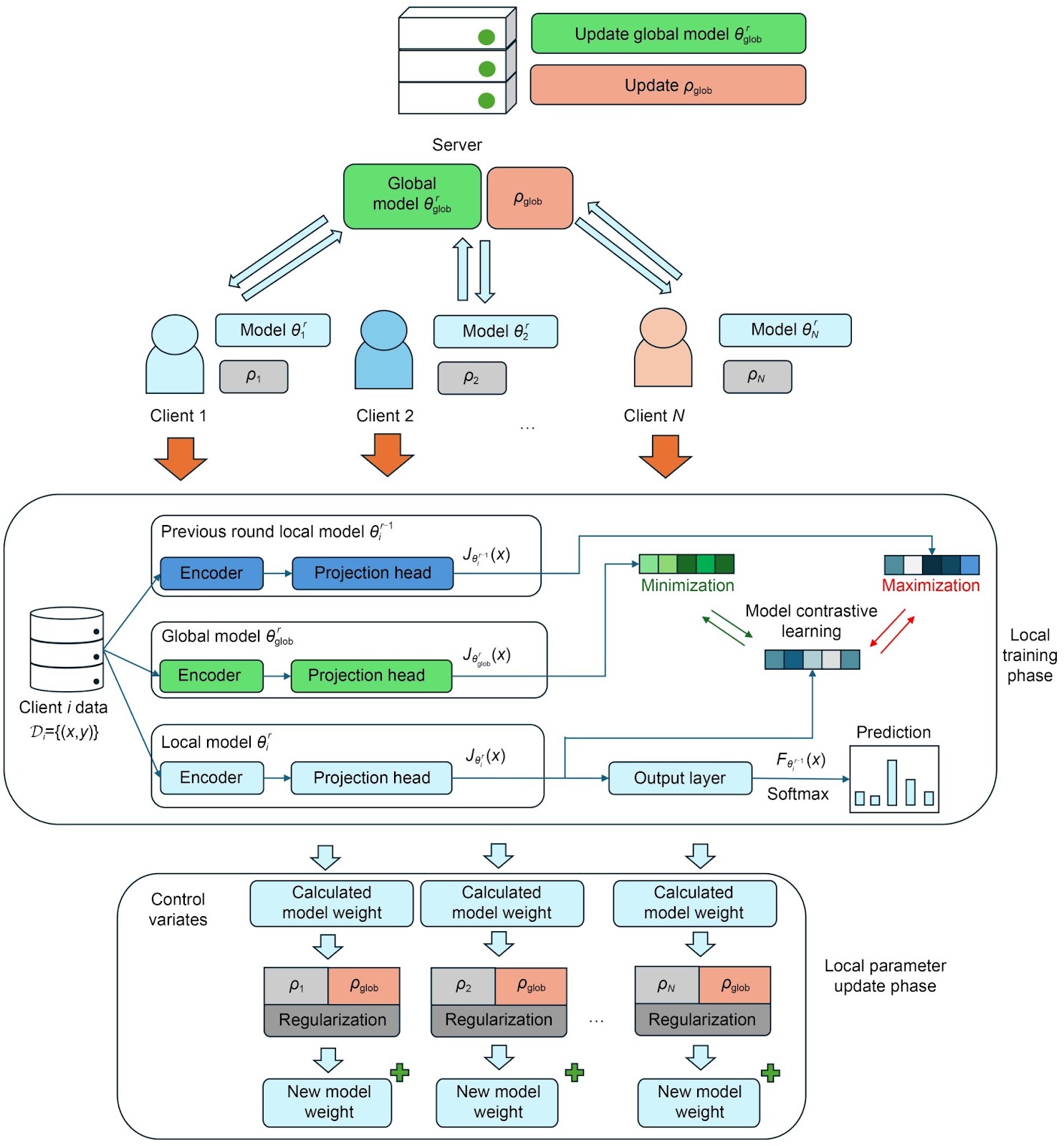
Federated model with contrastive learning and adaptive control variates for human activity recognition
Recent attention to privacy issues demands a communication-safe method for training human activity recognition (HAR) models on client activity data. Federated learning (FL) has become a compelling technique to facilitate model training between the server and clients while preserving data privacy. However, classical FL methods often assume independent and identically distributed (IID) data among clients. This assumption does not hold true in practical scenarios. Human activity in real-world scena