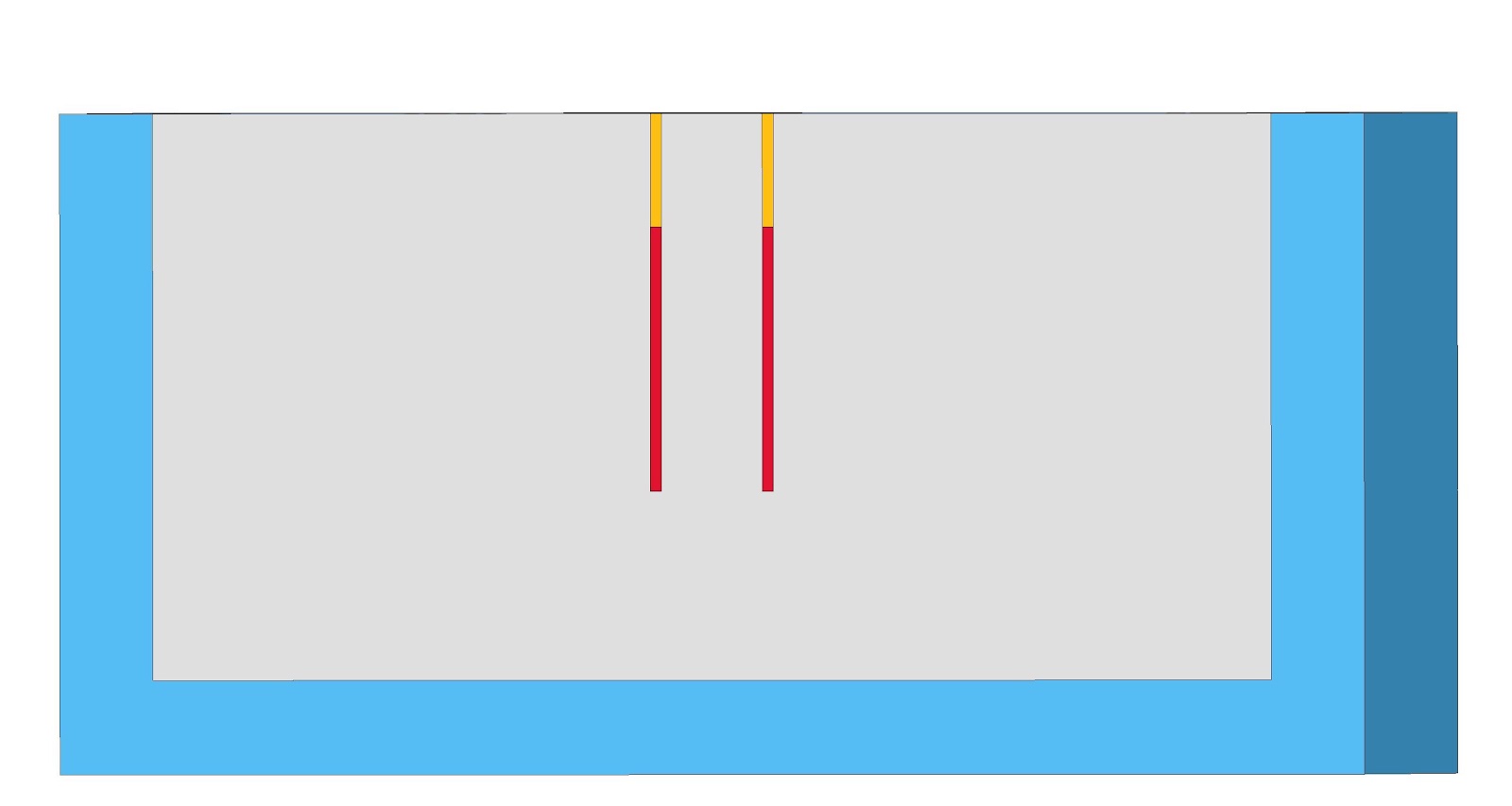
Key Takeaways & Executive Findings
- •• Single-hole dispersed charge creates a cavity and a new free surface, enhancing deep-hole blasting impact over stress wave superposition alone. • Dual-hole continuous-charge detonation is challenging, whereas short-delay detonation effectively exploits stress wave superposition and prolongs explosive gas action. • The cavities formed by dispersed charges can be strategically used to improve the efficiency of dual-hole composite charge blasting. • Numerical models validated by engineering experiments demonstrate that optimized delay times significantly improve blasting outcomes in single free-face rock masses.
Abstract
In order to improve excavation efficiency, we considered coal mine rock roadway blasting excavation as a background to examine the influence of delay time on the blasting effect of different charging structures under single free-surface conditions. Single-pore dispersed-charge models, dual-pore continuous-charge models, and dual-pore composite charge models were established. Their respective explosive rock-breaking mechanisms were explained using different models. These three numerical models were used to analyze the influence of delay time changes on the pressure and velocity of the measurement points near boreholes. The models were used to evaluate the blasting effects by determining the number of free-surface rocks. Engineering experiments were conducted to validate the numerical findings. The results showed that a single-hole dispersed charge creates a cavity and a new free surface, which increases the impact of deep-hole blasting compared to stress wave superposition. Dual-hole continuous-charge detonation is difficult, and short-delay detonation can effectively use stress wave superposition and prolong the action time of the explosive gas. The cavities created by the dispersed charges can be used to increase the efficiency of dual-hole composite charge blasting.
1. Introduction
Explosive fragmentation is widely used as an energy source in mining engineering and tunnel excavation. Currently, this is the primary method for rock fragmentation. With societal development and technological advances, evaluating engineering practices has shifted from a single production volume indicator to a multidimensional assessment of environmental protection, safety, and efficiency. Issues such as vibrations, rock damage, and toxic and harmful gas emissions during blasting operations have become key focuses [1–5]. In this context, research has been conducted on improving the use of explosive energy during the blasting process to reduce negative explosion effects. Among the numerous complex blasting parameters, the initiation delay times of different explosives and boreholes are the most used and are often overlooked.
In underground mine blasting, cut blasting is typically used to create a cavity during the excavation process, given the large working section and limited free surfaces [6]. Traditional shallow-hole blasting uses several sets of cutting holes that are continuously charged and blasted simultaneously. This results in a larger blasting cavity. This traditional method cannot fully reflect the impact of delay time. This is because it is limited by the unadjustable delay time of ordinary electric detonators and cannot achieve a precise delay. For blasting operations in Chinese tunnels, the delay time of excavation blasting cannot exceed 130 ms, and usually, only five stages of delay detonators can be selected. This resulted in no extra delay time remaining for slot hole allocation. With the increase in electronic detonators [7–8], cut blasting can achieve dispersed charging and implement delayed blasting, substantially improving the efficiency of cutting and excavation.
Loading authentic research manuscript (Pages 1–5)...
Chengxiao Li, Renshu Yang, Jinjing Zuo, Ye Zhu, Ping Xie (2025). Influence of delay time on the blasting effect of multiple charging forms in single free-face rock masses. Journal of Mineral Metallurgy and Materials Science. https://doi.org/10.1007/s12613-025-3228-1
Research & Educational Purpose Only:The translations, structured abstracts, analytical annotations, and data reports provided by SinoTechIntel are intended exclusively for academic research, internal corporate R&D, and educational benchmarking. They do not constitute formal engineering, chemical safety, legal, or professional advice.
Copyright & Intellectual Property Notice: Original copyright of the underlying source articles and experimental data remains with the respective authors, institutions, and original publishing journals. SinoTechIntel claims intellectual property only over its proprietary translations, analytical syntheses, and AEO structured enhancements in accordance with international fair use and academic citation principles.
Frequently Asked Questions
What is the effect of delay time on blasting in single free-face rock masses?
The study demonstrates that delay time significantly influences blasting outcomes. A single-hole dispersed charge with appropriate delay creates a cavity and a new free surface, improving deep-hole blasting impact. For dual-hole continuous charges, short-delay detonation enhances stress wave superposition and prolongs explosive gas action, leading to better fragmentation.
How do different charging forms influence blasting efficiency?
Different charging forms—dispersed, continuous, and composite—exhibit distinct rock-breaking mechanisms. Dispersed charging creates cavities that act as additional free surfaces, improving efficiency. Continuous charging relies on stress wave superposition, while composite charging leverages the cavities from dispersed charges to further enhance fragmentation.
What are the advantages of dispersed charge in rock blasting?
Dispersed charging with delay blasting creates a cavity and new free surface, which increases the impact of deep-hole blasting compared to stress wave superposition alone. This approach also improves the efficiency of dual-hole composite charge blasting by utilizing the created cavities.
How was the study validated?
The numerical models were validated through engineering experiments in coal mine rock roadway blasting. The experimental results corroborated the numerical findings, confirming that optimized delay times and composite charge designs improve blasting performance under single free-face conditions.
What is the significance of this research for underground mining?
This research provides practical insights for optimizing delay times and charging structures in underground mine blasting, potentially improving excavation efficiency, reducing costs, and enhancing safety by minimizing vibration and rock damage while maximizing rock fragmentation.
Related Technical Papers & Translations
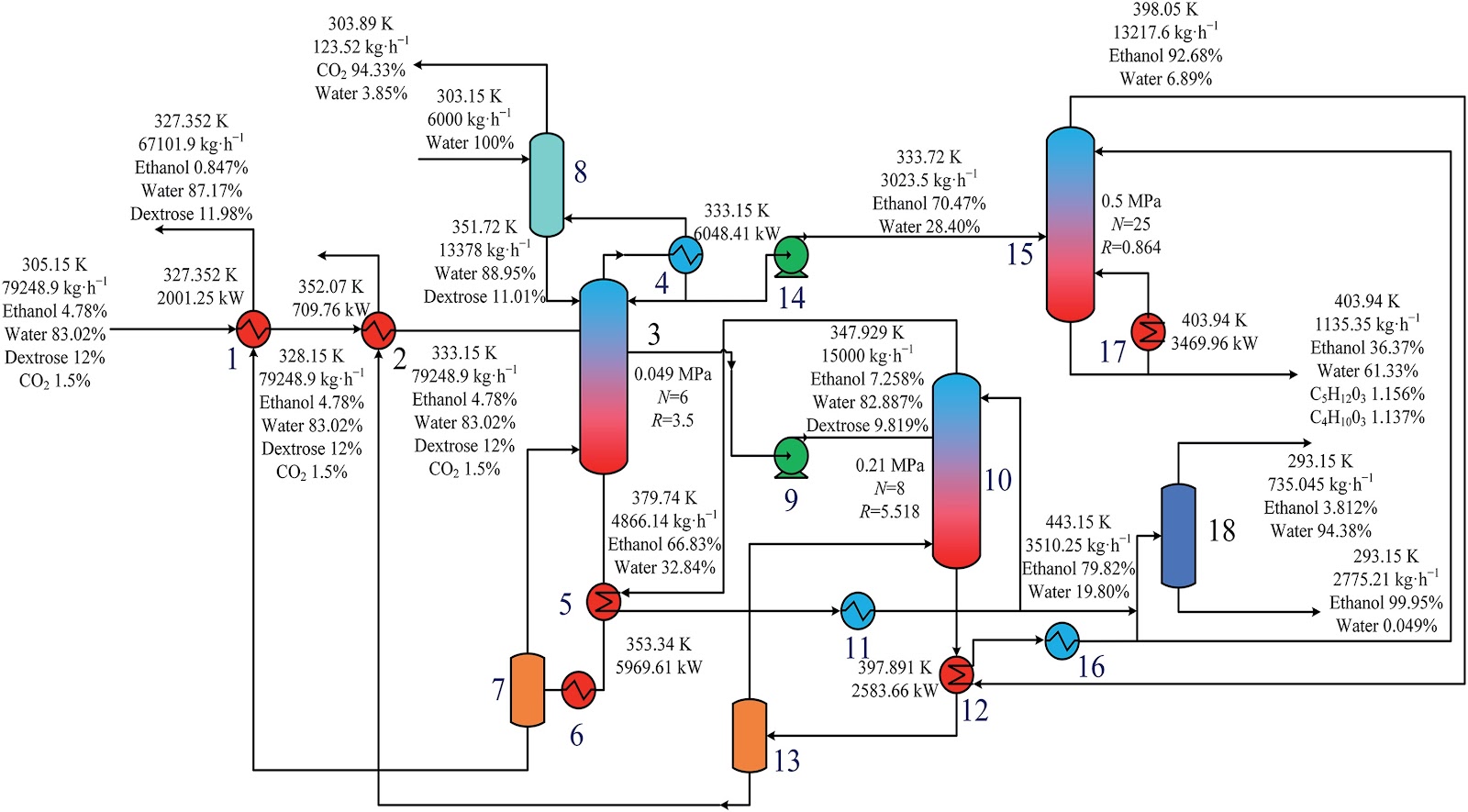
Design and optimization of a high-efficiency distillation process for cellulosic fuel ethanol integrated with thermal coupling and molecular sieve adsorption
To address the challenges of high energy consumption and prominent costs in the traditional three-columns distillation process for cellulosic fuel ethanol, a distillation—molecular sieve coupling separation process is proposed. This process integrates a three-column (crude distillation column, first distillation column, second distillation column) system with a 3A molecular sieve adsorption deep dehydration unit. A thermal coupling network is constructed via differential pressure design (steam from medium/high-pressure columns as mutual heat sources, reboiler liquid waste heat for feed preheating), and molecular sieve adsorption conditions are optimized. The study first performs a thermodynamic consistency test on the ethanol—water system, determines optimal non-random two-liquid (NRTL) model binary interaction parameters via experimental data regression for Aspen Plus simulation. Aiming at minimum total annual cost (TAC), Aspen Plus is used to optimize process parameters (theoretical tray number, feed location, reflux ratio, side-draw position, etc.). Economic analysis shows this process reduces CO2 emission costs by 27.56%, TAC by 15.58% (to 5.123 × 10⁶ USD·a-1), and increases ethanol purity to >99.6%, providing an effective solution for green, efficient separation.
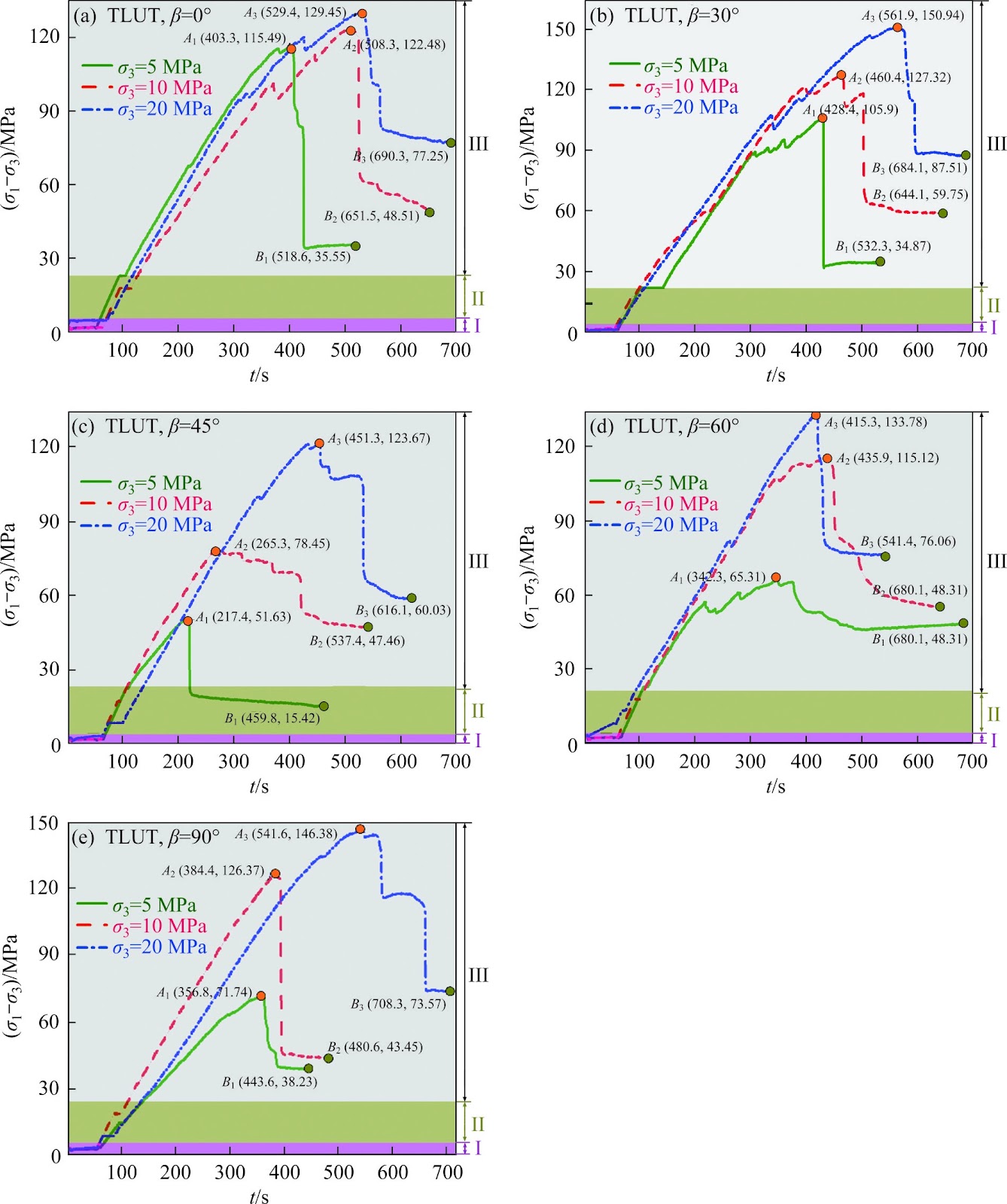
A cohesion loss model for determining residual strength of deep bedded sandstone
Rock residual strength, as an important input parameter, plays an indispensable role in proposing the reasonable and scientific scheme about stope design, underground tunnel excavation and stability evaluation of deep chambers. Therefore, previous residual strength models of rocks established were reviewed. And corresponding related problems were stated. Subsequently, starting from the effects of bedding and whole life-cycle evolution process, series of triaxial mechanical tests of deep bedded s
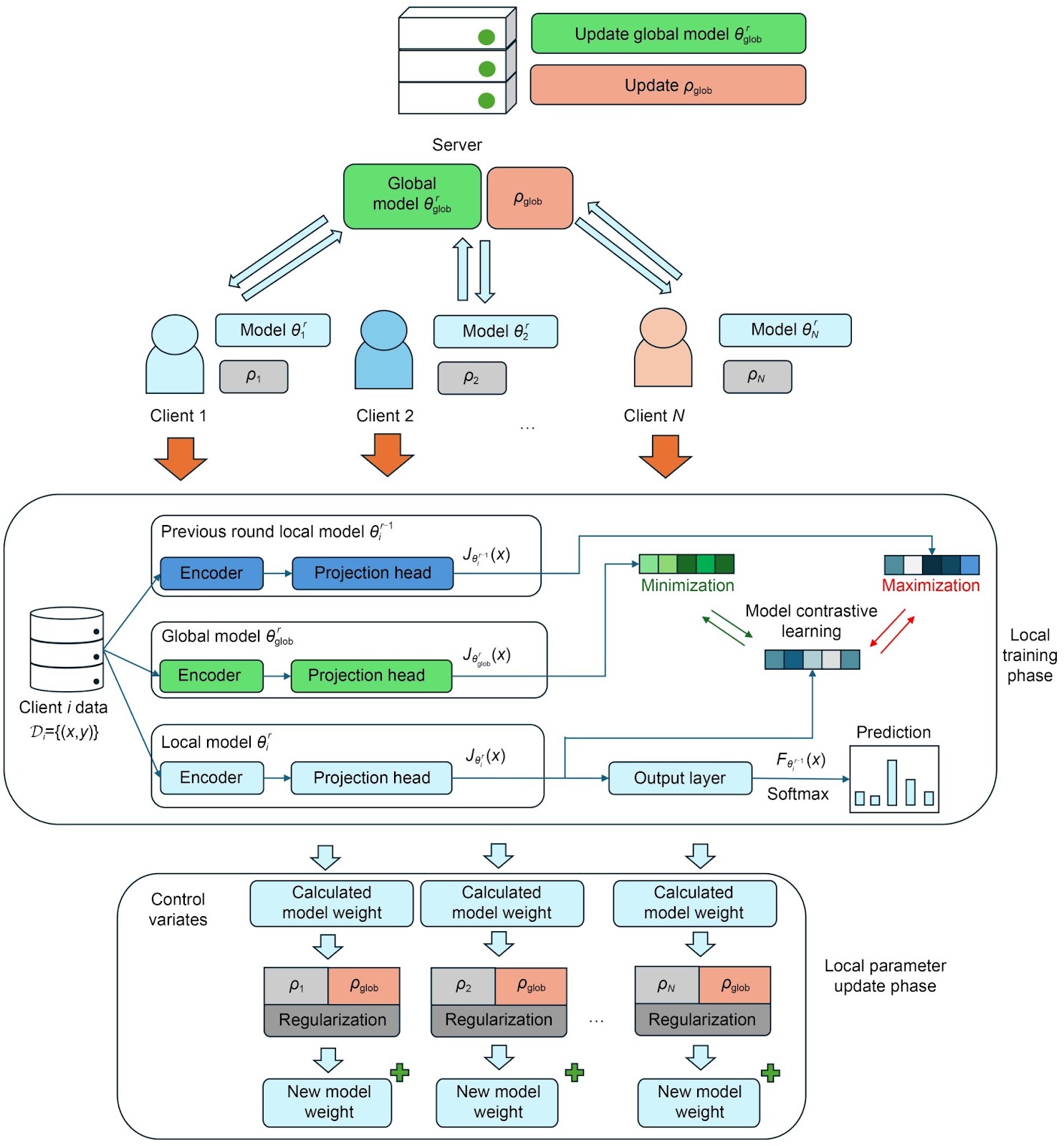
Federated model with contrastive learning and adaptive control variates for human activity recognition
Recent attention to privacy issues demands a communication-safe method for training human activity recognition (HAR) models on client activity data. Federated learning (FL) has become a compelling technique to facilitate model training between the server and clients while preserving data privacy. However, classical FL methods often assume independent and identically distributed (IID) data among clients. This assumption does not hold true in practical scenarios. Human activity in real-world scena