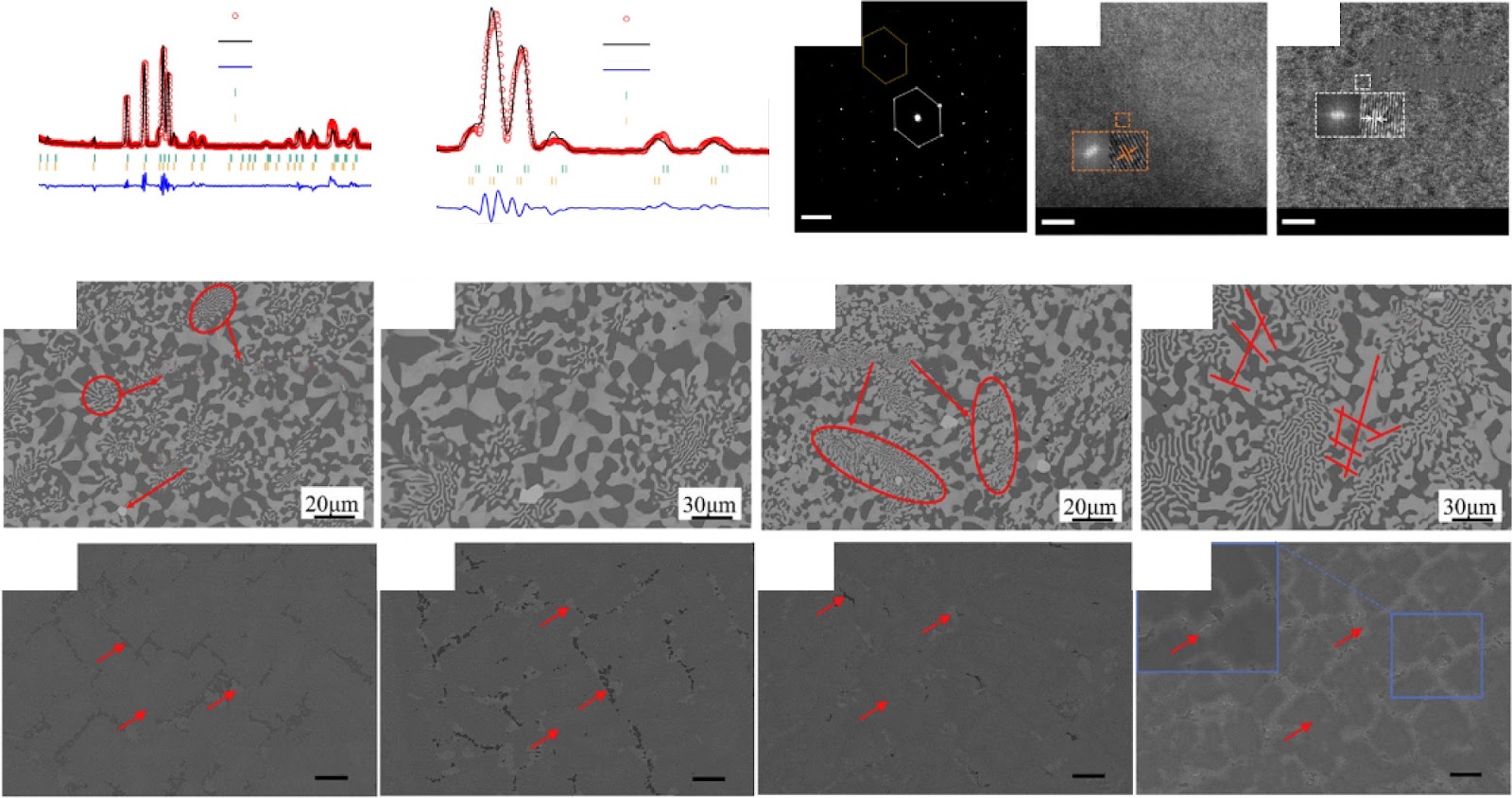
Key Takeaways & Executive Findings
- •• High-entropy intermetallics (HEIs) exhibit exceptional reversible hydrogen absorption/desorption at room temperature with no activation requirement and remarkable cycling stability. • Phase boundaries, multiphase synergy, and networked/eutectic microstructures critically enhance activation performance and hydrogen diffusion kinetics in HEIs. • Current HEIs achieve approximately 1 H/M hydrogen storage capacity, lower than BCC-structured HEAs, but suitable for moderate-capacity mobile hydrogen storage applications. • Alloy design using valence electron concentration, atomic size mismatch, and CALPHAD thermodynamic calculations guides the development of next-generation high-performance hydrogen storage materials.
Abstract
Intermetallic compounds (IMCs) are considered desirable materials for hydrogen storage. However, traditional hydrogen-storage IMCs have many shortcomings. High-entropy alloys (HEAs), which are composed of multiple metallic elements, exhibit significant lattice distortion and large interstitial sites, making them a promising class of hydrogen storage materials. Among the HEAs used for hydrogen storage, high-entropy intermetallics (HEIs) have shown great potential for hydrogen absorption kinetics and cycling stability, particularly for room-temperature hydrogen storage. This review systematically summarizes research progress on HEIs for hydrogen storage. It first presents a statistical analysis of composition design methods for these alloys, including empirical criteria based on parameters such as valence electron concentration and atomic size mismatch, as well as thermodynamic calculations such as the calculated phase diagram (CALPHAD) method. It then summarizes the characteristics and hydrogen storage performance of the reported alloys, with a detailed discussion of their phase compositions, microstructures, and the corresponding effects on hydrogen storage properties. Particular emphasis is placed on the critical roles of phase boundaries, multiphase synergy, and specific microstructural features (e.g., networked/eutectic morphologies) in enhancing activation performance and improving hydrogen diffusion kinetics. Although the current hydrogen storage capacity of HEIs (approximately 1 H/M (hydrogen-to-metal atomic ratio)) remains lower than that of body-centered cubic (BCC)-structured HEAs, their exceptional reversible hydrogen absorption/desorption capability at room temperature, lack of activation requirements, and remarkable cycling stability make them highly promising for applications in which a moderate capacity is sufficient, such as mobile hydrogen storage. This review provides a systematic summary of research progress on HEIs for hydrogen storage, focusing on the effects of alloy design strategies, phase composition, and microstructural regulation on hydrogen storage properties. The primary challenge currently facing HEIs is their relatively low hydrogen storage capacity. Accordingly, this paper outlines future development directions to address this issue. This review provides a theoretical basis and guidance for the development of next-generation high-performance hydrogen storage materials.
1. Introduction
Solid-state hydrogen storage is considered the most promising technology in the field of hydrogen storage because of its high safety and high hydrogen storage density, achieved by storing hydrogen within materials. Solid-state hydrogen storage can be realized either physically or chemically, depending on how the storage medium interacts with hydrogen. Physical methods primarily rely on the adsorption of hydrogen onto the surfaces of various carbon-based materials, including activated carbon, carbon nanotubes, and carbon fibers [1–2]. However, their low hydrogen storage capacity at ambient temperature and pressure (<2wt% (mass capacity, the mass ratio of absorbed hydrogen molecules to the initial alloy matrix)) hinders their application in solid-state hydrogen storage systems. In chemical methods, diverse hydrogen storage materials can reversibly interact with hydrogen to form hydrides [3–5]. Owing to the advantages of chemical reactions in terms of hydrogen storage density and cycling performance, research has mainly focused on chemical hydrogen storage methods.
Chemical solid-state hydrogen storage materials can be classified into complex hydrides [6] (e.g., Na(AlH4)4, Li(BH4)4, Mg(NH2)2-LiH, and NH3BH3), liquid organic hydrides [7] (e.g., monocyclic aromatic hydrocarbons, benzene, and toluene), and metallic materials [8]. Among the aforementioned hydrogen storage materials, metallic materials are among the most promising hydrogen carriers owing to their favorable cost, high safety, and high volumetric energy density [9]. In general, metallic materials used for hydrogen storage are composed of metal elements with negative binding energies for hydrogen (A-type elements) and those with positive binding energies for hydrogen (B-type elements). At present, the main types of hydrogen storage alloys include Mg-based (A2B-type), Ti-based (AB-type), V-based (body-centered cubic), rare-earth-based (AB5-type), and Zr-based (AB2-type) alloys, distinguished by their alloy compositions and elemental ratios [8,10–14]. Because of the moderate conditions required for hydrogen absorption and release, metallic compounds such as LaNi5 and TiFe have been used to some extent [15]. However, further improvement of the hydrogen storage performance of these traditional metallic materials remains highly challenging.
Loading authentic research manuscript (Pages 1–5)...
Xichen Zhang, Yixiong Hu, Weidong Zhang, Qiong Yang, Fei Peng, Qun Luo, and Zhenggang Wu (2025). A focused mini-review on high-entropy intermetallics for hydrogen storage. Journal of Mineral Metallurgy and Materials Science. https://doi.org/10.1007/s12613-026-3455-0
Research & Educational Purpose Only:The translations, structured abstracts, analytical annotations, and data reports provided by SinoTechIntel are intended exclusively for academic research, internal corporate R&D, and educational benchmarking. They do not constitute formal engineering, chemical safety, legal, or professional advice.
Copyright & Intellectual Property Notice: Original copyright of the underlying source articles and experimental data remains with the respective authors, institutions, and original publishing journals. SinoTechIntel claims intellectual property only over its proprietary translations, analytical syntheses, and AEO structured enhancements in accordance with international fair use and academic citation principles.
Frequently Asked Questions
What are high-entropy intermetallics (HEIs) for hydrogen storage?
High-entropy intermetallics (HEIs) are a class of high-entropy alloys composed of multiple metallic elements. They exhibit significant lattice distortion and large interstitial sites, showing great potential for hydrogen absorption kinetics and cycling stability, particularly for room-temperature hydrogen storage.
Why are high-entropy intermetallics considered promising hydrogen storage materials?
HEIs demonstrate exceptional reversible hydrogen absorption/desorption capability at room temperature, no activation requirements, and remarkable cycling stability. Their phase boundaries, multiphase synergy, and microstructural features such as networked/eutectic morphologies enhance activation performance and hydrogen diffusion kinetics.
How does the hydrogen storage capacity of HEIs compare with that of BCC-structured HEAs?
The current hydrogen storage capacity of HEIs is approximately 1 H/M (hydrogen-to-metal atomic ratio), which is lower than that of body-centered cubic (BCC)-structured high-entropy alloys. However, HEIs are suitable for applications where moderate capacity is sufficient, such as mobile hydrogen storage.
What methods are used to design high-entropy intermetallics for hydrogen storage?
Composition design methods include empirical criteria based on parameters such as valence electron concentration and atomic size mismatch, as well as thermodynamic calculations such as the calculated phase diagram (CALPHAD) method. These approaches guide the development of next-generation high-performance hydrogen storage materials.
What is the primary challenge currently facing high-entropy intermetallics in hydrogen storage?
The primary challenge is their relatively low hydrogen storage capacity compared with other high-entropy alloys. Future development directions are outlined in the review to address this limitation while preserving their excellent reversibility and cycling stability.
Related Technical Papers & Translations
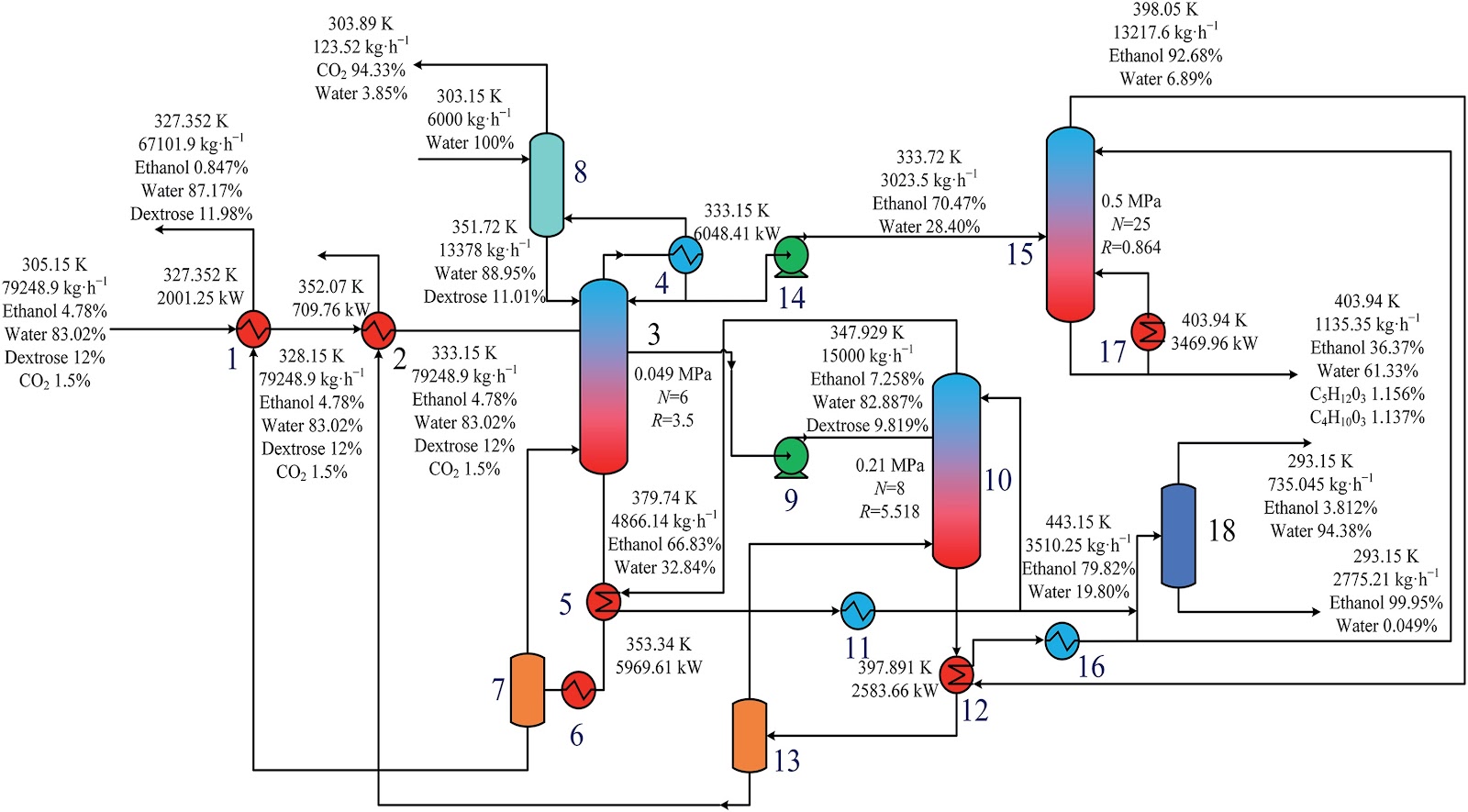
Design and optimization of a high-efficiency distillation process for cellulosic fuel ethanol integrated with thermal coupling and molecular sieve adsorption
To address the challenges of high energy consumption and prominent costs in the traditional three-columns distillation process for cellulosic fuel ethanol, a distillation—molecular sieve coupling separation process is proposed. This process integrates a three-column (crude distillation column, first distillation column, second distillation column) system with a 3A molecular sieve adsorption deep dehydration unit. A thermal coupling network is constructed via differential pressure design (steam from medium/high-pressure columns as mutual heat sources, reboiler liquid waste heat for feed preheating), and molecular sieve adsorption conditions are optimized. The study first performs a thermodynamic consistency test on the ethanol—water system, determines optimal non-random two-liquid (NRTL) model binary interaction parameters via experimental data regression for Aspen Plus simulation. Aiming at minimum total annual cost (TAC), Aspen Plus is used to optimize process parameters (theoretical tray number, feed location, reflux ratio, side-draw position, etc.). Economic analysis shows this process reduces CO2 emission costs by 27.56%, TAC by 15.58% (to 5.123 × 10⁶ USD·a-1), and increases ethanol purity to >99.6%, providing an effective solution for green, efficient separation.
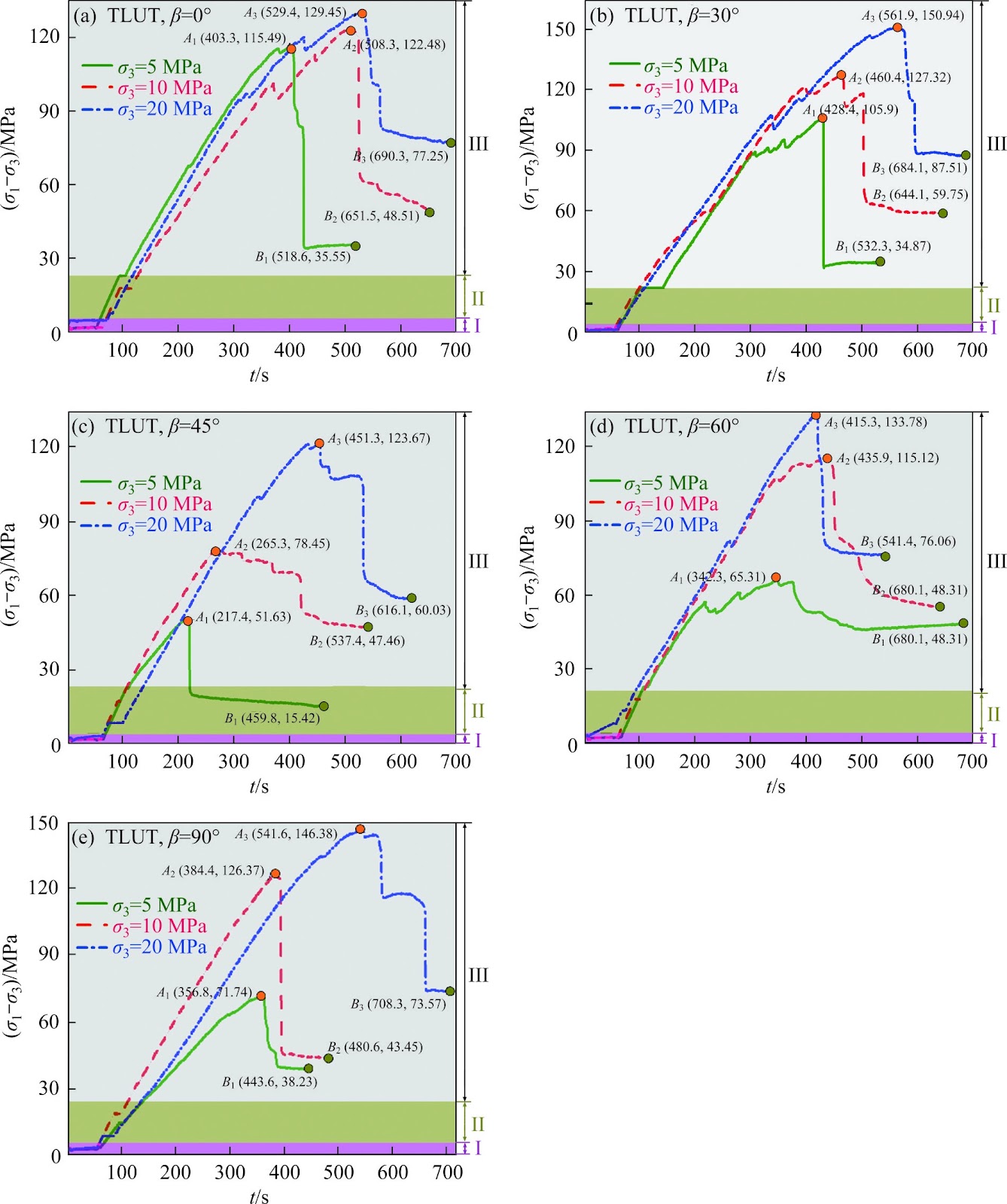
A cohesion loss model for determining residual strength of deep bedded sandstone
Rock residual strength, as an important input parameter, plays an indispensable role in proposing the reasonable and scientific scheme about stope design, underground tunnel excavation and stability evaluation of deep chambers. Therefore, previous residual strength models of rocks established were reviewed. And corresponding related problems were stated. Subsequently, starting from the effects of bedding and whole life-cycle evolution process, series of triaxial mechanical tests of deep bedded s
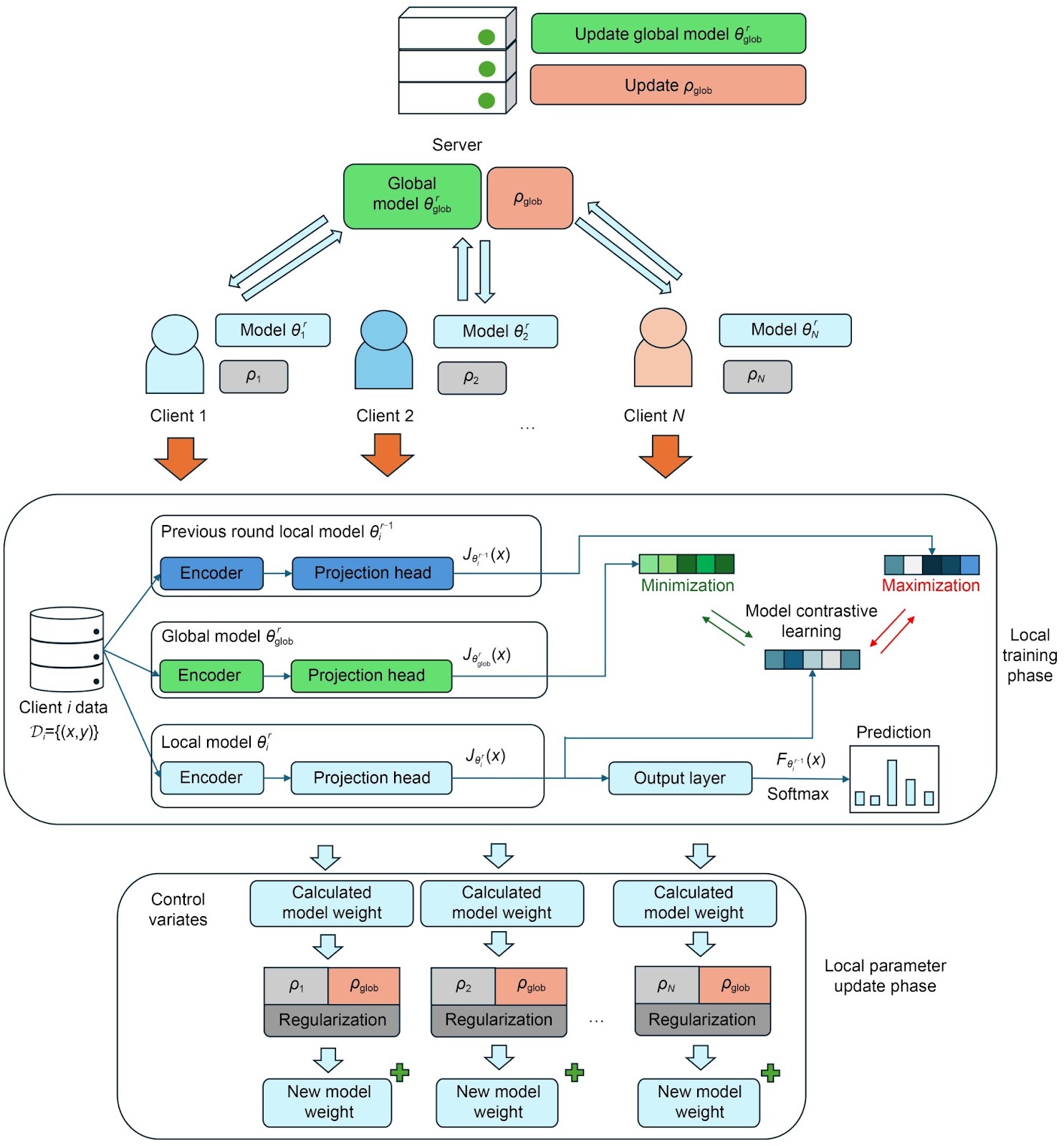
Federated model with contrastive learning and adaptive control variates for human activity recognition
Recent attention to privacy issues demands a communication-safe method for training human activity recognition (HAR) models on client activity data. Federated learning (FL) has become a compelling technique to facilitate model training between the server and clients while preserving data privacy. However, classical FL methods often assume independent and identically distributed (IID) data among clients. This assumption does not hold true in practical scenarios. Human activity in real-world scena