Key Takeaways & Executive Findings
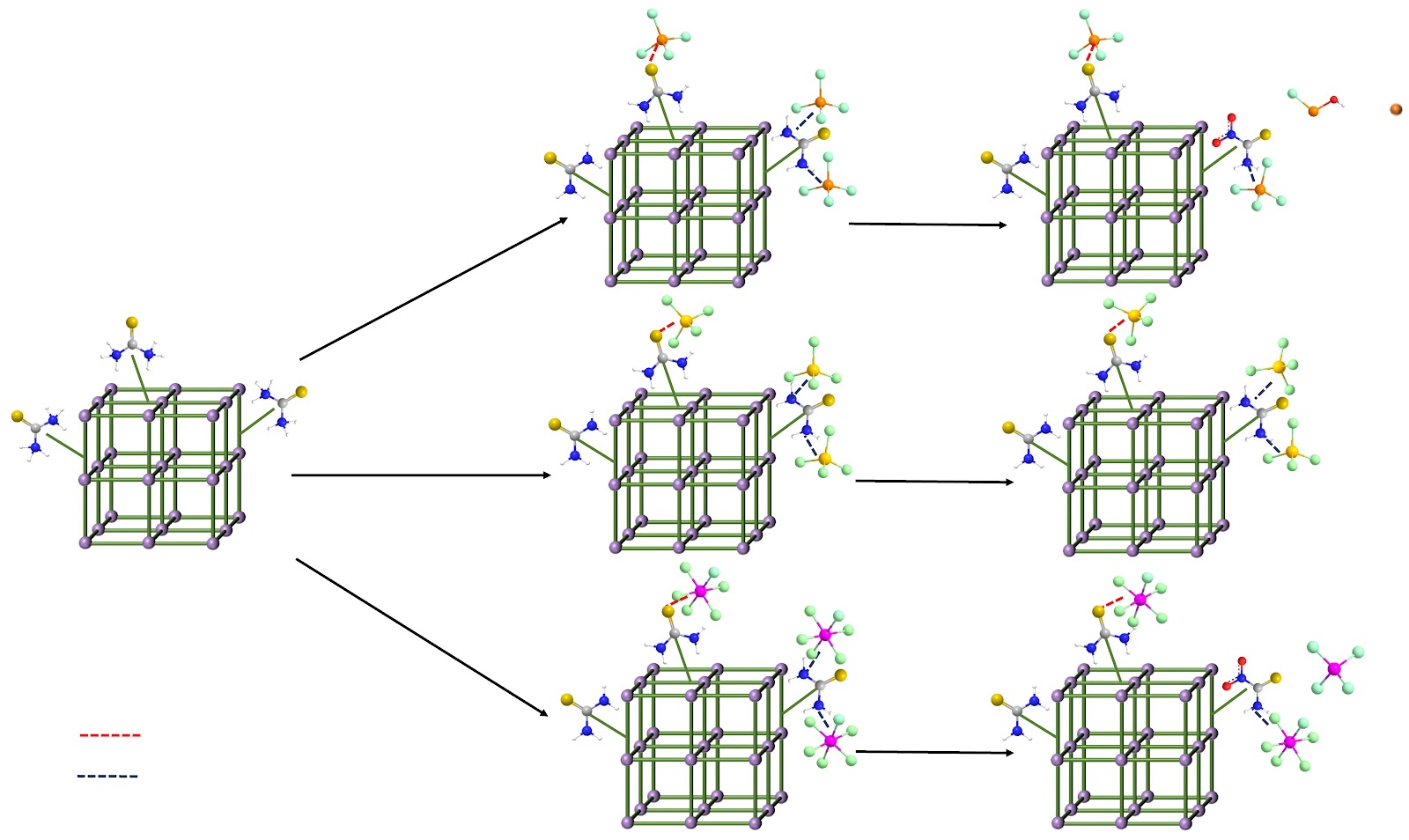
- •• MIL-101(Cr)-Tu achieved ultrahigh adsorption capacities of 1230.83 mg·g−1 for Au(III), 330.41 mg·g−1 for Pd(II), and 315.58 mg·g−1 for Pt(IV) at 298 K. • Adsorption kinetics and isotherms follow the pseudo-second-order and Langmuir models, confirming monolayer chemisorption. • Coordination and electrostatic attraction drive noble metal uptake, with soft–soft interactions between thiourea groups and metal ions; Au(III) and Pt(IV) undergo reduction, while Pd(II) does not. • The adsorbent shows strong selectivity and excellent reusability, making it a promising candidate for recovering noble metals from secondary resources.
Abstract
The development of effective adsorbents is crucial for the sustainable recovery of noble metals from secondary resources. In this study, MIL-101(Cr)-Tu, a Cr-based metal‒organic framework (MOF) modified with thiourea, was successfully prepared by double-phase encapsulation followed by post-synthetic modification. At 298 K, the largest adsorption capacities of Au(III), Pd(II), and Pt(IV) by MIL-101(Cr)-Tu were (1230.83 ± 8.72), (330.41 ± 7.29), and (315.58 ± 13.67) mg·g−1, respectively. The uptakes of Au(III), Pd(II), and Pt(IV) increased with temperature. The adsorption data fit well to both the Langmuir and pseudo-second-order kinetic models, indicating that the adsorption process conformed to monolayer adsorption and chemisorption. Mechanistic analysis revealed that the amino and thiourea groups facilitated the adsorption of noble metals through coordination and electrostatic attraction. Notably, Au(III), Pd(II), and Pt(IV) interacted strongly with the thiourea groups owing to their “soft–soft” interactions. Moreover, Au(III) was reduced to Au(I) and Au(0), Pt(IV) was reduced to Pt(II), and the amino groups were oxidized to NO2. The adsorption of Pd(II) did not involve redox reactions. Additionally, MIL-101(Cr)-Tu exhibited strong selectivity for noble metals and excellent reusability, demonstrating its great potential for the extraction of noble metals from secondary resources.
1. Introduction
Noble metals possess unique physical and chemical properties, including high chemical stability, excellent electrical and thermal conductivities, high ductility, and corrosion resistance, making them widely used in the production of currency, jewelry, catalysts, and electronics [1–3]. However, noble metals are nonrenewable resources, and their supply cannot meet the increasing demand, leading to global shortages. Moreover, advancements in technology and improvements in living standards have generated significant quantities of electronic waste (e-waste), including cell phones and computers. The concentration of noble metals in e-waste often surpasses that in natural ores. By 2016, e-waste contains over 6800 t of gold, accounting for 16% of the global reserves [4]. Unfortunately, only approximately 20% of e-waste is effectively recycled, with the majority remaining in landfills, resulting in a waste of resources and a significant threat to the ecosystem and human health. Therefore, the extraction of noble metals from e-waste is essential for ensuring a sustainable source of these vital resources and for environmental protection.
Hydrometallurgy is widely used to recover noble metals from e-waste. This process involves the dissolution of disassembled and crushed e-waste in strong acids [5] to form acid-stable complex anions, such as AuCl4−, PdCl42−, and PtCl62−. These metal ions are concentrated and recovered using various physical and chemical techniques, such as ion exchange [6], membrane separation [7], solvent extraction [8], and adsorption [9]. Adsorption is widely recognized as an efficient and environmentally benign method to recover noble metals, owing to its simplicity, high selectivity, and operational flexibility. Compared to conventional techniques, such as precipitation or solvent extraction, adsorption offers lower energy consumption and better adaptability for the recovery of noble metals from industrial effluents [10–11]. Commonly used adsorbents such as activated carbon [12], resin [13], and lignin [14] offer wide availability, low cost, and high porosity. However, shortcomings such as limited adsorption capacity, low selectivity, and regeneration challenges seriously hinder their application and promotion in industrial practice.
Metal–organic frameworks (MOFs) are inorganic–organic hybrid porous materials composed of metal nodes (metal ions or metal clusters) and organic linkers [15–17]. Unlike traditional porous materials such as activated carbon, MOFs exhibit distinct structural advantages that are critical for selective adsorption applications, such as tunable pore sizes and versatile chemical properties, enabling precise control over the accessibility of noble metal ions and selective coordination and redox interactions. As a result, MOFs have been widely investigated in fields such as drug delivery [18], energy storage [19], wastewater treatment [20], and sensing [21]. Recently, MOFs have attracted considerable interest as adsorbents for the recovery of noble metals. For instance, Chang et al. [22] prepared UiO-66-NH2, which effectively adsorbed 50wt% of Au(III) within 6 min and achieved a maximum adsorption amount of 650 mg‧g−1 at 298 K, exhibiting significant advantages over traditional adsorbents. Lim et al. [23] synthesized amine-functionalized MIL-101(Cr) (MIL-101(Cr)-NH2) from its nitro-functionalized precursor MIL-101(Cr)-NO2 and employed it for the adsorption of Pd(II) and Pt(IV) anions from acidic aqueous solutio
Loading authentic research manuscript (Pages 1–5)...
Baili He, Jue Kou, Chunbao Sun, Yue Li, Xiaolin Li, Uktam Temirov, Ziyong Chang (2025). Metalloselective adsorption of Au(III), Pd(II) and Pt(IV) from acidic solutions by a thiourea-modified Cr-based metal-organic framework. Journal of Mineral Metallurgy and Materials Science. https://doi.org/10.1007/s12613-025-3335-z
Research & Educational Purpose Only:The translations, structured abstracts, analytical annotations, and data reports provided by SinoTechIntel are intended exclusively for academic research, internal corporate R&D, and educational benchmarking. They do not constitute formal engineering, chemical safety, legal, or professional advice.
Copyright & Intellectual Property Notice: Original copyright of the underlying source articles and experimental data remains with the respective authors, institutions, and original publishing journals. SinoTechIntel claims intellectual property only over its proprietary translations, analytical syntheses, and AEO structured enhancements in accordance with international fair use and academic citation principles.
Frequently Asked Questions
What are the maximum adsorption capacities of MIL-101(Cr)-Tu for Au(III), Pd(II), and Pt(IV)?
At 298 K, MIL-101(Cr)-Tu exhibits maximum adsorption capacities of (1230.83 ± 8.72) mg·g−1 for Au(III), (330.41 ± 7.29) mg·g−1 for Pd(II), and (315.58 ± 13.67) mg·g−1 for Pt(IV).
What is the adsorption mechanism of noble metals on MIL-101(Cr)-Tu?
The adsorption conforms to Langmuir and pseudo-second-order kinetic models, indicating monolayer chemisorption. Coordination and electrostatic attraction are facilitated by amino and thiourea groups. Au(III) and Pt(IV) undergo reduction (Au(III) to Au(I)/Au(0), Pt(IV) to Pt(II)), while Pd(II) adsorption does not involve redox reactions.
Can MIL-101(Cr)-Tu be reused for noble metal recovery?
Yes, MIL-101(Cr)-Tu exhibits excellent reusability, making it a practical and cost-effective adsorbent for repeated recovery of noble metals from secondary resources.
What makes thiourea-modified MOFs selective for noble metals?
The thiourea groups interact strongly with Au(III), Pd(II), and Pt(IV) through 'soft–soft' interactions, while the MOF's tunable pore structure and redox properties enhance selectivity for these noble metal ions over other metals.
How does temperature affect the adsorption of noble metals?
The uptakes of Au(III), Pd(II), and Pt(IV) increase with temperature, indicating that the adsorption process is endothermic in nature.
Related Technical Papers & Translations
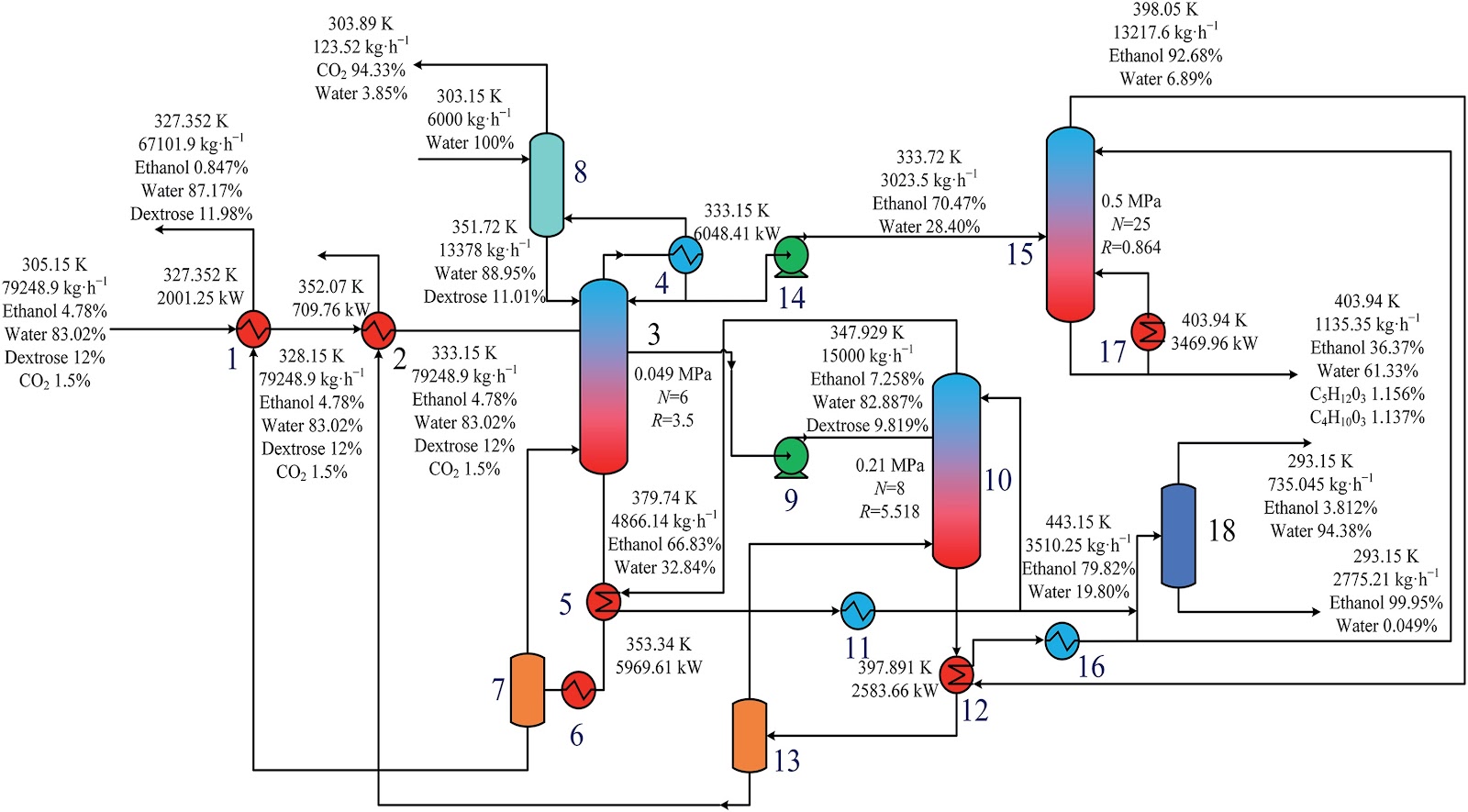
Design and optimization of a high-efficiency distillation process for cellulosic fuel ethanol integrated with thermal coupling and molecular sieve adsorption
To address the challenges of high energy consumption and prominent costs in the traditional three-columns distillation process for cellulosic fuel ethanol, a distillation—molecular sieve coupling separation process is proposed. This process integrates a three-column (crude distillation column, first distillation column, second distillation column) system with a 3A molecular sieve adsorption deep dehydration unit. A thermal coupling network is constructed via differential pressure design (steam from medium/high-pressure columns as mutual heat sources, reboiler liquid waste heat for feed preheating), and molecular sieve adsorption conditions are optimized. The study first performs a thermodynamic consistency test on the ethanol—water system, determines optimal non-random two-liquid (NRTL) model binary interaction parameters via experimental data regression for Aspen Plus simulation. Aiming at minimum total annual cost (TAC), Aspen Plus is used to optimize process parameters (theoretical tray number, feed location, reflux ratio, side-draw position, etc.). Economic analysis shows this process reduces CO2 emission costs by 27.56%, TAC by 15.58% (to 5.123 × 10⁶ USD·a-1), and increases ethanol purity to >99.6%, providing an effective solution for green, efficient separation.
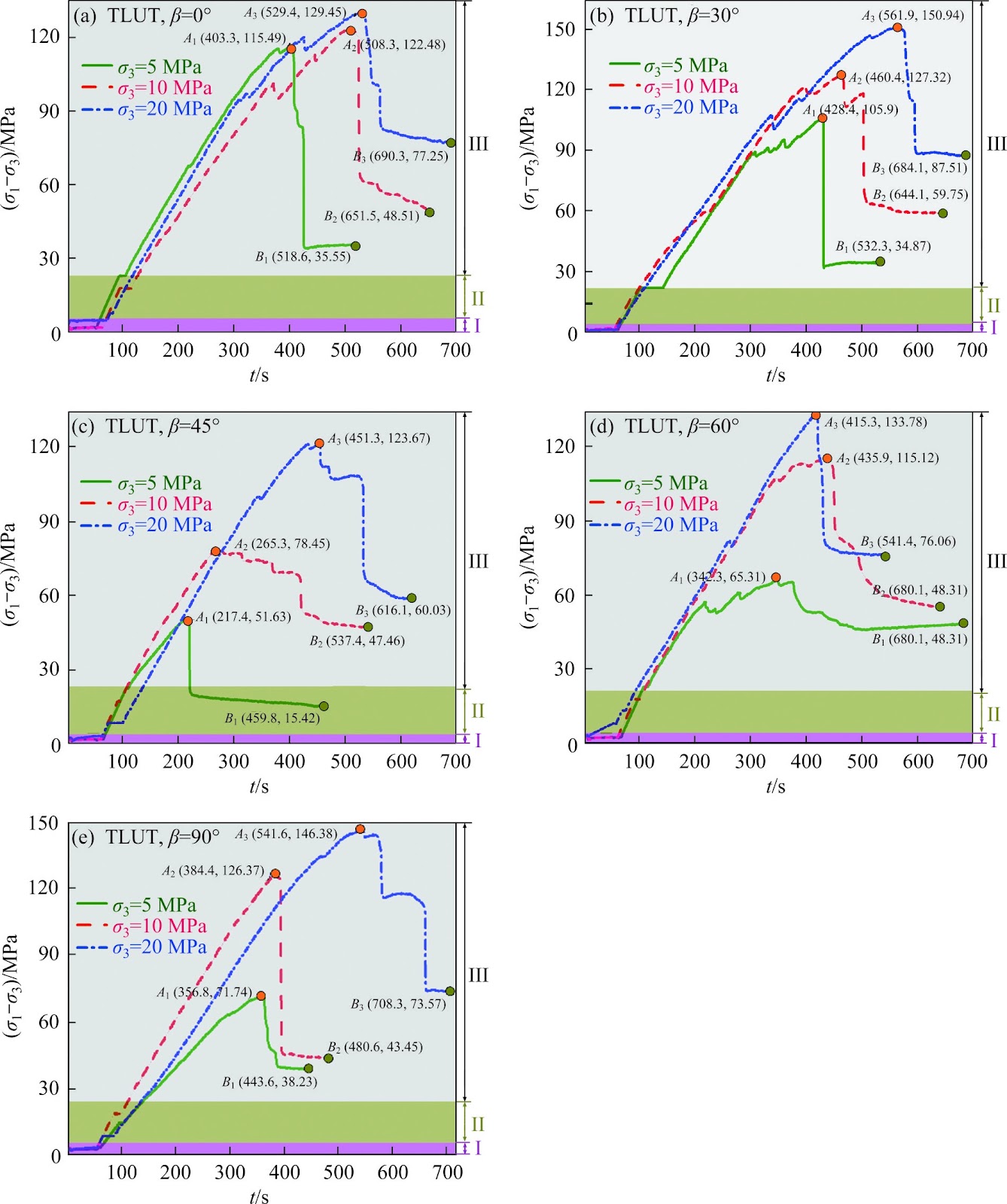
A cohesion loss model for determining residual strength of deep bedded sandstone
Rock residual strength, as an important input parameter, plays an indispensable role in proposing the reasonable and scientific scheme about stope design, underground tunnel excavation and stability evaluation of deep chambers. Therefore, previous residual strength models of rocks established were reviewed. And corresponding related problems were stated. Subsequently, starting from the effects of bedding and whole life-cycle evolution process, series of triaxial mechanical tests of deep bedded s
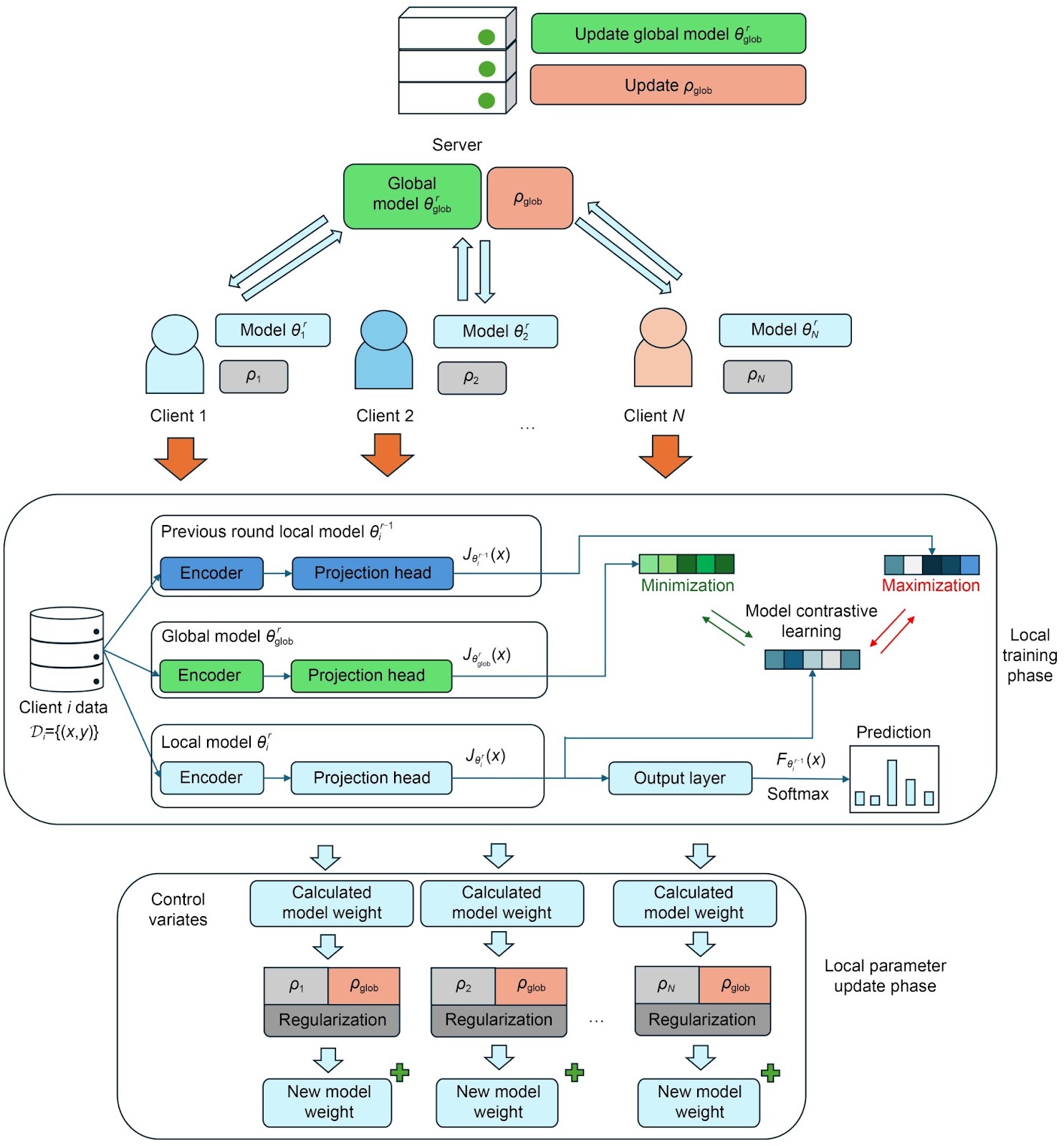
Federated model with contrastive learning and adaptive control variates for human activity recognition
Recent attention to privacy issues demands a communication-safe method for training human activity recognition (HAR) models on client activity data. Federated learning (FL) has become a compelling technique to facilitate model training between the server and clients while preserving data privacy. However, classical FL methods often assume independent and identically distributed (IID) data among clients. This assumption does not hold true in practical scenarios. Human activity in real-world scena