
Key Takeaways & Executive Findings
- •• Pepper stalk-derived hard carbon with temperature-tailored closed pores achieves a high reversible capacity of 302.3 mAh·g−1 and an initial coulombic efficiency of 86.7%. • Carbonization at 1600°C optimally develops 3.48 nm closed pores and enhances graphite domains, yielding a plateau capacity of 191.7 mAh·g−1 (63.4% of total capacity) through efficient Na+ filling. • Full cell with Na3V2(PO4)3 cathode delivers an energy density of 271.0 Wh·kg−1, demonstrating practical viability for sodium-ion batteries. • Provides an industrial-scale, low-cost methodology for pore-structure engineering of biomass-derived hard carbons, addressing barriers to commercialization.
Abstract
Biomass-based hard carbon is considered a highly promising anode for sodium-ion batteries. Nevertheless, its practical deployment is often impeded by excessive specific surface area and an abundance of structural defects, which inevitably lead to limited initial coulombic efficiency and unsatisfactory sodium storage capacity. Herein, we report a pepper stalk-derived hard carbon engineered via temperature-mediated closed-pore tuning, delivering a reversible capacity of 302.3 mAh·g−1 (initial coulombic efficiency of 86.7%) and remarkable cycling stability (87.6% capacity retention after 300 cycles). Systematic characterization reveals that carbonization at 1600°C optimally develops 3.48 nm closed pores and enhances graphite domains, achieving a high plateau capacity of 191.7 mAh·g−1, which constitutes 63.4% of the total capacity attributed to efficient Na+ ion filling. A full cell paired with a Na3V2(PO4)3 cathode achieves an energy density of 271.0 Wh·kg−1 based on the total mass of the active materials. This research provides a viable and industrial-scale methodology for pore-structure engineering, overcoming major hurdles to the market adoption of biomass-derived carbon materials.
1. Introduction
As an appealing alternative to lithium-ion batteries, sodium-ion batteries (SIBs) have attracted significant attention for large-scale energy storage, particularly in grid systems and electric mobility, due to their cost-effectiveness and abundant resources [1]. A pivotal bottleneck in advancing SIBs is the scarcity of high-performance anode materials, driving the quest for superior anodes as a critical research frontier [2]. Hard carbon (HC), as a preferred anode material for SIBs, is characterized by its distinctive “pseudo-graphite” layered structure and open nanopore architecture, and exhibits high theoretical capacity, a low operating voltage, and cost-effectiveness [3–4]. Nevertheless, the high density of defects adversely affects key performance metrics, notably resulting in low initial coulombic efficiency (ICE) and subpar cycling performance [5–6]. Consequently, the rational design of HC structures to optimize their performance is critical for advancing sodium-ion battery technology.
So far, HC derived from biomass has emerged as a cost-effective and environmentally sustainable synthesis strategy [7–8]. Currently, sources of plant-based HC materials can be primarily categorized into three types: fruit shells, sugar, and stalks and leaves [3,9]. The inherent layered porous architecture of the fruit shell endows the derived HC with superior long-term cycling performance, such as coconut shell, walnut shell, and peanut shell [10–13]. Sugar precursors, such as glucose and starch, possess stable compositions. After carbonization, they exhibit a relatively uniform morphology and a well-developed closed-pore structure, which contribute to their relatively high ICE and high reversible specific capacity. Nevertheless, their homogeneous composition hinders the formation of a hierarchical porous structure, resulting in suboptimal rate performance [14–16]. The stalk- and leaf-based materials develop a hierarchical porous structure following carbonization, owing to their abundant nutrient transport channels. This structure facilitates electrolyte penetration and sodium-ion transport while delivering a relatively high specific capacity of 300–420 mAh·g−1 [7,17–22]. However, the layered porous structure of these materials brings several critical challenges, including compromised ion transport kinetics caused by defective surfaces, and limited ICE. The combination of these fundamental shortcomings ultimately impedes the real-world implementation of HC anodes in full cells.
In this work, we propose using pepper stalks as a high-quality biomass precursor. As a widely cultivated crop, peppers yield large quantities of stalks as the main agricultural residue. Their management commonly entails discarding or burning, which inefficiently wastes biomass and thereby contributes to environmental pollution through the emission of harmful gases [23]. Such a practice facilitates the value-added repurposing of agricultural residues while mitigating the environmental impacts associated with traditional waste-disposal methods. Temperature-mediated closed-pore engineering enabled the successful synthesis of HC from pepper stalk waste. By leveraging the unique structure of pepper stalks, HC was synthesized, and its electrochemical properties were tailored by adjusting the pyrolysis temperature from 1300 to 1600°C. By systematically examining the interactions among closed pores, graphitization, and electrochemical kinetics, we demonstrate a scalable approach for op
Loading authentic research manuscript (Pages 1–5)...
Youyu Duan, Yuxiao Chen, Xiaoyan Li, Zeyu Chen, Yanqiu Yu, Xinping Gao, Xing Shen, Jingfeng Wang (2025). Pepper stalk hard carbon anodes with temperature-tailored closed pores for high-performance sodium-ion batteries. Journal of Mineral Metallurgy and Materials Science. https://doi.org/10.1007/s12613-026-3433-6
Research & Educational Purpose Only:The translations, structured abstracts, analytical annotations, and data reports provided by SinoTechIntel are intended exclusively for academic research, internal corporate R&D, and educational benchmarking. They do not constitute formal engineering, chemical safety, legal, or professional advice.
Copyright & Intellectual Property Notice: Original copyright of the underlying source articles and experimental data remains with the respective authors, institutions, and original publishing journals. SinoTechIntel claims intellectual property only over its proprietary translations, analytical syntheses, and AEO structured enhancements in accordance with international fair use and academic citation principles.
Frequently Asked Questions
What is the main achievement of this study?
The study develops a pepper stalk-derived hard carbon anode with temperature-tailored closed pores, achieving a high reversible capacity of 302.3 mAh·g−1 and an initial coulombic efficiency of 86.7%, along with excellent cycling stability. A full cell with a Na3V2(PO4)3 cathode delivers an energy density of 271.0 Wh·kg−1, demonstrating practical viability for sodium-ion batteries.
How does carbonization temperature influence the performance of hard carbon?
Carbonization at 1600°C optimally develops 3.48 nm closed pores and enhances graphite domains, leading to a high plateau capacity of 191.7 mAh·g−1 (63.4% of total capacity) via efficient Na+ ion filling. The temperature tailoring modulates pore structure and defect density, directly impacting sodium storage capacity and initial coulombic efficiency.
What is the significance of closed pores in hard carbon anodes?
Closed pores are crucial for efficient sodium-ion filling, contributing to high plateau capacity and improved initial coulombic efficiency. In this work, temperature-mediated engineering produces well-developed closed pores that enhance sodium storage while minimizing excessive surface area and structural defects.
How does pepper stalk waste contribute to sustainable battery production?
Pepper stalks are abundant agricultural residues typically discarded or burned. By repurposing them as a biomass precursor for high-performance hard carbon, the study provides a cost-effective and environmentally friendly approach that reduces pollution and adds value to agricultural waste, aligning with large-scale sustainable energy storage needs.
What are the practical implications of this research for sodium-ion batteries?
The work demonstrates an industrial-scale methodology for pore-structure engineering of biomass-derived hard carbon, addressing major hurdles such as low initial coulombic efficiency and poor cycling stability. The full cell performance shows potential for commercial application in grid-scale and mobility energy storage systems.
Related Technical Papers & Translations
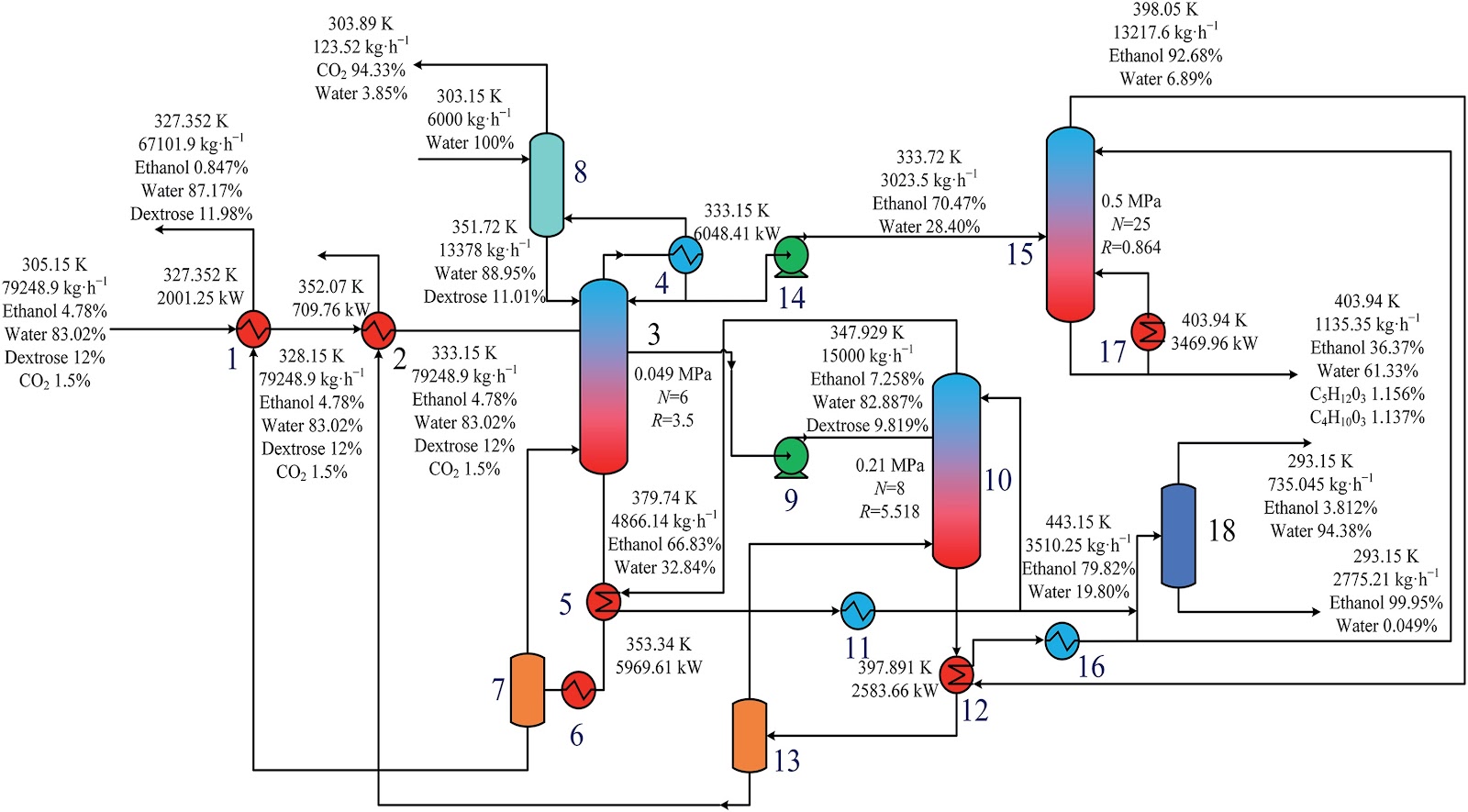
Design and optimization of a high-efficiency distillation process for cellulosic fuel ethanol integrated with thermal coupling and molecular sieve adsorption
To address the challenges of high energy consumption and prominent costs in the traditional three-columns distillation process for cellulosic fuel ethanol, a distillation—molecular sieve coupling separation process is proposed. This process integrates a three-column (crude distillation column, first distillation column, second distillation column) system with a 3A molecular sieve adsorption deep dehydration unit. A thermal coupling network is constructed via differential pressure design (steam from medium/high-pressure columns as mutual heat sources, reboiler liquid waste heat for feed preheating), and molecular sieve adsorption conditions are optimized. The study first performs a thermodynamic consistency test on the ethanol—water system, determines optimal non-random two-liquid (NRTL) model binary interaction parameters via experimental data regression for Aspen Plus simulation. Aiming at minimum total annual cost (TAC), Aspen Plus is used to optimize process parameters (theoretical tray number, feed location, reflux ratio, side-draw position, etc.). Economic analysis shows this process reduces CO2 emission costs by 27.56%, TAC by 15.58% (to 5.123 × 10⁶ USD·a-1), and increases ethanol purity to >99.6%, providing an effective solution for green, efficient separation.
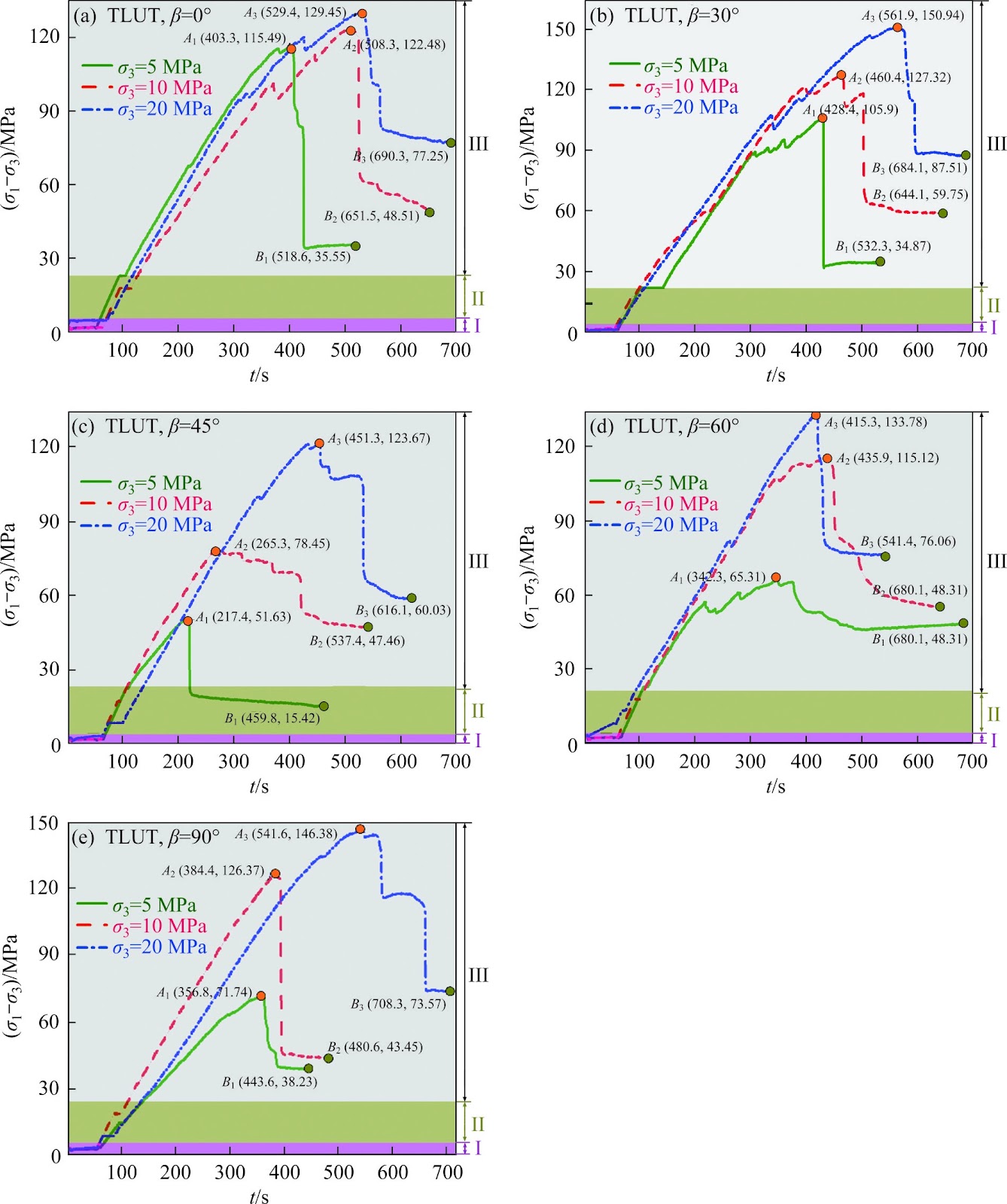
A cohesion loss model for determining residual strength of deep bedded sandstone
Rock residual strength, as an important input parameter, plays an indispensable role in proposing the reasonable and scientific scheme about stope design, underground tunnel excavation and stability evaluation of deep chambers. Therefore, previous residual strength models of rocks established were reviewed. And corresponding related problems were stated. Subsequently, starting from the effects of bedding and whole life-cycle evolution process, series of triaxial mechanical tests of deep bedded s
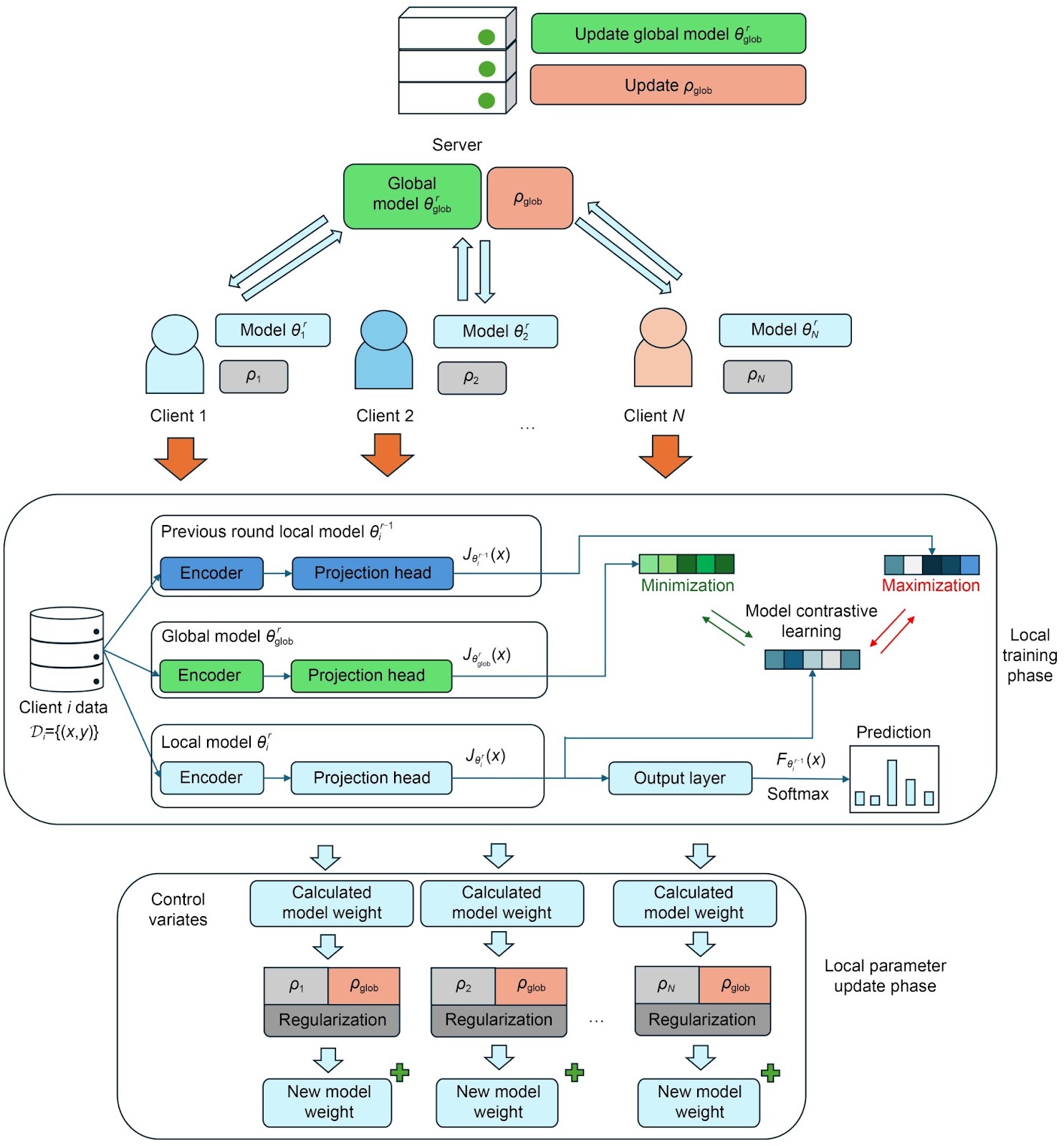
Federated model with contrastive learning and adaptive control variates for human activity recognition
Recent attention to privacy issues demands a communication-safe method for training human activity recognition (HAR) models on client activity data. Federated learning (FL) has become a compelling technique to facilitate model training between the server and clients while preserving data privacy. However, classical FL methods often assume independent and identically distributed (IID) data among clients. This assumption does not hold true in practical scenarios. Human activity in real-world scena