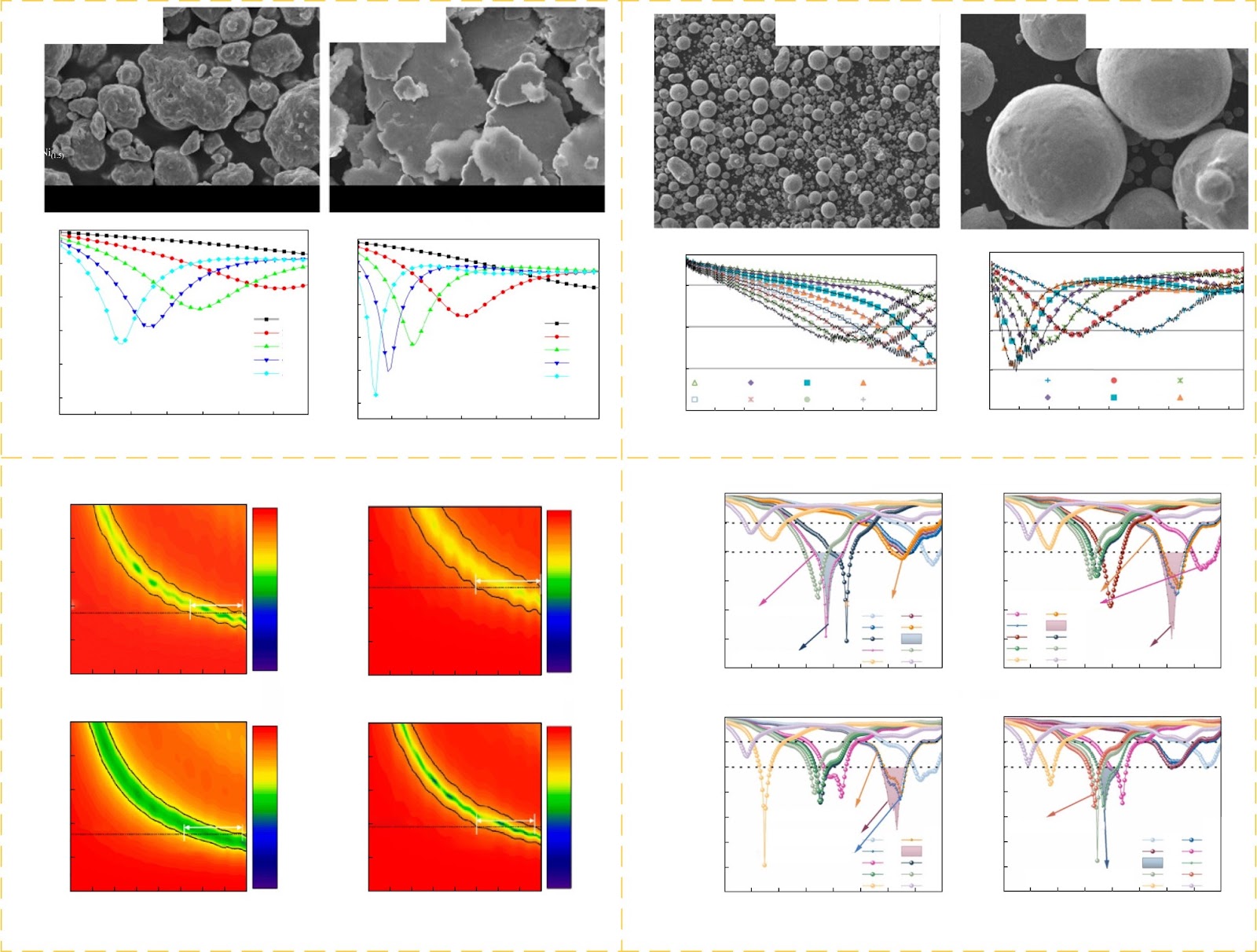
Key Takeaways & Executive Findings
- •• Fe-based electromagnetic wave absorbers offer cost-effective, high-saturation magnetization and superior magnetic loss, making them highly effective for EWA applications. • The review systematically covers pristine Fe-based absorbers including carbonyl iron, ferrites, alloys, high-entropy alloys, and layered ternary transition-metal borides. • Performance enhancement strategies such as doping, in-situ oxidation, porous structuring, and composite construction are critically analyzed to optimize absorption efficiency. • The synergy between Fe-based and high-entropy materials enables next-generation EWA for stealth technology, wearable electronics, and harsh environment applications.
Abstract
The rapid development of electronic devices and communication technologies has resulted in increasingly severe electromagnetic-wave (EW) pollution. Efficient EW absorption (EWA) materials are essential to mitigate their impact and ensure human safety in modern society. Fe-based EWA materials have garnered significant attention owing to their cost-effectiveness, high saturation magnetization, and superior magnetic loss capabilities. This review begins with an introduction to Fe-based EWA materials, followed by a brief description of their EWA mechanisms. Various pristine Fe-based absorbers, such as carbonyl iron powder, ferrite-based materials, Fe-based alloys, Fe-based high-entropy alloys (HEAs), and Fe-based layered ternary transition-metal borides, have been systematically reviewed. Key strategies to enhance the performance of Fe-based composite absorbers, including doping, in-situ oxidation, porous structuring, and composite construction, are critically discussed. Finally, the review presents a summary and future perspectives in this field, highlighting the synergy between Fe-based and high-entropy materials in advancing next-generation EWA for applications in stealth technology, wearable electronics, and harsh environments.
1. Introduction
With the widespread use of electronic devices, humans are increasingly exposed to electromagnetic waves (EWs) [1–5]. Prolonged exposure to EWs can lead not only to thermal effects but also to controversial health concerns such as neurological discomfort and sleep disturbances [6–9]. Given the indispensable role of these devices in modern society, the development of efficient EW absorption (EWA) materials is crucial for mitigating EW pollution and safeguarding human health. Ideal EWA materials should exhibit minimal thickness, lightweight, broad absorption bandwidth, and high absorption efficiency, collectively known as the “thin, lightweight, wide, and strong” criteria [10–13].
Among various EWA, Fe-based EWA materials, a class of functional materials with Fe or its compounds as core components, are renowned for their exceptional EW absorption capabilities [14–15]. They are widely used in military stealth technology [16–18], electromagnetic shielding for electronic devices [19–22], and anti-interference communication systems [23].
The advantages of Fe-based EWA materials include [24–25]: (1) High magnetic permeability and significant dielectric loss. Fe-based materials such as ferrites, Fe nanoparticles, and Fe-based alloys can effectively convert EW energy into heat, particularly in the GHz frequency range. This conversion occurs through hysteresis loss, eddy current loss, and natural resonance, which together transform incident EWs to thermal energy, thereby minimizing reflection and transmission. For instance, ferrites exhibit strong absorption in the mid-to-high-frequency range owing to the magnetic domain motion within their crystalline structure. Their absorption performance can be further enhanced by doping, which optimizes impedance matching. (2) Design flexibility and adaptability. Fe-based materials form composites with other materials (e.g., carbon-based materials, polymers, and ceramics) to create heterogeneous microstructures that leverage synergistic effects to optimize electromagnetic parameters, broaden absorption bandwidths, and reduce material thickness [26–28]. For example, Fe nanoparticle–graphene hybrids combine the high conductivity of graphene, which enhances dielectric loss, with the magnetic loss properties of Fe. This synergy addresses the weak magnetic performance of pure carbon materials and achieves broadband absorption. (3) Environmental stability. Because of their inherent resistance to thermal degradation, corrosion, and mechanical stress, Fe-based materials demonstrate superior stability under harsh conditions, making them well-suited for field deployment. For instance, FeSiAl alloys maintain stable EWA properties at high temperatures, which are ideal for aerospace applications. (4) Cost-effectiveness and scalability. Fe-based EWA materials can be fabricated from inexpensive raw materials using mature synthesis techniques, such as hydrothermal synthesis, sol–gel methods, and mechanical alloying. These techniques allow precise control over microstructures (e.g., flake-like, spherical, or core–shell morphologies) to optimize absorption efficiency [29]. Although Fe-based EWA materials are promising, their drawbacks cannot be overlooked. For example, Fe-based EWA materials generally have a relatively high density, which may limit their application in weight-sensitive scenarios. This issue can be effectively mitigated through porous structure designs or formi
Loading authentic research manuscript (Pages 1–5)...
Xixi Luo, Hui Xie, Yi Ma, Di Lan, Guanglei Wu, Zirui Jia (2025). Advances in Fe-based electromagnetic wave absorbers: Multiscale engineering from atomic defects to macroscopic architectures for performance optimization. Journal of Mineral Metallurgy and Materials Science. https://doi.org/10.1007/s12613-025-3252-1
Research & Educational Purpose Only:The translations, structured abstracts, analytical annotations, and data reports provided by SinoTechIntel are intended exclusively for academic research, internal corporate R&D, and educational benchmarking. They do not constitute formal engineering, chemical safety, legal, or professional advice.
Copyright & Intellectual Property Notice: Original copyright of the underlying source articles and experimental data remains with the respective authors, institutions, and original publishing journals. SinoTechIntel claims intellectual property only over its proprietary translations, analytical syntheses, and AEO structured enhancements in accordance with international fair use and academic citation principles.
Frequently Asked Questions
What are Fe-based electromagnetic wave absorbers?
Fe-based electromagnetic wave absorbers are functional materials with Fe or its compounds as core components, known for their high magnetic permeability and dielectric loss, enabling effective conversion of electromagnetic wave energy into heat.
Why are Fe-based materials preferred for electromagnetic wave absorption?
They offer cost-effectiveness, high saturation magnetization, superior magnetic loss, design flexibility, environmental stability, and scalability, making them highly effective for EWA applications across various industries.
What strategies are used to enhance Fe-based composite absorbers?
Key strategies include doping, in-situ oxidation, porous structuring, and composite construction, which optimize electromagnetic parameters and broaden absorption bandwidth.
How does doping improve Fe-based absorber performance?
Doping optimizes impedance matching and enhances magnetic and dielectric loss, thereby improving absorption efficiency and bandwidth.
What is the role of high-entropy alloys in Fe-based EWA materials?
High-entropy alloys, when integrated with Fe-based materials, offer synergistic effects that advance next-generation EWA for applications in stealth technology, wearable electronics, and harsh environments.
Related Technical Papers & Translations
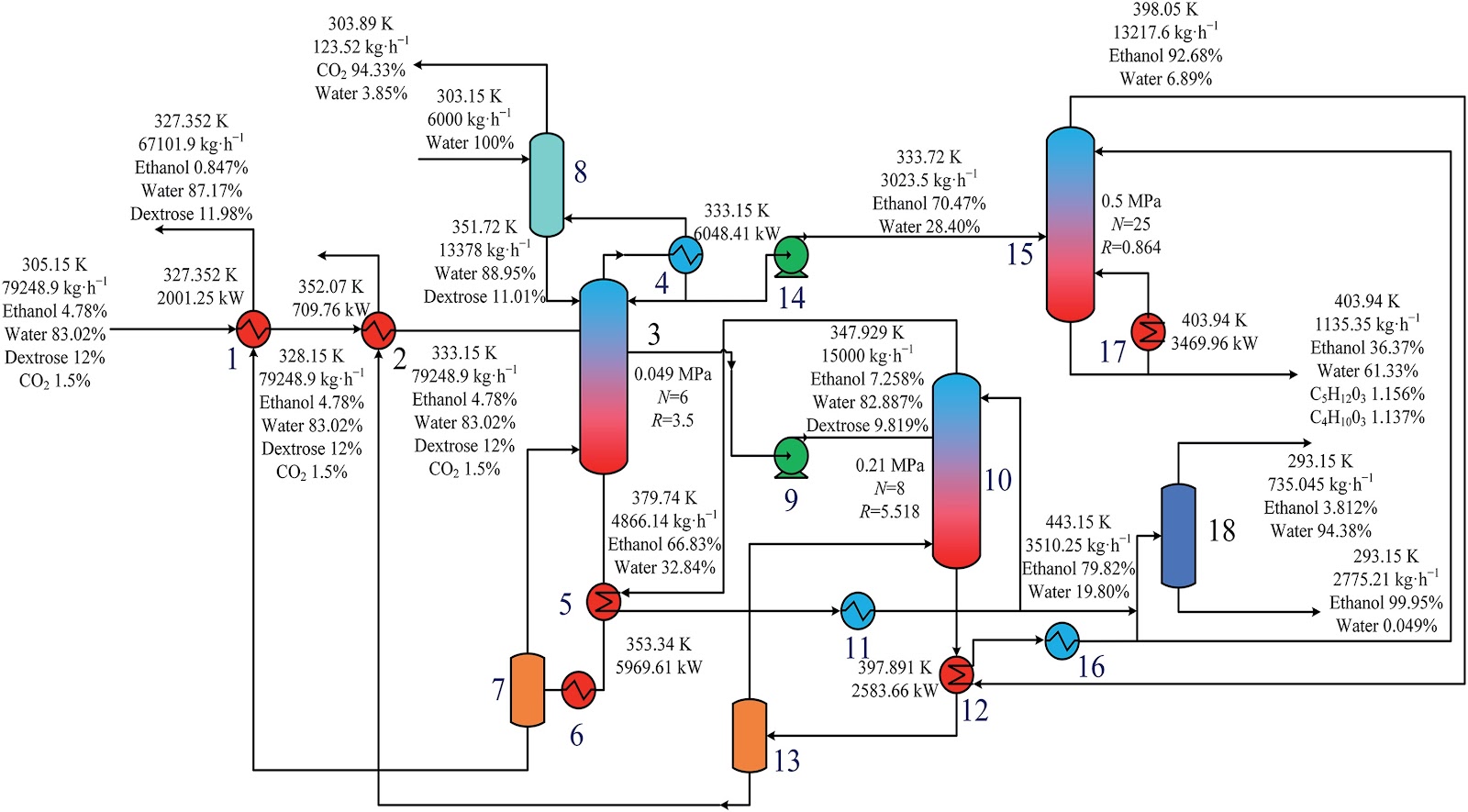
Design and optimization of a high-efficiency distillation process for cellulosic fuel ethanol integrated with thermal coupling and molecular sieve adsorption
To address the challenges of high energy consumption and prominent costs in the traditional three-columns distillation process for cellulosic fuel ethanol, a distillation—molecular sieve coupling separation process is proposed. This process integrates a three-column (crude distillation column, first distillation column, second distillation column) system with a 3A molecular sieve adsorption deep dehydration unit. A thermal coupling network is constructed via differential pressure design (steam from medium/high-pressure columns as mutual heat sources, reboiler liquid waste heat for feed preheating), and molecular sieve adsorption conditions are optimized. The study first performs a thermodynamic consistency test on the ethanol—water system, determines optimal non-random two-liquid (NRTL) model binary interaction parameters via experimental data regression for Aspen Plus simulation. Aiming at minimum total annual cost (TAC), Aspen Plus is used to optimize process parameters (theoretical tray number, feed location, reflux ratio, side-draw position, etc.). Economic analysis shows this process reduces CO2 emission costs by 27.56%, TAC by 15.58% (to 5.123 × 10⁶ USD·a-1), and increases ethanol purity to >99.6%, providing an effective solution for green, efficient separation.
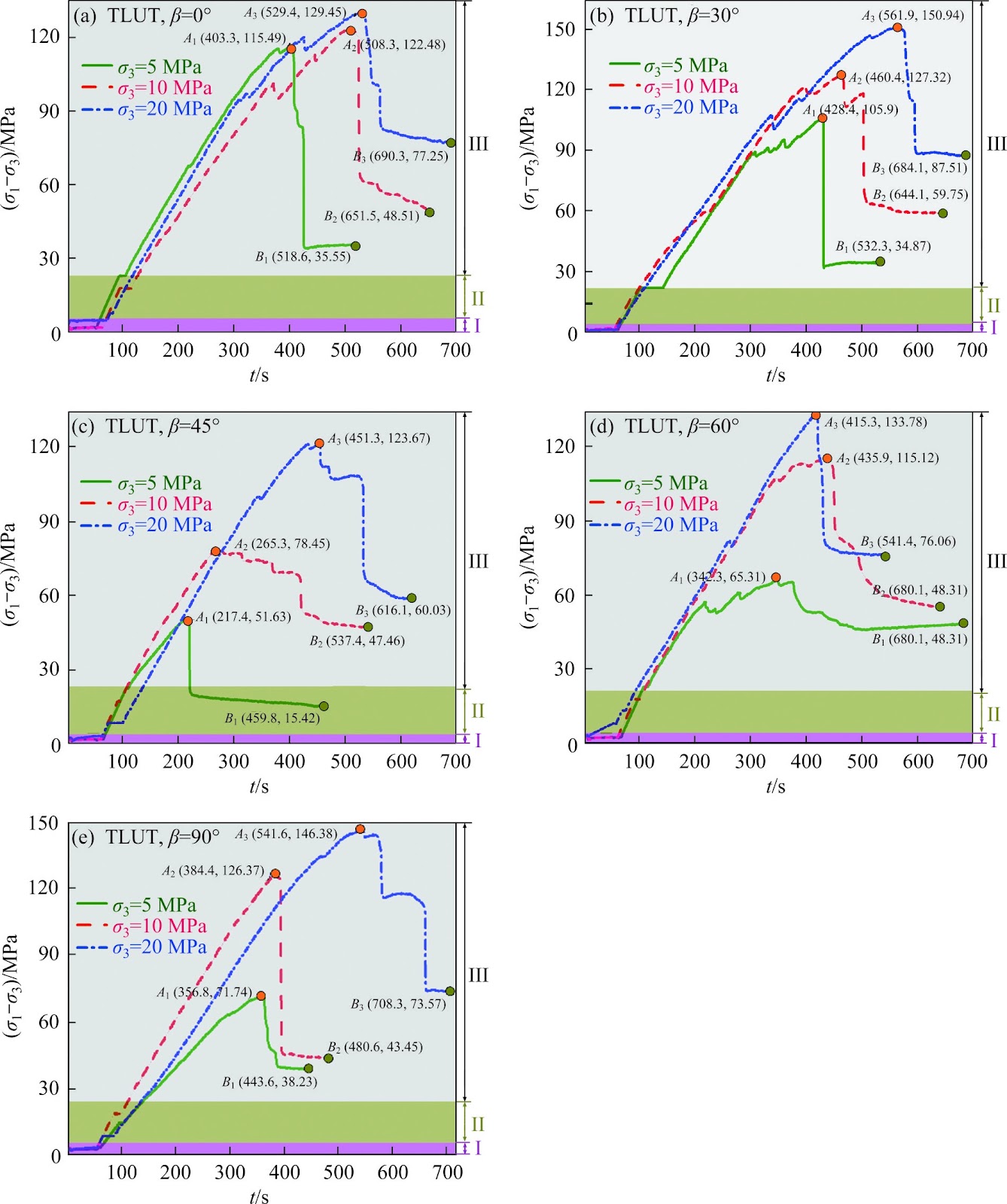
A cohesion loss model for determining residual strength of deep bedded sandstone
Rock residual strength, as an important input parameter, plays an indispensable role in proposing the reasonable and scientific scheme about stope design, underground tunnel excavation and stability evaluation of deep chambers. Therefore, previous residual strength models of rocks established were reviewed. And corresponding related problems were stated. Subsequently, starting from the effects of bedding and whole life-cycle evolution process, series of triaxial mechanical tests of deep bedded s
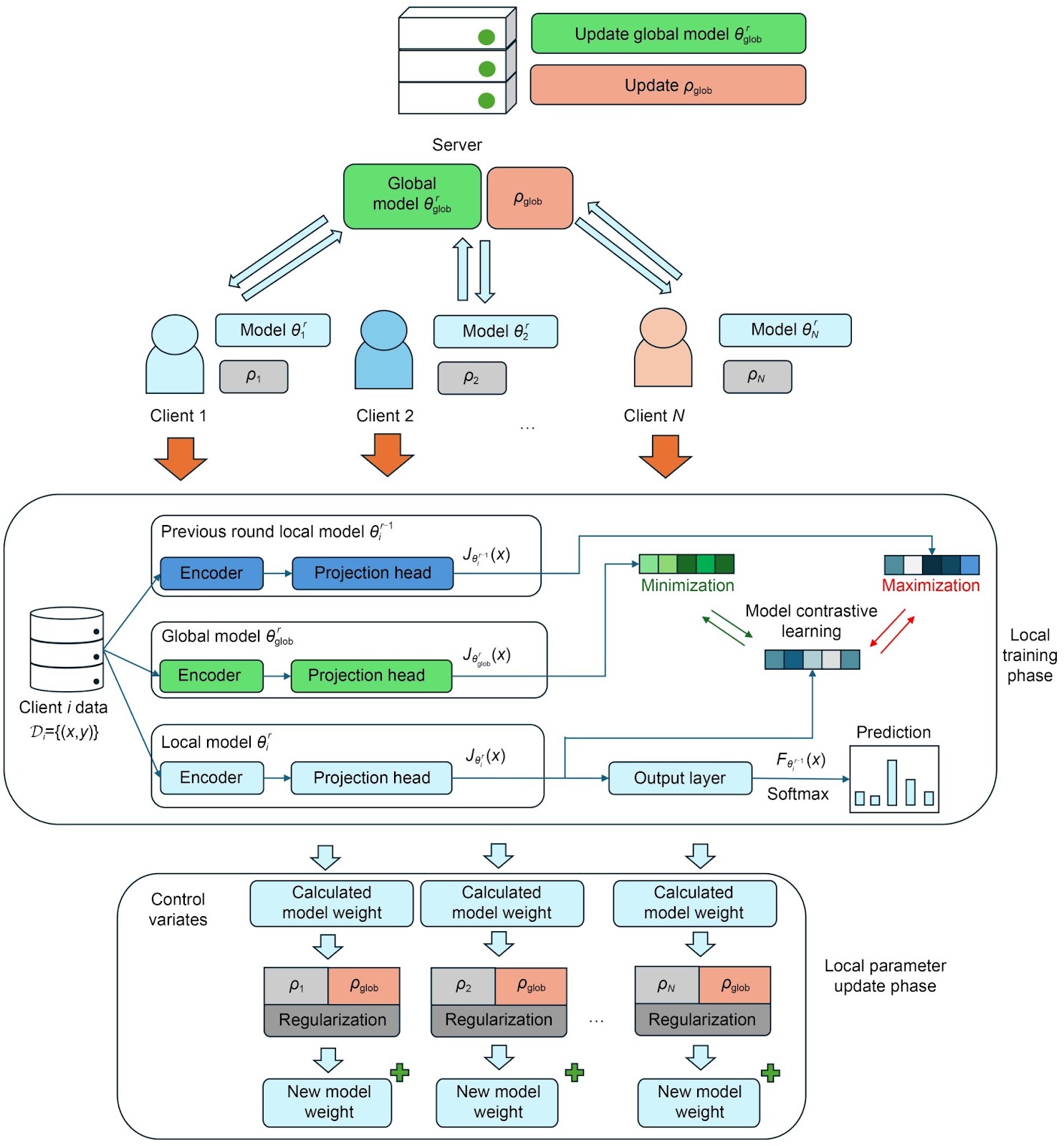
Federated model with contrastive learning and adaptive control variates for human activity recognition
Recent attention to privacy issues demands a communication-safe method for training human activity recognition (HAR) models on client activity data. Federated learning (FL) has become a compelling technique to facilitate model training between the server and clients while preserving data privacy. However, classical FL methods often assume independent and identically distributed (IID) data among clients. This assumption does not hold true in practical scenarios. Human activity in real-world scena