Key Takeaways & Executive Findings
- •• Thermal decomposition of bastnaesite in an inert atmosphere is strongly temperature-dependent and elevates the REO grade from 72.90 wt% to 86.83 wt% while increasing Ce oxidation. • Decomposition induces lamellar cracking, increased specific surface area, and particle fragmentation, significantly modifying surface chemistry and raising initial pulp pH to nearly 11.00. • Flotation of decomposed bastnaesite requires a much higher SHA collector dosage, rising from 20 mg·L−1 for raw ore to 250 mg·L−1, due to enhanced chemical adsorption and internal pore distribution. • Optimal flotation recovery is achieved at pH 8.00–9.00, but post-decomposition pH adjustment is difficult; these insights guide the development of tailored reagents for bastnaesite roasting products.
Abstract
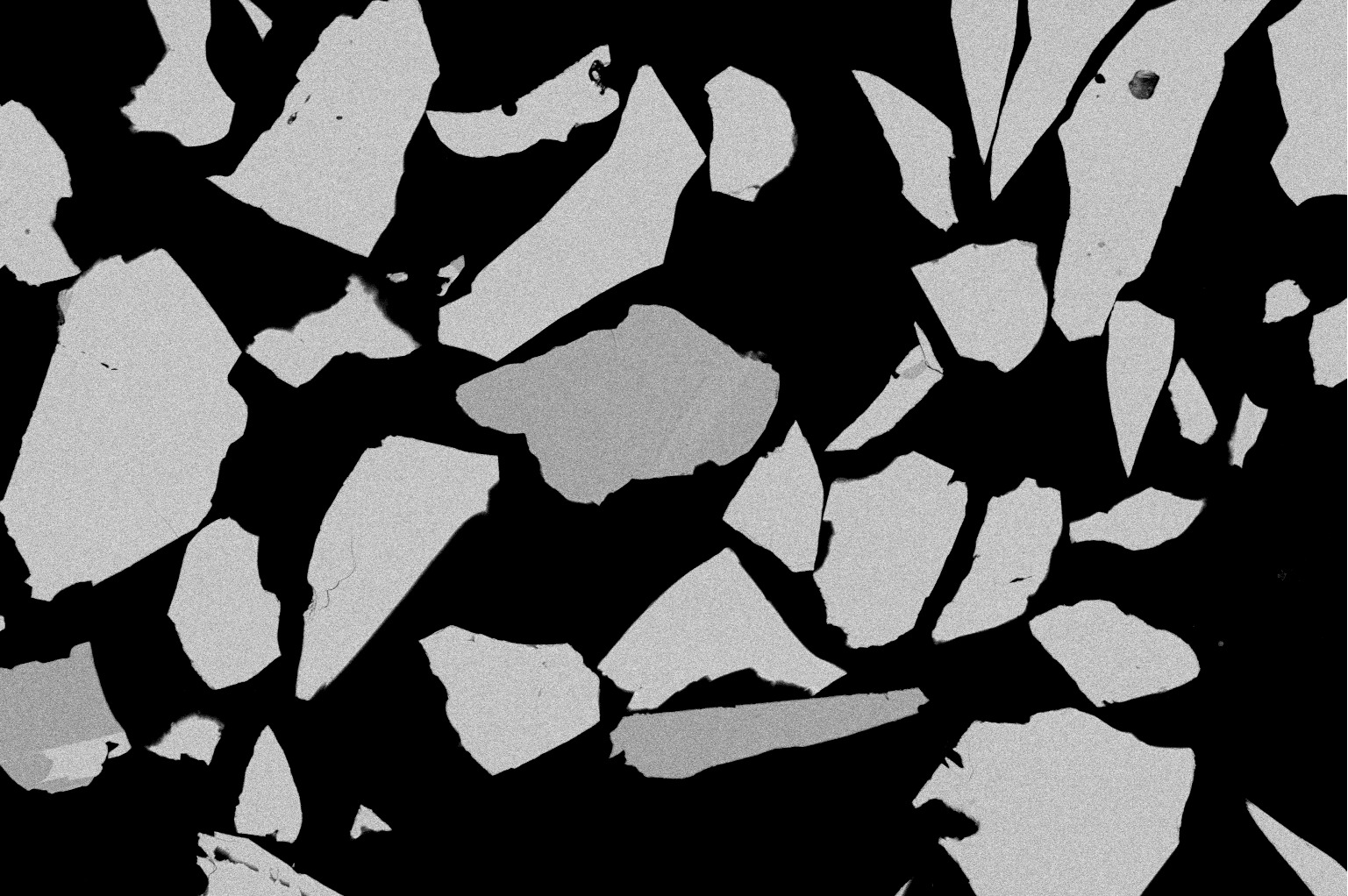
This study aimed to elucidate the influence of thermal decomposition under an inert atmosphere on the phase composition, microstructure, and flotation performance of bastnaesite. Experiments showed that decomposition was strongly temperature-dependent. After complete decomposition, the release of CO2 increased the rare earth oxide grade from 72.90wt% to 86.83wt%, accompanied by an increase in the Ce oxidation degree. Major decomposition products included rare earth oxyfluoride (REOF), rare earth trifluoride (REF3), and Ce7O12, with some products showing low crystallinity. The decomposition damaged the particle structure, resulting in the extensive lamellar cracking, a significant increase in specific surface area, and partial fragmentation of the particles. Flotation tests revealed that optimum recovery was achieved at pH 8.00–9.00. However, thermal decomposition increased the initial pulp pH to almost 11.00, making pH adjustment difficult. Salicylhydroxamic acid (SHA) was adsorbed on the surfaces by both physical and chemical interactions, with chemical adsorption being significantly enhanced after decomposition. During flotation, SHA was distributed not only on particle surfaces but also in internal pores after decomposition. Due to the phase and microstructural changes, the required dosage of SHA increased from 20 mg·L−1 for the raw ore to 250 mg·L−1. These results provide insights into the development of reagents suitable for the flotation of bastnaesite roasting products.
1. Introduction
Rare earth elements (REEs) are critical to the advancement of a wide range of modern technologies, including clean energy systems, electronics, aerospace, and defense [1]. Their unique electronic, magnetic, and optical properties underpin the production of permanent magnets, batteries, catalysts, and high-performance alloys [2]. With the global shift towards a low-carbon economy and the growing demand for sustainable technologies, securing a stable and reliable supply of REEs has become increasingly important [3]. Among various REEs minerals, bastnaesite serves as an important source of light rare earth elements, particularly Ce, La, Pr, and Nd [4]. Major deposits such as Bayan Obo in China and Mountain Pass in the United States are dominated by bastnaesite mineralization [5]. The relatively high rare earth oxide (REO) grade, favorable beneficiation characteristics, and widespread occurrence of bastnaesite make it the primary target for REEs extraction.
Flotation is the predominant method for selective recovery of bastnaesite. Extensive efforts have been made to improve flotation performance, particularly through the development of efficient collectors such as hydroxamic acids, fatty acids, and their derivatives, which have strong affinities for REEs cations on the mineral surface [6–7]. Optimization of collector molecular structures, dosages, and adsorption mechanisms has been essential to improving both selectivity and recovery. In parallel, the use of depressants and dispersants has improved the separation efficiency between bastnaesite and common gangue minerals such as barite, calcite, and fluorite [8–9]. More recently, research has expanded to include bastnaesite-bearing tailings and complex REEs ores, with advanced flotation techniques such as carrier flotation and ultrasonic or microbubble assisted flotation being explored to further improve recovery efficiencies [10–12]. Despite these advances, most studies have focused on the flotation behavior of untreated or slightly modified bastnaesites. Investigations into the flotation properties of bastnaesite following thermal treatment, particularly under controlled atmospheres, remain limited. Given the sensitivity of bastnaesite to thermal conditions, a detailed understanding of the effects of thermal decomposition and phase transformation on its flotation behavior is both necessary and timely.
Roasting is widely used as a pretreatment method for REEs concentrates and complex REEs-bearing ores. It can convert REEs minerals into more leachable compounds, thereby facilitating subsequent leaching processes. He et al. [13] demonstrated that selective mineral phase transformation in a N2 atmosphere enabled efficient separation of bastnaesite and monazite in mixed rare earth concentrates, achieving a leaching rate of 93.7wt% for bastnaesite while the leaching rate for monazite remained as low as 3.2wt%. Roasting can also selectively decompose bastnaesite to improve flotation separation from monazite in mixed concentrates. Yang et al. [14] prepared (Ce,La)2O3 by calcination roasting and investigated the flotation separation of rare earth oxides from roasted concentrates.
Loading authentic research manuscript (Pages 1–5)...
Qiang Zhang, Yongsheng Sun, Peng Gao, Zhao Cao, Yuexin Han (2025). Thermal decomposition of bastnaesite in an inert atmosphere and influence on flotation behavior. Journal of Mineral Metallurgy and Materials Science. https://doi.org/10.1007/s12613-025-3251-2
Research & Educational Purpose Only:The translations, structured abstracts, analytical annotations, and data reports provided by SinoTechIntel are intended exclusively for academic research, internal corporate R&D, and educational benchmarking. They do not constitute formal engineering, chemical safety, legal, or professional advice.
Copyright & Intellectual Property Notice: Original copyright of the underlying source articles and experimental data remains with the respective authors, institutions, and original publishing journals. SinoTechIntel claims intellectual property only over its proprietary translations, analytical syntheses, and AEO structured enhancements in accordance with international fair use and academic citation principles.
Frequently Asked Questions
How does thermal decomposition affect bastnaesite flotation?
Thermal decomposition in an inert atmosphere changes the phase composition and microstructure of bastnaesite, increasing the REO grade and specific surface area. It also raises the initial pulp pH to almost 11.00, making pH adjustment difficult, and requires a much higher SHA collector dosage, from 20 mg·L−1 for raw ore to 250 mg·L−1 for decomposed material.
What are the main products of bastnaesite thermal decomposition?
The major decomposition products include rare earth oxyfluoride (REOF), rare earth trifluoride (REF3), and Ce7O12, with some products exhibiting low crystallinity. The release of CO2 during decomposition increases the rare earth oxide grade and the Ce oxidation degree.
Why is pH adjustment difficult after bastnaesite roasting?
Thermal decomposition raises the initial pulp pH to almost 11.00, while the optimum flotation recovery is achieved at pH 8.00–9.00. This large pH shift makes it difficult to adjust and control the pulp pH during flotation.
How does SHA adsorption change after thermal decomposition?
After thermal decomposition, SHA adsorption is enhanced significantly, particularly chemical adsorption. SHA becomes distributed not only on particle surfaces but also in internal pores created by decomposition, increasing the collector demand and the required dosage from 20 mg·L−1 to 250 mg·L−1.
What is the optimal pH for bastnaesite flotation recovery?
Flotation tests show that optimum recovery is achieved at pH 8.00–9.00 for both raw and thermally decomposed bastnaesite, although decomposition increases the initial pulp pH to almost 11.00, complicating pH control.
Related Technical Papers & Translations
Design and optimization of a high-efficiency distillation process for cellulosic fuel ethanol integrated with thermal coupling and molecular sieve adsorption
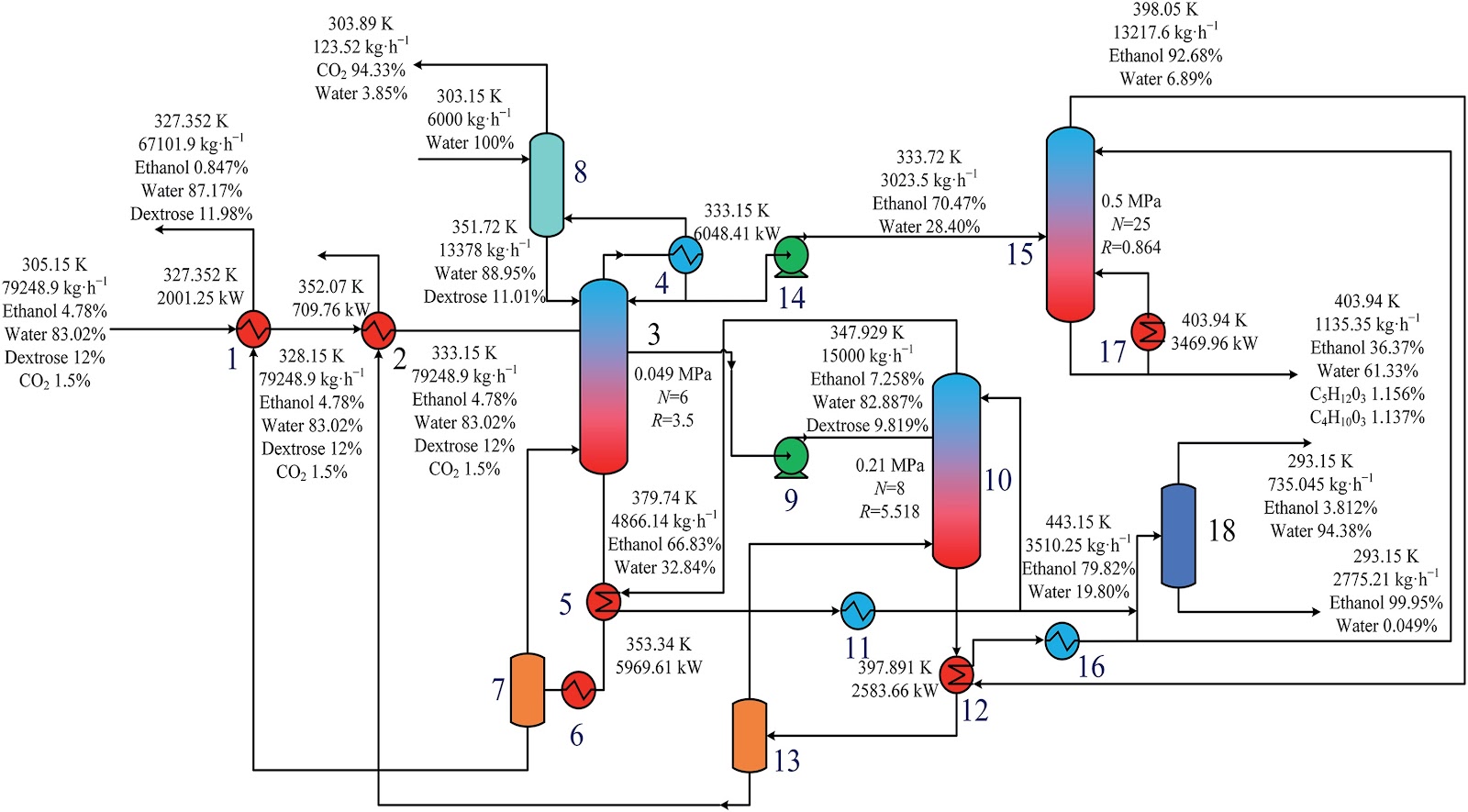
To address the challenges of high energy consumption and prominent costs in the traditional three-columns distillation process for cellulosic fuel ethanol, a distillation—molecular sieve coupling separation process is proposed. This process integrates a three-column (crude distillation column, first distillation column, second distillation column) system with a 3A molecular sieve adsorption deep dehydration unit. A thermal coupling network is constructed via differential pressure design (steam from medium/high-pressure columns as mutual heat sources, reboiler liquid waste heat for feed preheating), and molecular sieve adsorption conditions are optimized. The study first performs a thermodynamic consistency test on the ethanol—water system, determines optimal non-random two-liquid (NRTL) model binary interaction parameters via experimental data regression for Aspen Plus simulation. Aiming at minimum total annual cost (TAC), Aspen Plus is used to optimize process parameters (theoretical tray number, feed location, reflux ratio, side-draw position, etc.). Economic analysis shows this process reduces CO2 emission costs by 27.56%, TAC by 15.58% (to 5.123 × 10⁶ USD·a-1), and increases ethanol purity to >99.6%, providing an effective solution for green, efficient separation.
A cohesion loss model for determining residual strength of deep bedded sandstone
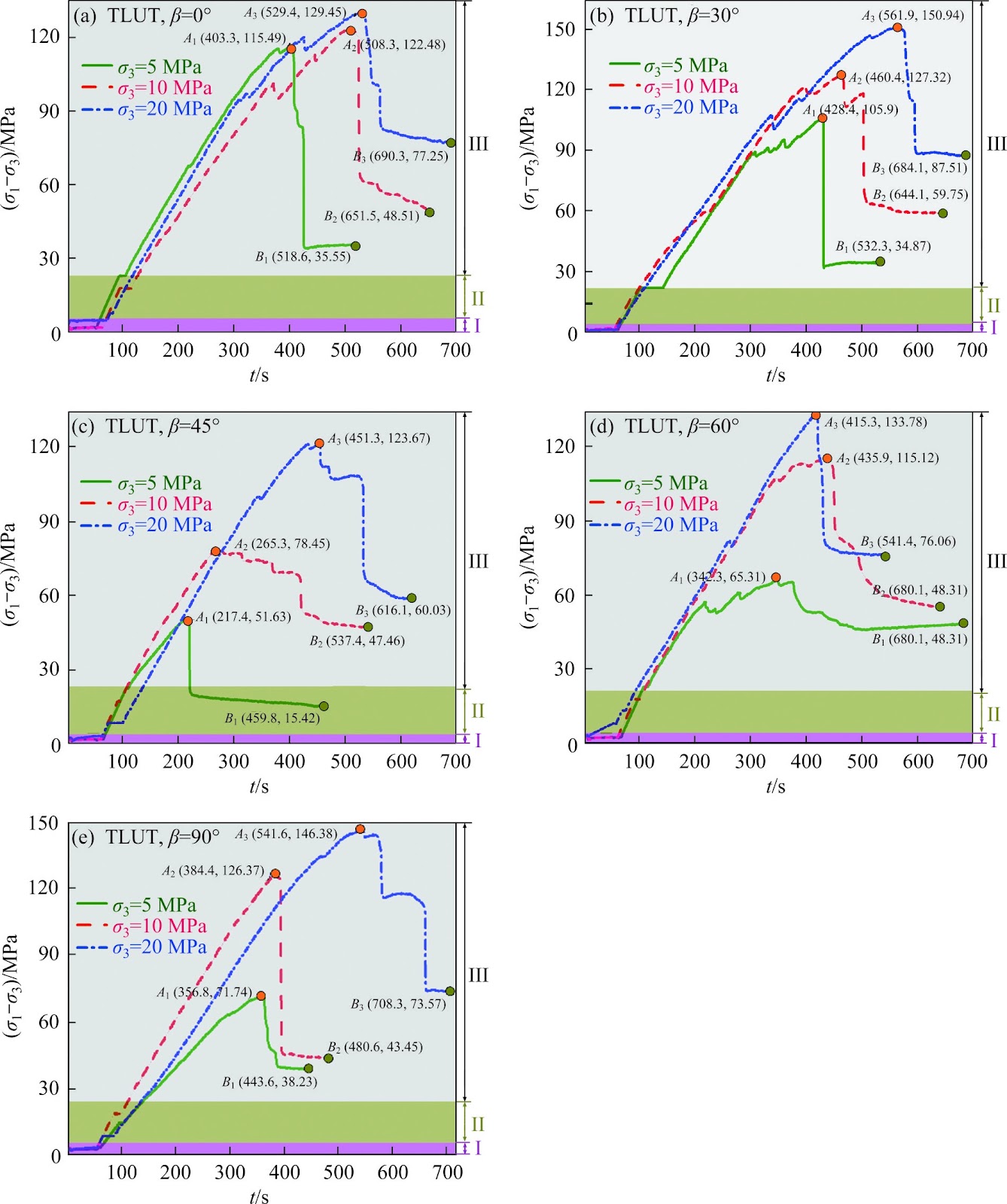
Rock residual strength, as an important input parameter, plays an indispensable role in proposing the reasonable and scientific scheme about stope design, underground tunnel excavation and stability evaluation of deep chambers. Therefore, previous residual strength models of rocks established were reviewed. And corresponding related problems were stated. Subsequently, starting from the effects of bedding and whole life-cycle evolution process, series of triaxial mechanical tests of deep bedded s
Federated model with contrastive learning and adaptive control variates for human activity recognition
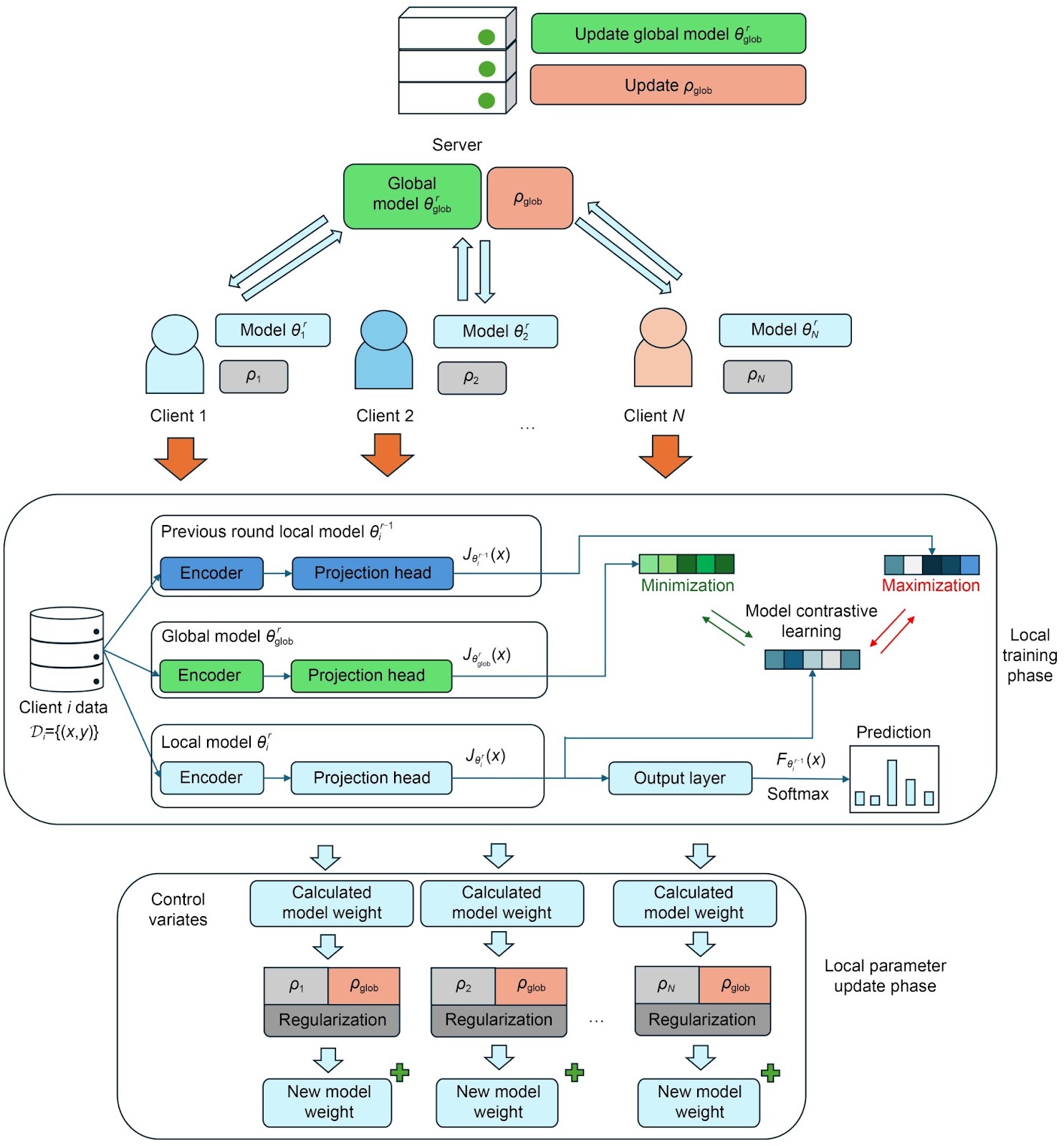
Recent attention to privacy issues demands a communication-safe method for training human activity recognition (HAR) models on client activity data. Federated learning (FL) has become a compelling technique to facilitate model training between the server and clients while preserving data privacy. However, classical FL methods often assume independent and identically distributed (IID) data among clients. This assumption does not hold true in practical scenarios. Human activity in real-world scena