Key Takeaways & Executive Findings
- •• DFT calculations reveal that transition metal (Ti, Ni, Zr, Nb) modification of V2C MXene improves MgH2 adsorption and lowers dehydrogenation energy. • Ni@V2C shows the highest adsorption energy and the greatest reduction in dehydrogenation energy (by 1.60 eV compared to pure MgH2). • Orbital hybridization between H and TM atoms enhances electronic interactions and catalytic activity. • TM@V2C combinations offer a promising catalyst design for experimentally improving MgH2 hydrogen storage performance.
Abstract
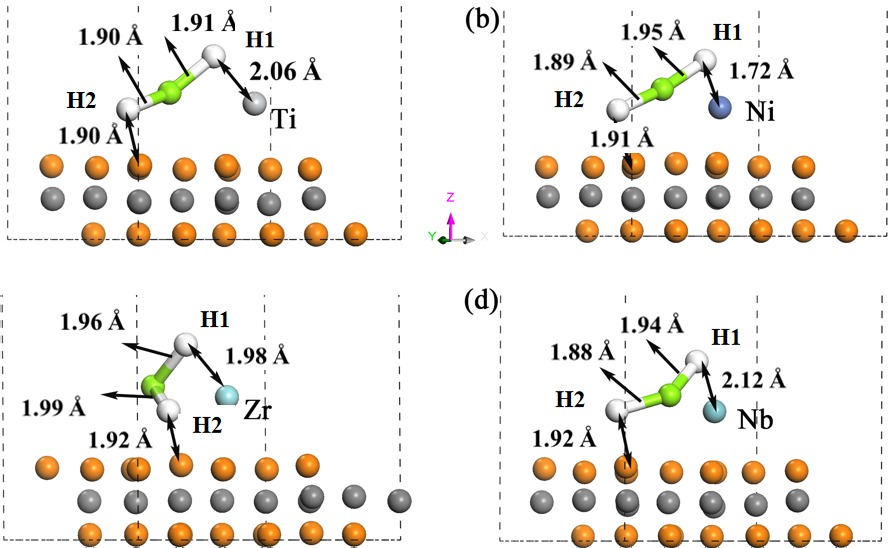
The effect of modifying V2C using transition metals (TMs) (Ti, Ni, Zr, and Nb) on the MgH2 dehydrogenation properties was investigated using the density functional theory (DFT). The adsorption energy, dehydrogenation energy, and electronic structure of MgH2 on TM (Ti, Ni, Zr, and Nb)@V2C were calculated. The results showed that TM atoms tended to occupy the face-centered cubic sites of V2C. MgH2 adsorption on V2C was improved by adding a TM and the order of the adsorption energy was as follows: Ni@V2C > Ti@V2C > Zr@V2C > Nb@V2C > V2C. An orbital hybridization peak between H and TM atoms was observed in the electronic structure of MgH2 on TM (Ti, Ni, Zr, and Nb)@V2C. The addition of a TM supported on V2C substantially improved the dehydrogenation energy of (MgH2)4 clusters, and the order of improvement was Ni@V2C > Ti@V2C > Nb@V2C > Zr@V2C. The dehydrogenation energy of (MgH2)4 clusters on Ni@V2C was lower than that of pure (MgH2)4 clusters and (MgH2)4 clusters on V2C, by 1.60 and 1.11 eV, respectively. TM@V2C combinations had significantly enhanced MgH2 dehydrogenation, providing theoretical justification for conducting experiments to develop novel high-performance catalysts.
1. Introduction
Hydrogen is considered to be a sustainable and clean energy source because of its high storage density, renewability, low price, and zero pollution. However, hydrogen storage is challenging. Hence, finding materials with high hydrogen storage densities has become a popular research topic [1–4].
Magnesium hydride (MgH2) is a candidate for solid-state hydrogen storage with a high hydrogen capacity of 7.6wt%, abundant feedstock, nontoxicity, high safety, and low price. However, its high thermodynamic stability and poor kinetic barriers restrict its practical application in hydrogen storage [5–12].
Doping MgH2 with catalytic additives, such as metals [13–31] and metal compounds [32–41] is a feasible strategy for enhancing its hydrogen storage properties. TMs and their compounds in particular effectively reduce the initial temperatures required for storing hydrogen in MgH2. Cui et al. [14] prepared Mg–TM (Ti, Ni, V, and Nb) composites and found that the lower the electronegativity of the TM, the better the hydrogenation performance of Mg–TM, except for Mg–Ni, which formed Mg2Ni with high hydrogen affinity. Zou et al. [18] prepared ultrafine Mg–Ni powders and studied their hydrogen storage properties. Their results showed that the Mg2NiH4 phase catalyzed MgH2 dehydrogenation. Ren et al. [32] studied MgH2 dehydrogenation using Ti-based additives. When Ti-based additives are used as catalysts, the dehydrogenation temperature of MgH2 decreases. Ma et al. [34] prepared different facet-dominant anatase TiO2 and doped it into MgH2. The results revealed that TiO2 exhibited prominent catalytic activity toward improving the hydrogen storage properties of MgH2. Valentoni et al. [39] investigated the decrease in the desorption temperature of MgH2 from 330°C in the undoped sample to 235°C in the VNbO5-doped sample.
However, catalyst nanoparticles typically grow and aggregate during H2 absorption reaction, which could reduce their catalytic efficiency. Researchers have begun coupling TM catalysts to scaffold materials to overcome the limitations of catalyst nanoparticles [42–50]. Lan et al. [45] prepared porous (Ni–V2O3)/C nanocomposites and found that Ni–V2O3/C addition enhanced the H2 adsorption/release kinetics of MgH2. The initial hydrogenation temperature of the test sample containing 10wt% nanocomposites was lower than that of pure MgH2 by 100°C. Chen et al. [47] prepared carbon-encapsulated ZrO2 nanoparticles (ZrO2/C). The initial hydrogenation temperature of MgH2–ZrO2/C was lower than that of MgH2–ZrO2 and pure MgH2 by 40 and 101°C, respectively.
TM carbides and nitrides (MXenes) are two-dimensional materials, widely used to improve the hydrogen storage performance of MgH2 [51–59]. Liu et al. [51] synthesized Ti3C2 powder and doped it into MgH2. The initial dehydrogenation temperature of MgH2 doped with the Ti3C2 powder was lower than that of pure MgH2 by 93°C, showing the excellent dehydrogenation kinetics of the doped MgH2. Liu et al. [53] prepared two-dimensional Nb4C3Tx and applied it to MgH2 via ball milling. The initial dehydrogenation temperature of MgH2 with 5wt% Nb4C3Tx had decreased from 296.5 (balled pure MgH2) to 150.6°C. Liu et al. [55] prepared a bimetallic layered Ti2VC2 MXene using exfoliation. The initial dehydrogenation temperature of MgH2 containing 10wt% Ti2VC2 was 170°C. Lu et al. [57] found that by adding 10wt% V2C, synthesized through the etching method, to MgH2, greatly decre...
Loading authentic research manuscript (Pages 1–5)...
Hua Ning, Junyu Chen, Zhipeng Meng, Zhiqiang Lan, Haizhen Liu, Jin Guo (2025). Promising prospects of transition metal (Ti, Ni, Zr and Nb)-modified V2C MXenes for improving the hydrogen storage performance of magnesium hydride. Journal of Mineral Metallurgy and Materials Science. https://doi.org/10.1007/s12613-025-3292-6
Research & Educational Purpose Only:The translations, structured abstracts, analytical annotations, and data reports provided by SinoTechIntel are intended exclusively for academic research, internal corporate R&D, and educational benchmarking. They do not constitute formal engineering, chemical safety, legal, or professional advice.
Copyright & Intellectual Property Notice: Original copyright of the underlying source articles and experimental data remains with the respective authors, institutions, and original publishing journals. SinoTechIntel claims intellectual property only over its proprietary translations, analytical syntheses, and AEO structured enhancements in accordance with international fair use and academic citation principles.
Frequently Asked Questions
How does transition metal-modified V2C improve the hydrogen storage performance of magnesium hydride?
The study shows that TM atoms (Ti, Ni, Zr, Nb) supported on V2C MXene enhance MgH2 adsorption and dehydrogenation, with Ni@V2C providing the lowest dehydrogenation energy.
Which transition metal showed the best catalytic effect?
Ni-modified V2C (Ni@V2C) exhibited the best improvement, reducing dehydrogenation energy by 1.60 eV compared to pure MgH2 clusters.
What computational method was used in this research?
Density functional theory (DFT) calculations were employed to evaluate adsorption energies, dehydrogenation energies, and electronic structures.
Why is MgH2 considered a promising hydrogen storage material?
MgH2 has a high hydrogen capacity of 7.6 wt%, low cost, and abundance, but suffers from high thermodynamic stability and slow kinetics, which catalytic additives aim to overcome.
What is the significance of this study?
The theoretical results provide a basis for experimentally developing TM@V2C catalysts that can significantly lower the dehydrogenation temperature of MgH2.
Related Technical Papers & Translations
Design and optimization of a high-efficiency distillation process for cellulosic fuel ethanol integrated with thermal coupling and molecular sieve adsorption
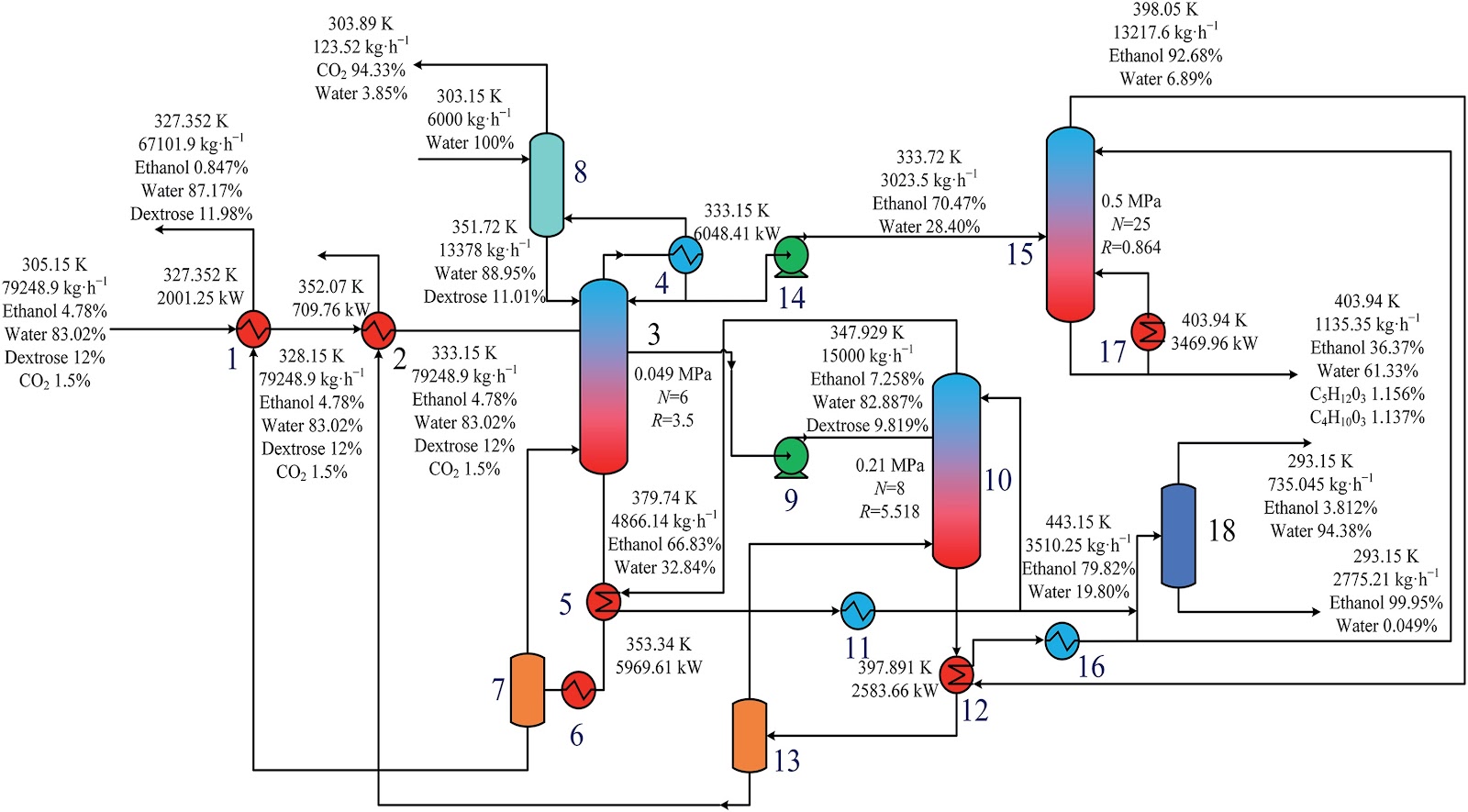
To address the challenges of high energy consumption and prominent costs in the traditional three-columns distillation process for cellulosic fuel ethanol, a distillation—molecular sieve coupling separation process is proposed. This process integrates a three-column (crude distillation column, first distillation column, second distillation column) system with a 3A molecular sieve adsorption deep dehydration unit. A thermal coupling network is constructed via differential pressure design (steam from medium/high-pressure columns as mutual heat sources, reboiler liquid waste heat for feed preheating), and molecular sieve adsorption conditions are optimized. The study first performs a thermodynamic consistency test on the ethanol—water system, determines optimal non-random two-liquid (NRTL) model binary interaction parameters via experimental data regression for Aspen Plus simulation. Aiming at minimum total annual cost (TAC), Aspen Plus is used to optimize process parameters (theoretical tray number, feed location, reflux ratio, side-draw position, etc.). Economic analysis shows this process reduces CO2 emission costs by 27.56%, TAC by 15.58% (to 5.123 × 10⁶ USD·a-1), and increases ethanol purity to >99.6%, providing an effective solution for green, efficient separation.
A cohesion loss model for determining residual strength of deep bedded sandstone
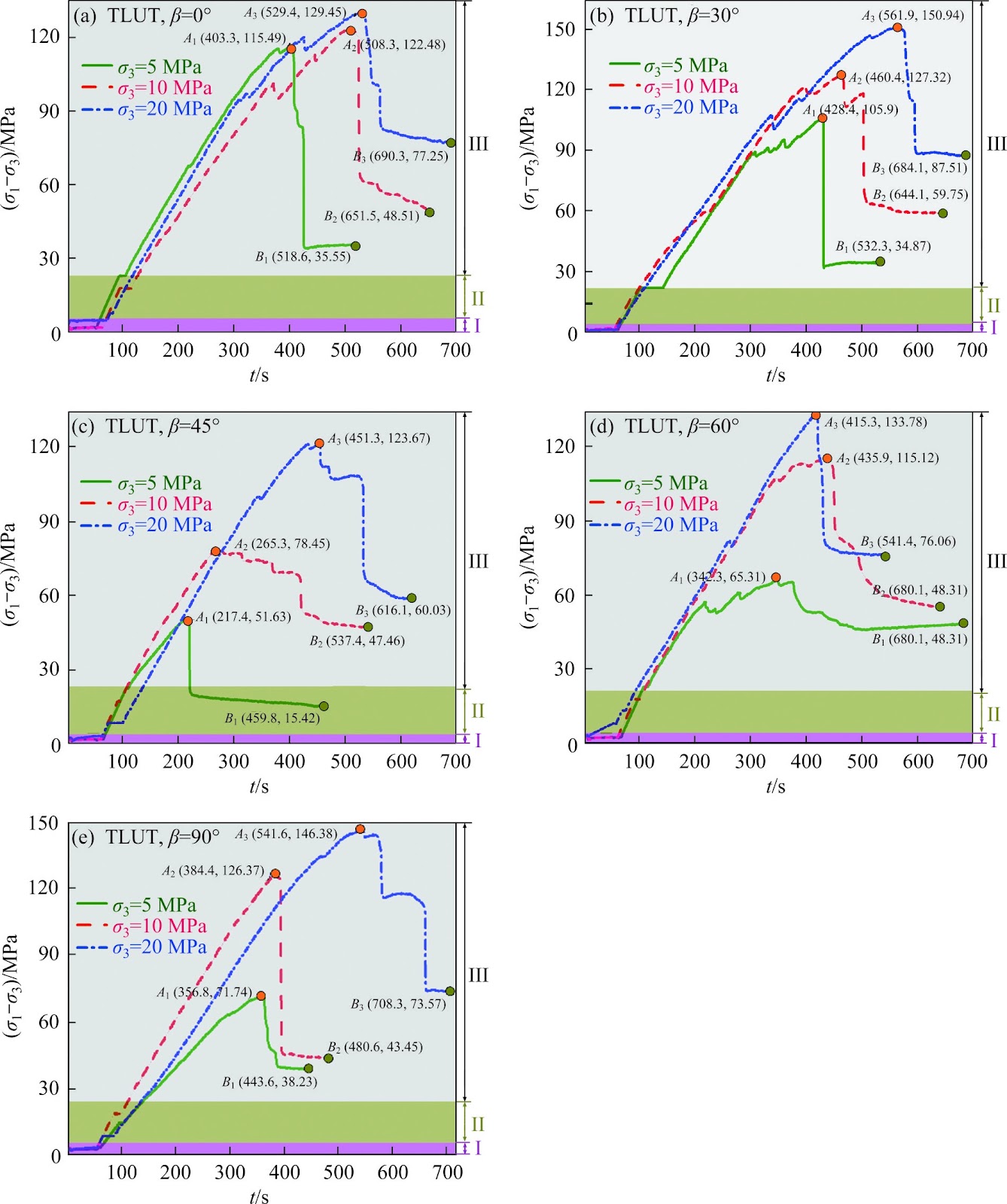
Rock residual strength, as an important input parameter, plays an indispensable role in proposing the reasonable and scientific scheme about stope design, underground tunnel excavation and stability evaluation of deep chambers. Therefore, previous residual strength models of rocks established were reviewed. And corresponding related problems were stated. Subsequently, starting from the effects of bedding and whole life-cycle evolution process, series of triaxial mechanical tests of deep bedded s
Federated model with contrastive learning and adaptive control variates for human activity recognition
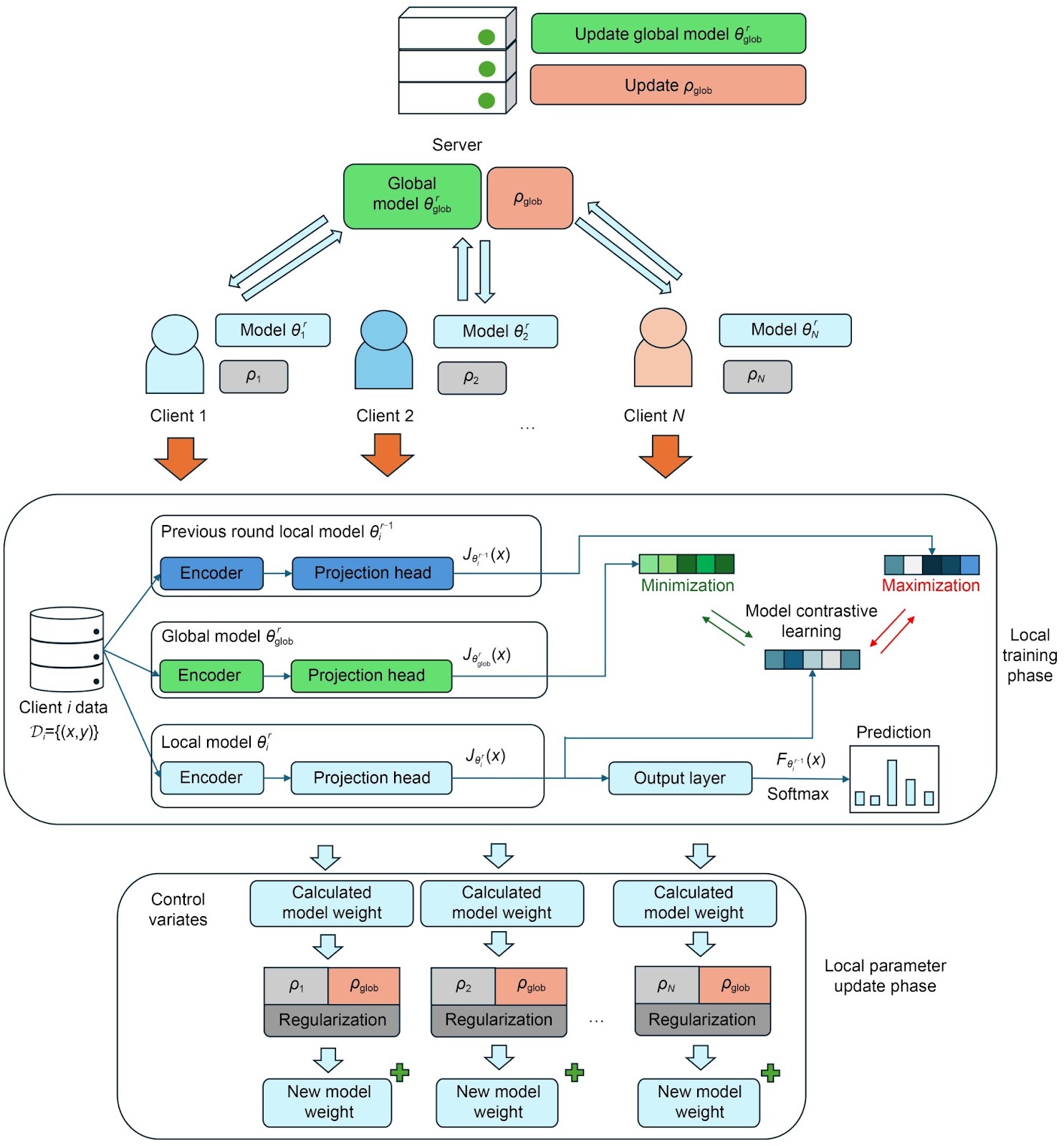
Recent attention to privacy issues demands a communication-safe method for training human activity recognition (HAR) models on client activity data. Federated learning (FL) has become a compelling technique to facilitate model training between the server and clients while preserving data privacy. However, classical FL methods often assume independent and identically distributed (IID) data among clients. This assumption does not hold true in practical scenarios. Human activity in real-world scena