Key Takeaways & Executive Findings
- •• A novel GO-directed templating approach constructs a hierarchical nanoflower superstructure from ZIF-derived carbon, featuring radially aligned meso/macroporous nanosheets. • The optimized ZIF-9@GO-6 anode delivers a high specific capacity of 521.8 mAh·g−1 at 0.05 A·g−1 with an excellent initial Coulombic efficiency of 89.2%. • Exceptional cycling stability is demonstrated, retaining 298.2 mAh·g−1 after 500 cycles, outperforming conventional ZIF-derived carbons. • This strategy resolves inherent trade-offs between porosity, conductivity, and structural stability, enabling scalable, high-performance sodium-ion batteries.
Abstract
Conventional hard carbon anodes, despite their high sodium storage capacity, suffer from two major limitations: sluggish ion diffusion kinetics due to tortuous micropore networks and significant volume expansion arising from disordered carbon structures. These inherent defects collectively compromise rate capability and cycling stability. Herein, we devise a graphene oxide (GO)-directed templating approach to architect zeolitic imidazolate framework (ZIF)-derived carbon into a hierarchical nanoflower superstructure with radially aligned meso/macroporous nanosheets. This superstructure integrates three synergistic features: three-dimensional interconnected channels and graphitic domains enabling fast ion/electron transport, radially aligned nanosheets maximizing electrode–electrolyte contact while accommodating volume expansion, and nitrogen-doped defect sites providing preferential redox-active centers for sodium storage. The optimized ZIF-9@GO-6 achieves a high specific capacity of 521.8 mAh·g−1 at 0.05 A·g−1 with an initial Coulombic efficiency of 89.2%, and retains a specific capacity of 298.2 mAh·g−1 after 500 cycles. This GO-directed morphological engineering strategy effectively resolves the intrinsic trade-offs between porosity, conductivity, and structural stability in conventional hard carbon anodes, paving the way for scalable, high-performance sodium-ion batteries.
1. Introduction
In the context of global carbon peaking and carbon neutrality goals, the development of sustainable green energy storage materials is progressing rapidly [1]. Sodium-ion batteries (SIBs) are regarded as a promising alternative to lithium-ion batteries (LIBs) due to their abundant resources, lower cost, and similar electrochemistry [2–4]. Hard carbon [5] stands out as a leading anode candidate for SIBs due to its high sodium storage capacity and low sodium insertion potential [6–7]. However, conventional hard carbon anodes are limited by their micropore-dominated and disordered pore structures, which result in slow Na+ diffusion kinetics, significant volume expansion, and uneven distribution of defect sites [8–11]. These limitations severely restrict the rate capability and cycle life of SIBs.
Recent advances demonstrate that zeolitic imidazolate frameworks (ZIFs)-derived carbon materials have made significant progress in the optimization of porous structures, owing to their high specific surface area (SBET), tunable pore structures, and abundant active sites [12–15]. Based on the strategy of nanoarchitectonics, researchers now precisely engineer ZIF-derived carbon microstructures by manipulating: (i) metal precursor composition, (ii) templating approaches, and (iii) controlled self-assembly pathways [16–21]. On the one hand, the introduction of multi-metal components (e.g., Zn, Co, Fe, and Ni) induces catalytic graphitization while simultaneously promoting meso/macropore formation via Ostwald ripening during pyrolysis [22–25]. This synergistic effect mitigates the overlap of electric double layers and enhances electron/ion transport kinetics. However, nanoparticle aggregation, spatial inhomogeneity, and inadequate size control frequently result in inconsistent graphitization and disordered porosity. On the other hand, the integration of hard templates, surfactant-derived soft templates, or polydopamine-mediated assembly enables the synthesis of hollow carbon spheres with hierarchical porosity, significantly enhancing electrolyte infiltration and mass transport kinetics. However, these strategies involve complex procedures, costly etching processes, and low yields, limiting their scalability [26–27].
Loading authentic research manuscript (Pages 1–5)...
Xiaohua Zhang, Kangjie Han, Xinxin Zhao, Xiaoyan Yan, Kang Zhang, Hengxiang Li, Baosheng Liu (2025). Self-assembled nanoflower zeolitic imidazolate framework-carbon for superior sodium storage. Journal of Mineral Metallurgy and Materials Science. https://doi.org/10.1007/s12613-025-3329-x
Research & Educational Purpose Only:The translations, structured abstracts, analytical annotations, and data reports provided by SinoTechIntel are intended exclusively for academic research, internal corporate R&D, and educational benchmarking. They do not constitute formal engineering, chemical safety, legal, or professional advice.
Copyright & Intellectual Property Notice: Original copyright of the underlying source articles and experimental data remains with the respective authors, institutions, and original publishing journals. SinoTechIntel claims intellectual property only over its proprietary translations, analytical syntheses, and AEO structured enhancements in accordance with international fair use and academic citation principles.
Frequently Asked Questions
What are the main limitations of conventional hard carbon anodes?
Conventional hard carbon anodes suffer from slow Na+ diffusion kinetics due to tortuous micropore networks and significant volume expansion from disordered carbon structures, which collectively compromise rate capability and cycling stability.
How does the GO-directed templating approach improve ZIF-derived carbon?
The GO-directed approach architects ZIF-derived carbon into a hierarchical nanoflower superstructure with radially aligned meso/macroporous nanosheets, providing interconnected channels, enhanced electrode–electrolyte contact, and N-doped defect sites for improved sodium storage.
What performance does the optimized ZIF-9@GO-6 achieve?
It achieves a high specific capacity of 521.8 mAh·g−1 at 0.05 A·g−1 with an initial Coulombic efficiency of 89.2%, and retains 298.2 mAh·g−1 after 500 cycles.
What is the significance of this nanoflower superstructure?
The nanoflower superstructure integrates fast ion/electron transport, accommodation of volume expansion, and preferential redox-active centers, resolving inherent trade-offs between porosity, conductivity, and structural stability in hard carbon anodes.
What is the implication for sodium-ion batteries?
This morphological engineering strategy paves the way for scalable, high-performance sodium-ion batteries, addressing sustainability and energy storage challenges.
Related Technical Papers & Translations
Design and optimization of a high-efficiency distillation process for cellulosic fuel ethanol integrated with thermal coupling and molecular sieve adsorption
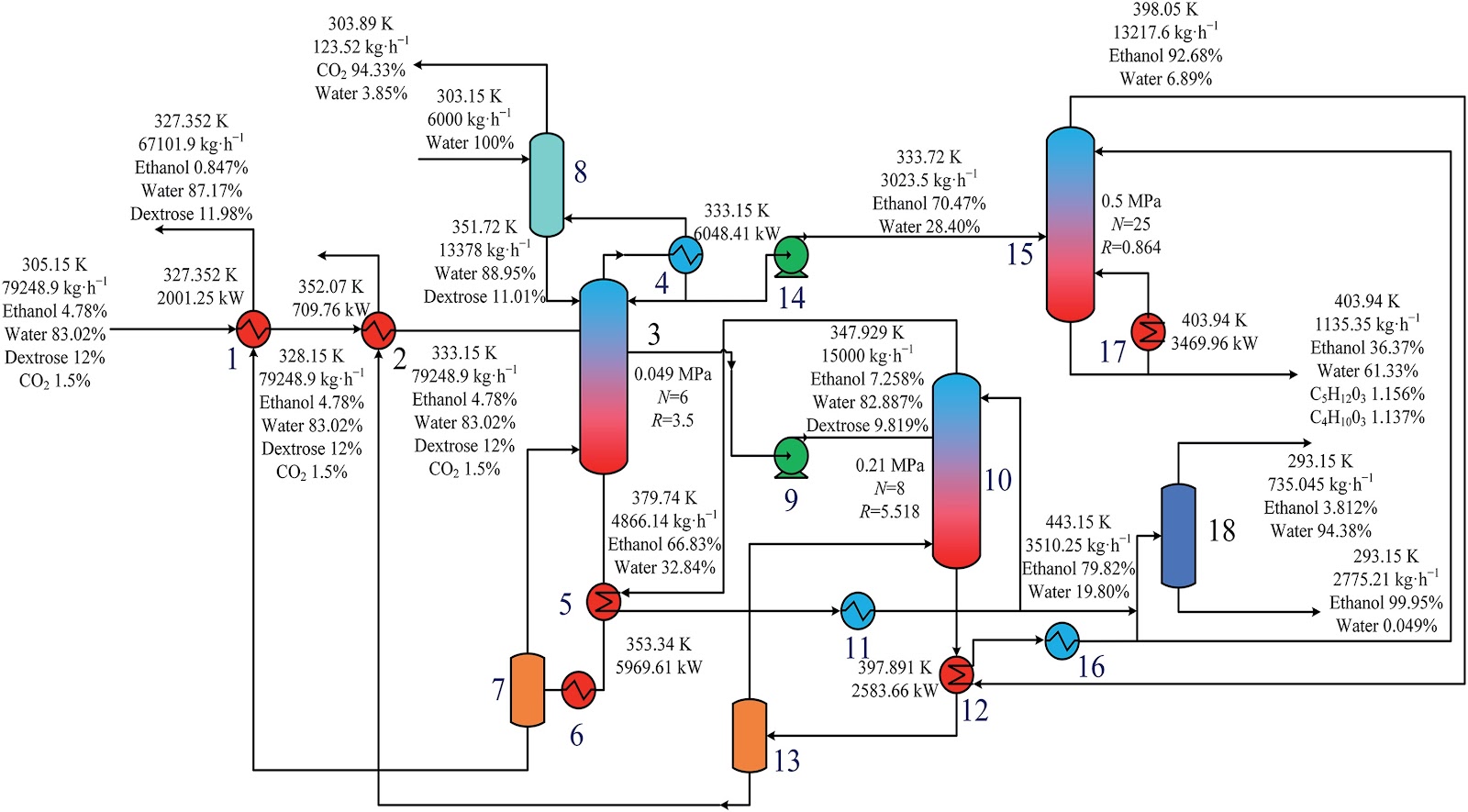
To address the challenges of high energy consumption and prominent costs in the traditional three-columns distillation process for cellulosic fuel ethanol, a distillation—molecular sieve coupling separation process is proposed. This process integrates a three-column (crude distillation column, first distillation column, second distillation column) system with a 3A molecular sieve adsorption deep dehydration unit. A thermal coupling network is constructed via differential pressure design (steam from medium/high-pressure columns as mutual heat sources, reboiler liquid waste heat for feed preheating), and molecular sieve adsorption conditions are optimized. The study first performs a thermodynamic consistency test on the ethanol—water system, determines optimal non-random two-liquid (NRTL) model binary interaction parameters via experimental data regression for Aspen Plus simulation. Aiming at minimum total annual cost (TAC), Aspen Plus is used to optimize process parameters (theoretical tray number, feed location, reflux ratio, side-draw position, etc.). Economic analysis shows this process reduces CO2 emission costs by 27.56%, TAC by 15.58% (to 5.123 × 10⁶ USD·a-1), and increases ethanol purity to >99.6%, providing an effective solution for green, efficient separation.
A cohesion loss model for determining residual strength of deep bedded sandstone
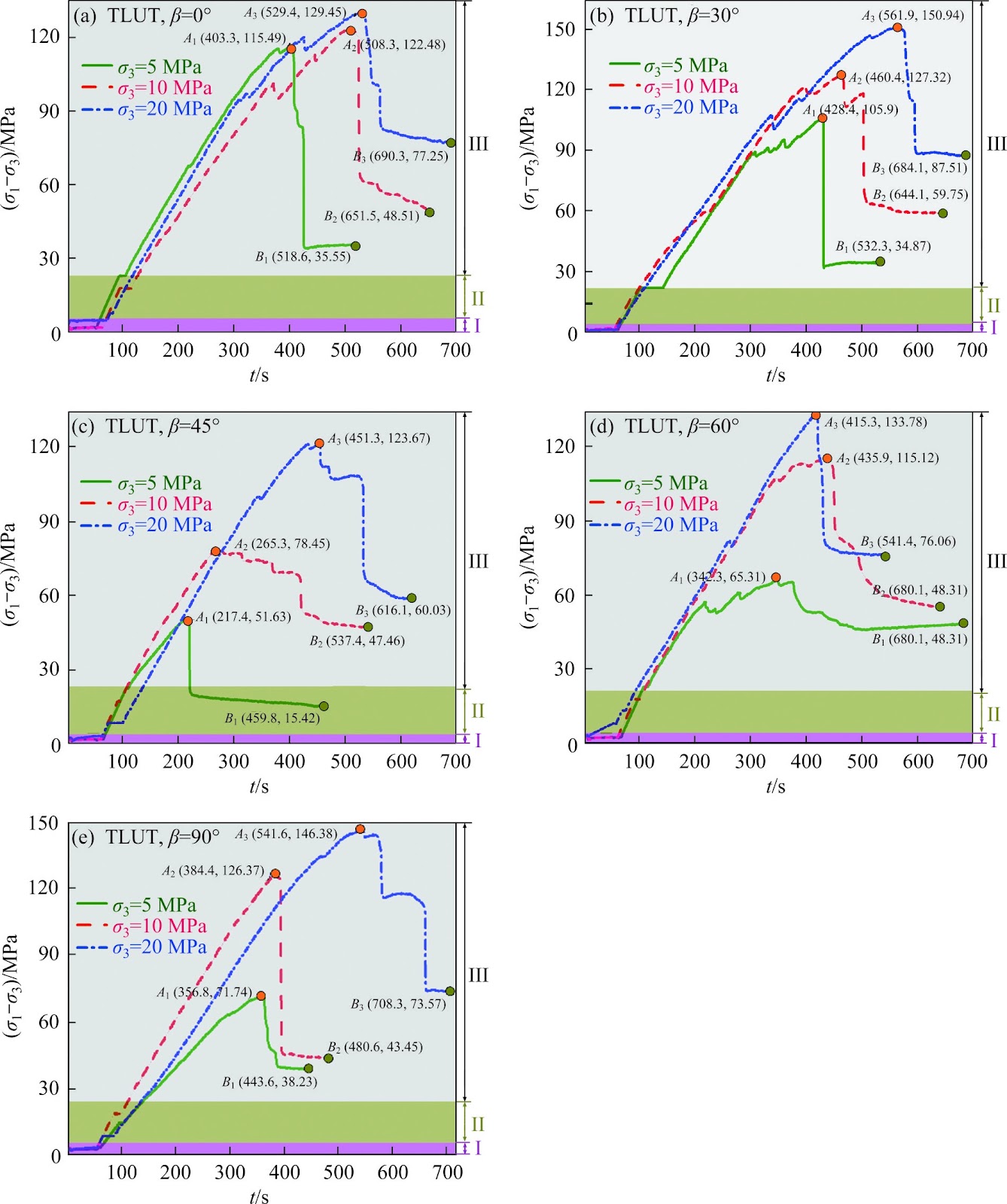
Rock residual strength, as an important input parameter, plays an indispensable role in proposing the reasonable and scientific scheme about stope design, underground tunnel excavation and stability evaluation of deep chambers. Therefore, previous residual strength models of rocks established were reviewed. And corresponding related problems were stated. Subsequently, starting from the effects of bedding and whole life-cycle evolution process, series of triaxial mechanical tests of deep bedded s
Federated model with contrastive learning and adaptive control variates for human activity recognition
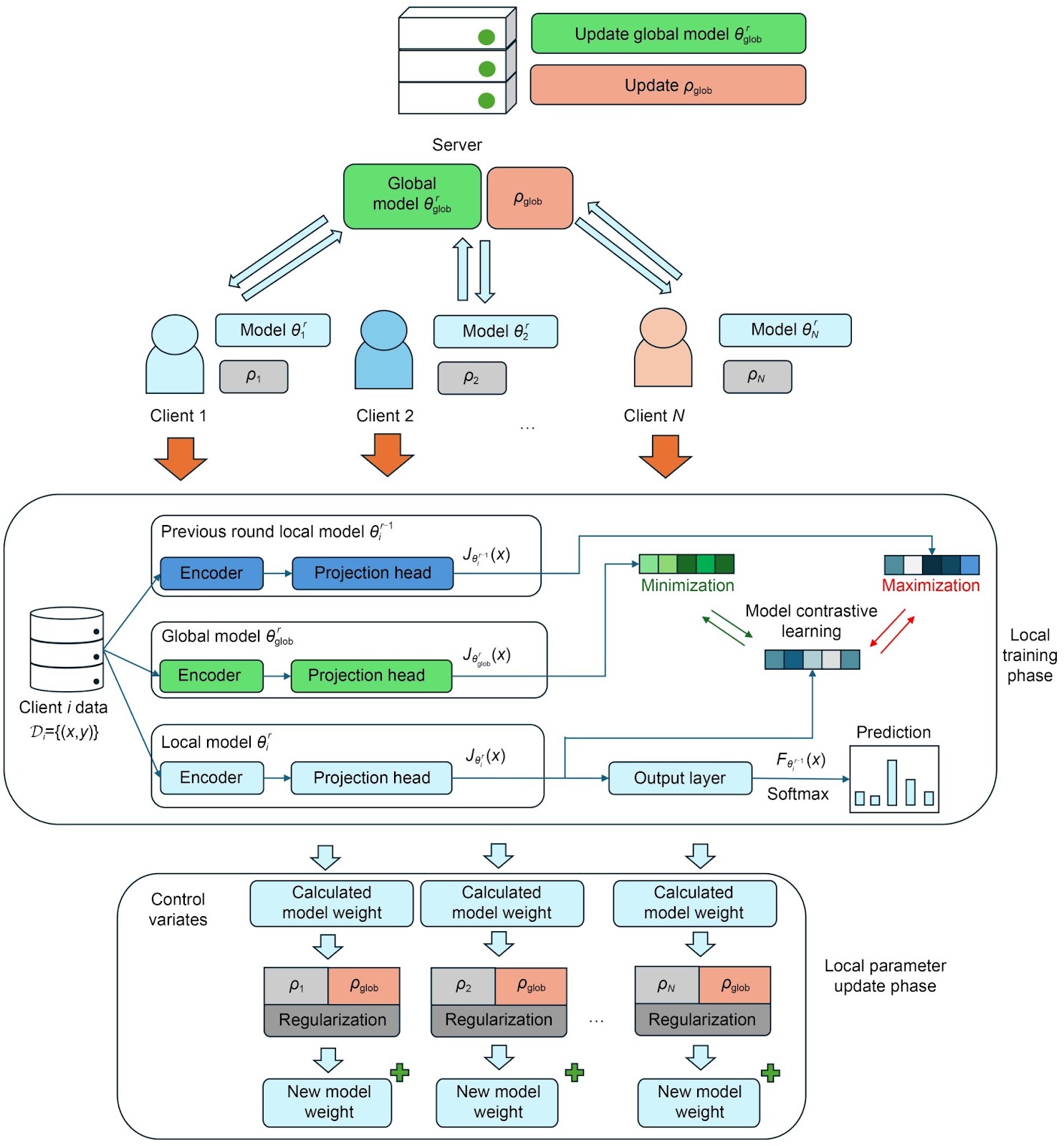
Recent attention to privacy issues demands a communication-safe method for training human activity recognition (HAR) models on client activity data. Federated learning (FL) has become a compelling technique to facilitate model training between the server and clients while preserving data privacy. However, classical FL methods often assume independent and identically distributed (IID) data among clients. This assumption does not hold true in practical scenarios. Human activity in real-world scena