Key Takeaways & Executive Findings
- •• Integration of 2D transition metal carbides (TiC/WC) into FA0.85MA0.15PbI3 active layers creates conductive networks and passivates grain-boundary defects, reducing trap density from 10^16 to 10^14 cm−3. • WC-engineered active layers deliver a champion power conversion efficiency of 24.25%, outperforming TiC-incorporated (23.74%) and pristine (22.56%) devices. • AL@WC devices retain 86% of initial PCE after 800 h in ambient air (40% RH) under dark conditions and 81% under continuous illumination; N2 storage improves retention to 89% (dark) and 83% (illumination). • The work establishes a scalable PSC paradigm that unifies charge extraction and stabilization, overcoming the traditional efficiency–stability tradeoff for >24% efficient photovoltaics.
Abstract
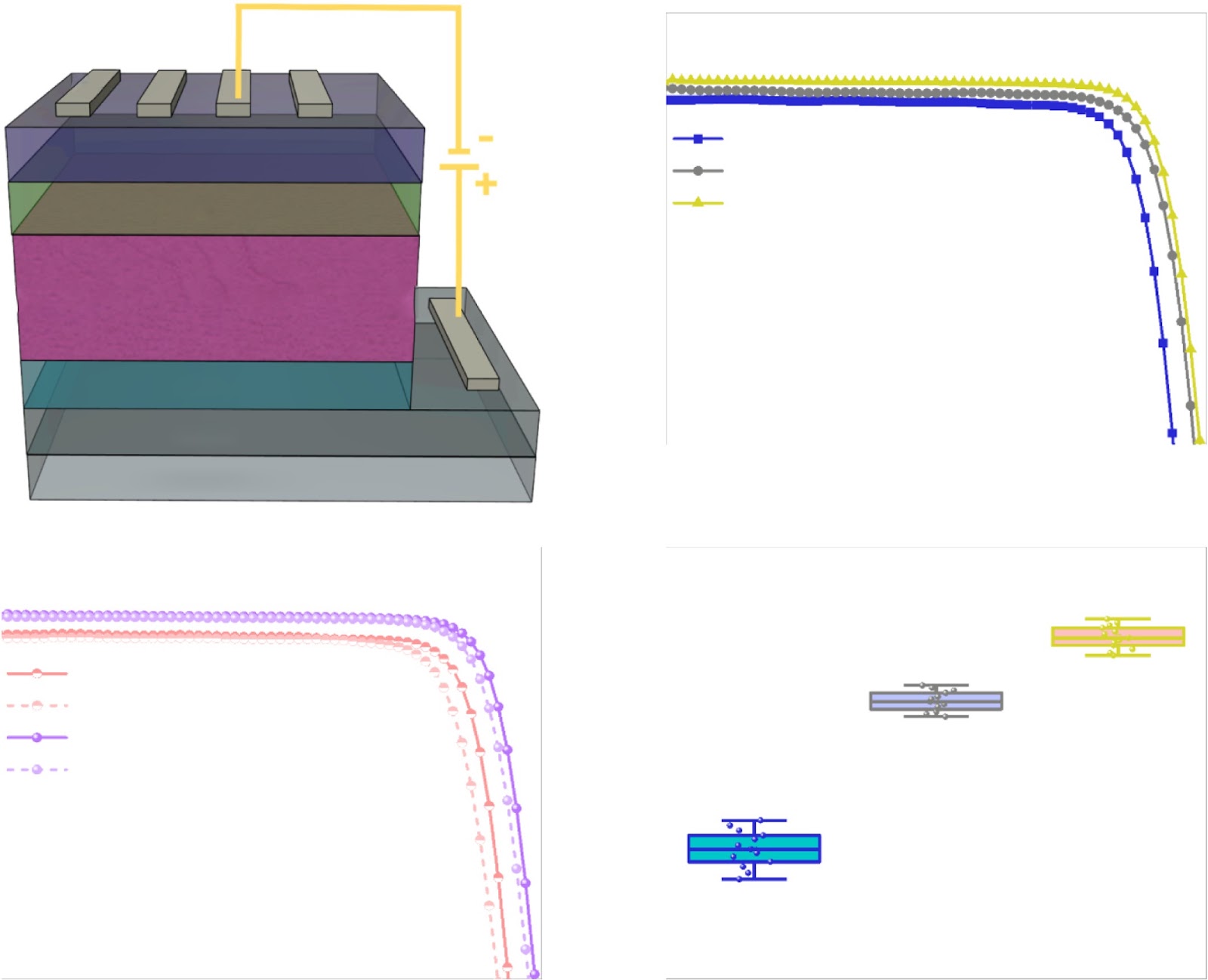
We introduce an innovative perovskite solar cell (PSC) architecture featuring a multifunctional active layer (AL) of FA0.85MA0.15PbI3 (FA: formamidine, MA: methylamine) integrated with two dimensional (2D) transition metal carbides (TiC/WC). The properties of the chemically reduced WC and TiC were thoroughly validated through structural and morphological analyses. This design significantly enhances the conventional charge-transporting properties of the AL by utilizing conductive carbide networks (conductivity (σ) > 1200 S/cm) and achieving defect passivation at grain boundaries (reducing trap density from 1016 to 1014 cm−3), along with providing intrinsic stability against environmental stressors. Devices constructed with the AL@WC configuration achieved a remarkable power conversion efficiency (PCE) of 24.25%, surpassing both the TiC-incorporated devices (23.74%) and the pristine AL devices (22.56%). Significantly, after 800 h in ambient air conditions (40% relative humidity), the AL@WC device retained 86% of its initial PCE under dark conditions and 81% under continuous illumination. In a nitrogen environment, dark stability measurements indicated a retention rate of 89%, while illumination stability exhibited an 83% retention for the AL@WC, affirming the enhanced protective capabilities and stability provided by the WC-integrated FA0.85MA0.15PbI3 AL configuration. This work establishes a simplified and high-performance PSC paradigm by effectively uniting charge extraction and stabilization within the AL, paving the way for scalable photovoltaics exceeding 24% efficiency and operational stability.
1. Introduction
Organic–inorganic metal halide perovskite solar cells (PSCs) have emerged as highly promising next-generation photovoltaics due to their exceptional power conversion efficiency (25.7%), outstanding optoelectronic properties, and low-cost fabrication [1–2]. Key advantages include a broad light-harvesting range, high absorption coefficient (>10^5 cm−1) [3–4], tunable bandgap, long charge carrier diffusion lengths (µm-scale) [3], high carrier mobility (24–105 cm2·V−1·s−1 for MAPbI3) [3,5], and solution-processability. The efficiency and stability of PSCs are critically influenced by the charge transport layers (CTLs) and defect density in the perovskite active layer [6]. To enhance performance, key strategies include: (1) optimizing the optoelectronic properties of electron/hole transport layers (ETLs/HTLs) or active layers (ALs), and (2) reducing perovskite defects through additive engineering improving crystallization, passivating traps, and boosting charge carrier density [7–9].
To enhance the optoelectronic properties, functionality, and processability of ETLs/HTLs or ALs, two-dimensional (2D) materials such as graphene/reduced graphene oxide (rGO) [10–11], carbon nanotubes (CNTs) [12], transition metal dichalcogenides (TMDs) [13–14], cadmium sulfide [15], MXenes including transition metal carbides (TMCs) [16–17], and black phosphorus [18–19] have been integrated into PSCs. The integration of 2D transition metal carbides (TiC/WC) into FA0.85MA0.15PbI3 (FA: formamidine, MA: methylamine) ALs achieves breakthrough performance in perovskite photovoltaics through three synergistic mechanisms: metallic conductivity networks (sheet resistance < 200 Ω/sq) enabling 25%–30% improved charge extraction [20–22], defect passivation reducing trap densities from 10^16 to 10^14 cm−3 via Pb2+ and halide vacancy compensation [23–24], and enhanced environmental stability demonstrated by >1000-h operation at 85% relative humidity (RH) [25].
The materials’ intrinsic hydrophobicity, combined with exceptional mechanical properties (Young’s modulus > 300 GPa), simultaneously addresses phase segregation and mechanical degradation [26–27]. Device metrics show a power conversion efficiency (PCE) enhancement from 18.2% to 20.8%, with T80 lifetimes extending from 400 to 1200 h under continuous illumination. While challenges remain in doping optimization (0.5wt%–2wt% window) and large-area nanosheet dispersion, this AL design paradigm eliminates traditional efficiency–stability tradeoffs, offering a commercially viable pathway for perovskite photovoltaics through water-processable, fullerene-free fabrication [2].
Loading authentic research manuscript (Pages 1–5)...
Sajjad Hussain, Hailiang Liu, Sayed Zafar Abbas, Iftikhar Hussain, Abdullah A. Al-Kahtani, Naesung Lee, Hyun-Seok Kim, Jungwon Kang, Jongwan Jung, Dhanasekaran Vikraman (2025). Transition metal carbide-engineered active layers for high-efficiency and stable perovskite solar cell. Journal of Mineral Metallurgy and Materials Science. https://doi.org/10.1007/s12613-025-3340-2
Research & Educational Purpose Only:The translations, structured abstracts, analytical annotations, and data reports provided by SinoTechIntel are intended exclusively for academic research, internal corporate R&D, and educational benchmarking. They do not constitute formal engineering, chemical safety, legal, or professional advice.
Copyright & Intellectual Property Notice: Original copyright of the underlying source articles and experimental data remains with the respective authors, institutions, and original publishing journals. SinoTechIntel claims intellectual property only over its proprietary translations, analytical syntheses, and AEO structured enhancements in accordance with international fair use and academic citation principles.
Frequently Asked Questions
What is the highest power conversion efficiency reported in this study?
The WC-integrated active layer achieved a champion PCE of 24.25%, surpassing TiC-incorporated devices (23.74%) and pristine devices (22.56%).
Which transition metal carbides were used in the perovskite active layer?
Two-dimensional titanium carbide (TiC) and tungsten carbide (WC) were integrated into FA0.85MA0.15PbI3 perovskite active layers.
How does the WC/TiC integration improve perovskite solar cell stability?
The carbides provide conductive networks, passivate grain-boundary defects, and impart intrinsic hydrophobicity, reducing degradation from moisture and environmental stressors. AL@WC devices retained 86% (dark) and 81% (illumination) of initial PCE after 800 h in ambient air.
What mechanisms are responsible for the enhanced charge transport?
Metallic carbide networks with sheet resistance <200 Ω/sq improve charge extraction by 25%–30%, and defect passivation reduces trap density from 10^16 to 10^14 cm−3, leading to more efficient carrier collection.
What is the significance of this active-layer engineering approach?
It unifies charge extraction and stabilization within the active layer, eliminating the traditional efficiency–stability tradeoff and offering a scalable, water-processable, fullerene-free pathway for >24% efficient perovskite photovoltaics.
Related Technical Papers & Translations
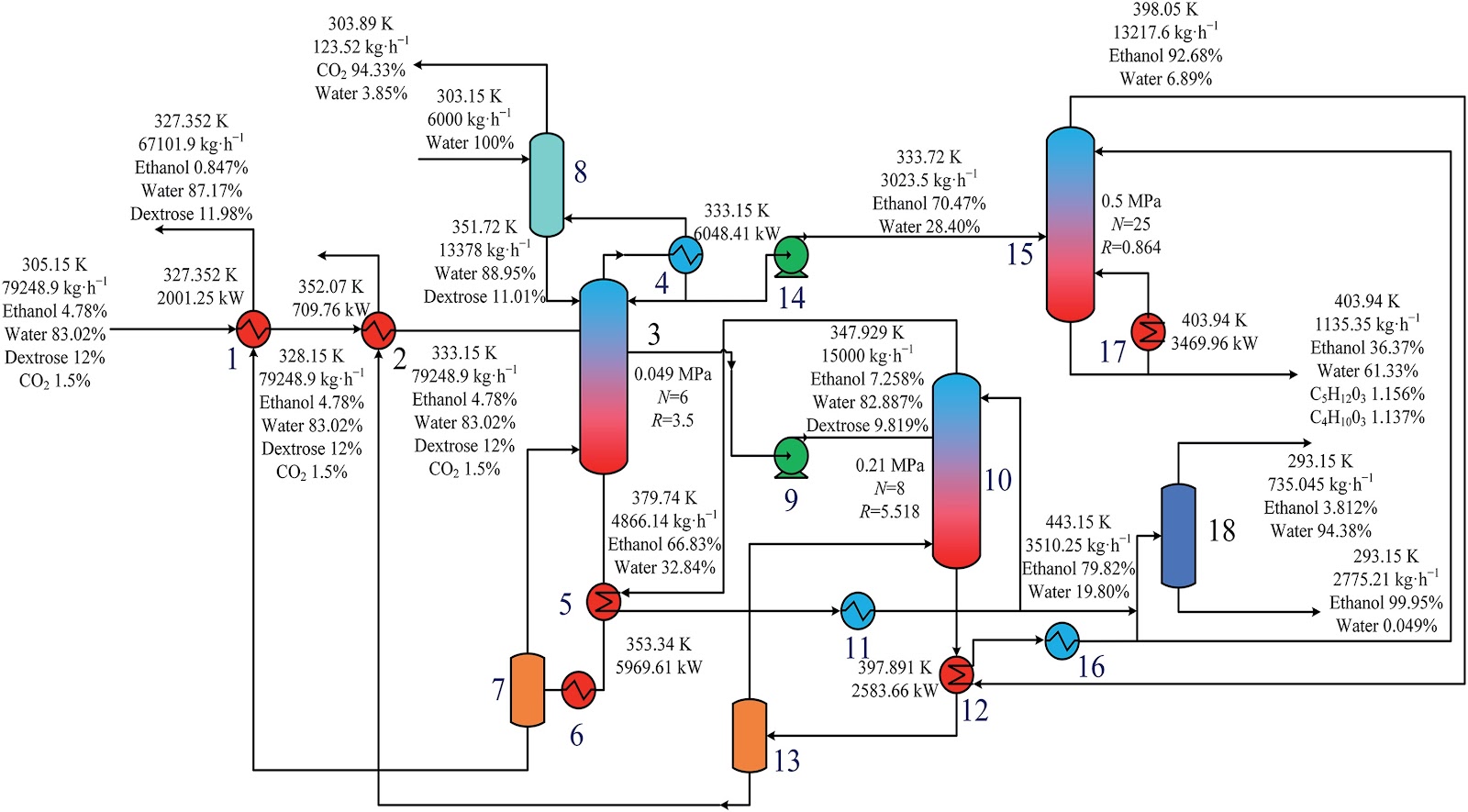
Design and optimization of a high-efficiency distillation process for cellulosic fuel ethanol integrated with thermal coupling and molecular sieve adsorption
To address the challenges of high energy consumption and prominent costs in the traditional three-columns distillation process for cellulosic fuel ethanol, a distillation—molecular sieve coupling separation process is proposed. This process integrates a three-column (crude distillation column, first distillation column, second distillation column) system with a 3A molecular sieve adsorption deep dehydration unit. A thermal coupling network is constructed via differential pressure design (steam from medium/high-pressure columns as mutual heat sources, reboiler liquid waste heat for feed preheating), and molecular sieve adsorption conditions are optimized. The study first performs a thermodynamic consistency test on the ethanol—water system, determines optimal non-random two-liquid (NRTL) model binary interaction parameters via experimental data regression for Aspen Plus simulation. Aiming at minimum total annual cost (TAC), Aspen Plus is used to optimize process parameters (theoretical tray number, feed location, reflux ratio, side-draw position, etc.). Economic analysis shows this process reduces CO2 emission costs by 27.56%, TAC by 15.58% (to 5.123 × 10⁶ USD·a-1), and increases ethanol purity to >99.6%, providing an effective solution for green, efficient separation.
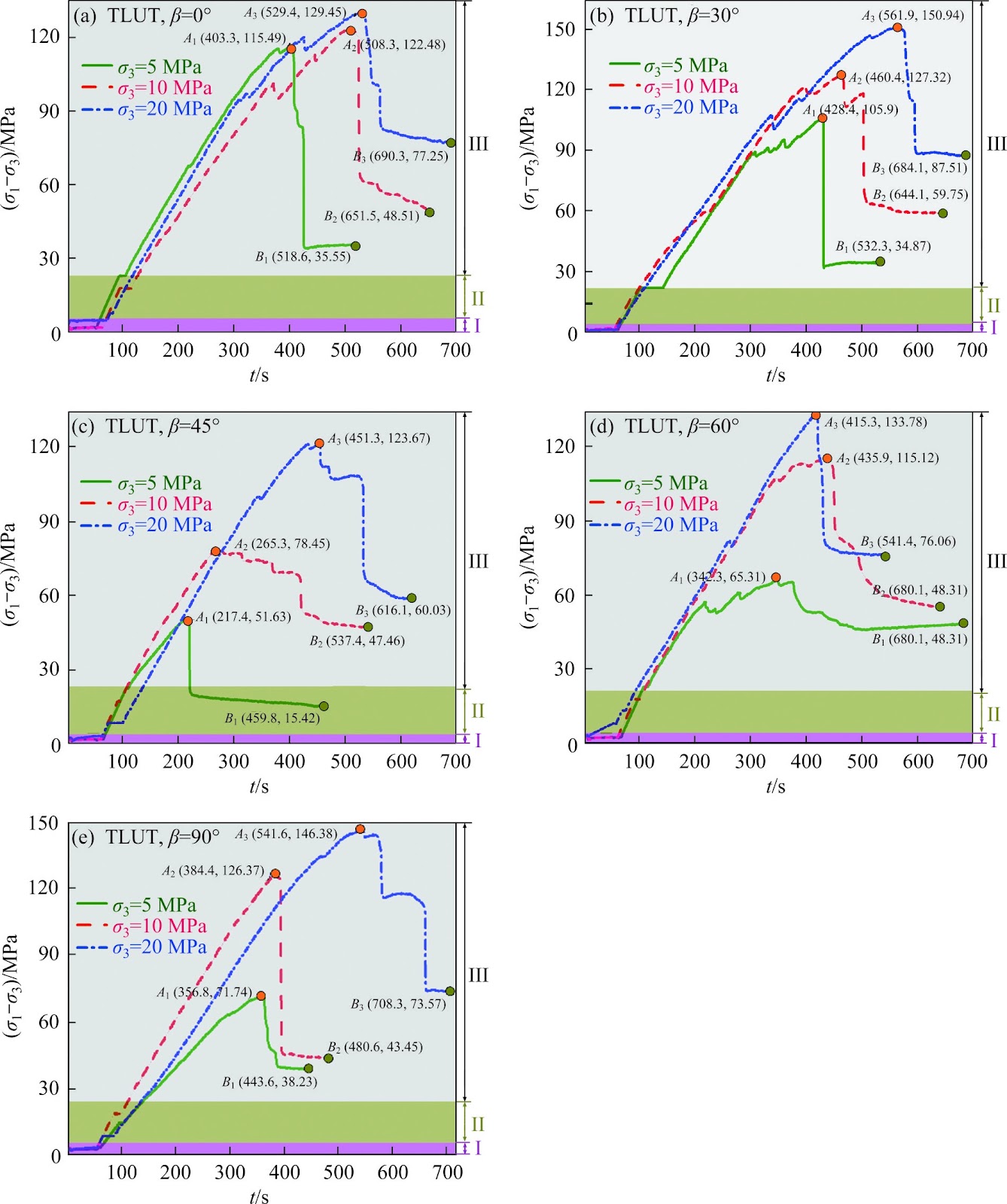
A cohesion loss model for determining residual strength of deep bedded sandstone
Rock residual strength, as an important input parameter, plays an indispensable role in proposing the reasonable and scientific scheme about stope design, underground tunnel excavation and stability evaluation of deep chambers. Therefore, previous residual strength models of rocks established were reviewed. And corresponding related problems were stated. Subsequently, starting from the effects of bedding and whole life-cycle evolution process, series of triaxial mechanical tests of deep bedded s
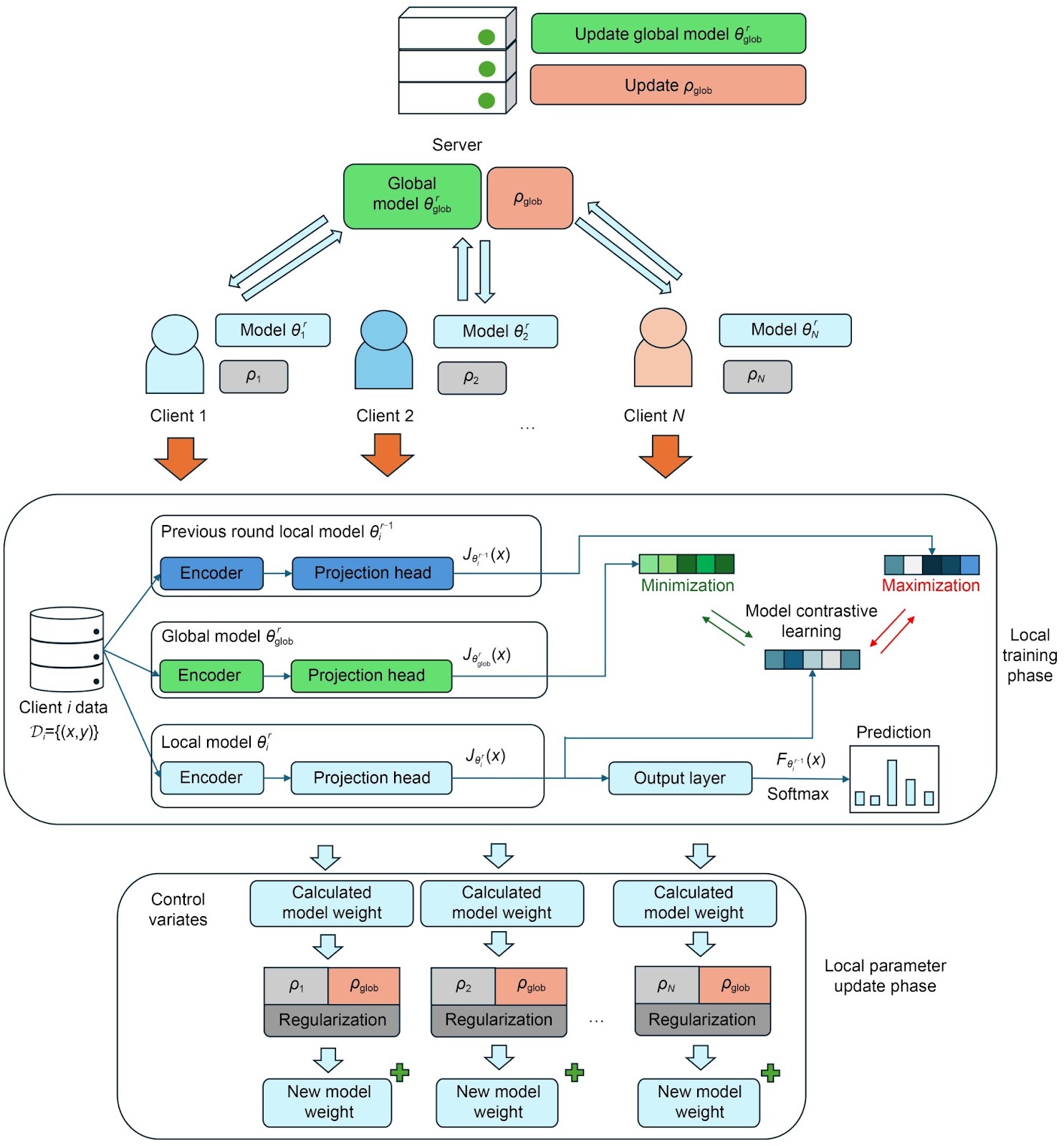
Federated model with contrastive learning and adaptive control variates for human activity recognition
Recent attention to privacy issues demands a communication-safe method for training human activity recognition (HAR) models on client activity data. Federated learning (FL) has become a compelling technique to facilitate model training between the server and clients while preserving data privacy. However, classical FL methods often assume independent and identically distributed (IID) data among clients. This assumption does not hold true in practical scenarios. Human activity in real-world scena