Key Takeaways & Executive Findings
- •• The (Fe–P)n–MOF/graphene composite achieves a maximum Y3+ adsorption capacity of 102.1 mg/g • Adsorption follows quasi-second-order kinetics and Langmuir isotherm, indicating monolayer chemical adsorption • DFT calculations reveal electrostatic potential distribution and binding energy contributions to selective yttrium capture • The composite retains >90% recovery after five regeneration cycles, highlighting excellent reusability for rare-earth recovery
Abstract
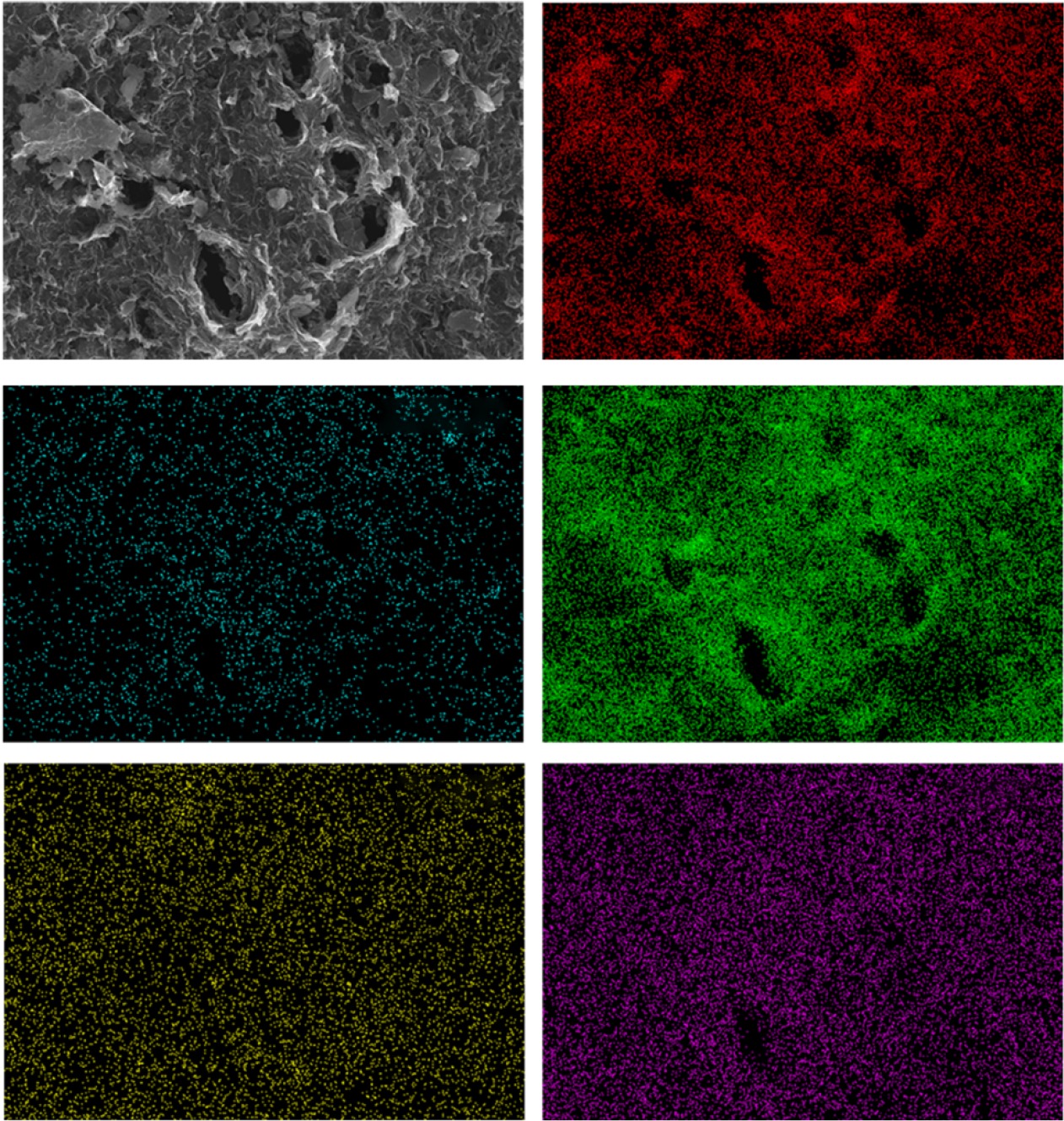
In this study, a porous porphyrin-based metal–organic framework/reduced graphene oxide ((Fe–P)n–MOF/graphene) composite was prepared via hydrothermal reduction with tetracarboxyphenyl porphyrin (TCPP) and iron(III) chloride (FeCl3) as the main raw materials. The composite was designed to serve as a selective adsorbent for yttrium ions (Y3+). The adsorption performance of the composite toward Y3+ was investigated. The results indicated that the maximum adsorption capacity of the composite was 102.1 mg/g. The adsorption process followed the quasi-second-order kinetic and Langmuir isotherm models, indicating a monolayer chemical adsorption mechanism. The composite material was comprehensively characterized to analyze its adsorption mechanism. Using density functional theory (DFT) calculations, the electrostatic potential distribution in (Fe–P)n–MOF and the binding energies of its adsorption sites toward metal ions were simulated to further determine the Y3+ adsorption mechanism of (Fe–P)n–MOF. The composite demonstrated excellent selective adsorption of Y3+ from rare-earth leaching solutions and maintained a recovery rate exceeding 90% even after more than five regeneration cycles. Thus, (Fe–P)n–MOF/graphene is a promising Y3+ adsorbent.
1. Introduction
Rare-earth elements (REEs) are indispensable for modern industrial development because doping specialized materials with even small amounts of REEs can significantly enhance their performance, often described as the “Midas touch” effect. Yttrium, a key REE, has been widely used in various fields, including industrial catalysis, medical imaging, cutting-edge technologies, and renewable energy systems. The study of yttrium adsorption and separation holds significant scientific and industrial value. Although ion exchange methods and solvent extraction technologies have been widely explored for yttrium separation, they often encounter challenges, such as high operational costs, complex waste-management procedures, and environmental risks associated with toxic reagents. For example, traditional yttrium separation processes relying on naphthenic acid extractants have become economically unsustainable because of supply shortages and declining quality, further exacerbating cost inefficiency. Adsorption-based methods are being increasingly recognized as promising alternatives to traditional separation processes owing to operational simplicity, cost-effectiveness, and environmental compatibility, particularly for recovering REEs from low-concentration sources. However, commonly used adsorption materials cannot selectively adsorb REEs; thus, the targeted grafting modification of adsorption materials has emerged as a research direction to achieve selective adsorption of REEs.
Metal–organic frameworks (MOFs) are nanoscale adsorption materials consisting of target organic matter and metal-ion clusters, forming a microscopic regular shape. They lose their adsorption performance in strong acidic/basic solutions. Thus, MOF composites are typically prepared to enhance their stability. Carbon-based materials exhibit some level of tolerance to strong acidic and basic environments, allowing composite materials prepared using carbon-based materials and MOFs to exhibit enhanced stability in strong acidic and basic solutions. Graphene is a popular carbon-based material with excellent physical and chemical properties and has been widely studied in the fields of chemical modification and adsorption recovery. Graphene oxide (GO) has abundant active sites on its surface, allowing it to adsorb metal cations either physically or chemically. The extremely high specific surface area of GO provides a large area for interactions with REEs, thereby enhancing the adsorption capacity of GO for REEs. Because of its high stability and abundant oxygen-containing functional groups, GO is widely used as an REE adsorbent material and plays an important role in REE extraction and recovery.
A composite adsorption material with macropores (>50 nm), mesopores (2–50 nm), and micropores (<2 nm) and a high REE adsorption capacity can be synthesized by loading MOF nanoparticles onto a graphene hydrogel. In addition, porphyrins have been selected as organic ligands for MOFs because of their high selectivity and affinity for precious metals. However, the selective Y3+ adsorption ability and adsorption mechanism of porphyrin-based MOF/graphene composites remain unclear; therefore, research in this area will guide the structural optimization of REE adsorption materials. In this study, an iron-based porphyrin MOF ((Fe–P)n–MOF) was first prepared using tetracarboxyphenyl porphyrin (TCPP) and iron(III) chloride (FeCl3) as the main raw materials. The prepared (Fe–P)n–MOF was thereafter combined with GO within a hydrothermal environment.
Loading authentic research manuscript (Pages 1–5)...
Haibo Ren, Jiawei Ding, Haozhe Li, Ranran Long, Jue Kou, Shaoxian Song, and Yang Hu (2025). Porphyrin-based metal–organic framework/graphene composites for selective yttrium capture: Adsorption properties and mechanistic study. Journal of Mineral Metallurgy and Materials Science. https://doi.org/10.1007/s12613-025-3315-3
Research & Educational Purpose Only:The translations, structured abstracts, analytical annotations, and data reports provided by SinoTechIntel are intended exclusively for academic research, internal corporate R&D, and educational benchmarking. They do not constitute formal engineering, chemical safety, legal, or professional advice.
Copyright & Intellectual Property Notice: Original copyright of the underlying source articles and experimental data remains with the respective authors, institutions, and original publishing journals. SinoTechIntel claims intellectual property only over its proprietary translations, analytical syntheses, and AEO structured enhancements in accordance with international fair use and academic citation principles.
Frequently Asked Questions
What is the maximum adsorption capacity of (Fe–P)n–MOF/graphene for yttrium?
The composite exhibits a maximum adsorption capacity of 102.1 mg/g for Y3+ ions.
What adsorption models describe the kinetics and isotherm of yttrium uptake?
The adsorption follows quasi-second-order kinetics and the Langmuir isotherm, indicating monolayer chemical adsorption.
How was the adsorption mechanism investigated?
The mechanism was characterized experimentally and via density functional theory (DFT) calculations, which simulated electrostatic potential distribution and binding energies of adsorption sites.
How stable is the adsorbent over repeated uses?
The composite maintained a recovery rate exceeding 90% even after more than five regeneration cycles, demonstrating excellent reusability.
What makes this composite selective for yttrium?
The porphyrin-based MOF and graphene oxide synergistically provide selective binding sites for Y3+, as confirmed by DFT and adsorption experiments.
Related Technical Papers & Translations
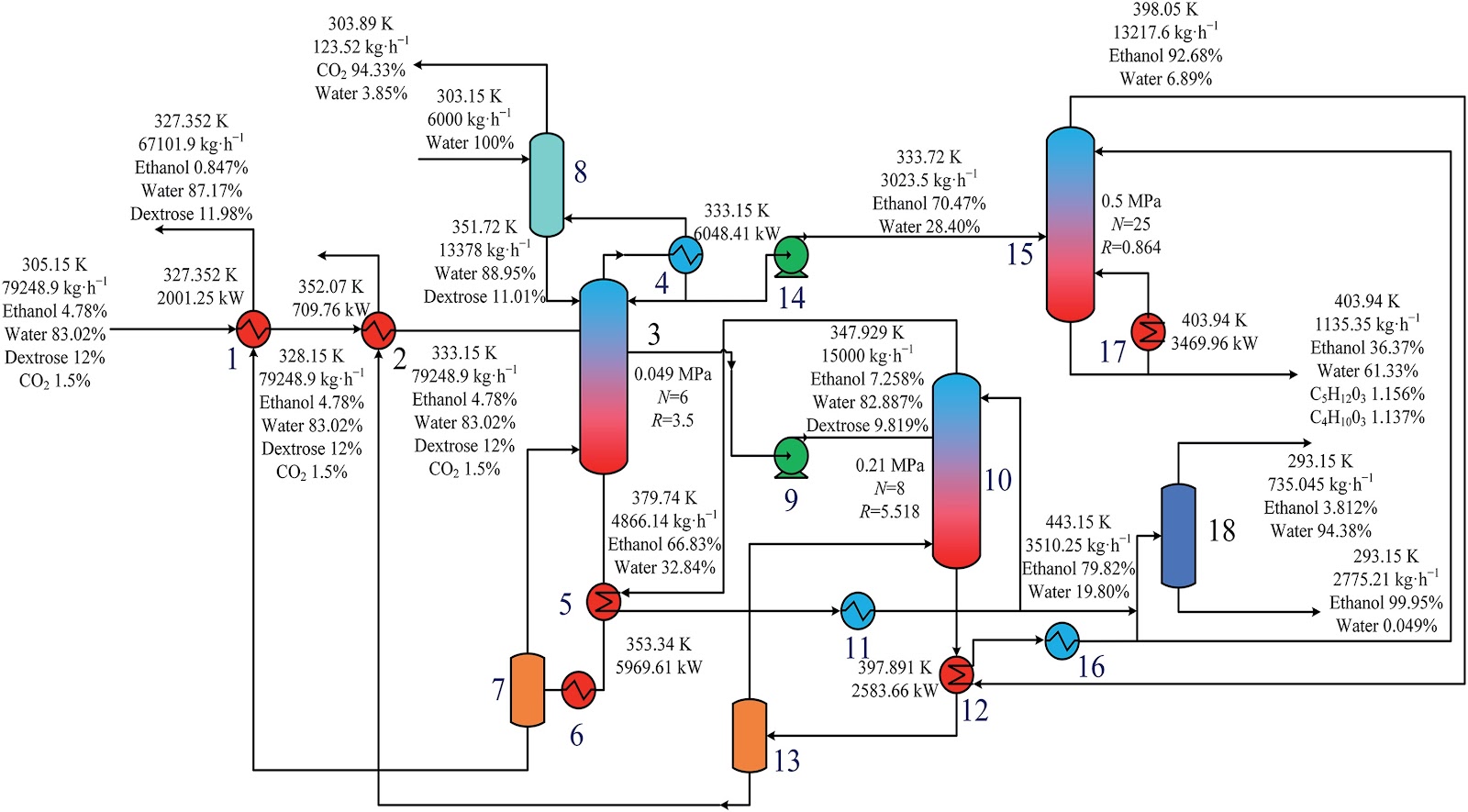
Design and optimization of a high-efficiency distillation process for cellulosic fuel ethanol integrated with thermal coupling and molecular sieve adsorption
To address the challenges of high energy consumption and prominent costs in the traditional three-columns distillation process for cellulosic fuel ethanol, a distillation—molecular sieve coupling separation process is proposed. This process integrates a three-column (crude distillation column, first distillation column, second distillation column) system with a 3A molecular sieve adsorption deep dehydration unit. A thermal coupling network is constructed via differential pressure design (steam from medium/high-pressure columns as mutual heat sources, reboiler liquid waste heat for feed preheating), and molecular sieve adsorption conditions are optimized. The study first performs a thermodynamic consistency test on the ethanol—water system, determines optimal non-random two-liquid (NRTL) model binary interaction parameters via experimental data regression for Aspen Plus simulation. Aiming at minimum total annual cost (TAC), Aspen Plus is used to optimize process parameters (theoretical tray number, feed location, reflux ratio, side-draw position, etc.). Economic analysis shows this process reduces CO2 emission costs by 27.56%, TAC by 15.58% (to 5.123 × 10⁶ USD·a-1), and increases ethanol purity to >99.6%, providing an effective solution for green, efficient separation.
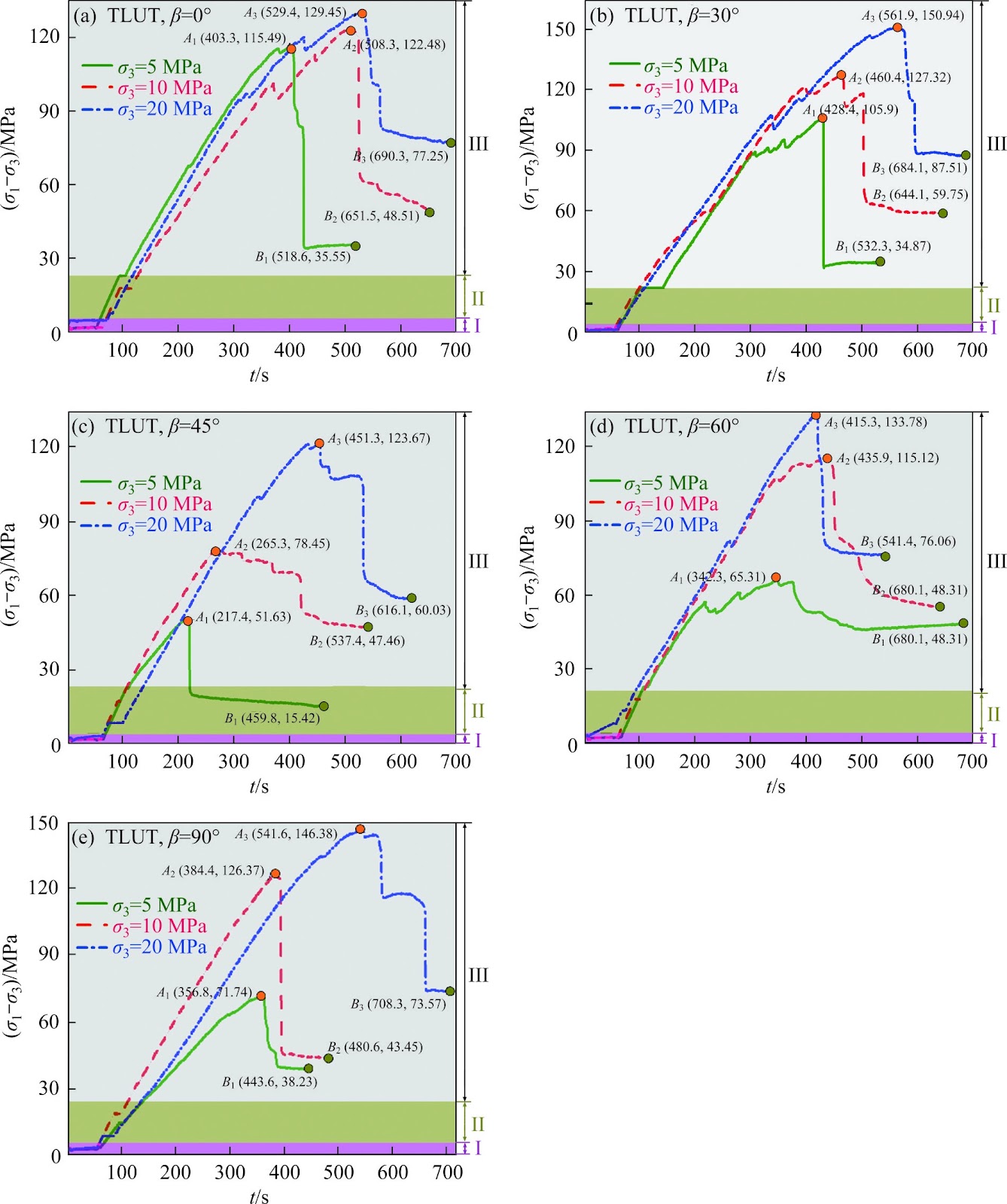
A cohesion loss model for determining residual strength of deep bedded sandstone
Rock residual strength, as an important input parameter, plays an indispensable role in proposing the reasonable and scientific scheme about stope design, underground tunnel excavation and stability evaluation of deep chambers. Therefore, previous residual strength models of rocks established were reviewed. And corresponding related problems were stated. Subsequently, starting from the effects of bedding and whole life-cycle evolution process, series of triaxial mechanical tests of deep bedded s
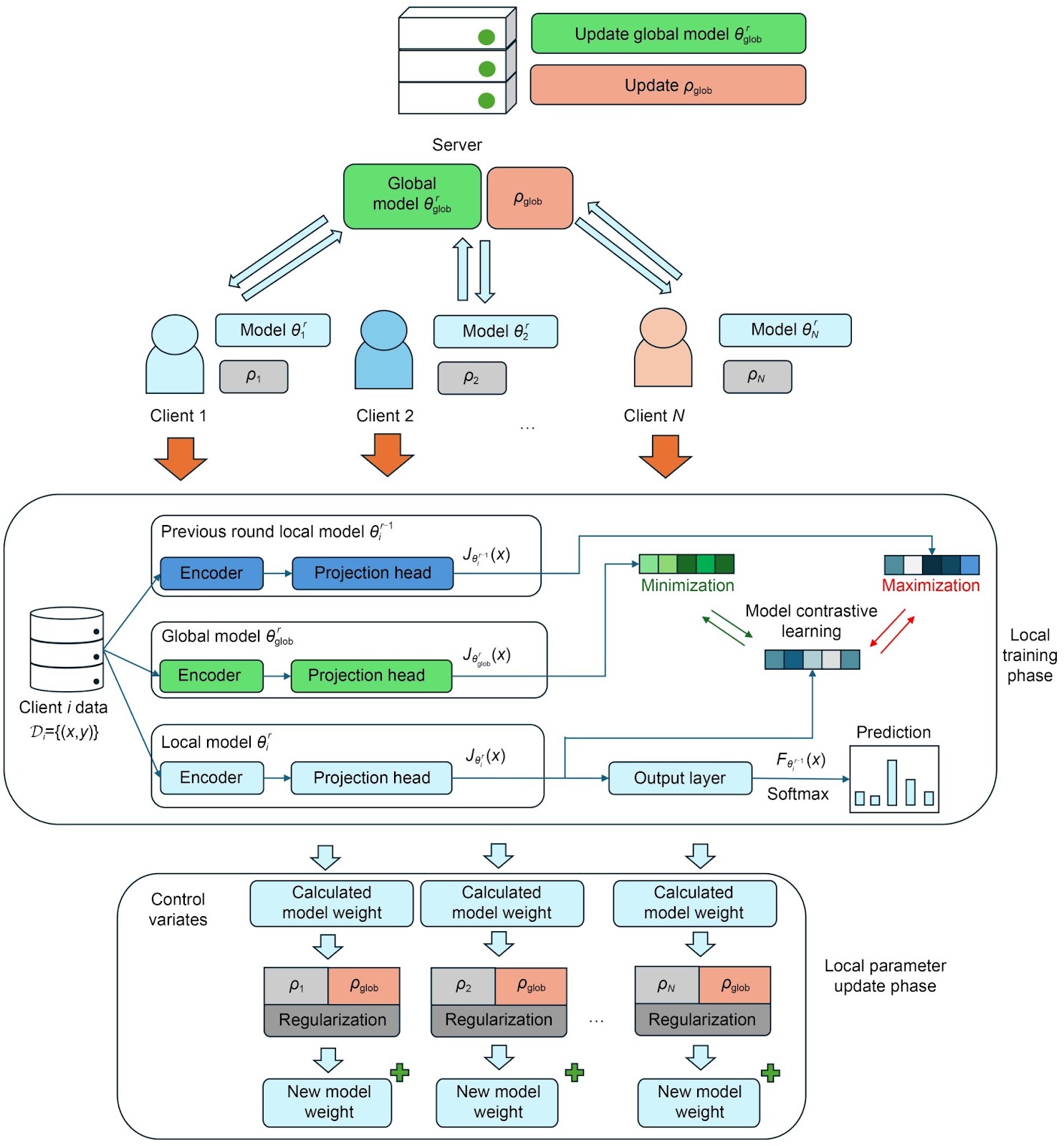
Federated model with contrastive learning and adaptive control variates for human activity recognition
Recent attention to privacy issues demands a communication-safe method for training human activity recognition (HAR) models on client activity data. Federated learning (FL) has become a compelling technique to facilitate model training between the server and clients while preserving data privacy. However, classical FL methods often assume independent and identically distributed (IID) data among clients. This assumption does not hold true in practical scenarios. Human activity in real-world scena