Experimental study and thermodynamic modeling of the phase equilibria in the Mg-rich corner of Mg–Zn–Mn system
Authors: Tian Yin, Yang Guo, Zheng Ma, Wenxin Hu, Qun Luo, Bin Liu, Jieyu Zhang, Guangxin Wu
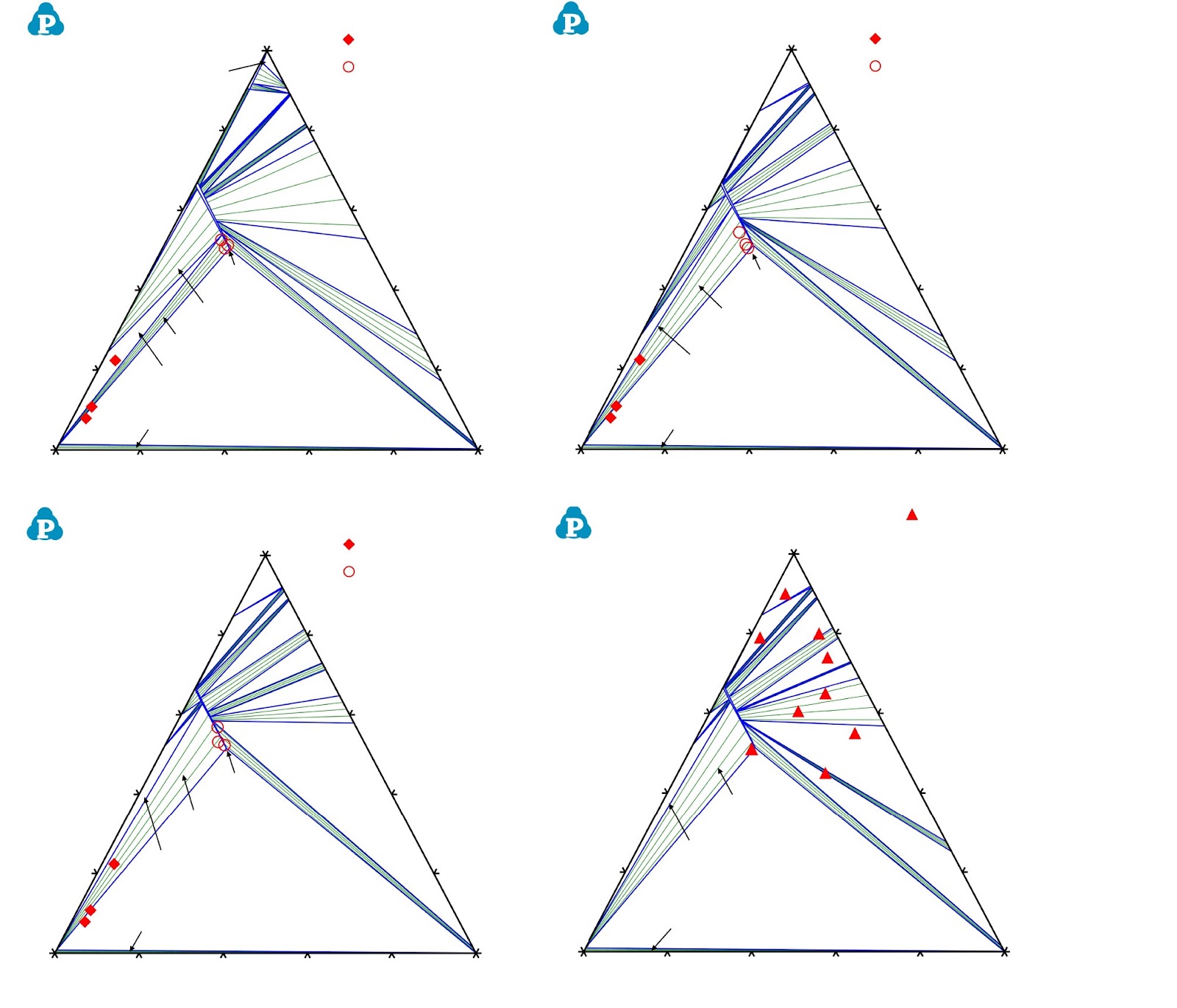
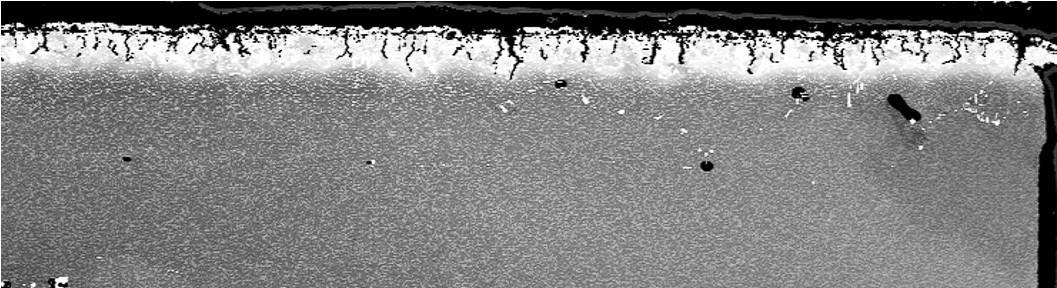
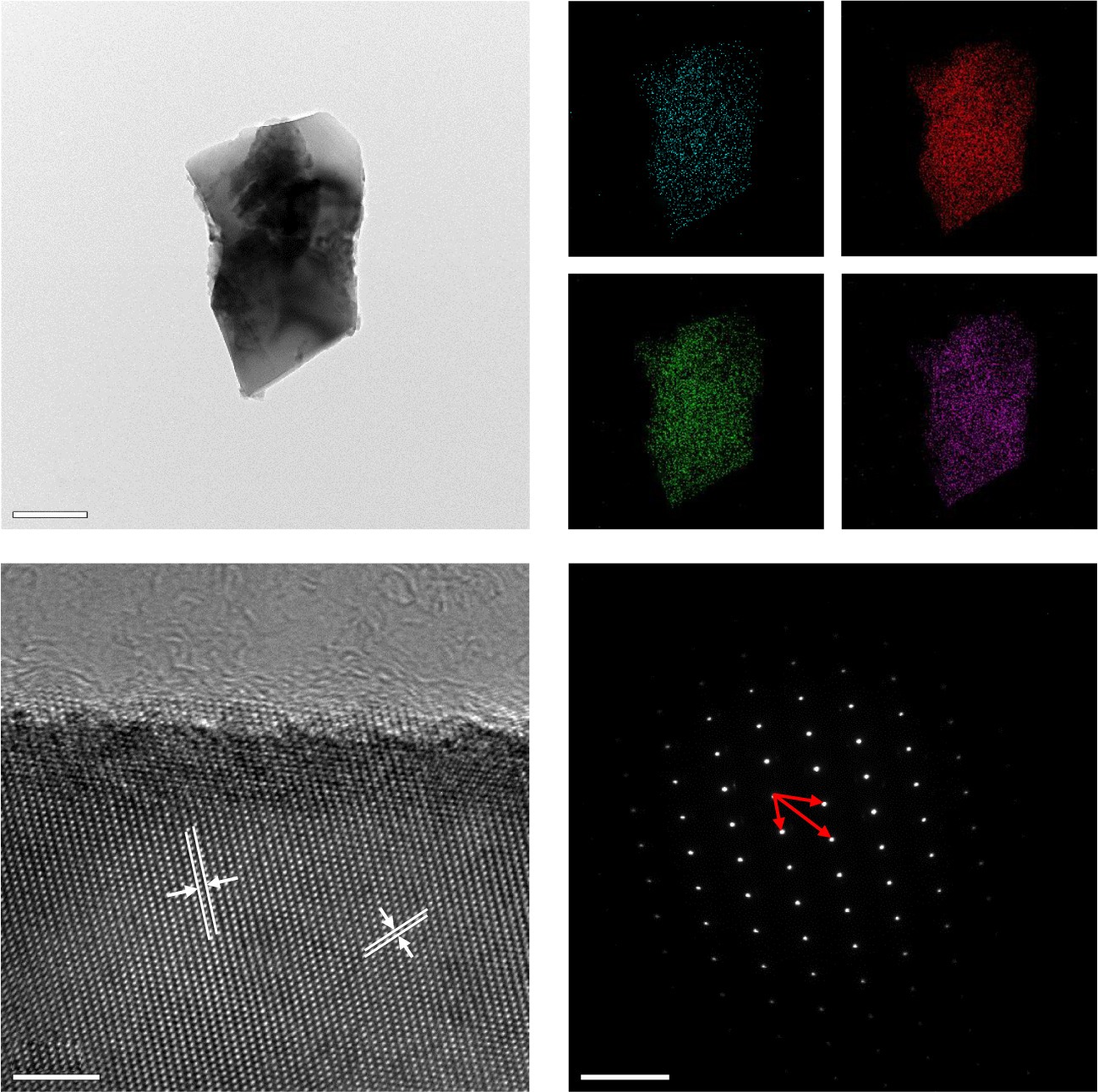
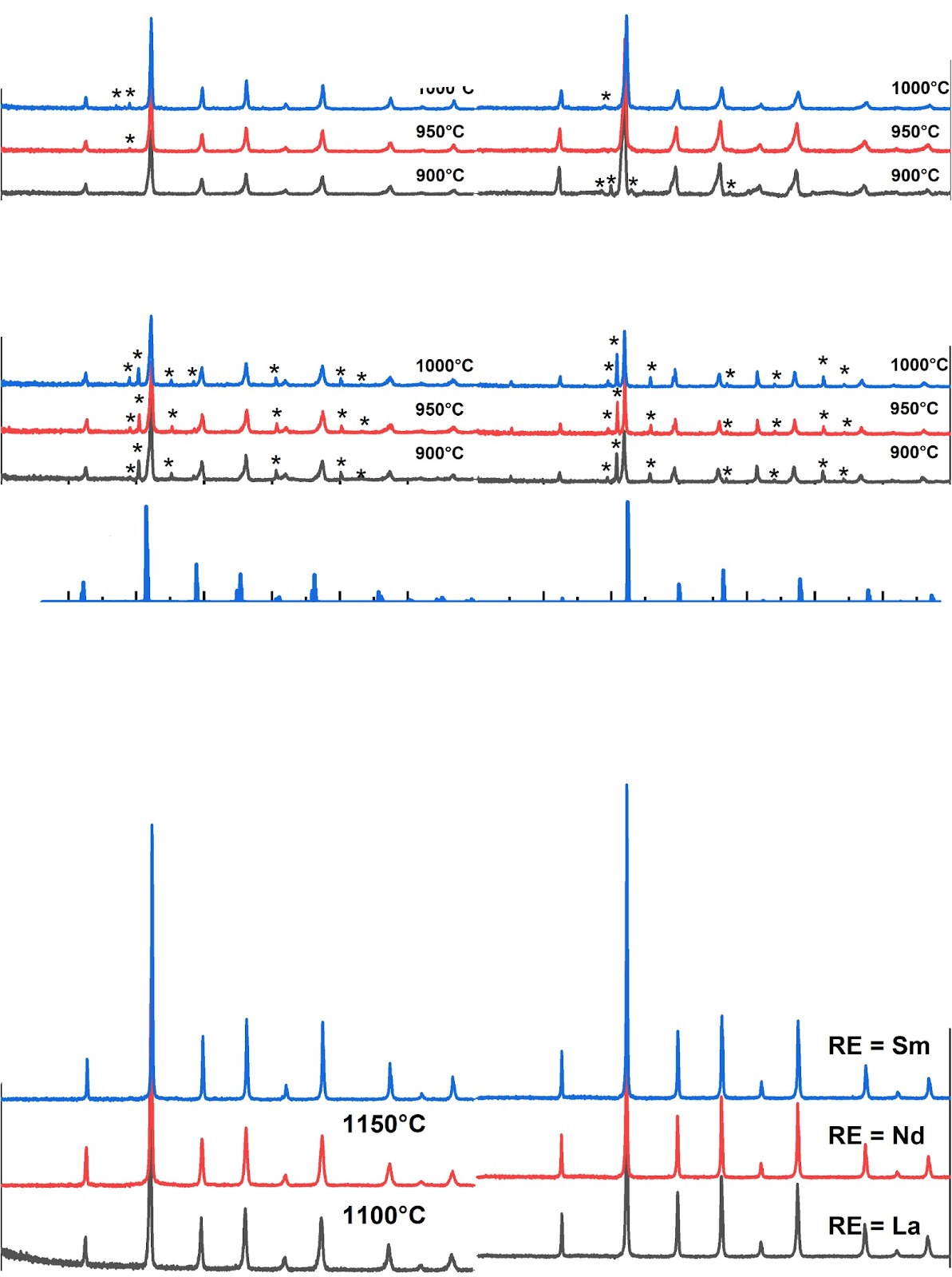
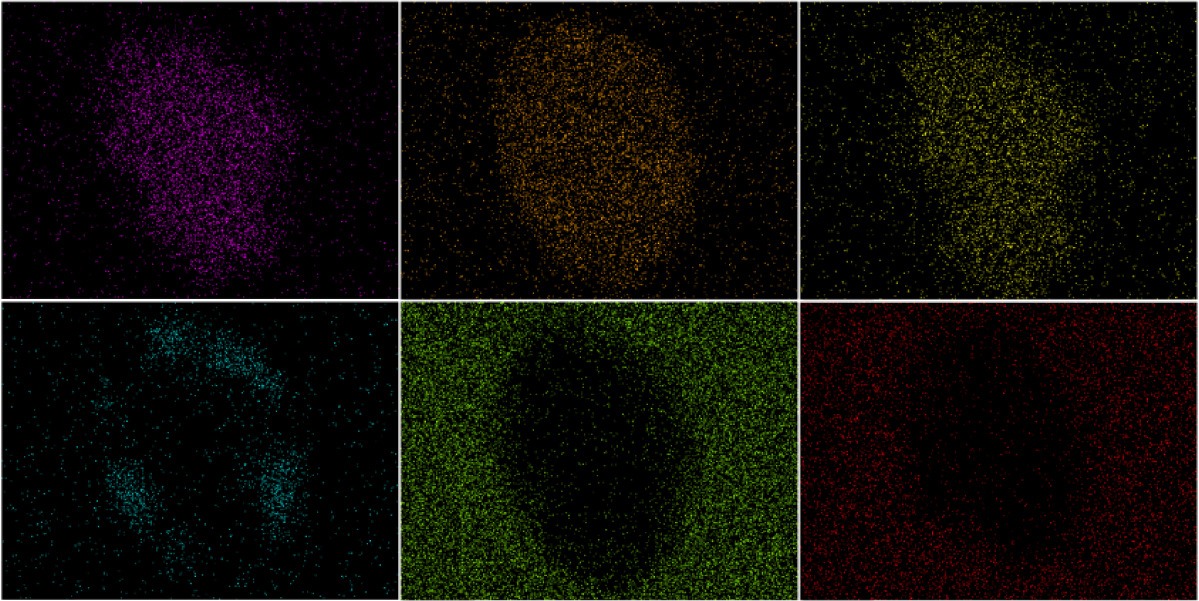
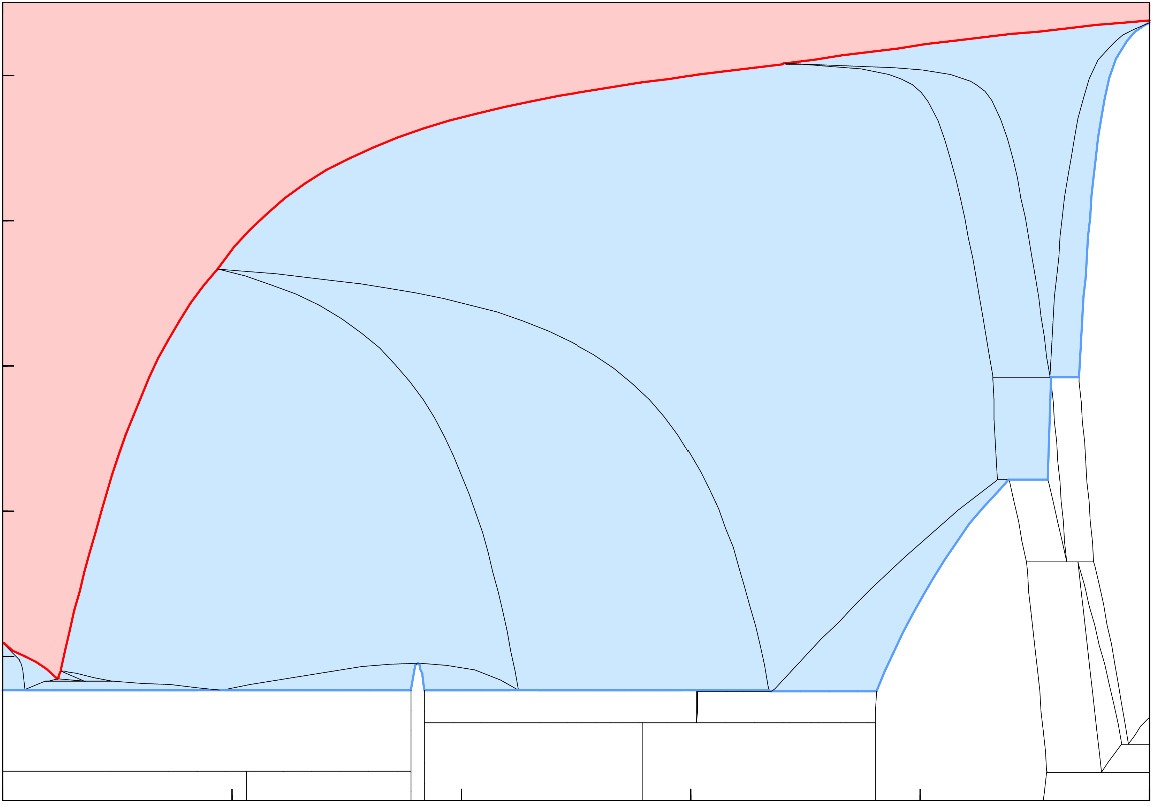
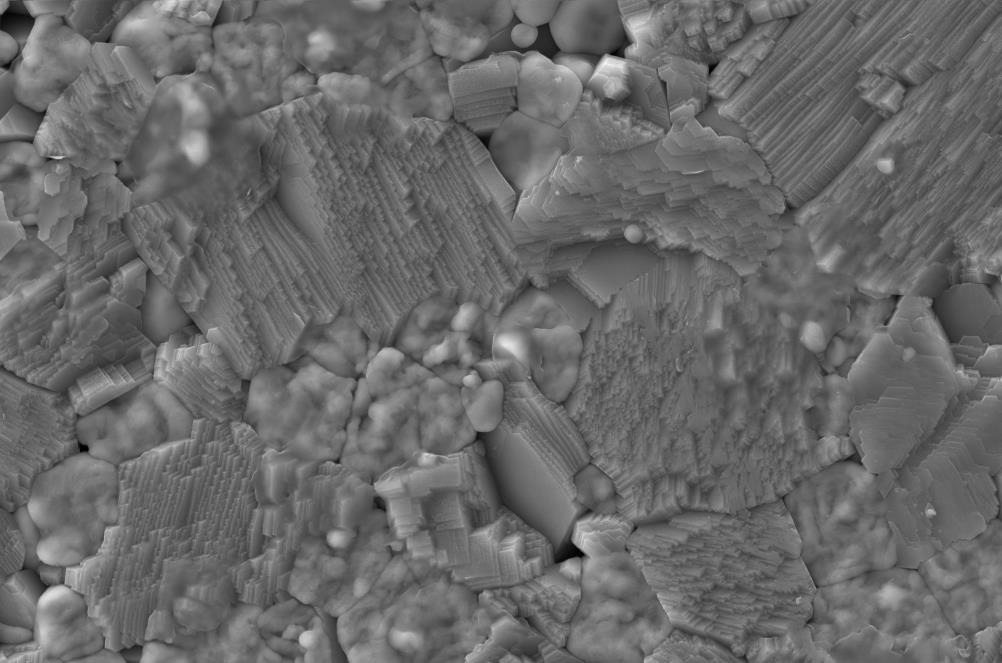
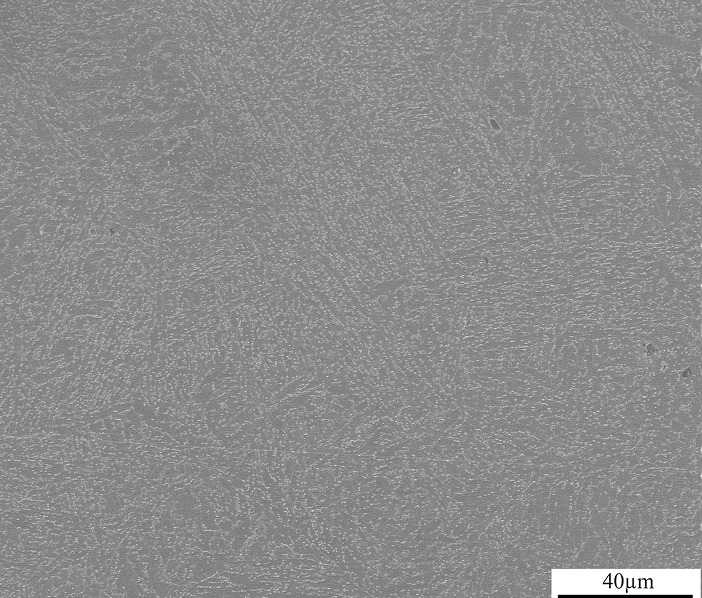
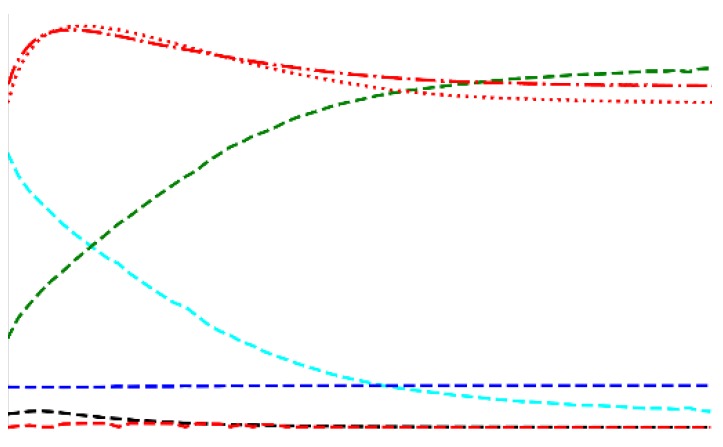
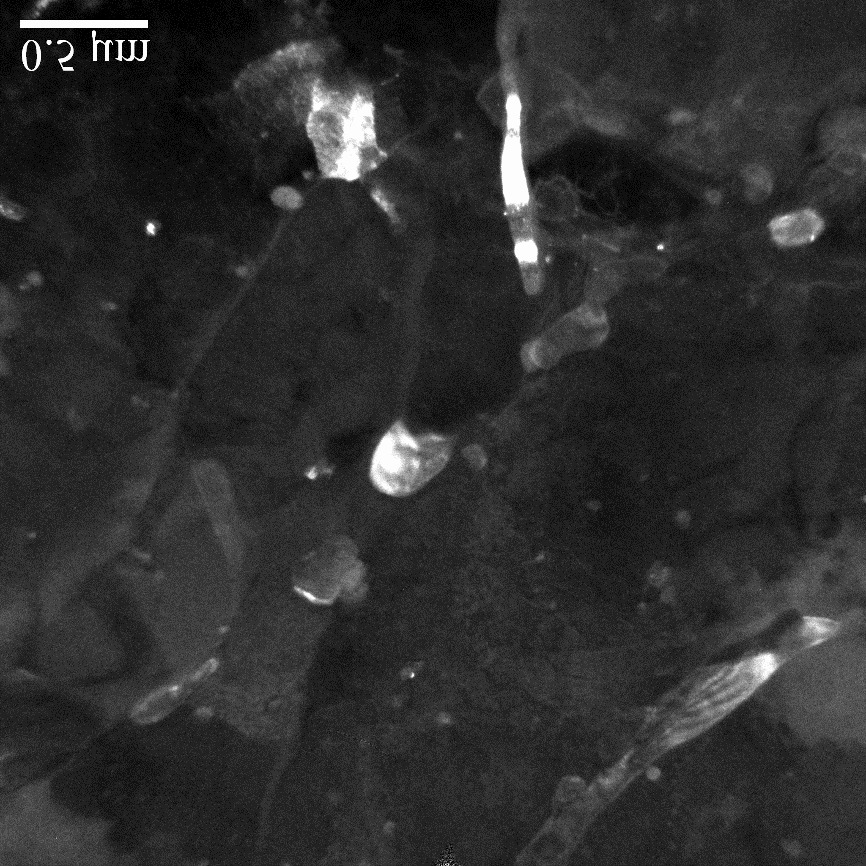
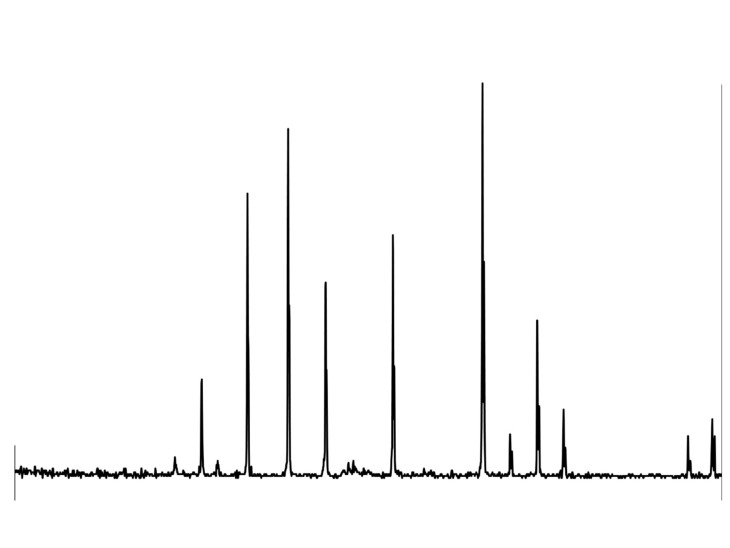
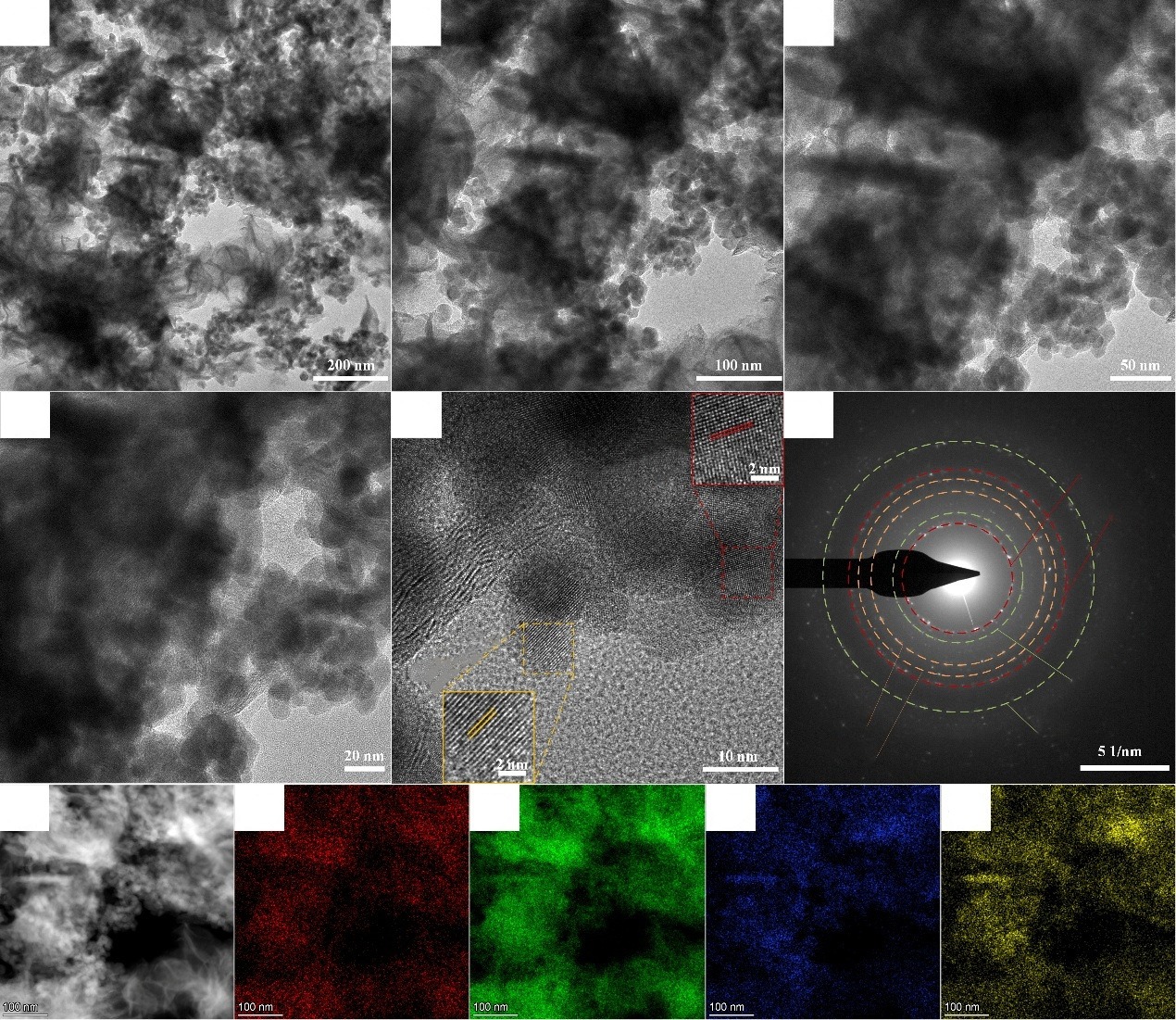
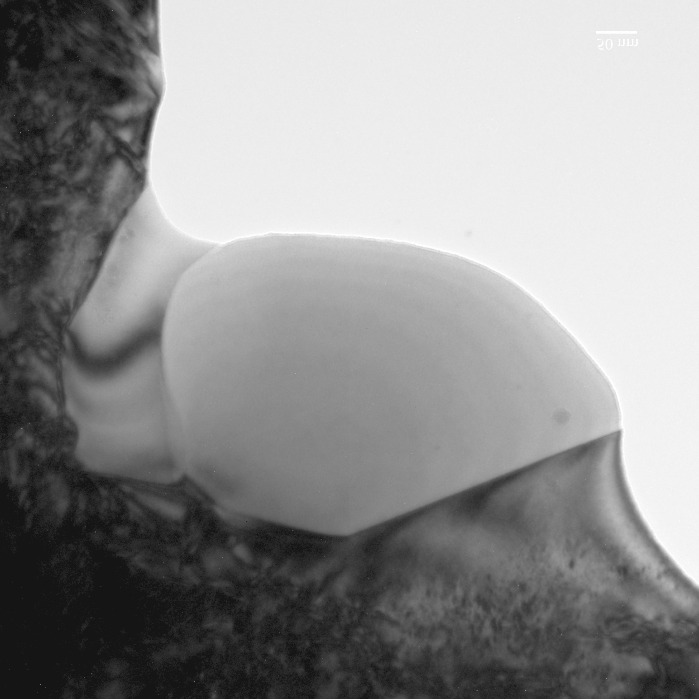
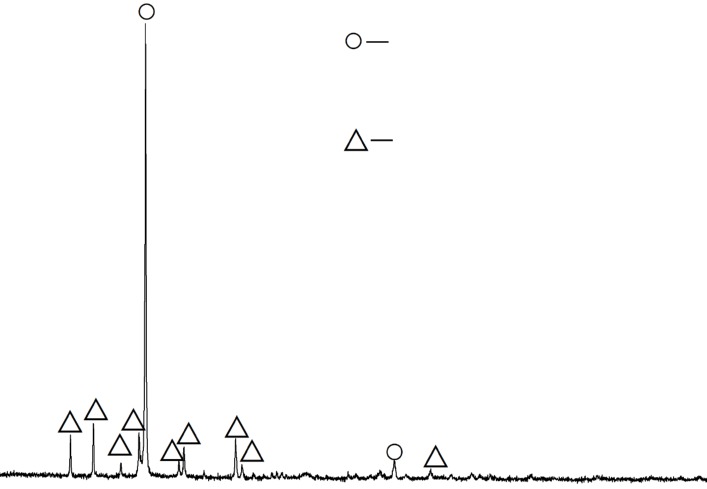
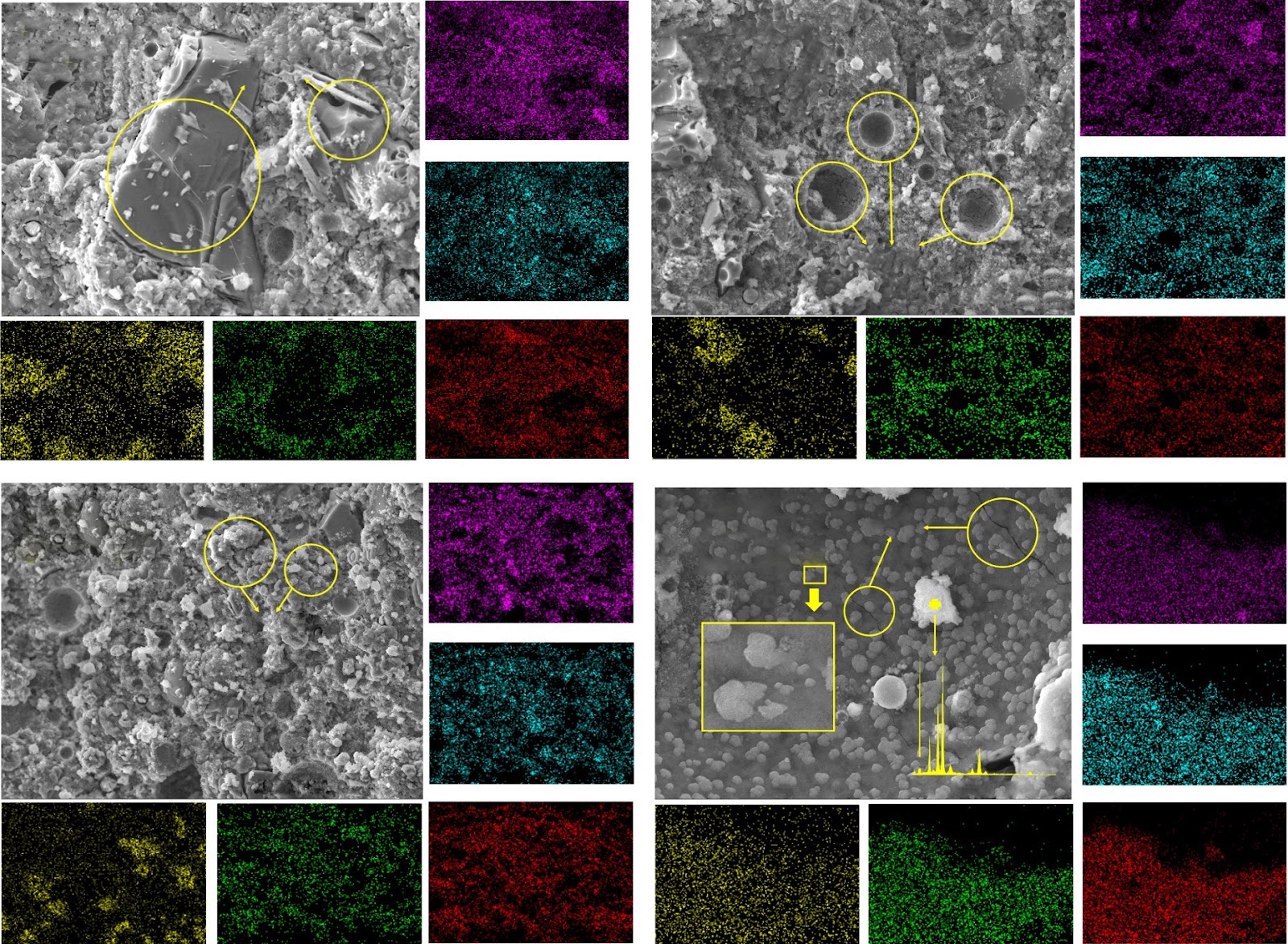
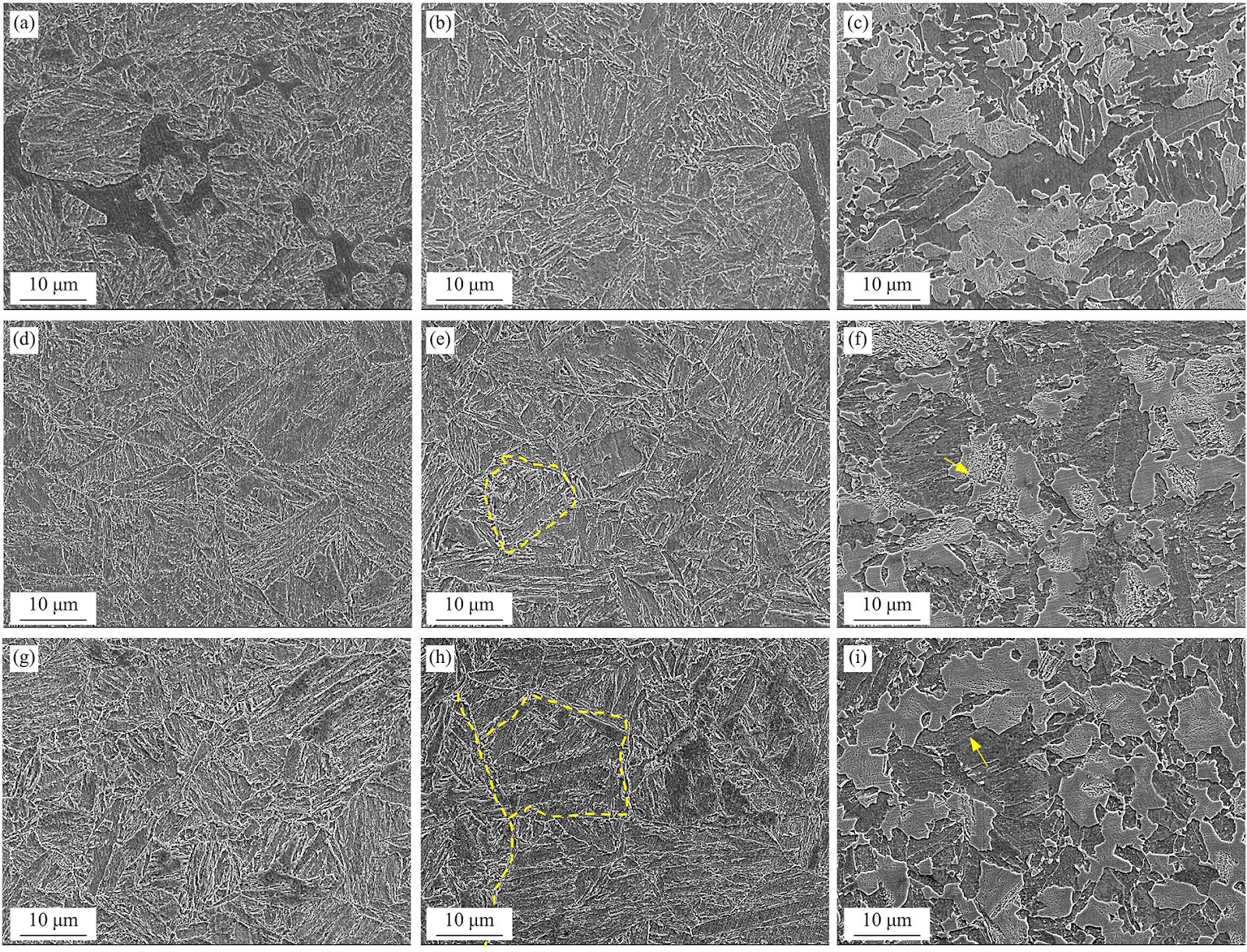
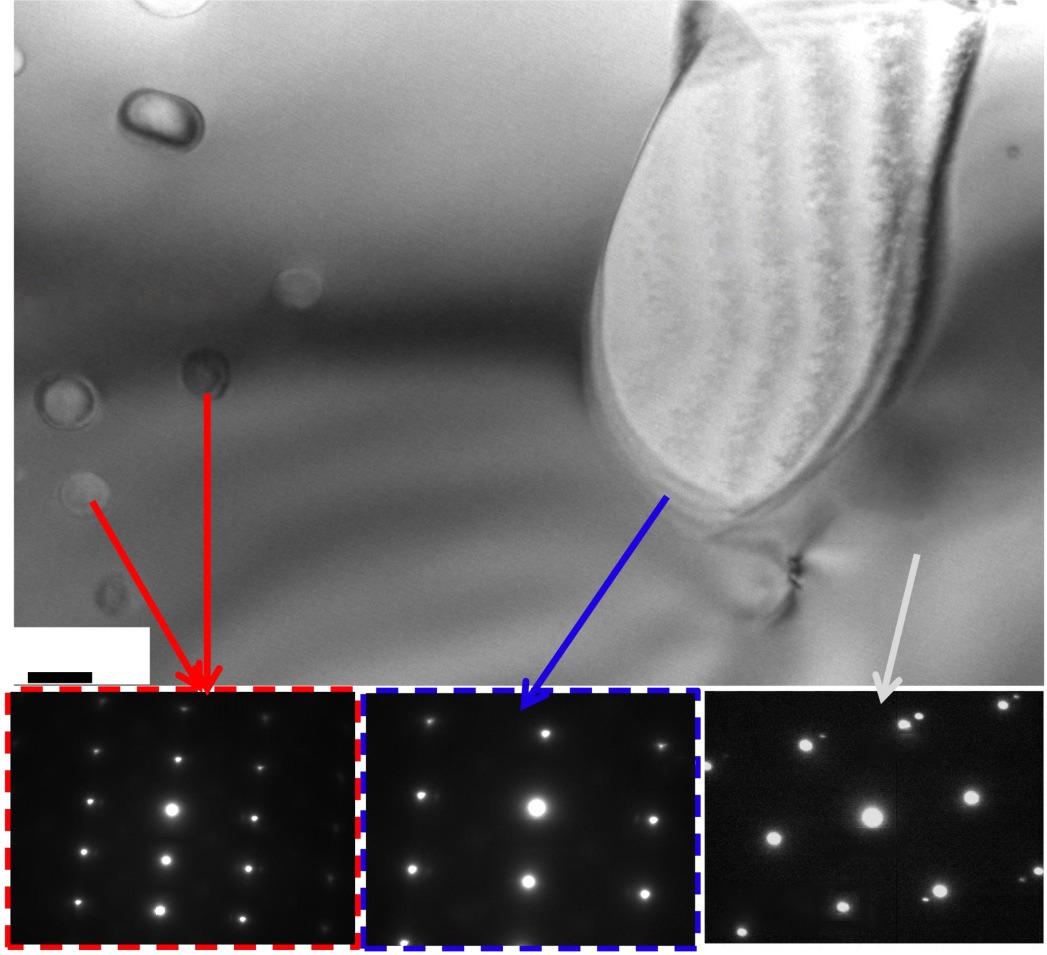
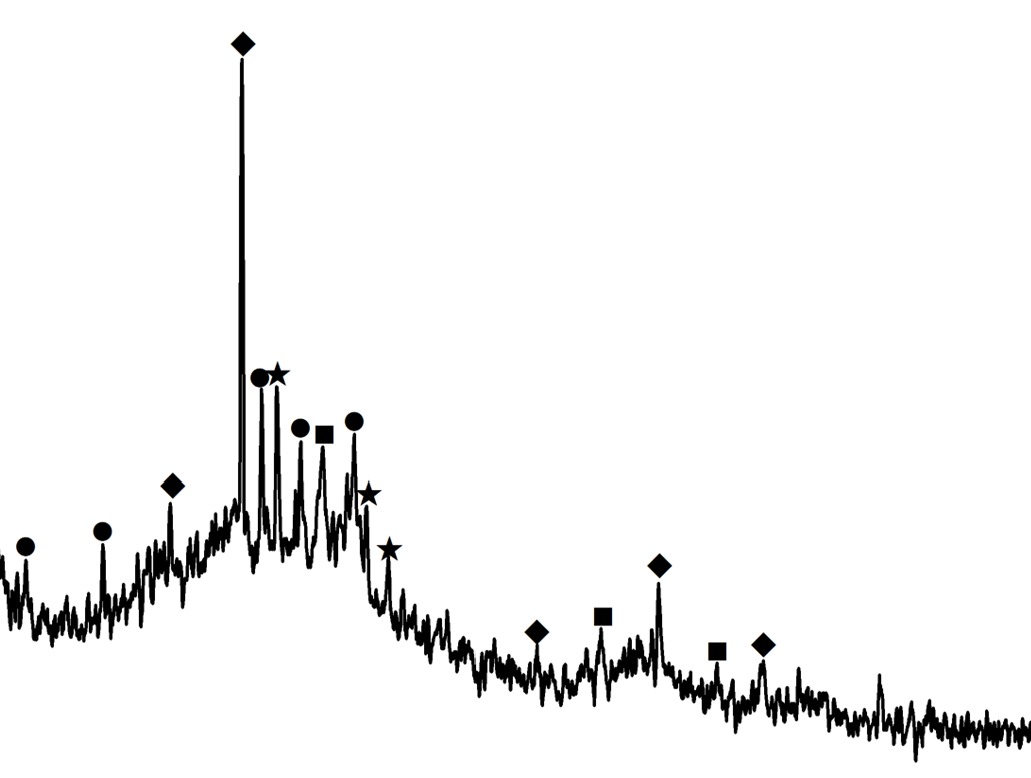
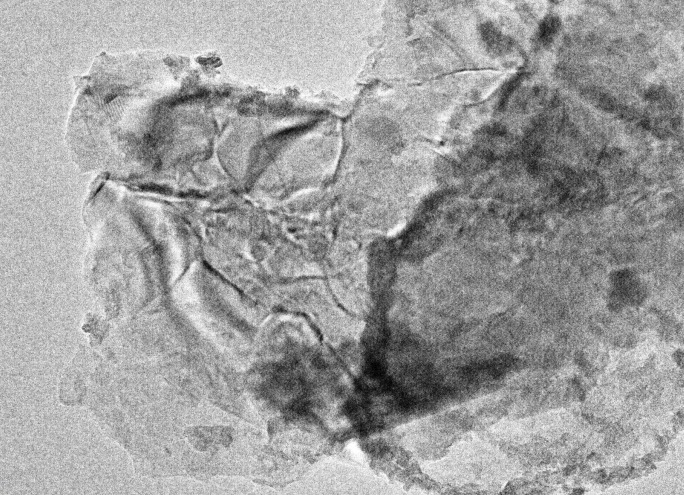
Mg–Zn–Mn alloys have the advantages of low cost, excellent mechanical properties, and high corrosion resistance. To clarify the phase equilibria of Mg–Zn–Mn alloy in the Mg-rich corners, the present work experimentally investigated the phase equilibria in the Mg-rich corner at 300–400°C with equilibrated alloy method using electron probe micro analyzer (EPMA), X-ray diffractometer (XRD), transmission electron microscopy (TEM), and differential scanning calorimeter (DSC). Mn atoms were found to dissolve into MgZn2 to form a ternary solid-solution type compound, in which Mn content can be up to 15.1at% at 400°C. Three-phase equilibrium of α-Mg + MgZn2 + α-Mn and liquid + α-Mg + MgZn2 were confirmed at 400°C. Subsequently, thermodynamic modeling of the Mg–Zn–Mn system was carried out using the CALPHAD method based on the experimental data of this work and literature data. The calculated invariant reaction Liquid + α-Mn → α-Mg + MgZn2 at 430°C shows good agreement with the DSC results. In addition, the results of solidification path calculations explain the microstructure in the as-cast and annealed alloys well. The agreement between the calculated results and experimental data proves the self-consistency of the thermodynamic database, which can provide guidance for the compositional design of Mg–Zn–Mn alloys.