
Key Takeaways & Executive Findings
- •• Optimal fly ash dosage (0.8 g/L) significantly enhances copper recovery (79.87%) and bacterial concentration (7.08×10^7 cells/mL) in bioleaching of low-grade copper sulfides. • Fly ash addition promotes the growth of key leaching bacteria (Acidithiobacillus ferrooxidans, Acidibacillus ferrooxidans, Leptospirillum ferriphilum), reaching up to 99.81% of the total microbial community. • The formation of specific precipitates (Zn(Fe3(SO4)2(OH)6)2 and Mg(Fe3(SO4)2(OH)6)2) reduces toxic ion effects, enhancing bacterial proliferation and bioleaching efficiency. • Chloride and silver ions in fly ash act as catalysts, transforming the passivation layer from dense to porous, improving ore-lixiviant-bacteria contact and overall copper recovery.
Abstract
Bioleaching is confronted with problems, such as low efficiency, long production cycle length, and vegetation destruction. In order to solve problems above, fly ash and low-grade copper sulfide ores were used to investigate bioleaching behaviors and bacterial community succession. Results showed that copper recovery, bacterial concentration, total proportion of main leaching bacteria including Acidithiobacillus ferrooxidans, Acidibacillus ferrooxidans, and Leptospirillum ferriphilum, were improved through using appropriate dosage of fly ash. The maximum copper recovery of 79.87% and bacterial concentration of 7.08 × 10⁷ cells·mL−1 were obtained after using 0.8 g·L−1 fly ash. Exclusive precipitation including Zn(Fe3(SO4)2(OH)6)2 and Mg(Fe3(SO4)2(OH)6)2 was found in sample added 0.8 g·L−1 fly ash, which reduced the effect of hazardous ions on bacteria and thus contributing to bacterial proliferation. Bacterial community structure was differentiated, which indicated difference between original inoculation and sample used 0.8 g·L−1 fly ash was less than others. Total proportion of the three microorganism above accounted for more than 95% in all tests, especially in sample with 0.8 g·L−1 fly ash up to 99.81%. Cl− and Ag+ contained in fly ash can act as catalytic agent, which contributed to conversion from smooth and dense passivation layer to sparse and scattered one, and therefore improving contact between ores, lixiviant, and bacteria. Using appropriate dosage of fly ash showed prospects in bioleaching.
1. Introduction
Copper is the fundamentally strategic non-ferrous metal and cornerstone of national defense construction, playing a significant role in development of economy and society [1–2]. There are abundant copper reserves around the whole world, and the production of copper concentrate increases with each passing year [3]. As the largest producer and consumer of copper, China takes the fourth place of the global copper reserves today [4]. However, characteristics such as low grade, complex structure, difficult to recover has seriously hampered the development of copper-extraction industry [5]. There are many methods to recover copper from low-grade resources, including pyrometallurgy, hydrometallurgy, and biohydrometallurgy [6]. However, the requirement for substantial energy, as well as the toxic gas emission during pyrometallurgical process, and the reliance of chemical agents including cyanide in the hydrometallurgical method and the generation of dangerous byproducts, result in the need for environmentally-friendly method to recover copper [7]. Biohydrometallurgy (bioleaching), on the other hand, has been recognized as an eco-friendly, economically-sustainable, and strongly-reliable alternative to the conventional pyrometallurgy and hydrometallurgy to recover copper from low-grade reserves over the recent years [8–10].
Low-grade copper sulfides including chalcopyrite and bornite are the prominent, economically-significant, and copper-bearing resources, and its judicious utilization to meet the ever growing demand of copper assumes great significance [11–12]. Given that the significance of low-grade copper sulfides and its recalcitrant performance to bioleaching, many attempts to enhance copper recovery in the presence of additives have been made [13]. The utilization of chloride ion to enhance copper recovery through bioleaching was reported by Martins and Leão [14] and Zhang et al. [15]. Except chloride ion, the utilization of silver ion and ferric ion as catalysts to improve copper recovery from low-grade chalcopyrite has been put forward [16–17]. Furthermore, using acid-pretreated sargassum and seawater to accelerate bioleaching process and improve bacterial community structure have been recently proposed [18–19]. In addition, bioleaching of low-grade resources in the presence of acid-processed rice straw has been investigated [20]. Additives above have responded to improved copper recovery from low-grade copper sulfides, they are occasionally away from resource-saving or uneconomical, however [21]. If substitutable additives are found which can realize improved copper recovery, reduced environmental-pollution and waste resource re-use, then it would greatly contribute to copper recovery from low-grade copper sulfides.
Loading authentic research manuscript (Pages 1–5)...
Wei Chen, Ming Zhang, Shenghua Yin, Yun Zhou (2025). Bacterial-mediated recovery of copper from low-grade copper sulfide using fly ash and bacterial community dynamics. Int. Journal of Minerals, Metallurgy and Materials (矿物冶金与材料学报). https://doi.org/10.1007/s12613-024-2976-7
Research & Educational Purpose Only:The translations, structured abstracts, analytical annotations, and data reports provided by SinoTechIntel are intended exclusively for academic research, internal corporate R&D, and educational benchmarking. They do not constitute formal engineering, chemical safety, legal, or professional advice.
Copyright & Intellectual Property Notice: Original copyright of the underlying source articles and experimental data remains with the respective authors, institutions, and original publishing journals. SinoTechIntel claims intellectual property only over its proprietary translations, analytical syntheses, and AEO structured enhancements in accordance with international fair use and academic citation principles.
Frequently Asked Questions
What is the optimal fly ash dosage for copper bioleaching?
The optimal fly ash dosage is 0.8 g/L, which resulted in the maximum copper recovery of 79.87% and bacterial concentration of 7.08 × 10^7 cells/mL.
How does fly ash enhance bacterial growth in bioleaching?
Fly ash promotes the growth of key leaching bacteria such as Acidithiobacillus ferrooxidans, Acidibacillus ferrooxidans, and Leptospirillum ferriphilum, increasing their total proportion to over 95% (up to 99.81% with 0.8 g/L fly ash). It also forms precipitates that reduce toxic ion effects on bacteria.
What role do chloride and silver ions in fly ash play?
Chloride and silver ions act as catalytic agents, transforming the smooth and dense passivation layer on ore surfaces into a sparse and scattered one, thereby improving contact between ores, lixiviant, and bacteria, and enhancing copper recovery.
Is fly ash an environmentally friendly additive for bioleaching?
Yes, using appropriate dosages of fly ash not only improves copper recovery but also reuses waste material, reducing environmental pollution compared to conventional additives, making it a sustainable option.
What are the main bacterial species involved in the bioleaching process?
The main leaching bacteria are Acidithiobacillus ferrooxidans, Acidibacillus ferrooxidans, and Leptospirillum ferriphilum, which together account for more than 95% of the bacterial community in all tests.
Related Technical Papers & Translations
Direct Repair of the Crystal Structure and Coating Surface of Spent LiFePO4 Materials Enables Superfast Li-Ion Migration
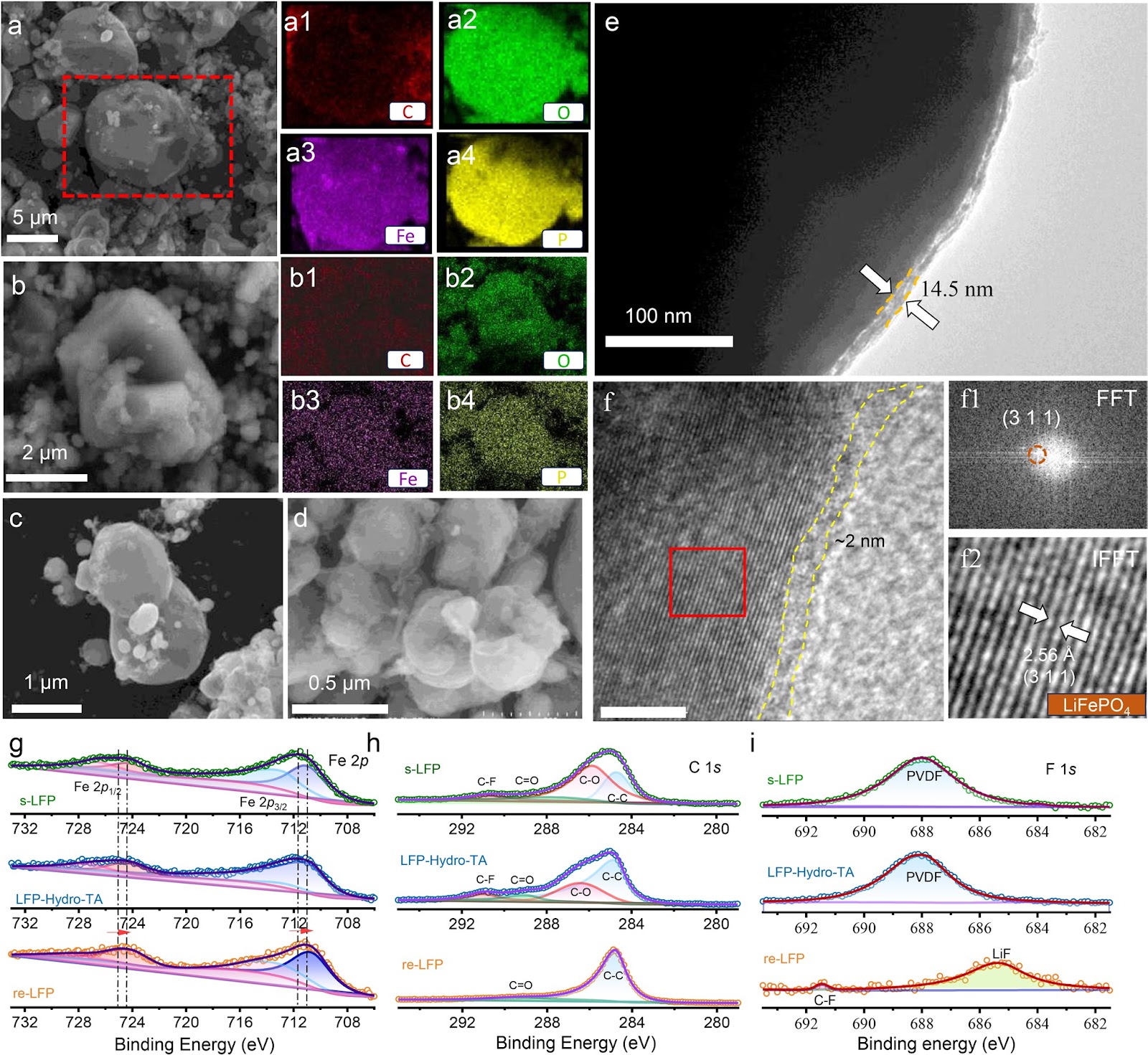
The rapid accumulation of spent LiFePO4 (LFP) cathodes from retired lithium-ion batteries necessitates the development of effective and environmental-friendly recycling strategies. In this context, direct regeneration has emerged as a promising approach for reclaiming LFP cathode materials, offering a streamlined pathway to restore their electrochemical functionality. We report an integrated regeneration protocol that simultaneously repairs the degraded crystal structure and reconstructs the damaged carbon coating in spent LFP. The regenerated cathode material had superfast lithium-ion diffusion kinetics and a stable cathode–electrolyte interface, giving a remarkable rate capability with specific capacities of 122 mAh g−1 at 5C and 106 mAh g−1 at 10C (1C = 170 mA g−1). It also maintained capacities of 110.7 mAh g−1 (5C) and 84.1 mAh g−1 (10C) after 400 cycles. It could be used in harsh environments and could be stably cycled at subzero temperatures (−10 and −20 °C) and in solid-state electrolyte batteries. Life cycle assessment combined with economic evaluation using the EverBatt model reveals that this direct regeneration approach has high economic and environmental benefits.
Oxide Semiconductor for Advanced Memory Architectures: Atomic Layer Deposition, Key Requirement and Challenges
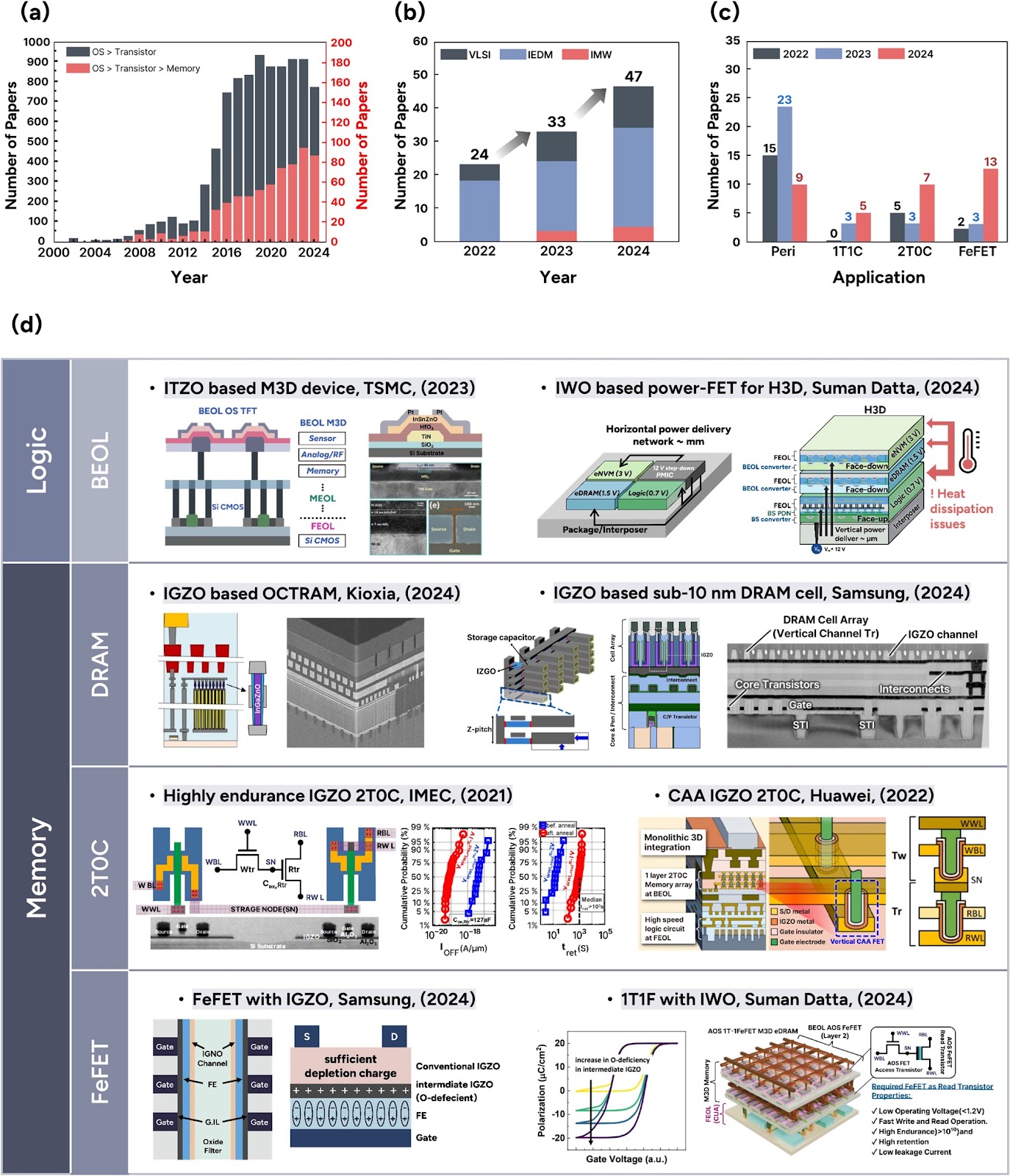
Oxide semiconductors (OSs), introduced by the Hosono group in the early 2000s, have evolved from display backplane materials to promising candidates for advanced memory and logic devices. The exceptionally low leakage current of OSs and compatibility with three-dimensional (3D) architectures have recently sparked renewed interest in their use in semiconductor applications. This review begins by exploring the unique material properties of OSs, which fundamentally originate from their distinct electronic band structure. Subsequently, we focus on atomic layer deposition (ALD), a core technique for growing excellent OS films, covering both basic and advanced processes compatible with 3D scaling. The basic surface reaction mechanisms—adsorption and reaction—and their roles in film growth are introduced. Furthermore, material design strategies, such as cation selection, crystallinity control, anion doping, and heterostructure engineering, are discussed. We also highlight challenges in memory applications, including contact resistance, hydrogen instability, and lack of p-type materials, and discuss the feasibility of ALD-grown OSs as potential solutions. Lastly, we provide an outlook on the role of ALD-grown OSs in memory technologies. This review bridges material fundamentals and device-level requirements, offering a comprehensive perspective on the potential of ALD-driven OSs for next-generation semiconductor memory devices.
Laser powder bed fusion of biodegradable Zn-4Cu alloy: Processing, microstructure and properties
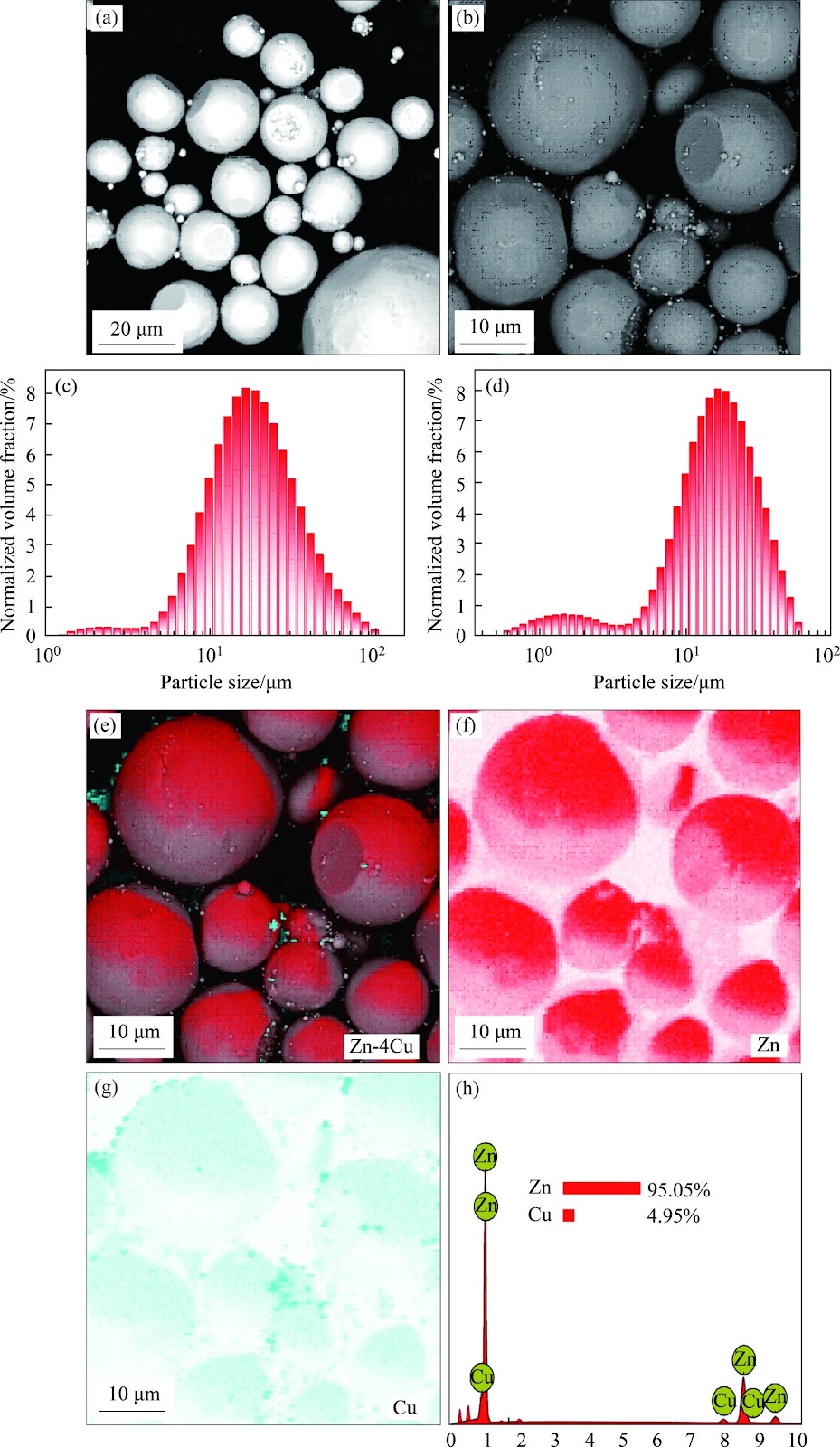
Zn's natural degradability and biocompatibility make it a promising candidate for implants, however, its mechanical properties remain insufficient for bone applications. In this study, the performance of Zn was enhanced by developing Zn-Cu alloys via laser powder bed fusion (LPBF). Optimal LPBF parameters for forming stable tracks were achieved by adjusting laser power and scanning speed. Under optimized conditions of 100 W and 100 mm/s, high-density (99.58%) Zn-Cu alloys with improved hardness (68.2HV) and yield strength (160 MPa) were achieved. These improvements are attributed to solid solution strengthening, segregation strengthening, and grain refinement. The Zn-Cu alloys also demonstrated favorable degradation behavior, with a rate of 0.16 mm/year. This degradation is primarily driven by micro-galvanic corrosion between the CuZn5 phase and Zn matrix, along with refined grains and increased grain boundary density. This work demonstrates a viable strategy for fabricating Zn-based implants with enhanced structural integrity and mechanical performance via LPBF.