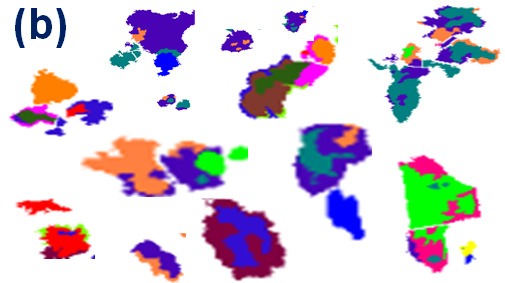
Key Takeaways & Executive Findings
- •• Selective grinding for 15 minutes optimally dissociates lithium carrier minerals (chlorite, kaolinite, halloysite) from gangue, enabling efficient pre-concentration by screening. • Acid leaching with 1 mol/L HCl at 70°C and 15 g/L pulp density achieves 97.43% lithium extraction in just 20 minutes, demonstrating high efficiency. • Leaching kinetics reveal that grinding reduces apparent activation energy, confirming a chemical reaction-controlled rate-limiting step. • The proposed process offers a low-energy, environmentally friendly route for selective lithium recovery from coal gangue, addressing strategic metal supply shortages.
Abstract
Extracting lithium from coal measures can alleviate the shortage of strategic metal resources. However, the lattice substitution characteristics of lithium in carrier minerals and its extremely fine intercalation and entrainment behavior are the challenges that constrain the extraction efficiency of lithium from coal series. This study focuses on improving the separation efficiency between lithium-containing minerals and other minerals and the release behavior of lithium in the liquid phase. First, the feasibility of extracting lithium from carrier minerals is confirmed based on the occurrence state and the process mineralogy characterized by Bgrimm process mineralogy analyzing system (BPMA) and time of flight secondary ion mass spectrometry (TOF-SIMS). The optimal selective grinding behavior is achieved within 15 min, allowing Li carrier minerals, including chlorite, kaolinite, and halloysite, to deliver the best dispersion effect with other minerals. Thus, the enriched lithium carrier minerals have been preenriched through screening. The leaching efficiency of Li has reached 97.43% under 1 mol/L hydrochloric acid, 15 g/L pulp density, 70°C, and 20 min. Leaching kinetics studies indicate that the decrease in apparent energy validates the impact of grinding on metal leaching, aligning with the rate-controlling step of a chemical reaction. The process proposed in this study achieves the coordinated control of size and components in coal gangue and actualizes the effective selective enrichment of lithium through its low energy consumption and environmentally friendly nature.
1. Introduction
Lithium is recognized as a “new energy metal” because of its extremely strategic value and wide usage in various fields, such as in premium grease, glass–ceramics, casting alloys, and lithium-ion batteries (LIBs) because of its unique physical and chemical properties [1–2]. The annual consumption of Li reached 300000 tons and has significantly grown in recent years due to the rapid development and widespread use of LIBs [3]. The primary sources of lithium are hard rock (mainly pegmatite deposits) and salt lake brine [4–5]. The total amount of lithium (approximately 14 million tons) from conventional resources has become increasingly insufficient to meet future market demand, leading to risks to a stable lithium supply [6]. The strategic metal minerals in coal measures offer an important means to address the supply–demand imbalance of lithium resources [7–8]. Substantial quantities of coal rich in aluminum and lithium have been discovered in numerous coalfields located in the central-western regions of Inner Mongolia and northern Shanxi Province, China [9]. Therefore, lithium-bearing coal is a promising alternative as a sensible lithium resource for environmental protection and resource utilization.
Studies have recently focused on the separation theory of key metals and lithium derived from coal measures [10–11], including technical methods, materials, and reaction mechanisms for extracting lithium from low-grade resources, correlation analysis [12], cluster analysis [13], and stepwise chemical extraction [14–15]. These technologies contribute to our understanding of the occurrence mechanism and dispersed distribution of key metals in coal measures. Finkelman [16] found that 90% of lithium in coal exists among clay and mica minerals, and the remaining is found in organic matter. Zhao et al. [17] believed that lithium may exist on the surface of amorphous or crystalline phases or embedded within crystalline phases such as mullite and quartz. Kaolinite, boehmite, and chlorite are the main carriers of lithium in coal, with only a small amount of the element independently present in spodumene minerals [18–19]. Owing to the isomorphism and lattice substitution characteristics of lithium, silicate clay is an important carrier of this element in coal measures [20–22]. These research works have promoted the development of theories and technologies for the deep extraction of lithium from coal measures. However, the availability of coal measures as lithium resources depends on their lithium content and the precise determination of the occurrence state of lithium in associated mineral phases, which is an important prerequisite for further processing.
Loading authentic research manuscript (Pages 1–5)...
Yuanpeng Fu, Xiaomin Ma, Xianshu Dong, Yuping Fan, Guichuan Ye, Jinpeng Qiao, Zechen Liu (2025). Enhancement of lithium extraction from coal gangue based on the deep dissociation of coal components and acid leaching. Int. Journal of Minerals, Metallurgy and Materials (矿物冶金与材料学报). https://doi.org/10.1007/s12613-024-3067-5
Research & Educational Purpose Only:The translations, structured abstracts, analytical annotations, and data reports provided by SinoTechIntel are intended exclusively for academic research, internal corporate R&D, and educational benchmarking. They do not constitute formal engineering, chemical safety, legal, or professional advice.
Copyright & Intellectual Property Notice: Original copyright of the underlying source articles and experimental data remains with the respective authors, institutions, and original publishing journals. SinoTechIntel claims intellectual property only over its proprietary translations, analytical syntheses, and AEO structured enhancements in accordance with international fair use and academic citation principles.
Frequently Asked Questions
What is the main challenge in extracting lithium from coal gangue?
The main challenge is the lattice substitution of lithium in carrier minerals and its extremely fine intercalation and entrainment behavior, which hinder efficient separation and extraction.
How does selective grinding improve lithium extraction?
Selective grinding for 15 minutes optimally dissociates lithium carrier minerals (chlorite, kaolinite, halloysite) from other minerals, enabling better dispersion and subsequent pre-concentration by screening, which enhances leaching efficiency.
What are the optimal acid leaching conditions for lithium recovery?
The optimal conditions are 1 mol/L hydrochloric acid, 15 g/L pulp density, 70°C, and 20 minutes, achieving a lithium leaching efficiency of 97.43%.
What is the significance of the leaching kinetics study?
The kinetics study shows that grinding reduces the apparent activation energy, indicating a chemical reaction-controlled rate-limiting step, which validates the beneficial impact of grinding on metal leaching.
Why is lithium extraction from coal gangue important?
It provides an alternative source of lithium to alleviate the shortage of strategic metal resources, utilizing coal measures that are abundant in certain regions, and offers a low-energy, environmentally friendly process.
Related Technical Papers & Translations
Direct Repair of the Crystal Structure and Coating Surface of Spent LiFePO4 Materials Enables Superfast Li-Ion Migration
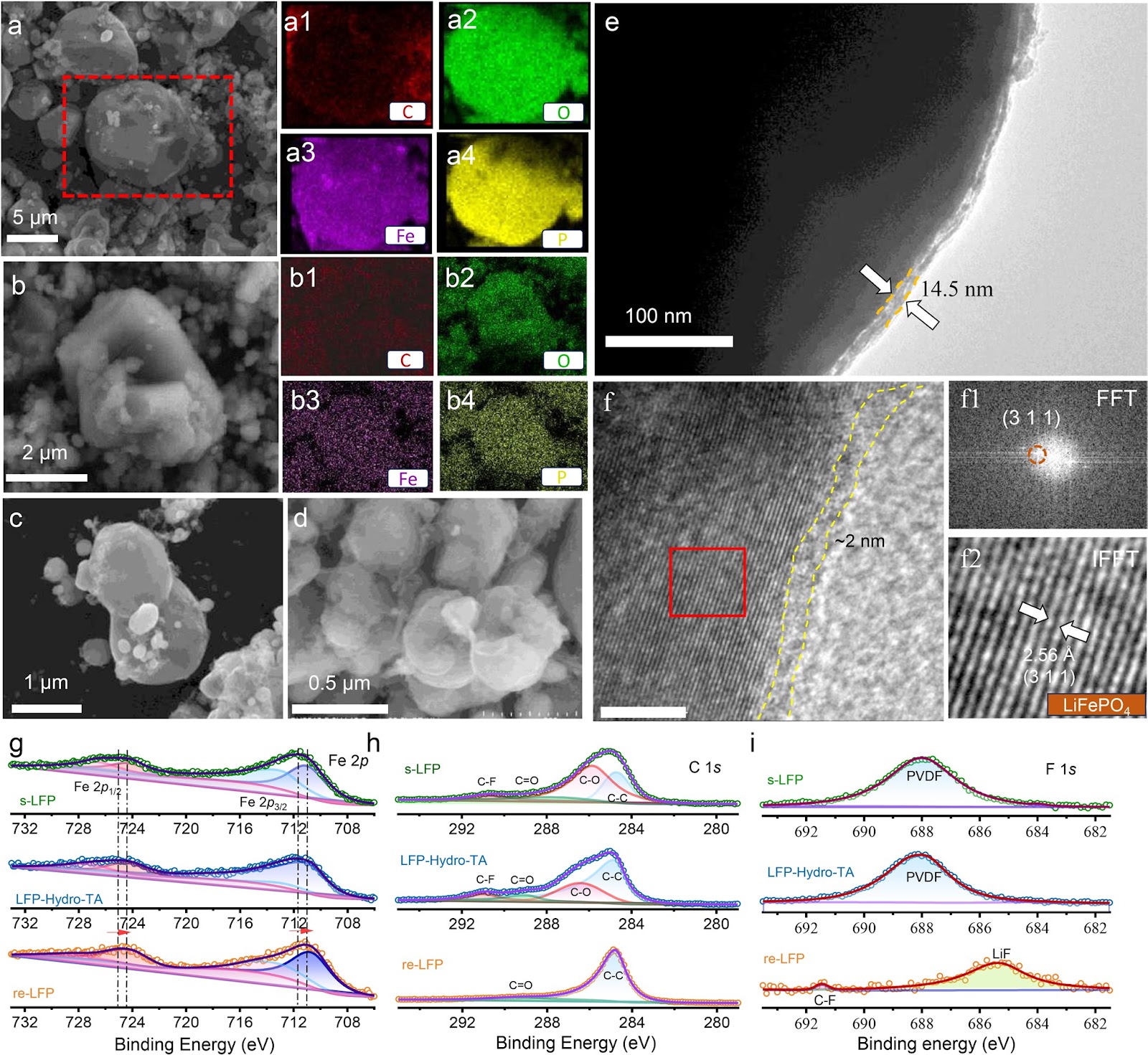
The rapid accumulation of spent LiFePO4 (LFP) cathodes from retired lithium-ion batteries necessitates the development of effective and environmental-friendly recycling strategies. In this context, direct regeneration has emerged as a promising approach for reclaiming LFP cathode materials, offering a streamlined pathway to restore their electrochemical functionality. We report an integrated regeneration protocol that simultaneously repairs the degraded crystal structure and reconstructs the damaged carbon coating in spent LFP. The regenerated cathode material had superfast lithium-ion diffusion kinetics and a stable cathode–electrolyte interface, giving a remarkable rate capability with specific capacities of 122 mAh g−1 at 5C and 106 mAh g−1 at 10C (1C = 170 mA g−1). It also maintained capacities of 110.7 mAh g−1 (5C) and 84.1 mAh g−1 (10C) after 400 cycles. It could be used in harsh environments and could be stably cycled at subzero temperatures (−10 and −20 °C) and in solid-state electrolyte batteries. Life cycle assessment combined with economic evaluation using the EverBatt model reveals that this direct regeneration approach has high economic and environmental benefits.
Oxide Semiconductor for Advanced Memory Architectures: Atomic Layer Deposition, Key Requirement and Challenges
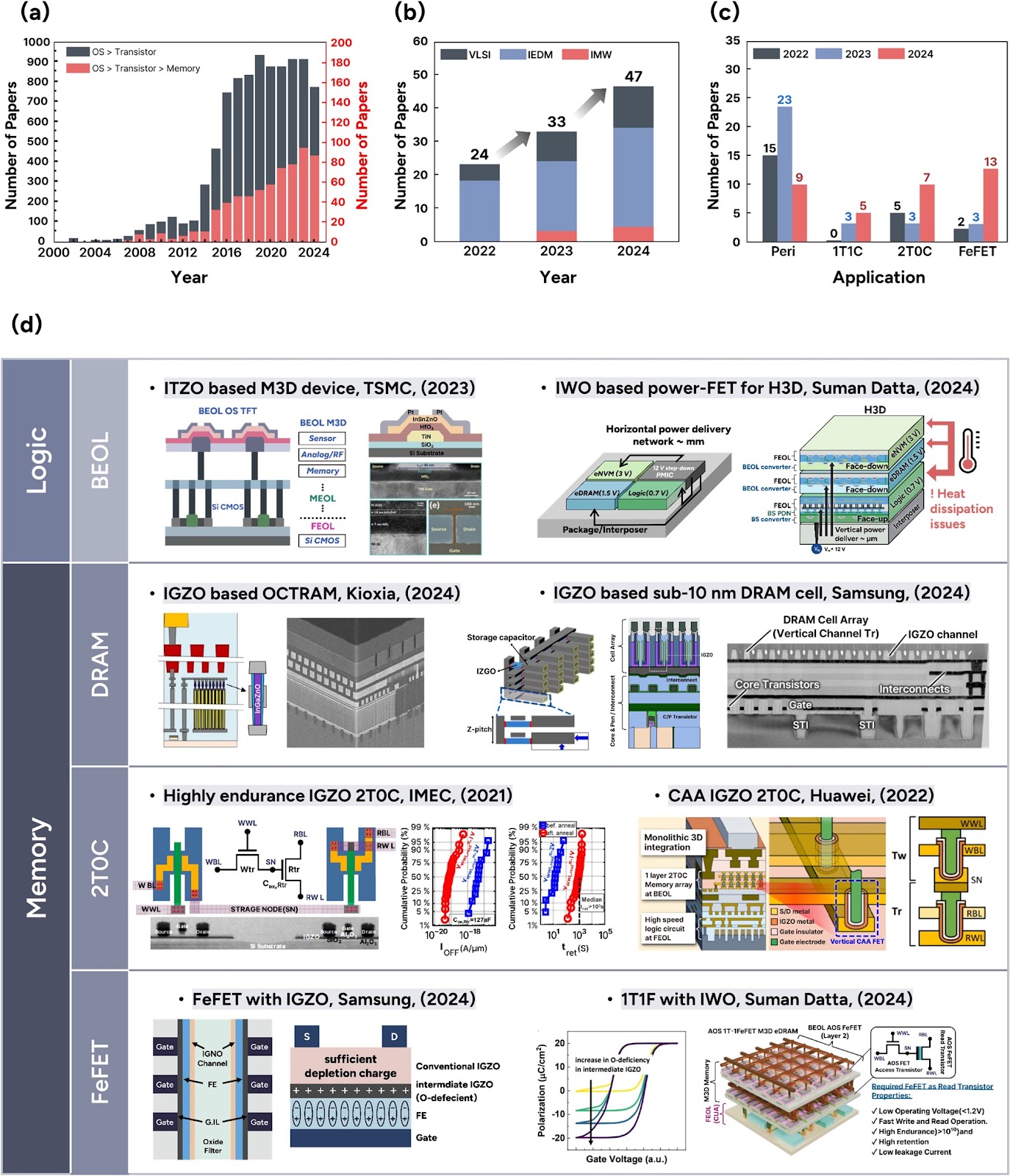
Oxide semiconductors (OSs), introduced by the Hosono group in the early 2000s, have evolved from display backplane materials to promising candidates for advanced memory and logic devices. The exceptionally low leakage current of OSs and compatibility with three-dimensional (3D) architectures have recently sparked renewed interest in their use in semiconductor applications. This review begins by exploring the unique material properties of OSs, which fundamentally originate from their distinct electronic band structure. Subsequently, we focus on atomic layer deposition (ALD), a core technique for growing excellent OS films, covering both basic and advanced processes compatible with 3D scaling. The basic surface reaction mechanisms—adsorption and reaction—and their roles in film growth are introduced. Furthermore, material design strategies, such as cation selection, crystallinity control, anion doping, and heterostructure engineering, are discussed. We also highlight challenges in memory applications, including contact resistance, hydrogen instability, and lack of p-type materials, and discuss the feasibility of ALD-grown OSs as potential solutions. Lastly, we provide an outlook on the role of ALD-grown OSs in memory technologies. This review bridges material fundamentals and device-level requirements, offering a comprehensive perspective on the potential of ALD-driven OSs for next-generation semiconductor memory devices.
Laser powder bed fusion of biodegradable Zn-4Cu alloy: Processing, microstructure and properties
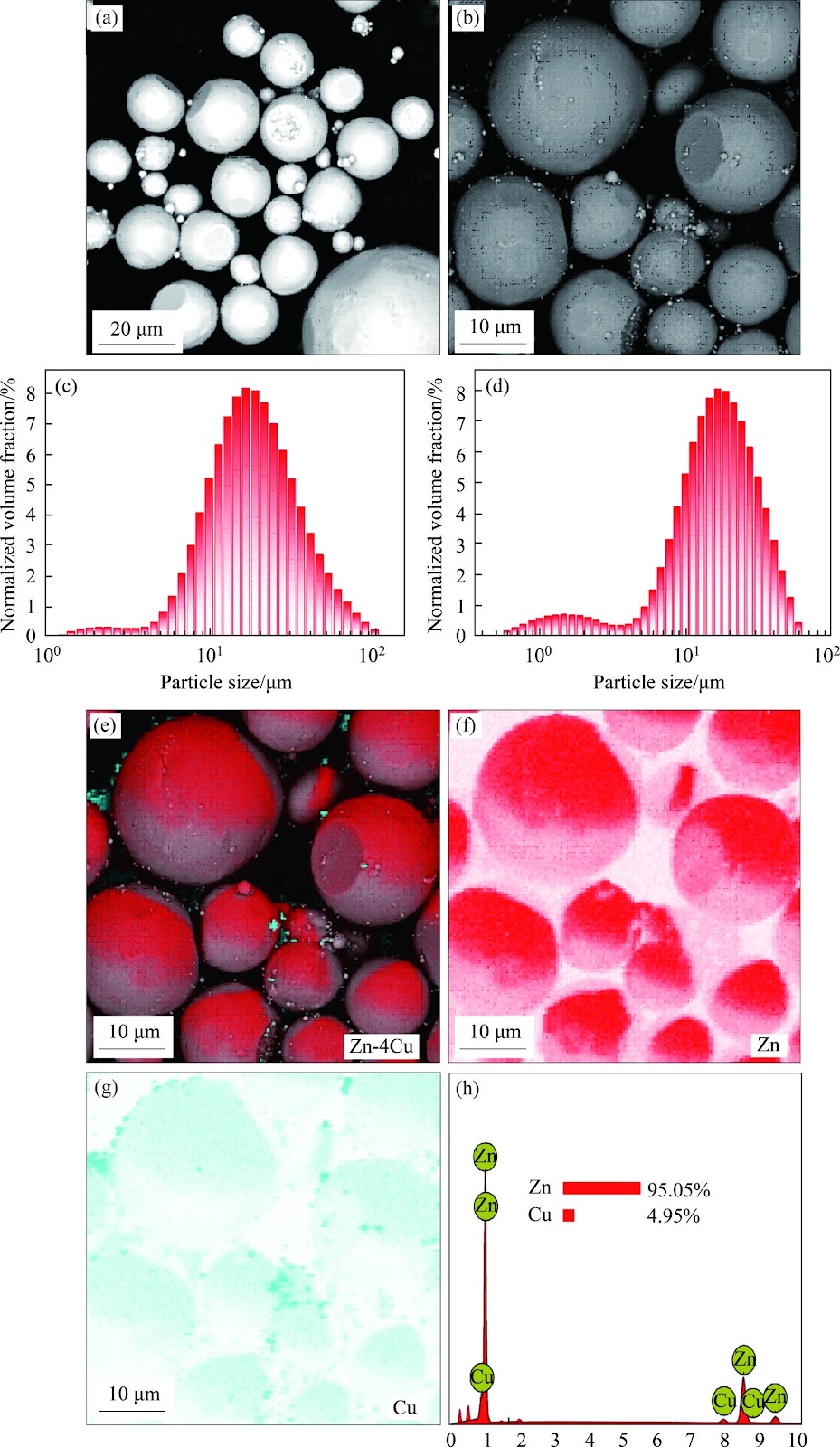
Zn's natural degradability and biocompatibility make it a promising candidate for implants, however, its mechanical properties remain insufficient for bone applications. In this study, the performance of Zn was enhanced by developing Zn-Cu alloys via laser powder bed fusion (LPBF). Optimal LPBF parameters for forming stable tracks were achieved by adjusting laser power and scanning speed. Under optimized conditions of 100 W and 100 mm/s, high-density (99.58%) Zn-Cu alloys with improved hardness (68.2HV) and yield strength (160 MPa) were achieved. These improvements are attributed to solid solution strengthening, segregation strengthening, and grain refinement. The Zn-Cu alloys also demonstrated favorable degradation behavior, with a rate of 0.16 mm/year. This degradation is primarily driven by micro-galvanic corrosion between the CuZn5 phase and Zn matrix, along with refined grains and increased grain boundary density. This work demonstrates a viable strategy for fabricating Zn-based implants with enhanced structural integrity and mechanical performance via LPBF.