Key Takeaways & Executive Findings
- •• BZV nanoparticles achieved 80.4% photocatalytic degradation of acid black-52 dye under UV light, demonstrating potential for wastewater treatment. • The BZV-modified carbon paste electrode exhibited a high specific capacitance of 714.15 F·g−1 with excellent cycling stability over 1000 cycles, suitable for supercapacitor applications. • The electrode enabled sensitive detection of biomolecules (ascorbic acid, uric acid), drugs (paracetamol, ibuprofen), and heavy metals (Hg, Co, Cd) in the 1–5 mM range with low detection limits. • The multifunctional nature of BZV nanoparticles positions them as promising candidates for energy storage and environmental monitoring technologies.
Abstract
The multifunctional characteristics of barium zinc vanadate (BaZnV2O7) nanoparticles (BZV NPs) were explored in this study, focusing on their photocatalytic activity, supercapacitor performance, and sensing abilities. X-ray diffraction analysis confirmed that the crystallites were 40.3 nm in size, whereas ultraviolet visible diffuse reflectance spectroscopy revealed an energy bandgap of 5.28 eV. Functional groups, elemental composition, and morphology were assessed using Fourier transform infrared spectroscopy, energy-dispersive X-ray spectroscopy, and scanning electron microscopy, respectively. The photocatalytic efficiency of the BZV NPs was evaluated at various catalyst dosages, dye concentrations, and pH levels, for the degradation of acid black-52 (AB-52) dye under UV light. Cyclic voltammetry and galvanostatic charge-discharge analyses were performed to determine the energy storage and cyclic stability of the BZV-NP-modified carbon paste electrode. In addition, a novel electrochemical sensor based on BZV was developed to accurately detect the concentration of biomolecules and chemical drugs. BZV nanoparticles exhibited remarkable photocatalytic dye degradation up to 80.4%, indicating their application in waste water treatment. The BZV-NP-modified carbon paste electrode exhibited a superior specific capacitance of 714.15 F·g−1 with excellent cycling stability over 1000 cycles. The electrodes efficiently detected biomolecules such as ascorbic acid and uric acid, chemical drugs including paracetamol and ibuprofen, and heavy metals such as mercury, cobalt, and cadmium in the concentration range of 1–5 mM. The limit of detection (LOD) was measured for all analytes, and the electrode exhibited high sensitivity. These multifunctional properties render BZV promising material for energy storage and environmental monitoring applications.
1. Introduction
Commercial procedures have resulted in the widespread use of hazardous chemicals, which are used in various ways. This has led to environmental pollution and adversely affected human health globally, especially with recent rapid industrialization and upgradation [1]. The discharge of various hazardous organic pollutants from industrial effluents continuously contaminates water supplies. The most important contaminants present in effluents are colorants and dyes, which are extensively used worldwide, especially in the printing, leather, and apparel industries. According to the World Bank, the processing and dyeing of clothing and textiles is responsible for one-fifth of the world’s industrial water pollution [2]. The primary ingredients in textile effluents include cationic and anionic dyes, such as acid black-52 (AB-52), rhodamine B (RhB), methylene blue (MB), Congo red (CR), and acid red-88 (AR-88). These dyes have detrimental and necrotic effects on human health [3], other living organisms, and the environment because they are nondegradable, poisonous, persistent, and drastically reduce water quality, even in extremely low quantities. Thus, there has been widespread deterioration in the quality of drinkable water [4].
Numerous advanced techniques and strategies have been investigated to eliminate these poisonous chemical dyes and dangerous pollutants from aquatic environments, including membrane filtration, ozonation, adsorption, chemical oxidation, and biodegradation [5–7]. However, these methods are expensive, have limited applicability, and result in secondary pollutants. In contrast, photocatalysis is recognized as a promising, versatile, stable, low-energy-consuming, and highly effective advanced oxidation technique that uses sunlight supported by a catalyst to completely decompose hazardous dyes into CO2 and H2O in an environmentally friendly manner, without byproduct formation [8–9]. The primary goal of this study was to create photocatalytic materials with an enhanced oxidation process that is low-cost, highly efficient, and effective for wastewater treatment. Metal/metal oxides (such as vanadates), metal composites, nitrides, and sulfides have recently garnered mu
Loading authentic research manuscript (Pages 1–5)...
S. Ishwarya, H.P. Nagaswarupa, Yashwanth Venkatraman Naik, Basavaraju N, Ramachandra Naik, Abdullah N. Alodhayb, Saravanan Pandiaraj, Burragoni Sravanthi Goud, Jae Hong Kim (2025). Multifunctional applications of barium zinc vanadate nanoparticles for photocatalytic dye degradation, energy storage and sensing applications. Int. Journal of Minerals, Metallurgy and Materials (矿物冶金与材料学报). https://doi.org/10.1007/s12613-025-3160-4
Research & Educational Purpose Only:The translations, structured abstracts, analytical annotations, and data reports provided by SinoTechIntel are intended exclusively for academic research, internal corporate R&D, and educational benchmarking. They do not constitute formal engineering, chemical safety, legal, or professional advice.
Copyright & Intellectual Property Notice: Original copyright of the underlying source articles and experimental data remains with the respective authors, institutions, and original publishing journals. SinoTechIntel claims intellectual property only over its proprietary translations, analytical syntheses, and AEO structured enhancements in accordance with international fair use and academic citation principles.
Frequently Asked Questions
What is the photocatalytic efficiency of barium zinc vanadate nanoparticles?
The BZV nanoparticles exhibited up to 80.4% photocatalytic degradation of acid black-52 dye under UV light, indicating their potential for wastewater treatment.
What is the specific capacitance of the BZV-modified electrode?
The BZV-NP-modified carbon paste electrode showed a superior specific capacitance of 714.15 F·g−1 with excellent cycling stability over 1000 cycles.
Which analytes can be detected using the BZV-based sensor?
The sensor can detect biomolecules such as ascorbic acid and uric acid, chemical drugs including paracetamol and ibuprofen, and heavy metals like mercury, cobalt, and cadmium in the concentration range of 1–5 mM.
What is the bandgap of barium zinc vanadate nanoparticles?
The energy bandgap of BZV nanoparticles was determined to be 5.28 eV using ultraviolet-visible diffuse reflectance spectroscopy.
What are the potential applications of BZV nanoparticles?
BZV nanoparticles have multifunctional applications including photocatalytic dye degradation for wastewater treatment, supercapacitor electrodes for energy storage, and electrochemical sensors for detecting biomolecules, drugs, and heavy metals.
Related Technical Papers & Translations
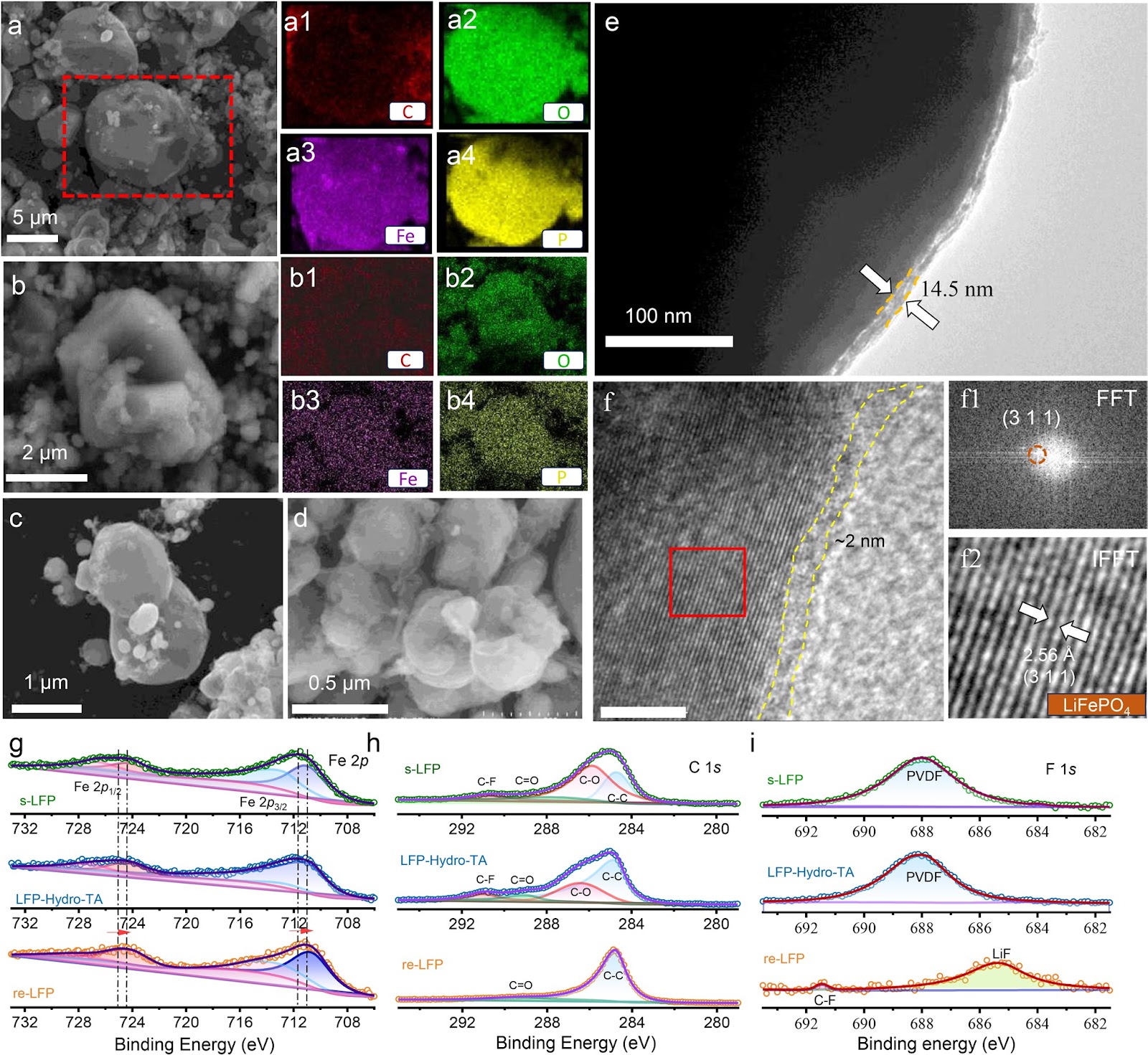
Direct Repair of the Crystal Structure and Coating Surface of Spent LiFePO4 Materials Enables Superfast Li-Ion Migration
The rapid accumulation of spent LiFePO4 (LFP) cathodes from retired lithium-ion batteries necessitates the development of effective and environmental-friendly recycling strategies. In this context, direct regeneration has emerged as a promising approach for reclaiming LFP cathode materials, offering a streamlined pathway to restore their electrochemical functionality. We report an integrated regeneration protocol that simultaneously repairs the degraded crystal structure and reconstructs the damaged carbon coating in spent LFP. The regenerated cathode material had superfast lithium-ion diffusion kinetics and a stable cathode–electrolyte interface, giving a remarkable rate capability with specific capacities of 122 mAh g−1 at 5C and 106 mAh g−1 at 10C (1C = 170 mA g−1). It also maintained capacities of 110.7 mAh g−1 (5C) and 84.1 mAh g−1 (10C) after 400 cycles. It could be used in harsh environments and could be stably cycled at subzero temperatures (−10 and −20 °C) and in solid-state electrolyte batteries. Life cycle assessment combined with economic evaluation using the EverBatt model reveals that this direct regeneration approach has high economic and environmental benefits.
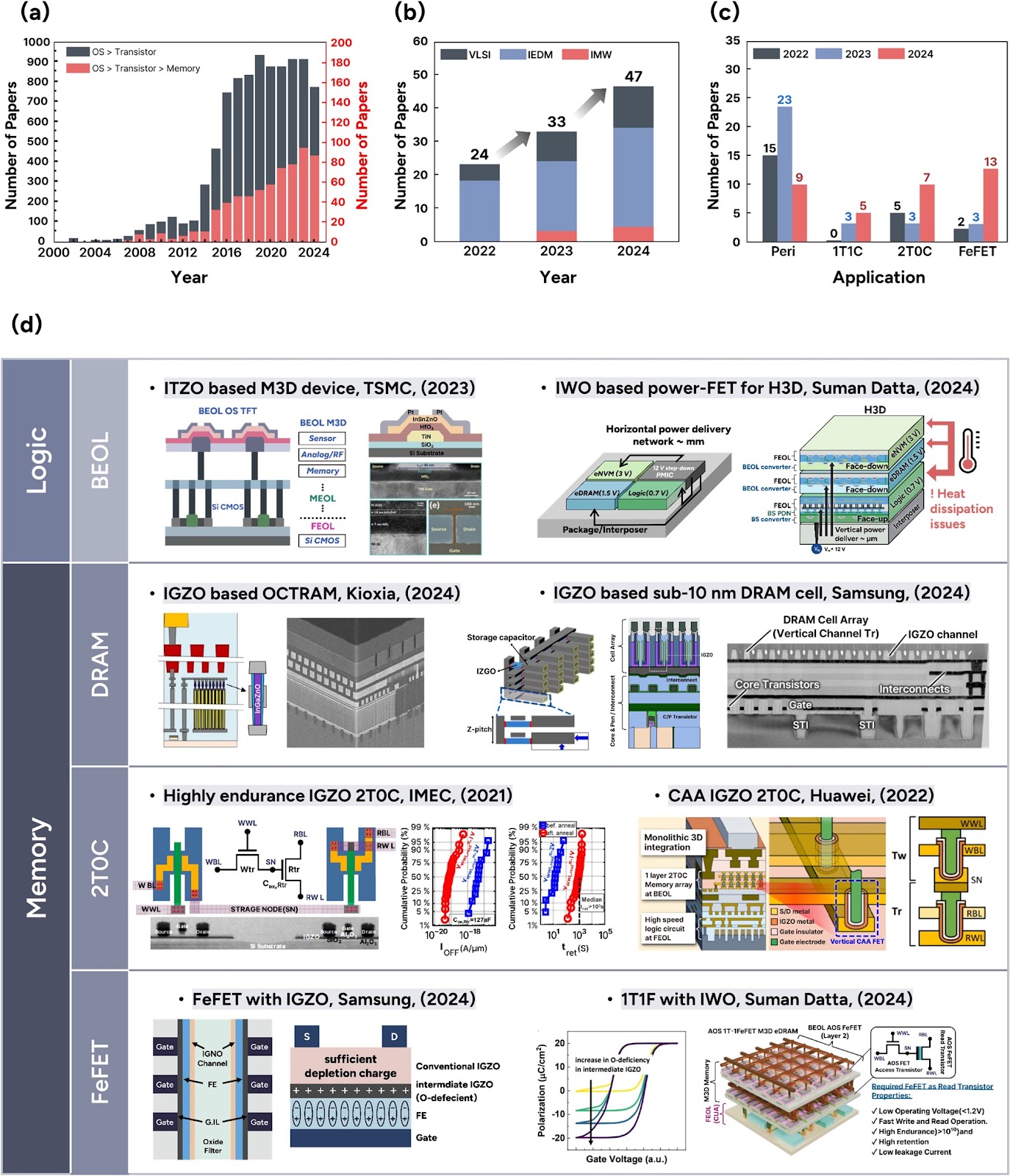
Oxide Semiconductor for Advanced Memory Architectures: Atomic Layer Deposition, Key Requirement and Challenges
Oxide semiconductors (OSs), introduced by the Hosono group in the early 2000s, have evolved from display backplane materials to promising candidates for advanced memory and logic devices. The exceptionally low leakage current of OSs and compatibility with three-dimensional (3D) architectures have recently sparked renewed interest in their use in semiconductor applications. This review begins by exploring the unique material properties of OSs, which fundamentally originate from their distinct electronic band structure. Subsequently, we focus on atomic layer deposition (ALD), a core technique for growing excellent OS films, covering both basic and advanced processes compatible with 3D scaling. The basic surface reaction mechanisms—adsorption and reaction—and their roles in film growth are introduced. Furthermore, material design strategies, such as cation selection, crystallinity control, anion doping, and heterostructure engineering, are discussed. We also highlight challenges in memory applications, including contact resistance, hydrogen instability, and lack of p-type materials, and discuss the feasibility of ALD-grown OSs as potential solutions. Lastly, we provide an outlook on the role of ALD-grown OSs in memory technologies. This review bridges material fundamentals and device-level requirements, offering a comprehensive perspective on the potential of ALD-driven OSs for next-generation semiconductor memory devices.
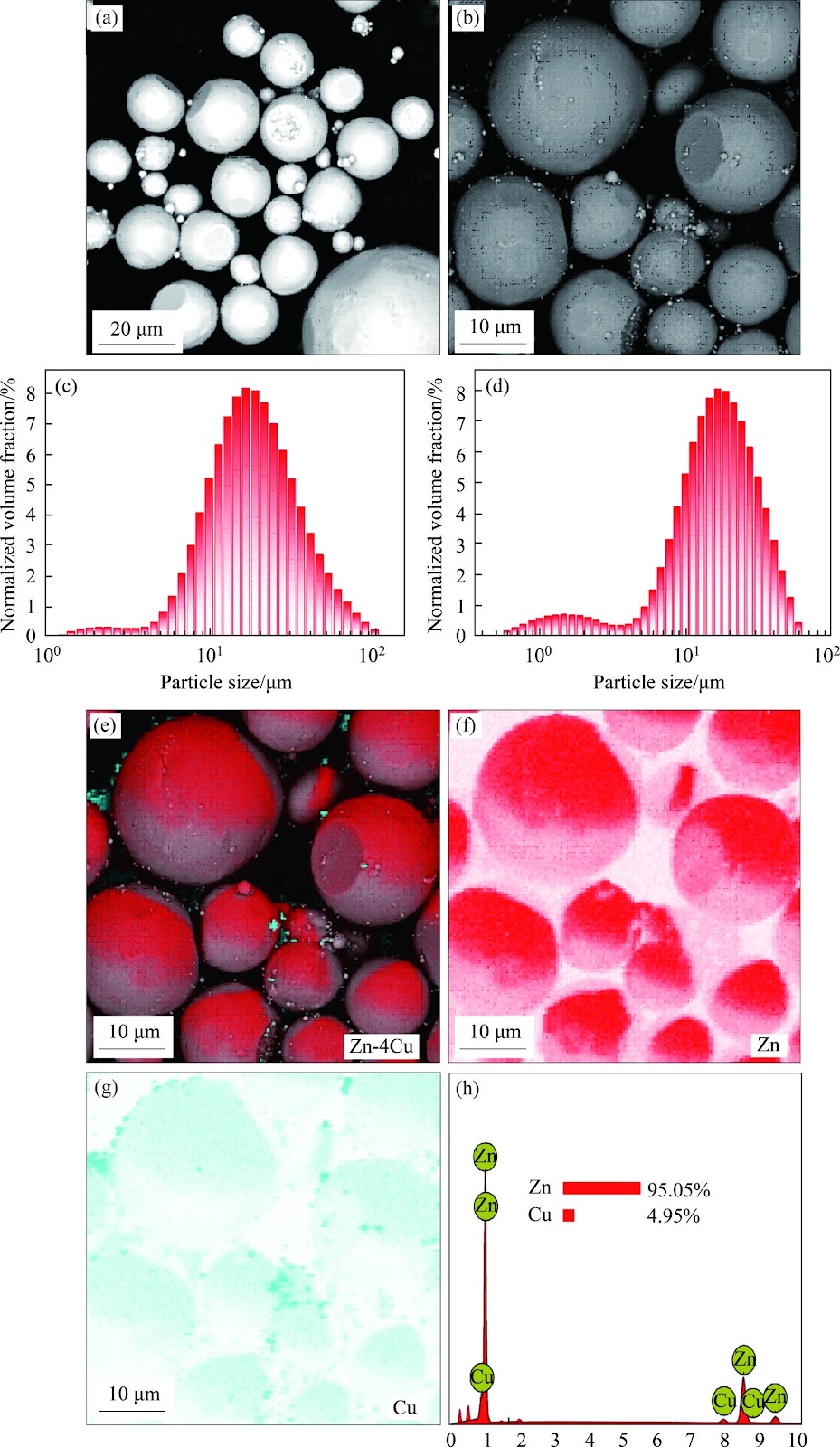
Laser powder bed fusion of biodegradable Zn-4Cu alloy: Processing, microstructure and properties
Zn's natural degradability and biocompatibility make it a promising candidate for implants, however, its mechanical properties remain insufficient for bone applications. In this study, the performance of Zn was enhanced by developing Zn-Cu alloys via laser powder bed fusion (LPBF). Optimal LPBF parameters for forming stable tracks were achieved by adjusting laser power and scanning speed. Under optimized conditions of 100 W and 100 mm/s, high-density (99.58%) Zn-Cu alloys with improved hardness (68.2HV) and yield strength (160 MPa) were achieved. These improvements are attributed to solid solution strengthening, segregation strengthening, and grain refinement. The Zn-Cu alloys also demonstrated favorable degradation behavior, with a rate of 0.16 mm/year. This degradation is primarily driven by micro-galvanic corrosion between the CuZn5 phase and Zn matrix, along with refined grains and increased grain boundary density. This work demonstrates a viable strategy for fabricating Zn-based implants with enhanced structural integrity and mechanical performance via LPBF.