Key Takeaways & Executive Findings
- •• Mn substitution in CoFe2O4 nanoferrites significantly tunes structural, dielectric, and magnetic properties, with crystallite size decreasing from 55.20 to 31.40 nm as Mn content increases. • AC conductivity decreases with Mn2+ doping, while dielectric constant and loss increase with frequency, indicating potential for high-frequency storage devices. • Saturation magnetization, remanence, and coercivity decline with Mn doping, but CoMn0.20Fe1.8O4 exhibits tunable magnetic parameters suitable for magnetic applications. • The sol–gel auto-combustion method successfully produces single-phase nanoferrites with enhanced performance for high-frequency device applications.
Abstract
Nanoferrites of the CoMnxFe(2−x)O4 series (x = 0.00, 0.05, 0.10, 0.15, 0.20) were synthesized in this study using the sol–gel auto-combustion approach. The lattice constants were computed within the range of 8.312–8.406 Å, while crystallite sizes were estimated to range between 55.20 and 31.40 nm using the Scherrer method. The different functional groups were found to correlate with various absorption bands using Fourier transform infrared (FTIR) spectroscopy. Five active modes were identified by Raman spectroscopy, revealing vibration modes of O2− ions at tetrahedral and octahedral locations. The ferromagnetic hysteresis loop was observed in all the synthesized samples, which can be explained by Neel’s model. The results showed that AC conductivity decreased with increasing Mn2+ content at the Fe2+ site, while the dielectric constant and dielectric loss increased with increasing frequency. Furthermore, the saturation magnetization (Ms), remnant magnetization (Mr), and coercivity (Hc) all showed declining trends with the increase in Mn2+ doping. Finally, the CoMn0.20Fe1.8O4 samples showed Ms and Mr values ranging from 73.12 to 66.84 emu/g and from 37.77 to 51.89 emu/g, respectively, while Hc values ranged from 1939 to 1312 Oe, after which coercivity increased. Thus, the CoMn0.20Fe1.8O4 sample can be considered a promising candidate for magnetic applications.
1. Introduction
Ferrites are magnetic materials that have been extensively researched. However, there is a growing interest in studying the magnetic, electric, and structural properties of mixed spinel ferrites due to the numerous potential applications and the need to comprehend the physical processes involved in order to improve these materials for different technological applications. Magnetic, electric, and structural properties are affected by the crystallite size, sintering temperature, and ionic distribution among sites, among many reasons [1–5]. Due to its widespread applications in medication delivery, high-density information storage, ferrofluids, and other technical areas, ferrite materials are gaining increasing attention [3,5]. Spinel ferrites have a general formula AFe2O4, where A denotes the divalent metal ion (e.g., Zn, Mn, and Ni). Furthermore, researchers in the field of magnetism, electronics, and biotechnology have increasingly explored a category of materials called “spinel ferrites” because of their potential applications in wastewater treatment, high-density storage, spin-dependent electrical devices, and medicinal therapy [3–6].
Magneto mechanical, magneto-optical, noncontact torque sensing, magnetic stress sensors, and high magnetostriction applications are desirable for manganese-doped cobalt ferrites [7–8]. The magnetic behavior of spinel ferrites is caused by the difference in the magnetic moment of the distributed cations in the tetrahedral (A-site) and octahedral (B-site) sites. Furthermore, the super-exchange interactions A–O–B, A–O–A, and B–O–B play measured roles, with A–O–B being the strongest interaction [9].
Among all the spinel ferrites, cobalt ferrite (CoFe2O4, CFO) has caught researchers’ attention due to its tunable magnetic and dielectric properties, as well as its potential applications in manufacturing memory, capacitors, filters, and microwave devices [5]. CFO has an inverse spinel structure with two interstitial sites called the tetrahedral site (A-site) and octahedral site (B-site), in which Fe3+ ions occupy the tetrahedral site, while both the Fe3+ and Co2+ occupy the octahedral site in equal amounts. CFO forms the FCC crystal lattice structure with 56 ions per unit cell, in which the larger number of oxygen ions is arranged in the dense FCC structure and the smaller number of cobalt ions occupies the space between them. CFO has moderate saturation magnetization, remarkable mechanical hardness, and strong magneto crystalline anisotropy constant value, which makes it technologically important [3].
Loading authentic research manuscript (Pages 1–5)...
Biswajita Dash, Krutika L. Routray, Sunirmal Saha, P.M. Sarun, Subhasis Sarangi (2025). Insights into the effects of Mn substitution in CoFe2O4 nanoferrites involving high-frequency storage device applications. Int. Journal of Minerals, Metallurgy and Materials (矿物冶金与材料学报). https://doi.org/10.1007/s12613-024-3040-3
Research & Educational Purpose Only:The translations, structured abstracts, analytical annotations, and data reports provided by SinoTechIntel are intended exclusively for academic research, internal corporate R&D, and educational benchmarking. They do not constitute formal engineering, chemical safety, legal, or professional advice.
Copyright & Intellectual Property Notice: Original copyright of the underlying source articles and experimental data remains with the respective authors, institutions, and original publishing journals. SinoTechIntel claims intellectual property only over its proprietary translations, analytical syntheses, and AEO structured enhancements in accordance with international fair use and academic citation principles.
Frequently Asked Questions
What is the effect of Mn substitution on the structural properties of CoFe2O4 nanoferrites?
Mn substitution in CoFe2O4 nanoferrites leads to a decrease in crystallite size from 55.20 nm to 31.40 nm and an increase in lattice constant from 8.312 Å to 8.406 Å, as revealed by XRD analysis.
How does Mn doping affect the magnetic properties of CoFe2O4?
Mn doping reduces saturation magnetization, remanence, and coercivity. For CoMn0.20Fe1.8O4, Ms ranges from 73.12 to 66.84 emu/g, Mr from 37.77 to 51.89 emu/g, and Hc from 1939 to 1312 Oe, indicating tunable magnetic behavior.
What are the dielectric properties of Mn-substituted CoFe2O4 nanoferrites?
AC conductivity decreases with increasing Mn2+ content, while dielectric constant and dielectric loss increase with frequency, making these materials suitable for high-frequency storage device applications.
Which synthesis method was used to prepare the nanoferrites?
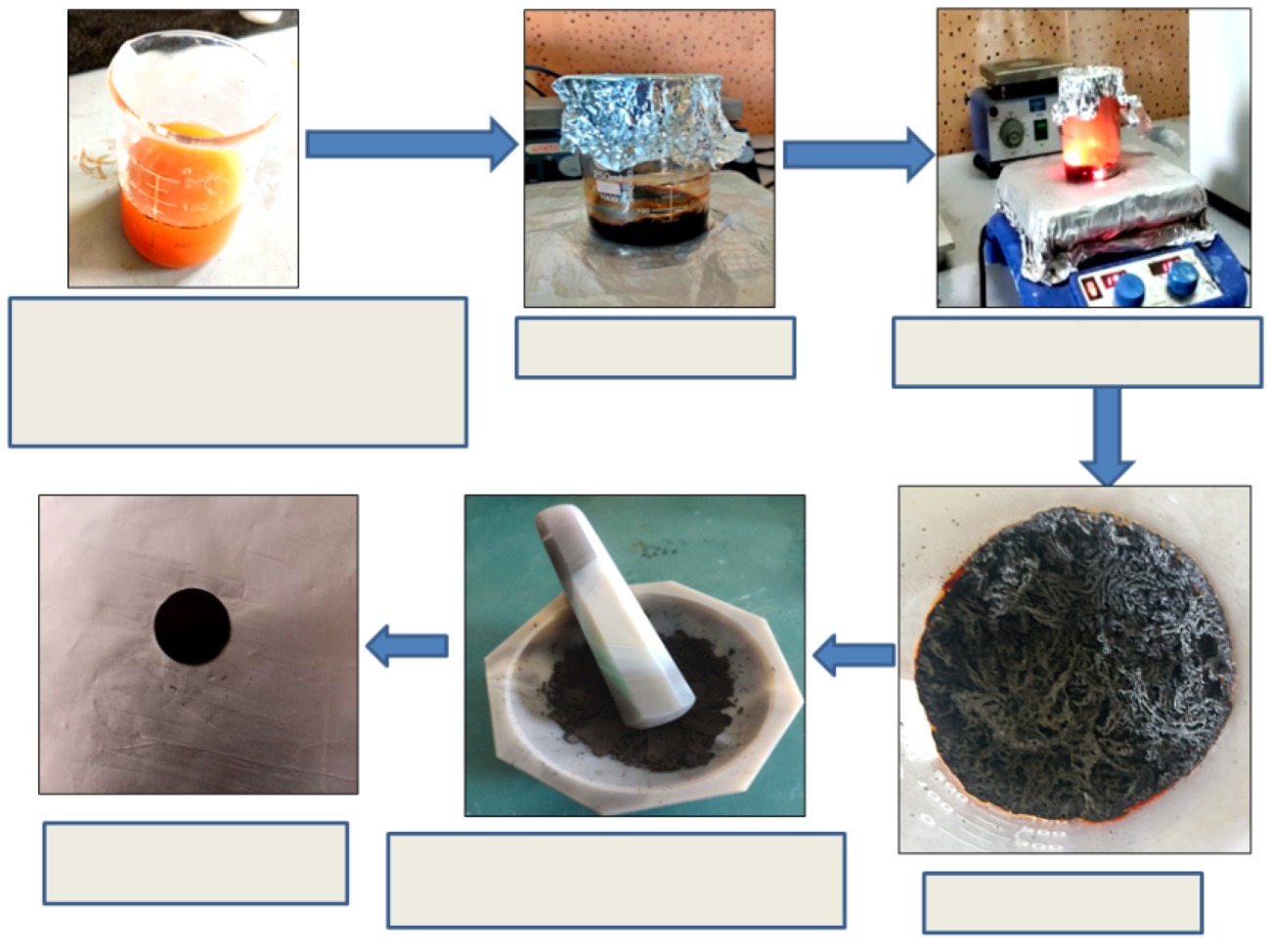
The nanoferrites were synthesized using the sol–gel auto-combustion method, which is a simple and cost-effective technique for producing fine nanoparticles.
What is the potential application of CoMn0.20Fe1.8O4 nanoferrite?
CoMn0.20Fe1.8O4 exhibits promising magnetic properties, making it a strong candidate for magnetic applications such as high-density storage and high-frequency devices.
Related Technical Papers & Translations
Direct Repair of the Crystal Structure and Coating Surface of Spent LiFePO4 Materials Enables Superfast Li-Ion Migration
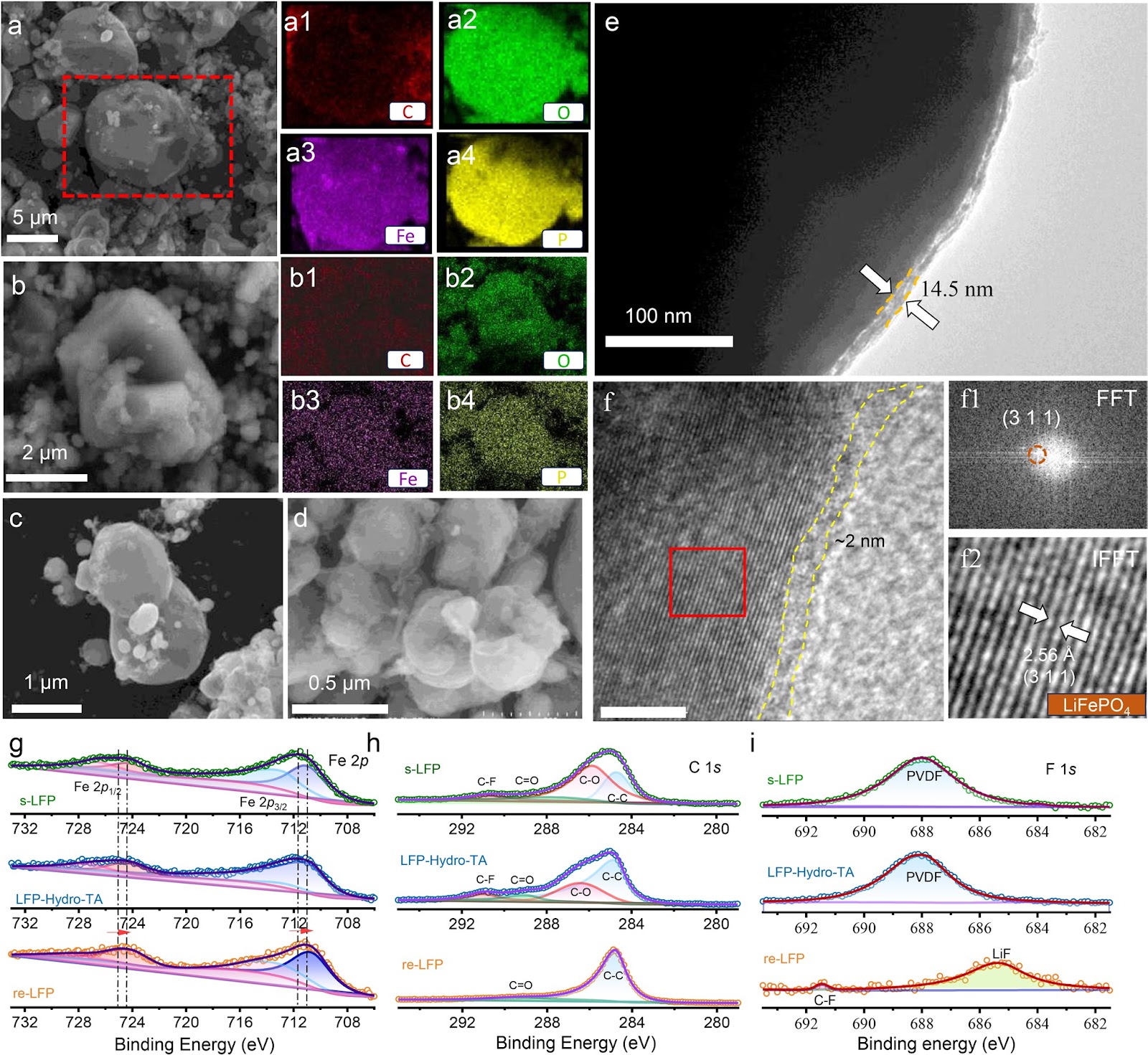
The rapid accumulation of spent LiFePO4 (LFP) cathodes from retired lithium-ion batteries necessitates the development of effective and environmental-friendly recycling strategies. In this context, direct regeneration has emerged as a promising approach for reclaiming LFP cathode materials, offering a streamlined pathway to restore their electrochemical functionality. We report an integrated regeneration protocol that simultaneously repairs the degraded crystal structure and reconstructs the damaged carbon coating in spent LFP. The regenerated cathode material had superfast lithium-ion diffusion kinetics and a stable cathode–electrolyte interface, giving a remarkable rate capability with specific capacities of 122 mAh g−1 at 5C and 106 mAh g−1 at 10C (1C = 170 mA g−1). It also maintained capacities of 110.7 mAh g−1 (5C) and 84.1 mAh g−1 (10C) after 400 cycles. It could be used in harsh environments and could be stably cycled at subzero temperatures (−10 and −20 °C) and in solid-state electrolyte batteries. Life cycle assessment combined with economic evaluation using the EverBatt model reveals that this direct regeneration approach has high economic and environmental benefits.
Oxide Semiconductor for Advanced Memory Architectures: Atomic Layer Deposition, Key Requirement and Challenges
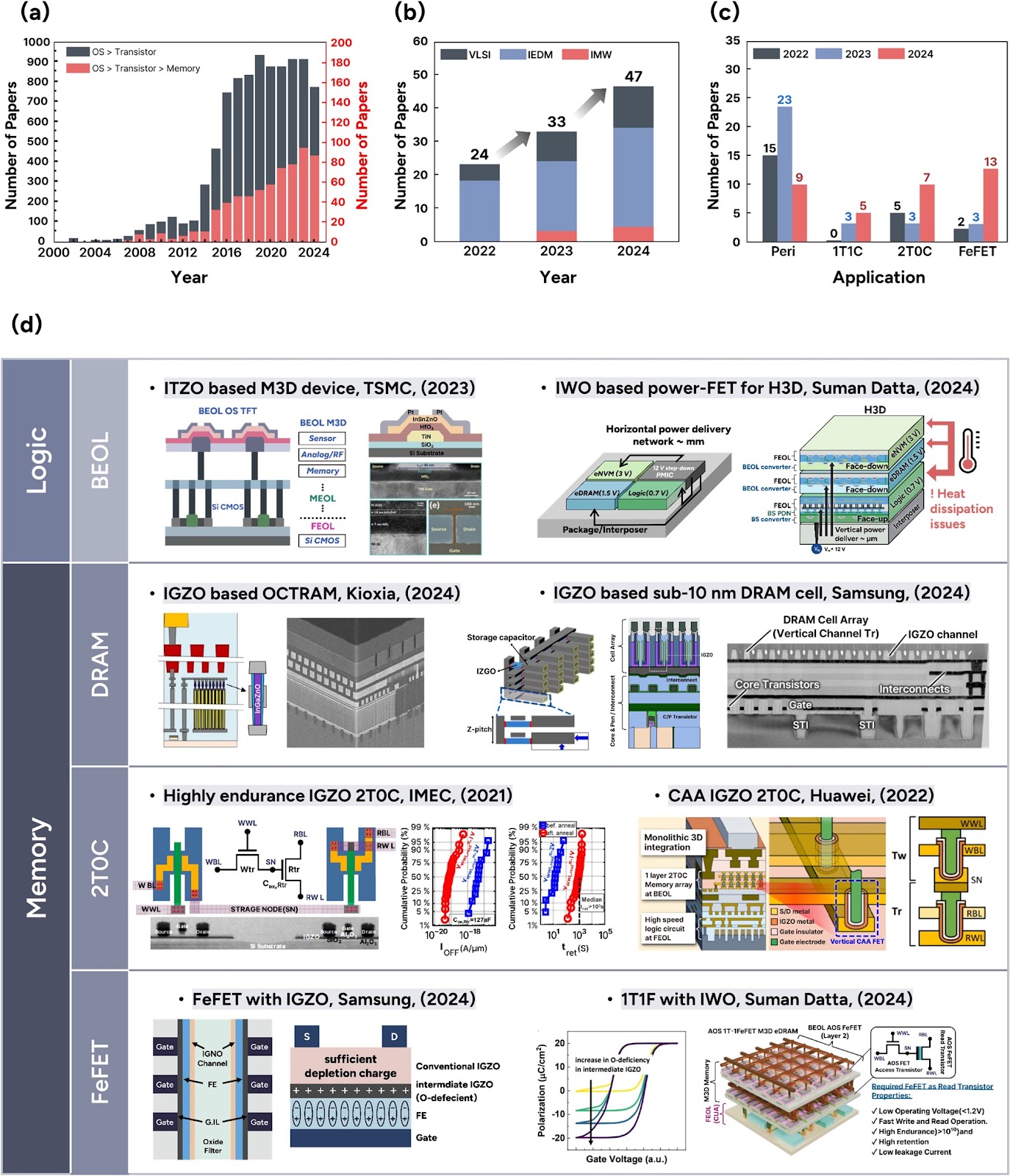
Oxide semiconductors (OSs), introduced by the Hosono group in the early 2000s, have evolved from display backplane materials to promising candidates for advanced memory and logic devices. The exceptionally low leakage current of OSs and compatibility with three-dimensional (3D) architectures have recently sparked renewed interest in their use in semiconductor applications. This review begins by exploring the unique material properties of OSs, which fundamentally originate from their distinct electronic band structure. Subsequently, we focus on atomic layer deposition (ALD), a core technique for growing excellent OS films, covering both basic and advanced processes compatible with 3D scaling. The basic surface reaction mechanisms—adsorption and reaction—and their roles in film growth are introduced. Furthermore, material design strategies, such as cation selection, crystallinity control, anion doping, and heterostructure engineering, are discussed. We also highlight challenges in memory applications, including contact resistance, hydrogen instability, and lack of p-type materials, and discuss the feasibility of ALD-grown OSs as potential solutions. Lastly, we provide an outlook on the role of ALD-grown OSs in memory technologies. This review bridges material fundamentals and device-level requirements, offering a comprehensive perspective on the potential of ALD-driven OSs for next-generation semiconductor memory devices.
Laser powder bed fusion of biodegradable Zn-4Cu alloy: Processing, microstructure and properties
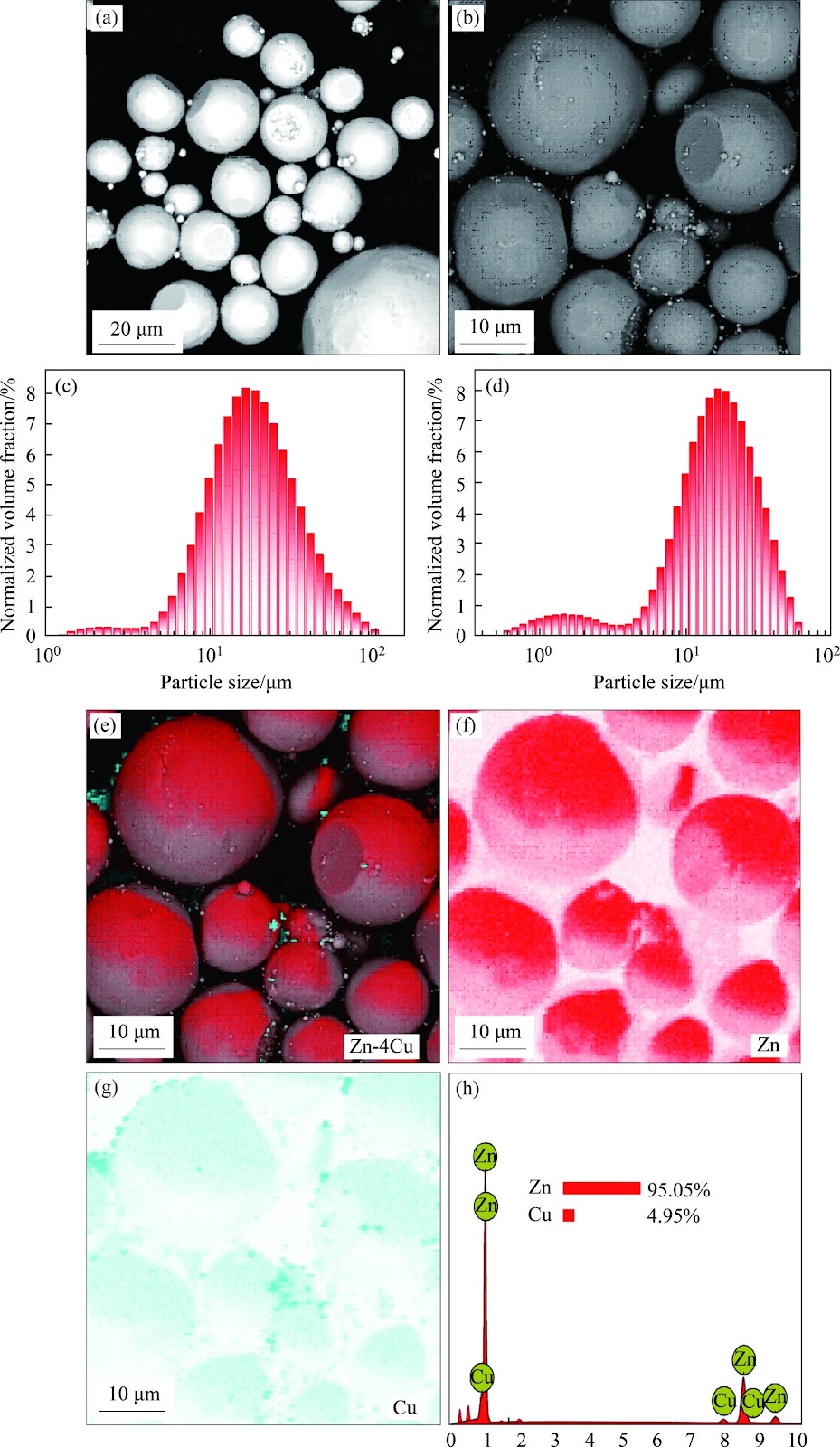
Zn's natural degradability and biocompatibility make it a promising candidate for implants, however, its mechanical properties remain insufficient for bone applications. In this study, the performance of Zn was enhanced by developing Zn-Cu alloys via laser powder bed fusion (LPBF). Optimal LPBF parameters for forming stable tracks were achieved by adjusting laser power and scanning speed. Under optimized conditions of 100 W and 100 mm/s, high-density (99.58%) Zn-Cu alloys with improved hardness (68.2HV) and yield strength (160 MPa) were achieved. These improvements are attributed to solid solution strengthening, segregation strengthening, and grain refinement. The Zn-Cu alloys also demonstrated favorable degradation behavior, with a rate of 0.16 mm/year. This degradation is primarily driven by micro-galvanic corrosion between the CuZn5 phase and Zn matrix, along with refined grains and increased grain boundary density. This work demonstrates a viable strategy for fabricating Zn-based implants with enhanced structural integrity and mechanical performance via LPBF.